In this friendly discussion, you’ll be learning about the Mediterranean Diet, more specifically, what essential vitamins it might lack. This exploration is essential for those seeking to maintain a healthy, active lifestyle along with enjoying wholesome meals with family and loved ones. Throughout this informative journey, you’ll realize just how vital the balance of nutrients is in ensuring your health and vitality for years to come.
Understanding the Mediterranean Diet
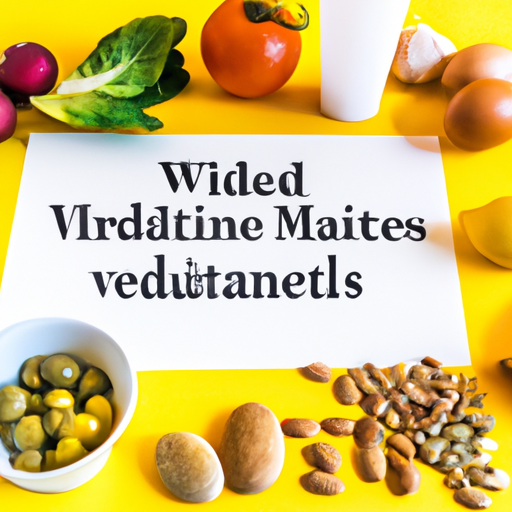
As you delve into the world of nutritious foods and healthy eating habits, the Mediterranean Diet is a term you have likely come across. In essence, it is a pattern of eating that revolves around foods traditionally consumed in countries along the Mediterranean sea.
The Basis of the Mediterranean Diet
The Mediterranean Diet emphasizes heart-healthy fresh produce, legumes, whole grains, seafood, and olive oil. Overall, it is a lifestyle approach promoting physical activity, enjoying meals with family and friends, and fueling your body with nutrient-dense foods.
Key Components of the Mediterranean Diet
Key ingredients in a Mediterranean Diet include fresh fruits and vegetables, lean proteins like fish and poultry, whole grains, healthy fats like olive oil and avocado, and moderate amounts of red wine.
Advantages of the Mediterranean Diet
Numerous studies show that this diet can help you lose weight, prevent heart attacks, strokes, type 2 diabetes, and premature death. Appreciated for its flexibility, the diet is less about restriction and more about enjoying wholesome, healthy foods.
Vitamins and the Human Body
Above all else, the Mediterranean Diet is about nutrient density – that is, maximizing the vitamin content of each food consumed.
The Importance of Vitamins
An essential part of balanced nutrition, vitamins play vital roles in bodily functions ranging from energy production to boosting immunity.
Different Types of Vitamins
Mainly, vitamins can be divided into fat-soluble ones (A, D, E, K) which get stored in body fats and water-soluble ones (B-complex, C) which must be consumed regularly as the body doesn’t store them.
Natural Sources of Vitamins
Whole foods like fruits, vegetables, lean proteins, nuts, and legumes prove to be excellent sources of these vitamins.
Vitamins Required for Optimum Health
Each vitamin provides its unique benefits, whether it’s Vitamin A for vision, Vitamin D for bone health, or B-complex vitamins for energy production – they are all essential for optimal health.
Analyzing Vitamin Content in Mediterranean Diet
The Mediterranean Diet has a high composition of foods rich in vitamins – but just how vitamin-rich is it?
Fruit and Vegetable Consumption
The diet’s heavy emphasis on fresh fruits and vegetables ensures an abundant supply of vitamins A, C, K, and many B vitamins.
Seafood and Omega-3 Fatty Acids
Seafood, a staple in the Mediterranean diet, provides necessary minerals and vitamins, including vitamin D.
Whole Grains and Antioxidants
Another pillar of the diet, whole grains, adds to the diet’s richness in B-complex vitamins and antioxidants.
Legumes and Fiber Content
Legumes, a regular part of the diet, also contribute to vitamins and fiber content.
Identifying Potential Vitamin Gaps in the Mediterranean Diet
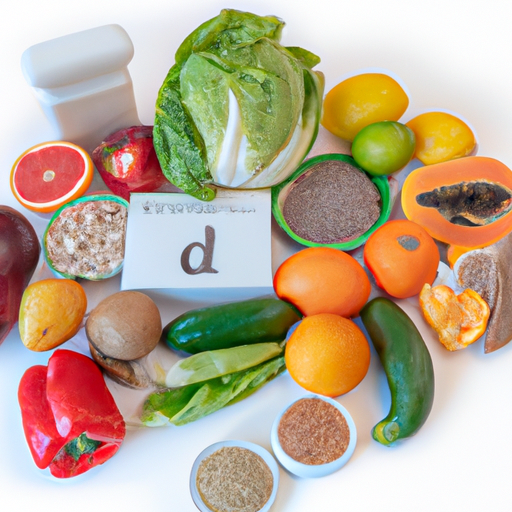
No diet is perfect, and the Mediterranean Diet is no exception. While overflowing with many nutrients, it could potentially fall short in supplying certain vitamins.
B Vitamins and their Sources
B vitamins such as B12 are mainly found in animal products, a food category not heavily emphasized in this diet.
Iron and its Importance
Iron, essential for red blood cell production, may also be less readily consumed, especially for those limiting their meat intake.
Evaluation of Vitamin D in the Diet
Unless fortified dairy products or fatty fish are regularly consumed, maintaining optimal Vitamin D can be challenging.
Role of Vitamin B12
Vitamines B12, mainly found in animal products, plays a vital role in nerve function and the formation of red blood cells. Absent or deficient, it could lead to anemia or neurological problems.
Effects of Vitamin Deficiency
While vitamin deficiency can initially be hard to detect, over time, it can lead to detrimental effects on health.
Symptoms of Vitamin Deficiency
Depending on the deficient vitamin, symptoms can range from fatigue and dizziness to impaired immunity and wound healing.
Long-Term Consequences of Vitamin Deficiency
Prolonged deficiency can lead to anemia, decreased bone density, digestive issues, and numerous other health problems.
Vitamin Deficiency and Overall Health
Maintaining adequate vitamin levels is integral to overall health; hence, dietary choices should be made purposefully.
Supplementing Vitamins in Mediterranean Diet
Understanding potential vitamin gaps within the Mediterranean Style can guide you in supplementing them effectively without compromising dietary principles.
Adding Vitamin B12 Rich Foods
Incorporating more dairy, eggs, or Vitamin B12 fortified foods can help maintain optimal levels.
Incorporating Iron-Enriched Foods
Including more legumes, nuts, seeds, and leafy greens can supplement the iron content in the diet.
Optimizing Vitamin D Intake
Opt for fortified foods, expose yourself to sunlight or consider a supplement, in consultation with your healthcare provider, to maintain your Vitamin D levels.
Healthy Family Eating with the Mediterranean Diet
Adopting the Mediterranean Diet can be a family affair perfectly synced with JD’s emphasis on high-quality family food times.
Planning Balanced Family Meals
Planning meals with a variety of foods will not only prevent nutrient deficiencies but can also introduce children to different flavors and textures.
Incorporating Variety into the Diet
Experimenting with different fruits, vegetables, whole grains, and protein sources can keep the diet exciting and nutritious.
Teaching Children about Healthy Eating Habits
This lifestyle also provides an excellent opportunity for teaching children about the importance of balanced, nutritious eating.
Exercise and Diet for Overall Health
The Mediterranean lifestyle is about balance – and that means pairing a healthy diet with regular physical activity.
Committing to Regular Physical Activity
Engage in physical activities you enjoy and create a culture of fitness in your family.
Pairing Exercise with Proper Nutrition
Supporting your workouts with high-quality, nutrient-dense foods can improve performance and aid recovery.
Inspiring Family Fitness
Involving family members in fitness activities can create a shared understanding and appreciation for fitness and health.
Enhancing Your Mediterranean Diet Lifestyle
The Mediterranean lifestyle is a lifelong journey.
Continuing Education on Nutrition
The more knowledgeable you become, the better decisions you can make for your family.
Involving Loved Ones in Cooking and Meal Prep
Doing so will not only relieve you of the load but also impart crucial life skills to your children.
Making Healthy Eating a Family Affair
A family invested in healthy eating can drive motivation and adherence to the diet.
Ensuring Nutrient Balance in the Diet
With awareness and planning, your Mediterranean style eating can ensure you meet all your nutritional needs.
Conclusion
Embracing the Mediterranean Diet
The Mediterranean Diet offers an enjoyable way of embracing a healthier lifestyle without compromising on taste and flavor.
Ensuring Vitamin Sufficiency
Like any other diet, ensure it caters to all your vitamin needs. With careful supplementation and consumption of a variety of Mediterranean foods, this can be achieved.
Imparting Healthy Eating Habits to Next Generation
Creating a culture of nutritious eating at home can help set groundwork for your children to carry forward these habits, thereby impacting the health of future generations. This, in conjunction with regular physical activity, offers a route to longevity and high-quality life.
Leave a Reply