Welcome, dear reader! In this piece, you’ll unravel the key differences between two popular dietary regimens: the Keto and Mediterranean diets. This will aid in expanding your understanding of both, drawing attention to the salient features, alongside highlighting the health benefits associated with the Mediterranean diet. Let’s together embark on this journey to promote healthier eating habits and cherish wonderful food experiences with our families.
What’s The Difference Between Keto And Mediterranean Diet?
Are you curious about the difference between the Keto Diet and the Mediterranean Diet? Wondering which one might be right for you? Well, you’re in the right place. This comprehensive guide will help you understand each diet’s principles, nutritional focus, effects on weight loss and wellness, long-term sustainability, exercise importance, mental health effects, and ease of family integration.
Defining Keto and Mediterranean Diets
Understanding the basics of any diet is the first step towards determining whether it suits your lifestyle, health goals, and food preferences.
Understanding the principles of a Keto Diet
The ketogenic diet, known as the Keto Diet, is based on a high-fat, low-carb approach to eating. It’s designed to shift your body into a state of ketosis, where it burns fat for energy instead of the usual carbohydrates. Proteins are also incorporated but in moderate amounts.
Breaking down the basics of the Mediterranean Diet
The Mediterranean Diet, on the other hand, is not just a plan—it’s a lifestyle. It emphasizes whole foods, vegetables, fruits, healthy fats like olive oil, lean proteins, and moderate intake of red wine. It also attaches high importance to physical activity and shared meal times.
Nutritional Focus Of Each Diet
The nutritional emphasis of each diet is a significant factor in their differences.
High-fat, low-carb philosophy of Keto Diet
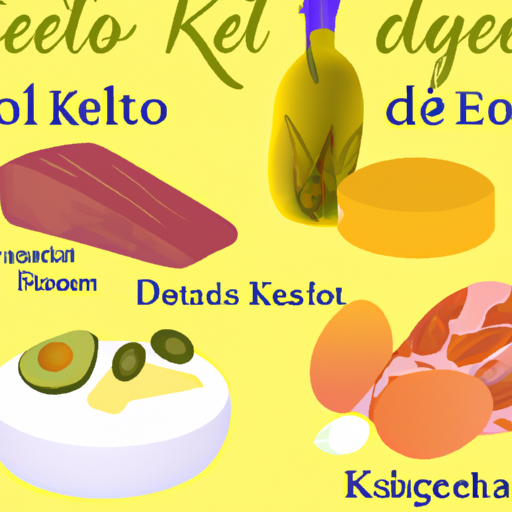
The Keto Diet is built around the principle of fat-induction, with about 70-80% of your calories coming from fats, 10-20% from protein, and only 5-10% from carbohydrates. It means you’ll be enjoying foods like avocados, butter, meat, and cheese.
Whole foods, plant-based emphasis of the Mediterranean Diet
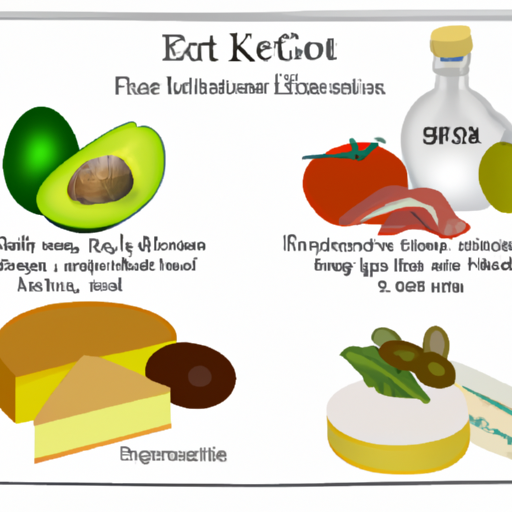
The Mediterranean Diet’s foundation is plant-based foods, including fruits, vegetables, whole grains, legumes, and nuts. It prioritizes lean meats like fish and poultry, with limited amounts of red meat. It also encourages healthy fats such as olive oil and avocados.
Weight Loss: Keto Vs Mediterranean
Weight loss may be a goal for many, and both diets have their unique approaches to achieving it.
How Keto Diet accelerates weight loss
The Keto Diet facilitates weight loss by forcing the body to burn fat for energy through ketosis, which can lead to prompt and significant weight loss, at least in the short term.
The sustainable weight loss approach of the Mediterranean Diet
The Mediterranean Diet promotes sustainable weight loss by focusing on portion control, regular exercise, and eating nutrient-dense foods rather than eliminating whole food groups. It may not lead to immediate dramatic weight loss, but it offers steady and sustainable results.
Effects on Heart Health
A diet’s impact on heart health is critical, considering the global prevalence of cardiovascular diseases.
Cardiovascular implications of a Keto Diet
Although the Keto Diet can lead to weight loss, it’s high in saturated fat, which may have long-term effects on heart health. Some people may also experience an increase in the “bad” LDL cholesterol while on the Keto Diet.
Heart benefits of the Mediterranean Diet
On the flip side, the Mediterranean Diet, rich in heart-healthy foods like olive oil, fish, nuts, and legumes, has often been associated with lower levels of heart disease and mortality due to cardiovascular events.
Impact on Diabetes and Blood Sugar Levels
The role of diet in managing diabetes and blood sugar levels is also pertinent.
Keto Diet and its role in blood sugar control
The Keto Diet can help lower blood sugar levels and improve insulin resistance, making it an option worth considering for those with type 2 diabetes or prediabetes.
How the Mediterranean Diet influences diabetes management
The Mediterranean Diet can also help manage diabetes. Its focus on whole, fiber-rich foods can aid in controlling blood sugar levels and reducing the need for insulin.
Long Term Sustainability of Diets
Another significant distinction between the two diets is their long-term sustainability.
Challenges in maintaining a Keto Diet long term
Maintaining the strict macronutrient ratios of the Keto Diet can be challenging over a longer period, and any deviation can knock your body out of ketosis.
The Mediterranean Diet as a lifestyle change
The Mediterranean Diet is often seen as more sustainable long-term because it’s not just about eating certain foods but embracing a new way of living – it’s a true lifestyle change.
Importance of Exercise in Both Diets
Physical activity is a vital aspect of any healthy lifestyle and is emphasized in both diets.
The role of physical activity in Keto Diet
Exercise contributes to achieving and maintaining ketosis in the Keto Diet, but the diet doesn’t place explicit emphasis on physical activity.
Active lifestyle in the Mediterranean Diet
The Mediterranean Diet strongly encourages regular physical activity as part of its holistic approach to good health.
Influence of Diets on Mental Health
Our diets can impact not just our physical, but also our mental health.
Effects of Keto Diet on cognitive functions
With the Keto Diet, some people may experience ‘keto fog’ (a cognitive side effect that can include memory and attention issues) initially, but over time, it’s claimed that this diet could potentially improve brain function.
Brain health benefits of the Mediterranean Diet
Studies suggest the Mediterranean Diet may even protect against cognitive decline and boost brain health because it’s rich in antioxidants and anti-inflammatory compounds.
Family Integration into Diets
The ease of incorporating a diet into your family’s routine can play a significant role in its success.
Adopting a Keto Diet in a family setting
The Keto Diet may be more challenging to implement in a family setting due to its strict macronutrient ratios and the elimination of many common foods.
Sharing Mediterranean meals with family and loved ones
That’s where the Mediterranean Diet thrives. It promotes enjoying meals with loved ones, making it easy to integrate into family life, and instills healthy eating habits for all.
Conclusion: Choosing the Diet That’s Right for You
Weighing pros and cons of Keto and Mediterranean Diets
We’ve explored the principles, nutritional focus, potential weight loss, effects on heart health, diabetes management, long-term sustainability, importance of exercise, mental health impact, and family inclusivity of both diets. The Keto Diet may be attractive due to its potential for quick weight loss and blood sugar control, but its long-term sustainability can be challenging. The Mediterranean Diet may provide slower weight loss but is arguably much more sustainable and ticks boxes for heart health, diabetes management, and overall lifestyle changes.
Considering personal health goals and lifestyle
Your unique needs, health goals, lifestyle choices, and food preferences should guide your decision when considering these diets. Be sure to consult with a healthcare professional before making significant changes to your diet or lifestyle. Remember, the ultimate goal is to adopt healthy eating habits that you can maintain in the long run and enjoy sharing with your loved ones. That’s the recipe for health and happiness combined!
Leave a Reply