You may be wondering, “Can I eat eggs and bacon on the Mediterranean diet?” It’s a common question many individuals have when considering this popular and beneficial style of eating. After all, who doesn’t love a good, hearty breakfast of bacon and eggs?
In the upcoming article, you’re going to learn all about this. Rest assured that all the information provided is well-researched and accurate, focusing on the myriad benefits of the Mediterranean Diet. As part of JD’s mission to promote a healthful, vibrant lifestyle, he emphasizes the importance of indulging in quality culinary moments with your loved ones. While serving the necessary information on our topic, he’ll also delve into the joy of sharing great food with your family, which is a key component of the Mediterranean lifestyle. So, get ready to immerse yourself in an enlightening dietary journey!
Understanding the Mediterranean Diet
Exploring the world of the Mediterranean Diet is indeed an enlightening experience. This heart-healthy eating approach, paired with a physically active lifestyle and quality family time, can help in maintaining your long-term health. Not only is it rich in nutritional value, but it also promotes a deeper understanding of food and how it impacts your body.
Fundamentals of Mediterranean Eating
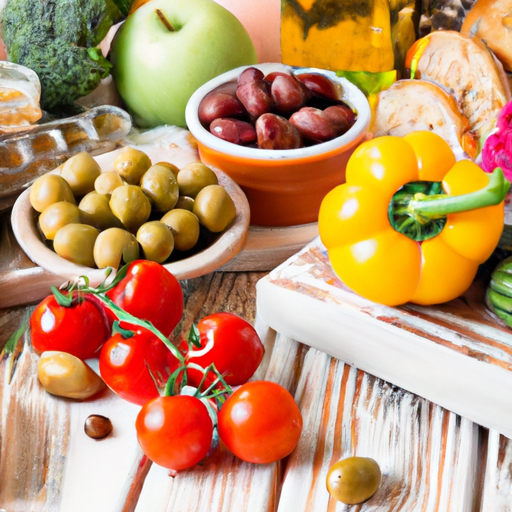
The Mediterranean Diet is based on the traditional eating habits of the countries bordering the Mediterranean Sea. Think more fruits, vegetables, beans, high-fiber grains, nuts, and seeds. Its primary source of fats is olive oil, supplementing your diet with healthy monounsaturated fats.
The Philosophy behind the Mediterranean Lifestyle
More than merely a diet, it’s a lifestyle that encourages a balanced and enjoyable way of eating, filled with fresh, whole foods, and very limited processed foods. It underscores the value of sharing these wholesome meals with your loved ones, creating a culture of social interaction and bonding.
Nutritional Elements of the Mediterranean Diet
This dietary plan is robust with essential nutrients including dietary fiber, vitamins, minerals, and antioxidants, all of which can help combat various health issues. Moreover, it is typically lower in unhealthy saturated fats and sugars.
Role of Protein in the Mediterranean Diet
While the Mediterranean diet does put great emphasis on plant-based foods, protein also plays a major role.
Sources of Protein in the Mediterranean Diet
Protein comes mainly from fish and seafood. Poultry, eggs, cheese, and yogurt are also consumed in moderate portions, while red meat is eaten less frequently.
Importance of Protein for Health and Wellness
Protein is essential for maintaining muscle mass, repairing body tissues, and keeping your immune system strong. It also helps you feel full for longer which can aid weight management.
Balancing Protein Consumption on Mediterranean Diet
While protein is an important part of any diet, the key is balance. The Mediterranean diet recommends moderate protein intake, focusing more on plant proteins like legumes and nuts.
Inclusion of Eggs in the Mediterranean Diet
Eggs, typically a staple in western breakfasts, play a moderate role in this diet.
Eggs as a Source of Protein
Eggs are a great source of protein. A single egg can provide about 6 grams of it, along with other key nutrients like vitamin D and choline.
Healthy Ways to Include Eggs in the Diet
Eggs can be boiled, poached, or scrambled and enjoyed with a variety of Mediterranean foods like tomatoes, onions, peppers, and zucchini.
Frequency and Portion Sizes for Eggs
The Mediterranean diet doesn’t rigidly define how many eggs you can eat. But as a guideline, you might aim for consuming eggs moderately maybe few times a week.
Considering Bacon in the Mediterranean Diet
Turning to the question, “Can you eat bacon on the Mediterranean diet?” As the diet primarily relies on food in its natural state, processed meats like bacon don’t exactly make the cut.
Understanding Processed Meats like Bacon
Processed meats undergo various chemical processes which often involve adding preservatives and salt. While undeniably tasty, these methods compromise the nutritional integrity of the meat.
Risks Associated with High Bacon Consumption
Large amounts of bacon intake can introduce high levels of sodium and unhealthy fats into your diet which may risk heart health over the long term.
Finding Mediterranean Substitutes for Bacon
More nutritious alternatives to bacon could be lean poultry or fish, which not only provide protein but also other nutritional benefits.
Shifting from Traditional Breakfast to Mediterranean Style
Don’t fret if you feel a little skittish about giving up your bacon and eggs breakfast.
Replacing Bacon and Eggs with Healthy Alternatives
You could replace bacon with salmon or avocado and complement your eggs with nutrient-dense vegetables, herbs, and spices.
Mediterranean Breakfast Ideas
Consider a vegetable and feta cheese omelette, whole grain toast with avocado, or Mediterranean yogurt with nuts and honey.
Mediterranean-Style Scrambled Eggs Recipe
Mix eggs with fresh tomatoes, onions, peppers, zucchini, olive oil, and a dash of your favorite herbs and spices. You’ll have a nutrient-rich, delicious breakfast in no time!
Benefits of the Mediterranean Diet
The rewards of adapting the Mediterranean lifestyle are indeed far-reaching.
Long-term Health Impact
From heart health to diabetes management, cancer prevention to weight control, this diet helps you maintain your overall health in the long run.
Weight Management and the Mediterranean Diet
By focusing on fiber-rich and protein-rich foods, the Mediterranean diet can keep you satiated for longer and avoid overeating, and thus aid in weight management.
The Diet’s Positive Effects on Mental Health
By promoting a balanced diet, regular exercise, and quality social interaction, this diet might also help in preventing depression and promoting better mental health.
Integration of Family Values in the Mediterranean Diet
This lifestyle understands the value of eating together as a family, making every meal an occasion.
Quality Food and Family Bonding
The Mediterranean diet encourages the enjoyment of high-quality, home-cooked meals with family, fostering stronger bonds.
Teaching Children about Healthy Eating
It offers a great opportunity to educate our children about the importance of balanced, healthy eating, instilling habits that can last a lifetime.
Experiencing the Joy of Shared Meals
Enjoying Mediterranean meals together allows the family to connect, share, and appreciate food in the most meaningful way.
Myths and Misconceptions about the Mediterranean Diet
A common misconception is that this diet is high in fats or may not provide enough protein.
Debunking the Myths
What distinguishes the Mediterranean diet is getting fats from healthier sources like olive oil or nuts. Also, protein intake is maintained through seafood, poultry, eggs, and plant-based sources.
Understanding the Science behind the Claims
Numerous studies have supported the health benefits of the Mediterranean diet, reinforcing its reputation as one of the healthful eating plans today.
Addressing Common Concerns
Understandably, shifting to a new diet brings up various concerns. Consider consulting a healthcare professional or a nutritionist to guide you through the process.
Maintaining Consistency in Mediterranean Eating Habits
Sticking to this lifestyle can feel challenging at first, but remember, consistency is key.
Staying Motivated
Engage with likeminded individuals, regularly explore new recipes, and stay updated on the latest research to keep your motivation high.
Handling Occasional Splurges
If you occasionally have a craving for bacon or other off-diet foods, it’s okay. The Mediterranean Diet is flexible and forgiving.
Sustaining the Diet Long-Term
Adopting this diet is about learning to make healthier choices as a lifestyle and not just as a temporary plan.
Conclusion
Recapitulation of Eggs and Bacon on Mediterranean Diet
Suffice to say, eggs can play a role in a Mediterranean diet while bacon is better to be limited, due to its processed nature.
Reflection on Personal Journey towards Mediterranean Living
Embracing the Mediterranean lifestyle, I have learned to appreciate a more wholesome, balanced, and inclusive approach to eating and living.
Inspiring Readers towards a Healthier Lifestyle
It’s not just about what you eat, it’s also about how you eat – relishing every bite, enjoy the company of loved ones, and creating lifelong healthy habits. Join me on this enriching journey towards better health!
Leave a Reply