So, you’re wondering, how often can you chomp on some seriously indulgent cheese while sticking to your Mediterranean diet? It’s a question that often pops up, especially for those of you who have a love affair with this delicious dairy delight. Incorporating cheese into your Mediterranean diet might seem a bit of a cheat, but in reality, it’s actually closer to the diet’s roots than you might realize.
In the upcoming article, we’ll delve into the delicious world of cheeses in the Mediterranean Cuisine. Here, you’ll not only unravel the myths around the frequency of eating cheese on this diet but also explore the benefits and ways to do it right. In the spirit of sharing high-quality food with your beloved family, the article will feature some wholesome, family-friendly cheese-infused recipes that align perfectly with your Mediterranean diet. So, get ready to embark on this tasty and enlightening journey. Remember, it’s all about balance and wholesome eating, not just for you, but for your entire family.
Understanding the Mediterranean Diet
If you’re on the hunt for a lifestyle that combines delicious meals, a focus on whole foods, and multiple health benefits – it might be time to consider the Mediterranean Diet. This diet offers a unique and delightful approach to eating for health.
Principles of the Mediterranean Diet
The Mediterranean Diet revolves around whole foods primarily sourced from plant-based ingredients. It includes plenty of fruits, vegetables, whole grains, legumes, and nuts. This diet also favors olive oil over other oils and butter, and frequently incorporates fish, poultry, eggs, and dairy — but in moderation.
Health Benefits of Embracing the Mediterranean Diet
This diet isn’t just about enjoying appetizing meals. It’s also known for its health benefits. For instance, the Mediterranean Diet may support heart health, weight loss, and contribute to lower rates of chronic diseases. It’s also associated with increased life expectancy.
Key Food Items of the Mediterranean Diet
While there’s no set standard for this diet, some staple foods include fruits, vegetables, legumes, whole grains, and healthy fats, like olive oil. Seafood, lean meats, and, yes, even wine, appear frequently in Mediterranean recipes. One often-controversial inclusion is dairy, specifically cheese.
Role of Dairy in the Mediterranean Diet
Necessity of Dairy in The Mediterranean Diet
Traditionally, dairy plays a crucial role in the Mediterranean cuisine. While moderation is key, dairy products, especially cheese and yogurt, offer a delectable flavor and provide a substantial dose of calcium and other vital nutrients.
Types of Dairy Products Used in Mediterranean Cuisine
From tangy feta to creamy ricotta, Mediterranean cuisine uses a wide array of dairy products. Yogurt, too, is a staple in many Mediterranean dishes. On the flip side, you won’t find much cow’s milk in these traditional recipes.
Cheese in the Mediterranean Diet
Different Types of Cheese Consumed on the Mediterranean Diet
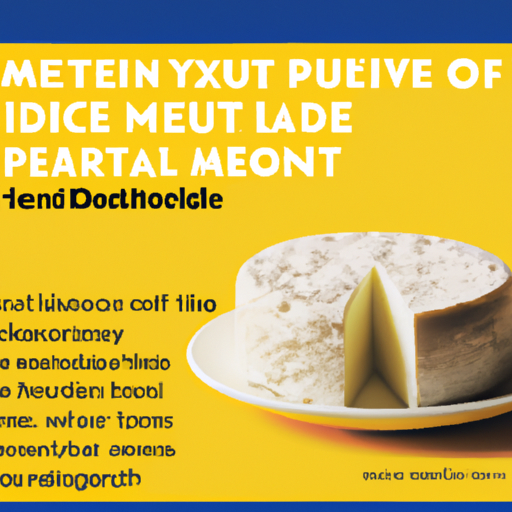
Cheese is a prevalent staple in the Mediterranean Diet, particularly ones high in calcium, but low in saturated fat. These include cheeses such as feta, ricotta, and parmigiana-reggiano.
Nutritional Facts of Cheese
Cheese is a good source of calcium, protein, and vitamins A and B12. However, it is also high in fat, particularly saturated fat, and contains a significant amount of sodium, which can increase the risk of heart disease if consumed excessively.
Impact of Cheese on Health
Characters like vitamin K2, calcium, and probiotics bestow cheese with numerous potential health benefits. But remember, these come along with a hefty dose of fat and sodium; thus moderation is crucial.
Controversies Related to Cheese Consumption
Despite its nutritional contributions, cheese remains a contentious food item. With its high fat and sodium content, naysayers often consider cheese unhealthy. However, in the context of the Mediterranean Diet, it’s about how often and much cheese you consume.
Frequency of Cheese Consumption on Mediterranean Diet
Determining How often to Eat Cheese
Let’s cut to the chase — how often can you indulge in cheese? The Mediterranean approach says, moderately and frequently. It’s less about the amount and more about proper portion control.
Effects of Overconsumption of Cheese
Cheese overconsumption can lead to excess intake of saturated fats and sodium, which may increase the risk of heart disease. It’s also calorie-dense, so unnecessary overindulgence may lead to unwanted weight gain.
Importance of Portion Control
Portion control is a significant aspect of the Mediterranean Diet, and the same applies to cheese. A moderate amount frequently is recommended. Essentially, it’s about enjoying cheese as a part of a balanced diet and not the main focus.
Best Practices for Consuming Cheese
Incorporating Cheese into Balanced Meals
In the Mediterranean Diet, cheese is often paired with vegetables, fruits, and whole grains. This can help balance out the nutritional intake and ensure you’re getting an array of nutrients in each meal.
Pairing Cheese with Other Mediterranean Foods
From sprinkling feta on a Greek salad to enjoying a slice of cheese with a piece of fruit, there are countless ways to enjoy cheese within the Mediterranean Diet context.
Family-Friendly Cheese-Based Mediterranean Recipes
Sharing wholesome, delicious meals with family is fundamental in Mediterranean culture, and cheese-based recipes often steal the show. Consider trying a spinach and feta pie, a whole grain pasta sprinkled with parmigiana-reggiano, or a salad with small cubes of cheese.
Alternatives to Cheese in the Mediterranean Diet
Although cheese is a staple, there are alternatives for lactose intolerants and those who are watching their weight.
Non-Dairy Alternatives for Lactose Intolerants
For those who are lactose intolerant, foods like nuts, fish, and leafy greens can offer a calcium addition while beans, lentils, tofu, and eggs can serve as great protein alternatives.
Substitutes for Those Watching and Managing Their Weight
Those watching their weight can opt for cheeses lower in fat or consume smaller portions. You can also replace cheese with other protein sources like chicken, fish, and legumes.
Being Mindful of Cheese Quality
Choosing Cheese for the Mediterranean Diet
Not only is the quantity of cheese important, but so is the quality. Consider seeking out locally sourced or organic cheese to maximize potential health benefits.
Importance of Quality Over Quantity
While it might be tempting to reach for cheaper or convenient cheese options, it’s essential to opt for quality. Quality cheese contains fewer additives and is generally healthier for you.
Buying the Best Cheese for Optimal Health Benefits
Seek out a reputable cheese seller and always check the ingredients. A shorter ingredient list typically indicates a high-quality product.
How to be Flexible with Cheese in the Mediterranean Diet
Understanding Your Body’s Reaction to Cheese
Not everyone’s body reacts to cheese the same way. Some might find it harder to digest, while others might experience no discomfort.
Listening to Your Body’s Hunger and Satisfaction Signals
Tuning into your body’s hunger and fullness cues is crucial. If you find dairy leaves you feeling bloated or uncomfortable, it might be worth exploring other dietary options that align with the Mediterranean Diet.
Developing a Positive Relationship with Food
The Mediterranean Diet is all about enjoying various food items without guilt. Hence, cheese should be celebrated and not feared. It’s about balance and diversity.
JD’s Personal Experience with Cheese on Mediterranean Diet
JD’s Journey with the Mediterranean Diet
JD’s personal journey with the Mediterranean Diet is one of discovery, fun, and ultimately, health. As a father, nurturing his body with whole, nutritious foods, like cheese, allows him to stay active and present in his children’s lives.
JD’s Tips for Balancing Cheese Consumption
JD advocates for enjoying cheese in moderation, listening to your body’s response, and prioritizing quality over quantity. His meals often include a small amount of cheese, balanced with an abundance of fruits, veggies, and whole grains.
Conclusion
Cheese on Mediterranean diet: A Balanced Approach
The bottom line is, you can indeed enjoy cheese on the Mediterranean Diet — in fact, it’s encouraged! The key is moderate and frequent consumption, coupled with a focus on quality.
Encouragement and Advice for a Healthier Lifestyle
Embarking on the Mediterranean Diet journey isn’t just about the foods you eat. It’s also about embracing a healthier lifestyle overall. And yes, there’s absolutely room for cheese in that picture! So, fear not, enjoy cheese in conscious moderation, and reap the various delicious, nutritious benefits of the Mediterranean Diet.
Leave a Reply