Ever wondered if you can enjoy our crunchy friends, the pickles, as part of the Mediterranean diet? You’re not the only one, and it’s a pretty savory topic that will keep you reading.
This is one delicious enigma that we’ll happily explore in the forthcoming article. As you sink your teeth into this text, the mystery will unravel, revealing interesting facts about the Mediterranean diet and how pickles fit into this nutritious lifestyle. Trust us, you’ll be craving more of such juicy information, so keep reading.
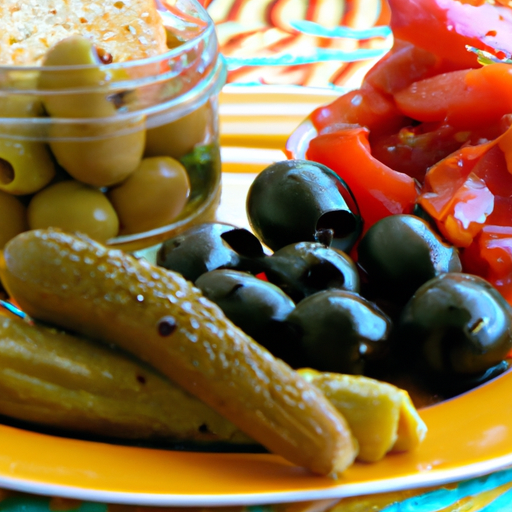
Understanding the Mediterranean Diet
Conceptualizing the Diet
The Mediterranean Diet is more than just a diet. It’s a healthy eating approach, a lifestyle that emphasizes the consumption of nutritious whole foods, primarily plant-based. Stemming from the traditional eating habits of Mediterranean countries such as Italy, Greece, and Spain, the Mediterranean Diet involves consuming fruits, vegetables, whole grains, nuts, legumes, fish, and healthy fats, along with moderate alcohol intake and reduced meats and dairy products.
Major Components of Mediterranean Diet
The major components of the Mediterranean Diet include:
-
Fruit and Vegetables: Rich in vitamins, antioxidants, and fiber, they are the core of this diet.
-
Whole Grains: These unprocessed grains like farro, oats, brown rice, and couscous are a great source of minerals and fiber.
-
Healthy Fats: Olive oil, nuts, seeds, and fatty fish provide heart-healthy unsaturated fats.
-
Seafood: A significant source of lean protein and heart-friendly omega-3 fatty acids.
-
Legumes: They’re packed with protein, fiber, and a variety of vitamins and minerals.
-
Moderate intake of dairy, poultry, and eggs: These provide additional nutrients and proteins.
Benefits of Following a Mediterranean Diet
The Mediterranean Diet has been associated with reduced risks of heart disease, certain types of cancer, and other chronic ailments. It contributes to weight loss as well as improved digestion and skin health. The diet promotes longevity and overall well-being due to its balanced and diverse nutritional components.
Pickles in a Nutshell
Definition and Types
Pickles are cucumbers or other vegetables that have been preserved and fermented in a solution of water, vinegar, and other ingredients. The pickling process can result in different types of pickles, including dill pickles, bread and butter pickles, and gherkins.
Basic Pickle Making Process
Making pickles involves harvesting cucumbers or other vegetables, cleaning them, and then immersing them in pickling brine typically consisting of vinegar, salt, sugar, and assorted spices, before allowing them to ferment.
The Nutritional Value of Pickles
Pickles are low in calories and fat while providing modest amounts of vitamins K and A. The fermentation process also creates beneficial bacteria known as probiotics, which support healthy gut flora.
Pickles and the Mediterranean Diet
Fermented Foods in Mediterranean Diet
Fermented foods, including pickles, are an integral part of the Mediterranean Diet. Besides pickles, other fermented foods commonly featured are yogurt, cheeses, and sauerkraut.
Pickles as a Potential Part of Mediterranean Diet
Pickles, being a type of fermented food, can fit within the Mediterranean Diet. However, they should be eaten in moderation because of their high salt content.
Impact of Consuming Pickles While on Mediterranean Diet
Pickles can offer a sour, crunchy contrast to other elements in Mediterranean meals. They also provide beneficial probiotic cultures. However, owing to their high sodium content, consuming them excessively can be counterproductive to the diet’s health-enhancing properties.
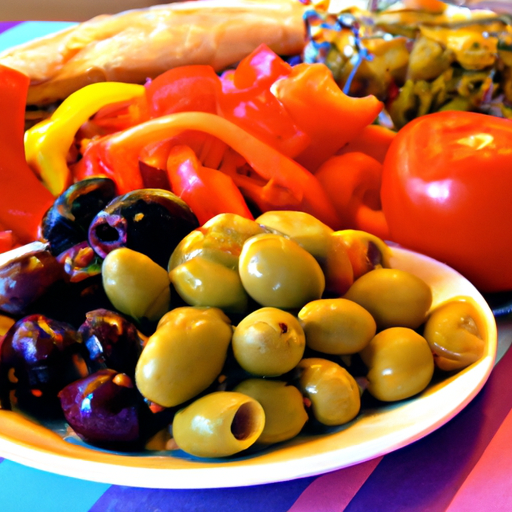
Possible Health Benefits of Including Pickles in Mediterranean Diet
Contributing to Healthy Digestion
The probiotics generated during the fermentation process can improve gut health. They aid in digestion and strengthen your immune system.
Pickles as a Source of Antioxidants
Pickles, especially those made from cucumbers, contain antioxidants like beta-carotene and vitamin C, which can combat harmful free radicals in your body.
Supplementing Sodium Intake Responsibly
While sodium often gets a bad rep for its association with hypertension, it’s an essential nutrient needed by your body in moderation for fluid balance, nerve function, and muscle contractions.
Cautions on Consuming Pickles while on Mediterranean Diet
Pickles as a Source of Extra Sodium
Consuming too many pickles can lead to excessive salt intake, which could elevate your blood pressure.
Potential Risks of Over-consumption
Besides high blood pressure, consuming too many pickles can lead to bloating, puffiness, and could potentially strain your kidneys.
Making Sure to Opt for Less Processed Pickles
Look for pickles with little to no added sugars and opt for naturally fermented versions that are rich in probiotics whenever possible.
Pickle Recipes Suitable for Mediterranean Diet
Homemade Olive Pickles
Enjoy the richness and flavor of pickled olives, an authentic Mediterranean delight.
Lightly Salted Cucumber Pickles
A jar of lightly salted cucumber pickles can serve as a tangy side dish or robust sandwich addition.
Savory Pickled Carrots
Pickled carrots add crunch and zest to any Mediterranean meal.
Tips for Including Pickles in Mediterranean Diet
Balancing Portions
Following the quintessential rule of dieting, exercise moderation while incorporating pickles.
Choosing the Right Kind of Pickles
Opt for natural, homemade pickles whenever possible and avoid those containing artificial additives.
Diversifying Fermented Foods in the Diet
Besides pickles, try including other fermented foods like yogurt and sauerkraut in your diet for digestive health and added flavor.
Taste of Pickles: Controversy and Enjoyment
Love-Hate Relationship with Pickles
Pickles, with their tangy and unique flavor, can incite a love-hate relationship. While some relish their crunchy texture and tart flavor, others might struggle to enjoy them.
Enhancing Taste Experience with Pickles
Despite the divide, pickles can bring a new depth of flavor to your dishes. Combine them with a spread of Mediterranean ingredients for an adventurous meal experience.
Creative Ways to Incorporate Pickles in Daily Menu
Add pickles to sandwiches, toss them in salads, or enjoy them as a quick, refreshing snack on their own.
Sharing the Joy of Mediterranean Diet with Family and Loved Ones
Role of Diet in Building Strong Families
Sharing high-quality, nutritious food with family creates a necessary foundation for health and well-being. The Mediterranean Diet, in its essence, promotes convivial moments around the dining table.
Teaching Children about Healthy Diets
Implementing the Mediterranean Diet can be an entertaining and educational opportunity to introduce children to diverse crops, healthy eating habits, and the importance of sharing meals.
The Act of Sharing: An Essential Part of Mediterranean Diet
Inviting loved ones to partake in the preparation and consumption of quality Mediterranean meals encourages conversation, cements relationships, and injects joy into everyday eating.
Conclusion: Making an Informed Decision about Pickles on Mediterranean Diet
Weighing the Pros and Cons
While pickles can be a tasty, crunchy addition to the Mediterranean Diet, their high sodium content warrants mindful consumption.
Personalizing Your Mediterranean Diet
Remember, every person’s nutritional needs vary. It’s essential to adjust and personalize your Mediterranean diet to fit your health status and food preferences.
Embracing a Holistic View Towards Diet and Health
In essence, it’s always about balance. The Mediterranean Diet is not just about food but also an invitation to love and treat your body well. It conveys the importance of consuming high-quality food, appreciating meals, and sharing such moments with loved ones.
To conclude, yes, you can eat pickles on Mediterranean diet but with mindful consideration to their salt content and your overall health needs. Start your Mediterranean journey today and relish the joy in every bite!
Leave a Reply