So, you’re curious about “What Cheese Can I Eat On Mediterranean Diet”? Well, it’s a great question considering you’ve decided to embark on the journey of conscious eating habits. Learning what to eat while maintaining a diet can be challenging, but it becomes much simpler when you’re clear about the rules, especially when it comes to incorporating cheese into your diet.
Eager to find out more? Well, this article will guide you through the great variety of different cheeses permitted on the Mediterranean diet. Not only will you learn about which types of cheese are compatible with your new eating lifestyle, but you’ll also discover some delightful cheese-centered recipes that you and your family can share. Quality food promotes quality life, and JD is here to ensure you get all the necessary information to enjoy the benefits of the Mediterranean diet.

Understanding the Mediterranean Diet
Considered one of the healthiest diets globally, the Mediterranean diet is more than just a list of food items you should or shouldn’t eat. It’s a celebration of fresh, high-quality ingredients that not only nourish your body but also excite your taste buds.
Principles of the Mediterranean Diet
In essence, the Mediterranean diet centers around the traditional foods and drinks that people from countries surrounding the Mediterranean Sea—like Greece, Italy, and Spain—have been consuming for centuries. This diet primarily includes substantial servings of olive oil, vegetables, fruits, whole grains, and legumes, moderate portions of poultry, fish, and dairy (such as cheese and yogurt), and limited amounts of red meat.
Health benefits associated with the Mediterranean Diet
Research has consistently linked the Mediterranean diet to an array of health benefits, such as lower rates of heart disease, certain types of cancer, diabetes, and Alzheimer’s. Plus, it’s known for aiding long term weight loss and promoting overall longevity and wellness.
Role of Dairy in the Mediterranean Diet
While dairy may not be the first thing that comes to mind when you think about the Mediterranean diet, it definitely holds an essential position.
Importance of dairy in a balanced diet
Dairy products supply a vast range of nutrients that are vital for your health and wellbeing. This nutrient powerhouse provides you with much-needed calcium, protein, and vitamins B2 and B12.
How dairy is incorporated in Mediterranean eating
People following the Mediterranean diet usually get their dairy from sources like Greek yogurt or cheese. Which logically leads us to the question you posed to us: “What cheese can I eat on a Mediterranean diet?” Well, great news: there’s plenty of delicious and nutritious options.
Cheese in the Mediterranean Diet
It seems that every Mediterranean country boasts of its own regional cheese. It’s truly a beloved part of their culinary and cultural tradition.
The cultural significance of cheese in Mediterranean regions
Producing cheese is a long-standing tradition that holds great cultural significance in the Mediterranean. Quite often, each locality has its own unique type of cheese, made according to well-preserved family recipes passed down through generations.
Why cheese is a fundamental part of the Mediterranean Diet
Cheese is a cornerstone of the Mediterranean diet because of its high nutritional value and the sheer variety that the region offers.
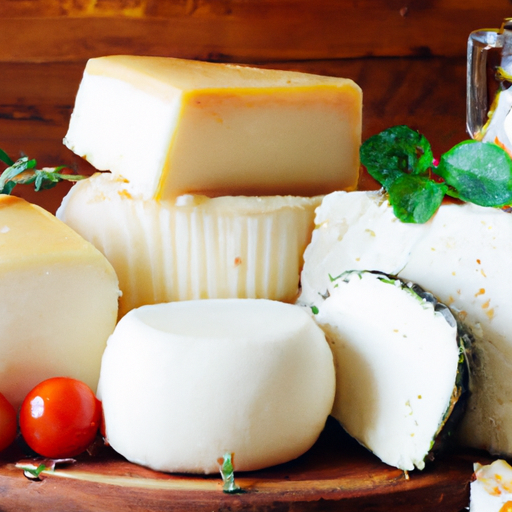
Types of Cheese in the Mediterranean Diet
Feta: The Greek Staple
A staple of Greek cuisine, Feta is a brined curd cheese made from sheep’s milk or a mixture of sheep and goat milk. It’s crumbly in texture and carries a tangy flavor, making it perfect in salads or even as a table cheese.
Mozzarella: Italy’s Pride
Italy’s pride and globally beloved, Mozzarella, is a fresh cheese made from cow’s or buffalo’s milk. Its mild yet unique flavor and stretchy texture make it a great addition to any dish—be it pizza, pasta, or just sliced with tomatoes in classic Caprese Salads.
Halloumi: Cyprus’s Delicacy
Hailing from Cyprus, Halloumi is a semi-hard cheese that maintains its shape when cooked or grilled. This makes it an excellent choice for salads or even as a meat substitute in dishes.
Health Benefits of Cheese in the Mediterranean Diet
Nutritional Value of Mediterranean Cheeses
Beyond the delicious flavors, Mediterranean cheeses also offer impressive nutritional benefits. They are an excellent source of protein and calcium and supply a good amount of vitamins and minerals.
Contribution of Cheese to Heart Health
Despite the presence of saturated fats, the fatty acids in cheese are associated with beneficial effects on heart health. But remember—portions are key.
Boosting Bone Health with Cheese
The calcium in cheese contributes to the health and strength of your bones and teeth. It’s wonderful news for those of us who love to nibble on a piece of cheese or sprinkle it atop our favorite meals.
Moderation is Key: Consuming Cheese in a Balanced Way
How much cheese you should eat on a Mediterranean Diet
While cheese is essential in the Mediterranean diet, you shouldn’t forget that it’s meant to be consumed in moderation. A recommended serving of cheese is typically the size of a pair of dice.
Balancing calories with portion sizes
Since cheese contains calories, it’s essential to balance it with other low-calorie, nutrient-dense foods such as fruits, vegetables, legumes, and whole grains in your diet.
Incorporating Cheese in Mediterranean Diet Recipes
Using Feta in Greek Salads
Greek salad wouldn’t be the same without a generous crumble of Feta on top. It provides a tangy contrast to the fresh vegetables and dark olives.
Mozzarella in Caprese Salads
A Caprese Salad pairs fresh mozzarella with juicy tomatoes, fragrant basil, and a drizzle of healthy olive oil. It’s a colorful and balanced dish with the mozzarella providing a pleasant creamy texture.
Cooking with Halloumi
Sliced, grilled Halloumi can be a scrumptious addition to any dish. Try it with salads, in wraps, or simply as a stand-alone snack.
Alternatives to Cheese in the Mediterranean Diet
If you’re lactose intolerant, vegan, or just not much into cheese, don’t worry. There are alternatives that still provide you with similar benefits.
Using Yogurt as a Cheese Substitute
Creamy Greek yogurt offers a good protein and calcium source and can be used as a cheese substitute in several dishes.
Choosing Plant-Based Cheeses
There’s an increasing variety of plant-based cheeses available in the market right now. You can choose from almond, soy, or cashew cheeses to fit your dietary needs and preferences.
Creating a Mediterranean Diet that suits you
The Mediterranean diet isn’t a one-size-fits-all kind of diet. You can always adjust and modify it to suit your taste and lifestyle.
Tailoring the Mediterranean Diet to your tastes
Whether you want more vegetables, less red meat, more seafood, or a different type of cheese, you can adapt the Mediterranean diet according to your preferences.
Fitting the Mediterranean Diet into your lifestyle
The beauty of the Mediterranean diet lies in its flexibility. You can easily incorporate its principles into your daily routine, making it a sustainable eating plan for the long run.
Conclusion
Embracing Cheese in a Healthy Diet
Cheese is not just a delicious addition to meals; it provides important nutrients and can be a part of a healthy, balanced diet. As with all foods, moderation is key. Enjoy a variety of cheeses as part of your Mediterranean lifestyle to fully enjoy their flavors and health benefits.
Living the Mediterranean Way through diet and lifestyle
The Mediterranean diet is more than just a meal plan — it’s a lifestyle that encourages local, fresh, high-quality foods savored with friends and family. It teaches you to value and enjoy the process of preparing your meals and eat mindfully, making it not just a diet, but a blueprint to a healthier, happier life. Now, wouldn’t you want a slice of that?
Remember, it’s all about taking small steps towards a healthier lifestyle. I hope this article has inspired you to enjoy cheese as part of your Mediterranean diet. Happy eating, my friends!
Leave a Reply