In this friendly discussion about the Mediterranean Diet, you’ll learn whether milk fits into this popular meal plan. As we navigate through this topic, your understanding of how dairy products align with Mediterranean dietary principles will grow. Insights into health benefits and how to incorporate this diet into your family meals will also be revealed. Let’s explore this together!
Understanding the Mediterranean Diet
Diet components and its philosophy
The Mediterranean diet is not just a way of eating but embodies a total lifestyle that celebrates quality produce, active living, and the joys of sharing food with family. It’s grounded in the traditional cuisines of the countries bordering the Mediterranean Sea, emphasizing vegetables, fruits, whole grains, legumes, lean proteins, and healthy fats, most notably olive oil.
How it supports active and healthy living
Adopting a Mediterranean lifestyle means embracing physical activity and mindful eating. Daily exercise boosts cardiovascular health and overall well-being while fresh, nutrient-rich food fuels the body.
Role of Dairy in the Mediterranean Diet
Importance of dairy
Dairy, including milk, plays a crucial role in the Mediterranean diet. Traditionally, dairy furnish our bodies with macronutrients like fat and proteins, and essential micronutrients, including calcium, potassium, and vitamins A and D.
Types of dairy used in the diet
The Mediterranean diet primarily incorporates fermented and aged dairy products such as yogurt and cheese, but milk also has its place in this well-balanced diet.
Milk in the Mediterranean Diet
Why milk is included in dietary choices
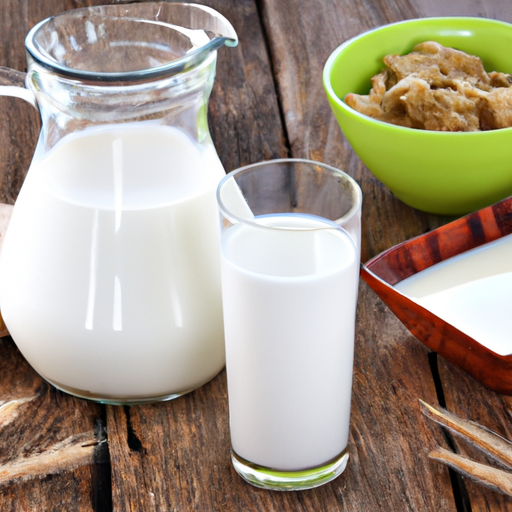
Milk nourishes your body with key nutrients and promotes a sense of satiety, making you feel full. Its inclusion in the Mediterranean diet contributes to a balanced nutritional profile that fuels active and healthy living.
Types of milk preferred in the diet
The Mediterranean diet typically favors milk from sheep or goats which have a distinct flavor and nutritional profile as compared to cow’s milk commonly consumed in other parts of the world.
Nutritional Value of Milk
Nutrients found in milk
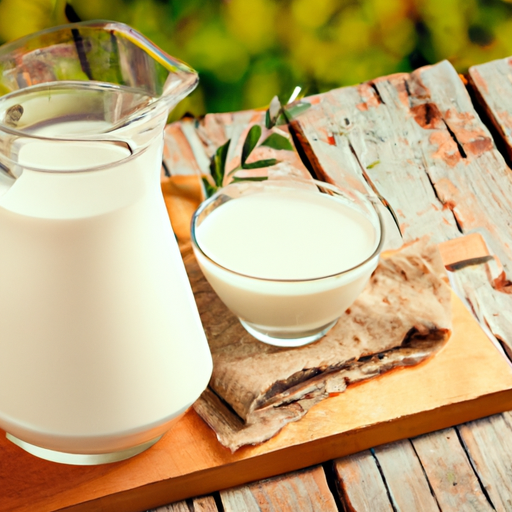
Besides being a good source of protein, milk is also rich in calcium for strong bones, iodine for boosting metabolism, and vitamins B2 and B12 for energy production.
Health benefits linked to milk consumption
Regular consumption of milk, as part of a varied and balanced diet, may help to prevent osteoporosis, manage weight, sustain muscle mass, and maintain heart health.
How to Incorporate Milk in the Mediterranean Diet
Creating balanced meals with milk
Milk can be easily integrated into your Mediterranean diet. Start your day with a bowl of whole-grain cereal coupled with fresh fruits and milk. Use it in soups and sauces or enjoy a glass of warm milk steeped with spices like cinnamon or turmeric as a comforting nighttime beverage.
Replacing other drinks with milk
Opt for a glass of milk or a dairy-based smoothie for your snacks, instead of sugar-laden juices or sodas. This swap will not only satiate your hunger but also provide essential nutrients.
Choosing the Right Milk for the Diet
Varieties of milk and their benefits
Milk varieties include full fat, low fat, and non-fat milk, each with its unique benefits. While full-fat milk offers a rich flavor and texture, low fat, and non-fat milk give you the same essential nutrients with fewer calories.
What to consider when selecting milk
When selecting milk, consider your health goals, taste preference, and dietary needs. If you have certain health concerns like high cholesterol, opt for lower-fat options or plant-based milk.
Sharing High Quality Food with Family
Teaching children about healthy eating
The Mediterranean diet doesn’t just nourish your body, it enriches your lifestyle too. Use this opportunity to educate your children about the importance of good nutrition and instill healthy eating habits that will last a lifetime.
Enjoying meals as a family affair
Savoring meals with family nurtures bonds and fosters gratitude. Let milk be a part of your family’s dining table, adding richness to your culinary creations and healthiness to your life.
Alternatives to Milk in the Mediterranean Diet
Options for lactose intolerant individuals
If you are lactose intolerant, you can explore options such as lactose-free cow’s milk or plant-based alternatives like almond milk, soy milk, or oat milk. Each has unique flavors and nutritional advantages.
Non-dairy sources of similar nutrients
For those avoiding dairy completely, good calcium sources include leafy greens, broccoli, and fortified foods. Protein can still be obtained from legumes, nuts, and seeds or lean meats if you’re non-vegetarian.
Common Misconceptions about Milk and Dieting
Debunking milk-related myths
Contrary to popular belief, milk isn’t fattening if consumed in moderation. It’s packed full of essential nutrients and can be part of a balanced diet.
Understanding healthy consumption of milk
Like most things, moderation is key. Over-consuming milk, even though it’s nutritious, may lead to unwanted health issues. Serve it in appropriate portions, especially for children.
Conclusion
Balancing dietary intake for long-term health
Remember, your overall eating pattern is more important than individual foods. Incorporate various food groups in your diet to achieve long-term health and resistance against diseases.
How the Mediterranean diet contributes to active family lives
Adopting the Mediterranean Diet is a commitment to live actively, eat healthier, and cultivate positive food experiences with your loved ones around the table. The question isn’t really if milk fits into the Mediterranean Diet, but how you choose to integrate it into your meals and share it with your family for a bounty of health benefits. So yes, enjoy your milk in the Mediterranean Diet!
Leave a Reply