In this article, you’re embarking on a scrumptious journey to discover if bread is acceptable on the Mediterranean diet. You will learn about the diet’s origins, its key principles, and, most notably, how bread fits into this healthier way of life. By the end, you’ll unravel the truth about incorporating bread into your Mediterranean meal plan while simultaneously promoting family bonding over quality food.
Understanding the Mediterranean Diet
The Mediterranean Diet offers a smorgasbord of delicious, healthy, and diverse foods that originated from countries surrounding the Mediterranean Sea. It’s more than simply a diet — it’s a lifestyle that emphasizes eating plant-based foods, using heart-healthy fats like olive oil, incorporating whole grains, and occasionally indulging in a glass of red wine.
Definition of Mediterranean Diet
The Mediterranean diet, as you may have guessed, is inspired by the eating habits of the Mediterranean people, specifically those from Spain, Italy, and Greece. It isn’t about gastronomical deprivation, but rather about celebrating fresh, natural, and delicious foods to nourish your body and enhance your health.
Primary Foods in Mediterranean Diet
Key components of this diet include fruits and vegetables, lean proteins, fish, whole grains, and healthy fats. The Mediterranean diet is low in red meat, sugar, and saturated fat.
Role of Bread in Traditional Diets
Bread has been a foundational part of several traditional diets globally, and the Mediterranean diet is no exception.
Importance of Bread in Historical Diets
Historically, bread has played a pivotal role in human diets. Serving as a ready source of carbohydrates, it has been a dietary cornerstone in several societies, symbolizing prosperity and life.
Different Types of Breads Globally
Globally, bread varieties highlight the diversity of culinary cultures. From the hearty rye bread of Scandinavia to the fluffy naan of India, each type of bread adds to the culinary palette of a region.
Nutritional Value of Bread
Bread provides a healthy source of carbohydrates, fiber, and B vitamins. The type of bread, the grain used, and its processing can significantly impact its nutritional value.
Inclusion of Bread in the Mediterranean Diet
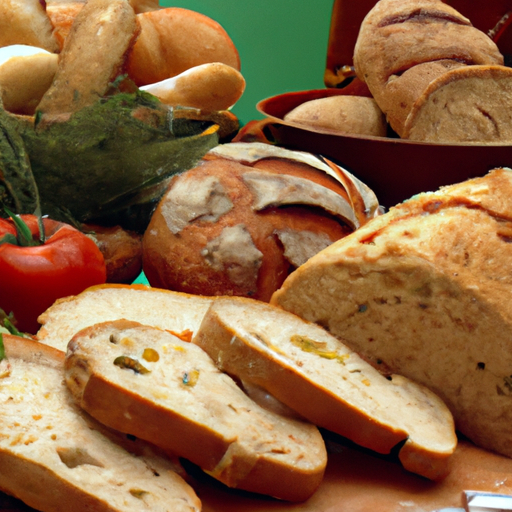
Bread is indeed a part of the Mediterranean diet. It serves as a significant part of dietary carbohydrate intake and is often part and parcel of every meal.
Types of Bread consumed in the Mediterranean
Flatbreads such as pita, lavash and focaccia are popular in different parts of the Mediterranean. These bread types are generally made with whole grains, subsequently enhancing their nutritional value.
Frequency of Bread Consumption in the Mediterranean Diet
From breakfast to dinner and snack times in between, bread finds its role throughout the day in a Mediterranean diet.
Bread’s Influence in Mediterranean Cuisine
Bread is not just a side dish in the Mediterranean cuisine; it compliments and completes the meal. Whether used for dipping in olive oil or paired with fresh tomatoes and feta, its presence is undeniable.
Health Benefits of Bread in the Mediterranean Diet
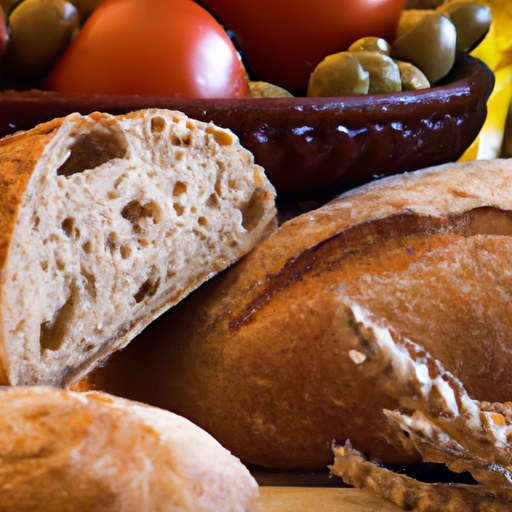
Bread, especially when made from whole grains, offers a host of health benefits within the Mediterranean Diet.
Carbohydrates and Energy Supply
The carbohydrates in bread provide a steady stream of energy throughout the day, preventing sugar crashes and promoting overall vitality.
Fiber Content and Digestive Health
Higher fiber content in whole grain bread can aid digestion and keep you feeling satiated longer.
Role in Weight Management
Whole grain bread, loaded with fiber and complex carbohydrates, can help manage weight by curbing overeating and keeping you feel full.
The Right Bread for the Mediterranean Diet
While bread is certainly part of the Mediterranean diet, the right type of bread can make all the difference.
Preference for Whole Grain Bread
The Mediterranean diet prefers whole grain bread, as it retains all parts of the grain — the bran, germ, and endosperm. Foods made from these grains are rich in fiber, helping you feel full and ensuring a healthy digestive system.
Avoidance of Processed Bread with Refined Sugar
Processed bread with refined sugars are not the healthiest choice. These bread types are lower in nutrients and can lead to blood sugar spikes.
How to Choose the Right Bread
When choosing bread, always check the ingredient list. Look for whole grain as the first ingredient, and avoid options with added sugars.
Limitations and Preparation Tips
Even with the right type of bread, understanding portion control and pairing is important within the Mediterranean diet.
Understanding Portion Control with Bread
Bread is nutrient-rich, but it’s also high in carbohydrates, so keeping portion sizes moderate is key to maintaining a balanced diet.
Pairing Bread with Protein and Fats
Pairing bread with healthy proteins and fats, like hummus or avocado, can balance its high-carb content and provide a more nutritionally rounded meal.
Influence of the Mediterranean Lifestyle
Beyond nutrition, the Mediterranean diet is about embracing an overall healthy lifestyle.
The Sociocultural importance of Bread
In many Mediterranean cultures, sharing bread is seen as a sign of friendship and hospitality, underlining its sociocultural relevance.
Bread and Family Meal Times
Family meal times are an important aspect of the Mediterranean lifestyle. They share bread and meals together, fostering healthy eating habits and bonding time.
The Role of Bread in Celebrations and Traditions
Bread often has a traditional role in holidays and celebrations, signifying abundance and life.
Impact of the Mediterranean Diet on Health
Incorporating the Mediterranean diet, including whole grain bread, can have a profound impact on overall health.
Chronic Disease Prevention
Following the Mediterranean diet has robust associations with reduced risks of heart disease, Metabolic Syndrome, Type 2 Diabetes, and certain types of cancers.
Longevity and Wellness
The Mediterranean diet promotes overall wellness and longevity, with many attributing their long, healthy lives to these dietary choices.
Benefits for Children’s Health
Introducing the Mediterranean diet to children can instill healthy eating habits and foster long-term benefits, promoting growth and cognitive development.
Bread Alternatives in the Mediterranean Diet
When you desire variety, or if you don’t consume bread for any reason, there are many tasty alternatives in the Mediterranean diet.
Introduction to Mediterranean Grain Alternatives
Falafel, lentils, couscous, and quinoa are wonderful grain alternatives, each offering unique flavors and nutrient profiles.
Incorporation of New Grains
Incorporating these grain alternatives into your diet can supplement your nutritional intake and add diversification to your meals.
Conclusion: Balance and Variety
The Mediterranean diet is about balance and variety. It encourages you to enjoy a wide range of foods in moderation, including bread.
Maintaining a Balanced Diet
Eating a balanced diet means enjoying all food groups in the right proportions. It’s okay to indulge in your favorite bread, as long as it balances with the rest of your diet.
Enjoying the Variety in the Mediterranean Diet
The Mediterranean diet offers a luscious variety of foods to enjoy. Whether it’s bread, grains, produce, or proteins, each meal is a celebration of flavor and health.
In conclusion, yes, bread is perfectly okay in the Mediterranean diet. It’s all about choosing the right kind, pairing it well, and watching the portion size. This way, you can enjoy the benefits of bread as part of a healthy and delicious Mediterranean diet.
Leave a Reply