In this friendly guide, you’ll unlock the secrets of preparing vegetables in the Mediterranean style. You’re about to discover the colorful and delicious world of Mediterranean cooking techniques that accentuate the natural flavors of vegetables. Perfect for health enthusiasts and family meal planners alike, let’s embark together on this flavorful journey.

Understanding the Mediterranean Diet
The Mediterranean diet draws its origins from the age-old dietary practices of people living in countries bordering the Mediterranean sea, like Italy, Greece, and Spain. The diet is renowned for its focus on fresh fruits, vegetables, whole grains, legumes, and olive oil, with occasional indulgences in moderate portions of meat and dairy.
Origins and philosophy of the Mediterranean Diet
Rooted in the culinary traditions of Mediterranean-basin countries, the philosophy of the Mediterranean diet is not just about food, but also about enjoying life,-being physically active, and sharing meals with family and friends.
Components of the Mediterranean Diet
Emphasizing plant-based foods, the Mediterranean diet consists mainly of fruits, vegetables, whole grains, and legumes. Fish and seafood are consumed at least twice a week, while poultry, eggs, cheese, and yogurts are moderate. Red meat and sweets are limited.
Health Benefits of the Mediterranean Diet
The Mediterranean diet has been correlated with numerous health benefits ranging from increased longevity to decreased risk of heart disease, cancer, Alzheimer’s, and Parkinson’s disease. It’s flexibility and focus on wholesomeness make it a sustainable lifestyle choice.
Role of Vegetables in the Mediterranean Diet
Vegetables take centerstage in the Mediterranean diet and provide a wealth of nutritional benefits.
Importance of Vegetables
Vegetables are vital in supplying necessary vitamins, minerals, antioxidants, and fiber to our diets.
Common Vegetables Used in the Diet
You’ll see a lot of leafy greens, tomatoes, bell peppers, cucumbers, eggplants, zucchinis, and more in the Mediterranean diet.
Nutritional Benefits of Vegetables
These vegetables are packed with essential nutrients that support heart health, boost the immune system, and aid digestion.
Vegetable Preparation Practices in Mediterranean Cuisine
In Mediterranean cuisine, the preparation of vegetables involves traditional methods which enhance their flavors and retain their nutritive values.
Overview of Vegetable Preparation Methods
Mediterranean cuisine uses a variety of vegetable preparation methods: grilling, roasting, baking, sautéing, and steaming.
Impact of Preparation Methods on Nutrition
Each method impacts the nutritional value of the vegetables differently. For instance, steaming tends to preserve more nutrients than boiling.
Tradition and Culture in Vegetable Preparation
The preparation methods are deeply rooted in Mediterranean culture and tradition and set the stage for communal meal preparation and sharing.
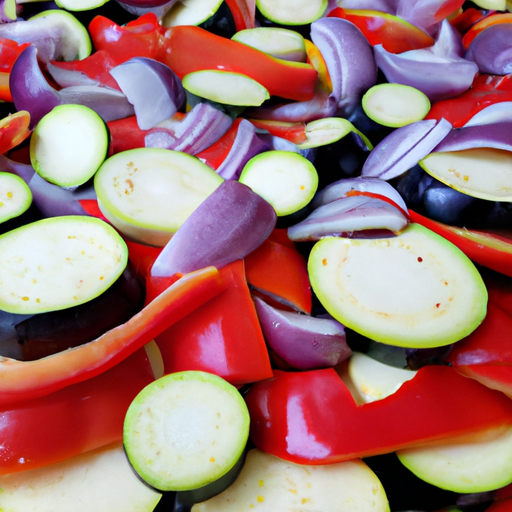
Grilling Vegetables in the Mediterranean Diet
Grilled vegetables are common in the Mediterranean diet due to the unique flavors that grilling imparts.
Popular Grilled Vegetables
Bell peppers, eggplants, and zucchinis often make their way to the grill.
Benefits of Grilling
Grilling helps to maintain the nutritional value of vegetables while adding a smoky flavor.
Techniques for Grilling Vegetables
Often, vegetables are lightly brushed with olive oil, seasoned with herbs and spices, and grilled to perfection on medium heat.
Roasting Vegetables in the Mediterranean Diet
Roasting is another popular method used to cook vegetables in Mediterranean cuisine.
Types of Vegetables Ideal for Roasting
Root vegetables like beets, carrots, and potatoes are perfect for roasting.
Roasting Techniques
Drizzled with olive oil and seasoned generously, these vegetables are then roasted until they are caramelized and tender.
Flavor Profile of Roasted Vegetables
Roasting imparts a wonderful depth of flavor and a crunchy texture that is truly enjoyable.
Baking Vegetables in the Mediterranean Diet
Baking is a healthy, flavorful, and versatile method used in Mediterranean cuisine.
Baked Vegetable Dishes
Moussaka (a baked eggplant and tomato dish) and Spanakopita (spinach pie) are classic examples of baked Mediterranean vegetable dishes.
Pros of Baking Vegetables
Baking allows vegetables to cook in their own juices, thus retaining their flavor and nutrients.
How to Bake Vegetables Correctly
Ensure vegetables are evenly cut, toss with olive oil, season, and bake until tender, frequently checking to prevent overcooking.
Sauteing Vegetables in the Mediterranean Diet
Sautéing vegetables is an everyday cooking practice in the Mediterranean kitchen.
Steps for Sautéing Vegetables
Usually, onions, garlic, and other aromatics are first sautéed in olive oil, after which other chopped vegetables are added.
Typical Sautéed Vegetable Dishes
A dish like Ratatouille showcases the magic of sautéed vegetables fusing together.
Health Aspects of Sauteing
With controlled usage of olive oil, Sautéing can make your vegetables a lot healthier.
Steaming Vegetables in the Mediterranean Diet
Steaming is a gentle and nutritious way to prepare vegetables in the Mediterranean diet.
Benefits of Steaming Vegetables
Steaming helps retain vitamins and minerals in vegetables that could be lost with other cooking methods.
Commonly Steamed Vegetables
Cauliflower, broccoli, and spinach are typically steamed in Mediterranean cuisine.
Techniques for Steaming
Using a steamer or even a simple colander over boiling water can effectively steam your vegetables.
Incorporating Vegetables in Mediterranean Diet
There are ample ways to incorporate vegetables into the Mediterranean diet.
Mixing Vegetables in Salads
Healthy salads bursting with fresh veggies are a staple in the Mediterranean diet.
Creating Vegetable Blends or Soups
Vegetable soups like Minestrone or Veggie Gazpacho are flavorful and wholesome ways to enjoy a variety of vegetables.
Stuffing Vegetables with Savory Fillings
Stuffed bell peppers or zucchinis are common dishes where vegetables are the star of the meal.
Conclusion
Embracing the Mediterranean Lifestyle
Remember that the Mediterranean diet is not just about food, but also about a balanced lifestyle that includes regular physical activity and meals shared with family and friends.
Impact of the Mediterranean Diet on Health and Longevity
With its focus on fresh, nutrient-rich foods, the Mediterranean diet contributes significantly to longevity and a decreased risk of numerous diseases.
Bonding Through Food Preparation and Shared Meals
The tradition of preparing and sharing meals in Mediterranean culture reiterates the importance of bonding over food. It encourages unity, respect for food, and gives you an opportunity to create beautiful memories with your loved ones.
So, how are vegetables cooked on the Mediterranean diet? As you can see, there are many ways to prepare them, each adding a unique flavor and preserving their nutritional value. Thus ensuring that you continue to create delicious, healthy meals for yourself and loved ones as one does on the Mediterranean diet.
Leave a Reply