You might’ve found yourself wondering, “Is bread allowed on the Mediterranean diet?” It’s a fair question. After all, the Mediterranean diet, well-known for its heart-healthy benefits, places an emphasis on plant-based foods, lean proteins, and healthy fats. But where does bread fit into this?
In this upcoming article, you’ll definitely get your answer! Not only will you learn more about the role bread plays in the Mediterranean diet, but you’ll also discover the richness of this eating lifestyle. It’s not just about looking after your health for your sake, but for your family’s too. After all, part of the Mediterranean lifestyle is sharing wholesome, quality meals with your loved ones. So, brace yourself for an enlightening read that is bound to change the way you look at bread and the Mediterranean diet.

Understanding the Mediterranean Diet
Origins and Essence of the Mediterranean Diet
The Mediterranean diet takes its roots from the traditional cuisine of countries bordering the Mediterranean Sea. This diet emphasizes whole and plant-based foods, along with consumption of healthy fats like olive oil instead of butter. It’s not just about what you eat, but how you eat – at a leisurely pace, while enjoying meals and socializing with family and friends.
Key Components of the Mediterranean Diet
The Mediterranean diet is abundant in fruits, vegetables, whole grains, legumes, and a variety of seeds and nuts. Fish and seafood are consumed often, usually at least twice a week, while poultry, eggs, cheese, and yogurt are enjoyed moderate portions. Red meat is limited, and sweets are indulged only occasionally.
The Role of the Mediterranean Diet on Your Health
Adopting the Mediterranean diet can boost your overall health and well-being. Research shows that it can help protect against chronic conditions such as heart disease, cancer, and type 2 diabetes. What’s more, this diet promotes longevity, ensuring that you’re not only around for your family for a long time but that you’re also healthy and active.
Common Misconceptions About the Mediterranean Diet
The View of the Mediterranean Diet as a Strict Regime
Despite popular belief, the Mediterranean diet is not a rigorous regime but rather a flexible and rewarding way of eating. It encourages variety and eating with pleasure. So, it’s less about imposing restrictions and more about making healthier choices.
Debunking the Myth that Mediterranean Diet Excludes All Carbohydrates
Contrary to some misinterpretations, the Mediterranean diet does not exclude all carbohydrates. Whole grains, a source of complex carbohydrates, are a cornerstone of this wholesome diet.
Why the Mediterranean Diet is Not a ‘Low Carb’ Diet
The Mediterranean diet is a balanced approach to nutrition. While it encourages lower consumption of refined carbs, it supports the intake of complex carbs from whole grains, vegetables, and fruits.
Carbohydrates and the Mediterranean Diet
How Carbohydrates Fit into the Mediterranean Diet
Carbohydrates, especially those from whole grain sources, play a vital role in the Mediterranean diet. They provide energy and beneficial nutrients which are essential for your overall health.
The Importance of the Quality of Carbohydrates
The quality of carbohydrates matters. Choose complex carbs from whole foods over refined ones since they are loaded with fiber, vitamins, and minerals. They also keep you feeling full longer, helping to control your weight.
Choosing the Right Carbohydrates While on the Mediterranean Diet
Incorporate a variety of carb-rich foods like whole grains, beans, lentils, and fruits in your diet. As for bread, opt for whole grain versions to gain maximum benefits.
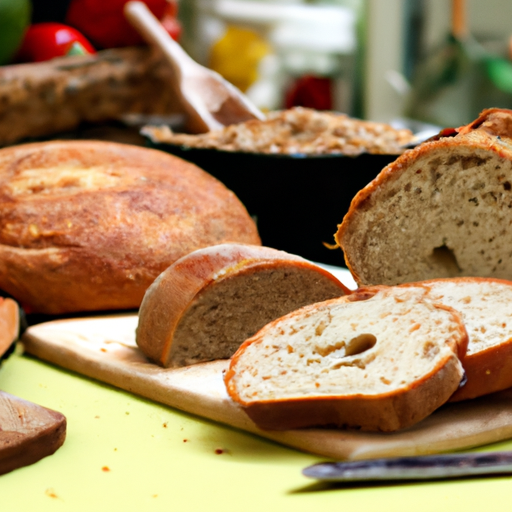
Types of Bread in the Mediterranean Diet
Common Types of Bread around the Mediterranean Region
Various types of bread are common in the Mediterranean region: sourdough, pita, ciabatta, and more. They’re often made from whole grains, contributing to their nutritional value.
The Role of Bread in a Traditional Mediterranean Meal
Bread is a staple in the Mediterranean diet. It’s enjoyed at almost every meal, making it a part of the cultural dining experience.
Is Bread Allowed on the Mediterranean Diet?
Understanding the Place of Bread in the Mediterranean Diet
Bread holds a significant place in the Mediterranean diet. However, it’s essential to remember that it’s the type of bread which counts.
Why Bread is Not Strictly ‘Forbidden’ or ‘Allowed’ in Mediterranean Diet
In the Mediterranean diet, no food is strictly ‘forbidden’ or ‘allowed’. It’s all about moderation, portion size, and focusing on whole foods.
The Role of Moderation in the Consumption of Bread on the Mediterranean Diet
As with anything, bread should be consumed in moderation. Pairing bread with other nutrient-dense foods or using it as a vehicle for consuming more vegetables and healthy fats is a great approach.
Choosing Bread for the Mediterranean Diet
Tips on Selecting the Right Bread for a Mediterranean Diet
Choose bread made from the whole grain. It’s higher in fiber and other nutrients compared to the processed white bread.
Understanding Whole Grain Bread and its Benefits
Whole grain bread is packed with fiber, promoting good digestion, reducing cholesterol, and controlling blood sugar. Plus, it’s heartier and more satisfying than white bread.
Why Processed Breads are Less Ideal for the Mediterranean Diet
Processed breads often contain added sugars and unhealthy fats. They lack the nutritional benefits of whole grain bread and therefore, are less ideal.
Healthy Bread Recipes for the Mediterranean Diet
Exploring Mediterranean Bread Recipes
Creating your bread can be rewarding! Try traditional recipes like Greek pita, Italian ciabatta, or have fun experimenting with various whole grains.
Making Your Own Whole Grain Bread for a Healthier Option
Making bread is simpler than you think. Plus, homemade means you control the ingredients ensuring better quality and health benefits.
Balancing Bread Consumption with Other Foods
How to Pair Bread with Other Foods in Mediterranean Diet
Pair your bread with healthy plant-based foods – have a slice with crushed avocado, or use it to scoop up a homemade hummus.
Avoiding Excessive Bread Consumption by Incorporating Other Whole Grains
Include other whole grains in your diet like brown rice, barley, or quinoa to ensure a balanced intake and avoid over-reliance on bread alone.
Bringing the Family Together with High-Quality Nutrition
The Philosophy of Sharing High-Quality Food in the Mediterranean Diet
The Mediterranean diet is about sharing high-quality, nutrient-dense meals with your family. It’s about creating a culture of healthy eating and enjoyable meal times.
Encouraging Family Health and Longevity Through the Mediterranean Diet
By adopting the Mediterranean lifestyle, you encourage not only your health but your entire family’s. It’s about making healthy eating enjoyable and sustainable for a life full of vitality and joy.
Conclusion: Bread and the Mediterranean Diet
Summarising the Place of Bread in the Mediterranean Diet
In summary, bread plays a significant role in the Mediterranean diet. It’s all about choosing whole grain varieties and understanding moderation and balance in consumption.
Why the Mediterranean Diet is a Lifestyle and Not Just a Restrictive Regime
The Mediterranean diet is not a restrictive regime but a lifestyle full of flavors and health benefits. So yes, enjoy your bread – the Mediterranean way. With the right choices and moderation, you can relish your meals while nourishing your body, and sharing good times with your family.
Leave a Reply