You’re probably wondering if hummus fits into the Mediterranean diet, right? You are not alone as countless others are also on this quest for clarity. So in this article, we’ll be investigating where hummus stands in the spectrum of Mediterranean diet choices.
As you dive into this engaging piece, you’ll uncover more about hummus’ place in the Mediterranean diet. You’ll learn about its health benefits, how it aligns with the Mediterranean diet’s principles, and even some delicious easy-to-make hummus recipes to try out. This knowledge won’t just satisfy your curiosity; it could play a significant role in enhancing your health journey and maintaining a joyful tradition of sharing high-quality food with your loved ones.
Is Hummus OK On Mediterranean Diet?
Understanding the Mediterranean Diet
When you think of vibrant health and longevity, one diet that stands out from the crowd is the Mediterranean diet.
Defining the Mediterranean Diet
Designed around the traditional foods and cooking styles of countries bordering the Mediterranean Sea, this diet is laden with fruits, vegetables, whole grains, lean proteins, and healthy fats.
Core components of the Mediterranean Diet
These fundamentals of the Mediterranean diet include olive oil, legumes, unrefined cereals, and a low intake of red meat. Additionally, moderate consumption of fish, dairy products, wine and a high consumption of vegetables, fruits, and nuts are central themes.
Health benefits of the Mediterranean Diet
So what makes this diet so spectacular? Research consistently points to an impressive array of health benefits. Of these, the reduction of heart disease and stroke risks, management of weight, and the prevention of diabetes and other chronic diseases take the lead.
Spotlight on Hummus
Now we turn the spotlight onto a popular and delicious member of the Mediterranean diet family – the Hummus.
Origin and ingredients of Hummus
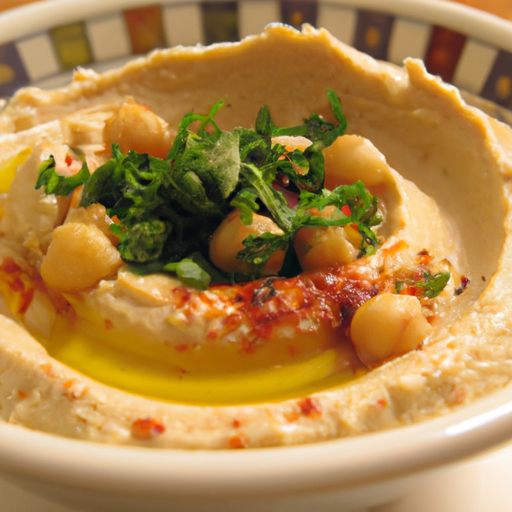
Originating from the Middle East, Hummus is a versatile dip made from cooked, mashed chickpeas blended with tahini (sesame seed paste), olive oil, lemon juice, and garlic.
Nutritional value of Hummus
This versatile food is not only bursting with flavor, but it also packs a nutritional punch. It’s rich in proteins, beneficial fats, dietary fiber, and a bevy of vitamins and minerals.
Hummus in the context of the Mediterranean Diet
Let’s then connect the dots for hummus on the Mediterranean diet.
How does Hummus fit into the Mediterranean Diet
As a food made primarily from chickpeas, hummus wonderfully aligns with the principles of the Mediterranean diet. With its legume base, addition of heart-healthy olive oil, and infusion of garlic and lemon, hummus can find a home at any Mediterranean table.
Health benefits of consuming Hummus on the Mediterranean Diet
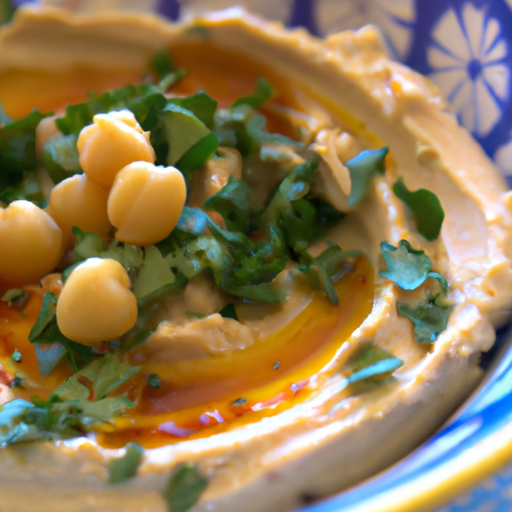
Hummus is not just a savory treat but also a treasure trove of health benefits. It can help to control blood sugars, foster healthy gut bacteria, maintain heart health, and even fight inflammation.
Impact of Hummus on Weight Management
Let’s delve into how hummus can make weight management easier.
Role of Hummus in weight control
The dietary fiber and protein found in hummus are known to promote feelings of fullness, curb hunger, and thus aid in weight control. This makes hummus a perfect component of a balanced Mediterranean diet.
Examples of incorporating Hummus in Mediterranean Diet for weight management
Whether as a spread on whole-grain bread in the morning or as a dip for veggies in the afternoon, hummus can easily be incorporated into your daily meal plan.
Hummus Recipes for the Mediterranean Diet
Introduce some delicious hummus into your Mediterranean Diet with the following recipes.
Classic Hummus Recipe
Keep it simple with a classic hummus recipe consisting of chickpea, tahini, garlic, lemon juice, and a drizzle of olive oil.
Unique spins on traditional Hummus recipes appropriate for the Mediterranean Diet
You can experiment with different flavors such as a roasted red pepper hummus or a beetroot hummus.
Importance of quality Ingredients
Let’s not overlook the importance of the quality of ingredients used in our homemade hummus.
Selecting the highest quality ingredients for homemade Hummus
Choose organic chickpeas, high-quality tahini, fresh lemon juice, and extra virgin olive oil when making your hummus at home.
Evaluating store-bought Hummus for quality and suitability for the Mediterranean Diet
When buying hummus, be sure to choose those with simple, all-natural ingredients and devoid of additives and preservatives.
Sharing Hummus with Family
As with all aspects of the Mediterranean lifestyle, sharing meals with family and friends occupies an essential place.
Incorporating Hummus in family meals
You can incorporate hummus into your family meals by using it as a dip, a spread, or even a dressing.
Encouraging kids to enjoy Hummus and its benefits
Hummus is also kid-friendly, and involving them in the hummus-making process can help them enjoy the benefits of this superfood.
Making meal preparation with Hummus a family activity
Making hummus can also be a fun and interactive family activity, where everyone participates and learns healthy habits together.
Hummus and Long-Term Health
You’ll be keen to understand what hummus means for your long-term health, and you won’t be disappointed.
Study findings on the health impact of regular Hummus consumption
Regular hummus consumption has shown promising benefits in managing weight, improving heart health, and even reducing cancer risks.
Personal stories, including JD’s, on the positive health impact of Hummus
JD, a staunch advocate for the Mediterranean diet, has personally seen tremendous health benefits by incorporating hummus in his regular meals.
Other Mediterranean Foods to Combine with Hummus
Hummus is versatile and pairs well with many other foods from the Mediterranean diet.
Vegetables and grains to pair with Hummus
Whole grains like pita bread and vegetables such as carrots and cucumbers make perfect companions to hummus.
Other Mediterranean foods that complement Hummus
Other foods like olives, falafel, tabbouleh, and baba ghanoush also enhance the taste and nutritional profile of hummus.
Conclusion
Summarize the role of Hummus in the Mediterranean Diet
Summarizing, hummus is a delicious, versatile, and highly nutritious addition to the Mediterranean dietary pattern that aligns with its core principles and helps to foster good health.
Emphasize the importance of quality food sharing with family
Sharing quality meals, like those with hummus, with family and loved ones is not only beneficial for health but also for fostering strong and meaningful relationships.
Giving final thoughts on lifelong benefits of Hummus within the Mediterranean Diet
To wrap up, the humble, yet powerful, hummus has shown itself to be a stalwart contender in promoting long-term health and wellness as a central part of the Mediterranean diet.
Leave a Reply