So you’ve probably been wondering, is peanut butter good on the Mediterranean diet? It’s a question that’s crossed many people’s minds as they explore the benefits and delicious culinary options this diet has to offer. You might be a peanut butter aficionado, thinking of ways to incorporate it into a heart-healthy eating pattern like the Mediterranean diet.
Rest assured that you’ll get all the details you need in the upcoming article. It’s not just about confirming whether peanut butter is part of the Mediterranean diet or not, but also understanding why. This type of knowledge enables you to make informed decisions about your food choices and continue to enjoy the high quality foods that are the signature of the Mediterranean lifestyle. Because let’s be honest, sharing nutritious and flavorsome meals with your family is one of life’s purest joys, right? So stay tuned because JD has got some incredibly insightful and beneficial information coming your way.
Understanding the Mediterranean Diet
Definition of the Mediterranean Diet
The Mediterranean Diet is a style of eating centered around the traditional foods and drinks of the countries surrounding the Mediterranean Sea. A lot of emphasis is placed on plant-based foods such as whole grains, fruits, vegetables, legumes, nuts, and seeds, complemented by generous amounts of olive oil, moderate consumption of fish and poultry, and a very limited intake of red meat.
Key Principles of the Mediterranean Diet
This diet is characterized by its high content of heart-healthy monounsaturated fats, mostly from olive oil and nuts, and rich antioxidants from the consumption of fruit and vegetables. It also encourages enjoyable physical activities, as well as sharing meals with family and friends – a philosophy deeply ingrained in Mediterranean cultures.
Health Benefits of the Mediterranean Diet
The Mediterranean Diet is linked with numerous health benefits such as improved cardiovascular health, reduced risk of diabetes and certain types of cancer, and improved cognitive health. It has also been shown to support healthier body weight and longevity.
Analysing Peanut Butter Nutritional Composition
Nutritional Breakdown of Peanut Butter
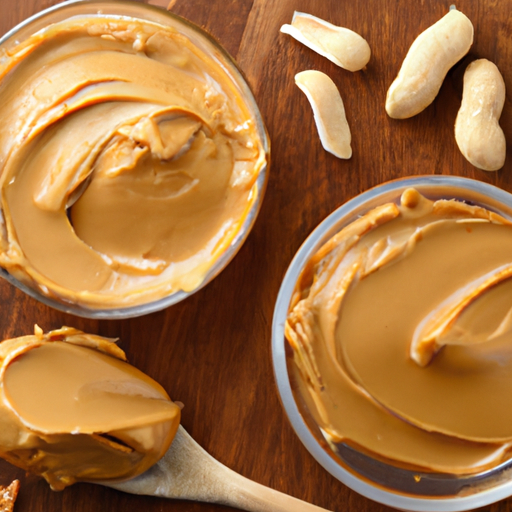
Peanut butter is rich in healthy monounsaturated fats, contains high-quality vegetable protein, and is packed with fiber, vitamins and minerals including vitamin E, magnesium, and copper. Averagely, a two-tablespoon serving offers about 190 calories, 16 grams of fat, and 8 grams of protein.
Health Benefits of Eating Peanut Butter
Some of the health benefits of consuming peanut butter include reduced risk of heart disease – thanks to the monounsaturated fats and antioxidants. It may also help maintain a healthy body weight due to its protein content and the feeling of satiety it provides.
Potential Risks Associated with Consuming Peanut Butter
However, not all peanut butter is created equal. Many commercial brands often include added sugars and partially hydrogenated oils – a source of unhealthy trans fats. Overconsumption can also be a problem due to its high calorie content.
Peanut Butter and the Mediterranean Diet
Role of Nuts and Seeds in the Mediterranean Diet
In the Mediterranean Diet, nuts and seeds are recognized for their heart-healthy fats, proteins, and various beneficial plant compounds. They are enjoyed as a snack or used as a nutritious ingredient in many recipes.
How Peanut Butter Fits into the Mediterranean Diet
Given its nutritional profile, peanut butter can certainly fit into the Mediterranean Diet. Indeed, it delivers on the diet’s philosophy of consuming nutrient-dense foods.
Healthy ways to Incorporate Peanut Butter in the Mediterranean Diet
Peanut butter can be added to whole grain bread, used as a dip for fruits or vegetables, mixed into oatmeal, or incorporated into different sauces and dressings. Remember, moderation is key. A serving size of two tablespoons is usually enough to reap the nutritional benefits.
Highlight on Protein and Healthy Fats
The Importance of Protein in the Mediterranean Diet
Protein is a key macronutrient needed for muscle development and recovery, immune function, and satiety. The Mediterranean Diet focuses on high-quality protein sources, including nuts, seeds, legumes, poultry, and seafood.
Benefits of Healthy Fats within the Mediterranean Diet
Healthy fats, mostly monounsaturated fats, support heart health, provide energy, help absorb fat-soluble vitamins, and are essential for many bodily functions. They are one of the diet’s pillars, with olive oil, nuts, and seeds being the primary sources.
How Peanut Butter Provides these Essential Nutrients
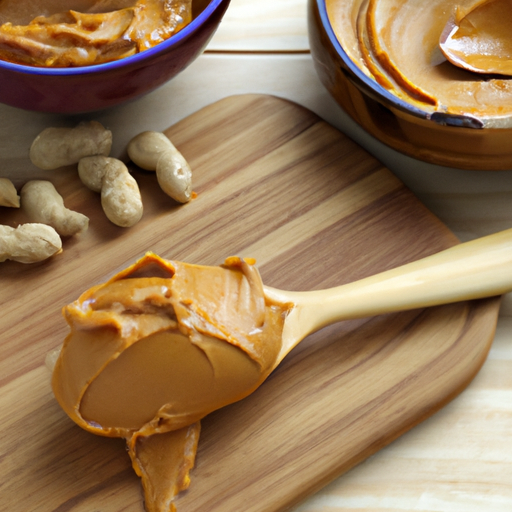
Peanut butter is an excellent source of both protein and healthy monounsaturated fats, making it an ideal food to include in the Mediterranean Diet, when consumed in moderation.
Sugar Content in Peanut Butter
Understanding Different Types of Peanut Butter
While peanut butter is seen as healthy, it’s essential to understand the difference between natural peanut butter, which typically has just peanuts and salt, and conventional peanut butter that often contains added sugars and unhealthy oils.
Beware of Added Sugars in Commercial Peanut Butter
Added sugars in some peanut butter brands can turn this nutritious food into a less healthy choice. Excessive sugar intake is linked to weight gain and various health problems like heart disease and type 2 diabetes.
Choosing the Best Peanut Butter for the Mediterranean Diet
When choosing peanut butter for the Mediterranean Diet, opt for ones with minimal ingredients (ideally just peanuts and salt) and no added sugars or trans fats.
Recipes Incorporating Peanut Butter in the Mediterranean Diet
Quick and Simple Mediterranean Diet Recipes with Peanut Butter
Peanut butter can add a rich, nutty flavor and creamy texture to many dishes. Try spreading it onto whole grain bread and top with banana slices for a quick breakfast. Add it to a smoothie for creaminess and protein or use it in salad dressings for a unique twist.
Cooking Tips for Using Peanut Butter in Mediterranean Diet Dishes
To maximize peanut butter’s nutritional benefits and minimize its calorie impact, it’s essential to use it sparingly. A little can provide a lot of flavor, especially in sauces, spreads, and dressings.
Impressive Family Meals Featuring Peanut Butter in the Mediterranean Diet
For an impressive family meal, consider peanut butter-based dishes that are not only delicious but also align with the principles of the Mediterranean Diet. For instance, a flavorful peanut stew with a base of vegetables and served with whole grains.
Alternatives to Peanut Butter in the Mediterranean Diet
Other Nut and Seed Butters to Consider
If you’re allergic to peanuts or simply want to diversify, other nut and seed butters like almond butter, cashew butter, or tahini can be great alternatives. Like peanut butter, they provide healthy fats, protein, and an array of vitamins and minerals.
How These Alternatives Compare Nutritionally to Peanut Butter
While these alternatives may slightly differ in their nutrient content, they generally provide a similar set of health benefits as peanut butter – healthy fats, protein, fiber, and essential vitamins and minerals.
Incorporating Alternatives into Your Mediterranean Diet
These alternatives can be used just like peanut butter – spread on whole grain bread, mixed into oatmeal, used in sauces and dressings, or as a dip for fruits and vegetables.
Balancing Peanut Butter Intake in the Mediterranean Diet
Portion Size and Frequency Recommendations
While peanut butter is nutritious, it is also calorie-dense, hence portion control is crucial. A common serving size is two tablespoons. Depending on the rest of your diet, you might enjoy it a few times a week.
Balancing Calories – Moderation in Consumption
Like everything in the Mediterranean Diet, balance and moderation are key. Monitoring your peanut butter intake can help you enjoy its benefits without exceeding your calorie needs.
Variety in Food Choices – Key to Mediterranean Diet Success
A goal of the Mediterranean Diet is consuming a variety of foods. While including peanut butter, also remember to incorporate other sources of protein and healthy fats like fish, poultry, legumes, and other kinds of nuts and seeds.
Long-Term Health Benefits of Peanut Butter on Mediterranean Diet
Improving Heart Health
As a part of the Mediterranean Diet, peanut butter – with its heart-healthy fats – can contribute to better heart health, particularly when replacing less healthy fats in the diet.
Maintaining Healthy Body Weight
When consumed in moderation, peanut butter can support maintaining a healthy body weight. Its protein and fiber content can promote feelings of fullness, which can assist in controlling overall food intake.
Increasing Life Longevity
Better heart health and a healthy body weight may translate to a longer life expectancy. A diet rich in nutrient-packed foods like peanut butter can help support a long, healthy life.
Conclusion: Is Peanut Butter Good on The Mediterranean Diet?
Summarizing Peanut Butter’s Role in the Mediterranean Diet
While not traditionally part of the Mediterranean Diet, peanut butter can be a good fit due to its protein, healthy fat content, and array of vitamins and minerals. It can play a role in enhancing the diet’s known benefits, when eaten in moderation.
Taking Balanced Approach to Peanut Butter Consumption
It’s important to achieve a balance – enjoy peanut butter in moderate amounts, read the labels to avoid added sugars and unhealthy fats, and ensure your intake fits into your overall calorie needs.
Empowering Family Health with Purposeful Food Choices
Including peanut butter in your family’s Mediterranean Diet might add a delightfully nutty flavor and nutrient boost to meals. Coupled with the diet’s focus on family meal sharing and balanced, conscious eating, it can make for a purposeful, health-rewarding choice. Enjoy in good health!
Leave a Reply