Ever wondered about what the healthiest bread to eat is? It seems like such a simple question, but with so many options out there, it can quickly become overwhelming. Fear not though, you’re not alone in trying to understand which option is the best for not just yourself, but also your family.
In the upcoming article, we will delve deep into this subject and provide you with comprehensive information on different types of bread. You’re going to learn which ones are the best, not just in terms of health benefits, but also ones that align perfectly with the principles of the Mediterranean Diet. After all, what’s better than enjoying delicious, hearty bread that’s also beneficial for your health? So, stay tuned to unravel the mysteries of nutritious bread, right here.
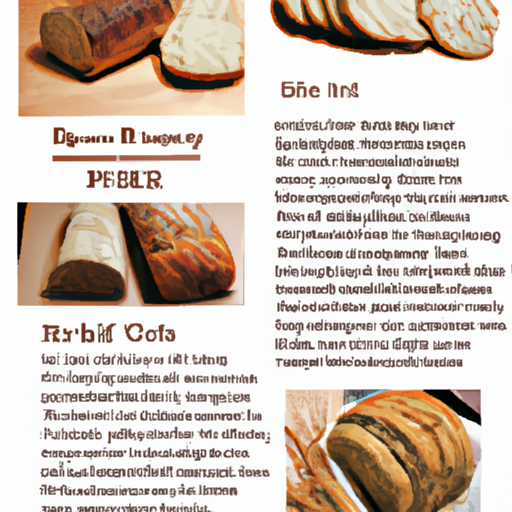
Understanding the Importance of Healthy Bread Choices
Hello, dear readers. Today, we will talk about the role bread plays in our diets, and why it’s essential to make healthy choices. Many of us rely on bread as a primary source of carbs, whether it’s a sandwich for lunch, toast for breakfast, or a crusty roll with dinner.
The Role of Bread in the Mediterranean Diet
In the Mediterranean diet – one of the most respected and proven healthy eating strategies – bread is a staple. From Italy’s hearty whole grain loaves to Greece’s soft, flat pita, bread is a must at almost every meal. However, the bread you’ll find on a Mediterranean table differs significantly from the overly processed, mass-produced loaves we often see at the supermarket.
Impact of Bread on Health and Wellbeing
The type of bread you choose can meaningfully impact your health and well-being. Healthy bread, rich in whole grains, dietary fiber, and wholesome ingredients, can contribute to weight loss, enhance gastrointestinal function, and help control blood sugar levels.
Whole Grain Bread: A Wholesome Option
Let’s talk about whole grain bread, a widely available and nutritious choice.
The Nutritional Profile of Whole Grain Bread
Whole grain bread retains all parts of the grain — the bran (fiber-rich outer layer), the germ (nutrient-packed inner part), and the endosperm (the bulk of the grain). This makes it rich in fiber, a vast array of vitamins and minerals, and even proteins.
Why Choose Whole Grain Bread Over White Bread
Whole grain bread is much healthier than refined white bread, which has had the bran and germ removed during processing. This leaves white bread lacking in natural nutrients, often compensated for with synthetic vitamins and minerals.
Sourdough Bread: The Fermented Goodness
Next, let’s consider sourdough bread, a fermented food with unique health benefits.
Benefits of Fermented Foods
Fermented foods like sourdough bread are packed with probiotics – ‘good’ bacteria that promote gut health. These foods could also help enhance digestion and nutrient absorption.
Why Sourdough Bread is a Healthier Choice
Sourdough bread’s long fermentation process breaks down a significant portion of the gluten it contains, making it easier to digest for many people. Additionally, some research suggests that sourdough bread may have a lower impact on blood sugar levels than other types of bread.

Rye Bread: A Fiber-Rich Selection
Rye bread is another great choice, especially if you’re looking to increase your fiber intake.
The Nutrient Content of Rye Bread
Rye bread – particularly the whole grain version – is a rich source of dietary fiber. It also provides essential nutrients like magnesium, vitamins B1 and B5, and phytonutrients, plant compounds with antioxidant properties.
Impact of Rye Bread on Digestion and Satiety
Thanks to its high fiber content, rye bread can enhance digestion and help you feel full for longer — potentially aiding in weight control.
Ezekiel Bread: The Sprouted Grain Benefit
Now, let’s discuss Ezekiel bread, named after a biblical verse and known for its sprouted grains.
What is Sprouted Grain Bread
Sprouted grain breads, like Ezekiel bread, are made from whole grains that have been allowed to sprout (germinate) before being milled into flour. This process enhances the grain’s nutritional content and bioavailability.
Advantages of Ezekiel Bread on Overall Health
Ezekiel bread combines different sprouted grains and legumes, giving it a complete protein content comparable to that found in milk and eggs. It’s also rich in fiber, vitamins, and minerals, and contains no added sugar.
Oat Bread: The Heart-Friendly Loaf
Lastly, we’ll look at oat bread, a deliciously heart-friendly bread option.
Why Oats are Beneficial for Heart Health
Oats are full of vitamins, minerals, fiber, and antioxidants. They contain beta-glucan, a type of soluble fiber that can help lower LDL and total cholesterol levels, reducing the risk of heart disease.
Inclusion of Oat Bread in a Healthy Diet
Incorporating oat bread into your diet affords all the health benefits of oats, along with the convenience and comfort of bread.
Choosing Bread for Children
Selecting bread options for your children is just as important as for adults.
Selecting Healthier Bread Options for Kids
Choose bread loaded with whole grains, fiber, and minimal added sugars for your children. These types will sustain their energy and support their growth and development.
Incorporating Bread in Your Children’s Balanced Diet
Bread, combined with lean proteins, fruits, and veggies, can create balanced and enjoyable meals for your children – promoting healthier eating habits.
Bread Buying Guide: What to Look For
Finding the right bread goes beyond looking at the color or price tag.
Understanding Bread Labels
Labels can be tricky. A loaf labeled as ‘multigrain’ might contain more refined flour than whole grain. Look for the term ‘100% whole grain’ to ensure you get the most benefit.
Tips to Choose the Right Bread
Always check the ingredient list. The first component listed should be a whole grain, and seek out options with minimal added sugars.
The Spirit of Sharing Quality Food with Family
Sharing foods like healthy bread can create bonds and establish a foundation for good eating habits.
Creating Healthy Bread Meals for Family
Whether it’s cozy family brunches with whole grain pancakes or nutritious sandwiches for a school lunch, focus on the importance of quality.
Promoting a Healthy Lifestyle Through Shared Meals
By participating in shared, wholesome meals, you encourage your family to cherish the priceless value of a healthy lifestyle.
Conclusion: Embrace Healthier Bread Choices
So, what’s the healthiest bread to eat? It’s clear that whole grains, fiber, and minimal added sugars are attributes to look for. Varieties like whole grain, sourdough, rye, Ezekiel, and oat bread can all make excellent choices depending on your personal health goals and dietary needs. Enjoy exploring these healthy bread options, and happy eating!
Leave a Reply