So, you’ve found yourself scratching your head and wondering, “Is peanut butter on the Mediterranean diet?” You wouldn’t be the first one asking this question and we’ve got the answer ready for you right here. The inclusion of peanut butter, a delicious snack many of us love, in the Mediterranean diet might come as a surprise to you, but let’s dive into the details.
This article offers you everything there is to know about peanut butter and its role in the Mediterranean diet. You’re about to unwrap a whole lot of knowledge that just might change the way you see your favorite spread. You’ll find out why sharing quality, nutritious foods like the ones found in the Mediterranean diet is so significant for both your health and family bonding moments. JD, the author and a devoted family man himself, understands the importance of maintaining good health to ensure he can be active and engaged in his children’s lives. He looks forward to sharing this discovery and many more with you.
Understanding the Mediterranean Diet
Overview of the Mediterranean Diet
The Mediterranean diet is a traditional eating plan practiced by people living around the Mediterranean Sea. This diet emphasizes fresh, whole foods like fruits, vegetables, lean proteins, whole grains, and healthy fats. Its underlying principles revolve around enjoying meals with family and friends, staying physically active, and savoring a diverse array of foods.
Key Components of the Mediterranean Diet
Key components of this diet include an abundance of fresh vegetables and fruits, legumes, grains, and nuts. Healthy fats like olive oil replace butter, fish and poultry are your primary sources of protein, red meat is limited, and wine is consumed moderately. The Mediterranean diet encourages enjoying meals with family, a cornerstone of Mediterranean culture.
Nutritional Breakdown of Peanut Butter
Calorific Content of Peanut Butter
Peanut butter, while calorically dense, houses a powerhouse of essential nutrients. A 2-tablespoon serving delivers around 188 calories, substantial for a condiment but completely excusable when you consider its nutritional spread.
Macronutrients in Peanut Butter
Peanut butter is rich in protein, with each serving providing about 8 grams. It also contains roughly 16 grams of fat, predominately the heart-healthy monounsaturated and polyunsaturated types.
Micronutrients in Peanut Butter
On the micronutrient front, peanut butter packs an array of vitamins and minerals, including magnesium, potassium, and vitamin B6. It also contains significant amounts of fiber, crucial for a healthy digestive system.
Role of Healthy Fats in the Mediterranean Diet
Importance of Monounsaturated and Polyunsaturated fats
Healthy fats play a pivotal role in the Mediterranean diet. Monounsaturated and polyunsaturated fats, found in olive oil, nuts, seeds, and oily fish, help reduce levels of harmful cholesterol and increase beneficial cholesterol. Their anti-inflammatory properties protect against heart disease and certain types of cancer.
Sources of Healthy Fats in the Mediterranean Diet
The Mediterranean diet gets its fat content from foods like avocados, olives, fatty fish (like sardines and salmon), and nuts and seeds. Each providing an excellent source of these health-friendly fats.
Position of Peanut Butter in the Mediterranean Diet
Can Peanut Butter be Included in the Mediterranean Diet?
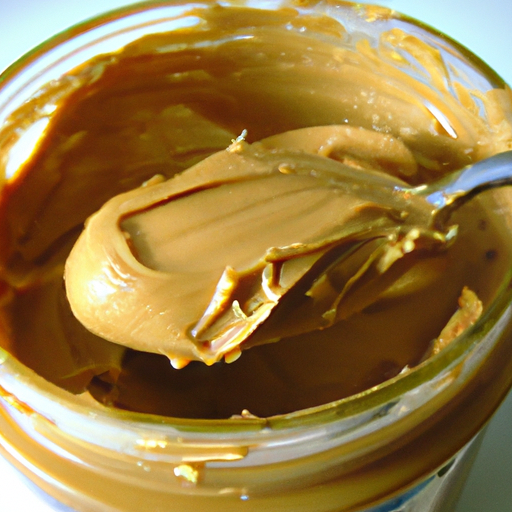
Incorporating peanut butter into your Mediterranean diet is certainly permissible. peanut butter’s healthy fats align with the diet’s principles. Its high protein content is ideal for vegetarian Mediterranean dieters.
How to Incorporate Peanut Butter into the Mediterranean Diet?
Incorporating peanut butter into your Mediterranean diet can be as simple as spreading it on your morning toast or blending it into your post-workout smoothie. It can also be used in salad dressings or couscous for an extra punch of protein and flavor.
Comparison of Peanut Butter with Other Nut Butters
Peanut Butter vs Almond Butter
While both are healthy choices, almond butter has a slightly better n-6 to n-3 ratio, which can help with inflammation. Peanut butter, though, is a more economical option and has slightly higher protein content.
Peanut Butter vs Tahini
Tahini, made from sesame seeds, is rich in anti-inflammatory monounsaturated fats. However, peanut butter has more protein and fiber, two nutrients essential for feeling satisfied and maintaining a healthy weight.
Peanut Butter Recipes for the Mediterranean Diet
Creating a Mediterranean Inspired Peanut Butter Sandwich
Why not create a Mediterranean twist to the classic peanut butter sandwich for your family’s lunch? Substitute bread with whole grain pita, spread on a hefty serving of peanut butter, then top it with fresh fruits like thinly sliced apples or figs.
Cooking a Peanut Butter-Based Mediterranean Sauce
Peanut butter can also take the role of a sauce for Mediterranean meals. Whisk together peanut butter, garlic, lemon juice, and olive oil. This sauce is perfect drizzled over grilled vegetables, grilled fish, or chicken skewers.
Benefits of Sharing Quality Food with Family
Promoting Family Bonding Through Shared Meals
Sharing meals with your family can promote stronger relationships and positive eating habits. This aligns with the Mediterranean ethos, bringing people together to savor wholesome, quality food.
Enhancing Nutritional Awareness among Family Members
When you take the time to prepare quality, nutritious meals like those found in the Mediterranean diet, you educate your family about the importance of healthy eating habits. Sharing peanut butter-infused Mediterranean recipes, for example, can be an excellent opportunity to discuss the benefits of healthy fats and proteins to your children.
Long-Term Health Implications of the Mediterranean Diet
Benefits of the Mediterranean Diet for Heart Health
With its emphasis on healthy fats, fresh produce, and whole grains, the Mediterranean diet has been shown to decrease the risk of heart disease significantly. This benefit is amplified when combined with regular physical activity and moderate wine consumption.
Impact of the Mediterranean Diet on Longevity and Quality of Life
Studies have associated the Mediterranean diet with increased longevity and better quality of life. It also provides protection against type 2 diabetes, certain cancers, and cognitive decline.
Common Misconceptions about the Mediterranean Diet
Addressing Myths about Fat Content in the Mediterranean Diet
A popular myth is that the Mediterranean diet is low in fat, as it discourages consuming red meat and encourages consuming lean proteins. The truth is, it’s high in healthy fats, deriving more than a third of daily calories from fat sources, primarily monounsaturated fats like those in olive oil and nuts.
Dispelling Misconceptions about Dietary Restrictions in the Mediterranean Diet
Another misconception is that the Mediterranean diet is restrictive. In contrast, it offers a vast variety of food choices and flavors, encompassing the culinary traditions of multiple countries.
Conclusion
Reevaluating Peanut Butter’s Role in a Healthy Diet
In conclusion, peanut butter deserves a spot in your Mediterranean pantry. Its nutrient richness aligns with the diet’s ideals of eating healthy, wholesome foods. Just remember to choose all-natural products with no added sugar or hydrogenated oils.
Embracing Diversity in Diet Choices for Optimal Health
The beauty of the Mediterranean diet lies in its emphasis on diversifying your food choices for optimal health. Whether it’s peanut butter, olive oil, or avocado, savor each bite, enjoy the culinary adventure, and share this experience with your family. After all, good food is meant to be shared.
Leave a Reply