So, you’re curious about what you shouldn’t eat on a Mediterranean diet, right? No worries, many others out there have the same question. There’s a lot of buzz going around about the benefits of the Mediterranean diet, it’s not surprising you want to dive deeper and know all the ins and outs.
Don’t fret, because we have all the nitty-gritty details laid out in the article for you. From identifying the foods you should steer clear of, to why these particular items might not fit within the Mediterranean diet framework – it’s all in there. Rest assured, you’ll walk away with a better understanding by the end of it. So, why not give it a read?
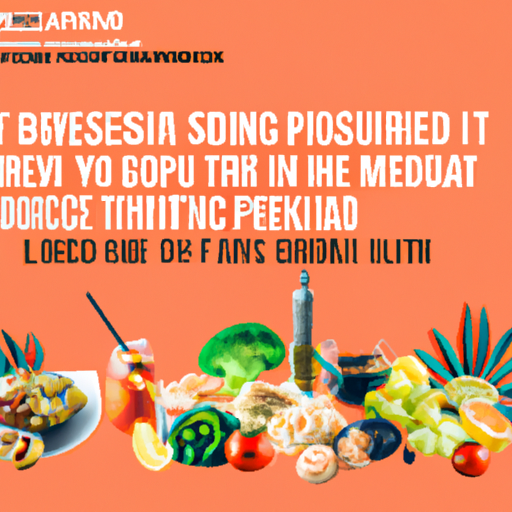
Understanding the Principles of the Mediterranean Diet
When you first commit to the Mediterranean diet, it can be quite the lifestyle overhaul. The core principles revolve around consuming plenty of fruits, vegetables, whole grains, legumes, and olive oil. The diet encourages moderate consumption of fish, poultry, eggs, and dairy, and limits the intake of red meat.
Core Features of the Mediterranean Diet
The primary focus of the Mediterranean diet is on plant-based foods: fruits, vegetables, legumes, and whole grains. These are laden with fiber, vitamins, minerals, antioxidants, and heart-healthy fats. Meals are prepared using olive oil instead of other fat sources, and herbs are used to add flavor instead of salt. If you can, choose whole-grain bread over white, fresh fruit over sweet desserts, adding raw vegetables to your meals, and drinking red wine in moderation.
Why the Mediterranean Diet is Considered Healthy
Scientific studies have consistently linked the Mediterranean diet to a host of health benefits, which can include improved heart health, weight management, diabetes prevention, and alleviated dementia symptoms. The focus on fiber-rich foods helps regulate your digestive system and maintains a feeling of fullness, reducing the likelihood of overeating.
Why Some Foods Are Excluded From The Mediterranean Diet
Impact of Processed Foods on Health
Processed foods often contain harmful additives and lack nutritional value, making them far from ideal for a diet focused on health and longevity. If you are used to convenience meals, you’ll need to prepare for time in the kitchen as part of your new approach to eating.
The Role of Saturated Fats in Heart Diseases
Saturated fats found in red meat can potentially lead to high cholesterol levels and heart disease. These should be swapped for healthier polyunsaturated and monounsaturated fats found in foods like avocados, fatty fish, and olive oil.
The Ill-Effects of Refined Grains and High-Sugar Foods
The Mediterranean diet discourages the consumption of refined grains and high-sugar foods. Over time, a diet high in these types of carbohydrates can lead to weight gain and a higher risk of heart disease and diabetes.
Red Meat and the Mediterranean Diet
How Often to Consume Red Meat on the Mediterranean Diet
According to Mediterranean diet guidelines, red meat should be limited to a few times per month, and servings should be small – 3 ounces or less.
Alternative Sources of Protein
On this diet, you’ll obtain protein from a variety of sources such as fish, poultry, eggs, and legumes. These sources not only provide you with the necessary protein, but also other health benefits like omega-3 fatty acids from fish, and fiber and other nutrients from legumes.

Limiting Dairy Consumption
Alternatives to Cow’s Milk
While the Mediterranean diet permits dairy in moderate amounts, alternatives to cow’s milk, like almond milk and soy milk, are encouraged.
The Role of Cheese and Yogurt in the Mediterranean Diet
Cheese and yogurt are common components of the Mediterranean diet but they’re consumed in moderation because they can contain high levels of saturated fats.
Processed Foods and the Mediterranean Diet
Understanding the Impact of Preservatives and Additives
Preservatives and additives are often found in processed foods. These substances can have a negative impact on your health, with potential links to increased heart disease risk, high blood pressure, obesity, and cancer.
Ideas for Replacing Processed Foods with Whole Foods
Instead of processed foods, focus on fresh produce, whole grains, and lean proteins. Swap processed bread for whole grain varieties. Choose fresh fruits over canned ones and opt for homemade meals over fast food.
Avoiding Saturated and Trans Fats
Identifying Sources of Unhealthy Fats
Unhealthy fats, such as saturated and trans fats, are typically found in red and processed meats, fried foods, butter, and pre-packaged snacks.
Switching to Healthier Fats
Olive oil, avocados, seeds, and oily fish provide healthier alternatives. They offer monounsaturated and polyunsaturated fats, which have been found to lower bad cholesterol levels and boost good cholesterol levels in the body.
Decreasing Refined Grains and Sugars
Why Refined Grains and Sugars Are Unhealthy
Refined grains and sugars have had most of their nutrients stripped away during processing. Consuming these can lead to rapid spikes in blood sugar and feelings of hunger, which can result in overeating and weight gain.
Substituting Refined Grains with Whole Grains
Whole grains are an excellent substitute for refined grains. They contain all parts of the grain — the bran, germ, and endosperm, which are packed with healthful nutrients like fiber, protein, and antioxidants.
Reducing Your Sugar Intake
Limiting your intake of added sugars is an essential part of the Mediterranean diet. Rather than reaching for a sugary snack, satisfy your sweet tooth with fruits that offer natural sugars and other beneficial nutrients.
Exclusion of Fast Food and Fried Foods
The Health Risks of Fast Food and Fried Foods
Fast food is typically high in unhealthy fats, sodium, and sugar, while offering little nutritional value. Fried foods also contain unhealthy fats, which can contribute to obesity, heart disease, and diabetes.
Healthy Alternatives to Fast Food and Fried Foods
Lean proteins, whole grains, legumes, and a rainbow of fruits and vegetables are nutritious alternatives that can be made into delicious, satisfying meals.
How to Successfully Stick to the Mediterranean Diet
Transitioning From Your Current Diet
Transition into the Mediterranean lifestyle gradually. Start by incorporating more vegetables and whole grains into each meal. Then, replace unhealthy fats with healthier ones and switch over to lean protein sources.
Strategies for Eating Out and Social Engagements
When eating out, opt for dishes high in vegetables, lean proteins, and whole grains. Watch for hidden saturated fats and sugars.
Conclusion
Review of the Benefits of the Mediterranean Diet
The Mediterranean diet offers an abundance of benefits from weight management to heart disease prevention. It’s a lifestyle worth adopting, not only for your individual health but also for your family’s well-being.
Emphasizing the Role of Quality Food in Family and Health
The Mediterranean diet places a great emphasis on enjoying meals with family and friends. By sharing quality, nutritious meals, you enhance the experience of eating, foster a healthy relationship with food, and pave the way for a healthier, happier family.
By following the guidelines above and carefully considering what not to eat, you can fully embrace the Mediterranean diet. In doing so, you ensure that your health and the health of your family is maintained. Remember, it’s not just about the foods you avoid, but the delicious, nutritious foods you bring to the table.
Leave a Reply