Imagine you’re in your kitchen, an array of brightly-colored, fresh, and inviting ingredients spread out before you. You’re preparing to create a dish entrenched in centuries of culinary tradition, a spectacular play of flavors and health benefits that epitomize the essence of the Mediterranean diet. This is not just a recipe, rather a vibrant narrative of culture and wellness. Your star ingredient today is crisp lettuce, ripe tomatoes, dazzlingly green cucumbers, and the food world’s golden child- extra virgin olive oil. Yes, you are about to embark on the culinary journey of making Fattoush, a beloved Mediterranean salad brimming with taste and nourishment.
Embodied in this ethereal assembly of greens, veggies, spices, and olive oil is the Mediterranean diet’s heart – the promotion of longevity, vitality, and an overall improved quality of life. It’s a soothing symphony of tastes that takes you on an enriching voyage to the sunny Mediterranean coast with each bite. Raising the bar of excellence in your cooking exploration, this recipe lets in a new standard of quality and enriches the narrative of your wellness journey. Get prepared to master the art of creating the perfect Fattoush and serve up a staple that never fails to impress – it’s where traditional wisdom meets modern dietary needs.
Understanding Fattoush and the Mediterranean Diet
Explanation of Fattoush
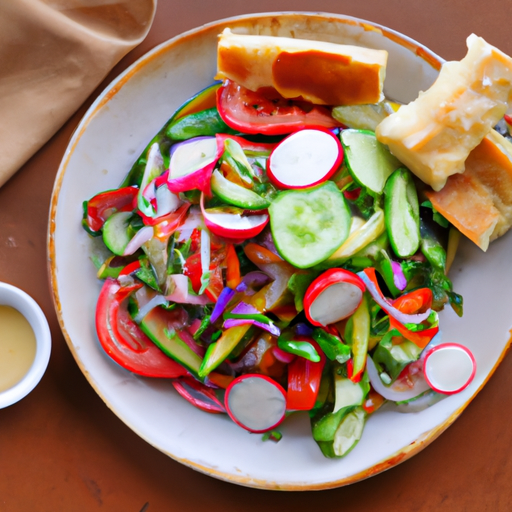
Fattoush is a vibrant and refreshing salad that hails from Lebanon but is enjoyed across the Mediterranean region. It is characterized by its mix of crisp vegetables, fresh herbs, and crunchy pieces of toasted or fried bread known as pita. Each bite of this colorful salad is a melody of flavors – tangy, fresh, and richly seasoned. The secret of Fattoush’s impressive taste lies in its simple yet high-quality ingredients and its unique dressing with an explosion of Middle Eastern flavors.
Fattoush’s role in the Mediterranean Diet
The Mediterranean Diet is renowned worldwide for its health benefits and emphasis on fresh, whole foods. Fattoush fits right into this nutritious and delicious regime with its array of nutrient-rich vegetables and heart-healthy olive oil. The result is a low-calorie, high fiber meal that is as good for your body as it is for your taste buds.
Ingredients for Fattoush
Listing all required ingredients
To prepare Fattoush for four adults, you will need:
- Two medium cucumbers, chopped
- Four Roma tomatoes, diced
- One red onion, thinly sliced
- Two cups of Romaine lettuce, chopped
- Half a bunch of fresh mint leaves, chopped
- Half a bunch of fresh parsley, chopped
- Four pita bread rounds
- Half a cup of olive oil
- One lemon, juiced
- One tablespoon of sumac
- Two cloves of garlic, minced
- Salt and pepper, to taste
Specifying exact amounts for 4 servings
Note that the ingredient quantities mentioned above are calculated for four servings. If you want to serve more or fewer people, adjust the ingredient amounts accordingly.
Preparation of Ingredients
How to prepare vegetables and herbs
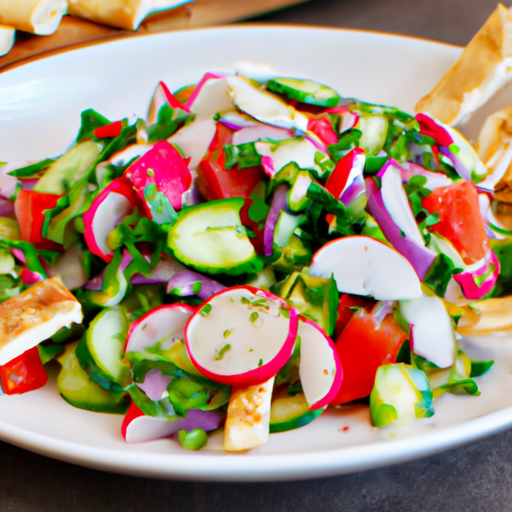
Wash all the vegetables and herbs thoroughly. Chop the cucumbers, dice the tomatoes, thinly slice the red onion, and roughly chop the lettuce, mint, and parsley. Make sure to keep the vegetables chunky for a better bite and texture.
Making the Fattoush bread
Start by toasting your pita bread. Cut the pita rounds into bite-sized pieces and either oven-toast or fry them in a pan with a bit of olive oil till they become crispy. These crunchy bread pieces add a unique texture to your Fattoush and are a crucial component of this recipe.
Cooking Instructions for Fattoush
Step-by-step cooking process
In a large salad bowl, add the prepared vegetables and herbs. Toss them together. Next, it’s time to make the Fattoush dressing. In a separate bowl, combine olive oil, lemon juice, sumac, minced garlic, and salt, and pepper. Stir until everything is well combined. Pour this dressing over the vegetables, and mix until they are well-coated. Lastly, add the toasted pita bread pieces and give it one last quick mix.
Tips for ensuring a flavorful dish
To release the maximum flavor from the sumac, it’s ideal to add it directly to the lemon juice before combining it with other dressing ingredients. Also, adding the bread lastly will prevent it from going soggy and losing its crunch.
Cooking time and temperature details
Preparing Fattoush doesn’t require any actual cooking, and the time taken would mostly be in chopping the vegetables and herbs, and toasting the bread. Therefore, you can have the salad ready within 20-30 minutes.
Serving suggestions for Fattoush
Best ways to serve Fattoush
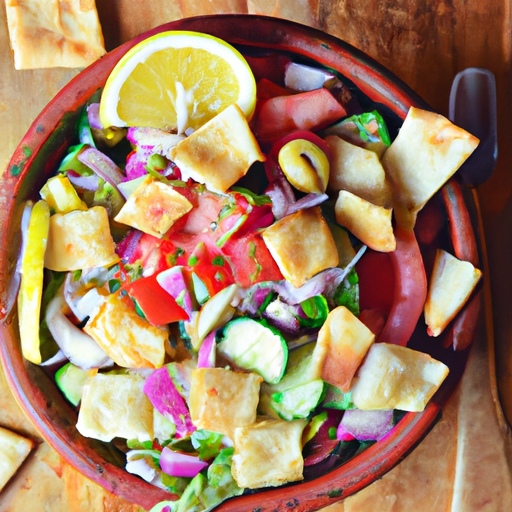
Fattoush is typically served as a starter or a side dish, but it can comfortably hold its own as a light main course too.
Pairing options with other Mediterranean dishes
You can pair Fattoush with a variety of Mediterranean dishes. It goes particularly well with grilled meats, seafood, or even a creamy hummus dip.
Fattoush Variations
Regional Variations
Depending on your location, Fattoush might vary a bit. Some versions include radishes or even incorporate additional spices.
Personalizing your Fattoush Recipe
You can adapt the basic Fattoush recipe to suit your taste by adding other vegetables like bell peppers or incorporating your favorite herbs.
Ingredient substitutions
Possible substitutions for allergy or preference
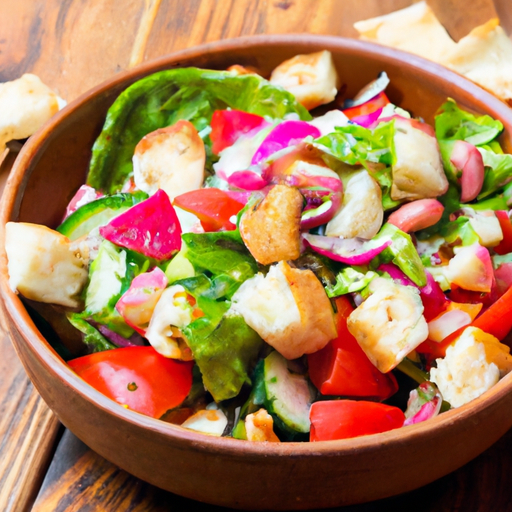
If you are gluten-intolerant, you can substitute the regular pita bread with a gluten-free version.
How these substitutions might affect the dish’s taste and texture
Keep in mind that each substitution will inevitably alter the taste and texture slightly. For instance, using a gluten-free bread might affect the crunchiness of the bread in the salad.
Health benefits of Fattoush
Nutritional content of Fattoush
This salad is a nutritional powerhouse brimming with vitamins from the vegetables, monounsaturated fats from the olive oil, and carbohydrates from the bread.
How Fattoush contributes to a balanced diet
Being low in calories and high in fibers, this dish contributes significantly to the balanced diet promoted by the Mediterranean lifestyle.
Health benefits of Fattoush
Regular consumption of Fattoush may help in weight management, improve digestion, enhance skin health, and boost the immune system.
Comparing Fattoush to Similar Dishes
Differences between Fattoush and other salads
Unlike other salads, Fattoush stands out for its textured crunchiness derived from the bread and its unique sumac dressing.
Unique characteristics of Fattoush
The unique taste of Fattoush comes from the clever combination of the sour sumac, tangy lemon, and fresh vegetables, giving it a distinct edge over other salads.
Conclusion
Summary of Fattoush’s role in Mediterranean Diet
Fattoush is not just a salad; it’s a hallmark of the Mediterranean diet. This vibrant dish is an emblem of what Mediterranean dishes represent: wholesome, fresh, and brightly flavored.
Final tips for making a perfect Fattoush dish
Remember, the best Fattoush is the one made with fresh, locally sourced ingredients, a good-quality olive oil, and a generous sprinkle of love!
Leave a Reply