It seems you’ve been hearing a lot about Mediterranean style meals recently, am I right? Well, it’s no surprise considering all the health benefits associated with this way of eating. So, you might be asking, “what exactly is a Mediterranean style meal?” Quite an intriguing question indeed.
It’s only natural for you to want to learn more. And, in the following article, your curious mind will surely satiate its hunger for answers. You will not only learn what makes a meal “Mediterranean style,” but also uncover the deeply-rooted relationship this diet shares with enhanced health, longevity, and family meal times. Promise, by the end of this journey, you’ll be feeling like a Mediterranean diet aficionado!
Understanding the Concept of Mediterranean Style Meal
Major influencers in a Mediterranean style meal
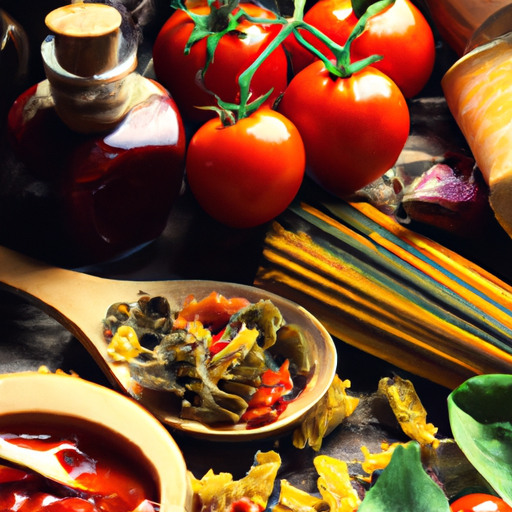
The Mediterranean style meal is a culinary concept inspired by the dietary patterns of countries around the Mediterranean Sea. The diet’s major influencers are Italy, Greece, Spain, and Morocco, among others. These nations’ traditional food habits, cultural practices, and the region’s biodiversity largely shape the Mediterranean meal paradigm.
The core philosophy behind Mediterranean meals
The Mediterranean diet revolves around the philosophy of whole-foods, healthy fats, and an active lifestyle. It is a lifestyle approach to wholesome nutrition, valuing quality over quantity and emphasizing the communal aspect of dining – sharing meals with family and friends.
The Key Components of a Mediterranean Style Meal
The importance of fruits and vegetables
At the heart of a Mediterranean style meal are fruits and vegetables. High in vitamins, minerals, fiber, and antioxidants, these vibrant and diverse food groups form the bulk of the Mediterranean Diet, contributing to its high nutrient density.
The role of healthy fats
Healthy fats, primarily from olive oil, nuts, and seeds, are a significant contributor to the Mediterranean Diet’s health benefits. Research has proved that these fats improve heart health and mitigate harmful inflammation.
Proteins in the Mediterranean diet
The Mediterranean Diet is not devoid of proteins; it merely prioritizes sources. Fresh fish, lean poultry, legumes, and dairy products such as yogurt and cheese are the preferred protein sources.
Spices and condiments commonly used
Herbs, spices, and condiments add vibrant flavors, turning the simplest of ingredients into a feast for your senses. They also contribute valuable micronutrients and beneficial compounds with potent health benefits.
Benefits of the Mediterranean Diet
Health benefits associated with the diet
The Mediterranean Diet is linked to numerous health benefits, from a lower risk of heart disease, type-2 diabetes, Alzheimer’s, and some types of cancer to improved digestion and increased longevity.
The role of the diet in weight management
By prioritizing nutrient-dense, filling, and satisfying foods, the Mediterranean Diet supports a healthy weight. Its emphasis on physical activity and mindful eating also contributes to maintaining a balanced body weight.
Long-term impacts on lifestyle and longevity
One cannot overlook the diet’s impact on lifestyle and longevity. The Mediterranean Diet encourages not only a healthy eating pattern but also emphasizes physical activity and sharing meals with loved ones — all keys to a long and healthy life.
Examples of Mediterranean Style Meals
Easy and worthy Mediterranean breakfast ideas
From a simple Greek yogurt parfait with fresh fruits, honey, and almonds to Spanish-style pan con tomate – the options for a Mediterranean breakfast are plentiful and satisfying.
Fulfilling Mediterranean diet lunch meals
A hearty Greek salad for a light lunch or a lentil stew with whole grain bread for a more substantial one – Mediterranean lunch meals are versatile, satisfying, and nutrient-rich.
Ideas for a scrumptious Mediterranean dinner
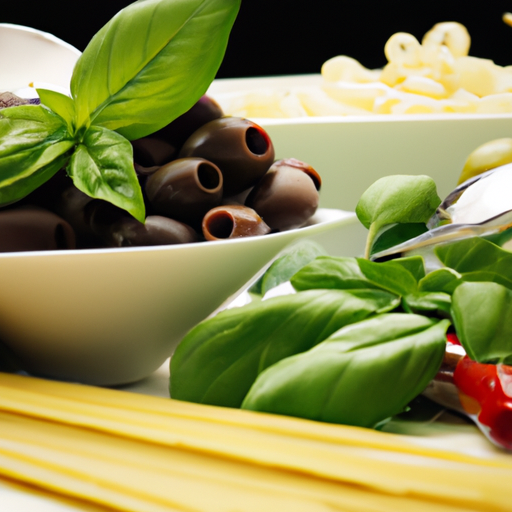
You can prepare a simple baked fish with olives and tomatoes or a Moroccan vegetable and chickpea stew for a hearty, comforting dinner that’s family-friendly and loaded with beneficial nutrients.
Incorporating a Mediterranean Style Meal into Daily Life
Tips to adapt to a Mediterranean diet lifestyle>
Start small: replace butter with olive oil, processed snacks with fruits or nuts, and add a salad to your meals to gradually adapt to a Mediterranean diet.
Transitioning from a traditional diet to a Mediterranean diet
The transition from a traditional Western diet to a Mediterranean-style diet doesn’t have to be drastic or overwhelming. It’s about making conscious choices one meal at a time, gradually replacing unhealthy options with wholesome Mediterranean alternatives.
How to Plan a Mediterranean Style Meal for the Family
Encouraging kids to adopt the Mediterranean meal style
Getting kids on board can be challenging, but with creativity and involvement, you can encourage them to embrace this healthy eating style. Make meals colorful, involve them in meal preparation, and explore Mediterranean flavors together.
Involve the family in meal preparation
Involving family in meal prep not only lightens your workload but also makes the process fun and fulfilling. This shared experience can boost the family’s understanding and appreciation for healthy, delicious food.
Striking a Balance between Taste and Health
How Mediterranean meals champion taste and nutrition
Mediterranean meals masterfully marry taste and nutrition. With its emphasis on fresh, whole foods, healthy fats, and flavorful seasonings, this diet introduces you to a culinary world where flavor rules and health benefits abound.
Keeping the Mediterranean diet exciting with variety
Variety is the spice of the Mediterranean diet. Every meal can be an opportunity to experiment with new ingredients, recipes, and flavor combinations, keeping your taste buds interested and your diet filled with different nutrients.
Impact of Sharing High-Quality Food with Family
Bolstering family bonds through shared meals
There’s nothing like shared meals to bring families closer. The Mediterranean diet emphasizes this aspect, encouraging family meals that are not only healthy but also a time for bonding and reconnection.
The sentimental value behind the Mediterranean lifestyle
The focus on shared meals and an active lifestyle lends tremendous sentimental value to the Mediterranean diet, making it less of a diet plan and more of a lifestyle choice that revolves around health, happiness, and togetherness.
Challenges and Myths Associated with the Mediterranean Diet
Overcoming misconceptions surrounding the Mediterranean diet
One prevalent misconception is that the Mediterranean diet is expensive and time-consuming. However, with planning and smart choices, it can be both affordable and practical.
Facing possible challenges in adopting the diet
Adopting a new diet always presents challenges. Whether it’s old habits, lack of knowledge, or simply fear of change, remember – every small step you take towards healthier eating habits counts.
Conclusion: Embracing the Mediterranean-style Meal
Reflecting on the benefits and versatility of the Mediterranean diet
The Mediterranean diet unfolds a world of supreme flavors, vibrant colors, and immense health benefits. It’s not just a diet; it’s a lifestyle – a life-enriching, health-boosting, joy-spreading lifestyle that’s easy to embrace and hard to give up.
Personal experiences and final thoughts
As a husband and a father, my journey with the Mediterranean diet has been deeply personal and rewarding. My energy levels, overall health, and familial bonds have strengthened. I sincerely hope that you find as much joy, health, and fulfillment in this culinary adventure as I have. After all, food is not just fuel – it’s life, love, and celebration, all served up on a plate.
Leave a Reply