You’re about to understand what fats to avoid when following the Mediterranean diet. This will be a major step towards optimizing your health and enhancing the quality of time spent with your family. Keep reading to further your knowledge in maintaining a wholesome lifestyle.
Understanding the Mediterranean Diet
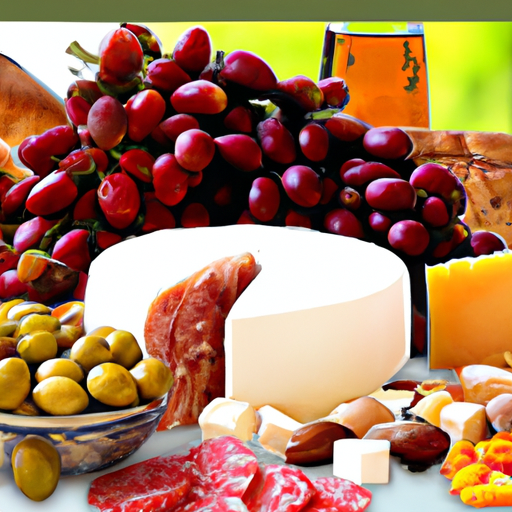
The Mediterranean Diet isn’t just a diet, it’s a lifestyle. This eating plan focuses on whole, natural foods like fruits, vegetables, grains, and lean proteins, particularly fish. The key to its healthfulness, however, lies in its focus on healthy fats, primarily derived from olive oil, nuts, and fish.
Breaking Down the Components of the Mediterranean Diet
Components of the Mediterranean diet are fairly straightforward and focus on minimizing processed foods. They include fresh fruits and vegetables, whole grains, legumes, seafood, poultry, olive oil, and a unique emphasis on enjoying meals with family and friends.
Why the Mediterranean Diet is Beneficial
With numerous studies attesting to its benefits, the Mediterranean Diet is known for reducing risks of heart disease, diabetes, high blood pressure, and even certain types of cancers. Moreover, it also promotes weight loss and improves brain health.
Fats: A Brief Overview
While fats often get a bad reputation, they are essential for our body’s functioning. Fats provide energy, support cell growth, and protect our organs. However, not all fats are created equal.
The Difference Between ‘Good’ and ‘Bad’ Fats
The ‘good’ fats are unsaturated fats that can lower the risk of disease — these include monounsaturated and polyunsaturated fats. Bad fats, including saturated and trans fats, can contribute to disease and weight gain.
The Role of Fats in Our Diet
Dietary fats are crucial for body processes like building cell membranes and sheathing surrounding nerves. They also play a vital role in blood clotting, muscle movement, and inflammation.
Healthy Fats in the Mediterranean Diet
Importance of Olive Oil
In the Mediterranean Diet, olive oil reigns supreme. It’s a rich source of monounsaturated fats which can lower levels of bad cholesterol, reducing the risk of heart disease.
Contributions of Nuts and Seeds
Nuts and seeds are nutritional powerhouses providing healthy fats, fiber, and protein. Almonds, walnuts, flaxseeds, and chia seeds are excellent additions to your Mediterranean Diet menu.
Significance of Fish and Seafood in Providing Healthy Fats
The Mediterranean Diet emphasizes the inclusion of seafood at least twice a week. Fish, particularly fatty species like salmon and mackerel, are high in Omega-3 fatty acids that benefit heart health.
Unhealthy Fats to Avoid in the Mediterranean Diet
Your health can take a toll if the wrong types of fat dominate your diet.
Effect of Saturated Fats on Health
Saturated fats, found primarily in meat and dairy products, can raise your blood cholesterol levels and increase your risk of cardiovascular disease.
Dangers of Trans Fats
Trans fats are even more detrimental, increasing your bad cholesterol while lowering the good. This dangerous combination escalates your risk of heart disease.
Common Foods to Avoid on the Mediterranean Diet
Processed Foods and the Mediterranean Diet
Processed foods are often high in added sugars, sodium, and unhealthy fats. Limiting these in your diet is key to reaping the benefits of the Mediterranean lifestyle.
The Impact of Red Meat
The Mediterranean Diet minimizes red meat as it’s often high in saturated fats. Opting for fish, poultry, or plant-based proteins like legumes can be a healthier choice.
Fats to Avoid in Dairy Products
Full-fat dairy products can also harbor saturated fats. Opt for low-fat or non-fat versions where possible, or better yet, use plant-based alternatives like almond milk or coconut yogurt.
Shaping Your Mediterranean Menu
Incorporating Healthy Fats in Your Diet
Start small by swapping butter for olive oil, snacking on nuts, and including more seafood in your meals.
Substitution Strategies for Unhealthy Fats
Replace unhealthy fats in your diet by swapping full-cream dairy for low-fat versions, choosing lean meats, and avoiding processed foods.
The Family Element of the Mediterranean Diet
Experiencing Mediterranean Food Culture at Home
Mediterranean eating isn’t about restrictions; it’s about enjoying high-quality food with those you love. Making meals a leisurely and communal event can help you savor your food and create lasting habits.
Teaching Your Children About Healthy Eating
Involve your kids early in food selection and preparation. Talk about why you choose certain foods and not others – all part of fostering awareness about healthy eating.
Implementing the Mediterranean Diet into Your Lifestyle
A Gradual Approach to Diet Implementation
Ease into the Mediterranean lifestyle by making simple swaps over time. This way, you’re more likely to stick with it.
Maintaining the Mediterranean Diet Long-Term
Sticking to this diet means maintaining a balance. Not all foods need to be avoided forever but consume unhealthy fats in moderation.
Addressing Common Concerns About the Mediterranean Diet
Dealing With Dietary Restrictions on the Mediterranean Diet
The Mediterranean Diet is flexible enough to accommodate most dietary restrictions. Whether it’s a food allergy or dietary choice, you can adapt it to your needs.
Exploring the Cost of the Mediterranean Diet
While this diet emphasizes fresh, high-quality ingredients, eating the Mediterranean way doesn’t have to break the bank. Smart shopping and meal planning can keep your budget intact.
Conclusion: A Healthful Path with the Mediterranean Diet
Review of Key Points
Remember, the health benefits of the Mediterranean Diet largely come from its emphasis on whole foods and healthy fats. Avoiding unhealthy fats, particularly saturated and trans fats predominant in processed foods, red meat, and full-fat dairy, is key.
Building a Focus on Quality Food and Family
At its heart, the Mediterranean Diet is about more than just food. It’s about appreciation for high quality, natural food shared with loved ones. By adopting this lifestyle, you’ll not only reap the health benefits but also foster a positive relationship with food.
Leave a Reply