In this engaging read, you will discover which fish are particularly beneficial for the Mediterranean diet. Throughout the article, you’ll gain valuable insights about the impact of different fish species on your health and wellbeing. Not only that, but you will also learn tips about maintaining a satisfying and healthy lifestyle, while spending quality time with your family with delicious meals at the center of it all.
Understanding the Mediterranean Diet
Concept of Mediterranean Diet
The Mediterranean diet is more than just a diet. It is a lifestyle that encourages enjoying fresh, whole foods with loved ones, staying active, and embracing balance. This diet takes inspiration from the dietary habits of people living in countries bordering the Mediterranean Sea like Italy, Spain, and Greece. One of the principal aspects of this diet is fish, high in protein and Omega-3 fatty acids.
Health Benefits of the Mediterranean Diet
Adopting a Mediterranean diet can have noteworthy impacts on your health. Research shows that it can help prevent heart disease, stroke, type 2 diabetes, and certain types of cancer. Additionally, it also aids in weight loss and improves brain function.
Key Components of the Mediterranean Diet
Central to the Mediterranean diet is the consumption of fresh, unprocessed foods. These include fruits, vegetables, whole grains, legumes, lean proteins (predominantly fish and poultry), and healthy fats, such as olive oil. Refined sugars, unhealthy fats, and processed meats are limited.
Role of Fish in the Mediterranean Diet
Fish as a Key Component of the Mediterranean Diet
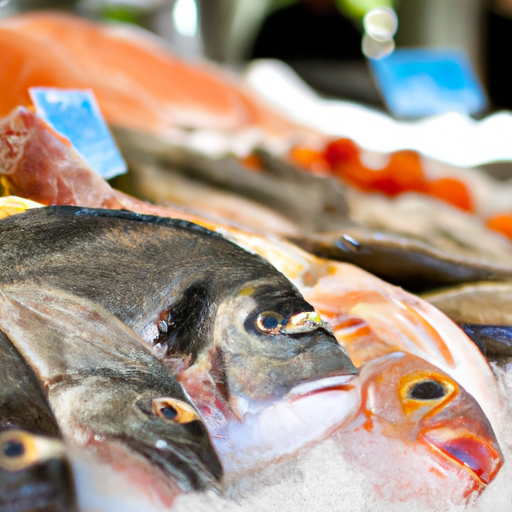
Fish, being abundant in Mediterranean countries, plays a significant role in the diet. The high content of lean protein and Omega-3 fatty acids make fish an excellent choice for heart health and overall well-being.
Health Benefits of Eating Fish
Eating fish regularly can lower the risk of heart disease, reduce inflammation, and improve mental health. The Omega-3 fatty acids in fish promote a healthy heart, while the lean protein helps maintain muscle mass.
How often to Eat Fish in the Mediterranean Diet
You should aim to include fish in your meals at least two times a week. This can vary depending on personal preference and dietary needs.
Types of Fish Suitable for the Mediterranean Diet
Salmon and Its Benefits
Salmon is a fatty fish rich in Omega-3 fatty acids. It’s an excellent source of vitamin D, protein, and B vitamins, providing numerous health benefits, such as improved cognitive function, reduced inflammation, and heart health.
Tuna and Its Nutritional Value
Tuna is a versatile, nutrient-dense fish. It provides high-quality protein, vitamins, and minerals such as selenium, vitamin B12, and niacin while being relatively low in calories.
Mackerel and Why it is Good
Mackerel is another type of oily fish which is rich in heart-healthy fatty acids. It also contains a hefty amount of vitamin B-12, promoting healthy blood cells and nerve function.
Health Benefits of Sardines
As one of the more nutritious fish options, sardines offer high levels of Omega-3 fatty acids, protein, and vitamin B12. They also support bone health due to their high levels of calcium.
Fishing and Sustainability
What is Sustainable Fishing?
Sustainable fishing means catching or farming fish without harming the ecosystem or depleting fish populations. This ensures that future generations can also enjoy these resources.
Why Sustainability is Important in the Mediterranean Diet
Embracing the Mediterranean lifestyle also means caring for our planet. Choosing sustainably sourced fish protects ocean biodiversity, ensures a healthier marine ecosystem, and preserves our food supply chain.
Choosing Sustainably Sourced Fish
Look for eco-labels or certification marks indicating that the fish have been caught or farmed sustainably. Local farmers’ markets or specialized fishmongers are excellent places to find sustainably sourced fish.
Integrating Fish into Your Mediterranean Diet
Balancing Fish with Other Mediterranean Diet Components
While fish is a crucial component of the diet, it is equally essential to balance it with other food groups. Pair your fish with a variety of colorful vegetables, legumes, or whole grains to ensure a well-rounded meal.
Incorporating Fish in Your Daily Meals
Fish can be included in your meals in several ways–grilled, baked, or added to salads, stews, or pasta dishes. Remember, the aim is not just to include fish but to savor and enjoy its flavors.
Adapting Favorite Recipes to Include Fish
Consider substituting meat for fish in some of your favorite recipes. This change can lend your dishes a new, enticing flavor and increase nutritional value.
Fish Recipes for the Mediterranean Diet
Fish Grilling Techniques
Grilling is a healthy way to prepare fish. Use herbs, lemon, olive oil, and spices to enhance its flavor, and pair it with grill-roasted vegetables for a traditional Mediterranean fish dish.
Creating a Fish Stew
Fish stew, simmered with vegetables, herbs, and a tomato-based broth, is a comforting and nutritious meal option. You can include a variety of fish and shellfish to enrich the stew.
Making a Traditional Mediterranean Fish Platter
A Mediterranean fish platter usually consists of grilled or baked fish along with an array of accompaniments such as fresh salads, hummus, olives, and whole grain bread.
Fish Salad and Its Preparation
Fish salad with leafy greens, fresh veggies, olives, and a lemon olive oil dressing is a light and nutritious option. You can experiment by adding different fish to your salads.
Pairing Fish With Other Foods
Choosing Vegetables to Complement Fish
Leafy greens, tomatoes, bell peppers, zucchini, aubergines, and olives pair excellently with fish.
Selecting Grains to Balance a Fish Meal
Whole grains such as bulgur wheat, quinoa, brown rice, or couscous can add a nice texture and nutritional balance to fish meals.
Ideal Fruits to Pair with Fish
Citrus fruits, tomatoes, and olives work brilliantly with fish, providing an interesting contrast of flavors and freshness.
Family and the Mediterranean Diet
Teaching Children the Value of a Healthy Diet
Inculcate the significance of a healthy diet in your children by incorporating a variety of foods in their meals, explaining the benefits of each. Don’t forget to include fish, rich in proteins and Omega-3 fatty acids, which are important for their growth.
Encouraging Family Participation in Meal Preparation
Involving your kids in meal preparation can make them more inclined to try and enjoy diverse foods. Make cooking together a fun family activity.
Sharing Meals: A Moment for Connection and Sharing
Mealtime is an opportunity to foster connections with your loved ones. Sharing wholesome meals not only nurtures the body but also the bonds within the family.
Exercise and its Role Alongside the Mediterranean Diet
Balance Between Diet and Exercise
A healthy diet serves as fuel for physical activities. Regular exercise complements the Mediterranean diet promoting overall health, enhancing mood, and providing energy.
Incorporating Regular Physical Activity
Physical activity doesn’t have to be strenuous. Simple activities like walking, gardening, or dancing can be effective and enjoyable.
Choosing the Right Exercise for You
Choose the activities that you enjoy. This way, regular exercise becomes a pleasure rather than a chore.
Conclusion: Embracing the Mediterranean Lifestyle
Incorporating Fish in Your Mediterranean Diet
Start incorporating more fish into your diet. Experiment with different types and cooking styles to keep it exciting.
Committing to Sustainable Eating Habits
Embrace sustainability when buying fish and any other food. This will not only benefit your health but also contribute to protecting our environment.
The Value of Sharing Quality Meals with Loved Ones
Don’t just consume. Savor your meals. Enjoy the process of cooking and eating together as a family. After all, the true essence of the Mediterranean diet lies in cherishing quality food with your loved ones.
Leave a Reply