You’ve probably heard about the amazing benefits of the Mediterranean diet, but have you thought about what foods are not allowed on this popular health regimen? This discussion often slips our mind when we are enamored with all the delicious food items we CAN eat. But understanding the “no-go” zone is equally important as it helps in truly harnessing the benefits of the diet.
Delving deeper into our topic “What Foods are not Allowed on the Mediterranean Diet and Why?” is sure to provide more clarity on how to make this lifestyle truly work for you. Fear not, the information within this article will assuredly clear up any confusion and better equip you in your pursuit of health and longevity. After all, JD put together this comprehensive guide just for you, and he doesn’t take your health lightly! Remember, good eating habits aren’t just about personal wellbeing, it’s about sharing quality time and food with family too. Let’s explore this more in our insightful article.
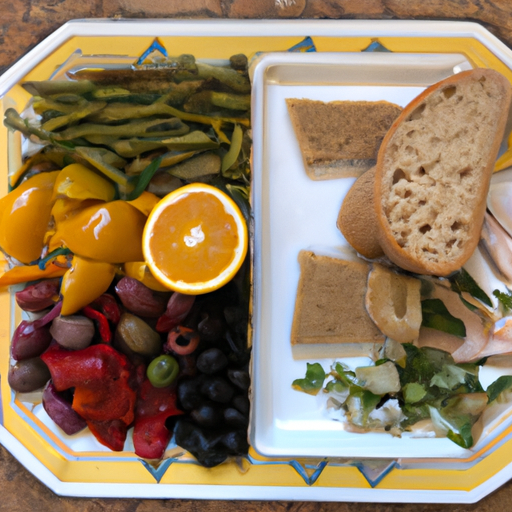
Understanding the Mediterranean Diet
As we look at health and wellness, the Mediterranean diet continually stands out as one of the best paths to physical wellbeing. But before we comprehend what’s excluded from this diet, let’s journey back briefly to its roots.
Brief overview of its history
The Mediterranean diet comes from the dietary habits of those in the Mediterranean basin, including Greece, Italy, and Spain. This dietary approach was predominantly based on local and seasonal food sources, like fruits, vegetables, legumes, whole grains, and olive oil, to name a few.
Common principles of the Mediterranean Diet
Unlike many other diets, the Mediterranean diet isn’t about avoiding certain foods. Instead, it’s centered around consuming a variety of nutrient-dense foods in moderation. It emphasizes the consumption of plenty of fiber-rich fruits and vegetables, healthy fats, whole grains, and lean proteins, mostly from fish and legumes.
Health benefits associated with the Mediterranean diet
Numerous studies suggest that following a Mediterranean diet is associated with a lower risk of several chronic illnesses, including heart diseases, cancer, Parkinson’s and Alzheimer’s diseases.
The role of shared meal times and high-quality food
Importantly, the Mediterranean diet is about more than just food, it values the joy of preparing meals from scratch and sharing mealtimes with loved ones. It’s not just what you eat, but how you eat, that plays a valuable role in health and wellbeing.
Types of Foods Excluded From the Mediterranean Diet
Unfortunately, not all foods are beneficial to our health and the Mediterranean diet distinguishes between the good and the not-so-good-for-us foods.
Processed foods
These are foods that have been altered from their original state and often contain artificial substances and high levels of salt, sugar, and unhealthy fats.
Refined grains and sugars
These have had the most nutritive part of the grain removed, leaving a product that’s high in calories but low in nutrients.
Red meat and processed meat
These can be high in unhealthy fats and are often loaded with sodium.
High-fat dairy products
While some dairy is allowed within moderation, high-fat dairy can contribute to high cholesterol and other health issues.
Trans fats and hydrogenated oils
These artificial fats increase ‘bad’ LDL cholesterol and decrease ‘good’ HDL cholesterol.
The Reasoning behind Excluding Certain Foods
These food exclusions are not without reasons, and understanding why some foods are discouraged is key to adopting a truly healthy eating lifestyle.
Concept of nutrient density versus energy density
Nutrient density refers to the amount of nutrients a food provides compared to its calories, while energy density refers to the number of calories it provides relative to its weight or volume. The Mediterranean diet is all about foods high in nutrient density and low in energy density.
Understanding the health risks of processed foods
Processed foods are a common source of unhealthy fats, sugar, and sodium, which can lead to various health problems like heart disease, obesity, and type 2 diabetes.
Negative health implications of refined grains and sugars
Refined grains and sugars lack essential nutrients and contribute to a high daily intake of sugar and calories which can lead to obesity and metabolic diseases.
Dangers of high intake of red and processed meat
High intake of these may increase the risk of heart diseases, stroke, and certain types of cancers.
Unhealthy aspects of high-fat dairy products
High-fat dairy products can lead to high cholesterol and other cardiovascular diseases.
Hazardous effects of trans fats and hydrogenated oils
These can negatively impact heart health, increasing the risk of heart disease.
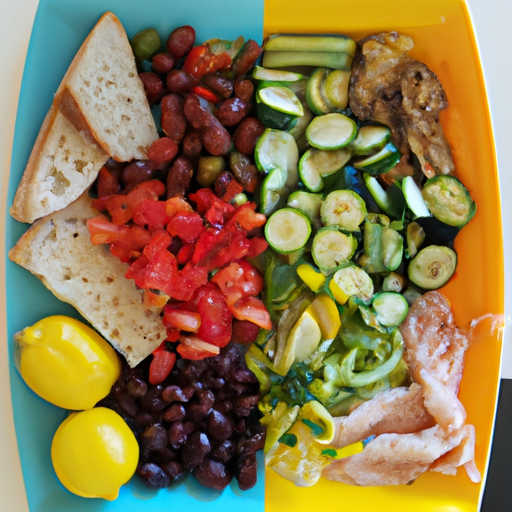
How These Exclusions Promote Health
By removing these food sources from your diet, you can significantly improve your physical wellbeing, from better cardiovascular health to effective weight management, and even potential reduction in cancer risks. Let’s not forget the more immediate benefits such as increased energy levels and vitality.
Alternatives to Excluded Foods
But rest assured, excluding certain foods from your diet doesn’t mean you have to sacrifice on tastes or choices. There are plenty of healthier alternatives available to keep your palate satisfied.
Whole grains as alternatives to refined grains
Whole grains are a great source of fiber and keep you feeling full.
Lean proteins in place of red and processed meats
Lean proteins, such as fish and poultry, are lower in unhealthy fats and higher in beneficial nutrients.
Healthier fats instead of trans and hydrogenated fats
These include omega-3 fatty acids from fish and unsaturated fats from plant sources, like avocados and nuts.
Low-fat dairy and dairy alternatives
Low-fat dairy or dairy alternatives like almond milk or soy milk can provide you with necessary calcium and vitamin D without the extra calories and fat.
Natural sweeteners versus refined sugars
Fruits or natural sweeteners like honey can satisfy your sweet tooth without the added empty calories.
Adopting Mediterranean Eating Habits
To really immerse yourself in the Mediterranean way of eating, it calls for a few lifestyle changes.
Ensuring fresh fruits and vegetables are the basis of the diet
These provide necessary vitamins, minerals, and dietary fiber, which aids overall wellbeing.
Necessity for regular physical activity
Physical activity is a significant aspect of the Mediterranean lifestyle, promoting heart health and weight management.
Incorporating seafood and limiting red meats
Abundant in lean proteins and healthy fats, seafood is a Mediterranean staple, while red meats are limited.
Choosing healthier fats such as olive oil
Using olive oil as a staple in your cooking can contribute to heart health due to its high amounts of monounsaturated fats and antioxidants.
Enjoying meals with family and friends
Not only does this encourage you to eat less and more slowly, but it also strengthens social connections, contributing to mental and emotional health.
Challenges of Following the Mediterranean Diet
Despite the many advantages and health benefits, it is important to note that some challenges may arise.
Availability and affordability of fresh produce and seafood
While ideally, all produce would be organic and seafood wild-caught, the realistic approach would be to do the best you can with what’s available and affordable in your region.
Potential struggle with giving up certain foods
Changing your eating habits can be difficult, but remember that it’s about balance and moderation, not total deprivation.
Difficulty in maintaining regular physical activity
Sometimes, finding time and motivation can be a hurdle, but remember, even a brief walk or a home workout can be beneficial.
Need for creativity and variation in meals
It might feel a little overwhelming to continually come up with new and exciting recipes, but rest assured, with a little patience and planning, it becomes second nature.
Tips for Success on the Mediterranean Diet
To help you navigate through some of those challenges, here are a few helpful tips.
Meal planning for the week
Planning your meals ahead of time can decrease stress and avoid resorting to unhealthy choices.
Effective strategies for portion control
Remember, it’s not just about what you eat, but how much you eat.
Finding healthy recipes that can satisfy cravings
A simple online search can yield countless healthy and delicious Mediterranean recipes.
Building a support network for motivation and accountability
Having family or friends involved can boost your morale and keep you accountable.
Common Misconceptions about the Mediterranean Diet
Let’s dispel some of the most common myths.
False belief that it’s expensive to maintain
You don’t always have to choose the most expensive options. Opt for seasonal, locally grown, and cheaper cuts of meat.
Misunderstanding that it’s a strict or restrictive plan
The Mediterranean diet is versatile and allows for plenty of variety and flavor. It’s a lifestyle, not a restrictive plan.
Common idea that it’s solely for weight loss
While it can aid in weight loss, the Mediterranean diet is about overall health and longevity.
Erroneous thinking that it is difficult to follow
With its emphasis on flavorful meals and allowance for moderate amounts of wine and dark chocolate, the Mediterranean diet can be a delightful and easy-to-follow approach to healthful eating.
Conclusion: Embracing the Mediterranean Lifestyle for Improved Health
Adopting the Mediterranean diet is about embracing a wholesome lifestyle that ensures long-term physical wellbeing — it’s about rejoicing in shared, high-quality meals, and maintaining an active, healthy living. So, remember, the journey to better health is a marathon, not a sprint. It’s about making sustainable changes that you can maintain in the long run. And in this journey, always remember, the joy of good health begins in the kitchen, around a table full of loved ones. As the Mediterranean saying goes, ‘A tavola non si invecchia’, at the table with good friends and family, you do not become old. Enjoy the Mediterranean way of life and be blessed with good health!
Leave a Reply