In this friendly guide, you’ll explore the essence of the Mediterranean Diet. You’ll learn about its key components, benefits, and why it aligns perfectly with a healthy lifestyle and enjoying quality food with family. So, brace yourself for an enriching journey into healthier eating habits and family bonding over good food!
Understanding the Mediterranean Diet
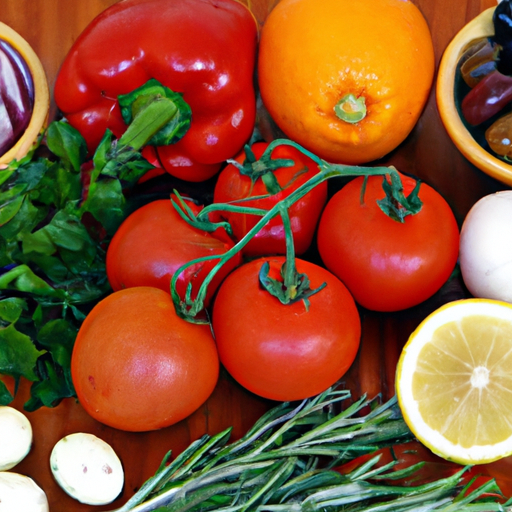
The Mediterranean diet is not just a simple diet plan, it’s a lifestyle. It represents the dietary habits of people living around the Mediterranean Sea, where a high intake of plant-based foods, such as fruits, vegetables, whole grains, and legumes, is coupled with moderate consumption of fish, poultry, and red wine.
Origins of the Mediterranean Diet
The Mediterranean diet model originates from traditional eating patterns in countries like Greece, Italy, and Spain. This dietary pattern was acknowledged globally when the seven countries’ studies in the 1950s, found lower rates of cardiovascular disease in the Mediterranean region.
Primary Beneficial Foods
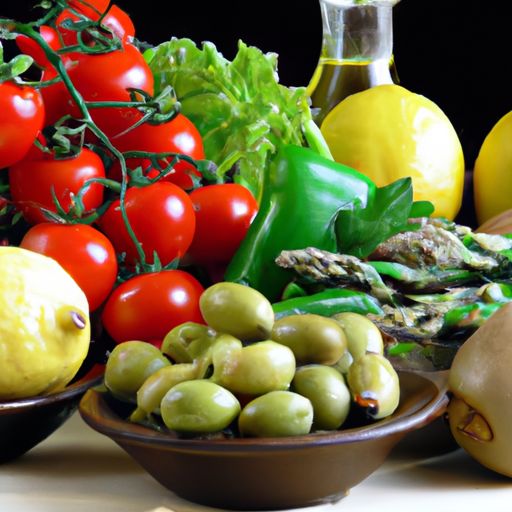
In the Mediterranean diet, you’ll find calorie-dense, processed foods are replaced with nutrient-dense, whole foods. Its unsaturated fats come from olive oil, fish, nuts, and seeds. You get your protein from lean sources like fish and poultry, and complex carbohydrates from whole grains, fruits, and vegetables.
Foods to Avoid
One of the keys to the Mediterranean diet is understanding what to avoid. Stay clear of refined grains, sugary beverages, and an excess of dairy products. A limited intake of red meat is also recommended.
Paying Homage to Tradition
The Role of Tradition and Culture
The Mediterranean diet pays tribute to tradition and culture. It’s about using time-honored methods of food preparation, mealtimes as a social event, and a mindful approach to eating.
Emphasizing Seasonal and Local Foods
An important aspect of the Mediterranean diet is the emphasis on local and seasonal foods. It encourages the consumption of fresh produce, which is usually richer in nutrients.
The Influence of the Mediterranean Diet on Health
Promotion of Heart and Brain Health
Its abundance of omega-3 fatty acids means it promotes heart and brain health. It’s known for reducing cholesterol levels and lowering the risk of heart disease.
Longevity Benefits
Eating the Mediterranean way doesn’t just make you healthier—it could help you live longer. A 2014 study found that adhering to a Mediterranean diet may help to keep your ‘biological age’ young.
Weight Management
The Mediterranean diet can help with weight management. Its emphasis on whole, minimally processed foods and mindful eating can assist with maintaining a healthy weight or weight loss.
Mediterranean Diet and Physical Fitness
Importance of Regular Movement
The Mediterranean lifestyle isn’t just about the food, it’s about staying active too. Regular physical activity is a cornerstone of this lifestyle, promoting overall health and well-being.
People-Centered Approach Towards Exercise
The Mediterranean lifestyle encourages a people-centered approach to wellness and exercise. Activities are often social, such as walking with friends or a game of soccer with the family.
Meal Planning for the Mediterranean Diet
Ideas for Breakfast
For breakfast, opt for whole-grain toast with a drizzle of olive oil or Greek yogurt topped with fresh fruit and a handful of nuts.
Lunch and Dinner Recipes
Lunch could be a chickpea salad with a variety of colorful veggies, while dinner might be grilled fish with a side of roasted vegetables.
Snacks and Desserts Considerations
As for snacks and desserts, think fresh fruit, a handful of nuts, or a small piece of dark chocolate.
Turning Mediterranean Diet into a Family Affair
Involving Children in Meal Preparation
Include your kids in meal preparation. This can increase their interest in healthier foods and give them important life skills.
Enjoying Food as a Communal Experience
In the Mediterranean culture, eating is a communal experience. Enjoy meals with your family and friends whenever possible.
How to Start the Mediterranean Diet
Making Gradual Dietary Changes
Begin with small changes. Swap your refined grains for whole grains, or start using olive oil in place of other fats.
Reading Food Labels for Healthier Choices
Learn to read food labels. This can help you make healthier choices and avoid high-sugar, high-sodium, and high-fat foods.
Challenges and Overcoming Them
Dealing with Dietary Restrictions
If you have dietary restrictions, get creative with substitutions or consult with a nutritionist, as necessary.
Strategies for Eating Out
When eating out, look for menu items that align with the Mediterranean diet. Salads, grilled fish, and grilled chicken are usually safe bets.
JD’s Journey with the Mediterranean Diet
Why JD Chose the Mediterranean Diet
JD chose the Mediterranean diet for the health benefits it offered. Though he focused on making healthier choices, the enjoyment derived from eating was equally essential.
JD’s Personal Tips for Success
One of JD’s tips for success was making gradual changes. A gradual approach allowed him to adapt to the changes more easily and make them part of his routine.
Conclusion of the Mediterranean Diet
Encouragement for Those Starting the Diet
If you’re about to start this journey, remember, it’s not just about healthy eating, but also about enjoying the flavors and savoring your meals.
Reflection on the Journey and Lifelong Benefits
The journey with the Mediterranean diet can be truly rewarding. The diet isn’t merely a quick fix—it’s an enjoyable lifestyle that offers lifelong health benefits.
And so, the question, “What is the Mediterranean diet in a nutshell?” can be best answered by saying it’s a lifestyle that combines nutritious, tasty food, an active lifestyle, and the joy of sharing meals with loved ones.
Leave a Reply