So you’re curious about the world of pasta in the Mediterranean diet, aren’t you? Well, sit tight because you’re about to uncover the rich, flavorful, and surprisingly healthy pasta universe that makes an integral part of this celebrated diet. This isn’t just about gorging on any pasta; it’s about knowing the right kind of pasta that nourishes your body and amps up your health, the Mediterranean way.
In the comprehensive article that awaits your attention, you’ll discover the various types of pasta that form a part of the cherished Mediterranean diet. You’ll delve into their distinguishing characteristics, their health benefits, and even some tantalizingly tasty ways to prepare them. Prepare to learn something new and interesting to bring to your family dining table, and let’s not forget, enhance your repertoire of healthy cooking. Pasta and the Mediterranean diet sure have a wonderful synergy, and JD is eager to unravel it all for you in the upcoming article!
Understanding the Mediterranean Diet
Definition and Origins of the Mediterranean Diet
The Mediterranean diet is called after the cuisines of the countries around the Mediterranean Sea. However, it’s more than just the foods these countries eat—it’s also about how they eat. Originating from traditional Greek and Italian cuisines, it incorporates key dietary habits of people residing in Southern Italy, Greece, Turkey, and Spain.
Core Principles of the Mediterranean Diet
At the heart of the Mediterranean diet are foods that are fresh, seasonal, and locally grown. The diet emphasizes fruits and vegetables, whole grains, legumes, and nuts. It swaps butter for healthy fats like olive oil, uses herbs and spices instead of salt to flavor meals, and highlights fish and poultry over red meat.
Health Benefits of the Mediterranean Diet
The Mediterranean diet is associated with numerous health benefits, offering protection against heart disease and cognitive decline. It also promotes longevity and can help manage weight, controlling pre-existing conditions such as diabetes and hypertension.
Pasta in the Mediterranean Diet
The Role of Pasta in the Mediterranean Diet
Pasta plays a vital role in the Mediterranean diet. This timeless staple of Italian cuisine, when integrated correctly, can be part of a healthy eating plan. It serves as an excellent source of energy while providing necessary nutrients like fiber.
Why Pasta is Healthy in the Mediterranean Diet
Pasta, when prepared the Mediterranean way, isn’t your typical spaghetti with meatballs. Paired with nutrient-dense, fiber-rich, antioxidant-filled vegetables and olive oil, pasta can serve as a hearty and healthy dish.
Types of Pasta on the Mediterranean Diet
Whole-Grain Pasta
Whole-grain pasta is rich in fiber and protein. It helps you feel full more quickly and keeps you satisfied longer, reducing your overall food intake.
Brown Rice Pasta
Brown rice pasta, a favorite among those who are gluten-intolerant, has a good amount of protein and fiber and offers a slightly nutty flavor.
Buckwheat Pasta
High in fiber and protein, buckwheat pasta provides a plethora of nutrients and has a rich, earthy flavor.
Quinoa Pasta
Quinoa pasta is an excellent alternative, boasting an impressive nutrient profile and providing all nine essential amino acids.
Spelt Pasta
Spelt flour pasta has a slightly sweet and nutty flavor, offering a good amount of fiber and nutrients.

Healthy Pasta Recipes for the Mediterranean Diet
Whole-Grain Pasta with a Rich Tomato Sauce
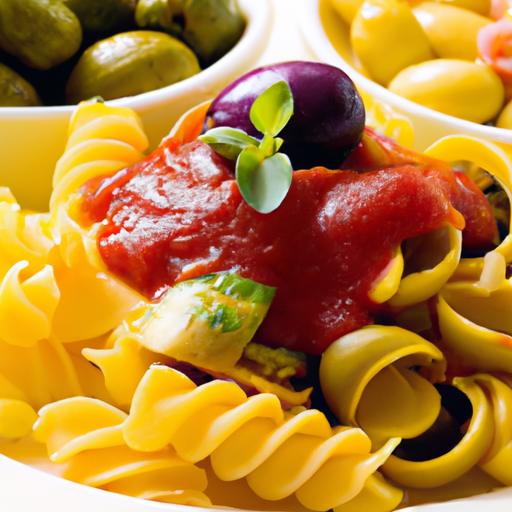
Enjoy a filling whole grain pasta dish topped with a robust tomato sauce, flavored with fresh herbs, garlic, and a drizzle of olive oil.
Brown Rice Pasta with Grilled Vegetables
Opt for brown rice pasta combined with a variety of grilled vegetables such as zucchini, bell peppers, and eggplant for a nutrient-dense meal.
Buckwheat Pasta Salad with Fresh Herbs
With the nutty flavor of buckwheat pasta, crisp, fresh veggies, and an array of fine, aromatic herbs, this pasta salad will be tasty and full of nutrients.
The Significance of Serving Sizes in the Mediterranean Diet
Importance of Portion Control
While the Mediterranean diet allows for a variety of foods, controlling your portions is crucial to maintain a healthy weight and avoid overeating.
Recommended Serving Sizes for Pasta
A proper serving size for pasta is about a half cup cooked. While it may seem small, remember that in the Mediterranean diet, pasta is usually a side dish, not the main course.
Healthy Pasta Alternatives for the Mediterranean Diet
Couscous: A Quick and Easy Alternative
With its small size, couscous cooks quickly, and its mild flavor goes along with a variety of foods, including various vegetables and proteins.
Barley: The Nutrient-Rich Grain
Barley, rich in fiber and various minerals, is a hearty option that adds a unique texture to dishes.
Farro: The Ancient Grain
Farro, an ancient grain, provides a wealth of protein and nutrients. Its chewy texture and nutty flavor make a delightful addition to your Mediterranean diet meals.
Cooking Pasta the Mediterranean Way
Techniques for Cooking Pasta
The perfect pasta is cooked al dente—firm to the bite. It absorbs sauces better and, according to research, has a lower glycemic index than fully cooked pasta.
Incorporating Mediterranean Flavors in Pasta
To truly capture the Mediterranean flavors in your pasta dishes, emphasize fresh, colorful vegetables, lean proteins, healthy fats like olive oil, and a variety of herbs and spices.
Mediterranean Pasta: Impact on Long-Term Health
Pasta’s Role in Longevity
When enjoyed as part of a balanced Mediterranean diet, pasta can contribute to a long, healthy life, by providing essential nutrients and supporting weight management.
Reducing Disease Risks with Mediterranean Diet Pasta
Sticking to a Mediterranean pasta diet can help reduce risks for chronic diseases such as heart disease, diabetes, and certain types of cancer.
Involving Family in the Mediterranean Diet
Sharing High-Quality Food with Family
As I (JD) strive to remain active and healthy as a father, the Mediterranean diet’s focus on sharing quality food and eating as a family resonates strongly with me.
Teaching Kids about the Benefits of the Mediterranean Diet
Taking time to cook and eat together not only nourishes the body but also ties the family together. It also presents an opportunity to educate kids about nutrition, food sourcing, and the importance of maintaining a well-rounded diet.
Conclusion
A Rundown on Pasta in the Mediterranean Diet
Pasta can be a healthy component of a Mediterranean diet when paired with nutrient-dense vegetables and lean proteins. Opting for whole grain or alternative grain versions further enhances its nutrition profile.
Creating a Balanced and Healthy Lifestyle with the Mediterranean Diet
The Mediterranean diet, with its focus on quality ingredients, balanced meals, portion control, and importantly, the joy of sharing meals, offers a sustainable path to long-term wellness. So, now that you know what kind of pasta is on the Mediterranean diet, you’re ready to start exploring and enjoying this lifestyle.
Leave a Reply