Ever wondered what sweets you can indulge in while on a Mediterranean diet? It’s natural to crave a sweet treat every now and then, and just because you’re following a Mediterranean diet doesn’t mean you have to forego them completely. You just need a little guidance on the right options to choose from without compromising your diet.
No need to worry as this article will dig deep into this subject matter. Not only will it reveal the variety of Mediterranean sweets that you can safely incorporate into your diet, but it will also shed light on the benefits of these sweet treats. The surprising part is that you might discover new favorites that surpass your regular go-to sweets. So, prepare your taste buds for a healthier, beneficial, and equally delightful food adventure.
Understanding the Principles of the Mediterranean Diet
Defining the Mediterranean Diet
If you’re looking for a heart-healthy eating plan, the Mediterranean diet might be right for you. This diet incorporates the basics of healthy eating, which is based on the traditional cooking styles of countries bordering the Mediterranean Sea.
Health Benefits of Following the Mediterranean Diet
Research has shown that the traditional Mediterranean diet reduces the risk of heart disease, lowers the bad (LDL) cholesterol levels, reduces the risk of certain cancers, Parkinson’s and Alzheimer’s diseases. If you’re trying to live a healthier lifestyle, the Mediterranean Diet certainly has benefits worth exploring.
Key Components and Dietary Habits of the Mediterranean Model
The Mediterranean diet emphasizes eating primarily plant-based foods, such as fruits and vegetables, whole grains, legumes, and nuts. It recommends replacing butter with healthy fats such as olive oil and canola oil and using herbs and spices instead of salt to flavor foods. You would also limit red meat to no more than a few times a month and eat plenty of fish and poultry.
Re-evaluating the Concept of ‘Sweets’ in the Mediterranean Diet
Traditional Concept of Sweets in the Mediterranean Region
In the Mediterranean diet, sweets are enjoyed in moderation. Traditional sweets in the Mediterranean region are often fruit-based, using the naturally occurring sugars in fruits.
Why Sweets are not Forbidden in the Mediterranean Diet
While many diets vilify sweets and sugary foods, the Mediterranean diet follows a different approach. Sweets are not completely forbidden, and desserts can be enjoyed as part of a balanced lifestyle.
Balanced Approach to Consuming Sweets
You need to keep in mind portion control and moderation when consuming sweets on the Mediterranean diet. Desserts made with fruits, honey, and olive oil play a key role, but they are enjoyed in moderation.
Exploring Mediterranean Sweet Treats
Fresh Fruits as a Common Dessert
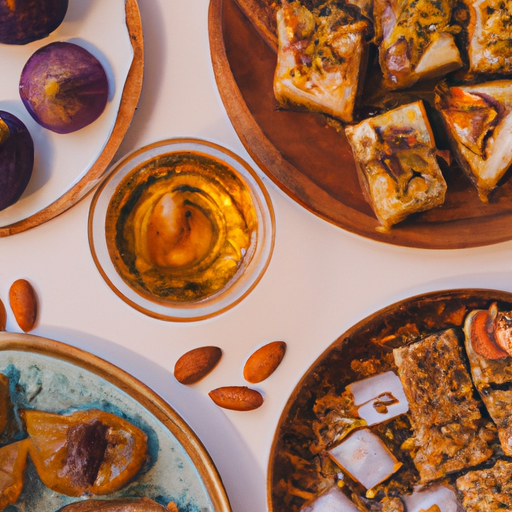
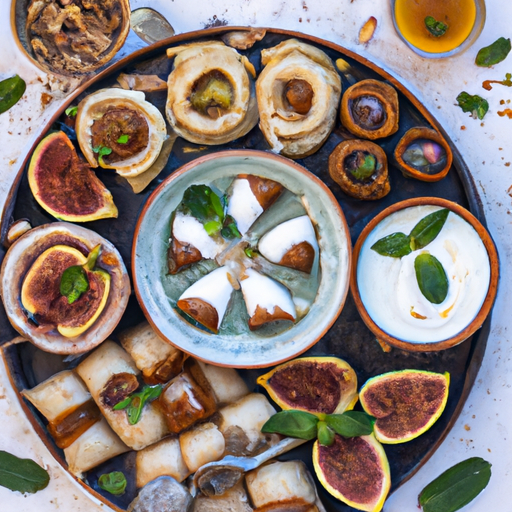
The first and most common sweet treat in the Mediterranean diet is fresh fruit. Pomegranates, figs, oranges, and dates are all staples in the Mediterranean region and are enjoyed as sweet treats after meals.
Greek Yogurt and Honey: A Classic Combo
Greek yogurt drizzled with honey is another classic dessert often enjoyed in the Mediterranean diet. This combination not only satisfies a sweet tooth, but also offers protein and probiotics, aiding digestion and overall health.
Baklava: A Famous Mediterranean Dessert
Baklava is famous for good reason. This Mediterranean dessert, filled with nuts and covered in honey syrup, is another option when you’re craving something sweet.
Fig and Almond Cake: A Healthy Indulgence
Fig and almond cake is a wonderful healthy indulgence. Figs are naturally sweet, so little extra sugar is needed, and almonds provide a heart-healthy source of fat and protein.
Mediterranean Diet and Dark Chocolate
Health Benefits of Dark Chocolate
Dark chocolate, especially varieties high in cocoa, is rich in antioxidants and has been linked with heart health benefits.
How Dark Chocolate Mixes with the Mediterranean Diet
Dark chocolate can be a part of the Mediterranean diet. Again, moderation is key, but there’s no need to feel guilty about enjoying a square or two of high-quality, dark chocolate.
Balancing Dark Chocolate Consume with Healthy Living
While dark chocolate is an acceptable sweet treat in the Mediterranean Diet, it’s important to balance its intake with other healthy habits like regular exercise.
Using Natural Sweeteners in Mediterranean Desserts
Types of Natural Sweeteners Used in the Mediterranean Diet
Natural sweeteners like honey, dates, and figs are often used as sweeteners in the Mediterranean diet.
Health Advantages of Natural over Processed Sugars
Natural sugars come with fiber, enzymes, vitamins, minerals, and antioxidants whereas processed sugars are devoid of these benefits. Natural sugars release energy slowly into the bloodstream, helping you maintain a steady blood sugar level.
Incorporating Natural Sweeteners into Your Desserts
Replacing processed sugars with natural sweeteners in your desserts can be one way of transitioning towards a Mediterranean lifestyle.
Healthy Baking in the Mediterranean Diet
Focusing on Whole Grains and Nuts
Whole grains and nuts are the essence of Mediterranean baking. They provide essential nutrients and help to maintain good health.
Benefits of Olive Oil in Baking
Olive oil can be a healthier substitute for butter or margarine when baking. It imparts a wonderful flavor and keeps baked goods moist
Healthy Baking Recipes to Try
There are plenty of delicious, healthy baking recipes that you can try which align with the Mediterranean diet. From olive oil cakes to almond cookies, satisfying your sweet tooth can be healthy and enjoyable.
Mediterranean Diet as a Family Affair
Why the Mediterranean Diet is Perfect for Families
The Mediterranean Diet is not just an eating plan; it’s a lifestyle that encourages slowing down and savoring meals with family. Sharing meals enhances kinship, which is much needed in today’s fast-paced world.
Creating Healthy Snacks and Sweets for Your Children
Incorporating healthy snacks and sweets into your children’s diet can benefit their health and development. It also sets the stage for them to adopt healthier eating habits as they grow.
Promoting Active and Healthy Living at Home
A healthy diet is most effective when paired with an active lifestyle. Encourage physical activities and healthier meal choices at home so that the entire family reaps the benefits of the Mediterranean diet.
Incorporating Mediterranean Sweets into Your Everyday Life
Creating a Balanced Daily Diet
It’s all about achieving a healthy balance in your day-to-day life. Include fruits, vegetables, lean proteins, healthy fats, and yes, even sweets, to create a wholesome, balanced diet.
Choosing the Right Time to Indulge
It’s important to plan when you’re going to indulge your sweet tooth to avoid overindulgence. Having your treat as a post-meal dessert can help satisfy your sweet craving while keeping your daily food intake balanced.
Maintaining a Healthy Relationship with Food
It’s crucial to foster a healthy relationship with food where no food groups are demonized, and sweets can be enjoyed without feelings of guilt.
Top Tips to Keep Your Sweet Tooth Satisfied in the Mediterranean Way
Choosing Quality over Quantity
Opt for quality sweets rather than large quantities of lower-quality treats. High-quality dark chocolate, a well-made baklava, or a perfectly ripe piece of fruit can often hit the sweet spot in a way a large quantity of sugar-filled candies cannot.
Appreciating the Natural Sweetness of Food
Learn to appreciate the natural sweetness found in foods. This will help you decrease your dependency on added sugars and instead enjoy the natural sugars found in fruits and other components of the Mediterranean diet.
Innovative Mediterranean Dessert Recipes to Try
Look for innovative ways to satisfy your sweet tooth while staying within the Mediterranean diet framework. There are several recipes available that combine interesting ingredients and flavors, keeping your dessert game exciting.
Conclusion
Embracing the Health and Flavors of the Mediterranean Diet
So, there it is. Adopting the Mediterranean diet is not just about eating specific food groups; it’s about embracing a lifestyle of healthy eating patterns and physical activity. It’s a diet that is easy to adhere to, is satisfying, and grants plenty of delicious options.
The Role of Sweets in a Healthy, Balanced Lifestyle
Sweets play a role in the Mediterranean diet, just like all other foods. They are meant to be enjoyed, savored, and shared. However, the focus should be on natural sugars, utilizing fruits, and using natural sweeteners such as honey.
Living the Mediterranean way means enjoying quality food, including sweets, maintaining a balanced approach to eating, staying active, and most importantly, sharing this journey with the ones you love. When adopting this lifestyle, you won’t feel deprived but rather enriched with a wealth of flavors, a sense of satisfaction, and overall improved health.
Leave a Reply