• Skip to primary navigation
  • Skip to main content
  • Skip to primary sidebar
  • Skip to footer
  • Home
  • About
  • Recipes
  • Blog

Mediterranean Diet Recipes

Home » Blog

Blog

August 9, 2023 Food & Cooking

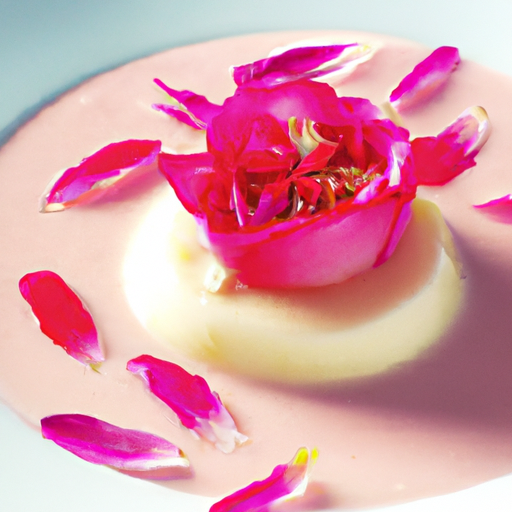
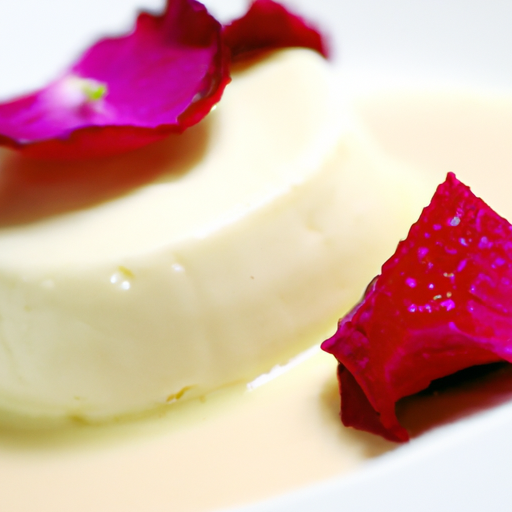
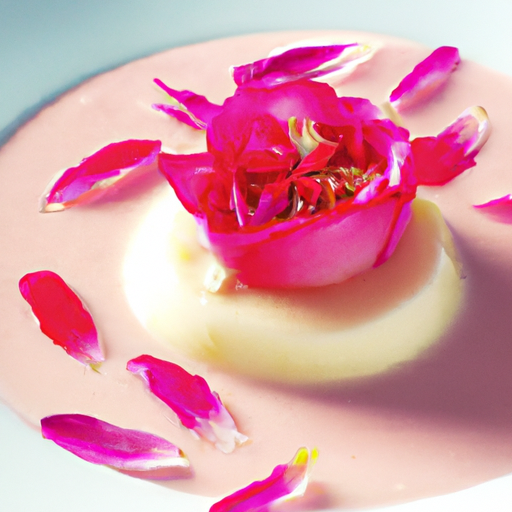
Mediterranean Rose Water Panna Cotta Recipe

Imagine the tantalizingly delicate scent of rose water blending smoothly with the velvety texture of panna cotta — an allure that captivates your senses, instantly evoking the vibrant essence of the Mediterranean. This Mediterranean Rose Water Panna Cotta recipe embodies the heart of Mediterranean cuisine: simplicity, elegance, and indulgence grounded in wholesome ingredients.

Now let’s talk about this mouth-watering dish. Dangling on the edge of dessert and delicate cuisine, this Panna Cotta recipe has roots steeped in Mediterranean tradition, oozing not just with flavors but also health benefits. Nurtured with precision, it champions the Mediterranean diet’s ethos of using fresh, local, and nutrient-rich components. So, prepare yourself to embark on a culinary journey that involves merely a handful of primary ingredients, yet results in an end product that is nothing short of exquisite. While this journey may need your hands at work, the simplicity of steps involved ensures a relaxing, therapeutic kitchen experience that makes the process as rewarding as the result: a masterpiece on your plate.
Mediterranean Rose Water Panna Cotta Recipe

Introduction

Welcome to this delightful journey where you will learn how to make Mediterranean Rose Water Panna Cotta! This creamy, rich, delicate dessert is a perfect endnote to any meal, or a sweet treat to indulge in any time of the day. Being part of the Mediterranean diet, this Panna Cotta recipe not only titillates your taste buds but also contributes nutritional values that align with the health benefits of this diet like being low in refined sugar and high in dairy. Get ready to whisk into this delightful delicacy that strikes a harmonious balance between creaminess and the exotic scent and flavor of rose water, all encased in a wobbly texture!

Ingredients

To make this delectable dessert for four, prepare the following ingredients:

  • 2 cups of heavy cream
  • 1 cup of whole milk
  • 1/2 cup of granulated sugar
  • 2 teaspoons of powdered gelatin
  • 2 tablespoons of rose water
  • 1 teaspoon of pure vanilla extract
  • 1 cup of fresh raspberries
  • 2 tablespoons of honey

These ingredients are meticulously chosen to create a dessert that’s creamy and light, yet filled with the distinctive floral aroma of rose water, simultaneously sweetened by honey and punctuated by bursts of tart freshness from raspberries.
Mediterranean Rose Water Panna Cotta Recipe

Preparation

Preparing the Gelatin

The first step involves preparing the gelatin that gives Panna Cotta its signature jiggle. Dissolve the powdered gelatin in cold water, as per its packet instructions. Once it’s softened, set it aside to bloom properly.

Heating the Cream and Milk

In a saucepan, combine the heavy cream, whole milk, and granulated sugar. Gradually heat the mixture over medium flame, stirring regularly until the sugar dissolves completely. Ensure the mixture doesn’t boil; a gentle simmer is what you’re aiming for.

Mixing the Gelatin and Ingredients

Once the cream and milk mixture is adequately heated, add the bloomed gelatin into the saucepan while stirring constantly. Once the gelatin is dissolved completely, add in the vanilla extract and rose water.

Pouring into Molds

Now that your Panna Cotta mixture is ready, pour it into chosen molds or ramekins. Ensure to avoid creating bubbles, or your dessert won’t have a smooth finish. Let it cool to room temperature before transferring it to the fridge.

Chilling and Setting

Refrigerate your Panna Cotta for at least four hours, or preferably overnight, until it is set firmly. Before serving, top with fresh raspberries that have been lightly tossed in honey for a sweet, tangy finish.

Options/Substitutions

Vegetarian/Vegan Substitute

Agar-agar can be a perfect vegan substitute for gelatin, which is animal-derived. For dairy, you can use plant-based alternatives such as almond milk or coconut milk.

Alternative Fruit Toppings

Whilst raspberries lend a beautiful contrast to this dessert, feel free to experiment with your favorite fruits. Strawberries, blueberries, passionfruit, or a combination of mixed berries can also become an adventurous choice.

Sweetener Options

If you prefer alternative sweeteners, you can replace granulated sugar with natural sweeteners like maple syrup, or artificial ones like stevia or erythritol.

Tips

Soaking Gelatin Properly

Soaking or blooming the gelatin properly is crucial for a silky smooth texture. It should be fully hydrated before adding into the hot cream mixture.

Adding Rose Water Gradually

Rose water can easily become overpowering, so add it gradually. Tasting the mixture as you add is a good practice.

Removing Air Bubbles

To ensure a smooth surface after setting, make sure to eliminate any air bubbles in the mixture before pouring it into the molds. You can do this by slowly pouring the mixture and allowing it to rest before chilling.

Using Different Molds

You can get creative with the presentation of your Panna Cotta by using different molds for interesting shapes, or simply use ramekins for a classic look.

Conclusion

This Mediterranean Rose Water Panna Cotta recipe, with its elegance and easy preparation process, makes it an exemplary dessert that you’d love to make and love even more to savor. The fragrance of rose water harmonized with the creaminess of the dessert, heightened by the tanginess of the raspberries, would surely transport you to a Mediterranean landscape and leave an everlasting sweet memory. Enjoy your cooking journey and savor every bit of this ravishing dessert!
August 9, 2023 Food & Cooking

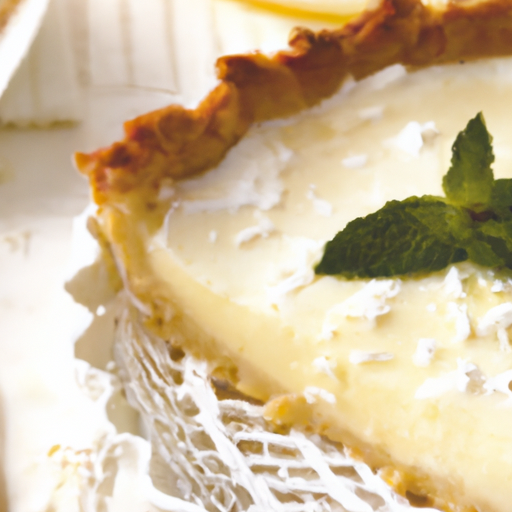
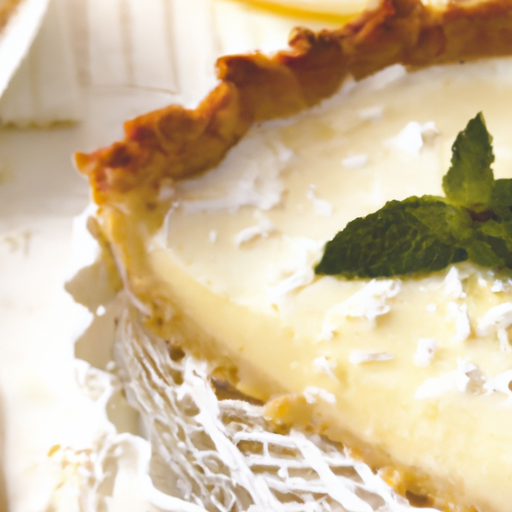
Mediterranean Ricotta And Honey Tart Recipe

Imagine standing in the heart of a bustling Mediterranean market, surrounded by colors and bursting with life – fruits of every shade, vegetables picked fresh from the earth, and, for those with a sweeter tooth, an arrangement of pastries and desserts, each more tempting than the last. Amongst all these delights, a stand alone treat tempts your taste buds – the Ricotta and Honey Tart, an undeniably delicious marriage of creaminess and sweetness, deeply rooted in Mediterranean culinary tradition.

Accredited as a favorite throughout the Mediterranean region, this iconic dessert distinctly captures the essence of the Mediterranean diet. Packed with nutritious, high-quality ricotta cheese, honey, a revered natural sweetener, and enveloped in a rustic pastry shell, this tart stimulates a harmonious balance between hearty and indulgence. The beauty of this Mediterranean Ricotta and Honey Tart recipe lies in its simplicity, cleverly bring together health-conscious choices with indulgent flavors. As you savor each bite, you’ll find it hard to believe that something so delectable is also a part of one of the healthiest diets around the globe. So, ready your kitchen utensils, fellow foodies – this is a dessert masterpiece you wouldn’t want to miss.

Mediterranean Ricotta And Honey Tart Recipe

Introduction

Mediterranean food is widely celebrated for its varied, balanced, and flavorful approach. Among the many delightful dishes that the Mediterranean diet offers, desserts often take a unique stage. Today’s recipe, the Mediterranean Ricotta and Honey Tart, is a distinctive emblem of this culinary tradition. This tart delicately merges the creaminess of the ricotta cheese, the floral sweetness of honey, and the fragrant zing of lemon zest, creating a heavenly blend of flavors. It not only adds a sophisticated touch to your dessert spread but also aligns beautifully with the Mediterranean diet, focusing on fresh and wholesome ingredients.

Ingredients

Before we dive into how to make this delightful tart, let’s gather all the necessary ingredients:

  • 1 cup Ricotta cheese
  • 1/4 cup Honey
  • 2 large Eggs
  • 1/2 cup Sugar
  • 1 cup All-Purpose Flour
  • 1/2 cup Unsalted Butter
  • 1 teaspoon Vanilla Extract
  • 1 tablespoon Lemon Zest
  • 1/4 teaspoon Salt

Mediterranean Ricotta And Honey Tart Recipe

Crust

Mixing the Crust

Making a crust for the tart is not as daunting as it might sound. First, combine the all-purpose flour and salt in a bowl. Then, incorporate the softened unsalted butter into the flour mixture until it appears crumbly. Following this, add a little cold water, start with a tablespoon, and add more if needed. Remember, you are aiming for a dough that holds together without being too wet or sticky.

Pressing the Crust

Once your dough is firm and ready, it’s time to form the crust. Take a tart pan, preferably with a removable bottom, and gently press the dough into the bottom and up the sides of the pan. Keep it uniform all around to ensure even cooking.

Chilling the Crust

After your crust has been evenly pressed, chill it in the refrigerator for about 30 minutes before filling. This step helps the crust maintain its shape during the baking process.

Filling

Preparing the Filling

While your crust is chilling, you can start preparing the filling. In a medium-sized bowl, combine the ricotta cheese, eggs, sugar, honey, vanilla extract, and lemon zest. Ensure that all these ingredients are mixed thoroughly to ensure an even distribution of flavors.

Baking the Tart

Preheat your oven to 180°C. Take the chilled crust from the refrigerator, and gently pour your filling into the crust. Put it in the preheated oven and let it bake for around 25-30 minutes or until the filling has set and the crust develops a golden brown color.

Options/Substitutions

Gluten-Free Version

For a gluten-free alternative, replace the all-purpose flour in the crust with a similar quantity of gluten-free flour or almond flour. The substitution does not have any significant impact on the taste or texture of the crust.

Flavor Variations

There are countless ways to personalize your tart. You can spice it up by adding a bit of cinnamon or nutmeg to the filling. If you’re a fan of fruits, consider garnishing your tart with fresh strawberries or blueberries. A drizzle of chocolate sauce can enhance the decadence of your tart for those with a sweet tooth.

Conclusion

The Mediterranean Ricotta and Honey Tart is a simple, yet elegant dessert that is perfect for a family gathering or a party. Its delicate layers of flavor and its silky texture make every bite worthwhile. While the recipe already offers a mouthwatering experience, you still have the option to modify the flavors according to your preference to better cater to your family and friends. Most importantly, don’t forget to enjoy the process of creating this delightful tart – take pleasure in mixing the ingredients, in pressing the dough into the tart pan and most of all, the sweet aroma that fills your house while it is baking. Bon appétit!

August 9, 2023 Food and Recipes

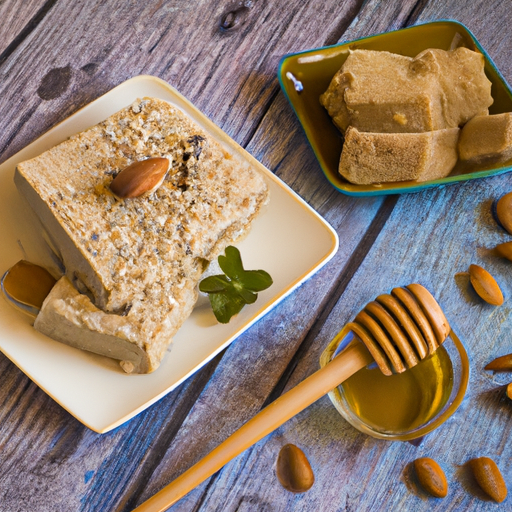
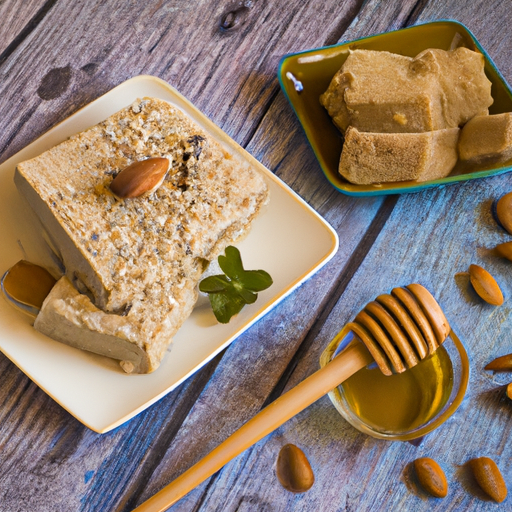
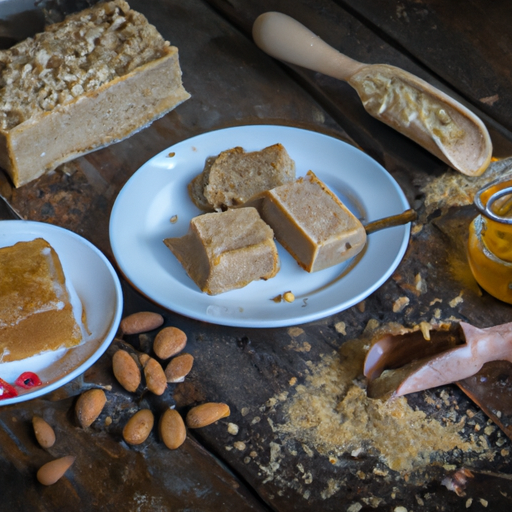
Mediterranean Greek Halva Recipe

Ah, the Mediterranean Greek Halva. Infused with the heart-warming flavors of the Mediterranean, this little gem is a simple symphony of classic Greek ingredients that delivers a punch of delightfully unexpected and unforgettably delicious taste sensations. As part of the Mediterranean diet, the Greek Halva stands out not only for its seductive taste but also for its health merits. It is a culinary masterpiece rich in plant-based protein, fiber, and healthy fats that are vital for maintaining optimal health.

This Greek Halva recipe will serve as your guide to creating a dessert masterpiece right in your home kitchen. The article ahead provides you with precise measurements and detailed instructions, ensuring that your end result is as tantalizing as the one served in a Mediterranean seashore restaurant. Get ready for a well-illustrated, step-by-step guide, complete with alternative options and substitutions, to accommodate even the most intricate dietary preferences. Prepare yourself for an enchanting culinary journey through the exotic Mediterranean right from the comfort of your home.

Mediterranean Greek Halva Recipe

Introduction

Let’s dive into the sweet flavors of the Mediterranean with this delicious Greek Halva recipe! This dish perfectly encapsulates the essence of the Mediterranean Diet, focusing on healthy but flavorful ingredients. Halva is a traditional dessert enjoyed throughout Greece and the Eastern Mediterranean. While there are numerous variations, this recipe highlights the ever-popular semolina-based version known for its light yet satisfying texture and subtly sweet taste. With simple ingredients and a straightforward method, this recipe is accessible to even novice cooks. Gather your ingredients and get ready for a sweet adventure!

Ingredients

The magic of this dish relies on the perfect harmony between nine ingredients. To make Halva that serves four, you will need the following:

  • 1 cup fine semolina (essential for the dish’s classic texture),
  • 1 cup granulated sugar (to add the perfect amount of sweetness),
  • 1 cup water (for creating the syrup),
  • 1 cup extra virgin olive oil (a staple in Mediterranean cuisine)
  • 1 cup chopped almonds (which offer a complementary crunch against the soft semolina),
  • 1 teaspoon ground cinnamon (to provide a warming spice note),
  • 1 teaspoon vanilla extract (a depth-enhancer flavor),
  • 1/4 teaspoon salt (to highlight the sweet flavors),
  • 1/4 cup honey (for a final drizzle of sweetness), and
  • Powdered sugar for dusting (adds an extra touch of sweetness and aesthetics).

Mediterranean Greek Halva Recipe

Cooking and Preparation Instructions

Creating this Mediterranean dessert involves a step-by-step process that’s as pleasurable as the final product. Below are the steps you need to follow:

Step 1: Toast the semolina

Start by toasting the semolina in a large non-stick pan over medium heat. Stir continuously until the semolina is evenly golden brown. Once toasted, remove it from the heat and set aside.

Step 2: Prepare the syrup

Next, prepare the syrup. In a saucepan, combine the sugar and water and bring to a boil. Once boiling, reduce the heat and simmer, stirring occasionally until the sugar has dissolved completely. Once the syrup is completed, set it aside.

Step 3: Cook the semolina

Now bring out your large pot to heat the olive oil. Once heated, add in the toasted semolina. Stirring continuously, cook until the semolina takes on that beautiful golden brown color, a sign that flavor and texture are developing beautifully.

Step 4: Add the almonds and flavorings

At this stage, it’s time to add your mix-ins. Incorporate the chopped almonds, taking the time to stir well, followed by the warm spice of ground cinnamon, the rich depth of vanilla extract, and the hint of salt. Ensure these ingredients are thoroughly mixed in and have enhanced the semolina beautifully.

Step 5: Shape and cool the halva

Once everything is combined beautifully, transfer your halva mixture into a greased mold or baking dish, pressing it down firmly and evenly. Allow your creation time to cool at room temperature, then cover and refrigerate for at least 2 hours (or until firm) to allow the flavors to meld.

Step 6: Serve and enjoy

When ready to serve, carefully remove your halva masterpiece from its mold or dish. Cut into slices or squares for serving. Drizzle each piece with a generous amount of honey and a dusting of powdered sugar for a touch of extra sweetness. Now it’s time to savor your delicious Mediterranean dessert!

Options/Substitutions

The versatile nature of Halva means that you can play around with a few different additions or substitutions. Consider adding in some raisins or dried fruits for an extra burst of sweetness and texture. If almonds aren’t to your liking, try substituting with walnuts or pistachios. For spices, feel free to experiment with cardamom or nutmeg instead of cinnamon. If you’d prefer to use a different oil, vegetable oil can work in this recipe, too. Lastly, if honey is not to your liking, you might opt to substitute it with maple syrup or agave nectar.

Conclusion

There you have it – your very own homemade Greek Halva! This traditional yet simple dessert is not just a treat to your taste buds, but also introduces you to the beauty of Mediterranean culinary practices. Its capacity for customization makes it a winner for both cooking enthusiasts and beginners, and its robust flavors ensure it’s an instant hit at any gathering. So go ahead, don your apron, wield that wooden spoon with flair, and immerse yourself in the joy of creating this Mediterranean delight! And as they say in Greece, Kali Orexi, or ‘Bon Appetit’!

August 9, 2023 Food and Cooking

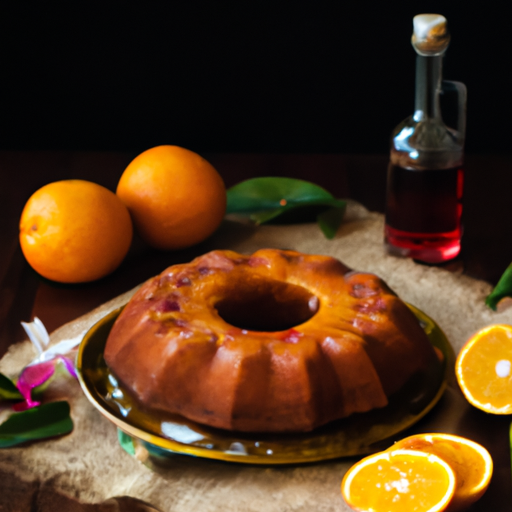
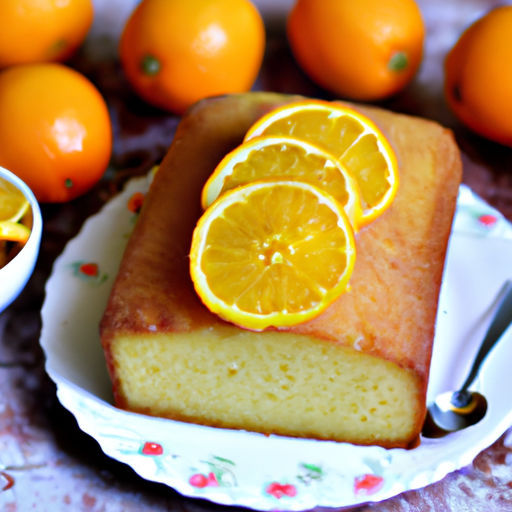
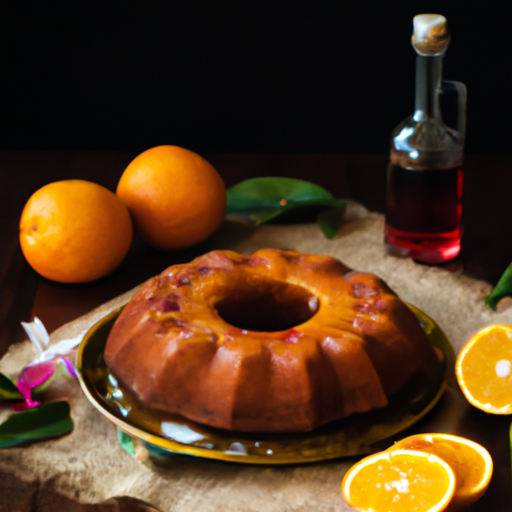
Mediterranean Orange And Semolina Syrup Cake Recipe

Imagine yourself in a sun-kissed kitchen, the gentle aroma of Mediterranean Orange and Semolina Syrup Cake wafting through the air as it bakes to perfection. This captivating sweet delight, popular in the regions surrounding the Mediterranean Sea, is an exemplary testament to the Mediterranean Diet’s versatility and vibrancy. It is not merely a cake; it’s an expression of culture, a rich, wholesome dessert filling your home with the fragrant allure of the coastal orchards.

This delightfully citrus-infused dessert taps into the purity of organic, nutrient-dense ingredients inherent to the Mediterranean lifestyle. Precise measurements and carefully selected ingredients are the secrets to this cake’s enduring appeal. From the exact proportion of semolina to the right amount of real orange zest, every component plays a crucial role in recreating this Mediterranean magnificence. As you journey through this recipe, you will find detailed preparation instructions, along with thoughtful suggestions for substitutions where necessary, contributing to an unforgettable culinary adventure.

Mediterranean Orange And Semolina Syrup Cake Recipe

Mediterranean Orange and Semolina Syrup Cake Recipe

The Mediterranean diet is known for its diverse range of flavors, and this Mediterranean Orange and Semolina Syrup Cake is no exception. With its zesty, citrusy sweetness and a unique, pleasing texture from semolina, this cake is a perfect dessert to enjoy after a hearty Mediterranean meal. A slice of this delightful cake paired with a cup of Greek coffee is just the perfect way to wind down a relaxing afternoon. Now let’s get into the specifics of what you’ll need to whip up this delight.

Ingredients

For this cake, here’s everything that you would need, with exact measurements for a cake that serves four adults.

Semolina

To give our cake its distinctly grainy texture, we will be using 1 cup of semolina. Semolina is a coarse pale-yellow flour ground from hard durum wheat.

Sugar

Adding sweetness to our cake will be 1 cup of sugar.

Baking powder

To provide lift and volume, we’re going to need 1 teaspoon of baking powder.

Ground almonds

½ a cup of ground almonds will provide a depth of flavor and a bit of nuttiness to contrast the citrus notes.

Eggs

Three fresh eggs will act as the binder, providing structure to our cake.

Plain Greek yogurt

One cup of plain Greek yogurt will add an additional moistness and a subtle tanginess to balance the flavors.

Orange zest

We will need the zest of two oranges. This will infuse our dessert with refreshing citrus flavors.

Orange juice

To enhance the orange flavor and keep the cake moist, we’ll be needing the juice from those two oranges we’ve just zested.

Olive oil

Adding a Mediterranean touch, we will need ½ a cup of olive oil to keep the cake extra moist and rich.

Vanilla extract

Finally, to bring all these flavors together beautifully, we will need a teaspoon of vanilla extract.

Mediterranean Orange And Semolina Syrup Cake Recipe

Cooking and Preparation Instructions

Now that you have all your ingredients ready, we can dive into the actual baking process.

Preheat the oven

Start by preheating your oven to 350°F (180°C). This will ensure your cake begins baking as soon as it enters the oven.

Prepare the cake tin

While your oven is preheating, prepare your cake tin. Grease a 9-inch round cake tin with a little olive oil and line it with parchment paper.

Mix dry ingredients

In a large bowl, combine the semolina, sugar, baking powder, and ground almonds. Mix them together until evenly distributed.

In a separate bowl

In another bowl, beat the eggs and then add the Greek yogurt, orange zest, orange juice, olive oil, and vanilla extract. Whisk these together until you have a smooth mixture.

Combine wet ingredients to dry

Now, slowly pour the wet mixture into the dry ingredients, stirring continuously until you have a well-combined batter.

Pour the batter into the tin

Next, transfer the batter into your prepared cake tin, smoothing the top with a spatula.

Bake the cake

Place the tin in the preheated oven and bake for about 40-45 minutes or until the top is golden and a cake tester comes out clean.

Make the syrup

While your cake is baking, let’s prepare the syrup. In a small saucepan, combine equal parts of sugar and orange juice. Simmer until the sugar is completely dissolved.

Pour the syrup over the cake

Once the cake is ready and while it’s still hot, evenly pour the syrup over it. Allow it to completely absorb the syrup before serving.

Options/Substitutions

This recipe is quite flexible and you can easily modify it based on dietary needs or preferences.

Gluten-free version

You can substitute the semolina with a gluten-free flour blend for a gluten-free cake.

Non-dairy version

For a dairy-free version, use a dairy-free yogurt in place of the Greek yogurt.

Different citrus flavors

Try substituting the orange zest and juice with lemon or lime for a different citrus twist.

Nuts and spices variations

Swap out the almonds with other nuts like pistachios or walnuts, or spice it up with a touch of cinnamon or nutmeg.

Serving suggestions

This cake is excellent on its own, but you can also dress it up with a dollop of Greek yogurt or a scoop of vanilla ice cream.

Tips and Tricks

To ensure that your cake turns out perfect every time, here are some tips and tricks that you might find useful.

Soaking the semolina

Consider soaking the semolina in the Greek yogurt for an hour before starting with the recipe. This will soften the grains and provide a more pleasant texture to the cake.

Using freshly squeezed orange juice

Using fresh, rather than bottled, orange juice will give you the most vibrant citrus flavor.

Adding a touch of liqueur

You can add a touch of orange-flavored liqueur to the batter to further increase the citrus notes.

Sifting the dry ingredients

For a lighter cake, sift the dry ingredients before mixing.

Testing for doneness

To check if your cake is done, insert a skewer or a toothpick in the middle of the cake. If it comes out clean, your cake is ready.

Conclusion

This Mediterranean Orange and Semolina Syrup Cake recipe is packed with bright, Mediterranean flavors and has a unique texture that is sure to impress. With its versatility and adaptability, you can modify it to suit your dietary needs and flavor preferences. This is just one of the delightful gems you can find in the Mediterranean cuisine.

Don’t forget to check our blog at www.mediterraneandietrecipes.net for more delicious and healthy Mediterranean recipes that you can try at home. Enjoy baking and savor every bite of this delicious and nutritious Mediterranean dessert.

August 9, 2023 Recipes

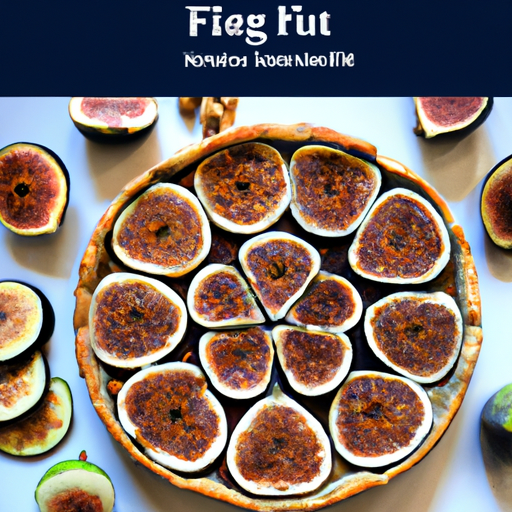
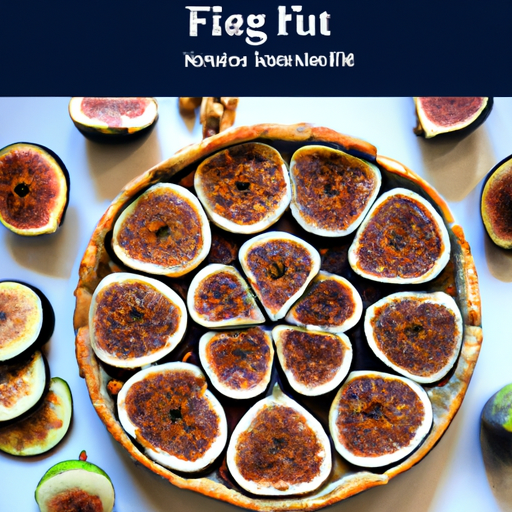
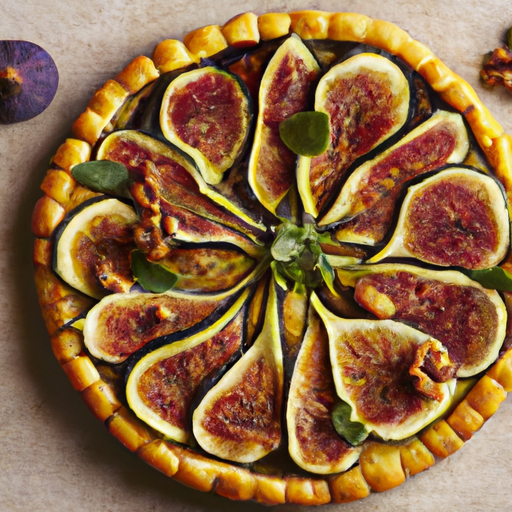
Mediterranean Fig And Walnut Tart Recipe

Imagine the indulgence of biting into a piece of Mediterranean fig and walnut tart, with its burst of juicy fruitiness mingled with the earthy crunch of walnuts, encased in a delicate pastry — all the colors, flavors, and textures of the Mediterranean in one delightful slice. This gem of Mediterranean cuisine impeccably combines the region’s finest figs and walnuts in a simple yet elegant dessert that not only tempts your taste buds but also aligns well with the Mediterranean diet’s principles of natural, nutritious, and wholesome food.

The beauty of this recipe lies in its simplicity and authenticity. With this comprehensive guide, you can effortlessly recreate this classic Mediterranean dessert in your own kitchen, whether for a special occasion or as an everyday treat. You’ll find exact measurements for every ingredient, consideration for four adult servings, and clear cooking instructions to ensure your tart comes out perfect every time. And if you need to make any substitutions, don’t worry — we’ve got you covered. We’ll walk you through every step, making sure you can turn the finest Mediterranean produce into a dessert masterpiece with ease and confidence.

Mediterranean Fig And Walnut Tart Recipe

Introduction

Welcome to your culinary journey towards creating a delightful Mediterranean Fig and Walnut Tart. This tart is a delightful blend of flavors hailing from the vibrant Mediterranean region, acclaimed for its flavorful and healthful cuisine. The tart presents a harmonious blend of sweetness, enhanced by the rich tastes of figs and walnuts, tied together in a beautiful, flaky crust. As part of the Mediterranean diet, both figs and walnuts are enriched with essential nutrients and antioxidants, making this tart not only delicious but also healthy.

Ingredients

You’ll need to gather the following ingredients to prepare a tart for four adults. Remember, exact measurements ensure a perfect tart every time.

  • 10-12 ripe figs
  • 1 cup of walnuts
  • ½ cup of honey
  • 100g unsalted butter
  • 1½ cup of all-purpose flour
  • 100g granulated sugar
  • A pinch of salt (1/8 teaspoon)
  • 1 whole egg
  • 1 teaspoon of pure vanilla extract
  • ½ teaspoon of ground cinnamon

Mediterranean Fig And Walnut Tart Recipe

Crust

Making the Dough

The first step towards baking this delicious tart is making the dough for the crust. In a bowl, combine the flour, sugar, salt, and butter. Make sure your butter is cold and diced into small pieces for easy blending. Stir in the egg and vanilla extract, then use your fingers to blend everything together until you have a ball of dough.

Rolling and Shaping the Crust

To shape the crust, dust your working surface with flour. Roll out the dough into a circular shape, until it is bigger than your tart pan. Gently lift the dough and place it on your tart pan, pressing it down and into the corners. Trim off the excess dough and use a fork to prick the surface of the dough, which will prevent it from puffing up in the oven.

Blind Baking the Crust

Blind baking is a baking technique used on pastry crusts where the crust is pre-baked before the filling is added. At this point, your crust is now ready for the blind baking process, ensuring that it is semi-cooked before adding the filling. Cover the surface of the crust with baking paper or aluminium foil and fill it with baking weights. Bake your crust in a pre-heated oven at 200C (392F) for about 15 minutes. Afterward, remove the weights and bake for an additional 5 minutes until it starts to golden slightly.

Filling

Preparing the Figs

Now it’s time to move onto the sweet and succulent figs. Start by carefully washing your figs then cut them into quarters.

Making the Walnut Mixture

For the walnut mixture, chop the walnuts up into smaller pieces or you can quickly pulse them in a food processor. Combine the walnuts with the honey and cinnamon in a bowl. Stir until all of the walnut pieces are coated with honey and cinnamon. This mixture forms the bottom layer of your filling and provides a beautiful crunch to the tart.

Assembling the Tart

Now the fun part, the assembly. Spread the walnut mixture evenly on the baked crust. Next, arrange the fig quarters on top of the walnut layer, pressing them gently into the walnut mixture so they hold in place.

Baking

To bake the tart, place it back in your preheated oven at 180C (350F). Bake it for about 25-30 minutes, or until the crust is golden and the figs look juicy and tender. After baking, allow the tart to cool for about 10 minutes before serving.

Conclusion

And there you have it, your very own handmade Mediterranean Fig and Walnut Tart. This splendid tart brings together the beautiful synergies of sweet figs and rich walnuts in a delightful, flaky crust. Indeed, a sweet way to enjoy the wholesome goodness of the Mediterranean region. Happy baking!

August 9, 2023 Food & Recipes

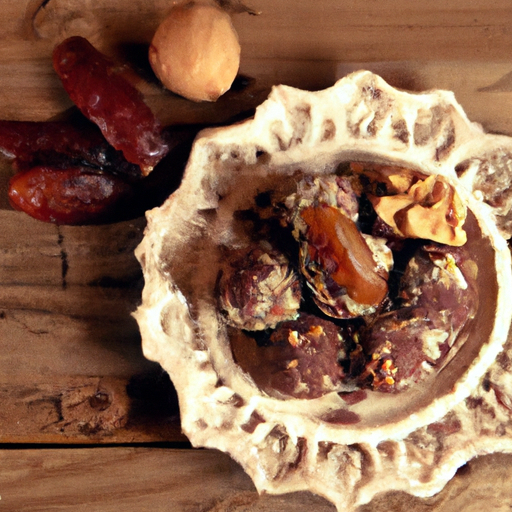
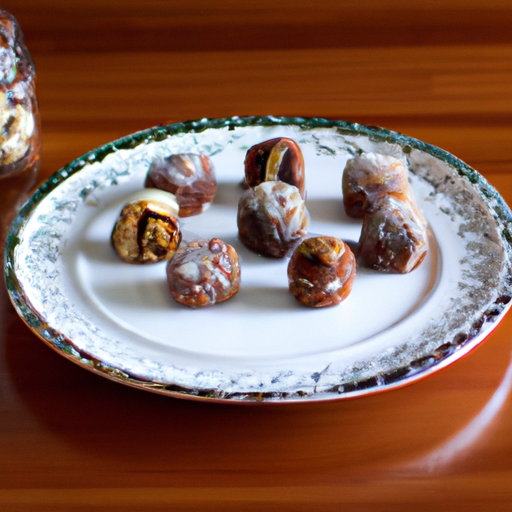
Mediterranean Date And Nut Truffles Recipe

Embrace the charm of the Mediterranean culinary world as you get ready to prepare the quick and simple, yet undeniably delicious Mediterranean Date And Nut Truffles. This flavorful delight is not just an explosion of taste, but a true representation of the Mediterranean Diet, renowned for its health benefits and widespread popularity. Harnessing the natural sweetness of dates and the delightful crunch of nuts, these date and nut truffles are an exemplary treat that health-conscious individuals and dessert lovers both can relish.

Your kitchen is about to play host to an irresistible delicacy that’s rich in nutrients and high in fiber. Perfect for the occasional sweet craving or as a wholesome, portable snack, these bite-sized wonders are the epitome of simplicity meeting health and taste. Follow along as the recipe details unfold, guiding you step by step, from the required ingredients to the precise cooking instructions. Whether you are a seasoned chef or a novice in the kitchen – this authentic Mediterranean recipe won’t disappoint, I assure you!

Mediterranean Date And Nut Truffles Recipe

Introduction

How about a dessert that’s not only delicious but also a perfect fit for the healthy Mediterranean diet? The Mediterranean Date and Nut Truffles recipe we’re about to share with you here is sure to please. These sweet treats are loaded with wholesome ingredients like dates, almonds, pistachios, and honey, all of which are staples in the Mediterranean cuisine. Whipping up these delightful little goodies is quite the fun adventure, and luckily for everyone, we’ve planned a step-by-step guide to ensure you have an easy, hassle-free experience making this delightful dish.

Ingredients

For this recipe, you’ll need the following ingredients to make four servings of the truffles:

Dates

We start off with 8 ounces of pitted dates. These sweet and chewy fruits are the main sweetener in our truffles and will also provide the necessary stickiness to hold the nuts together.

Almonds

Next, bring in 1 cup of raw almonds. Almonds would add a nice crunch to our truffles and enhance their nutritional profile.

Pistachios

Draw in 1/2 cup of shelled pistachios to add not only flavor but that perfect shade of green that screams ‘natural goodness!’

Cocoa powder

Add 2 tablespoons of unsweetened cocoa powder for that rich, chocolatey flavor.

Coconut oil

To make our truffles moist and smooth, get 1 tablespoon of coconut oil.

Honey

Throw in 3 tablespoons of honey to add another level of natural sweetness.

Vanilla extract

To enhance the flavor further, keep 1 teaspoon of vanilla extract handy.

Sea salt

A 1/2 teaspoon of sea salt is also needed to balance out the sweetness of the dates and honey.

Ground cinnamon

You will need 1 teaspoon of ground cinnamon to add warmth and spice.

Shredded coconut

Lastly, prepare 1/2 cup of unsweetened shredded coconut, which we’ll be using to coat the truffles.

Mediterranean Date And Nut Truffles Recipe

Preparation

Step 1: Chop the dates

Begin by chopping the dates into small pieces. This ensures they will blend well with the other ingredients.

Step 2: Toast the almonds and pistachios

Next, toast the almonds and pistachios in a pan until they’re lightly browned. This step enhances the taste by bringing out their inherent rich, nutty flavor.

Step 3: Grind the nuts

Once the nuts have cooled, grind them in a food processor until they reach a crumbly consistency. Be careful not to over-process them into a paste.

Step 4: Combine the ingredients

In a large bowl, combine the ground nuts with the chopped dates, cocoa powder, coconut oil, honey, vanilla extract, sea salt, and cinnamon. Mix them well until you get a sticky, well-incorporated mixture.

Step 5: Shape the truffles

With clean hands, take a spoonful of the mixture and shape it into small balls to form the truffles.

Step 6: Coat with shredded coconut

Finally, roll each truffle in the bowl of shredded coconut until it’s well-coated. At this point, your truffles are ready to be enjoyed!

Options/Substitutions

Substitute nuts

Although almonds and pistachios are recommended, you can easily substitute these with other nuts like walnuts or hazelnuts. Remember, it’s all about personal preference when it comes to cooking.

Add flavors

Feel free to experiment and add your preferred flavors. You may fold in some dried fruits, swap out vanilla for almond extract, or add a hint of nutmeg or clove for an autumnal twist.

Sweeteners substitutions

If you prefer, you could substitute the honey with maple syrup, raw agave nectar, or any other sweetener of your choice.

Tips

Using a food processor

A food processor is a great tool for this recipe as it helps achieve the correct texture for the ground nuts and dates. But if you don’t have one, a good old-fashioned knife would work just fine, though a bit more elbow grease is required.

Adjusting sweetness

Feel free to adjust the sweetness to your liking. If the dates and honey make the truffles too sweet, you can always use less honey or add more cocoa powder to balance the flavors.

Storing the truffles

After making the truffles, store them in an airtight container in the refrigerator. They will keep well for up to one week. These truffles also freeze well, so you can make them in advance and store for up to two months.

Conclusion

And there you have it, your very own homemade Mediterranean Date and Nut Truffles! They’re not only incredibly tasty, but also packed with nutrient-rich ingredients that align perfectly with the traditional Mediterranean diet. Remember, cooking should always be an enjoyable endeavor, so feel free to experiment with this recipe and make these truffles uniquely yours! Whether you’re hosting a dinner party or simply want a healthy snack, these truffles are an excellent choice. Happy cooking!

August 9, 2023 Food & Cooking

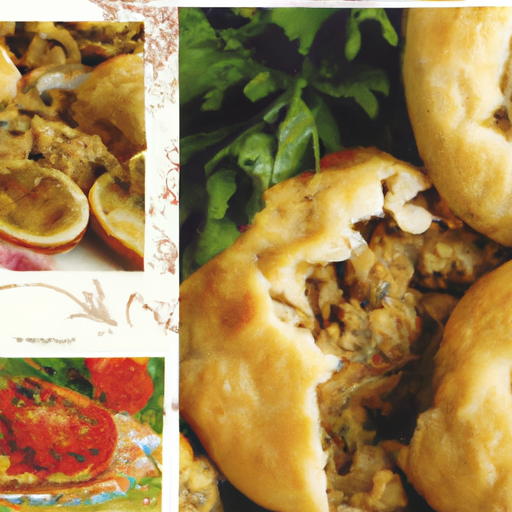
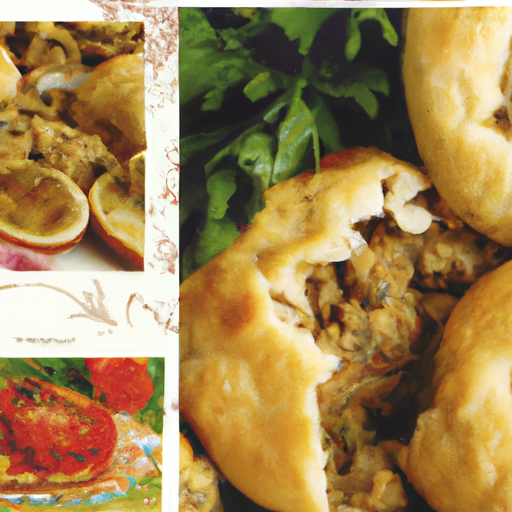
Mediterranean Turkish Pogaca (Savory Buns) Recipe

Imagine the sensation of warm, delicate bread wafting through your kitchen. Picture it, enriched with the full-bodied savoriness of authentic Mediterranean flavors that echo centuries of traditional Turkish cuisine — this is what awaits you in the experience of crafting the humble, yet decidedly sumptuous, Mediterranean Turkish Pogaca (Savory Buns).

By embarking on this culinary journey with us, you’ll learn how to create this cherished Turkish recipe that aptly fits within the bounds of a Mediterranean diet – a cornerstone of good health. In a to-the-point and easily discernible manner, we shall proceed with a detailed list of requisite ingredients—brought to you in precise measurements—to ensure your journey into the heart of Turkish cuisine is as seamless as possible. We shall guide you meticulously through cooking and preparation instructions, offering options and substitutions where suitable, and eventually wrapping it all up in a satisfying conclusion. Prepare yourself for an immersive dive into the rich, flavorful, and wholesome world of Mediterranean Turkish Pogaca.

Mediterranean Turkish Pogaca (Savory Buns) Recipe

Intro

Welcome to another delightful recipe that will tantalize your taste buds and transport you straight to the vibrant heart of the Mediterranean. Today, we will be focusing on the Turkish Pogaca, a savory bun popular in Mediterranean cuisine, especially in Turkey. These buns are not just any ordinary buns; they are soft, fluffy, and filled with feta cheese and parsley, making them the perfect accompaniment for your breakfast or brunch. As part of the Mediterranean diet, the ingredients used in the Pogaca recipe are natural, fresh, and healthy. So, let’s dive straight into the kitchen and start baking this savory delicacy!

Ingredients

Before we start prepping and cooking, let’s gather all the needed ingredients. Following quantities will make 4 servings of delicious Turkish Pogaca buns.

Dough

  • 500 grams of all-purpose flour
  • 1 packet of dry yeast (roughly 7 grams)
  • 1 teaspoon of salt
  • 1 teaspoon of sugar
  • 200 ml warm milk
  • 100 ml virgin olive oil
  • 1 large egg (the white part for the dough, the yolk will be used for the glaze)

Filling

  • 200 grams of feta cheese
  • A handful of fresh parsley leaves, finely chopped

Glaze

  • 1 egg yolk (separated from the aforementioned egg)
  • A sprinkling of sesame seeds or nigella seeds

Mediterranean Turkish Pogaca (Savory Buns) Recipe

Cooking and Preparation Instructions

With the ingredients all set, it’s now time to get started with the actual process of baking these irresistible Turkish Pogaca!

  1. Start by preparing the dough. In a large mixing bowl, combine your flour, yeast, salt, and sugar. Stir until all the dry ingredients are evenly distributed.

  2. Gradually add warm milk, olive oil, and egg white to your dry mixture, kneading continuously until all the ingredients have melded together to form a spongy, pliable dough.

  3. Cover this dough with a clean cloth and let it rest in a warm spot for about 1 hour, or until the dough has doubled in size.

  4. Meanwhile, crumble the feta cheese into a bowl, add the finely chopped parsley. Mix them together, and set aside.

  5. After the dough has risen significantly, divide it into orange-sized pieces. Flatten each piece into a round disk and add a spoonful of your cheese filling to the center. Then, fold the edges of your dough disk towards the center, pinching to seal and form a stuffed bun.

  6. Preheat your oven to 180°C (350°F). Arrange the stuffed buns on a baking tray and brush them with the egg yolk for the glaze. Sprinkle over the sesame or nigella seeds.

  7. Bake these in the preheated oven for about 20-25 minutes, or until the buns turn a golden brown on top.

And voila, there you have it, your delicious, savory Turkish Pogaca buns are ready to be devoured!

Options/Substitutions

The Turkish Pogaca is quite forgiving and versatile, which means you can tweak the recipe according to your preference or dietary needs.

If you’re not a fan of feta, you can certainly switch it up with cheddar or any soft cheese of your liking. If you’re keeping it vegan, you can swap the cheese and egg for tofu and a suitable vegan substitute for egg like flax seeds. The sky’s the limit!

For the dough, if you want a healthier option, you can substitute half the portion of all-purpose flour with whole wheat flour.

Conclusion

In the end, it’s all about savoring the rich, diverse flavors that Mediterranean cuisine has to offer. Preparing the Turkish Pogaca may take a bit of time and effort, but trust me, when you take a bite of this savory, cheesy bun fresh out of the oven, you’ll know it was worth it. Whether you’re a seasoned cook looking to try something new, or a novice baker eager to dabble in Mediterranean cuisine, this recipe is bound to leave you and your loved ones asking for seconds. So go ahead, enjoy these savory buns at your next meal and bring the Mediterranean to your home!

August 9, 2023 Food and Cooking

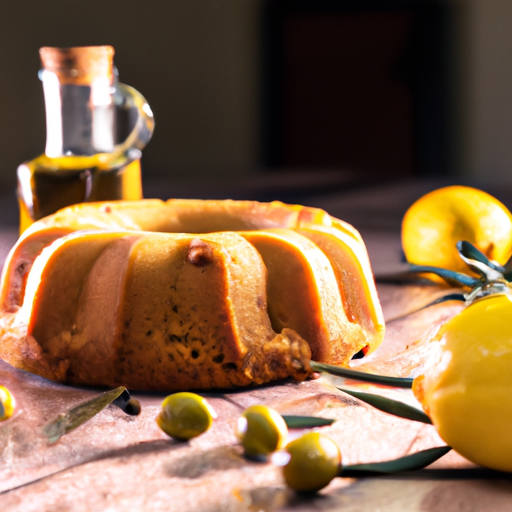
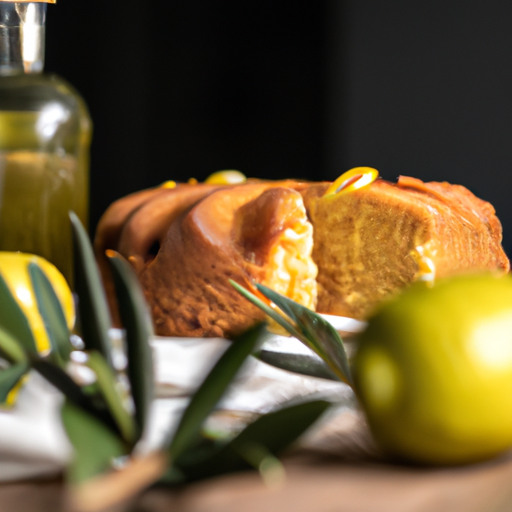
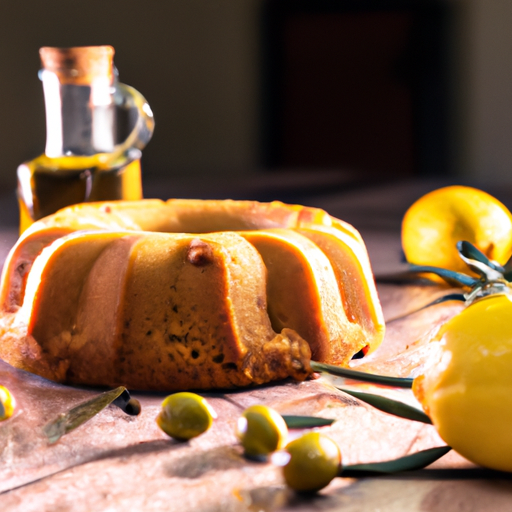
Mediterranean Lemon And Olive Oil Cake Recipe

The light, tangy appeal of lemons shines brightly in the Mediterranean Lemon and Olive Oil cake, a staple in many coastal Mediterranean regions known for their richness in citrus fruits. This masterpiece perfectly embodies the spirit of the Mediterranean diet – simple ingredients, bold flavors, and heart-healthy components. Infused with the lively zest of fresh lemons and the robust warmth of olive oil, this delightful cake endears itself to all who crave a union of tangy and sweet.

Composing this sublime treat may seem like a daunting venture, but fear not! Cooking, much like any art, takes a pinch of passion, a dash of determination, and, of course, a carefully curated recipe. This article aims to provide just that: a step-by-step guide on how to recreate this superb Mediterranean cake, complete with detailed ingredient proportions suitable for a wholesome meal for four. From the initial preparation to your first heavenly bite, this straightforward guide ensures an enjoyable and fuss free cooking experience.

Mediterranean Lemon And Olive Oil Cake Recipe

Introduction

Imagine a rich, moist cake with a zesty tang of lemon, the fragrant aroma of extra virgin olive oil, and a touch of sweet indulgence from a dusting of powdered sugar! Welcome to the delightful world of the Mediterranean Lemon and Olive Oil Cake. This popular cake is a staple in the Mediterranean diet, which is renowned for its focus on heart-healthy fats, fresh fruits and vegetables, whole grains, and minimal red meat. What makes this cake even more special is its versatile nature – it can be enjoyed as a dessert, an afternoon tea-time snack, or even as a sweet breakfast treat. So, let’s roll up our sleeves and dive into the process of bringing this delightful cake to your table.

Ingredients

To recreate this Mediterranean classic, you will need the following ingredients:

  • Zest from 2 lemons
  • 1/4 cup of freshly squeezed lemon juice
  • 3/4 cup of extra virgin olive oil
  • 1 cup of granulated sugar
  • 3 large eggs
  • 1/2 cup of Greek yogurt
  • 2 cups of all-purpose flour
  • 2 teaspoons of baking powder
  • 1/2 teaspoon of salt
  • 1/4 cup of powdered sugar (for dusting)

These quantities should be enough to make a cake suitable for 4 adults.

Mediterranean Lemon And Olive Oil Cake Recipe

Cooking Instructions

Preparing the Batter

Start with zesting the lemons and squeezing out the juice. In a large mixing bowl, combine the olive oil, granulated sugar, and lemon zest – whisk until well mixed. Add the eggs one at a time and continue whisking. Stir in the Greek yogurt and lemon juice until well combined. In a separate bowl, mix together the flour, baking powder, and salt. Gradually sift in the dry ingredients to the wet mixture, stirring constantly to avoid forming lumps.

Baking the Cake

Preheat your oven to 350°F (175°C) and grease a round cake pan with some olive oil. Pour the batter into the pan evenly. Bake for about 45 minutes or until the top of the cake becomes golden brown and a toothpick inserted into the center comes out clean. Allow the cake to cool in the pan for about 10 minutes before transferring it to a wire rack to cool completely.

Making the Glaze

While the cake is cooling, prepare the glaze. Simply combine the powdered sugar with a couple of tablespoons of lemon juice. Keep stirring until you get a smooth, rather thick, but pourable mixture.

Glazing the Cake

Once the cake has cooled completely, pour the glaze over it evenly and let it rest for few minutes. The glaze will dry and form a beautiful white coating which contrasts nicely with the golden brown of the cake.

Options/Substitutions

Gluten-Free Option

For those who are sensitive to gluten, you can easily substitute the regular all-purpose flour with a gluten-free flour blend.

Vegan Option

To offer a vegan version of this cake, replace the eggs with a flaxseed or chia seed blend (one tablespoon of flax or chia seeds mixed with 2.5 tablespoons of water equals one egg). The Greek yogurt can be swapped with a non-dairy yogurt like coconut or almond yogurt.

Conclusion

There you have it – your very own Mediterranean Lemon and Olive Oil Cake! This recipe highlights the simplicity of Mediterranean cooking by captivating the delicious harmony of a few good-quality ingredients. Refreshing, hearty, and downright delicious, this cake is a testament to the healthful and vibrant flavors of the Mediterranean diet. So, whether you’re new to Mediterranean cuisine or a lifelong fan, this flavorful and satisfying cake is bound to make its way into your recipe repertoire and your heart! Happy cooking!

August 9, 2023 Cooking and Recipes

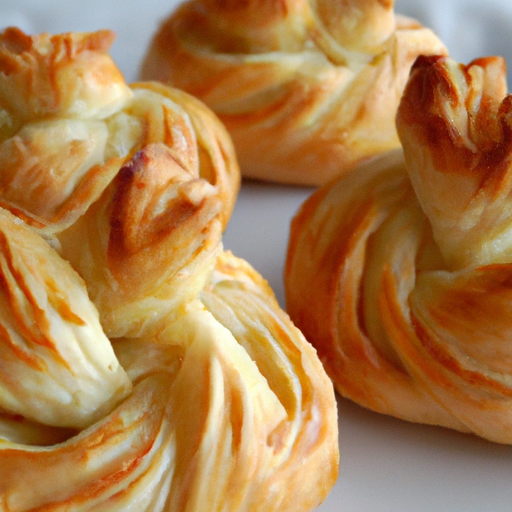
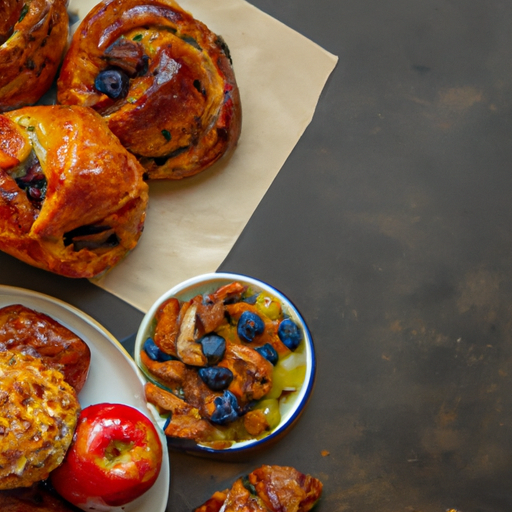
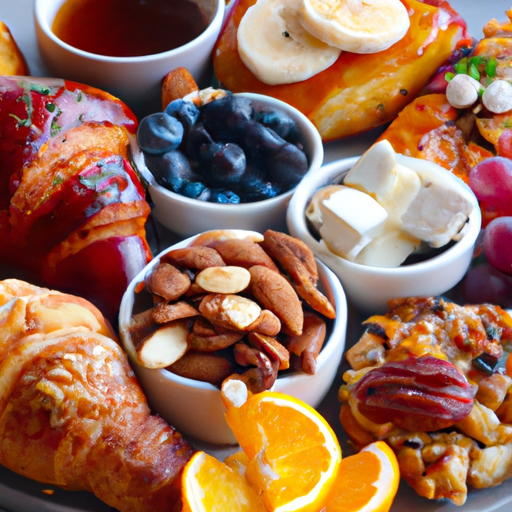
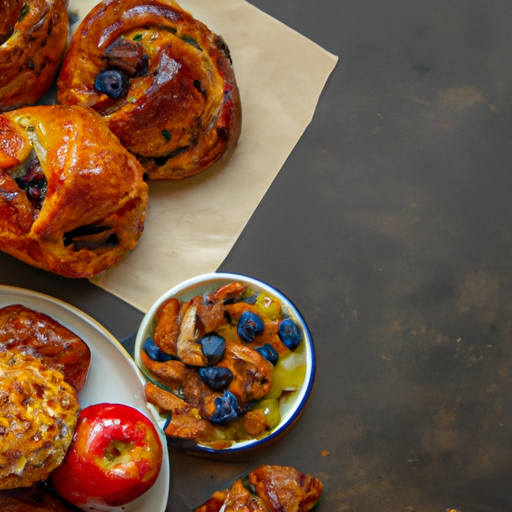
Mediterranean Breakfast Pastries Recipe

Imagine embarking on a gastronomic adventure within the comforts of your own home, transcending borders to the sun-kissed lands of the Mediterranean region. These breakfast pastries offer more than just a hearty morning meal; they represent bright, vibrant Mediterranean cultures wrapped beautifully into a delightful treat. They provide a fantastic segue into the Mediterranean diet, a lifestyle emphasizing fresh, whole foods, extolled globally for its numerous health benefits.

Your taste buds will be introduced to a blend of extraordinary flavours committed lovingly into this exquisite Mediterranean breakfast pastry recipe. Guiding you from the ingredient selection to the final preparation, provided exact measurements will help to offer precision as you create culinary delight that serves four. Alongside, you will find a list of substitutes that cater to various dietary preferences, honoring the Mediterranean diet’s underlying principle of flexibility and variety. This delightful journey concludes with a delectable pastry that poses not merely as a breakfast staple, but as an emblem of a healthy and flavorful lifestyle.

Mediterranean Breakfast Pastries Recipe

Introduction

Welcome to your DIY guide to making delicious Mediterranean Breakfast Pastries! These pastries are a lovely way to start your day, allowing you to savor the hearty flavors of the Mediterranean region while also providing a scrumptious and satisfying breakfast option. They fit perfectly into the Mediterranean Diet, offering a balanced combination of protein, carbohydrates, and a bit of sweetness to keep you fueled and satiated throughout the morning. With this recipe, we’ll make four delectable pastries enough to serve four adults.

Ingredients

Here are the ingredients you’ll need:

  • 1 cup of Butter
  • 2 cups of All-purpose flour
  • 1/2 teaspoon of Salt
  • 1 cup of Cottage cheese
  • 4 medium-sized Eggs
  • 2 tablespoons of Honey
  • 1 teaspoon of Vanilla extract
  • 1 tablespoon of Lemon zest
  • 1/2 cup of Ricotta cheese
  • 1/4 cup of Powdered sugar

Mediterranean Breakfast Pastries Recipe

Preparation

Preparing the Dough

Kick-start your pastry-making process by preparing the dough. Start by combining your all-purpose flour, salt, and butter in a large bowl. Using your hands or a pastry cutter, mix the butter into the flour until it resembles breadcrumbs. Then, add in the cottage cheese and knead the mixture until it forms a smooth, elastic dough. Wrap the dough ball in plastic wrap and place it in the refrigerator to chill for about an hour.

Making the Filling

While the dough is chilling, let’s move on to making the filling. In a medium bowl, whisk together the eggs, honey, vanilla extract, and lemon zest. Stir in the cottage cheese and ricotta cheese until well combined. This will form the creamy, flavorful filling for your pastries.

Shaping the Pastries

Once your dough is properly chilled, roll it out on a lightly floured surface to about 1/4 inch thickness. With a round pastry cutter or glass, cut circles out of the dough. Place a tablespoon of the filling in the center of each pastry round. Then, fold the dough over the filling, pinching the edges to seal.

Baking the Pastries

Preheat your oven to 350 degrees Fahrenheit and line a baking sheet with parchment paper. Place your filled pastries on the baking sheet, and bake for about 18-20 minutes, or until the pastries are golden brown. Allow the pastries to cool slightly, then dust them with powdered sugar. Your Mediterranean Breakfast Pastries are now ready to serve!

Options/Substitutions

Vegetarian Option

The good news is that our Mediterranean Breakfast Pastries are already vegetarian-friendly!

Gluten-Free Option

If you’re looking for a gluten-free variant, you can substitute the regular all-purpose flour with a cup of gluten-free flour blend. Ensure the blend you choose is suitable for baking and mimics the properties of wheat flour to achieve the right texture for your pastry dough.

Conclusion

And there you have it, your very own homemade Mediterranean Breakfast Pastries! This recipe is a healthy way to incorporate the Mediterranean Diet into your morning routine with an indulgent twist. Remember, cooking should be fun, so don’t worry if your pastries aren’t picture perfect. What matters is that they’re made with love and packed with flavors that you and your loved ones would enjoy. Breakfast just got a luxurious upgrade with these delicious pastries, so why not give it a try? Happy baking!

August 9, 2023 Food & Cooking

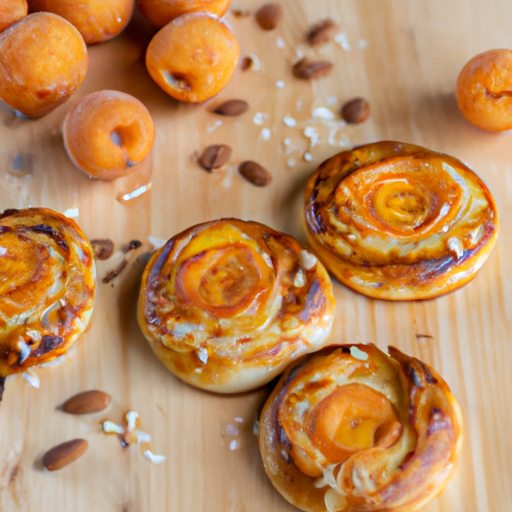
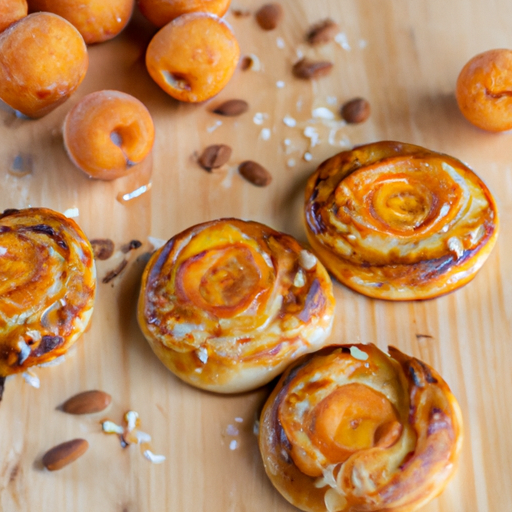
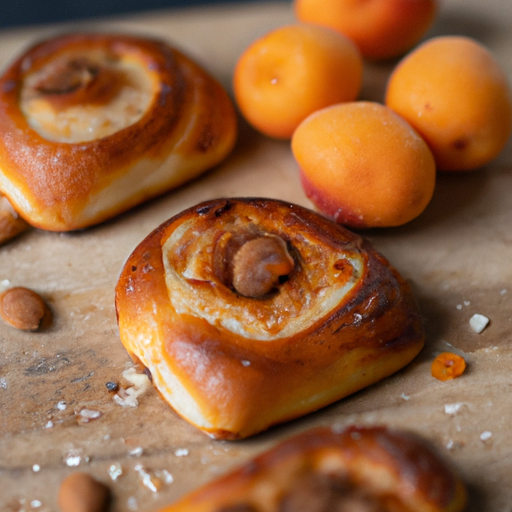
Mediterranean Apricot And Almond Buns Recipe

Imagine the enticing scents of apricots and almonds wafting through your kitchen, enveloping your senses with a warmth that takes you on a delightful culinary journey to the Mediterranean. The type of journey that stirs up comfort, laughter, and irreplaceable moments around the table. Today, we’ll accompany you on that journey through the art of baking Mediterranean Apricot and Almond Buns.

With this recipe, you’re not just baking; you’re creating a symphony of flavors that resonate throughout your dining experience. By meticulously selected, high-quality ingredients and presenting precise instructions, every step of this process will craft an unforgettable, healthful dessert that perfectly aligns with the principles of a Mediterranean diet. Be ready to add a fabulous new repertoire to your baking skills. Let’s get started on your new favorite treat, one that is as nourishing as it is delicious!

Mediterranean Apricot And Almond Buns Recipe

Introduction

The Mediterranean Apricot and Almond Buns recipe is a delightful combination of flavors that perfectly aligns with the Mediterranean diet. This diet is primarily plant-based, with apricots, almonds, and whole wheat dough illustrating these principles meticulously. These buns make for a splendid breakfast or a delicious snack, offering a sweet, aromatic experience with every bite. Combining the tangy apricots and the crunchy almonds adds a depth of flavor that turns this simple baking recipe into a culinary masterpiece. The recipe is designed to yield 4 servings, making it ideal for a family breakfast or a small get-together.

Ingredients

This Mediterranean Apricot and Almond Buns recipe brings multiple ingredients together to create a mouth-watering experience. Here is what you will need:

  • 12 fresh apricots
  • Half a cup of whole almonds
  • 1 pound of dough
  • Half a cup of granulated sugar
  • 1 stick of unsalted butter
  • 1 whole egg
  • 1 teaspoon of high-quality vanilla extract
  • Half a cup of plain yogurt
  • 2 cups of whole wheat flour
  • 3 teaspoons of double-acting baking powder

These exact measurements will ensure a perfect end result, so it’s crucial not to deviate from them.

Mediterranean Apricot And Almond Buns Recipe

Preparation

Soak Apricots

Begin by soaking apricots. This helps in softening them, yielding a delectably sweet flavor. Ensure you soak them in a bowl of warm water for about 15 minutes.

Toast Almonds

While the apricots soften, toast the almonds. This enhances their flavor and adds a delightful crunch to the buns. Toast them in the oven at a moderate temperature until they turn a light golden brown.

Prepare Dough

Next, turn your attention to the dough. Start by mixing the flour and the baking powder. Take the sugar, butter, egg, and vanilla extract and blend well. Slowly, work in the flour mixture until a smooth dough is formed.

Roll Out Dough

Now, dust your work surface and roll out the dough until it’s around a half-inch thick.

Spread Filling

It’s time to prepare the filling. Drain the apricots and chop them finely. Mix them with the toasted almonds and spread this mix onto the dough.

Shape the Buns

Next step is to shape the buns. Roll the dough tightly, cut into equal-sized pieces, and form them into bun shapes.

Let the Buns Rise

Allow the shaped buns to rest and rise for about an hour. This will give them an airy, light texture after baking.

Bake the Buns

Last, but not least, bake the buns. Preheat your oven to 375°F (190°C). Bake the buns for about 20-25 minutes, or until they are a lovely golden brown.

Options/Substitutions

While the delicious combination of apricots and almonds is what makes this recipe special, it can also be tailored to cater to various taste preferences.

Alternative Fillings

Try using different fruits like peaches or blueberries if you’d prefer a different flavor. Using marzipan instead of the almonds could also be an interesting twist.

Glaze Options

To add an extra hint of sweetness, you could try a sugar glaze or a honey glaze once the buns are baked. Alternatively, a cream cheese glaze can provide a delightful creamy richness to these buns.

Conclusion

This Mediterranean Apricot and Almond Buns recipe brings a taste of the Mediterranean diet to your kitchen, capturing the essence of light, healthy, and flavorful eating. The sweet apricots, the crunchy almonds, and the soft dough all balance each other out, creating a fantastic taste experience. They’re easy to prepare, versatile, and are sure to be a hit with friends and family. Enjoy this aromatic treat straight out of the oven for a warm, delicious experience. So, put on your chef’s hat and immerse yourself in the delightful cooking experience this recipe has to offer. Happy baking!

  • « Go to Previous Page
  • Go to page 1
  • Interim pages omitted …
  • Go to page 21
  • Go to page 22
  • Go to page 23
  • Go to page 24
  • Go to page 25
  • Interim pages omitted …
  • Go to page 64
  • Go to Next Page »

Primary Sidebar

Hey y’all!

Hello and welcome to MediterraneanDietRecipes.net My name is JD, and I’m a 46-year-old father of three amazing children. My family is my world, and my main goal in life is to stay healthy and live long enough to see my children grow up, have children of their own, and to be an active, engaged, and supportive grandparent.

Being an older father, I understand that time is precious, and I want to make the most of it by ensuring that I am in the best possible shape physically, mentally, and emotionally. My journey started with a deep dive into the research on longevity and the lifestyle choices that can help me achieve my goals. Dig deeper →

Footer

Stay Connected

  • Bloglovin
  • Facebook
  • Instagram
  • Pinterest
  • Twitter

Copyright © 2026 · MEDITERRANEAN DIET RECIPES