• Skip to primary navigation
  • Skip to main content
  • Skip to primary sidebar
  • Skip to footer
  • Home
  • About
  • Recipes
  • Blog

Mediterranean Diet Recipes

Home » Blog

Blog

July 31, 2023 Diet and Nutrition

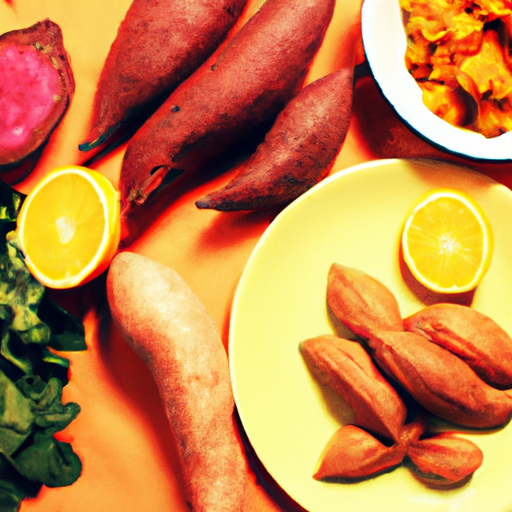
Are Potatoes On The Mediterranean Diet?

How are you managing your meals on the Mediterranean Diet? You know, the one you’ve heard about that combines delicious foods and promising health benefits. Have you ever wondered if potatoes are included in it? It’s an interesting question and not exactly a crazy one to ask considering how versatile and satisfying potatoes can be.

Well, here’s an interesting tidbit: you’re about to delve deeper and uncover the answer in our next article. There’s so much knowledge to gain and who knows? You may even discover a new favorite way to enjoy potatoes as part of your Mediterranean Diet meal plan. JD, a health-conscious father, ensures all articles are meticulously researched and accurate, perfect for those seeking long term wellness. Plus, he always emphasizes the joy of sharing quality food with your family. So, are you ready to learn more? Stay with us, because this is where the journey towards health and happiness gets even more exciting!
Are Potatoes On The Mediterranean Diet?

The Basics of the Mediterranean Diet

Definition and Origin of the Mediterranean Diet

The Mediterranean Diet, a term established in the 1960s, refers to the eating habits traditionally followed by the people living around the Mediterranean Sea. With an emphasis on fruits, vegetables, healthy fats, lean proteins, and whole grains, it provides a blueprint for incorporating nutritious and delicious foods into your everyday meals.

Key Components of the Mediterranean Diet

Key elements of the Mediterranean diet include generous amounts of fruits and vegetables, healthy fats from olive oil and fish, moderate consumption of lean protein like poultry and dairy, and a focus on whole grains. Also, red wine, in moderation, makes frequent appearances here.

Potatoes – Nutritional Overview

Macronutrient Profile of Potatoes

Despite persistent stereotypes, potatoes are a nutritional powerhouse. They provide significant amounts of essential vitamins and minerals, such as Vitamin C and Potassium. Plus, they offer a good dose of fiber, especially with the skin on, and are naturally low in fat.

Health Benefits of Potatoes

Potatoes are high in complex carbohydrates, which can provide energy over time rather than leading to a sugar crash. They also contain fiber that promotes digestive health and satiety – making you feel full and less inclined to overeat.

The Role of Carbohydrates in the Mediterranean Diet

Importance of Complex Carbohydrates

Complex carbohydrates are crucial in the Mediterranean diet, providing your body with steady energy since they are digested slowly. Foods like whole grains, legumes, and yes – potatoes – are excellent sources of such carbohydrates.

Carbohydrates and Health in the Mediterranean Diet

Carbs in the Mediterranean diet, most notably complex ones, contribute to long-term health benefits. These include maintaining a healthy weight, controlling blood sugar levels, and reducing the risk of heart disease.
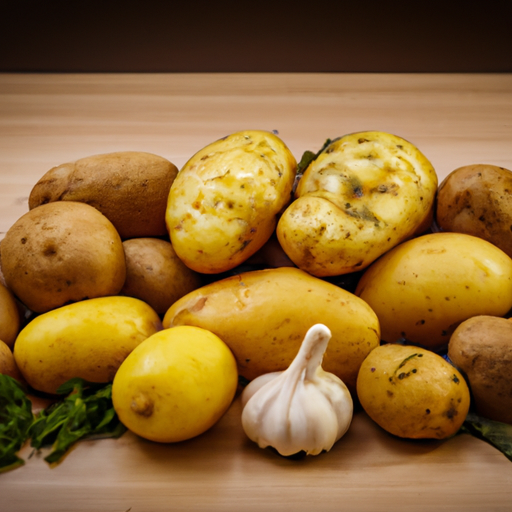
Are Potatoes On The Mediterranean Diet?

Understanding Potatoes in the Mediterranean Diet

Debunking Myths about Potatoes and Weight Gain

It’s a widespread myth that potatoes contribute to weight gain, but it’s more about how they’re prepared. Frying or loading them with butter, cheese, and sour cream will surely add to the calorie count, but when prepared healthily, they’re a nutritious addition to your meals.

Different Ways to Prepare and Consume Potatoes

There are many healthy ways to incorporate potatoes into your diet. Baking, roasting, steaming, or grilling topped with fresh herbs and a drizzle of extra-virgin olive oil aligns perfectly with the principles of the Mediterranean diet.

Fusing Potatoes and the Mediterranean Diet

Incorporating Potatoes into Mediterranean Dishes

Potatoes can play a starring role in many Mediterranean dishes, from Spanish tortilla to Greek lemon potatoes. Combined with veggies, lean protein, or legumes, they can create a well-rounded, nutritious meal.

Beyond Boiling: Healthy Cooking Techniques for Potatoes

Forget boiling; potatoes in Mediterranean recipes are often roasted, which retains more nutrients, or cooked in broth for stews and soups. You can use them as a base for salads, augmenting the dish with extra mileage on the satiety front without sacrificing flavor.

‘Family’ Aspect of the Mediterranean Diet

Family Meals and the Mediterranean Culture

The Mediterranean diet isn’t just about food. It’s a lifestyle and culture woven around spending time with family and friends, embracing leisurely meals and sharing good times.

Encouraging Variety and Meal Sharing in Family Eating

Sharing meals promotes a diverse diet. This is exemplified in Mediterranean culture where a variety is always on the table. It encourages trying new dishes and boosts the consumption of healthy foods, with potatoes being a frequent guest.

The Importance of Portion Sizes in the Mediterranean Diet

Understanding Portion Control

Portion control benefits weight management without depriving yourself of the foods you love. For example, potatoes, when eaten in moderation, can be part of a healthy diet.

Potatoes and Portion Sizes

A medium baked potato can be a satisfying side or a meal component paired with lean protein and vegetables. Being mindful of portion sizes ensures you can enjoy your favorite foods without overspill.

Healthy Lifelong Eating with the Mediterranean Diet

The Mediterranean Diet: More Than a Temporary Solution

The Mediterranean diet is not a temporary fix but a sustainable and enjoyable approach to eating – one that can be followed throughout your life for major health benefits.

Maintaining Health and Lifestyle Balance

Delicious, diverse, and flexible, the Mediterranean diet provides a framework that allows for balance and pleasure in your meals while promoting long-term health.

Sharing High Quality Food with Family

Promoting Health Conversations about Food

Conversations about food and health, galvanized by making a habit of sharing meals, are crucial. From discussing where food comes from to the importance of balanced nutrition, these conversations are part of the Mediterranean lifestyle.

Engaging Family in the Cooking Process

Engaging your family in meal prep promotes a better understanding of nutrition and fosters a love for quality ingredients. It’s a perfect time to discuss the health benefits of foods like potatoes and how they fit into your meals.

Conclusion: Potatoes on the Mediterranean Diet

Balancing Nutritional Needs with the Mediterranean Diet

Overall, the Mediterranean diet is about balance and quality. Potatoes, with their impressive nutritional profile, can certainly find their place here when prepared healthily and consumed in moderation.

Why Potatoes are a Valuable Component of the Mediterranean Diet

Potatoes are a valuable component of the Mediterranean diet due to their nutritional makeup and versatility. So yes, potatoes rightfully claim their place on the Mediterranean table. With countless ways to prepare them, they can be part of flavorful, nutritious meals that your entire family will enjoy. JD and his family sure do!
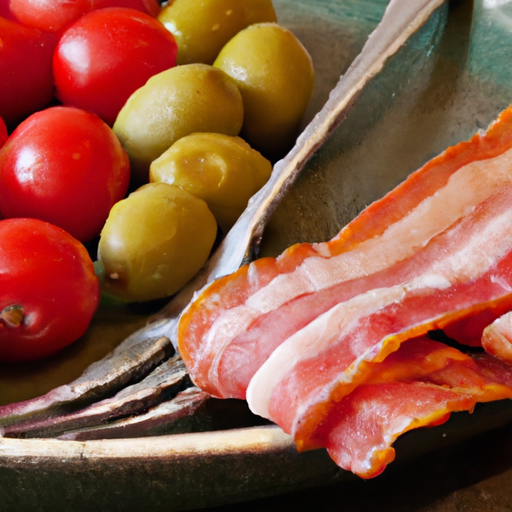

July 31, 2023 Diet and Nutrition

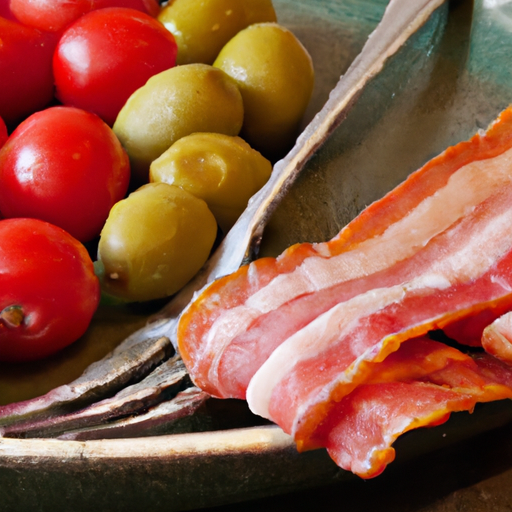
Can You Eat Bacon On Mediterranean Diet?

You might be wondering, “Can bacon be incorporated into a Mediterranean diet?” It’s quite a burning question, especially for those bacon enthusiasts who don’t want to give up that crispy, savory pleasure. You’ve probably heard about the myriad health benefits that the Mediterranean diet brings, putting an emphasis on fruits, vegetables, whole grains, seafood, and healthy fats. But where does bacon fit in all of these?

Well, you’re about to learn more in our upcoming article. We will dive into the specifics and uncover if your adored rashers have a place in this acclaimed diet plan. Always remember, the goal of the Mediterranean diet is not just about promoting better physical health—it’s also about enjoying high-quality meals with your family. It’s going to be an enlightening culinary adventure, so stay tuned!

Can You Eat Bacon On Mediterranean Diet?

Can You Eat Bacon On Mediterranean Diet?

Understanding the Mediterranean Diet

The Origins of the Mediterranean Diet

The Mediterranean diet is inspired by the eating habits observed in countries bordering the Mediterranean Sea, including Italy, Spain, Greece, and Turkey, among others. This diet has earned worldwide acclaim for its numerous health benefits backed by substantial scientific evidence.

Nutritional Principals of the Mediterranean Diet

The Mediterranean diet promotes liberal consumption of fruits, vegetables, whole grains, and lean protein sources such as fish and poultry. Healthy fats, primarily from olive oil and nuts, are favored over saturated fats. The diet also advocates moderate intake of dairy products and red wine while minimizing refined sugars, refined grains, and highly processed foods.

Bacon and the Mediterranean Diet

What Makes Bacon Controversial?

Bacon is a popular breakfast food that tempts many with its tantalizing scent and rich flavor. However, it’s often controversial due to its high content of saturated fats and sodium, which links it to various health conditions such as heart disease and high blood pressure.

Bacon’s Nutritional Profile

Bacon is a significant source of fats and protein with an insufficient amount of essential nutrients required for maintaining a healthy lifestyle. Besides, it contains high levels of sodium and nitrates, which are harmful when consumed in large quantities regularly.

How Bacon Contradicts Mediterranean Diet Principles

The composition of bacon contradicts the nutritional guidelines set by the Mediterranean diet. This diet encourages the intake of lean proteins and discourages foods high in saturated fats and sodium, such as bacon.

Considering Healthier Alternatives

Mediterranean Diet-Approved Protein Sources

Instead of bacon, the Mediterranean diet promotes leaner sources of protein like fish, poultry, and legumes. These foods offer better nutritional profiles, providing plenty of proteins without the excess fats and sodium present in bacon.

Swapping Bacon with Healthier Fish and Poultry

Fish like salmon and tuna, rich in omega-3 fatty acids, and lean poultry are excellent alternatives to bacon. Their high protein and healthy fat content align perfectly with the Mediterranean diet’s principles.

Can You Eat Bacon On Mediterranean Diet?

Meat Consumption in the Mediterranean Diet

Role of Meat in the Mediterranean Diet

Contrary to popular misconception, the Mediterranean diet does include meat; however, lean meats are preferred, and consumption is typically moderate.

Ideal Meat Options for the Mediterranean Diet

Good meat options would be lean, white meats like poultry and rabbit. Red meats are not excluded but are recommended to consume in moderation.

Impact of Bacon on Health

Health Implications of Regular Bacon Consumption

Regular consumption of bacon can lead to various health problems, such as high cholesterol levels, hypertension, heart disease, and type 2 diabetes, due to its high saturated fat and sodium content.

Research on Bacon and Long-Term Health Effects

Continuous research has connected processed meats like bacon to an increased risk of diseases like heart disease and cancer. Though occasional consumption is unlikely to cause harm, regular consumption can significantly increase health risks.

Family and the Mediterranean Diet

Influence of Mediterranean Diet on Family Health

Author, JD, being a family man, understands the importance of maintaining good health for him and his family. Embracing the Mediterranean diet not only impacts your overall health, but it can also influence your family’s well-being as well.

Teaching Children About Good Diet Choices

By adopting healthier food choices like the Mediterranean diet, you have a unique opportunity to guide your children toward better nutritional habits. Your actions can inspire them to appreciate the value of wholesome, nutrient-rich foods over processed, ready-to-eat options.

Benefits of the Mediterranean Diet

Long Term Health Benefits

Demonstrated benefits of the Mediterranean diet include enhanced heart health, lower cholesterol levels, improved mental health, and decreased risk of chronic diseases such as diabetes and cancer.

Mental Wellness Advantage

Besides physical health benefits, the Mediterranean diet can also boost mental health, assisting in maintaining cognitive functions and reducing the risk of neurodegenerative diseases like Alzheimer’s.

How to Implement the Mediterranean Diet

Step-by-Step Guide to Transitioning

Transitioning to the Mediterranean diet is not a swift process. It involves gradual changes starting with incorporating more fruits and vegetables into your meals, opting for whole grains over refined ones, switching to lean proteins, and using healthier fat sources.

Making the Mediterranean Diet a Lifestyle

The Mediterranean diet is not just about your meals; it’s a lifestyle promoting overall well-being. Regular physical activity, adequate rest, and enjoying meals with family or friends are integral to this approach.

Flexibility and the Mediterranean Diet

How Flexible is the Mediterranean Diet?

The beauty of the Mediterranean diet is its flexibility. As long as you abide by the central principles, you’re free to adapt it to your personal preference and dietary needs.

Incorporating Personal Touch to the Mediterranean Diet

While the core focus is on whole foods, lean proteins, and healthier fats, how you choose to incorporate these into your meals is entirely up to you. This flexibility allows you to tailor the diet to suit your taste and make it more sustainable in the long run.

Conclusion

Balancing Taste and Health

Enjoying the foods you love while maintaining good health might seem like a daunting task, but with the Mediterranean diet, you can make it happen. While bacon might not align with the diet’s principles, there are countless other delicious and nutritious alternatives to explore.

Role of Responsible Eating in Maintaining a Healthy Lifestyle

Ultimately, maintaining a healthy lifestyle boils down to responsible eating. It’s essential to understand the implications of your food choices and strive for a well-rounded, balanced diet integral to long-lasting health and well-being.

July 31, 2023 Diet and Nutrition

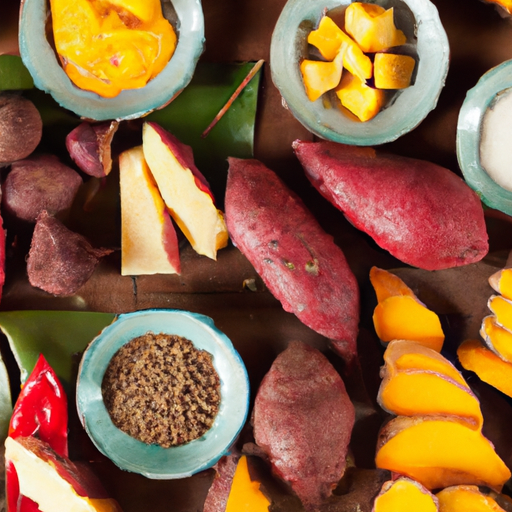
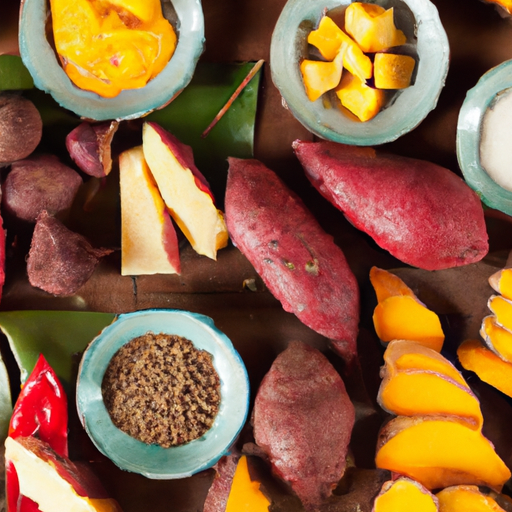
Is Sweet Potato On The Mediterranean Diet?

So, you’re wondering if sweet potatoes have a place in the Mediterranean diet? Well, that’s an interesting question, isn’t it? It shows your curiosity for your health and well-being, which is truly admirable. Here at Mediterraneandietrecipes.net, JD, a dedicated father, searches for this kind of answers.

Don’t click away just yet, because you’re about to dive deeper into this topic in the upcoming article. JD, a knowledgeable and passionate leader in the field, provides well-researched and accurate information for everyone. This kind of dedication is driven by his desire to be active and healthy for his children. He values the importance of sharing high-quality food with family and this is echoed throughout all his articles. Stay tuned as there’s much to learn about the Mediterranean diet and its many facets!

Is Sweet Potato On The Mediterranean Diet?

If you’re wondering whether sweet potato can be included in a traditional Mediterranean diet, you’ll be pleased to know the answer is a resounding yes! Stick around to uncover the role of this versatile vegetable in the Mediterranean diet, its health benefits, and how you can incorporate it into your family meals and active lifestyles.

Is Sweet Potato On The Mediterranean Diet?

Understanding the Mediterranean Diet

Defining the Mediterranean Diet

The Mediterranean diet is based on the traditional foods people in countries like Italy, Greece, and Spain consumed in the 1960s. It is a pattern of eating that is primarily plant-based, focusing on whole foods such as fruits and vegetables, whole grains, legumes, and nuts. It favors lean proteins such as poultry and fish over red meat and uses olive oil as the primary fat source, limiting saturated fats.

Core ingredients of Mediterranean Diet

The hallmarks of this diet include high consumption of fruits, vegetables, whole grains, beans, legumes, nuts, herbs and spices, and olive oil. Moderate consumption of fish, poultry, dairy products such as cheese and yogurt, and wine is also included in this diet.

Health benefits of Mediterranean Diet

According to research, the Mediterranean eating pattern can help you maintain a healthy weight, reduce the risk of heart disease, and promote better blood sugar control. It has also been associated with reduced levels of inflammation and a lower risk of Alzheimer’s disease, Parkinson’s disease, and cancer.

Exploring the Role of Sweet Potato in the Mediterranean Diet

Nutritional profile of Sweet Potato

Sweet potatoes are nutrient-dense tubers. They’re high in fiber, vitamin A, vitamin C, manganese, and several other vitamins and minerals. They also contain antioxidative properties, thanks to the presence of beta carotene, which converts to vitamin A in our bodies.

Why Sweet Potato fits into the Mediterranean Diet

Sweet potatoes fit perfectly into the Mediterranean diet because of their high nutritional value and versatility. Their high fiber content aids digestion and helps you feel full, controlling your appetite, and preventing overeating. What’s more, their naturally sweet flavor can curb cravings for processed sugary treats.

Traditional Mediterranean recipes using Sweet Potato

Sweet potatoes can be used in various Mediterranean dishes like salads, soups, and stews, or simply roasted as a side dish with olive oil, herbs, and spices. You can also make a delicious and healthy variant of classic fries by baking sweet potato fries with a sprinkle of sea salt and rosemary.

Is Sweet Potato On The Mediterranean Diet?

Sweet Potato and Family Meals

Incorporating Sweet Potato in family dishes

Having sweet potatoes readily available in your pantry offers myriad possibilities for quick, tasty, and nutritious family meals. They can be mashed, boiled, or roasted for a side dish, or used as a base for other main dishes. Blend cooked sweet potato into pasta sauce for extra nutrition, or use it in baking for a healthy twist.

Sweet Potato: A kid-friendly food

Sweet potato can be a fantastic addition to your kids’ meals, thanks to its natural sweetness. You can serve it as mashed sweet potato with a dash of cinnamon, disguise it in pancakes or baked goods, or turn it into vibrant sweet potato fries that your kids will love.

Encouraging family health with Sweet Potato

Regularly including sweet potato in your family’s meals promotes healthy eating habits among your family members. This nutritious vegetable can support your family’s overall health by boosting immunity, supporting eye health, promoting gut health, and offering cardiovascular benefits.

Sweet Potato for Active Lifestyles

The energy benefits of Sweet Potato

The complex carbohydrates found in sweet potatoes break down slowly, offering a steady supply of energy that is ideal for active people. Additionally, the high fiber content keeps you full for longer, making it a perfect snack before workouts.

Why Sweet Potato is ideal for active parents and kids

Active parents and kids can find sweet potato an ideal addition to their meals. This is because it helps to satisfy hunger, sustain energy levels, and replenish nutrient stores, all of which are crucial for maintaining vitality throughout the day.

Sweet Potato in Mediterranean Sport Nutrition

Athletes following a Mediterranean eating pattern can use sweet potato as a staple carbohydrate source. It can be a perfect post-workout meal, aiding recovery with its rich vitamins, minerals, and fibers.

Conclusion: Sweet Potato and the Mediterranean Diet

Why Sweet Potato is a Mediterranean Diet must-have

Given its rich nutritional profile and potential health benefits, sweet potato can be considered a must-have in the Mediterranean diet. It champions the diet’s staple principles: fresh, nutrient-rich, and plant-based ingredients.

Promoting long-term health with Sweet Potato

The inclusion of sweet potato in your day-to-day meals can help you achieve long-term health benefits. As a rich source of fiber, vitamins, and minerals, it can contribute to heart health, better digestion, improved vision, and more, when eaten as part of a balanced diet.

Reaffirming the value of sharing high-quality food with family

Sharing food, such as nutritious sweet potato dishes, with your family intros the values of health and community. Let’s make dining experiences at home not just about satiating hunger but also about nourishing both the body and the spirit.

By incorporating sweet potatoes into your Mediterranean diet, you are stepping forward towards a healthy, wholesome lifestyle, one meal at a time. So, peel up, slice down, and dig in. Ultimately, it’s about making every meal a joy, while ensuring long-term well-being for you and your family.

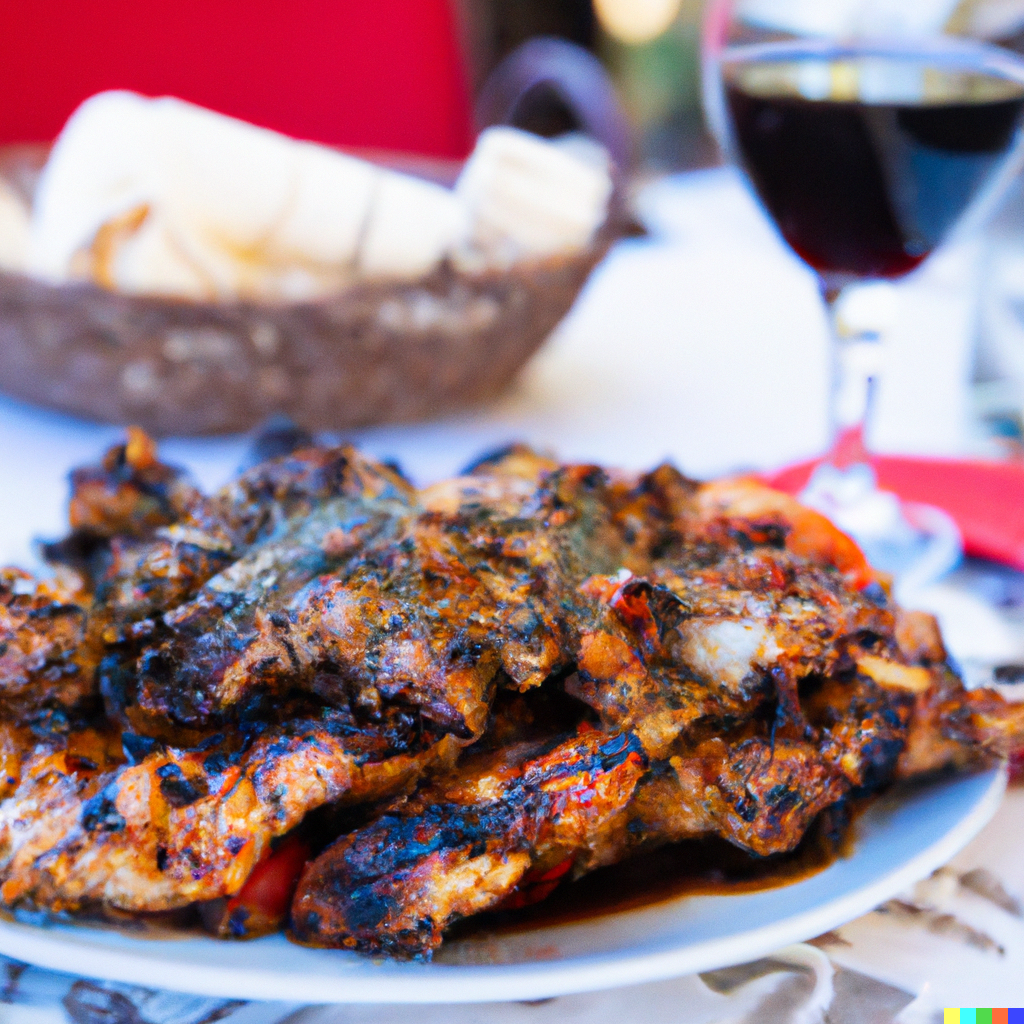
large dish of Delicious Greek Chicken Souvlaki

July 30, 2023 Greek Chicken Souvlaki

The Ultimate Guide to Making Delicious Greek Chicken Souvlaki at Home

Whether you’re looking to add a little Greek flair to your cooking or are just a lover of flavorful and delicious meals, there’s no doubt that this chicken souvlaki should be on your menu. Additionally, this guide provides you with all the information you need to make this classic dish in the comfort of your kitchen.

You’ll learn all the tips and tricks needed to make the perfect Greek chicken souvlaki, including what ingredients to use, how to marinate, how to cook, and how to serve it. Therefore, if you’re ready to discover the deliciousness of Greek chicken souvlaki, let’s get started!

What Is Chicken Souvlaki?

Chicken souvlaki is a traditional Greek dish made with marinated pieces of chicken that are skewered and grilled. People typically serve it with pita bread, tomatoes, onions, and a sauce made from yogurt and cucumber, known as tzatziki.

Cooks usually marinate the chicken in a mixture of lemon juice, olive oil, and herbs such as oregano and rosemary, which gives it a distinctive flavor. Also, if you didn’t know, it is a popular street food in Greece and is often served at tavernas and restaurants.

Ingredients to Make Chicken Souvlaki at Home

If you’re looking to recreate the delicious flavors of chicken souvlaki at home, the first thing you’ll need to do is gather the necessary ingredients. To make this traditional Greek dish, you’ll need the following:

Main Ingredient

  • 12 skinless and boneless chicken thighs

Essentials for the Marinade

  • 2 tsp dried oregano
  • 1 tsp ground cumin
  • 4 tbsp olive oil
  • 1 tsp dried mint
  • 1 tsp sweet paprika
  • 1 tsp coriander
  • 1 lemon for juice and zest, as well as 1 lemon sliced into serving-sized wedges
  • 1/2 tsp ground cinnamon
  • 4 garlic cloves (crushed)

Requirements for the Pitta Wraps

  • 1 tsp sachet of dried yeast
  • 8.5 ounces white bread flour
  • 2 tsp olive oil
  • 1 tsp golden caster sugar

Ingredients for the Tzatziki

  • 7 ounces Greek yogurt
  • 1/2 cucumber
  • 1 small garlic clove
  • 2 tsp finely chopped mint
  • 1/2 lemon juice

To Serve

  • 1 red onion (thinly sliced)
  • 4 large tomatoes (chopped and seeds removed)
  • 1 butter or round lettuce

You Will Need

  • 4 long metal skewers

With these ingredients on hand, you’ll be well on your way to making a delicious batch of chicken souvlaki in the comfort of your own home!

Cooking Instructions

To make the best chicken souvlaki at home, follow these steps:

#1 Marinade the Chicken

Mix the chicken with the marinade ingredients, salt, and black pepper in a large bowl until the chicken is well coated. Cover the bowl and refrigerate for at least three to 48 hours if you have the time.

#2 Make a Pitta Bread

Make the pitta bread several hours before you plan to eat. Mix the flour, sugar, yeast, and salt in a bowl. Add lukewarm water and olive oil, and combine into a dough. Knead the dough for 8-10 minutes on a work surface or five minutes in a tabletop mixer. Place the dough in a clean, lightly oiled bowl, cover it with cling film and let it rise for one hour or until it has almost doubled in size.

#3 Roll the Dough into Thin Circles

Separate the dough into four similar pieces and roll it into thin circles. Cover the circles with sheets of oiled cling film and let them rise for 15-20 minutes.

#4 Make the Tzatziki

To make the tzatziki, you must halve the cucumber lengthwise and scoop out all the seeds. Then, finely chop the cucumber and mix it with the remaining tzatziki ingredients and a bit of salt. Chill the tzatziki until it’s ready to serve.

#5 Preheat the Grill and Roast the Skewers

Preheat your grill to its maximum setting. Find a roasting tin/can with foil and get four metal skewers that are long enough to sit over the top of it with a small space underneath. Take the chicken out from the refrigerator and place one thigh over two skewers to have one through each side.

Furthermore, skewer additional chicken pieces, leaving a bit of space between each one. It should be possible to fit six chicken thighs onto each pair of skewers. Lastly, place the skewers on top of a roasting tin and set them aside while you finish preparing the pittas.

#6 Cook the Bread

Heat a large frying pan (or two) over medium-high heat, and then brush the pitta bread with oil. Place one piece of bread in the pan and cook until the bottom side is golden and bubbles form on the surface for about one to two minutes. Then, flip the bread and cook for an additional two-three minutes.

Repeat this process with the remaining slices of bread, wrapping them in foil to keep them warm. Alternatively, you can cook the bread on a barbecue grill for five-eight minutes, flipping them occasionally.

#7 Cook the Chicken on the Hot Grill

While the chicken is cooking, place it under the hot grill and cook for 15-20 minutes. Remember to regularly pour the chicken with oil and juices from the bottom of the tin and turn it over halfway through cooking. Once it is fully cooked, remove the chicken from the oven and let it rest for five minutes before serving.

#8 Serve the Flavorful Greek Chicken Souvlaki!

To finish, cut each pair of skewers into four kebabs and serve the chicken on warm pitta bread with lettuce, tomato, red onion, lemon wedges, and tzatziki. Bon appétit!

Tips to Make Chicken Souvlaki

To make sure your chicken souvlaki comes out perfectly every time, follow these tips:

  • Marinade the chicken for at least two hours or overnight. This method will help the flavors penetrate the meat and produce a more flavorful and tender dish.
  • If you don’t have skewers, you can cut the chicken into bite-sized pieces and cook them in a grill pan or on a stovetop over medium-high heat.
  • Moreover, if you don’t have a grill, you can bake the chicken in the oven at 400 degrees Fahrenheit for 20-25 minutes or until thoroughly cooked.
  • To make a healthier version of chicken souvlaki, you can use chicken breasts or thighs trimmed with fat and grilled on a stovetop grill pan.
  • Are you one of those people who want more flavorful meals? Then, to add more flavor to your chicken souvlaki, try using different herbs and spices in the marinade, such as cumin, coriander, or cayenne pepper.
  • You can alternatively serve the chicken souvlaki with a side of rice or a salad if you don’t have pita bread.

FAQs

If you still have questions about the chicken souvlaki, look at this FAQ section below. We hope you find everything you want to know!

Is Chicken Souvlaki Healthy?

Chicken souvlaki can be a healthy option when prepared healthily. Using lean chicken breasts or thighs and grilling or baking them rather than frying them can help reduce the dish’s fat content. Additionally, a sauce (tzatziki sauce)made from Greek yogurt and cucumber rather than mayonnaise can help reduce the calorie and fat content.

What Is Tzatziki Sauce?

The tzatziki sauce is a traditional Greek sauce made from yogurt, grated cucumber, minced garlic, and fresh herbs such as dill or mint. People typically serve it with dishes such as chicken souvlaki and gyros.

How Can You Store and Reheat Leftovers?

If you have any leftover chicken souvlaki, you can store it in the refrigerator for up to five days in an airtight container. However, remember to remove the chicken from the skewers before storing it, as it will be easier to reheat and eat. Be sure to keep the chicken separate from any toppings or tzatziki sauce.

Furthermore, to enjoy your leftover chicken souvlaki, warm the chicken on the stovetop or microwave and add your preferred toppings. It’s a delicious and easy way to enjoy this tasty dish again!

What Can You Serve with Greek Chicken Souvlaki?

There are so many ways to enjoy chicken souvlaki! One is using it in a gyro wrap with tangy tzatziki sauce. Warm up some pita bread, add the chicken souvlaki and a generous helping of tzatziki, and you’ve got a tasty and satisfying meal.

Additionally, if you want to make chicken souvlaki even more of a meal, consider serving it with a classic Greek salad. No matter how you decide to serve your chicken souvlaki, it’s sure to be delicious for everyone! The combination of flavors and textures is unbeatable.

Final Thoughts

Chicken souvlaki is a delicious and flavorful Greek dish perfect for a quick and easy meal at home. Follow the recipe and tips in this guide, and you can easily make delightful chicken souvlaki that will impress your friends and family.

Also, feel free and trust your cooking skills to get creative. Add your spin to the dish by using different herbs and spices in the marinade or by experimenting with various accompaniments. Whether you’re a seasoned chef or a beginner in the kitchen, chicken souvlaki is a dish that is easy to master and sure to be a hit with everyone.

a delicious basket of falafel by itself with tahini sauce on the side

July 28, 2023 Falafel

How to Make Falafel – Easy but Delicious Homemade Falafel Recipe

Middle Eastern cuisine has a culinary wonder almost everyone loves and craves after trying it for the first time: falafel.

These delicious chickpea balls and luscious herbs are among the tastiest naturally vegan dishes you’ll ever eat. Also, they’re so versatile!

Whether fried or baked, falafel goes well with pitas, wraps, sandwiches, and more! If you want to enjoy it better, you can serve it with just a Mediterranean tomato and cucumber salad, hummus, and a little tahini sauce for a simple but unforgettable meal!

Many love falafel but find the recipe hard to make. However, that’s not the case! Although there are multiple steps to follow, it’s an easy recipe, and you can get the best results with only the right ingredients.

Are you ready to prepare the best falafel you’ve ever tasted without traveling to Israel, Egypt, or Jordan? Find all the details you need here!

What Is Falafel?

Considered a popular Middle Eastern fast food, falafel is a dish made from ground chickpeas or fava beans, herbs, and spices. All the ingredients are mixed and shaped into small balls or patties that you can then fry or bake for a crispy texture on the outside.

Many believe that falafel originated in Egypt when Coptic Christians began looking for a hearty replacement for meat during Lent or long periods of fasting.

In Egypt and throughout the Middle East, falafel is a popular vegan food. These delicious balls are most locals’ daily food, and street vendors in almost all neighborhoods still offer them.

While you can eat falafel alone, this dish is often served in a sandwich with lots of salad, tahini, and grilled or fried eggplant.

Falafel sounds complex, but you can make this recipe with ingredients you probably have at home. Just make sure you buy high-quality spices, such as cilantro and cumin, for the best results.

Ingredients to Make Falafel

If you want to make falafel at home, here are the ingredients you need:

  • 2 cups dried chickpeas, soaked overnight (if you use canned chickpeas, the texture may be different)
  • 2 cup parsley, roughly chopped
  • 2 cup cilantro, roughly chopped
  • 1 cup onion, roughly chopped
  • 6 garlic cloves
  • 2 small green chile pepper (you can also use serrano or jalapeño pepper)
  • 2 tsp cumin
  • 2 tsp salt
  • 1 tsp baking soda
  • 1 tsp cardamom
  • ½ tsp black pepper
  • 4 tbsp chickpea flour
  • Vegetable oil for frying

Cooking Instructions

Once you have all the ingredients, it’s time to start preparing the delicious falafel. These are the steps you should follow:

  1. Put the dried chickpeas in a bowl with water the night before
  2. Let them soak until the next day
  3. Drain and rinse the chickpeas (you don’t have to repeat this step too many times)
  4. Add the chickpeas, onion, pepper, garlic, parsley, cilantro, cumin, salt, black pepper, and cardamom to a food processor
  5. Pulse the food processor several times until the mixture has the texture of coarse sand
  6. Put the mixture in a bowl and add the baking soda and chickpea flour
  7. Mix all the ingredients until perfectly combined
  8. Cover the mixture and refrigerate for at least 30 minutes or an hour
  9. Form small balls or patties using your hands (you can also use an ice cream scoop or a falafel scoop if you have one)
  10. Once the balls or patties are formed, cook the falafel using your preferred method!

Three Different Ways to Cook Falafel

Is the falafel ready to cook? You can deep fry, pan-fry, or bake it! All three methods are perfect for giving these chickpeas and herbs balls a crispy outside and soft inside texture. You only have to choose the one you like the most!

Deep Frying Falafel

If you want to deep fry your falafel, just heat about 3 inches of vegetable oil in a pot over medium heat until it reaches 350F. Many people use avocado oil, but any variety works well.

Once the oil reaches the desired temperature, carefully drop the balls there. Ideally, you can fry about six balls or little patties at a time, but it depends on the pot you use.

Let the falafel fry for a minute or two or until each ball is golden brown on the outside. After that, using a skimmer, remove them and place them on a paper towel-lined plate. 

Pan Frying Falafel

Don’t want to use too much oil? You can also pan-fry your falafel. In this case, you should only add a few tablespoons of vegetable oil to a pan over medium-high heat.

Once the oil is hot, carefully place each ball on the pan. Cook each side for two-three minutes or until golden. Then, transfer the falafel to a paper towel-lined plate.

Baking Falafel

For a healthier version, you can bake the falafel instead of frying it. Although the procedure is different, the result will be very similar, so don’t worry about the texture!

To bake the falafel, preheat your oven to 425F. Put parchment paper on a tray and spray or brush it with oil.

After that, place each ball on the baking sheet and lightly spray or brush the top side with oil. Bake for 25-30 minutes. Halfway through the time, flip the falafel to make sure they’re evenly cooked or browned.

If you want an even healthier version, bake the falafel on a silicone mat without oil. However, keep in mind that the balls will be a little less browned and crisp.

Tips to Make Homemade Falafel

Do you want to cook perfect falafel and enjoy its delicious flavor the best way? Follow these tips:

  • If you notice the mixture is too moist after using the food processor, add more chickpea flour.
  • You can also add a teaspoon or two of water or lemon juice if the mixture is too dry and crumbly.
  • Make sure the oil doesn’t get too hot. Otherwise, the outside of the balls will cook too quickly, even before the inside can heat up properly. If necessary, use a thermometer.
  • Use dried chickpeas if possible, as they’ll give your falafel better flavor and texture. Also, they’re rich in starch, which helps the balls or patties stay well-shaped.
  • Always put the mixture in the fridge for at least an hour before forming the balls or patties.
  • If you are frying the falafel, don’t crowd the balls into the pan.
  • Add ½ teaspoon of baking soda to the soaking water to make the dried chickpeas soften more easily.

Common Substitutions and Additions

If you want to get the best results when preparing falafel and keep this dish’s authentic flavor, you must use the right ingredients. However, you can consider the following recommendations if you don’t have one or two at home.

Dried Chickpeas

Dried chickpeas are key to preparing falafel. Actually, canned or cooked chickpeas aren’t an option if you plan to make this dish.

If you really can’t find dried chickpeas and are craving falafel, you can try making this recipe with another version. However, keep in mind that the result can be very different.

Also, if you use canned chickpeas, you may have to add more flour, as they tend to be more brittle or don’t hold together while cooking.

Onion

To cook falafel, you can use any onion variety! As long as you choose fresh vegetables, you’ll love the final result.

Herbs

In addition to the chickpea, parsley and cilantro are key in this recipe. However, you can also add some dill for a more delicious touch!

Spices

Cumin is also essential to give the falafel its authentic and bold flavor, but you can use other spices. Cayenne pepper also goes well with this recipe.

Garlic

If you don’t have fresh garlic, you can also use garlic powder. However, as mentioned, fresh vegetables and herbs are best for this recipe.

Baking Soda

To give the falafel an airy and fluffy texture, you should add baking soda. If you don’t have this ingredient, you can also use baking powder. Both are perfect if you don’t want the balls to be too dense.

FAQs

Do you have more questions about how to prepare falafel at home? Find the answers here:

How Can I Serve Falafel?

Since they’re hot and crispy, falafel balls are best immediately after being fried or baked. You can go Middle Eastern style and serve them with a generous amount of tahini sauce.

However, you can also make a sandwich by stuffing a warm pita with falafel, fresh greens, sliced ​​tomatoes, pickles, tahini sauce, and cilantro!

Falafel can also be a delicious side dish. You only have to serve it with other small foods, such as fried eggplant or tabouli salad.

Can I Make This Recipe Ahead and Freeze It?

Yes, of course! You can store your prepared falafel mixture in the fridge for 1-2 days and only form the balls or patties when you’re ready to fry them.

If you want to store falafel for longer, you can place the uncooked balls on a baking sheet with parchment paper and freeze them for at least an hour. Then, transfer the hardened falafel to a freezer bag and freeze it for a month or more.

Can I Bake Falafel in the Air Fryer?

Yes, you can! Follow the same steps to bake your falafel in a traditional oven, but place them in your air fryer basket instead.

Conclusion

Whether you love vegetarian food or just want to eat something different, you can enjoy falafel flavor and texture from the first bite!

In addition, you can adapt this delicious dish to your needs and preferences. With just a few changes, falafel can be healthier, crispier, and more delicious. You only have to follow the right techniques and choose high-quality ingredients!

a delicious basket of Mediterranean pita bread with a small bowl of hummus

July 28, 2023 Pita Bread

How to Make Homemade Pita Bread – The Easiest Recipe You’ll Ever Find!

When it comes to flatbread, one of the first types you may think of is pita bread. It’s delicious, easy to make, and versatile!

Pita bread is often found in the Middle East, the Eastern Mediterranean, and Greece. However, its popularity has spread worldwide as local dishes, such as gyros and shawarma, became internationally famous.

If you are a fan of these dishes and want to prepare warm, soft, and fresh homemade pita bread, you’ve come to the right place! Here’s the easiest recipe you’ll ever find.

With only a few ingredients and in less time than you think, you’ll have golden brown pita bread to eat the way you like it best.

What Is Pita Bread?

While it’s found across the Middle East and the Eastern Mediterranean region, pita bread is actually Greek. It’s a firm yet soft flatbread often served with different dips and spreads, including hummus, tzatziki, and melitzanosalata.

Some versions have a pocket and can be stuffed, so they’re perfect for making sandwiches or similar dishes. Pita bread is also served as thin, crispy triangular crackers that you can dip in your favorite sauces!

Overall, the recipe to make pita bread is the same worldwide. It has flour, yeast, water, and a little bit of sugar and salt. Some people add herbs and spices for extra flavor.

In terms of texture, pita bread is soft and slightly chewy. That’s why it’s widely used as a staple for different dishes.

Pita bread is usually baked in hot ovens with stone surfaces. However, as it has become more popular, this flatbread is also made in commercial bakeries with ovens that go up to 800-900F.

Fortunately, you can also make it at home, even if you don’t have a stone oven or industrial tools. Do you want to know how? Find the recipe below!

Ingredients to Make Pita Bread

If you want to prepare pita bread at home, you have to find the right ingredients. These are:

  • 1 cup water
  • 3 cups all-purpose flour (you can also use 1 ½ cups all-purpose flour and 1 ½ cups whole wheat flour)
  • 2 tsp dry yeast
  • 2 tbsp extra virgin olive oil
  • 2 tsp salt
  • ½ tsp sugar

Cooking Instructions

Once you have all the ingredients, you can get down to work and start making this delicious pita bread! These are the steps you must follow:

#1 Prepare a Yeast Sponge

Add a cup of lukewarm water to a large mixing bowl. Then, add the yeast and sugar, mixing well until both ingredients are completely dissolved.

After that, add just ½ cup of flour and mix until combined. Take the mixing bowl to a warm place and let the mixture rest for a few minutes.

In about 15 minutes, a loose sponge should have formed. If the mixture is bubbling, it’s ready!

#2 Make the Pita Dough

Once the yeast sponge has formed, add the salt, olive oil, and the rest of the flour. Save about ½ cup of flour for later.

Stir until the mixture has a shaggy texture. If you notice that the dough looks like a mess and is very sticky, don’t worry. In this step, it hasn’t developed enough gluten.

The kneading begins at this point. Sprinkle in some more flour and knead the mixture in the bowl for about a minute. Don’t forget to incorporate any loose bits!

#3 Knead the Pita Dough

Sprinkle some more flour on a clean work surface and put the mixture there. Knead lightly for two minutes or less. Once the dough is smooth, cover it with a dry towel and let it rest for at least 10 minutes.

After the first rest period, knead again for two more minutes. If you notice that the dough is a bit wet, don’t worry! You can sprinkle in a little more flour to make it more manageable, but be careful not to add too much.

#4 Let the Pita Dough Rise

Once you are done with the kneading, you must let the dough rise. Put it in a clean mixing bowl and lightly cover it with extra virgin olive oil.

The dough should be entirely covered with olive oil for the best results. Therefore, you should turn it a few times inside the bowl and add more oil if necessary.

Then, cover the bowl with plastic wrap and place the dry kitchen towel on top. Take the mixing bowl with the dough to a warm place and let it rest for at least an hour or until it doubles in size.

#5 Divide the Dough into Small Balls

Did the dough rise to twice its size? Now, you need to deflate it and take it back to the clean work surface.

Divide the dough into equal parts, shaping them into balls. You’ll have 7 or 8 pieces. Cover them with a towel and let them rest for 10 minutes.

#6 Shape Each Piece

After each piece rests, you should roll each into a circle using a floured rolling pin. Ideally, each ball should be 8-9 inches wide and ¼ thick.

If you’re having trouble with the dough sticking to the surface, just lift and turn it frequently as you roll. You can also sprinkle a little flour to make this process easier.

Sometimes, the dough gets tight and starts to spring back as you roll it. If this happens, set it aside and let it rest for a few more minutes before rolling it again.

Repeat this process with each piece of dough. If you want to finish faster, you can cook a pita bread while you roll another!

Baking or Cooking Your Pita Bread

If you already have all the pitas formed, you can bake or cook them. Both options are great, but the end result can be slightly different. Find more details about each one here!

Bake Your Pita Bread

Do you think your pitas are better baked? If so, heat the oven to 475F and place a large skillet on the middle rack. You can also use a sturdy baking tray.

Once the tray or skillet is hot, place the rolled-out pitas on it. You can work in batches and bake two or three at a time.

Bake for around two minutes. After that, carefully turn each piece over and bake for another minute until the pita bread is puffed.

When your pitas are golden brown and puffed, remove them from the oven and cover them with a clean towel while you bake the other pieces.

Cook Your Pita Bread on Stovetop

If you can’t use the oven, you can also make pita bread at home! Cooking it on the stovetop is another method widely used around the world.

In this case, you only have to heat a cast-iron skillet over medium-high heat. Drizzle a little vegetable oil (extra virgin olive oil is best) and add each pita at a time.

Leave each rolled-out pita in the skillet for at least 30 seconds or until you start to see bubbles. Then, using a spatula, carefully flip each piece over and cook on the other side for a couple more minutes.

When you notice brown spots on the bottom of the bread, it’s done! However, you should be aware that the pita bread may not puff up or form a pocket with this method! Therefore, you should check each piece to see if it has been cooked correctly.

Once the pitas are cooked, cover them with a clean kitchen towel until serving.

Tips to Make the Best Homemade Pita Bread

To get the best results when making pita bread, check out these tips!

  • If you want to make whole wheat pita bread, replace half of the wheat flour with whole wheat flour.
  • You can also replace the wheat flour with gluten-free all-purpose flour if you want to make a gluten-free version.
  • Store the dough covered in the refrigerator for up to a week if you don’t want to bake all the pieces on the same day.
  • Serve the pita bread fresh and hot out of the oven. It’s better this way!
  • If you want to store baked pita bread, use an airtight bag or freeze it for up to three months.
  • Use extra virgin olive oil instead of another type of vegetable oil since quality Mediterranean ingredients will help you obtain more authentic results and flavors.
  • Add natural and organic spices to give your pita bread a more delicious taste.
  • If the yeast doesn’t bubble when you make the sponge, repeat the step with new yeast. Otherwise, your dough won’t rise.

FAQs

How Many Calories Does a Whole Pita Bread Have?

A piece of pita bread has usually around 205 calories, but it depends on the type of flour you use.

How Can I Reheat Pita Bread If I Store the Pieces After Baking?

If you want to reheat your pita, you only have to put it in the oven or skillet over medium heat.

Why Did My Pita Go Flat?

Pita is a type of flatbread and doesn’t stay puffy once you take it out of the oven. Also, depending on the method you use, it might not form the pocket. However, you shouldn’t worry about that since the result is also delicious!

Do I Need a Stand Mixer to Make This Recipe?

No, you don’t! You can knead the dough to make pita bread by hand since you don’t need to spend too much time kneading.

Final Thoughts

When it comes to versatility, pita bread is one of the best recipes you can make.

Many believe that making pita bread is difficult, but the truth is that you only need a few ingredients and less than an hour of kneading.

Therefore, it’s the perfect option for beginner and expert cooks who want to enjoy the delights of Mediterranean cuisine!

a bowl of delicious Hummus with olive oil

July 28, 2023 Hummus

How to Make Hummus – An Easy Yet Delicious Recipe!

Another of the culinary wonders you can find in Mediterranean and Middle East cuisine is hummus.

It’s a delicious spread made from chickpeas that many know thanks to its delicious flavor and great nutritional properties.

Hummus has become so popular worldwide that you can find store-bought versions in almost every grocery store! However, there is no more delicious alternative than the one you can make at home.

Do you want to learn how to make this delicious spread to delight your guests at the upcoming party, or just have something delicious for snacking during the next movie night? Here’s all the information you need to know!

What Is Hummus?

As mentioned, it’s a creamy spread or dip made from mashed chickpeas, tahini, and spices. Some people also add lemon, garlic, and olive oil!

Hummus is commonly found in the Middle East and the Mediterranean region, but it has become so popular that it is a part of dishes and recipes all over the world. It’s eaten with vegetables or just plain crackers, but you can also use it as a spread for delicious sandwiches.

Also, hummus is considered a clean and healthy food, so it’s even more versatile than you might have thought.

Since it’s made from chickpeas, hummus is an excellent source of fiber, protein, and healthy carbohydrates. In addition, it has other superfoods, such as olive oil and garlic, which are part of the world-renowned Mediterranean Diet.

Therefore, whether you are on a diet to lose weight or only want to lead a healthier lifestyle, hummus may be ideal for you, especially if you want to give your meals more flavor and creaminess.

Are you ready to learn how to prepare hummus to have healthy options at home or complement the delicious Mediterranean dishes you prepare every weekend? You’ve come to the right place! Find the best recipe here.

Ingredients to Make Hummus at Home

Before starting to prepare this delicious recipe, the first thing you should do is find high-quality ingredients. This is what you need:

  • 3 cups chickpeas (you can use canned or dried chickpeas, but making your own from scratch is ideal for preparing a healthier, more delicious hummus)
  • 2 garlic cloves, minced
  • ⅓ cup tahini or sesame seeds paste
  • 1 lemon
  • ½ tsp salt
  • 3 tbsp olive oil
  • 2 ice cubes

Cooking Instructions

Once you have all the ingredients, you can start preparing this delicious hummus. You only have to follow the steps described below!

#1 Prepare the Chickpeas

If you plan to use dried chickpeas, the first step in making hummus is to soak and cook them. Ideally, you should let them soak overnight and cook them for at least two hours.

Place a cup of cry chickpeas in a large bowl and add water. Make sure it covers them by at least 2-3 inches. Let it soak overnight.

The next morning, when the chickpeas have expanded in the bowl, drain and rinse them. After that, put them in a medium-sized heavy cooking pot and cover them with the same amount of water.

Take the cooking pot with the chickpeas to a boil. Then, lower the heat and let it simmer for a couple of hours. This way, you will have about 3 cups of cooked chickpeas!

If you prefer to use canned chickpeas, just let them simmer for around 20 minutes. This step will make them softer.

#2 Peel the Chickpeas

Once you have the chickpeas soft and cooked, it’s time to peel them. There are different methods, but this is the easiest.

Just cover the cooked chickpeas with plenty of hot water and add 1 ½ teaspoon of baking soda. Let them rest in that mixture for about five minutes.

After that, take a handful of chickpeas and rub them under running water, making sure to remove the skins. Once they’re peeled and completely cool, you can move on to the next step!

#3 Process the Chickpeas

As a third step, dry the chickpeas and add them to a food processor. Pick a big one with a sharp blade!

Pulse in the food processor until the chickpeas turn into a smooth, creamy paste. Remember that it shouldn’t have too large pieces. Instead, make sure this mixture is similar to a powder.

#4 Keep Mixing

While processing the chickpeas, add two ice cubes to the mix. At this point, you should also add the tahini, salt, and the fresh squeeze of one lemon.

Blend the chickpea mixture for about four minutes or until the paste is creamy enough. If it’s too thick, run the food processor again and slowly add a little hot water.

Continue mixing until the mixture is smooth in texture! After that, cover the chickpea paste and put it in the fridge for about an hour.

#5 Serve

Once cold, remove the mixture from the refrigerator and spread it in a bowl to serve. Add a generous drizzle of extra virgin olive oil (three tablespoons, approximately).

You can garnish it with some chickpeas or any other ingredient you like. Many people sprinkle sumac or paprika on top, and the result is amazing!

#6 Enjoy!

Finally, you should only enjoy your hummus with your favorite foods! You can dip some crispy pita bread triangles or your favorite vegetables.

Hummus goes well with any vegetable, from carrots to cucumbers! You can also use it as a spread on toast or in your favorite sandwich. Just be creative and experiment as much as you can!

Common Substitutions and Variations

Tahini is a key ingredient to make hummus, but it can be hard to find in some grocery stores.

Ideally, you shouldn’t substitute tahini with another product, as it is essential to give your hummus its characteristic flavor. However, if you can’t find it, there are some alternatives you can consider.

When making hummus, nut butter might help you get the right texture. The best options are cashew or almond butter. Some people also use Brazil nut butter.

Another product that can substitute tahini is Greek yogurt. However, all the options mentioned above can alter the flavor profile of hummus even though they might add creaminess to the recipe.

You can also add other ingredients if you want to make a variation of hummus. In this case, you shouldn’t replace any product but add a new one.

The most popular hummus variations include the following:

  • Beet hummus
  • Roasted red pepper hummus
  • Roasted garlic hummus
  • Avocado hummus

Tips to Make the Perfect Hummus

If you want to make the perfect hummus to store at home or wow your friends and family, don’t forget to follow these tips:

  • Cook the chickpeas well, even if you use a canned version since they must be tender if you want to get good results.
  • Although the skin of the chickpeas is edible, peeling them will help you have a creamier hummus. You can leave the skin on, and this doesn’t really change the flavor, but its texture will be more rustic.
  • You can also add more ice cubes while blending if you want your hummus to be fluffier.
  • Take your time to use the food processor. The mixture should blend for about five minutes or more to get that creamy texture.
  • Don’t skimp when adding tahini and use a high-quality version. As mentioned, this ingredient is key to preparing hummus since it gives this chickpea paste that characteristic nutty flavor.

FAQs

What Can I Eat Hummus With?

Hummus is perfect as a dip with pita bread. However, you can enjoy this delicious recipe alongside other small plates, such as roasted cauliflower and baba ganoush, or with Mediterranean dinner bowls.

Another delicious way to enjoy hummus is as a side dish alongside chicken skewers or Greek souvlaki.

How Many Chickpeas Should I Use If I Choose the Canned Version?

If you prefer canned chickpeas, you should also use three cups.

How Many Servings Can I Get If I Prepare This Recipe?

With this recipe, you can make eight servings.

How Many Calories Does Hummus Have?

Each serving of hummus has around 176 calories, but it depends on how much oil you add and if you use other ingredients.

What Can I Do If I Added More Liquid Than I Should and My Hummus Isn’t as Thick as I Want?

If you used more liquid than you should or want your hummus to be thicker, you can add more tahini. Chilling the hummus for at least an hour before serving or adding a garnish may also help improve its consistency.

Do you want your hummus to be creamier? In that case, you can add a tablespoon or two of Greek yogurt to the mixture while using the food processor.

Can I Store Hummus in the Fridge?

Yes, of course! You only have to store your hummus in a container with a lid and take it to the refrigerator. Then, serve anytime you want!

Final Thoughts

Hummus is delicious, nutritious, and healthy. Besides being an incredibly delicious recipe, it adds many nutrients to your diet.

Also, this chickpea dip is very versatile. You can enjoy it as a garnish, with toast for breakfast, or with your favorite meat dishes. It’s just amazing, and you don’t need to spend a fortune or hours to make it!

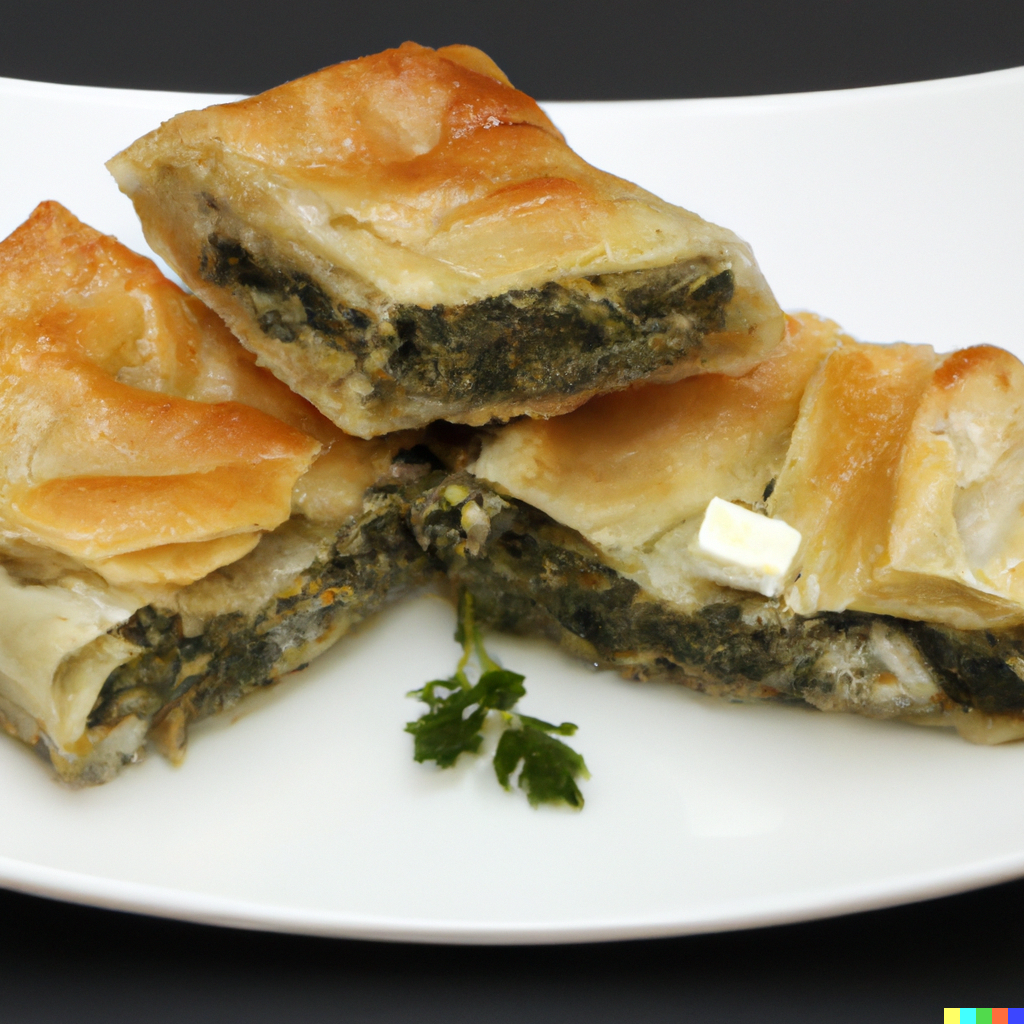
a delicious dish of Mediterranean spanakopita

July 28, 2023 Spanakopita

Best Spanakopita Recipe You Can Make at Home

If you love rich and cheesy dishes, you must try Spanakopita as soon as possible! It’s a delicious Greek pie made with thin, crispy layers of phyllo dough and a comforting spinach filling.

Spanakopita is a great side dish, especially if you’re preparing a special holiday dinner. It goes well with lamb or chicken recipes!

However, if you serve it with a Greek or Mediterranean salad, Spanakopita can also stand alone as the main dish, and everyone will love it!

The first time you see this dish, you may think it’s difficult to make. However, with the right ingredients and tips, you will be able to prepare Spanakopita and delight your guests in less time than you think.

Do you want to make this Greek delicacy to surprise your friends or family? Read on to find the best recipe!

What Is Spanakopita?

It’s a popular savory Greek spinach pie made with phyllo dough and filled with a mix of vegetables and feta or ricotta cheese.

Have you tried phyllo dough before? It’s pastry dough but used in tissue-thin layers. That’s why the Spanakopita is crispy and perfectly flaky.

This Greek spinach pie is usually served as cut pieces from a whole slab pie if you make it on a large casserole dish, but you can prepare different variations.

Some people make individual pies, rolls, or pockets (hand pies shaped in triangles) to make things easier.

In addition to spinach and phyllo dough, the traditional Spanakopita recipe also has onions or scallions. Some versions are also stuffed with eggs. Therefore, you can get creative and experiment a bit until you find the perfect recipe for you!

Ingredients to Make Spanakopita

Now that you know this dish, it’s time to get down to work and start preparing it. The first thing you should do is find the right ingredients.

For the filling, you need the following:

  • 10 oz thawed, squeezed, and dried frozen chopped spinach
  • 2 green onions, finely chopped
  • 2 garlic cloves, minced
  • 1 tbsp extra-virgin olive oil
  • ½ yellow onion, medium, finely chopped
  • ½ tsp dried oregano
  • ½ tsp crushed red pepper flakes (optional)
  • ½ tsp salt
  • ½ tsp ground black pepper
  • ½ tsp freshly chopped dill
  • 1 cup crumbled feta cheese
  • 1 tsp lemon zest
  • ¼ nutmeg (optional)

For the wrapper, you need the following:

  • 10 thawed phyllo sheets
  • ¾ cup melted butter

Cooking Instructions

Once you got all the ingredients, you can start preparing this delicious and unforgettable recipe. These are the steps you should follow:

Making the Filling

  1. Preheat the oven to 375F
  2. With a kitchen towel, squeeze the excess moisture from the spinach and transfer it to a large bowl
  3. Add the oil to a large skillet and bring to medium heat
  4. Once hot, add the onion and green onion and cook for about five minutes or until softened
  5. Then, add the garlic, oregano, and red pepper flakes (remember that this ingredient is optional)
  6. Season the mixture with salt and pepper (taste and adjust if necessary)
  7. Transfer the mixture to the bowl with the spinach and mix until all the ingredients are perfectly combined
  8. Add the lemon zest, dill, nutmeg if using, and feta cheese
  9. Stir again until all the ingredients are perfectly combined
  10. Taste the mixture and add more salt and pepper if necessary

Assembling the Spanakopita

  1. Once you have the spinach mixture ready, take the phyllo dough out of the fridge and cover it with a damp kitchen towel
  2. Place a phyllo sheet on an oiled baking dish and brush it all over with melted butter
  3. After that, top it with another phyllo sheet and brush it again with melted butter (you should let the phyllo sheets cover the sides of the baking dish)
  4. Add two more phyllo sheets in the same way, brushing each with melted butter
  5. Repeat until you have used two-thirds of the phyllo dough
  6. Now, spread the spinach and feta cheese evenly over the phyllo dough
  7. Top the mixture with two more phyllo sheets and brush them with melted butter
  8. Continue adding layers of phyllo dough and melted butter until you have used all the sheets
  9. Brush the last layer with extra melted butter and sprinkle it with a few drops of water
  10. Fold in the flaps or excess sides of the phyllo sheets (you can crumble them a bit to give the final dish a better texture)
  11. Brush the sides with more melted butter
  12. Cut the Spanakopita into squares (you can also do this after baking)
  13. Bring to the oven for at least an hour or until the phyllo dough is crisp and golden
  14. Remove from the oven and let it cool slightly before serving

Tips to Make Spanakopita

As you can see, although you have to follow multiple steps, preparing Spanakopita is easy! Do you want to try it and get the best results? Check these tips!

  • Phyllo dough is very fragile since it’s tissue-thin. Therefore, to prevent it from breaking as you assemble the Spanakopita, you should place the phyllo sheets between two slightly damp kitchen towels. Otherwise, the sheets will dry out and be much more difficult to work with.
  • Since phyllo sheets can dry out in only minutes, you shouldn’t skimp on adding melted butter between each layer.
  • Spanakopita is best if served hot. When you take the baking dish out of the oven, just wait a few minutes while it cools down a bit before enjoying this delicious dish.
  • Use the best phyllo sheets for the top of the Spanakopita casserole for better visual results.

Substitutions

Finding some of the key ingredients to make Spanakopita can be difficult. However, there are some substitutions you can consider for this recipe if you don’t have any at home. These are:

Feta Cheese

Don’t have feta cheese at home and can’t find it in your grocery store? Don’t worry! Ricotta cheese is a great substitute.

The result may be slightly different, but the taste will be almost the same. Ricotta cheese is also delicious!

Melted Butter

If you are not a fan of the butter taste, you can also substitute this ingredient. The best option is olive oil.

However, you should keep in mind that the taste of olive oil can be too strong. Therefore, you should choose mild varieties, such as extra virgin.

Spinach

Both fresh and packed spinach works well to prepare Spanakopita. You only have to use the one you like the most!

Yellow Onion

If you don’t have yellow onion, you can also use another variety, such as red onion! Both will give your recipe a unique and unforgettable flavor.

FAQs

If you still have questions about Spanakopita and how to make it, don’t forget to check this FAQ section!

Can I Make Spanakopita Ahead of Time?

Yes, you can! If you want to prepare ahead of time for that special dinner, you can make Spanakopita the night before you need to serve it.

In this case, you only have to follow all the steps to make the filling and assemble the dish. However, instead of baking it, cover the baking dish tightly and refrigerate your Spanakopita overnight.

When you are ready to serve this dish, remove the baking dish from the refrigerator and bake according to the instructions.

Can I Save Leftovers?

If your Spanakopita is already cooked, you can also store it in the refrigerator for two or three nights. Just cover the baking dish tightly!

When you want to eat the leftovers, just heat the Spanakopita in a medium-heated oven until it’s warm enough. Some people portion the leftover Spanakopita and freeze each piece for later!

Do I Have to Cook the Spinach in Advance?

No, you don’t have to cook it in advance. Since you need a good amount of spinach, you can use those frozen products available at most grocery stores.

However, some people use fresh spinach and decide to cook it for a better texture. It’s up to you!

In both cases, you only have to make sure you squeeze all the liquid from the spinach since excess moisture could spoil the recipe.

Can I Add More Vegetables to the Filling?

Yes, of course! Although it will change the flavor and texture of the original recipe, you can add more vegetables to the Spanakopita filling.

As mentioned, this is a dish you can experiment with and create more delicious recipes!

Final Thoughts

Spanakopita is one of the most attractive recipes you can prepare, especially if you have a special dinner with your friends or family and want to surprise them.

Many believe it’s difficult because it is not as famous as other dishes you usually prepare at home. However, as you can see, this recipe is easy to make.

If you like to experiment and want to surprise a loved one with a different meal, you can take them to Greece with a delicious Spanakopita! Also, this dish can be as healthy as you want.

You can add more eggs for more protein, or use a low-fat type of cheese for a lower-calorie version. It’s amazingly delicious and versatile!

a bowl of delicious Mediterranean pickled cucumber salad

July 28, 2023 Mediterranean Diet Salads

How to Make Pickled Cucumber Salad – The Easiest and Quickest Recipe!

Mediterranean cuisine is known for its delicious yet healthy and easy-to-make recipes. One of them is this pickled cucumber salad.

Pickled cucumbers are super crunchy, so they give this salad a more enjoyable texture. Plus, they’re briny and a little spicy, meaning you’ll have an unforgettable flavored dish for any special dinner.

Since it has pickled cucumbers, many believe that only experts can make this salad. However, if you want a homemade version, you only need a few minutes to prepare them. After they’re refrigerated, you just have to wait a day to eat them!

What do you think? Do you want to make this delicious pickled cucumber salad to surprise your guests with its intense but delicious flavors? You’ve come to the right place! Here’s the best recipe you’ll ever find!

What Is Pickled Cucumber Salad?

As its name suggests, it’s a salad made of pickled cucumbers, so it’s briny and has an intense vinegar flavor.

While many eat pickled cucumber salad alone, it’s a great cooling side for meat-based dishes, such as beef or lamb burgers. It also goes well with fried fish!

You can also serve this salad with grilled chicken, lemon garlic salmon, and meat skewers. If you want to add more flavor to your shawarma or gyros, it’s also a great option!

This salad is also perfect for picnics, whether you eat it as a snack or appetizer.

Pickled cucumber salad is delicious and healthy. That’s why many people prepare it. Also, it’s so refreshing. You’ll love this recipe if you make it for a casual summer feasting.

If you want to make pickled cucumber salad, you only need four simple ingredients – pickled cucumbers, radish, shallots, and fresh dill – and a citrus dressing.

Do you want to prepare a more generous salad for a party or a dinner with many people? You can add more vegetables to this recipe, such as lettuce and tomatoes, for a completely different but just as delicious dish.

Ingredients to Make Pickled Cucumber Salad

Are you ready to prepare this pickled cucumber salad? The first thing you should do is find all the ingredients. These are:

  • 3 pickled cucumbers, sliced ​​(if you prefer smaller cucumbers, you can use four)
  • 6 radishes, thinly sliced
  • ​​2 shallots, thinly sliced
  • ​​¼ oz chopped fresh dill

To make the dressing, you also need the following ingredients:

  • 4 tbsp extra virgin olive oil
  • 2 tbsp white wine vinegar
  • ¼ cup fresh lemon juice
  • 1 tsp dried oregano
  • ¼ tsp salt
  • ¼ tsp pepper

Cooking Instructions

Once you have all the ingredients, you can start making this delicious recipe. These are the steps you should follow:

  1. In a large mixing bowl, place the sliced ​​vegetables (shallots and radish) and add the pickled cucumbers
  2. Add the fresh dill and mix a few times
  3. In a separate small bowl or mason jar, add the extra virgin olive oil, lemon juice, white wine vinegar, oregano, salt, and pepper
  4. Whisk or shake the jar until all the ingredients are combined
  5. Pour the citrus dressing over the salad
  6. Toss the salad again so that all the vegetables are combined with the dressing (you must make sure all the ingredients are coated with the mixture)
  7. Serve alone or with your favorite dishes!

How to Make Pickled Cucumbers

Do you want to make this recipe but don’t have pickled cucumbers at home? Prepare your own version! You only need a few more ingredients and start working the day before. Here’s an easy recipe!

Ingredients to Make Pickled Cucumbers

Again, the first thing you need to do is find all the ingredients. These are:

  • 3 cups vinegar (you can use distilled or white vinegar or white wine vinegar)
  • 3 English cucumbers, sliced ​​into ½-inch rounds (if you use a smaller cucumber variety, make sure you have about 1 ¼ pound)
  • 2 ¼ cups cold water
  • 2 ½ salt
  • 4 green onions (you have to trim and chop both the white and green parts)
  • 3 tbsp mustard seeds
  • 3 tbsp coriander seeds
  • 3 tbsp peppercorn
  • 2 bay leaves
  • 3 jalapeno peppers without seeds, sliced ​​into rounds
  • 6 garlic cloves, minced
  • Around ½ oz fresh dill
  • 2 cups ice cubes

Cooking Instructions

Do you have all the ingredients? These are the steps you must follow to prepare pickled cucumbers:

  1. Place the sliced ​​cucumbers in a colander in the sink and add a few ice cubes. Let them rest for at least 20 minutes (this trick is ideal if you want your cucumbers to have a crunchier texture)
  2. Drain the cucumbers and dry them well
  3. Meanwhile, mix the vinegar and water in a saucepan
  4. Add salt, coriander and mustard seeds, peppercorn, and bay leaves
  5. Bring the mixture (brine) to a boil over high heat. After a couple of minutes, lower the heat and let it simmer for about 10 more minutes
  6. Remove the brine from the heat and let it cool
  7. Fill a few wide-mouthed jars with cucumbers, garlic, green onions, dill, and jalapenos
  8. After that, cover all the vegetables with the brine (you can use a spoon to push the cucumbers down as they need to be completely submerged)
  9. Give the jars a few taps so they release any air bubbles
  10. Cover the jars well and take them to the fridge
  11. If you want to get the best results, use them the next day!

Common Substitutions and Variations

Now that you know how to prepare pickled cucumbers yourself, you should be ready to make this delicious salad!

However, before you start, it’s important to know what substitutes you can use if you don’t like or can’t find an ingredient.

First, there’s the dill. If you can’t find fresh dill at a local grocery store, you can use the dry version. Just add the same amount!

Moreover, if you don’t like dill, you can use other herbs. Parsley works well with this recipe! You can also add fresh mint if you enjoy its flavor.

Do you want to prepare another version of this pickled cucumber salad? You can add other vegetables and ingredients. Many people use feta cheese and kalamata olives for a more Mediterranean flavor. It’s a completely different dish, but you’ll love the result!

If you want a more generous salad, you can also add lettuce leaves. In this case, you only have to place them with the cucumber before drizzling the dressing. This version is ideal for those who prefer low-calorie recipes.

FAQs

Do you have more questions about this pickled cucumber recipe? Check this FAQ section and find all the answers you need!

Can I Make This Salad Ahead of Time?

Yes, you can make this salad ahead of time. However, in this case, it’s essential to drain the cucumbers first. Otherwise, you’ll have a watery dish!

Can I Use Fresh Cucumbers?

Yes, of course. You can also prepare a version of this salad with fresh cucumbers, but keep in mind that it won’t taste the same!

How Many Calories Does This Salad Have?

This salad only has 61.1 kcal per serving! That’s why it’s perfect for those who want to lose weight or add healthier dishes to their diet.

Should I Drain the Cucumbers?

If you use pickled cucumbers, you shouldn’t drain them. However, this process is ideal if you prefer fresh cucumbers, especially if you don’t plan to serv the salad right away.

To drain cucumbers, you only have to salt them and set them aside in a large colander to remove excess water.

What Variety of Cucumbers Can I Use?

While you can use any variety of cucumbers you find, the best ones for this recipe are English cucumbers.

They’re also known as hot-house cucumbers and are large but thin. Since its dark green skin is not that thick, it’s edible and delicious. Also, it’s easier to work with this variety because you don’t have to peel them, and they’re seedless.

English cucumbers are also sweeter and less watery than other varieties, so they’re perfect for salads.

If I Make Pickled Cucumbers, How Long Can I Store Them in the Fridge?

If you use thigh-lid jars, you can store your pickled cucumbers in the refrigerator for up to two months. You’ll see its flavor will be much more delicious and intense!

Can I Pickle Other Vegetables and Use Them in This Salad?

Yes, of course! You can pickle other vegetables using the same method and then add them to your favorite salad recipe. The most common are red onions, carrots, small peppers, green beans, cauliflower, and asparagus!

How Can I Flavor Pickled Cucumbers?

If you want to flavor your pickled cucumbers to make a more delicious salad, you only have to make a few adjustments to the brine recipe or when you’re packing the cucumbers into the jars.

Do you want to try it? Add some spices to infuse more flavor. The best options are fresh thyme, rosemary, and oregano.

You can also add some chopped onions right into the jars or sliced ​​hot peppers if you want your pickled cucumbers to be spicier!

Final Thoughts

This pickled cucumber salad recipe is one of the easiest you’ll ever find! As you can see, you only need a few ingredients!

Also, in less than 10 minutes, you can make this delicious salad, which is great if you want to eat something delicious but need to save time.

Are you looking for easy and delicious but healthy recipes? This pickled cucumber salad is one of them!

  • « Go to Previous Page
  • Go to page 1
  • Interim pages omitted …
  • Go to page 62
  • Go to page 63
  • Go to page 64

Primary Sidebar

Hey y’all!

Hello and welcome to MediterraneanDietRecipes.net My name is JD, and I’m a 46-year-old father of three amazing children. My family is my world, and my main goal in life is to stay healthy and live long enough to see my children grow up, have children of their own, and to be an active, engaged, and supportive grandparent.

Being an older father, I understand that time is precious, and I want to make the most of it by ensuring that I am in the best possible shape physically, mentally, and emotionally. My journey started with a deep dive into the research on longevity and the lifestyle choices that can help me achieve my goals. Dig deeper →

Footer

Stay Connected

  • Bloglovin
  • Facebook
  • Instagram
  • Pinterest
  • Twitter

Copyright © 2026 · MEDITERRANEAN DIET RECIPES