• Skip to primary navigation
  • Skip to main content
  • Skip to primary sidebar
  • Skip to footer
  • Home
  • About
  • Recipes
  • Blog

Mediterranean Diet Recipes

Home » Blog

Blog

July 31, 2023 Diet & Nutrition

Can You Eat Blueberries On The Mediterranean Diet?

So, you’re pondering the big question, “Can you eat blueberries on the Mediterranean diet?” You’re not alone. Many people who want to adopt this healthy eating style often wonder about the do’s and don’ts, particularly when it comes to their favorite fruits, like blueberries.

Don’t worry, this article has your curiosity covered. You’re about to dive into a world of helpful information clarifying this seemingly complex question. JD, a health enthusiast and a fan of the Mediterranean diet, will guide you through this exploration. As a father of three, he believes in the Mediterranean diet as a means to not only maintain his health and vitality but also as a way to share high-quality, delicious meals with his family. His insights are bound to help you on your Mediterranean journey too.
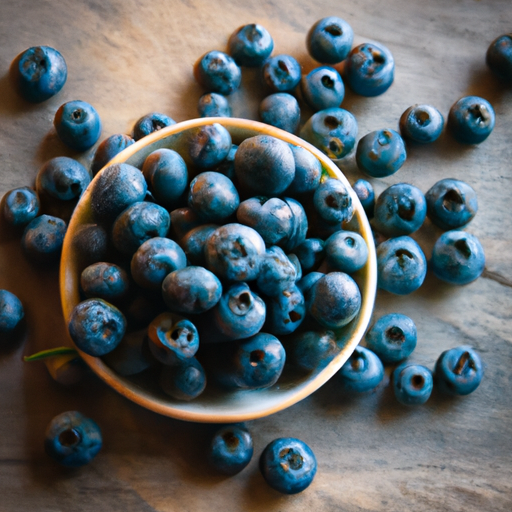
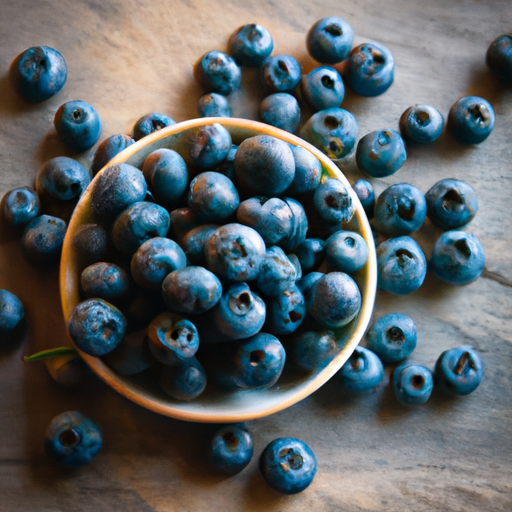
Can You Eat Blueberries On The Mediterranean Diet?

Understanding the Mediterranean Diet

Definition of the Mediterranean Diet

The Mediterranean diet embodies the traditional cooking style of countries bordering the Mediterranean Sea. This diet isn’t just about food, but also about savoring meals with family and friends, getting plenty of exercise, and enjoying a balanced lifestyle.

Key Components of the Mediterranean Diet

The base of the Mediterranean diet pyramid emphasizes plant-based foods. You will center your meals around fruits, vegetables, legumes, whole grains, and healthy fats. Seafood is consumed in moderate portions, and red wine in moderation, if at all.

Effectiveness of the Mediterranean Diet

Multiple studies show that the Mediterranean diet can lead to weight loss and help prevent heart attacks, strokes, type 2 diabetes, and premature death.

Aim and Approach of the Mediterranean Diet

The heart of the Mediterranean diet isn’t cutting out fats; it’s making wise choices about the kinds of fats you consume. Replace unhealthy fats such as butter or bacon with healthier fats like olive oil and fish.

Benefits of the Mediterranean Diet

Health Benefits of Adopting the Mediterranean Diet

Following a Mediterranean diet does wonders to your health. It can reduce your risk of developing heart disease and high blood pressure, reduce bad cholesterol levels and increase good cholesterol levels, and reduce your risk of Type 2 diabetes.

Role of Mediterranean Diet in Disease Prevention

The Mediterranean diet’s emphasis on heart-healthy fats, lean proteins, fruits, vegetables, and whole grains make it a great tool for preventing diseases, especially lifestyle diseases.

Impact of Mediterranean Diet on Lifespan

A diet rich in fruits, vegetables, and healthy fats is linked to longer lifespan and reduced incidence of chronic illnesses.

Mediterranean Diet and Mental Health

Recent research suggests that a Mediterranean-style diet can help support brain health, maintaining mental function as you age.

Role of Fruits in the Mediterranean Diet

Common Fruits in the Mediterranean Diet

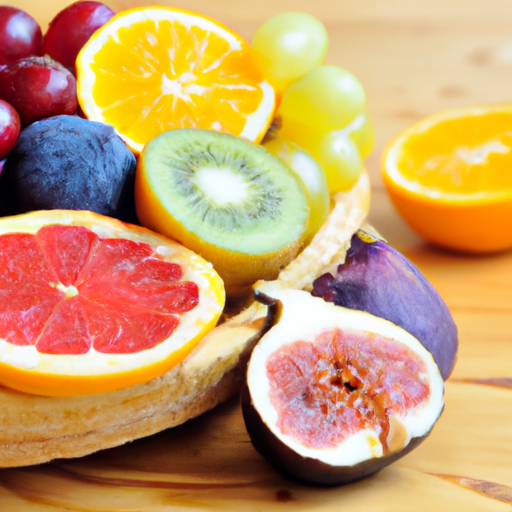
Typical fruits in the Mediterranean diet include figs, oranges, grapes, and apples.

Health Benefits of the Fruits in the Mediterranean Diet

These fruits offer a host of health benefits because they are packed with antioxidants, fiber, and vitamins.

The Optimal Consumption of Fruits in the Mediterranean Diet

The Mediterranean diet translates to high consumption of fruits. Fresh fruit is a common dessert and eaten in abundance.

Introduction to Blueberries

Origin and Taxonomy of Blueberries

Blueberries are native to North America. They belong to the Vaccinium genus and are relatives of cranberries and bilberries.

Nutritional Content of Blueberries

Blueberries are low in calories, high in fiber, packed with vitamins C and K, and rich in antioxidant compounds.

Health Benefits of Blueberries

Blueberries can do wonders for your health, from boosting your heart health to improving brain function and aiding in digestion.

Perspective of Blueberries in the Mediterranean Diet

Rationale Behind the Inclusion of Blueberries in Mediterranean Diet

Although they’re not conventional Mediterranean fruits, blueberries fit perfectly into the Mediterranean principles due to their high nutrient content.

Fruit Pairings for Blueberries in the Mediterranean Diet

You can pair blueberries with traditional Mediterranean fruits such as figs for a refreshing salad or with citruses for a zesty dessert.

Having Blueberries in the Mediterranean Diet: How Much is Too Much?

Blueberries can be consumed freely in the Mediterranean diet. As with any food, moderation is key to a balanced diet.

Recipes Incorporating Blueberries in the Mediterranean Diet

Delicious Breakfast with Blueberries

Top your morning yogurt or oatmeal with fresh blueberries and a drizzle of honey.

How to Make a Mediterranean-Style Blueberry Salad

Combine blueberries with mixed greens, walnuts, sliced cucumber and a drizzle of olive oil for a nutritious salad.

Replicating Traditional Mediterranean Dishes with Blueberries

Try adding blueberries to a traditional Mediterranean flatbread with goat cheese for a sweet and salty sensation.

Refreshment Ideas: Blueberry Drinks in the Mediterranean Style

Mix fresh blueberries, water, and a bit of sugar for a refreshing summer drink.

Sharing the Mediterranean Diet with Family

Introducing Mediterranean Diet to your Family

Engage your family in discussion and planning. Let them have a say in planning meals and involve them in cooking to create a sense of ownership and enjoyment.

Making the Diet a Family Affair

Enjoy meals together as frequently as possible. Eating together fosters healthier eating habits, promotes bonding, and creates an environment where healthier habits can flourish.

Promoting Healthy Lifestyle through Mediterranean Diet

By adopting a Mediterranean diet, you’re making a lifestyle change rather than merely “going on a diet.”

Bold Stance Towards Healthy Eating

Personal Journey with the Mediterranean Diet

Speaking as a father, I personally advocate for the Mediterranean diet. It’s not merely our source of sustenance; it’s an opportunity for our family to gather, bond, and learn to appreciate wholesome food.

Making Health a Priority: Raising Conscious Eaters

By instilling great food habits early, you’ll build a strong foundation for your children to become mindful eaters who appreciate a spectrum of flavors and food experiences.

Promoting Longevity and Quality Life with Mediterranean Diet

Healthy, home-cooked meals are at the heart of the Mediterranean diet. This approach not only aids in maintaining a healthy weight but it also equips the body with essential nutrients, helping us live longer, healthier lives.

Other Fruits to Consider in the Mediterranean Diet

Exploring More Fruit Options in the Mediterranean Diet

While blueberries firmly have a place in your diet, don’t forget to explore other fruits that are part of the Mediterranean diet.

Farm-to-Table: Source and Seasonality of Fruits

Buy vegetables and fruits that are in season locally. Not only does this support local agriculture, but you’ll also enjoy these foods at their peak flavor.

Combining Variety of Fruits for Enhanced Nutrient Intake

A diet that includes a variety of fruits ensures you’re getting a mixture of different nutrients.

Conclusion

Wrap-Up: Blueberries in the Mediterranean Diet

While not a traditional Mediterranean fruit, blueberries fit in naturally with the Mediterranean diet principles.

Fostering a Healthy Family with the Mediterranean Diet

Consider bringing these eating practices into your home. Introduce your family to a Mediterranean diet rich in fruits like blueberries, and you’ll raise a healthy, conscious eater for life.

Personal Reflection: Health and Wellness through the Mediterranean Diet

Taking good care of our body by feeding it right is the best gift we can give to ourselves and our family. It’s a resilient symphony of health, wellness, and longevity – and it tastes delicious.
July 31, 2023 Health & Wellness

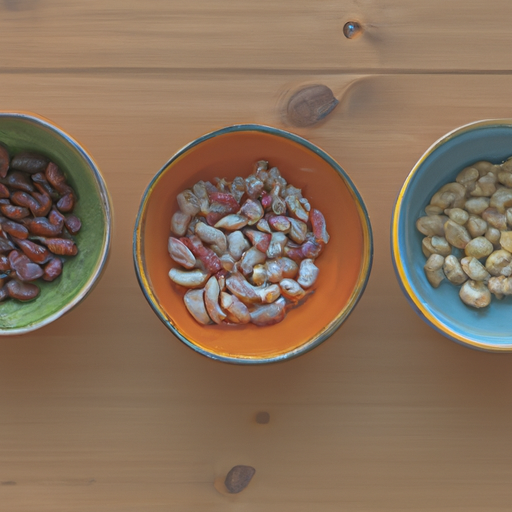
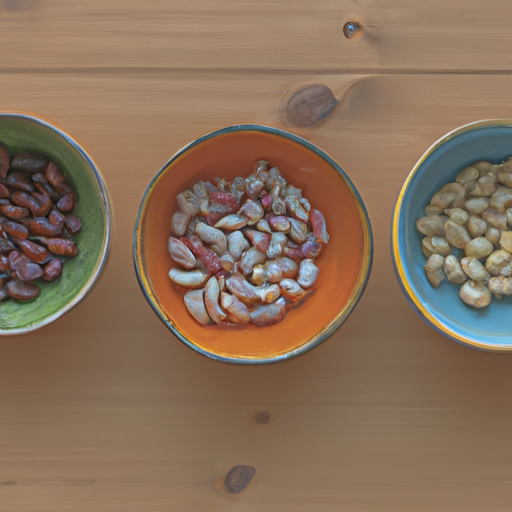
What Beans Are On The Mediterranean Diet?

You’ve likely heard how amazing the Mediterranean Diet can be for your health, with its focus on fresh fruit and vegetables, lean proteins and heart-healthy fats. But have you ever wondered about the role of beans in this dietary lifestyle? The question you’ve been contemplating is, “What beans are part of the Mediterranean diet?”

Well, you’re about to find out. Not only that, but you’ll also discover why these humble legumes play such a pivotal role in maintaining optimum health within the framework of the Mediterranean Diet. JD, the author and owner of this site, always emphasizes the importance of quality, healthful eating with the family. So, get ready to broaden your culinary horizons and take another step towards a healthier lifestyle while enjoying every morsel with your loved ones.

What Beans Are On The Mediterranean Diet?

Understanding the Mediterranean Diet

Concept of the Mediterranean Diet

The Mediterranean diet is more than just a meal plan; it is a lifestyle that promotes healthy eating habits and the enjoyment of food with loved ones. This diet is inspired by the traditional cuisines of countries surrounding the Mediterranean Sea, including Italy, Greece, Spain, and Morocco.

Health Benefits of the Mediterranean Diet

Adopting a Mediterranean diet can provide numerous health benefits. Studies have shown that it can reduce the risk of heart disease, stroke, and diabetes, as well as certain types of cancer. It may also lead to better cognitive function and lower rates of Alzheimer’s and Parkinson’s diseases.

Core Components of the Mediterranean Diet

The Mediterranean diet is rich in fruits, vegetables, whole grains, olive oil, legumes, fish, poultry, and a moderate amount of wine. It encourages low-to-moderate dairy consumption, limited intake of red meat, and the use of herbs and spices instead of salt to flavor meals.

The Significance of Beans in the Mediterranean Diet

Role of Beans in Nutrition

Beans are a significant part of the Mediterranean diet due to their high nutritional value. They are rich in protein, fiber, iron, magnesium, potassium, and folate. They also contain various phytochemicals, which have antioxidant properties.

How Beans Complement the Mediterranean Diet

Beans complement the Mediterranean diet in many ways. They offer an excellent source of plant-based protein, making them an ideal alternative to red meat which is consumed in moderation in this kind of diet.

Cultural Importance of Beans in Mediterranean Cuisine

Beans have a long history in Mediterranean cuisine. They are often used in traditional dishes like Italian minestrone, Greek gigantes plaki (baked giant beans), and Spanish fabada (bean and sausage stew).

Types of Beans in the Mediterranean Diet

Fava Beans

Fava beans, also known as broad beans, are a common ingredient in many Mediterranean dishes, from Italian pasta to Egyptian falafel.

Chickpeas

Chickpeas, or garbanzo beans, are another staple. They’re the main ingredient in hummus, a popular dip, and are also used in soups, salads, and stews.

Lentils

Lentils are versatile legumes that are used in hearty soups, salads, and side dishes.

White Beans

White beans, including cannellini and navy beans, are often used in Italian and French cuisine. They are usually cooked and served in soups or mixed with pasta.

Broad Beans

Similar to fava beans, broad beans have a creamy texture and slightly sweet, earthy flavor, and they play a large part in many Mediterranean dishes.

What Beans Are On The Mediterranean Diet?

Bean-Based Mediterranean Recipes

Whether you’re new to the diet or a long-time follower, here are several bean-based recipes that encapsulate the spirit of the Mediterranean diet.

Fava Beans with Dill

This simple yet flavorful dish combines fava beans with the freshness of dill, bringing out the best in both ingredients.

Chickpea Hummus

A staple in many Mediterranean homes, this hummus recipe is perfect for an appetizer or a healthy snack.

Lentil Soup

This lentil soup is a hearty and satisfying dish, perfect for a warm meal on a chilly day.

White Bean Salad

This salad is light yet fulfilling, featuring white beans, fresh vegetables, and a bright, tangy dressing.

Broad Beans and Pancetta

This dish combines broad beans and crisp pancetta for a flavorful and satisfying meal.

Health Benefits of Beans in the Mediterranean Diet

Beans are not only tasty but also packed with various health benefits which makes them a key factor in the success of the Mediterranean diet.

Regulating Blood Sugar

Beans have a low glycemic index, which means they cause a slower rise in blood sugar levels, ideal for people with diabetes or those watching their blood sugar.

Heart Health

The high fiber content in beans helps lower cholesterol levels, reducing the risk of heart disease.

Weight Management

Beans are rich in fiber and protein, both of which contribute to a sense of fullness, thus aiding in weight management.

Digestive Health

Beans are full of dietary fiber that promotes good digestive health by preventing constipation and promoting regular bowel movements.

Incorporating More Beans Into Your Diet

Incorporating more beans into your diet doesn’t have to be challenging.

Easy Bean Swaps In Recipes

Replace meat with beans in dishes like chili or tacos to boost your intake of plant-based protein.

Creative Ways to Use Beans

From salads and soups to stews and dips, there are countless ways to incorporate beans into your meals.

Meal Prep with Beans

Preparing beans in large quantities and freezing them in portions can be a useful strategy for ensuring you always have this nutritious food available.

Tips for Preparing and Cooking Beans

Preparing and cooking beans is easier than you might think.

Soaking and Cooking Dried Beans

Soaking beans overnight can help reduce cooking time. After soaking, cook them in fresh water until tender.

Methods of Cooking Beans

Beans can be boiled, baked, or used in the slow cooker. Choose the method that best suits your schedule and the specific recipe you’re preparing.

Seasoning Beans

Once cooked, beans can be flavoured with herbs and spices to suit your taste and complement your meals.

Mediterranean Diet, Beans and Family Meal Times

A major part of the Mediterranean lifestyle includes spending quality time with family, sharing nutritious meals.

Sharing Quality Food with Family

Preparing and sharing meals with loved ones not only strengthens personal relationships but also encourages healthier eating habits.

Teaching Kids about Nutrition

Involve your children in meal planning and preparation. This practical involvement can be a fun way to teach them about the importance of a balanced diet and the nutritional value of foods like beans.

Bonding Over Cooking

Cooking is a great way to bond with your family and share the love of good, nutritious food. It brings everyone closer together and creates lasting memories.

FAQs about Beans on the Mediterranean Diet

Can I Use Canned Beans?

Yes, canned beans are a convenient alternative to dried beans and can be easily incorporated into various recipes.

How Often Should I Eat Beans?

It’s recommended to include beans in your meals at least two to three times per week to enjoy their health benefits.

What If I Don’t Like Beans?

There are many types of beans with different flavors and textures. You might find one that suits your palate. If not, other legumes like lentils may be a suitable alternative.

Conclusion

Bean Benefits on the Mediterranean Diet

Beans play a significant role in the Mediterranean diet. They are nutrient-dense food that offer numerous health benefits. Including beans in your meals can be a delicious and satisfying approach to maintaining a healthy lifestyle.

Beans: The Cornerstone for a Healthy Lifestyle

Adopting the Mediterranean diet and embracing beans as part of your healthy eating habits can have long-lasting positive impacts on your health and wellbeing, as well as that of your family. As a father, I understand the importance of promoting healthy eating habits within the family unit. Let’s seize the power of the Mediterranean diet and beans to nourish our bodies and strengthen our family bonds. See you in the kitchen!

July 31, 2023 Health & Wellness

Is Popcorn OK For Mediterranean Diet?

You might be wondering, “is popcorn really okay for the Mediterranean diet?” Well, you’re not alone in asking that. This seemingly simple snack can raise many questions when trying to stick to a specific diet plan, especially one that is as highly regarded as the Mediterranean diet.

The good news? You’re about to learn more about this very topic, right here in this article. Keep reading and you’ll uncover well-researched, accurate information that will answer all your popcorn puzzlements. Plus, you’ll gain insights into the health benefits of the Mediterranean diet and how to best enjoy quality food with your family. So, let’s dive in and get your popcorn questions popped!

Is Popcorn OK For Mediterranean Diet?

Understanding the Mediterranean Diet

You may have heard about the Mediterranean diet, a distinct way of eating based on the traditional foods and drinks of the countries surrounding the Mediterranean Sea.

Defining the Mediterranean Diet

The Mediterranean diet is characterized by high consumption of fruits, vegetables, legumes, and grains. Additionally, it includes moderate consumption of dairy products, lean protein, and seafood, along with a modest amount of red wine.

Key Components of the Mediterranean Diet

At its core, the Mediterranean diet promotes intake of nutrient-dense, whole foods. It also encourages lifestyle factors such as regular physical activity and shared meals.

Health Benefits of the Mediterranean Diet

Research shows that people who closely follow a Mediterranean diet have lower rates of heart disease, certain cancers, diabetes, and cognitive decline. Not only does it focus on healthful eating, but it also emphasizes overall lifestyle wellness.

Food Categories in the Mediterranean Diet

Consumption of fruits and vegetables

In the Mediterranean diet, fresh fruits and vegetables are consumed in abundance. They provide essential vitamins, minerals, and dietary fiber, while being low in calories.

Role of whole grains

Whole grains, like barley, buckwheat, and oats, provide your body with the needed energy while also aiding in gut health by being a rich source of fiber.

Importance of healthy fats

This diet focuses on healthy fats, like those found in olive oil, nuts, seeds, and fish. These fats can decrease the risk of heart diseases.

Involvement of proteins

Seafood and lean proteins play a key role in this diet. They provide essential amino acids needed for body repair and maintenance.

The Controversial Food: Popcorn

What is Popcorn?

Popcorn is a type of corn kernel that pops when heated. Light, airy, and delicious, it is often considered a classic snack food.

Nutritional Components of Popcorn

When prepared correctly, popcorn can be low in calories and high in fiber. It also holds small amounts of vitamins and minerals.

Common misconceptions about Popcorn

A widespread misconception regarding popcorn is its classification as ‘junk food’. What classifies as such largely depends on its preparation method and any added ingredients.

Is Popcorn OK For Mediterranean Diet?

Preparing Popcorn the Mediterranean Way

Choosing the right corn kernels

For homemade popcorn, select organic, non-GMO popcorn kernels. They provide better nutritional value.

Healthiest option for popping

The healthiest option for popping popcorn is air popping, which avoids unnecessary oils and fats.

Recommended seasoning and toppings

In keeping with the Mediterranean diet, consider using olive oil along with herbs and spices for seasoning.

Incorporating Popcorn into the Mediterranean Diet

Portion control and frequency of consumption

Like every food, popcorn should be consumed in moderation. One to three cups per day is usually a healthy amount.

Pairing Popcorn with other Mediterranean foods

You can pair popcorn with nuts or dried fruits to make a well-rounded Mediterranean snack.

Popcorn as a whole grain substitute

Popcorn, as a whole grain, can be used as a substitute for other grains in the diet. It is rich in fiber, making it a good choice for gut health.

Impact of Popcorn on Health

Effect on Digestion

Popcorn’s high fiber content aids in digestion, promoting a healthy gut and acting as a natural constipation remedy.

Role in Weight Management

Thanks to its low calorie and high fiber content, popcorn can help you feel full, reducing calorie intake and aiding in weight management.

Contribution to heart health

Popcorn contains polyphenols, antioxidants that have been linked to better circulation and heart health.

Contradicting Views on Popcorn in the Diet

Differentiating healthy popcorn from junk

The health value of your popcorn largely hinges on its toppings and preparation methods. Keep it simple and nutritious to avoid turning this wholesome grain into junk food.

Effects of unwanted popcorn additives

Certain commercial popcorn varieties contain unhealthy additives like sugary toppings, transfats, and high levels of sodium that can negate popcorn’s natural health benefits.

Importance of Variety in the Mediterranean Diet

Prevalence of food variety and balance

Variety is a key feature of the Mediterranean Diet. It aims to balance the consumption of different food groups for a nutrient-dense intake.

Impact of diversified diet on overall health

Eating a diverse diet helps you get a wide array of nutrients, supporting overall health.

Role of Popcorn in Family Snack Time

Nurturing family bonds via shared food experiences

One of the beautiful aspects of the Mediterranean lifestyle is the emphasis on community and shared meals. Popcorn, a favorite among both kids and adults, makes for a great snack during a family movie night.

Promoting balanced snacking habits among children

Introducing popcorn as a healthy snack option can help in shaping healthy eating habits in children from an early age.

Conclusion

Recapitulation of the place of popcorn in the Mediterranean Diet

To tie it all together, it is clear that when prepared correctly and consumed in the correct portions, popcorn can comfortably fit within the framework of the Mediterranean diet.

Emphasize on continued food quality and variety

Remember, the longevity and healthiness of your life are not decided by a single food item, but rather from a balanced variety of wholesome, nutrient-dense foods, like those found in the Mediterranean diet.

As JD, father of three and the author of this article, I sincerely wish you success in improving your family’s health with the knowledge about popcorn and the Mediterranean diet gained from this write-up. Enjoy your popcorn, and remember, the best ingredient is eating together!

July 31, 2023 Health and Fitness

How Many Fruits A Day On Mediterranean Diet?

So, you’re curious about the Mediterranean diet, huh? In particular, you’re wondering, “How many fruits a day should you be eating on a Mediterranean diet?” It’s a really good question to be asking, considering the emphasis this popular diet places on fresh, wholesome foods. You’ll certainly be enjoying plenty of succulent, juicy fruits in this diet!

We can’t wait for you to dive into this article and get all the juicy details on how many fruits you should be consuming daily. There’s a ton of enlightening information waiting for you. Did you know that fruits aren’t just delicious but they are packed with essential vitamins and minerals too? Plus, they are super important in the Mediterranean diet. So, ready to discover more about the sweet, tangy, and sometimes tart world of fruits in the Mediterranean diet? Your journey to abundant health and wellness begins here, pal! Trust us, you’ll certainly learn a lot.

How Many Fruits A Day On Mediterranean Diet?

Understanding the Mediterranean Diet

The Mediterranean Diet stands as a testament to the rich culture and history of the Mediterranean region. But it’s not just about the delightful combination of flavors – there’s so much more than meets the eye.

Characteristics of the Mediterranean Diet

This diet emphasizes eating primarily plant-based foods, such as fruits and vegetables, whole grains, legumes, and nuts. It even replaces butter with healthier alternatives, like olive oil, and uses herbs and spices to add flavor, removing the need for a large amount of salt.

Cultural Influence of the Mediterranean Diet

The Mediterranean diet has deep roots in the food traditions of countries like Greece, Italy, and Spain. It’s predominantly plant-focused and is lauded globally for its delicious array of meals, recipes, flavors, and health benefits.

Why the Mediterranean Diet is Considered Healthy

This diet promotes heart health, aids with weight management and is associated with lowered risk of chronic diseases. Its star features are fruits, vegetables, whole grains, pulses, and lean proteins, each of which play a crucial role in maintaining our overall health.

The Role of Fruits in the Mediterranean Diet

Fruits are the gemstones of the Mediterranean diet as they’re a fantastic source of essential nutrients and antioxidants.

Nutritional Value of Fruits

Fruits are packed with vitamins, minerals, antioxidants and fiber. These attributes are known to aid in maintaining optimal health.

Fruits Commonly Found in the Mediterranean Diet

The Mediterranean diet features a bounty of fruits, including apples, oranges, grapes, and strawberries along with lesser-known fruits like figs and pomegranates.

How Fruits Contribute to Overall Health of the Body

Apart from being a great source of dietary fiber, fruits aid in digestion and help in maintaining a healthy weight. They play a vital role in preventing a host of diseases, including heart disease, high blood pressure, and certain types of cancer.

Balancing Fruit Intake in the Mediterranean Diet

Choosing a variety of fruits helps ensure you receive a broad spectrum of nutrients. Avoiding an excess of any one thing is a good rule of thumb.

Determining Your Daily Fruit Serving

The exact number depends on individual health needs, but a general recommendation would be to aim for at least 1.5-2 cups of fruit per day.

Benefits of Diverse Fruit Intake

Eating a wide variety of fruits ensures maximum nutrient intake and can decrease the risk of developing various health conditions.

Avoiding Excessive Fruit Intake

While fruits are a healthier choice, consuming them in excess may lead to weight gain due to their sugar content.

How Many Fruits A Day On Mediterranean Diet?

Incorporating Fruits into Daily Meals

Fruits are incredibly versatile and can be added to almost any meal.

Creating Fruit-Based Breakfasts

Start your day with a Mediterranean-style breakfast like Greek yogurt topped with honey and a variety of fruits.

Adding Fruits to Your Lunch

Add some grapes to your chicken salad, or enjoy a fruity dessert like a fresh fruit salad.

Including Fruits in Dinner and Desserts

Try mixing figs with your roast chicken or enjoy a fruit-based dessert like poached pears.

Perfect Fruit Pairings in Mediterranean Recipes

Let’s talk about pairing fruits with other food items.

Pairing Fruits with Proteins

Try grilled chicken with peach salsa, or shrimp kebabs with pineapple!

Matching Fruits with Carbohydrates

Add some raisins to your rice, or have some roasted vegetables and figs with your pasta.

Fruit Pairings with Wine and Other Beverages

Certain fruits can enhance the flavor of beverages. Think of sangria with loads of berries and peaches!

Fruit and Family Mealtimes

Introducing and incorporating fruits into your family’s everyday meals can be a fun and healthy activity.

Engaging Kids in Healthy Eating with Fruits

There’s no better time to instill healthy habits in your children. Fruit kabobs or a colorful fruit salad are kid-friendly options that ensure your children are getting essential nutrients.

Making Mealtime Fun with Fruits

Involve kids in assembling a fruit salad or topping their yogurt with their favorite fruits. This not only has nutritional benefits, but also creates wonderful family memories.

Fruit-Based Family Cooking Activities

Making homemade fruit popsicles, fruit yogurt parfaits, or baked apples can be a fun-filled family activity that also promotes healthy eating.

Seasonal Fruit Selections in Mediterranean Cuisine

The Mediterranean diet encourages enjoying fruits in season. This ensures the freshest flavors while also supporting local farmers.

Fruits to Enjoy in Summer

Watermelon, berries, apricots, and peaches are typical summer fruits in the Mediterranean region.

Autumn and Winter Fruit Choices

Autumn offers pomegranates, grapes, and figs, while winter brings citrus fruits to the forefront.

Fruits in Spring in the Mediterranean

Springtime sees the arrival of strawberries, cherries and apricots.

Mediterranean Diet for a Healthy Family

The benefits of the Mediterranean diet can be enjoyed by the entire family.

Boosting Kids’ Health with the Mediterranean Diet

Providing a variety of fruits to your children not only diversifies their diet but also introduces them to natural sweetness.

Encouraging a Family-Wide Healthy Eating Pattern

Transparent conversations about the importance of healthy eating, as well as involving the entire family in meal preparation, can help cultivate healthy eating patterns.

Significance of the Mediterranean Diet for Long-Term Health

This diet isn’t merely about quick, short-term gains in health. It’s a lifestyle choice that has long-term implications for managing weight, preventing chronic diseases, and promoting longevity.

The Influence of the Mediterranean Diet on Long-Term Health

The Mediterranean diet not only nourishes the body but also enriches the soul.

Combatting Chronic Diseases

Studies have linked the Mediterranean diet with reduced risks of heart disease, certain cancers, diabetes, Parkinson’s and Alzheimer’s diseases.

Promoting Longer Lifespan

Following the Mediterranean diet helps to prolong life expectancy by protecting against heart disease and cancer.

Beneficial for Mental Health

Research suggests that people who follow a Mediterranean diet are less likely to experience depression because the nutrients obtained help maintain neurotransmitter levels.

Conclusion

Revitalizing Lifestyle Through Mediterranean Diet

Adopting a Mediterranean lifestyle means embracing a pattern of healthy eating that includes a daily abundance of fruits and other nutrient-dense foods, and maintaining an active life.

Embrace a Fruitful Living with the Mediterranean Diet

This is not just a diet—it’s a way of life. The Mediterranean diet offers an array of health benefits, delicious flavors, and the opportunity to savor the joy of eating real food with your loved ones.

So, for better health and increased longevity, indulge in the Mediterranean diet and relish the fruits it offers in abundance. With its balance of fresh produce, lean proteins, and healthy fats, you will not only enjoy the rich flavor and diversity of this diet, but you will also be taking a crucial step towards living a healthier, and potentially longer, life.

July 31, 2023 Diet and Nutrition

Can You Eat Whole Wheat Tortillas On The Mediterranean Diet?

You might be wondering, “Can you munch on whole wheat tortillas while on the Mediterranean Diet?” It’s a common question, especially for those with a love for wraps and burritos. You’re not alone in wanting to strike a balance between maintaining the joys of food and adhering to this healthy diet regime.

In the upcoming article, you’re going to have your question answered in detail. You will not only get an in-depth understanding of whether you can have those scrumptious whole wheat tortillas, but you’ll also learn why. The information is backed by thorough research and crafted for easy understanding. Furthermore, you’ll see the emphasis on the importance of consuming high-quality food, like the Mediterranean Diet encourages, not just for maintaining health, but also for creating warm moments at the family dining table. So let’s dive right in!

Can You Eat Whole Wheat Tortillas On The Mediterranean Diet?

Understanding the Mediterranean Diet

The Mediterranean diet is a nutritional approach that focuses on incorporating heart-healthy, nutritious ingredients into your daily meals. I, JD, a father of three children, have always been interested in maintaining health and wellness. Since the creation of the www.mediterraneandietrecipes.net blog, my main goal has been to highlight the importance of this diet and bring its potential benefits into the spotlight, especially for families.

Core principles of the Mediterranean diet

The essence of the Mediterranean diet is in consuming real, whole foods that are low in saturated fats, sugars, and processed ingredients. This includes an abundance of fruits, vegetables, whole grains, lean proteins, healthy fats from olive oil, nuts, and seeds, with a moderate consumption of dairy. It also emphasizes the importance of physical activity and sharing meals with family and loved ones, creating an overall balanced lifestyle.

Health benefits of the Mediterranean diet

Following the Mediterranean diet can bring numerous health benefits. It can help reduce heart disease, lower risk of numerous forms of cancer and other chronic diseases, such as diabetes and high blood pressure. Moreover, this diet can boost brain health, improve mood, and even contribute to a longer lifespan.

Whole Wheat Tortillas and the Mediterranean Diet

Ever wondered if you can eat whole wheat tortillas on the Mediterranean diet? Well, the good news is, they fit right in!

Nutritional value of whole wheat tortillas

Whole wheat tortillas are a good source of essential nutrients, including dietary fiber, protein, and vitamins. They’re also great for your digestion, as they are rich in fiber that aids in regular bowel movements and contributes to a feeling of fullness.

Fitting whole wheat tortillas into the Mediterranean diet

Whole wheat tortillas can easily be incorporated into the Mediterranean diet. They can be used to prepare wraps filled with vegetables, lean proteins, and healthy fats, or even topped with delicious fruits and yogurt for a sweet treat.

Grains in the Mediterranean Diet

Grains are an integral part of the Mediterranean diet. They are mostly consumed in their whole form, providing essential nutrients and fiber.

Importance of whole grains in the Mediterranean diet

Whole grains, unlike refined grains, retain all parts of the grain — the bran, germ, and endosperm. This makes them rich in fiber and keeps you full longer, helping control weight and lower risk of heart disease and type 2 diabetes.

Commonly consumed grains in a Mediterranean diet

In addition to whole wheat tortillas, commonly consumed grains in a Mediterranean diet include foods like whole grain bread, brown rice, oats, barley, and quinoa.

Can You Eat Whole Wheat Tortillas On The Mediterranean Diet?

Using Whole Wheat Tortillas in Mediterranean Recipes

There are many creative and delicious ways to incorporate whole wheat tortillas into your Mediterranean diet plan.

Innovative ways to use tortillas in Mediterranean dishes

Be it a wrap stuffed with grilled vegetables and chicken, a base for a pizza with fresh veggies and a sprinkle of cheese or a simple breakfast burrito with scrambled eggs and avocado.

Healthy and delicious Mediterranean tortilla recipes

Here are a few recipe ideas to try. You could make a Greek salad wrap, whole wheat tortilla gyros with tzatziki sauce or simply use the tortilla as a vessel for delicious hummus and crudites.

The Importance of Portion Control in the Mediterranean Diet

The Mediterranean diet is not about restricting particular food groups, but rather about consuming everything in moderation.

Understanding portion sizes in the Mediterranean diet

On the Mediterranean diet, you are encouraged to listen to your hunger and fullness cues, while keeping in mind an idea of the portion sizes.

Tips for managing portions while enjoying full flavors

You can use smaller plates or bowls to eat your meals, ensuring you have a variety of nutrients on your plate, and prioritizing veggies and whole grains over meats and dairy.

Balance and Variety in the Mediterranean Diet

A key aspect of the Mediterranean diet is having a balanced and varied diet.

Incorporating diverse foods for a balanced diet

Introducing a variety of whole foods not only ensures that your body gets an array of nutrients, it also provides exciting flavors and textures that keep your meals interesting.

The role of variety in nutritional wellness

Eating a variety of whole foods is key to ensuring your body gets the nutrients it needs to function at its best.

Impacts of the Mediterranean Diet on Family Health

The Mediterranean diet is suitable for the whole family. It encourages healthy eating habits that will benefit everyone’s health.

Why the Mediterranean diet is good for the whole family

With the emphasis on fresh produce, whole grains, lean protein and minimal processed foods, it’s a diet that promotes holistic well-being.

Engaging kids in a Mediterranean diet-style eating

Through this diet, children can learn to appreciate fresh, whole foods, fostering a healthy relationship with food that can last a lifetime.

Sharing Quality Food with Family

The Mediterranean diet underlines the importance of enjoying food with family and loved ones.

The role of meals in family bonding

Meal times can be a great opportunity for family bonding. Having meals together fosters a sense of togetherness and allows for quality family time.

Cultivating a love for quality food among family members

Creating meals filled with nutritious ingredients not only supports physical health but also cultivates a love for high-quality food among family members.

Long-Term Health Maintenance through the Mediterranean Diet

The Mediterranean diet aids in the prevention of chronic diseases and promotes longevity and an active lifestyle.

Prevention of chronic diseases

Eating a Mediterranean-style diet can help reduce the risk of heart disease and other chronic conditions such as diabetes and certain cancers.

Promoting longevity and active lifestyle with the Mediterranean diet

By adopting this diet, you give yourself a good chance of a long, healthy life.

Conclusion: Whole Wheat Tortillas in the Mediterranean Diet

Whole wheat tortillas can indeed be included in a Mediterranean Diet. Not only do they help to add range to your meals and snacks, but they also offer multiple health benefits when prepared as part of balanced, nutritious recipes.

Recapping the adaptability of whole wheat tortillas within the Mediterranean diet

Their versatility and nutritional value make whole wheat tortillas a wonderful addition to the Mediterranean diet.

The broader significance of balanced, diverse eating for health and family

The Mediterranean diet is about more than just eating healthy. It’s about sharing lovingly prepared meals with your family, in a way that nurtures both your bodies and relationships. Here’s to many years of health, longevity and familial bonding, Mediterranean style!

July 31, 2023 Diet & Nutrition

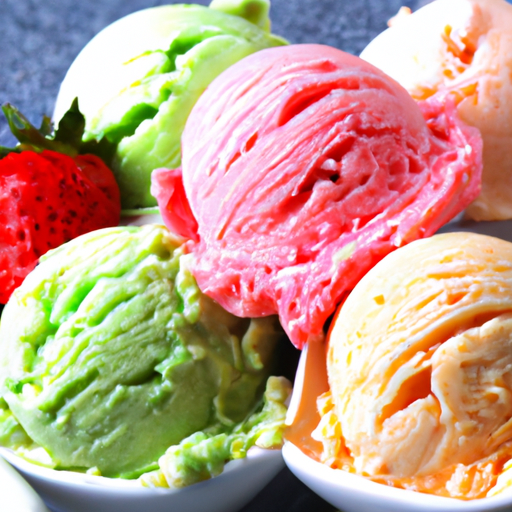
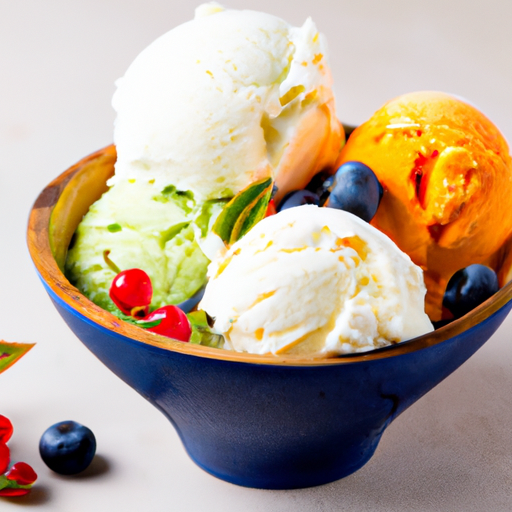
Can You Eat Ice Cream On A Mediterranean Diet?

So, you’re wondering, “Can you eat ice cream on a Mediterranean diet?” It’s a common question for many people looking into this popular lifestyle shift. We’re often told about the fresh vegetables, lean proteins, and heart-healthy fats that make up this diet, but we love our treats too, right? You’re probably thinking about that creamy, sweet dessert in the fridge, trying hard not to scoop out a heaping bowl of ice cream while adhering to your new diet.

Thankfully, we’ve got some great insight into this query for you in our upcoming article. The Mediterranean diet isn’t just about what foods to eat but also about enjoying the food you love in moderation, adopting healthier habits, and paying more attention to the quality of your food. There’s so much more to learn about this diet, and understanding how ice cream fits into it will give you a broader perspective. So, stick around and prepare to delve into a comprehensive guide on your favorite treat’s place in the Mediterranean diet.

Can You Eat Ice Cream On A Mediterranean Diet?

Understanding the Mediterranean Diet

Defining the Mediterranean Diet

The Mediterranean diet is a meal plan inspired by the traditional diet of the countries bordering the Mediterranean Sea. It’s not a strict regime, but more of a lifestyle based on consuming mostly plant-based foods, using olive oil instead of butter, limiting red meat, and enjoying moderate amounts of dairy, poultry, and fish.

Primary Components of the Mediterranean Diet

In essence, the Mediterranean diet is characterized by a high consumption of fruits, vegetables, legumes, and whole grains. It involves a moderate intake of fish and poultry and a lower intake of dairy products and red meat. The diet emphasizes the use of olive oil for cooking and dressing salads, and a good deal of your meals will include a generous portion of fresh, crisp vegetables.

Health Benefits of the Mediterranean Diet

Research has consistently shown that the Mediterranean diet can ward off chronic diseases and improve your overall health. Some of its noteworthy benefits include enhancing heart health, aiding in weight loss, managing diabetes, and reducing the risk of developing cancer. Additionally, it contributes to brain health, potentially reducing the risk of Alzheimer’s disease and dementia.

Ice Cream and the Mediterranean Diet

Nutritional Profile of Ice Cream

Let’s face it, everyone loves ice cream. Unfortunately, traditional ice cream is high in sugar and fat, making it more of a treat than an everyday snack. A single serving can contain as much as 15 grams of fat and over 30 grams of sugar.

Ice Cream in the Context of a Mediterranean Diet

Having said that, does this mean you can’t enjoy delicious ice cream on a Mediterranean diet? Not at all! The Mediterranean diet encourages balance and flexibility. The key is moderate consumption. Reserve ice cream for those special occasions or an occasional treat.

Alternatives to Traditional Ice Cream

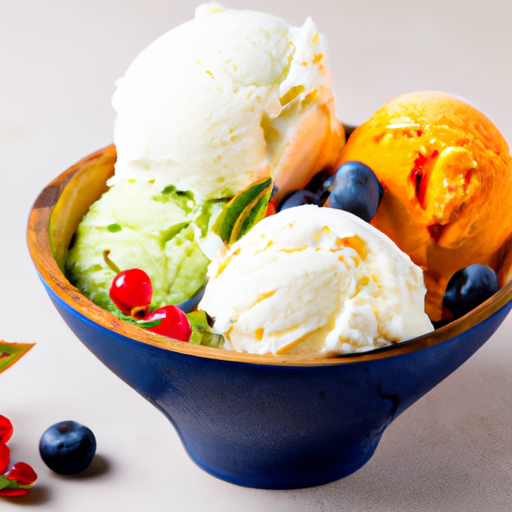
If you want to indulge a little more often without derailing your healthy eating habits, there are plenty of healthier alternatives to traditional ice cream. You can experiment with frozen yogurt, sorbet, or gelato. Or better yet, try making your own refreshing and guilt-free dessert using frozen fruits or Greek yogurt.

Can You Eat Ice Cream On A Mediterranean Diet?

Mediterranean Diet-Friendly Dessert Options

Traditional Mediterranean Desserts

Dessert can still be part of your diet, especially when you swap typical high-fat sugary ingredients with healthier options that don’t sacrifice taste. Rely on natural sweeteners, such as fruits and honey, and use healthy fats like nuts and olive oil. Options such as Greek yogurt with honey and nuts, fresh fruit salad, and dates are perfect mediterranean desserts.

Healthy Dessert Swaps using Mediterranean Ingredients

With a bit of creativity and a close look at the Mediterranean pantry, you can create delightful, diet-friendly desserts. Use olive oil in your cakes instead of butter, sweeten your pastries with honey or dates instead of refined sugar, and replace the cream in your dessert with Greek yogurt. You’ll be amazed how these minor tweaks can make your dessert healthier without compromising taste.

Creating Balanced Dessert Choices

Remember, the key to a healthy Mediterranean diet is balance. Have your dessert, savor it, but also remember to incorporate the day-to-day elements of the diet—fruits, vegetables, whole grains, nuts, legumes, and lean proteins.

Implementing the Mediterranean Diet in Family Settings

Teaching Children about Healthy Eating

The Mediterranean diet is not just a diet but a family-oriented lifestyle. The fresh ingredients, balanced meals, and emphasis on shared dining are perfect for inculcating healthy eating habits in children. Get them involved in grocery shopping and cooking. Make your meals colorful and inviting, and establish a routine of sitting together at meal times.

Involving Family in Meal Planning and Preparation

One of the unique aspects of the Mediterranean diet is its emphasis on community and family. Make grocery shopping and meal planning a family affair. Get everyone involved in cooking and setting the table. It’s a wonderful way to implement a wholesome lifestyle and at the same time, create memorable family moments.

Turning Mediterranean meals into Family Traditions

Traditions are a big part of the Mediterranean lifestyle and they’re also a great way to bind families together. Try to establish your own family traditions centered on meals. Whether it’s a Sunday seafood night, Friday homemade pizza, or a monthly potluck with extended family or friends—these would not only make for cherished memories but also reinforce a healthy eating culture.

Staying on Track with the Mediterranea.

July 31, 2023 Health & Wellness

Is Mediterranean Diet Good For Belly Fat?

So, you’ve been wondering, “Is the Mediterranean diet good for belly fat?” You’re not alone in this pondering. As you’re well aware, belly fat can be particularly stubborn and it’s an area of concern for many of us. When lifestyle changes are in order, the first thing that usually comes up is our diet. It’s essential to consider not just how we eat, but what we eat.

Guess what? You’re on the right path considering the Mediterranean diet. In this article, you will discover why this colorful, rich, and diverse diet known for its fresh produce, nuts, legumes, fish, and olive oil could be the key to melting away that belly fat. While enhancing your physical well-being, the Mediterranean diet also encourages eating with family and friends, making mealtime an enjoyable and intimate shared experience. Get ready to be enlightened about how this diet could aid in your journey towards a healthier you.

Is Mediterranean Diet Good For Belly Fat?

What is the Mediterranean Diet?

The Mediterranean Diet is inspired by the eating habits of people in the Mediterranean regions, such as Greece, Italy, and Spain. This diet heavily focuses on plant-based foods like fruits, vegetables, grains, legumes, and nuts. Olive oil is the main source of fat, while red meat, sugar, and saturated fats are consumed minimally.

Basic tenets of the Mediterranean Diet

The primary pillars of the Mediterranean Diet are all about balance and variety. Whole, unprocessed foods form the base, with plenty of fruits, vegetables, and whole grains. Other key components include seafood, legumes, nuts, seeds, and flavorful herbs and spices. Furthermore, it encourages moderate consumption of poultry, eggs, cheese, and yogurt, and rare intake of meats and sweets.

Why the Mediterranean Diet is considered one of the healthiest

According to nutritionists and health experts, the Mediterranean Diet is one of the healthiest due to its focus on whole foods, lean proteins, and healthy fats. It is low in processed foods and rich in fiber and antioxidants, which aid in digestion and help protect against oxidative stress and inflammation.

Role of the Mediterranean Diet in longevity

The Mediterranean Diet has been linked to a substantial reduction in the risk of chronic diseases, which has a significant effect on longevity. It’s no wonder that Mediterranean communities often have a higher percentage of centenarians than any other regions!

Why is Belly Fat Dangerous?

While some amount of belly fat is normal, excess amounts can be detrimental to your health.

Health risks associated with belly fat

Excessive belly fat is linked with a higher risk of heart diseases, diabetes, certain types of cancer, and even mortality. This is because this ‘visceral fat’ tends to lodge around your organs and affects their function.

Disproportionate fat distribution and its implications

Distribution of fat matters! It’s worse to carry weight around the midsection than on the hips and thighs, as central obesity can lead to several health complications.

How belly fat affects overall wellness

Aside from physical health risks, excessive belly fat can impact mental wellness too. It may lead to decreased confidence and self-esteem, and increased anxiety and depression.

How Does the Mediterranean Diet Affect Belly Fat?

The Mediterranean Diet can remarkably influence belly fat distribution.

Impact of the diet on fat distribution

This diet promotes weight loss through lower calorie intake due to high fiber content and healthier food choices. This reduction in weight often leads to decreased belly fat.

Role of specific foods and nutrients in the Mediterranean Diet

Foods rich in monounsaturated fats, polyunsaturated fats, and fiber—all primary aspects of the Mediterranean Diet—help in tackling belly fat by promoting satiety and reducing overall calorie intake.

Science-backed evidence of Mediterranean Diet’s influence on belly fat

Studies have found that the Mediterranean Diet is effective in reducing central obesity, indicating it specifically targets belly fat.

Is Mediterranean Diet Good For Belly Fat?

Foods in the Mediterranean Diet That Help With Belly Fat

Certain components of this diet play significant roles in burning belly fat.

Olive oil and its beneficial effects

Olive oil, predominantly consumed in this diet, contains healthy monounsaturated fats and antioxidants that help in burning belly fat and weight loss.

Role of fiber-rich foods

The high fiber content in fruits, vegetables, legumes, and grains aids in weight management by promoting feelings of fullness and controlling appetite.

Importance of lean proteins

Lean proteins like fish and chicken are more satiating and help maintain muscle mass during weight loss, helping in achieving a toned belly.

Family and the Mediterranean Diet

Promoting this diet within your family can have substantial benefits.

Promoting the diet at family meals

The Mediterranean Diet is about more than just the food—it encourages communal eating, where family meals build strong bonds and foster healthier eating habits.

Setting healthy eating habits for children

Introducing the Mediterranean Diet early in your children’s life might help them develop healthy eating habits, setting the stage for a lower risk of obesity and associated health issues in the future.

Benefits of communal and participatory cooking

Cooking together as a family promotes collective responsibility for health, encouraging everyone to adopt healthier eating habits.

JD’s Personal Experience With The Mediterranean Diet

As the author of this blog, JD is passionate about sharing his personal journey with the Mediterranean Diet.

Transition to the Mediterranean Diet

He picked up the Mediterranean Diet out of a deep interest for long-term health maintenance. JD believed in making a lifestyle change rather than trying quick fixes.

Impact on JD’s waistline

Incorporating the Mediterranean Diet into his lifestyle not only helped JD get rid of stubborn belly fat but also made his overall physique fitter.

JD’s overall improvements in health

Beyond weight loss, JD noticed improvements in overall physical health, such as better heart health and digestion and increased energy levels.

Common Myths About Belly Fat and the Mediterranean Diet

Let’s debunk some common misconceptions.

Debunking the myth of quick fixes and fad diets

Just like JD’s experience shows, it’s important to understand that there’s no magic bullet for losing belly fat. It requires sustained efforts to alter eating habits and lifestyle—the essence of the Mediterranean Diet.

Clearing up misconceptions about the Mediterranean Diet

Some people falsely believe that the Mediterranean Diet is all about large quantities of pasta and olive oil. But, it’s much more. It promotes a balanced and diverse intake of many food groups.

Evidence-based truths about belly fat reduction

Losing weight, especially in the belly area, requires a calorie deficit. No specific food can dramatically burn belly fat, but a diet rich in high fiber and lean proteins can certainly help, like the Mediterranean Diet.

The Mediterranean Diet as a Lifelong Approach to Health

This isn’t just a diet—it’s a lifestyle approach to better health.

Sustainability of the diet

The Mediterranean Diet is utterly sustainable—it promotes foods that are local and seasonal, along with moderate physical activity, leading to a balanced lifestyle.

Long-term benefits of adopting the Mediterranean Diet

By reducing the risk of various health conditions, it promises a healthier, fuller, and potentially longer life.

Influence of the diet on longevity and vitality

The diet has been linked to longevity, primarily due to reduced chances of chronic diseases and general overall physical and mental wellbeing.

Easy Ways to Incorporate the Mediterranean Diet into Daily Life

Here are a few tactics to effortlessly weave the Mediterranean Diet into your daily routine:

Swaps and additions to make in daily meals

Swap processed foods for whole, fresh ones. Use olive oil instead of butter. Add vegetables, legumes, nuts, and seeds to your meals regularly.

Encouraging family involvement in cooking

Get your partner and kids involved in meal planning and cooking. It’s a fantastic opportunity to learn about nutrition and healthy eating habits together.

Exploring Mediterranean cuisine in eating out

Choose Mediterranean options while dining out. They’re usually nutritious and delicious, adhering to the diet’s ethos.

Conclusion

Eliminating belly fat isn’t just about looking good, it’s also about fostering a healthier, fuller life. The Mediterranean Diet can be an effective and sustainable method to achieve this goal. Embrace this diet not just as a quick solution for weight loss, but as a lasting answer to a healthier lifestyle for you and your family. The journey to optimal health is long and steady, just like JD’s story illustrates. It’s not just about the destination; it’s about the lifelong commitment you make to cherish your health and wellbeing. Eat healthy, stay active, and remember to enjoy each meal with your loved ones around.

The bond at the dining table, after all, is often the most reliable recipe for wellbeing—body and soul! Here’s to a healthier future!

So is the Mediterranean Diet good for belly fat? Absolutely, yes!

July 31, 2023 Health & Nutrition

What Nuts Are Healthy For Mediterranean Diet?

You may be thinking, “What nuts are exactly healthy for a Mediterranean diet?” And that’s a great question. As you may know, JD, a married father who started this blog, is always looking for ways to maintain his health and share high-quality food with his family. Nuts play a significant role in the Mediterranean diet, with their high protein and healthy fat content.

You’re in for a treat because in the upcoming article, you’ll uncover more about these nutritious powerhouses. JD has invested his time researching each nut’s specific health benefits that align with the principles of the Mediterranean diet. Not only will you educate yourself, but also you’ll discover new ways to integrate them into your meals. Get ready to embark on a journey that will take you one step closer to achieving your health goals while continuing to indulge in mouth-watering, wholesome food.

What Nuts Are Healthy For Mediterranean Diet?

Exploring the Basics of the Mediterranean Diet

Definition of the Mediterranean Diet

The Mediterranean diet is a heart-healthy eating plan that emphasizes fruits, vegetables, whole grains, beans, nuts and seeds, lean proteins, and olive oil. This diet plan reflects the traditional cuisine of countries bordering the Mediterranean Sea. The principal aspect of this diet is consuming primarily plant-based foods that are minimally processed and seasonally fresh.

Key Components of Mediterranean Diet

A typical Mediterranean diet includes ample amounts of fruits, vegetables, bread and other types of cereals, potatoes, beans, nuts, and seeds. Olive oil is an essential part of the diet, providing the primary source of fat. Dairy products, fish, and poultry are consumed in low to moderate amounts, and red meat is consumed rarely.

Benefits of Mediterranean Diet

The Mediterranean diet offers numerous health benefits, such as reducing the risk of heart disease and high blood pressure, maintaining a healthy weight, and possibly reducing the risk of type 2 diabetes. This diet also contributes to longevity and promotes overall wellness.

Significance of Nuts in the Mediterranean Diet

The Role of Nuts in a Mediterranean Diet

Nuts are a crucial part of the Mediterranean diet. They serve not only as a source of unsaturated fats but also important nutrients such as fiber, protein, and various essential vitamins and minerals.

How Nuts Contribute to Overall Health

Nuts contribute to your heart health by lowering low-density lipoprotein (LDL), the bad cholesterol levels, and improve the health of the lining of your arteries. Plus, they are a great source of energy and help in maintaining a healthy weight.

Nuts and Their Impact on the Longevity of Life

Eating nuts has been linked to a reduced risk of chronic diseases such as heart disease and diabetes. Also, several studies have suggested that eating nuts influences longevity positively.

Various Types of Healthy Nuts

Almonds: Nutritional Profile and Health Benefits

Almonds are rich in monounsaturated fats, fiber, protein, and various essential nutrients. Regular consumption of almonds may help to lower LDL cholesterol and reduce the risk of heart disease.

Walnuts: Nutritional Profile and Health Benefits

Walnuts offer plenty of essential fats, including alpha-linolenic acid (ALA), a type of omega-3 fatty acid, and antioxidants. These compounds help to fight inflammation and promote heart health.

Hazelnuts: Nutritional Profile and Health Benefits

Hazelnuts are full of nutrients, including vitamins, minerals, antioxidant compounds and healthy fats. They may improve heart health, boost your antioxidant levels, and reduce inflammation.

What Nuts Are Healthy For Mediterranean Diet?

Pecans in the Mediterranean Diet

The Nutritional Value of Pecans

Pecans are rich in monounsaturated fats and contain protein, fiber along with vitamins and minerals that help lower cholesterol levels and improve heart health.

How Pecans Contribute to the Mediterranean Diet

As pecans contain fewer carbs and more healthy fats, they can be a great addition to your Mediterranean diet. They not only satisfy your hunger but also provide numerous health benefits.

Advantages of Consuming Pecans in Your Diet

Regular consumption of pecans could decrease total cholesterol, LDL cholesterol, and triglycerides. Furthermore, they can help achieve and maintain a healthy weight due to their high fiber content.

Pistachios in the Mediterranean Diet

Benefits of Pistachios in the Mediterranean Diet

Pistachios are a common part of the Mediterranean diet. They are packed with antioxidants, which protect your cells from damage, and they are a good source of fiber and protein.

Why Pistachios Make a Great Dietary Addition

Pistachios have fewer calories and more potassium and vitamin K per serving than other nuts. A diet high in pistachios might reduce the risk of developing heart diseases.

The Importance of Including Pistachios in Your Nut Mix

Incorporating pistachios into your diet can help control your body weight as they are high in protein, fiber, and healthy fats that can help you feel full and satisfied.

Incorporation of Nuts in the Mediterranean Cuisine

Nuts in Main Dishes

In Mediterranean cuisine, nuts are used generously in both main dishes and salads. They provide a delightful crunch, enhancing the overall flavor and texture.

Using Nuts in Healthy Mediterranean Diet Desserts

Nuts are a significant ingredient in Mediterranean desserts. They are often used in sweet treats like baklava, a sweet dessert pastry made of layers of filo filled with chopped nuts.

Nuts in Salads and Dips

Nuts can be added to salads for a healthy crunch or can be used as a base for dips and spreads such as hummus, which uses tahini (a paste made from sesame seeds.)

Best Practices for Consuming Nuts

Recommended Serving Sizes for Nuts

The recommended serving size of nuts is about one ounce or around a small handful. It is crucial to keep portion sizes in check because of their high calorie and fat content.

Choosing the Right Type of Nuts for Your Diet

Opt for nuts that are raw or dry roasted and avoid products with added sugars, hydrogenated oils or a lot of extra sodium.

Healthiest Ways to Consume Nuts

Nuts can be consumed in their natural form, added to dishes, or even ground into nut butter. Soaking and roasting nuts are other good ways to consume them.

Drawbacks of Overeating Nuts

Possible Health Concerns with Overconsumption of Nuts

While nuts offer many health benefits, they are dense in calories, so overeating can lead to weight gain. Some people may also be allergic to specific types of nuts.

Finding the Right Balance in Nut Consumption

Balance is the key to a healthy diet. While you must include nuts in your diet for their countless benefits, avoid overconsumption to keep your calorie intake in check.

Understanding the Importance of Variety in Your Diet

Just like how important it is to consume different fruits and vegetables for a well-rounded nutrient intake, it is just as essential to eat a variety of nuts to ensure you’re obtaining a different spectrum of vitamins and minerals.

Nuts, Family, and Health

Sharing High-Quality Nut-Based Foods with Family

Teaching your family about the benefits of high-quality nut-based foods and incorporating such foods in family meals allows everyone to reap their health benefits and enjoy a wide variety of flavors and textures.

Encouraging Children to Develop a Liking for Nuts

Encourage your children to try a range of different nuts both raw and in dishes like granola, salads, and nut-filled pastries or desserts.

Creating a healthier future with nuts in the Mediterranean diet

Inculcating nut-eating habits in your children’s diet from an early age aids in their growth and development. Plus, it paves the way for a healthy future lifestyle for them.

Conclusion

The Importance of Nuts in a Balanced Mediterranean Diet

In conclusion, nuts play an integral role in the Mediterranean diet. They not only offer extensive health benefits but also add taste and texture to various dishes.

How to Make Nuts a Regular and Valuable Part of Your Diet

Including a small portion of nuts in your daily diet can work wonders for your metabolism, heart health, and overall well-being.

Appreciating the Long-Term Health Benefits of Nuts in the Mediterranean Lifestyle

Acknowledging the long-term health benefits of a Mediterranean lifestyle, rich in nuts, will ensure that you are taking steps towards maintaining and improving the health of your family. By incorporating various types of nuts into your diet, you can enjoy a lifestyle that is not only delicious but nourishing as well. Stay healthy, my friends!

July 31, 2023 Food & Beverage

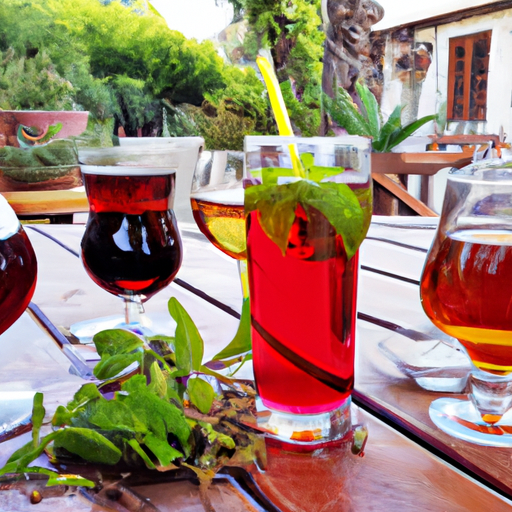
What Do You Drink With Mediterranean Food?

Ever wondered what beverage goes best with your Mediterranean meals? If so, you’re in the right place! JD, a loving dad of three with a passion for the Mediterranean Diet’s benefits, has some brilliant ideas and recommendations for you.

By delving into this article, you will gain a deeper understanding of Mediterranean cuisine and learn about the best drinks to pair with these delicious meals. JD places a special emphasis on the importance of sharing high-quality food with family, leading to active and healthy living. So, brace yourself for an enriching and flavorful journey through the Mediterranean diet, straight from the heart of a dad who values health and family connections!

What Do You Drink With Mediterranean Food?

Understanding the Mediterranean Flavor Palette

Introducing the Mediterranean Cuisine

When you explore the rich and diverse world of Mediterranean cuisine, you’ll discover a treasure trove of flavors that are as vibrant and varied as the region itself. With ingredients reflecting the sunny climes and fertile soils of the region, Mediterranean meals invite you on a journey of sumptuous dishes combining fresh vegetables, high-quality olive oil, aromatic herbs, and fresh seafood.

Embracing the richness and wholesomeness of the Mediterranean diet

What sets the Mediterranean diet apart is not just its taste but also its numerous health benefits. Known for promoting heart health, reducing the risk of chronic diseases, and aiding weight loss, this diet is renowned for its approach to sustainable and balanced eating which uses quality ingredients without skimping on flavor.

Mediterranean spices and cooking techniques

The robust and vibrant flavors in Mediterranean food arise from the use of spices like cumin, coriander, paprika, and cinnamon, as well as fresh herbs like mint, parsley, and oregano. Cooking techniques such as grilling, roasting, and braising, further enhance the flavors, making every dish a delight for the senses.

Importance of Beverage Pairing

Impact of right beverage pairing

Just as essential to a great Mediterranean meal is the right beverage pairing. Selecting the perfect drink can help to highlight the unique flavors of the food, adding a new dimension that enhances your overall dining experience.

Using drinks to enhance the Mediterranean flavors

Whether it’s a fruity wine, a robust beer, or an aromatic tea, the right drink can complement the Mediterranean flavors and elevate your meal from delicious to exceptional. When chosen wisely, beverages work in harmony with your dish, either contrasting or enhancing its flavor components.

The Classic Mediterranean Pair – Wine

Why wine is a popular pairing choice

One of the most quintessential partners for Mediterranean food is wine. Given the region’s rich viticultural history, it’s little surprise that wine is often the go-to choice when looking for a perfect pairing.

Traditional Mediterranean wines for food pairing

From the rich reds of Spain and Italy to the crisp whites of Greece, the Mediterranean region offers an abundance of wine styles. Whether you’re enjoying a hearty Italian pasta or a Spanish paella, there’s a wine that matches perfectly.

Choosing the right wine

When choosing a wine, consider the dish’s main components. For fatty fish or rich sauces, a full-bodied white or even a light red might work best. For lighter dishes like salads or light pasta, a crisp white or rosé could be just the ticket.

What Do You Drink With Mediterranean Food?

Traditional Mediterranean Non-alcoholic Drinks

Popular non-alcoholic beverages in the Mediterranean region

For those preferring non-alcoholic drinks, the Mediterranean offers a wealth of options, from refreshing fruit juices to aromatic teas and even tangy yogurt-based drinks.

Herbal teas and Mediterranean meals

Herbal teas, made from herbs like mint, chamomile, or sage, are a staple across the Mediterranean and offer a calming end to a meal, aiding digestion and providing a soothing note to round off your dining experience.

Refreshment of lemon and mint

Lemon and mint feature heavily in the region’s beverages, providing a refreshing and invigorating accompaniment to your meal. These ingredients not only lend their vibrant flavors but also act as a palate cleanser, making them an excellent choice alongside robustly flavored dishes.

Beer With Mediterranean Food

Introduction to Mediterranean beers

Although wine might be the traditional choice, beer offers its own exciting possibilities for pairing with Mediterranean food.

Tips for pairing beer with Mediterranean dishes

Try a light, citrusy wheat beer with seafood dishes, or a robust lager to stand up to the flavors of a hearty lamb stew. As with wine, consider the dish’s flavor profile and seek a beer that either contrasts or complements these flavors.

Influence of Local Fresh Ingredients on Beverage Choice

How local fruits influence beverage choice

Locally sourced fruits such as grapes, oranges, and lemons feature heavily in both the food and drinks of the Mediterranean, with many beverages derived from or inspired by these fresh ingredients. This ensures a harmonious connection between food and drink, enhancing and complimenting the flavors in each.

Influence of seasonal changes

Seasonal changes also play a significant role in what gets plated and poured. With the change in weather comes a change in available produce, impacting both the dishes you eat and the drinks you sip alongside them.

Family Involvement and Sharing

Role of meal sharing in the Mediterranean diet

Sharing meals with family is a fundamental aspect of the Mediterranean diet. It’s about enjoying food in good company, with everyone partaking in the feast. The same extends to beverages, with toastings and cheers a common part of the dining custom.

Creating a communal dining experience

Sharing food and drink enhances the sense of community, transforming meals into a joyous, communal experience. Everyone sips, savors, and samples, enriching the sense of togetherness that’s central to the Mediterranean lifestyle.

Healthy Beverage Choices

Impact of beverage choice on health

As with food, it’s essential to make mindful choices about your beverages. Many typical Mediterranean beverages not only complement the food but also offer their own health benefits.

Health benefits of common Mediterranean beverages

Traditional Mediterranean beverages, from antioxidant-rich wines to digestion-friendly herbal teas, can contribute to your overall health. Even local beers are often made with high-quality, natural ingredients, aligning with the Mediterranean emphasis on purity and wholesomeness.

Tips for Pairing Beverages and Mediterranean Food at Home

Making the most of Mediterranean food and drink pairings

To truly capture the spirit of the Mediterranean in your home, consider learning about specific food and beverage pairings. With a little practice, you can begin to create pairings that heighten your dining experience, elevating each meal from everyday to extraordinary.

Enhancing your culinary experiences

Understanding the relationship between food and drink in the Mediterranean diet can significantly enhance your culinary adventures. Whether trying a new dish or revisiting a favorite, the right beverage can transform your meal, introducing new and exciting flavors you may not have discovered otherwise.

Conclusion: The Joy of Food and Drink

Final thoughts on the importance of beverage pairing

In the Mediterranean diet, food and drink go hand-in-hand, each playing its part in the dining experience. A meal becomes more than just sustenance; it’s an opportunity for conviviality, celebration, and of course, the enjoyment of delicious flavors.

Promoting health, togetherness and delicious food

So, what do you drink with Mediterranean food? The answer is as diverse and delightful as the cuisine itself. Whether you go for a sophisticated wine, a hearty beer, a tangy lemon-mint infusion, or a tranquil herbal tea, the right choice will enhance both the flavor of your meal and your overall well-being. And most importantly, it will contribute to the joy of sharing good food and drink with your loved ones. Cheers to healthy and happy eating on the Mediterranean diet!

July 31, 2023 Health & Wellness

Is Bread Allowed On Mediterranean Diet?

You might’ve found yourself wondering, “Is bread allowed on the Mediterranean diet?” It’s a fair question. After all, the Mediterranean diet, well-known for its heart-healthy benefits, places an emphasis on plant-based foods, lean proteins, and healthy fats. But where does bread fit into this?

In this upcoming article, you’ll definitely get your answer! Not only will you learn more about the role bread plays in the Mediterranean diet, but you’ll also discover the richness of this eating lifestyle. It’s not just about looking after your health for your sake, but for your family’s too. After all, part of the Mediterranean lifestyle is sharing wholesome, quality meals with your loved ones. So, brace yourself for an enlightening read that is bound to change the way you look at bread and the Mediterranean diet.

Is Bread Allowed On Mediterranean Diet?

Understanding the Mediterranean Diet

Origins and Essence of the Mediterranean Diet

The Mediterranean diet takes its roots from the traditional cuisine of countries bordering the Mediterranean Sea. This diet emphasizes whole and plant-based foods, along with consumption of healthy fats like olive oil instead of butter. It’s not just about what you eat, but how you eat – at a leisurely pace, while enjoying meals and socializing with family and friends.

Key Components of the Mediterranean Diet

The Mediterranean diet is abundant in fruits, vegetables, whole grains, legumes, and a variety of seeds and nuts. Fish and seafood are consumed often, usually at least twice a week, while poultry, eggs, cheese, and yogurt are enjoyed moderate portions. Red meat is limited, and sweets are indulged only occasionally.

The Role of the Mediterranean Diet on Your Health

Adopting the Mediterranean diet can boost your overall health and well-being. Research shows that it can help protect against chronic conditions such as heart disease, cancer, and type 2 diabetes. What’s more, this diet promotes longevity, ensuring that you’re not only around for your family for a long time but that you’re also healthy and active.

Common Misconceptions About the Mediterranean Diet

The View of the Mediterranean Diet as a Strict Regime

Despite popular belief, the Mediterranean diet is not a rigorous regime but rather a flexible and rewarding way of eating. It encourages variety and eating with pleasure. So, it’s less about imposing restrictions and more about making healthier choices.

Debunking the Myth that Mediterranean Diet Excludes All Carbohydrates

Contrary to some misinterpretations, the Mediterranean diet does not exclude all carbohydrates. Whole grains, a source of complex carbohydrates, are a cornerstone of this wholesome diet.

Why the Mediterranean Diet is Not a ‘Low Carb’ Diet

The Mediterranean diet is a balanced approach to nutrition. While it encourages lower consumption of refined carbs, it supports the intake of complex carbs from whole grains, vegetables, and fruits.

Carbohydrates and the Mediterranean Diet

How Carbohydrates Fit into the Mediterranean Diet

Carbohydrates, especially those from whole grain sources, play a vital role in the Mediterranean diet. They provide energy and beneficial nutrients which are essential for your overall health.

The Importance of the Quality of Carbohydrates

The quality of carbohydrates matters. Choose complex carbs from whole foods over refined ones since they are loaded with fiber, vitamins, and minerals. They also keep you feeling full longer, helping to control your weight.

Choosing the Right Carbohydrates While on the Mediterranean Diet

Incorporate a variety of carb-rich foods like whole grains, beans, lentils, and fruits in your diet. As for bread, opt for whole grain versions to gain maximum benefits.

Is Bread Allowed On Mediterranean Diet?

Types of Bread in the Mediterranean Diet

Common Types of Bread around the Mediterranean Region

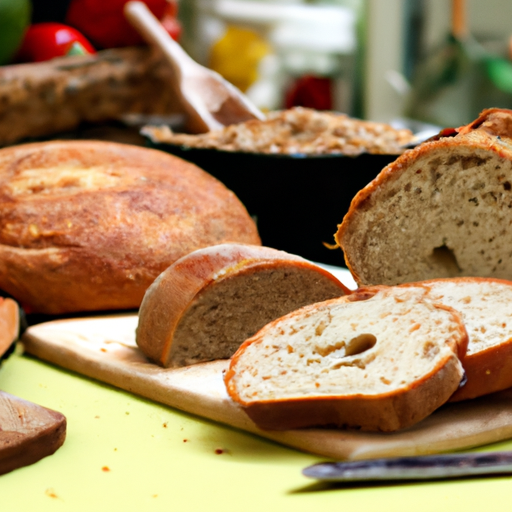
Various types of bread are common in the Mediterranean region: sourdough, pita, ciabatta, and more. They’re often made from whole grains, contributing to their nutritional value.

The Role of Bread in a Traditional Mediterranean Meal

Bread is a staple in the Mediterranean diet. It’s enjoyed at almost every meal, making it a part of the cultural dining experience.

Is Bread Allowed on the Mediterranean Diet?

Understanding the Place of Bread in the Mediterranean Diet

Bread holds a significant place in the Mediterranean diet. However, it’s essential to remember that it’s the type of bread which counts.

Why Bread is Not Strictly ‘Forbidden’ or ‘Allowed’ in Mediterranean Diet

In the Mediterranean diet, no food is strictly ‘forbidden’ or ‘allowed’. It’s all about moderation, portion size, and focusing on whole foods.

The Role of Moderation in the Consumption of Bread on the Mediterranean Diet

As with anything, bread should be consumed in moderation. Pairing bread with other nutrient-dense foods or using it as a vehicle for consuming more vegetables and healthy fats is a great approach.

Choosing Bread for the Mediterranean Diet

Tips on Selecting the Right Bread for a Mediterranean Diet

Choose bread made from the whole grain. It’s higher in fiber and other nutrients compared to the processed white bread.

Understanding Whole Grain Bread and its Benefits

Whole grain bread is packed with fiber, promoting good digestion, reducing cholesterol, and controlling blood sugar. Plus, it’s heartier and more satisfying than white bread.

Why Processed Breads are Less Ideal for the Mediterranean Diet

Processed breads often contain added sugars and unhealthy fats. They lack the nutritional benefits of whole grain bread and therefore, are less ideal.

Healthy Bread Recipes for the Mediterranean Diet

Exploring Mediterranean Bread Recipes

Creating your bread can be rewarding! Try traditional recipes like Greek pita, Italian ciabatta, or have fun experimenting with various whole grains.

Making Your Own Whole Grain Bread for a Healthier Option

Making bread is simpler than you think. Plus, homemade means you control the ingredients ensuring better quality and health benefits.

Balancing Bread Consumption with Other Foods

How to Pair Bread with Other Foods in Mediterranean Diet

Pair your bread with healthy plant-based foods – have a slice with crushed avocado, or use it to scoop up a homemade hummus.

Avoiding Excessive Bread Consumption by Incorporating Other Whole Grains

Include other whole grains in your diet like brown rice, barley, or quinoa to ensure a balanced intake and avoid over-reliance on bread alone.

Bringing the Family Together with High-Quality Nutrition

The Philosophy of Sharing High-Quality Food in the Mediterranean Diet

The Mediterranean diet is about sharing high-quality, nutrient-dense meals with your family. It’s about creating a culture of healthy eating and enjoyable meal times.

Encouraging Family Health and Longevity Through the Mediterranean Diet

By adopting the Mediterranean lifestyle, you encourage not only your health but your entire family’s. It’s about making healthy eating enjoyable and sustainable for a life full of vitality and joy.

Conclusion: Bread and the Mediterranean Diet

Summarising the Place of Bread in the Mediterranean Diet

In summary, bread plays a significant role in the Mediterranean diet. It’s all about choosing whole grain varieties and understanding moderation and balance in consumption.

Why the Mediterranean Diet is a Lifestyle and Not Just a Restrictive Regime

The Mediterranean diet is not a restrictive regime but a lifestyle full of flavors and health benefits. So yes, enjoy your bread – the Mediterranean way. With the right choices and moderation, you can relish your meals while nourishing your body, and sharing good times with your family.

  • « Go to Previous Page
  • Go to page 1
  • Interim pages omitted …
  • Go to page 61
  • Go to page 62
  • Go to page 63
  • Go to page 64
  • Go to Next Page »

Primary Sidebar

Hey y’all!

Hello and welcome to MediterraneanDietRecipes.net My name is JD, and I’m a 46-year-old father of three amazing children. My family is my world, and my main goal in life is to stay healthy and live long enough to see my children grow up, have children of their own, and to be an active, engaged, and supportive grandparent.

Being an older father, I understand that time is precious, and I want to make the most of it by ensuring that I am in the best possible shape physically, mentally, and emotionally. My journey started with a deep dive into the research on longevity and the lifestyle choices that can help me achieve my goals. Dig deeper →

Footer

Stay Connected

  • Bloglovin
  • Facebook
  • Instagram
  • Pinterest
  • Twitter

Copyright © 2026 · MEDITERRANEAN DIET RECIPES