• Skip to primary navigation
  • Skip to main content
  • Skip to primary sidebar
  • Skip to footer
  • Home
  • About
  • Recipes
  • Blog

Mediterranean Diet Recipes

Home » Blog

Blog

July 31, 2023 Health & Wellness

Can You Have Mayonnaise On Mediterranean Diet?

Have you ever found yourself wondering if you can include mayonnaise in your Mediterranean diet? Well, you’re not alone. This is a common question asked by many. The Mediterranean diet is known for its health benefits and is packed with delicious and nutrient-rich foods. The use of mayonnaise, however, is where some confusion might come in.

Delve into this article to clear up any confusion and equip yourself with valuable knowledge on incorporating mayonnaise in your Mediterranean diet. Not only does JD provide authentic insights based on thorough research, but he also focuses on the joy of sharing high-quality food with family. The Mediterranean diet is not just about eating healthy, it’s about enjoying meals with loved ones. That’s why understanding every aspect, like the use of condiments, is crucial. Don’t worry, this article will answer all your questions effectively. So let’s get started!
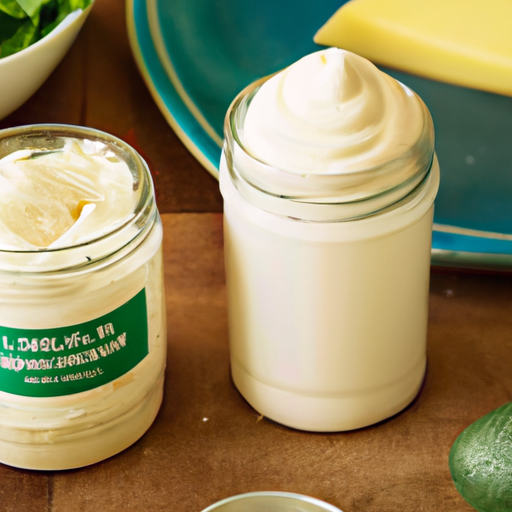
Can You Have Mayonnaise On Mediterranean Diet?

Understanding the Mediterranean Diet

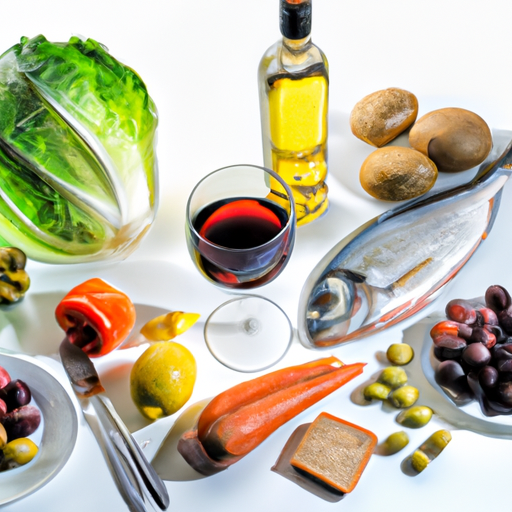
The Mediterranean Diet centers around plant-based, heart-healthy foods and nutritious fats such as olive oil, fish, lean meats, whole grains, and a rainbow of fruits and veggies. But what are the guiding principles?

Key principles of the Mediterranean diet

The Mediterranean diet comprises the traditional cuisine of countries bordering the Mediterranean Sea. Not a prescriptive meal plan, it’s more a lifestyle that embraces leisurely dining, physical activity, and the joys of tasty, real food. You dine primarily on plant-based and whole foods, reduce unhealthy fats, limit red meat, eat fish and poultry regularly, and consume moderate amounts of dairy and eggs.

The typical foods included in the Mediterranean diet

You can look forward to nutritious and flavorful food choices with this diet. These include fruits and vegetables, whole grains, legumes, nuts, seeds, and herbs, high-quality fatty fish like sardines, salmon, and mackerel. Olive oil is the star, taking the place of butter and other unhealthy fats.

The health benefits of the Mediterranean diet

One of the reasons I personally fell in love with the Mediterranean diet is the numerous health benefits. This diet has been known to lower risks of heart disease, stroke, and other chronic conditions. It’s even been linked to improved mental health and longevity.

Mayonnaise and the Mediterranean Diet

Now, let’s delve into the question that brought us here. Can mayonnaise find a place in this vibrant, health-centered diet?

The ingredients of traditional mayonnaise

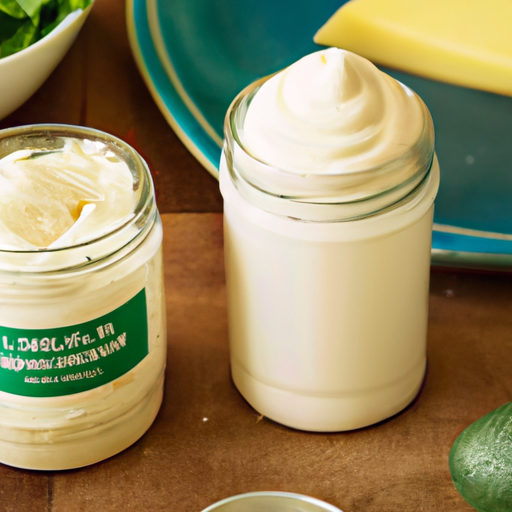
Conventional mayonnaise contains oils, egg yolks, and vinegar. The oil is the concern here as commercial brands often use heavily processed oils high in omega-6 fats, which, in excess, can contribute to inflammation and other health issues.

Is mayonnaise part of a standard Mediterranean diet?

Technically, traditional mayonnaise is not a staple in the Mediterranean diet. This diet is rich in unprocessed foods, and conventional mayonnaise doesn’t quite meet these standards due to its processed oil content. However, moderation is key.

Health implications of mayonnaise

Despite its rich flavor, conventional mayonnaise packs unhealthy fats and calories. Too much of it can lead to weight gain, increased heart disease risk, and other health scares.

Possible Alternatives to Mayonnaise in the Mediterranean diet

There are healthier ways to achieve that creamy texture and rich flavor you love in mayonnaise.

Olive oil as an alternative

Olive oil, a Mediterranean diet staple, is a great alternative. It’s heart-healthy and adds an unmatched flavor to your food.

Simple avocado cream substitute

Avocado provides similar creaminess with added fiber and nutrients. Simply blitz avocado, lime juice, salt, and pepper in a blender.

Using Greek yogurt as a mayonnaise substitute

Then there’s Greek yogurt, a tangy, creamy stand-in that’s also high in protein. You can flavor it with herbs and spices for extra oomph.
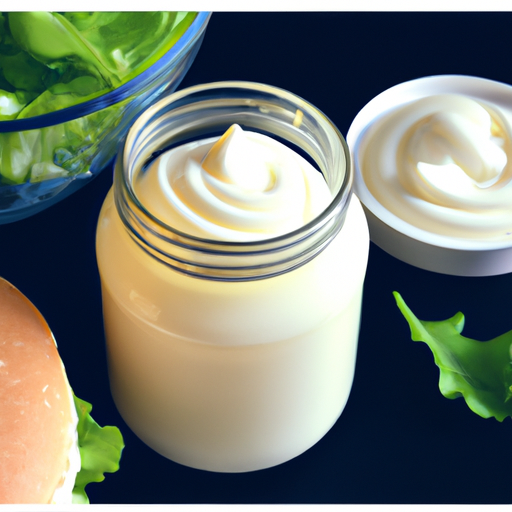
Can You Have Mayonnaise On Mediterranean Diet?

Including Mayonnaise in the Mediterranean Diet

If you still long for mayonnaise, don’t despair – there are ways to include a healthier version.

Opting for lighter versions of mayonnaise

Light mayonnaise or versions made with olive oil are better choices. They’re lower in fats and calories.

Homemade mayonnaise with a Mediterranean twist

Consider homemade mayonnaise using olive oils, egg yolks, and high-quality vinegar—a tasty addition without all the processed ingredients.

Moderation: The key to including mayonnaise in the Mediterranean diet

Remember, moderation is crucial. It’s okay to have some mayo from time to time, without making it the main feature of every meal.

Case Study: Kicking Out Mayonnaise for the Mediterranean Diet

As I journeyed to healthier alternatives, I also managed to kick mayonnaise without killing the joy of eating.

JD’s journey towards healthier alternatives

When I began my Mediterranean diet journey, I had an undeniable mayonnaise weakness. I experimented with ingredients and found healthier options that did not compromise on taste.

The effects on JD’s health and lifestyle

Kicking the mayo habit resulted in feeling lighter and healthier. It also opened the door to new flavors I wouldn’t have discovered otherwise.

JD’s homemade Mediterranean mayo recipe

My homemade mayo recipe combines olive oil, egg yolks, lemon juice, and Dijon mustard. It’s a satisfied craving, fitting perfectly into my Mediterranean lifestyle, and it’s a hit with the kids too!

Beyond the Diet: The Mediterranean Lifestyle

The Mediterranean Diet, remember, isn’t simply about food. It’s a lifestyle – one that celebrates social dining, family, and physical activity.

The role of physical activity

Regular exercise is as integral to the Mediterranean lifestyle as eating delicious food. Whether it’s going for a jog, playing with your kids, walking the dog – it’s all about staying active.

Importance of meals with family

Meals are community times, shared with family and surrounded by laughter and love. This way, eating becomes a joyful experience, not just a necessary act.

How the Mediterranean lifestyle promotes longevity

This combination of a balanced diet and active, social lifestyle contributes to better health, wellbeing, and a longer life.

Advantages of the Mediterranean Diet Over Other Diets

So why choose the Mediterranean diet over the many others out there?

Mediterranean vs low-fat diets

Unlike many low-fat diets, the Mediterranean diet is enjoyable, with a focus on overall health rather than just reducing fat intake.

Comparing the Mediterranean diet to Keto

While Keto restricts carbs, the Mediterranean diet allows all food groups, focusing on moderation.

Mediterranean diet vs Vegan diet

While a bit more flexible than the Vegan diet, the Mediterranean diet remains plant-centered, allowing for lean proteins and fish in small amounts.

Challenges and Misconceptions about the Mediterranean Diet

Like anything worthwhile, embracing the Mediterranean diet has its challenges. Let’s debunk a few misconceptions.

The perception that the Mediterranean diet is expensive

This diet centers around whole foods and plants – they can be budget-friendly when in season, and you can choose economical fish and lean meat.

Debunking the idea that Mediterranean diet is hard to follow

The Mediterranean diet is just about eating real food. There are no complicated rules or calorie-counting gimmicks.

Overcoming the lack of quick-fix results in the Mediterranean diet

This is not a crash diet. It’s about lifelong change and long-term health benefits. You won’t drop pounds in days, but you’ll gain a healthier, happier life.

Importance of Consulting a Nutritionist

While the Mediterranean diet is lauded for its health benefits, it’s always best to consult a nutritionist when making big changes to your diet.

Understanding personal nutritional needs

A nutritionist can help you integrate the Mediterranean diet principles into a meal plan that suits your unique nutritional needs.

Tailoring the Mediterranean diet for individual health conditions

For those with specific health concerns, a nutritionist can help tailor the diet appropriately.

Planning a balanced Mediterranean meal plan with a nutritionist

With your nutritionist, you can create balanced meal plans, ensuring you get all the nutrients you need while enjoying the Mediterranean lifestyle.

Conclusion: Can You Have Mayonnaise On Mediterranean Diet?

In summary, traditional mayonnaise doesn’t exactly fit into the Mediterranean diet due to processed ingredients. Nonetheless, don’t fret – plenty of healthier alternatives can replicate that creamy richness.

Summarizing the relationship between mayonnaise and the Mediterranean diet

Mayonnaise isn’t a staple, but moderation is key. If you fancy mayo, opt for light versions, homemade recipes, or try alternative spreads that are as satisfying.

Recapping the importance of moderation

Whether it’s mayonnaise or another favorite treat, remember that moderation allows pleasure without compromising health benefits.

Reiterating the benefits of the Mediterranean diet

From reducing chronic disease risk to boosting mood and promoting longevity, the Mediterranean diet offers a plethora of health benefits. Coupled with an active, social lifestyle, it’s less of a diet and more of a long-term, delicious path to good health and happiness.

So, here’s the nugget of wisdom – embrace the Mediterranean lifestyle, savor good food shared with loved ones, stay active, and yes, enjoy that dollop of homemade mayo, guilt-free!


July 31, 2023 Diet and Nutrition

Can You Have Coffee On Mediterranean Diet?

Oh, how you all have been wondering if you can still enjoy that cup of coffee in the morning while on the Mediterranean Diet? Trust us, that’s one of the most frequently asked questions you’re not alone on this! And the answer might really surprise you.

So, ready to delve deep into this topic? The upcoming piece promises to serve you with tons of information. You’ll learn more about coffee’s place in the Mediterranean Diet, its potential health benefits and how to best enjoy it. Remember, it’s not just about health, it’s also about savouring high-quality food, enjoying life and creating precious family moments. Time to brew some knowledge!

Can You Have Coffee On Mediterranean Diet?

Understanding the Mediterranean Diet

The Concept of the Mediterranean Diet

The Mediterranean Diet, as many of you know, is a style of eating centered around the traditional foods and drinks of the Mediterranean region. This diet focuses on eating a variety of whole, unprocessed foods, filled with fruits, vegetables, whole grains, lean proteins like fish and chicken, and of course, the generous use of olive oil.

The Characteristics of Mediterranean Eating Habits

One unique aspect of the Mediterranean Diet is its emphasis on not just what you eat, but how you eat. It promotes mindfulness at mealtimes, encouraging people to slow down and savor their food. It also emphasizes enjoying meals with others, making mealtimes a social event.

Key Foods Included in the Mediterranean Diet

Key foods in the Mediterranean diet include fruits & vegetables, whole grains, legumes, nuts, olive oil, and fish, all foods that are high in fiber and rich in monounsaturated fats. What about drinks? This is where coffee comes into play.

Exploring the Role of Coffee in a Healthy Diet

The Nutritional Components of Coffee

Coffee is not only enjoyed for its taste and energy-boosting properties but its nutritional profile as well. It is a rich source of antioxidants, which can have protective effects on the body.

Health Benefits Linked to Coffee Consumption

Numerous studies have shown that moderate coffee consumption can provide several health benefits. These include a lowered risk of type 2 diabetes, Parkinson’s disease, and even certain types of cancer.

Potential Negative Aspects of Coffee Intake

While coffee can be a healthy addition to a balanced diet, it is important to consider the potential negatives. Overconsumption can lead to increased anxiety, insomnia, and potentially increased blood pressure.

Coffee in the Mediterranean Culture

Influence of Coffee in Mediterranean Societies

In Mediterranean cultures, coffee is more than just a beverage; it’s a cherished ritual. Coffee shops serve as gathering places for people to socially connect, discuss business or simply enjoy a cup.

Typical Coffee Preparation and Consumption Habits

The preparation of coffee varies throughout the Mediterranean region. Greek coffee, for instance, is traditionally made in a briki, a small sand-filled pan, whereas in Italy, an espresso machine is often used.

Coffee Rituals and Cultural Significance in Mediterranean Countries

In these cultures, coffee is often enjoyed slowly, savored over conversation. A common Mediterranean saying is, “Drink coffee slowly, slowly.”

Can You Have Coffee On Mediterranean Diet?

Coffee and Its Place in the Mediterranean Diet

The Frequency of Coffee Consumption in a Typical Mediterranean Diet

Just as it is in Mediterranean culture, coffee is a common part of the Mediterranean Diet. While some individuals may prefer to consume it daily, it is not uncommon to see others savor it only a few times a week.

How Coffee Complements a Mediterranean Meal

Often, coffee is enjoyed as a complement to the end of a meal. This is a lovely ritual that promotes further chatting, digestion and appreciation of the mealtime experience.

Coffee’s Nutrient Profile Matching with the Mediterranean Diet Principles

The Mediterranean Diet isn’t just about food; it is also about beverages. Coffee contains antioxidants, which are in line with the diet’s principles of a high antioxidant intake.

Balancing Coffee Consumption on the Mediterranean Diet

Portion Control and Frequency of Coffee Intake

It’s important to remember the principles of the Mediterranean Diet apply to coffee. Consuming it mindfully and taking care to enjoy each sip is key.

Balancing Coffee with Healthy Hydration Sources

While coffee can provide hydration, it should not take the place of water. So, balance your coffee consumption with plenty of water, and perhaps a nice glass of lemon water or herbal tea.

How to Consume Coffee for Maximum Health Benefits

You can enjoy your coffee in its purest form, without sweeteners or unhealthy creamers. You might try adding a splash of almond milk or a sprinkle of cinnamon.

Upgrading Your Coffee to Fit with the Mediterranean Lifestyle

Choosing Organic and Fair-trade Coffee

To align with the Mediterranean lifestyle, consider choosing coffee that is organic and fair-trade. This not only ensures a healthier product, but also supports the ethical treatment of those who grow and harvest the coffee.

Best Ways to Prepare Coffee for Optimal Health Benefits

Brew your coffee in a way that retains its rich flavors and antioxidants. Whether you prefer a strong Greek coffee or a smooth Italian espresso, take the time to prepare your coffee well.

Avoiding Unhealthy Additives in your Coffee

Avoid adding excess sugar or artificial flavorings to your coffee. Instead, opt for natural sweeteners like honey or spices like cinnamon or nutmeg.

Mediterranean Diet, Coffee, and Family Mealtime

Sharing Coffee Rituals in Family Gatherings

Sharing a cup of coffee can become a cherished family ritual. It can provide an opportunity for connection, relaxation, and enjoyment at the end of a meal.

Incorporating Coffee into a Healthy Family Meal Plan

Coffee can also be incorporated into family meals, perhaps as an after-dinner treat. But remember to balance it with plenty of water and other hydrating beverages.

Creative Ways to Enjoy Coffee with Loved Ones

From brewing a pot of coffee to share in the morning, to enjoying an after-dinner espresso, there are many ways to enjoy coffee with loved ones.

Personal Experience: JD’s Take on Coffee and The Mediterranean Diet

JD’s Personal Experience with Incorporating Coffee into his Mediterranean Diet

As a father who values health and family, I have found coffee to be a wonderful addition to my Mediterranean Diet. Whether it’s a morning coffee with my wife or an after-dinner espresso with friends, coffee adds a special touch to my meal times.

How JD Balances Coffee Consumption and Health Requirements

I ensure that I balance my coffee consumption with a healthy diet and plenty of water. Portion control is also key. Remember, it’s fine to savor a strong, rich espresso, but moderation is key.

JD’s Tips and Advice on Enjoying Coffee in the Mediterranean Way

My advice to those seeking to incorporate coffee into their Mediterranean Diet is to enjoy it in moderation. Savor each sip, enjoy it with good company, and always choose high-quality coffee.

FAQs on Coffee in the Mediterranean Diet

Is Decaf Coffee Preferred in the Mediterranean Diet?

There is no definitive preference for decaf in the Mediterranean Diet. The key is to enjoy your coffee in moderation and choose high-quality coffee.

Can Children on a Mediterranean Diet also Consume Coffee?

Typically, coffee is not recommended for children due to its caffeine content. However, teens may enjoy an occasional cup. It’s always best to consult with your healthcare provider.

How to Replace Coffee if Needed While Following the Mediterranean Diet?

You can replace coffee with other healthy beverages like herbal tea or even a simple glass of water with lemon.

Conclusion

Recap on Coffee’s Role in the Mediterranean Diet

To answer the original question, “can you have coffee on the Mediterranean Diet?” — the answer is an affirmative YES. The key is how you enjoy it and in what quantities.

Balancing Personal Preferences with Dietary Principles

It’s also important to balance personal preferences with dietary principles. You should be able to enjoy your beverage of choice without it interfering with your overall healthy lifestyle goals.

The Ultimate Aim: Health and Happiness through Mediterranean Living

Ultimately, both the Mediterranean Diet and coffee are about savoring the good things in life. It’s about shared meals, meaningful moments, and a commitment to overall wellbeing. So, go ahead, pour yourself a cup of coffee, savor each sip and cheers to health and happiness!

July 31, 2023 Diet & Nutrition

Is Chicken Allowed On Mediterranean Diet?

Are you a fan of the mouthwatering Mediterranean cuisine and following its diet but wondering if chicken is permissible? Well, you’re thrusting your fork at the right question! It’s no secret that the Mediterranean style of eating relies heavily on fruits, veggies, legumes, whole grains and healthy fats, but one might be curious about chicken holding the fort in this diet.

We’re delighted to help you unravel this mystery in a forthcoming article on our website, www.mediterraneandietrecipes.net. Our very own JD, a devoted family man and an ardent fan of the Mediterranean lifestyle, will be giving you insights based on accurate and well-researched information. Plus, he’s eager to share valuable nuggets of wisdom on the enchanting bond between high quality food and family! So, jump aboard and deepen your understanding of the Mediterranean Diet and how chicken, the universal protein, fits into it.

Is Chicken Allowed On Mediterranean Diet?

Understanding the Principles of the Mediterranean Diet

The Mediterranean Diet, brimming with the vibrant colors and flavors of the Mediterranean region, is a lifestyle choice that has captured the attention of health enthusiasts globally. But what’s it all about?

Origins of the Mediterranean Diet

The Mediterranean Diet is less of a diet and more of a lifestyle adopted by the people in countries bordering the Mediterranean Sea, including Italy, Greece, and Spain. Rooted in centuries-old traditions, this diet emphasizes a balanced and healthy approach to eating, mostly hinging on whole foods.

Key Components of the Mediterranean Diet

The Mediterranean Diet consists primarily of plant-based foods, olive oil, lean proteins (like poultry and fish), moderate amounts of dairy, and a small amount of red meat. It encourages the consumption of fruits and vegetables, legumes, and whole grains. It also highly esteems using herbs and spices over salt, promoting heart health.

Health Benefits of Following the Mediterranean Diet

With its focus on fresh, minimally processed foods, it’s unsurprising that the Mediterranean Diet offers some significant health benefits. It’s been shown to improve heart health, support weight management, aid in diabetes control, and promote longevity. You could say it’s a life-long investment towards your health.

Incorporating Poultry into the Mediterranean Diet

Role of Lean Proteins in the Mediterranean Diet

Lean proteins play a significant role in the Mediterranean Diet. Not only do they keep you energized, but they also provide essential vitamins and minerals. Poultry, being a lean protein, is indeed part of this diet.

Choosing the Right Poultry for the Mediterranean Diet

Choosing the right poultry is essential. Opt for organic, antibiotic-free, and hormone-free poultry whenever possible. A whole chicken, chicken breasts, or turkey are some of the best choices.

Is Chicken Allowed on the Mediterranean Diet?

Now to answer the million-dollar question: Is chicken allowed on the Mediterranean Diet? Let’s explore.

Chicken in the Context of the Mediterranean Diet

Yes, chicken is indeed welcomed on the Mediterranean Diet. Chicken, especially skinless chicken breast, is an excellent source of lean protein. It’s versatile and delicious, and it allows for the exploration of many mouth-watering Mediterranean recipes.

Health Advantages of Including Chicken in the Mediterranean Diet

Chicken is low in saturated fat, high in protein, and a good source of essential nutrients like vitamin B12 and iron. Including chicken in your Mediterranean Diet can help control weight, maintain muscle mass, and promote a healthy heart.

Is Chicken Allowed On Mediterranean Diet?

Guidelines for Preparing Chicken Mediterranean-style

Here are some tips to prepare your chicken the Mediterranean way.

Mediterranean Chicken Cooking Methods

Grilling, roasting, and stewing are some of the most popular methods when it comes to cooking chicken in the Mediterranean style. Remember to go easy on the oil and let the fresh ingredients shine.

Choosing Healthy Seasonings and Marinades for Chicken

Opt for olive oil, lemon, garlic, and fresh herbs when preparing your chicken. These not only inject an abundance of flavor but also place an emphasis on health, aligning with Mediterranean principles.

Chicken-Inclusive Mediterranean Diet Recipes

From roasts to salads, let’s delve into the world of Mediterranean chicken recipes.

Preparing a Classic Mediterranean Chicken Dish

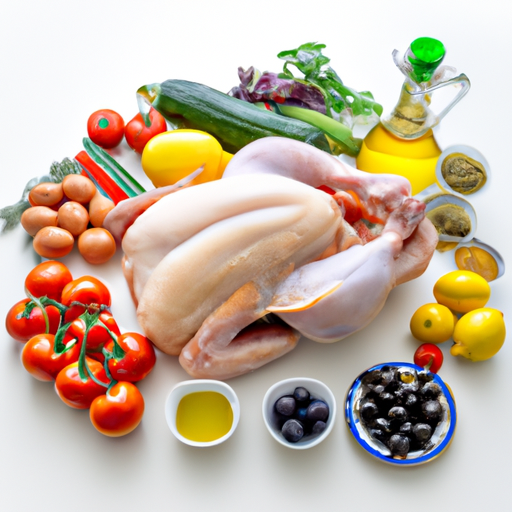
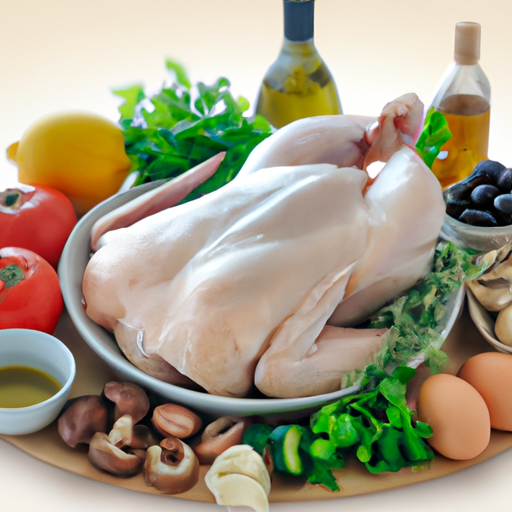
A classic Mediterranean chicken dish could involve roasting chicken with an assortment of colorful vegetables, seasoned with herbs, and finished with a drizzle of lemon-olive oil dressing.

Incorporating Chicken into Mediterranean Salads

Chicken is a fantastic protein addition to a hearty Mediterranean salad. Combine grilled chicken with fresh greens, tomatoes, cucumber, olives, feta cheese, and a zesty dressing for a balanced meal.

Creating a Mediterranean-style Chicken Soup

Chicken soup isn’t just for when you’re under the weather. A Mediterranean-style chicken soup with whole grains like barley or farro, enriched with veggies and herbs, is a comforting and nutritious choice.

Moving Beyond Chicken

Although chicken is an integral part of the Mediterranean diet, there’s room for more.

Exploring Other Poultry Options in the Mediterranean Diet

Turkey and duck also appear on the Mediterranean menu. However, moderation is key here as these can be higher in cholesterol and saturated fats.

Incorporating Vegetarian Proteins

Plant-based proteins, like legumes and nuts, are encouraged in the Mediterranean Diet. They provide variety and are heart-friendly.

Complementing Chicken with other Mediterranean Diet Staples

Pairing Chicken with Whole Grains

Whole grains are a staple in the Mediterranean diet. Pair grilled chicken with couscous, millet or whole grain bread for a well-rounded meal.

Including Fruits and Vegetables in Chicken Meals

Pair your chicken dishes with a variety of colorful fruits and vegetables – the more, the merrier. This provides added nutrients and fiber, supporting overall health and well-being.

Balancing Chicken with Other Proteins

Balancing Poultry and Seafood

In the Mediterranean Diet, seafood also plays a pivotal role. Strive for a balance between your poultry and seafood consumption. Including fish like salmon or mackerel into your weekly diet can boost heart health.

Alternatives to Chicken in the Mediterranean Diet

Plant proteins, legumes, dairy, eggs, and seafood are excellent alternatives to chicken in the Mediterranean Diet, providing a well-balanced, diverse diet.

Family Meal Planning on a Mediterranean Diet

Engaging Children in Cooking Chicken Dishes

Get the family involved. Cooking together not only creates bonding moments but is also an excellent way to instill healthy eating habits in your children. Have them help with preparing a simple chicken dish.

Teaching Healthy Eating Habits to Kids

Use this opportunity to teach your children about the importance of balanced meals and portion control. Explain the benefits of lean proteins and the various components of the Mediterranean Diet.

Family Bonding through Shared Meals

Cherished moments are created around the dining table. Shared meals are a time to connect, talk, and enjoy delicious healthy food together.

Conclusion: Chicken as Part of a Healthy, Balanced Mediterranean Diet

Revisiting the Role of Chicken in the Mediterranean Diet

To sum it all up, chicken is a welcome part of the Mediterranean Diet, providing an excellent source of lean protein.

Rethinking Chicken as a Dietary Staple

Adopting the Mediterranean Diet is about embracing balance, variety, and enjoying your food. Chicken is an integral part, but remember, it doesn’t stop there. Explore the bountiful world of Mediterranean food, and here’s to your health!

July 31, 2023 Diet and Nutrition

Is Chocolate OK On Mediterranean Diet?

So, you’ve been eyeing that delicious bar of chocolate sitting in your pantry, but you’re also committed to staying true to your Mediterranean diet. You’re most likely wondering, “Is chocolate really okay on a Mediterranean diet?” It’s not an unusual concern, given that maintaining your health is a priority for you, especially as you aim to stay fit and active for your children’s lives.

Well, worry no more! JD has penned an enlightening article on this exact topic. In this article, you are going to explore and learn more about how chocolate fits into the healthy and delicious world of Mediterranean Diet. This isn’t just about satiating your sweet tooth, it’s about sharing great, quality food moments with your loved ones. Stick around, dig in, and prepare to be pleasantly surprised!

Is Chocolate OK On Mediterranean Diet?

Understanding the Mediterranean Diet

As one devoted to the Mediterranean Diet, you probably appreciate the vibrant flavors, colorful produce, and invigorating health benefits that it has to offer. Originating from the dietary patterns of Greece, Southern Italy, and Spain, this heart-healthy diet is impressively balanced and rich in nutrients.

Key Components of the Mediterranean Diet

The Mediterranean Diet revolves around wholesome, unprocessed foods. Key components include fruits, vegetables, whole grains, nuts, beans, seeds, legumes, olive oil, and an abundance of herbs and spices. Dairy and fish are consumed in moderation, while red meat and poultry are limited.

Health Benefits of the Mediterranean Diet

Consistently ranked as among the healthy diets available, the Mediterranean diet offers an array of health benefits including weight loss, improved heart and brain health, prevention of cancer and diabetes, and even longevity.

The Role of Sweets in the Mediterranean Diet

Unlike other diets, the Mediterranean diet doesn’t shun sweets entirely. Instead, it advocates moderate consumption and emphasis on natural and nutritious sweet foods like fruits. However, an intriguing question remains in the minds of many followers. Is chocolate okay in the Mediterranean diet?

Inclusion of Chocolate in the Mediterranean Diet

As you embark on this culinary journey, you might wonder where chocolate fits within your diet. Can you still enjoy this luxurious treat? The answer lies in the nature of chocolate.

The Possibility of Consuming Chocolate while on the Mediterranean Diet

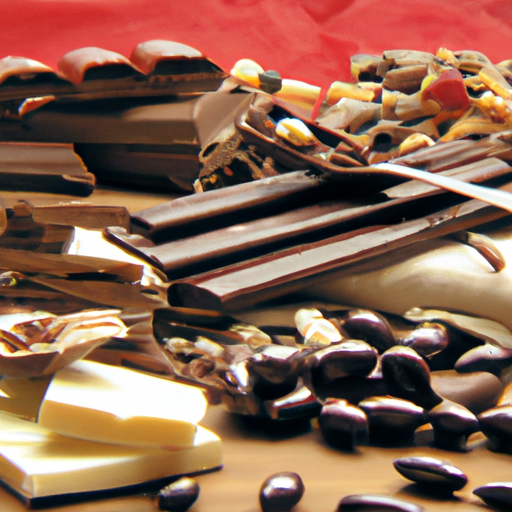
Chocolate, especially dark chocolate, can be included in the Mediterranean diet. However, moderation is crucial as chocolate, particularly the dark variety, tends to be calorie-dense.

How Chocolate Aligns with the Mediterranean Diet Food Guide

With its deep, satisfying flavor and myriad health benefits, dark chocolate is akin to the Mediterranean diet’s ethos of wholesome nutrition.

The Benefits of Chocolate

In moderation, dark chocolate has several health benefits that align with those offered by the Mediterranean diet.

Health Benefits of Dark Chocolate

Dark chocolate packs a multitude of nutrients, including iron, magnesium, copper, manganese, potassium, phosphorus, zinc, and selenium. It is also rich in fiber, offering you satiety and aiding in digestion.

How the Antioxidants in Chocolate Contribute to Health

Dark chocolate teems with antioxidants like polyphenols, flavanols, catechins, and more. These combat free radicals, protecting your cells from damage and reducing inflammation.

Is Chocolate OK On Mediterranean Diet?

The Need for Moderation

While chocolate, specifically dark chocolate, can be a part of the Mediterranean diet, it’s important not to overindulge.

Understanding the Importance of Portion Control

A small square or two of high-quality dark chocolate can satisfy your sweet tooth and offer health benefits. But remember, moderation is key.

The Dangers of Overindulgence in Chocolate Consumption

While dark chocolate is nutritious, it’s also high in calories and can contribute to weight gain if consumed excessively.

How to Incorporate Chocolate into the Mediterranean Diet

Integrating chocolate into your diet can be an exciting culinary adventure with the right guidance.

Delicious and Healthy Chocolate-Infused Recipes

From roasted fruit with dark chocolate drizzle to decadent yet healthy dark chocolate-hazelnut spread, the possibilities are limitless.

Choosing the Right Kind of Chocolate

Prioritize dark chocolate with a cocoa content of 70% or more. It contains less sugar and more beneficial nutrients than its sweeter counterparts.

Enjoying Chocolate as a Family

This journey isn’t just about fostering better health; it’s also about sharing and creating joyful experiences.

Sharing Quality Chocolate Treats with Family

Treating your family with high-quality dark chocolate delights is a great way to share nutrient-rich sweets they’ll love.

How Chocolate Consumption can Foster Familial Bonding

Encouraging your family to make healthier choices, such as swapping regular sweets for dark chocolate, cultivates an environment of shared values and mutual support.

Addressing Common Misconceptions

There are many misconceptions surrounding chocolates. Let’s debunk them together.

debunking myths about chocolate and weight gain

While chocolate is high in calories, consuming it in moderation doesn’t necessarily lead to weight gain.

Dispelling fears of chocolate’s potential health risks

When enjoyed responsibly, dark chocolate can be beneficial to your health owing to its high antioxidant and nutrient content.

Observations from Experts

Numerous studies and experts support the inclusion of dark chocolate in a healthy diet.

What Dietitians Say About Chocolate in the Mediterranean Diet

Many dietitians affirm that dark chocolate, when eaten in moderation, fits well within the Mediterranean diet framework.

Clinical Studies Supporting Chocolate Consumption

Numerous studies highlight the benefits of dark chocolate toward heart health, stress reduction, and more.

Personal Stories and Experiences

JD’s Personal Experience with Incorporating Chocolate in Mediterranean Diet

As a proud father and health enthusiast, JD shares his own experience. He has successfully incorporated dark chocolate into his Mediterranean diet, savoring it both as a treat and in various healthy recipes.

Success stories of other Mediterranean Diet followers

Numerous followers of the Mediterranean diet have shared their successes, crediting the inclusion of moderate amounts of dark chocolate as a satisfying, nutritious element of their diet.

Conclusion: Steps Forward on the Mediterranean Chocolate Journey

Embracing Chocolate as Part of a Balanced Mediterranean Diet

Including dark chocolate in your Mediterranean diet can add a touch of luxury without compromising your health goals.

Constantly Striving for a Healthy and Happy Lifestyle

Remember, balancing nutrition, portion control, and an active lifestyle is paramount. The Mediterranean diet, with its emphasis on well-rounded nutrition, gives you the flexibility to enjoy your food, like high-quality dark chocolate, while promoting a healthier, happier lifestyle.

So, yes, chocolate is acceptable on your Mediterranean diet. Enjoy your bi of luxury, the Mediterranean way, with your family, without having to compromise on your health. This journey is about savoring the pleasures of life, while still embracing a healthy lifestyle. So, why not start incorporating chocolate into your Mediterranean diet today?

July 31, 2023 Health and Nutrition

What Are The 2 Most Recognized Ingredients In Mediterranean Diet?

So, you’re curious about the two most recognized ingredients in the Mediterranean diet? That’s a great question. As you may know, the Mediterranean Diet is famed for its health benefits and delicious flavors. Within this celebrated diet, there are two ingredients that truly define it.

And guess what? You’re just about to discover what they are! In the following article, you’ll learn more about these two key ingredients, why they’re so integral to the Mediterranean Diet, and the crucial role they play in promoting health. So, stay tuned and prepare to elevate your culinary knowledge!

What Are The 2 Most Recognized Ingredients In Mediterranean Diet?

Understanding the Mediterranean Diet

The influence of the Mediterranean diet stretches far and wide. It embodies a centuries-old tradition that encompasses diverse cultures around the Mediterranean Sea, a natural crossroads of trade, culture, and cuisines.

Origins and Influence of the Mediterranean Diet

You might be wondering how the Mediterranean diet came into existence. It’s primarily an amalgamation of various ethnicities and their traditional culinary practices surrounding the Mediterranean Sea, each contributing to a unique blend of rich flavors and health benefits.

Principles of the Mediterranean Diet

In essence, the Mediterranean diet is more than just a diet, it’s a lifestyle based on the principles of eating fresh and local, keeping active, and maintaining a sense of community. It promotes consumption of fruits, vegetables, whole grains, and lean proteins, with a particular emphasis on fish and seafood.

Benefits of Adopting the Mediterranean Diet

Adhering to a Mediterranean diet has numerous proven health benefits. It’s a cornerstone of prevention against cardiovascular diseases and has been linked to lower levels of bad cholesterol. Moreover, adopting a Mediterranean lifestyle could potentially reduce the risks associated with chronic diseases like diabetes and certain forms of cancer.

Highlighting the Two Most Recognized Ingredients in the Mediterranean Diet

Wherever you go in the Mediterranean, from bustling food markets in Italy to family kitchens in Greece, you’ll encounter two prominent staples: Olive Oil and Whole Grains.

Characteristics of Key Ingredients in the Mediterranean Diet

Olive oil and whole grains are not only cherished as cornerstones of Mediterranean cuisine, but they are also celebrated for their health benefits.

Versatility and Use in Daily Meals

Ease of use and versatility are key reasons why these ingredients are a constant feature in a typical Mediterranean meal. Whether it’s a delightful drizzle of olive oil over a Greek salad or a hearty whole grain bread used for dipping, their incorporation is truly imaginative and delicious.

What Are The 2 Most Recognized Ingredients In Mediterranean Diet?

The Importance of Olive Oil in the Mediterranean Diet

Olive oil reigns supreme in the Mediterranean diet. It is so integral to the food culture that it has even been referred to as ‘liquid gold’.

Olive Oil- the Liquid Gold of the Mediterranean Diet

Producing olive oil has been an ancestral skill passed down through generations, and for good reason. It is laden with monounsaturated fats, which are heart-friendly fats, and packed with antioxidants.

Health Benefits of Olive Oil

Olive oil is popularly linked with heart health due to its beneficial fat content. Moreover, it helps in lowering bad cholesterol, controlling blood sugar levels, and even reducing the risk of certain types of cancers.

Incorporating Olive Oil Sensibly in your Diet

Remember, while olive oil boasts several health benefits, moderation is key. You can incorporate it into your diet by drizzling it on salads, using it in marinades, or even replacing other oils in your cooking with it.

The Significance of Whole Grains in the Mediterranean Diet

Whole grains are the base of many Mediterranean meals. They provide satiety, and their slow-digesting carbohydrates give steady sustained energy.

Whole Grains- The Energy Providers in the Mediterranean Diet

Whole grains are loaded with fiber, which aids digestion and keep you fuller for longer, reducing the urge to snack and overeat.

Health Benefits of Whole Grains

Consuming whole grains is beneficial for heart health, controlling blood sugars, and even preventing certain types of cancer. Additionally, they are packed with essential vitamins and minerals.

Ways to Include Whole Grains in your Daily Meals

Getting whole grains into your meals is easier than you might think. Enjoy them in your morning cereal, add them to your salads, or use whole grain bread for your sandwiches.

Exploring Other Integral Ingredients of the Mediterranean Diet

Beyond the two hero ingredients, the Mediterranean diet comprises a rich array of fruits, vegetables, fish and seafood, and dairy products like cheese and yogurt.

Fruits and Vegetables in the Mediterranean Diet

Fruits and vegetables form the foundation of every meal in the Mediterranean diet, providing a diverse mix of vitamins, minerals, and fiber.

Fish and Seafood’s Role in the Mediterranean Lore

Fish and seafood are eaten in great amounts owing to the geographical proximity to the sea. They offer high-quality protein and omega 3 fatty acids, beneficial for heart health.

The place of Cheese and Yogurt in Mediterranean Cuisine

Unlike other diets, dairy products are consumed in moderation in the form of cheese and yogurt. They provide calcium and protein without excessive fat intake.

Family Role in Promoting Healthy Eating Habits

Nothing promotes healthy eating habits like family meal times.

Creating Healthy Family Meal Times

Preparing meals together and sharing a communal table is a valued tradition that fosters healthier eating habits.

Teaching Kids the Importance of Nutritious Food

Involving kids in cooking or planting a family vegetable garden can help teach them the importance of nutritious food from a young age.

Building Stronger Family Bonds Over Meals

Sharing meal times allows for strengthening family bonds and creating lasting memories.

In conclusion, embracing the Mediterranean lifestyle is the way forward to a healthier future. It not just promotes physical well-being but also affirms the significance of shared meals and appreciating the joys of wholesome food.

July 31, 2023 Health & Wellness

What Fruits Are Best On Mediterranean Diet?

So, you’ve been pondering about the title, “What Fruits are Best on the Mediterranean Diet?” It’s a fantastic question to ask, especially if you are starting or already following this diet. This diet’s essence lies in consuming high-quality, nutritious food that benefits not just your own health but ensures you are making great choices for your family too.

You’re in luck, in the article you’re about to dive into, you’ll learn more about the fruits that fit perfectly into the Mediterranean diet. These fruits are not just tasty but are packed with health benefits that are perfectly aligned with this nutritious diet. JD, a father who strongly believes in the importance of sharing high-quality food with family, has put together this detailed and well-researched article to help you make the most out of your Mediterranean diet journey. He understands the importance of maintaining long-term health to be an active, healthy, and present part of his children’s lives, and he wants to share this knowledge with you. Get ready to enrich your diet and your health, one fruit at a time!

What Fruits Are Best On Mediterranean Diet?

Understanding the Mediterranean Diet

The Mediterranean diet, hailing from the sunny and fertile lands of Southern Italy, Spain, and Greece, emphasizes on fresh, seasonal, and quality ingredients. This diet, a gastronomical legacy passed down through generations, supports a healthy lifestyle with its perfect balance of lean proteins, healthy fats, and a cornucopia of fruits and vegetables.

Key Principles of the Mediterranean Diet

The Mediterranean diet centers around whole, unprocessed foods. Staples include lean proteins from poultry, fish, and legumes, heart-healthy fats from olive oil and nuts, whole grains, and–most importantly–copious amounts of vibrant fruits and vegetables.

Health Benefits Associated with the Mediterranean Diet

Proven by numerous scientific studies, the Mediterranean diet has a multitude of benefits. It contributes to weight management, reduces heart disease risk, decreases diabetes risk, aids in managing hypertension, and even improves longevity. Many attribute these health benefits to the diet’s heavy emphasis on plant-based whole foods, especially fruits.

Role of Fruits in the Mediterranean Diet

Importance of Fruits in this Diet

Whether it’s fresh figs at breakfast, a crisp apple for a snack, or a sweet peach dessert, fruits play a critical role in the Mediterranean diet. Packed with fiber, vitamins, and other essential nutrients, fruits are the perfect nutritious snack, providing lasting energy and keeping you satiated between meals.

Types of Fruits Commonly Consumed

You’ll find a variety of fruits in the Mediterranean diet. Seasonal and local fruits are highly encouraged – berries, citrus fruits, melons, apples, pears, and stone fruits like apricots, cherries, and peaches frequently make appearances.

Exploring Specific Fruits on the Mediterranean Diet

Berries: Nature’s Sweet Treats

Berries, with their ample antioxidant content, can be a deliciously sweet addition to your breakfast yogurt or afternoon salad.

Citrus: Powerpacked Detox Agents

Brimming with vitamin C, citrus fruits, like oranges and lemons, are great for boosting immunity and detoxification.

Melons: Hydration Heroes

High in water content and rich in vitamins A and C, melons are perfect for staying hydrated during hot summers, Mediterranean style.

Apples and Pears: Fiber Packed Goodness

Apples and pears, high in dietary fiber, can keep your digestion smooth and your hunger at bay.

Stone Fruits: Soft Fruits with a Hard Punch

Stone fruits such as cherries, plums, peaches, are packed with vitamins, fiber, and particularly rich in antioxidants.

What Fruits Are Best On Mediterranean Diet?

Analyzing the Nutritional Value of These Fruits

Vitamins and Minerals in These Fruits

Fruits provide an abundant array of vitamins and minerals. The high vitamin C in citrus and berries, vitamin A in melons, and potassium in bananas are vital for maintaining optimal health.

Fiber Benefits of Consuming Fruits

The dietary fiber in fruits aids in digestion, regulates blood sugar and cholesterol levels, and assists in maintaining a healthy weight.

Antioxidant Properties of Fruits

Fruits, especially berries and citrus, are astonishing sources of antioxidants that defend your body against oxidative stress and inflammation.

Daily Fruit Consumption on the Mediterranean Diet

Recommended Daily Intake

While there’s no hard and fast rule, generally aiming to incorporate a minimum of three servings of fruit in your daily diet is encouraged.

Balancing Other Diet Components

Although fruits play a lead role in the Mediterranean diet, remember to balance with lean proteins, fats, and whole grains, making your plate a colorful mosaic of nutrient-rich food.

Fruit Consumption and Family Health

Inculcating Healthy Eating Habits in Children

Getting your kids to enjoy fruit at an early age can be an excellent step for instilling lifelong healthy eating habits.

Role of Fruits in Active and Healthy Aging

The fiber, vitamins, minerals, and antioxidants present in fruits play a crucial role in promoting vitality and longevity, keeping you energetic and youthful as you age.

Integrating Fruits in Mediterranean Diet Recipes

How to Add More Fruits in Your Dietary Plan

Fruits can be effortlessly incorporated into your meals. Dice them in your salads, blend them in smoothies, or use them as a natural sweetener in your baked goods.

Different Ways to Serve Fruits

Whether you enjoy them fresh, grilled, baked, or frozen, fruits are versatile and can surprise you with their limitless culinary possibilities.

Unexpected Fruits to Try on the Mediterranean Diet

Tropical Fruits: Nature’s Exotic Bounty

Tropical fruits, like mangoes, pineapple, and papaya, although not traditionally Mediterranean, can add a delightful twist to your diet.

Wild Fruits: Uncommon but Remarkable Choices

You can also experiment with a variety of wild fruits like blackberries or elderberries, which are not only delicious but are nutrient powerhouses too.

Addressing Possible Concerns

Addressing Common Myths about Fruits

Despite being the healthiest foods on the planet, certain myths, like fruit sugar being unhealthy, persist. However, total sugar intake matters more than the source.

Dealing with Fruit Allergies

In case of a fruit allergy, there’s no need to miss out on the nutritional benefits. Simply choosing a suitable alternative will suffice.

Final Words

Consistency and Moderation is Key

Like any dietary plan, consistency and moderation is paramount. Remember, the Mediterranean diet is not a quick fix but a lifestyle.

Enjoying a Fruitful Journey on the Mediterranean Diet

It doesn’t matter whether you’re well into your Mediterranean journey or just starting, embracing the refreshing, nutritious, and delectable bounty of fruits that this diet offers will undoubtedly make your journey fruitful! On my blog, I’ll keep bringing to you more articles and recipes showing the versatility and importance of fruits in Mediterranean lifestyle.

Remember, food is not just about nourishment, it’s also about delight, discovery, and sharing with those you love. So go ahead, explore the Mediterranean diet, enjoy the variety, and here’s to a healthier and happier you!

July 31, 2023 Diet & Nutrition

Is Sweet Potato OK On Mediterranean Diet?

Have you ever found yourself pondering whether sweet potato fits into the Mediterranean diet? It’s a question that has probably crossed your mind, especially considering how delicious and nutritious these tubers are. Not to mention, they’re quite versatile in cooking!

Delve into this article for a comprehensive exploration on the subject. In it, you’ll gather valuable insights that not only answer your sweet potato query, but also enhance your understanding of the Mediterranean diet as a whole. JD, the author and father of three, uses his passion for this hearty and healthy diet to provide you with all the details you need. His dedication is twofold; he wants to share the benefits of high-quality, enjoyable food, and ensure a long, energetic life to enjoy with his children. Isn’t that something you too would want? Well, read on, stay curious and enjoy feeding your mind (and maybe later, your stomach)!

Is Sweet Potato OK On Mediterranean Diet?

Understanding The Mediterranean Diet

The Mediterranean Diet has garnered a lot of attention in the last few years due to its numerous health benefits. Inspired by the eating habits of people in the Mediterranean region, this diet emphasizes consuming fresh fruits, vegetables, whole grains, and healthy fats, such as olive oil.

Basics Of The Mediterranean Diet

The Mediterranean diet encourages a balanced and diverse food intake, focusing on plant-based foods, lean proteins, and healthy fats. Fish, poultry, legumes, and whole grains play a significant role in this diet. Unlike other diets, it doesn’t forbid any food groups but stresses moderation.

Health Benefits Of The Mediterranean Diet

A myriad of health benefits are associated with the Mediterranean diet from improving heart health, aiding weight loss, to enhancing mental well-being. It’s known to reduce the risk of chronic illnesses like diabetes, cancer, and Alzheimer’s.

Role of vegetables in the Mediterranean Diet

Vegetables are indispensable in any Mediterranean meal plan. Packed with vitamins, minerals, and fiber, they provide the necessary nutrients for a healthy lifestyle. They are also rich in antioxidants that fight off diseases and improve overall health.

The Importance of Sweet Potato

Sweet potatoes, with their vibrant color and rich taste, are a nutritional powerhouse boasting an impressive list of benefits.

Nutritional Values of Sweet Potato

This root vegetable is a great source of fiber, vitamins, like A, C, several B vitamins, and minerals such as iron, calcium, and selenium. It’s also packed with antioxidants that protect your body from free radicals.

Health Benefits of Sweet Potato

Aside from their delicious taste, sweet potatoes help in managing diabetes, boosting eye health, enhancing brain functions, strengthening the immune system, and aiding weight management.

Why Sweet Potatoes are a Superfood

Given the dense nutritional content, sweet potatoes have rightfully earned the title of ‘superfood’. They support gut health, improve digestion, reduce inflammation, and enhance overall wellbeing.

Sweet Potato in The Mediterranean Diet

Importantly, sweet potatoes fit right into the framework of the Mediterranean diet because of their versatility and nutrient profile.

How to Incorporate Sweet Potato in a Mediterranean Diet

You can include sweet potatoes in your Mediterranean diet in various ways- roasted, baked, steamed, or mashed. You can toss them in salads, soups, or stews or simply have them as a healthy snack.

Delicious Sweet Potato Recipes for Mediterranean Diet

Sweet Potato Hummus, Mediterranean Sweet Potato Salad, and Sweet Potato Falafel are a few examples of how you can incorporate sweet potatoes into your diet flavorful and exciting ways.

Is Sweet Potato OK On Mediterranean Diet?

The Role of Food Quality in the Mediterranean Diet

Food quality plays a crucial role in the Mediterranean diet as it focuses on consuming fresh, whole foods and limiting processed ones.

Emphasizing Community and Family Meals

A key facet of the Mediterranean diet is the emphasis on sharing meals with family and community. There’s much joy and bonding over a well-cooked family meal, and it helps build healthier eating habits.

Choosing Fresh and Seasonal Ingredients

The Mediterranean diet promotes the intake of fresh and seasonal produce. They’re not only more flavorful but also contain the maximum nutritional values.

Avoiding Processed Foods in the Mediterranean Diet

In keeping with the spirit of the Mediterranean diet, one should minimize the intake of processed foods which often contain unhealthy fats, sugars, and artificial additives.

Advice from Expert: JD’s Thoughts

JD’s Reasons for Following the Mediterranean Diet

I (JD) have been following the Mediterranean diet for a while now. My main reason is my family. I wish to age gracefully, staying active, and being there for my children as they grow.

How Sweet Potato Fits Into JD’s Mediterranean Diet lifestyle

Sweet potatoes have always been a favorite of mine. They’re simple to prepare, delicious, and fit into our family’s Mediterranean diet perfectly.

Feeding Family the Mediterranean Way

Making Mediterranean Diet Family Friendly

A Mediterranean diet can be tailored to be incredibly family-friendly, offering a variety of flavorsome foods that are also nutrient-dense.

Including Sweet Potato in Family Meals

Sweet potatoes can be a great addition to family meals, whether as a side dish, in soups and stews, or a nutritious snack for children.

Sweet Potato and the Mediterranean Diet From Around the World

Sweet Potato in Mediterranean Countries

While not traditional, many Mediterranean countries now blend sweet potatoes into their culinary repertoire.

International Sweet Potato inspired Mediterranean Recipes

You can find inspiration from around the globe to add an international flare to your sweet potato-filled Mediterranean diet.

Debunking Myths: Is Sweet Potato OK on Mediterranean Diet?

Common Myths around Sweet Potato in Mediterranean Diet

Some myths suggest sweet potatoes are too high in carbs to fit into the Mediterranean diet, but when eaten in moderation, they’re a healthy, delicious addition.

Scientific Evidence supporting Sweet Potato in Mediterranean Diet

Scientific studies consistently highlight the multiple benefits of sweet potatoes, making them a valuable addition in the context of the Mediterranean diet.

Is Sweet Potato a Good Carbohydrate for The Mediterranean Diet?

Sweet Potato VS other Carbohydrates

Compared to other carbs, sweet potatoes have a lower glycemic index, which makes them a smarter choice for maintaining steady blood sugar levels.

Why Sweet Potato is a Hearty Addition to the Mediterranean Diet

Their high fiber content, along with abundant vitamins and minerals, makes sweet potatoes a hearty and beneficial addition to the Mediterranean diet.

Conclusion: Embracing Sweet Potato on Mediterranean Diet

Why Sweet Potato should be part of your Mediterranean Diet

Sweet potatoes, being nutrient-dense, diverse, and tasty, deserve a spot on your Mediterranean diet menu.

Final Thoughts from JD on Sweet Potato and Mediterranean Diet

To wrap up this discussion, I would like to re-emphasize the health benefits of the Mediterranean diet and the unique role that sweet potatoes can play in it. It is my sincere hope that you will not only start but also continue to enjoy sweet potatoes as an integral part of your Mediterranean diet. Here’s to a healthy, fulfilled family life!

July 31, 2023 Health & Wellness

How Much Alcohol Can You Have On The Mediterranean Diet?

So, you’re wondering “How Much Alcohol Can You Have On The Mediterranean Diet,” aren’t you? Well, you’ve come to the right place as the topic is an interesting one and we’re certain it has been on your mind if you’ve been embracing the Mediterranean way of life. It’s a lifestyle that values balance, moderation, and taking pleasure in high-quality food and drinks.

Stay with us as we delve into this timely topic. In the following article, you’ll get a comprehensive guide on just the right amount of alcohol that pairs well with the Mediterranean Diet. All while maintaining a healthy lifestyle and still savouring every sip of your favourite wine or spirits. Because, after all, the Mediterranean Diet isn’t just about what’s on your plate, it’s also about enjoying life and sharing high- quality moments with your loved ones.

How Much Alcohol Can You Have On The Mediterranean Diet?

Understanding the Mediterranean Diet

Fundamentals of the Mediterranean Diet

The Mediterranean diet, originally from the Mediterranean region, is a lifestyle approach to healthy eating centered on whole foods and heart-healthy habits. At first sight, you might think that this diet is only about olive oil, fish, fruits, and vegetables. But the Mediterranean diet isn’t just about food – it’s a lifestyle that advocates activity and sociability, wrapped up with a glass of wine.

Key Nutritional Benefits of the Mediterranean Diet

The Mediterranean diet is high in vegetables, fruits, legumes, nuts, beans, cereals, grains, fish, and unsaturated fats such as olive oil. It also includes a low intake of meat and dairy foods. These foods provide the body with essential vitamins, antioxidants, fiber, fatty acids, and other nutrients that collectively contribute to good health.

Role of the Mediterranean Diet in Long-Term Health

The Mediterranean diet has been associated with numerous health benefits, including reduced risks of heart disease, diabetes, and certain types of cancer. Additionally, the diet promotes healthy brain function and robust longevity.

Role of Alcohol in the Mediterranean Diet

Typical Alcohol Consumption in Mediterranean Countries

Among the Mediterranean countries, moderate alcohol, specifically wine, is commonly consumed during meals. This practice is contextually important and forms a unique part of their cultural identity.

Effect of Modest Alcohol Intake on Health

When consumed in moderation, alcohol, particularly red wine, has been shown to exhibit certain health benefits. Moderate drinkers appear to have a lower risk of heart disease, possibly due to alcohol’s effect on the way cholesterol is carried in the blood.

The Role of Wine in the Mediterranean Diet

In the Mediterranean Diet, wine is more than just a recreational beverage – it’s an integral part of meal rituals, often consumed alongside healthy, whole foods. Red wine is especially noted for its polyphenols and antioxidants that support heart health.

Health Impact of Alcohol Consumption

Positive Effects of Moderate Alcohol Consumption

Moderate intake of alcohol, especially red wine, can decrease the risks of heart disease, ischemic stroke, and diabetes. The key is that the consumption has to be moderate, and preferably with meals.

Potential Dangers of Excessive Consumption

Just as moderate drinking can offer some health benefits, overindulgence in alcohol can pose severe health risks including liver diseases, neurological problems, and increased risk of addiction.

The Link Between Alcohol Intake and Various Health Conditions

Numerous studies have noted a relationship between excessive alcohol intake and a range of health conditions, including cardiovascular illnesses, liver disease, psychological disorders, and an overall decrease in life expectancy.

How Much Alcohol Can You Have On The Mediterranean Diet?

Understanding Moderate Alcohol Consumption

Defining Moderate Alcohol Intake

Moderate alcohol consumption is defined by the Dietary Guidelines for Americans as up to 1 drink per day for women and up to 2 drinks per day for men.

Reasons for Limiting Alcohol Consumption

While modest amounts of alcohol bring certain health benefits, excess intake can increase the likelihood of developing health conditions like pancreatitis, cancer, and alcohol use disorders. Hence, prudent intake is recommended.

Interpreting Current Alcohol Consumption Guidelines

The guidelines for alcohol intake vary globally, but several health organizations recommend limits similar to the ‘moderate intake’ specified above. The essential point is to balance intake with individual health needs and risks.

Determining Your Alcohol Intake on the Mediterranean Diet

How Much Alcohol is Acceptable

With regard to the Mediterranean Diet, moderate consumption of red wine is typically recommended – around 5 ounces per day for women and 10 ounces per day for men.

Individual Considerations for Alcohol Intake

Everyone’s body responds to alcohol differently. Factors such as genetics, overall health status, age, and sex can affect how our bodies process alcohol, and consequently, the safe levels of consumption for each individual.

How to Incorporate Alcohol into Mediterranean Diet

In the Mediterranean Diet, alcohol, specifically red wine, is most often consumed with meals. This practice not only facilitates moderate drinking but also enhances the social and pleasurable aspects of dining.

Tips for Managing Alcohol Consumption

Avoiding Overconsumption

Simple strategies for preventing overconsumption include setting personal limits, opting for small glass sizes, watering down drinks, and alternating between alcoholic and non-alcoholic beverages.

Tips for Responsible Drinking

Drink slowly, consume food while drinking, stay hydrated, and refrain from using alcohol as a means to cope with emotional stress.

Alternatives to Alcohol in the Mediterranean Diet

Substituting alcoholic beverages with alternatives such as flavored water, herbal infusions, or non-alcoholic wines is entirely appropriate and aligns with the Mediterranean diet philosophy.

Quality over Quantity

Choosing High-Quality Alcoholic Beverages

Opting for high-quality, traditionally made alcoholic beverages, such as organic wines, can significantly enhance your Mediterranean Diet experience, as these contain fewer additives.

The Importance of Taste and Enjoyment

Choosing a beverage that you truly enjoy will make it easier for you to savor it slowly, lessening the chances of overconsumption.

Avoiding Cheap and Processed Alcohols

Low-quality alcohols oftentimes contain more additives and sugars, making them less healthy choices.

Sharing Food and Drink in Mediterranean Culture

The Social Aspect of Eating and Drinking

The Mediterranean Diet underscores the pleasure of savoring whole, healthy foods in the company of others. Sharing food and drink is a social aspect deeply ingrained in Mediterranean culture, contributing to mental and emotional well-being.

Impact of Shared Meals on Health

Communal eating can lead to healthier food choices, better management of portions, and improved satisfaction from meals. Plus, the social interaction can play a vital role in stress management.

Incorporating Family Dinners into Your Routine

Making family meals a fixture in your daily routine is a simple way to adopt the Mediterranean ethos of communal dining while fostering closer relationships with your loved ones.

Role of Mediterranean Diet in Ensuring Healthy Future

Long-Term Health Benefits

Adhering to the principles of the Mediterranean diet and leading an active lifestyle over a long period can render numerous health benefits and contribute to a healthy future.

Promoting a Healthy Lifestyle for Children

Following the Mediterranean diet can help instill healthy eating habits in children, setting the foundation for them to lead a healthy life as adults.

The Mediterranean Diet and Active Living

An active lifestyle is another crucial element of the Mediterranean diet, contributing to overall wellness and healthy weight maintenance.

Conclusion

Can Alcohol Be a Part of a Healthy Mediterranean Diet?

Given its frequent consumption in Mediterranean countries, moderate intake of alcohol, particularly red wine, can indeed be part of the Mediterranean diet, offering certain health benefits when consumed responsibly.

Moderation and Mindfulness: Key to Healthy Alcohol Consumption

Like everything in the Mediterranean Diet, moderation is key. Drinking mindfully and responsibly can help you to get the most out of the benefits that moderate alcohol consumption can offer.

Creating a Sustainable Lifestyle with the Mediterranean Diet

The Mediterranean Diet is more than just a diet – it’s a lifestyle that promotes long-term health and satisfaction. Sharing quality food and drink with your loved ones further enriches this experience, affirming that the Mediterranean Diet is not just about what you eat, but how you eat, and who you eat with. And remember, you can enjoy a glass of wine on this diet, but it should be in moderation and preferably enjoyed with a meal.

So, cheers to your health and long life with the Mediterranean Diet! Your wise choices today are a valuable investment in a vibrant and healthy future. Enjoy it – you deserve it. Alcohol is no exception to this concept. As stated by JD, the blog writer and father of three, let’s approach our lives just as we approach our meals – with mindfulness, moderation, and an emphasis on quality.

By JD

July 31, 2023 Health and Nutrition

What Sweets Can You Eat On A Mediterranean Diet?

Ever wondered what sweets you can indulge in while on a Mediterranean diet? It’s natural to crave a sweet treat every now and then, and just because you’re following a Mediterranean diet doesn’t mean you have to forego them completely. You just need a little guidance on the right options to choose from without compromising your diet.

No need to worry as this article will dig deep into this subject matter. Not only will it reveal the variety of Mediterranean sweets that you can safely incorporate into your diet, but it will also shed light on the benefits of these sweet treats. The surprising part is that you might discover new favorites that surpass your regular go-to sweets. So, prepare your taste buds for a healthier, beneficial, and equally delightful food adventure.

What Sweets Can You Eat On A Mediterranean Diet?

Understanding the Principles of the Mediterranean Diet

Defining the Mediterranean Diet

If you’re looking for a heart-healthy eating plan, the Mediterranean diet might be right for you. This diet incorporates the basics of healthy eating, which is based on the traditional cooking styles of countries bordering the Mediterranean Sea.

Health Benefits of Following the Mediterranean Diet

Research has shown that the traditional Mediterranean diet reduces the risk of heart disease, lowers the bad (LDL) cholesterol levels, reduces the risk of certain cancers, Parkinson’s and Alzheimer’s diseases. If you’re trying to live a healthier lifestyle, the Mediterranean Diet certainly has benefits worth exploring.

Key Components and Dietary Habits of the Mediterranean Model

The Mediterranean diet emphasizes eating primarily plant-based foods, such as fruits and vegetables, whole grains, legumes, and nuts. It recommends replacing butter with healthy fats such as olive oil and canola oil and using herbs and spices instead of salt to flavor foods. You would also limit red meat to no more than a few times a month and eat plenty of fish and poultry.

Re-evaluating the Concept of ‘Sweets’ in the Mediterranean Diet

Traditional Concept of Sweets in the Mediterranean Region

In the Mediterranean diet, sweets are enjoyed in moderation. Traditional sweets in the Mediterranean region are often fruit-based, using the naturally occurring sugars in fruits.

Why Sweets are not Forbidden in the Mediterranean Diet

While many diets vilify sweets and sugary foods, the Mediterranean diet follows a different approach. Sweets are not completely forbidden, and desserts can be enjoyed as part of a balanced lifestyle.

Balanced Approach to Consuming Sweets

You need to keep in mind portion control and moderation when consuming sweets on the Mediterranean diet. Desserts made with fruits, honey, and olive oil play a key role, but they are enjoyed in moderation.

Exploring Mediterranean Sweet Treats

Fresh Fruits as a Common Dessert

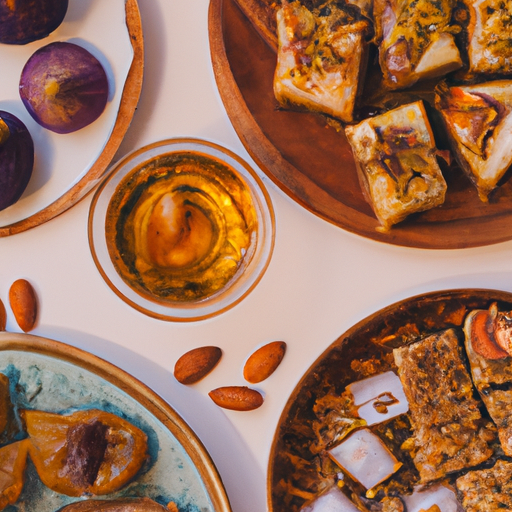
The first and most common sweet treat in the Mediterranean diet is fresh fruit. Pomegranates, figs, oranges, and dates are all staples in the Mediterranean region and are enjoyed as sweet treats after meals.

Greek Yogurt and Honey: A Classic Combo

Greek yogurt drizzled with honey is another classic dessert often enjoyed in the Mediterranean diet. This combination not only satisfies a sweet tooth, but also offers protein and probiotics, aiding digestion and overall health.

Baklava: A Famous Mediterranean Dessert

Baklava is famous for good reason. This Mediterranean dessert, filled with nuts and covered in honey syrup, is another option when you’re craving something sweet.

Fig and Almond Cake: A Healthy Indulgence

Fig and almond cake is a wonderful healthy indulgence. Figs are naturally sweet, so little extra sugar is needed, and almonds provide a heart-healthy source of fat and protein.

What Sweets Can You Eat On A Mediterranean Diet?

Mediterranean Diet and Dark Chocolate

Health Benefits of Dark Chocolate

Dark chocolate, especially varieties high in cocoa, is rich in antioxidants and has been linked with heart health benefits.

How Dark Chocolate Mixes with the Mediterranean Diet

Dark chocolate can be a part of the Mediterranean diet. Again, moderation is key, but there’s no need to feel guilty about enjoying a square or two of high-quality, dark chocolate.

Balancing Dark Chocolate Consume with Healthy Living

While dark chocolate is an acceptable sweet treat in the Mediterranean Diet, it’s important to balance its intake with other healthy habits like regular exercise.

Using Natural Sweeteners in Mediterranean Desserts

Types of Natural Sweeteners Used in the Mediterranean Diet

Natural sweeteners like honey, dates, and figs are often used as sweeteners in the Mediterranean diet.

Health Advantages of Natural over Processed Sugars

Natural sugars come with fiber, enzymes, vitamins, minerals, and antioxidants whereas processed sugars are devoid of these benefits. Natural sugars release energy slowly into the bloodstream, helping you maintain a steady blood sugar level.

Incorporating Natural Sweeteners into Your Desserts

Replacing processed sugars with natural sweeteners in your desserts can be one way of transitioning towards a Mediterranean lifestyle.

Healthy Baking in the Mediterranean Diet

Focusing on Whole Grains and Nuts

Whole grains and nuts are the essence of Mediterranean baking. They provide essential nutrients and help to maintain good health.

Benefits of Olive Oil in Baking

Olive oil can be a healthier substitute for butter or margarine when baking. It imparts a wonderful flavor and keeps baked goods moist

Healthy Baking Recipes to Try

There are plenty of delicious, healthy baking recipes that you can try which align with the Mediterranean diet. From olive oil cakes to almond cookies, satisfying your sweet tooth can be healthy and enjoyable.

Mediterranean Diet as a Family Affair

Why the Mediterranean Diet is Perfect for Families

The Mediterranean Diet is not just an eating plan; it’s a lifestyle that encourages slowing down and savoring meals with family. Sharing meals enhances kinship, which is much needed in today’s fast-paced world.

Creating Healthy Snacks and Sweets for Your Children

Incorporating healthy snacks and sweets into your children’s diet can benefit their health and development. It also sets the stage for them to adopt healthier eating habits as they grow.

Promoting Active and Healthy Living at Home

A healthy diet is most effective when paired with an active lifestyle. Encourage physical activities and healthier meal choices at home so that the entire family reaps the benefits of the Mediterranean diet.

Incorporating Mediterranean Sweets into Your Everyday Life

Creating a Balanced Daily Diet

It’s all about achieving a healthy balance in your day-to-day life. Include fruits, vegetables, lean proteins, healthy fats, and yes, even sweets, to create a wholesome, balanced diet.

Choosing the Right Time to Indulge

It’s important to plan when you’re going to indulge your sweet tooth to avoid overindulgence. Having your treat as a post-meal dessert can help satisfy your sweet craving while keeping your daily food intake balanced.

Maintaining a Healthy Relationship with Food

It’s crucial to foster a healthy relationship with food where no food groups are demonized, and sweets can be enjoyed without feelings of guilt.

Top Tips to Keep Your Sweet Tooth Satisfied in the Mediterranean Way

Choosing Quality over Quantity

Opt for quality sweets rather than large quantities of lower-quality treats. High-quality dark chocolate, a well-made baklava, or a perfectly ripe piece of fruit can often hit the sweet spot in a way a large quantity of sugar-filled candies cannot.

Appreciating the Natural Sweetness of Food

Learn to appreciate the natural sweetness found in foods. This will help you decrease your dependency on added sugars and instead enjoy the natural sugars found in fruits and other components of the Mediterranean diet.

Innovative Mediterranean Dessert Recipes to Try

Look for innovative ways to satisfy your sweet tooth while staying within the Mediterranean diet framework. There are several recipes available that combine interesting ingredients and flavors, keeping your dessert game exciting.

Conclusion

Embracing the Health and Flavors of the Mediterranean Diet

So, there it is. Adopting the Mediterranean diet is not just about eating specific food groups; it’s about embracing a lifestyle of healthy eating patterns and physical activity. It’s a diet that is easy to adhere to, is satisfying, and grants plenty of delicious options.

The Role of Sweets in a Healthy, Balanced Lifestyle

Sweets play a role in the Mediterranean diet, just like all other foods. They are meant to be enjoyed, savored, and shared. However, the focus should be on natural sugars, utilizing fruits, and using natural sweeteners such as honey.

Living the Mediterranean way means enjoying quality food, including sweets, maintaining a balanced approach to eating, staying active, and most importantly, sharing this journey with the ones you love. When adopting this lifestyle, you won’t feel deprived but rather enriched with a wealth of flavors, a sense of satisfaction, and overall improved health.

July 31, 2023 Health & Fitness

What Is The Best Yogurt To Eat On The Mediterranean Diet?

Have you ever wondered what the best yogurt might be to eat while enjoying the Mediterranean Diet? It’s a great question, especially considering that yogurt is a staple in many Mediterranean recipes. It’s not just about the flavor, but also about those beneficial probiotics and the protein that keeps you feeling satisfied.

Trust us, by delving deeper into this article, you’ll learn more about the most suitable yogurt for the Mediterranean Diet. Our site founder, JD, has carefully researched and crafted this guide with the goal of helping you better understand not only how yogurt fits into this diet, but how it can contribute to your overall health. Just as he aims to share delicious, healthful food with his own family, JD is thrilled to share this knowledge with you and yours. So, buckle up and get ready for a refreshing tour of the best yogurts for your Mediterranean journey!

What Is The Best Yogurt To Eat On The Mediterranean Diet?

Understanding the Mediterranean Diet

Fundamental principles of the Mediterranean diet

The Mediterranean diet is a way of eating inspired by the traditional cuisine of countries around the Mediterranean Sea. It emphasizes the consumption of fresh, whole foods such as fruits and vegetables, whole grains, legumes, fish, and olive oil — staples of the region’s diet. The Mediterranean diet encourages you to savor the broad, delectable array of colorful plant-based foods with an emphasis on foods that have not only great taste but also fantastic health benefits.

Why the Mediterranean diet is considered healthy

The Mediterranean diet is considered one of the healthiest diets globally for many reasons. It’s a balanced diet rich in fiber, healthy fats, and antioxidants, linked to reduced risks of heart disease, cancer, Parkinson’s disease, and Alzheimer’s. Furthermore, it promotes long-term weight loss and management.

Role of dairy products in the Mediterranean diet

Though not as heavily consumed as fruits, vegetables, and legumes, dairy products play an important role in the Mediterranean diet. A moderate amount of cheese and yogurt are often part of daily meals, providing essential calcium and probiotics that are key to maintaining good health.

Introducing Yogurt in the Mediterranean Diet

Importance of yogurt in the Mediterranean diet

Yogurt is a cornerstone in Mediterranean eating. It’s a source of probiotics, which are essential for healthy digestion, and it also provides an excellent protein source. Eating yogurt regularly can also prevent nutrient deficiencies.

How yogurt supports the health benefits of the Mediterranean diet

Yogurt’s nutrients align perfectly with the Mediterranean diet’s health goals. The protein and calcium in yogurt could help in weight management and bone health, respectively. Probiotics support gut health while potentially lowering the risk of chronic diseases.

Yogurt: More Than Just a Dairy Product

Nutritional values of yogurt

Beyond being a good source of protein and calcium, yogurt is packed with vitamins and minerals. It contains essential nutrients such as vitamin B12, riboflavin, phosphorus, and magnesium. Many types of yogurt are also fortified with vitamin D.

Health benefits of regular yogurt consumption

Eating yogurt regularly may reduce the risk of heart disease and osteoporosis, help you manage your weight, and promote better digestion, thanks to the probiotics.

What Is The Best Yogurt To Eat On The Mediterranean Diet?

Choosing the Right Yogurt

Deciphering yogurt labels

While selecting yogurt, pay attention to the product’s nutritional content. Ensure it has a low sugar content and is high in protein. Look for yogurts with live and active cultures for added probiotic benefits.

Factors to consider while selecting yogurts

Choose natural, unsweetened yogurt whenever possible. You should also know how to differentiate between the many types of yogurt available in the market, such as regular yogurt, Greek yogurt, and flavored yogurt.

Different Types of Yogurt

Regular yogurt vs Greek yogurt

Greek yogurt is similar to regular yogurt but has been strained to remove liquid whey, resulting in a thicker, creamier yogurt with higher protein content and lower sugar content than regular yogurt.

Plain yogurt vs flavored yogurt

Flavored yogurts can be high in sugar, so try to choose plain yogurt whenever possible. You can add your own fruits and sweeteners if necessary.

Non-dairy yogurt options

For those who are lactose intolerant or choose to follow a vegan diet, non-dairy yogurts made from almonds, coconuts, or other plant sources could be an alternative.

Greek Yogurt: The Ideal Choice in the Mediterranean Diet

What makes Greek yogurt unique

Greek yogurt stands out due to its rich and creamy texture and its high protein content. It also has less sugar than regular yogurt. All these factors contribute to Greek yogurt’s versatility and health benefits, making it the ideal choice for the Mediterranean diet.

How Greek yogurt enhances the Mediterranean diet

Greek yogurt not only satisfies hunger due to its high protein content but also adds a creamy texture to dishes without adding unhealthy fats. It can replace less healthy ingredients in many recipes, supporting the practices and health goals of the Mediterranean diet.

Incorporating Yogurt into the Daily Diet

Tips for eating yogurt in a Mediterranean style

You can enjoy Greek yogurt at breakfast mixed with nuts, honey, and fresh fruits, or use it as a base for smoothies. At lunch, it could serve as a creamy dressing for salads. For dinner, it can be used to thicken sauces or in place of sour cream or mayonnaise.

Recipes incorporating yogurt in the Mediterranean diet

Including yogurt in Mediterranean recipes isn’t difficult. You can make tzatziki, a traditional Greek sauce made with yogurt, cucumbers, garlic, and herbs. You can also try shakshuka with Greek yogurt or yogurt-marinated chicken skewers.

Frequently Asked Questions

Can I eat yogurt every day on the Mediterranean diet?

Yes, you can eat yogurt every day on the Mediterranean diet. It’s a great source of nutrients and can help keep you satisfied because of its protein content.

What if I’m lactose intolerant, can I still have yogurt in the Mediterranean diet?

Some people with lactose intolerance may tolerate yogurt better than other dairy products because it contains less lactose. However, non-dairy yogurts can also be a part of the diet.

Lesser-Known Facts About Yogurt and the Mediterranean Diet

Tradition of yogurt in the Mediterranean region

In ancient times, yogurt was a method for preserving milk. Today, it’s a celebrated staple in many dishes throughout the Mediterranean region.

Uncommon ways of using yogurt in dishes

Yogurt can be used in unique ways — as a marinade for chicken; blended into soups, sauces, and dressings; or even as a substitute for cream or sour cream.

Conclusion

Revisiting the question: Which is the best yogurt for the Mediterranean diet?

Greek yogurt is likely the best choice thanks to its high protein content, versatile texture, and reduced sugar compared to other options.

Final thoughts on yogurt and the Mediterranean diet

In conclusion, yogurt, especially Greek yogurt, can play a significant role in enhancing your experiences within the Mediterranean diet. It offers a wide range of benefits, from utility in various dishes to extensive health advantages, making it a true culinary champion of the Mediterranean lifestyle. As you share a meal with your family, remember that riding the wave of the Mediterranean diet is not merely about eating but also about nourishing both your body and relationship with your loved ones. Let the journey of health, of wholeness, and of sustainability through the Mediterranean diet continue with the simple addition of yogurt. Enjoy the journey!

  • « Go to Previous Page
  • Go to page 1
  • Interim pages omitted …
  • Go to page 60
  • Go to page 61
  • Go to page 62
  • Go to page 63
  • Go to page 64
  • Go to Next Page »

Primary Sidebar

Hey y’all!

Hello and welcome to MediterraneanDietRecipes.net My name is JD, and I’m a 46-year-old father of three amazing children. My family is my world, and my main goal in life is to stay healthy and live long enough to see my children grow up, have children of their own, and to be an active, engaged, and supportive grandparent.

Being an older father, I understand that time is precious, and I want to make the most of it by ensuring that I am in the best possible shape physically, mentally, and emotionally. My journey started with a deep dive into the research on longevity and the lifestyle choices that can help me achieve my goals. Dig deeper →

Footer

Stay Connected

  • Bloglovin
  • Facebook
  • Instagram
  • Pinterest
  • Twitter

Copyright © 2026 · MEDITERRANEAN DIET RECIPES