• Skip to primary navigation
  • Skip to main content
  • Skip to primary sidebar
  • Skip to footer
  • Home
  • About
  • Recipes
  • Blog

Mediterranean Diet Recipes

Home » Blog

Blog

July 31, 2023 Health & Nutrition

Can I Eat Ice Cream On The Mediterranean Diet?

Are you wondering, “Can I eat ice cream on the Mediterranean diet?” It’s a common question, considering how much we all love a cold, sweet treat. We’re all about balance and finding ways to incorporate our favorite foods without throwing our diet off track. The Mediterranean diet is no exception and there are ways to keep enjoying your beloved scoop of ice cream.

In the article ahead, we’re going to delve deeper into this topic. Get ready because we’re about to embark on a tasty journey that will explain how you can still enjoy ice cream while adhering to the Mediterranean diet. We’ll share tips on the types of ice cream that are more in line with this eating plan and possibly introduce you to some new favorites. As always, our goal is to help you maintain a healthy lifestyle without sacrificing the joy of sharing high-quality food with your family.

Can I Eat Ice Cream On The Mediterranean Diet?

Understanding the Mediterranean Diet

Defining the Mediterranean Diet

The Mediterranean Diet is a food consumption pattern that originated in the Mediterranean region, including Greece, Southern Italy, and Spain. It is not a strict diet that restricts specific foods, but rather an ethos of eating built around high-quality, nutritious foods, with an emphasis on fruits, vegetables, whole grains, olive oil, and lean proteins like fish.

Key Attributes of the Mediterranean Diet

The Mediterranean Diet emphasizes eating primarily plant-based foods, using herbs and spices instead of salt, and consuming red meat sparingly. Regular exercise forms a part of this lifestyle too, getting you off your exercise mat and into a vibrant, healthy life.

Health Benefits of the Mediterranean Diet

There are numerous health benefits associated with this diet, including reduced risks of heart disease, diabetes, and certain types of cancers. It also helps in improving digestive health and maintaining a healthy weight.

Component of the Mediterranean Diet

Understanding Macronutrients

The Mediterranean Diet focuses on achieving a balanced intake of macronutrients, which include proteins, carbohydrates, and fats. These are crucial for your body’s daily functioning and maintaining good health.

Role of Fruits and Vegetables

Fruits and vegetables are the cornerstone of this diet, packed with vitamins, minerals, fiber, and antioxidants.

Importance of Whole Grains

Whole grains also form a big part of this eating plan. They provide essential nutrients like fiber and B vitamins and help keep you feeling full, thereby preventing overeating.

The Place of Meat in the Diet

While the diet doesn’t exclude any food group, it encourages more of seafood and poultry and less of red meat, which should be eaten sparingly.

Navigating the Mediterranean Diet Pyramid

How the Pyramid Guides Food Choices

The Mediterranean Diet Pyramid acts as a guide, showing how often you should eat certain food groups. At the base of the pyramid are fruits, vegetables, whole grains, beans, nuts, legumes, seeds, herbs and spices, and olive oil.

The Critical Position of Sweets

Sweets, including ice cream, are at the very top of the pyramid, which means they should be eaten less frequently.

Can I Eat Ice Cream On The Mediterranean Diet?

Understanding Ice Cream and Its Nutritional Content

Overview of Ice Cream Making Process

Ice cream involves mixing cream, sugar, and flavorings, followed by a churning process to incorporate air and prevent ice crystals from forming.

The Nutritional Breakdown of Ice Cream

While it’s a delightful treat, ice cream is usually high in sugar and fat, making it a less healthy option.

Ice Cream within the Mediterranean Diet’s Guidelines

So, can you eat ice cream on the Mediterranean Diet? Yes, you can, but with some considerations.

Considering Portion Sizes

Portion control is crucial – a small scoop can fit into the diet occasionally.

Impact of Frequency on Diet Effectiveness

The less frequent your indulgences, the more effective this consuming strategy will be.

Finding the Balance in Indulgences

Framing Indulgence from a Mediterranean Perspective

The Mediterranean diet doesn’t say “no” to your favorite treats completely – instead, it encourages a balanced consumption.

Choosing Healthier Ice Cream Alternatives

Consider healthier alternatives of ice cream with lower sugar and fat content. Even better, make homemade ice cream using fruits and yogurt.

Connecting High Quality Food with Family Time

Incorporating Ice Cream into Family Activities

Whether it’s eating a small bowl of your homemade ice cream or sitting down to a Mediterranean-style meal, the focus remains on bringing family together through healthy, quality food.

The Mediterranean Diet as a Family Lifestyle Change

The Mediterranean diet is more than a diet, it’s a lifestyle that encourages healthy eating habits, regular physical activity, and importantly, sharing meals with family.

Long Term Commitment to the Mediterranean Diet

JD’s Personal Experience & Involvement

As a married father of three, JD has adopted the Mediterranean lifestyle himself and can vouch for its numerous benefits.

Success Stories on Health Maintenance

The Mediterranean lifestyle has aided JD, and countless others, in maintaining health, reducing risk of chronic diseases, and leading a vibrant life.

Additional Resources to Succeed on the Mediterranean Diet

Where to Find Mediterranean Diet Recipes

JD’s blog, www.mediterraneandietrecipes.net, is a great resource for Mediterranean recipes and personal health stories.

Access to Social Support Groups

Online communities and forums can provide you with encouragement, support, and ideas as you begin or continue your journey with the Mediterranean lifestyle.

Conclusion

Summary of Key Points

Eating healthily doesn’t mean saying “no” to all your favorite foods – it’s about balance and moderation.

Encouragement for Personal Health Journey

Your journey to better health doesn’t have to be difficult or tasteless. Explore the Mediterranean Diet, enjoy nutritious foods with your family, and yes, have that scoop of ice cream occasionally! Be patient and persistent, for success takes time. Remember, it’s a lifestyle, not a diet.
July 31, 2023 Health & Nutrition

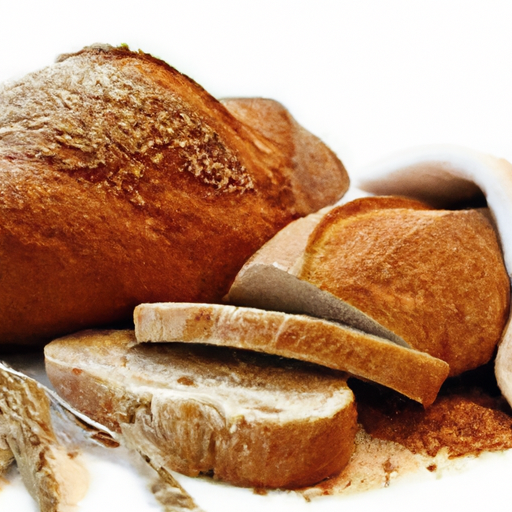
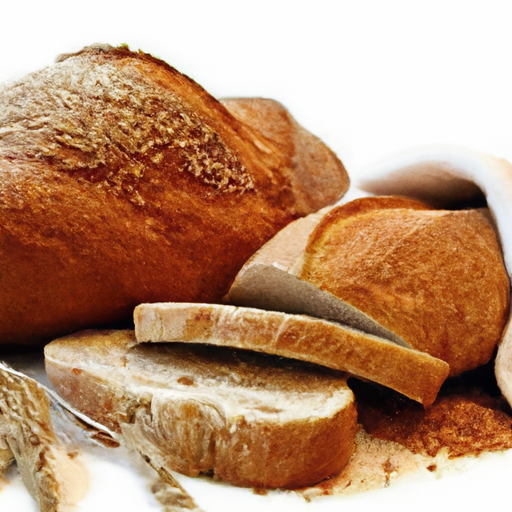
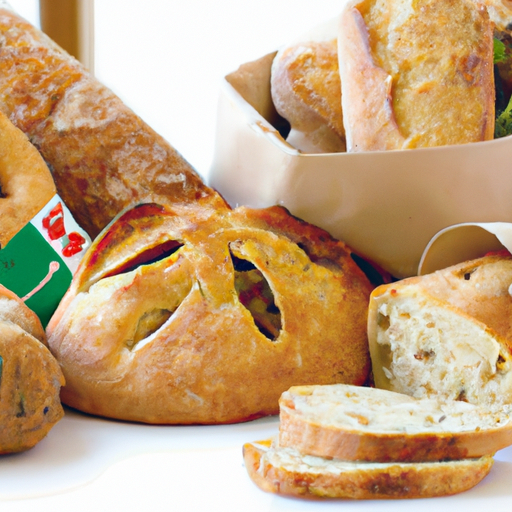
What Kind Of Bread Is Good For Mediterranean Diet?

So, you’re thinking about diving into the Mediterranean diet and wondering, “What kind of bread is good for Mediterranean diet?” Great question! Bread forms an integral part of Mediterranean cuisine, but not just any bread will do.

In the article, you’re about to read, this question will be comprehensively answered. JD, the author, and a devoted father of three, who is passionate about his family’s health and wellbeing, dives deep into the subject. Always on the lookout for meals that are tasty, healthy and that foster family bonding, JD shares his extensive research on Mediterranean diet-friendly bread. He enriches the article with his personal experiences, making it both informative and relatable. So prepare to delve into the wonderful world of Mediterranean bread, where health meets taste in the most delightful way.

What Kind Of Bread Is Good For Mediterranean Diet?

Understanding the Mediterranean Diet

The Mediterranean Diet is a style of eating based on the traditional cuisines of countries bordering the Mediterranean Sea. It is now popular worldwide for its potential health benefits and the appealing variety of foods it entails. JD, a father who aspires to share healthy eating habits with his family and live a long and active life, has been particularly drawn to this diet.

Key Principles of the Mediterranean Diet

The Mediterranean Diet base is primarily comprised of plant-based foods like fruits, vegetables, nuts, legumes, whole grains, as well as olive oil. Fish, poultry, and dairy are consumed moderately, while red meat and sugar have limited consumption. A minimal amount of red wine is also a part of the diet, along with plenty of water.

Health Benefits Associated with the Mediterranean Diet

Many studies link the Mediterranean Diet to various health benefits. It reduces the risk of heart diseases and lowers bad cholesterol levels. It might also reduce the risk of Parkinson’s and Alzheimer’s diseases and can help you live a longer life.

Role of Bread in the Mediterranean Diet

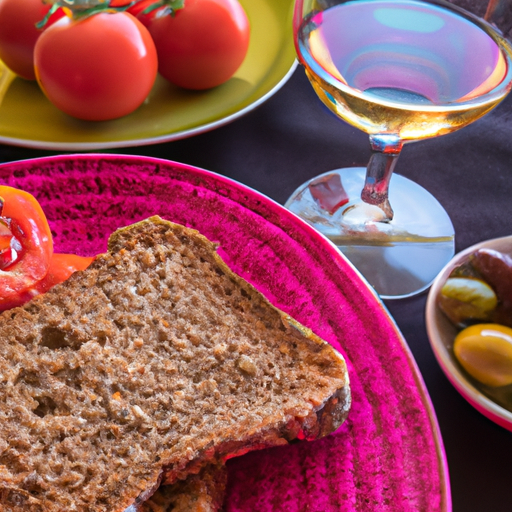
Bread plays a vital role in the Mediterranean Diet. Bread, particularly whole grain kinds, is high in fiber, making it an essential part of most meals.

The Importance of Whole Grains

Whole grains contain all parts of the grain: the bran, the germ, and the endosperm. While refined grains only incorporate the endosperm, whole grains provide more fiber and other nutrients, keeping you full and satisfied.

Why Refined Grains Should Be Limited

In contrast, refined grains like white bread or pasta do not contain the entire grain, which means fewer nutrients and fiber. This is why they play a lesser role in the Mediterranean Diet.

Selecting the Right Bread for the Mediterranean Diet

When choosing bread, it’s best to lean towards whole grain types and limit bread with refined grains.

Qualities to Look for in Bread

Look for bread that lists whole grain as the first ingredient, and ensure it is free from artificial preservatives and sweeteners. You should also check the fiber content. The more fiber a bread has, the healthier it generally is.

Understanding the Nutritional Labels

Understanding food labels can be daunting, but it’s key in making healthier choices. Look for fiber, protein, and the percentage of whole grain. Also, look at the ingredient list to ensure it doesn’t include unhealthy additives.

What Kind Of Bread Is Good For Mediterranean Diet?

Whole Grain Bread in the Mediterranean Diet

Whole grain bread perfectly aligns with the Mediterranean style of eating. It’s rich in fiber, which gives you a satiated feeling and is also beneficial for your digestion.

Source of Whole Grains in Bread

There are different types of grains you can find in bread, including whole wheat, brown rice, barley, and oats.

Benefits of Consuming Whole Grain Bread

Whole grain bread can lower the risk of heart disease, type 2 diabetes, obesity, and certain types of cancer. Eating whole grain bread can also improve digestive health by promoting regular bowel movements and the growth of healthy bacteria in the colon.

Sourdough Bread in the Mediterranean Diet

Another bread that fits well within the Mediterranean diet is sourdough.

Unique Features of Sourdough Bread

Sourdough bread is made through fermentation, which gives it a distinct taste and health benefits. Also, sourdough bread usually has fewer ingredients compared to other bread, often only containing flour, water, and salt.

Advantages of Integrating Sourdough into Your Diet

Sourdough bread’s fermentation process can make it easier to digest. It has a relatively low glycemic index, meaning it doesn’t cause a rapid rise in blood sugar levels like other types of bread.

Ezekiel Bread in the Mediterranean Diet

Ezekiel bread, named after a Bible verse, is another excellent choice for the Mediterranean Diet.

What Makes Ezekiel Bread Beneficial

It’s made of various whole grains and legumes, including wheat, barley, millet, spelt, soybeans, and lentils. All these ingredients are organically grown and sprouted.

How to Incorporate Ezekiel Bread into the Mediterranean Diet

You can use Ezekiel bread as you would any other bread type—making sandwiches, toast, or even tasty French toast.

Healthy Recipes Using Mediterranean Diet-friendly Breads

Creating a Mediterranean Style Sandwich with Whole Grain Bread

Whole grain bread, filled with lean protein like turkey or chicken, fresh veggies such as lettuce, tomato, cucumber, and a drizzle of olive oil or hummus, is an excellent idea for lunch.

Making a Tasty Bruschetta with Sourdough Bread

Sourdough bruschetta topped with fresh tomato, garlic, basil, and a drizzle of high-quality extra virgin olive oil can be an appetizing and nutritious snack or even a light dinner.

Ezekiel Bread Topped with Avocado and Tomato

A slice of Ezekiel bread topped with creamy avocado, fresh tomato slices, salt, and pepper makes for an easy, nutritious breakfast or snack.

Involving the Family in the Mediterranean Diet

Teaching Healthy Eating Habits to Children

By involving your children in meal planning and preparation, they’ll see that healthy food can be delicious too. Feed them whole grain bread, or better yet, show them how to prepare their own nutritious sandwiches.

Sharing High-Quality Food with Family

At the end of the day, food is all about bringing people together. By sharing a meal with your loved ones, you’re sharing an appreciation of high-quality, nutritious food that nourishes both your bodies and your relationships.

The Mediterranean Diet for Long Term Health

Maintaining a Healthy Lifestyle for Life

The Mediterranean Diet isn’t just about specific foods; it’s about a lifestyle that encourages exercise, enjoying meals with others, and appreciating the process of preparing food.

Future Health Benefits for Children

Teaching children the value of a healthy diet will benefit them throughout their lives, leading to a reduced risk of chronic diseases, improved mental health, and increased life expectancy.

Conclusion

Why Bread is a Pivotal Part of the Mediterranean Diet

Bread, especially when it’s whole grain like sourdough or Ezekiel bread, is a major part but not the only element of the Mediterranean Diet. It’s all about balance.

Choosing the Right Bread for Health and Enjoyment

Choosing the right bread is a crucial part of enjoying your meals and maintaining your health. By understanding the different types of bread and their health benefits, you can create satisfying and healthy dishes that you and your family will love.

Dive into the Mediterranean lifestyle, savor each bite, and enjoy the journey to long-lasting health and wellness.

July 31, 2023 Diet and Nutrition

Is White Flour Allowed On Mediterranean Diet?

Curious about the place of white flour in the Mediterranean diet? It’s quite a common question and we’re here to unravel this for you. Understanding what you can and can’t include in your diet is crucial to experiencing its full health benefits, and that’s exactly what we’re going to clarify.

Peeking into the dietary guidelines can seem a bit challenging but don’t worry, we’ve got your back! As we delve deep into this article, you’ll acquire valuable insights into whether white flour has earned a seat at the table in the Mediterranean diet. Remember, consuming quality food not only nourishes you but also cultivates memorable experiences with your loved ones around the dining table. So, stick around and let’s unravel the Mediterranean diet together!

Is White Flour Allowed On Mediterranean Diet?

Understanding the Mediterranean Diet

The Mediterranean diet is widely celebrated for its health benefits and amazing taste. At its heart, it emphasizes whole foods, healthy fats, and moderation in all things.

Core principles of the Mediterranean Diet

As you embark on your journey to adopt this eating style, make sure to grasp its principles. These include high intake of fruits, vegetables, legumes, and healthy fats. Fish and poultry are recommended in moderate amounts, while red meat is infrequently consumed. And yes, there’s a little room for some wine and sweet treats, too.

Primary food items in the Mediterranean diet

In this diet, fresh and local ingredients are king. Expect an array of fruits, vegetables, whole grains, legumes, fish, lean meat, cheese, and some eggs. It’s a pictorial palette of vibrant and natural earthy hues that captivates all senses.

The Role of Grains in the Mediterranean Diet

Importance of whole grains

Whole grains play a crucial role within the Mediterranean diet menu. Not only do they provide a wealth of nutrients, but their fiber content contributes to fullness, helping to regulate weight.

Typical grain-based foods in the Mediterranean diet

The Mediterranean diet is famous for its grilled vegetables, fresh salads, hummus, and hearty whole grain breads. But let’s not forget about couscous, quinoa, and other grain-based meals that feature prominently in this eating style.

White Flour Vs Whole Grains

Nutritional differences

Though white flour comes from the same wheat as whole grains, the processing it undergoes strips it of most nutrients and fiber. On the other hand, whole grains are rich in fiber, vitamins, and minerals.

Health implications of consuming white vs whole grains

The consumption of white flour can lead to rapid spikes in blood sugar that may over time develop into serious health problems like obesity and diabetes. Whole grains have a gentler effect on blood sugar and are linked to a lower risk of heart disease and other chronic conditions.

Is White Flour Allowed On Mediterranean Diet?

The Place of White Flour in the Mediterranean Diet

Frequency of use

While white flour is not a centrepiece of the Mediterranean diet, it has its place. After all, some beloved Mediterranean foods, like pasta and traditional breads, are made with white flour.

Alternatives to white flour within the Mediterranean diet

As the Mediterranean diet advocates for whole foods, whole wheat flour is a great alternative to white flour as it retains all the nutrients stripped during the refining process of white flour.

Effects of White Flour on Health

Impact of white flour on digestive health

While not as substantial as whole grains, even white flour can contribute to digestive health. However its low fiber content may not provide the satiety you need to prevent overeating, so moderation is key.

Possibility of white flour causing weight gain

As white flour can rapidly spike blood sugar levels leading to hunger pangs, it may contribute to potential weight gain if consumed in large quantities, especially if combined with fatty or sugary foods.

Healthy Alternatives to White Flour in the Mediterranean Diet

Exploring whole grain options

Whole grain options such as barley, brown rice, and bulgur wheat can replace white flour in many meals. They bring along their fiber content, keeping you fuller and energized for longer periods.

Incorporating other flour substitutes

Perhaps you’re pursuing a gluten-free diet? The Mediterranean menu does cater to you! almond flour, chickpea flour, and other alternatives are widely accepted within this eating style.

Balancing Tradition and Health in the Mediterranean Diet

Harmonizing cultural food habits and health needs

It’s possible to hold onto your cherished culinary traditions while also considering your health. Small modifications to your recipes can enrich their nutritional value, while keeping the original flavors intact.

Adapting traditional recipes to meet dietary guidelines

JD, creator of www.mediterraneandietrecipes.net, has personally enjoyed updating his family’s traditional recipes to meet dietary guidelines, without sacrificing taste or enjoyment.

The Social Aspect of the Mediterranean Diet

Sharing meals with family

Nothing encapsulates the Mediterranean diet better than the love for sharing nutritious homemade meals with family. It’s not just about the food itself, but about the bond that is formed around the dinner table.

The joy of preparing meals together

Part of this tradition lies in the joy of preparing meals together. When you get hands-on with your food, not only do you better understand what you consume, but you share a deeper connection with the loved ones around you.

Personalizing the Mediterranean Diet

JD’s personal journey with the Mediterranean diet

Owner of the website and married father of three, JD adopted this lifestyle aiming to maintain his long-term health to actively participate in his children’s lives. He values the dietary flexibility and lifestyle practices like family meals that the Mediterranean diet promotes.

How JD incorporates white flour and its alternatives into his family’s meals

JD and his family enjoy white flour in moderation, appreciating traditional pasta dishes. But many times, they prefer whole grain alternatives or newer options such as almond flour that add a twist to their meals.

Conclusion: Is White Flour Allowed on a Mediterranean Diet?

Short answer

Yes, it is. However, white flour is consumed modestly within the Mediterranean diet, given its nutritional difference from whole grains.

Tips for a healthy balance

Striking a balance is the key here: enjoy your pasta, but then, maybe opt for whole grain bread. Above all, stay active, share food with loved ones, and above all, enjoy the journey towards health and happiness the Mediterranean way!

July 31, 2023 Food & Health

Is Pizza On Mediterranean Diet?

So, you’re curious if pizza has found its place on the Mediterranean diet, huh? With all that scrumptious cheese, mouth-watering tomato sauce, and fluffy crust, one can only hope. JD, a health-conscious father of three, shares your curiosity too. He, like many of us, enjoys a good slice of pizza every now and again, but wants to ensure that his indulgences align with his lifestyle commitment to the Mediterranean diet.

To find out the answer to this delicious dilemma, get ready to dive into our upcoming article. JD will explore this topic in detail, sharing his findings based on thorough research and credible sources. By doing so, he seeks to shed light on how a beloved comfort food like pizza, can or cannot fit into the healthful framework of the Mediterranean diet. After all, enjoying good quality food with family should never equate to compromising one’s health. Stay tuned and prepare to elevate your knowledge on the Mediterranean diet and its relationship with everyone’s favorite guilty pleasure: pizza.

Is Pizza On Mediterranean Diet?

Understanding the Mediterranean Diet

The Mediterranean Diet is a way of eating that mimics the traditional cuisine of countries bordering the Mediterranean Sea. It’s not just a diet; it’s a long-term lifestyle change that has been endorsed for its numerous health benefits. But, is popular food like pizza on Mediterranean diet? Let’s find out.

Key Components of the Mediterranean Diet

At its core, the Mediterranean diet is rich in fruits, vegetables, legumes, whole grains, and healthy fats like olive oil. It encourages lean proteins from fish and poultry, but limits red meat. Importantly, this diet favours quality over quantity, encouraging fresh, locally sourced produce whenever possible.

Health Benefits of the Mediterranean Diet

The Mediterranean diet has been linked to a myriad of health benefits, including heart health, reduced risk of cancer, support for brain health and longevity, and even protection against diabetes.

Common Foods in the Mediterranean Diet

Foods commonly enjoyed in the Mediterranean Diet include fruits, vegetables, wholegrains, nuts, seeds, legumes, seafood, olive oil, and moderate amounts of dairy, poultry, and eggs. Beyond the food, this diet also encourages regular physical activity and enjoying meals with others – as fit as any family gathering!

Pizza and the Mediterranean Diet

You might be wondering – can pizza, the much adored global phenomenon, fit into the Mediterranean diet? The short answer is ‘yes’! However, there are some key modifications to consider.

Traditional Pizza Vs Mediterranean Diet Pizza

Unlike traditional pizza which often feature nutrient-devoid refined white crusts, heavy cheese and processed meats, a Mediterranean-style pizza emphasizes whole ingredients, fresh vegetables, high-quality lean proteins, and a healthy dose of olive oil.

Selecting Healthy Pizza Options for the Mediterranean Diet

Be mindful of your toppings. Opt for a thin, wholegrain crust, plenty of colourful vegetables, and moderate amounts of low-fat mozzarella. Skip the heavy-sauced, excessively-cheesed varieties for this simpler, cleaner version.

Making Pizza Align with Mediterranean Diet Principles

Crafting a pizza to match the Mediterranean diet principles isn’t hard – use a wholegrain crust, pile on the veggies, choose lean proteins, drizzle with olive oil and limit the cheese. Not only will your pizza be healthier, it will be uniquely flavorful too.

Ingredients of a Healthy Mediterranean Pizza

Choosing the Right Dough

Opt for wholegrain dough – it’s richer in fiber and other nutrients compared with refined white varieties.

Opting for Low-Fat Mozzarella

Choose low-fat mozzarella for your pizza. This cheese provides a good dose of protein and calcium without the high saturated fat content of regular cheese.

Adding Plenty of Vegetables

Pile on an assortment of colourful vegetables for your toppings. From bell peppers to tomatoes to spinach, vegetables add a ton of flavor and nutrition while keeping the calories in check.

Using Healthy Olive Oil

A drizzle of olive oil not only adds an authentic Mediterranean taste but also heaps of heart-healthy monounsaturated fats.

Is Pizza On Mediterranean Diet?

Popular Mediterranean Pizza Recipes

Marinated Vegetable Mediterranean Pizza

A pizza topped with marinated vegetables is a riot of flavors and colors – just what a Mediterranean pizza should be!

Seafood Mediterranean Pizza

A seafood pizza, featuring lean proteins like shrimp or calamari, is a delightful deviation from traditional toppings.

Grilled Chicken and Spinach Mediterranean Pizza

A combination of grilled chicken, and spinach make for a robust and nutritious topping.

Making Pizza a Family Tradition

Cooking Mediterranean Pizza with Your Kids

Pizza-making is a fun and educational hands-on activity to enjoy with your kids. They’ll learn about nutrition and portion control while contributing to a healthy family meal.

Enjoying Pizza Nights as a Family

Pizza nights are a great way to bring the family together in shared cooking and meal times. And healthy pizzas allow you to introduce the benefits of the Mediterranean diet to your loved ones.

Teaching Kids about Healthy Eating Habits

Pizza provides a practical platform for teaching the importance of balanced eating habits to your kids. They’ll learn about the food groups, portion control, and the importance of fresh, whole ingredients towards health.

Eating out and the Mediterranean Diet

Choose Pizzerias that Offer Healthy Options

When eating out, choose pizzerias that offer healthy options. Many places now cater to health-conscious diners, providing options with whole grain dough and fresh toppings.

What to Avoid When Eating Pizza Outside

Avoid deep-fried crusts, heavy cheese, and processed meats. Instead, choose thin crust, more veggies, lean proteins, and light cheese.

The Role of Portion Control

Enjoying Pizza in Moderation

Like all foods, pizza is best enjoyed in moderation. Yes, even the healthiest pizza can add extra calories if not managed.

Understanding Serving Sizes of Pizza

Look for pizzas that are portioned correctly. A rule of thumb is one or two small pieces per person, with a side of fresh salad.

Transforming Traditional Pizza Recipes to Fit the Mediterranean Diet

Substituting Ingredients for a Healthier Pizza

Transform your traditional pizza recipe into a healthier one by switching to whole grain crust, topping with more vegetables and moderating the cheese.

Creating a Balanced Meal around Your Pizza

Make pizza a part of a balanced meal. Serve with a side of green salad or a bowl of vegetable soup to round out the nutrients.

Long Term Sustainability of the Mediterranean Diet

Incorporating Pizza in Your Balanced Diet

By using smart swaps, pizza can fit into your Mediterranean lifestyle. Think of it as a treat to enjoy once in a while, not a meal staple.

Ensuring Overall Diet Quality

Remember that your overall diet quality is what impacts your health, not single meals or foods. The Mediterranean diet shines in this respect, emphasising balance, variety and quality.

Conclusion

Revamping Pizza to Suit the Mediterranean Diet

Pizza can fit into the Mediterranean diet with some creativity and adjustments, giving you a healthier version of a beloved food.

Pizza as a Testament to the Flexibility and Enjoyability of the Mediterranean Diet

Pizza serves as a testament to the flexibility of Mediterranean diet principles. Its integration exemplifies how you don’t have to cut out your favorite foods to eat healthily. After all, healthy eating is not just about self-discipline but also about savouring delicious food and sharing these moments with loved ones.

As you can see, pizza can indeed form part of the Mediterranean Diet – a flavorful and fun part at that. So enjoy pizza – the Mediterranean way!

July 31, 2023 Diet & Nutrition

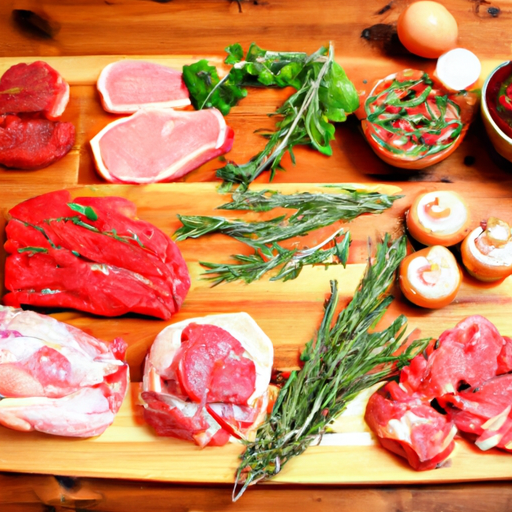
What Meats Can You Eat On The Mediterranean Diet?

I see you’re curious about the Mediterranean diet, specifically, the types of meats acceptable to eat on such a diet. It’s always important to know what you’re putting into your body, especially when you’re considering a new dietary path, right? It’s a commendable choice to be conscious about your health, especially, if you have a family who counts on you.

In this upcoming article, JD, a father of three wonderful kids and the owner of the blog, is going to share his valuable insights on this topic. We’ll dive deep into the world of Mediterranean diet-approved meats and unveil some interesting facts. Remember, JD didn’t decide to follow the Mediterranean lifestyle solely for himself, but also for his family. Sharing high quality, nutritious meals together are important to them. Continue reading and together, let’s explore how the Mediterranean diet can enrich not only your life but also those of your loved ones. Now, let’s get started on revealing those friendly meats, shall we?

What Meats Can You Eat On The Mediterranean Diet?

Understanding the Mediterranean Diet

Before we decipher the types of meats that are permissible in the Mediterranean diet, it is crucial to comprehend the fundamentals of this eating plan.

Principles of Mediterranean Diet

At its core, the Mediterranean diet isn’t just about what you eat but how you approach your meals. Inspired by traditional foods from the Mediterranean countries, this diet places emphasis on consuming plant-based foods like fruits, vegetables, whole grains, legumes, and nuts. It also encourages the replacement of butter with healthy fats like olive oil, the usage of herbs and spices over salt, and limiting red meat.

Why Mediterranean Diet is Essential for a Healthy Lifestyle

Multiple studies have forwarded the Mediterranean Diet as an essential path to a healthy lifestyle. By emphasizing fruits, vegetables, fish, whole grains, and olive oil, you are consuming a diverse range of nutrients that can protect against chronic diseases. Furthermore, sharing high-quality food with loved ones, as is common in this plan, allows for holistic nourishment, a value cherished by every family, including my own.

Eating Meat on the Mediterranean Diet

Now, let’s delve into the concept of meat in the context of the Mediterranean diet.

Role of Meat in the Mediterranean Diet

Contrary to popular belief, meat is not proscribed in the Mediterranean diet but it is consumed in moderation. The diet encourages lean meats, poultry, and fish while limiting the intake of red and processed meats.

How the Mediterranean Diet Differs: Focus on Lean Meats

Unlike many diets that might eliminate meat entirely, the Mediterranean diet focuses on healthy, lean meats, consumed in moderation. These lean meats deliver much-needed protein without any undue fat or cholesterol.

Chicken and Turkey in the Mediterranean diet

Poultry features prominently in the Mediterranean diet in the form of chicken and turkey.

The Health Benefits of Poultry

Poultry, such as chicken and turkey, is lower in saturated fat compared to red meat, providing a healthier alternative for your protein intake. It’s also rich in essential nutrients such as zinc, selenium, and Vitamin B6.

Tasty Mediterranean Recipes with Chicken and Turkey

Mediterranean Chicken Souvlaki and Turkey Koftas are stunningly flavorful recipes that you can include in your meal plan while following a Mediterranean diet.

What Meats Can You Eat On The Mediterranean Diet?

Fish and Seafood in the Mediterranean Diet

Fish and seafood are the main types of meats in this diet due to their richness in Omega-3 fatty acids.

Importance of Seafood for Omega-3

Seafood is an excellent source of omega-3 fatty acids, which have proven benefits for heart and brain health. Including seafood in your meals at least twice a week can substantially benefit your overall health.

Incorporating Fish and Seafood in Your Mediterranean Diet Plan

And it’s not difficult to incorporate more seafood – try recipes like grilled salmon with a side of tabbouleh or a heartwarming seafood paella.

Red Meat in the Mediterranean Diet

While red meat isn’t entirely off the Mediterranean menu, it calls for mindful consumption.

The Lowdown on Red Meat

Red meat, while high in protein, can also come with hefty doses of fat and cholesterol. As such, it should be consumed mindfully and in moderation.

Choosing Leaner Cuts and Consuming in Moderation

Being picky about your cuts and favoring leaner options are small changes that can lead to significant results. And remember—moderation is key.

Alternatives for Meat in the Mediterranean Diet

There’s a whole world beyond meat to explore and incorporate into your meals.

Plant-Based Proteins in Mediterranean Diet

Instead of relying solely on meat for protein, the Mediterranean diet encourages intake from plant-based sources such as legumes and nuts.

Including More Legumes and Nuts in Your Diet

Start including meals with beans, lentils, chickpeas, almonds, or hazelnuts more frequently and you’ll soon discover the enjoyable variety they offer.

Other Protein Rich Foods in the Mediterranean Diet

Other protein-rich foods elements of this diet are dairy and eggs.

Exploring Dairy and Eggs

In the Mediterranean diet, dairy and eggs are used smarter—not harder. Keep yogurt and cheese to small servings and use eggs to supplement, not dominate, your meals.

How to Best Incorporate these Foods in Your Meal Plan

Simple steps, such as using Greek yogurt as a base for dips and sauces, enjoying a small slice of your favorite cheese with fruit, or adding boiled eggs to salads can help you integrate these ingredients smartly.

The Role of Fruits and Vegetables in a Balanced Mediterranean Diet

You cannot overlook the abundance of fruits and vegetables in this nutritious diet.

Importance of Fresh Produce

The Mediterranean diet prioritizes fresh, seasonal fruits and vegetables. These foods not only add vibrant colors to your plate but also provide a wide array of essential nutrients.

Setting up a Colorful Plate

Creating meals with a variety of colorful produce ensures you get a spectrum of different nutrients. Strive to fill half of your plate with fruits and vegetables.

Maintaining a Healthy Lifestyle with the Mediterranean Diet

This lifestyle guide draws an essential connection between diet and overall health.

The Significance of Regular Exercise

Regular exercise is a cornerstone of the Mediterranean lifestyle. Paired aptly with the diet, it can lead to ample health benefits.

Moderation is Key: Incorporating Diet as a Part of Overall Healthy Lifestyle

The Mediterranean diet is all about maintaining balance and moderation. It isn’t just about a list of foods but rather, it’s an approach to eating and living focusing on health and enjoyment in equal measure.

Conclusion: Embrace the Mediterranean Lifestyle

It’s time to embrace the transformative journey of the Mediterranean diet.

Balancing a Variety of Meat Options

By balancing a variety of meat options and shifting focus to abundant fresh produce and wholesome grains, you will not only provide yourself and your family with enjoyable meals but also foster long-term healthiness.

Long Term Health and Well Being for the Family

As a father, I stand by the Mediterranean Diet as it allows me to present my family with meals that are both delicious and healthful. By adopting this lifestyle, you’re investing in long-term health for you and your loved ones. Here’s to many healthy, shared meals around your family table!

July 31, 2023 Health & Fitness

Can You Eat Chicken Everyday On Mediterranean Diet?

So you’re curious about the Mediterranean diet and you find yourself wondering, “Can you eat chicken every day on the Mediterranean diet?” It’s a great question and one that a lot of people are asking as they consider this popular, health-enhancing eating approach. Whether you’re an avowed chicken lover or just looking for ways to add rich protein into your diet, finding out how chicken fits into the Mediterranean diet is important.

Don’t worry, we’ve got you covered. In the following article, we will delve deeper into this question. You’ll learn how chicken can be incorporated into the Mediterranean diet and the potential benefits and drawbacks of consuming it daily. By the end of the article, you’ll have a clearer understanding of your favorite protein’s place in this health-focused diet. And remember, it’s not just about eating healthy but also about sharing high-quality food with the family! JD will be with you every step of the way, supporting your journey to better health and well-being.

Can You Eat Chicken Everyday On Mediterranean Diet?

Understanding the Mediterranean Diet

The Mediterranean Diet, cherished for its tasty flavors and healthful benefits, is not just a diet – it’s a lifestyle. Hailing from the regions around the Mediterranean Sea, it’s been recognized by the World Health Organization as a healthy and sustainable dietary pattern.

Key Principles of the Mediterranean Diet

The Mediterranean Diet emphasizes fresh fruits, vegetables, whole grains, legumes and lean proteins. It is high in healthy fats from olive oil, nuts, and seafood, but limits the intake of red meat, processed foods, and sugar.

The Role of Protein in the Mediterranean Diet

Protein, an essential nutrient, plays a crucial role in this diet. Fish and lean meats, including chicken, eggs, and low-fat dairy, are exemplars among protein sources.

Importance of Variety in the Mediterranean Diet

Vibrant and diverse is the menu on a Mediterranean diet. With a colorful array of skin-boosting vegetables and fruits, heart-healthy grains and fats, and protein-packed poultry, balance and variety play essential roles.

Role of Chicken in the Mediterranean Diet

Chicken is a popular choice among lean meats in the Mediterranean diet. Its versatility calls for many a favorite dish gracing the tables of families adhering to this diet.

Nutritional Value of Chicken

Chicken is rich in proteins, low in fat and devoid of carbohydrates making it a great choice in a balanced diet.

Chicken – A Versatile Protein Source

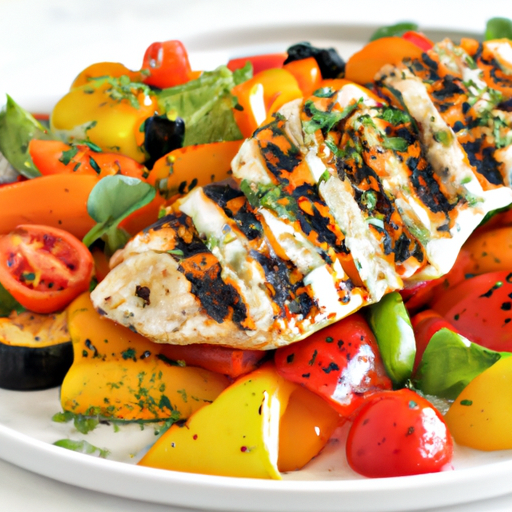
Chicken, available easily and universally, makes for countless tasty dishes. From grilled chicken salads to comforting stews, the culinary possibilities are endless.

Culinary Opportunities with Chicken

There are plenty of ways to cook chicken that adheres to the Mediterranean diet guidelines. Baking, grilling, broiling, or roasting are common methods, often complemented by herbs and spices for robust flavors.

Can You Eat Chicken Everyday on the Mediterranean Diet?

The Mediterranean Diet, while accommodating chicken, favors variety and moderation.

Considering Portion Size

Portion size is crucial in a balanced diet. Around three to four ounces of chicken is an adequate serving size, roughly the size of your palm.

Balancing Chicken with other Protein Sources

While chicken is a praised protein, balanced with fish and plant-based proteins, it contributes towards a varied Mediterranean diet.

Dispelling Myths About Chicken Consumption

No, eating chicken daily won’t make you fat or lead to high cholesterol, provided you opt for lean cuts and employ healthy cooking methods.

Can You Eat Chicken Everyday On Mediterranean Diet?

Benefits of Eating Chicken Regularly in the Mediterranean Diet

Regular consumption of chicken can confer several health benefits.

Boosting Protein Intake

Chicken, being a high protein food, aides muscle growth, boosts immunity, and promotes fullness.

Managing Weight and Building Muscle

Consuming lean protein like chicken can help manage weight and build muscle, especially when paired with regular exercise.

Reducing Risk of Heart Disease

Chicken, being low in saturated fat, can contribute to a reduced risk of heart disease.

Ensuring Sustainable and Ethical Chicken Consumption

The Mediterranean Diet supports sustainability and ethically-sourced foods.

Choosing Organic and/or Free-Range Chicken

Organic and free-range chickens, free from antibiotics and hormones, are favored on a Mediterranean diet.

Understanding the Humanitarian and Environmental Effects of Chicken Production

Sustainable and ethical practices prevent animal cruelty and are kinder to the environment.

Balancing Chicken Intake with Other Foods in the Mediterranean Diet

Alongside chicken, there are vibrant, nutritious foods to include.

Incorporating Fresh Fruits and Vegetables

Fruits and vegetables make the core of the Mediterranean diet, preferably in their natural, unprocessed form.

Balancing with Healthy Fats and Whole Grains

Olive oil, nuts, and seeds provide healthy fats, while whole grains offer dietary fiber and nutrients.

Complementing Chicken with Fish and Plant-Based Proteins

Alternate between chicken, fish, and plant-based proteins for delicious variety.

Delicious Chicken Recipes for the Mediterranean Diet

Whether in salads, whole grain dishes, or soups, chicken fits right in.

Inspiring Chicken Salads

Pair crispy salad leaves with lightly seasoned, grilled chicken for a nourishing feast.

Flavorful Chicken Dishes with Whole Grains

Toss lean chicken pieces with whole grain pasta and drizzle some extra virgin olive oil for a wholesome dinner.

Satisfying Chicken Soups and Stews

Simmer chicken with a bounty of vegetables for a comforting stew or soup.

Impact of the Mediterranean Diet on Family Life and Health

Not just a diet, but a journey shared with your family.

Sharing High Quality Food with Family

The Mediterranean diet encourages shared meals, promoting bonding over nutritious, high-quality food.

Setting a Healthy Example for Children

Introducing this diet to children ensures their well-being and sets an enduring example of healthy eating.

Promoting Family Bonding Through Healthy Eating Habits

Shared cooking responsibilities and mealtimes foster family bonds, gifts from this lifestyle.

The Role of JD in Crafting a Healthy Lifestyle Through the Mediterranean Diet

Here’s where JD’s journey begins.

JD’s Journey Towards a Healthier Lifestyle

JD has embraced the Mediterranean Diet, and with each meal, he takes another step towards longevity and vitality.

Teaching Others About the Benefits of the Mediterranean Diet

Through www.mediterraneandietrecipes.net, JD shares his insights, tips, and recipes to inspire others on their journeys.

Integrating the Mediterranean Diet Into a Family Dynamic

JD’s initiatives towards healthier meals have influenced his family’s eating habits, promoting their well-being all around.

Concluding Thoughts on Chicken in the Mediterranean Diet

Can You Have Too Much of a Good Thing?

While chicken is a nutritious protein source, as with any good thing, moderation is key. Balance it with an array of vegetable, grains, and other proteins.

Balancing Personal Preference with Healthy Eating

The Mediterranean lifestyle aligns healthful eating with flavorful variety, promoting sustainable habits. Enjoy your chicken, enjoy your meals, and cherish the bonds created along the way.

July 31, 2023 Diet & Nutrition

Can You Have Toast On The Mediterranean Diet?

Ever wondered if including toast in your Mediterranean diet is a yes or a no-go? It’s a question that’s been on your mind, right? Seeing a piece of crispy toast popping up from the toaster and spreading your favorite healthy topping on it – isn’t that a delightful thought? Well, let’s clear out your curiosity and dive into this question.

The answer is not as simple as a plain ‘yes’ or ‘no’, but you’ll certainly get clarity as you proceed reading this article. With this piece, you’ll learn about the kind of bread that best fits into the Mediterranean nutritional plan, if it can be toasted, and what to be on the lookout for. Remember, the main goal here is not just living but living healthily and sharing high-quality food with your loved ones. So, pop that toast in the toaster and buckle up for an insightful journey into your Mediterranean diet and toast!

Can You Have Toast On The Mediterranean Diet?

Understanding the Mediterranean Diet

Origins of the Mediterranean Diet

Your exciting journey towards understanding the Mediterranean Diet starts by recognizing its rich history. This diet’s origins trace back to the countries surrounding the Mediterranean Sea, including Greece, Italy and Spain. Adopting this wholesome and flavor-rich eating style means embracing a lifestyle that has thrived for centuries in this bountiful region.

Key Principles of the Mediterranean Diet

The Mediterranean Diet emphasizes three main principles. First, it prioritizes fresh fruits and vegetables, whole grains, legumes, and nuts. Second, it swaps butter for healthy fats like olive oil. Third, it’s all about seasoning meals with herbs and spices instead of salt.

Health Benefits of the Mediterranean Diet

A myriad of health benefits stems from the Mediterranean Diet. It’s not only associated with weight loss, but also with decreased risks of heart disease, cancer, Parkinson’s disease, and Alzheimer’s disease. It truly is a gift that keeps on giving, right?

Busting Myths about the Mediterranean Diet

Common Misconceptions about the Mediterranean Diet

One of the key misconceptions about the Mediterranean Diet is that it’s a strict regimen. People often mislabel it as a no-bread diet, but that’s not accurate.

Facing the Fears: Restrictive or Flexible?

Truth is, this diet is rather flexible. It’s a lifestyle choice, not a temporary fix. To your delight, you shall find that yes, you can have bread (even toast!) on the Mediterranean Diet. Let’s unravel why.

Role of Bread in the Mediterranean Diet

Why Bread is Necessary in the Mediterranean Diet

Bread is a staple in Mediterranean eating. It’s the perfect accompaniment, mopping up that extra lash of olive oil or tomato base in your meal. Whole grains, like those found in many breads, are a key component of this healthy diet.

Healthy Bread Options for the Mediterranean Diet

Choose a whole grain bread, bursting with fiber, vitamins and minerals. Opt for bread with seeds and nuts for an added nutrient punch. Remember, a sprouted grain bread can be a game-changer!

Can You Have Toast On The Mediterranean Diet?

The Place for Toast in the Mediterranean Diet

Can you have Toast on the Mediterranean Diet?

Yes, you certainly can! Imagine, your first meal of the day; topped, toasted slices of whole grain bread.

Choosing the Right Bread for Your Toast

Remember, opting for whole grain bread for your toast is non-negotiable. That golden crunch accompanied by a warm, soft, textured bite is the perfect way to start your Mediterranean day.

What to Top your Toast with for a Mediterranean Twist

Almond butter with a drizzle of honey, mashed avocado with a splash of olive oil, a classic bruschetta. The possibilities are as endless as they are delicious.

Recipes Incorporating Toast in the Mediterranean Lifestyle

Mediterranean-inspired Toast Toppings

Think beyond the traditional. Have you considered hummus and cucumber, or a slice of feta with tomato on your toast? Creativity becomes your healthiest, tastiest ally here.

Creating Balanced Mediterranean Toasted Meals

Besides enjoying toast for breakfast, consider it as appetizing open sandwiches for lunch or dinner. Pair these with a vibrant side salad, and voila!

Alternatives to Toast in the Mediterranean Diet

Grains to Incorporate in the Mediterranean Diet

Don’t confine yourself to just bread. Quinoa, couscous, and bulgur are inviting stars waiting to shine on your Mediterranean palate.

Bread-free Mediterranean Meals

For a bread-free day, consider Mediterranean inspired salads, roasted vegetables with fish, or a hearty lentil stew.

The Importance of High-Quality Food and Family

Sharing Mediterranean Meals with Family

As a father, I find the Mediterranean Diet lets me share high-quality, flavorful meals with my family while sowing enduring healthy habits.

Building Healthier Habits: Mediterranean diet and Family

Involving your kids in preparing your Mediterranean meals could spark their interest and set them on the path towards adopting these healthy habits.

Making your Diet Plan: Practical Tips

Incorporating Mediterranean Diet into your Lifestyle

Start by introducing more vegetables and fruits into your daily meals. Substitute olive oil for butter, opt for whole grains, and choose lean proteins.

Adapting Mediterranean Diet to your Dietary Preferences

This diet is easily adaptable. Whether you’re vegetarian, vegan or gluten-free, there are options galore to champion your dietary needs.

Success Stories: Bread on the Mediterranean Diet

JD’s Personal Experiences with Toast on the Mediterranean Diet

Incorporating toast into my Mediterranean Diet not only diversifies my meals but also adds another delicious, nourishing option that the whole family loves.

Testimonies from Other Mediterranean Dieters

Many other dieters have successfully incorporated toast into their Mediterranean lifestyle and reaped amazing health benefits, consistent with their testimonials.

Conclusion: Enjoying Toast the Mediterranean Way

Overview: The Verdict on Toast in the Mediterranean Diet

So, not only can you have toast on the Mediterranean Diet, but it also can become an integral part of your healthful journey.

Looking to the Future: Continuing your Mediterranean Journey

As we go forward, let’s cherish this Mediterranean journey and continue to celebrate the healthful, delectable delights it brings along, including the humble yet all-too-important toast.

July 31, 2023 Health & Nutrition

Why Is Pita Bread Healthy?

Are you curious about why pita bread is considered a healthy option? Well, if you’ve ever been puzzled by this, you’re not alone! Many people wonder about the health benefits of this popular food staple, especially since it’s so often included in the Mediterranean diet.

In this informative article, you’ll uncover the reasons behind pita bread’s healthy reputation. JD, our resident expert and dedicated father of three, did some extensive research to bring you these insights. He’s passionate about long-term health and the importance of high-quality food for his family and wants to share that passion with you. Look forward to learning more about pita bread, and how incorporating this delectable food into your diet can contribute to your overall well-being!

Why Is Pita Bread Healthy?

Components of Pita Bread

Understanding the Ingredients

When it comes to understanding why pita bread is healthy, one must first know its ingredients. Traditional pita bread comprises simple, wholesome ingredients: high-protein wheat flour, water, yeast, and salt. This elemental combination results in a bread that’s highly nutritional and easily digestible.

Nutritional Breakdown of Pita Bread

An average slice of pita bread contains protein, fiber, and various essential nutrients such as calcium, iron, magnesium, phosphorus, potassium, and B vitamins. It is low in fat and cholesterol, making it a healthier alternative to other bread types.

Health Benefits of Pita Bread

Role in Blood Sugar Control

One of the reasons pita bread is healthy is because it helps control blood sugar. The fiber content slows down carbohydrate digestion and maintains stable blood glucose levels, making pita bread a good culinary choice for those managing diabetes.

Implications for Digestive Health

The fiber present in pita also contributes to solid digestive health. Dietary fiber aids in maintaining regular bowel movements, thereby preventing constipation and promoting a healthy gut.

Promotion of Heart Health

Pita bread is heart-friendly. With significantly lower levels of fat and cholesterol compared to most other breads, it contributes to maintaining a healthy heart.

Contribution to Balanced Diet

Consuming pita bread assists in achieving a balanced diet. It provides necessary carbs for energy, protein for muscle repair, and vital nutrients for overall wellness.

Pita Bread in the Context of the Mediterranean Diet

Position of Pita Bread in Mediterranean Cuisine

Pita bread is a crucial component of Mediterranean cuisine. This tasty carbohydrate is often served with various dishes, such as hummus, falafel, and gyros.

Pairing of Pita Bread with Other Healthy Mediterranean Foods

Dipping pita bread in olive oil, spreading it with tahini, or stuffing it with grilled vegetables, lean proteins, or legumes are delightful ways to combine it with other nutritious Mediterranean foods.

How Pita Bread Fits into the Mediterranean Diet’s Nutritional Goals

Given its ingredients and nutrition profile, pita bread perfectly fits within the Mediterranean diet’s goals: emphasis on whole grains, lean proteins, and nutrient-rich foods.

Comparative Analysis of Pita Bread with Other Breads

Nutritional Comparison with White Bread

When compared with white bread, pita often contains fewer calories and less sugar, offering a healthier choice when it comes to bread selection.

Nutritional Comparison with Whole Wheat Bread

Compared to whole wheat bread, pita tends to be lower in fiber. However, its thinner consistency means it often contains fewer calories per serving.

Understanding Why Pita Bread may be a Healthier Option

Given its nutrient profile and the benefits it offers, it’s easy to see why pita bread may be a healthier option than many other bread types.

Incorporating Pita Bread into a Healthy Diet

Practical Ideas for Adding Pita to Your Diet

Pita is versatile and can easily be included in your meals. Use it as a sandwich bread, pair it with dips, or create a pita pizza.

Potential Health Benefits of Different Pita Toppings

Toppings like hummus, tahini, and a wide array of vegetables can add vitamins, minerals, healthy fats, and fiber to your pita bread, increasing its health benefits.

Potential Concerns and Precautions with Pita Bread

Insight About Gluten Content

Like most bread, pita contains gluten. Individuals with celiac disease and gluten sensitivity should consider gluten-free pita options.

Understanding Sodium Levels

While pita is generally healthy, it contains sodium. If you have high blood pressure or are on a low-sodium diet, limit your intake or look for low-sodium varieties.

Addressing the Concerns of Processed Grains

Pita bread is usually made from processed grains, which lack certain nutrients found in whole grains. Consider varieties made from whole wheat flour for a nutritionally balanced choice.

How Pita Consumption Aligns with Family Nutrition Goals

How to Introduce Pita Bread to Children

Introducing pita to children is effortless due to its soft texture and simple flavor. Use it as a base for child-friendly pizzas or serve it as a side with their favorite dip.

Family-friendly Pita Bread Recipes

Creating family-friendly pita bread recipes encourages healthy eating habits. Stuff pita pockets with lean meats, vegetables, or hummus for a wholesome, delicious meal that everyone will enjoy.

Pita Bread’s Contribution to an Active Lifestyle

The Role of Pita Bread in Energy Production

The carbohydrates in pita bread provide a steady energy source, making it excellent fuel for an active lifestyle.

Understanding How Pita Bread Supports Physical Activity

The nutrients in pita bread support physical activity by providing energy, aiding muscle repair, and maintaining stable blood sugar.

Making Your Own Pita Bread

Benefits of Homemade Pita Bread

Making your pita bread allows control over ingredients, portion sizes, and ensures freshness.

Simple Healthy Pita Bread Recipe

A simple, healthy pita bread recipe consists of combining wheat flour, water, yeast, and salt, followed by kneading and baking.

Conclusion

Why Pita Bread is a Healthy Choice

Pita is a healthy choice due to its nutritional value, versatility, and the role it plays in promoting overall health, particularly within a Mediterranean diet context.

The Role of Pita in Balanced, Family-focused Nutrition

Pita not only contributes to personal health but also to family nutrition goals. Its tasty simplicity makes it an excellent choice for a family focused on balanced, nutritious meals. So, delight in the warmth of freshly baked pita, knowing it not only satisfies your taste buds but also supports your health and wellness.

July 31, 2023 Diet and Nutrition

What Is The Mediterranean Diet Substitute For Butter?

So you’ve been wondering, what on earth is the Mediterranean diet substitute for butter? Well, you’ve dropped by the perfect corner of the internet. As a father, keen on maintaining my health to stay active in my children’s lives, I’ve taken a valiant plunge into the rich, diverse world of the Mediterranean diet, and there’s so much to explore and share!

As we journey deeper in our subsequent sections, you’ll learn not just one but quite a few tasty and healthy Mediterranean diet substitutes for butter. Being a strong believer in sharing high-quality food with family, I assure you these alternatives are not only better for your health, but will also add an exciting twist to your family meals. Stay tuned for a culinary adventure that respects your health as much as it does taste!

Understanding the Mediterranean Diet

Instigated by sunshine, crystal clear waters, and lush landscapes, the Mediterranean diet is more than a simple meal plan. It’s the reflection of a lifestyle, deeply intertwined with the culture of the Mediterranean basin.

Fundamental Components of the Mediterranean Diet

The Mediterranean diet brims with fruits, vegetables, whole grains, legumes, and seeds. Poultry, eggs, and dairy play a moderate role, while red meat is reserved for rare occasions. One crucial aspect of the diet is its emphasis on healthy fats, primarily derived from olives and fish.

Diversity of Foods in Mediterranean Diet

The Mediterranean diet is like an artist’s palette brimming with diverse food groups that deliver a symphony of flavors, appealing not only for its health benefits but also for its versatility and rich tastes.

Health Perks of the Mediterranean Diet

Embracing the Mediterranean diet can lead to better heart health, a decreased risk of cancer, and improved mental health. It has been also linked to lower levels of LDL (bad) cholesterol, the primary contributor to heart disease.

Purpose and Implications of Fats in Meals

Role of Fats in Nutrition

Fats bear indispensable roles in a balanced diet, from supplying energy to supporting cell growth. Besides, they protect organs and help absorb critical nutrients.

Destructive Impacts of Saturated and Trans Fats

But not all fats are created equal. Saturated and trans fats can raise the level of LDL cholesterol, increasing the risk of cardiovascular disease and stroke.

Health-promoting Effects of Unsaturated Fats

In contrast, unsaturated fats – both mono and polyunsaturated – have been shown to reduce these risks. They are the fats that your body needs.

Problems with Butter

Nutritional Composition of Butter

Here’s where butter comes in. Being an animal product, it leans heavily on the saturated fat side.

Detrimental Health Implications of Butter

Overconsumption of butter can lead to increased cholesterol levels, heart disease, and other related health issues.

Alternatives to Butter in the Mediterranean Diet

Defining the Mediterranean Diet Substitute for Butter

So, what is the Mediterranean substitute for butter? The answer is simple yet impactful – olive oil.

Health Impacts of the Mediterranean Diet Substitute for Butter

Broadly admired for its health benefits, olive oil is rich in monounsaturated fats and antioxidants, promoting heart health, and alleviating inflammation.

Olive Oil as the Prime Substitute for Butter

Why Olive Oil is a Suitable Substitute

While butter adds a rich flavor to dishes, olive oil brings a unique, robust profile that can enhance a recipe while maintaining moisture and tenderness.

Types of Olive Oil and their Nutritional Benefits

From delicate extra virgin olive oil (EVOO) to the more robust regular olive oil, each variety has special characteristics and benefits.

Implementation of Olive Oil in Recipes

Coherent Replacement of Butter with Olive Oil

Olive oil can replace butter in many recipes from savory dishes to baked goods, with the amount of substitution varying based on the recipe.

Recipes Incorporating Olive Oil Instead of Butter

Within the realm of the Mediterranean diet, olive oil can embolden anything from a simple salad to a hearty whole grain bread.

Additional substitutes for Butter in the Mediterranean Diet

Other Healthy Fats as Butter Replacements

Apart from olive oil, other plant-based oils such as avocado or rapeseed oil, can serve as excellent substitutes for butter.

Comparison of Nutritional Profiles Amongst Substitutes

While each of these oils has a slightly different nutritional profile, they all offer healthier fat content than butter, contributing to a heart-healthy diet.

Impact on Health with Dietary Replacements

Physiological Changes with Olive Oil and Other Replacements

Replacements like olive oil can cause significant physiological changes like lowered cholesterol levels, decreased inflammation, and increased antioxidant activity.

Long-term Health Benefits of these Substitutes

In the long run, these subtle changes can translate into enhanced overall health, diminished risk of chronic diseases, and better quality of life.

The Mediterranean Diet as a Family Lifestyle

Advantages of a Shared Family Diet

Like me, JD, you may worry about your family’s health implications. The Mediterranean diet, rich in nutrients and flavors, offers a shared family lifestyle, promoting healthier habits.

Promoting a Healthy and Sustainable Lifestyle for Children

Whether it’s the crunch of whole grain bread dipped in olive oil or the burst of a juicy tomato in their mouths, introducing your children to the Mediterranean diet can inspire them to make healthier choices.

Conclusion: Embracing Change Towards Healthier Choices

Revitalizing Meal Times with Healthy Fats Substitutes

Replacing butter with an ingredient like olive oil opens a new culinary world to discover, infusing your meals with unique flavors and unbeatable health benefits.

JD’s Personal Journey with Mediterranean Diet

As for my personal journey, being a father has underscored the importance of a long, healthy life to relish all the milestones and everyday moments with my children. The Mediterranean diet with olive oil as a flagship has allowed my family and me to embark upon a healthier path. Change can be daunting, but the results – a sustainable, flavorful, nutritious lifestyle – are worth it.

Hope this deep dive into the Mediterranean diet, and its choice for butter substitute, inspired you to embrace healthier choices. Because your health, and the health of your loved ones, deserves nothing but the best.

July 31, 2023 Health & Nutrition

What Kind Of Milk Is On The Mediterranean Diet?

So you’re curious about the Mediterranean diet, and you’re wondering, ‘What type of milk fits into that lifestyle?’ It’s a great question! Understanding the nutritional aspects of this diet can help you make healthier choices and enhance your well-being.

Dive into our article to learn more about the Mediterranean diet and its relation to the wonder of milk. JD, a father of three with a passion for health and sharing wholesome meals with his family, will walk you through everything you need to know. He has carefully researched and curated information to guide you on your journey of understanding the Mediterranean diet. You’ll learn about its benefits and how to implement it into your own life. By the end, you’ll not only learn about the role of milk in the Mediterranean diet, but also gain new insights into how this diet can contribute to long-term health and active family life.

What Kind Of Milk Is On The Mediterranean Diet?

Understanding the Mediterranean Diet

The Mediterranean diet is popular worldwide for its rich flavors and its numerous health benefits. Promising lower risks of heart disease and increased longevity, this diet is based on the dietary habits of the people in the Mediterranean region, particularly Greece, Italy, and Spain.

Fundamental aspects of the Mediterranean diet

At its core, the Mediterranean diet emphasizes fruits, vegetables, whole grains, legumes, and nuts. It replaces butter with healthy fats like olive oil, uses herbs and spices instead of salt, and advocates eating seafood and poultry twice a week. It encourages consuming dairy products, red wine, and sweets in moderate amounts.

Benefits of following the Mediterranean diet

Adhering to a Mediterranean diet is linked to a lower risk of heart disease, prevention of type 2 diabetes and high blood pressure, and reduced LDL cholesterol. It also promotes weight loss and helps in managing depression and anxiety.

Role of Dairy in the Mediterranean Diet

Dairy plays an integral part in the Mediterranean diet, providing necessary proteins and contributing to balanced nutrition.

Importance of balanced dairy consumption

Dairy is a source of vital nutrients, including calcium, vitamin D, and protein. It contributes to bone health, has beneficial effects on blood pressure, and may prevent osteoporosis and colorectal cancer.

Common dairy choices in Mediterranean cuisine

Cheese and yogurt are typically consumed more often than milk in Mediterranean cuisine. However, milk, particularly from goats and sheep, is used in many Mediterranean dishes.

Focusing on Milk in the Mediterranean Diet

Understanding the historical significance of milk and the varied types consumed in the Mediterranean regions helps deepen the appreciation for the diverse range of milks within this diet.

Historical significance of milk

Milk has a long history in Mediterranean cuisine, from ancient times when milk from domesticated animals was a significant source of nourishment, to the modern preference for fermented milk products like yogurt and cheese.

The variety of milk consumed in Mediterranean regions

In contrast to the concentration on cow’s milk in other parts of the world, the Mediterranean regions have traditionally preferred sheep’s and goat’s milk.

What Kind Of Milk Is On The Mediterranean Diet?

The Prominence of Goat’s Milk

Goat’s milk is a favorite for numerous reasons, not only for its distinctive flavor but also for its many health benefits.

Why goat’s milk is a favorite

Goat’s milk has a unique, sweet, and slightly tangy taste that adds depth to Mediterranean dishes. It is also easier to digest thanks to smaller fat globules and less lactose compared to cow’s milk.

Health benefits of consuming goat’s milk

Besides being easier on the stomach, goat’s milk is high in calcium, protein, and healthy fats. It also has fewer allergenic proteins, making it a suitable option for those with cow’s milk allergies.

Exploring Cow’s Milk in the Mediterranean Diet

Cow’s milk, despite being less commonly used than goat’s and sheep’s milk, still has its place in the Mediterranean diet.

Usage of cow’s milk

While goat’s and sheep’s milk are more traditional, cow’s milk is still used in various Mediterranean dishes, including delicious desserts and sauces.

Nutritional comparison between cow’s milk and goat’s milk

While cow’s milk is slightly higher in vitamin D and iodine, goat’s milk boasts more calcium, vitamin A, and potassium. Goat’s milk is also less allergenic and easier to digest.

Understanding the Consumption of Sheep’s Milk

Sheep’s milk is traditional in the Mediterranean diet, and its health advantages make it an ideal choice for those following this dietary lifestyle.

Tradition of sheep’s milk consumption

Sheep’s milk has been used for thousands of years in the Mediterranean region. Famous for creating exquisite cheeses like feta in Greece and pecorino in Italy, sheep’s milk is an essential ingredient in Mediterranean cuisine.

Health advantages of sheep’s milk

Sheep’s milk is rich in dietary fats, proteins, minerals like calcium, manganese, and phosphorus, and vitamins A, D, and B. It’s also abundant in beneficial fatty acids, promoting heart and brain health.

Plant-Based Alternatives in the Mediterranean Diet

The Mediterranean diet also embraces plant-based alternatives, keeping up with the growing trend for non-dairy milk.

Growing popularity of non-dairy milk

Non-dairy milks like almond milk, soy milk, and oat milk have gained popularity for their unique flavors, health benefits, and ethical reasons.

Nutritional profile of plant-based milk

Plant-based milks are naturally lactose-free, low in calories, and rich in vitamins and minerals. However, they often lack the same amount of protein and natural vitamins found in animal milk.

Impact of Milk Choices on Family Health

Choosing the right kind of milk is crucial for maintaining family health, especially for children.

The role of milk in children’s nutrition

Milk provides essential nutrients for child development, such as calcium for strong bones and teeth, and protein for muscle growth.

Promoting a healthy lifestyle for the whole family

Choosing the right kind of milk, encouraging healthy eating habits, and sparking joy in sharing high-quality foods can all promote a healthy lifestyle for your entire family.

Milk Serving Suggestions in the Mediterranean Diet

There are numerous ways to incorporate milk into the Mediterranean diet, from simple serving suggestions to choosing the right type of milk for your meals.

Incorporating milk in Mediterranean recipes

Milk can be used in various Mediterranean recipes, such as sauces, desserts, or mixed with honey and spices for a comforting beverage.

How to choose the right type of milk for your meals

Choosing the right type of milk depends on the dishes, your dietary preferences, and health needs. Whether it’s goat’s, cow’s, sheep’s milk, or a plant-based alternative, each brings unique flavors and health benefits to your table.

Conclusion

Milk, in its many forms, is an essential part of the Mediterranean diet, providing necessary nutrients for a healthy lifestyle.

Why milk is an essential part of the Mediterranean diet

Milk is part of daily life in the Mediterranean region. The unique preferences for goat’s and sheep’s milk contribute to the region’s flavorful cuisine and healthful lifestyle.

Choosing the best type of milk for your Mediterranean diet

Choosing the best type of milk for your Mediterranean diet relies on your personal taste, health goals, and nutritional needs. No matter which milk you incorporate into this nourishing lifestyle, remind yourself that it’s about sharing high-quality, enjoyable meals with loved ones.

So, when someone asks “What kind of milk is on the Mediterranean diet?” You can explain that the Mediterranean diet incorporates various types of milk, each bringing valuable nutritional benefits and flavors to the table. What truly matters is the person’s health, wellbeing, and the joy of sharing these beautiful meals with family and loved ones.

This article is written by JD, a committed father and husband, tirelessly promoting the benefits of the Mediterranean diet for healthful, active longevity. His passion is not just about maintaining health but also about spending quality, wholesome time with his family by sharing mouth-watering, nutritious meals.

  • « Go to Previous Page
  • Go to page 1
  • Interim pages omitted …
  • Go to page 58
  • Go to page 59
  • Go to page 60
  • Go to page 61
  • Go to page 62
  • Interim pages omitted …
  • Go to page 64
  • Go to Next Page »

Primary Sidebar

Hey y’all!

Hello and welcome to MediterraneanDietRecipes.net My name is JD, and I’m a 46-year-old father of three amazing children. My family is my world, and my main goal in life is to stay healthy and live long enough to see my children grow up, have children of their own, and to be an active, engaged, and supportive grandparent.

Being an older father, I understand that time is precious, and I want to make the most of it by ensuring that I am in the best possible shape physically, mentally, and emotionally. My journey started with a deep dive into the research on longevity and the lifestyle choices that can help me achieve my goals. Dig deeper →

Footer

Stay Connected

  • Bloglovin
  • Facebook
  • Instagram
  • Pinterest
  • Twitter

Copyright © 2026 · MEDITERRANEAN DIET RECIPES