• Skip to primary navigation
  • Skip to main content
  • Skip to primary sidebar
  • Skip to footer
  • Home
  • About
  • Recipes
  • Blog

Mediterranean Diet Recipes

Home » Blog

Blog

July 31, 2023 Food & Cooking

What Is A Typical Mediterranean Lunch?

So, you’re wondering, what is a typical Mediterranean lunch? You are not alone! With the Mediterranean diet gaining popularity across the globe for its health benefits, many people are keen to understand what a typical day of meals might look like on this food plan.

In this article, you’re going to find out exactly what a typical Mediterranean lunch entails. And who knows, you might find yourself adopting this flavorful and heart-healthy cuisine into your regular meal plans. Not only will there be delicious recipes, but you’ll also understand why these meals are so beneficial for your health. So, let’s dive right in and discover this fabulous world of a Mediterranean midday feast.
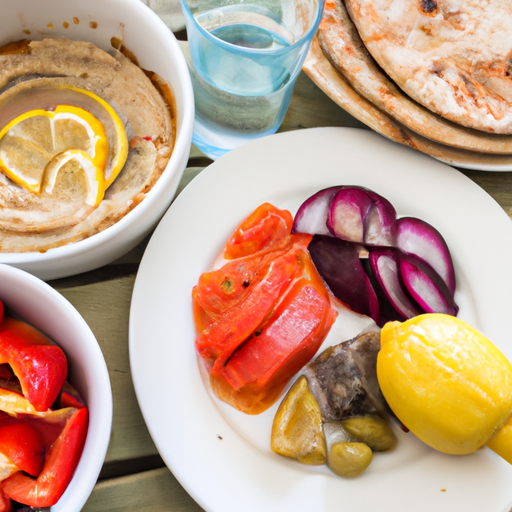
What Is A Typical Mediterranean Lunch?

Understanding the Mediterranean Diet

When it comes to eating healthy, one diet that consistently gets high marks is the Mediterranean diet. It is a lifestyle more than a strict diet plan and it centers around the typical foods and recipes of Mediterranean countries.

Key Principles of the Mediterranean Diet

The Mediterranean diet emphasizes whole foods such as fruits, vegetables, legumes, fish, lean meats and whole grains. It also includes a modest amount of dairy products and a minimal amount of processed foods and sugars.

Health Benefits of the Mediterranean Diet

Research has shown that the Mediterranean diet is beneficial for heart health and has been associated with lower levels of LDL (bad) cholesterol. The diet may also help with weight loss, improve rheumatoid arthritis, and reduce the risk of developing conditions like Alzheimer’s disease, and various types of cancer.

Components of a Typical Mediterranean Lunch

A typical Mediterranean lunch includes a balance of wholesome components that nourish the body and keep you full.

Importance of Fresh Fruits and Vegetables

In the Mediterranean diet, fresh fruits, and vegetables are a central component of every meal. These provide essential vitamins and minerals, fiber, and a host of beneficial plant compounds.

Role of Lean Proteins

Lean proteins, especially fish and poultry, provide important nutrients such as B vitamins, iron, and omega-3 fatty acids. These elements keep us feeling satisfy and provide energy for the rest of the day.

Significance of Whole Grains

Whole grains provide valuable fiber that promotes digestion, and other vital nutrients. They are a staple in many Mediterranean meals, including lunches.

Inclusion of Healthy Fats

Healthy fats found in olive oil, avocados and nuts are vital for our brain health, and they help the body absorb vitamins from other foods.

The Art of Assembling a Mediterranean Lunch

Creating a Mediterranean lunch isn’t just about the ingredients. It’s also about how they are put together.

Balancing Different Food Groups

A balanced Mediterranean lunch consists of various food items from different food groups to ensure you’re getting a wide variety of nutrients.

Portion Control Concepts in the Mediterranean Diet

An important aspect of the Mediterranean diet is portion control. It’s not just about what you eat, but how much you eat. While no food is off-limits, moderation is key.

Easy Mediterranean Lunch Ideas

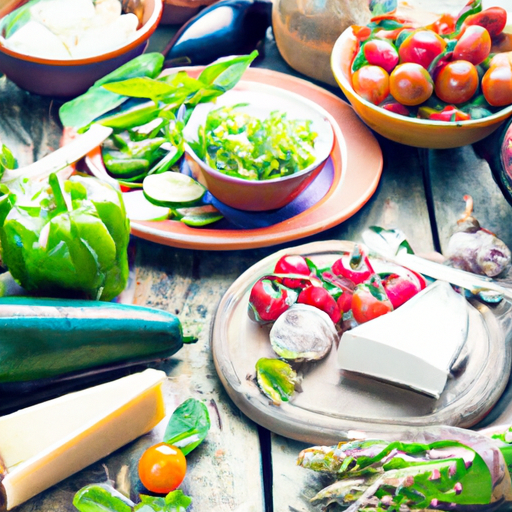
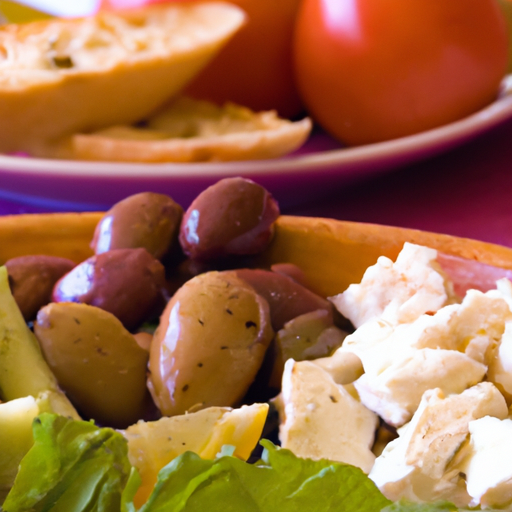
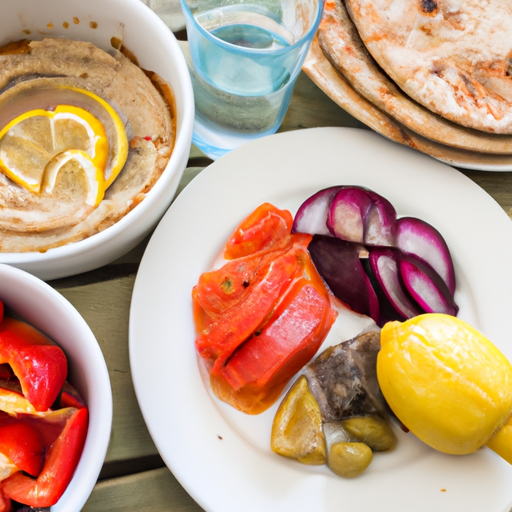
Consider a Greek salad adorned with cubes of feta, Kalamata olives, and a sprinkling of oregano. Or prepare a simple dish of whole-grain pasta tossed with fresh tomatoes, olive oil, garlic, and a handful of fresh basil.
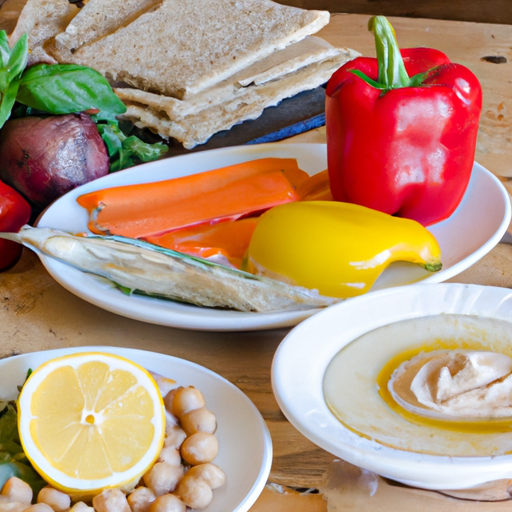
What Is A Typical Mediterranean Lunch?

The Power of Herbs and Spices in a Mediterranean Lunch

Herbs and spices are the secret weapons in Mediterranean cuisine, adding rich flavors without additional fats or calories.

Popular Herbs and Spices Used

Commonly used herbs and spices include basil, parsley, oregano, rosemary, thyme, and dill, as well as spices like saffron, sumac, and paprika.

Health Benefits of Herbs and Spices

Besides giving flavor, herbs and spices have been shown to possess anti-inflammatory and antioxidant properties and have been linked with numerous health benefits such as improved heart health and brain function.

Incorporating Herbs and Spices into Lunch Recipes

You can easily incorporate herbs and spices into your Mediterranean lunch by adding them to salads, grains, or proteins.

Mediterranean Beverages for Lunch

The beverages in the Mediterranean diet also hold significance.

Preference for Water and Wine

Water is the primary beverage, keeping you well hydrated. Wine is also included, mainly red, but again, moderation is key.

Negative View on Sugary Drinks

Sugary drinks, including soda and commercially prepared juices, are typically avoided in the Mediterranean diet.

Proper Hydration Principles in the Mediterranean Diet

Staying hydrated is an essential part of the Mediterranean lifestyle, helping maintain overall health and aid in digestion.

The Role of Dairy in a Mediterranean Lunch

While not as prominent as other components, dairy does play a role in the Mediterranean diet.

Preference for Low-Fat or Non-Fat Dairy

Lower fat dairy options such as Greek yogurt or skim milk are typically preferred.

Cheeses in the Mediterranean Diet

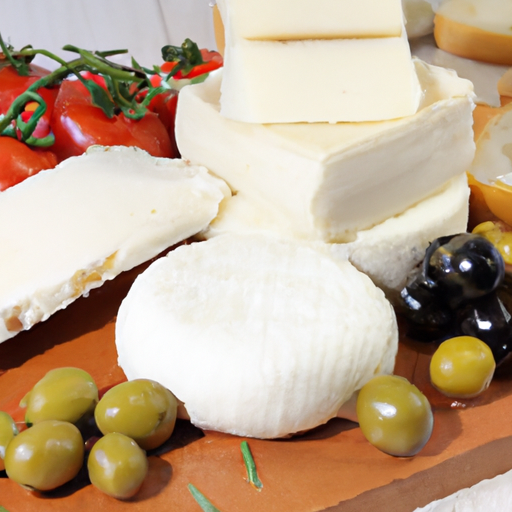
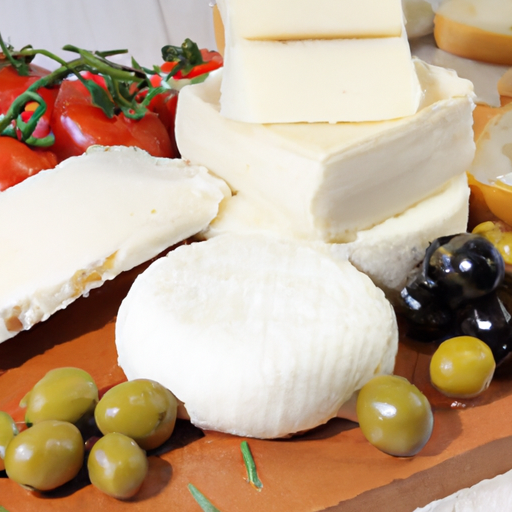
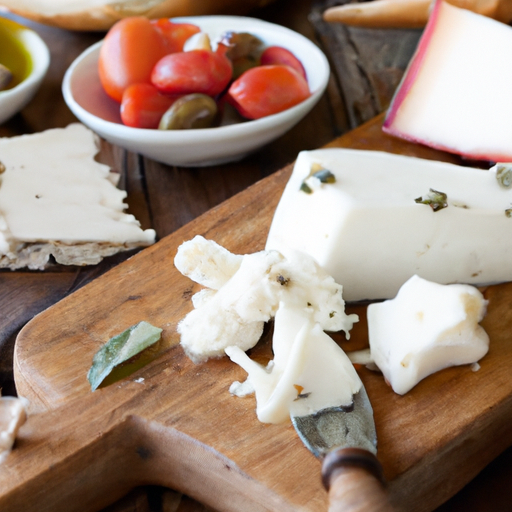
Cheese is often enjoyed in moderation, adding a rich flavor to various dishes.

Balancing Dairy Intake

While dairy is included in the diet, it’s important to balance your intake with other food groups.

The Significance of Nuts and Seeds in a Mediterranean Lunch

Nuts and seeds are another integral part of the Mediterranean diet.

Wide Variety of Nuts and Seeds Used

Nuts such as almonds, walnuts, pistachios or seeds like flaxseed, sunflower seeds, or sesame seeds are commonly consumed.

Health Benefits of Nuts and Seeds

They are not only a great source of healthy fats, but they also provide protein, fiber, and various vitamins and minerals.

Ways to Include Nuts and Seeds in Your Lunch

Try adding a sprinkle of nuts or seeds to your salad for extra crunch and nutrition.

Importance of Shared Meals in the Mediterranean Diet

In addition to the food itself, the Mediterranean diet places a strong emphasis on enjoying meals with family and friends, fostering a culture of sharing and conviviality.

Value of Family Meals

Shared meals are an essential part of the Mediterranean tradition and are associated with greater satisfaction and better health outcomes.

Beneficial Effects on Mental Health

Also, research shows that shared meals can boost mental health, combat loneliness, and promote better eating habits.

Quality Time and the Act of Eating

Eating isn’t just about nourishing the body in the Mediterranean lifestyle, it’s also about nurturing relationships and taking time to appreciate the food.

Role of Physical Activity in the Mediterranean Lifestyle

Physical activity is an integral part of the Mediterranean lifestyle, complementing the diet for a wholesome approach to health.

Keeping Active during Mid-Day Break

Whether it’s a leisurely walk after lunch or a quick swim, staying active is key to the Mediterranean lifestyle.

Fitting in Exercise

It’s not about finding time, it’s about making time. And even little moments of activity can add up over the course of the day.

Balancing Diet and Exercise for Maximum Benefits

The combination of a nutritious diet and regular physical activity can enhance health benefits and promote long-term wellness.

Final Thoughts on the Mediterranean Lunch

The Mediterranean lunch is not just a meal; it’s a celebration of fresh, flavorful ingredients, a love for shared meals, and a commitment to overall health.

Relevance and Alignment with Modern Nutritional Recommendations

Experts often hail the Mediterranean diet as one of the healthiest in the world. It aligns perfectly with modern nutritional recommendations of consuming lots of fruits and vegetables, lean proteins, whole grains and limiting processed foods.

Applicability for People with Different Dietary Needs and Preferences

Another advantage of this lifestyle is its flexibility and adaptability for people with different dietary needs and preferences.

Ways to Gradually Adopt Mediterranean Lunch Practices

Start by incorporating more fresh fruits and vegetables in your meals, swap out refined grains for whole ones, opt for lean proteins, add more herbs and spices for flavor, and take time to really enjoy your food.

Remember you don’t need to change everything all at once, small steps can make a big difference. And before you know it, you’ll find yourself looking forward to your mid-day Mediterranean meal.

Created by JD, a health enthusiast and a devoted father, the Mediterranean Diet Recipes blog fosters the essence of the Mediterranean lifestyle – savoring nutrient-rich food, enjoying communal meals, and hailing the joys of an active life – a perfect way to health and happiness. Try a typical Mediterranean lunch and enjoy the mouth-watering journey to good health!
July 31, 2023 Health & Wellness

Can You Eat Jello On The Mediterranean Diet?

You’ve probably found yourself asking, “Can you eat jello on the Mediterranean diet?” It’s a great question. Most of us have fond memories of jello as a go-to dessert during our childhood. Plus, it’s low in calories which can be a bonus. However, when it comes to fitting it into the Mediterranean meal plan, things can get a little tricky.

This article will delve a bit deeper into this subject, so keep reading. You may be surprised by how much you’ll learn about the Mediterranean Diet through the focus of this simple question. After all, the goal here is not just longevity, but a healthy and active life. What could be better than spending quality time with your beloved family, sharing healthy and mouthwatering meals? So continue reading to further explore the compatibility of jello with the Mediterranean Diet.

Can You Eat Jello On The Mediterranean Diet?

Understanding the Mediterranean Diet

The Mediterranean Diet, celebrated for its health benefits, can boost longevity and reduce risks of heart disease and other ailments. However, it’s more than a diet; it’s a lifestyle revolving around local produce, social interaction, and delicious meals.

Origins and Popularity of the Mediterranean Diet

Traditionally followed in Greece, Italy, and other Mediterranean countries, this diet incorporates the region’s abundant local produce, fresh seafood, and active, outdoor lifestyle. Its popularity has soared worldwide because of its proved potential to fend off modern-day health threats like obesity, diabetes, and heart diseases.

General Dietary Guidelines of the Mediterranean Diet

At the heart of the Mediterranean diet lies an emphasis on whole foods, legumes, healthy fats, fruits, and vegetables. Olive oil, a primary source of fat, replaces saturated and trans fats. Fish and poultry are favored over red meat. You would also see a moderate consumption of dairy, mainly cheese, and yogurt while sweets and red meat are saved for special occasions.

Benefits of Adhering to the Mediterranean Diet

Numerous scientific studies underline the myriad benefits of this diet, such as healthier heart, lower risk of Alzheimer’s and Parkinson’s, and longevity. Besides, it allows you to enjoy a multitude of delicious and diverse foods that make you feel satiated, aiding in maintaining a healthy weight.

Family and Community in the Mediterranean Diet

This diet emphasizes the importance of enjoying meals together as a family, enhancing the communal bond while promoting healthier eating patterns.

Analyzing Jello as a Food Item

But, amidst this array of food options, where does a simple food item like Jello stand?

Nutritional Value of Jello

Jello, primarily made from water, gelatin, and sugar, is low in calories and fat-free. However, it’s not particularly high in nutrients either.

Common Ingredients in Jello

Gelatin, a protein derived from collagen, is the most essential ingredient. However, store-bought varieties may contain artificial flavorings and a substantial amount of added sugars.

Health Benefits and Potential Risks of Jello

Gelatin in Jello could potentially benefit your joint health and help in weight loss owing to its low calorie count. However, the high levels of sugar and preservatives might pose risks for increased blood sugar levels or trigger certain food allergies.

Can You Eat Jello On The Mediterranean Diet?

Concept of Moderation in the Mediterranean Diet

Understanding the role of treats like Jello in such a wholesome diet plan is crucial.

The Role of Sweets and Treats in the Mediterranean Diet

In the Mediterranean diet, sweets are considered a treat to be enjoyed occasionally, not daily. Prioritizing quality over quantity, this diet emphasizes natural, minimally processed sweet delicacies.

Applying Moderation to Consumption of Jello

Does it mean you can’t munch on your favorite Jello cups? No, but enjoy it in moderation. Remember, it’s crucial to balance it with nutrient-dense foods of the Mediterranean diet for overall health.

Jello Variations and the Mediterranean Diet

With a bit of creativity, you can adapt Jello to the Mediterranean food approach.

Homemade Jello as a Healthy Alternative

Opt for homemade Jello using natural sweeteners like fruit juice or honey and natural flavorings. It’s an easy recipe and can even turn into a fun family cooking session.

Integrating native Mediterranean Fruits into Homemade Jello

Experiment with Mediterranean staples like citrus fruits, cherries, or pomegranates in your homemade Jello. It adds nutrition, flavor, and a Mediterranean twist.

Impact on Family and Community

Sharing food is fundamental in the Mediterranean culture and is a way of strengthening relationships within the family and community.

Sharing Jello with Family

Homemade Jello could be a fun addition to your family meals or get-togethers, serving both taste and entertainment.

Helping the Community Understand Mediterranean Diet via Jello

Use this opportunity to educate your loved ones about the Mediterranean diet’s benefits and principles, using Jello as an illustration. It’s a fun, delicious way to spread health awareness.

Surviving Cravings While on the Mediterranean Diet

No one is immune to sweet cravings. It’s okay to indulge occasionally but with healthier alternatives available, why not opt for those?

Proven Techniques to Beat Sugar Cravings

In lieu of reaching for a sugary Jello cup, try satisfying your sweet tooth with fruit, dark chocolate, or a handful of dried nuts.

Keeping Jello as a Small, Occasional Treat

Reserve the Jello as a special occasion treat, making sure to appreciate it without feeling guilty.

Jello and Children on the Mediterranean Diet

Molding children’s dietary habits with the values of the Mediterranean diet is key in setting their health trajectories.

Educating Children about Healthy Eating Habits

Guide them about healthy alternatives, the importance of homemade meals, and why Jello should be an occasional treat, not an everyday sweet fix.

Role of Jello in Children’s Adoption of the Mediterranean Diet

Jello can be a great vehicle to introduce your children to the wider array of interesting Mediterranean food options.

Conclusion

Summarizing the Role of Jello in the Mediterranean Diet

In conclusion, while you can enjoy Jello on the Mediterranean diet, remember it’s about the bigger picture of a balanced, wholesome eating approach.

Reiterating the Importance of Moderation and High-Quality Foods in the Mediterranean Diet

Prioritizing high-quality, unprocessed foods is the essence of the Mediterranean diet. But, if you can put a spin on a traditional treat like Jello to make it healthier and tastier, why not? After all, the Mediterranean diet is all about enjoying your food and shared meal times.

Embrace this lifestyle to not only benefit your health but also enjoy delicious meals with the ones you love. Happy Eating!

July 31, 2023 Health & Wellness

What Is The Healthiest Diet On Earth?

Ever found yourself pondering “What is the healthiest diet on earth?” Well, you are certainly not alone in that thought. That question pops into many of our heads and is something that we all strive to know. JD, the owner of www.mediterraneandietrecipes.net, and author of these articles, is a dedicated father of three who knows the importance of maintaining long term health, not just for himself, but also to be a present, active, and healthy figure in his children’s lives.

By reading further into this article and JD’s other works on his website, you’ll have the opportunity to get a well-researched and comprehensive overview of the healthiest diet, focusing also on the cultural importance of sharing high-quality food with the family, as is prevalent in the Mediterranean diet that JD discusses. This well-rounded approach to understanding diet and nutrition will help you make informed decisions that could dramatically improve your health and lifestyle.

What Is The Healthiest Diet On Earth?

Understanding the Concept of Diet

Before diving into what might be considered the healthiest diet on earth, it’s important to understand the concept of diet itself. Diet doesn’t pertain only to weight loss or restrictive eating. In reality, a diet is simply the food you consume on a daily basis. It is the fuel for your body and mind, playing a vital role in your overall health and well-being.

The Role of Diet in Health Maintenance

Your diet can make or break your health. A balanced diet can boost your immunity, enhance your mental health, maintain your weight, improve your skin, and even add years to your life. It’s also instrumental in preventing various diseases, like heart diseases, diabetes, and certain types of cancer.

Different Types of Diets Around the World

There’s an array of diets around the world. Some are geographically influenced, while others are dictated by cultural or religious beliefs. Some are purpose-driven like vegetarian, vegan, paleo, and ketogenic diets. However, if there’s one diet that’s constantly praised by researchers and health professionals, it’s the Mediterranean diet.

Exploring the Mediterranean Diet

The Mediterranean diet is favored not just for its health benefits but also for its flavorful and diverse foods. It’s not a restrictive plan designed for quick weight loss, but rather a lifestyle promoting long-term health.

Defining the Mediterranean Diet

The Mediterranean diet is based on the traditional foods that people used to eat in countries like Italy, Greece, and Spain. It primarily consists of whole foods and leans heavily on plant-based ingredients.

Key Components of the Mediterranean Diet

This diet emphasizes fruits, vegetables, whole grains, legumes, nuts, seeds, olive oil, and fish. It permits moderate consumption of poultry, eggs, cheese, and yogurt. Red meats, sweets, and refined grains are reserved for occasional indulgence only.

Common Foods and Ingredients in the Mediterranean Diet

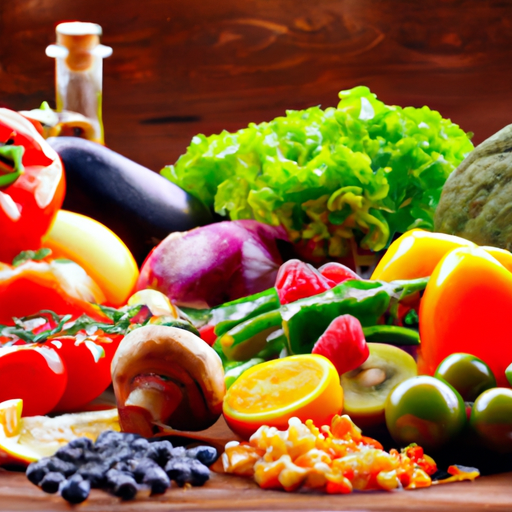
Olive oil, rich in heart-healthy monounsaturated fats, is a staple. Fresh fruits and vegetables, whole grains, legumes, and fish make up the bulk of meals. Commonly used ingredients are garlic, onions, tomatoes, bell peppers, leafy greens, zucchini, cucumbers, and eggplant.

What Is The Healthiest Diet On Earth?

Health Benefits of the Mediterranean Diet

The Mediterranean diet is renowned for its plethora of health benefits ranging from improved heart health to potential weight management.

Impact on Heart Health

Abundant in heart-healthy fats and antioxidants, this diet can reduce the risk of heart diseases. It can also lower “bad” LDL cholesterol and boost “good” HDL cholesterol.

Potential Role in Weight Management

While not designed for weight loss, the emphasis on whole, unprocessed foods can help in maintaining a healthy weight.

Benefits for Mental Health

The vitamins, minerals, and antioxidants obtained from this diet may enhance cognitive function and could reduce the risk of Alzheimer’s and depression.

Reduced Risk of Chronic Diseases

This diet’s high fiber content can potentially curb diabetes. Moreover, thanks to its balance of Omega-3 and Omega-6 fatty acids, it may also deter cancer development and inflammatory diseases.

Mediterranean Diet and Family Meals

The Mediterranean diet isn’t about isolated eating—it’s about sharing meals with family, engaging in meaningful conversation, and relishing the high-quality food.

The Role of Family Meals in the Mediterranean Lifestyle

In the Mediterranean lifestyle, family meals are an opportunity to bond, to discuss the day’s happenings, and to rejoice in the love of good food.

Making Mediterranean Meals Family-Friendly

Introducing the Mediterranean diet to your family can be simple and fun. Focus on familiar foods initially like pasta, bread, and fruits. Gradually incorporate more vegetables, legumes, and fish.

Incorporating the Mediterranean Diet into Daily Family Life

Making the Mediterranean diet a part of your daily routine involves more than just eating the right foods. It’s about savoring each bite, relishing the flavors, and appreciating the nutrients you’re feeding your body.

Adopting the Mediterranean Diet for Improved Health

Turn your interest into action. See how you can incorporate this ‘healthiest diet’ into your life.

Practical Tips for Beginning the Mediterranean Diet

Start by making minor changes. Swap your cooking oil for olive oil, opt for whole grains, and incorporate more fruits and vegetables. Don’t be afraid to experiment with herbs and spices, and remember to eat a variety of foods to get a wide range of nutrients.

Overcoming Common Challenges in Diet Changes

Shifting to a new dietary lifestyle can be intimidating. But remember, it’s not about perfection. It’s about making healthier choices more often. Seek support from your family — trying new foods and recipes together can make the transition easier and enjoyable.

Conclusion: The Healthiest Diet

So, what is the healthiest diet on earth? If we consider the number of benefits, the flexibility, the sustainability, and the sheer breadth of nutrients it provides, the Mediterranean diet is a strong contender. It presents not just a diet, but a wholesome approach towards eating and living. By adopting the Mediterranean diet, you’re not simply nourishing your body, you are embracing a lifestyle that benefits your overall health and allows for precious, shared family moments around the dinner table. Enjoy the journey to good health with the Mediterranean diet as your guiding star. JD’s life has been changed by this diet – and yours can be too. Cheers to good health and happy eating!

July 31, 2023 Health & Fitness

Can You Lose Fat On Mediterranean Diet?

So, you’re wondering if you can lose fat on the Mediterranean diet, huh? It’s understandable. After all, the allure of enjoying flavorsome foods while simultaneously losing those stubborn pounds sounds almost too good to be true. But with the Mediterranean diet, promising outcomes are possible. It’s a unique way to approach food, not just as fuel, but as a way to promote overall health and longevity.

In the upcoming article, you’re going to delve deeper into the amazing world of the Mediterranean diet. Prepare yourself to learn not just about weight loss, but how this diet can effect holistic changes to your body, mind and overall lifestyle. You’ll gather more insights about how JD, the man behind these insightful articles, successfully managed his health, while also enjoying and sharing high-quality meals with his family. There’s so much in store for you! So, keep an eye out for the upcoming articles – they’re sure to alter the way you perceive diets and healthy living!

Can You Lose Fat On Mediterranean Diet?

Overview of the Mediterranean Diet

The Mediterranean diet, a lifestyle that’s been lauded by health professionals and enthusiasts worldwide, isn’t just a fad. It has been studied and found to be one of the best dietary strategies for a healthy, sustainable lifestyle. In a nutshell, the Mediterranean diet is rooted in the traditional eating habits of countries along the Mediterranean Sea.

Defining the Mediterranean Diet

The Mediterranean diet is more of an eating pattern rather than a strict diet. The emphasis is on plant-based foods, such as fruits, vegetables, whole grains, legumes, and nuts. Modest portions of poultry, eggs, cheese, and yogurt are included, with seafood being a significant part of meals. Olive oil is predominantly used, and herbs and spices are used in abundance to season foods.

Key Components of Mediterranean Diet

Central to the Mediterranean diet are foods rich in monounsaturated fats, lean proteins, and complex carbohydrates. Traditional Mediterranean meals are high in vegetables, fruits, legumes, whole grains, and include healthy fats, like olive oil and nuts.

Importance of Quality Food in Mediterranean Diet

Quality food is a cornerstone of the Mediterranean diet. Embracing this lifestyle means choosing fresh and minimally processed foods over heavily processed, sugary foods. This diet encourages using simple food preparation methods that preserve the integrity and nutrients of the ingredients.

Understanding Body Fat and Weight Loss

Before jumping headfirst into the diet, let’s take a moment to understand body fat and weight loss.

Functions of Fat in the Body

While the primary function of body fat is to store energy, it also plays roles in hormone production, insulation and protection of vital organs, and facilitating nutrient absorption.

Concept of Caloric Deficit in Weight Loss

Weight loss occurs when you burn more calories than you consume, creating a caloric deficit. This forces your body to use stored fat as fuel, leading to weight loss.

Physical Activity and Fat Burning

Physical activity increases the amount of energy your body uses, accelerating weight loss by helping create a caloric deficit and increasing metabolism, which further enhances fat burning.

Mediterranean Diet and Fat Loss

You may wonder, how does the Mediterranean diet fit into this equation?

Role of Mediterranean Diet in Caloric Deficit

The nutrient-dense, high-fiber foods in the Mediterranean diet keep you satiated, preventing excessive calorie intake. Combined with physical activity, this can lead to a caloric deficit and subsequent weight loss.

Influence of Mediterranean Diet on Metabolism

The blend of fiber, protein, and healthy fats in this diet helps maintain stable blood sugar levels, preventing spikes and crashes that can cause cravings and overeating.

Supporting Weight Loss with Mediterranean Diet

Moreover, this diet encourages enjoying meals in a relaxed, leisurely manner, which can help you recognize feelings of fullness and prevent overeating.

Can You Lose Fat On Mediterranean Diet?

Scientific Evidence of Weight Loss with Mediterranean Diet

Research has consistently shown the benefits of the Mediterranean diet in weight management.

Review of Relevant Studies on Mediterranean Diet and Weight Loss

Several studies have found that people on a Mediterranean diet lose more weight than those on a low-fat diet.

Insights from Medical Community

Apart from weight loss, the medical community endorses the Mediterranean diet for its proven benefits in reducing risks of many chronic diseases, including heart disease, stroke, and type 2 diabetes.

Sustainability of Mediterranean Diet

One of the biggest perks of the Mediterranean diet is its sustainability.

Maintaining Long-term Health with Mediterranean Diet

Because it’s not overly restrictive, you’re more likely to stick with it long term, contributing to sustained weight loss and overall health.

Adaptability and Flexibility of Mediterranean Diet

The Mediterranean diet is culturally adaptable and flexible, allowing you to incorporate foods you love and still benefit.

Mediterranean Diet and Balanced Nutrition

A healthy diet should provide all the nutrients your body needs, and the Mediterranean diet does just that.

Availability of Essential Nutrients in Mediterranean Diet

It provides essential nutrients that your body needs to function optimally, including dietary fiber, vitamins, minerals, and healthy fats.

Balanced Macronutrient Distribution in Mediterranean Diet

The Mediterranean diet offers a balance of all macronutrients – carbohydrates, proteins, and fats, contributing to satiety and balanced energy levels throughout the day.

Role of Family in the Mediterranean Diet

My family and I have found this lifestyle to be more than just a diet.

Practicing Mediterranean Diet as a Family Culture

We’ve adopted the Mediterranean diet as part of our family culture, providing an opportunity for family bonding through meal planning and cooking.

Imparting Healthy Eating Habits to Children

We’ve also used it as a platform to teach our kids about healthy eating habits. We prioritize sitting down together, savoring our meals, and enjoying the art of eating.

Benefits Beyond Weight Loss

But the Mediterranean diet offers even more than just weight loss benefits.

Impact of Mediterranean Diet on Cardiovascular Health

Studies have consistently indicated that the Mediterranean diet supports cardiovascular health thanks to its emphasis on heart-healthy fats.

Fostering Mental Wellbeing with Mediterranean Diet

There’s evidence suggesting that this diet could also help foster mental wellbeing, reducing the risk of depression and cognitive decline.

Sample Meal Plans and Recipes

To help you get started, we’ll soon post a week’s meal plan and some delicious, family-friendly recipes based on the Mediterranean diet.

Conclusions

The Mediterranean diet goes beyond being a mere diet. It’s a sustainable lifestyle conducive to weight loss, health maintenance, and disease prevention. So, can you lose fat on the Mediterranean diet? Absolutely! But you’ll gain so much more.

Through our journey as a family, we’ve discovered that the true joy of the Mediterranean diet lies in its simplicity, focus on real foods, and potential for vibrant health. We wholeheartedly encourage you to embrace this lifestyle for a healthier, happier, and more sustainable way of living.

July 31, 2023 Health & Fitness

Can You Eat Rice Or Potatoes On The Mediterranean Diet?

So, you’ve been wondering, “Can you eat rice or potatoes on the Mediterranean diet?” Well, let me assure you, it’s a common question and your curiosity is certainly not alone. Everybody who starts a new diet has specific food questions, just like yours. We take your query seriously and love that you’re determined to understand the fine details of this healthy eating plan—after all, knowledge is power.

In this article, you’re going to find out what you need. We’re on hand to give you the lowdown on the Mediterranean diet, specifically regarding rice and potatoes. It’s crucial for you to understand what foods are friendly, not just for your waistline, but also for your overall health—this is, after all, why JD created this website and these resources. Remember, the Mediterranean diet isn’t just a temporary fad, it’s a lifestyle choice that promotes long-term health and we’re excited to guide you through this learning process.

Can You Eat Rice Or Potatoes On The Mediterranean Diet?

Understanding the Mediterranean Diet

What is the Mediterranean diet?

One of the many mysteries you may have regarding the Mediterranean diet is whether you can eat rice or potatoes. The Mediterranean diet, named for the region from which it originates, emphasizes primarily plant-based meals comprised of fruits, vegetables, whole grains, legumes, olive oil, and lean sources of animal protein.

Key components of the Mediterranean diet

The Mediterranean diet is more than just a meal plan; it’s a lifestyle. Its key components are balanced meals featuring whole foods, active living, and sharing meals with family—an aspect of this lifestyle JD deeply relates to as a family man himself.

Health benefits of following the Mediterranean diet

The Mediterranean diet has received notable recognition for its apparent capacity to boost cardiovascular health, regulate blood sugar, enhance longevity, and even lower the risk of certain types of cancers. These benefits not only promote longevity but higher quality in a long life, which is a priority for JD and parents alike.

Potatoes and the Mediterranean Diet

Role of potatoes in a Mediterranean diet

Potatoes are a staple in many diets worldwide, and the Mediterranean diet is no exception. While they are sometimes given a bad rap, potatoes are rich in important vitamins and minerals.

Healthy ways to incorporate potatoes

Incorporating potatoes into your Mediterranean diet is easy; roasting with herbs and a drizzle of olive oil or incorporating them into vegetable-laden soups and stews are only a few ways to do this. As always, make meals a bonding time to share with your family.

Popular Mediterranean recipes using potatoes

Think beyond fries and mashed potatoes. Recipes like Greek lemon potatoes, Italian potato pasta or Spanish tortilla are perfect for adding a Mediterranean touch to your meals.

Rice and the Mediterranean Diet

Inclusion of rice in the Mediterranean diet

Not unlike potatoes, rice is a common ingredient in Mediterranean cooking. It delivers essential nutrients, is easily digested, and serves as a versatile base for a plethora of dishes.

Choosing the right type of rice

While white rice is commonly used, brown rice is a whole grain alternative that packs more nutrients and fiber. It serves as a worthwhile addition to any meal.

Delicious Mediterranean recipes with rice

Mediterranean recipes like paella, Greek rice salads, and Turkish pilaf can add a new exotic edge to your dinner.

Can You Eat Rice Or Potatoes On The Mediterranean Diet?

The Limitations of Rice and Potatoes

Understanding the glycemic index of rice and potatoes

Despite their benefits, you must be mindful of the glycemic index of both potatoes and rice. They are high glycemic index foods, which means they can rapidly increase your blood sugar levels.

Risks associated with overconsumption

While dietary diversity and moderation are key to the Mediterranean diet, overconsumption of potatoes or rice can lead to possible weight gain and increased risk of metabolic diseases.

Effect on blood sugar levels

Overindulging in high glycemic index foods like rice or potatoes can lead to unstable blood sugar levels, a health risk for both diabetic and non-diabetic individuals alike.

Alternatives to Rice and Potatoes on the Mediterranean Diet

Incorporating whole grains

Whole grains, like farro or bulgur, are a healthy alternative for rice. They provide necessary fiber and have a lower glycemic index.

Introducing legumes and beans

Chickpeas, lentils, and various beans offer excellent nutritional value and can serve as an alternative to higher glycemic index foods.

Increasing the intake of vegetables

Boosting vegetable intake in your Mediterranean diet brings a rainbow of benefits. Vegetables grow readily in the Mediterranean region, making them a diet staple.

Promoting Family Health through the Mediterranean Diet

Teaching your children about healthy eating

Children learn by example, particularly in the kitchen. Involve them in the preparation process and educate them on why you choose specific ingredients over others.

Creating tasty and nutrition-packed family meals

The Mediterranean diet is abundant in dishes that are both healthy and delicious. Combining nutrition with flavor is an alluring way to get kids and picky eaters onboard.

Instilling long-term healthy eating habits

Creating a Mediterranean-inspired lifestyle is a fantastic way to instill long-term healthy eating habits in your children.

Tips for Beginning the Mediterranean Diet

Taking small steps for a big change

You don’t have to upend your pantry overnight. Begin small by adding in more fruits and vegetables or swapping out saturated fats for unsaturated ones.

Shopping for a Mediterranean diet

Eating Mediterranean does not mean you have to shop at exclusive stores. Most ingredients can be found at your local supermarket.

Staying motivated on the diet

Keep motivation high by exploring new recipes. JD recommends getting the whole family involved for shared enjoyment and learning.

Debunking Common Mediterranean Diet Myths

Breaking down misconceptions about the diet

One common myth is that the Mediterranean diet is expensive and unachievable. In reality, it emphasizes simple, plant-based foods which can be economical.

Decoding nutrition myths

Carbohydrates are not the enemy and are a vital part of a balanced diet. The key, as with everything, lies in moderation.

Fact-checking Mediterranean diet claims

While the Mediterranean diet touts numerous health benefits, remember that results may vary based on individual health backgrounds and overall lifestyle.

Eating Out and Sticking to the Mediterranean Diet

Navigating restaurant menus

When dining out, you can still adhere to your Mediterranean diet. Look for vegetable-laden dishes, grain-based salads, or lean protein options on the menu.

Eating Mediterranean on the go

Pack Mediterranean-friendly snacks like hummus with veggies or a handful of nuts to ensure even out and about, you stick to your healthy eating habits.

Maintaining a balanced diet while eating out

Balance and variety are crucial. Enjoy the occasional treat, but make sure your diet primarily consists of health-boosting Mediterranean foods.

Concluding Thoughts on Rice, Potatoes and the Mediterranean Diet

Reaping the myriad health benefits

The Mediterranean diet and lifestyle come with a host of health benefits. From cardiovascular health to longer lives, many advantages lie in maintaining this lifestyle.

Adapting the diet to individual needs

Everyone is different, and the diet should be tweaked in accordance with personal health goals, dietary needs, and preferences.

The role of moderation in the diet

As with any diet, moderation is key. The Mediterranean diet exalts in simple, flavor-packed meals shared around a table with family. The key is to enjoy rice and potatoes but to balance them with other healthy, nutritious foods.

In conclusion, while rice and potatoes have their place in the Mediterranean diet, how you prepare them and the quantity you consume is crucial. Just as JD and his family enjoy the Mediterranean diet together, you and your family can embark on this healthy journey, reaping the health benefits and creating cooking memories along the way.

July 31, 2023 Health & Wellness

What Ice Cream Can I Eat On Mediterranean Diet?

So, you’re on the Mediterranean diet but craving something sweet and indulgent, and you’re probably wondering “What kind of ice cream can I actually have?” Well, you’re in luck! Even though you’re on a diet that highly emphasizes whole grains, fruits, and vegetables, there’s room for a frozen delight that satisfies your sweet tooth without making you feel guilty.

This question will be thoroughly explored in the upcoming article. Not only will you discover the types of ice creams suitable for the Mediterranean diet, but you’ll also find out why they are a healthier choice. Packed full of relevant and researched information, JD makes it seamless to incorporate occasional treats into your Mediterranean diet lifestyle. So, get ready to indulge healthily, your tastebuds are in for a deliciously nutritious journey!

What Ice Cream Can I Eat On Mediterranean Diet?

Understanding the Mediterranean Diet

Basics of the Mediterranean Diet

The Mediterranean diet is a balanced and healthy way of eating that is full of rich flavors and textures. It is centered around fruits, vegetables, whole grains, legumes, nuts, and healthy fats like olive oil. It allows for moderate consumption of fish, poultry, dairy, and even some red wine. The Mediterranean diet encourages enjoying meals with family and friends and promotes physical activity for a well-rounded lifestyle.

Health Benefits of the Mediterranean diet

The Mediterranean diet is renowned for its numerous health benefits. It has been linked to improved heart health, reduced risk of chronic diseases, and better mental health. It is also known for promoting longevity and weight loss, emphasizing not only on what you eat, but also how you eat.

Importance of Food Quality in The Mediterranean Diet

Just as important as the type of foods in the Mediterranean diet, is the quality of these foods. Opting for fresh, organic, and locally sourced items enhances the nutritional value of your meals. This means going for whole, unprocessed foods, rich in essential nutrients and packed with flavor.

The Role of Desserts in the Mediterranean Diet

General View on Sweets and Desserts

While the Mediterranean diet emphasizes healthy and balanced meals, it doesn’t discourage you from indulging in sweet treats occasionally. In fact, desserts mainly centered around fruits, nuts and honey are a common part of this cuisine.

How Often Are Desserts Consumed in Mediterranean Diet?

It’s typical for followers to enjoy small amounts of sweets, like a scoop of ice cream or a piece of dark chocolate, in moderation, not daily. Remember, balance is key in the Mediterranean eating style.

Examining Ice Cream and the Mediterranean Diet

Misconceptions about Ice Cream

People often perceive ice cream as a forbidden food on healthy diets. However, not all ice cream is equal. The nutritional value highly depends on the ingredients and preparation method.

Choosing the Right Ice Cream

Opt for ice creams that are low in added sugars, free from artificial additives, and high in quality ingredients. This aligns perfectly with the Mediterranean diet principles of consuming food in its most natural state.

What Ice Cream Can I Eat On Mediterranean Diet?

What to Look for in Ice Cream while on Mediterranean Diet

The Importance of Natural Ingredients

Choose ice cream made from natural ingredients. Look for products that list cream, milk, or fruit as their primary ingredients, rather than sugars and artificial flavorings.

Understanding Sugar Content

Be mindful of the sugar content. Sadly, lots of ice creams are packed with unnecessary amounts of added sugars. Rather choose options that have a reasonable amount of naturally-occurring sugars.

Importance of Portion Control

Follow the Mediterranean way of enjoying desserts in moderation. A bowl of ice cream once or twice a week won’t upset your balanced diet if you control your portions.

Five Recommended Ice Cream Brands for Mediterranean Diet

Amongst the numerous ice cream varieties out there, I’d recommend the following five brands to you, based on their commitment to using high-quality, natural ingredients and limiting added sugars:

Brand 1

Brand 2

Brand 3

Brand 4

Brand 5

(To be filled in)

Homemade Ice Cream and the Mediterranean Diet

Benefits of Making Ice Cream at Home

Making homemade ice cream can be a fantastic way to control the quality and quantity of ingredients and also a fun family activity. You know exactly what is going into your ice cream, keeping it in line with the Mediterranean Diet principles.

Basic Recipe for Homemade Mediterranean Ice Cream

Guidelines for a basic homemade Mediterranean ice cream would include: (Recipe to be filled in)

Enjoying Ice Cream with Family on the Mediterranean Diet

Making Ice Cream a Family activity

Incorporating ice cream making as a family activity not only promotes bonding but also educates children about the importance of good, wholesome ingredients in food.

Pairing Ice cream with Other Healthy Foods

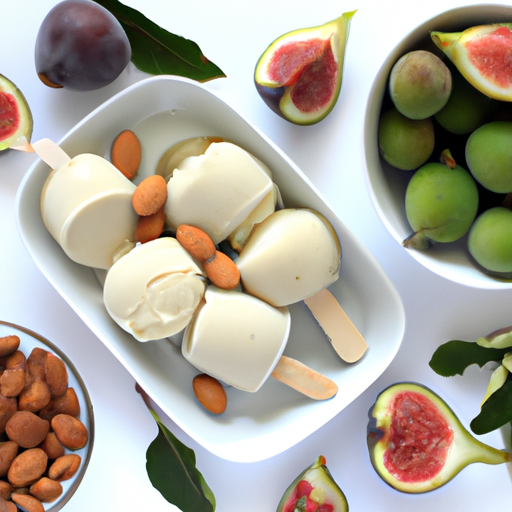
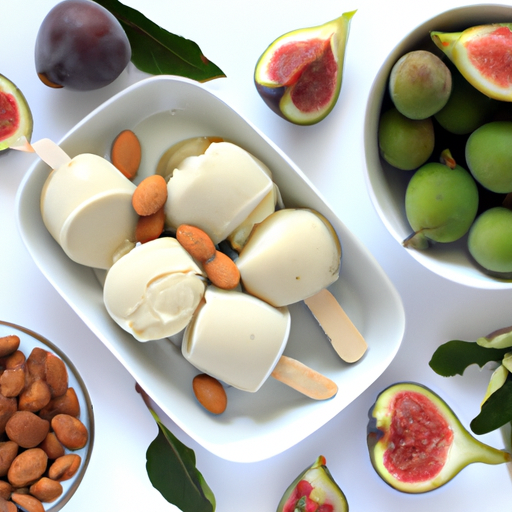
Ice cream can be paired with fresh fruits, nuts, and honey, making it a delicious and nutritious Mediterranean dessert.

Maintaining a Balance

Indulging without Overeating

Remember, it’s perfectly okay to indulge in your favorite ice cream on a Mediterranean diet once in a while, just don’t overdo it.

Keeping Track of Consumption for Health Maintenance

Keeping tabs on your ice cream consumption will help you maintain a healthy balance and keep your Mediterranean diet on track.

A Personal Touch

JD’s Experience with Ice Cream on the Mediterranean Diet

I, JD, am an avid follower of the Mediterranean diet. I have found that embracing ice cream on this diet, with mindful selection and moderation, brings joy and satisfaction, without betraying my health goals.

JD’s Tips for Ice Cream Lovers on the Mediterranean Diet

I suggest going for natural ice creams, downplaying quantity and frequency, and sometimes opting for homemade versions. It’s indeed a pleasure to share such treats with my family while cherishing healthful eating!

Conclusion

Ice Cream belongs in the Mediterranean Diet

To answer the question, you can indeed enjoy ice cream on the Mediterranean diet. The key is choosing wisely based on ingredients, watching the sugar content, and practicing moderation.

How to Maintain Healthy Eating Habits

As you journey on your Mediterranean diet, remember to savor and enjoy your food, relish in the variety it offers, and make balanced diet decisions. All of these contribute to maintaining your long-term health while enjoying simple pleasures like a scoop of your favorite ice cream!

July 31, 2023 Diet & Nutrition

Is Bone Broth Allowed On Mediterranean Diet?

You must’ve heard a lot about the purported health benefits of bone broth and are probably wondering if it fits into your Mediterranean diet, aren’t you? This hearty, nutritious broth is indeed something worth knowing about. And being a health-conscious individual who’s discovered the wonderful benefits of the Mediterranean diet, it’s only right for you to question its compatibility with your beloved diet.

Fret not! You’re about to delve into a well-researched article that will shed ample light on your question. In this read, you’ll find accurate information outlining the nitty-gritty of including bone broth in the Mediterranean diet. So buckle up, as you’re about to expand your culinary knowledge and learn how this nutrient-dense broth can be integrated into your healthy and family-friendly Mediterranean meals.

Is Bone Broth Allowed On Mediterranean Diet?

Understanding the Mediterranean Diet

The Mediterranean Diet, as the name suggests, takes inspiration from the eating patterns of the Mediterranean regions. It’s more than a mere diet; it’s a lifestyle which prioritizes physical activity, enjoying shared meals, and savoring a diverse array of wholesome foods.

Origins and principles of the Mediterranean Diet

Rooted in the dietary customs of Greece, Italy, and Spain during the mid 20th Century, the Mediterranean Diet revolves around high consumption of vegetables, fruits, whole grains, beans, nuts, legumes, olive oil, and flavored herbs and spices. Fish and seafood are consumed fairly regularly, while poultry, eggs, cheese, and yogurt are enjoyed in moderate portions. On the other hand, meats and sweets are used sparingly.

Types of foods typically included in the Mediterranean diet

The hallmark of this diet is its emphasis on fresh, wholesome ingredients. This means lots of vegetables like tomatoes, broccoli, peppers, greens, cucumbers, and others, with fruits like apples, bananas, oranges, or strawberries making up your dessert. Olive oil is the predominant fat, replacing butter and margarine. When it comes to grains, whole, unprocessed ones like quinoa, wheat, oats, rye, and brown rice are recommended. Finally, fish like salmon, mackerel, sardines, tuna are a rich source of omega-3 fatty acids and lean proteins.

Health benefits associated with the Mediterranean diet

The Mediterranean diet is backed by decades of research indicating numerous health benefits such as improving heart health, aiding weight loss, managing diabetes, improving cognitive health, and longevity enhancement.

What is Bone Broth and its Nutritional Attributes

Bone broth is an old-fashioned remedy often preached by grandmothers with big promises to cure everything from colds to digestive issues, and there’s increasingly solid evidence supporting its health benefits.

Process of making bone broth

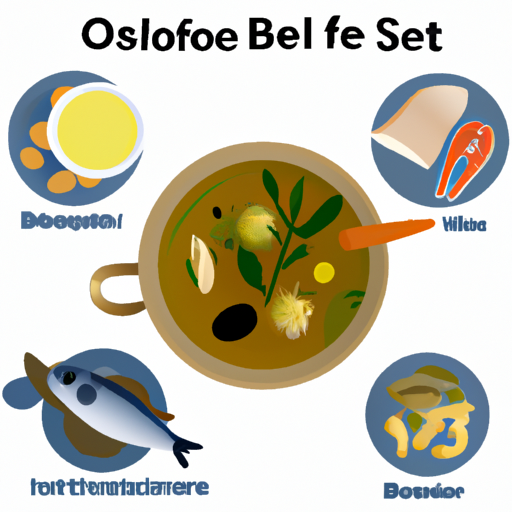
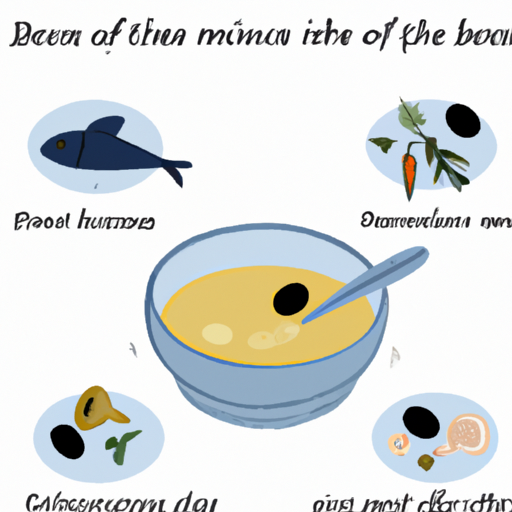
Bone broth is prepared by boiling bones of animals (generally chicken or beef) in water for an extended period, often along with vegetables for added flavor. The long simmering process extracts the collagen, marrow, amino acids, and minerals from the bones, creating a rich, savory broth.

Nutritional profile of bone broth

Bone broth carries a nutritional powerhouse of minerals like calciium, phosphorus and magnesium. It’s rich in proteins, particularly collagen and gelatin, which support joint health, along with valuable amino acids which are beneficial for digestion and combating inflammation.

Health benefits of consuming bone broth

Bone broth’s health benefits are multifaceted, ranging from gut health improvement, joint and bone health promotion, skin health enhancement, sleep quality improvement, and immune system fortification.

The Position of Bone Broth in the Mediterranean Diet

Given its nutritious profile, you might be wondering if bone broth has a place in the Mediterranean diet.

Examining if bone broth aligns with Mediterranean diet principles

The Mediterranean diet’s focus on variety, nutrition, and minimal processing aligns well with the inclusion of bone broth, a nutritious food source made from simple, natural ingredients.

Ways in which bone broth can be incorporated into the Mediterranean diet

Use bone broth as a base for soups or stews, a cooking liquid for whole grains or legumes, or just as a warm, comforting beverage.

Is Bone Broth Allowed On Mediterranean Diet?

Bone Broth and Family Meal Culture

Bone broth serves another significant purpose — fostering the culture of shared family meals, a cornerstone of the Mediterranean lifestyle.

Sharing of bone broth meals in family settings

Bone broth’s long simmering process and complex flavors make it an ideal choice for communal dishes, promoting a sense of unity and well-being during mealtimes.

Teaching children about health and nutrition through bone broth preparation and consumption

Preparing bone broth can be an interactive and educational activity with kids, where they learn about wholesome ingredients, their nutritional benefits and how to make this nutritious broth.

Tasty Mediterranean Recipes with Bone Broth

Recipe for bone broth soup with Mediterranean flavors

A hearty bone broth soup, replete with Mediterranean vegetables, beans and flavors can be a total comfort food, and a nutritious one at that!

Recipe for bone broth risotto with Mediterranean vegetables

Cooking risotto in bone broth instead of regular stock imparts a richer taste and a dose of nutrients.

Practical Tips for Incorporating Bone Broth into Your Mediterranean Diet

Shopping guide for quality bones for the broth

Choose high-quality bones from grass-fed animals if possible. You could also opt for bones rich in marrow for a richer broth.

Storage and preservation of bone broth

You can store bone broth in the refrigerator for a few days or freeze it for longer storage.

Ways to use bone broth in your daily meals

Apart from soups and stews, use it as a cooking liquid or a base for sauces, or simply warm it up as a nutritious beverage.

Addressing Common Misconceptions about Bone Broth in the Mediterranean Diet

Clearing up myths about bone broth and the Mediterranean diet

Contrary to common belief, bone broth is not at odds with the Mediterranean diet, but fortifies its principles by providing a source of rich nutrients derived from minimal, natural ingredients.

Clarifying misconceptions about the health benefits of bone broth

While bone broth alone is not a cure-all, it can be a valuable addition to a balanced diet, thanks to its array of beneficial nutrients.

Studies Supporting Bone Broth Consumption in a Mediterranean Diet

Review of scientific studies on bone broth

Many studies have highlighted the nutritional value of bone broth and its potential health benefits, further indicating its compatibility with the Mediterranean lifestyle.

Research about the impact of bone broth in the Mediterranean diet

While specific research on bone broth in the Mediterranean diet may be limited, their mutual emphasis on wholesome foods and nutrition indicates that their combination would likely produce beneficial results.

Testimonies about Bone Broth in the Mediterranean Diet

Personal stories of people who’ve incorporated bone broth in their Mediterranean diet

Countless individuals have reported positive changes such as improved digestive health, better skin health, and overall well-being after incorporating bone broth into their Mediterranean regimen.

Changes and benefits they’ve noticed after consumption

Apart from noted health improvements, many also appreciate the comforting simplicity and versatility of bone broth as part of their daily meals.

Conclusion – Bone Broth’s Role in the Mediterranean Diet

Bone broth aligns seamlessly with Mediterranean diet’s principles, enhancing the variety and nutritional depth of this lifestyle. Its importance lies not only in its health benefits, but also its role in promoting shared meals, aligning with the Mediterranean focus on quality food and bonding through meals. As I often remind my own family of three children, high quality food forms the cornerstone of our health and happiness. So go ahead, add some bone broth to your Mediterranean journey and discover the delightful depths it can add to your meals and your health.

July 31, 2023 Health & Wellness

How Long Should You Stay On The Mediterranean Diet?

Oh! We noticed you’re wondering about the Mediterranean Diet. You’re keen to know just how long one should stick with it, right? It’s certainly a valid question considering that it’s not just a diet but a complete lifestyle transformation. This Mediterranean way of life places a strong emphasis on quality food, shared joyously with loved ones.

Let’s delve into this topic, shall we? In the course of the article, you’ll gain deeper insights. We’ll explore the ideal duration to embrace this diet and the various benefits that accompany such a choice. Remember, JD, the author, and devoted dad to three wonderful children, firmly believes in the importance of great food shared in warm family settings. So trust us, you’ll learn so much more beyond just dieting tips. You will also appreciate the importance of this meal plan in enhancing not just your health, but your overall quality of life. Buckle up, because your Mediterranean journey is about to get exciting!

How Long Should You Stay On The Mediterranean Diet?

Understanding the Concept of the Mediterranean Diet

The Mediterranean diet isn’t so much a diet as it is a lifelong lifestyle. It’s a balanced way of eating that centers on the heart-healthy and delicious foods traditionally consumed by people in countries around the Mediterranean like Italy, Greece, and Spain.

Understanding What Makes Up a Mediterranean Diet

This diet doesn’t have strict caloric regulations or restrictive guidelines. Instead, it focuses on consuming a variety of nutrient-dense foods and limiting unhealthy ones. It emphasizes vegetables, fruits, whole grains, legumes, fish, and olive oil. Red meat, processed foods, and sugary indulgences are generally limited.

Brief History of the Mediterranean Diet

The Mediterranean Diet’s roots can be traced back to post-World War II, where researchers noticed that people in Italy and Greece had lower rates of chronic illnesses and longer life spans compared to other nations. They attributed these health benefits to the region’s traditional dietary habits, which were high in fruits, vegetables, lean proteins, and healthy fats.

Common Foods in the Mediterranean Diet

The cornerstones of the Mediterranean diet are plant-based foods, fresh fruits for dessert, beans, nuts, whole grains, seeds, and olive oil. You would be consuming fish and seafood at least a couple of times a week, while poultry, eggs, and dairy products are eaten in moderation. Sweets and red meat are saved for special occasions.

The Health Benefits of the Mediterranean Diet

Adhering to the Mediterranean diet brings a plethora of health benefits ranging from heart health to weight management and increased longevity, making it the perfect diet for those wishing to improve their overall health and wellbeing.

Nutritional Benefits of Each Component

Each component of the Mediterranean diet brings its own nutritional benefits. Fresh fruits and vegetables provide vital vitamins, minerals, and fiber; whole grains and legumes offer a healthy dose of complex carbohydrates; fish and lean proteins contribute essential amino acids and omega-3 fatty acids; and olive oil furnishes the diet with heart-healthy fats.

Mediterranean Diet and Heart Health

Many studies have shown that the Mediterranean diet can help fight against heart disease. It helps lower the level of LDL cholesterol—the harmful type of cholesterol that’s likely to build up deposits in your arteries leading to heart diseases.

Mediterranean Diet and Weight Management

The Mediterranean diet, filled with nutrient-dense foods, can help you manage your weight without severe restrictions or leaving you feeling deprived. The natural balance of healthy fats, lean proteins, and high fiber levels help regulate weight, maintain healthy blood sugar levels, and prevent overeating.

Benefits of the Mediterranean Diet on Longevity

Multiple studies have linked the Mediterranean diet with increased longevity. The emphasis on whole foods and avoidance of processed and unhealthy fats promotes overall health, allowing individuals to live long, healthy lives.

Implementing the Mediterranean Diet into Daily Life

The transition to a Mediterranean diet can be quite simple as it doesn’t require drastic changes. It centers on making healthy food choices and enjoying these natural and flavorful ingredients.

Preparing to Embark on a Mediterranean Diet

To embark on a Mediterranean diet, start by swapping out your usual fats (like butter) for healthier options (like olive oil). Increase your vegetable and fruit intake and opt for lean proteins like fish and legumes.

Easy Recipes to Start With

There are plenty of easy recipes to kick start your journey, such as Greek salad, grilled fish with a squeeze of fresh lemon, and whole grain pasta drizzled with olive oil and tossed with fresh vegetables.

Mediterranean Diet Meal Planning

Mediterranean diet meal planning involves basing each meal around plant-based foods and incorporating seafood and lean proteins a few times a week. Prepare your food using healthy fats and herbs and spices for flavor.

Adapting the Mediterranean Diet in Everyday Cooking

Adaptation to the Mediterranean diet in everyday cooking is doable by using methods like grilling, baking, and steaming for preparation and replacing unhealthy fats and processed seasonings with natural alternatives.

How Long Should You Stay On The Mediterranean Diet?

Case Studies: Success with the Mediterranean Diet

Both scientific and anecdotal evidence have significantly linked the Mediterranean diet to numerous health benefits and successful lifestyle changes.

Real-life Success Stories

Many have shared their success stories after following the Mediterranean diet, reporting improved health profiles, significant weight loss, better management of chronic diseases, and an overall increased quality of life.

Scientific Studies and Results

Scientific studies have consistently shown the positive effects of the Mediterranean diet. These include lesser risks for developing heart disease, certain types of cancer, diabetes, and cognitive disorders like Alzheimer’s and Parkinson’s diseases, among many others.

Sharing the Mediterranean Diet with Family

One of the beautiful things about the Mediterranean diet is that it emphasizes communal eating and sharing high-quality food with family, making it a healthy and delightful lifestyle to share with your loved ones.

Involving the Family in Mediterranean Cooking

Cooking with family can be a rewarding experience. Encourage your kids to participate in simple cooking tasks, which can be a step towards instilling healthier eating habits. Allow them to toss salads, press garlic, or stir ingredients.

Teaching Kids about Healthy Eating Habits

The Mediterranean diet is a great teaching tool for kids, highlighting the importance of fresh, natural foods over processed, fried, or sugary ones. Involve them in meal planning and preparation to immerse them in the concept of healthy eating fully.

Challenges of the Mediterranean Diet and Overcoming Them

Despite its health benefits, the Mediterranean diet might present some challenges. But remember, these can be overcome effectively with a bit of planning and creativity.

Common Difficulties Encountered

Some challenges you could face may include cost concerns, limited availability of certain ingredients, and difficulty in changing established eating habits.

Effective Ways to Overcome Challenges

Plan and prepare meals in advance to manage costs, substitute hard-to-find ingredients with locally-available ones, and gradually introduce new foods and habits to overcome resistance to change.

Maintaining the Mediterranean Diet

Sticking to the Mediterranean diet isn’t about short-term gains but a lifelong commitment to healthier eating.

Sticking to the Mediterranean Diet Long-term

The key to sticking to the Mediterranean diet long term is to embrace it as a new lifestyle rather than a short-term solution. The gradual changes you make will eventually become habits you can maintain over the long term.

Keeping the Mediterranean Diet Interesting

Keep your diet interesting by exploring new recipes and ingredients. The Mediterranean diet offers an abundance of flavors and foods to keep your palate entertained.

Is the Mediterranean Diet Right for Everyone?

While the Mediterranean diet hosts numerous health benefits, each individual’s dietary needs and preferences are unique.

Who Can Benefit the Most from the Mediterranean Diet?

While everyone can certainly enjoy the Mediterranean diet’s health and culinary benefits, it may be particularly beneficial for individuals aiming for weight management, heart health, diabetes control, and overall healthier lifestyle.

Knowing Whether the Mediterranean Diet is a Good Choice for You

The best way to understand if the Mediterranean diet is the right choice for you is to discuss it with your doctor or a nutritionist. They will consider your physical health, lifestyle, and personal preferences before making a recommendation.

Misconceptions about the Mediterranean Diet

Numerous misconceptions about the Mediterranean diet have circulated over the years.

Clearing Up Common Misunderstandings

Among the most common misconceptions is that the Mediterranean diet is high in fat and expensive. However, the diet’s fats come from healthy sources like olive oil and fish, and costs can be managed effectively with advanced meal planning and choosing seasonal produce.

Truth About the Mediterranean Lifestyle

The Mediterranean lifestyle isn’t just about food and diet. It also encompasses physical activity, adequate rest, and communal meals- creating an overall environment that fosters health and well-being.

Conclusion: Lifelong Engagement with the Mediterranean Diet

Embracing the Mediterranean diet is not just about adopting a healthier way of eating. It’s about committing to a lifelong journey of wellness, sharing high-quality foods with your family, and enjoying the process of preparing and consuming these delectable foods.

Embracing the Mediterranean Diet as a Way of Life

The Mediterranean Diet is an engagement of lifestyle, it’s not about how long you should stay on it, but how it becomes a natural way of living, eating and sharing. Just like JD, the owner of this culinary blog who is a father of three children, he has embraced the Mediterranean Diet for maintaining his health long term and to be an active participant in his children’s lives.

Long-term Advantages of Committing to the Mediterranean Diet

Committing to the Mediterranean Diet gives a lifetime advantage- it does not only open an opportunity for a healthy and active life, but also a chance to enjoy delectable meals with your loved ones.

So, here’s to embracing the Mediterranean Diet and a healthier, tastier life for you and your family!

July 31, 2023 Health & Wellness

Can You Eat All Fruits On The Mediterranean Diet?

So, you’ve been thinking deeply about the Mediterranean diet and you’ve found yourself wondering, “Can I savor all fruits while following this diet?” It’s an interesting question and quite relatable because who doesn’t enjoy the fresh, sweet, and sour delight that fruits offer! If you’re a fruit lover, it’s completely natural to ask if you can bring all your favorite fruits to this dietary table.

Well, you’re in the right place for answers. In our subsequent article, we’re going to delve deep into the heart of the Mediterranean diet and explore the extent to which you can enjoy fruits in it. You’ll discover facts that are backed up by research, accurate, and, to top it all off, quite interesting. After all, JD, the lead author here, is someone who loves to share high-quality, health-boosting food with his family, following the Mediterranean diet himself. And he wants to share these benefits with you, so stick around and you’ll surely gain insights that will help you make the most of this delightful dietary path.

Can You Eat All Fruits On The Mediterranean Diet?

Can You Eat All Fruits On The Mediterranean Diet?

Understanding the Mediterranean Diet

The Mediterranean diet focuses on consuming ample amounts of fruits, vegetables, whole grains, legumes, lean proteins, and healthy oils. The emphasis is on wholesome and minimally processed foods that drive long-term health and vitality.

Principles of the Mediterranean Diet

The fundamental principles of the Mediterranean Diet revolve around consuming an abundance of plant-based foods, using olive oil as the main source of fat, and enjoying meals with family and friends. Moderating the intake of poultry, eggs, cheese, and yogurt, while limiting intake of red meat and sweets, forms part of this enduring lifestyle.

Health Benefits of the Mediterranean Diet

The Mediterranean diet is associated with numerous health benefits, including reduced risk of heart disease, lower blood pressure and bad cholesterol levels, improved mental health, and a decreased risk of diabetes and cancer. It’s a diet that’s nutrient-dense, fiber-rich, and full of antioxidants.

Role of Fruits in Mediterranean Diet

In the Mediterranean diet, fruits play a central role. They are regarded as nature’s candy – sweet, nourishing, and satisfying, all in one punch.

Why Fruits are Essential?

Fruits are an important source of essential nutrients including fiber, vitamins, and minerals. They are also extremely rich in antioxidants which aid in protecting our bodies against inflammation.

Variety of Fruits in Mediterranean Diet

The Mediterranean diet encourages a variety of fruits. The diversity ensures broad-spectrum nutrition, and moreover, the rainbow of colors keeps meal times exciting and palatable!

Popular Fruits in Mediterranean Diet

Fruits like grapes, apples, oranges, and berries are common in the Mediterranean diet.

Incorporating Grapes

Whether in a fresh salad or as a stand-alone snack, grapes are a popular choice due to their beneficial properties such as resveratrol.

Health Benefits of Apples

Apples are high in dietary fiber, particularly soluble fiber which is beneficial for reducing cholesterol levels.

Versatility of Oranges

Oranges offer a burst of vibrant flavor while providing a hefty dose of Vitamin C.

Importance of Berries

Berries, known for their potent antioxidant properties, are a great addition to the diet aiding in combating oxidative stress.

Can You Eat All Fruits On The Mediterranean Diet?

Unpopular but Beneficial Fruits

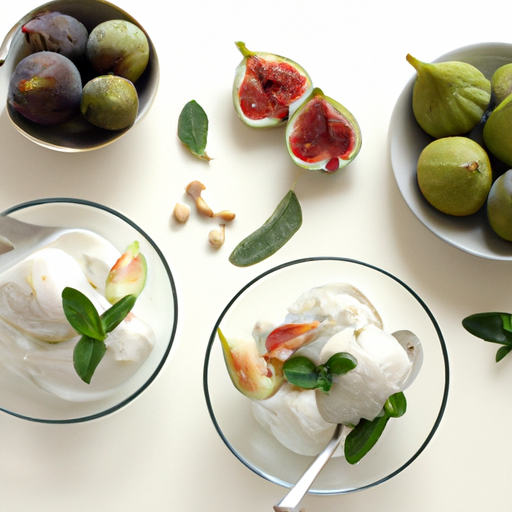
Amidst the popular fruits, don’t overlook the lesser-known but highly beneficial fruits like pomegranates, figs, and dates.

Discovering Pomegranates

Pomegranates are loaded with beneficial compounds and have been linked to a reduced risk of chronic diseases.

Why Include Figs?

Figs are a powerhouse of nutrients like magnesium, calcium, and vitamins, all wrapped in a high fiber package.

Leveraging the Power of Dates

Dates are not only a great natural sweetener, but are also abundant in fiber and antioxidants.

Are There Any Prohibited Fruits?

Understanding Fruit Restrictions

The Mediterranean diet does not restrict any fruits per se. However, it encourages eating a variety of fruits to benefit from the wide spectrum of nutrients they offer.

Possible Reasons for Limitations

While there aren’t restrictions, portion control is pivotal, ensuring a balance and avoiding high sugar intake from excessive fruit consumption.

Portion Control and Varieties

Practicing Portion Control With Fruits

Enjoy a variety of fruits but keep in mind that moderation is key.

Balancing Variety of Fruits

Aim for a variety of colors to ensure a comprehensive nutrition profile.

Fruits and Family Meals

Fruits should be an integral part of every family meal.

Making fruits a part of family meals

In the Mediterranean diet, fruits are often enjoyed with family during meals, fostering kinship and togetherness.

Fruits as a Norm at the Family Table

Having fruits at the family table is deeply ingrained in the Mediterranean culture. It’s a norm that encourages the intake of essential nutrients.

Cooking and Preparing Fruits

While fresh, raw fruit is best, cooking certain fruits can enhance their nutritional value.

Incorporating Fruits in Recipes

Try incorporating fruits in salads, sauces or even main dishes.

Raw Vs. Cooked – What’s Better?

Both raw and cooked fruits have their place, but eating a variety of both can maximize your nutritional intake.

Fruits as Dessert Choices

After a wholesome meal, fruits are a refreshing and healthy dessert option.

Healthy Dessert Options

You can make healthy desserts using fruits, such as a grilled peach halves with Greek yogurt or berry compote.

Easy-to-Make Fruit-Based Desserts

There are myriads of easy-to-make, fruit-based dessert recipes that are not only tasty, but also replete with beneficial nutrients.

Conclusion: All Fruits in Moderation

In the end, the Mediterranean diet encourages the consumption of all fruits in moderation – it’s all about balance and variety.

Embracing the Fruit Variety

When embracing a Mediterranean lifestyle, it’s not just about eating healthy but also appreciating the varied flavors nature has to offer.

Quality of Food for Family Health

Remember, the Mediterranean diet is not just about individual health. It’s also about fostering healthy eating habits within the family – it’s for everyone to enjoy and benefit from. Share the gift of high-quality food and togetherness with your loved ones, and watch your family health flourish. By JD.

July 31, 2023 Health & Nutrition

What Cheese Is Best For Mediterranean Diet?

Ever found yourself pondering about the finest cheese choice for your Mediterranean diet? The question may seem simple, but given the rich variety of cheeses across the world, it can become quite a conundrum. You may feel lost in a sea of options, wondering which one has the right balance of taste, health benefits, and aligns perfectly with the principles of the Mediterranean diet.

You are in luck because this article will steer you in the right direction. Not only will you get well-researched and accurate information, but you’ll also discover the great role that cheese plays in the Mediterranean diet and its numerous health benefits. Have peace of mind knowing that each bite is bringing you a step closer to maintaining your health long term, and sharing numerous quality meals with family with the knowledge gained from this read. So, buckle up and get ready to dive into the world of Mediterranean-friendly cheeses!

What Cheese Is Best For Mediterranean Diet?

Understanding the Mediterranean Diet

When it comes to embarking on healthy dietary habits, you may often hear about the Mediterranean diet. Renowned worldwide for its benefits on longevity and cardiovascular health, let’s delve deeper into its principles.

The Key Principles of the Mediterranean Diet

The Mediterranean diet revolves around a rich consumption of fruits, veggies, whole grains, olives, fish, and of course, cheese and yogurt. It also champions high-quality proteins and ‘good fats,’ stemming mainly from fish and olive oil, while staying low on red meat and sugars.

Health Benefits of the Mediterranean Diet

This heart-healthy diet is associated with lower risk of chronic diseases such as heart disease and diabetes. It also promotes improved brain health, reduced inflammation, and overall weight management.

The Role of Dairy in the Mediterranean Diet

Dairy plays an essential role in the Mediterranean diet, largely through cheese and yogurt consumption. It provides necessary calcium, vitamin D, and proteins.

Cheese in the Mediterranean Diet

Cheese is a staple in the Mediterranean diet, boasting a variety of health benefits, thanks to its nutritional content.

Good Fats vs Bad Fats in Cheese

Cheese is rich in fats; the Mediterranean diet, though, differentiates between good and bad fats. Cheese, especially when made from the milk of grass-fed animals, contains good fats like omega-3 fatty acids and conjugated linoleic acid (CLA).

Health Benefits and Nutritional Content of Cheese

Cheese is an excellent source of protein, calcium, and vitamins A and B-12 along with zinc, phosphorus, and riboflavin. Some cheeses also have probiotic benefits, supporting gut health.

How Much Cheese Can You Have in the Mediterranean Diet

Moderation is key – an ounce or two daily of cheese is typically included in a Mediterranean diet.

Assessing Various Cheeses for Suitability

Understanding that cheese varies regionally around the Mediterranean, the choice of cheese should primarily account for lactose tolerance and fat and calorie content.

Lactose Tolerance and Cheese

If you have a lactose intolerance, you can still enjoy cheese! Hard, aged cheeses like Parmesan and Pecorino Romano are lower in lactose and may be more easily tolerated.

Saturated Fat Content in Different Cheese Types

Although cheese contains saturated fats, research suggests that these fats have a neutral effect on heart health, particularly when consumed as part of a balanced Mediterranean diet.

Total Calorie Content in Various Cheeses

Calories in cheese can differ quite a bit, but remember, cheese is nutrient-dense, and portion control should keep you on track.

What Cheese Is Best For Mediterranean Diet?

Feta Cheese in the Mediterranean Diet

Beloved in Greece, feta cheese is a core part of the Mediterranean diet.

Nutritional Value of Feta Cheese

Feta, made mainly from sheep or goat milk, is high in B vitamins, calcium, and phosphorus. It’s also lower in fat and calories compared to many other cheeses.

Health Benefits of Feta Cheese

Feta is known for its gut-friendly properties and is often easier to digest for people with lactose intolerance. Also, the sheep’s and goat’s milk provide unique nutritional contributions.

Incorporating Feta Cheese into Mediterranean Diet Recipes

Feta cheese works brilliantly in salads, scrambled eggs, atop pizzas, and even in various vegetable dishes.

Parmesan Cheese in the Mediterranean Diet

Saturated in Italian tradition, Parmesan cheese is another nutrient-dense choice in the Mediterranean diet.

Nutritional Value of Parmesan Cheese

Parmesan is especially high in calcium and protein. A single ounce gives you over 30% of your daily required calcium intake.

Health Benefits of Parmesan Cheese

Graced with a low lactose content, Parmesan can aid in bone health due to its high calcium content.

Incorporating Parmesan Cheese into Mediterranean Diet Recipes

Grate Parmesan on your pasta, soups or salads to give your dishes a delightful flavor profile.

Mozzarella Cheese in the Mediterranean Diet

Smooth and creamy, Mozzarella is devoured in the Mediterranean region, especially Italy.

Nutritional Value of Mozzarella Cheese

Mozzarella is rich in protein, calcium, and vitamin B12. It contains less sodium compared to many other cheeses.

Health Benefits of Mozzarella Cheese

Mozzarella is a wonderful source of Biotin also known as Vitamin B7. Biotin has shown a plethora of positives like improved skin, aiding pregnancy, and reducing sugar crushes.

Incorporating Mozzarella Cheese into Mediterranean Diet Recipes

Mozzarella pairs perfectly with tomatoes, basil and a drizzle of olive oil in a Caprese salad.

Ricotta Cheese in the Mediterranean Diet

Delighting in its delicate taste, ricotta cheese is a popular choice across the Mediterranean.

Nutritional Value of Ricotta Cheese

Ricotta is high in protein and contains vital vitamins and minerals, including B vitamins, calcium, and phosphorus.

Health Benefits of Ricotta Cheese

The whey in ricotta contains proteins that can lower blood pressure and reduce the risk of type 2 diabetes.

Incorporating Ricotta Cheese into Mediterranean Diet Recipes

Ricotta cheese can be used in lasagna, cannoli, or on toast with fruits and honey.

Cheese Substitutes in the Mediterranean Diet

If dairy isn’t for you, there are alternatives you can incorporate into your Mediterranean diet.

Dairy-Free and Vegan-Friendly Alternatives to Cheese

Options for cheese substitutes are vast and varied – almond, soy, cashew, and coconut cheeses can all fit nicely into the Mediterranean diet framework.

How to Incorporate Cheese Substitutes into Mediterranean Diet Recipes

Choosing a cheese substitute is often a matter of personal preference, but it can also depend on any dietary restrictions.

Enjoying Cheese in the Mediterranean Diet with Family

Food, family and love blend deliciously in the Mediterranean diet. There’s a raft of cheese-inspired recipes that the entire family can relish.

Cheese-Themed Mediterranean Diet Recipes for Families

Family meals with cheese can include whole wheat pasta with Parmesan, Greek salads topped with feta, or aubergine Parmigiana.

Incorporating Family Traditions and Cheese Enjoyment into the Mediterranean Diet

In the Mediterranean, families have been sharing food traditions for generations. Enjoy heart-healthy, cheesy meals with your loved ones as you embark on this dietary journey together.

Conclusion

Choosing the Best Cheese for Your Mediterranean Diet Needs

The best cheese for you depends on your personal taste, dietary needs, and health goals. With the Mediterranean diet, you have the freedom to explore and relish a diversity of cheeses.

The Role of Moderation in Enjoying Cheese in the Mediterranean Diet

Remember, moderation is key. Cheese can be a delicious, nutritious part of your Mediterranean diet, as long as it is enjoyed as part of a balanced diet.

Cheese and the Mediterranean diet indeed go hand in hand as you journey towards a healthier lifestyle. After all, what’s a better way to savor the essence of the Mediterranean lifestyle than indulging in a cheese-laden bite, shared with your beloved family?

  • « Go to Previous Page
  • Go to page 1
  • Interim pages omitted …
  • Go to page 57
  • Go to page 58
  • Go to page 59
  • Go to page 60
  • Go to page 61
  • Interim pages omitted …
  • Go to page 64
  • Go to Next Page »

Primary Sidebar

Hey y’all!

Hello and welcome to MediterraneanDietRecipes.net My name is JD, and I’m a 46-year-old father of three amazing children. My family is my world, and my main goal in life is to stay healthy and live long enough to see my children grow up, have children of their own, and to be an active, engaged, and supportive grandparent.

Being an older father, I understand that time is precious, and I want to make the most of it by ensuring that I am in the best possible shape physically, mentally, and emotionally. My journey started with a deep dive into the research on longevity and the lifestyle choices that can help me achieve my goals. Dig deeper →

Footer

Stay Connected

  • Bloglovin
  • Facebook
  • Instagram
  • Pinterest
  • Twitter

Copyright © 2026 · MEDITERRANEAN DIET RECIPES