• Skip to primary navigation
  • Skip to main content
  • Skip to primary sidebar
  • Skip to footer
  • Home
  • About
  • Recipes
  • Blog

Mediterranean Diet Recipes

Home » Blog

Blog

July 31, 2023 Health & Wellness

Does The Mediterranean Diet Contain Alcohol?

Have you ever found yourself wondering, “Does the Mediterranean Diet involve alcohol?” It’s a fair question to ask. A diet that promotes health and wellness like the Mediterranean Diet wouldn’t typically be associated with alcohol consumption. But, is there more to it?

In the upcoming article, we’ll explore this query in-depth. JD, a dedicated father fueled by his passion for a healthy lifestyle, shares his well-researched insights about the Mediterranean diet, including topics like alcohol consumption. Combining health and longevity with delicious, quality food— that’s what the Mediterranean Diet embodies. So, get ready to soak up some nourishing knowledge, right from JD’s table to yours. And remember, it’s not just about enjoying these nutritious meals, it’s also about sharing them with your loved ones. Stick around, there’s so much more to learn and discover.
Does The Mediterranean Diet Contain Alcohol?

Understanding the Mediterranean Diet

When you think about the Mediterranean diet, the first things that come to mind might be olives, fresh veggies, and grilled fish. Yes, these are all core components of the diet, but did you know there’s also room for a bit of alcohol in moderation?

Basic principles of the Mediterranean Diet

The Mediterranean diet is inspired by the traditional eating habits of the countries surrounding the Mediterranean Sea. The focus is on whole foods: fruits, vegetables, legumes, grains, nuts, and lean proteins like fish and chicken. Perhaps less known, the Mediterranean diet also includes a modest intake of red wine.

Common foods and meals

Your plate on a Mediterranean diet will be filled with a rainbow of vegetables, hearty grains, lean proteins – and perhaps a splash of olive oil. Meals often start with a base of whole-grain breads, rice or pasta, layered with veggies and a lean protein. Don’t forget a little side of olives or a slice of cheese!

Health benefits associated with the diet

This diet is not just a passing fad, it’s backed by research showing potential benefits like heart health, weight loss, and control of diabetes. All these benefits seem to be tied to the diet’s emphasis on whole foods, healthy fats, lean proteins, and yes – moderate amounts of red wine.

Alcohol in the Mediterranean Diet

Alcohol, specifically red wine, has a small but significant role in the Mediterranean diet. But it’s important to remember, moderation is key.

Role of alcohol in the diet

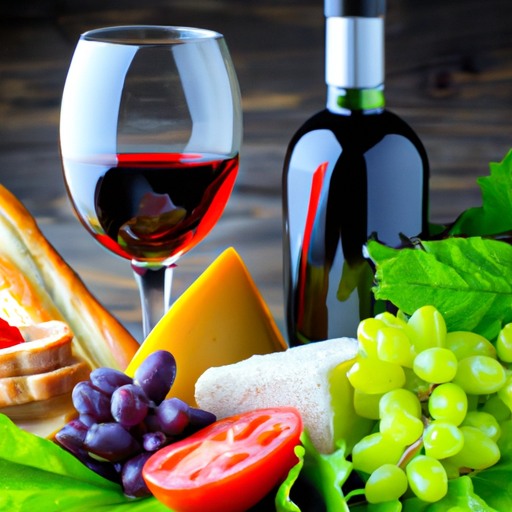
Wine, especially red, has long been a part of the Mediterranean lifestyle. Enjoying a glass of wine with a meal is common. However, this doesn’t mean drinking excessively. It’s about savoring a small amount, typically with meals.

Common types of alcohol consumed

Red wine is the most commonly consumed alcohol in the Mediterranean diet, due to its rich content of polyphenols, which are powerful antioxidants.

Moderation and Balance

As with everything in the Mediterranean diet, balance and moderation are critical when it comes to alcohol.

Importance of moderate alcohol consumption

Moderate consumption is generally defined as up to one drink per day for women and up to two drinks per day for men. This moderation is important to maintain the potential health benefits of alcohol in the diet.

How to balance alcohol with other foods and activities

Balance is key. This means pairing your wine with a variety of nutrient-dense foods from the diet and incorporating physical activity regularly.
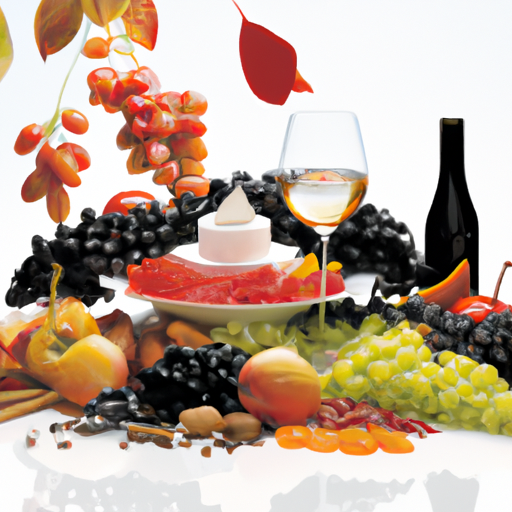
Does The Mediterranean Diet Contain Alcohol?

Impact of Alcohol on Health

While moderate alcohol consumption can fit into a healthy lifestyle, it’s not without potential downsides.

Potential benefits of moderate alcohol consumption

Research suggests that moderate red wine consumption can be heart-healthy. The antioxidants found in red wine, like resveratrol, might help prevent heart disease by protecting the lining of your heart’s blood vessels.

Potential health risks of alcohol

Excessive alcohol use can lead to a host of health issues, including high blood pressure, heart disease, stroke, liver disease, and digestive problems. Hence, moderation is key.

Recommended Alcohol Choices

If you decide to include alcohol in your Mediterranean diet, choosing the right type is important.

Preferred type of alcohol in the Mediterranean Diet

Red wine is the preferred choice over other alcoholic beverages due to its polyphenol content.

How to select quality wine or beer

Selecting a quality wine involves more than just being attracted to a label. Look for wines low in added sugars and remember, the best wine is the one you enjoy drinking!

Alcohol Alternatives in the Mediterranean Diet

If you prefer not to include alcohol, there are plenty of other beverages you can enjoy.

Non-alcoholic substitutes

Grape juice offers many of the same heart-healthy benefits as red wine. Other options include herbal teas, infused water, and freshly squeezed juices.

Benefits of alcohol-free options

Opting for non-alcoholic beverages ensures you avoid the potential negative impacts of excessive alcohol consumption.

Family and the Mediterranean Diet

The Mediterranean diet and lifestyle are as much about what you’re eating as who you’re eating with. It’s about making food a celebration and enjoying meals together as a family.

Role of family in Mediterranean food culture

In Mediterranean cultures, meals are a time to connect with loved ones. It’s often a long, leisurely affair with plenty of talk and laughter.

How to include children in the Mediterranean lifestyle

While kids may not partake in a glass of wine, they can certainly enjoy the fresh flavors of the Mediterranean diet. Plus, they’ll love being part of the time-honored tradition of family meals.

Incorporating the Mediterranean Diet into daily life

The Mediterranean diet is more than just healthy eating; it’s a lifestyle. And like any lifestyle change, it can require some adjustment.

Navigating social gatherings and restaurants

With its focus on fresh, whole foods, it’s fairly simple to stick to the Mediterranean diet, even at restaurants or parties. Don’t be afraid to ask about menu items, and remember, it’s not just about what you eat, but how much and how often.

Adapting the diet to personal needs and preferences

The great thing about the Mediterranean diet is its flexibility. You can easily customize it to fit your dietary needs and personal preferences.

Success Stories and Testimonials

Many people have successfully adopted the Mediterranean lifestyle and found it to have a positive impact on their health and wellbeing.

Personal experiences with the diet

Stories abound of people who have not only lost weight but also improved their heart health, controlled their diabetes, or simply felt better on the Mediterranean diet.

Impacts on long-term health and family life

Beyond just physical health, many folks also experience benefits in their family life, like a renewed enjoyment of meals and stronger family connections.

Conclusion

The Mediterranean lifestyle is about more than just diet. It’s about savoring meals, sharing them with loved ones, and enjoying life ‘s pleasures in moderation.

Key takeaways about alcohol in the Mediterranean Diet

If you take away one thing from this, remember that occasional, moderate consumption of red wine can fit into a healthy Mediterranean lifestyle. But it’s not a requirement, and there are plenty of non-alcoholic alternatives to enjoy.

Final thoughts on balance and moderation

Balance is key. Whether it’s wine, cheese, or bread, the Mediterranean diet promotes moderation.

Aspects of the Mediterranean lifestyle beyond just diet

The Mediterranean lifestyle promotes leisurely meals with loved ones, regular physical activity, and a general appreciation for the good things in life. So, whether you’re toasting with a glass of red wine or a mug of herbal tea, here’s to your health and happiness on the Mediterranean lifestyle journey!
July 31, 2023 Health & Wellness

How Much Chicken Can You Eat On Mediterranean Diet?

Oh, you’re curious about how much chicken you can consume while on the Mediterranean diet, aren’t you? That’s a fantastic question and one you’re not alone in wondering. It turns out, many have debated the place of chicken as part of this healthy, balanced approach to eating. Don’t worry though, we’re here to give you a thorough answer on it.

Through reading the article, you’ll get to expand your knowledge on this matter, and you’ll walk away with some practical tips to help you incorporate chicken into your Mediterranean diet in a balanced way. The Mediterranean Diet is rich in benefits, and being able to enjoy your favorite meats like chicken while reaping these benefits is something you surely wouldn’t want to miss. Learning about this allows you to share high-quality meals with your family and understand the importance of balanced, healthy eating. JD, an advocate for the Mediterranean diet and father of three, is keen on providing accurate and well-researched information, just for individuals like you who want to be active and healthy in the long term.

How Much Chicken Can You Eat On Mediterranean Diet?

Understanding the Mediterranean Diet

The Mediterranean Diet is not just a diet, but rather a lifestyle. It’s a balanced way of living that emphasizes eating whole foods, engaging in regular physical activity, and enjoying meals with family and friends. The diet is named after the cooking style of the countries bordering the Mediterranean Sea where fish, fruits, vegetables, grains, and olive oil are prevalent.

Key Principles of the Mediterranean Diet

The Mediterranean Diet revolves around several key principles. The primary focus is on in-taking high amounts of fruits, vegetables, legumes, nuts, and olive oil. It also recommends moderate consumption of poultry and fish and minimal intake of red meat.

Health Benefits of the Mediterranean Diet

The Mediterranean Diet is associated with numerous health benefits. It’s known to reduce risks of heart disease, hypertension, type 2 diabetes and even certain types of cancer. It also promotes improved mental health and increased longevity.

Why JD Promotes the Mediterranean Diet

As a father of three, JD believes in implementing the Mediterranean diet in his family’s lifestyle because of its tremendous health benefits. JD wishes to stay active, healthy and present in his children’s lives. Eating high-quality food like those found in the Mediterranean diet can play a pivotal role in sustaining long-term health.

Guidelines for Protein Consumption in the Mediterranean Diet

Importance of Protein

Protein is an essential part of our diet as it assists in repairing cells, building muscles and maintaining a strong immune system. The Mediterranean diet provides a good balance of protein from various sources.

Daily Protein Intake

The recommended dietary allowance for protein is about 46 grams per day for women and 56 grams for men. However, individual requirements may vary.

Sources of Proteins

In the Mediterranean diet, Proteins are obtained from both animal and plant sources. Poultry, fish, dairy products, legumes, and nuts are some of the sources of protein in this diet.

The Role of Chicken in the Mediterranean Diet

Chicken as a Source of Protein

Chicken is a great source of lean protein. It’s low in saturated fat (especially when the skin is removed), high in vitamin B6, and contains beneficial amino acids.

Nutrient Content of Chicken

Apart from protein, chicken is rich in several other nutrients such as selenium, niacin, and vitamin B6 that are pivotal for a healthy immune system, energy production, and metabolism.

Choosing the Right Type of Chicken

Opt for the leanest cuts such as chicken breast. Always prefer organically raised or free-range chicken as they have a healthier nutritional profile.

How Much Chicken Can You Eat On Mediterranean Diet?

Incorporating Chicken in Mediterranean Diet

Chicken in Mediterranean Cuisine

Chicken is used widely in the Mediterranean diet. From chicken souvlaki skewers in Greece to chicken tajines in Morocco, poultry forms a key part of meals.

Healthy Ways to Prepare Chicken

The Mediterranean diet encourages grilling or roasting chicken over a salad or having it with sides of fresh vegetables and whole grains.

Balancing Chicken with Other Diet Elements

While chicken provides a great source of protein, remember to balance it with vegetables, whole grains, and legumes, which are also integral components of the Mediterranean diet.

How Much Chicken Can You Eat

Recommended Chicken Servings

There isn’t a hard and fast rule. However, moderate intake is advised. Too much of anything isn’t good even if it’s as healthy as chicken.

Factors Affecting Chicken Consumption

Your level of physical activity, age, gender and specific dietary requirements will dictate your ideal chicken intake.

Effects of Over-consuming Chicken

Over-consumption of chicken can lead to excess protein intake which, in turn, could strain your kidneys and may even increase your risk of heart disease due to saturated fats.

Alternatives to Chicken in the Mediterranean Diet

Plant-based Protein Sources

Lentils, beans, chickpeas, peas, and whole grains serve as excellent sources of plant-based proteins in the Mediterranean diet.

Seafood as an Alternative

Fish like salmon, tuna or sardines are rich in heart-healthy omega-3 fatty acids, making them a superb option.

Dairy and Egg Proteins

Eggs and dairy, such as yogurt and cheese, can provide a healthy dose of protein.

Recipes Incorporating Chicken in the Mediterranean Diet

Discover some scrumptious and healthy chicken recipe in the Mediterranean style like Chicken and vegetable skewers, Mediterranean chicken salad, and garlic and herb-roasted chicken.

Mediterranean Diet for the Whole Family

Involving Family in Mediterranean Diet

Cooking Mediterranean meals at home is a wonderful way to involve the whole family in a healthy lifestyle.

Kids Friendly Mediterranean Recipes

Start with simple dishes like chicken pasta, hummus, and Greek salad for your kids to develop a bit of Mediterranean flair.

Making Mediterranean Diet a Lifestyle

JD believes it’s important to make the Mediterranean diet, not just a diet, but a way of life to reap its maximum benefits.

Achieving Long Term Health Goals with Mediterranean Diet

The Impact of Mediterranean Diet on Longevity

Numerous studies have suggested that the Mediterranean diet can contribute to increased longevity and better quality of life.

Personal Testimony From JD

JD, through his experience, can emphatically say that the Mediterranean Diet has made him and his family healthier and more energetic.

Tips to Stay Consistent on the Diet

Include a variety of Mediterranean foods, stick to the diet, be patient, enjoy your meals and you are more likely to stay consistent.

Conclusion

Incorporating chicken into your Mediterranean diet and balancing it with other nutritional elements can lead to numerous health benefits. But moderation is the key. With the right approach, the Mediterranean diet can become a healthy, enjoyable, and sustainable lifestyle for you and your family. Make the switch today and you won’t regret it!

July 31, 2023 Health & Fitness

How Long Does It Take To Lose Weight On Mediterranean Diet?

So, you’re curious about the Mediterranean diet and wondering, “Just how long does it take to lose weight with this lifestyle change?” It’s a fantastic question to ask and one that you’re likely eager to find an answer to. Weighing the promises of rapid weight loss against the reality of long-term sustainable lifestyle changes is always a delicate balance.

Fear not! In this article, you’ll discover the intricacies of the Mediterranean diet and the results you can expect in terms of weight loss. We won’t just dip our toes into the shallow end of knowledge; we will go for a deep dive. From the impact of wholesome foods to the joy of sharing meals with family, we will cover this and more. So, sit tight, and get ready to add a flavor of the Mediterranean to your daily life.

How Long Does It Take To Lose Weight On Mediterranean Diet?

Understanding the Mediterranean Diet

You might have heard about the Mediterranean diet and how it aids in weight loss and contributes to overall health. But have you ever wondered what it involves and how it compares to other diets?

Basic principles of the Mediterranean Diet

The Mediterranean diet focuses on a variety of nutritious foods, such as fruits, vegetables, whole grains, nuts, olive oil, and moderate amounts of fish, poultry, and red wine. These foods, teeming with beneficial fibers, fats, and antioxidants, are pillars of the Mediterranean eating plan.

Central to the diet is the significant reduction of processed foods and red meat. Consuming meals with friends and family, enjoying life, and incorporating physical activities – these too are significant elements echoing the lifestyle of Mediterranean countries.

How the Mediterranean Diet compares to other diets

Unlike other diets that require counting calories or avoiding certain food groups, the Mediterranean diet emphasizes healthful eating patterns over restrictive rules. It’s not about denying oneself the joy of eating; rather the focus is on enjoying a variety of wholesome foods, freshness, and flavor.

Timeframe for Weight Loss on the Mediterranean Diet

You might be thinking, “So how long will it take for me to lose weight on the Mediterranean diet?” That’s a common question, but there isn’t a one-size-fits-all answer.

Factors influencing weight loss speed

Several factors influence the speed of weight loss, including your age, current weight, metabolic rate, and physical activity levels. Moreover, the extent of the changes you make in your diet and how consistent you are with those changes will also play a vital role.

Individual variability in weight loss

Remember, every individual is unique. Some may notice changes as early as a few weeks into the diet, while for others, it may take a couple of months.

Role of Physical Activity in Weight Loss

Physical activity is a significant part of the Mediterranean lifestyle, not just for weight loss but for overall health and longevity.

Effect of exercise on weight loss in conjunction with the Mediterranean Diet

Exercising boosts your metabolism, burning calories more effectively. Incorporating physical activity with the Mediterranean Diet enhances the weight-loss benefits.

Recommended Types of Exercise for enhancing weight loss results

You may want to engage in cardiovascular activities like walking, cycling, or swimming. Strength-training exercises will expedite your metabolism and enhance your fat-burning capacity.

How Long Does It Take To Lose Weight On Mediterranean Diet?

Potential Challenges and How to Overcome Them

Adopting a Mediterranean diet isn’t without its challenges. But don’t worry, JD is here to help you tackle them!

Coping with hunger during early stages of diet

During the initial days, you might feel a bit hungry as your body adjusts. Try to embrace this as a time of discovery. Seek out recipes that include grains and legumes as these are excellent sources of fiber, which can keep you fuller for longer.

Adapting to new food options

Introducing new foods into your diet might be a bit terrifying. Start small and remember, the Mediterranean diet is all about savoring and enjoying your meals, not rushing through them.

Maintaining motivation over time

Staying motivated over time is one of the biggest challenges when adopting any new diet. Keep your aim focused on the long-term benefits of the Mediterranean diet and picture enjoying a healthier, more vibrant life.

Benefits of the Mediterranean Diet beyond Weight Loss

While weight loss is a significant benefit of the Mediterranean diet, it’s not the only one.

Nutritional benefits of Mediterranean foods

The Mediterranean diet offers many nutritional benefits. It’s rich in fiber, healthy fats, and antioxidants.

Impact on overall health and longevity

Numerous studies have confirmed the positive impact of the Mediterranean diet on overall health and longevity. It also enhances brain health, safeguarding against diseases like Alzheimer’s.

Role in chronic disease prevention

Adhering to a Mediterranean diet can reduce the risk of developing chronic diseases such as heart disease, diabetes, and certain types of cancer.

Incorporating Family into the Diet Transition

Adopting the Mediterranean diet could be a great opportunity to involve your family. After all, the Mediterranean lifestyle is not just about food, but shared experiences and joy.

Sharing meals with loved ones

The Mediterranean diet emphasizes the importance of sharing meals with loved ones. Use meal time as an opportunity to bond and make cherished memories.

Educating family members about benefits of the diet

Involve your family in the decision-making process. Educate them about the health benefits of the diet. Use this opportunity to excite their humanitarian spirit by highlighting the diet’s sustainability aspect.

Meal planning and prep together as a family

Getting your family involved in meal planning and prep could make the transition easier. Kids might be more inclined to eat foods they help cook!

Tips for Success on the Mediterranean Diet

Switching to a Mediterranean Diet can be a positive, life-changing move, and JD is sharing some tips to help you succeed!

Setting realistic weight loss goals

Start with setting realistic and achievable weight loss goals. Remember, the Mediterranean diet is a lifestyle change, not a quick fix.

Monitoring progress and adjusting as necessary

Monitor your progress regularly and adjust your diet or exercise regimen as needed.

Incorporating enjoyable foods to help adherence

The Mediterranean diet does not believe in total deprivation. So, find ways to incorporate your favorite foods in a healthier way.

Meal Planning on the Mediterranean Diet

JD has some great tips for planning your meals around the Mediterranean diet.

Easy and delicious recipe ideas

Explore online for easy, quick, and delicious Mediterranean recipes. Try various recipes and discover your favorites.

Creative ways to include diverse foods in meals

Boredom should never be an excuse when following the Mediterranean diet. The diet is diverse, offering ample choices for every meal.

Useful shopping lists and meal prep tips

Keep a pantry stocked with Mediterranean diet essentials. Prepping your meals in advance can help ensure you always have a healthy option available.

Community Support on the Mediterranean Diet

Embarking on this new diet journey could be much easier with community support.

Finding local or online communities for support

Look for local or online communities that focus on the Mediterranean diet. Fellow members will offer their tips, experiences and support which can be encouraging.

Sharing your journey to motivate others

Share your journey on your own social media accounts or in diet-related forums. Your success could inspire others!

Tackling misconceptions around Mediterranean Diet

There are many misconceptions about the Mediterranean diet. Be prepared to educate people with truth and research.

Conclusion

In conclusion, remember the Mediterranean diet is not a temporary experiment, but a long-term investment. Enjoy the journey of exploring varied foods, engaging in physical activity, celebrating meals with loved ones, and reveling in the overall joy of life. Stay patient and consistent throughout your weight loss journey on the Mediterranean diet and remember, JD is here rooting for your success.

July 31, 2023 Food & Cuisine

What Is The Most Common Mediterranean Food?

You may be wondering, “What is the most common Mediterranean food?” Well, you’re about to embark on a delicious culinary journey that answers that very question! JD, a health-conscious dad of three and the brains behind this site, has put together a wealth of information on this very topic for all of us to learn from.

In the article that follows, you’ll discover more about the cornerstone of Mediterranean cuisine. JD will take you on an epicurean adventure, gleaning from his well-researched and accurate knowledge base. He underscores the countless benefits of the Mediterranean diet, a food regime he believes in for maintaining vibrant health for the long haul. Plus, who better to bring us this information than a family man who knows the importance of quality food shared with loved ones? So, get ready to dive in, your taste buds are in for a treat!

What Is The Most Common Mediterranean Food?

The Pervasiveness of Mediterranean Cuisine

Mediterranean cuisine is far more than a simple culinary trend. It’s a window into the vibrant cultures of the Mediterranean region, and an invitation to a healthier, flavorful lifestyle.

Understanding the Mediterranean culinary context

As you step into the world of Mediterranean food, you’re not just exploring an exotic menu; you’re immersing yourself in the rich cultural tapestry that the cuisine represents. The diversity and nuances of this cuisine are reflections of the Mediterranean region’s multifaceted history and geography.

Why Mediterranean cuisine is so popular

Few food styles worldwide have garnered as much affection and popularity as Mediterranean cuisine. And why not? It wonderfully blends healthful ingredients, tantalizing flavors, and simple preparation techniques into dishes that delight the senses. Implicit in every bite is the essence of conviviality, echoing the warm, social nature of Mediterranean cultures.

Common Elements in Mediterranean food

There is an array of key ingredients within the gastronomic tradition of the Mediterranean that not only create delightful dishes but significantly contribute to multiple health benefits.

Prominence of fruits, vegetables, and grains

the Mediterranean diet’s foundation is fresh fruits, vegetables, and whole grains, lending antioxidants, fiber, and essential nutrients to your meals.

The significance of fish and seafood

Oceans, seas, and rivers crisscrossing the region bring fish and seafood to the heart of the Mediterranean kitchen, providing protein alongside beneficial Omega-3 fatty acids.

Role of Olive Oil in the Mediterranean Diet

Rich, flavorful olive oil hosts the critical position of being both a cooking medium and a flavor enhancer, contributing the good, monounsaturated fat to the diet.

Use of Dairy and Poultry

Dairy products such as cheese and yogurt, and poultry are consumed in moderate amounts, supplying a valuable protein source.

Popular Mediterranean Foods

Whether you’re new to Mediterranean cuisine, or a connoisseur, these iconic dishes are bound to make it to your favorites list.

Pita bread and hummus: The basics

Pita bread paired with deliciously seasoned hummus dips makes a satiating snack, the definition of comfort food.

Moussaka: The Mediterranean casserole

This layered casserole of eggplant, ground meat, and Béchamel sauce beautifully represents a household staple across the Mediterranean.

Baklava: Dessert of the Mediterranean

End a Mediterranean meal on a high note with Baklava. This syrupy, nutty delight is a testament to layered pastry perfection.

Falafel: The Mediterranean fast-food

Falafel, crispy chickpea balls served in a warm pita with sauce, heralds as the go-to, guilt-free fast food option.

Gyros: A street-food favorite

With its succulent marinated and roasted meat wrapped in pita and topped with tzatziki, Gyros is a sensational mouthful of goodness.

Tzatziki: More than just a sauce

Creamy, tangy tzatziki sauce made from yogurt, cucumber, and garlic is more than just a condiment; it’s a staple across Mediterranean cuisines, serving as a refreshing dip and a sandwich spread.

What Is The Most Common Mediterranean Food?

Regional Variations in Mediterranean Cuisine

The beauty of Mediterranean cuisine lies in its diverse regional manifestations.

Greek cuisine: A Mediterranean representative

Greek cuisine shines in its simplicity, where the natural flavors of fresh ingredients captivate you.

Italian food: From Rome to your home

Italian food needs little introduction, with its hearty pastas, robust sauces, and succulent meat dishes gracing tables worldwide.

Spanish foods: Flavors from the Iberian Peninsula

Spanish cuisine delights all, whether it be melt-in-your-mouth tapas, rice dishes like Paella, or indulgent desserts like flan.

Turkish delights: A Taste of Eastern Mediterranean

Turkish cuisine paints a vibrant panorama of flavors with its savory kebabs, stuffed vegetables, and irresistible sweetmeats like Lokum (Turkish Delight).

Health Benefits of Mediterranean Food

The Mediterranean diet stands apart because it’s not just about eating healthy but it’s about enjoying healthful foods.

Heart health and the Mediterranean diet

The Mediterranean diet has been linked to a healthier heart by reducing factors that contribute to heart disease such as cholesterol levels and inflammation.

Mediterranean diet and weight management

Eating a Mediterranean diet can support weight loss and help maintain weight, thanks to its focus on whole foods and healthy fats.

Longevity and quality of life

Following a Mediterranean diet can help you live longer, and live better, by improving physical and mental health.

Cognitive health benefits of a Mediterranean diet

A Mediterranean diet may slow cognitive decline, reduce risk of Alzheimer’s disease, and improve brain function – the ideal food for thought.

Savoring the Mediterranean Nutrition

Appreciating the vibrant flavors

The Mediterranean diet enchants you with its diverse flavor profiles, from the zestiness of lemons to the warm hues of saffron, and the irresistible creamy textures.

Mediterranean food: A sensory feast

Enjoying Mediterranean food engages your senses, with its eye-catching colors, aromatic herbs, delightful textures, and fantastic flavors.

Bringing Mediterranean Food to Your Table

By incorporating the Mediterranean diet into your lifestyle, you’re signing up for a healthier, tastier life.

Creating a Mediterranean food family tradition

There’s nothing more satisfying than witnessing your family savoring a nutritious, handmade meal at the dinner table.

Simple recipes to introduce Mediterranean foods to your meals

With Mediterranean cuisine’s straightforward preparation methods, creating a lovely Mediterranean dish at home is easy.

The Mediterranean Diet and Lifestyle

Food as a social event in Mediterranean culture

Food is seen as an opportunity to enjoy good company, creating a sense of community that nourishes the soul as well as the body.

Active lifestyle: The other half of the Mediterranean way of life

Regular physical activity compliments the diet, thus completing the Mediterranean lifestyle for total wellness.

Comparing Mediterranean Food to Other Diets

Balancing flavors and nutrition: Mediterranean diet vs. other diets

Where other diets may restrict and limit, the Mediterranean diet encourages balanced eating, both pleasing the palate and nourishing the body.

The sustainability of the Mediterranean diet

Beyond being healthy for you, the Mediterranean diet also cares for the planet, advocating seasonal, local produce, and sustainable seafood.

Conclusion

Embracing Mediterranean cuisine for health and enjoyment

Mediterranean food isn’t just about indulgence; it’s about making each meal an experience of joy and well-being. It’s a journey into a vibrant culture that cherishes good food, good company, and a good life. So, what are you waiting for? It’s time to embark on your voyage to the land of healthier, tastier living with Mediterranean cuisine at the helm.

July 31, 2023 Health & Wellness

Can You Eat Popcorn On Mediterranean Diet?

So you’ve started on journey to the healthy Mediterranean diet and you’re craving a snack. Maybe a crunchy, salty treat while you’re enjoying a movie night with the family? Naturally, you’re wondering, “Can I eat popcorn on a Mediterranean diet?”

Well, the answer might surprise you! The Mediterranean diet, while highly nutritious, is also flexible and can accommodate a wide range of snack foods. Dive into the article to learn more about how popcorn fits into this diet, and how to make it a healthier choice. You’re sure to find some helpful tips and delicious recipes along your nutritious path. Remember, it’s all about enjoying high quality food, in a fun, family-friendly way!

Can You Eat Popcorn On Mediterranean Diet?

Can You Eat Popcorn On Mediterranean Diet?

Understanding the Mediterranean Diet

Defining the Mediterranean Diet

The Mediterranean diet, inspired by the traditional food habits of the people living around the Mediterranean sea, is quite popular worldwide. The diet is characterized by the high consumption of fruits, vegetables, whole grains, legumes, and olive oil, moderate consumption of fish and poultry, and limited intake of red meat, processed foods, and sweets.

Primary Components of the Mediterranean Diet

Fruits, vegetables, and whole grains make up the bulk of every Mediterranean meal, providing much-needed nutrients and fiber. In addition, lean proteins from fish, poultry, legumes, and the occasional serving of red meat help ensure you’re getting enough protein in your diet. Lastly, no Mediterranean meal is complete without a healthy dose of olive oil, known for its many health benefits.

Health Benefits of the Mediterranean Diet

The Mediterranean diet is linked to numerous health benefits. It is associated with reduced risk of chronic diseases like cardiovascular disease, diabetes, obesity, and some forms of cancer. This eating pattern aids a healthy weight management strategy and can even improve mental health.

Grains in the Mediterranean Diet

Role of Grains in the Mediterranean Diet

Grains, especially whole grains, are a staple of the Mediterranean diet. They are consumed in various forms throughout the day, from crunchy bread at breakfast to pasta at lunch, or couscous for dinner.

Popular Grains Consumed in the Mediterranean Diet

While the most well-known grain might be wheat, other grains popular in the Mediterranean diet include barley, millet, oats, corn, and rye, which can be consumed whole or processed into bread or pasta.

How Grains Contribute to Health in the Mediterranean Lifestyle

Whole grains are rich in dietary fiber, minerals, vitamins, and essential fatty acids, which contribute to lower risks of chronic disease and improve gut health.

Popcorn as a Whole Grain

Nutritional Value of Popcorn

Popcorn is a whole grain and a great source of fiber. It is also low in calories, provided it’s air-popped and not loaded with butter and salt.

Health Benefits of Consuming Popcorn

Due to its high fiber content, popcorn helps in digestion, keeps you satiated, and can maintain blood sugar levels.

How to Prepare Healthy Popcorn

Aim for air-popped popcorn, without added butter or excessive amount of salt. Adding herbs and spices like rosemary or chili powder can give it an extra flavor boost.

Can You Eat Popcorn On Mediterranean Diet?

Inclusion of Popcorn in the Mediterranean Diet

Reasons to Include Popcorn in the Mediterranean Diet

As a whole grain, popcorn fits right into the Mediterranean diet. It’s an ideal snack, which, when prepared correctly, maintains the diet’s principles.

Best Ways to Incorporate Popcorn in the Mediterranean Diet

Enjoy popcorn as a midday snack or a treat during movie nights. You can also get creative and add popcorn to salads for a unique and crunchy twist!

Safe Snacking on the Mediterranean Diet

Healthy Mediterranean Snacks beyond Popcorn

Other healthy snack options include nuts, fruits, Greek yogurt, hummus with veggies, or a piece of whole grain toast drizzled with olive oil.

Promoting Variety in Snack Choices

With the Mediterranean diet, snacking is not just about limiting calories but also nourishing your body. Aim for variety to ensure a range of nutrients.

Portion Control and Snacking on the Mediterranean Diet

Ensure you’re not overeating, even healthy snacks. Try to limit portions to what’s satisfying, not beyond.

Customizing the Mediterranean Diet to Individual Needs

Flexible Nature of the Mediterranean Diet

One of the best things about the Mediterranean diet is its versatility. You can customize it according to your lifestyle, preferences, and dietary needs.

Adapting the Mediterranean Diet to Fit Dietary Restrictions

Whether you’re vegetarian, gluten-free, or lactose intolerant, you can easily identify and incorporate suitable nutrient-dense foods into your meals.

Adjusting the Mediterranean Diet for Personal Taste Preference

Experiment with different whole grains, proteins, fruits, and vegetables. Discover the flavor combinations you enjoy the most within the spectrum of the diet.

Living the Mediterranean Lifestyle Beyond Diet

Importance of Physical Activity

Physical activity is an essential part of the Mediterranean lifestyle. Choose an activity you enjoy – whether it’s a brisk walk, running, swimming, or dancing, make it a regular part of your routine.

Embracing the Social Aspect of Eating

The Mediterranean lifestyle also values the joy of sharing meals with friends and family. As JD, a father of three, and creator of www.mediterraneandietrecipes.net underlines, preparing and savoring meals together strengthens bonds and creates lasting memories.

Role of Stress Management and Sleep in the Mediterranean Lifestyle

Beyond healthy eating and regular activity, the Mediterranean lifestyle includes sufficient sleep and effective stress management. Achieving a balanced life is the ultimate goal.

Sharing the Mediterranean Diet with Family

Teaching Children about the Mediterranean Diet

Introducing children early to a rich variety of foods can help them develop healthy eating habits. Including children in meal prep and cooking can heighten their interest in nutritious food.

Promoting Healthy Food Habits among Family Members

Making mealtime a family affair not only strengthens bonds but also encourages healthy food habits. Family meals can help children to appreciate nutritious food and understand the value of a balanced diet.

Enjoying the Mediterranean Diet Together as a Family

The shared food experience allows everyone in the family to enjoy and appreciate the flavors and health benefits of the Mediterranean diet.

Answering Common Questions about the Mediterranean Diet

Addressing Doubts and Myths about the Mediterranean Diet

In upcoming posts on JD’s blog, www.mediterraneandietrecipes.net, we will take a closer look into common concerns and misconceptions about the Mediterranean diet.

Ensuring the Authenticity of Mediterranean Food

Identify reliable resources and cookbooks that can guide you on your Mediterranean diet journey. The authenticity of your meals depends on quality ingredients and traditional cooking methods.

Conclusion: Enjoying Popcorn on the Mediterranean Diet

Making Informed Snacking Choices on the Mediterranean Diet

It’s important to keep nutrients in mind when reaching for a snack, and that’s where popcorn fits into a Mediterranean diet snack. Just remember to keep it simple and healthy.

Popcorn as an Example of Healthy, Enjoyable Snacking on the Mediterranean Diet

Finally answering your question, yes, you can enjoy popcorn as part of your Mediterranean diet. It’s an example of how snacks can be healthy yet delicious, maintaining the essence of a heart-healthy, versatile, and enjoyable Mediterranean eating pattern!

July 31, 2023 Health & Wellness

What Are The Dos And Dons Of The Mediterranean Diet Food List?

So, you’re curious about the ins and outs of the Mediterranean Diet Food List? That’s perfect! This diet has gained popularity due to its numerous health benefits, not to mention the delicious foods involved. The best part is, it’s not just about what you’re eating, but also about enjoying high quality meals with your loved ones.

You’re off to a great start by expressing interest in understanding the dos and don’ts, and there’s a whole lot more to dive into. Every aspect of this diet, from the hearty grains to the refreshing vegetables, has a purpose. In the upcoming article, you’ll learn even more about this lifestyle approach to eating not just for your own health, but as a way to stay active and strong for your family. Learning about the Mediterranean diet is not just about following a trend, it’s about adopting a nutrient-rich and balanced lifestyle that will serve you well in the long run. You won’t regret taking this journey with us!

What Are The Dos And Dons Of The Mediterranean Diet Food List?

Understanding the Mediterranean Diet

Defining the Mediterranean Diet

The Mediterranean Diet derives its name from the region where it’s commonly practiced, the Mediterranean region. Originating from various cuisines including Greek, Italian, and Spanish, this diet primarily consists of nutrient-rich foods and healthy fats.

Health Benefits of the Mediterranean Diet

Research has consistently associated the Mediterranean Diet with a range of health benefits. These include a reduced risk of heart disease, diabetes, and certain cancers. Moreover, this diet supports weight management and promotes overall wellbeing.

Common Foods in the Mediterranean Diet

The Mediterranean Diet typically emphasizes on fruits, vegetables, whole grains, legumes, nuts, seeds, and olive oil. Other common inclusions are lean proteins like fish and poultry, alongside moderate amounts of dairy, eggs, and wine.

The Dos of the Mediterranean Diet Food List

Incorporating a Variety of Fruits and Vegetables

The Mediterranean Diet encourages a high intake of fruits and vegetables. These are rich sources of essential vitamins, minerals, and dietary fiber—vital for your overall health. Aim for at least two servings of vegetables and one serving of fruit in each meal.

Choosing Whole Grains

Compared to refined grains, whole grains have a higher content of fiber and nutrients, supporting a healthy digestion and making you feel fuller for longer. Thus, you’re encouraged to choose whole grain options in your diet.

Prioritizing Healthy Fats

Instead of saturated and trans fats, the Mediterranean Diet encourages you to incorporate healthy fats, such as those found in olive oil and nuts. These fats play a crucial role in managing your energy, mood, and overall body functioning.

Including Lean Proteins

Lean proteins are an important part of this diet. Fish and poultry are preferred protein sources, with red meat to be limited due to its higher saturated fat content.

Opting for Herbs and Spices Over Salt

Herbs and spices add flavor while also providing several health benefits. By using these ingredients instead of salt, you help curb excess sodium intake that could potentially cause health problems.

Promoting Healthy Lifestyle with the Mediterranean Diet

Sharing Meals with Family

As the Mediterranean Diet is deeply rooted in family meals and communal eating, make it a habit to share your meals with family, thus enhancing your sense of belonging, improving mealtime enjoyment, and promoting healthier eating habits.

Getting Regular Physical Activity

Pairing the Mediterranean Diet with regular physical activity boosts its health benefits. Try including daily walks or other forms of moderate activities into your routine.

Maintaining a Balanced Diet

The Mediterranean Diet is all about balance. It doesn’t specifically prohibit any food, but rather encourages moderation especially with foods high in added sugars or unhealthy fats.

What Are The Dos And Dons Of The Mediterranean Diet Food List?

The Don’ts of the Mediterranean Diet Food List

Limiting Red Meat

While the Mediterranean Diet doesn’t completely exclude red meat, it recommends limiting its intake due to its high content of saturated fats and cholesterol, which can increase your risk of heart disease.

Avoiding Processed Foods

This diet emphasizes on fresh and homemade meals, keeping processed foods to a minimum. These usually contain added sugars, sodium, saturated fats, and lack essential nutrients.

Restricting Sugary Drinks and Sweets

Although natural sugars from fruits are embraced in this diet, added sugars found in many sodas, juices, and sweets are not. Simple carbohydrates from these sources can lead to unwanted weight gain and other health problems.

Common Misconceptions about the Mediterranean Diet

Misunderstanding the Role of Olive Oil

Many may think unlimited olive oil can be used due to its healthful fats. However, it’s still high in calories and should be consumed in moderation.

Confusion about Wine Consumption

Wine may be part of the diet, but its consumption must be moderate. The recommendation is a maximum of 5 ounces per day for women and 10 ounces for men.

Misperception of Portion Sizes

Despite the diet’s focus on healthy foods, portion control is still key. Even if food is healthy, consuming too much can lead to weight gain.

Adapting the Mediterranean Diet into Your Lifestyle

Meal Planning Tips for the Mediterranean Diet

Start with small adjustments, like replacing butter with olive oil, or introducing more fruits, vegetables, and whole grains into your meals.

Quick and Easy Mediterranean Diet Recipes

Various resources provide swift and easy recipes that follow the principles of the Mediterranean Diet. Follow JD’s blog on www.mediterraneandietrecipes.net for inspiration.

Serving a Mediterranean Diet in Different Situations

Preparing a meal for a family gathering or a holiday party? Try Mediterranean-inspired recipes. You’ll often find they’re crowd-pleasers and cater to most dietary restrictions.

Success Stories Including Mediterranean Diet

JD shares his personal experience with the Mediterranean Diet on his blog, a journey that has significantly improved his health and allowed him to model a healthy lifestyle for his children. Plenty of other real-world examples demonstrate the transformative effects of this diet, providing inspiration and motivation.

Fact-Check & Myths About Mediterranean Diet

Misconceptions easily circulate about diets, and the Mediterranean Diet is no exception. Prioritize authentic, well-researched sources to dispel fictions and debunk common myths about this diet.

Roadblocks and Challenges in the Mediterranean Diet

Like any lifestyle change, following the Mediterranean Diet can present challenges. Yet, there are multiple ways to overcome these roadblocks, from meal planning to finding suitable substitutes for your previous food choices.

Conclusion

The Mediterranean Diet is a flexible, balanced approach to healthier eating. Its dos and don’ts serve to guide you towards wholesome, delicious meals shared with family – a lifestyle JD and numerous others have found beneficial. The key is to treat it not so much as a strict regimen, but a guide to a healthier, sustainable lifestyle. So, why not give it a try and see its benefits unfold in your life?

July 31, 2023 Health & Wellness

What Are 5 Negatives From The Mediterranean Diet?

It’s wonderful that you’ve shown interest in taking a deep dive into the Mediterranean diet. The article we’re discussing today is titled “What Are 5 Negatives From The Mediterranean Diet?” We often discuss the myriad of benefits of this diet, but it’s imperative to understand that as with anything in life, there can also be some downsides.

In the following content, you’ll get a detailed breakdown of these potential negatives. By the end of the article, you’ll know more than just the highlights, but a comprehensive understanding of what challenges you might face. It’s crucial to note, though, that despite these hurdles, the overall quality, benefits, and the importance of sharing high-quality food with your loved ones remain crucial. So let’s take this journey together and further unravel the seemingly perfect Mediterranean diet.

What Are 5 Negatives From The Mediterranean Diet?

Overview of the Mediterranean Diet

Before we dive into the fathomable negatives of the Mediterranean diet, it’s vital to grasp its fundamental principles. The Mediterranean diet finds its roots in the eating patterns and lifestyle of the countries bordering the Mediterranean Sea. The core ethos of the diet emphasizes the intake of fruits, vegetables, whole grains, legumes, olive oil, and lean proteins such as fish and poultry. Red meat, saturated fats, and processed foods are limited.

This diet is widely acclaimed for its array of health benefits. From aiding weight loss, improving heart health to possibly minimizing the risk of certain chronic diseases. Its wholesome, minimally processed, nutrient-rich foods are key elements that attract individuals to this eating regimen.

Negatives from the Mediterranean Diet: Limited Portion Control

One of the potential fallacies of the Mediterranean diet lies in the lack of explicit portion control guidance. Although the constituent foods are highly nutritious, indulging excessively can lead to caloric surplus. You might find yourself digging into an avocado or lovingly pouring a free hand of olive oil on your salad without realizing the high-calorie count these healthy foods contain.

This absence of portion control can surreptitiously lead to weight gain. Regardless of the diet plan, maintaining caloric equilibrium is crucial. Consuming more calories than your body metabolizes will inevitably result in weight gain.

Negatives from the Mediterranean Diet: Expense

Opting for the Mediterranean diet can potentially be a financially taxing endeavor. The premium ingredients like extra virgin olive oil, fresh fish, lean proteins, and organic fruits and vegetables inevitably lead to an increase in grocery bills.

Expense should not be a deterrent in your quest for a healthy lifestyle. There are alternative affordable healthy diets you might consider. Seeking local seasonal produce or legumes, planning meals, and avoiding food wastage can significantly cut your grocery expenses.

What Are 5 Negatives From The Mediterranean Diet?

Negatives from the Mediterranean Diet: Inaccessibility of Ingredients

Geographical location can pose a significant challenge to pursuing the Mediterranean diet. Not all regions have ready access to a bountiful selection of Mediterranean ingredients. Fresh seafood, a cornerstone of this diet, may not be readily available inland.

Maintaining dietary consistency can become a struggle when ingredients are not within easy reach. Regularly substituting essential elements may lead to deviations from the diet, diluting its effectiveness over time.

Negatives from the Mediterranean Diet: Time and Effort

Creating delectable Mediterranean meals requires investing considerable time and effort. But juggling work, family, and other commitments might make it challenging to consistently devote time to meal preparation.

Sourcing, preparing, and cooking Mediterranean meals demands dedication. For those unaccustomed to cooking or lacking ample time, pursuing this diet may pose practical challenges.

Negatives from the Mediterranean Diet: Potential Nutrient Deficiency

The Mediterranean diet, like any other diet, is not devoid of certain nutrient deficiencies. Its lower consumption of red meat might lead to low iron intake. Since dairy is not a significant component, insufficient calcium might be another concern.

These risks underline the importance of complementing your Mediterranean diet with necessary supplements or incorporating alternative nutrient-rich foods to ensure a balanced nutrient intake.

Implications of these negatives on family life

Adopting any diet, including the Mediterranean one, should never compromise family life. The higher costs and time requirements can put extra pressure on family budgets and schedules. Striving for a healthy lifestyle should harmonize with your family’s needs and resources and not strain them.

Alternative solutions to these negatives

The above challenges should not dissuade you from reaping the benefits of the Mediterranean diet. Consider adapting the Mediterranean diet to suit your lifestyle and family needs. Seek locally available substitutes for expensive or inaccessible ingredients. Encourage family cooking sessions to diffuse the burden of meal preparation.

Importance of individual choice in diet

Recognize that no diet fits all. Dietary decisions must align with personal preferences and lifestyle. Deliberate on the challenges and benefits the Mediterranean diet presents, and contemplate if it suits your family’s unique needs and budget.

Conclusion: Weighing the Pros and Cons of the Mediterranean Diet

The Mediterranean diet, albeit revered for its numerous health benefits, comes with its set of challenges. Understanding these challenges is critical to sequentially integrating this diet into your lifestyle and reaping its benefits.

In conclusion, it is advisable to consider both the advantages and negatives of the Mediterranean diet before making an informed decision. Remember, your aim should be cultivating a lifelong habit that promotes health without hindering the daily rhythm of family life.

Article by: JD, founder of www.mediterraneandietrecipes.net

July 31, 2023 Food & Cooking

What Does A Mediterranean Dinner Look Like?

So you’re wondering, “What does a Mediterranean dinner look like?” Am I right? Well, let’s dive right in! On JD’s blog on www.mediterraneandietrecipes.net, he’s going to lift the lid off Mediterranean cuisine, unmasking the delightful mystery that it is. As a dedicated father with an unwavering commitment to staying healthy and leading by example, JD firmly upholds the belief that nutritious meals don’t have to compromise on taste. And the Mediterranean diet is the epitome of this belief.

In the article, JD will be detailing what you can expect from a typical Mediterranean dinner – think fresh veggies, wholesome grains, lean proteins, and delectable olive oil. By the end, you’ll have a comprehensive understanding of this powerhouse of nutrition! JD ensures that he shares only accurate, well-researched information. And what’s more, you’ll also get a glimpse into the role of this diet in fostering close-knit family bonds and promoting a long, active life. So stick around, this knowledge might just be what your family meal planning needs!

What Does A Mediterranean Dinner Look Like?

What Does A Mediterranean Dinner Look Like?

Are you wondering what makes a Mediterranean dinner so unique and healthy? From vibrant fruits and vegetables, lean proteins, to nutty whole grains, a typical Mediterranean dinner is a heart-pleasing feast! It embodies a splendid combination of traditional flavors and healthy eating practices. Here’s an immersive glance into the features, benefits, and staple ingredients of a Mediterranean dinner, and how you can recreate it in your own kitchen.

Features of a Mediterranean Dinner

High in Fruits and Vegetables

Mediterranean cuisine embraces a multitude of bright, crisp greens, ripe fruits, and nourishing vegetables. The endless assortment of these natural delights brings a dynamic play of colors, flavors, and nutrients to the table.

Lean Proteins: Seafood and Poultry

The Mediterranean diet prominently features lean proteins like fish and poultry. Freshly caught, well-seasoned seafood and tender poultry prepared with wholesome herbs lend a health-conscious yet gratifying character to a Mediterranean dinner.

Whole Grains and Legumes

Say hello to the foody foundation of Mediterranean dishes – whole grains and legumes. Brimming with fiber and plant protein, these nutrient-rich staples are must-haves in a Mediterranean pantry.

Minimal Use of Red Meat

Unlike many Western diets, Mediterranean dinners seldom feature red meat, as the diet emphasizes healthier protein sources such as fish, legumes, and nuts.

Benefits of a Mediterranean Diet

Promotes Heart Health

Adopting a Mediterranean diet can work wonders for your heart. Thanks to its low saturated fats and high fiber content, this diet helps maintain cholesterol levels, thus promoting cardiovascular health.

Supports Longevity

The Mediterranean diet is an elixir for longevity. It’s rich in antioxidants and omega-3 fatty acids, which are crucial for a healthy lifespan.

Boosts Brain Health

High-quality proteins, healthy fats, and various antioxidants from the Mediterranean diet power up our brain, enhancing cognitive function and memory.

Staple Ingredients Used in Mediterranean Dinner

Olive Oil: The Heart of Mediterranean Cooking

Olive oil is the quintessential fat used in Mediterranean cooking. Known for its heart-friendly benefits, it’s what gives Mediterranean dishes their distinctive, savory character.

Fresh Fruits: A Regular Dessert

Say goodbye to sugar-loaded desserts, and make way for fresh fruits! Fruits are the preferred dessert in the Mediterranean diet, as they’re a sweet but healthy end to a meal.

Grains: The Foody Foundation

The Mediterranean diet is incomplete without wholesome grains. From bread, pasta to couscous, these grains provide the fulfilling element to any Mediterranean dinner.

Nuts and Seeds: The Crunchy Delight

Nuts and seeds play a significant role in Mediterranean dishes. Sprinkling them over salads or grinding them in sauces brings a delightful crunchy texture and added nutrition.

What Does A Mediterranean Dinner Look Like?

Examples of Mediterranean Dinner Dishes

Souvlaki: The Grilled Classic

Souvlaki, the classic Greek dish, consists of tasty grilled meat and vegetables skewers served with a delectable dip and pita bread.

Tagine: The Hearty Stew

Experience a hearty North African delight with Tagine, a savory, slow-cooked stew of meat and vegetables.

Spanakopita: The Delicious Spinach Pie

This delicious Greek spinach pie called Spanakopita, made with flaky phyllo pastry, spinach, and feta cheese, is a must-try!

Wine and Other Drinks in a Mediterranean Dinner

Role of Wine

Wine, especially red, is often enjoyed moderately during a Mediterranean dinner. It’s believed to complement the flavors of the meal and boost heart health.

Non-Alcoholic Options like Herbal Teas and Juices

Herbal teas and fresh fruit juices also make a delightful appearance in a Mediterranean dinner, offering hydration and further health benefits.

Significance of Dining as a Family in Mediterranean Culture

Importance of Sharing Meals

In Mediterranean culture, meals are a communal occasion. Dining together provides an opportunity for family members to bond, share experiences and enjoy a nutritious feast together.

Involving Children in Meal Preparation

Mediterranean families encourage children to participate in meal preparation. It’s seen as a way to instill appreciation for healthy food and cultivate an understanding of their rich culinary heritage.

DIY: Mediterranean Dinner at Home

Creating a Balanced Mediterranean Meal Plate

Creating a balanced Mediterranean plate involves filling half the plate with vibrant fruits and veggies, a portion of grains or legumes, and supplementing it with lean protein.

Incorporating Variety: Tips to Mix and Match

Remember, the more, the merrier! Incorporating an array of colorful produce, lean proteins, and grains ensures your meals are nutritionally diverse and packed with flavor.

How to Take a Mediterranean Dinner Beyond Dinner

Leftovers: Next Day’s Lunchbox

Mediterranean meals are perfect for meal prep. Transform your dinner leftovers into a nutritious lunchbox the next day.

Cook in Batches: Save for Later

Cooking in large batches not only saves time and effort but also ensures you have a healthy meal waiting in your freezer on a hectic day.

Sustainability of the Mediterranean Diet

Low Environmental Impact

The Mediterranean diet encourages seasonal, local produce consumption. By doing so, it promotes sustainable agriculture and reduces environmental impact.

Promotion of Local Produce

Importance is given to fresh, locally sourced ingredients. It supports local farmers and ensures the ingredients are at their peak freshness.

Conclusion: Embracing the Mediterranean Style

Healthy Living the Tasty Way

Mediterranean food is a wonderful example of how healthy eating needn’t be dull or monotonous. By embracing this Mediterranean dinner style, you’re investing in a happy, hearty, and hale lifestyle.

A Lifestyle, Not a Diet

The Mediterranean way is not just a diet, it’s a lifestyle. It’s an approach steeped in enjoying food, respecting ingredients, and cherishing meal times shared with loved ones.

If you’re like me, JD, a father striving to ensure a healthy, balanced lifestyle for his family, picking up the Mediterranean way might just be what you’re looking for. So, roll up your sleeves, assemble your ingredients, and get set to journey into a Mediterranean dinner experience right in your kitchen. Enjoy the adventure!

July 31, 2023 Health & Wellness

Can You Cook With Olive Oil On The Mediterranean Diet?

So, you’re thinking about integrating the Mediterranean diet into your lifestyle and you’re wondering if cooking with olive oil fits into the picture, right? It’s an excellent question and one that we should explore because as you probably know, olive oil is a staple in Mediterranean cuisine.

In the following article, you’re going to discover the answer to this query. We’re going to delve into the role of olive oil in the context of the Mediterranean diet and help you understand why it’s considered an essential component. Keep in mind that one of the main features of the Mediterranean Diet is sharing high quality, delicious food with your loved ones. So get ready to learn how you can bring the flavors of the Mediterranean to your family’s table!

Can You Cook With Olive Oil On The Mediterranean Diet?

Understanding the Mediterranean Diet

Defining the Mediterranean Diet

The Mediterranean diet is more than just a fad, it’s a lifestyle designed around the traditional eating habits of people living in countries bordering the Mediterranean Sea. This includes countries such as Italy, Greece, Spain, and France where the population traditionally consumes a high amount of fruits, vegetables, grains, and of course, olive oil.

Health Benefits Associated with the Mediterranean Diet

Adopting the Mediterranean Diet isn’t just about enjoying delicious food; it’s about embracing a path towards better health. Researchers suggest this dietary pattern may reduce risk factors associated with heart disease, diabetes, and certain cancers. Indeed, the diet promotes longevity and a better quality of life.

Key Features of the Mediterranean Diet

Of the countless features that distinguish the Mediterranean diet, a few stand out. These include high consumption of fruits and vegetables, lean meats (mostly fish), nuts, legumes, and, most importantly, olive oil.

Role of Olive Oil in the Mediterranean Diet

Importance of Olive Oil in Mediterranean Cuisine

Olive oil is the cornerstone of Mediterranean cuisine, often referred to as ‘liquid gold’. It is used in almost every dish, from cooking to dressings, infusing meals with its unique flavor and full-bodied texture.

Nutritional Profile of Olive Oil

The nutritional content of olive oil is indeed impressive. Rich in monounsaturated fats, it is also packed with antioxidants and vitamin E, all of which play a huge role in chronic disease prevention and overall health enhancement.

Is Cooking with Olive Oil on the Mediterranean Diet Advisable?

Breaking Down the Myth: Does Heat Destroy Olive Oil’s Benefits?

Some believe that heating olive oil reduces its health benefits. The truth, however, is refreshing. Although some breakdown of the oil can occur if the smoke point is reached (between 210-230 degrees Celsius for extra-virgin olive oil), this temperature is well above those typically used in home cooking.

Scientific Evidences Supporting Cooking with Olive Oil

Multifarious scientific studies back cooking with olive oil. Findings from Spain’s University of Jaen revealed that a majority of essential nutrients in olive oil survived typical cooking temperatures. Cooking with this oil might actually increase the availability of certain bioactive compounds!

Can You Cook With Olive Oil On The Mediterranean Diet?

How to Cook with Olive Oil While on the Mediterranean Diet

Choosing the Right Olive Oil for Cooking

Opting for high-quality olive oil, namely extra virgin, ensures that you reap the maximum benefits. Look for products with a designation of origin stamp, proof that it meets required standards.

Safe and Healthy Cooking Techniques with Olive Oil

Variety is key. Olive oil can be used for sautéing, grilling, roasting, or as a dressing to fresh salads. Just remember not to exceed its smoking point to preserve all its goodness.

Recipes Incorporating Olive Oil for the Mediterranean Diet

Recipe Ideas for Breakfast

Start your day with a Greek-style omelet drizzled with extra-virgin olive oil, ripe tomatoes, and fresh herbs.

Olive Oil-Based Recipes for Lunch

A Mediterranean chopped salad, brimming with colorful veggies and drizzled with a luscious olive oil vinaigrette, makes a wholesome lunch.

Delicious Dinner Recipes with Olive Oil

Consider grilling salmon, drenched in an olive oil-based marinade and paired with Mediterranean flavors like lemon, garlic, and herbs, for dinner.

Conveying the Importance of Shared Meals

Creating a Better Bond by Sharing Quality Food

Delectable dishes aren’t just about food; it’s also about bringing people together. shared meals, especially at Mediterranean tables laden with olive oil-rich dishes, can develop a sense of togetherness, enhancing your bond with loved ones.

Impact of Shared Meals on Children’s Health and Development

Involving your little ones in preparing and sharing meals fosters healthier food choices that can, in turn, lead to improved overall health and long-term dietary habits.

The Impact of the Mediterranean Diet on Long-term Health

Longevity Benefits of the Mediterranean Diet

People living in the Mediterranean tend to enjoy longer lives, often attributed to their balanced diet rich in nutrient-packed olive oil.

Beneficial Role of Olive Oil in Disease Prevention

The healthy monounsaturated fats in olive oil may help reduce levels of bad cholesterol, inflammation, and the risk of heart disease.

How Authentic Mediterranean Diets Incorporate Olive Oil

Use of Olive Oil in Traditional Mediterranean Dishes

Olive oil isn’t only used for cooking in the Mediterranean kitchen; it often plays a starring role on the plate, with dishes designed to highlight the richness of this oil.

Cultural Importance of Olive Oil in the Mediterranean

Olive oil has a deep cultural significance in Mediterranean societies, often viewed as a symbol of peace, wisdom, and victory.

Alternatives to Olive Oil in the Mediterranean Diet

Other Healthy Oils to Use on the Mediterranean Diet

While olive oil takes center stage, other oils–like avocado oil, rich in monounsaturated fat and antioxidants–are excellent alternatives.

How to Incorporate These Alternatives in Your Diet

Switch things up by adding these alternatives to your salads, sautés, and marinades, to infuse different flavors into your dishes.

Conclusion: Olive Oil, a Pillar of the Mediterranean Diet

Reflecting on the Role of Olive Oil in the Mediterranean Diet

Reflecting on the fundamental role of olive oil in the Mediterranean Diet brings us back to the question at hand: Can you cook with olive oil on the Mediterranean diet? The answer is an emphatic yes.

Why The Mediterranean Diet and Olive Oil are an Ideal Combination for Health

The Mediterranean Diet’s high usage of olive oil makes it a standout choice for those seeking healthful, flavorful eating. Amidst the delectable dishes you’ll create, remember the joy of sharing food with your loved ones, a truth that is central to the Mediterranean lifestyle. After all, health isn’t just about the food you eat, but how you share and enjoy it. Much like a good olive oil, these moments are best when shared.

Whether you’re a seasoned Mediterranean cook or just starting your journey, understanding the role of olive oil in this diet is elemental. When used correctly, it can enhance flavors, preserve essential nutrients, and contribute to a healthier, happier, and longer life. Savor each bite, and as they say in Mediterranean countries, “Buon Appetito!”

July 31, 2023 Health & Wellness

What Are The Three Foods To Avoid?

Have you ever wondered, “What are the three foods to avoid?” It’s a question that pops up quite a bit, especially if you’re interested in maintaining long-term health and fitness. It’s equally important if you, like JD, are committed to keeping active and present in the lives of your children and family.

In the following sections, you’ll get to explore deeper into this topic. Not only will you discover which three foods are worth minimizing in your diet, but you’ll also find out why they might not be the best choices for your health. Along the way, you’ll learn the benefits of the Mediterranean diet as well, a lifestyle choice that emphasizes sharing high-quality food with family among other wonderful perks. So, come join our journey into this insightful discussion. Let’s learn and grow together.

What Are The Three Foods To Avoid?

Understanding The Mediterranean Diet

The Mediterranean diet is more than just a meal plan, it’s a lifestyle. Embraced by people who inhabit the Mediterranean regions such as Greece, Italy and Lebanon, among others, the Mediterranean diet revolves around incorporating simple, whole foods into your daily meals.

Principles of the Mediterranean Diet

The fundamental principles of the Mediterranean diet involve consuming primarily plant-based foods such as fruits, vegetables, whole grains, legumes, and nuts. Furthermore, red meat is mostly replaced with fish and poultry, and salt is substituted with herbs and spices to flavor your meals. Olive oil is the main source of dietary fat. Moreover, red wine is consumed moderately, and meals are typically enjoyed in communal settings.

Health Benefits of the Mediterranean Diet

The Mediterranean diet comes with a bundle of health benefits. It promotes heart health, aids in weight loss, helps fight diseases, and prolongs life span. The emphasis on lean proteins, fiber-rich foods, and healthy fats aids in maintaining optimal blood pressure, cholesterol and blood sugar levels, which in turn keeps your heart healthy and promotes overall well-being.

The Role of Quality Food in Family Bonding

Food is more than just sustenance. It’s a powerful medium for connection, and for families, sharing quality food can create treasured memories and strengthen bonds.

How Sharing Quality Food Strengthens Family Bonds

Sitting down together for meals allows families to connect and communicate. It’s not merely about the food but the quality time spent together. When you prioritize serving quality food, you’re not only nourishing the bodies of your family members, but also nourishing your relationships with them.

Influencing Children’s Eating Habits Through Quality Food

Offering high-quality food options at home can help shape your children’s eating habits. Exposing them to whole, healthful foods from a young age fosters an appreciation of good food, encouraging them to make healthier choices in the future.

Overview of Unhealthy Foods

Unhealthy foods, often termed ‘junk food’, present demerits to our health that outweigh their convenience factor or taste appeal.

What Makes a Food Unhealthy?

Food is typically deemed unhealthy if it is high in saturated fat, trans fat, added sugars, and sodium. These are usually found in processed and pre-packaged foods.

Common Unhealthy Foods and Their Impact on Health

Fast food, candies, processed snacks, deep-fried and pre-packaged meals are some examples of unhealthy foods. Regular consumption of these foods can lead to obesity, diabetes, coronary heart diseases, and various types of cancer.

What Are The Three Foods To Avoid?

Three Foods to Avoid

Regardless of the diet you follow, there are three foods that you should ideally veer away from.

Discussing the First Food to Avoid and Its Adverse Effects

Let’s start with processed meats. High in sodium and harmful preservatives, processed meats such as hot dogs and lunch meats are linked with increased risk of diseases like cancer and diabetes.

Discussing the Second Food to Avoid and Its Adverse Effects

Next, let’s talk about sugary beverages. Sodas, energy drinks, and even some juices are loaded with sugar. These beverages contribute to weight gain, inflammation, and spiking insulin levels.

Discussing the Third Food to Avoid and Its Adverse Effects

Finally, highly processed snacks like chips and cookies are high in trans fats and processed sugars, are stripped of the fiber, protein and other essential nutrients. These foods contribute to unhealthy weight gain, diabetes, and cardiovascular diseases.

The Impact of These Foods on Long-Term Health

Regular consumption of unhealthy foods has detrimental effects on your health and wellbeing.

How These Foods Affect One’s Health

These foods can cause metabolic chaos, leading to higher risk of obesity, insulin resistance, cardiovascular diseases, and other metabolic disorders.

The Consequences of Regular Consumption of These Foods

Regular intake of unhealthy foods not only leads to weight gain but also gives rise to various long-term health complications like high blood pressure, diabetes, heart disease, and even certain types of cancer.

Healthy Alternatives to These Foods

Making smarter food choices doesn’t have to be a daunting task.

Healthier Food Options

Replace processed meats with lean proteins such as chicken, turkey or fish. Opt for homemade smoothies or fruit-infused water instead of sugary drinks, and munch on air-popped popcorn or nuts instead of processed snacks.

Enhancing Food Palate While Maintaining Health

Eating healthy doesn’t mean sacrificing taste or satisfaction. Just modifying your recipes and food choices can lead to healthier and more flavorful options.

The Benefits of Avoiding These Foods on Family Health

Avoiding these foods can forge a path towards a healthier family environment.

Creating a Healthier Family Environment

When you choose healthful food, you’re shaping a healthy eating environment at home. This would lead not only to healthier bodies but also healthier minds.

Promoting Better Eating Habits Within the Family

Promoting better eating habits starts at home. If kids are accustomed to healthy foods, they’ll make healthier choices outside home too.

Implementing the Mediterranean Diet Principles

With its emphasis on quality, simplicity, and community, following the Mediterranean diet can be an enjoyable shift from traditional dietary regiment.

Steps Towards Adopting the Mediterranean Diet

Start by incorporating more fruits, vegetables, whole grains, and lean proteins into your diet. Gradually reduce the consumption of unhealthy foods and incorporate more wholesome alternatives.

Incorporating the Mediterranean Diet in Daily Life

Learning new recipes and involving your family in meal prep can make the transition easier. Also, remember that physical activity and communal eating are key elements of the Mediterranean lifestyle.

Maintaining Long-Term Health and Wellness Through Mindful Eating

Mediterranean diet is not just about what you eat, it’s also about how you eat.

The Role of Mindful Eating in Long-Term Health

Mindful eating involves paying attention to your hunger signals, eating slowly and savoring the food. This results in better digestion, less overeating, and greater meal satisfaction.

Inspiring Active and Healthy Lives in Children Through Mindful Eating

Mindful eating habits inculcated at home can have lifelong benefits for children. Such practices can help endorse a healthy relationship with food and prevent eating disorders.

Conclusion

Healthy eating isn’t about depriving yourself of the foods you love but rather about finding healthier alternatives and maintaining a balance.

Re-evaluating Your Diet Choices

Deciding to eat healthier is the first step to long-term health. Make conscious choices, enjoy your meals, and remember that occasional indulgences are part of life.

Towards A Healthier Lifestyle

Ultimately, the goal is not only to live longer but also thrive while you’re at it. Remember, the secret to longevity isn’t in exclusions and restrictions but in enjoying a diverse, balanced diet and leading an active lifestyle.

Remember, health isn’t just about the food we eat. It’s also about nurturing relationships, staying active, and maintaining a positive outlook towards life. So, while you’re making better food choices, don’t forget to nourish your soul and enjoy each day to its fullest.

  • « Go to Previous Page
  • Go to page 1
  • Interim pages omitted …
  • Go to page 56
  • Go to page 57
  • Go to page 58
  • Go to page 59
  • Go to page 60
  • Interim pages omitted …
  • Go to page 64
  • Go to Next Page »

Primary Sidebar

Hey y’all!

Hello and welcome to MediterraneanDietRecipes.net My name is JD, and I’m a 46-year-old father of three amazing children. My family is my world, and my main goal in life is to stay healthy and live long enough to see my children grow up, have children of their own, and to be an active, engaged, and supportive grandparent.

Being an older father, I understand that time is precious, and I want to make the most of it by ensuring that I am in the best possible shape physically, mentally, and emotionally. My journey started with a deep dive into the research on longevity and the lifestyle choices that can help me achieve my goals. Dig deeper →

Footer

Stay Connected

  • Bloglovin
  • Facebook
  • Instagram
  • Pinterest
  • Twitter

Copyright © 2026 · MEDITERRANEAN DIET RECIPES