• Skip to primary navigation
  • Skip to main content
  • Skip to primary sidebar
  • Skip to footer
  • Home
  • About
  • Recipes
  • Blog

Mediterranean Diet Recipes

Home » Blog

Blog

July 31, 2023 Diet and Nutrition

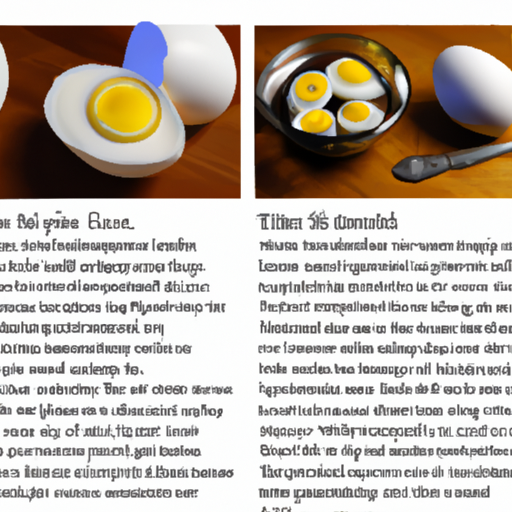
Are Boiled Eggs On The Mediterranean Diet?

So, you’re wondering if boiled eggs fit into the Mediterranean diet. Well, that’s an intriguing question and certainly one worth delving into. When we think of the Mediterranean diet, we often picture plates heaped with fresh vegetables, delicious fruits, wholegrains – and of course, that heart-healthy olive oil! But that’s not to say there’s no room for other foods like eggs.

In this article, we’re going to dig into that question for you. You’re going to learn about the role of eggs in the Mediterranean diet. And more than that, you’ll come to understand why it’s not just about what foods are included in the diet, but also about enjoying those foods with friends and family, just like JD does with his lovely wife and three beautiful children. The beauty of the Mediterranean diet is centered around its versatility and focus on quality, wholesome foods, and we are eager to introduce all these amazing benefits to you. You are sure to find interesting nuggets of information that will help you on your journey towards a healthier lifestyle.

Are Boiled Eggs On The Mediterranean Diet?

Understanding the Mediterranean Diet

The Mediterranean Diet is a wholesome approach to eating, deeply rooted in the culinary habits of the Mediterranean countries. It is less of a ‘diet’ in the traditional sense and more of a lifestyle, revolved around enjoying simple, natural, and traditionally cooked meals.

Core principles of the Mediterranean Diet

The fundamental principles of the Mediterranean Diet extend beyond just food. This diet typically embeds itself in a lifestyle that emphasizes regular physical activity, sharing meals with friends and family, and enjoying life. In terms of food, the diet focuses on an abundant consumption of plant-based foods like fruits, vegetables, whole grains, legumes, nuts, and seeds. It advocates a moderate intake of fish, seafood, and poultry, and a low consumption of red meat and sweets. In terms of fat, the diet primarily uses olive oil, radically reducing the intake of saturated fats.

Health benefits associated with Mediterranean Diet

The health benefits of the Mediterranean Diet are manifold. Research has linked it with a reduction in the risk of developing heart disease, diabetes, high blood pressure, and certain types of cancer. Additionally, the Mediterranean Diet contributes toward maintaining a healthier body weight and promotes longevity.

Popularity and global recognition of Mediterranean Diet

The Mediterranean Diet’s global recognition comes from its promotion of lean proteins, healthy fats, and unprocessed foods, reinforcing sound health and longevity. It was listed by the World Health Organization as an intangible cultural asset.

Boiled Eggs: A Nutritious Delight

Boiled eggs are a staple in many households, and they just so happen to provide numerous health benefits too.

Nutritional value of boiled eggs

Boiled eggs tap into a powerhouse of nutrition. An average boiled egg provides about 6.3 grams of protein as well as essential vitamins and minerals including Vitamin A, D, B6, B12, selenium, and iron.

Health benefits of consuming boiled eggs

Boiled eggs are believed to aid weight loss, maintain heart health, and support a healthy immune system as well as eye health. They are also a reliable source of choline, an essential nutrient for brain function.

Role of boiled eggs in weight management

Boiled eggs can play a pivotal role in weight management due to their high protein content. Protein induces satiety and helps to control the intake of calories throughout the day, which in most cases will lead to weight loss.

Place of Boiled Eggs in the Mediterranean Diet

Boiled eggs certainly have a place in the Mediterranean Diet, mostly due to their high nutritional value and versatility.

Mediterranean Diet’s take on protein sources

The Mediterranean diet primarily banks on plant-based proteins and seafood. However, it welcomes low to moderate amounts of poultry, and eggs too, into the diet.

How boiled eggs fit into the Mediterranean Diet

Boiled eggs fit into the Mediterranean Diet as a source of high quality protein and essential nutrients. They can be a part of the diet but are usually enjoyed in moderation.

Recommended intake of eggs in the Mediterranean Diet

Although there’s no strict guideline, moderation is key. As per a typical Mediterranean diet, eggs can be consumed weekly or preferably a few times a week.

Are Boiled Eggs On The Mediterranean Diet?

Delicious Egg-based Recipes in the Mediterranean Diet

Eggs have found their way into various Mediterranean dishes, from traditional recipes to modern renditions.

Traditional Mediterranean egg recipes

Traditional egg-based Mediterranean recipes include Greek spinach pie with eggs and Feta (Spanakopita), Italian frittatas, and Spanish omelettes (Tortilla Española).

Modern twists to Mediterranean egg dishes

Modern twists might include eggs scrambled with fresh herbs and goat cheese, or warm salads with flaked fish and boiled egg.

Cooking methods for eggs in Mediterranean cuisine

In addition to boiling, eggs in the Mediterranean diet can be poached, scrambled, or baked, further adding to the variety.

Balancing Egg Consumption in the Mediterranean Diet

Rather than focusing exclusively on eggs, the Mediterranean diet promotes a balance among all food groups.

Balancing protein sources in the Mediterranean diet

While eggs are a solid protein source, it’s important to remember that the Mediterranean Diet also relies on fish, seafood, pulses, legumes, and nuts for protein.

The role of moderation in egg consumption

Moderation is essential when it comes to egg consumption in the Mediterranean Diet. Though eggs are rich in nutrients, it’s also necessary to exploit the wide variety of other proteins available.

Alternatives to boiled eggs in the Mediterranean Diet

For variety, consider swapping boiled eggs with other protein-rich foods such as Greek yogurt, grilled fish, or cooked lentils occasionally.

Family and Mediterranean Diet

The beauty of the Mediterranean Diet lies not only in its food but in the communal manner of its enjoyment.

The communal aspect of the Mediterranean Diet

Sharing meals is a key component of this diet. Meals are considered to be a time for togetherness, nourishing body and soul.

Involving children in the Mediterranean Diet

Introducing the principles of the Mediterranean Diet to children, including the enjoyment of simple, fresh recipes like boiled eggs, can set the foundation for lifelong wholesome eating habits.

Staying active and healthy with the Mediterranean Diet

The Mediterranean lifestyle also encourages regular exercise, contributing to overall health. This could be anything from a simple walk after dinner to a family bike ride.

Personal Experiences of JD with Mediterranean Diet and Boiled Eggs

JD, the founder of www.mediterraneandietrecipes.net and fervent follower of the Mediterranean Diet, shares his personal experiences with Mediterranean Diet and boiled eggs.

JD’s introduction to the Mediterranean Diet

JD was introduced to the Mediterranean Diet in his quest for a healthier lifestyle that could offer diversity and enjoyment in meals.

JD’s favorite boiled egg recipes in Mediterranean cuisine

JD loves to start his day with Spanakopita or an Italian frittata. He finds that these dishes, carrying the hard-boiled egg, are a satisfying and nutrition-packed way to kick off the day.

Impact of the Mediterranean diet on JD’s health and lifestyle

Since embracing the Mediterranean Diet, JD has reported a marked improvement in health, energy level, and weight management. He has found it feasible and enjoyable to follow for the long run.

Debunking Myths about Eggs and Mediterranean Diet

In an attempt to set the records straight, let’s debunk some myths about eggs and the Mediterranean Diet.

Misconceptions about egg consumption

Eggs have often been criticized for their cholesterol content, yet many health experts argue that dietary cholesterol (like that found in eggs) does not significantly affect blood cholesterol levels in most individuals.

Clarifying the role of eggs in Mediterranean Diet

While eggs are not the primary focus, they are indeed a part of the wholesome, nutrient-rich Mediterranean Diet but, like all other foods, should be consumed in moderation.

Science-backed facts about eggs and the Mediterranean Diet

Numerous studies have dispelled the myth that eggs are bad for heart health. In fact, eggs are one of the few natural sources of dietary Vitamin D which supports bone and immune health.

Tips for Integrating Boiled Eggs in the Mediterranean Diet

There are plenty of creative and appetizing ways to integrate boiled eggs into your Mediterranean Diet.

Ways to incorporate boiled eggs in the Mediterranean meals

You can add chopped boiled eggs to your salads or enjoy them with sautéed greens and whole grain bread. They also work great mashed with ripe avocados for a refreshing egg-avocado dip.

Boosting the flavor of boiled eggs using Mediterranean spices

To enhance the flavor of boiled eggs, try drizzling them with extra virgin olive oil and a sprinkle of Mediterranean spices like oregano or za’atar.

Pairing boiled eggs with other foods in the Mediterranean Diet

Boiled eggs can be paired with a variety of Mediterranean Diet foods, from fresh vegetables and fruits to whole grains and legumes. This helps in enhancing both the taste and nutritional value.

Conclusion: Boiled Eggs and the Mediterranean Diet

In summation, boiled eggs fit perfectly into the Mediterranean Diet due to their high nutritional value and versatility.

Summarizing the role of boiled eggs in the Mediterranean Diet

Boiled eggs, while not the centerpiece, indeed find their rightful place in the Mediterranean Diet as a source of high-quality protein and vital nutrients, when consumed within limits.

The importance of balanced diet for long-term health

The Mediterranean Diet is a testament to the importance of balance and variety in maintaining long-term health. It’s the symphony of various food groups, rather than a single component, that contributes to the diet’s healthful effects.

Inspiring readers to embrace the Mediterranean lifestyle

The Mediterranean Diet is not just about food—it’s about an approach to life that values fresh ingredients, wholesome meals, shared with loved ones, regular physical activity, and enjoyment of life. It’s a testament to the idea that the healthiest diet is the one that not just nourishes your body, but also your soul. Just as JD discovered, you too can embark on a journey towards a healthier life with the Mediterranean Diet. So, involve your family, take cue from JD, and start today! After all, nurturing good food habits is one of the most significant steps towards long-term wellbeing.

July 31, 2023 Health & Nutrition

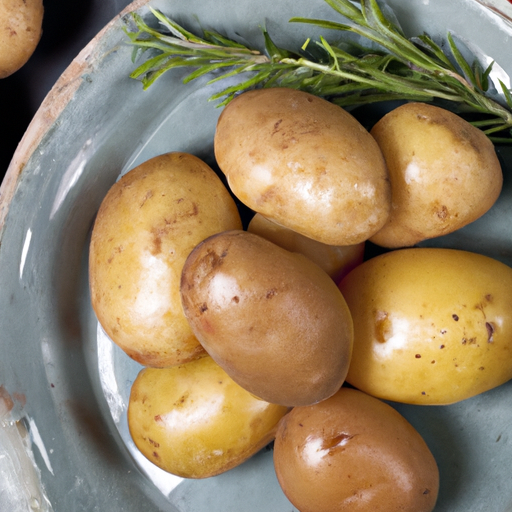
Are Potatoes OK On Mediterranean Diet?

So, you’re curious about whether potatoes have a place in your Mediterranean diet, aren’t you? It’s a fair question to ask. Potatoes are incredibly versatile, and they’re a staple in many people’s kitchens. But how do they fit into the Mediterranean lifestyle, especially considering its emphasis on fresh produce, whole grains, and lean proteins?

No worries, your question is about to be answered. In the following article, you’re going to discover a wealth of information about potatoes in the context of the Mediterranean diet. You’ll learn not only about their suitability but also about how they can complement your meals. Your diet doesn’t have to be boring, and this article will surely amplify your understanding of the Mediterranean lifestyle while you continue to enjoy meals that are as delicious as they are nutritious. Shared meals are an important part of family life, and this article is here to help you make the most of your time at the dinner table. So, buckle up and get ready for an enlightening read.

Are Potatoes OK On Mediterranean Diet?

Understanding the Mediterranean Diet

The Mediterranean diet is a way of eating that’s based on the traditional cuisines of countries bordering the Mediterranean Sea. It’s more of a lifestyle than a strict diet regimen, focusing on whole foods, hearty grains, healthy oils, and plenty of fruits and vegetables.

The Core Principles of the Mediterranean Diet

The primary elements of the Mediterranean diet include the generous consumption of fruits and vegetables, lean proteins, such as fish and poultry, moderate amounts of dairy products, and an emphasis on monounsaturated fats, like olive oil. This diet encourages you to indulge in the simplicity of natural flavors and steer clear of heavily processed foods.

The Health Benefits of the Mediterranean Diet

Studies have shown that the Mediterranean diet has a myriad of health benefits. It can aid in weight loss, help manage blood sugar levels, reduce levels of LDL cholesterol (the “bad” cholesterol), and even reduce the risk of certain types of cancer. The diet is also associated with a lower risk of heart disease – often referred to as “the heart-healthy diet.”

Importance of High-Quality Food in the Mediterranean Diet

Quality is key in the Mediterranean diet. Foods should be as fresh as possible, and processed foods are generally avoided. Organic fruits and vegetables, whole grains, lean proteins, and healthy fats provide the foundation of the diet.

The Role of the Mediterranean Diet in Long-term Health Maintenance

The Mediterranean diet isn’t just about short-term weight loss. It’s about a lifestyle change that supports long-term health and wellness. Regular physical activity, mindful eating, and an emphasis on communal meals are all part of the diet’s approach to maintaining health.

Potatoes and the Mediterranean Diet

Nutritional Profile of Potatoes

Potatoes often get a bad rap as being unhealthy or fattening, but they’re actually quite nutritious. They’re a good source of fiber and vitamin C and contain more potassium than a banana. The key is how they’re prepared and what you serve them with.

Common Misconceptions about Potatoes

Although often vilified, potatoes only become a health concern when they’re fried or slathered in butter, cheese, or sour cream. Consumed in moderation and prepared healthily, potatoes can be a part of a balanced diet.

How Potatoes Fit into the Mediterranean Diet

Potatoes fit well within the Mediterranean diet. Common in Mediterranean recipes, potatoes are often roasted with herbs and olive oil or included in hearty, plant-based stews.

Are Potatoes OK On Mediterranean Diet?

Incorporating Potatoes into the Mediterranean Diet

Healthy Ways to Prepare Potatoes

Instead of deep-frying or dousing potatoes in unhealthy toppings, try boiling, steaming, or roasting them. Top them with a sprinkle of herbs and a drizzle of extra virgin olive oil for a delicious and nutrient-dense dish.

Balancing Potatoes with Other Foods in the Mediterranean Diet

Balance is key when incorporating potatoes into the Mediterranean diet. Pair them with lean proteins and a variety of colorful vegetables to ensure you’re getting a wide range of nutrients.

Sample Mediterranean Diet Recipes Including Potatoes

There are countless Mediterranean recipes that feature potatoes. You might enjoy a Greek-style roasted potato dish with lemon and oregano, or a Spanish tortilla, an egg-based dish featuring thinly sliced potatoes and onions.

Family and the Mediterranean Diet

Teaching Children about the Importance of a Healthy Diet

The Mediterranean diet offers a golden opportunity to teach children about the importance of healthy, whole foods. It also emphasizes the joy of communal eating, which can foster a lifelong appreciation for shared meals and healthy food.

The Role of Shared Meals in Family Health and Bonding

Family meals are an integral part of the Mediterranean lifestyle. They offer a chance for everyone to connect, share their day, and enjoy a nutritious meal together. This not only nourishes the body but also the soul, strengthening family bonds.

Creating Delicious, Nutrient-Rich Meals for the Family

Crafting meals that are both healthy and delicious may seem daunting, but the Mediterranean diet makes it easy. With its emphasis on fresh ingredients and natural flavors, you’ll prepare meals your family will love and benefit their health.

Conclusion: Potatoes and Mediterranean Diet

The Role of Potatoes in a Balanced, Healthy Diet

When prepared healthily and consumed in moderation, potatoes can play a part in a balanced diet. They offer key nutrients and can be a satisfying part of a meal.

Remembering the Importance of Variety and Balance in the Mediterranean Diet

Balance and variety are crucial components of the Mediterranean diet. It’s all about consuming a wide range of nutrients from a variety of fresh, whole foods.

Using the Mediterranean Diet as a Tool for Long-term Health and Wellness

By sticking to the Mediterranean diet’s principles, you can use it as a tool for better health. Just remember, it’s not about being perfect, but making consistent, mindful choices that support your long-term health and wellness.

Are potatoes OK on Mediterranean diet? Absolutely, when used in moderation, and as part of a varied, balanced approach to eating, potatoes fit perfectly into this heart-healthy way of life.

July 31, 2023 Health & Wellness

Is Bacon Allowed On The Mediterranean Diet?

Ah, bacon. The mere mention of it is enough to make your mouth water, isn’t it? You might be wondering if you can enjoy this delightful guilty pleasure while following the Mediterranean diet? Well, you’ve come to the right place. The question, “Is Bacon Allowed on the Mediterranean Diet?” is definitely one that we’ll address in this article.

It’s fascinating, isn’t it? The way diets can incorporate or exclude certain foods while prioritizing others. The Mediterranean diet is no different. So, let’s take a journey together into the world of the Mediterranean diet and its relation to bacon. We’ll not only answer your bacon-related question, but you’ll also get to discover more about the fundamentals of this diet and how it emphasizes on quality ingredients and healthy family meals. So buckle up, your bacon knowledge is about to get a Mediterranean twist!

Is Bacon Allowed On The Mediterranean Diet?

Understanding the Mediterranean Diet

The Mediterranean Diet, named after the region around the Mediterranean Sea where lifestyle patterns inspired its principles, has long been praised as one of the world’s healthiest diets. The focus is on fresh fruits and vegetables, whole grains, lean proteins, and healthy fats, with the central goal being to promote long-term health and wellness.

Key Principles of the Mediterranean Diet

The Mediterranean Diet is not just about what you eat, but also how you eat. Its key principles include eating meals with family and friends, staying physically active, and enjoying life. As it’s inspired by the traditional eating habits of countries bordering the Mediterranean Sea, it emphasizes on a high intake of olive oil, fruits, vegetables, nuts, seeds, legumes, and whole grains.

Mediterranean Diet Food Pyramid

In the Mediterranean Diet food pyramid, vegetables, fruits, whole grains, beans, nuts, and legumes are eaten in abundance daily. Fish, seafood, poultry, dairy products, and eggs are consumed weekly in moderate portions. It only permits minimal portions of red meat.

The Position of Meat in the Mediterranean Diet

Like other food groups, meat has a place in the Mediterranean Diet. However, it is important to understand what types are preferred and how to balance meat consumption within these dietary guidelines.

Preferred types of meat in the diet

The Mediterranean Diet promotes lean meats such as poultry and fish, preferably wild-caught, over red meats like beef, pork, and lamb. These are to be consumed in moderation.

Balancing meat consumption in Mediterranean diet

While meats are included, the focus is on moderation and portion control. The Mediterranean Diet emphasizes on a diet rich in plant-based foods with meat playing a complementary role, rather than being the center of the meal.

Bacon and Its Nutritional Composition

As scrumptious as it may be, let’s delve deeper to understand where bacon stands in terms of nutrition.

What is bacon made of?

Bacon is a type of salt-cured pork, traditionally made from pork belly.

The nutritional values in bacon

While it is high in protein and adds flavor to dishes, bacon is also high in saturated fat and sodium, which can contribute to health issues when consumed in excess.

Is Bacon Allowed On The Mediterranean Diet?

Is Bacon Allowed On The Mediterranean Diet?

Now to the heart of the matter: where does bacon fit into the Mediterranean Diet?

Why Mediterranean Diet Discourages Consumption of Bacon

Due to its high levels of saturated fat and sodium, bacon is not typically included in the Mediterranean Diet. It falls into the category of processed meat, which is consumed minimally.

Possible Exceptions for Bacon

Even though the Mediterranean Diet doesn’t typically include bacon, it does not mean you cannot ever enjoy bacon. The key is to consume it sparingly, treating it as a flavor enhancer rather than the main component of your meal.

Alternatives to Bacon in the Mediterranean Diet

While bacon isn’t regularly included, there are several other protein sources you can enjoy in this diet.

Healthier choices for protein sources

Lean meats such as poultry and fish, as well as plant-based protein sources like beans, lentils, and chickpeas, are recommended.

Incorporating sea food for a boost of Omega-3

The Mediterranean Diet promotes the consumption of seafood, providing your diet with a host of nutrients, including protein, healthy fats, and specifically, omega-3 fatty acids.

Impact of Eating Bacon Routinely on your Health

Though moderation is key, it’s essential to understand the potential impact of routinely eating bacon on your health.

The Connection between bacon and heart diseases

Saturated fat and sodium, both found in large amounts in bacon, have been linked to an increased risk of heart disease when routinely consumed in high quantities.

How Consumption of Bacon could impact your weight

In addition to heart health, routine consumption of bacon might add extra calories to your diet, possibly leading to weight gain.

Tips for Incorporating Bacon into the Mediterranean Diet Healthily

Moderation and smart choices will help you incorporate bacon into this otherwise healthy diet.

Choosing leaner cuts of bacon

Leaner cuts of bacon offer more protein and less fat. This could be an option if you’re keen to include bacon in your meals.

Limiting bacon consumption

Remember, bacon should only be a small part of your overall diet, and should not be consumed daily.

Benefits of Sticking to Traditional Mediterranean Diet Principles

The rewards of sticking to the traditional principles of the Mediterranean Diet are numerous.

How Mediterranean diet benefits long term health

Studies have shown that the Mediterranean Diet can boost heart health, prevent chronic diseases, and improve longevity.

Improving family health with Mediterranean diet

Sharing high-quality meals inspired by the Mediterranean Diet helps to impact not only your personal well-being, but also promotes healthier eating habits across the whole family, enhancing everyone’s health long term.

Case Study: JD’s Journey with the Mediterranean Diet

JD, the family man behind these articles, is passionate about the Mediterranean Diet, and it’s easy to see why.

JD’s transformation and health improvement

He prioritized his health, not just to be there for his children, but to be active, healthy, and really present. Adopting the Mediterranean Diet has been a transformational journey that improved his health tremendously.

Practicing and promoting Mediterranean Diet in one’s family

He emphasizes sharing high-quality food with his family, investing in their collective long-term health. It’s more than just a diet – it’s a lifestyle change that affects everyone in the family.

Conclusion

Recap: Bacon’s role in Mediterranean diet

Even though the Mediterranean Diet doesn’t traditionally include bacon, you can still enjoy it in moderation. Know its nutritional value, understand its impact on health, and make informed food choices.

Enhancing Health with Informed Food Choices

Remember, every bite you take is a chance to nourish your body and your family’s health. With the Mediterranean Diet, you celebrate health, well-being, and, yes, the occasional slice of bacon!

July 31, 2023 Health & Wellness

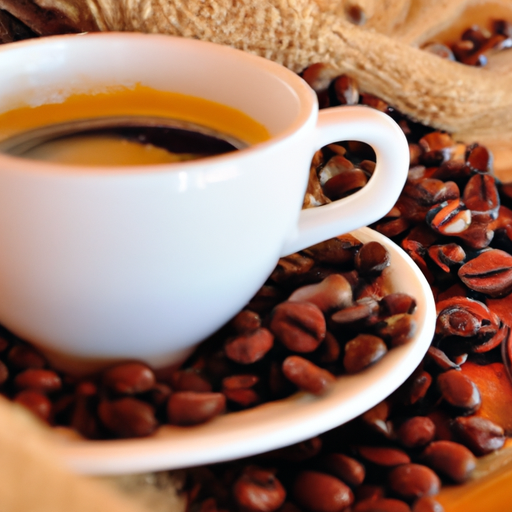
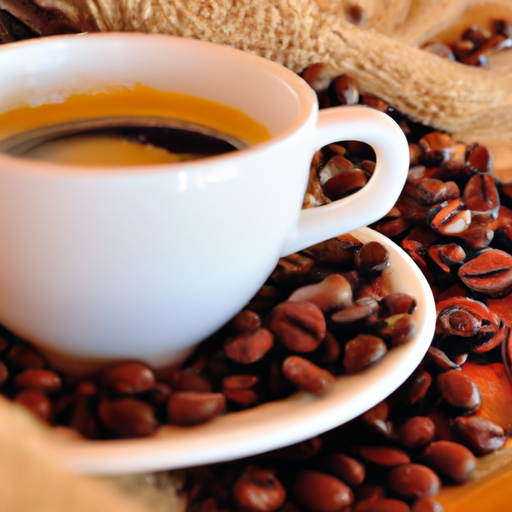
Is Coffee Allowed On The Mediterranean Diet?

So, you’ve been wondering, “Is coffee allowed on the Mediterranean diet?” It’s a great question! Especially if you’re a coffee lover who’s starting on this health journey. In a diet that celebrates the freshness of ingredients and the joy of sipping a glass of red wine, where does coffee stand?

Well, you’re in luck! In the article to follow, you’ll learn all about the place of coffee in the Mediterranean diet. JD – a dad focused on staying active and healthy for his kids – delves deep into the research to bring you the most accurate, up-to-date information. JD also loves to share how the Mediterranean diet can bring families together over high-quality food. So get ready to learn more, you might just be surprised!

Is Coffee Allowed On The Mediterranean Diet?

Understanding the Mediterranean Diet

The Mediterranean Diet emphasizes healthy, balanced meals brimming with fresh fruits, vegetables, whole grains, lean meats, and, of course, olive oil. The core of this diet revolves around consuming fresh, local, and seasonal produce. This diet minimizes your intake of processed foods and recommends moderate consumption of certain beverages.

Key principles of the Mediterranean Diet

The Mediterranean Diet interweaves a complex tapestry of nutrients that provide you with the energy and health features you need. It encourages a high intake of plant-based foods like fruits, vegetables, legumes, nuts and seeds, supplemented with lean protein sources such as fish.

Health benefits linked to the Mediterranean Diet

Adherents to the Mediterranean Diet receive numerous health benefits. This includes lower risk of heart disease, better cognitive health, a healthier microbiome and an overall lower risk of chronic disease risk.

Role of the Mediterranean Diet in long term health maintenance

One of the undeniable reasons why this diet is globally recognized is because it enables long term health maintenance. It encompasses a set of vital elements that foster longevity and robust health.

Coffee and its Nutritional Profile

It’s pertinent to dig deeper into the Mediterranean practice of coffee consumption. A popular beverage globally, it has earned a spot on the table of various cultures.

Understanding nutrients in coffee

Coffee beans are packed with nutrients. A single cup offers you essentials like Vitamin B2, B3, B1, potassium and manganese. More importantly, it is a prime source of antioxidants.

Health benefits and risks of coffee consumption

There’s substantial evidence suggesting that moderate coffee consumption provides a host of health benefits including reduced risk of stroke, cancer, and neurodegenerative diseases. Its potential risks, include the possibility of unhealthy caffeine dependence, restlessness and anxiety.

Analyzing caffeine in coffee

Caffeine in coffee is stimulatory for the nervous system, providing an immediate energy boost. Though beneficial, excessive consumption can lead to health issues.

Coffee Consumption and the Mediterranean Diet

So, where does coffee fit into the illustrious Mediterranean diet?

Role of coffee in the Mediterranean Diet

Coffee is an integral part of the Mediterranean lifestyle. It is not merely considered as a beverage but as a cherished tradition, reinforcing family ties and friendship.

How coffee aligns with the principles of the Mediterranean Diet

Drinking coffee aligns with the principles of the Mediterranean diet as it encourages moderate consumption. The potent antioxidants and nutrients found in coffee contribute to a healthy diet.

Impact of coffee consumption on the benefits of the Mediterranean Diet

Coffee consumption, in moderation, can augment the health benefits of the Mediterranean diet by contributing its potent antioxidants and beneficial nutrients.

Is Coffee Allowed On The Mediterranean Diet?

Choosing the Right Coffee for the Mediterranean Diet

As in all things dietary, the right choice often has a massive impact on your health prospects.

Identifying ‘healthy’ coffee options

Healthy coffee options are typically those that are organically grown, ensuring they’re free from harmful synthetic fertilizers and pesticides.

Avoiding certain types of coffee and additives

Avoid excessively sweetened or flavored coffees as these may contain high levels of sugar and artificial chemicals which negate the health benefits of your brew.

Incorporating coffee into a balanced Mediterranean Diet

Integrating coffee in your Mediterranean dietary routine involves consuming it in modest amounts, preferably keeping it black and sugarless.

Preparing Coffee the Mediterranean Way

Experience the essence of the Mediterranean lifestyle by preparing and enjoying your coffee their way!

Traditional coffee preparation methods in Mediterranean cultures

A traditional Mediterranean coffee is often brewed black in a small, long-handled pot called a Briki.

Recipes for Mediterranean-style coffee

Mediterranean-style coffee is typically served strong and without milk. It is often flavored subtly with spices such as cinnamon or cardamom.

How to enjoy coffee as part of Mediterranean-style meals

Coffee is typically enjoyed post meals or during social gatherings. It enhances the communal aspect of eating and further emphasizes close human connections.

Coffee, Family, and the Mediterranean Diet

The Mediterranean lifestyle cherishes communal eating and considers coffee drinking an essential, social ritual.

Drinking coffee as a social activity in Mediterranean cultures

Exactly how one cup of coffee turns into hours-long conversations is a highly adored tradition in Mediterranean cultures. It symbolizes hospitality, friendship and collaborative spirit.

How to enjoy coffee time with your family

Enjoying coffee time with family could involve brewing a pot of coffee post meals, spending time together sharing stories, experiences and laughter.

Incorporating coffee into shared meal times

Incorporating coffee could not only enrich your diet with its numerous benefits but also enhance the quality of your social interactions.

Alternatives to Coffee in the Mediterranean Diet

While coffee might be a popular choice, the Mediterranean Diet utilizes a variety of other beverages as well.

Other beverages enjoyed in a Mediterranean Diet

Alongside coffee, traditional Mediterranean beverages include water, herbal infusions like chamomile or mint, fresh juices and moderate amounts of red wine.

How to substitute coffee without losing nutritional value

Tea, particularly green, can be a great replacement for coffee. It possesses a comparable level of antioxidants and less caffeine.

Why diversity in your drink choices enhances the Mediterranean Diet

Diversifying your drink choice can give you a wider array of nutrients, flavors to enjoy and broaden the health benefits you receive.

Expert Opinions on Coffee and the Mediterranean Diet

Let’s hear what the experts say about this!

What dietitians say about coffee consumption

Most dietitians agree that moderate coffee consumption can have a place in a balanced diet, including the Mediterranean Diet.

Research studies on coffee and Mediterranean Diet

Several studies show that combined with the Mediterranean Diet, moderate coffee consumption may provide an added protection against various health conditions.

Addressing coffee-related myths in the context of a Mediterranean Diet

Myths such as ‘coffee causing dehydration’ or ‘stunting your growth’ are often debunked in the context of a well-balanced and controlled diet.

Personal Experiences with Coffee on the Mediterranean Diet

Join JD in exploring this personal excursion through coffee and the Mediterranean diet.

JD’s personal journey with coffee and the Mediterranean diet

JD, the blog’s owner and father of three, found that the inclusion of coffee in his Mediterranean diet has been invigorating. He enjoys his aromatic brew post meals and often, coupled with joyful exchanges with his loved ones.

Sharing real-life stories of coffee consumption on the Mediterranean Diet

Over time, JD has received numerous inspiring stories from readers, reflecting the impact of uniting the sociable tradition of coffee with the health-giving aspects of the Mediterranean diet.

How the community benefits from shared experiences with coffee and the Mediterranean Diet

Shared experiences inspire, motivate and provide relevant, practical insights into the integration of coffee into the Mediterranean diet, creating an encouraging bond within our community.

Conclusion

Recap on coffee consumption in the Mediterranean Diet

So, is coffee allowed on the Mediterranean Diet? Absolutely! Yet, as with everything in life and this diet, moderation is the key.

Balancing coffee intake within the framework of a Mediterranean Diet

Balancing coffee consumption in the Mediterranean diet involves mindful drinking – savoring not only the rich flavors but also the holistic experience it brings.

The future of coffee in the Mediterranean Diet paradigm

Coffee seems to have found its comfortable place within the Mediterranean Diet paradigm and only seems poised to continue thriving – in the mug beside your meal and within the Mediterranean heart of togetherness.

July 31, 2023 Health & Fitness

Are Hard Boiled Eggs On The Mediterranean Diet?

Did you know that a common question that crops up when discussing the Mediterranean diet is, “are hard-boiled eggs included?” It seems that this humble, high-protein snack stirs up quite a bit of curiosity when it comes to this famously healthy eating plan. Don’t worry, you’re not alone in pondering this, as a matter of fact, several enthusiasts of this diet have the exact same query.

Throughout the second paragraph, get ready to delve deeper into the subject matter. JD, a family-oriented father of three and the mastermind behind this blog, will unfold the answer for you. Passionate about encouraging healthy eating habits and cherishing quality food with loved ones, JD will guide you into the truth about hard boiled eggs in the Mediterranean diet. So stick around, because there’s a wealth of information coming your way!

Are Hard Boiled Eggs On The Mediterranean Diet?

Are Hard Boiled Eggs On The Mediterranean Diet?

Understanding the Mediterranean Diet

Definition of the Mediterranean Diet

The Mediterranean Diet, as you might be aware, is an eating plan inspired by the culinary habits of the Mediterranean countries, notably Italy, Greece, Spain, and Morocco. It is rich in plant-based foods, lean proteins, whole grains, and, of course, extra virgin olive oil.

Historical and Cultural Origin of the Mediterranean Diet

Its roots can be traced back to the ancient cuisines of the sun-drenched Mediterranean coast. The diet was globally recognized as healthful and delicious when Ancel Keys and his colleagues concluded that individuals in this region, particularly from Greece and Southern Italy, had lower instances of chronic disease and longer life spans compared to those in the U.S. and Northern Europe.

Key Components of the Mediterranean Diet

The Mediterranean Diet revolves around high consumption of vegetables, fruits, legumes, nuts, beans, cereals, grains, fish, and unsaturated fats like olive oil. It also includes a moderate intake of dairy products and poultry, and little to no consumption of red meat, processed foods, and sweets.

Role of Eggs in the Mediterranean Diet

Inclusion of Eggs in the Diet

Now, where do eggs, particularly hard-boiled ones, fit in the Mediterranean diet? In fact, they are a fundamental part of it. Eggs, the yolk included, appear in numerous Mediterranean recipes, from Greek spinach and feta pie to a traditional Spanish tortilla.

Frequency and Serving Size of Eggs

This diet does not shy away from eggs, but it encourages moderation with all foods. An egg or two for breakfast a few times a week is within scope.

Different Ways to Prepare Eggs

Hard boiled eggs are a versatile option. They can be eaten as is, sliced and added to salads or sandwiches, or made into creamy deviled eggs. You’re limited only by your imagination when it comes to using hard-boiled eggs in the Mediterranean Diet!

Nutritional Breakdown of Hard Boiled Eggs

Proteins and Amino Acids Profile

Once you understand the nutritional profile of hard-boiled eggs, you’ll see why the Mediterranean diet embraces them. First, they are an excellent source of protein, providing all nine essential amino acids your body needs to function effectively.

Vitamins and Minerals in Hard Boiled Eggs

Hard-boiled eggs also pack a powerhouse of vitamins and minerals – from vitamin D, which supports bone health, to iron, crucial for your red blood cells. Not to forget choline, an important nutrient for the brain that many people lack in their diet.

Caloric Content of Hard Boiled Eggs

Despite their nutritional richness, hard-boiled eggs are low in calories, making them an excellent choice for maintaining a healthy weight – a big tick for the Mediterranean Diet!

Are Hard Boiled Eggs On The Mediterranean Diet?

Health Benefits of Including Hard Boiled Eggs in the Mediterranean Diet

Boosting Protein Intake

Including hard boiled eggs in your diet can not only boost your protein intake, aiding in muscle building and recovery, but also keep you feeling fuller for longer.

Promoting Healthy Metabolism

Furthermore, thanks to their high concentration of B vitamins, particularly B-2 (riboflavin) and B-12, they can support and speed up your metabolism.

Supporting Active Lifestyle

For those with an active lifestyle, including myself (JD), hard boiled eggs serve as a convenient and highly nutritious post-workout meal. That’s extra important to me as an active parent who needs the energy to keep up with my kids!

Scientific Studies on Hard Boiled Eggs and Health

Cardiovascular Health and Eggs

There has been much debate about the link between heart disease and eggs, mostly due to their cholesterol content. However, recent research suggests that moderate egg consumption (around seven per week) doesn’t increase heart disease risk in most people.

Weight Management and Eggs

Studies also suggest that an egg-based breakfast can lower the amount of food consumed later in the day, leading to weight control, which is a key aspect in preventing many health issues.

Eggs and Eye Health

Moreover, eggs are rich in two antioxidants, lutein and zeaxanthin, known for protecting eye health.

Understanding Dietary Cholesterol and Hard Boiled Eggs

Myth about Eggs and Cholesterol Levels

Contrary to past advise, newer research shows that eating eggs does not spike your body’s own cholesterol levels as once believed. In fact, the liver produces a large amount of cholesterol every day, and when we consume foods high in dietary cholesterol, our liver simply adjusts and produces less.

Current Research on Dietary Cholesterol

The only people who need to genuinely worry about cholesterol in a hard-boiled egg are a minority who are “hyper-responders,” that is, those who react to consuming eggs by experiencing a rise in blood cholesterol levels.

Balance between Cholesterol and Health

It’s all about balance—know your body and adjust your diet accordingly. If you’re in good health, one hard-boiled egg a day should be perfectly fine, but it’s always a good idea to consult with your healthcare provider.

The Role of Eggs in the Family Diet

Inclusion of Eggs in Children’s Diet

Eggs are an excellent food option for kids, thanks to their high protein, vitamin D, and essential fatty-acid content. Also, the easy-to-eat nature of the humble hard-boiled egg makes it a perfect addition to their lunchboxes.

Eggs for Active and Healthy Lifestyle

As someone who prioritizes an active lifestyle for my family and me, I find eggs essential in our diet. They provide us with sustained energy and match perfectly with other components in the Mediterranean Diet.

Preparing and Serving Hard Boiled Eggs in Mediterranean Style

Hard Boiled Eggs in Salad

There are countless ways to enjoy hard-boiled eggs in the Mediterranean style. Slice or chop them in a salad with fresh tomatoes, cucumbers, olives, feta cheese, and drizzle with olive oil—a meal that screams Mediterranean!

Eggs in Tapas – Traditional Spanish Appetizers

Or why not add a Spanish flair to your hard-boiled eggs by making tapas? Partner slices of your egg with cooked prawns, avocado, and a hint of garlic for a delightful bite.

Deviled Eggs – Mediterranean Style

And let’s not forget deviled eggs – a fantastic appetizer for any occasion or party in your home. Just mix the yolk with mayonnaise, dijon mustard, and capers for a Mediterranean twist.

Challenges and Concerns Over Egg Inclusion in the Mediterranean Diet

Individual Health Concerns

However, we must acknowledge that the inclusion of eggs in any diet does not work for everyone. Some may have specific health reasons where egg consumption must be monitored or avoided.

Potential Allergies and Intolerances with Eggs

Eggs, especially the white part, could cause allergy predominantly among children, leading to symptoms from skin reactions to anaphylaxis.

Ethical and Sustainability Issues with Egg Consumption

For others, there are ethical and sustainability issues to consider. If possible, source eggs from local farmers who raise their chickens in healthy, humane conditions. It ensures high-quality eggs and supports the local economy.

Conclusion: Hard Boiled Eggs in the Mediterranean Diet

Integration of Hard Boiled Eggs in the Diet

Hard-boiled eggs undoubtedly have a place in the Mediterranean Diet. They are nutritious, versatile, and, when sourced responsibly, align with the sustainable and health-focused values at the heart of this dietary pattern.

Final Remarks on Family Health and Diet

As I continue to explore the Mediterranean Diet for my family and me, the humble egg has remained a constant – versatile, nutritious, and loved by all. While it’s important to keep in mind individual health and ethical considerations, the inclusion of eggs in our diet keeps us strong, energetic, and ready for an active life together.

And after all, for us, the Mediterranean Diet is not just about health. It’s about sharing high-quality food, like hard-boiled eggs, in our family meals that are much more than sustenance. They’re about togetherness, connection, and love.

July 31, 2023 Health & Wellness

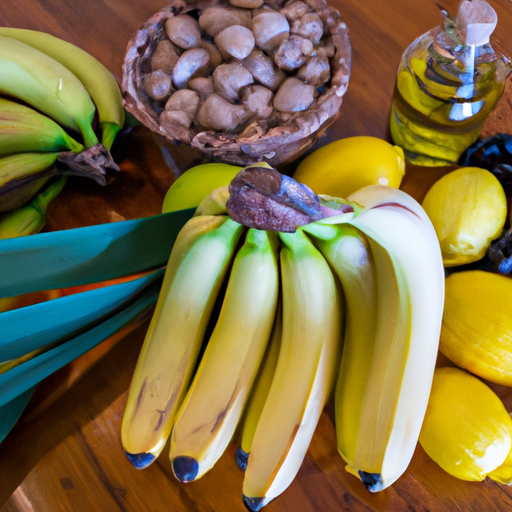
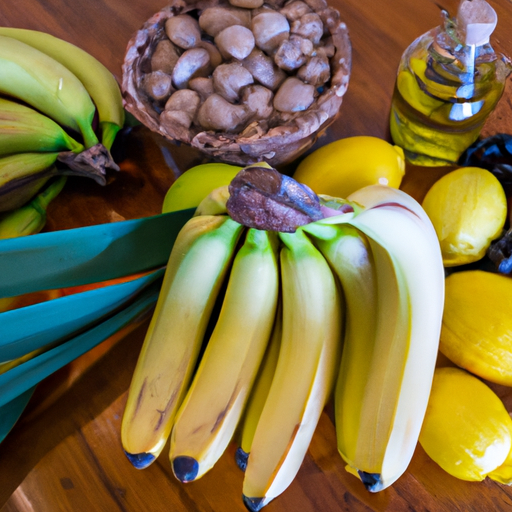
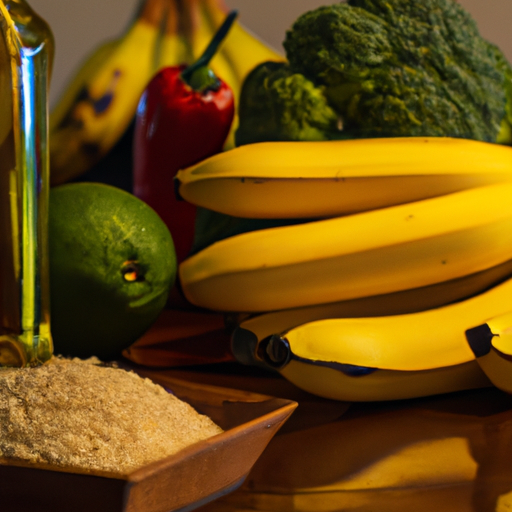
Do You Eat Bananas On A Mediterranean Diet?

Do you often find yourself pondering over the question – “Can I incorporate bananas into a Mediterranean diet?” Well, that’s an interesting food habit query you have there. Packed with nutrients and flavor, bananas are a popular fruit that many people enjoy on a regular basis. But how do they fit into the health-conscious ethos of the Mediterranean diet?

In this article, you will discover the answer to your question and more importantly, gain insights into the multiple health benefits of a Mediterranean diet – a diet that JD, a married father of three and the author of this article, swears by. Just like you, JD aims to remain active and healthy for his children, and a key part of his health regimen is shared meals with high-quality food. You can look forward to exploring top-notch Mediterranean diet recipes rich in fruits like bananas, and how they contribute to long-term health and wellness.

Do You Eat Bananas On A Mediterranean Diet?

Understanding the Mediterranean Diet

The Mediterranean diet is a heart-healthy eating plan centered around foods traditionally consumed in countries like Italy, Greece, and Spain. You might associate the Mediterranean diet with roasted vegetables, fresh fruits, and lavish spreads of cheese and bread. This diet has been proven to not only keep your heart in optimal health but also helps sustain longevity and overall well-being.

Key Principles of the Mediterranean Diet

The Mediterranean diet involves much more than just the food you eat. It emphasizes healthy fats (like olive oil and nuts), lean proteins (like fish and chicken), an abundance of fruit and vegetable servings each day, whole grains, and moderate amounts of dairy. Additionally, it promotes regular physical activity, mindful eating, and enjoying meals with family and friends.

Major Food Components in Mediterranean Cuisine

As you dive into Mediterranean cuisine, expect to savor the flavors of fruits, vegetables, legumes, whole grains, fish, nuts, and olive oil. The diet also includes moderate portions of cheese and wine, sparing use of meat, and infrequent servings of sweets. Interestingly, one fruit you would not usually associate with Mediterranean countries can still form a healthy part of the diet – bananas.

Health Benefits Associated with the Mediterranean Diet

Research shows that the Mediterranean diet can help to reduce the risk of heart disease and lower the chances of developing Alzheimer’s disease or Parkinson’s. The diet is also linked to higher overall longevity and supports weight loss and weight management.

Classification of Fruits in the Mediterranean Diet

Let’s delve into the role of fruit in the Mediterranean diet, particularly focusing on bananas’ place in this nutritious lifestyle.

Common Fruits Traditionally Included in the Diet

Fruits like figs, oranges, lemons, grapefruits, and grapes commonly form part of the Mediterranean diet. That said, the eating plan embraces a broad fruit palette, including bananas.

Role of Fruits in Promoting Health in the Mediterranean Diet

Fruits provide daily doses of essential vitamins, antioxidants, and dietary fiber. Their beneficial role in the Mediterranean diet cannot be overstated, contributing to better digestive health, lower cholesterol levels, and combatting chronic diseases.

Comparative Nutritional Value of Fruits in the Mediterranean Diet

Each fruit offers unique dietary benefits, but bananas’ nutritional profile brings considerable value to the Mediterranean diet.

Introduction to Bananas

Did you know that bananas are one of the world’s most widely consumed fruits?

Nutritional Profile of Bananas

Bananas are rich in potassium, which is vital for heart health and blood pressure management. They also offer high amounts of vitamin C, vitamin B6, magnesium, fiber, and contain small amounts of protein and minimal fat.

Health Benefits of Bananas

Bananas can be credited for enhancing digestive health due to their fiber content, serving as a natural energy booster or workout fuel, and regulating blood sugar levels.

Global Consumption Patterns of Bananas

Whether eaten alone as a snack, part of a meal or dessert, bananas are a global dietary staple because they’re portable, versatile and nutritionally rich.

Do You Eat Bananas On A Mediterranean Diet?

Incorporating Bananas into the Mediterranean Diet

Wondering how bananas fit into the Mediterranean cuisine and lifestyle? Let’s explore this.

Typical Role of Bananas in Mediterranean Cuisine

While not traditionally common in Mediterranean countries, bananas can make an excellent addition to the diet due to their nutritional benefits.

Creating Balanced Mediterranean Meals with Bananas

Use bananas as a sweetener for healthy desserts, slice them on top of whole-grain breakfast cereals, or blend into smoothies. They can enhance both the flavor and nutritional value of your Mediterranean meals.

Innovative Ways to Use Bananas in Mediterranean Recipes

Roasted in olive oil for a sweet treat, mashed as a replacement for some of the fats in baked goods, combined with yoghurt and honey, the possibilities for using bananas in the Mediterranean diet are vast.

Comparison of Bananas with other Mediterranean Fruits

It’s beneficial to compare other fruits in the Mediterranean diet to bananas’ nutritional profile.

Nutritional Differences among Bananas and other Mediterranean Fruits

While all fruits native to the Mediterranean region are beneficial, bananas offer a unique combination of vitamins, electrolytes, minerals, and fiber-earning them a worthy dish in the Mediterranean diet.

Taste and Texture Differences

The creamy texture and natural sweetness of bananas offer exciting culinary opportunities and differentiate them from many citrus and stone fruits typically found in the Mediterranean diet.

Considerations for Consumption of Bananas

While bananas’ nutritional contributions are significant, mindful consumption is key.

Potential Health Risks Linked to Overconsumption of Bananas

Like any fruit, overconsumption of bananas could lead to too much sugar intake. So, balance is essential.

Understanding Portion Control with Bananas

Typically, a portion of fruit in the Mediterranean diet is about one medium piece, or one whole banana.

Role of Bananas in a Family-Focused Mediterranean Dietary Approach

The Mediterranean diet values sharing quality meals with family. Why not make bananas a part of that experience?

Involving Children in Healthy Eating Habits with Bananas

Due to their sweet taste and fun shape, bananas are often a hit with kids, making them an excellent tool for promoting healthier eating habits.

Sharing Quality Food Experiences with Bananas

Imagine starting your day with homemade banana bread or ending an evening meal with a dessert of caramelized bananas sweetened with honey.

Personal Experience: Incorporation of Bananas into a Mediterranean Lifestyle

As a father, JD includes a Mediterranean diet in his family’s routine.

JD’s Personal Experience with Bananas on the Mediterranean Diet

JD started incorporating bananas into the family’s diet for variety and distinct health benefits. He observed improved energy levels and superior digestive health.

Impact on JD’s Health and Family

JD and his family have found bananas to be a satisfying and nutritious addition to their Mediterranean lifestyle, enhancing meals’ flavor and nutrient content.

Expert Opinions on the Consumption of Bananas in a Mediterranean Diet

Thoughts from Nutritionists and Dietitians

Experts widely acknowledge bananas’ health benefits and understand their flexibility in being included in a Mediterranean diet.

Findings from Scientific Studies

Studies indicate bananas’ positive impact on heart health, digestion, and endurance enhancement, illuminating them as an outstanding fruit for inclusion in the Mediterranean diet.

Conclusion

The Versatility of Bananas in the Mediterranean Diet

Bananas have proven their worth as a valuable and flexible addition to the Mediterranean diet with their unique nutritional profile and versatility in various recipes.

The Impact of Including Bananas in the Mediterranean Diet on Overall Wellbeing

By incorporating bananas into a balanced Mediterranean diet, you can enjoy the gratifying taste and reap numerous health benefits.

Re-affirmation of the Importance of a Balanced Mediterranean Diet

In closing, a Mediterranean diet is a recipe for a long, vibrant, and healthy life. After all, a diet that includes enjoying meals with family, delicious food and a balanced lifestyle can’t be beaten; whether you choose to include bananas in it or not is up to you. But now you know – they can make an excellent addition!

July 31, 2023 Health & Wellness

Can I Eat Sandwiches On The Mediterranean Diet?

So, you’re wondering, can you eat sandwiches while sticking to your Mediterranean diet? You’ve got this image of heaping deli sandwiches loaded with processed meats and cheeses and you’re beginning to worry. But don’t fret, let’s talk!

In this article, you’ll discover that not only can you eat sandwiches on the Mediterranean diet, but you might just have a great variety of tasty and nutritious options you hadn’t thought about before. You’ll obtain more insights on how Mediterranean diet recommends focusing on high quality, fresh ingredients that are as close to their natural state as possible. This information will serve as your guide in exploring new and enjoyable ways to include sandwiches into your Mediterranean diet meal plan, while keeping your health goals intact. JD provides precise information because your health and the health of your loved ones are his priority, just like they are for him and his family. So, relax! Eating sandwiches on a Mediterranean diet need not be a problem at all!

Understanding the Mediterranean Diet

Definition of the Mediterranean Diet

The Mediterranean Diet is more than a simple meal plan—it’s a lifestyle. It encourages a balanced approach to eating, drawing inspiration from the traditional cooking style of countries bordering the Mediterranean Sea. Featuring fruits, vegetables, whole grains, fish, and healthy fats, it’s associated with numerous health benefits.

History and Origin of the Mediterranean Diet

The Mediterranean Diet can be traced back to the diet of Ancient Rome and Greece. It evolved over centuries into the delectable and wholesome diet we cherish today. Adopted from countries like Italy, Greece, and Spain, the Mediterranean Diet is conceptualized around their traditional high-plant, low-meat, and fish-rich cuisines.

Core Principles of Mediterranean Diet

The Mediterranean Diet focuses on plant-based foods like fruits, vegetables, legumes, and whole grains. It minimizes the intake of red meats and sweets, but includes poultry, eggs, and dairy in moderation. A star feature is the preference for healthy fats, such as olive oil, over butter and margarine.

Mediterranean Diet Foods

Prominent Foods in Mediterranean Diet

The Mediterranean Diet showcases a variety of nutrient-dense foods. Predominantly, greens, whole grains, fresh fruits, legumes, nuts, and extra virgin olive oil form the basis. Seafood, poultry, dairy, eggs, and limited red meat supply the necessary proteins.

The Importance of Fresh Produce in the Mediterranean Diet

Fresh produce is integral to the Mediterranean Diet—it’s the backbone. Consuming a variety of fruits, vegetables, and whole grains provides essential vitamins, minerals, and fibers. This availability of antioxidants and low-glycemic index foods balances blood sugar and promotes a healthy gut.

Role of Seafood in Mediterranean Diet

Seafood, particularly fatty fish like salmon, mackerel, and sardines, introduce high-quality protein and omega-3 fatty acids into the Mediterranean Diet. Regular intake contributes to heart health, brain function, and overall inflammation reduction.

Can You Have Bread in a Mediterranean Diet?

Types of Bread Acceptable in Mediterranean Diet

You can certainly enjoy bread in the Mediterranean Diet! Opt for whole grain varieties, as these are rich in fiber and other nutrients. Whole wheat, rye, barley, and oats are some of the grain types to consider.

Nutritional Benefits of Whole Grain Bread

Whole grain bread offer a bounty of nutritional benefits. Packed with complex carbohydrates, fiber, and a host of vitamins and minerals, they help in energy production, digestion, and deliver a feeling of fullness, hence aiding in weight management.

Constructing a Mediterranean Diet Sandwich

Choosing the Right Bread

Start with the right bread. Whole grain bread is the best choice, packed with fiber and providing a stable energy supply.

Choosing the Right Filling

Select a variation of colorful vegetables, lean proteins (like grill chicken, turkey, or tuna), and a helping of healthy fats, like avocado or a drizzle of extra virgin olive oil. Add flavor with herbs, spices, and a slice of cheese.

Healthy Sandwich Recipes on Mediterranean Diet

There’s a myriad of sandwich options. For instance, a grilled vegetable and hummus sandwich, or a classic Greek Salad sandwich, up the nutritional profile of your meal.

Benefits of Mediterranean Diet Sandwiches

Nutritional Value of Mediterranean Diet Sandwiches

Your Mediterranean Diet sandwich is an assortment of nutritional goodness. High fiber, lean protein, healthy fats, and a boost of vitamins and minerals, all conveniently packed between two slices of bread.

Health Benefits of Mediterranean Diet Sandwiches

Apart from being delicious, these sandwiches are heart-friendly, aid in weight management, and promote good digestive health. The antioxidants from the fruits and vegetables contribute to overall wellbeing and disease prevention.

Tips for Enjoying Sandwiches on the Mediterranean Diet

Incorporating Variety in Your Sandwich Choices

Variety is the spice of life. Rotate your ingredients to include different vegetables, proteins, and condiments. This will not only add excitement to your meals but will also ensure you gain a wide array of nutrients.

Ensuring Your Sandwich is Nutrient-Rich

Remember that your sandwich is not just a sandwich, it’s a balanced meal. Load it up with lots of colorful veggies, lean proteins, and healthy fats, like avocado or a drizzle of extra virgin olive oil.

Mediterranean Diet and Family

Role of Family in Mediterranean Diet Culture

The Mediterranean culture is big on family—it’s part of the lifestyle package. Sharing meals, preparing food together, and eating at home are all essential to this lifestyle.

Sharing High-Quality Food: A Family Activity

Sharing a Mediterranean diet sandwich, or any other meal, is an opportunity to bond as a family, and instill healthy eating habits from a young age. It’s a chance to educate, enjoy, and create lasting memories around nourishing food.

Portion Control on the Mediterranean Diet

Understanding Portion Size in Mediterranean Diet

It’s not just what you eat, but how much you eat. Particular attention to portion size helps contribute to a balanced diet, and avoid overconsumption.

Balancing Your Sandwich Intake

While sandwiches can be a healthy choice on the Mediterranean diet, it doesn’t give a free ticket to indulge endlessly. Balance sandwich intake with other meals, and always pay attention to portion sizes.

Role of Exercise in Supplementing the Mediterranean Diet

Importance of Consistent Physical Activity

Exercise, coupled with the Mediterranean Diet, optimizes health benefits. It reduces heart disease risks, controls weight, and boosts mental health.

Exercise Tips While on the Mediterranean Diet

Engage in regular physical activity—as simple as evening walks, swimming, cycling, or a home workout routine. Always remember, consistency is key.

Conclusion: Integrating Sandwiches into Your Mediterranean Diet

Embracing the Variety of Mediterranean Diet

The Mediterranean Diet is healthy, enjoyable, and highly diverse. Embrace this variety, and integrate its principles into your everyday life.

Enjoying Your Health Journey with Mediterranean Diet

Remember, the Mediterranean Diet is a journey of health and wellbeing. The inclusion of sandwiches adds to its pleasurable experience. Enjoy every meal, live the lifestyle, and reap the benefits.

In essence, yes, you can eat sandwiches on the Mediterranean Diet! Just be sure to load them with fresh produce, lean protein, and delectable flavors from nature’s bounty. Here’s to living and enjoying a healthier lifestyle!

July 31, 2023 Health & Wellness

Why Is Butter Not Allowed On Mediterranean Diet?

Have you ever found yourself pondering, “Why is butter not allowed on a Mediterranean diet?” It’s a common question, particularly when you consider how prevalent butter is in many individuals’ cooking and baking endeavors. The use of butter seems to be universal and, to some, indispensable. But in the fascinating world of Mediterranean dieting, butter doesn’t quite make the cut and there are several compelling reasons for this.

Delve further into the article and you’ll uncover the intriguing facets of a Mediterranean diet that’s renowned for its health benefits and focus on quality food. Understand why the ubiquitous butter gets sidelined in this diet and how it contributes to a wholesome, health-focused lifestyle. JD, the author of the articles and the owner of this website, is passionate about preserving health in the long term. He strongly believes in sharing high-quality food with the family, a value that is inherently reflected in a Mediterranean lifestyle. So, strap yourself in and prepare for an enlightening journey into the heart of the Mediterranean diet.

Why Is Butter Not Allowed On Mediterranean Diet?

Understanding the Basics of the Mediterranean Diet

The Mediterranean Diet is far more than just a diet, it is a lifestyle encompassing a blend of traditional foods, preparation methods, and a balanced approach to eating influenced heavily by the regions around the Mediterranean Sea.

What the Mediterranean Diet Consists Of

The backbone of the Mediterranean Diet consists of fresh fruits and vegetables, lean proteins like fish and poultry, whole grains, legumes, nuts, and a heavy emphasis on olive oil and other healthy fats over butter and saturated fats.

Geographical Impact on the Diet

The Mediterranean Diet’s roots are deep within the countries located in the Mediterranean region such as Greece, Italy, and Spain. The geographical location, the warm climate and the fertile lands promote the growing of fresh fruits, vegetables, olives, and grains that form the basis of this diet.

Importance of Fresh, High-Quality Ingredients

At the core of this diet is the importance of fresh, high-quality ingredients. Unlike the processed and often packaged foods prevalent in Western diets, the Mediterranean Diet emphasizes using fresh foods prepared from scratch.

Role of A Healthy Lifestyle in the Diet

Apart from the food, this diet also promotes an active lifestyle, moderate wine consumption and eating meals together as a family.

Contrasting the Mediterranean Diet with Western Eating Habits

The Regular Use of Butter in Western Cuisines

In stark contrast to the Mediterranean Diet, Western diets regularly incorporate butter and other high-fat ingredients into their meals.

Prevalence of Processed Foods in Western Diets

Processed foods, which are often high in salt, sugar, and unhealthy fats, are prevalent in Western diets, a distinct difference from the fresh, simple ingredients encouraged in the Mediterranean lifestyle.

Comparative Health Impacts

Notably, studies have shown that following a Western-style diet increases the risk of various health problems such as obesity, heart disease, and diabetes.

How Portion Sizes Differ

Perhaps one of the most striking contrasts between Western and Mediterranean eating habits is the vastly different approach to portion sizes.

Composition and Impact of Butter on Health

Saturated Fats Present in Butter

Butter is high in saturated fats, which, when consumed in high amounts, can raise the level of cholesterol in your blood, thereby increasing the risk of heart disease.

Health Issues Tied to High Consumption of Saturated Fats

Numerous health issues are linked to high consumption of saturated fats, from obesity to increased risk of stroke and heart disease.

Impact on the Cardiovascular System

The high saturated fat content in butter can lead to an increased cholesterol level in your blood, which in turn increases the risk of developing cardiovascular disease.

The Caloric Density of Butter

In a tablespoon of butter, you are consuming 102 calories, the majority of which come from saturated fats. That’s a hefty price to pay for a small spread on your bread.

Why Is Butter Not Allowed On Mediterranean Diet?

Emphasis on Healthy Fats in the Mediterranean Diet

Promotion of Olive Oil Over Butter

In the Mediterranean Diet, olive oil, rich in monounsaturated fats and antioxidants, is preferred over butter and is used extensively in cooking and dressing salads.

Nutritional Value of Olive Oil

Not only does olive oil provide your body with beneficial fats, it also delivers a punch of antioxidants, which protect your body from cellular damage and help boost your immune system.

Benefits of Omega-3 Fats Found in Seafood

Seafood, which is a staple protein source in this diet, is packed with Omega-3 fatty acids, well known for their positive impact on heart health.

Role of Nuts and Seeds in the Diet

Nuts and seeds, another prominent component of the Mediterranean Diet, provide a good source of vitamins, minerals, proteins, and healthy fats.

Culinary Aspects of the Mediterranean Diet

Influence of Olive Oil on Flavor

Olive oil enhances the flavor of dishes, adding a rich, but not overpowering, note to the taste profile.

Versatility of Olive Oil in Dishes

From grilling fish to sautéing vegetables, and from dressing salads to baking breads, the versatility of olive oil makes it an indispensable part of the Mediterranean kitchen.

Use of Fresh Herbs and Spices for Additional Taste

Fresh herbs and spices, not only add additional flavor to the meals, but also provide numerous health benefits.

Adapting the Mediterranean Diet to Your Lifestyle

Family Friendly Meal Ideas

Some family-friendly ideas include whole grain pasta tossed with fresh vegetables, olive oil, and lean chicken breast; or a dinner of grilled salmon, quinoa, and a colorful salad.

Incorporating Physical Activity and Down Time

Pairing the Mediterranean diet with a healthy dose of physical activity, not only leads to improved physical health, but it enhances mental health too.

How to Slowly Transition to the Diet

If you’re interested in transitioning to the Mediterranean Diet, take it one step at a time. Start by replacing your regular cooking oil with olive oil, incorporating more legumes, grains, fruits, and vegetables into your meals and reducing the intake of processed foods.

Understanding the Research Supporting the Mediterranean Diet

Long-term Health Benefits of the Diet

Research has shown that the long-term health benefits of the Mediterranean Diet are significant, from weight loss to improved cardiovascular health, and even a reduction in the risk for certain types of cancer.

Prevention of Chronic Diseases

The Mediterranean Diet can help in the prevention of chronic diseases such as Type 2 diabetes, heart disease and may even prevent the onset of Alzheimer’s disease.

Associations with Longevity and Quality of Life

Following the Mediterranean Diet has been associated with increased longevity and improved quality of life.

Dealing with Misconceptions About the Mediterranean Diet

Addressing Butter and Dairy Concerns

While butter is not heavily utilized in the Mediterranean Diet, it does not completely eliminate the use of dairy. Full-fat dairy products such as cheese and yogurt are consumed in moderation providing the body with essential nutrients.

Value of Portion Control and Balanced Eating

One misconception is the notion that you can eat limitless quantities of food on the Mediterranean Diet.

Understanding the Flexibility of the Diet

The diet is flexible and adaptable depending on your nutritional needs, availability of ingredients, and personal preferences.

Success Stories of the Mediterranean Diet

Personal Experiences with the Diet

Incorporating the Mediterranean Diet resulted in significant health improvements. There has been reported weight loss, improved blood pressure, and a decrease in cholesterol levels.

Impact on Family Health and Well-being

Families adopting the diet acknowledged not only better physical health, but also stronger connections by sharing meals and enjoying the process of preparing food together.

Changes in Physical Fitness and Mental Health

Coupled with regular physical activity, the Mediterranean diet can positively influence both physical fitness and mental health.

Conclusion: Embrace the Long-Term Benefits of the Mediterranean Diet

Commitment to Health and Wellness

Your commitment to health and wellness is a gift to yourself and to your family, one that could have lasting effects for generations to come.

Enjoyment of High-Quality Foods

The Mediterranean Diet lets you enjoy delicious, high-quality foods that are simple, natural, and beneficial for your health.

Lasting Impact on the Family and Overall Lifespan

So, why is butter not allowed on Mediterranean diet? It’s not that butter is forbidden, it’s just that there are healthier, and equally delicious, options available. Being healthy doesn’t mean you have to compromise on taste, and the Mediterranean diet is a proof of that. After all, it’s not just about adding years to your life, but adding life to your years.

July 31, 2023 Health & Wellness

What To Eat And What Not To Eat On Mediterranean Diet?

So, you’ve been hearing a lot about the Mediterranean Diet and you’re wondering “What exactly should I be eating and what should I avoid?” You’ve come to the right place! This popular diet, based on the eating habits of those living in the Mediterranean region, has been hailed for its heart-healthy benefits, and JD, the author of this article and father of three, is eager to share with you his insider tips on how you can make the most of it.

As you dive into the article, you’ll discover a thoroughly researched and accurate guide to the Dos and Don’ts of the Mediterranean Diet. JD, being health conscious, not just for himself but for his loved ones too, emphasises the importance of sharing high-quality food with family. By the end of your read, you’ll not only be more educated but also feel inspired on your journey towards long-term health, all while enjoying delicious dishes that won’t leave you feeling deprived.

What To Eat And What Not To Eat On Mediterranean Diet?

Understanding the Mediterranean Diet

The Mediterranean Diet is not just a dietary plan, but a lifestyle embraced by people living in the Mediterranean basin. This diet, held in high regard globally, is known to promote long-term health and improved quality of life.

The Philosophy Behind the Mediterranean Diet

Conceived from the Mediterranean habitants’ traditional eating habits, the Mediterranean Diet is based on simplicity and variety. It emphasizes seasonal, locally grown, and minimally processed foods. More than just what you eat, it’s also about how you eat. As part of the Mediterranean lifestyle, meals are often enjoyed in a relaxed setting, shared with family and friends.

Major Components of the Mediterranean Diet

The integral elements of this diet are plant-based foods like fruits, vegetables, beans, cereals, whole grains, and nuts. It also includes moderate amounts of cheese, yogurt, fish, poultry and wine, and limited consumption of red meat and sweets.

Foods to Enjoy on the Mediterranean Diet

Why Fruits and Vegetables are Essential

Fruits and vegetables are the cornerstone of the Mediterranean Diet. These food items provide essential vitamins, minerals, fibre and antioxidants, promoting overall health and preventing diseases.

Whole Grains and Healthy Fats

Whole grains, like oats, brown rice, and whole grain bread, are a significant part of this diet. They provide fibre which aids in digestion and keeps you feeling full for longer. The Mediterranean Diet also encourages the consumption of healthy fats, primarily from olives and olive oil, avocados, and nuts.

Seafood’s Role in This Diet

Fish and shellfish hold a special place in the Mediterranean Diet. They provide high-quality protein and omega-3 fatty acids, which are beneficial for heart health. The diet recommends consuming fish at least twice a week.

When to Incorporate Poultry, Beans, and Eggs

The diet favors lean sources of protein, such as poultry and beans. Eggs are also included, providing a versatile and nutrient-dense food option.

Nuts, Seeds, and Legumes: Powerhouses of Nutrition

Benefits of Consuming Nuts and Seeds

Snacking on nuts and seeds, including walnuts, almonds, and flaxseeds, not only keeps you satiated but also provides valuable nutrients and healthy fats.

Healthy Ways to Include Legumes in Your Diet

Legumes like chickpeas, lentils, and peas, are often used in Mediterranean recipes. They are a great source of protein and fibre.

What To Eat And What Not To Eat On Mediterranean Diet?

Dairy in Moderation

The Right Type of Dairy on a Mediterranean Diet

While dairy is included in the diet, the focus is on consuming it in moderation and opting for low fat and fermented dairy products like yogurt and cheese.

How to Choose and Consume Dairy Wisely

Select dairy products that are high in nutrition and low in added sugars and saturated fat. Consume these products in moderation.

Herbs and Spices: More Than Just Flavour

The Health Boosting Properties of Spices

The Mediterranean Diet encourages using herbs and spices instead of salt to flavour food. Besides adding a vibrant taste, many herbs and spices are packed with antioxidants and have anti-inflammatory properties.

Using Herbs for Added Health Benefits

Incorporating herbs like rosemary, sage, and thyme in your cooking not only enhances the flavour but may also provide health benefits like improved digestion and enhanced immune function.

Maintaining a Balanced Meal Plan

How to Plan Your Meals

Start by incorporating more fruits and vegetables into your meals. Gradually replace refined grains with whole grains, and use olive oil as your main cooking and dressing oil. Incorporate fish into your meals couple times a week.

Ensuring Variety in Your Diet

The Mediterranean Diet offers a vast choice of fruits, vegetables, and grains, ensuring a wide variety of nutrients in your every meal.

Foods to Avoid on the Mediterranean Diet

Limiting Refined Grains and Sugars

Refined grains and sugars are significantly limited in the Mediterranean Diet. These foods are often high in calories but low in nutritional value.

Avoiding Highly Processed Foods

The diet encourages eating whole, unprocessed foods and limiting the intake of processed oils, meats, and packaged foods.

Reducing Saturated Fat and Trans Fat Intake

Saturated fats and trans fats are linked to increased levels of LDL cholesterol, a risk factor for heart disease. The diet recommends replacing these fats with healthier alternatives.

Health Benefits and Impact on Longevity

Studies Supporting the Mediterranean Diet

Numerous studies have shown the Mediterranean Diet contributes to lower levels of LDL cholesterol, reduced risks of heart disease, stroke, type 2 diabetes, and certain types of cancer, and more.

Boosting Heart Health and Longevity with the Diet

The diet’s focus on whole foods, fruits, vegetables, lean proteins, and healthy fats, contributes to a healthy heart and longevity.

Creating a Supportive Environment and Community

Involving Your Family in the Mediterranean Diet

One of the best ways to embrace the Mediterranean lifestyle is to involve your family. Prepare meals together, enjoy them as a family, embracing the value of high-quality food and shared meals.

Sharing High-Quality Food with Loved Ones

Sharing food is a time-honored Mediterranean tradition. Invite friends and family to share meals with you. It’s not only about eating healthily but about enjoying the process and company.

Conclusion: Embarking on the Mediterranean Journey

Embracing the Mediterranean Diet is a journey towards better health and a fuller life. It’s not just about changing what you eat, but adopting a lifestyle that values good food, shared in excellent company, emphasizing simplicity and variety. So go ahead, start your Mediterranean journey today!

July 31, 2023 Health & Wellness

What Kind Of Oatmeal Is Mediterranean Diet?

So, you’re on a quest to discover the type of oatmeal that aligns with your Mediterranean diet? That’s a fantastic question! The Mediterranean diet is known for being heart-healthy and delicious, so it’s no surprise that you want to incorporate the right oatmeal into your morning routine.

Furthermore, this article will take you on a deep dive into the world of oatmeal within the Mediterranean diet. We’ll explore all your oatmeal options, and help you select the best fit for your breakfast pantry. By the end of the article, you’re sure to have a clear idea of what kind of oatmeal is best tailored to your Mediterranean diet. Exciting, isn’t it? Above all, remember, food is not just about keeping healthy, it’s also about sharing quality time with your loved ones. So, whether it’s a cozy breakfast or a quick snack, make the most of your Mediterranean diet oatmeal experience.

What Kind Of Oatmeal Is Mediterranean Diet?

Understanding the Basis of the Mediterranean Diet

Mediterranean Diet: An Overview

The Mediterranean diet is rooted in the traditional eating habits of people living in countries surrounding the Mediterranean Sea. This diet is not just about food. It’s also about promoting good health and good times with family and friends. The diet emphasizes consuming plenty of fresh fruits and vegetables, lean proteins, whole grains including oats, and healthy fats like olive oil, without straying from flavor or satisfaction.

Major Components of the Mediterranean Diet

The vibrant array of foods included in the Mediterranean diet offers nurturance for both your body and taste buds. With a focus on fresh fruits and vegetables, whole grains, pulses, lean proteins, nuts, seeds, and olive oil, there is no shortage of variety within this diet. Fish and seafood, a moderate intake of dairy, poultry and eggs, and a splash of red wine are also elements of this heart-healthy and palate-pleasing plan.

Health Benefits of the Mediterranean Diet

The Mediterranean diet has earned its reputation as one of the world’s healthiest diets. Various health benefits you can reap from following this diet range from better heart health and reduced cancer risk to improved cognitive health and longevity. A significant ingredient that contributes to these health advantages is oatmeal, an ideal whole-grain choice.

Profiling Oats as a Mediterranean Diet Ingredient

Role of Oats in the Mediterranean Diet

Oats play a valuable role in the Mediterranean diet. They are a hearty, versatile grain that can be used in a variety of ways, from a satisfying breakfast bowl to an ingredient in hearty soups or crusty bread. In addition to being delicious, oats pack a powerful nutritional punch that perfectly complements the Mediterranean diet ethos of health and wellbeing.

Different Types of Oats Used

There are several types of oats on the market including steel-cut oats, rolled oats, and quick oats. All of these are great options for the Mediterranean diet as they retain the whole grain properties of oats – the germ, bran, and endosperm – unlike more refined grain products.

Nutritional Profile of Oats

Oats are full of fiber, specifically a soluble fiber known as beta-glucan which supports heart health by lowering cholesterol levels. They also contain an impressive range of nutrients, including iron, magnesium, zinc, and B vitamins.

Oatmeal in the Mediterranean Diet

Making Oatmeal a Part of Mediterranean Diet

Incorporating oatmeal into your Mediterranean diet is an easy way to start your day on a nutritious note. Whether you prefer it sweet with fruit and honey, or savory with olive oil and fresh herbs, you will always have a satisfying meal that keeps you feeling full until lunchtime.

Oatmeal Recipes Inspired by the Mediterranean Diet

From simple oatmeal topped with Greek yoghurt, honey and walnuts, to oatmeal spiced with cinnamon and topped with dates, there are endless ways to flavor your bowl. Remember, variety is the key to enjoying and sticking to a healthy diet like the Mediterranean.

Benefits of Incorporating Oatmeal in the Mediterranean Diet

Adding oatmeal to your Mediterranean diet not only boosts your fiber intake but also helps to control blood sugar levels and maintain a healthy weight. These benefits, tied together with the other components of the Mediterranean diet, make it a powerful tool for promoting long-term health.

What Kind Of Oatmeal Is Mediterranean Diet?

The Relationship of Oatmeal with Family & Health

Oatmeal: A Family-Friendly Breakfast Option

Oatmeal is a wholesome and versatile breakfast option that my entire family enjoys. The ability to customize individual bowls allows each of us to have our personal preferences met. Not only is it a great nutritious meal to start the day but also an opportunity to sit down together before we all head out to our separate activities.

Oatmeal for Children: Healthy and Delicious

Children may not always be easy to please when it comes to food, but oatmeal can be an exception. Besides, it’s an excellent opportunity to introduce them to the variety of fruits, nuts, and seeds that the Mediterranean diet encourages.

How Oatmeal Contributes to Long-term Health

Oatmeal, with its great nutritional profile, contributes significantly to long-term health. Incorporating this wholesome grain into your family’s diet can help foster a love for nutritious food in your children, setting them up for a lifetime of healthy eating.

Choosing the Right Type of Oatmeal for the Mediterranean Diet

Seeking Out Healthy Oatmeal Varieties

When selecting oatmeal, opt for the least processed varieties such as steel-cut or old-fashioned rolled oats. These types have a lower glycemic index compared to instant varieties, meaning they will keep you satisfied longer.

Decoding Labels: Understanding Oatmeal Packaging

When grocery shopping, understanding labels is crucial. Look for oatmeal without any added sugar or preservatives. The ingredients list should ideally only have one item: ‘whole-grain oats’.

Should You Opt for Organic Oatmeal?

If feasible, purchasing organic oatmeal can be a good choice. Organic oats are often cultivated without harmful pesticides and are usually GMO-free, adhering well to the natural principles of the Mediterranean diet.

Preparing Oatmeal: A Mediterranean Approach

Top Mediterranean Ingredients to Pair with Oatmeal

Top your oatmeal bowl with Mediterranean favorites like fresh fruits, cinnamon, nuts, seeds, or a drizzle of honey to bring the sunny Mediterranean flavors into your morning meal.

Cooking Techniques for Oatmeal in the Mediterranean style

Cooking oatmeal in the Mediterranean style could involve simmers in milk or water infused with cinnamon or vanilla. Add some dried figs or dates while cooking for a natural sweetness.

Delicious and Healthy Oatmeal Flavors

Whether you like your oatmeal creamy, chunky, sweet or savory, you can create the perfect bowl each time with different combinations of Mediterranean-inspired flavors and fresh ingredients.

The Impact of Oatmeal in the Mediterranean Lifestyle

The Significance of Oatmeal in maintaining an Active Lifestyle

Oatmeal, with its slow energy release, helps in maintaining an active lifestyle. Whether you’re going for a morning run or chasing your energetic kids around, a rich bowl of oatmeal can provide the much-needed fuel.

How Oatmeal Helps in Sustaining Energy and Focus

The complex carbs in oats are digested at a slower pace, providing a sustained release of energy – just what you need to stay concentrated during those long morning meetings or challenging school projects your kids might have.

Oatmeal: A Perfect Mediterranean Diet Breakfast

For those adopting the Mediterranean lifestyle, oatmeal makes for a perfect breakfast. It not only satiates your breakfast expectations but also aligns perfectly with the Mediterranean diet principles of incorporating whole grains and an array of fruits and nuts.

Ensuring the Sustainability of the Oatmeal-Focused Mediterranean Diet

Making Oatmeal an Everyday Breakfast

The versatility of oatmeal allows it to be a sustainable everyday breakfast choice. With endless flavor combinations to try, you won’t run out of ways to make it exciting every day.

Creating a Balance: Oatmeal and Other Mediterranean Foods

While oatmeal is a fantastic breakfast option, remember that the Mediterranean diet is all about balance and variety. Complement your oatmeal mornings with other Mediterranean diet-inspired meals throughout the day.

Keeping the Mediterranean Diet Exciting with Oatmeal

Who says healthy eating can’t be exciting? With oatmeal, an ingredient that jives well with virtually any topping, keeping the Mediterranean diet enticing is not an issue at all.

Tips and Tricks for the Best Oatmeal Experience

Cooking Oatmeal to Perfection: Some Useful Tips

For a creamy oatmeal, use milk instead of water. Remember to stir occasionally to avoid it sticking to the bottom of the pot. And always remember, your oats will continue to cook a bit even after you remove them from the stove, so stop cooking while they’re still a little on the runny side.

Making Oatmeal More Exciting: Adding Toppings and Mix-ins

Experiment with a variety of toppings such as different kinds of fruits, nuts, seeds even a dollop of Greek yogurt. For some added flavor, stir in some cinnamon, nutmeg, or vanilla extract.

Avoiding Common Oatmeal Cooking Mistakes

One of the most common oatmeal cooking mistakes is adding salt too early. Always add salt in the final phase of cooking, and avoid overcooking your oats – a touch of bite gives a nice texture to your oatmeal.

Conclusion: Oatmeal and the Mediterranean Diet

Reflecting on the Role of Oatmeal in the Mediterranean Diet

In essence, oatmeal fits seamlessly into the Mediterranean diet. Its flexibility and nutritious profile offer a valuable, hearty breakfast choice that embodies the principles of this well-respected diet.

Achieving Long-term Health Goals with Oatmeal and the Mediterranean Diet

Incorporating oatmeal into your Mediterranean diet is more than just a preference: it’s a lifestyle choice that supports your long-term health goals. It’s about adding life to your years, not just years to your life.

Embracing the Oatmeal-inclusive Mediterranean Diet

Embracing an oatmeal-inclusive Mediterranean diet is about making the choice to appreciate wholesome, nutritious and delicious ingredients in their most natural state. The ultimate goal is to elevate your life one bowl at a time, a lifestyle I believe holds the secret to lifelong health and happiness.

  • « Go to Previous Page
  • Go to page 1
  • Interim pages omitted …
  • Go to page 54
  • Go to page 55
  • Go to page 56
  • Go to page 57
  • Go to page 58
  • Interim pages omitted …
  • Go to page 64
  • Go to Next Page »

Primary Sidebar

Hey y’all!

Hello and welcome to MediterraneanDietRecipes.net My name is JD, and I’m a 46-year-old father of three amazing children. My family is my world, and my main goal in life is to stay healthy and live long enough to see my children grow up, have children of their own, and to be an active, engaged, and supportive grandparent.

Being an older father, I understand that time is precious, and I want to make the most of it by ensuring that I am in the best possible shape physically, mentally, and emotionally. My journey started with a deep dive into the research on longevity and the lifestyle choices that can help me achieve my goals. Dig deeper →

Footer

Stay Connected

  • Bloglovin
  • Facebook
  • Instagram
  • Pinterest
  • Twitter

Copyright © 2026 · MEDITERRANEAN DIET RECIPES