• Skip to primary navigation
  • Skip to main content
  • Skip to primary sidebar
  • Skip to footer
  • Home
  • About
  • Recipes
  • Blog

Mediterranean Diet Recipes

Home » Blog

Blog

July 31, 2023 Health & Fitness

What Foods Are Not Allowed On The Mediterranean Diet?

Have you ever found yourself in the middle of a supermarket aisle, trying to figure out what foods are not allowed on the Mediterranean Diet? Picking the right foods for any diet plan can be quite a task, and we get that! In your mission to eat healthier and enjoy the benefits of the Mediterranean Diet, JD, a dedicated father of three and the author of these articles is keen to give you a guided tour through the ‘don’ts’ of this diet.

Don’t worry, you aren’t in this alone! In the following article, JD takes you on an exploration of the various culprits that you need to avoid in order to fully benefit from the Mediterranean Diet. Not just for his own health, but yours too. As a responsible father who believes in the importanced of sharing high-quality food with family, he not only focuses on what is good, but also on what isn’t, making sure that you’re well-prepared for your healthy life journey. Happy reading and here’s to your health!
What Foods Are Not Allowed On The Mediterranean Diet?

Understanding the Mediterranean Diet

The Mediterranean diet is more than just a diet; it’s a lifestyle. It encourages you to incorporate fresh, natural foods into your meals, with an emphasis on wholesome goodness.

The principle behind the Mediterranean Diet

The Mediterranean diet bases its principles on the traditional eating habits of individuals residing in the Mediterranean region. This diet encourages you to indulge in plant-based foods, such as fruits, vegetables, legumes, whole grains, and a modest amount of lean proteins.

The significance of fresh, natural produce in the Mediterranean Diet

Fresh, natural produce forms the backbone of the Mediterranean diet. You are encouraged to utilize ingredients at their peak freshness and richness. Fruits and vegetables are not just side dishes but are the stars of your meals.They are high in fiber, vitamins, and minerals.

The Role of Protein in The Mediterranean Diet

Protein plays a vital role in the Mediterranean diet, but the sources of protein may be a little different than what you’re used to.

Emphasis on fish and poultry proteins

Fish and poultry are the primary sources of protein in the Mediterranean diet. Fish, especially those fatty kinds like salmon and mackerel, are rich in omega-3 fatty acids.

Limited amount of red meat

The Mediterranean diet does not entirely rule out red meat, but it recommends a limited intake. The diet calls for keeping red meats and processed meats to occasional use, preferably just a few times a month.

Healthy Fat Intakes and The Mediterranean Diet

Healthy fats are an essential part of the Mediterranean diet. They do not just add flavor to your meals, but they carry numerous health benefits.

The importance of olive oil

Olive oil is a staple of the Mediterranean diet. It is used for sautéeing, dressings, marinades, and even just for dipping your crusty whole grain bread—it’s a versatile, healthy fat.

The role of nuts and seeds

Nuts and seeds are another good source of healthy fats. They not only add a satisfying crunch to your meals but are also packed with protein, fiber, and essential vitamins and minerals.
What Foods Are Not Allowed On The Mediterranean Diet?

Unhealthy Fats and The Mediterranean Diet

The Mediterranean diet highlights the importance of refraining from consuming unhealthy fats, such as saturated and trans fat.

Avoiding saturated and trans fat

Saturated and trans fats, found mostly in processed foods, should be avoided as they can lead to heart disease and other health problems.

Limiting the intake of Animal fats

While some animal fats are allowed, their consumption should be limited. Opt for leaner cuts of meats and low-fat dairy products.

Processed Food: What To Avoid in Mediterranean Diet

The Mediterranean diet advocates for natural and fresh foods, steering clear of processed foods.

Highly processed foods and refined grains

Highly processed foods and refined grains are not encouraged in the Mediterranean diet. It urges you to select foods that are in their most natural state, minimally processed, and free from preservatives and added sugars.

Ultra-processed junk foods

These include everything from soda to highly processed fast foods, snacks, sweets, and pastries. They are often loaded with artificial ingredients and high amounts of sugar and unhealthy fats.

The Place of Sugar in The Mediterranean Diet

Understanding the impact of sugar

While sugar helps to create tasty treats, it adds empty calories to your diet, leading to unwanted weight gain and health issues.

Why heavily sugary foods are discouraged

The Mediterranean diet recommends dramatically limiting the consumption of heavily sugary foods, from breakfast cereals to baked goods, as they provide little nutritional value.

Importance of Portion Control in The Mediterranean Diet

The danger of overeating

Even when you’re eating healthier foods, portion control is essential. Overeating or indulging in large quantities can lead to weight gain and undermine the principles of a balanced diet.

How to maintain portion control

Remember to listen to your body’s cues for hunger and satiety, eat slowly and mindfully, and focus on the quality of your food more than the quantity.

Appreciating Alcohol in Moderation on The Mediterranean Diet

In the Mediterranean diet, moderate amounts of alcohol, particularly red wine, can be included as part of a healthy diet.

Embracing wine in moderation

A glass of red wine with your evening meal can be enjoyed. However, limits should be observed as excess alcohol consumption can lead to adverse health effects.

Knowing the limit of alcohol consumption

Understanding your limit is vital, as is consulting a healthcare professional if you have conditions that might be affected by alcohol consumption.

Why Salt should be limited in The Mediterranean Diet

Salt adds flavor to food, but high amounts can lead to several health conditions, such as high blood pressure.

The impact of high salt consumption

High salt consumption can cause health issues such as hypertension, which heightens the risk of cardiovascular diseases.

Healthy alternatives to salt

A variety of herbs and spices are encouraged in the Mediterranean diet to add flavor to your dishes and limit salt intake, without sacrificing taste.

Conclusion

The Mediterranean diet emphasizes whole foods, healthy fats, lean proteins, and a bounty of fruits and vegetables. It champions the joy of cooking at home and sharing high-quality, delicious meals with family.

Adopting Mediterranean Diet for a healthy lifestyle

You can adopt this lifestyle and discover the rich rainbow of flavors it offers. Indulging in the Mediterranean diet isn’t only beneficial for your physical health but your overall wellbeing.

The importance of mindful eating

Embracing the principles of mindful eating—savoring each bite, appreciating your food, eating attentively—lie at the heart of the Mediterranean lifestyle. It’s not about restriction, but enjoyment, balance, and nourishing your body with what it needs.

As a parent, I am passionate about sharing this with my kids, instilling in them the love for fresh, wholesome foods and the joy of sharing meals as a family. After all, the Mediterranean diet isn’t just about the food we eat, but how we eat and who we share it with. It’s about connecting with our loved ones, our food, and ultimately, our health.

Remember, food is not just fuel. It’s an opportunity to nourish, to share, to connect, and to thrive.
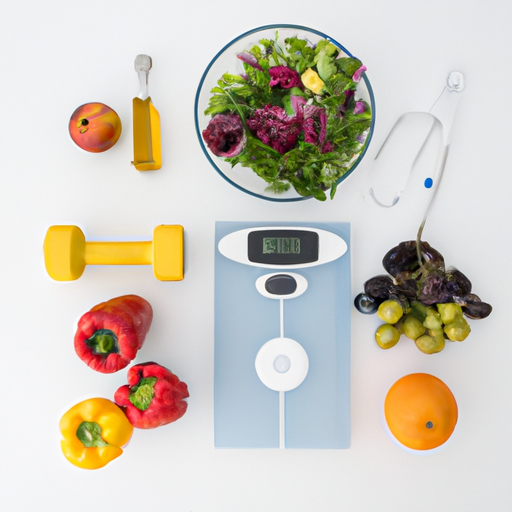
July 31, 2023 Health & Fitness

How Many Pounds Do You Lose On The Mediterranean Diet?

So, you’ve been hearing a lot about the Mediterranean diet these days, right? It’s no surprise considering its reputation for being wholesome and beneficial for your overall wellbeing. You might even be wondering, “How many pounds can I lose on the Mediterranean diet?” That’s a great question to ask and we are here to help answer it in a way that emphasizes the enjoyable, healthful journey rather than just the destination.

Dive right into the article with us and we promise you will have a lot more understanding on the topic. We understand your curiosity because let’s face it, your health journey is important and the more informed you are, the better you can make choices that fit your lifestyle. Remember, the Mediterranean diet is not just about weight loss, it’s also about enjoying high-quality foods with your loved ones. So, let’s turn the page and start exploring, shall we?

How Many Pounds Do You Lose On The Mediterranean Diet?

Understanding the Mediterranean Diet

Defining the Mediterranean Diet

If you’re here, chances are you’re looking to make an important lifestyle change. A shift in your dietary habits that influences not only how you approach food, but how you live your life. The Mediterranean diet is such a change. Inspired by the eating habits of people from countries bordering the Mediterranean Sea, such as Italy, Greece, and Spain, this diet is not just about the food, but about an attitude towards life that promotes health, longevity, and personal fulfillment.

Key Components of the Mediterranean Diet

The Mediterranean diet focuses on the consumption of fresh fruits, vegetables, whole grains, nuts, and legumes. It encourages the selection of lean proteins like fish and poultry over red meat, and draws heavily on olive oil as a source of healthy fats. Moderate consumption of red wine is also a component of this diet.

Mediterranean Diet and Weight Loss

Role of the Mediterranean Diet in Weight Loss

The question in your mind is likely, ‘how many pounds do you lose on the Mediterranean diet?’ To answer this, let’s first understand the role it plays in weight loss. The Mediterranean diet is abundant in nutrient-dense, high-fiber foods that keep you feeling full and satisfied, reducing the need for unhealthy snacking. Along with moderate exercise, it aids in slow and steady weight loss.

Studies Supporting Weight Loss through the Mediterranean Diet

Several studies have shown the effectiveness of the Mediterranean diet in weight loss and maintenance. A study published by the American Journal of Medicine, for instance, found that people following the Mediterranean diet lost an average of 9.7 lbs.

Creating a Mediterranean Diet Weight Loss Plan

Determining a Starting Point

It’s essential to understand where you are before setting off on your weight-loss journey. Evaluate your current eating and exercise habits, and identify areas where you can replace unhealthy choices with healthier ones.

Setting Realistic Weight Loss Goals

Losing weight is a journey, not a sprint. Setting realistic goals can help you stay motivated and on track. A healthy weight loss rate is typically 1-2 pounds per week.

Creating a Meal Plan

Having a well-structured meal plan is crucial. Incorporate a variety of Mediterranean foods, ensuring that each meal has a balance of macronutrients.

How Many Pounds Do You Lose On The Mediterranean Diet?

Food Choices

Emphasizing Fruits and Vegetables

Your diet should revolve around fresh fruits and vegetables which are packed with essential nutrients and fiber, aiding in digestion and weight loss.

Incorporating Whole Grains

Whole grains are another cornerstone of the Mediterranean diet. Rich in fiber, they help control blood sugar levels and keep you feeling full longer.

Including Healthy Fats in Your Diet

Contrary to popular belief, not all fats are bad for you. Healthy fats found in olive oil, nuts, and fish are crucial for weight loss and overall health.

Choosing Lean Proteins

Lean proteins like fish, chicken, and legumes can help build and maintain muscle tissue, which aids in burning calories and weight loss.

Physical Activity in the Mediterranean Lifestyle

Importance of Physical Activity

Physical activity is as important as dietary changes in weight loss. It helps burn calories, build muscle, and boost your metabolism.

Recommended Physical Activities

Simple activities like walking, swimming, biking, or playing a sport can go a long way in complementing your diet.

Mediterranean Diet and Other Health Benefits

Impact on Heart Health

The Mediterranean diet’s focus on healthy fats and whole foods has been linked with reduced risks of heart disease.

Influence on Brain Health

Foods like nuts and fish, which are rich in omega-3 fatty acids, have been found to boost brain health, potentially reducing the risk of Alzheimer’s disease.

Reduction in Risk for Certain Cancers

This diet’s emphasis on fruits, vegetables, and whole grains may also reduce the risk of certain types of cancers.

Potential Diabetes Prevention and Control

The Mediterranean diet could also help prevent or control diabetes thanks to its focus on whole grains, fruits, and vegetables, and its discouragement of processed foods.

JD’s Personal Experience with the Mediterranean Diet

JD’s weight loss journey

I, JD, was in your shoes, looking for a sustainable way to lose weight and be an active participant in my family’s life. The Mediterranean diet not only aided my weight loss, but also improved health indicators like blood sugar and cholesterol levels.

Importance of Family Learnings and Experience

Being able to share high-quality meals with my family and teaching my children about healthy eating has been invaluable. The Mediterranean lifestyle’s emphasis on community and family meals helped to bring us together.

Mediterranean Diet as a Sustainable Lifestyle change

Mediterranean Diet vs. Fad Diets

Unlike countless fad diets promising rapid weight loss, the Mediterranean diet is a sustainable lifestyle change fostering overall health, well-being, and slow and steady weight loss.

Benefits of a Long-term Lifestyle Change

Long-term lifestyle changes not only aid in maintaining weight loss but can also lead to improved mental health, stronger relationships, and a better quality of life.

Getting Started on Your Mediterranean Diet Journey

Tips for Beginners

Start by making small changes. Swap out your refined-grain bread for a whole grain one; replace butter with olive oil. Remember, change is a process.

Incorporating diet into daily routine

Make your diet work for you. Plan meals around your schedule, and incorporate physical activity into your daily routine.

Getting Family Involved

Get your family involved in meal preparations and physical activities. This not only helps you, but makes the whole family healthier.

Conclusion

Restating the Importance of the Mediterranean Diet in Weight Loss

In conclusion, the Mediterranean diet goes beyond weight loss. It fosters an attitude that embraces healthy eating, physical activity, and quality time with loved ones.

Encourage readers to consider the Mediterranean Diet

You’re not just counting calories or eliminating food groups, but adopting a lifestyle that harmonizes with your well-being. So, consider starting your Mediterranean diet journey today, and experience the impactful difference it can make in your life.

July 31, 2023 Health

Is Mayonnaise Allowed On Mediterranean Diet?

So, you’ve been wondering, “Is mayonnaise allowed on the Mediterranean diet?” It’s a great question and a relevant one at that! After all, mayonnaise has been a staple ingredient in various cuisines worldwide, including salads, sandwiches, and a multitude of dishes you might love.

You’ll be thrilled to learn more in our in-depth article. It will help you explore if and how mayonnaise fits into the healthy and vibrant Mediterranean diet. Remember, JD – a caring father committed to maintaining long-term health to be active and present for his children – offers each piece of information on this blog. He’s passionate about promoting the benefits of the Mediterranean diet and the joy of sharing high-quality food with family. Keep reading to learn more. Trust us, it’s not just about diet rules, but it’s about sharing the joy of nutritious food with your loved ones, and we are here to guide you through it!

Is Mayonnaise Allowed On Mediterranean Diet?

Understanding the Mediterranean Diet

The Mediterranean diet is a lifestyle approach to healthy eating that takes inspiration from the traditional food cultures of countries bordering the Mediterranean Sea. This diet has been praised for its heart-health benefits and is widely considered one of the healthiest dietary patterns in the world. But is mayonnaise allowed in the Mediterranean diet? The answer might surprise you!

The Basic Principles of the Mediterranean Diet

At its core, the Mediterranean diet emphasizes plant-based foods, such as fruits, vegetables, whole grains, legumes, and nuts. It encourages replacing butter with healthy fats like olive oil and using herbs and spices to flavour your food instead of salt.

Primary Components of the Mediterranean Diet

Key components of the Mediterranean diet include regular consumption of fish and poultry over red meat. It also involves enjoying meals with family and friends, drinking red wine in moderation, and getting plenty of exercise.

Mayonnaise and the Mediterranean Diet

Mayonnaise, a creamy dressing made primarily of egg yolks and oil, is a common condiment in many households, but is it compatible with the Mediterranean diet?

The Ingredients in Mayonnaise

Traditional mayonnaise consists primarily of oil and egg yolks, with a small amount of vinegar or lemon juice, which makes it high in fat and calories.

Health Impacts of Regular Mayonnaise Consumption

While it’s okay to enjoy mayo occasionally, regular consumption can lead to high cholesterol, weight gain, and other health risks due to its high fat and calorie content.

Alternative Options for Mayonnaise in the Mediterranean Diet

The Mediterranean diet doesn’t outright ban any foods, but it does promote healthier choices. So, while you don’t need to eliminate mayonnaise from your diet completely, there are healthier alternatives to consider.

Healthy Fats in the Mediterranean Diet

Instead of mayonnaise, try swapping it out for healthier fats. Avocado, for example, is a fantastic choice, offering a creaminess akin to mayo with the bonus of heart-healthy fats.

Homemade Mayonnaise Alternatives and Their Benefits

You can also make your own healthier versions of mayonnaise, using ingredients like Greek yogurt or blending cooked and cooled white beans with olive oil, garlic, and lemon juice.

Is Mayonnaise Allowed On Mediterranean Diet?

Incorporating Mayonnaise in Moderation

The key, as with any healthy eating plan, is moderation. Here’s how you can include mayo in your Mediterranean-inspired eating routine without jeopardizing your health goals.

How to Use Mayonnaise Intelligently in the Mediterranean Diet

Use mayonnaise sparingly as a condiment, rather than a staple. And consider opting for light or lower-fat versions of mayonnaise when available.

Examples of Mediterranean Recipes Using Mayonnaise

Think of dishes where a small serving of mayonnaise can enhance the flavors, such as a tangy tzatziki dip or a flavorful aioli sauce served with grilled seafood.

The Importance of Balancing Your Diet

Just like life, nutrition is about balance. This is especially highlighted in the Mediterranean diet.

Understanding Nutritional Balance in the Mediterranean Diet

The Mediterranean diet is not about quick fixes but rather long-term, sustainable changes that not only nourish your body but also make your meals more enjoyable and satisfying.

The Role of Portion Control in the Mediterranean Diet

Portion control is a key aspect of the Mediterranean diet. Even ‘healthy foods’ can contribute to weight gain if we’re not mindful of serving sizes.

The Mediterranean Diet and Family

One of the defining characteristics of the Mediterranean diet is its emphasis on shared meals and family connection.

The Culture of Eating Together in the Mediterranean

In Mediterranean cultures, meals are a time for families to come together. This practice fosters stronger bonds, better digestion, and increased enjoyment of foods.

Incorporating the Mediterranean Diet in Family Meals

Start by making simple swaps during family meals, such as serving whole-grain bread instead of white bread, or offering a crisp, colorful salad with homemade vinaigrette instead of creamy, mayo-based coleslaw.

Long Term Benefits of the Mediterranean Diet

Living the Mediterranean lifestyle can yield significant long-term health benefits.

Improved Longevity and Quality of Life

The Mediterranean diet has been linked to higher life expectancies and better quality of life in numerous scientific studies.

The Mediterranean Diet and Disease Prevention

Research suggests that the diet can help lower the risk of heart disease, stroke, type 2 diabetes, and certain types of cancer.

The Role of Exercise in the Mediterranean Diet

Physical activity is a fundamental pillar of the Mediterranean lifestyle.

Importance of Physical Activity for Overall Health

Regular exercise is crucial for managing your weight, reducing stress levels, and boosting your mood and overall vitality.

Integrating Exercise into Your Mediterranean Lifestyle

Whether it’s taking a morning stroll, cycling, swimming or engaging in a daily yoga practice, aim to include some form of exercise in your routine.

Committing to the Mediterranean Lifestyle

Staying consistent and finding enjoyment in this lifestyle can make the Mediterranean diet a sustainable choice for a healthier life.

Staying Consistent with the Mediterranean Diet

The key is to make small, manageable changes that align with this new way of eating and living.

Maintaining Motivation for a Healthy Lifestyle

Find what works best for you and your family, make mistakes, learn from them, and most importantly, keep going!

Conclusion: Is Mayonnaise Allowed in the Mediterranean Diet?

Yes, mayonnaise can be part of your Mediterranean diet, but moderation is key here. Prioritize the consumption of healthier fats and opt for homemade alternatives whenever possible. Remember, the Mediterranean diet is more about enjoying high-quality, fresh, wholesome food shared with loved ones.

As always, it’s important to listen to your body and adapt guidelines to suit your unique nutritional needs. After all, a balanced diet is the cornerstone of a healthy, happy, fulfilling life!

July 31, 2023 Diet & Nutrition

Can You Eat Cucumbers On A Mediterranean Diet?

You’ve gotten intrigued by the Mediterranean Diet, haven’t you? It’s a wholesome approach to eating that emphasizes fruits, vegetables, whole grains, olive oil, and lean proteins. But there’s one lingering question on your mind: Can you eat cucumbers on a Mediterranean diet? That crisp, refreshing crunch is hard to resist!

Stay tuned! In the next section of this article, we’re going to delve deeper into this topic. You’ll explore more about the role cucumbers can play in a Mediterranean diet and how their unique benefits can contribute to your dietary plan. This way, you can keep enjoying your meals, maintain your health and be fully active for those precious moments you look forward to with your children. Fostering these shared experiences around high quality food is one of the greatest benefits of the Mediterranean diet that I love sharing with you.

Can You Eat Cucumbers On A Mediterranean Diet?

Can You Eat Cucumbers On A Mediterranean Diet?

Properties of Cucumbers

Believe it or not, the humble cucumber packs quite a punch when it comes to nutritional value. Did you ever realize that this common garden vegetable is an amazing source of nutrients?

Nutritional Values in Cucumbers

Low in calories, cucumbers are high in important vitamins, minerals, and antioxidants. With each crunchy bite, you are taking in Vitamin K, Vitamin C, Magnesium, Potassium, and Manganese. Their peel also contains considerable amounts of fiber, contributing to your daily intake.

Hydrating Benefits from Cucumbers

The high water content in cucumbers, up to 96%, makes them exceptionally hydrating. In addition to drinking water, eating cucumbers can be an excellent way to boost your hydration particularly during warm weather or after workouts.

Cucumbers and Digestion

The fiber and water present in cucumbers can help prevent constipation and increase regularity, all of which promotes a healthy digestive tract. Moreover, cucumbers contain an essential nutrient called silica, which aids in digestion too.

Cucumbers for Skin Health

Cucumbers are often used in skincare remedies due to their hydrating, nourishing, and astringent properties. They promote a healthy complexion and can help to relieve puffiness, irritation, and inflammation.

Cucumbers in a Mediterranean Diet

The Mediterranean Diet is well-known for its heart-healthy benefits, largely due to its high content of fruits, vegetables, whole grains, legumes, and of course, cucumbers.

Incorporating Cucumbers in Mediterranean Meals

Cucumbers are a staple in many Mediterranean dishes. They add a refreshing crunch as a side dish, garnish for salads and wraps, or even as a base for delicious sauces and dips.

Cucumber’s Role in a Balanced Mediterranean Diet

In the Mediterranean diet, cucumbers contribute not only towards fulfilling the daily vegetable intake but also act as a major hydration source. The nutritional value of cucumbers offers several health benefits that complement this diet perfectly.

Cucumbers in Mediterranean Recipes

Cucumbers can make their way into various Mediterranean recipes, playing a starring role or being a strong supporting ingredient.

Tzatziki: The Classic Greek Cucumber Yogurt Sauce

A beloved Greek dish, Tzatziki is made by combining cucumbers, garlic, and yogurt. It is a delightful refreshing sauce or dip, often accompanying grilled meats or served as a condiment with pita.

Greek Cucumber Salad: Simple and Nutritious

Refreshing and flavorful, this Greek salad made with cucumbers, tomatoes, onions, olives, and feta tossed in a tangy vinaigrette is rich in nutrients and light on the waistline.

Refreshing Cucumber Infused Water

Stay hydrated while getting a dose of vitamins by adding cucumber slices in your water. This is a popular beverage choice at many Mediterranean homes especially during the summer.

Can You Eat Cucumbers On A Mediterranean Diet?

The Effects of Cucumbers on Health

The numerous nutrients in cucumbers contribute to various health benefits.

Cucumbers’ Antioxidants and Their Benefits

Antioxidants are molecules that block oxidation—a process leading to cell damage. Cucumbers are high in antioxidants, including vitamin C and beta-carotene. They also contain flavonoids, triterpenes, and lignans, which provide antioxidant benefits.

Cucumbers and Weight Management

With their high fiber and water content and low calorie count, cucumbers can be a satisfying snack for those looking to lose or maintain weight.

Effects of Cucumbers on Blood Sugar Level

Some research suggests cucumbers may help control and prevent diabetes since they have a low score on the glycemic index, which means they provide important nutrients without adding carbohydrates that can increase blood glucose.

Cucumbers and Heart Health

Cucumbers contain potassium and magnesium. This makes cucumbers helpful for maintaining a healthy heartbeat and can be beneficial for protecting against cardiovascular disease.

Cucumbers and Healthy Family Meals

Cucumbers can be used in a variety of ways in family meals. Their mild flavor and refreshing crunch make them popular with kids and adults alike.

Fun Ways to Include Cucumbers in Kids’ Diet

From adding them in smoothies to making fun-shaped cucumber sandwiches, cucumbers are a great addition to your children’s diet.

Cooling Benefits of Cucumbers for Summer Family Recipes

A cucumber’s high water content gives it a cooling effect, perfect for hot summer days. It can easily turn a simple salad into a thirst-quenching dish.

Cucumber-Based Dishes for Family Gatherings

Cucumbers are versatile and can be added to various dishes served at family gatherings – salads, appetizers, infused water, and even desserts!

Shopping and Storing Cucumbers

Picking the Best Cucumbers

Choose cucumbers that are firm, green, and blemish-free. Avoid those that are yellow or puffy, have sunken areas, or are wrinkled at the tips.

Proper Storage for Fresh Cucumbers

To keep your cucumbers fresh for longer, store them in the crisper of your refrigerator. If you’ve used part of a cucumber, wrap the remainder tightly in plastic or place it in a sealed container so it doesn’t get dried out.

Prepping Cucumbers for Recipes

Rinse thoroughly under cold water to lay off any dirt on the skin. They can be sliced, diced, or chopped according to your recipe needs.

Cucumbers Beyond the Diet

Cucumbers in Skincare Remedies at Home

Cucumber slices can soothe your tired eyes, its juice can be used as a skin toner and its puree can be used as a hydrating face mask. The cooling properties of cucumber refresh and rejuvenate the skin.

Cucumbers as a Natural Beauty Ingredient

Cucumbers can be included in your homemade lotions, creams, and soaps considering their hydrating and cooling benefits.

Challenges and Tips

Dealing with Cucumber Allergies

Cucumber allergies, although rare, do exist. The common symptoms could include redness and itching around the mouth and hands. If this happens, just take a step back and consult with your healthcare provider.

Consuming Cucumbers in Moderation

Like all things, cucumbers should be eaten in moderation even though they are low in calories. Excessive intake can lead to bloating and indigestion issues due to its cucurbitacin content.

Summary of Cucumbers in a Mediterranean Diet

Recap of the Health Benefits

From keeping you hydrated, aiding in digestion to benefitting your skin, cucumbers definitely reign the nutrient game. The antioxidants fight off harmful free radicals, plus cucumbers are a friend to your heart and your waistline too.

Importance of Cucumbers in Maintaining an Active Lifestyle

The crispy and satisfying cucumbers, due to high nutrition and hydration, can help you feel active and energetic – vital for maintaining a Mediterranean lifestyle.

Conclusion

Why Cucumbers are Essential in a Mediterranean Diet

Cucumbers are a refreshing part of the Mediterranean diet. Besides being a powerhouse of nutrients, they add a delightful crunch to your meals. And apart from their multiple health benefits, they also contribute majorly to the hydration scene.

Embracing Cucumbers for Long Term Health Benefits

By regularly including cucumbers in your Mediterranean menus, you are not just embracing a nutritious ingredient but are also promising your body a wealth of health benefits.

Remember, being conscious of the food you and your loved ones eat goes a long way in maintaining a healthy and active life. Enjoy your cucumbers, folks!

July 31, 2023 Health & Wellness

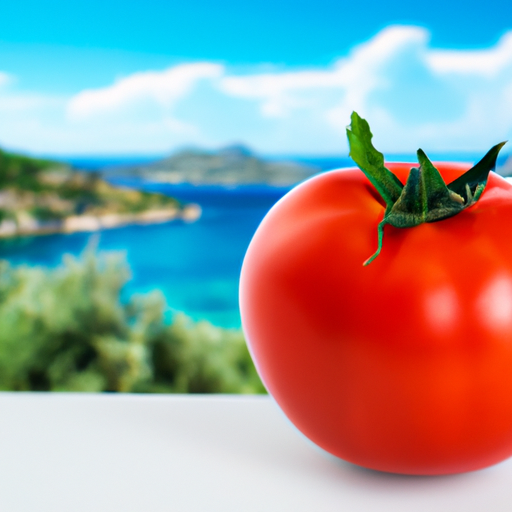
Are Tomatoes OK On The Mediterranean Diet?

You might be wondering, “Are tomatoes OK on the Mediterranean diet?” It’s a valid question considering how integral tomatoes are to most of our meals. Fear not! This friendly discussion will put your mind at ease.

Guess what? Your culinary world is about to expand! We’ll be diving deeper into the topic in this article so you can push those worries aside. Getting clarity is so essential when navigating the waters of healthy eating, especially when embracing a lifestyle rich in flavorful, high-quality foods like the Mediterranean diet. After all, good food is even better when shared with good company, like your family. So, let’s learn together, shall we?

Are Tomatoes OK On The Mediterranean Diet?

Are Tomatoes OK On The Mediterranean Diet?

Understanding the Mediterranean Diet

The Mediterranean diet, often celebrated as one of the healthiest eating plans in the world, stands as a fine testament to the wisdom of cultural and traditional diets. Rooted in the traditional food cultures of countries along the Mediterranean Sea, it emphasizes fresh fruits and vegetables, lean proteins, healthy fats, and whole grains.

The Origin and philosophy of the Mediterranean diet

The concept of the Mediterranean diet isn’t new. It emerged from the culinary practices of people living in countries like Italy, Spain, and Greece, where nutritious, fresh, and local produce formed the staple of their meals. The diet’s unique philosophy lies in its focus on moderation, portions, variety, and, most importantly, the joy of sharing food with loved ones.

Major components of the Mediterranean diet

This heart-friendly diet highlights the consumption of copious amounts of fruits, vegetables, olive oil, beans, whole grains, nuts, and seeds. Seafood forms a crucial component, while moderate portions of dairy products, poultry, and eggs are also typically included. Processed foods, refined oils, added sugars, and red meats are largely limited or avoided.

The health benefits of the Mediterranean Diet

Numerous studies vouch for the health benefits of the Mediterranean diet, linking it to lower risks of heart disease, hypertension, type 2 diabetes, and certain cancers. It has also been associated with improved mental health, longevity, and overall quality of life.

Role of Fruits and Vegetables in the Mediterranean Diet

Fruits and vegetables play a starring role in this diet owing to their nutrient-dense profiles and versatile contributions to dishes.

Contribution of fruits and vegetables to health benefits

Fruits and vegetables, packed with vitamins, minerals, and antioxidants, help reduce inflammation, protect against chronic diseases, and boost immunity. The fiber content aids in digestion while keeping you satiated longer.

Commonly included fruits and vegetables in Mediterranean cuisine

Everyday dishes richly feature a diverse array of produce including, but not limited to leafy greens, cucumbers, tomatoes, eggplants, zucchinis, bell peppers, onions, citrus fruits, apples, pears, grapes, and berries.

Exploring the Nutritional Profile of Tomatoes

A staple in Mediterranean cooking, the humble tomato brings not just color and flavor, but also an impressive set of nutritional benefits.

Nutrient content in tomatoes

Tomatoes are loaded with key nutrients including Vitamins A, C, and K, folate, and potassium. They’re also a major source of the antioxidant lycopene.

Health benefits associated with tomatoes

With their potent antioxidant profile, tomatoes can support heart health, skin health, and prevent certain types of cancer. Their high water and fiber content can aid digestion and assist in weight management.

Are Tomatoes OK On The Mediterranean Diet?

Tomatoes in Mediterranean Cuisine

A central ingredient in Mediterranean cuisine, tomatoes are versatile and can be utilized in a myriad of ways.

Historical use of tomatoes in Mediterranean region

Though tomatoes are native to the Americas, they quickly became a cornerstone of Mediterranean cooking, being introduced and integrated into the cuisine from the 16th century onward.

Common methods of preparing tomatoes in Mediterranean meals

Tomatoes can be enjoyed fresh in salads, simmered into sauces, slow-roasted, stuffed, grilled, or sun-dried and used in a range of dishes.

Can Tomatoes be Included in Mediterranean Diet?

Tomatoes are not just included in the Mediterranean diet, they are at its very heart.

Role of tomatoes in a balanced Mediterranean diet

As a source of vital nutrients and fiber, tomatoes contribute significantly to making the Mediterranean diet well-rounded and balanced.

Scientific validation of tomatoes within the Mediterranean diet

Many scientific studies endorse the inclusion of tomatoes in the diet due to their rich phytonutrient content, particularly lycopene, and their association with numerous health benefits.

How to Incorporate Tomatoes into Mediterranean Diet

There are many ways to incorporate tomatoes into the Mediterranean diet.

Various forms and uses of tomatoes in meals

Tomatoes can be found fresh, canned, pureed, or sun-dried, and can be used in salads, sauces, soups, stews, or even as a pizza topping.

Recipes featuring tomatoes in Mediterranean cuisine

Traditional Mediterranean recipes such as Greek salad, gazpacho, bruschetta, Ratatouille, and Shakshouka highlight tomatoes in all their glory.

Potential Challenges and Considerations

While tomatoes are nutritious, they might not be suitable for everyone.

Overcoming tomato allergies and intolerances

Allergies to tomatoes are rare but if you do have them, you can replace tomatoes with other colorful fruits and vegetables in your Mediterranean dishes.

Concerns about the acid content in tomatoes

As tomatoes are acidic, people with acid reflux or GERD might need to consume them in moderation. Cooking tomatoes can reduce their acidity.

Talking to Your Doctor or Nutritionist

It is always wise to discuss any significant dietary changes with a registered dietitian or healthcare provider.

Why you should discuss diet changes with a health professional

Healthcare professionals can provide personalized advice based on your health status, and help manage any dietary restrictions.

Questions to ask about incorporating tomatoes in your diet

Ask about how many servings of tomatoes to consume in a week, or the best way to handle tomatoes if you have dietary restrictions.

Fostering Lifelong Healthy Eating Habits

Embracing the Mediterranean diet as a family can have far-reaching benefits.

Making the Mediterranean diet a family endeavor

Sharing meals not only fosters stronger bonds, but also encourages healthier eating habits. It’s a great opportunity to introduce a variety of foods and flavors to your children.

Teaching children about balanced nutrition and healthy eating habits

Getting children involved in meal preparation can motivate them to make healthier food choices and appreciate the process of cooking.

Conclusion

This diet, rooted in a centuries-old tradition, embodies a lifestyle where food is meant to be savored, enjoyed, and shared. It offers a road to not just healthier bodies, but also stronger relationships and vibrant communities—all with the humble tomato playing a pivotal role.

In today’s world, where fast food and processed meals seem convenient, the Mediterranean diet reminds us of the joy of dining at home, surrounded by family, savoring food that is as nourishing to the body as it is pleasing to the palate. So, go ahead and enjoy tomatoes in your next Mediterranean meal. Not just for their enticing flavor, but also their numerous health benefits; your body, mind, and spirit will thank you.

July 31, 2023 Health & Fitness

What Is The Fastest Way To Lose Weight On The Mediterranean Diet?

Have you ever pondered over the question – what is the fastest way to lose weight on the Mediterranean diet? If you have, then you’re not alone. It’s common to wonder about this, especially since the Mediterranean diet is renowned for its health benefits and delicious variety of foods. It’s a beautiful balance between health and enjoyment, something that is highly valued around the world.

Now, if you’re craving to learn and understand more about this fascinating topic, you’re totally in luck! The forthcoming article will delve deeper, providing you with the answers and insights you seek. Not only will it equip you with knowledge, but it will also inspire you to take strides towards a healthier and more fulfilling lifestyle. With these powerful tools, who knows? You might soon be whipping up a Mediterranean storm in your own kitchen! So, prepare to embark on this journey, taking steps further into the hearty world of the Mediterranean diet.

What Is The Fastest Way To Lose Weight On The Mediterranean Diet?

Understanding the Mediterranean Diet

Defining the Mediterranean Diet

The Mediterranean diet is a lifestyle approach frequently recognized for its health benefits. Inspired by the traditional dietary patterns of the countries bordering the Mediterranean Sea, the diet encourages consuming whole foods, including fruits, vegetables, lean proteins, and healthy fats.

Key principles of the Mediterranean Diet

Fundamental aspects of the Mediterranean diet which include consuming high amounts of fruits and vegetables, whole grains, and lean meats such as fish, while minimizing processed foods and sugars. Extra-virgin olive oil and nuts, rich in heart-healthy fats, form an essential part of the diet.

Why the Mediterranean Diet for Weight Loss?

Health benefits of the Mediterranean diet

Research consistently indicates that the Mediterranean diet helps enhance heart health, manage diabetes, fight certain types of cancers, and reduce the risk of Alzheimer’s and Parkinson’s disease. The diet is high in antioxidants, promotes a balanced gut microbiome, and offers anti-inflammatory benefits as well.

How the Mediterranean Diet facilitates weight loss

The Mediterranean diet’s emphasis on whole, plant-based foods, lean proteins, and healthy fats makes it a balanced, nutrient-dense choice. These foods are filling and satiating, helping to curb overeating, thus supporting weight loss. Furthermore, following such a diet can improve your metabolism, making it easier for your body to burn calories.

Selecting the Right Foods

Importance of whole grains, fruits, and vegetables

Whole grains, fruits, and vegetables constitute a large portion of the Mediterranean diet. These foods are high in fiber and help you feel full. They also play a critical role in delivering nutrients and antioxidants essential for overall health.

The role of proteins in the Mediterranean diet

The Mediterranean diet includes a consumption of proteins primarily from fish and legumes. Fish, particularly oily variants like salmon and mackerel, provide omega-3 fatty acids beneficial to heart health.

Healthy fats in the Mediterranean diet

Fats in the Mediterranean diet come from natural sources like extra-virgin olive oil, nuts, and seeds, which contain heart-healthy monounsaturated fats and polyunsaturated fats.

What Is The Fastest Way To Lose Weight On The Mediterranean Diet?

How to Eat on the Mediterranean Diet

Balancing your meals

Strive to fill your plate with a rainbow of fruits and vegetables, complemented by whole grains and lean proteins. Also include a healthy fat like olive oil or nuts to help absorb fat-soluble nutrients.

Understanding portion control

While the foods integrated into the Mediterranean diet are healthy, portion control is vital. Even healthy foods can contribute to weight gain if consumed in large, unregulated quantities.

Timing your meals

Aim to space out your meals and snacks throughout the day. This can help manage hunger, preventing overeating and impulsive food choices.

Staying hydrated: The Mediterranean way

Drinking enough water is crucial for hydration and assisting with digestion. Traditional Mediterranean beverages include low-sugar options like herbal tea and wine, enjoyed in moderation.

Effective Exercise on the Mediterranean Diet

Exercising for weight loss

Pair your diet with regular physical activity for the best weight loss results. This could be anything you enjoy, from walking and running to swimming or cycling.

How exercise enhances the Mediterranean diet

Exercise can help speed up your metabolism and helps in burning more calories – critical components of weight loss. Exercise is also beneficial for heart health and improves your overall well-being.

Creating a Healthy Lifestyle

Improving sleep habits

Adequate sleep is both an essential part of a healthy lifestyle and a factor influencing weight loss. This is because poor sleep can disrupt hunger hormones, leading to increased appetite and potential overeating.

Reducing stress: A Mediterranean philosophy

The Mediterranean lifestyle is not just about the diet but also about enjoying life. Activities like spending time with loved ones, staying active, and stress management are central to this dietary approach.

Maintaining motivation on the Mediterranean diet

Remember that change is gradual and requires consistency. Find joy in the journey and celebrate small victories to maintain motivation.

Cooking Mediterranean: Meal Preparation Tips

Planning Mediterranean Meals

Prepare a weekly meal plan incorporating a variety of foods from the Mediterranean pyramid. Having a plan can help you stay on track and resist impulsive, unhealthy choices.

Cooking Hacks for Weight Loss

Cook at home as much as possible. Homemade meals allow you to control the ingredients and portions. Consider batch cooking and storing portion-controlled servings to make tracking easier.

The Family Experience of Mediterranean Cooking

The Mediterranean diet is all about communal eating. Get your family involved in the preparation of meals. This will not only make cooking more enjoyable but also offers an opportunity to educate your children about the benefits of a healthy diet.

Personal Experience: JD’s Journey with the Mediterranean Diet

JD’s motivation for choosing Mediterranean Diet

As a father, I (JD), wanted to adopt a lifestyle that would not only allow me to stay fit but also engage my family in healthy habits. The Mediterranean Diet was the natural choice as it values sharing quality food with loved ones and enjoying life.

How the Mediterranean diet has benefited JD and his family

Since we started on this journey, we’ve all noticed improvements in our health. Weight reduction was an added bonus on top of increased energy levels, improved sleep, and feeling healthier overall.

Frequently Asked Questions about Mediterranean Diet and Weight Loss

How quickly can you lose weight?

Gradual and steady loss, about 1-2 pounds a week, is ideal. However, everyone is unique, and weight loss can vary depending on many factors.

Is it safe to stay on the Mediterranean diet long term?

Yes. The Mediterranean diet is a balanced, wholesome dietary approach and is rated safe for long-term adherence.

Can children follow the Mediterranean diet?

Absolutely. By encouraging consumption of fruits, vegetables, whole grains, and lean proteins, these dietary habits promote the growth and development of children.

Concluding Thoughts on Fast Weight Loss with the Mediterranean Diet

The sustainable approach to weight loss

The secret to weight loss isn’t just about a short-term diet. Insisting on a balanced, nourishing, and sustainable lifestyle like the Mediterranean approach can offer long-term weight management and overall health benefits.

Encouraging a shift towards a Mediterranean Lifestyle

For anyone seeking a healthy lifestyle and sustainable weight loss, we recommend adopting a Mediterranean approach – not just to eating, but to life as a whole. Family, food, exercise, rest, and joy – these are the foundations of the lifestyle we’ve embraced and encourage you to try.

July 31, 2023 Diet & Nutrition

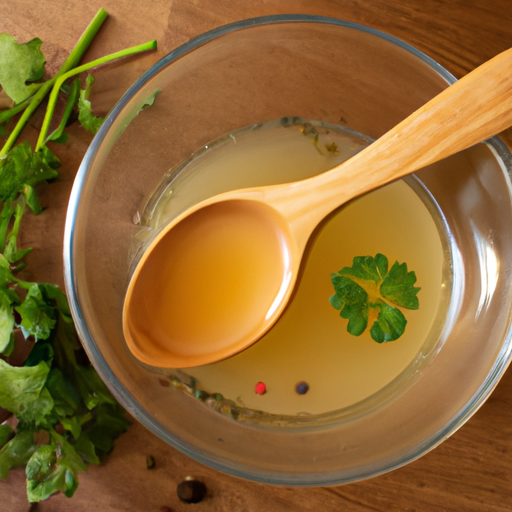
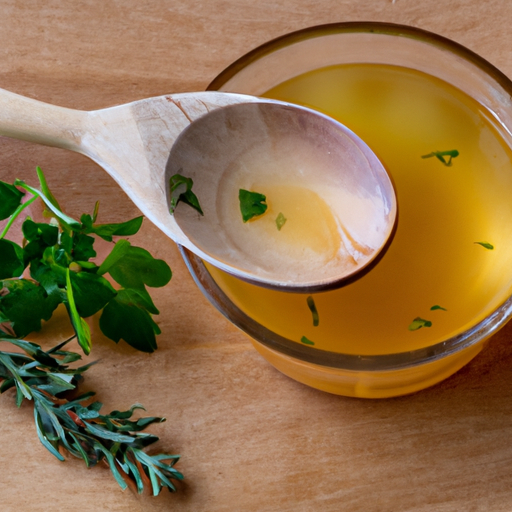
Is Chicken Broth On The Mediterranean Diet?

So you’re pondering the question, “Is chicken broth on the Mediterranean diet?” It’s a good question, considering that the Mediterranean diet is renowned for its heart-healthy benefits, emphasis on fresh fruits and vegetables, whole grains, lean proteins, and olive oil. You also know that JD, your trusted guide into all things Mediterranean diet emphasizes the importance of high-quality food that you can share with your family.

This article will delve deeper into this question, presenting you with thoroughly researched and accurate information. You’ll explore the use of chicken broth in the context of the Mediterranean diet, its health benefits, and perhaps even some delicious recipe ideas to try out in your kitchen. After reading this, you’ll not only have the answer to your question, but you’ll also discover new ways to incorporate this healthy diet into your family meals. Because it isn’t just about being present in your children’s lives – as JD would tell you – it’s about being active and healthy as well.

Is Chicken Broth On The Mediterranean Diet?

Understanding the Mediterranean Diet

The Mediterranean diet, lauded by many as the cornerstone of a healthy and balanced lifestyle, is more than just a diet – it’s a way of living. Its core principles include emphasizing the consumption of plant-based foods, such as fruits, vegetables, legumes, nuts, and grains, and of course, using olive oil as a primary source of fat.

Core principles of the Mediterranean Diet

The Mediterranean diet strictly promotes eating fresh and avoiding processed food. Olive oil, a monounsaturated fat, forms the cornerstone of the diet, working to decrease levels of harmful cholesterol. Moreover, this diet includes copious amounts of fruits and vegetables, fish, poultry and a moderate intake of dairy products. The diet also allows a marginal intake of red wine.

Common ingredients used in the Mediterranean Diet

Common components of the Mediterranean diet are olive oil, legumes, such as beans, lentils, and chickpeas, lean meats especially fish and poultry, and a vast array of fruits and vegetables, such as tomatoes, bell peppers, leafy greens, citrus fruits, and more. You’ll also find a variety of whole grains, nuts, and seeds, with a limited intake of dairy products and wine.

Health Benefits of the Mediterranean Diet

Not just another passing trend in the world of diets, the Mediterranean diet provides a plethora of health benefits confirmed by numerous scientific studies.

Promoting Heart Health

The Mediterranean diet is heart-healthy, promoting good cardiovascular health due to the high levels of omega-3 fatty acids from fish, olive oil, and nuts. These ingredients reduce inflammation in the body, which can prevent the onset of heart disease.

Prevention of diseases

It is also known for preventing chronic illnesses such as diabetes, cancer, and Parkinson’s disease. The high fiber content which aids in digestion, along with the healthy fats and antioxidants, help in reducing inflammation and managing blood sugar levels.

Mental and physical wellness

The Mediterranean diet has been linked to not just physical but also mental wellness. It encourages weight loss, aids in maintaining a healthy gut, and is noted for its positive effects on brain health, reducing depression, and maintaining cognitive functions.

The Role of Chicken Broth in Regular Diets

Chicken broth has been widely used in diets worldwide, and its popularity is largely due to its versatile use in recipes and its numerous health benefits.

Mineral value of chicken broth

Chicken broth is rich in minerals that support the immune system and contains healing compounds like collagen, glutamine, glycine, and proline. The collagen in the bone broth heals your gut lining and reduces intestinal inflammation.

How incorporating chicken broth can benefit health

From aiding digestion to providing relief from the common cold, chicken broth contains nutrients that assist in maintaining health and wellness. It is an excellent source of essential vitamins and minerals, including calcium, potassium, and vitamin B6.

Widely used recipes with chicken broth

Chicken broth is a versatile ingredient and can be used in a variety of recipes including soups, stews, sauces, and gravies. It adds flavor to grain dishes like rice and quinoa and is used as a braising liquid for meat dishes.

Is Chicken Broth On The Mediterranean Diet?

Chicken Broth in the Context of Mediterranean Diet

Although not always recognized as a staple, chicken broth aligns quite well with the principles and health benefits of the Mediterranean diet.

Whether chicken broth is included in the Mediterranean diet

Chicken broth is not explicitly included or excluded from the Mediterranean diet. However, its nutritional profile and versatility make it a fitting component of the diet.

How chicken broth merges with the Mediterranean diet principles

Chicken broth factors into the Mediterranean lifestyle by offering a simple and flavorful base for many recipes. With a high dietary mineral content and versatile use in cooking, chicken broth aligns well with the Mediterranean diet’s principles.

Popular Mediterranean recipes including chicken broth

Several Mediterranean-style recipes incorporate chicken broth to enhance flavor and nutrition. Classic lentil soup, garlic-infused risotto, or savory poultry dishes marinated in broth all showcase this ingredient’s broad culinary range.

Chicken Broth: Homemade vs. Commercial

When it comes to selecting between homemade and commercial chicken broth, there are differences in nutrient content, flavor, cost, and accessibility that might influence your choice.

Nutrient comparison: homemade and store-bought chicken broth

While both homemade and commercial broths contain essential nutrients, homemade chicken broth typically has a higher nutrient content because it’s made from whole chicken bones and gets simmered for a longer period. Meanwhile, commercial broth might contain additives or preservatives.

Differentiating the flavors: homemade and store-bought

Homemade chicken broth allows you to control the flavor and texture. You can adjust the saltiness, the intensity of flavor, and even the types of herbs or vegetables added. Commercial broths, on the other hand, offer a standard flavor that may vary between brands.

Cost and accessibility: homemade vs. store-bought

Homemade broth is cost-effective in that it makes use of leftover chicken bones. However, it’s more time-consuming to prepare. Commercial broth is easily accessible and convenient, but it may cost more per cup than homemade broth.

Making Chicken Broth at Home – A Healthy Choice

One of the healthy habits you can adopt is making your own chicken broth at home. A simple and satisfying task, it allows you control over the ingredients, quality, and taste.

Recipe for homemade chicken broth

Making your homemade chicken broth can be as simple as simmering leftover chicken bones with a mix of onions, carrots, celery, and your choice of herbs and spices.

Steps to maintain the nutrient value during preparation

To maximize the nutrient value of your broth, consider using organic chicken bones. Cooking at a low heat for a long time (typically 24 hours) extracts essential nutrients from the bones. Including some acidic ingredient like vinegar helps to leach vital minerals from the chicken bones.

Storing and reusing homemade chicken broth

Once done, you can strain and store your broth in the refrigerator for a week or freeze it for future use. It’s perfect for use in a variety of dishes – from stews, soups, sauces, or even as cooking liquid for grains.

Incorporating Chicken Broth in Mediterranean Dishes

Chicken broth can be creatively incorporated in your Mediterranean dishes to increase its flavor and nutritional value.

Classic Mediterranean recipes with a twist of chicken broth

Traditional Mediterranean recipes like vegetable risotto, couscous, or chickpea stew can be cooked with a bit of chicken broth for extra richness and flavor.

Different ways to add chicken broth to Mediterranean meals

You can use chicken broth instead of water for cooking grains for an added boost of flavor. It can also be used as a base for soups, stews, or for braising vegetables.

Creating your gourmet Mediterranean diet with chicken broth

Adding chicken broth to your culinary toolkit can elevate your homemade Mediterranean dishes. Turn a simple vegetable stew into a gastronomic delight by adding in chicken broth and let the magic unfold.

Variations of Chicken Broth in Mediterranean Cuisine

Chicken broth’s natural taste makes it an ideal canvas to explore the various flavors of Mediterranean cuisine.

Use of different spices and herbs in chicken broth

You can adapt the simple recipe of chicken broth to your liking by experimenting with different Mediterranean spices and herbs like bay leaves, thyme, rosemary, or even a hint of saffron.

Regional variations of chicken broth in Mediterranean diet

In the various regions surrounding the Mediterranean sea, several variations of chicken broth can be found. Some might have added lentils or rice, others are enriched with regional herbs and spices.

Vegetarian and vegan alternatives for chicken broth in Mediterranean diet

For vegetarian and vegan followers of the Mediterranean diet, vegetable broth offers a great alternative. Using the same method as with chicken broth, you can create satisfying vegetable broths with similar nutrient benefits.

Chicken Broth – A Family Meal Staple

In Mediterranean culture as in many others, shared meals are a chance for families to connect and savor equally nutritious and flavorful foods. Chicken broth can easily become part of these cherished traditions.

The importance of shared meals in the Mediterranean culture

The Mediterranean culture places a lot of importance on shared meals as they reinforce familial bonds and sustain the practice of healthy eating from generation to generation.

Family bonding over a pot of chicken broth

Preparing and sharing a bowl of warm, homemade chicken broth can offer an opportunity for the family to come together, exchange stories, and create memories – thus weaving strong bonds around healthy eating.

Educating children the benefits of healthy eating through chicken broth

Chicken broth can be a great way to introduce kids to a variety of nutrients and flavors at a young age. By including them in the preparation process, you can educate them about the importance of healthy eating.

Conclusion: Chicken Broth and the Mediterranean Diet

The Mediterranean diet is not just about what foods to eat, but also about promoting a holistic, balanced, and healthy lifestyle. Chicken broth, with its numerous health benefits and versatility in meals, can be a valuable addition to this diet.

Imparting wellness through diet

Whether you are on the Mediterranean diet or looking to start, incorporating chicken broth can add both flavor and health benefits to your meals. Its mineral-rich, versatile nature reinforces the main goal of the diet – imparting wellness through balanced eating.

Why chicken broth is a valuable addition to the Mediterranean diet

Although it isn’t explicitly mentioned in the diet, chicken broth can fit seamlessly into the Mediterranean diet principles of eating whole foods, rich in nutrients and heart-healthy fats. It can enhance the taste of traditional Mediterranean recipes while adding nutrients.

The way forward for enjoying a healthy Mediterranean lifestyle

Enjoying the Mediterranean lifestyle goes beyond adopting a diet – it is about enjoying flavorful, nutritious meals, preferably with your loved ones. With chicken broth, you can enhance this experience and make your Mediterranean journey a flavorful and healthful one.

Embrace this heart-healthy diet, relish a warm bowl of chicken broth and remember, it’s not just about the food you consume but also about the health and happiness you cultivate around the dining table.

July 31, 2023 Diet & Nutrition

How Many Times A Week Do You Eat Meat On The Mediterranean Diet?

Have you ever pondered the question, “How many times a week do you eat meat on the Mediterranean Diet?” It’s a common query among health-conscious folks like yourself. You’re aware of the countless benefits this diet offers, but maybe you’re not exactly sure where the consumption of meat fits in.

Not to worry, this informative article will answer that question and more. As you dive into it, you’ll not only uncover the frequency of meat consumption in the Mediterranean diet but also why it encourages such eating habits. Remember, it’s all about enjoying high-quality food while maintaining good health for the sake of playing an active role in your family life. So, get ready to enrich your understanding and continue your journey towards a healthier lifestyle.

How Many Times A Week Do You Eat Meat On The Mediterranean Diet?

Understanding the Mediterranean Diet

Concept and Philosophy of the Mediterranean Diet

The Mediterranean Diet is more than just a meal plan; it’s a lifestyle that combines healthy eating with physical activity. This diet emphasizes consuming plant-based foods like fruits, vegetables, whole grains, legumes, and nuts, supplemented with fish and seafood a couple of times a week. This pattern of eating emphasizes simplicity, biodiversity, freshness, and seasonality of ingredients- a philosophy that nurtures not just the body but also the soul.

Key Components of the Mediterranean Diet

The foundation of the Mediterranean Diet is built on whole grains, vegetables, and fruits. These make up the bulk of meals, providing plentiful fiber, vitamins, and antioxidants. Olive oil, rich in monounsaturated fats, is the primary source of fat. Dairy products, such as cheese and yogurt, are enjoyed daily in moderate amounts, while poultry and eggs are eaten a few times a week.

Meat, particularly red meat, is not the main protagonist in this dietary lifestyle, but rather a supporting actor, appearing less frequently on the dining table.

Role of Meat in the Mediterranean Diet

Importance of Meats in a Balanced Diet

While the Mediterranean Diet emphasizes plant-based foods, it doesn’t entirely exclude meat. Consuming meat infrequently but consciously is part of a balanced diet, as meats provide protein, vitamins, and minerals that are essential for our bodies.

Types of Meat Typically Consumed in the Mediterranean Diet

In the Mediterranean Diet, poultry is preferred over red meat. When red meat is consumed, it’s usually lean cuts of beef or lamb, and served in smaller portions. Processed meats are rarely part of the diet given their high sodium and saturated fat content.

Frequency of Consuming Meats in the Mediterranean Diet

How Often is Meat Eaten in a Typical Mediterranean Diet?

So, how many times a week do you eat meat on the Mediterranean diet? According to traditional Mediterranean dietary patterns, red meat is enjoyed a few times per month, while small portions of poultry are enjoyed a couple of times a week.

The Reasoning Behind this Frequency

The moderate intake of meats in the Mediterranean Diet is influenced by cultural, environmental, and nutritional factors. Meat was historically a luxury in the Mediterranean region, and the diet formed around locally abundant and accessible foods.

How Many Times A Week Do You Eat Meat On The Mediterranean Diet?

Busting Myths about Meat and the Mediterranean Diet

Debunking Common Misconceptions

There are misconceptions that the Mediterranean Diet is strictly vegetarian or vegan, but that’s not entirely accurate. Meat, particularly lean meats and poultry, do have a spot in this dietary lifestyle, but they are not the centerpiece of meals.

Highlighting the Importance of Portion Sizes and Balance

The Mediterranean lifestyle teaches us moderation. Even though meat is included, it is consumed in smaller, lean portions, and usually as part of a dish filled with vegetables and whole grains.

Impact of Mediterranean Diet on Health

Benefits of the Mediterranean Diet on Long-Term Health

The Mediterranean Diet has been linked to a reduced risk of chronic diseases, better mental health, longer lifespan, and high-quality life.

How the Mediterranean Diet Contributes to Active and Healthy Aging

This lifestyle fosters active and healthy aging by reducing the risk of heart disease, certain types of cancer, Parkinson’s, and Alzheimer’s disease.

Incorporating the Mediterranean Diet in Family Meal Planning

Making the Switch to Mediterranean Diet as a Family

Choosing the Mediterranean diet is choosing a lifestyle for the whole family. Involve everyone in meal preparations and use this as an opportunity to educate them about the benefits of different foods.

Strategies for Keeping the Mediterranean Diet Exciting for Children

Keeping the diet exciting for kids can be fun and educational. Plant a small herb garden together, or take your children to pick out fresh produce at the local farmers’ market.

JD’s Experience with the Mediterranean Diet

JD’s Personal Journey with the Mediterranean Diet

For JD, the shift to the Mediterranean lifestyle was a conscious choice, aiming to ensure long-term health to stay active and present in his children’s lives. Regularly indulging in family meals, made with love and fresh ingredients, he has seen a positive impact on his health and quality of life.

How the Mediterranean Diet Changed JD’s Health and Lifestyle

Since adopting this lifestyle, JD has reported improved energy levels, better health checks, and an overall sense of wellbeing.

Community Involvement and the Mediterranean Diet

Encouraging Community Participation in Promoting Healthy Eating

Sharing a meal is a vital part of the Mediterranean lifestyle, and this extends to the larger community. Encourage community participation by starting a recipe exchange program or initiating a community garden.

Sharing Mediterranean Diet-Inspired Recipes and Meal Ideas

JD regularly shares his favorite Mediterranean diet-inspired recipes through his blog. These delicious and healthy recipes can inspire others who are interested in this lifestyle.

Future of the Mediterranean Diet

Sustainability and the Environment

The Mediterranean Diet is not just beneficial for our health but also our planet. It promotes sustainable farming and fishing practices, which have a lower environmental impact compared to intensive meat production.

Long-term Impact on Global Health Patterns

The benefits of the Mediterranean diet, from improved health outcomes to its environmental sustainability, contribute positively to global health patterns.

Conclusion

Embracing the Mediterranean Lifestyle

Adapting to the Mediterranean lifestyle helps us to understand that eating healthily is not about restrictions but about enjoying a variety of foods in moderation.

Transforming Health with the Mediterranean Diet

The answer to the query, ‘how many times a week do you eat meat on the Mediterranean diet?’ underscores the unique balance this lifestyle offers, promoting varied and conscious consumption for overall health and well-being.

July 31, 2023 Health and Fitness

How Can I Lose 20lbs In 2 Weeks?

Pondering over the title “How Can I Lose 20lbs In 2 Weeks?” might make you restless, considering the seemingly difficult task it presents. But it’s surprising, isn’t it? In a world fixated on quick fixes, here’s where your curiosity has led you. Well, you are indeed at the right place to start this extraordinarily healthy journey.

In the upcoming read, you’ll get to know this might not be as daunting as it sounds. Brace yourself as you’re about to delve into a treasure trove of scientific, well-researched and accurate information, which talks about the wonderful benefits of the Mediterranean Diet. Each article is carefully crafted by JD, your guide, who’s not only a father to three lovely children but also a sincere follower of this diet. His experiences are based on the firm belief in the importance of sharing high-quality food with family for long term health benefits. So let’s dive in together and discover how you can achieve your weight loss goal without compromising your health.

How Can I Lose 20lbs In 2 Weeks?

Understanding the Concept of Quick Weight Loss

It’s a well-known axiom that weight loss is a marathon, not a sprint. Yet many times, you may find yourself drawn to the allure of quick weight loss, especially when faced with the expectation of instant results.

Exploring the Myth of Rapid Weight Loss

A promise of losing 20lbs in 2 weeks can sound too good to resist, but it’s essential to note that realistic and healthy weight loss should be gradual. In general, a weight loss of 1 to 2 pounds per week is considered safe and sustainable by health professionals. Rapid weight loss can lead to loss of muscle and may also cause nutrient deficiencies.

Acknowledging the Risks of Losing Weight too Quickly

Losing weight too quickly can also lead to gallstones, dehydration and other health concerns. It can also lead to loose skin and a slowed metabolism. It’s always recommended to talk to your healthcare provider before starting a regimen focused on quick weight loss.

The Role of the Mediterranean Diet in Healthy Weight Loss

A great way to maintain a balanced diet is by adopting the Mediterranean Diet. It promotes weight loss and helps maintain overall health.

Benefits of the Mediterranean Diet

The Mediterranean Diet is rich in fruits, vegetables, lean proteins, and healthy fats. It is known to enhance heart health, manage blood pressure levels, and aid weight loss while keeping you satiated.

The Mediterranean Diet and Sustained Weight Loss

The primary reason this diet works for weight loss is that it’s rich in high-fiber foods and healthy fats that keep you feeling full, thus helping you eat less and lose weight gradually.

Planning the Mediterranean Diet for Two Weeks

While the Mediterranean diet is not designed for rapid weight loss, it can kickstart your journey towards healthier living.

Creating a Meal Plan

Plan your meals for the next two weeks focusing on whole grains, lean proteins, and plenty of fruits and vegetables. Include legumes, nuts, and seeds for healthy fats.

Incorporation of Portion Control and Nutrient-Dense Foods

Remember, portion control is crucial even with healthy foods. Aim to fill your plate with nutrient-dense, diverse food options that keep you satiated without overeating.

How Can I Lose 20lbs In 2 Weeks?

Exercises to Complement the Mediterranean Diet

A balanced diet should be complemented by regular physical activity.

Low Impact Workouts: Yoga and Swimming

Incorporate low impact workouts like yoga and swimming. These activities can help you build strength, improve flexibility, and burn calories without causing too much strain.

Cardiovascular Training: Running and Cycling

Cardio exercises like running and cycling can help you burn more calories and promote heart health. You can start with light intensity and gradually increase as your body adapts.

Consequences of a Sedentary Lifestyle

A sedentary lifestyle can hinder your weight loss goals.

How Lack of Activity Affects Weight Loss

A sedentary lifestyle can slow down your metabolism and lead to weight gain. It’s important to stay active to boost metabolism and promote a fat burning process.

Overcoming Sedentary Habits

Break away from sedentary habits by incorporating regular activity in your routine. Start with simple changes like taking stairs instead of elevators, or going for short walks.

Embracing Continuous Improvement

Weight loss journey is all about making positive changes as you progress.

Tracking Progress Using Weight and Measurements

Keep track of your progress by taking measurements and weighing yourself regularly. However, do not get obsessed with numbers as they don’t reflect the bigger picture of health improvements.

Making Necessary Adjustments Based On Progress

Based on your progress, make necessary adjustments in your diet and workout plan. If you’re stuck at a plateau, consider trying out a new workout or altering your meal plan.

The Importance of Hydration in Weight Loss

Drinking plenty of water is often overlooked in a weight loss journey.

Drinking Water for Weight Loss

Staying hydrated not only supports bodily functions but also helps control hunger pangs. It aids digestion and makes you feel full, ensuring you don’t overeat.

The Detrimental Effects of Sugary Drinks

Meanwhile, beware of sugary drinks that can add unnecessary calories and stall your weight loss. Stick to unsweetened drinks and plenty of water.

Sleep and Weight Loss: The Underestimated Connection

Don’t neglect your rest; sleep is just as important as diet and exercise for weight loss.

Understanding the Role of Sleep in Weight Loss

Sleep deprivation can hinder weight loss by affecting your metabolism and altering hunger hormones, leading to increased appetite and calorie intake.

Simple Methods to Improve Sleep Quality

To improve your sleep, establish regular sleep routines, manage stress effectively and create a sleep-friendly environment.

Maintaining Weight Loss Post the Two Weeks

Weight loss is not the end. Maintaining the weight loss is equally, if not more, important.

Adapting to a Healthier Lifestyle

Continue with the Mediterranean diet and active lifestyle beyond the two weeks for sustainable weight loss.

Developing Mindful Eating Habits

Mindful eating can help you maintain your weight loss results. It includes recognizing hunger signals, eating in response to them and savoring every bite.

Conclusion

Sadly, you cannot lose 20lbs healthily in 2 weeks. However, you can kickstart your journey towards a healthier lifestyle.

A Holistic Approach to Weight Loss

Remember, weight loss is a holistic journey of diet, exercise, adequate rest, and mental well-being. Extreme measures for quick weight loss can do more harm than good.

Applying the Mediterranean Diet to a Long-term Healthy Lifestyle

The Mediterranean Diet promotes a lifelong journey of healthy eating. Being able to share high quality foods with your family is not just a privilege, but a joy. Here’s to a healthier you; not just for two weeks, but for a lifetime!

July 31, 2023 Health & Wellness

How Long Does It Take For Mediterranean Diet To Reduce Inflammation?

You may find yourself wondering, “How long does it take for the Mediterranean diet to reduce inflammation?” It’s a great question to ask as we know inflammation can be a significant contributing factor to various health issues. Something as simple as our food choices can be a key player in managing inflammation levels. And when you are eager to see results, timing is crucial.

In the upcoming article, you’ll get a deeper understanding of the time frame it might take for the Mediterranean diet to impact inflammation levels in your body. JD, your ever-curious guide, will share the latest research and personal experiences on how this diet has not only benefited his own health, but the health of his entire family. With his focus on quality food and family togetherness, JD will dive into every facet of this fascinating topic, and you’ll surely find valuable insights as you read on.

How Long Does It Take For Mediterranean Diet To Reduce Inflammation?

Explaining Inflammation and its Effects

Definition of inflammation

In the simplest terms, inflammation refers to a protective response of your body to harmful stimuli such as injuries, infections, or toxins. It is a process that involves your white blood cells and the substances they produce, aiming to protect you from infection with foreign organisms like bacteria and viruses.

Why having too much inflammation is harmful

However, like all good things, too much inflammation can be harmful. Chronic inflammation, where your immune system fights against your body’s own cells, leads to numerous diseases like heart disease, diabetes, arthritis, and even cancer. Long-term, sustained inflammation has also been linked to the most insidious of conditions such as Alzheimer’s disease, depression, and more.

Understanding the Mediterranean Diet

What is the Mediterranean Diet?

The Mediterranean Diet is a way of eating that’s based on the dietary habits of people living in countries that border the Mediterranean Sea. It’s not a diet plan per se but rather a general guide to healthy eating characterized by high consumption of fruits, vegetables, legumes, nuts, seeds, cereals, and olive oil.

Core Components of the Mediterranean Diet

The diet also includes moderate consumption of fish, poultry, eggs, and dairy products, and very limited intake of red meat and processed food. It encourages enjoying meals with others, enjoying life, and being physically active – in essence, it’s as much a lifestyle as it is a diet.

The Link Between the Mediterranean Diet and Inflammation

How the Mediterranean Diet can help with inflammation

The Mediterranean Diet offers a plethora of benefits for those suffering from inflammation. Thanks to its heavy emphasis on fruits, vegetables, whole grains, legumes, olive oil, and fish – all of which are high in natural antioxidants and polyphenols – this diet has potent anti-inflammatory effects.

Scientific studies on the Mediterranean Diet and inflammation

Several scientific studies have demonstrated that people sticking to the Mediterranean Diet have lower levels of the inflammatory markers responsible for many chronic diseases. Furthermore, the Mediterranean diet has shown to be an effective strategy for managing weight and reducing inflammation, making it an excellent choice for your health.

How Long Does It Take For Mediterranean Diet To Reduce Inflammation?

How Long The Diet Takes to Reduce Inflammation

Varied Individual Responses to the Mediterranean Diet

Truth be told, the response time to the Mediterranean diet varies from one person to another based on their individual metabolic responses, adherence to the diet, and degree of inflammation.

Average Time for Seeing Inflammation Reduction results

Nonetheless, most people start to experience noticeable improvements in their inflammation levels within a few weeks of consistently following the Mediterranean diet. Importantly, this is not a quick fix but rather a shift in lifestyle, so the key is to stick to it to continually reap the benefits.

The Role of Extra Virgin Olive Oil in Reducing Inflammation

The anti-inflammatory properties of Extra Virgin Olive Oil

Extra virgin olive oil, a mainstay in the Mediterranean diet, is packed with antioxidants known for their powerful anti-inflammatory properties. It contains a compound called ‘oleocanthal’ that works in the same way as ibuprofen in reducing inflammation.

How to incorporate Extra Virgin Olive Oil in the diet

Aim to replace unhealthy fats in your diet with extra virgin olive oil by using it in your cooking, drizzling it over salads and vegetables, or dipping your whole grain bread in it.

The Importance of Nuts and Seeds in Reducing inflammation

Health benefits of nuts and seeds in the Mediterranean Diet

Nuts and seeds, another key component of the Mediterranean diet, are rich in fiber, protein, healthy fats, and several antioxidants and anti-inflammatory compounds. Regular consumption of these tiny powerhouses has been linked to reduced inflammation and lower risk of heart disease.

Recommended amount of nuts and seeds in your diet

A handful of nuts and seeds as a part of your daily diet can bring significant health benefits.

The Power of Fruits and Vegetables in fighting inflammation

Why Fruits and Vegetables are important in the Mediterranean Diet

Fruits and vegetables are fundamental in the Mediterranean diet, providing abundant vitamins, minerals, fiber, and antioxidants which keep inflammation in check.

Benefits of Consuming a High Quantity of Fruits and Vegetables

Regularly consuming a variety of colorful fruits and vegetables can help to keep your inflammation levels low, boost your immune system, and ultimately lead to better overall health.

Lifestyle and exercise to accompany Mediterranean Diet

Active movement as a part of the Mediterranean lifestyle

Alongside a healthy diet, the Mediterranean lifestyle also includes regular physical activity. Exercise on its own is a powerful inflammation buster.

Benefits of regular physical activity on inflammation

Incorporating daily physical activities like walking, running, swimming, or playing can further help reduce inflammation and boost your mood and energy levels.

Sharing Quality Food with Family on the Mediterranean Diet

The role food plays in family bonding

There’s more to the Mediterranean Diet than just food. As a father, I appreciate the emphasis it places on enjoying food with others, especially family. Sharing high-quality food with family strengthens bonds and creates lasting memories.

The psychological benefits of family meals

Research shows that family meals have a positive influence on children’s food choices, diet quality, and overall mental health.

Conclusion: The Long-term Benefits of the Mediterranean Diet

Comparing the longevity of those on the Mediterranean diet to others

Many studies have shown that people living in the Mediterranean regions, who follow this diet closely, tend to live longer and healthier lives compared to populations in other regions.

Why it’s worth the lifestyle change for long-term health

Remember, the Mediterranean diet is not just a diet, but a lifestyle change that brings a host of benefits – anti-inflammatory, heart-healthy, weight-managing, and longevity-boosting. So, ideally, it’s not about how quickly the Mediterranean Diet can reduce inflammation, but how its long-term adoption can lead to a healthier, more active, and fulfilling life.

  • « Go to Previous Page
  • Go to page 1
  • Interim pages omitted …
  • Go to page 53
  • Go to page 54
  • Go to page 55
  • Go to page 56
  • Go to page 57
  • Interim pages omitted …
  • Go to page 64
  • Go to Next Page »

Primary Sidebar

Hey y’all!

Hello and welcome to MediterraneanDietRecipes.net My name is JD, and I’m a 46-year-old father of three amazing children. My family is my world, and my main goal in life is to stay healthy and live long enough to see my children grow up, have children of their own, and to be an active, engaged, and supportive grandparent.

Being an older father, I understand that time is precious, and I want to make the most of it by ensuring that I am in the best possible shape physically, mentally, and emotionally. My journey started with a deep dive into the research on longevity and the lifestyle choices that can help me achieve my goals. Dig deeper →

Footer

Stay Connected

  • Bloglovin
  • Facebook
  • Instagram
  • Pinterest
  • Twitter

Copyright © 2026 · MEDITERRANEAN DIET RECIPES