• Skip to primary navigation
  • Skip to main content
  • Skip to primary sidebar
  • Skip to footer
  • Home
  • About
  • Recipes
  • Blog

Mediterranean Diet Recipes

Home » Blog

Blog

July 31, 2023 Health & Fitness

Are Eggs Good On Mediterranean Diet?

So you’re wondering, “Are eggs good on a Mediterranean diet?” It’s a question a lot of health-conscious food lovers, just like you, ponder upon. This buzz around the Mediterranean diet isn’t for nothing, it’s one of the healthiest ways to nurture your body while tantalizing your taste buds with flavors that are fresh and vibrant. JD, the mastermind behind www.mediterraneandietrecipes.net, certainly enjoys diving into these types of queries. He is all about exploring and sharing knowledge about this phenomenal food lifestyle. And why not, right? It’s all in the interest of enhancing your health, while creating delicious memories with your family.

Get ready to learn more about eggs’ place in the Mediterranean diet, in the upcoming article. You’ll discover the nutrients that eggs might add to your diet, their health benefits, and how to ensure they fit within Mediterranean guidelines. Reading the article is like taking a mini-vacation to the azure coast of the Mediterranean, browsing the bustling marketplaces, and savoring the captivating aromas of a home-cooked meal. Plus, JD is dedicated to providing well-researched, accurate information, ensuring that you don’t just leave with the delightful memory of a good read, but also useful, practical knowledge that you can apply right away in your own kitchen.
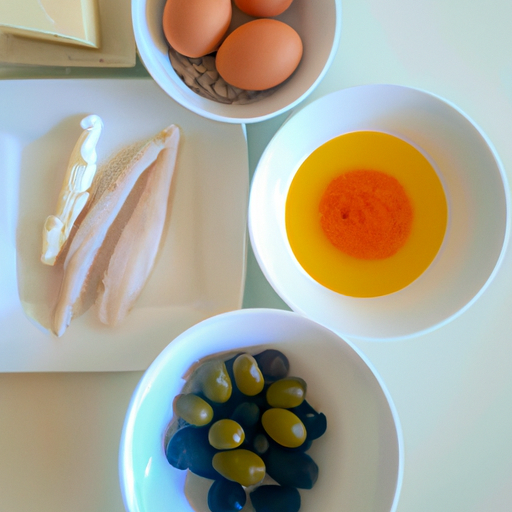
Are Eggs Good On Mediterranean Diet?

Understanding the Mediterranean Diet

The Mediterranean diet is a way of eating that reflects the traditional cuisine of countries bordering the Mediterranean Sea. It is not just about the food, but also about sharing meals and cherishing moments with family.

Basics of the Mediterranean Diet

The Mediterranean diet is rich in fruits, vegetables, whole grains, and lean proteins such as fish and poultry. Olive oil is the primary fat source, replacing butter and other saturated fats found in typical western diets. Regular physical activity and the enjoyment of fresh, locally-sourced food with family and friends are also important aspects of this lifestyle.

Primary Food Components in the Mediterranean Diet

The cornerstone of the Mediterranean diet food pyramid includes fruits, vegetables, whole grains, beans, nuts, legumes, olive oil, and flavorful herbs and spices. Fish and seafood is the primary source of protein, followed by poultry, eggs, cheese, and yogurt.

Health Benefits of the Mediterranean Diet

Numerous studies have shown that the Mediterranean diet can offer numerous health benefits such as improving heart health, aiding in weight loss, managing Type 2 diabetes, and enhancing longevity.

Role of Protein in the Mediterranean Diet

Sources of Protein on Mediterranean Diet

In the Mediterranean diet, protein sources are primarily from fish and poultry. However, eggs, dairy products, legumes, and nuts also provide a good amount of protein.

Recommended Daily Intake of Protein

The amount of required protein can vary based on individual factors like age, sex, and level of physical activity. Typically, adult women need about 46 grams per day, while adult men need 56 grams.

Balance of Protein Foods in Mediterranean Diet

In maintaining balance, the Mediterranean diet suggests moderation in protein consumption, especially from animal sources. This can be achieved by eating more plant proteins and lean animal proteins like poultry, eggs, and seafood.

Eggs as a Protein Source

Nutritional Value of Eggs

Eggs are a great source of complete protein – meaning they contain all the essential amino acids your body needs. They’re also packed with vitamins and minerals like Vitamins D, B6, B12, selenium, and choline.

Egg Consumption and Cardiovascular Health

While eggs do contain cholesterol, they also contain nutrients that may help lower the risk for heart disease, including proteins, vitamins B12 and D, riboflavin, and folate.

Protein Quality in Eggs

Eggs are a good source of high-quality protein, and more than half the protein of an egg is found in the egg white.
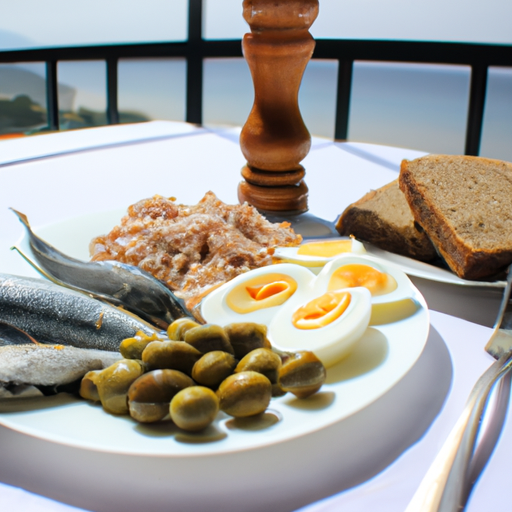
Are Eggs Good On Mediterranean Diet?

Eggs in the Mediterranean Diet

Common Uses of Eggs in Mediterranean Cuisine

Eggs are often used in Mediterranean cuisine as a protein source in many recipes, from omelets and shakshuka to frittatas and custards.

Tips for Making Eggs the Mediterranean Way

The key to making eggs the Mediterranean way is to combine them with lots of vegetables, legumes, and whole grains.

Variety of Egg Dishes in Mediterranean Diet

Mediterranean cuisine showcases eggs in a variety of versatile dishes. Whether it’s a simple veggie frittata, an egg-enriched pasta, or baked eggs in tomato sauce, there’s a Mediterranean egg dish for every taste.

Eggs and Health Risks

Debate on Eggs and Cholesterol Levels

It’s true that eggs are high in cholesterol. However, the cholesterol in eggs does not appear to affect blood cholesterol levels the same way saturated fat does.

Diabetes and Egg Consumption

A number of studies have suggested that high levels of egg consumption (6 per week or more) may increase the risk of Type 2 diabetes.

Allergies and Eggs

Some individuals, especially children, may have an allergic reaction to eggs. Symptoms can be mild to severe, always consult with a healthcare provider if such events happen.

Benefits and Risks of Consuming Eggs on the Mediterranean Diet

Eggs and Weight Management

Eggs are a great food to help lose weight. They’re low in calories, high in protein, and are incredibly satisfying.

Heart Health and Egg Consumption on Mediterranean Diet

Moderate egg consumption can fit within heart-healthy eating patterns and isn’t associated with an increased risk of cardiovascular disease.

Eggs and Nutrient Absorption

Eggs are an excellent source of protein that can help improve nutrient absorption from the vegetables in salads and other plant-based meals.

Comparing Eggs with Other Types of Proteins on Mediterranean Diet

Eggs Vs Plant Proteins

While eggs contain all the essential amino acids your body needs, plant proteins like legumes and whole grains may need to be combined to complete the protein profile.

Eggs Vs Seafood

Seafood is a high-quality protein rich in omega-3 fatty acids. While eggs may be comparatively lower in omega-3s, they provide other essentials like Vitamins D and B12.

Moderation and Balance in Protein Consumption

The emphasis in the Mediterranean diet is on balancing different protein sources. This means variety and moderation are key, which includes seafood, poultry, eggs, and plant proteins.

Sustainable Eating with Eggs on the Mediterranean Diet

Choosing Organic and Free-Range Eggs

Opting for organic or free-range eggs may not only be better for your health but also promotes more sustainable farming practices.

Eggs and the Environment

Compared to many other protein sources, eggs have a lower carbon footprint and require less water and land to produce.

Supporting Local Farms and Egg Producers

Choosing locally-sourced eggs not only supports local farmers but also reduces the environmental impact associated with long-distance food transportation.

Cooking with Eggs in the Mediterranean Style

Easy Mediterranean-style Egg Recipes

From Spanish tortilla to Italian frittatas, there are endless possibilities for incorporating eggs into your Mediterranean diet.

Pairing Eggs with Vegetables and Whole Grains

Enjoy eggs with whole grain toast or mixed with vegetables in a breakfast scramble for a nutrient-rich meal.

Eggs in Mediterranean Meal Planning

Eggs are versatile and quick to cook, making them a great option for busy weekday meals or laid-back weekend brunches.

Conclusion: Integrating Eggs into the Mediterranean Diet

Promoting Fullness and Satiety with Eggs

Adding eggs to your diet can help keep you feeling fuller for longer, which can be beneficial if you’re trying to maintain or lose weight.

Adapting Eggs to Dietary Needs in the Mediterranean Diet

If you’re watching your cholesterol intake or if you’re allergic to eggs, there are egg alternatives you can use in various dishes.

Aligning Egg Consumption with Healthy Lifestyle on the Mediterranean Diet

In summary, eggs can be a great addition to your Mediterranean diet. Remember, as with any food, the key is to consume them as part of a balanced diet and to enjoy them in moderation.

Are eggs good on the Mediterranean diet? Absolutely! They offer a great source of protein and nutrients, can help promote satiety, and can easily be served with a bounty of veggies and whole grains for a well-rounded, Mediterranean-style meal. And as JD, creator of MediterraneanDietRecipes.net and a father keen on maintaining his health to be actively present in his children’s lives, will tell you – the joy of sharing high-quality food with family is priceless.
July 31, 2023 Health & Wellness

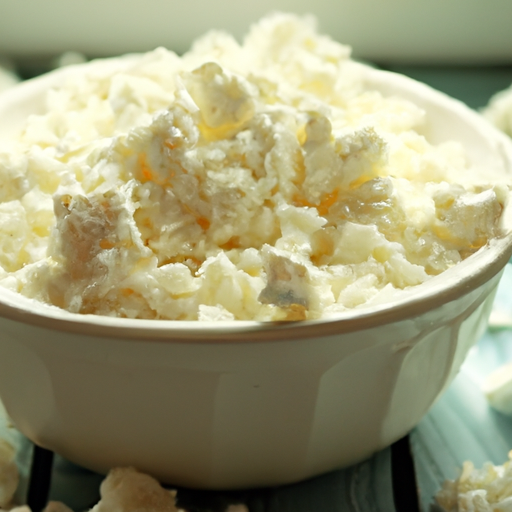
Is Cottage Cheese On The Mediterranean Diet?

I see you’re asking yourself, “Is cottage cheese part of the Mediterranean diet?” An excellent question, it shows your dedication in getting to know the ins and outs of this wonderfully healthy lifestyle. You’re right on target, because understanding the components of what you’re eating is hugely important when embracing a new diet regime, like the Mediterranean diet.

In the following article, you’re going to discover more about cottage cheese in relation to the Mediterranean diet. It’s a chance to dive deeper into understanding the value this food item can add or subtract from your health in the context of the diet. Remember, the goal is not just to feed your body, but also to enjoy meals, treasure high-quality food, and share amazing culinary moments with your dear ones. Let’s embark on this learning journey together.

Is Cottage Cheese On The Mediterranean Diet?

Understanding the Mediterranean Diet

Whether you’re a seasoned dietician or a cook looking for healthy meal options, understanding the Mediterranean diet is key to appreciating its immense benefits. This diet, which came out of the countries surrounding the Mediterranean Sea, is heralded for its low levels of processed food and emphasis on whole foods.

The Basic Principles

The Mediterranean diet at its core is not just about eating specific foods. Instead, it emphasizes certain food groups like whole grains, fruits, vegetables, fish, and olive oil, while limiting the intake of red meat and refined sugars. It’s about practicing mindful eating and emphasizing the quality of the food you consume.

Key Components of the Diet

The key elements of this diet are plenty of fruits and vegetables, legumes and nuts, healthy fats like olive oil, lean proteins like fish and chicken, moderate amounts of dairy, and limited amounts of red meat.

The Importance of Shared Meals

In the Mediterranean culture, meal times are about more than just nutrition. They’re seen as crucial bonding time between friends and family, an aspect that’s accentuated in the Mediterranean diet. As a food lover myself, this communal aspect of the diet appeals to me as a way to bring my family together.

The Role of Dairy in the Mediterranean Diet

Dairy products are a major part of this diet, albeit consumed in moderation. They work as crucial sources of calcium and protein, and are often consumed in the form of cheese or yogurt.

Commonly Consumed Dairy Products

Notable dairy products in the Mediterranean diet include Greek yogurt, feta cheese, and ricotta cheese. They’re often included in meals in small amounts, giving dishes a burst of flavor and a creamy texture.

Health Benefits Associated with Dairy Consumption

When consumed in moderation, dairy products have been linked to health benefits like improved bone health, lower risk of heart disease and type 2 diabetes, and weight management.

How Dairy Contributes to the Diet’s Overall Nutritional Goals

In the Mediterranean diet, dairy products provide vital nutrients like calcium, potassium, and vitamin D. They fit perfectly into the nutrient-rich whole food principle of the diet.

Analyzing Cottage Cheese

Cottage cheese, a mild-flavored, high-protein dairy product, though not traditionally a part of the Mediterranean diet, can still pack a punch when included. Here’s a closer look at it.

Nutritional Profile of Cottage Cheese

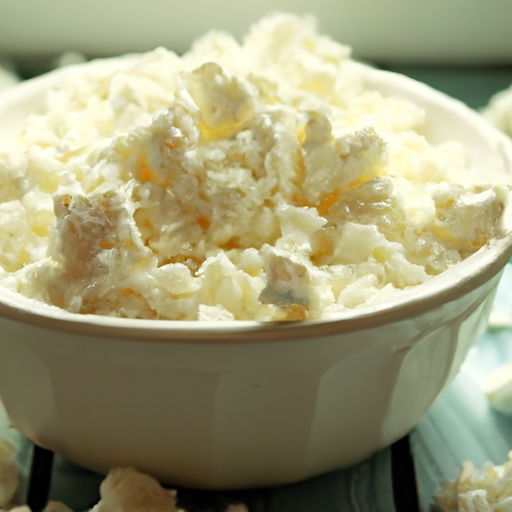
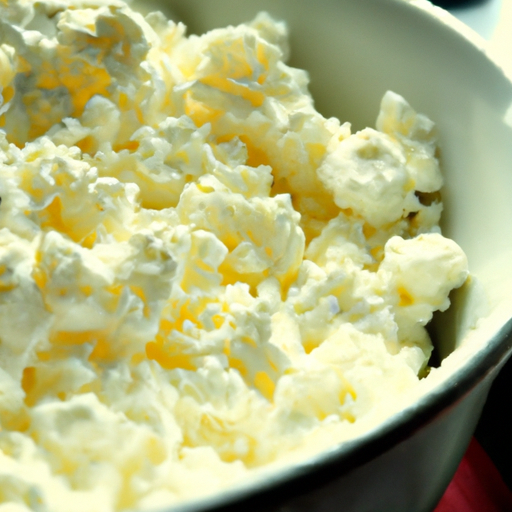
Cottage cheese is high in protein, low in fat, and rich in essential nutrients like calcium, phosphorus, selenium, and vitamin B12. It’s an excellent source of nutrition, especially for those aiming to increase their protein intake.

How Cottage Cheese is Made

Cottage cheese is made from the curds of cow’s milk. The pasteurized milk is fermented, causing it to curdle, and the liquid whey is then drained, leaving behind the curds.

Variations of Cottage Cheese across Cultures

While the basic method of making cottage cheese is similar across cultures, variations in the type of milk used or the addition of herbs and spices can drastically alter its taste and texture.

Is Cottage Cheese On The Mediterranean Diet?

Comparing Cottage Cheese to Traditional Mediterranean Dairy Products

While cottage cheese doesn’t exactly align with traditional Mediterranean dairy products, it’s a worthy contender thanks to its nutritional profile, versatility, and unique texture.

Flavor and Texture Comparisons

Cottage cheese has a more neutral flavor compared to feta or Greek yogurt and has a distinct curdy, moist texture that sets it apart from other cheeses.

Versatility in Meal Preparation

Similar to other Mediterranean dairy products, cottage cheese can also be integrated into an array of dishes – be it as a spread, a filling, a topping, or even as a standalone item.

Nutrient Content Comparison

While Greek yogurt and feta cheese are more traditional in the Mediterranean diet, cottage cheese holds its own when it comes to protein content, and even surpasses them in calcium content.

The Pros of Including Cottage Cheese in a Mediterranean Diet

High Protein Content

Cottage cheese is a powerhouse of protein; a crucial nutrient for muscle development and recovery.

Rich in Essential Nutrients

It is also packed with essential nutrients that support bone health, metabolic functions, and overall well-being.

Contributes to a Sense of Fullness and Satisfaction

The high protein content of cottage cheese also aids in making you feel fuller for longer, staving off unnecessary snacking.

The Cons of Including Cottage Cheese in a Mediterranean Diet

Potential Lactose Intolerance Issues

Like any other dairy product, cottage cheese may not suit individuals with lactose intolerance.

High in Sodium

Cottage cheese can be high in sodium, which might be an issue for those trying to monitor their sodium intake.

Can Be High in Fat If Full-Fat Versions Are Consumed

While it’s low fat if you stick to the skimmed or low-fat versions, full-fat cottage cheese can be high in saturated fat.

How to Incorporate Cottage Cheese into Mediterranean Diet Meals

Using Cottage Cheese as a Protein Source in Meals

Cottage cheese can be included as a protein source in meals; you could spread it on whole grain toast or mix it with fresh fruits for breakfast.

Adding Flavor to Cottage Cheese in Health-Focused Ways

Infuse flavor into the cheese by adding herbs, spices, or some olive oil.

Creative Cottage Cheese Recipe Ideas

Endless possibilities exist from stuffed bell peppers to cottage cheese pancakes, making it a versatile addition to your Mediterranean diet menu.

Cottage Cheese Alternatives for the Lactose Intolerant

For those who are lactose intolerant, fear not, there are alternatives.

Lactose-Free Cheese Options

Lactose-free cheeses are available in the market and are a good substitute.

Blending Lactose-Free Dairy into Meals

These substitutes can be used in the same manner as regular cheese, offering you the flexibility to consume dairy without the unpleasant side effects.

Meeting Protein Needs Without Dairy

There are loads of other protein-rich ingredients like legumes, tofu, and nuts that can be used to meet your protein quota.

Opinions on Cottage Cheese within the Mediterranean Diet Community

Views from Dieticians and Nutritionists

While traditionalists might give more weightage to feta or Greek yogurt, many dieticians and nutritionists vouch for the inclusion of cottage cheese due to its high protein content.

Experiences Shared by Those Following the Diet

Many people have incorporated cottage cheese into their Mediterranean diet given its accessibility, cost-effectiveness, and overall benefits.

How Cultural Differences Might Impact the Acceptance of Cottage Cheese

While culture does impact food choices, the advent of global food trends is bridging this gap. As a food adventurer myself, I believe it’s important to be open and embrace the unknown.

Concluding Thoughts

Benefits and Drawbacks of Making Cottage Cheese Part of the Diet

Incorporating cottage cheese into your Mediterranean diet can boost your protein intake, keeping you satiated, and delivering a dose of essential nutrients. Obviously, there are drawbacks like high sodium content if consumed excessively and the potential unsuitability for those with lactose intolerance.

JD’s Personal Experiences and Recommendations

As a father, I find that the versatility and nutritional richness of cottage cheese makes it a useful addition to our family meals.

The Value of Varied, High Quality Foods in a Shared Family Meal Setting

Varied, high-quality meals not only nourish our bodies but also strengthen our bond as a family. In my opinion, cottage cheese can definitely find a place at our Mediterranean dining table.

July 31, 2023 Health & Fitness

Can You Eat Bagels On Mediterranean Diet?

You might be wondering, “Can you eat bagels on a Mediterranean diet?” Truth be told, this question often comes up, especially when talking about breakfast options. It stirs up quite a debate among health enthusiasts and foodies alike. Are bagels a go, or should they be a no-no on your Mediterranean menu plan?

In the forthcoming article, you’ll find a comprehensive delve into this subject. There’s much to learn about bagels in the context of the Mediterranean diet. By getting into nitty-gritty details, JD demystifies this intriguing topic, throwing light on the health aspects and the Mediterranean diet compatibility. After all, sharing high-quality food with family while maintaining long-term health is what JD’s blog is all about. Stay tuned for an enlightening read.

Understanding the Mediterranean Diet

The concept of the Mediterranean diet initially sprang from the observation that people in countries rimming the Mediterranean, such as Greece and Italy, have lower risks of heart disease and high longevity. Trading restrictive diet rules for a focus on fresh and flavorful foods, the Mediterranean diet is less of a diet and more of a lifestyle.

Basic Principles of the Mediterranean Diet

Rather than revolving around the concept of eating less, the Mediterranean diet encourages eating right. This means incorporating more fruits, vegetables, whole grains, legumes, and healthy fats into your diet. Emphasizing fish and poultry over red meat, and choosing to season foods with herbs and spices rather than salt, is also encouraged.

Key Benefits of the Mediterranean Diet

In addition to lowering heart disease risks, the diet also reduces the risk of other serious health issues like certain cancers and diabetes. Moreover, the Mediterranean diet might improve brain function and slow the cognitive decline often associated with aging.

Decoding the Bagel: Nutritional facts

A breakfast staple for many, bagels are deliciously versatile. But before you slather on the cream cheese, let’s look a little deeper into what a bagel brings to the table, nutritionally speaking.

What is a Bagel?

Originating in the Jewish communities of Poland, bagels are a type of bread product traditionally shaped by hand into the form of a ring. They’re boiled and then baked, which results in a distinctive doughy interior and a crisp exterior.

Nutrient Composition of a Bagel

In general, a standard bagel can provide substantial calories given their size. Additionally, they’re high in carbohydrates and contain a moderate amount of protein. Typical bagels lack significant amounts of vitamins and minerals, fiber, and healthy fats.

Can You Eat Bagels On Mediterranean Diet?

This might be the question running through your mind after reviewing the nutritional value of bagels. And the answer is yes, within reason.

Bagels and The Mediterranean Diet

Bagels are not inherently incompatible with the Mediterranean diet as it promotes consumption of whole grains. However, the highly refined, white flour that most bagels are made of does not align with the Mediterranean Diet’s advocacy for whole foods.

Making Bagels Fit into the Mediterranean Diet

This is where modifications come into play. Choose whole-grain bagels over traditional ones, as they contain more fiber and are more nutritious. Also, rethink your bagel toppings – swap cream cheese for avocado or hummus, or pile on some veggies for additional nutrients.

Healthy Bagel Alternatives

Just because you love bagels doesn’t mean you can’t explore other Mediterranean diet-friendly bread products.

Whole grain Bagels: A healthier Option

Whole grain bagels are higher in fiber and often contain more protein than their white-flour cousins, making them a healthier choice.

Other Mediterranean Diet-Approved Breads

From crusty whole grain loaves to flatbreads, there are many breads that are integral to the Mediterranean diet. Explore these to add variety to your but still keeping to your healthy diet.

Impacts of Including Bagels in a Mediterranean Diet

Just like any food, bagels can be both beneficial and potentially harmful, depending on how you incorporate them into your diet.

How Bagels Can Affect Your Health

Regularly consuming bagels made of refined flour could potentially lead to unwanted weight gain and a spike in blood sugar, which is why moderation is key.

Can Bagels Fit Into a Balanced Diet?

They definitely can! By choosing whole grain versions and smart toppings, you can integrate bagels into a balanced, nutritious diet.

The Role of Portion Control

Portion control is a significant aspect of the Mediterranean lifestyle, and it applies to all foods, including bagels.

Understanding Portion Sizes

While bagels can be a part of your diet, keep in mind that some bagels can be equivalent to more than three servings of grains. Consider having only half a bagel at once or opt for mini bagels.

The Importance of Portion Control in the Mediterranean Diet

Controlling portions allows you to enjoy a variety of foods without excess calorie intake.

Incorporating Bagels into the Mediterranean Lifestyle

There’s much room for creativity when it comes to integrating bagels into the Mediterranean diet.

Healthy Bagel Toppings

Swap out the cream cheese for Mediterranean diet-approved spreads like hummus, or try topping it with fresh vegetables, lean proteins, or a drizzle of extra-virgin olive oil.

Simple Bagel-Based Mediterranean Diet Recipes

Try out bagel sandwiches with lean proteins like grilled chicken, and add a heap of veggies. Or make a bagel pizza with lots of veggies and some low-fat cheese.

Sharing High Quality Food with Family

There’s something special about sharing a healthy, home-cooked meal with loved ones.

Promoting Family Health and Togetherness

The bond that comes from families preparing and eating healthy food together is immeasurable. It also fosters an understanding and appreciation of healthy eating habits in children.

Involving Family in Cooking and Meal Planning

Let this diet be a family affair – include kids in meal planning and preparation. This helps cultivate their interest and understanding of a healthy lifestyle.

The Author’s Perspective

As JD tells it, his journey with the Mediterranean diet has positively impacted not just his health, but also his family’s.

JD’s Personal Experience with Bagels and the Mediterranean Diet

JD’s life changed for the better when he discovered the Mediterranean diet. He has managed to incorporate his love for bagels into the diet and still reap the benefits.

Recommendations from JD

JD advocates selecting whole grain bagels, smart toppings, and practicing portion control. It’s all about balance and moderation.

Conclusion

Overall, Can You Eat Bagels On Mediterranean Diet?

Yes, you can eat bagels on the Mediterranean diet. Bagels, when chosen wisely and eaten in moderation, can be a part of a balanced, nutritious diet.

Key Takeaways and Final Thoughts

The Mediterranean Diet is a lifestyle advocating portion control and balanced nutrition. While bagels aren’t typically a Mediterranean food, when chosen carefully and eaten in moderation, they can be a part of your Mediterranean lifestyle. Remember, it’s not about restrictions but about enjoying a variety of foods in a balanced way.

July 31, 2023 Health & Wellness

What Are The Top 10 Foods On A Mediterranean Diet?

You’ve probably heard about the Mediterranean diet and its myriad of health benefits. “What are the Top 10 Foods on a Mediterranean Diet?” might be a question regularly crossing your mind. This diet, in essence, is all about fresh produce, whole grains, lean proteins, and heart-healthy fats. Intriguing, isn’t it?

Get ready to embark on a culinary journey as we dive into the Mediterranean diet’s most favored foods. By the end of the article, you’ll be well-equipped with knowledge about these top ten foods and how they can elevate your health while relishing them with your loved ones. Stay tuned to learn more and remember, a well-balanced diet is not just about nourishment but also about enjoying high-quality food with your family.

What Are The Top 10 Foods On A Mediterranean Diet?

What Are The Top 10 Foods On A Mediterranean Diet?

Understanding the Mediterranean Diet

Welcome! The first thing you need to know is that the Mediterranean Diet originates from the culinary habits of countries bordering the Mediterranean Sea. Many of these regions have a high life expectancy, which is often attributed to their nutritious and well-rounded diet.

Health Benefits of the Mediterranean Diet

Quite enticingly, the Mediterranean Diet offers you a plethora of health benefits. It is known to reduce the risk of cardiovascular diseases, cancer, and type-2 diabetes. It also promotes healthy weight management and might protect against memory loss and cognitive decline.

Olive Oil: The Lifeblood of the Mediterranean Diet

Consumption Patterns in the Mediterranean

Olive oil serves as the primary fat source in the Mediterranean diet. In this culture, it is generously used in salads, roasting and baking, as well as for frying and sautéing.

Health Benefits of Olive Oil

There’s a reason why olive oil is a staple in the Mediterranean diet. It is rich in monounsaturated fats, which are heart-healthy. It also contains antioxidants and anti-inflammatory compounds that contribute to long-term health.

Including Olive Oil in Daily Diet

Remember to incorporate olive oil in your daily diet. A simple yet delicious start could be drizzling it on salads or using it for seasoning vegetables and grains.

The Power of Green Leafy Vegetables

Popular Mediterranean Green Veggies

The Mediterranean region abounds in green leafy veggies such as spinach, lettuce, kale, and Swiss chard, making them a central part of meals.

Enhancing Health with Leafy Greens

Green leafy vegetables are a treasure trove of vitamins and minerals, offering you beneficial fibers, as well as being naturally low in calories.

What Are The Top 10 Foods On A Mediterranean Diet?

Fish: A Staple in the Mediterranean Diet

Climate’s Influence on Diet

Given its geolocation, it’s no surprise that seafood plays a significant role in the Mediterranean diet. They’ve grown around rich marine life, resulting in the inclusion of various types of fish and shellfish in their diet.

Health Boost from Seafood

Fish are a great source of lean protein and omega-3 fatty acids, which have significant health benefits including improved heart health and brain function.

The Importance of Whole Grains

Whole Grains vs. Refined Grains

Unlike refined grains, whole grains retain all parts of the grain—the bran, germ, and endosperm. This makes them rich in fiber and other essential nutrients.

Exploring the Types of Whole Grains in Mediterranean Cuisine

Mediterranean cuisine uses a variety of whole grains such as bulgur, farro, and whole grain couscous. These can be a hearty addition to your meals.

Fruits: A Sweet Aspect of the Mediterranean Diet

Typically Consumed Fruits in the Mediterranean

Fruits like oranges, peaches, grapes, and figs are commonly consumed in the Mediterranean regions. They often serve as a sweet ending to meals.

Vitalizing Body and Mind with Fruits

Fruits are not only refreshing and tasty, but they also provide vitamins, minerals, and antioxidants, contributing to your overall wellness.

The Role of Nuts and Seeds

Varieties Consumed on the Mediterranean

Nuts and seeds form an integral part of the Mediterranean diet. They commonly consume varieties like almonds, walnuts, and sesame seeds.

How Nuts and Seeds Contribute to Well-being

Nuts and seeds are packed with protein, fiber, healthy fats, vitamins, and minerals. They support heart health and can help you manage your weight.

Dairy Products in a Mediterranean Diet

Types of Dairy in Mediterranean Cuisine

Dairy products like cheese and yogurt also have their place in the Mediterranean diet. Especially popular are feta, mozzarella, and Greek yogurt.

Reaping Health From Dairy Consumption in Balanced Fashions

Apart from being high in protein and calcium, fermented dairy products like yogurt also contain probiotics, beneficial for digestive health.

Wine: A Mediterranean Elixir

Cultural Significance of Wine

Wine, particularly red wine, is a symbolic aspect of the Mediterranean lifestyle. Integrated into mealtimes, it carries strong cultural connotations of sharing and joy.

Understanding Moderation and Health Benefits

While enjoying a glass of wine, moderation is key. When consumed in moderation, wine may contribute to heart health and longevity.

Conclusion: The Mediterranean Diet as a Lifestyle

Adopting the Mediterranean Way of Eating

Adopting the Mediterranean diet isn’t just about eating certain food items. It’s embracing a lifestyle—a philosophy—of eating fresh, high-quality food with family.

Interlacing Food, Family, and Health Priorities

The Mediterranean way of eating is about cherishing the act of sharing food with your loved ones, nurturing both your body and your bonds. So let’s raise a toast to good food, good health, and good life!

So, there you have it! The top 10 foods on a Mediterranean diet that can introduce a wealth of flavors to your palate and a plethora of health benefits to your life. As I follow and promote this lifestyle for the sake of my family and personal well-being here on JD’s Mediterranean Diet Recipes, I hope to inspire you to embrace it too!

July 31, 2023 Diet & Nutrition

Can You Eat Chicken And Turkey On A Mediterranean Diet?

You’ve been exploring the Mediterranean Diet recently and you’ve come across an intriguing question – can you eat chicken and turkey on a Mediterranean diet? It’s an essential question for you, especially considering how versatile and protein-dense these two sources of lean meat can be. Curious, aren’t you?

To feed your curiosity, this upcoming article will delve into this topic more extensively. Brace yourself for some fascinating revelations about the Mediterranean Diet, and how poultry fits into it. Not only will JD share his well researched insights, but he’ll also show you how this diverse diet can benefit your long-term health and enrich your family meals. So stick around, your quest for a healthier lifestyle, abundant in high quality food, starts here.

Can You Eat Chicken And Turkey On A Mediterranean Diet?

Overview of the Mediterranean Diet

The Mediterranean Diet is a nutrient-rich eating style that emphasizes whole foods, healthy fats, and lean proteins. Originating from the Mediterranean basin nations, this diet is renowned for its heart-healthy benefits and is associated with a reduced risk of chronic diseases. It is also vastly celebrated for its capacity to unite families around the dinner table with a diverse array of delicious meals.

Principal Components of the Mediterranean Diet

The main components of the Mediterranean Diet include fruits and vegetables, whole grains, legumes, olive oil, and lean proteins like fish. meat and dairy are also eaten but in smaller amounts. Indeed, poultry such as chicken and turkey are part of the menu; however, red meat and processed foods are limited due to their higher levels of saturated fats and sodium.

How the Mediterranean Diet Promotes Health

The Mediterranean Diet promotes health by providing the body with flavorful and nutrient-rich foods. The high levels of monounsaturated fats found in olive oil and fatty fish help to reduce bad cholesterol (LDL) and increase good cholesterol (HDL). Moreover, the diet is rich in fiber, vitamins, and minerals, which are essential for maintaining optimal health.

Common Misconceptions about the Mediterranean Diet

The Mediterranean diet is a lifestyle, not just a short-term plan. Many people mistakenly believe that enjoying the Mediterranean diet means indulging in pizza and pasta laden with cheese and white sauces. However, the reality is quite contrary to this perception. The diet promotes the consumption of whole grains, fresh fruits and vegetables, and lean proteins, and urges people to limit the intake of processed, high-sugar foods.

The Role of Protein in the Mediterranean Diet

Importance of Protein for Human Health

Protein is an essential macronutrient that plays a crucial role in nearly all biological processes. It helps the body to build and repair tissues and enzymes, create organic molecules, and support immune system functions.

The Traditional Protein Sources in the Mediterranean Diet

The primary sources of protein in the Mediterranean diet come from plant-based foods such as beans, lentils, and nuts. The diet also incorporates seafood as a significant protein source, rich in omega-3. However, poultry like chicken and turkey are also consumed for their high protein and low-fat content.

Balancing Protein Intake on the Mediterranean Diet

While the Mediterranean Diet is not expressly a high-protein diet, it recommends a balanced intake from varied protein sources. This means that your protein intake will mostly derive from plant-based foods, supplemented by lean meat and fish. Poultry fits well within this framework for its nutritive value.

Incorporating Poultry into the Mediterranean Diet

The Nutritional Profile of Chicken and Turkey

Chicken and turkey are excellent choices for lean protein and are rich sources of essential vitamins like B6, B12, and niacin, which are important for energy metabolism and a healthy nervous system. Moreover, poultry provides a healthy dose of minerals like zinc and selenium, which play a crucial role in antioxidant defence and immune function.

How to Cook Poultry the Mediterranean Way

Mediterranean-style poultry dishes usually employ cooking methods such as grilling, roasting, or stewing, and are often prepared with herbs, garlic, olive oil, and lemon. These dishes are packed full of flavor while also upholding the nutrition integrity of the bird.

Benefits of Adding Poultry to the Mediterranean Diet

Adding poultry to the Mediterranean Diet can add variety to your meals and provide a versatile protein source. Also, it gives a break from red meats which are recommended to be eaten sparingly in this diet, thereby helping you maintain a balanced and diverse diet.

Can You Eat Chicken And Turkey On A Mediterranean Diet?

How much Poultry is okay to Eat on the Mediterranean Diet

Moderation is Key to the Mediterranean Diet

True to its philosophy of a balanced lifestyle, the Mediterranean Diet doesn’t prescribe specific quantities but promotes moderate consumption of varied lean proteins. This is not vastly different from the current dietary recommendations of a couple of servings of lean poultry per week.

Weekly Amount of Poultry on the Mediterranean Diet

While the Mediterranean Diet does not specify precise amounts, a conscious attempt to maintain balance and limit excessive protein consumption can steer towards optimal health. A helpful guideline may be to consume small portions of poultry a few times a week.

Alternatives to Poultry on the Mediterranean Diet

Alternatives to poultry on the Mediterranean Diet are plentiful. You can opt for plant-based proteins like beans, lentils, and chickpeas. Seafood is a strongly endorsed choice, with a wide array of fishes like salmon, mackerel, sardines, and more offering lean proteins.

Recipes incorporating Poultry on the Mediterranean Diet

Easy Chicken or Turkey Mediterranean Recipes for Beginners

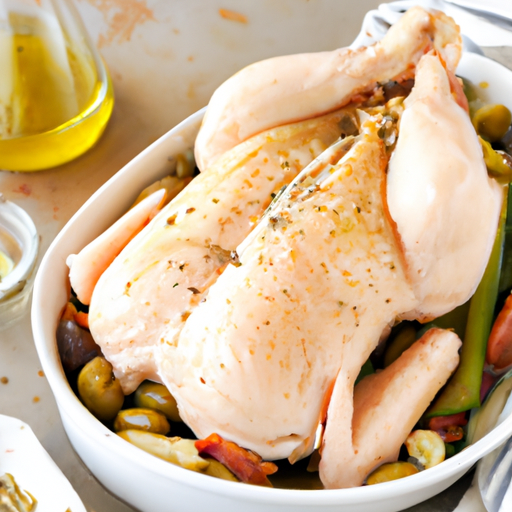
There are numerous delicious and simple Mediterranean poultry recipes you can try, such as roasted chicken with herbs and lemon, or a warm turkey salad with fresh Mediterranean vegetables. Don’t hesitate to get creative and develop your own poultry dishes incorporating the Mediterranean principles.

Creative Mediterranean Recipes with Poultry for Experienced Cooks

For those adept at the kitchen, you might wish to explore more intricate recipes such as herb-encrusted turkey breast or chicken tagine with olives and preserved lemons. These unique dishes bring a symphony of flavors that encapsulate the spirit of a Mediterranean meal.

Sharing Mediterranean Poultry Recipes with Family

Sharing Mediterranean meals is not just a method of nourishing your body. It’s a delightful way to foster family bonding. Try involving your children in the preparation of simple poultry dishes and enjoy the benefits of delicious, nutrition-rich meals shared with your loved ones.

Impact of the Mediterranean Diet on Family Health

The Mediterranean Diet as a Tool for Family Bonding

A notable feature of the Mediterranean Diet is its social component. Whether gathering at the table for a family meal or taking part in cooking, it allows people to bond, and build stronger relationships.

Improving Family Health with the Mediterranean Diet

The Mediterranean Diet is a joyous celebration of natural foods and healthy habits. With its balanced approach to nutrition, families can collectively embrace a lifestyle that is beneficial in maintaining and improving overall health.

Creating Lasting Healthy Habits with the Mediterranean Diet

The Mediterranean Diet is more than a diet; it’s a lifestyle. It promotes longevity, health, and enjoyment in what you eat. By adopting this way of eating, you can create lifelong healthy habits that are both beneficial and enjoyable for the entire family.

Long-term Effects of Following the Mediterranean Diet

Physical Impacts of Sticking to the Mediterranean Diet

Adhering to the Mediterranean Diet can significantly lower the risk of several ailments like heart disease, type 2 diabetes, and obesity. It’s not just about extending life but augmenting the quality of life.

Mental and Emotional Benefits of the Mediterranean Diet

Apart from physical health benefits, the Mediterranean Diet has also been linked to improved mental well-being. Several studies suggest that adherence to this diet might promote cognitive function and potentially reduce the risk of depression.

Implications of the Mediterranean Diet on Life Expectancy

People living in Mediterranean regions who adhere to this diet are known for their longevity and low prevalence of chronic disease. This gives credence to the belief that the Mediterranean Diet has a significant impact on increasing life expectancy.

Common Challenges and Solutions on the Mediterranean Diet

Potential Obstacles when Starting the Mediterranean Diet

When initiating the Mediterranean Diet, you may encounter challenges like finding unfamiliar ingredients or reconciling with the reduced intake of red meat. However, remember that this diet is based on flexibility, focusing on fresh, seasonal, and local produce. Make adaptations as necessary and avoid the trap of perfection.

Tips and Tricks to Maintain the Mediterranean Diet

To uphold the Mediterranean Diet, keep it simple: choose fresh over processed, cook meals at home, and enjoy meals with family and friends. Including a variety of colorful fruits and vegetables in your daily diet, munching on nuts for snacks, and using olive oil for cooking are a few practical tips.

Overcoming Culinary Challenges on the Mediterranean Diet

One of the best parts of the Mediterranean Diet is its culinary diversity. While it may appear overwhelming at first, in reality, the diet is quite flexible and can accommodate a wide variety of dietary preferences and restrictions, making it relatively easy to stick to.

Understanding the Sustainability of the Mediterranean Diet

Economic Aspects of the Mediterranean Diet

The Mediterranean Diet can be economical, aiming towards sustainability and minimal waste. A focus on local and seasonal produce, homemade meals, and reducing the consumption of processed foods not only saves money but also contributes to a better planet.

Environmental Impact of the Mediterranean Diet

With its emphasis on plant-based foods, the Mediterranean Diet is considered eco-friendly. Fruits, vegetables, whole grains, and legumes have a smaller environmental footprint compared to many animal-based foods. Of course, when animal-based foods are consumed, moderation and ethical sourcing are crucial.

Cultural Significance of the Mediterranean Diet

The Mediterranean Diet is the epitome of culinary traditions from the nations along the Mediterranean Sea. It symbolizes social interaction and togetherness as meals are traditionally shared, and dishes are passed down through families and generations.

Conclusion: Can You Eat Chicken And Turkey On A Mediterranean Diet

Summary of Poultry’s Place in the Mediterranean Diet

Poultry, including chicken and turkey, are certainly included in the Mediterranean Diet. Given their nutritional profile, including a wealth of lean protein, B-vitamins and other essential nutrients, these foods can be a healthy addition to your Mediterranean meal plan.

Potential Health Benefits of Eating Poultry in the Mediterranean Diet

Including poultry in your diet can provide you with a versatile source of lean protein. Consumed in moderation, along with a variety of fruits, vegetables, and whole grains, poultry can contribute to a balanced and nutritious diet.

Final Thoughts on the Versatility of the Mediterranean Diet

So, can you eat chicken and turkey on a Mediterranean Diet? Absolutely. The Mediterranean Diet is less about restriction and more about enjoying a variety of foods in moderation. It’s a lifestyle approach to eating that emphasizes the enjoyment of food, the pleasure of shared meals, and the health benefits of wholesome, natural foods. So, whether you’re grilling chicken for a summer cookout or roasting a turkey for a family gathering, rest assured that these foods can fit well within the Mediterranean diet.

July 31, 2023 Health & Fitness

What Kind Of Ice Cream Can You Have On The Mediterranean Diet?

So you’ve been dipping your toes into the Mediterranean diet, great! Then like many, you’re probably wondering, “What kind of ice cream can I have on the Mediterranean diet?” See, it’s natural to have a hankering for a sweet icy delight now and then, trust us, we understand. And with the Mediterranean diet, it’s not about restriction. It’s about embracing a new, healthier way of eating that still lets you enjoy life’s simple pleasures.

Well, you’re in luck! In the upcoming article, you’ll discover some wonderful Mediterranean diet-approved ice cream options. Yes, you read that right! The Mediterranean diet extends its forgiving, healthy arms even into the realm of ice creams. And remember, it’s not just about indulging in your cravings. It’s about enjoying quality food that nourishes you and allows you to continue sharing active and healthy experiences with your family. So, stay tuned and prepare to have your sweet cravings happily satisfied!

What Kind Of Ice Cream Can You Have On The Mediterranean Diet?

Understanding the Basics of the Mediterranean Diet

Definition of the Mediterranean Diet

The Mediterranean Diet is a multifarious set of eating habits followed by the people living in the Mediterranean region, including countries like Greece, Italy, and Spain. It mainly focuses on high intake of fruits, vegetables, legumes, nuts, and grains with an emphasis on seafood, lesser amounts of poultry and dairy, and even lesser amounts of red meat. The use of herbs and spices rather than salt for food flavoring is also a key aspect of this diet.

Key Features of the Mediterranean Diet

Some prominent features of the Mediterranean Diet include a high consumption of monounsaturated fat, mainly derived from olive oil; regular, but moderate intake of alcohol, particularly wine; high intake of fish and legumes; high consumption of fruits and vegetables; and a low intake of meat, meat products, and saturated fats.

Health Benefits of the Mediterranean Diet

The Mediterranean Diet has been linked to a plethora of health benefits. These include a reduced risk of heart disease, lower blood pressure, and improved metabolic health. Some studies even suggest that this diet can help in weight loss and combat depression and cognitive decline.

Addressing the Role of Sweets and Desserts in the Mediterranean Diet

Moderate Use of Sweets

In contrary to the Western diet, the Mediterranean Diet promotes moderate use of sweets, emphasizing on fruits as the main source of daily sweetness. Consuming moderate amounts of sweets can contribute to a well-balanced and varied diet.

Healthy Dessert Options

In the Mediterranean Diet, desserts usually include fruits or sweet ingredients like honey, often combined with nuts. Baked fruits, dried fruits with honey and nuts, yogurt with fruits or honey, whole grain bakery with nuts, are all healthy dessert options that align perfectly with this diet.

Concept of ‘Treats’ in the Mediterranean Diet

Under this dietary pattern, treats are meant to be small servings of high-quality sweets, enjoyed leisurely. They are savored in small bites to stretch out the pleasure and enjoyment.

The Ice Cream Dilemma in the Mediterranean Diet

Common Misconceptions about Ice Cream and the Mediterranean Diet

One common misconception about the Mediterranean Diet is that it strictly forbids all sweets, including ice cream. This is not entirely accurate. While it does discourage overindulgence, it certainly does not entirely prohibit ice cream.

Why Traditional Ice Cream isn’t Ideal

Traditional ice cream, as we know it, is high in saturated fat and sugar, making it a less ideal choice when following the Mediterranean diet. The Mediterranean diet encourages lowering sugar intake and choosing healthy fats, steering away from saturated and trans fats.

What Kind Of Ice Cream Can You Have On The Mediterranean Diet?

Alternatives to Traditional Ice Cream

Sorbet: A Mediterranean Favorite

Sorbet, a key favorite in the Mediterranean region, is a fantastic alternative to traditional ice cream. It is usually made with fruit and sugar and does not contain dairy, making it low in fat.

Yogurt Based Ice Cream

Yogurt-based ice cream can also be a great alternative. This ice cream swap cuts down on added sugars and replaces unhealthy fats with yogurt’s naturally occurring, healthy fats.

Fruit-based Gelato

Fruit-based gelato, or sorbetto, is another excellent alternative. Made with fresh fruits, it is packed with vitamins and minerals that contribute to the overall nutrient profile.

Understanding the Nutritional Content of the Alternatives

Benefits of Sorbet

Sorbet is a healthier alternative to regular ice cream as it contains lower fat and fewer calories. It is also dairy-free, making it suitable for those with lactose intolerance.

Nutrients in Yogurt Based Ice Cream

Yogurt-based ice cream is rich in protein and calcium due to the inclusion of yogurt. It can also contain probiotics, beneficial bacteria that can help promote gut health.

Health Advantages of Fruit-based Gelato

Fruit-based gelato, being full of antioxidants due to the presence of fruits, comes with various health benefits like boosting immune system, promoting heart health and slowing down aging process.

Easy Recipes to Make Mediterranean Diet-Friendly Ice Cream at Home

Basic Ingredients and Equipment

To prepare Mediterranean diet-friendly ice cream at home, a few basic ingredients like fresh fruits, yogurt, sugar substitutes like honey or agave syrup, and an ice cream maker or blender are needed.

Step-by-Step Guide to Making Sorbet

Making sorbet is quite straightforward: puree your choice of fruits, add a sweetener, freeze the mixture, blend until smooth, and refreeze until ready to serve.

Recipe for Yogurt Based Ice Cream

For yogurt-based ice cream, blend Greek yogurt with a sweetener, add your desired flavors or fruit purees, and freeze in an ice cream maker.

How to Make Fruit-based Gelato at Home

For a fruit-based gelato, puree fresh fruits, sweeten as desired, churn in an ice cream maker, and freeze until set.

Buying Mediterranean Diet-Friendly Ice Cream

What to Look For When Buying

When purchasing a Mediterranean diet-friendly ice cream, read the nutrition label carefully. Choose options with low sugar, low saturated fat and are made from natural ingredients.

Recognizing Marketing Traps

Be aware of marketing traps, like the claim of “low fat” that might be compensating for high amounts of added sugar.

Recommended Brands and Products

You can try out brands like Talenti, Ciao Bello and So Delicious Dairy Free which offer a range of healthier ice cream options.

Enjoying Ice Cream on the Mediterranean Diet

Balancing Ice Cream with Other Foods

In the Mediterranean Diet, ice cream can be balanced with other nutrient-rich whole foods. Consider pairing a scoop of your homemade frozen treat with fresh fruit or a handful of nuts.

Knowing When to Treat Yourself

Identify special occasions where you can treat yourself to a scoop or two of your favourite healthier ice cream alternative.

Incorporating Ice Cream into Family Activities

Ice cream making can be a fun family activity! It’s a great way to involve the kids in the kitchen and teach them about healthy eating.

Case Study: JD’s Experience with Ice Cream on the Mediterranean Diet

JD’s Personal Struggle

JD, a father to three, grappled with curbing his sweet tooth when transitioning to the Mediterranean Diet.

How JD Found a Balance

He found balance in enjoying his favorite dessert, ice cream, by opting for healthier alternatives like homemade fruit sorbets and gelato, and occasionally indulging in traditional ice cream.

JD’s Preferred Ice Cream Alternatives

JD’s personal favorites are Strawberry Sorbet and Peach Gelato which he often enjoys with his family.

Conclusion: Achieving Balance and Enjoyment on the Mediterranean Diet

Recap of the Importance of Balance

The Mediterranean diet emphasizes balance, encouraging you to enjoy a variety of food while keeping unhealthy options in moderation.

Encouragement for Trying New Foods

Experimenting with different types of healthier ice cream alternatives can add joy and excitement to your journey on embracing the Mediterranean diet.

Closing Thoughts on Ice Cream and the Mediterranean Diet

In essence, the Mediterranean Diet can seamlessly accommodate your love for ice cream. By opting for nutrient-rich, homemade alternatives or mindful portions of store-bought ones, you can enjoy this well-loved dessert while remaining true to this lifestyle.

July 31, 2023 Health & Nutrition

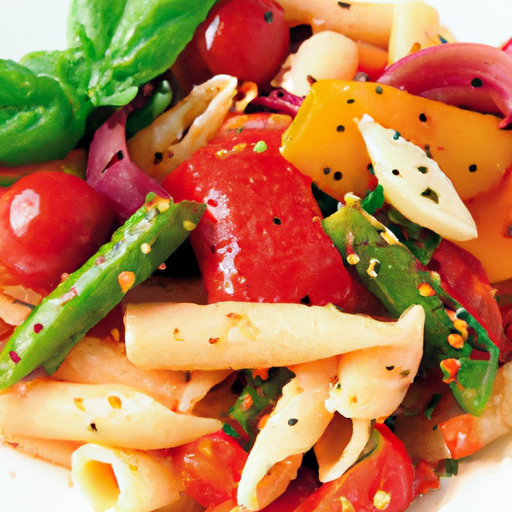
What Kind Of Pasta Is On The Mediterranean Diet?

So you’re curious about the world of pasta in the Mediterranean diet, aren’t you? Well, sit tight because you’re about to uncover the rich, flavorful, and surprisingly healthy pasta universe that makes an integral part of this celebrated diet. This isn’t just about gorging on any pasta; it’s about knowing the right kind of pasta that nourishes your body and amps up your health, the Mediterranean way.

In the comprehensive article that awaits your attention, you’ll discover the various types of pasta that form a part of the cherished Mediterranean diet. You’ll delve into their distinguishing characteristics, their health benefits, and even some tantalizingly tasty ways to prepare them. Prepare to learn something new and interesting to bring to your family dining table, and let’s not forget, enhance your repertoire of healthy cooking. Pasta and the Mediterranean diet sure have a wonderful synergy, and JD is eager to unravel it all for you in the upcoming article!

What Kind Of Pasta Is On The Mediterranean Diet?

Understanding the Mediterranean Diet

Definition and Origins of the Mediterranean Diet

The Mediterranean diet is called after the cuisines of the countries around the Mediterranean Sea. However, it’s more than just the foods these countries eat—it’s also about how they eat. Originating from traditional Greek and Italian cuisines, it incorporates key dietary habits of people residing in Southern Italy, Greece, Turkey, and Spain.

Core Principles of the Mediterranean Diet

At the heart of the Mediterranean diet are foods that are fresh, seasonal, and locally grown. The diet emphasizes fruits and vegetables, whole grains, legumes, and nuts. It swaps butter for healthy fats like olive oil, uses herbs and spices instead of salt to flavor meals, and highlights fish and poultry over red meat.

Health Benefits of the Mediterranean Diet

The Mediterranean diet is associated with numerous health benefits, offering protection against heart disease and cognitive decline. It also promotes longevity and can help manage weight, controlling pre-existing conditions such as diabetes and hypertension.

Pasta in the Mediterranean Diet

The Role of Pasta in the Mediterranean Diet

Pasta plays a vital role in the Mediterranean diet. This timeless staple of Italian cuisine, when integrated correctly, can be part of a healthy eating plan. It serves as an excellent source of energy while providing necessary nutrients like fiber.

Why Pasta is Healthy in the Mediterranean Diet

Pasta, when prepared the Mediterranean way, isn’t your typical spaghetti with meatballs. Paired with nutrient-dense, fiber-rich, antioxidant-filled vegetables and olive oil, pasta can serve as a hearty and healthy dish.

Types of Pasta on the Mediterranean Diet

Whole-Grain Pasta

Whole-grain pasta is rich in fiber and protein. It helps you feel full more quickly and keeps you satisfied longer, reducing your overall food intake.

Brown Rice Pasta

Brown rice pasta, a favorite among those who are gluten-intolerant, has a good amount of protein and fiber and offers a slightly nutty flavor.

Buckwheat Pasta

High in fiber and protein, buckwheat pasta provides a plethora of nutrients and has a rich, earthy flavor.

Quinoa Pasta

Quinoa pasta is an excellent alternative, boasting an impressive nutrient profile and providing all nine essential amino acids.

Spelt Pasta

Spelt flour pasta has a slightly sweet and nutty flavor, offering a good amount of fiber and nutrients.

What Kind Of Pasta Is On The Mediterranean Diet?

Healthy Pasta Recipes for the Mediterranean Diet

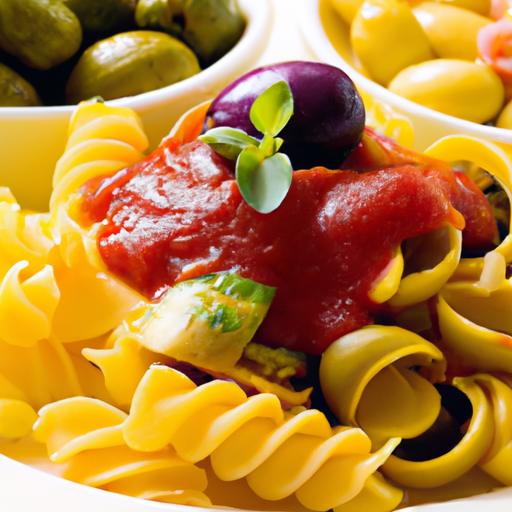
Whole-Grain Pasta with a Rich Tomato Sauce

Enjoy a filling whole grain pasta dish topped with a robust tomato sauce, flavored with fresh herbs, garlic, and a drizzle of olive oil.

Brown Rice Pasta with Grilled Vegetables

Opt for brown rice pasta combined with a variety of grilled vegetables such as zucchini, bell peppers, and eggplant for a nutrient-dense meal.

Buckwheat Pasta Salad with Fresh Herbs

With the nutty flavor of buckwheat pasta, crisp, fresh veggies, and an array of fine, aromatic herbs, this pasta salad will be tasty and full of nutrients.

The Significance of Serving Sizes in the Mediterranean Diet

Importance of Portion Control

While the Mediterranean diet allows for a variety of foods, controlling your portions is crucial to maintain a healthy weight and avoid overeating.

Recommended Serving Sizes for Pasta

A proper serving size for pasta is about a half cup cooked. While it may seem small, remember that in the Mediterranean diet, pasta is usually a side dish, not the main course.

Healthy Pasta Alternatives for the Mediterranean Diet

Couscous: A Quick and Easy Alternative

With its small size, couscous cooks quickly, and its mild flavor goes along with a variety of foods, including various vegetables and proteins.

Barley: The Nutrient-Rich Grain

Barley, rich in fiber and various minerals, is a hearty option that adds a unique texture to dishes.

Farro: The Ancient Grain

Farro, an ancient grain, provides a wealth of protein and nutrients. Its chewy texture and nutty flavor make a delightful addition to your Mediterranean diet meals.

Cooking Pasta the Mediterranean Way

Techniques for Cooking Pasta

The perfect pasta is cooked al dente—firm to the bite. It absorbs sauces better and, according to research, has a lower glycemic index than fully cooked pasta.

Incorporating Mediterranean Flavors in Pasta

To truly capture the Mediterranean flavors in your pasta dishes, emphasize fresh, colorful vegetables, lean proteins, healthy fats like olive oil, and a variety of herbs and spices.

Mediterranean Pasta: Impact on Long-Term Health

Pasta’s Role in Longevity

When enjoyed as part of a balanced Mediterranean diet, pasta can contribute to a long, healthy life, by providing essential nutrients and supporting weight management.

Reducing Disease Risks with Mediterranean Diet Pasta

Sticking to a Mediterranean pasta diet can help reduce risks for chronic diseases such as heart disease, diabetes, and certain types of cancer.

Involving Family in the Mediterranean Diet

Sharing High-Quality Food with Family

As I (JD) strive to remain active and healthy as a father, the Mediterranean diet’s focus on sharing quality food and eating as a family resonates strongly with me.

Teaching Kids about the Benefits of the Mediterranean Diet

Taking time to cook and eat together not only nourishes the body but also ties the family together. It also presents an opportunity to educate kids about nutrition, food sourcing, and the importance of maintaining a well-rounded diet.

Conclusion

A Rundown on Pasta in the Mediterranean Diet

Pasta can be a healthy component of a Mediterranean diet when paired with nutrient-dense vegetables and lean proteins. Opting for whole grain or alternative grain versions further enhances its nutrition profile.

Creating a Balanced and Healthy Lifestyle with the Mediterranean Diet

The Mediterranean diet, with its focus on quality ingredients, balanced meals, portion control, and importantly, the joy of sharing meals, offers a sustainable path to long-term wellness. So, now that you know what kind of pasta is on the Mediterranean diet, you’re ready to start exploring and enjoying this lifestyle.

July 31, 2023 Health & Wellness

Is Hummus OK On Mediterranean Diet?

You’re probably wondering if hummus fits into the Mediterranean diet, right? You are not alone as countless others are also on this quest for clarity. So in this article, we’ll be investigating where hummus stands in the spectrum of Mediterranean diet choices.

As you dive into this engaging piece, you’ll uncover more about hummus’ place in the Mediterranean diet. You’ll learn about its health benefits, how it aligns with the Mediterranean diet’s principles, and even some delicious easy-to-make hummus recipes to try out. This knowledge won’t just satisfy your curiosity; it could play a significant role in enhancing your health journey and maintaining a joyful tradition of sharing high-quality food with your loved ones.

Is Hummus OK On Mediterranean Diet?

Is Hummus OK On Mediterranean Diet?

Understanding the Mediterranean Diet

When you think of vibrant health and longevity, one diet that stands out from the crowd is the Mediterranean diet.

Defining the Mediterranean Diet

Designed around the traditional foods and cooking styles of countries bordering the Mediterranean Sea, this diet is laden with fruits, vegetables, whole grains, lean proteins, and healthy fats.

Core components of the Mediterranean Diet

These fundamentals of the Mediterranean diet include olive oil, legumes, unrefined cereals, and a low intake of red meat. Additionally, moderate consumption of fish, dairy products, wine and a high consumption of vegetables, fruits, and nuts are central themes.

Health benefits of the Mediterranean Diet

So what makes this diet so spectacular? Research consistently points to an impressive array of health benefits. Of these, the reduction of heart disease and stroke risks, management of weight, and the prevention of diabetes and other chronic diseases take the lead.

Spotlight on Hummus

Now we turn the spotlight onto a popular and delicious member of the Mediterranean diet family – the Hummus.

Origin and ingredients of Hummus

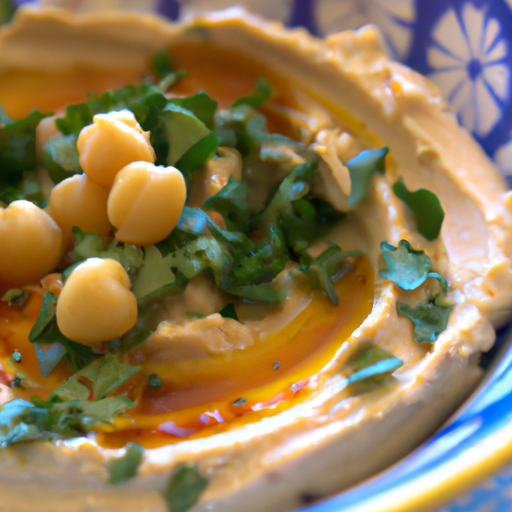
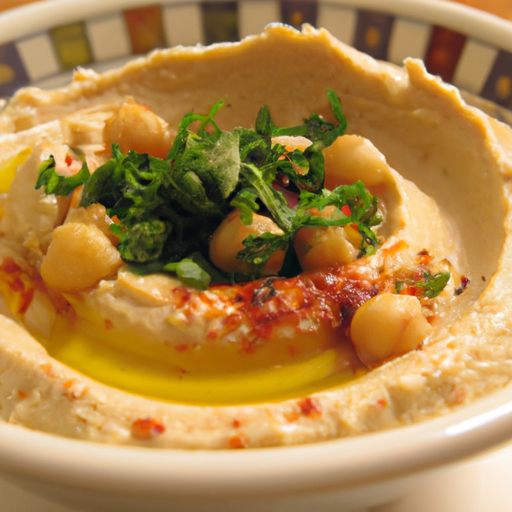
Originating from the Middle East, Hummus is a versatile dip made from cooked, mashed chickpeas blended with tahini (sesame seed paste), olive oil, lemon juice, and garlic.

Nutritional value of Hummus

This versatile food is not only bursting with flavor, but it also packs a nutritional punch. It’s rich in proteins, beneficial fats, dietary fiber, and a bevy of vitamins and minerals.

Hummus in the context of the Mediterranean Diet

Let’s then connect the dots for hummus on the Mediterranean diet.

How does Hummus fit into the Mediterranean Diet

As a food made primarily from chickpeas, hummus wonderfully aligns with the principles of the Mediterranean diet. With its legume base, addition of heart-healthy olive oil, and infusion of garlic and lemon, hummus can find a home at any Mediterranean table.

Health benefits of consuming Hummus on the Mediterranean Diet

Hummus is not just a savory treat but also a treasure trove of health benefits. It can help to control blood sugars, foster healthy gut bacteria, maintain heart health, and even fight inflammation.

Is Hummus OK On Mediterranean Diet?

Impact of Hummus on Weight Management

Let’s delve into how hummus can make weight management easier.

Role of Hummus in weight control

The dietary fiber and protein found in hummus are known to promote feelings of fullness, curb hunger, and thus aid in weight control. This makes hummus a perfect component of a balanced Mediterranean diet.

Examples of incorporating Hummus in Mediterranean Diet for weight management

Whether as a spread on whole-grain bread in the morning or as a dip for veggies in the afternoon, hummus can easily be incorporated into your daily meal plan.

Hummus Recipes for the Mediterranean Diet

Introduce some delicious hummus into your Mediterranean Diet with the following recipes.

Classic Hummus Recipe

Keep it simple with a classic hummus recipe consisting of chickpea, tahini, garlic, lemon juice, and a drizzle of olive oil.

Unique spins on traditional Hummus recipes appropriate for the Mediterranean Diet

You can experiment with different flavors such as a roasted red pepper hummus or a beetroot hummus.

Importance of quality Ingredients

Let’s not overlook the importance of the quality of ingredients used in our homemade hummus.

Selecting the highest quality ingredients for homemade Hummus

Choose organic chickpeas, high-quality tahini, fresh lemon juice, and extra virgin olive oil when making your hummus at home.

Evaluating store-bought Hummus for quality and suitability for the Mediterranean Diet

When buying hummus, be sure to choose those with simple, all-natural ingredients and devoid of additives and preservatives.

Sharing Hummus with Family

As with all aspects of the Mediterranean lifestyle, sharing meals with family and friends occupies an essential place.

Incorporating Hummus in family meals

You can incorporate hummus into your family meals by using it as a dip, a spread, or even a dressing.

Encouraging kids to enjoy Hummus and its benefits

Hummus is also kid-friendly, and involving them in the hummus-making process can help them enjoy the benefits of this superfood.

Making meal preparation with Hummus a family activity

Making hummus can also be a fun and interactive family activity, where everyone participates and learns healthy habits together.

Hummus and Long-Term Health

You’ll be keen to understand what hummus means for your long-term health, and you won’t be disappointed.

Study findings on the health impact of regular Hummus consumption

Regular hummus consumption has shown promising benefits in managing weight, improving heart health, and even reducing cancer risks.

Personal stories, including JD’s, on the positive health impact of Hummus

JD, a staunch advocate for the Mediterranean diet, has personally seen tremendous health benefits by incorporating hummus in his regular meals.

Other Mediterranean Foods to Combine with Hummus

Hummus is versatile and pairs well with many other foods from the Mediterranean diet.

Vegetables and grains to pair with Hummus

Whole grains like pita bread and vegetables such as carrots and cucumbers make perfect companions to hummus.

Other Mediterranean foods that complement Hummus

Other foods like olives, falafel, tabbouleh, and baba ghanoush also enhance the taste and nutritional profile of hummus.

Conclusion

Summarize the role of Hummus in the Mediterranean Diet

Summarizing, hummus is a delicious, versatile, and highly nutritious addition to the Mediterranean dietary pattern that aligns with its core principles and helps to foster good health.

Emphasize the importance of quality food sharing with family

Sharing quality meals, like those with hummus, with family and loved ones is not only beneficial for health but also for fostering strong and meaningful relationships.

Giving final thoughts on lifelong benefits of Hummus within the Mediterranean Diet

To wrap up, the humble, yet powerful, hummus has shown itself to be a stalwart contender in promoting long-term health and wellness as a central part of the Mediterranean diet.

July 31, 2023 Health & Fitness

What Foods Are Not Allowed On The Mediterranean Diet And Why?

You’ve probably heard about the amazing benefits of the Mediterranean diet, but have you thought about what foods are not allowed on this popular health regimen? This discussion often slips our mind when we are enamored with all the delicious food items we CAN eat. But understanding the “no-go” zone is equally important as it helps in truly harnessing the benefits of the diet.

Delving deeper into our topic “What Foods are not Allowed on the Mediterranean Diet and Why?” is sure to provide more clarity on how to make this lifestyle truly work for you. Fear not, the information within this article will assuredly clear up any confusion and better equip you in your pursuit of health and longevity. After all, JD put together this comprehensive guide just for you, and he doesn’t take your health lightly! Remember, good eating habits aren’t just about personal wellbeing, it’s about sharing quality time and food with family too. Let’s explore this more in our insightful article.

What Foods Are Not Allowed On The Mediterranean Diet And Why?

Understanding the Mediterranean Diet

As we look at health and wellness, the Mediterranean diet continually stands out as one of the best paths to physical wellbeing. But before we comprehend what’s excluded from this diet, let’s journey back briefly to its roots.

Brief overview of its history

The Mediterranean diet comes from the dietary habits of those in the Mediterranean basin, including Greece, Italy, and Spain. This dietary approach was predominantly based on local and seasonal food sources, like fruits, vegetables, legumes, whole grains, and olive oil, to name a few.

Common principles of the Mediterranean Diet

Unlike many other diets, the Mediterranean diet isn’t about avoiding certain foods. Instead, it’s centered around consuming a variety of nutrient-dense foods in moderation. It emphasizes the consumption of plenty of fiber-rich fruits and vegetables, healthy fats, whole grains, and lean proteins, mostly from fish and legumes.

Health benefits associated with the Mediterranean diet

Numerous studies suggest that following a Mediterranean diet is associated with a lower risk of several chronic illnesses, including heart diseases, cancer, Parkinson’s and Alzheimer’s diseases.

The role of shared meal times and high-quality food

Importantly, the Mediterranean diet is about more than just food, it values the joy of preparing meals from scratch and sharing mealtimes with loved ones. It’s not just what you eat, but how you eat, that plays a valuable role in health and wellbeing.

Types of Foods Excluded From the Mediterranean Diet

Unfortunately, not all foods are beneficial to our health and the Mediterranean diet distinguishes between the good and the not-so-good-for-us foods.

Processed foods

These are foods that have been altered from their original state and often contain artificial substances and high levels of salt, sugar, and unhealthy fats.

Refined grains and sugars

These have had the most nutritive part of the grain removed, leaving a product that’s high in calories but low in nutrients.

Red meat and processed meat

These can be high in unhealthy fats and are often loaded with sodium.

High-fat dairy products

While some dairy is allowed within moderation, high-fat dairy can contribute to high cholesterol and other health issues.

Trans fats and hydrogenated oils

These artificial fats increase ‘bad’ LDL cholesterol and decrease ‘good’ HDL cholesterol.

The Reasoning behind Excluding Certain Foods

These food exclusions are not without reasons, and understanding why some foods are discouraged is key to adopting a truly healthy eating lifestyle.

Concept of nutrient density versus energy density

Nutrient density refers to the amount of nutrients a food provides compared to its calories, while energy density refers to the number of calories it provides relative to its weight or volume. The Mediterranean diet is all about foods high in nutrient density and low in energy density.

Understanding the health risks of processed foods

Processed foods are a common source of unhealthy fats, sugar, and sodium, which can lead to various health problems like heart disease, obesity, and type 2 diabetes.

Negative health implications of refined grains and sugars

Refined grains and sugars lack essential nutrients and contribute to a high daily intake of sugar and calories which can lead to obesity and metabolic diseases.

Dangers of high intake of red and processed meat

High intake of these may increase the risk of heart diseases, stroke, and certain types of cancers.

Unhealthy aspects of high-fat dairy products

High-fat dairy products can lead to high cholesterol and other cardiovascular diseases.

Hazardous effects of trans fats and hydrogenated oils

These can negatively impact heart health, increasing the risk of heart disease.

What Foods Are Not Allowed On The Mediterranean Diet And Why?

How These Exclusions Promote Health

By removing these food sources from your diet, you can significantly improve your physical wellbeing, from better cardiovascular health to effective weight management, and even potential reduction in cancer risks. Let’s not forget the more immediate benefits such as increased energy levels and vitality.

Alternatives to Excluded Foods

But rest assured, excluding certain foods from your diet doesn’t mean you have to sacrifice on tastes or choices. There are plenty of healthier alternatives available to keep your palate satisfied.

Whole grains as alternatives to refined grains

Whole grains are a great source of fiber and keep you feeling full.

Lean proteins in place of red and processed meats

Lean proteins, such as fish and poultry, are lower in unhealthy fats and higher in beneficial nutrients.

Healthier fats instead of trans and hydrogenated fats

These include omega-3 fatty acids from fish and unsaturated fats from plant sources, like avocados and nuts.

Low-fat dairy and dairy alternatives

Low-fat dairy or dairy alternatives like almond milk or soy milk can provide you with necessary calcium and vitamin D without the extra calories and fat.

Natural sweeteners versus refined sugars

Fruits or natural sweeteners like honey can satisfy your sweet tooth without the added empty calories.

Adopting Mediterranean Eating Habits

To really immerse yourself in the Mediterranean way of eating, it calls for a few lifestyle changes.

Ensuring fresh fruits and vegetables are the basis of the diet

These provide necessary vitamins, minerals, and dietary fiber, which aids overall wellbeing.

Necessity for regular physical activity

Physical activity is a significant aspect of the Mediterranean lifestyle, promoting heart health and weight management.

Incorporating seafood and limiting red meats

Abundant in lean proteins and healthy fats, seafood is a Mediterranean staple, while red meats are limited.

Choosing healthier fats such as olive oil

Using olive oil as a staple in your cooking can contribute to heart health due to its high amounts of monounsaturated fats and antioxidants.

Enjoying meals with family and friends

Not only does this encourage you to eat less and more slowly, but it also strengthens social connections, contributing to mental and emotional health.

Challenges of Following the Mediterranean Diet

Despite the many advantages and health benefits, it is important to note that some challenges may arise.

Availability and affordability of fresh produce and seafood

While ideally, all produce would be organic and seafood wild-caught, the realistic approach would be to do the best you can with what’s available and affordable in your region.

Potential struggle with giving up certain foods

Changing your eating habits can be difficult, but remember that it’s about balance and moderation, not total deprivation.

Difficulty in maintaining regular physical activity

Sometimes, finding time and motivation can be a hurdle, but remember, even a brief walk or a home workout can be beneficial.

Need for creativity and variation in meals

It might feel a little overwhelming to continually come up with new and exciting recipes, but rest assured, with a little patience and planning, it becomes second nature.

Tips for Success on the Mediterranean Diet

To help you navigate through some of those challenges, here are a few helpful tips.

Meal planning for the week

Planning your meals ahead of time can decrease stress and avoid resorting to unhealthy choices.

Effective strategies for portion control

Remember, it’s not just about what you eat, but how much you eat.

Finding healthy recipes that can satisfy cravings

A simple online search can yield countless healthy and delicious Mediterranean recipes.

Building a support network for motivation and accountability

Having family or friends involved can boost your morale and keep you accountable.

Common Misconceptions about the Mediterranean Diet

Let’s dispel some of the most common myths.

False belief that it’s expensive to maintain

You don’t always have to choose the most expensive options. Opt for seasonal, locally grown, and cheaper cuts of meat.

Misunderstanding that it’s a strict or restrictive plan

The Mediterranean diet is versatile and allows for plenty of variety and flavor. It’s a lifestyle, not a restrictive plan.

Common idea that it’s solely for weight loss

While it can aid in weight loss, the Mediterranean diet is about overall health and longevity.

Erroneous thinking that it is difficult to follow

With its emphasis on flavorful meals and allowance for moderate amounts of wine and dark chocolate, the Mediterranean diet can be a delightful and easy-to-follow approach to healthful eating.

Conclusion: Embracing the Mediterranean Lifestyle for Improved Health

Adopting the Mediterranean diet is about embracing a wholesome lifestyle that ensures long-term physical wellbeing — it’s about rejoicing in shared, high-quality meals, and maintaining an active, healthy living. So, remember, the journey to better health is a marathon, not a sprint. It’s about making sustainable changes that you can maintain in the long run. And in this journey, always remember, the joy of good health begins in the kitchen, around a table full of loved ones. As the Mediterranean saying goes, ‘A tavola non si invecchia’, at the table with good friends and family, you do not become old. Enjoy the Mediterranean way of life and be blessed with good health!

July 31, 2023 Health & Fitness

Can You Eat Ice Cream On Mediterranean Diet?

You’re probably wondering, “Can you actually enjoy ice cream while adhering to the Mediterranean Diet?” It’s an intriguing question for anyone with a sweet tooth who’s also trying to maintain a healthy lifestyle – after all, who doesn’t occasionally crave a creamy, cold treat?

In the following article, you’ll dive deeper into this question. Get ready to broaden your understanding of the Mediterranean Diet, and discover ways to possibly incorporate your beloved ice cream into it. Rest assured, the article is not merely based on assumptions but backed with thoroughly researched information. After all, the goal here is to assist you in fostering a vibrant, healthy lifestyle that doesn’t compromise on enjoying delicious food with the people you love.

Can You Eat Ice Cream On the Mediterranean Diet?

Can You Eat Ice Cream On Mediterranean Diet?

Understanding the Mediterranean Diet

Basics of the Mediterranean Diet

The Mediterranean Diet, influenced by the traditional eating habits of people from countries bordering the Mediterranean Sea, is considered one of the healthiest diets worldwide. It centers around the consumption of fresh fruits, vegetables, whole grains, nuts, seeds, legumes, and seafood, while limiting the intake of red meat, processed foods, and sweets.

Importance of Portion Control

While the Mediterranean Diet does not strictly ban any food, portion control plays a pivotal role in maintaining a balanced approach to eating. Understanding portion sizes helps you to attain a nutritious, diverse, and satiating diet without overindulging.

Role of Exercise

Incorporating regular physical activity is not overlooked in the Mediterranean lifestyle. This not only strengthens your body but also keeps your mind alert, making it an essential companion to a balanced diet.

Dietary Components of Mediterranean Diet

Role of Fruits and Vegetables

Fruits and vegetables are the foundation of the Mediterranean Diet. They provide essential nutrients, boost your immune system, and contribute to a diverse palette of flavors.

Preference for Whole Grains

The Mediterranean diet emphasizes whole grain intake. These are rich in fiber and keep you feeling full, assisting in weight management.

Seafood over Red Meat

Seafood, especially fatty fish loaded with heart-healthy omega-3 fatty acids, is preferred over red meat which can be high in saturated fats.

Importance of Nuts and Seeds

Nuts and seeds offer crunch and added nutrition, providing protein, healthy fats and fiber.

Inclusion of Healthy Fats

Healthy fats, such as olive oil, are a key feature, replacing unhealthy fats like butter and promoting overall heart health.

Ice Cream and the Mediterranean Diet

Nutritional Aspects of Ice Cream

Ice cream is a delectable dessert which in moderation can feature in the Mediterranean food framework. However, it’s high in both sugar and calories, hence careful portion control is required.

How Ice Cream Fits into the Mediterranean Diet

The Mediterranean Diet encourages enjoying small amounts of sweets, including ice cream. Its emphasis is on savoring treats rather than complete abstinence, promoting a healthy relationship with food.

Preferred Types of Ice Cream

Within the realm of this diet, ice cream made with whole ingredients and lesser additives aligns best. Options with fruits, nuts and chunks of dark chocolate echo flavors of the Mediterranean Diet.

Can You Eat Ice Cream On Mediterranean Diet?

Impact on Health

Effects of Ice Cream on Weight

Though ice cream can be a part of your diet, consuming in moderation is key, as regular or large portions can lead to weight gain due to its high caloric content.

Impact on Blood Sugar and Heart Health

While the saturated fats and sugars in ice cream can affect your heart and blood sugar levels negatively, occasional indulgence shouldn’t pose major issues if you maintain an overall healthy diet and lifestyle.

Influence of Sugary Treats on Energy Levels

Sugar-intense foods such as ice cream can trigger rapid spikes and then drops in blood sugar, causing energy levels to fluctuate. Opting for versions lower in sugar can help prevent this.

Making Healthier Choices

Choosing Lower-Calorie Ice Cream

Go for lower-calorie options or small servings to keep your ice cream consumption within reasonable parameters.

Opting for Natural Sweeteners

Select ice cream sweetened naturally with fruits or honey instead of processed sugars.

Seeking Dairy-Free Options

For those who are lactose-intolerant or vegan, there are many dairy-free ice creams made from almond, coconut, or oat milk.

Balance and Moderation

Understanding Portion Sizes

Strict portion size adherence ensures you can enjoy desserts like ice cream without tipping your diet scale.

Enjoying Treats Responsibly

The Mediterranean Diet teaches controlled indulgence. This way you can enjoy ice cream without feeling guilty.

Listening to Body’s Needs

Recognize your body’s signals. Eating mindfully ensures you satisfy your sweet tooth without over-indulging.

Alternative Desserts in the Mediterranean Diet

Exploring Fruit-Based Desserts

Fresh fruit salads or baked fruits offer a nutritious and mouth-watering dessert option in line with Mediterranean habits.

Creating Healthy Sorbets

Making sorbets with fresh fruits can satisfy your craving for a cold dessert, offering a healthier alternative to regular ice cream.

Understanding the Place for Dark Chocolate

Dark chocolate, rich in anti-oxidants, inspires a range of Mediterranean style desserts, from tarts to mousse.

Appreciation for Quality Foods

Benefits of Meal Sharing

Meal sharing is a cherished principle in the Mediterranean lifestyle. Be it a main course or a dessert, meals are perceived as social, shared experiences.

Promoting Healthy Habits in Children

The Mediterranean diet helps introduce balanced eating habits early in life, setting children on the path towards long-term health.

Making Time for Meal Preparations

Crafting meals at home is a keystone of this diet, as it provides control over ingredients and portion sizes.

The Role of Treats in a Healthy Diet

Maintaining Long-Term Health Goals

The inclusion of treats like ice cream in moderation supports the notion that healthy eating isn’t about restrictive dieting, but about creating a sustainable lifestyle.

Avoiding ‘Diet’ Mentality

The Mediterranean diet steers clear of the typical ‘diet’ mindset. It encourages enjoyment of gastronomical diversity and pleasure, promoting a positive and lasting relationship with food.

Adapting to Lifestyle Changes

Lifestyle changes can happen gradually. Once your new healthy habits are established, they will be easier to maintain for the long term.

Conclusion: Enjoy Ice Cream Mindfully

Making Informed Choices

Enjoying ice cream within the Mediterranean Diet framework is about informed choices regarding portions and ingredients.

Embracing Portion Control

Embrace portion control. Savor every bite without overindulgence.

Celebrating Food Diversity of Mediterranean Diet

The Mediterranean Diet is a celebration of food diversity. So yes, you can enjoy ice cream, in moderation, as part of this flavorful and balanced diet.

  • « Go to Previous Page
  • Go to page 1
  • Interim pages omitted …
  • Go to page 51
  • Go to page 52
  • Go to page 53
  • Go to page 54
  • Go to page 55
  • Interim pages omitted …
  • Go to page 64
  • Go to Next Page »

Primary Sidebar

Hey y’all!

Hello and welcome to MediterraneanDietRecipes.net My name is JD, and I’m a 46-year-old father of three amazing children. My family is my world, and my main goal in life is to stay healthy and live long enough to see my children grow up, have children of their own, and to be an active, engaged, and supportive grandparent.

Being an older father, I understand that time is precious, and I want to make the most of it by ensuring that I am in the best possible shape physically, mentally, and emotionally. My journey started with a deep dive into the research on longevity and the lifestyle choices that can help me achieve my goals. Dig deeper →

Footer

Stay Connected

  • Bloglovin
  • Facebook
  • Instagram
  • Pinterest
  • Twitter

Copyright © 2026 · MEDITERRANEAN DIET RECIPES