• Skip to primary navigation
  • Skip to main content
  • Skip to primary sidebar
  • Skip to footer
  • Home
  • About
  • Recipes
  • Blog

Mediterranean Diet Recipes

Home » Blog

Blog

August 1, 2023 Diet and Nutrition

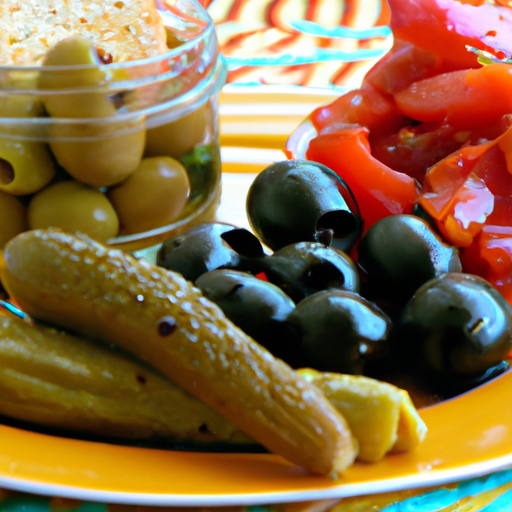
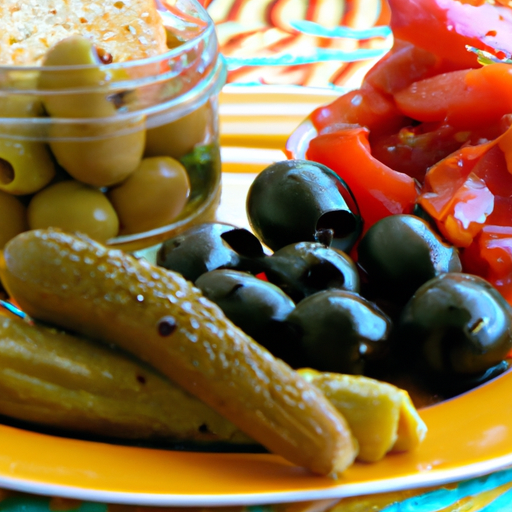
Can You Eat Pickles On Mediterranean Diet?

Ever wondered if you can enjoy our crunchy friends, the pickles, as part of the Mediterranean diet? You’re not the only one, and it’s a pretty savory topic that will keep you reading.

This is one delicious enigma that we’ll happily explore in the forthcoming article. As you sink your teeth into this text, the mystery will unravel, revealing interesting facts about the Mediterranean diet and how pickles fit into this nutritious lifestyle. Trust us, you’ll be craving more of such juicy information, so keep reading.
Can You Eat Pickles On Mediterranean Diet?

Understanding the Mediterranean Diet

Conceptualizing the Diet

The Mediterranean Diet is more than just a diet. It’s a healthy eating approach, a lifestyle that emphasizes the consumption of nutritious whole foods, primarily plant-based. Stemming from the traditional eating habits of Mediterranean countries such as Italy, Greece, and Spain, the Mediterranean Diet involves consuming fruits, vegetables, whole grains, nuts, legumes, fish, and healthy fats, along with moderate alcohol intake and reduced meats and dairy products.

Major Components of Mediterranean Diet

The major components of the Mediterranean Diet include:

  • Fruit and Vegetables: Rich in vitamins, antioxidants, and fiber, they are the core of this diet.

  • Whole Grains: These unprocessed grains like farro, oats, brown rice, and couscous are a great source of minerals and fiber.

  • Healthy Fats: Olive oil, nuts, seeds, and fatty fish provide heart-healthy unsaturated fats.

  • Seafood: A significant source of lean protein and heart-friendly omega-3 fatty acids.

  • Legumes: They’re packed with protein, fiber, and a variety of vitamins and minerals.

  • Moderate intake of dairy, poultry, and eggs: These provide additional nutrients and proteins.

Benefits of Following a Mediterranean Diet

The Mediterranean Diet has been associated with reduced risks of heart disease, certain types of cancer, and other chronic ailments. It contributes to weight loss as well as improved digestion and skin health. The diet promotes longevity and overall well-being due to its balanced and diverse nutritional components.

Pickles in a Nutshell

Definition and Types

Pickles are cucumbers or other vegetables that have been preserved and fermented in a solution of water, vinegar, and other ingredients. The pickling process can result in different types of pickles, including dill pickles, bread and butter pickles, and gherkins.

Basic Pickle Making Process

Making pickles involves harvesting cucumbers or other vegetables, cleaning them, and then immersing them in pickling brine typically consisting of vinegar, salt, sugar, and assorted spices, before allowing them to ferment.

The Nutritional Value of Pickles

Pickles are low in calories and fat while providing modest amounts of vitamins K and A. The fermentation process also creates beneficial bacteria known as probiotics, which support healthy gut flora.

Pickles and the Mediterranean Diet

Fermented Foods in Mediterranean Diet

Fermented foods, including pickles, are an integral part of the Mediterranean Diet. Besides pickles, other fermented foods commonly featured are yogurt, cheeses, and sauerkraut.

Pickles as a Potential Part of Mediterranean Diet

Pickles, being a type of fermented food, can fit within the Mediterranean Diet. However, they should be eaten in moderation because of their high salt content.

Impact of Consuming Pickles While on Mediterranean Diet

Pickles can offer a sour, crunchy contrast to other elements in Mediterranean meals. They also provide beneficial probiotic cultures. However, owing to their high sodium content, consuming them excessively can be counterproductive to the diet’s health-enhancing properties.
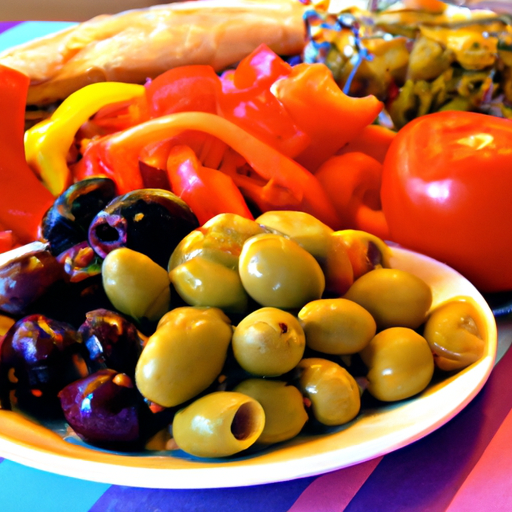
Can You Eat Pickles On Mediterranean Diet?

Possible Health Benefits of Including Pickles in Mediterranean Diet

Contributing to Healthy Digestion

The probiotics generated during the fermentation process can improve gut health. They aid in digestion and strengthen your immune system.

Pickles as a Source of Antioxidants

Pickles, especially those made from cucumbers, contain antioxidants like beta-carotene and vitamin C, which can combat harmful free radicals in your body.

Supplementing Sodium Intake Responsibly

While sodium often gets a bad rep for its association with hypertension, it’s an essential nutrient needed by your body in moderation for fluid balance, nerve function, and muscle contractions.

Cautions on Consuming Pickles while on Mediterranean Diet

Pickles as a Source of Extra Sodium

Consuming too many pickles can lead to excessive salt intake, which could elevate your blood pressure.

Potential Risks of Over-consumption

Besides high blood pressure, consuming too many pickles can lead to bloating, puffiness, and could potentially strain your kidneys.

Making Sure to Opt for Less Processed Pickles

Look for pickles with little to no added sugars and opt for naturally fermented versions that are rich in probiotics whenever possible.

Pickle Recipes Suitable for Mediterranean Diet

Homemade Olive Pickles

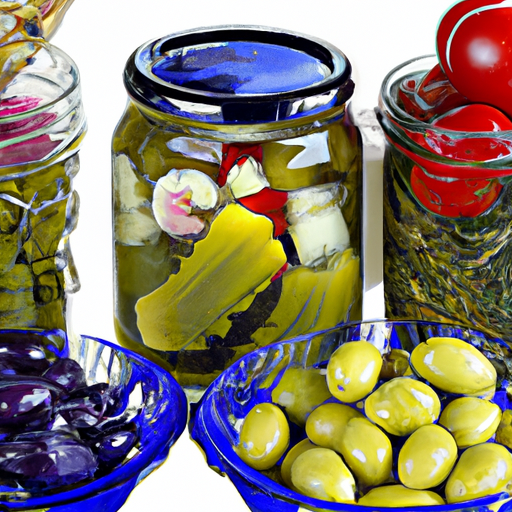
Enjoy the richness and flavor of pickled olives, an authentic Mediterranean delight.

Lightly Salted Cucumber Pickles

A jar of lightly salted cucumber pickles can serve as a tangy side dish or robust sandwich addition.

Savory Pickled Carrots

Pickled carrots add crunch and zest to any Mediterranean meal.

Tips for Including Pickles in Mediterranean Diet

Balancing Portions

Following the quintessential rule of dieting, exercise moderation while incorporating pickles.

Choosing the Right Kind of Pickles

Opt for natural, homemade pickles whenever possible and avoid those containing artificial additives.

Diversifying Fermented Foods in the Diet

Besides pickles, try including other fermented foods like yogurt and sauerkraut in your diet for digestive health and added flavor.

Taste of Pickles: Controversy and Enjoyment

Love-Hate Relationship with Pickles

Pickles, with their tangy and unique flavor, can incite a love-hate relationship. While some relish their crunchy texture and tart flavor, others might struggle to enjoy them.

Enhancing Taste Experience with Pickles

Despite the divide, pickles can bring a new depth of flavor to your dishes. Combine them with a spread of Mediterranean ingredients for an adventurous meal experience.

Creative Ways to Incorporate Pickles in Daily Menu

Add pickles to sandwiches, toss them in salads, or enjoy them as a quick, refreshing snack on their own.

Sharing the Joy of Mediterranean Diet with Family and Loved Ones

Role of Diet in Building Strong Families

Sharing high-quality, nutritious food with family creates a necessary foundation for health and well-being. The Mediterranean Diet, in its essence, promotes convivial moments around the dining table.

Teaching Children about Healthy Diets

Implementing the Mediterranean Diet can be an entertaining and educational opportunity to introduce children to diverse crops, healthy eating habits, and the importance of sharing meals.

The Act of Sharing: An Essential Part of Mediterranean Diet

Inviting loved ones to partake in the preparation and consumption of quality Mediterranean meals encourages conversation, cements relationships, and injects joy into everyday eating.

Conclusion: Making an Informed Decision about Pickles on Mediterranean Diet

Weighing the Pros and Cons

While pickles can be a tasty, crunchy addition to the Mediterranean Diet, their high sodium content warrants mindful consumption.

Personalizing Your Mediterranean Diet

Remember, every person’s nutritional needs vary. It’s essential to adjust and personalize your Mediterranean diet to fit your health status and food preferences.

Embracing a Holistic View Towards Diet and Health

In essence, it’s always about balance. The Mediterranean Diet is not just about food but also an invitation to love and treat your body well. It conveys the importance of consuming high-quality food, appreciating meals, and sharing such moments with loved ones.

To conclude, yes, you can eat pickles on Mediterranean diet but with mindful consideration to their salt content and your overall health needs. Start your Mediterranean journey today and relish the joy in every bite!
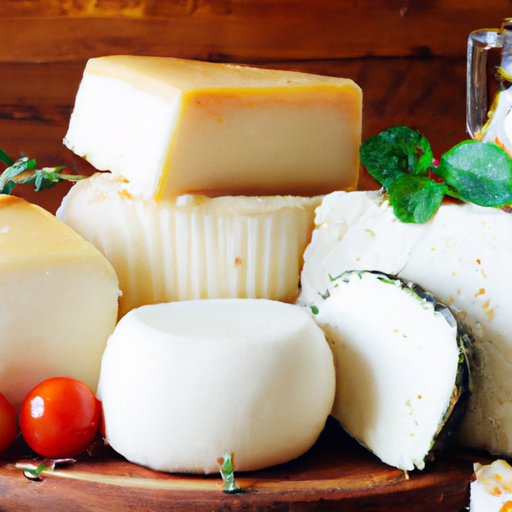
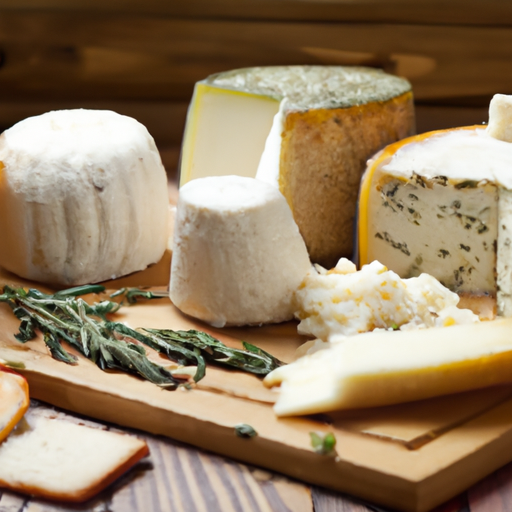
August 1, 2023 Nutrition

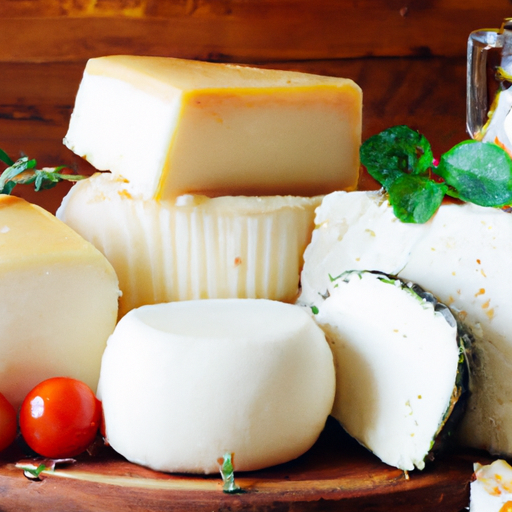
What Cheese Can I Eat On Mediterranean Diet?

So, you’re curious about “What Cheese Can I Eat On Mediterranean Diet”? Well, it’s a great question considering you’ve decided to embark on the journey of conscious eating habits. Learning what to eat while maintaining a diet can be challenging, but it becomes much simpler when you’re clear about the rules, especially when it comes to incorporating cheese into your diet.

Eager to find out more? Well, this article will guide you through the great variety of different cheeses permitted on the Mediterranean diet. Not only will you learn about which types of cheese are compatible with your new eating lifestyle, but you’ll also discover some delightful cheese-centered recipes that you and your family can share. Quality food promotes quality life, and JD is here to ensure you get all the necessary information to enjoy the benefits of the Mediterranean diet.

What Cheese Can I Eat On Mediterranean Diet?

Understanding the Mediterranean Diet

Considered one of the healthiest diets globally, the Mediterranean diet is more than just a list of food items you should or shouldn’t eat. It’s a celebration of fresh, high-quality ingredients that not only nourish your body but also excite your taste buds.

Principles of the Mediterranean Diet

In essence, the Mediterranean diet centers around the traditional foods and drinks that people from countries surrounding the Mediterranean Sea—like Greece, Italy, and Spain—have been consuming for centuries. This diet primarily includes substantial servings of olive oil, vegetables, fruits, whole grains, and legumes, moderate portions of poultry, fish, and dairy (such as cheese and yogurt), and limited amounts of red meat.

Health benefits associated with the Mediterranean Diet

Research has consistently linked the Mediterranean diet to an array of health benefits, such as lower rates of heart disease, certain types of cancer, diabetes, and Alzheimer’s. Plus, it’s known for aiding long term weight loss and promoting overall longevity and wellness.

Role of Dairy in the Mediterranean Diet

While dairy may not be the first thing that comes to mind when you think about the Mediterranean diet, it definitely holds an essential position.

Importance of dairy in a balanced diet

Dairy products supply a vast range of nutrients that are vital for your health and wellbeing. This nutrient powerhouse provides you with much-needed calcium, protein, and vitamins B2 and B12.

How dairy is incorporated in Mediterranean eating

People following the Mediterranean diet usually get their dairy from sources like Greek yogurt or cheese. Which logically leads us to the question you posed to us: “What cheese can I eat on a Mediterranean diet?” Well, great news: there’s plenty of delicious and nutritious options.

Cheese in the Mediterranean Diet

It seems that every Mediterranean country boasts of its own regional cheese. It’s truly a beloved part of their culinary and cultural tradition.

The cultural significance of cheese in Mediterranean regions

Producing cheese is a long-standing tradition that holds great cultural significance in the Mediterranean. Quite often, each locality has its own unique type of cheese, made according to well-preserved family recipes passed down through generations.

Why cheese is a fundamental part of the Mediterranean Diet

Cheese is a cornerstone of the Mediterranean diet because of its high nutritional value and the sheer variety that the region offers.

What Cheese Can I Eat On Mediterranean Diet?

Types of Cheese in the Mediterranean Diet

Feta: The Greek Staple

A staple of Greek cuisine, Feta is a brined curd cheese made from sheep’s milk or a mixture of sheep and goat milk. It’s crumbly in texture and carries a tangy flavor, making it perfect in salads or even as a table cheese.

Mozzarella: Italy’s Pride

Italy’s pride and globally beloved, Mozzarella, is a fresh cheese made from cow’s or buffalo’s milk. Its mild yet unique flavor and stretchy texture make it a great addition to any dish—be it pizza, pasta, or just sliced with tomatoes in classic Caprese Salads.

Halloumi: Cyprus’s Delicacy

Hailing from Cyprus, Halloumi is a semi-hard cheese that maintains its shape when cooked or grilled. This makes it an excellent choice for salads or even as a meat substitute in dishes.

Health Benefits of Cheese in the Mediterranean Diet

Nutritional Value of Mediterranean Cheeses

Beyond the delicious flavors, Mediterranean cheeses also offer impressive nutritional benefits. They are an excellent source of protein and calcium and supply a good amount of vitamins and minerals.

Contribution of Cheese to Heart Health

Despite the presence of saturated fats, the fatty acids in cheese are associated with beneficial effects on heart health. But remember—portions are key.

Boosting Bone Health with Cheese

The calcium in cheese contributes to the health and strength of your bones and teeth. It’s wonderful news for those of us who love to nibble on a piece of cheese or sprinkle it atop our favorite meals.

Moderation is Key: Consuming Cheese in a Balanced Way

How much cheese you should eat on a Mediterranean Diet

While cheese is essential in the Mediterranean diet, you shouldn’t forget that it’s meant to be consumed in moderation. A recommended serving of cheese is typically the size of a pair of dice.

Balancing calories with portion sizes

Since cheese contains calories, it’s essential to balance it with other low-calorie, nutrient-dense foods such as fruits, vegetables, legumes, and whole grains in your diet.

Incorporating Cheese in Mediterranean Diet Recipes

Using Feta in Greek Salads

Greek salad wouldn’t be the same without a generous crumble of Feta on top. It provides a tangy contrast to the fresh vegetables and dark olives.

Mozzarella in Caprese Salads

A Caprese Salad pairs fresh mozzarella with juicy tomatoes, fragrant basil, and a drizzle of healthy olive oil. It’s a colorful and balanced dish with the mozzarella providing a pleasant creamy texture.

Cooking with Halloumi

Sliced, grilled Halloumi can be a scrumptious addition to any dish. Try it with salads, in wraps, or simply as a stand-alone snack.

Alternatives to Cheese in the Mediterranean Diet

If you’re lactose intolerant, vegan, or just not much into cheese, don’t worry. There are alternatives that still provide you with similar benefits.

Using Yogurt as a Cheese Substitute

Creamy Greek yogurt offers a good protein and calcium source and can be used as a cheese substitute in several dishes.

Choosing Plant-Based Cheeses

There’s an increasing variety of plant-based cheeses available in the market right now. You can choose from almond, soy, or cashew cheeses to fit your dietary needs and preferences.

Creating a Mediterranean Diet that suits you

The Mediterranean diet isn’t a one-size-fits-all kind of diet. You can always adjust and modify it to suit your taste and lifestyle.

Tailoring the Mediterranean Diet to your tastes

Whether you want more vegetables, less red meat, more seafood, or a different type of cheese, you can adapt the Mediterranean diet according to your preferences.

Fitting the Mediterranean Diet into your lifestyle

The beauty of the Mediterranean diet lies in its flexibility. You can easily incorporate its principles into your daily routine, making it a sustainable eating plan for the long run.

Conclusion

Embracing Cheese in a Healthy Diet

Cheese is not just a delicious addition to meals; it provides important nutrients and can be a part of a healthy, balanced diet. As with all foods, moderation is key. Enjoy a variety of cheeses as part of your Mediterranean lifestyle to fully enjoy their flavors and health benefits.

Living the Mediterranean Way through diet and lifestyle

The Mediterranean diet is more than just a meal plan — it’s a lifestyle that encourages local, fresh, high-quality foods savored with friends and family. It teaches you to value and enjoy the process of preparing your meals and eat mindfully, making it not just a diet, but a blueprint to a healthier, happier life. Now, wouldn’t you want a slice of that?

Remember, it’s all about taking small steps towards a healthier lifestyle. I hope this article has inspired you to enjoy cheese as part of your Mediterranean diet. Happy eating, my friends!

August 1, 2023 Health & Wellness

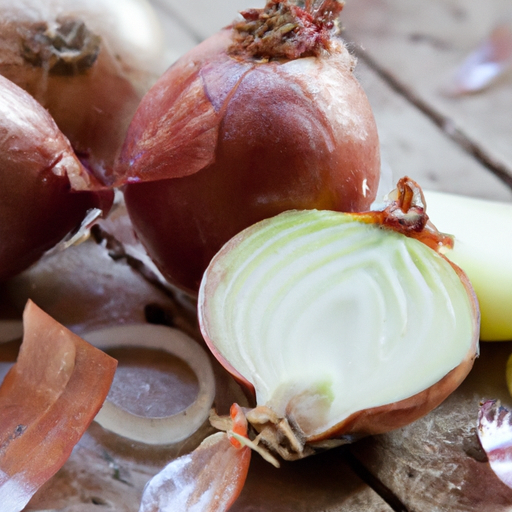
Can You Eat Onions On Mediterranean Diet?

You might be wondering, “Can I eat onions on a Mediterranean diet?” Fear not, we’ve got you covered on that topic. You’re not alone in this, many individuals often wonder what they can and can’t consume when adopting a new diet, especially the Mediterranean one that’s renowned for its health-promoting benefits.

In the next sections of the article, you’re all set to unlock more insights and acquaint yourself better with the topic at hand. We hope that’s as exciting for you as it is for us to share this knowledge. We promise you’ll learn more than just the simple answer to your question. After all, adopting healthier eating habits like the Mediterranean diet is about understanding and embracing the entire food experience, focusing on delicious, high-quality food, and, of course, enjoying this with your loved ones. So, let’s dive deep and explore together.

Can You Eat Onions On Mediterranean Diet?

Can You Eat Onions On Mediterranean Diet?

Understanding the Mediterranean Diet

The Mediterranean Diet is an eating pattern that primarily focuses on plant-based foods, fresh fruits, whole grains, legumes, nuts, and olive oil, while limiting the intake of red meat and processed foods. Its principles revolve around moderate consumption of dairy products, poultry, and fish, accompanied by abundant intake of vegetables with every meal. Alcohol, preferably red wine, is often an optional part of the diet if consumed moderately.

Fundamentals of the Mediterranean Diet

The Mediterranean Diet, in essence, is not just about eating but eating healthily. It encourages enjoying meals with family and friends, engaging in physical activity, and savoring life to its fullest. The diet is bar none when it comes to healthy eating as it offers well-rounded nutrition with balanced portions of carbohydrates, lean proteins, and healthy fats.

Health Beneficial Factors of Mediterranean Diet

Numerous studies endorse the Mediterranean Diet for its myriad health benefits. Regular followers of this diet reportedly show fewer signs of heart disease, depression, and cognitive decline. It’s also been linked to increased longevity and healthier gut bacteria, strengthening our immune system.

Important Role of Vegetables in Mediterranean Diet

Vegetables form the crux of the Mediterranean Diet and are consumed in large quantities, often up to four servings a day. They provide significant amounts of fiber, antioxidants, and crucial vitamins, promoting a healthy immune system and contributing to long-term wellness.

Reason Behind Popularity of Mediterranean Diet

The success of the Mediterranean Diet is attributed to its unique blend of flavorful preparation techniques, reliance on natural ingredients, and the flexibility it offers. This not only makes the diet a culinary delight but also eases adherence, contributing to its wide acceptance and popularity.

Role of Onions in the Mediterranean Diet

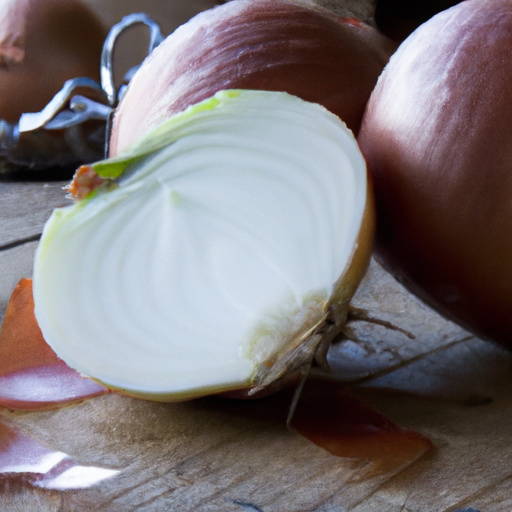
Onions play a leading role in the Mediterranean kitchen, providing the base for many traditional dishes. They are cherished for their taste, versatility, and their potent array of health benefits.

Nutritional Components of Onions

Onions are powerhouses of nutrition, rich in antioxidants, fiber, and essential vitamins like C and B6. They offer significant amounts of beneficial compounds like Quercetin, which is known for its anti-inflammatory, antiviral, and anticancer properties.

Onions and the authenticity of Mediterranean Cuisine

Onions are a staple in Mediterranean cooking, contributing to the authenticity and distinct character of Mediterranean cuisine. They form the base of many sauces, stews, and meat dishes, adding a sweet and savory charm to every dish.

Health Benefits of Eating Onions in Mediterranean Diet

Besides imparting unique flavors, onions provide immense health benefits. They promote heart health, reduce high blood pressure, and control blood sugar levels. Their antioxidant and anti-inflammatory effects also contribute to decreased risk of various chronic diseases.

Using Onions in Daily Food Preparation

Incorporating onions in daily meals is highly recommended due to their numerous health benefits, versatile usage, and the delightful flavors they offer. They can be used in soups, sandwiches, salads or sautéed with other vegetables or meat, adding a distinctive aroma and taste.

Can You Eat Onions On Mediterranean Diet?

Recipe Ideas Incorporating Onions with the Mediterranean Diet

Whether it’s a classic onion soup or a modern day healthy onion tart, there are countless ways to incorporate onions in Mediterranean meals.

Traditional Mediterranean Onion Dishes

Traditional Mediterranean dishes like Greek Salad and Shakshuka extensively use onions for their flavor and health benefits.

Quick and Easy Onion-Based Recipes

From a simple Caramelized Onion Pasta to a savory Onion Frittata, there are several quick and easy recipes that combine the charm of onions with the goodness of the Mediterranean Diet.

Incorporating Onions into Different Meals of the Day

Onions are freely used in breakfast, lunch, and dinner preparations in the Mediterranean Diet. They add a subtle sweetness and depth of flavor, regardless of when they’re consumed.

Seasonal Onion Recipes and Variation

With every changing season, the variety of onions available changes too. It opens up avenues for creative and seasonal recipes, providing delightful variations to regular meals.

Case Study: JD’s Experience with Onions in Mediterranean Diet

JD is a firm believer of the Mediterranean lifestyle principles and has himself experienced immense benefits from it. His journey offers some interesting insights into the role of onions in the Mediterranean Diet.

JD’s Motivation Behind Adopting Mediterranean Diet

JD started his healthy eating journey for the long-term health benefits and the desire to share quality food and good health with his family. The Mediterranean Diet naturally appealed to him with its focus on wholesome, nutritious food and a healthy lifestyle.

JD’s Personal Health Benefits From the Mediterranean Diet

Ever since JD embarked on his Mediterranean journey, he experienced lower cholesterol, improved digestion, enhanced immunity, and overall vitality. The positive shifts in his health are predominantly credited to the regular intake of nutrient-rich foods like onions.

Influence of Onion Based Mediterranean Dishes on JD’s Family

JD’s family has taken a liking for the onion-based Mediterranean dishes, particularly the caramelized onion pasta and the Greek salad. His children enjoy the lovely flavors that onions bring to their meals, making their eating experience more enjoyable.

Sharing High Quality Food with Family: JD’s Perspective

JD believes that the best way to ensure a healthy family is by sharing quality food prepared with love and care. The Mediterranean Diet, with its emphasis on fresh and natural ingredients like onions, fits the bill perfectly for him and his family.

Conclusion: Is Consuming Onions Recommended in the Mediterranean Diet?

Weighing the Nutritional Benefits of Onions

Looking at the several health benefits of onions, their nutritional worth can’t be ignored. Onions are an integral part of the Mediterranean Diet due to their multiple health benefits and the delight they bring to the culinary table.

Incorporating Onions into Your Mediterranean Diet

Onions provide an easy and enjoyable way of boosting the health quotient of your meals. That’s why they are recommended for everyone who follows or wishes to follow the Mediterranean Diet.

Enjoying the Taste of Onions while on the Mediterranean Diet

Lastly, it’s not just about the nutritional benefits. Onions add significant taste and flavor to your meals. So, enjoy your onions knowing they’re doing good for your health, making your Mediterranean journey more enjoyable and fruitful.

August 1, 2023 Diet and Nutrition

Is Milk OK On Mediterranean Diet?

Ever pondered whether milk fits into the Mediterranean diet? It’s a question you might find yourself asking, especially if you’ve embraced this healthy lifestyle or considering it. This diet, famous for its potential health benefits, emphasizes fruits, vegetables, whole grains, and lean proteins, but where does milk fit in?

Dive deeper into this conundrum through the upcoming article. This interesting piece will give you more clarity on milk’s role in the context of the Mediterranean diet. Rest assured, you’ll find out if adding milk to your diet complements your health goals or if you should consider other options. Don’t miss out, because learning and achieving the best for your health never stops, and neither should you.

Is Milk OK On Mediterranean Diet?

Understanding the Mediterranean Diet

The Mediterranean diet is more than just a diet– it’s a way of living. Renowned for its health benefits, it integrates the traditional food habits of people living around the Mediterranean Sea. This diet is rich in whole grains, fresh fruits and vegetables, fish, and healthy oils, but where does milk fit into this?

The Core Components of the Mediterranean Diet

The Mediterranean diet primarily consists of vegetables, fruits, whole grains, legumes, and seafood. Key components include ample fresh fruits and vegetables, a limited intake of red meat, and the consumption of heart-healthy fats like olive oil.

Emphasis on Fresh Foods in the Mediterranean Diet

This diet lays significant importance on consuming fresh, seasonal, and locally sourced foods. The richness of plant-based foods promotes variety and ensures a wide array of nutrients that contribute to overall health and well-being.

The Role of Dairy in the Mediterranean Diet

Dairy has a place in the Mediterranean diet, though its consumption is moderate compared to fruits, vegetables, and grains. Traditionally, dairy in this diet is consumed in the form of yogurt and cheese rather than milk. However, milk is not off-limits.

The Place for Milk in the Mediterranean Diet

Yes, milk is perfectly alright to incorporate into the Mediterranean diet! However, it should be consumed in moderation, just like everything else under this lifestyle approach.

The Traditional Mediterranean Approach to Milk

Traditionally, people following the Mediterranean diet did not consume large quantities of milk. Instead, they derived their dairy intake from cheese and yogurt. Nowadays, you can certainly enjoy a glass of milk with your Mediterranean diet.

Low-Fat vs. Full-Fat Milk in the Diet

When choosing milk for the Mediterranean diet, opt for a low-fat or non-fat version. These types carry lesser saturated fats, hence align with the diet’s emphasis on heart health.

Health Benefits of Incorporating Milk in the Mediterranean Diet

Milk is a great source of protein, calcium, and vitamins D and B12. Including milk in your diet ensures that you’re meeting your daily requirements for these essential nutrients. What’s more, the calcium present in milk aids in maintaining bone health – making it a crucial component of the diet, especially for children and the elderly.

Is Milk OK On Mediterranean Diet?

Milk Alternatives in the Mediterranean Diet

If you’re lactose intolerant or vegan, don’t fret! The Mediterranean diet also accommodates various plant-based milk alternatives. These milk substitutes offer unique nutritional profiles in addition to being lactose-free.

Common Milk Alternatives and their Nutritional Values

Numerous milk alternatives like almond, soy, rice, and oat milk all have a place in the Mediterranean diet. Each offers different nutritional benefits; for instance, almond milk is low in calories, soy milk is rich in protein, while oat milk provides plenty of fiber.

How to Incorporate Milk Alternatives in the Diet

Milk substitutes can be seamlessly incorporated into your Mediterranean diet, whether it’s in your morning oatmeal, afternoon tea, or smoothies. You can also use them in baked goods or in creamy sauces to add a Mediterranean twist to your dishes.

The Pros and Cons of Milk Alternatives

While milk alternatives are excellent for those avoiding dairy, it’s essential to read labels as many come with added sugars. On the other hand, they’re rich in essential nutrients like calcium and vitamin D and cater to different dietary needs, adding versatility to the diet.

Recipes Incorporating Milk in the Mediterranean Diet

Milk or its alternatives can be creatively incorporated into different Mediterranean recipes. Here are some for you to try.

Mediterranean-inspired Breakfasts with Milk

Begin your day with a wholesome breakfast bowl of Greek yogurt topped with fresh fruits and a drizzle of honey. Or dive into a warm bowl of oatmeal made with almond milk, topped with nuts and seeds.

Lunch and Dinner Recipes Emphasizing Dairy

For lunch and dinner, enjoy a creamy vegetable soup made with low-fat milk. Or, spin up a traditional Mediterranean pasta tossing in some crumbled feta or ricotta cheese for that rich, creamy texture.

Refreshing Mediterranean Beverages using Milk

Partake in nutritious shakes and smoothies using cow’s milk or plant-based milk alternatives, ripe fruits, and a few ice cubes for a refreshing beverage.

The Impact of the Mediterranean Diet on Family Health

JD focuses on the Mediterranean diet for his family’s health, believing strongly in the value of sharing high-quality food.

Why JD Focuses on the Mediterranean Diet for Family Health

JD sees the Mediterranean diet as a pillar to his family’s health and vitality. He is keen on nurturing an environment of shared meals, delicious flavors, and valuable nutrients that not only nourish the body but also foster close familial ties.

The Role of Sharing High-Quality Food On Family Health

JD believes sharing high-quality food leads to healthier eating habits, nurturing the foundation for a healthy, balanced lifestyle. This principle is manifested in the Mediterranean diet, creating a wholesome dining experience that emulates love, health, and unity.

Studies Supporting the Long-term Health Benefits of the Mediterranean Diet

Studies have consistently demonstrated the Mediterranean diet’s role in reducing the risk of heart disease, diabetes, and certain cancers. By adopting this diet, JD ensures his family is investing in their long-term health.

Conclusion

Wholesomeness of the Mediterranean Diet for all Age groups

The Mediterranean diet caters to all age groups due to its balance and variety. Infused with robust flavors, it encourages mindful eating, ensuring everyone gets the necessary nutrients for their age and lifestyle.

Incorporating Milk in the Diet for All-round Health Benefits

Whether traditional milk or an alternative, adding milk to the Mediterranean diet enhances its nutritional profile. It provides necessary vitamins and minerals that contribute to individuals’ overall health and well-being.

By living the Mediterranean lifestyle, we are exposed to a variety of delicious, nourishing foods such as milk, crafting a health-focused future for ourselves and our families. So go ahead, pour yourself a glass, your Mediterranean diet allows it!

August 1, 2023 Diet and Nutrition

Are Pickles On The Mediterranean Diet?

Ever wondered if those tangy, delicious pickles nestled in your fridge have a place in the Mediterranean diet? Well, you’re certainly not alone! Gathering knowledge about the foods that enrich your support towards a healthier lifestyle is always a commendable endeavor.

Delve into this article and unravel the mystery! Packed with researched facts and beneficial insights, this piece will enlighten your mind about pickles and their position within the Mediterranean diet. JD, your trusty diet guide and the father who is setting a sterling example of leading an active, healthy life, has gathered all his knowledge to share with you. And remember, the joy of food is not just about its benefits but about sharing it with the ones you cherish. So, prepare to add another layer of conversation during your family lunch about the Mediterranean Diet and those humble pickles!

Are Pickles On The Mediterranean Diet?

Understanding the Mediterranean Diet

Definition and Basics of the Mediterranean Diet

The Mediterranean Diet is based on the traditional eating habits of people living around the Mediterranean Sea. This diet is nutrient-dense and emphasizes the consumption of whole foods such as fruits, vegetables, whole grains, nuts, legumes, olive oil, and lean proteins, particularly fish. Moderate wine intake alongside meals is also a staple feature in some regions.

Key Principles of the Mediterranean Diet

Core principles of the Mediterranean diet include a high intake of fruits, vegetables, legumes, nuts, and seeds, moderate consumption of poultry and fish, and minimal consumption of red meat and processed foods. The diet involves incorporating olive oil as the primary source of fats and using herbs and spices to enhance flavor instead of high amounts of salt.

Role of Fruits and Vegetables in the Mediterranean Diet

Importance of Plant-Based Foods

Plant-based foods play a crucial part in this diet. Vegetables, fruits, whole grains, legumes, and nuts & seeds provide a wide range of vitamins, minerals, fiber, and beneficial plant compounds. They promote good gut health and are linked to lower rates of chronic diseases.

Variety of Fruits and Vegetables in the Mediterranean Diet

The Mediterranean diet encourages a vibrant mix of colorful fresh produce, from luscious tomatoes, leafy greens, eggplants, bell peppers, zucchini, cucumbers to a variety of fruits such as berries, citrus fruits, and grapes. Diversity is not just about enjoyment, but also ensures a broad spectrum of nutrients.

Fermented Foods in the Mediterranean Diet

The Place of Fermentation in Mediterranean Culture

Fermentation has deep roots in the Mediterranean culture. From pickles, olives, yogurt, to wine and cheese, fermented foods have been an integral part of their culinary tradition and everyday life.

Health Benefits of Fermented Foods

Fermented foods are rich in probiotics that aid in gut health, enhancing digestion, and strengthening the immune system. They also have a heart-healthy property and are known for their ability to control blood sugar levels.

Are Pickles On The Mediterranean Diet?

The Case of the Pickles

Pickles: An Overview

Pickling is an age-old preservation technique where fruits or vegetables are soaked in a solution of water and vinegar or fermented in a natural brine.

Health Benefits and Potential Dangers of Pickles

Even though pickles are low in calories, they provide a good amount of vitamin K. Some pickles also contain beneficial probiotics. However, they can be high in sodium and, for those pickled using vinegar, lack the probiotics found in their naturally fermented counterparts.

Are Pickles on the Mediterranean Diet?

Pickles in the Context of the Mediterranean Diet

While pickles aren’t a cornerstone of the Mediterranean diet, they can certainly be included as part of the diet’s broad appreciation for fruits, vegetables, and fermented foods.

Considerations When Consuming Pickles

Moderation is key since pickles can be high in sodium. Choosing low-sodium varieties or making your own can help control salt intake. Also, try opting for pickles that are naturally fermented for probiotic benefits.

Alternatives to Pickles in the Mediterranean Diet

Healthy Fermented Food Options

Beyond pickles, other popular fermented foods on the Mediterranean diet include yogurt, kefir, sauerkraut, and olives.

Non-Fermented Foods with Similar Taste Profiles

For those seeking that tangy flavor of pickles without the fermentation, there are foods like fresh cucumbers, tomatoes, or a squeeze of lemon that could fit the bill.

Family and the Mediterranean Diet

The Importance of Family in Mediterranean Culture

In the Mediterranean lifestyle, much emphasis is placed on savoring meals with the family, fostering a sense of community and appreciation for high-quality foods.

Sharing Quality Food with Family Through the Mediterranean Diet

As a father, JD is a firm believer in the importance of sharing quality meals with the family. Incorporating the Mediterranean diet not only sustains his health, but allows him to bring wholesome and delicious meals to his family table.

Integrating Pickles into a Mediterranean Diet Lifestyle

Incorporating Pickles into Mediterranean meals

Whether it’s adding pickles into a Greek salad, serving them as part of a mezze platter, or integrating them into dishes like shawarma, there are creative ways on how pickles can find a place in a Mediterranean inspired meal.

Healthy Pickle Recipes and Uses

From handmade cucumber pickles, marinated olives to pickled vegetables, there’s a myriad of recipes to try and each can add a nice tang, crunch, and probiotic boost to meals.

Mediterranean Diet Beyond the Plate

Mediterranean Diet and Healthy Living

The Mediterranean lifestyle is more than just about what we put on our plates. Regular physical activity and taking pleasure in everyday life is at the heart of this approach to wellness.

Long Term Health Maintenance and the Mediterranean Diet

This wholesome way of eating offers long-term health advantages including reduced risks of heart disease, diabetes, and certain cancers. Indeed, it is a viable investment for those practical about their health and wellness.

Conclusion

Reiteration of Key Points

In essence, the Mediterranean Diet is more than just a diet – it’s a lifestyle revolving around fresh, nutritious foods, and a community enjoying and appreciating these meals together. While pickles, particularly those that are naturally fermented, can have a place in this lifestyle, it’s important to consider their high sodium content.

Invitation for Further Exploration and Personal Application

We encourage you to delve deeper into the world of the Mediterranean diet and discover how it could be more than just a meal plan but a catalyst for a healthier and fulfilling path ahead, for you and your family. Nurture your health, enjoy your meals, and cherish those moments at the dinner table. Who knows, perhaps the next dish you serve includes a slice or two of your homemade pickles. Life, after all, should have a bit of tang!

August 1, 2023 Health & Wellness

Can You Eat Bacon On The Mediterranean Diet?

Ever wondered whether bacon was on the menu in the Mediterranean diet plan? It’s a common question that raises a lot of curiosity amongst food lovers like you who are trying to maintain a healthy lifestyle without compromising on taste. You know, the Mediterranean diet is loved for its rich flavors, and it’s quite popular because of its long list of health benefits, but does that list include bacon?

Hopefully, this question caught your attention! JD, a devoted father of three who created this blog to share his endeavors of staying healthy and active for his children, has delved into this topic to give you an informative insight about it. As you dive into this article, you’ll discover whether bacon has a place in the Mediterranean diet or not. The goal is to provide you with well-researched, accurate information that you can trust, especially in these matters that are so close to your heart- or perhaps, your stomach! After all, isn’t sharing high quality food with family what life’s all about?

Can You Eat Bacon On The Mediterranean Diet?

Understanding the Mediterranean Diet

The heart-healthy Mediterranean diet focuses on simple, whole foods that nourish your body without the preservatives, additives, and unhealthy fats. It invites you to embrace the vibrant flavors and health benefits of the Mediterranean region.

What the Mediterranean Diet Entails

At its core, the Mediterranean diet celebrates fresh fruits, vegetables, whole grains, nuts, and legumes. Olive oil is the primary source of added fat, and herbs and spices are used to flavor dishes instead of salt. It also emphasizes fish and seafood, poultry, eggs, and moderate amounts of dairy products.

Core Principles of the Mediterranean Diet

The two primary principles of the Mediterranean diet are to eat primarily plant-based foods, and to replace butter and other unhealthy fats with olive oil. This diet encourages eating fish and poultry at least twice a week. In addition to a healthy eating pattern, it promotes physical activity and sharing meals with others, be it family or friends.

Health Benefits of the Mediterranean Diet

Prevention of Chronic Diseases

Research suggests that the Mediterranean diet reduces the risk of heart disease, lowers bad cholesterol levels, and prevents diseases such as cancer, Parkinson’s, and Alzheimer’s.

Enhanced Weight Loss

The diet consists of nutrient-dense, high-fiber foods that can help people lose weight healthily and sustainably.

Better Mental Health

The Mediterranean diet has positive effects on brain health. A healthy diet which includes moderate amounts of lean protein can help maintain a balanced mood and sharp mind.

Relation of Meat in the Mediterranean Diet

Types of Meat Allowed

The Mediterranean diet favours lean meats including fish, poultry, eggs, and modest amounts of dairy products. Red meats are eaten less often and in smaller portions.

Why Red Meat is Limited

While red meat is high in protein and iron, it’s also higher in saturated fat and cholesterol compared to fish and poultry, contributing to an increased risk of heart disease.

Can You Eat Bacon On The Mediterranean Diet?

The Place of Bacon in the Mediterranean Diet

How Traditional Mediterranean Diet Views Bacon

In a traditional Mediterranean diet, foods like bacon, known for their high saturated fat content, are typically consumed in moderation.

Impact of Bacon on Health

While bacon, in moderation, may fit into other dietary styles, its high sodium and saturated fat content can tip the balance of a normally wholesome diet.

Alternatives to Bacon in the Mediterranean Diet

Using Turkey Bacon

Turkey bacon has slightly fewer calories and less fat than pork bacon and can be an ideal alternative when you’re craving something crispy.

Seafood as an Alternative

In the Mediterranean diet, fish and seafood often replace meat in meals. They’re packed with protein and can be prepared in ways that mimic the crisp texture of bacon.

Vegetable Based Alternatives

Tofu and tempeh are popular alternatives to bacon in the Mediterranean diet. They can be seasoned and baked for a similar crunchy texture.

Balancing the Mediterranean Diet with Personal Preferences

Moderation: Key to Incorporating Personal Preferences

You can fit bacon into the Mediterranean diet by remembering moderation is key. Aim to use bacon as an occasional treat, for flavor, rather than as the main attraction.

Sourcing High-Quality Bacon

When incorporating bacon consider quality, opting for leaner cuts, organic, nitrate-free, and locally sourced options, whenever possible.

Bacon and Family Meals in the Mediterranean Diet Context

Creating Balanced Family Meals with Bacon

Balancing family meals with healthy options can be a challenge, but bacon can be lightly incorporated by using it as a flavoring element in veggie-full soups or stews.

Teaching Kids about Healthy Eating Habits

Kids love bacon, and using it in moderation can be a means to an end: teaching your children about the importance of balanced eating and making healthy choices.

Long-term Health and the Mediterranean Diet

Sustaining Health with the Mediterranean Diet

Adherence to the Mediterranean diet can contribute to sustained physical health and longevity.

Case Study: JD’s Healthy Lifestyle with the Mediterranean Diet

JD, a father of three, successfully follows the Mediterranean diet and enjoys its benefits. As a result, he’s able to live an active, energetic, and fulfilling life with his family.

Common Misconceptions of the Mediterranean Diet

Addressing the ‘No Bacon’ Myth

A common misconception of the Mediterranean diet is that there is no room for bacon. It’s actually encouraged as an occasional treat.

Interpreting the Diet Flexibly

The Mediterranean Diet is a flexible eating pattern. It emphasises balance, variety, and the pleasure of eating to nourish body and soul, and there’s a place for every food, in moderation.

Conclusion: Bacon and the Mediterranean Diet

Can you Eat Bacon while Still Enjoying the Benefits of the Mediterranean Diet?

Bacon, when consumed in moderation, can fit into the Mediterranean dietary pattern. It’s all about balance of flavours and nutrients in your overall eating plan. Enjoying a strip of crispy bacon once in a while is okay.

The Importance of Quality and Moderation

Use bacon as a way to enhance flavours rather than the primary source of dietary fat. Prioritise quality, and remember, moderation is key. That being said, adjusting one’s dietary habits should be a personal journey, and the Mediterranean diet is a helpful guide along that path. Strive to live an enriched life with the quality food of the Mediterranean diet, and remember to share these pleasurable moments with your loved ones.

July 31, 2023 Health & Fitness

How Do You Snack On The Mediterranean Diet?

You know, one question that pops up frequently in discussions about healthy eating is “How do you snack on the Mediterranean diet?” We’re not surprised – with more people discovering the manifold benefits of this wholesome, balanced approach to food, finding tasty and diet-friendly snack options has become a hot topic.

Intrigued by all the chat about Mediterranean snacking? We’re here to clarify things! Our focus on sharing high-quality food with family has led us on a fascinating exploration into the realms of quick, easy, and super healthy snacks that fit perfectly into the Mediterranean dietary regime. So, why not journey with us, dive into the article, and find out more? Your family and your health will thank you for it!

How Do You Snack On The Mediterranean Diet?

Understanding the Mediterranean Diet

The Mediterranean Diet is more than a mere diet plan; it represents a traditional way of life adopted by people in the Mediterranean region. Packed with plant-based whole foods, fish, lean meats, and plenty of olive oil, the Mediterranean Diet is valued for its health-promoting properties.

Fundamental Principles of the Mediterranean Diet

At its core, the Mediterranean Diet is about consuming foods that are as close to their natural state as possible. It emphasizes the importance of plant-based foods like fruits, vegetables, whole grains, legumes, nuts, and seeds. Moderate amounts of dairy, poultry, and eggs are also included, whilst red meat and sweet treats are minimized.

The Role of Snacks in the Mediterranean Diet

Snacking is integral to the Mediterranean Diet, helping to sustain energy levels throughout the day and prevent overeating during meal times. Mediterranean snacks are typically nutritious, balanced, and satiating, thanks to their right mix of protein, fiber, and healthy fats.

Healthy Snacks as Part of the Mediterranean Diet

The Importance of Consuming Balanced Snacks

Balanced snacks are key to avoiding energy crashes and blood sugar spikes. Mediterranean snacks often pair a carbohydrate-rich food, like fruit, with a protein-rich food, like nuts or cheese, ensuring optimal nutrition.

Examples of Traditional Mediterranean Snacks

Traditional Mediterranean snacks range from Greek yogurt with honey and walnuts to simple tomato bruschetta. Other favorite snacks include hummus with fresh veggie sticks, olives, or a small cheese and fruit plate.

Integrating Mediterranean Snacks into Your Daily Routine

Scheduling snacks into your daily routine is one of the keys to successful Mediterranean Diet adoption.

Snacks for a Busy Morning

In the morning rush, grab a banana and handful of almonds to kickstart your day, or a whole grain toast topped with avocado slices for a more leisurely breakfast.

Mid-day Mediterranean Munchies

During the day, try a Greek yogurt topped with fresh berries and drizzled honey or a chickpea-based hummus with whole grain crackers, olives, and cherry tomatoes for a quick, balanced bite.

Late-night Nibbles

For late-night snacking, consider a slice of feta cheese with a handful of grapes or some dark chocolate with a small glass of red wine- in moderation, of course!

How Do You Snack On The Mediterranean Diet?

Incorporating Mediterranean Snacks in Family Meals

Educating Children about Healthy Snacking Habits

It is essential to educate your children about the importance of healthy snacking habits. Snack times offer a great opportunity to introduce them to the colorful world of vegetables, fresh fruits, and whole grains.

Creating a Home Environment Conducive to Healthy Eating

Creating a home environment supporting healthy food choices is key. Stock your pantry with nutritious snack options and encourage your children to participate in meal and snack preparation.

Value of Togetherness and Shared Meals in Mediterranean Culture

The Mediterranean Diet places a significant emphasis on the shared experience of eating.

Role of Family Bonding Over Meals

In Mediterranean culture, cooking and eating together strengthen family relationships. Sharing meals and snacks offers a wonderful opportunity for family bonding and shared discussions.

Involving Family Members in Snack Preparation

Involve the whole family in preparing Mediterranean snacks. This not only teaches valuable cooking skills but also fosters a deeper appreciation for nutritious food.

Mediterranean Diet for Long-Term Health

Benefits of the Mediterranean Diet for Overall Health

Studies have repeatedly shown the multifaceted health benefits of the Mediterranean Diet, including maintaining heart health, supporting mental wellbeing, and reducing the risk of chronic diseases.

Impact of Healthy Snacking on Long-term Wellness

Healthy snacking contributes significantly to long-term health. Regular snacks ensure a steady intake of nutrient-rich foods, boosting overall energy levels, and enhancing wellbeing.

Cooking Tips for Delicious Mediterranean Snacks

Common Ingredients to Keep in Your Pantry

Your pantry should always be stocked with Mediterranean diet essentials: olive oil, fresh and dried herbs, garlic, whole grains, legumes, nuts, and seeds. Having these ingredients on-hand makes snacking easy and nutritious.

Simple and Quick Mediterranean Snack Recipes

You don’t have to be a gourmet chef to prepare Mediterranean snacks. Greek salad skewers, yogurt and cucumber dip, or olive tapenade on whole grain toast are simple snacks that are easy to prepare.

Mistakes to Avoid When Snacking the Mediterranean Way

Overindulging on Healthy Foods

Even with healthy foods, it’s essential to watch portion sizes to avoid overeating. Sticking to appropriate snack portions keeps your daily caloric intake balanced.

Lack of Meal and Snack Planning

To truly embrace the Mediterranean Diet, planning meals and snacks are essential. This helps to ensure balanced and nutritious food choices throughout the day.

Resources for Mediterranean Diet Snacks

Recommended Books and Online Resources

Explore various Mediterranean recipe books and online resources for inspired snacking ideas. Some popular options include “The Mediterranean Diet for Beginners” and “The Complete Mediterranean Cookbook”.

Starting Your Own Mediterranean Recipe Collection

Begin collecting your favorite recipes and create your family’s personalized Mediterranean Diet recipe book. This inspires variety in your diet and makes meal and snack planning easier.

Conclusion

Embracing the Mediterranean Diet for Improved Health

The Mediterranean Diet provides a framework for wholesome and balanced eating. It’s not just about losing weight, but about improving overall health, preventing chronic diseases, and enhancing the quality of life.

Making the Mediterranean Diet a Family Affair

Building a healthy, food-centric environment is a family affair. Shared meals, involving everyone in food prep, and celebrating good food together promote a healthy lifestyle and stronger family ties.

So, are you ready to snack the Mediterranean way? Start today and enjoy the delightful, delicious benefits of this lifestyle change. Your healthier, happier self — and your family — will thank you!

July 31, 2023 Health and Fitness

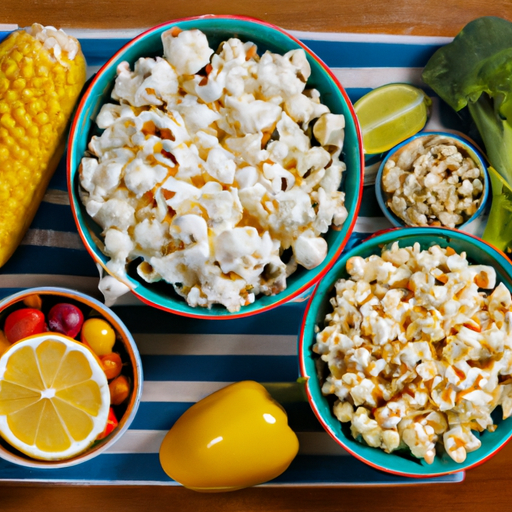
Can You Eat Popcorn On The Mediterranean Diet?

So you’re wondering… “Can I eat popcorn on the Mediterranean Diet?” It’s a great question and one that’s come up more than once around the dinner table conversations within your home, hasn’t it? You could almost taste the buttery-salty goodness and feel the satisfying crunch, but you’re unsure if popcorn fits into your commitment on being on a Mediterranean Diet.

Well, guess what? You’re about to dive into an article that breaks it all down for you. You’ll learn not only if popcorn measures up to the Mediterranean Diet standards, but also how different foods contribute to your overall health, in the bigger Mediterranean context. So buckle up, and prepare your taste buds, because you’re about to get all the popcorn details you crave, keeping your health and family well-being at heart.

Can You Eat Popcorn On The Mediterranean Diet?

Understanding the Mediterranean Diet

Explanation of the Mediterranean Diet

At first glance, you might be wondering, “What exactly is the Mediterranean diet?” This eating plan is based on the traditional foods of countries bordering the Mediterranean Sea, like Italy, Greece, and Spain. Interestingly, this diet isn’t about restrictive calorie-counting, but more about consuming wholesome and natural foods — lots of fruits, vegetables, whole grains, legumes, and olive oil. It even allows for moderate consumption of fish, poultry, and red wine.

Key Features of the Mediterranean Diet

The Mediterranean diet is characterized by high content of healthy fats (monounsaturated and polyunsaturated), along with low intake of saturated fats. Olive oil is the primary source of these beneficial fats. This diet is also rich in fiber and antioxidants, derived from the plentiful vegetables, fruits, and whole grains it includes.

General Guidelines of the Mediterranean Diet

The general idea is to eat primarily plant-based foods, such as fruits, vegetables, whole grains, and legumes. You’re encouraged to replace butter with healthy fats such as olive oil. Limit red meat to no more than a few times per month, but fish and poultry are fair game a few times a week. When it comes to spices, opt for herbs and spices over salt to season your meals.

Health Benefits Associated with the Mediterranean Diet

The Mediterranean diet is associated with a significantly lower risk of heart disease, stroke, and early death. Moreover, it’s associated with better cognitive health, reduced likelihood of Alzheimer’s and Parkinson’s disease, and overall reduced rates of cancer.

Popcorn – Nutritional Analysis

Breaking Down Popcorn’s Macro and Micro Nutrients

Moving onto the subject of popcorn, you may be surprised to learn that it’s quite nutritious. Popcorn is a whole grain, and it’s full of fiber, beneficial plant compounds, and several important vitamins and minerals.

Health Benefits of Regular Popcorn Intake

Aside from being vastly entertaining to eat – who doesn’t enjoy a spacious bowl of popcorn during a movie? – popcorn boasts several health benefits. The fiber in it promotes healthy digestion, lowers cholesterol levels, and may assist in weight control. In fact, a study has shown that individuals who eat popcorn regularly have increased nutrient intake compared to those who do not consume popcorn.

Popular Ways of Enjoying Popcorn

Popcorn can be enjoyed in a variety of ways. Air-popped and stove-popped are two common methods, but it’s important to remember that what you put on your popcorn makes a big difference in its overall nutritional value.

The Role of Grains in the Mediterranean Diet

Importance of Whole Grains in a Balanced Diet

Whole grains, like popcorn, are central to the Mediterranean diet. They’re brimming with fiber, protein, B vitamins, antioxidants, and many other nutrients that help support optimal health while lowering the risk of chronic diseases.

Types of Grains Consumed in the Mediterranean Diet

The Mediterranean Diet emphasizes consumption of different types of grains, which include barley, millet, oats, rice, and yes, popcorn!

How Grains Contribute to the Health Benefits of the Mediterranean Diet

Whole grains play a crucial role in the Mediterranean diet, offering numerous health benefits. When combined with the fresh fruits, vegetables and healthy fats, they form a powerful balance that can help reduce the risk of heart disease, cancer, diabetes, and numerous other health conditions.

Can You Eat Popcorn On The Mediterranean Diet?

Can You Eat Popcorn on the Mediterranean Diet

The Place of Popcorn in the Mediterranean Dietary Pyramid

Here’s some good news for popcorn enthusiasts! popcorn, being a whole grain, fits snugly into the Mediterranean diet. It’s right there in the base of the Mediterranean dietary pyramid where whole grains, fruits and vegetables constitute the majority of food intake.

Healthy Tips: Popcorn Consumption on the Mediterranean Diet

But keep in mind, not all popcorns are created equal. Make sure it’s air-popped or stove-popped, without added unhealthy fats or too much salt. Or better still, why not use herbs and spices to make the popcorn more flavorful? That’s in alignment with the Mediterranean diet principles.

Why Popcorn Fits Into the Mediterranean Diet

With its high fiber content and relatively low calorie count, unadulterated popcorn aligns perfectly with the Mediterranean diet. Not only is it a satisfying snack option, but it also provides significant health benefits when prepared correctly.

Potential Downsides to Including Popcorn in Your Mediterranean Diet

Unhealthy Popcorn Toppings and Additives to Avoid

Now, this doesn’t mean you have a green light to consume popcorn swimming in butter or coated in sugar. It’s very crucial to avoid these unhealthy toppings and additives, as they can counteract the natural health benefits of popcorn.

The Issue of Portion Control with Popcorn

While popcorn can be a healthy addition to the Mediterranean diet, portion control is still key. It’s easy to eat large amounts without realizing it, due to its deceptively small size and light texture.

Selecting the Best Popcorn for Your Health

The best popcorn for this diet is air-popped, which contains no oils, fats or salt. This method also renders popcorn as a low-cal, high-fiber snack.

How to Make Mediterranean Inspired Popcorn

Refreshing Your Popcorn Routine with Mediterranean Flavors

You can come up with inventive ways of including popcorn as part of your Mediterranean fare. For instance, you can season your popcorn with Mediterranean-inspired flavors like lemon zest, herbs and a touch of olive oil.

Recipe Suggestions for Healthy Popcorn Snacks

If you’re feeling adventurous, try tossing popped kernels with a bit of olive oil, garlic, rosemary, and a squeeze of fresh lemon juice.

Using Popcorn as a Canvas for Mediterranean Ingredients

Popcorn can be more than just a snack – it can be a full-fledged part of your meal. You can include popcorn in your salad for that extra punch of fiber and whole grains, or you could use it as a base for ‘popcorn granola’ combined with nuts and dried fruits.

Integrating Popcorn into the Mediterranean Diet: Case Studies

How Popcorn Can Benefit a Family’s Snack Routine

When you’re trying to encourage your kids to snack healthier, substituting popcorn for oily, salty chips is a smart move that aligns well with a Mediterranean diet.

Transitioning Towards a Mediterranean Diet: Popcorn’s Role

As a staple in many family’s pantries, popcorn can make the transition to a Mediterranean diet less intimidating and more comfortable, especially for kids and young teenagers.

One Family’s Journey: Integrating Popcorn into Their Mediterranean Lifestyle

I particularly recall a wholesome narrative of two parents who successfully converted from processed snacks to home-popped popcorn for their kids. They noticed visible improvements in their children’s health and the overall family wellness due to this little shift.

Other Healthy Snack Options on the Mediterranean Diet

Alternatives to Popcorn in the Mediterranean Diet

While popcorn is a great grain choice, other snacks are fitting as well. You can munch on fresh or dried fruits, nuts and seeds, or Greek yogurt, for instance.

Benefiting from a Wide Array of Mediterranean Snacks

Variety is the spice of life, they say. The Mediterranean diet is abundant in wholesome, delicious snacks. Besides popcorn, you can also explore different nuts, seeds, fruits, and cottage cheese – all perfectly versatile for snacks.

Tasty and Nutritious Snack Recipes to Try

There are numerous beautiful and healthful recipes you can consider within the Mediterranean diet framework. Like, ‘Greek-Style Popcorn’, with feta cheese and chopped olives, or ‘Rosemary Lemon Popcorn’, with a touch of freshly grated lemon zest.

The Popcorn Controversy: Experts Weigh In

Nutritionist Point of View on Popcorn and Mediterranean Diet

Nutritionists often applaud popcorn as a good source of dietary fiber that’s low in calories – especially if you skip the butter and salt. When they weigh in on the popcorn and Mediterranean diet, the verdict is generally positive – as long as it’s consumed in moderation.

Addressing Common Misconceptions About Popcorn

Despite its benefits, popcorn has fallen victim to various misconceptions, including that it’s nutritionally devoid, highly caloric, or even unhealthy. But remember: these misconceptions usually refer to popcorn that’s coated with butter, laden with salt, or drenched in artificial flavorings.

The Science Behind Popcorn as a Healthy Snack

Scientific studies show that popcorn is not only a high-fiber food – it’s also rich in antioxidants. These antioxidants have the potential to reduce inflammation in your body, which can help protect against disease.

Conclusion

Summary of Popcorn’s Role in the Mediterranean Diet

Popcorn can certainly find a place in the Mediterranean diet. However, it’s not just about including popcorn but being mindful about how you’re consuming it.

Reflecting on the Importance of Balanced Diet

No single food guarantees good health. But when nutritious, wholesome foods like popcorn are consumed as part of a diverse and balanced diet as the Mediterranean diet, it can certainly contribute significantly to your overall health.

The Takeaway: Can You Eat Popcorn on the Mediterranean Diet?

Here’s the simple answer: Yes, popcorn can absolutely fit into the Mediterranean diet when prepared and consumed in a healthy manner. Just remember to pay attention to your choice of cooking method and toppings, and popcorn can certainly be a part of your healthy eating journey.

July 31, 2023 Health & Wellness

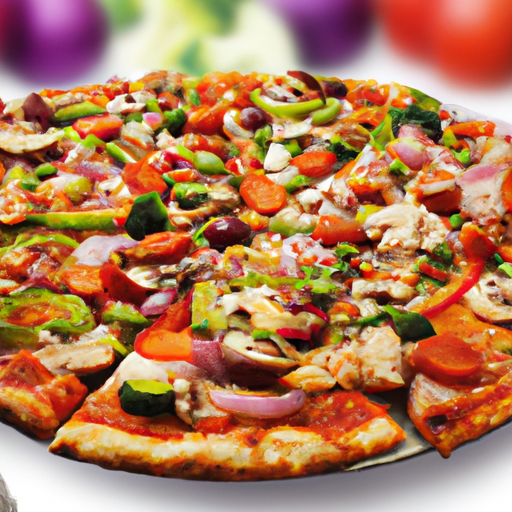
Is Pizza Allowed On Mediterranean Diet?

Have you ever wondered, “Is pizza allowed on the Mediterranean diet?” We understand that the thought of giving up such a beloved food might make following any diet plan seem a daunting challenge. But fear not, the Mediterranean diet is about balance and enjoyment, not restriction and deprivation.

In this article, you’re about to explore the truth about having pizza while following a Mediterranean diet. JD’s extensive research and personal experience can provide fascinating insights and practical tips. His motivation, as a dedicated father, is to enhance not only his own health but also to enrich the family dining experience with wholesome and flavorful meals. Sit back, relax, and prepare to be enlightened.

Is Pizza Allowed On Mediterranean Diet?

Understanding Mediterranean Diet

Defining the Mediterranean Diet

The Mediterranean Diet, as you might already know, is not just any diet — it is a healthful and balanced lifestyle choice built upon the traditional customs, recipes, and ingredients of countries around the Mediterranean Sea. The focus is on simple, wholesome foods rich in flavors and nutritional benefits.

Essential Components of the Mediterranean Diet

At the heart of the Mediterranean Diet, you find locally grown vegetables and fruits, lean proteins (especially from fish), whole grains, healthful fats (mostly from olive oil), fresh herbs, and an occasional glass of red wine. You may notice the striking absence of processed foods, fried dishes, and red meats.

Health Benefits of the Mediterranean Diet

Why should you adopt the Mediterranean Diet? This question can be answered by the numerous health benefits linked to it. Such benefits include improved heart and brain health, Diabetes protection, and longer lifespan. It also helps maintain a healthy body weight and lead a more active life.

Origin of Pizza

Historical Background of Pizza

Few foods are as universally loved as pizza. Born in Naples, Italy, pizza was originally a simple, affordable meal for working-class folks, topped with ingredients found in a typical Italian kitchen. Fast forward to today, pizza is celebrated by cultures across the globe, evolving in its taste, shape and toppings.

Pizza Culture Around the World

Worldwide, pizza is seen as a fun, hearty, and comforting meal. However, the way pizza is consumed differs sharply. While Americans enjoy pizza topped with loads of cheese and meat, Italians still cherish their thin-crusted Margherita topped with a simple, flavorful blend of tomato, mozzarella, and basil.

Health Implications of Traditional Pizza

As perceived globally, traditional pizza doesn’t always align with the definition of a healthy meal. The use of refined flour, processed meats and cheeses, and heavy sauces create a high-calorie, high sodium, and fat-laden dish—a far-cry from the healthy and balanced composition of Mediterranean meals.

Mediterranean Diet and Pizza

Pizza’s Status in Mediterranean Diet

However, would you believe that the historical pizza has its roots in the Mediterranean cuisine? This potentially positions pizza on the healthier spectrum of the food world, far removed from its junk status.

Common Misconception of Pizza in Mediterranean Diet

The biggest misconception is that all pizzas are equal—and that’s where those passionate about Mediterranean diet, like our author JD, beg to differ. Just like any food dish, pizza can either be harmful or nourishing, depending on what it’s made of.

Is Pizza Allowed On Mediterranean Diet?

Healthy Pizza Alternatives on Mediterranean Diet

Grain-Based Crust Variations: Whole Wheat, Spelt, and Buckwheat

Adapting pizza into the Mediterranean diet begins with the crust. Swap out the refined white flour for whole grain options like wheat, spelt, or buckwheat. They give a rich, nutty flavor along with added fiber and protein content.

High Protein and Low Carb Crust Alternatives such as Chickpea flour and Cauliflower

If you’re avoiding grains or carbs, consider using high-protein chickpea flour or low-carb cauliflower to make a delicious and nutritious crust for your Mediterranean pizza.

Recommended Toppings and Ingredients for Mediterranean Pizza

Beneficial Ingredients in Mediterranean Kitchen

The best toppings are the ones already present in your Mediterranean kitchen. Think seasonal vegetables, olives, fresh mozzarella, and protein-packed tuna or grilled chicken.

Using Fresh Vegetables and Herbs

Vegetables bring color, crunch, and much-needed nutrition to your pizza. Sprinkle fresh herbs atop for an antioxidants boost along with added flavor.

Using Lean Proteins and Healthy Fats

Including lean proteins like seafood and poultry in moderation can provide your pizza with good muscle-building nutrients. Likewise, using healthy fats like olive oil can help you stay satiated longer while offering numerous health benefits.

Recipes of Mediterranean Pizza

Vegetable Medley and Olive Pizza

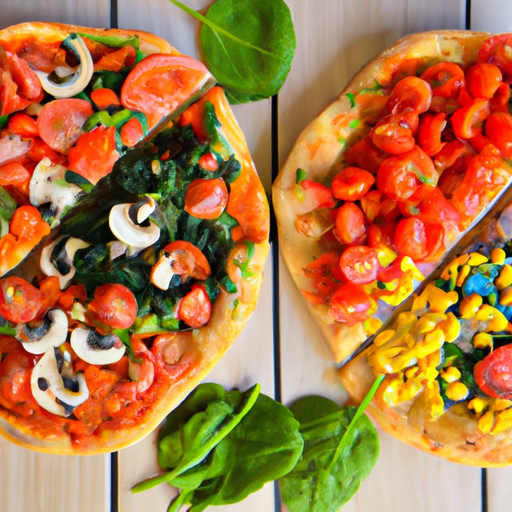
This recipe lets you top a hearty whole grain crust with a colorful array of vegetables, fresh mozzarella, and a smattering of olives and herbs.

Grilled Chicken with Herbs Pizza

Try chicken marinated with Mediterranean herbs, grilled to perfection, and scattered on your pizza with a fresh tomato sauce, ripe olives, and a drizzle of olive oil.

Balsamic Glazed Mushroom and Onion Pizza

For a gourmet take, try mushrooms and onions, caramelized to perfection in a sweet and tangy balsamic glaze, over a spelt crust coated with a herbed ricotta spread.

Creating Family Moments with Mediterranean Pizza

The Joy of Making Pizza at Home

There’s a unique joy in crafting your own pizza at home. Especially, when you can involve your children in the process like JD does with his own. It’s not just about the finished pizza; it’s about spending quality time together, learning, and having fun.

Educating Children about Healthy Eating Habits

This is also a great opportunity to educate your children about healthy eating practices, teaching them where different ingredients come from, and explaining why some foods are better than others.

Bonding Over Shared Meals

Bonding over shared meals creates special moments. A delicious and healthy homemade pizza on family nights becomes a celebration of flavors, health, and togetherness.

Comparative Study of Traditional and Mediterranean Pizzas

Nutritional Analysis

Nutritionally, Mediterranean pizzas have a clear edge over traditional ones. They tend to be higher in fiber, protein, and antioxidants and lower in unhealthy fats and calories.

Ease of Making and Time Consumed

Making a Mediterranean pizza might take a bit more effort initially, as you’re using whole foods. But once you’ve got the hang of it, you’ll realize it’s not any more difficult than the high-fat, fast-food alternative.

Critic Reviews and Taste Test

Several food critics, nutritionists, and ordinary pizza lovers have embraced the Mediterranean version, not only for its superior health benefits but also for its vibrant, delicious flavors.

Transforming the Perception of Pizza

Breaking the Junk Food Stereotype

By making pizzas aligned with the principles of the Mediterranean diet, you’re actively working to break the stereotype of pizza as a junk food.

Fostering Healthy Relationship with Pizza

You can cultivate a healthier relationship with pizza, seeing it as a wholesome meal that can be personalized to your dietary needs while still tasting divine.

Raising Public Awareness about Mediterranean Pizza

As you enjoy your healthier Mediterranean pizzas, share your experiences and recipes with friends, family, social media followers, and anyone interested in adopting healthier eating habits.

Conclusion

Embracing Pizza in a Healthy Lifestyle

In conclusion, healthy pizza alternatives are not just possible but recommended for those looking to lead healthier, more balanced, and fruitful lives.

Promoting the Mediterranean Diet in the Long Run

By promoting the Mediterranean diet, and specifically Mediterranean pizza, we can all help create a world where delicious food and vibrant health coexist joyously. As JD, a Mediterranean diet enthusiast and a firm believer in family bonds through shared mealtimes, would say, “Moderation, diversity, freshness—that’s what the Mediterranean diet offers. And yes, Pizza can be a part of it.”

July 31, 2023 Health & Fitness

How Much Water Should You Drink On The Mediterranean Diet?

How much water are you drinking each day, and, more importantly, how much should you be drinking while following the Mediterranean Diet? It’s a curious inquiry you might have if you’re on or considering the health benefits of this diet, especially since proper hydration is key to overall wellness.

In the following article, you’ll find the answer to your thirst-quenching question. Uncover how much water is needed when adhering to the Mediterranean diet and learn why it’s so critical to your success on this healthful journey. JD, an enthusiastic advocate for the Mediterranean lifestyle, precisely know the value of quality food and staying hydrated, particularly as a loving father who focuses on staying healthy and engaged with his loved ones. So, dive into the article to grasp more about this topic. Together, let’s aim for a healthier lifestyle. Because believe us, your body will thank you!

How Much Water Should You Drink On The Mediterranean Diet?

Understanding the Mediterranean Diet

The Mediterranean diet is a whole-food-based plan that emphasizes fruits, vegetables, legumes, whole grains, lean proteins, and healthy fats such as olives and olive oil. Its foundation is composed of food from plant sources, with an occasional serving of fish or poultry. While you engage in this diet, you might ask: what is the role of water in the Mediterranean diet?

Identifying the Key Components of the Mediterranean Diet

Primarily, the Mediterranean diet focuses on whole foods and fresh produce. The principal components include fruits, vegetables, whole grains, nuts, seeds, legumes, and olive oil. Seafood, poultry, eggs, and dairy are to be consumed in moderation, and red meat is to be limited.

Health Benefits Associated with the Mediterranean Diet

Adopting the Mediterranean diet offers numerous health benefits. These include reduced risks of heart diseases, strokes, and type 2 diabetes. It also helps in reducing the level of oxidized low-density lipoprotein cholesterol, which is known to cause plaque buildup in the arteries.

The Role of Water in the Mediterranean Diet

Hydration plays a significant role in the Mediterranean diet. It’s not only vital for bodily functions but is also key in achieving and maintaining optimal health. As such, you should aim to drink plenty of fluids, mainly water, when following this diet.

The Importance of Hydration

Hydration is crucial to your health, it helps maintain regular bodily functions, facilitates digestion, promotes skin health, and regulates body temperature.

Health Benefits of Proper Hydration

Proper hydration can lead to various health benefits, such as promoting cardiovascular health, as dehydration can lead to an increased heart rate. It helps maintain your body’s temperature, protects sensitive tissues, and eliminates waste from your body.

Symptoms of Dehydration

Signs of dehydration can encompass various symptoms such as dry mouth, tiredness, thirst, reduced urine output, dry skin, and even dizziness.

Impact of Dehydration on Overall Health

Chronic dehydration can cause many health issues. These encompass kidney stones, urinary tract infections, constipation, and even increased risk of chronic diseases.

How Much Water Should You Drink On The Mediterranean Diet?

Optimal Water Intake on the Mediterranean Diet

While following the Mediterranean diet, achieving optimal hydration is crucial.

Determining the Amount of Water Necessary for the Mediterranean Diet

How much water you should drink daily largely depends on your individual needs, generally, an adult should aim to drink at least 8 glasses, or roughly 2 liters, of water per day.

How Water Enhances the Benefits of the Mediterranean Diet

Water plays a key role in aiding digestion, facilitating the absorption of nutrients from food, thus enhancing the benefits of the wholesome foods consumed in the Mediterranean diet. It can also reduce appetite when consumed before meals, which can further support weight loss.

Variations in Water Needs Based on Individual Factors

Your hydration needs depend on various factors, such as your age, gender, weight, and activity level. To be adequately hydrated, you need to consume more water if you’re physically active, live in a hot climate, or are pregnant or breastfeeding.

Incorporating Water into Your Diet

Drinking enough water throughout the day can sometimes be challenging, but there are effective strategies to help you meet your hydration goals.

Effective Ways to Increase Water Intake

To meet your water goals, try carrying a refillable water bottle, drinking a glass of water before each meal, or setting a reminder to drink water every hour.

Tasty Alternatives to Plain Water

If you find plain water boring, you can infuse it with fruits, herbs, or vegetables like strawberries, mint, or cucumber to add flavor without adding calories. Herbal teas and broths can also contribute to your fluid intake.

Balancing Water Intake with Consumption of Other Beverages

While drinking water should be your priority, moderate amounts of red wine are part of the Mediterranean dietary pattern. Additionally, coffee and tea can count towards your daily hydration. However, keep an eye on your caffeine consumption, as it can lead to dehydration if consumed in excess.

Conclusion: The Power of Water on the Mediterranean Diet

Incorporating an adequate amount of water into your daily routine is as important as the healthy foods you eat on the Mediterranean diet. Its significant impact on your overall health, body functions, and even weight management shouldn’t be overlooked. Here’s an encouragement for you to continue standing up for your health through conscious food choices and proper hydration. Because good health isn’t just about the food we eat, it’s also about the hydration we keep. Remember, our bodies thrive when we give them the right balance of hydration and nutrition. Stay hydrated, stay healthy!

  • « Go to Previous Page
  • Go to page 1
  • Interim pages omitted …
  • Go to page 49
  • Go to page 50
  • Go to page 51
  • Go to page 52
  • Go to page 53
  • Interim pages omitted …
  • Go to page 64
  • Go to Next Page »

Primary Sidebar

Hey y’all!

Hello and welcome to MediterraneanDietRecipes.net My name is JD, and I’m a 46-year-old father of three amazing children. My family is my world, and my main goal in life is to stay healthy and live long enough to see my children grow up, have children of their own, and to be an active, engaged, and supportive grandparent.

Being an older father, I understand that time is precious, and I want to make the most of it by ensuring that I am in the best possible shape physically, mentally, and emotionally. My journey started with a deep dive into the research on longevity and the lifestyle choices that can help me achieve my goals. Dig deeper →

Footer

Stay Connected

  • Bloglovin
  • Facebook
  • Instagram
  • Pinterest
  • Twitter

Copyright © 2026 · MEDITERRANEAN DIET RECIPES