• Skip to primary navigation
  • Skip to main content
  • Skip to primary sidebar
  • Skip to footer
  • Home
  • About
  • Recipes
  • Blog

Mediterranean Diet Recipes

Home » Blog

Blog

August 1, 2023 Diet & Nutrition

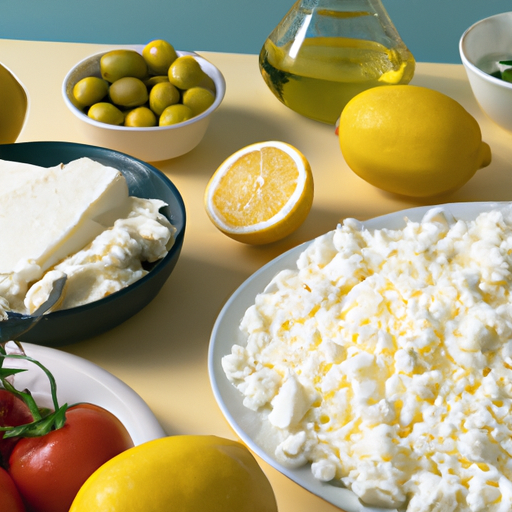
Is Cottage Cheese OK For Mediterranean Diet?

So you’re wondering, is cottage cheese OK for the Mediterranean diet? Well, you’re in the right place! The Mediterranean diet is all about enjoying a variety of healthy foods that not only nourish your body but also satisfy your taste buds.

In this article, you’ll uncover new insights on the Mediterranean diet and the role of cottage cheese. You’ll get to learn so much more as JD, a devoted father and health enthusiast, dives into the topic. Remember, this is more than just choosing what to eat, it’s about making conscious decisions that will benefit your health long term and enhance those precious family moments around the table. So keep on reading, there’s so much more to learn!
Is Cottage Cheese OK For Mediterranean Diet?

Understanding The Mediterranean Diet

The Mediterranean diet is a unique eating plan that blends principles from the cuisines of countries surrounding the Mediterranean Sea. But how exactly do we define it, and what are its fundamental principles?

Defining Mediterranean Diet

The Mediterranean Diet isn’t a diet in the traditional sense where you think of deprivation or restriction. Rather, it’s a lifestyle based on balanced and nutritious eating habits combined with regular physical activity.

Core Principles of Mediterranean Diet

The principles of the Mediterranean Diet revolve around consuming mainly plant-based foods, lean proteins, whole grains, and healthy fats. Think legumes, fruits, vegetables, grains, nuts, seeds, olive oil, fish, poultry, and a moderate amount of dairy.

Health Benefits Of The Mediterranean Diet

There’s a reason why this lifestyle is lauded by nutritionists worldwide. It has been linked to numerous health benefits, including weight loss, heart health, lower blood pressure, and improved mental clarity.

Exploring Dairy In The Mediterranean Diet

Like any balanced diet, the Mediterranean diet includes dairy. However, it’s not just about chowing down plates of cheese but choosing the right types of dairy and eating them in moderation.

Role Of Dairy In Mediterranean Diet

Dairy, specifically fermented dairy like yogurt and cheese, plays a significant part in supplying probiotics that contribute to a healthy gut. Cheese, in particular, is a good source of protein, calcium, and vitamins.

Beneficial Dairy Options

On the Mediterranean table, you’ll mostly find dietary products like yogurt, kefir, and cheese. The mediterranean diet favors dairy products that are low in saturated fat and high in probiotics.

Quantity and Quality of Dairy Intake

The key to including dairy in a Mediterranean diet is balance. Focus on the quality of dairy, prioritizing fresh, organic, and minimally processed dairy products, and keep your intake moderate.

Decoding Cottage Cheese

Now, what about cottage cheese? Let’s get to know this dairy product better.

Nutritional Profile Of Cottage Cheese

Cottage cheese is low in fat and rich in protein, calcium, and vitamins, making it a nutritious addition to any diet.

Health Benefits Of Cottage Cheese

A high protein dairy product, cottage cheese has numerous health benefits, such as supporting weight loss, promoting muscle growth, and improving digestion.

Common Misconceptions About Cottage Cheese

Many people assume cottage cheese to be unhealthy due to its texture and appearance, but that’s not true. Sure, it may not have the appeal of cheddar or mozzarella, but it is absolutely packed with nutrients!
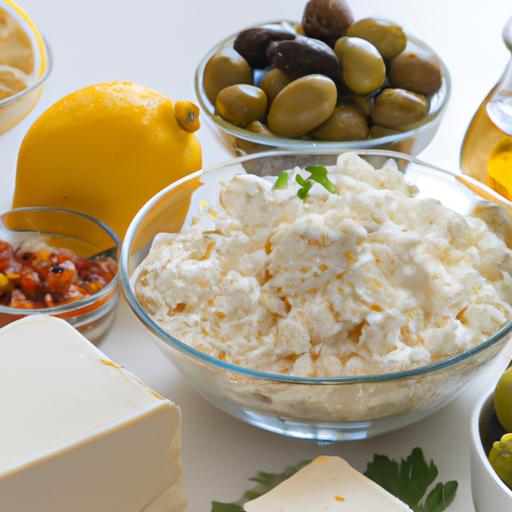
Is Cottage Cheese OK For Mediterranean Diet?

Cottage Cheese and Mediterranean Diet: Are They Compatible?

Now for the big question – is cottage cheese suitable for a Mediterranean diet?

Comparing Cottage Cheese and Mediterranean Diet Principles

Considering that cottage cheese is high in protein and can be low in fat, it fits perfectly within the Mediterranean diet principles.

Role Of Cottage Cheese In A Mediterranean Diet

Cottage cheese can be used in a Mediterranean diet as an occasional treat just like other cheeses. Spread on whole grain bread or stirred into a salad, it’s a versatile addition to meals.

Potential Health Benefits Of Including Cottage Cheese

Including cottage cheese in your Mediterranean diet could help you reach your protein goals, help you feel satisfied longer, and can provide you with essential nutrition.

How To Incorporate Cottage Cheese Into Mediterranean Diet

Interested in adding cottage cheese to your Mediterranean recipes? Here’s how you can do it!

Healthy Recipes With Cottage Cheese

Cottage cheese can be used in numerous recipes – mix it with peaches for breakfast, toss with cucumbers for lunch, or even use it in place of ricotta in lasagna!

Serving Cottage Cheese In Mediterranean Style

Top your whole grains with cottage cheese and fruits for a Mediterranean style breakfast. Or, stir it into a Greek salad for a protein-packed lunch.

Balancing Cottage Cheese With Other Components

As with everything on the Mediterranean diet, balance is key. Be sure to consume cottage cheese along with plenty of fresh fruits, veggies, and whole grains for a well-rounded diet.

Case Study: JD’s Experience With Cottage Cheese And The Mediterranean Diet

As the owner of Mediterraneandietrecipes.net, JD has firsthand experience with incorporating cottage cheese into a Mediterranean diet.

JD’s Introduction To Cottage Cheese

JD was initially hesitant to try cottage cheese, but after researching its nutritional benefits, he decided to give it a shot. And guess what? He loved it!

Impact Of Cottage Cheese On JD’s Health

JD noticed the positive effects of adding cottage cheese to his diet almost immediately. His digestion improved, he felt fuller for longer, and he even lost a few pounds!

JD’s Tips For Incorporating Cottage Cheese

JD recommends trying cottage cheese in salads, as a toast topping, or even in smoothies. He also suggests choosing organic cottage cheese whenever available.

Traditions And Family: Sharing High Quality Food Together

Food is made to be shared, and the Mediterranean tradition exemplifies this beautifully.

The Mediterranean Tradition Of Family Meals

In the Mediterranean culture, meals are more than just eating, it’s a time to come together, engage in lively discussion, share stories, jokes, and create memories.

Involving Family In Meal Preparation

Teaching your kids to cook not only skills them up but also instills in them the love for fresh, healthy food. It’s a beautiful practice that JD cherishes, a family tradition that teaches the importance of real food and healthy eating habits.

Benefits Of Sharing High Quality Food In Family

Quality time around the table not only tightens family bonds but also educates kids on the right food choices and builds an appreciation for wholesome, home-cooked meals.

Common Concerns About Cottage Cheese And Mediterranean Diet

Here are a few common worries people have when it comes to cottage cheese, and some balanced responses.

Addressing Concerns Related To Lactose Intolerance

Lactose intolerance is a common issue. Luckily, it has been reported that aged cheese, and some types of fermented dairy like cottage cheese, can be easier on the digestion for some people who are lactose intolerant.

Calorie Count: Is It Too High?

Cottage cheese is a good choice if you’re watching your calorie intake, as a half-cup serving has less than 100 calories.

Is There A Risk Of High Cholesterol?

Like any dairy product, cottage cheese does contain cholesterol, but low-fat or fat-free options can be chosen if you’re monitoring your cholesterol levels.

Alternative Choices To Cottage Cheese In The Mediterranean Diet

Should you find that cottage cheese isn’t for you, there are other dairy and non-dairy alternatives you can consider.

Healthy Dairy Alternatives

Greek yogurt, ricotta, and feta cheese are healthy alternatives that also have the Mediterranean vibe.

Non-Dairy Alternatives In The Mediterranean Diet

Hummus, tahini, and plant-based yogurts can replace cottage cheese while keeping meals delicious and nutritious.

Making Diet Swaps That Suit Your Needs

Figuring out what works best in your Mediterranean experience is a personalized journey. Remember that it is your diet and you are at liberty to tailor it to suit your dietary needs and preferences without compromising on the diet’s core principles.

Conclusion: Is Cottage Cheese OK for Mediterranean Diet?

Revisiting Pros and Cons of Cottage Cheese

Like every food item, cottage cheese has its pros and cons. It’s a powerhouse of protein, fairly low in calories, packed with essential nutrients, yet it’s dairy and hence not suitable for everyone.

Making An Informed Decision

The decision to include or exclude cottage cheese from your Mediterranean diet rests solely on your health needs and preferences. However, given its maintenance of the Mediterranean diet principles and its variety of health benefits, it can be an excellent add-on.

Tailoring The Mediterranean Diet To Individual Needs

The beauty of the Mediterranean diet lies in its flexibility. Every individual can tailor the diet to their needs, making it sustainable long-term.

Final Thoughts By JD

JD believes that the Mediterranean diet has significantly benefited his health and wellbeing. As for the question of cottage cheese in this diet, his verdict is a definite yes – but as always, he reminds that moderation is key. So, why not give cottage cheese a chance and explore its taste and benefits? Most importantly, enjoy every mouthful and meal you share with your loved ones – that’s the Mediterranean way!
August 1, 2023 Diet and Nutrition

Can You Eat Chocolate On Mediterranean Diet?

Have you ever found yourself questioning whether you can still indulge in your favorite treats while sticking to the Mediterranean diet? Well, the good news is that chocolate is definitely one of those delightful treats that you can still include in your regimen! With the right knowledge, your taste buds don’t have to suffer while maintaining a balanced lifestyle.

Ready to discover the delicious potentials of the Mediterranean diet? As you delve into this article, you’ll uncover some surprising truths and practical ways to incorporate chocolate into this healthful diet. Let’s usher you into a whole new world of guilt-free chocolate enjoyment! Because part of a well-rounded Mediterranean Diet is not only about keeping you, JD, as father and husband, healthy and active but also about sharing the pleasures of quality food with your loved ones.

Can You Eat Chocolate On Mediterranean Diet?

Understanding the Mediterranean Diet

What is the Mediterranean Diet?

The Mediterranean Diet is a way of eating based on the traditional cuisines of countries bordering the Mediterranean Sea. Unlike most diets, this one doesn’t give you a strict meal plan or calorie count. Rather, it encourages you to eat a wide range of nutrient-dense foods in moderation.

Basic Principles of the Mediterranean Diet

This diet emphasises whole foods; fruits, vegetables, fish, lean proteins, legumes, nuts, and whole grains. It encourages the use of olive oil for cooking and dressing salads, while limiting the intake of red meat, sugars and saturated fats.

Health Benefits of the Mediterranean Diet

The Mediterranean Diet has been linked to many health benefits. These include weight loss, improved heart health, better brain health, and a decreased risk of chronic diseases like diabetes and cancer. The diet’s focus on plant-based foods makes it rich in antioxidants and fiber, which contribute to overall health.

What Foods Can You Eat On The Mediterranean Diet?

Fruits and Vegetables

Fruits like apples, bananas, oranges, figs, and peaches, along with fresh vegetables like tomatoes, cucumbers, broccoli and spinach, are at the heart of the Mediterranean diet.

Whole Grains

Whole grains like oats, quinoa, barley, and brown rice are consumed regularly. These grains provide sustained energy and are plentiful in fiber, proteins, and antioxidants.

Legumes and Nuts

Legumes, including beans, peas, lentils, and chickpeas, provide high-quality plant-based protein. Nuts, like almonds and walnuts, are a good source of healthy fats.

Healthy Fats

Olive oil, a hallmark of the Mediterranean diet, replaces unhealthy saturated and trans fats found in butter and margarine. Avocados and nuts are other good sources of healthy fats.

Fish and Seafood

The people living in the Mediterranean region eat a lot of fish and seafood, with favorites being mackerel, salmon, and shellfish. These offer high-quality protein and omega-3 fatty acids.

Moderate Amounts of Dairy and Poultry

Dairy products and poultry are consumed in moderation. Greek yogurt, goat cheese, chicken, and turkey are popular choices.

Limited Intake of Red Meat

Red meat is limited to a few times a month, as the Mediterranean diet prioritises lean sources of protein.

Can You Eat Chocolate on the Mediterranean Diet?

Role of Chocolate in the Mediterranean Diet

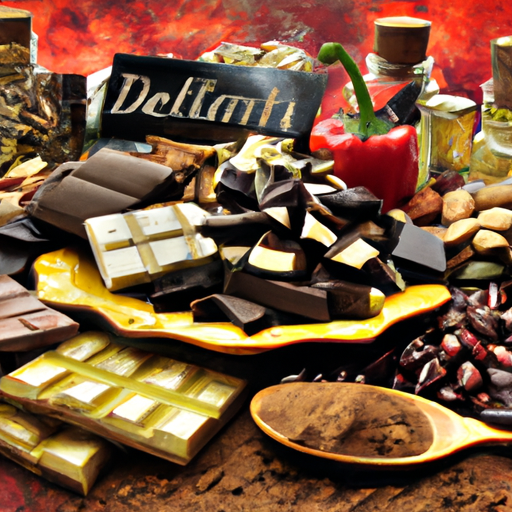
Yes, you can eat chocolate on the Mediterranean diet! But not just any chocolate – the emphasis is on dark chocolate. Because it’s less processed than other types, dark chocolate maintains more of the cocoa’s natural health benefits.

The Types of Chocolate Allowed

The primary type of chocolate recommended in the Mediterranean diet is dark chocolate, with a cocoa content of 70% or higher.

Moderation is Key

As with anything, moderation is key. Chocolate is a source of added sugar, so it’s important not to overindulge, despite its health benefits.

Can You Eat Chocolate On Mediterranean Diet?

Health Benefits of Chocolate

Antioxidant Properties of Chocolate

Dark chocolate is rich in antioxidants like flavanols, which help to neutralize harmful free radicals in the body.

Cardiovascular Benefits of Chocolate

The flavanols in dark chocolate can support heart health by improving blood flow and reducing the risk of blood clot formation.

Effects of Chocolate on Brain Health

Research indicates that dark chocolate may boost brain health. Its flavanols may improve blood flow to the brain, while its caffeine content can help enhance brain function.

Choosing the Right Chocolate for the Mediterranean Diet

Look for Dark Chocolate

When following the Mediterranean diet, opt for dark chocolate. Its high cocoa content means more health benefits and less added sugar.

Beware of Added Sugars and Unhealthy Fats

Avoid chocolate that lists sugar as the first ingredient or contains unhealthy fats like palm oil. The healthier choice is dark chocolate with minimal added sugars and fats.

Consider the Cocoa Content

The higher the cocoa content, the more health benefits the chocolate will have. Look for chocolate that is 70% cocoa or higher.

Ways to Incorporate Chocolate into the Mediterranean Diet

Chocolate in Desserts

One of the easiest ways to incorporate chocolate into the Mediterranean diet is through desserts. Think Greek yogurt with a drizzle of melted dark chocolate or fresh fruit dipped in chocolate.

Chocolate in Savory Dishes

You might be surprised to learn that chocolate can work well in savory dishes too. Try adding a touch of dark chocolate to chili or a spicy mole sauce.

Chocolate as a Snack

A few squares of dark chocolate can be a satisfying, healthful snack that fits perfectly into the Mediterranean diet.

Family-Friendly Chocolate Recipes for the Mediterranean Diet

Healthy Chocolate Pudding Recipe

For a chocolate pudding, blend avocados, ripe bananas, cocoa powder, a dash of vanilla extract, and honey. This powerhouse of nutrients provides healthy fats, fiber, and just enough sweetness.

Heart-Healthy Chocolate Smoothie Recipe

Create a healthy chocolate smoothie with a blend of Greek yogurt, almond milk, a banana, a spoonful of unsweetened cocoa powder, and honey.

Chocolate Quinoa Breakfast Bowl Recipe

Mix cooked quinoa, cocoa powder, a drizzle of honey, and top it off with fresh berries and chopped nuts. It’s a protein-rich breakfast loaded with fiber and antioxidants.

Mistakes to Avoid When Eating Chocolate on the Mediterranean Diet

Overindulging in Chocolate

Remember, moderation is critical. While chocolate has health benefits, it also has calories and sugar.

Choosing Milk Chocolate over Dark Chocolate

Milk chocolate has more sugar and less of the beneficial cocoa than dark chocolate. When you’re craving sweets, opt for dark chocolate instead.

Ignoring the Sugar Content

Even dark chocolate can have added sugars. Always read the label to ensure you’re making the healthiest choice.

Expert Opinions on Chocolate and the Mediterranean Diet

Insights from Nutritionists

Nutritionists agree that when chosen wisely and consumed in moderation, dark chocolate can fit into a healthy Mediterranean diet.

Doctor’s Perspective

Many doctors support the inclusion of dark chocolate in the diet for its heart-health benefits, but caution not to overdo.

Scientific Studies on Chocolate

Numerous studies have shown the benefits of dark chocolate for heart health, brain function, and even mood.

Conclusion

Enjoying Chocolate on the Mediterranean Diet Safely

So, yes, you can enjoy chocolate on the Mediterranean diet! Opt for quality dark chocolate, watch out for added sugars and unhealthy fats, and remember that moderation is key.

Reiterating the Importance of Moderation and Balance

The Mediterranean diet is all about balance, highlighting a variety of nutrient-rich foods in moderation, including the occasional treat of dark chocolate.

Encouraging a Healthy Lifestyle and High-Quality Food for a Strong Family Bond

Sharing a meal as a family is a cornerstone of the Mediterranean lifestyle, and what better way to bring everyone together than through food that nourishes the body and pleases the palate. With the Mediterranean diet, JD is paving the way for a healthy, active, and tasty life with his dear ones. Because what’s life without a bit of chocolate, right?

August 1, 2023 Health & Wellness

Is Chicken OK On Mediterranean Diet?

You might be wondering, “Is chicken okay on a Mediterranean diet?” It’s an important question, especially if you’re a fan of poultry and you’re trying to incorporate the healthful benefits of the Mediterranean diet into your lifestyle. When considering our own health and the health of our loved ones, it’s crucial we understand the pros and cons of the foods we include in our meals.

Fear not, this article delves into the matter deeper. It will offer you valuable information about including chicken in your Mediterranean dishes and explain what role poultry plays in the Mediterranean diet. The goal is to help you make informed choices about what you feed yourself and your family. When you base your food choices on accurate knowledge, you’re able to enjoy healthy, delicious meals that enhance your overall well-being. Let’s learn more about it in the article ahead, shall we?

Is Chicken OK On Mediterranean Diet?

Understanding the Mediterranean Diet

The Mediterranean diet is one of the world’s healthiest diets, stacked with vegetables, fruits, lean proteins, whole grains, and healthy fats. This diet finds its roots in the traditional eating habits of people living along the Mediterranean Sea. Let’s begin by discussing some key principles of the Mediterranean diet.

Key Principles of the Mediterranean Diet

The Mediterranean diet emphasizes on consuming natural, seasonally fresh, and minimally processed foods. Promoting regular exercise, adequate rest, and portion control, it’s more than just a diet, it’s a lifestyle.

Variety of Foods in the Mediterranean Diet

The Mediterranean diet includes a diverse range of foods. Whole grain foods like bread and pasta, a multitude of vegetables and fruits, legumes, nuts, seeds, olive oil, and lean proteins are all part of this diet.

Importance of Balanced Nutrition in the Mediterranean Diet

In the Mediterranean diet, it’s not just about what you eat, but how much you eat as well. Portion control and balance are critical, creating a way of maintaining your nutritional health, without feeling deprived or overwhelmed.

Role of Proteins in the Mediterranean Diet

The Mediterranean diet incorporates a variety of protein sources, from both animals and plants. Let’s look at how proteins play a part in this diet.

Healthy Sources of Protein

This diet is rich in seafood, poultry, dairy products like cheese and yogurt, beans, peas, lentils, nuts, seeds, and whole grains. Each of these provides a unique occurrence of lean protein.

Benefits of Protein in a Balanced Diet

Proteins play a vital role in our bodies, aiding in cell growth and repair, hormone production, and immunity. A balanced diet incorporating proteins can foster good health and vitality.

Inclusion of Chicken in the Mediterranean Diet

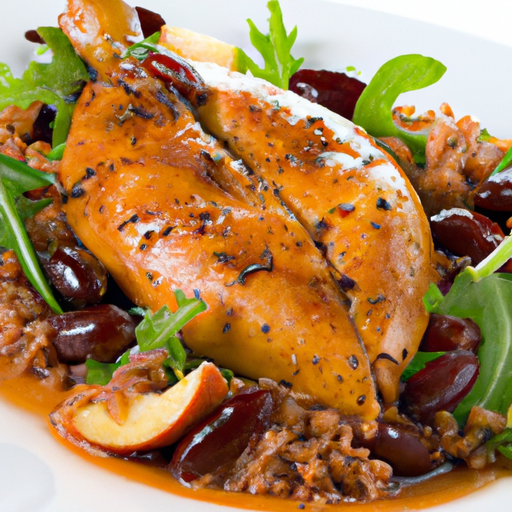
Is chicken OK on the Mediterranean diet? Yes, chicken is included in the diet and is a lean source of protein.

Nutritional Value of Chicken

Chicken is a rich source of protein. It also provides essential nutrients like vitamin B12, zinc, selenium, and iron, all of which are important for a sound body and mind.

Is Chicken Regarded as a Healthy Protein Source?

Indeed, chicken is seen as a healthy protein source, especially when the skin is removed, and it’s cooked in a healthy way.

What Type of Chicken is Best to Consume?

Choose chicken that is organic, free-range, and hormone and antibiotic-free for the optimal health benefits.

Is Chicken OK On Mediterranean Diet?

How to Incorporate Chicken in a Mediterranean Diet

Incorporating chicken in your Mediterranean diet can be simple and delicious.

Cooking Chicken the Mediterranean Way

In a Mediterranean diet, chicken is used in countless ways – in salads, soups, casseroles, and stews. It’s often grilled or roasted with herbs, spices, and olive oil, following the diet’s emphasis on using natural and unprocessed ingredients.

Healthy Chicken Recipes for a Mediterranean Diet

Mediterranean chicken salads, stews, and skewers are just a few of the many protein-packed chicken dishes you can experiment with.

Potential Health Benefits from the Mediterranean Diet with Chicken

Mediterranean diet, including chicken, has a range of health benefits.

Promotes Heart Health

Studies suggest that the Mediterranean diet may support heart health since it’s low in saturated fat and high in fiber and monounsaturated fat, and includes chicken as a lean protein source.

May Help in Weight Management

The balance of lean proteins, healthy fats, and fiber in the diet can help control cravings and prevent overeating, therefore aiding in weight management.

Enhances Family’s Nutritional Intake

Having chicken in your Mediterranean diet can enhance your family’s nutritional intake. Chicken provides essential nutrients, particularly protein, which plays an essential role in kids’ growth and development.

Sharing High-Quality Food with Family

Making Meals a Family Affair

In the Mediterranean lifestyle, meals are often a time for families to gather, converse and celebrate life’s simple pleasures. This communal aspect of meals is an integral part of this diet.

The Importance of Shared Family Meals

Eating together as a family encourages better eating habits, builds stronger family bonds, and provides an opportunity for children to explore diverse foods and flavors.

Personal Testimony: A Healthy Life with the Mediterranean Diet

JD, the father and author, shares his experience with the Mediterranean diet.

Author’s Experience with the Mediterranean Diet

JD attributes his good health, vitality, and well-being to the Mediterranean diet. Even with a busy schedule, he finds that preparing and eating meals based on the diet is not just feasible but also enjoyable.

How the Mediterranean Diet Changed the Author’s Family Life

JD noticed improvements in the physical health, energy levels, and overall happiness of his family after incorporating the Mediterranean diet into their lifestyle. The diet helped them bond over cooking and enjoying wholesome, nutritious meals together.

FAQs about Chicken and the Mediterranean Diet

Is Fried Chicken Suitable for a Mediterranean Diet?

Fried chicken isn’t the best choice for a Mediterranean diet. As a rule, it’s better to opt for chicken that is grilled, baked, or boiled.

Are Chicken-Based Fast Foods OK to Eat?

While they can be enjoyed occasionally, chicken-based fast foods are not the best sources of lean protein, as they often contain unhealthy fats and high sodium levels.

Common Myths about Chicken in the Mediterranean Diet

Chicken is the Only Protein Source in the Mediterranean Diet

Despite its popularity, chicken is not the only protein source in the Mediterranean diet. Seafood, eggs, dairy, and plant-based proteins like legumes and whole grains, are other protein sources.

Eating Chicken Leads to Weight Gain

Eating chicken, especially lean chicken, doesn’t result in weight gain. However, the way it’s cooked and the portion size can affect your weight.

Conclusion: Chicken’s Role in the Mediterranean Diet

Final Thoughts on Including Chicken in the Mediterranean Diet

Chicken is a versatile and nutritious protein source that fits perfectly into the Mediterranean diet. Be sure to cook it in a healthful way, stick to appropriate portion sizes and remember to savor and enjoy your food.

Key Takeaways about Chicken on the Mediterranean Diet

An occasional serving of chicken can provide essential nutrients, and when prepared the Mediterranean way, it can enrich your healthful eating pattern. Embrace chicken, and you’ll get to enjoy a host of delicious, nutritious meals alongside your family on this beautiful Mediterranean journey.

August 1, 2023 Health and Wellness

Can You Eat Fish Every Day On Mediterranean Diet?

Listen up, friend. You’ve probably heard about the highly popular Mediterranean Diet, right? Well, imagine being able to take some fresh grouper, tilapia, maybe even some salmon, and having that every single day. You may be asking yourself, “Can I really feast on fish each day while following the Mediterranean Diet?”

And that’s exactly what we’re here to explore in this article. Fantastic, isn’t it? By breaking it down, looking at the nuances and getting the facts straight, we’ll discover whether you can bring in the catch of the day every day to your table while adhering to a Mediterranean diet. So, are you ready to sail into this ocean of knowledge? Stick with us and prepare to learn more in this illuminating article!

Can You Eat Fish Every Day On Mediterranean Diet?

Understanding the Mediterranean Diet

In exploring your Mediterranean Diet journey, you might come across conflicting information about the role of fish in this popular eating plan. You might even wonder, “Can You Eat Fish Every Day On Mediterranean Diet?” This comprehensive guide aims to clarify these misconceptions and provide practical tips on incorporating fish into your Mediterranean diet.

Origins of the Mediterranean Diet

The Mediterranean diet, as its name implies, originates from countries bordering the Mediterranean Sea, including Italy, Greece, Spain, and Morocco, among others. This diet focuses on the traditional foods and recipes of these regions, which are naturally rich in fruits, vegetables, whole grains, legumes, nuts, and, notably, fish.

Principal Components of the Mediterranean Diet

The cornerstone of the Mediterranean Diet includes plant-based foods, healthy fats, particularly olive oil, and moderate consumption of red wine. Fish, seafood, and poultry are also essential elements, featuring more frequently than red meat in the typical Mediterranean diet.

Health Benefits of the Mediterranean Diet

Numerous scientific studies have linked the Mediterranean diet to an array of health benefits, including improved heart health, reduced cancer risk, improved cognitive health, and better weight management.

Role of Fish in the Mediterranean Diet

Fish, being a rich source of lean protein and omega-3 fatty acids, holds a special place in the Mediterranean diet. Its regular consumption is one of the reasons the Mediterranean diet is considered one of the healthiest dietary patterns globally.

Types of Fish Recommended

The Mediterranean diet typically focuses on a variety of fresh, locally sourced fish, including anchovies, sardines, mackerel, hake, and tuna. Swapping processed meats with these healthy options can incredibly nourish your body.

Nutritional Value of Fish

Fish is packed with high-quality protein, vitamins, and minerals. It’s particularly high in omega-3 fats, which are essential for brain and heart health.

Cooking Methods for Fish

In the Mediterranean diet, fish is baked, grilled, steamed, or even eaten raw (as in sushi), helping to preserve its nutritional value while enhancing its flavor.

Frequency of Consuming Fish in the Mediterranean Diet

While fish features quite frequently in the Mediterranean diet, balancing it with other protein sources is pivotal.

Daily Consumption of Fish: Healthy or Risky?

It’s healthy to eat fish regularly, but daily consumption isn’t necessary. Ideally, try to include fish in your meals 2-3 times a week.

Balancing Protein Sources in the Mediterranean Diet

While fish plays a vital role, other sources of protein like beans, lentils, tofu, and occasional poultry maintain a nutritional balance.

Can You Eat Fish Every Day On Mediterranean Diet?

Health Implications of Eating Fish Every Day

It’s essential to understand the benefits and potential risks involved in daily fish consumption.

Benefits of Regular Fish Consumption

Regular fish intake boosts omega-3 fatty acids, aids heart health, improves cognition, and reduces inflammation.

Potential Risks Involved in Daily Fish Consumption

Excessive fish consumption, particularly species high in mercury, could negatively impact health. Hence, varied and balanced consumption is crucial.

Safe Types of Fish for Everyday Consumption

When choosing fish, remember to consider the mercury content and whether the fish is sustainably sourced.

Evaluating Fish Based on Mercury Levels

Fish with low mercury content, such as sardines, salmon, and light tuna, are safer options for more regular consumption.

Choosing Sustainably Sourced Fish

Opt for fish from responsible sources to ensure a minimal negative impact on the environment.

Delicious Mediterranean Diet Fish Recipes

Incorporating fish into your diet doesn’t have to be boring. From simple grilled salmon to gourmet seafood paella, the Mediterranean diet offers an array of tasty fish dishes.

Recipes for Everyday Fish Dishes

Recipes like pan-seared cod with lemon and capers or grilled sardines with a light herb vinaigrette are delicious ways to enjoy fish on the Mediterranean diet.

Tips for Preparing Tasty and Healthy Fish Meals

Remember to cook with healthful fats like olive oil, include fresh herbs for flavor, and pair your fish with lots of colorful veggies.

Family Meal Planning with the Mediterranean Diet

Incorporating fish into family meals can be a smart way to introduce this nutrient-rich food into your children’s diet.

Incorporating Fish into Family Meals

Simple swaps like using fish in your family’s favorite taco or burger recipes can be an excellent start.

Balancing Diet Preferences Among Family Members

If some family members are finicky about fish, try different types and cooking methods until you find ones they enjoy.

Long-Term Health Benefits of Mediterranean Diet

The Mediterranean diet offers numerous long-term health benefits, making it an excellent choice for lifelong health and well-being.

Improvement in Cardiovascular Health

Regularly eating fish and other Mediterranean foods can significantly decrease heart disease risk.

Weight Management and the Mediterranean Diet

The Mediterranean diet can support healthy weight management, by focusing on nutrient-dense, fiber-rich, and satisfying foods.

Other Notable Health Benefits

Besides heart health and weight management, the Mediterranean diet can also aid in preventing chronic diseases like type 2 diabetes and certain cancers.

Navigating the Mediterranean Diet for Lifelong Health

Staying motivated and maintaining the Mediterranean eating pattern for the long term can tremendously impact your health.

Staying Motivated on the Mediterranean Diet

Remember your reasons for choosing this diet – improved health, quality of life, and the joy of sharing nutrient-rich meals with your family.

Practical Tips for Long-Term Diet Maintenance

Don’t be too rigid. Flexibility is one of the hallmarks of the Mediterranean lifestyle. Enjoy a variety of foods, but keep the principles of the Mediterranean diet core to your eating habits.

Conclusion: Embracing the Mediterranean Diet for Health and Wellbeing

The Mediterranean diet, rich in whole foods and heart-healthy fish, can be a game changer for your health.

Recap: Can You Eat Fish Every Day on Mediterranean Diet?

While fish has a central role in the Mediterranean diet, eating it every day isn’t necessary or suggested. A balanced approach with varied proteins is best.

The Importance of Personalized Approach in the Mediterranean Diet

Like any diet, the Mediterranean diet should be personalized. It’s not just what you eat, but also how you eat. Enjoy meals with family and friends, stay active, and cherish each bite.

To wrap up, as a father, JD believes firmly in sharing quality food with his family. He designed this blog to highlight the Mediterranean diet’s benefits, emphasizing the joy of savoring healthy, flavorful meals with loved ones. Here’s to your flavorful voyage on the Mediterranean diet!”

August 1, 2023 Diet & Nutrition

Can You Eat Pasta And Bread On The Mediterranean Diet?

Ever wondered if you can incorporate your loved pasta and bread while on the Mediterranean diet? Such a question is quite common, given that these foods are everyday favorites for many. But hold your horses, don’t stress out. Your love for pasta and bread doesn’t have to dwindle.

In this article, a whole dimension unfolds as we explore this intriguing topic. The information packed in this article will help you understand how these beloved foods fit into the Mediterranean diet. Be prepared to expand your knowledge and, in turn, maintain a lifestyle that combines health and the important aspect of enjoying quality food with your cherished ones.

Can You Eat Pasta And Bread On The Mediterranean Diet?

Understanding the Mediterranean Diet

The Mediterranean Diet originated from the traditional eating habits of people living in countries bordering the Mediterranean Sea. This diet emphasizes consuming fruits, vegetables, whole grains, legumes, nuts, seeds, and olive oil. It also includes moderate amounts of dairy, eggs, fish, and poultry, with minimal consumption of red meat.

The Origins of the Mediterranean Diet

The Mediterranean region is known for its rich history, culture, and most remarkably, its diverse cuisine. This diet came into existence from the dietary patterns of people living in countries such as Italy, Greece, and Spain. Interestingly, despite the differences in regional cuisines, there are striking similarities in what they consume.

Components and Principles of the Mediterranean Diet

At the core of this diet are plant-based foods like fruits, vegetables, whole grains, and legumes. Olive oil takes center stage as the primary source of fat. Dairy products such as cheese and yogurt, eggs, and various types of fish and poultry are also part of this diet. It encourages moderate wine intake and advises low consumption of non-fish meat products.

Health Benefits Associated with the Mediterranean Diet

Multiple research studies show that following this diet leads to numerous health benefits. These include lower risk of heart disease, improved brain health, effective weight management, and increased longevity. The Mediterranean Diet, rich in nutrients and antioxidants, is indeed a journey towards wholesome health.

Role of Pasta in Mediterranean Diet

Basics of Pasta in the Diet

A factor that makes the Mediterranean Diet highly appealing is its inclusion of pasta. Whether it’s a plate of spaghetti, a comforting lasagna, or a simple macaroni salad, pasta dishes are savored in Mediterranean cuisine.

The Right Type and Amount of Pasta to Eat

It’s important to choose whole-grain pasta as it is high in fiber and helps us to feel fuller for longer. Portion control is also essential. A reasonable quantity of pasta to consume in one meal is 1/2 to 1 cup cooked pasta.

Healthy Ways of Incorporating Pasta into Meals

Adding lots of different vegetables, using olive oil, and accompanying it with lean protein like fish or chicken makes for a balanced Mediterranean pasta dish. Refrain from heavy cream sauces and consider tomato-based or garlic and olive oil ones instead.

Role of Bread in Mediterranean Diet

The Place of Bread in the Diet

Just like pasta, bread is a common staple in the Mediterranean Diet. However, this isn’t your typical white bread, but rather whole grain bread that’s packed with fiber and nutrients.

Choosing the Appropriate Bread Type

Choose bread made from whole grains like whole wheat or rye, not white bread, which is made from refined grains. It lacks dietary fiber and other nutrients found in whole grain bread.

Beneficial Ways of Incorporating Bread

Bread can be enjoyed as a part of a sandwich filled with vegetables and lean proteins, or alongside olive oil, cheese, or fresh tomatoes. Stick to one to two slices per meal.

Can You Eat Pasta And Bread On The Mediterranean Diet?

Balancing Pasta and Bread Intake

Pasta vs Bread: Which One to Choose?

It’s not about choosing one over the other. Both pasta and bread bring unique flavors and textures to your meals. The key is to aim for balance and moderation.

Tips to Distribute Pasta and Bread in Your Meals

Consider incorporating pasta and bread alternately across meals and days. If you have a sandwich for lunch, maybe pasta for dinner could be pushed for another day.

Avoiding Excessive Pasta and Bread

Overconsumption can lead to excessive calorie intake even if it’s whole grain pasta or bread. Listen to your body’s signals of fullness to avoid overeating.

Replacing Pasta and Bread

Healthy Alternatives to Pasta

If you want to take a break from pasta, you can find great alternatives in the Mediterranean Diet like couscous, quinoa, or brown rice.

Beneficial Substitutes for Bread

Whole grain crackers, rice cakes, or a whole grain tortilla could replace bread in your meals.

Why and When to Consider Replacements

These substitutions are an excellent option when you want variety in form and taste, or if you’re managing specific diet constraints like gluten intolerance.

Family Meal Ideas Including Pasta and Bread

Breakfast Recipes Including Pasta or Bread

A simple whole grain toast with avocado and an egg, or a pasta salad with fresh vegetables would make for a nutritious and delightful breakfast.

Lunch and Dinner Meals with a Touch of Pasta or Bread

A whole grain pasta salad with lots of vegetables and tuna for lunch or a whole grain sandwich filled with grilled chicken and a lot of lettuce for dinner would please every palate.

Balancing Family Needs with Dietary Restrictions

The Mediterranean diet offers immense flexibility. Adjusting amounts and components can help cater to the dietary needs of every family member.

Eating Out on a Mediterranean Diet

Dining at Restaurants while Keeping with Diet

When dining out, opt for salads and grilled protein, request for whole grain pasta or bread, and ask for olive oil-based dressings.

Choosing Pasta and Bread when Eating Out

Ensure the pasta is whole grain and not served with heavy cream-based sauces. As for bread, choose those made from whole grains.

Striking a Balance when Not Eating at Home

Remember, the Mediterranean Diet is not about restrictive eating. It’s more about mindful choices. Don’t fret over indulging occasionally.

Ignoring Common Misconceptions

Busting the Myth: Pasta and Bread are not Enemies

Contrary to some narratives, pasta and bread are not the enemies of your waistline or health, particularly when they’re whole grain, portion-controlled, and combined with loads of vegetables and lean proteins.

Setting Realistic Dietary Goals

Progress over perfection should be the goal. Instead of strict adherence to every component of the diet, make gradual changes and enjoy the journey of healthier eating.

Breaking Free of Restrictive Diet Culture

Eating should bring joy, not anxiety. The Mediterranean Diet, with its balance, variety, and flexibility, supports this philosophy beautifully.

Involve Family in the Diet Changes

Incorporating Family in Meal Preparations

Making meals together is a great way to instill healthy eating habits and build team spirit in the family. Children especially, enjoy taking part and eating the food they helped prepare.

Teaching Kids the Benefits of Healthy Eating

Show them how a colorful salad, a hearty pasta dish or a simple sandwich on whole grain bread can be delightful and nourishing at the same time.

Ensuring the Diet Suits the Entire Family

The whole family should be a part of the healthy eating journey. From the choices of dishes to preparation techniques, ensure all family members’ tastes and preferences are considered.

Conclusion: Pasta, Bread and Mediterranean Diet

Pasta and Bread are a Part of Mediterranean Diet

Whole grain pasta and bread in moderation, along with fruits, vegetables, lean proteins, and healthy fats, form the core of the Mediterranean Diet. It doesn’t ask you to give up on your favorites but instead encourages conscious and healthy choices.

Moderation is Key

The Mediterranean Diet underscores the import of balance and moderation. It’s not about giving up pasta or bread but enjoying them mindfully in moderate quantities.

Benefits Go Beyond Merely Weight Regulation

From fostering heart health to boosting brain function and promoting longevity, the benefits of the Mediterranean Diet are wide-ranging. It champions a holistic life-transforming approach rather than mere weight loss.

JD, the creator of this blog, believes in sharing meals that not only tantalize taste buds but also nourish the body. The focus is not just on health but also on creating joyful eating experiences shared with the loved ones. Remember, nothing brings people together like good food!

August 1, 2023 Diet and Nutrition

Is Peanut Butter On The Mediterranean Diet?

So, you’ve found yourself scratching your head and wondering, “Is peanut butter on the Mediterranean diet?” You wouldn’t be the first one asking this question and we’ve got the answer ready for you right here. The inclusion of peanut butter, a delicious snack many of us love, in the Mediterranean diet might come as a surprise to you, but let’s dive into the details.

This article offers you everything there is to know about peanut butter and its role in the Mediterranean diet. You’re about to unwrap a whole lot of knowledge that just might change the way you see your favorite spread. You’ll find out why sharing quality, nutritious foods like the ones found in the Mediterranean diet is so significant for both your health and family bonding moments. JD, the author and a devoted family man himself, understands the importance of maintaining good health to ensure he can be active and engaged in his children’s lives. He looks forward to sharing this discovery and many more with you.

Is Peanut Butter On The Mediterranean Diet?

Understanding the Mediterranean Diet

Overview of the Mediterranean Diet

The Mediterranean diet is a traditional eating plan practiced by people living around the Mediterranean Sea. This diet emphasizes fresh, whole foods like fruits, vegetables, lean proteins, whole grains, and healthy fats. Its underlying principles revolve around enjoying meals with family and friends, staying physically active, and savoring a diverse array of foods.

Key Components of the Mediterranean Diet

Key components of this diet include an abundance of fresh vegetables and fruits, legumes, grains, and nuts. Healthy fats like olive oil replace butter, fish and poultry are your primary sources of protein, red meat is limited, and wine is consumed moderately. The Mediterranean diet encourages enjoying meals with family, a cornerstone of Mediterranean culture.

Nutritional Breakdown of Peanut Butter

Calorific Content of Peanut Butter

Peanut butter, while calorically dense, houses a powerhouse of essential nutrients. A 2-tablespoon serving delivers around 188 calories, substantial for a condiment but completely excusable when you consider its nutritional spread.

Macronutrients in Peanut Butter

Peanut butter is rich in protein, with each serving providing about 8 grams. It also contains roughly 16 grams of fat, predominately the heart-healthy monounsaturated and polyunsaturated types.

Micronutrients in Peanut Butter

On the micronutrient front, peanut butter packs an array of vitamins and minerals, including magnesium, potassium, and vitamin B6. It also contains significant amounts of fiber, crucial for a healthy digestive system.

Role of Healthy Fats in the Mediterranean Diet

Importance of Monounsaturated and Polyunsaturated fats

Healthy fats play a pivotal role in the Mediterranean diet. Monounsaturated and polyunsaturated fats, found in olive oil, nuts, seeds, and oily fish, help reduce levels of harmful cholesterol and increase beneficial cholesterol. Their anti-inflammatory properties protect against heart disease and certain types of cancer.

Sources of Healthy Fats in the Mediterranean Diet

The Mediterranean diet gets its fat content from foods like avocados, olives, fatty fish (like sardines and salmon), and nuts and seeds. Each providing an excellent source of these health-friendly fats.

Is Peanut Butter On The Mediterranean Diet?

Position of Peanut Butter in the Mediterranean Diet

Can Peanut Butter be Included in the Mediterranean Diet?

Incorporating peanut butter into your Mediterranean diet is certainly permissible. peanut butter’s healthy fats align with the diet’s principles. Its high protein content is ideal for vegetarian Mediterranean dieters.

How to Incorporate Peanut Butter into the Mediterranean Diet?

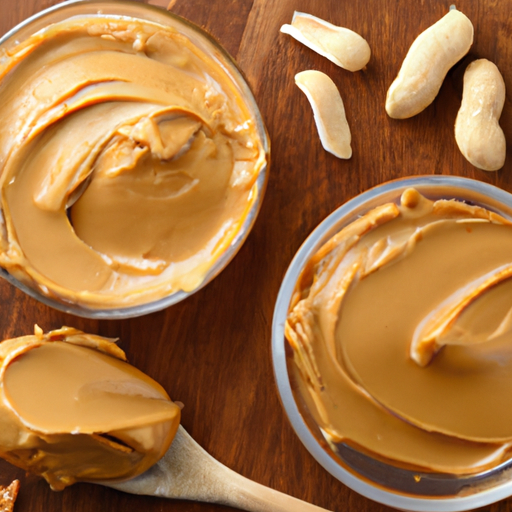
Incorporating peanut butter into your Mediterranean diet can be as simple as spreading it on your morning toast or blending it into your post-workout smoothie. It can also be used in salad dressings or couscous for an extra punch of protein and flavor.

Comparison of Peanut Butter with Other Nut Butters

Peanut Butter vs Almond Butter

While both are healthy choices, almond butter has a slightly better n-6 to n-3 ratio, which can help with inflammation. Peanut butter, though, is a more economical option and has slightly higher protein content.

Peanut Butter vs Tahini

Tahini, made from sesame seeds, is rich in anti-inflammatory monounsaturated fats. However, peanut butter has more protein and fiber, two nutrients essential for feeling satisfied and maintaining a healthy weight.

Peanut Butter Recipes for the Mediterranean Diet

Creating a Mediterranean Inspired Peanut Butter Sandwich

Why not create a Mediterranean twist to the classic peanut butter sandwich for your family’s lunch? Substitute bread with whole grain pita, spread on a hefty serving of peanut butter, then top it with fresh fruits like thinly sliced apples or figs.

Cooking a Peanut Butter-Based Mediterranean Sauce

Peanut butter can also take the role of a sauce for Mediterranean meals. Whisk together peanut butter, garlic, lemon juice, and olive oil. This sauce is perfect drizzled over grilled vegetables, grilled fish, or chicken skewers.

Benefits of Sharing Quality Food with Family

Promoting Family Bonding Through Shared Meals

Sharing meals with your family can promote stronger relationships and positive eating habits. This aligns with the Mediterranean ethos, bringing people together to savor wholesome, quality food.

Enhancing Nutritional Awareness among Family Members

When you take the time to prepare quality, nutritious meals like those found in the Mediterranean diet, you educate your family about the importance of healthy eating habits. Sharing peanut butter-infused Mediterranean recipes, for example, can be an excellent opportunity to discuss the benefits of healthy fats and proteins to your children.

Long-Term Health Implications of the Mediterranean Diet

Benefits of the Mediterranean Diet for Heart Health

With its emphasis on healthy fats, fresh produce, and whole grains, the Mediterranean diet has been shown to decrease the risk of heart disease significantly. This benefit is amplified when combined with regular physical activity and moderate wine consumption.

Impact of the Mediterranean Diet on Longevity and Quality of Life

Studies have associated the Mediterranean diet with increased longevity and better quality of life. It also provides protection against type 2 diabetes, certain cancers, and cognitive decline.

Common Misconceptions about the Mediterranean Diet

Addressing Myths about Fat Content in the Mediterranean Diet

A popular myth is that the Mediterranean diet is low in fat, as it discourages consuming red meat and encourages consuming lean proteins. The truth is, it’s high in healthy fats, deriving more than a third of daily calories from fat sources, primarily monounsaturated fats like those in olive oil and nuts.

Dispelling Misconceptions about Dietary Restrictions in the Mediterranean Diet

Another misconception is that the Mediterranean diet is restrictive. In contrast, it offers a vast variety of food choices and flavors, encompassing the culinary traditions of multiple countries.

Conclusion

Reevaluating Peanut Butter’s Role in a Healthy Diet

In conclusion, peanut butter deserves a spot in your Mediterranean pantry. Its nutrient richness aligns with the diet’s ideals of eating healthy, wholesome foods. Just remember to choose all-natural products with no added sugar or hydrogenated oils.

Embracing Diversity in Diet Choices for Optimal Health

The beauty of the Mediterranean diet lies in its emphasis on diversifying your food choices for optimal health. Whether it’s peanut butter, olive oil, or avocado, savor each bite, enjoy the culinary adventure, and share this experience with your family. After all, good food is meant to be shared.

August 1, 2023 Health & Wellness

Is Coffee On Mediterranean Diet?

So you’re wondering, is coffee included in the Mediterranean Diet? That’s a great question and one we believe is important to explore, given how coffee is such a universal and cherished beverage across the globe. At MediterraneanDietRecipes.net, we’re just as curious about it as you are, and we’re committed to delivering comprehensive answers to all your diet-related queries.

In the following article, we will delve deeper into the relationship between coffee and the Mediterranean diet. JD, a committed advocate for this versatile dietary plan, will share his research and insights on this topic to help shed light on if coffee indeed forms part of this heart-healthy diet. In understanding this, we hope to take another step in promoting healthier food choices that can be enjoyed collectively as a family, reflecting the essence of the Mediterranean lifestyle.

Is Coffee On Mediterranean Diet?

Defining the Mediterranean Diet

The Mediterranean Diet, as you might know, is much more than just a diet. It’s a lifestyle built around the traditional foods and eating habits of those living in countries bordering the Mediterranean Sea. It emphasizes consuming plant-based food, fish, whole grains, and healthy fats, like olive oil. It also includes moderate consumption of red wine paired with the joy of sharing delicious meals with loved ones.

Elements of the Mediterranean Diet

Key elements of this diet include eating mostly fruits, vegetables, legumes, nuts, seeds, and whole grains. Seafood is enjoyed often, poultry and eggs are eaten in moderation, and red meat is saved for special occasions. Olive oil is a primary source of dietary fat.

The Philosophy Behind the Mediterranean Diet

The ideals behind the Mediterranean Diet reach far beyond nutrition. This lifestyle embraces pleasure in life, especially in sharing healthy and enjoyable meals with family and friends. It also stresses the importance of regular physical activity. Nourishing your body with wholesome food while fostering community makes this diet a holistic approach to long-term health.

Understanding the Role of Beverages in the Mediterranean Diet

While we often focus on food, beverages also play an essential role in the Mediterranean Diet.

Typical Beverages in the Mediterranean Diet

Water is, of course, the primary beverage. However, moderate amounts of red wine are also included, particularly during meals. Herbal teas and coffee are also commonly enjoyed.

How Beverage Consumption Contributes to Health Benefits

These beverages contribute to the diet’s health benefits through hydration, antioxidants, and even a sense of community and relaxation when shared with others.

Coffee and Health

Yes, even your morning cup of coffee fits into the Mediterranean Diet! Let’s examine the health implications of this popular beverage.

Overview of Coffee’s Nutritional Profile

Coffee contains antioxidants known as chlorogenic acids, along with essential nutrients like B vitamins, manganese, and potassium. It’s also a well-known source of natural caffeine.

Potential Health Benefits and Risks of Coffee Consumption

Regular coffee intake has been linked to a lower risk of several chronic diseases, including type 2 diabetes and certain types of cancer. However, it’s also important to note that excessive caffeine consumption can lead to health issues like restlessness, insomnia, and heart palpitations.

Is Coffee On Mediterranean Diet?

Examining the Place of Coffee in the Mediterranean Diet

Coffee holds a unique place within the Mediterranean diet and culture.

Historical Consumption of Coffee in the Mediterranean

Coffee’s roots run deep in Mediterranean history. Turkish, Greek, and Italian coffee culture, in particular, have shaped our worldwide love for this beverage.

Current Attitudes Towards Coffee in Mediterranean Culture

Coffee continues to play a crucial role in modern Mediterranean society. It’s often enjoyed in a relaxed setting with friends or family, emphasizing the cultural value of community.

Is Coffee on Mediterranean Diet?

Now that we’ve shed some light on coffee’s place in Mediterranean history and culture, let’s look at how it fits into the diet.

Inclusion of Coffee in the Mediterranean Diet Pyramid

If you refer to the Mediterranean Diet Pyramid, you’ll discover that coffee is indeed a part of it. Similar to wine, it’s appreciated in moderation, typically enjoyed in social settings or after meals.

The Moderation Principle in Mediterranean Diet

Part of this diet’s success lies in its principle of moderation. This applies to coffee consumption, as well. Savoring a couple of cups a day falls well within the diet’s guidelines, as long as it does not lead to caffeine-induced side effects.

Impact of Coffee on Health in the Context of the Mediterranean Diet

We’ve seen how coffee complements the Mediterranean Diet, but what about coffee’s effect on health in this dietary context?

Coffee as a part of a Balanced Dietary Pattern

Within the framework of the balanced and varied Mediterranean Diet, coffee brings potential benefits. Its natural antioxidants complement those of fruits, vegetables, and whole grains.

Research on Coffee Consumption in Mediterranean Populations

Studies on Mediterranean populations have suggested that moderate coffee consumption is compatible with a healthy lifestyle and might be associated with reduced risks of several chronic diseases.

The Importance of Coffee Rituals in Mediterranean Culture

Let’s also pay attention to the ritual aspect of coffee drinking in the Mediterranean culture.

Social Significance of Coffee Drinking

Coffee rituals are intertwined with social interactions, turning an everyday habit into an opportunity for connection and conversation. Coffee thus strengthens the Mediterranean culture’s social fabric.

Influence of Coffee Rituals on Mediterranean Lifestyle

These rituals reflect the slower pace of life in the Mediterranean lifestyle, emphasizing enjoyment over rushing, which can contribute to long-term wellness.

The Role of Coffee in Family Dining

Coffee naturally intertwines with family life in Mediterranean culture.

Coffee and Shared Family Moments

Whether it’s a leisurely weekend brunch or a festive family dinner, coffee often serves as the backdrop to shared family moments, enhancing the togetherness of mealtime.

Impact of Coffee Consumption on Family Health

When consumed in moderation within the varied Mediterranean Diet, coffee can be part of a healthy family lifestyle.

Practical Coffee Consumption Tips for Adherents of the Mediterranean Diet

So, how can you integrate coffee into your Mediterranean lifestyle?

Choosing Quality Coffee Beans

Like Mediterranean food, Mediterranean-style coffee emphasizes quality over quantity. Select high-quality beans and savor each cup.

Balancing Coffee Consumption with Other Beverages

While enjoying your coffee, also remember to drink plenty of water and other beneficial beverages like herbal teas and, in moderation, red wine.

Conclusion: Embracing the Mediterranean Lifestyle and Coffee

So, the answer is clear. Yes, coffee is certainly on the Mediterranean Diet!

Combating Health Misconceptions about Coffee

You can enjoy your daily coffee guilt-free, knowing it pairs well with the Mediterranean Diet’s health-promoting benefits.

Coffee as an Integral Part of a Healthy Mediterranean Diet

Far from being just a caffeine kick, coffee fits right into the social, culinary, and health aspects of this diet. It complements the diet’s nutritional profile while contributing to its social, pleasure-oriented approach to wellness.

By JD, a Mediterranean Diet enthusiast, a husband, and a father who believes in the power of sharing high-quality, enjoyable meals with family as a cornerstone of good health.

August 1, 2023 Diet & Nutrition

What Kind Of Ice Cream Can I Have On The Mediterranean Diet?

Can you guess what we’re scooping up today? It’s all about discovering what types of ice cream fit into a Mediterranean Diet. Sounds enticing, isn’t it? You might be picturing lazy summer afternoons, spoon dipping into a sweet, creamy indulgence while still staying true to the lifestyle that keeps you feeling your best.

JD, our dedicated dad and seasoned Mediterranean-dieter, has just the right solutions to satisfy your sweet tooth without straying from this healthy and life-affirming way of eating. In the following article, you’ll explore a range of Mediterranean diet-friendly ice creams that can make dessert time even more delightful. Get ready to dive into a world of guilt-free pleasures that feed your soul and strengthen your health.

What Kind Of Ice Cream Can I Have On The Mediterranean Diet?

Understanding the Mediterranean Diet

The Mediterranean Diet is based on the traditional eating habits of people from countries bordering the Mediterranean Sea. These habits include a high intake of unprocessed plant foods, moderate consumption of dairy products, and limited intake of meats and sugars. Olive oil is a signature feature, providing the main source of fat. The diet supports a balanced and sustainable lifestyle, promoting long term health benefits.

The Basis of the Mediterranean Diet

The Mediterranean Diet might be fruity, savory, hearty, or sweet. It’s full of diversity and rich flavors that are drawn mainly from fruits, vegetables, whole grains, beans, and nuts. Fish and seafood are typically eaten at least twice a week, while poultry, eggs, cheese, and yogurt are moderated. With the Mediterranean Diet, you eat simple yet delicious meals filled with fresh and healthy ingredients.

Health Benefits of the Mediterranean Diet

Research has shown the health benefits of the Mediterranean Diet are ranging from heart-health improvement, weight loss and control, better management of blood sugar levels, reduced risk of depression, and increased longevity.

Why Choose the Mediterranean Diet

You may wonder, why choose the Mediterranean Diet? Aside from it being an enjoyable way to eat, it has incredible benefits for long-term health. You don’t have to give up the things you love, you just shift to healthier alternatives. It’s about grace, not guilt.

Ice Cream and the Mediterranean Diet

Common Misconceptions About Ice Cream and Dieting

Many people believe that ice cream has no place in a healthy diet, but that’s not really true. While highly processed and sugar-rich ice creams are not recommended, having a treat is not off the table in the Mediterranean Diet.

Understanding Dairy in the Mediterranean Diet

Dairy is consumed moderately in the Mediterranean Diet, usually in the form of cheese and yogurt. Dairy products are great sources of dietary calcium and protein. When considering ice cream, opt for ones that are made from real whole milk, with minimal added sugars.

Ice Cream Types to Avoid on the Mediterranean Diet

Avoid ice creams that are high in added sugar and those made with artificial ingredients. Try to steer clear of those with large amounts of saturated and trans fat.

Making Your Own Mediterranean Diet Friendly Ice Cream

The Role of Fruits in the Mediterranean Diet Friendly Ice Cream

Fruits play a major role in the Mediterranean Diet and they can be a great addition to your homemade ice cream. Fresh or frozen, they add natural sweetness and a burst of flavor.

Healthy Sweeteners For Your Homemade Ice Cream

Opt for honey, maple syrup, or dates as natural sweeteners. These add a distinct taste and good nutritional value.

Dairy Substitutes For Your Homemade Ice Cream

If you are dairy intolerant, consider using plant-based milks as a dairy substitute. Almond milk, coconut milk, or even oat milk are great alternatives.

What Kind Of Ice Cream Can I Have On The Mediterranean Diet?

Store-Bought Mediterranean Diet Friendly Ice Creams

What to Look For in Label While Buying

Look at the ingredients. They should be recognizable and minimal. Also, watch for the sugar content. Opt for those made with whole milk, natural sugars, and real fruit.

Best Brands for Mediterranean Diet Friendly Ice Cream

Choose brands that prioritize natural, whole ingredients, minimal sugars, and if possible, locally sourced dairy.

Understanding Serving Sizes and Moderation

Here’s the key. Enjoy your ice cream but be mindful. A small scoop will do!

Incorporating Ice Cream Into a Mediterranean Diet Lifestyle

Enjoying Ice Cream Without Guilt

Remember, food is meant to be enjoyed, and yes, that includes your favorite frozen treat! Enjoy it without guilt, knowing you’re still on track with your health goals.

Balancing Ice Cream and Other Dietary Components

Ice cream is fine, but balance it with other nutrients. Pair it with some fruit, or enjoy it after a hearty, vegetable-rich meal.

Alternatives to Traditional Ice Cream on a Mediterranean Diet

Exploring Sorbet Options

Sorbet is a great alternative. It’s typically made from fruit and a touch of sugar, making it fresh, fruity, and naturally low in fat.

Benefits of Frozen Yogurt

Frozen yogurt typically contains less fat and fewer calories than regular ice cream, and it also includes probiotics.

Experimenting with Gelato

Gelato, the Italian version of ice cream, is made with more milk than cream, and it’s churned slow and low, making it denser and more flavorful.

General Guidelines for Including Ice Cream in a Mediterranean Diet

Remembering the Key Principle of Moderation

It’s all about balance. Include ice cream as part of a varied and balanced diet, not as a daily necessity.

Choosing Quality Over Quantity

Choose less, but better. A scoop of good quality ice cream is far better than a bowl full of sugary, processed alternative.

Maintaining Your Health with the Mediterranean Diet

Mediterranean Diet and Long term Health

Embrace this lifestyle and enjoy the benefits for many years. It’s more than a diet. It’s an integral part of your health and wellbeing.

Staying Active and Healthy for Your Children with the Mediterranean Diet

As a father, your health isn’t just about you. It influences your family, and healthy habits today will ensure you’re a part of their lives for a long time.

Creativity and the Mediterranean Diet

Experimenting with Different Mediterranean Diet Recipes

With the Mediterranean Diet, there’s a lot to discover. Be creative and experiment with new flavors and combinations.

Getting Your Kids Involved in Healthy Eating

Make eating and cooking a family affair. Teach your kids about the importance of healthy eating and allow them to take part in preparing meals.

Conclusion

The Mediterranean Diet offers a healthy, balanced, and enjoyable approach to eating that can be incorporated into a busy lifestyle. Enjoying your favorite treats, including ice cream, while making healthier choices, is an easy and pleasant way to maintain a healthy weight and live longer. Remember, it’s all about balance and moderation. So next time you scoop a bowl of ice cream, make sure it’s a choice you feel good about. It’s possible to have the best of both worlds – delicious food and excellent health.

August 1, 2023 Health & Wellness

What Is Healthiest Bread To Eat?

Ever wondered about what the healthiest bread to eat is? It seems like such a simple question, but with so many options out there, it can quickly become overwhelming. Fear not though, you’re not alone in trying to understand which option is the best for not just yourself, but also your family.

In the upcoming article, we will delve deep into this subject and provide you with comprehensive information on different types of bread. You’re going to learn which ones are the best, not just in terms of health benefits, but also ones that align perfectly with the principles of the Mediterranean Diet. After all, what’s better than enjoying delicious, hearty bread that’s also beneficial for your health? So, stay tuned to unravel the mysteries of nutritious bread, right here.

What Is Healthiest Bread To Eat?

Understanding the Importance of Healthy Bread Choices

Hello, dear readers. Today, we will talk about the role bread plays in our diets, and why it’s essential to make healthy choices. Many of us rely on bread as a primary source of carbs, whether it’s a sandwich for lunch, toast for breakfast, or a crusty roll with dinner.

The Role of Bread in the Mediterranean Diet

In the Mediterranean diet – one of the most respected and proven healthy eating strategies – bread is a staple. From Italy’s hearty whole grain loaves to Greece’s soft, flat pita, bread is a must at almost every meal. However, the bread you’ll find on a Mediterranean table differs significantly from the overly processed, mass-produced loaves we often see at the supermarket.

Impact of Bread on Health and Wellbeing

The type of bread you choose can meaningfully impact your health and well-being. Healthy bread, rich in whole grains, dietary fiber, and wholesome ingredients, can contribute to weight loss, enhance gastrointestinal function, and help control blood sugar levels.

Whole Grain Bread: A Wholesome Option

Let’s talk about whole grain bread, a widely available and nutritious choice.

The Nutritional Profile of Whole Grain Bread

Whole grain bread retains all parts of the grain — the bran (fiber-rich outer layer), the germ (nutrient-packed inner part), and the endosperm (the bulk of the grain). This makes it rich in fiber, a vast array of vitamins and minerals, and even proteins.

Why Choose Whole Grain Bread Over White Bread

Whole grain bread is much healthier than refined white bread, which has had the bran and germ removed during processing. This leaves white bread lacking in natural nutrients, often compensated for with synthetic vitamins and minerals.

Sourdough Bread: The Fermented Goodness

Next, let’s consider sourdough bread, a fermented food with unique health benefits.

Benefits of Fermented Foods

Fermented foods like sourdough bread are packed with probiotics – ‘good’ bacteria that promote gut health. These foods could also help enhance digestion and nutrient absorption.

Why Sourdough Bread is a Healthier Choice

Sourdough bread’s long fermentation process breaks down a significant portion of the gluten it contains, making it easier to digest for many people. Additionally, some research suggests that sourdough bread may have a lower impact on blood sugar levels than other types of bread.

What Is Healthiest Bread To Eat?

Rye Bread: A Fiber-Rich Selection

Rye bread is another great choice, especially if you’re looking to increase your fiber intake.

The Nutrient Content of Rye Bread

Rye bread – particularly the whole grain version – is a rich source of dietary fiber. It also provides essential nutrients like magnesium, vitamins B1 and B5, and phytonutrients, plant compounds with antioxidant properties.

Impact of Rye Bread on Digestion and Satiety

Thanks to its high fiber content, rye bread can enhance digestion and help you feel full for longer — potentially aiding in weight control.

Ezekiel Bread: The Sprouted Grain Benefit

Now, let’s discuss Ezekiel bread, named after a biblical verse and known for its sprouted grains.

What is Sprouted Grain Bread

Sprouted grain breads, like Ezekiel bread, are made from whole grains that have been allowed to sprout (germinate) before being milled into flour. This process enhances the grain’s nutritional content and bioavailability.

Advantages of Ezekiel Bread on Overall Health

Ezekiel bread combines different sprouted grains and legumes, giving it a complete protein content comparable to that found in milk and eggs. It’s also rich in fiber, vitamins, and minerals, and contains no added sugar.

Oat Bread: The Heart-Friendly Loaf

Lastly, we’ll look at oat bread, a deliciously heart-friendly bread option.

Why Oats are Beneficial for Heart Health

Oats are full of vitamins, minerals, fiber, and antioxidants. They contain beta-glucan, a type of soluble fiber that can help lower LDL and total cholesterol levels, reducing the risk of heart disease.

Inclusion of Oat Bread in a Healthy Diet

Incorporating oat bread into your diet affords all the health benefits of oats, along with the convenience and comfort of bread.

Choosing Bread for Children

Selecting bread options for your children is just as important as for adults.

Selecting Healthier Bread Options for Kids

Choose bread loaded with whole grains, fiber, and minimal added sugars for your children. These types will sustain their energy and support their growth and development.

Incorporating Bread in Your Children’s Balanced Diet

Bread, combined with lean proteins, fruits, and veggies, can create balanced and enjoyable meals for your children – promoting healthier eating habits.

Bread Buying Guide: What to Look For

Finding the right bread goes beyond looking at the color or price tag.

Understanding Bread Labels

Labels can be tricky. A loaf labeled as ‘multigrain’ might contain more refined flour than whole grain. Look for the term ‘100% whole grain’ to ensure you get the most benefit.

Tips to Choose the Right Bread

Always check the ingredient list. The first component listed should be a whole grain, and seek out options with minimal added sugars.

The Spirit of Sharing Quality Food with Family

Sharing foods like healthy bread can create bonds and establish a foundation for good eating habits.

Creating Healthy Bread Meals for Family

Whether it’s cozy family brunches with whole grain pancakes or nutritious sandwiches for a school lunch, focus on the importance of quality.

Promoting a Healthy Lifestyle Through Shared Meals

By participating in shared, wholesome meals, you encourage your family to cherish the priceless value of a healthy lifestyle.

Conclusion: Embrace Healthier Bread Choices

So, what’s the healthiest bread to eat? It’s clear that whole grains, fiber, and minimal added sugars are attributes to look for. Varieties like whole grain, sourdough, rye, Ezekiel, and oat bread can all make excellent choices depending on your personal health goals and dietary needs. Enjoy exploring these healthy bread options, and happy eating!

August 1, 2023 Health & Nutrition

Is Peanut Butter Good On The Mediterranean Diet?

So you’ve probably been wondering, is peanut butter good on the Mediterranean diet? It’s a question that’s crossed many people’s minds as they explore the benefits and delicious culinary options this diet has to offer. You might be a peanut butter aficionado, thinking of ways to incorporate it into a heart-healthy eating pattern like the Mediterranean diet.

Rest assured that you’ll get all the details you need in the upcoming article. It’s not just about confirming whether peanut butter is part of the Mediterranean diet or not, but also understanding why. This type of knowledge enables you to make informed decisions about your food choices and continue to enjoy the high quality foods that are the signature of the Mediterranean lifestyle. Because let’s be honest, sharing nutritious and flavorsome meals with your family is one of life’s purest joys, right? So stay tuned because JD has got some incredibly insightful and beneficial information coming your way.

Is Peanut Butter Good On The Mediterranean Diet?

Understanding the Mediterranean Diet

Definition of the Mediterranean Diet

The Mediterranean Diet is a style of eating centered around the traditional foods and drinks of the countries surrounding the Mediterranean Sea. A lot of emphasis is placed on plant-based foods such as whole grains, fruits, vegetables, legumes, nuts, and seeds, complemented by generous amounts of olive oil, moderate consumption of fish and poultry, and a very limited intake of red meat.

Key Principles of the Mediterranean Diet

This diet is characterized by its high content of heart-healthy monounsaturated fats, mostly from olive oil and nuts, and rich antioxidants from the consumption of fruit and vegetables. It also encourages enjoyable physical activities, as well as sharing meals with family and friends – a philosophy deeply ingrained in Mediterranean cultures.

Health Benefits of the Mediterranean Diet

The Mediterranean Diet is linked with numerous health benefits such as improved cardiovascular health, reduced risk of diabetes and certain types of cancer, and improved cognitive health. It has also been shown to support healthier body weight and longevity.

Analysing Peanut Butter Nutritional Composition

Nutritional Breakdown of Peanut Butter

Peanut butter is rich in healthy monounsaturated fats, contains high-quality vegetable protein, and is packed with fiber, vitamins and minerals including vitamin E, magnesium, and copper. Averagely, a two-tablespoon serving offers about 190 calories, 16 grams of fat, and 8 grams of protein.

Health Benefits of Eating Peanut Butter

Some of the health benefits of consuming peanut butter include reduced risk of heart disease – thanks to the monounsaturated fats and antioxidants. It may also help maintain a healthy body weight due to its protein content and the feeling of satiety it provides.

Potential Risks Associated with Consuming Peanut Butter

However, not all peanut butter is created equal. Many commercial brands often include added sugars and partially hydrogenated oils – a source of unhealthy trans fats. Overconsumption can also be a problem due to its high calorie content.

Peanut Butter and the Mediterranean Diet

Role of Nuts and Seeds in the Mediterranean Diet

In the Mediterranean Diet, nuts and seeds are recognized for their heart-healthy fats, proteins, and various beneficial plant compounds. They are enjoyed as a snack or used as a nutritious ingredient in many recipes.

How Peanut Butter Fits into the Mediterranean Diet

Given its nutritional profile, peanut butter can certainly fit into the Mediterranean Diet. Indeed, it delivers on the diet’s philosophy of consuming nutrient-dense foods.

Healthy ways to Incorporate Peanut Butter in the Mediterranean Diet

Peanut butter can be added to whole grain bread, used as a dip for fruits or vegetables, mixed into oatmeal, or incorporated into different sauces and dressings. Remember, moderation is key. A serving size of two tablespoons is usually enough to reap the nutritional benefits.

Is Peanut Butter Good On The Mediterranean Diet?

Highlight on Protein and Healthy Fats

The Importance of Protein in the Mediterranean Diet

Protein is a key macronutrient needed for muscle development and recovery, immune function, and satiety. The Mediterranean Diet focuses on high-quality protein sources, including nuts, seeds, legumes, poultry, and seafood.

Benefits of Healthy Fats within the Mediterranean Diet

Healthy fats, mostly monounsaturated fats, support heart health, provide energy, help absorb fat-soluble vitamins, and are essential for many bodily functions. They are one of the diet’s pillars, with olive oil, nuts, and seeds being the primary sources.

How Peanut Butter Provides these Essential Nutrients

Peanut butter is an excellent source of both protein and healthy monounsaturated fats, making it an ideal food to include in the Mediterranean Diet, when consumed in moderation.

Sugar Content in Peanut Butter

Understanding Different Types of Peanut Butter

While peanut butter is seen as healthy, it’s essential to understand the difference between natural peanut butter, which typically has just peanuts and salt, and conventional peanut butter that often contains added sugars and unhealthy oils.

Beware of Added Sugars in Commercial Peanut Butter

Added sugars in some peanut butter brands can turn this nutritious food into a less healthy choice. Excessive sugar intake is linked to weight gain and various health problems like heart disease and type 2 diabetes.

Choosing the Best Peanut Butter for the Mediterranean Diet

When choosing peanut butter for the Mediterranean Diet, opt for ones with minimal ingredients (ideally just peanuts and salt) and no added sugars or trans fats.

Recipes Incorporating Peanut Butter in the Mediterranean Diet

Quick and Simple Mediterranean Diet Recipes with Peanut Butter

Peanut butter can add a rich, nutty flavor and creamy texture to many dishes. Try spreading it onto whole grain bread and top with banana slices for a quick breakfast. Add it to a smoothie for creaminess and protein or use it in salad dressings for a unique twist.

Cooking Tips for Using Peanut Butter in Mediterranean Diet Dishes

To maximize peanut butter’s nutritional benefits and minimize its calorie impact, it’s essential to use it sparingly. A little can provide a lot of flavor, especially in sauces, spreads, and dressings.

Impressive Family Meals Featuring Peanut Butter in the Mediterranean Diet

For an impressive family meal, consider peanut butter-based dishes that are not only delicious but also align with the principles of the Mediterranean Diet. For instance, a flavorful peanut stew with a base of vegetables and served with whole grains.

Alternatives to Peanut Butter in the Mediterranean Diet

Other Nut and Seed Butters to Consider

If you’re allergic to peanuts or simply want to diversify, other nut and seed butters like almond butter, cashew butter, or tahini can be great alternatives. Like peanut butter, they provide healthy fats, protein, and an array of vitamins and minerals.

How These Alternatives Compare Nutritionally to Peanut Butter

While these alternatives may slightly differ in their nutrient content, they generally provide a similar set of health benefits as peanut butter – healthy fats, protein, fiber, and essential vitamins and minerals.

Incorporating Alternatives into Your Mediterranean Diet

These alternatives can be used just like peanut butter – spread on whole grain bread, mixed into oatmeal, used in sauces and dressings, or as a dip for fruits and vegetables.

Balancing Peanut Butter Intake in the Mediterranean Diet

Portion Size and Frequency Recommendations

While peanut butter is nutritious, it is also calorie-dense, hence portion control is crucial. A common serving size is two tablespoons. Depending on the rest of your diet, you might enjoy it a few times a week.

Balancing Calories – Moderation in Consumption

Like everything in the Mediterranean Diet, balance and moderation are key. Monitoring your peanut butter intake can help you enjoy its benefits without exceeding your calorie needs.

Variety in Food Choices – Key to Mediterranean Diet Success

A goal of the Mediterranean Diet is consuming a variety of foods. While including peanut butter, also remember to incorporate other sources of protein and healthy fats like fish, poultry, legumes, and other kinds of nuts and seeds.

Long-Term Health Benefits of Peanut Butter on Mediterranean Diet

Improving Heart Health

As a part of the Mediterranean Diet, peanut butter – with its heart-healthy fats – can contribute to better heart health, particularly when replacing less healthy fats in the diet.

Maintaining Healthy Body Weight

When consumed in moderation, peanut butter can support maintaining a healthy body weight. Its protein and fiber content can promote feelings of fullness, which can assist in controlling overall food intake.

Increasing Life Longevity

Better heart health and a healthy body weight may translate to a longer life expectancy. A diet rich in nutrient-packed foods like peanut butter can help support a long, healthy life.

Conclusion: Is Peanut Butter Good on The Mediterranean Diet?

Summarizing Peanut Butter’s Role in the Mediterranean Diet

While not traditionally part of the Mediterranean Diet, peanut butter can be a good fit due to its protein, healthy fat content, and array of vitamins and minerals. It can play a role in enhancing the diet’s known benefits, when eaten in moderation.

Taking Balanced Approach to Peanut Butter Consumption

It’s important to achieve a balance – enjoy peanut butter in moderate amounts, read the labels to avoid added sugars and unhealthy fats, and ensure your intake fits into your overall calorie needs.

Empowering Family Health with Purposeful Food Choices

Including peanut butter in your family’s Mediterranean Diet might add a delightfully nutty flavor and nutrient boost to meals. Coupled with the diet’s focus on family meal sharing and balanced, conscious eating, it can make for a purposeful, health-rewarding choice. Enjoy in good health!

  • « Go to Previous Page
  • Go to page 1
  • Interim pages omitted …
  • Go to page 47
  • Go to page 48
  • Go to page 49
  • Go to page 50
  • Go to page 51
  • Interim pages omitted …
  • Go to page 64
  • Go to Next Page »

Primary Sidebar

Hey y’all!

Hello and welcome to MediterraneanDietRecipes.net My name is JD, and I’m a 46-year-old father of three amazing children. My family is my world, and my main goal in life is to stay healthy and live long enough to see my children grow up, have children of their own, and to be an active, engaged, and supportive grandparent.

Being an older father, I understand that time is precious, and I want to make the most of it by ensuring that I am in the best possible shape physically, mentally, and emotionally. My journey started with a deep dive into the research on longevity and the lifestyle choices that can help me achieve my goals. Dig deeper →

Footer

Stay Connected

  • Bloglovin
  • Facebook
  • Instagram
  • Pinterest
  • Twitter

Copyright © 2026 · MEDITERRANEAN DIET RECIPES