• Skip to primary navigation
  • Skip to main content
  • Skip to primary sidebar
  • Skip to footer
  • Home
  • About
  • Recipes
  • Blog

Mediterranean Diet Recipes

Home » Blog

Blog

August 1, 2023 Diet and Nutrition

Can You Eat Dairy On The Mediterranean Diet?

Have you ever found yourself wondering if you can eat dairy while following the Mediterranean Diet? We know, it’s a question that troubles many keen followers of this healthful eating pattern. Relax, your query is about to be addressed on www.mediterraneandietrecipes.net, where JD, the owner, consistently churns out thoroughly-researched and accurate content dealing with these diet-related doubts.

You may already be aware of the numerous benefits the Mediterranean Diet has to offer. Packed with fruits, veggies, whole grains, and heart-healthy fats, it’s a boon for our well-being. But you might still be wracking your brain about the dairy question, right? Worry no more! In this article, you’re about to delve deeper into the dairy topic in connection with this diet. JD, a dedicated father, always emphasizes the significance of quality family meal time, which is why understanding what’s on your plate matters so much. Once you have all the information, you’ll be better equipped to follow this diet, produce delicious, healthy meals for your own family and continue to relish your cheese, milk or yogurt, however the case may be.

Can You Eat Dairy On The Mediterranean Diet?

Understanding the Mediterranean Diet

Basic concepts of the Mediterranean Diet

The Mediterranean diet is a comprehensive eating plan originating from the Mediterranean region, which primarily emphasizes whole foods, whole grains, fruits, vegetables, olive oil, and various types of dairy. This diet has been celebrated by many as one of the healthiest diets around due to the diversity of nutrients it provides.

Why it is considered one of the healthiest diets

With numerous studies underlining its numerous health benefits, the Mediterranean diet is commonly hailed as one of the most nutritious dietary patterns. Its focus on diverse, clean, and nutrient-dense foods – rich in heart-healthy monounsaturated fats and other essential nutrients – make it superior to diets that lean upon fewer food categories.

Key nutrients and their sources

The Mediterranean diet is rich in fiber, antioxidants, and healthy omega-3 fats. Fiber comes from fruits, vegetables, whole grains, and legumes while antioxidants come from fruits, vegetables, nuts, and seeds. Healthy fats predominantly come from olive oil, fish, and, yes, dairy!

How the Mediterranean Diet promotes a healthy lifestyle

Opting for the Mediterranean diet is much more than just making better meal choices – it’s about adopting a healthier lifestyle. Physical activity, portion control, and eating with loved ones are significant aspects of the Mediterranean lifestyle, promoting overall physical, emotional, and mental wellbeing.

Role of Dairy in the Mediterranean diet

Types of dairy included in the Mediterranean Diet

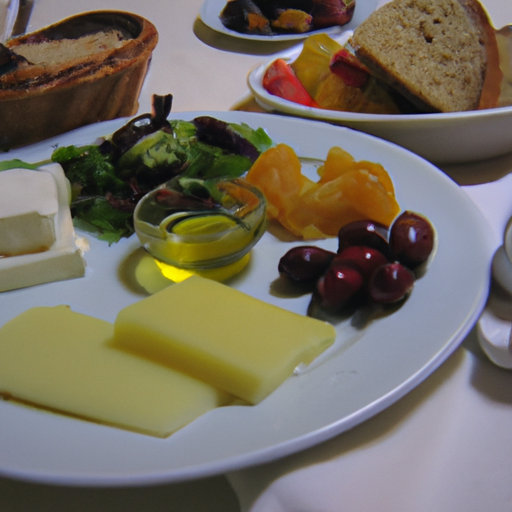
While the dominant fats in the Mediterranean diet are unsaturated, from plant sources and seafood, dairy products—particularly cheese and yogurt—are consumed regularly, in moderate amounts. Traditional Mediterranean dairy typically consists of goat and sheep’s milk products.

How frequent dairy is consumed in the diet

In the Mediterranean diet, dairy isn’t avoided, as some might assume. Instead, dairy, particularly lower-fat or fermented variants like cheese and yogurt, are enjoyed daily or weekly, favoring portion control over total exclusion.

Role of dairy in achieving nutrition balance

Dairy in the Mediterranean diet adds a substantial contribution to the overall nutrition balance. It provides easily digestible protein, necessary for muscle building and maintenance, as well as calcium for strong teeth and bones. Adding dairy into the diet also provides a unique creamy flavor and fulfilling richness to meals.

Local interpretations of dairy inclusion on the Mediterranean diet

In some Mediterranean regions, the use of dairy varies. In Greece, for example, feta cheese and yogurt are dominant features, while Southern Italians traditionally consumed less dairy – generally as cheese, ricotta, or mozzarella. Nevertheless, dairy remains an integral part of the diet across different regions.

Choosing the right types of Dairy

Selecting lower-fat dairy options

Though dairy products are essential in the Mediterranean diet, it’s important to opt for lower-fat versions whenever possible. Lower-fat options often provide the same benefits as full-fat alternatives without excessive caloric intake.

Understanding the benefits of fermented dairy

Fermented dairy products such as yogurt are a staple in the Mediterranean diet and offer various benefits. The fermentation process enhances digestibility, increases the bioavailability of nutrients, and creates probiotics beneficial to gut health.

Yogurt and cheese – the Mediterranean way

Within the broad Mediterranean region, you’ll find a diverse array of regional yogurts and cheeses. For example, Greek yogurt is renowned for its thick, creamy texture and high protein content, while cheeses such as feta, ricotta, or manchego serve as the perfect addition to salads, or an enriched accent to a variety of dishes.

The argument for organic and grass-fed dairy

If you can, opting for organic or grass-fed dairy is a wise choice in the Mediterranean diet. This dairy has been shown to have higher levels of beneficial omega-3 fatty acids and other nutrients, enhancing the health benefits without additional caloric intake.
Can You Eat Dairy On The Mediterranean Diet?

The Nutritional Benefits of Dairy

Explaining the importance of calcium

Calcium, found abundantly in dairy, is vital for enhancing bone health, reducing the risk of osteoporosis, and supporting muscle function.

Understanding the role of Vitamin D

While sunlight is the primary source of vitamin D, some dairy products provide this vital nutrient too. It helps our bodies absorb calcium, supporting bone health, immune function, and reducing inflammation.

Why protein is important

High-quality protein in dairy promotes muscle growth, supports heart health, and helps maintain a healthy weight. It also keeps you feeling satiated, which can help control your overall food intake.

Other beneficial nutrients in dairy

Aside from these, dairy also supplies other essential nutrients, such as vitamin B12, zinc, selenium, and iodine, which contribute to overall wellbeing.

Dairy alternatives in the Mediterranean diet

Choosing plant-based milk alternatives

For those who are lactose intolerant or choose to avoid dairy, alternatives like almond, soy, or oat milk can serve as replacements. These usually provide similar textures to dairy milk and are often fortified to offer similar nutritional benefits.

Incorporating non-dairy foods high in calcium and vitamin D

For non-dairy eaters, foods such as leafy green vegetables, sardines, and almonds can replace the calcium supplied by dairy. And for vitamin D, sunlight exposure and oily fish like salmon are good non-dairy sources.

Achieving balance without regular dairy consumption

Even without consuming regular dairy, it’s still possible to maintain a balanced and fulfilling Mediterranean diet. The key lies in variety and ensuring that all your nutritional needs are met with different sources.

Dispelling Myths around Dairy and Health

Is dairy a fattening food?

Though some believe that dairy is fattening, the truth is more complex. While dairy contains fats, it also contains essential nutrients that can support overall health and weight management when consumed as part of a balanced diet.

Can you consume dairy if lactose intolerant?

Lactose intolerance doesn’t necessarily mean a complete exclusion of dairy. Many people that are lactose intolerant can still tolerate smaller amounts, particularly of fermented dairy products such as yogurt, or hard cheeses, which contain less lactose.

Does dairy consumption contribute to heart disease?

While dairy does contain saturated fats, which have been linked to heart disease, research indicates that when consumed as part of a well-balanced diet, such as the Mediterranean diet, dairy does not increase heart disease risk- instead might protect against it.

Mediterranean Diet Dairy Recipes

Cooking with cheese: A Mediterranean specialty

Cheese is often used in Mediterranean cooking, adding flavor and nutrition. Whether it’s sprinkling feta over your Greek salad, adding creamy ricotta to a vegetable lasagna, or simply enjoying a slice of Manchego with fresh fruit, cheese is a versatile Mediterranean ingredient.

Incorporating yogurt into meals

Yogurt too can be integrated across your meal plan – topping your morning granola, blending into a creamy dressing, or used as a base for a refreshing tzatziki dip.

How to use dairy to elevate side dishes

A dollop of yogurt can add creaminess to a lentil soup, or a sprinkle of pecorino can elevate a simple broccolini side dish. Dairy can add an extra layer of satisfaction and satiety to any dish.

Sharing Mediterranean Diet with Family

Teaching children about nutrition with the Mediterranean diet

The Mediterranean diet lays a strong foundation for teaching nutrition to children. It emphasizes the importance of eating fresh, wholesome foods and demonstrates how they can be combined into delicious and satisfying meals.

Making meal-times a family affair

The Mediterranean diet isn’t just about the food; it’s also about how you eat it. Sharing meals with family underlines the idea of enjoying food and the act of eating, which can lead to healthier food choices and eating habits.

Creating a culture of high quality food at home

When you commit to eating the Mediterranean way, you’ll naturally create a culture of high-quality food at home. This lifestyle can shape your family’s relationship with food and health for the better.

Making the switch to the Mediterranean Diet

Incorporating the Mediterranean diet into your lifestyle

Transitioning to the Mediterranean diet doesn’t have to be overwhelming. Start small by gradually incorporating more fruits, vegetables, whole grains, and dairy into your meals, and progressively reduce your intake of processed foods.

Tips for a seamless transition to this diet

Explore different Mediterranean recipes, try various types of dairy, and remember, while olive oil and dairy are essential, balance and moderation are key. Don’t deprive yourself but celebrate the variety of foods in this diet.

How to maintain the diet long term

The beauty of the Mediterranean diet is its flexibility and tastiness, which aids in maintaining the diet long term. The diet is not about restriction but enjoyment and nourishing your body—making it a lifestyle choice rather than a short-term diet.

Conclusion

Encouraging the take up of the Mediterranean diet

We hope this post has encouraged you to consider the Mediterranean diet as a feasible, nutritious, and satisfying dietary lifestyle, where dairy is a welcome part of the fare!

Defining the role of dairy in your dietary variations of this diet

Remember, as you embrace the Mediterranean diet, dairy can play a versatile and vital role in your nourishment. Whether you enjoy animal dairy or prefer its alternatives, remember, the Mediterranean diet is about variety, balance, and savoring your food. Enjoy the journey!
August 1, 2023 Diet and Nutrition

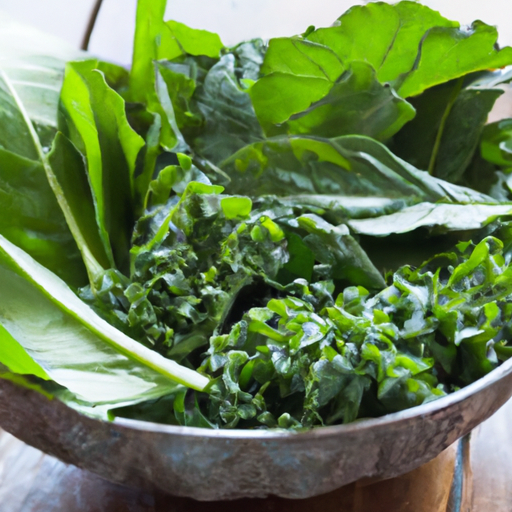
What Are The Best Leafy Greens For The Mediterranean Diet?

Have you ever found yourself pondering, “What are the best leafy greens for the Mediterranean diet?” Well, you’re in the right place. This is a question that comes up rather often, especially among those who are embracing the Mediterranean lifestyle. Just as you care about the quality of food you share with your family, we too believe in the essence of nourishing our bodies with high-quality and beneficial foodstuffs.

You can expect to uncover so much more in the accompanying article. Not only will you learn about the best leafy greens to incorporate into your Mediterranean diet, but also why these greens are beneficial to your overall health. Embrace the opportunity to delve deeper into the specifics of the Mediterranean diet and how it impacts your long-term health and wellbeing. There’s a great deal of knowledge to be discovered, and we can’t wait to share this journey with you.

What Are The Best Leafy Greens For The Mediterranean Diet?

Whether you are considering or already following the Mediterranean diet, several elements can optimize your health. Among these factors, leafy greens play a crucial role. Let’s explore their importance and learn some tactics for incorporating them into your diet.

What Are The Best Leafy Greens For The Mediterranean Diet?

The Importance of Leafy Greens in The Mediterranean Diet

Leafy greens are a powerhouse of nutrients and deserve the high praise they receive. Let’s delve further into their benefits.

The Nutritional Benefits of Leafy Greens

Leafy greens are dense with essential nutrients such as vitamins A, C, and K, fiber, calcium, iron, and antioxidants. These vital nutrients contribute to both physical well-being and mental health. Not only fortifying the immune system, but they also improve your metabolism, digestion, and brain function.

The Role of Leafy Greens in the Principles of the Mediterranean Diet

The core principles of the Mediterranean diet heavily emphasize fresh, unprocessed, and plant-based foods. At the heart of these is leafy greens, which you can consume in almost limitless quantities. Consuming more leafy greens is always encouraged in the Mediterranean diet principles.

How Consuming Leafy Greens Contribute to Long Term Health

Regularly consuming leafy greens can reduce the risk of chronic diseases, heart problems, and certain types of cancer. They are an incredible asset in maintaining long-term health.

Top Leafy Greens That Complement the Mediterranean Diet

Knowing the health benefits of leafy greens is indisputable. Let’s explore some of the top greens in the Mediterranean diet.

Characteristics and Health Benefits of Kale

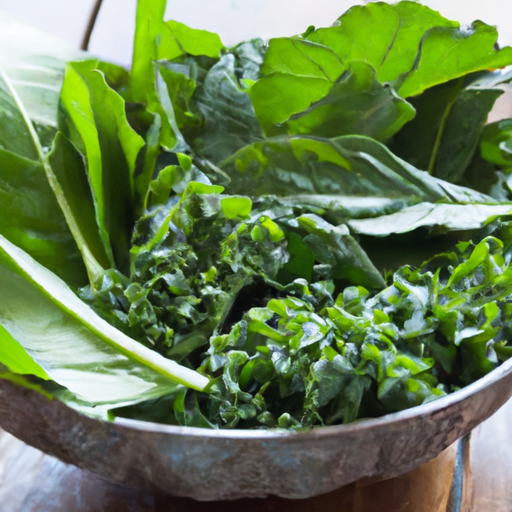
Kale is a nutrient-dense food rich in vitamins A, C, and K. It also possesses substantial antioxidant properties that reduce oxidative damage in the body.

Why Spinach is a Key Green in the Mediterranean Diet

Spinach, loaded with iron and other essential vitamins, promotes healthy skin, hair, and bones. Additionally, its mild flavor enables easy integration into various dishes.

The Unbeatable Health Advantages of Swiss Chard

Swiss chard offers a unique mix of nutrients and antioxidants, making it perfect for combating inflammation and helping improve bone health.

Incorporating Lettuce into the Mediterranean Diet

Lettuce, especially Romaine, is high in fiber and hydrating elements like water, perfect for salads and wraps in the Mediterranean diet.

The Unique Flavor and Nutritional Powerhouse of Arugula

Arugula’s slightly bitter, peppery flavor blends well in salads, and it is packed with numerous essential nutrients, like vitamin K and calcium.

What Are The Best Leafy Greens For The Mediterranean Diet?

How to Incorporate More Leafy Greens into Your Mediterranean Diet

You can incorporate leafy greens into various dishes, from salads and pastas to pizzas and smoothies.

Delicious Salad Recipes with Mediterranean Flavors

Incorporate a variety of these nutrient-rich leafy greens into your salads for a nutrient boost.

Green Smoothies with a Mediterranean Twist

Use kale, spinach, or chard in your smoothies, adding in some fruit for natural sweetness.

Rich and Hearty Mediterranean Soups Incorporating Leafy Greens

Leafy green-based soups are not only heartwarming but also provide an added nutrient punch.

Adding Greens to your Mediterranean Pastas and Pizzas

Adding an array of different leafy greens to your pastas and pizzas can add layers of flavor while boosting its nutritional content.

Incorporating Shared Meals with Family into the Mediterranean Lifestyle

Including leafy greens in shared family meals reinforces their importance and can lead to healthier lifestyle choices.

How to Encourage More Green Consumption in Children’s Meals

By creatively incorporating leafy greens into your children’s meals, you can help them develop a lifelong love for them.

Creating Fun and Healthy Family Meals with Leafy Greens

Experiment with fun recipes that incorporate leafy greens, like rainbow salads or green pizzas – the limit is only your creativity.

The Importance of Shared Meals in the Mediterranean Lifestyle

Feasting together is a significant aspect of the Mediterranean lifestyle. It fosters social connections and promotes mindful eating.

Conclusion: Implementing Leafy Greens into a Healthy Lifestyle

Reflect on the importance, benefits, and value of leafy greens. By incorporating more of them into your Mediterranean diet, you can significantly optimize your health.

Reflecting on the Benefits of Leafy Greens in the Mediterranean Diet

The nutritional benefits from leafy greens directly contribute to the strength and effectiveness of the Mediterranean diet.

The Value of a Healthy Mediterranean Lifestyle

Living the Mediterranean lifestyle, including shared meals with family and consuming nutrient-packed leafy greens, provides a path to healthy living long term.

Taking Steps Towards Long Term Health through the Mediterranean Diet

Seeing that leafy greens are a significant part of the Mediterranean diet, their regular consumption can lead to a healthier, longer life.

Embrace these vibrant, nutrient-packed vegetables in your journey towards better health. Your body, mind, and taste buds will thank you for it!

August 1, 2023 Health & Fitness

What Do You Not Eat On A Mediterranean Diet?

So, you’re curious about what you shouldn’t eat on a Mediterranean diet, right? No worries, many others out there have the same question. There’s a lot of buzz going around about the benefits of the Mediterranean diet, it’s not surprising you want to dive deeper and know all the ins and outs.

Don’t fret, because we have all the nitty-gritty details laid out in the article for you. From identifying the foods you should steer clear of, to why these particular items might not fit within the Mediterranean diet framework – it’s all in there. Rest assured, you’ll walk away with a better understanding by the end of it. So, why not give it a read?

What Do You Not Eat On A Mediterranean Diet?

Understanding the Principles of the Mediterranean Diet

When you first commit to the Mediterranean diet, it can be quite the lifestyle overhaul. The core principles revolve around consuming plenty of fruits, vegetables, whole grains, legumes, and olive oil. The diet encourages moderate consumption of fish, poultry, eggs, and dairy, and limits the intake of red meat.

Core Features of the Mediterranean Diet

The primary focus of the Mediterranean diet is on plant-based foods: fruits, vegetables, legumes, and whole grains. These are laden with fiber, vitamins, minerals, antioxidants, and heart-healthy fats. Meals are prepared using olive oil instead of other fat sources, and herbs are used to add flavor instead of salt. If you can, choose whole-grain bread over white, fresh fruit over sweet desserts, adding raw vegetables to your meals, and drinking red wine in moderation.

Why the Mediterranean Diet is Considered Healthy

Scientific studies have consistently linked the Mediterranean diet to a host of health benefits, which can include improved heart health, weight management, diabetes prevention, and alleviated dementia symptoms. The focus on fiber-rich foods helps regulate your digestive system and maintains a feeling of fullness, reducing the likelihood of overeating.

Why Some Foods Are Excluded From The Mediterranean Diet

Impact of Processed Foods on Health

Processed foods often contain harmful additives and lack nutritional value, making them far from ideal for a diet focused on health and longevity. If you are used to convenience meals, you’ll need to prepare for time in the kitchen as part of your new approach to eating.

The Role of Saturated Fats in Heart Diseases

Saturated fats found in red meat can potentially lead to high cholesterol levels and heart disease. These should be swapped for healthier polyunsaturated and monounsaturated fats found in foods like avocados, fatty fish, and olive oil.

The Ill-Effects of Refined Grains and High-Sugar Foods

The Mediterranean diet discourages the consumption of refined grains and high-sugar foods. Over time, a diet high in these types of carbohydrates can lead to weight gain and a higher risk of heart disease and diabetes.

Red Meat and the Mediterranean Diet

How Often to Consume Red Meat on the Mediterranean Diet

According to Mediterranean diet guidelines, red meat should be limited to a few times per month, and servings should be small – 3 ounces or less.

Alternative Sources of Protein

On this diet, you’ll obtain protein from a variety of sources such as fish, poultry, eggs, and legumes. These sources not only provide you with the necessary protein, but also other health benefits like omega-3 fatty acids from fish, and fiber and other nutrients from legumes.

What Do You Not Eat On A Mediterranean Diet?

Limiting Dairy Consumption

Alternatives to Cow’s Milk

While the Mediterranean diet permits dairy in moderate amounts, alternatives to cow’s milk, like almond milk and soy milk, are encouraged.

The Role of Cheese and Yogurt in the Mediterranean Diet

Cheese and yogurt are common components of the Mediterranean diet but they’re consumed in moderation because they can contain high levels of saturated fats.

Processed Foods and the Mediterranean Diet

Understanding the Impact of Preservatives and Additives

Preservatives and additives are often found in processed foods. These substances can have a negative impact on your health, with potential links to increased heart disease risk, high blood pressure, obesity, and cancer.

Ideas for Replacing Processed Foods with Whole Foods

Instead of processed foods, focus on fresh produce, whole grains, and lean proteins. Swap processed bread for whole grain varieties. Choose fresh fruits over canned ones and opt for homemade meals over fast food.

Avoiding Saturated and Trans Fats

Identifying Sources of Unhealthy Fats

Unhealthy fats, such as saturated and trans fats, are typically found in red and processed meats, fried foods, butter, and pre-packaged snacks.

Switching to Healthier Fats

Olive oil, avocados, seeds, and oily fish provide healthier alternatives. They offer monounsaturated and polyunsaturated fats, which have been found to lower bad cholesterol levels and boost good cholesterol levels in the body.

Decreasing Refined Grains and Sugars

Why Refined Grains and Sugars Are Unhealthy

Refined grains and sugars have had most of their nutrients stripped away during processing. Consuming these can lead to rapid spikes in blood sugar and feelings of hunger, which can result in overeating and weight gain.

Substituting Refined Grains with Whole Grains

Whole grains are an excellent substitute for refined grains. They contain all parts of the grain — the bran, germ, and endosperm, which are packed with healthful nutrients like fiber, protein, and antioxidants.

Reducing Your Sugar Intake

Limiting your intake of added sugars is an essential part of the Mediterranean diet. Rather than reaching for a sugary snack, satisfy your sweet tooth with fruits that offer natural sugars and other beneficial nutrients.

Exclusion of Fast Food and Fried Foods

The Health Risks of Fast Food and Fried Foods

Fast food is typically high in unhealthy fats, sodium, and sugar, while offering little nutritional value. Fried foods also contain unhealthy fats, which can contribute to obesity, heart disease, and diabetes.

Healthy Alternatives to Fast Food and Fried Foods

Lean proteins, whole grains, legumes, and a rainbow of fruits and vegetables are nutritious alternatives that can be made into delicious, satisfying meals.

How to Successfully Stick to the Mediterranean Diet

Transitioning From Your Current Diet

Transition into the Mediterranean lifestyle gradually. Start by incorporating more vegetables and whole grains into each meal. Then, replace unhealthy fats with healthier ones and switch over to lean protein sources.

Strategies for Eating Out and Social Engagements

When eating out, opt for dishes high in vegetables, lean proteins, and whole grains. Watch for hidden saturated fats and sugars.

Conclusion

Review of the Benefits of the Mediterranean Diet

The Mediterranean diet offers an abundance of benefits from weight management to heart disease prevention. It’s a lifestyle worth adopting, not only for your individual health but also for your family’s well-being.

Emphasizing the Role of Quality Food in Family and Health

The Mediterranean diet places a great emphasis on enjoying meals with family and friends. By sharing quality, nutritious meals, you enhance the experience of eating, foster a healthy relationship with food, and pave the way for a healthier, happier family.

By following the guidelines above and carefully considering what not to eat, you can fully embrace the Mediterranean diet. In doing so, you ensure that your health and the health of your family is maintained. Remember, it’s not just about the foods you avoid, but the delicious, nutritious foods you bring to the table.

August 1, 2023 Health & Wellness

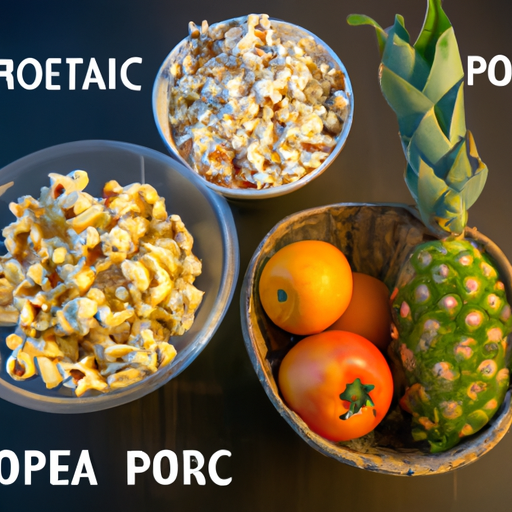
Can You Have Popcorn On The Mediterranean Diet?

So, you’ve been wondering, “Can you have popcorn on the Mediterranean diet?” That’s a fantastic question and one worth exploring. After all, popcorn is a beloved snack for many and the thought of giving it up might be daunting. If you’re new to the Mediterranean Diet or simply looking to broaden your food knowledge on this healthy lifestyle approach, this mystery surely deserves a reveal!

In the upcoming article, you’ll uncover the answer to this popcorn conundrum. Packed with grounded research and facts, we aim to provide a comprehensive understanding of popcorn’s place in the Mediterranean Diet. JD has carefully navigated the science and guidelines behind the diet and popcorn’s nutritional profile to present an answer you can trust. Be ready to bolster your Mediterranean menu skills while refining your capacity to make healthy, delectable choices for you and your family.

Can You Have Popcorn On The Mediterranean Diet?

Understanding the Mediterranean Diet

Basics of the Mediterranean Diet

The Mediterranean diet is a traditional eating pattern that emphasizes whole foods and healthy fats. It’s inspired by the dietary patterns of Italy, Greece, and Spain, where health statistics have consistently been more favorable compared to many Western countries. The Mediterranean diet involves plenty of fruits, vegetables, grains, fish, and lean sources of protein.

Why Choose the Mediterranean Diet

Choosing the Mediterranean diet is not only choosing a diet but deciding on a lifestyle that embraces healthful eating and enjoys the company of others around the dining table. It’s about savoring each bite and appreciating the journey to well-being.

Core Principles of the Mediterranean Diet

At the heart of the Mediterranean diet are three core principles: emphasis on plant foods, moderation in dairy and meat, and the liberal use of olive oil. Combined with physical activity and sharing meals with loved ones, the Mediterranean diet offers a holistic approach to health that stands the test of time.

Defining Popcorn

What Makes Up Popcorn

Popcorn is a special type of corn that pops when heated. The tiny water droplet inside each kernel turns to steam, causing an explosion that produces a fluffy and crunchy snack.

Nutritional Value of Popcorn

Popcorn is low in calories and provides a good amount of vitamins, minerals, and dietary fiber. It is rich in antioxidants, including polyphenols, which have been linked to a reduction in heart disease and certain cancers.

Examining Popcorn in a Healthy Diet

Popcorn’s Role in a Balanced Diet

Popcorn can have a supporting role in a balanced diet. High in fiber and low in calories when prepared healthily, it can keep you full without having to rely on less nutritious, calorie-dense snacks.

Pros and Cons of Including Popcorn in Your Diet

The major advantage of including popcorn in your diet is its nutritional value. However, the downside is that it’s easy to overeat due to its lightness and appealing flavor, especially when drenched in butter and salt.

Can You Have Popcorn On The Mediterranean Diet?

Aligning Popcorn with the Mediterranean Diet

Is Popcorn Compatible with the Mediterranean Diet?

From a nutritional standpoint, popcorn can fit well into the Mediterranean diet. However, remember that the Mediterranean diet leans heavily on fresh, whole foods, and popcorn should not replace these foods in daily consumption.

How Popcorn May Fit into the Mediterranean Diet

As with any food, moderation is key. A bowl of air-popped popcorn can serve as a delightful occasional snack. Season it with a sprinkle of olive oil, a dash of sea salt, or a dusting of your favorite Mediterranean herbs for a flavorful twist.

Alternatives to Popcorn in the Mediterranean Diet

Healthy Snack Options in the Mediterranean Diet

If you’re craving a crunchy snack but want to diverge from popcorn, the Mediterranean diet offers many options. Try roasting chickpeas, selecting a variety of nuts and seeds, or even baking kale chips.

Creating Varied Snack Choices Within the Diet

Variety is everything in a healthy diet. By incorporating different snacks, you’re more likely to meet your nutritional requirements and less likely to overindulge on a specific food.

Cautions and Considerations

Potential Dangers of Overconsumption of Popcorn

While popcorn is healthy in moderation, overconsumption can lead to excess intake of calories and can pose a risk to dental health.

Health Considerations When Incorporating Popcorn

Ensure your popcorn is made in a healthy way. Air-popped popcorn is preferred, as it allows you to control the amount of added fats and salt.

Customizing Popcorn for the Mediterranean Diet

Healthy Popcorn Recipes

Lend a Mediterranean touch to your popcorn by sprinkling it with za’atar, a traditional Middle Eastern spice blend, or freshly grated Parmesan.

Seasoning Your Popcorn the Mediterranean Way

Think beyond salt. Discover the harmony of garlic powder, rosemary, oregano, and sea salt. Grind them together, sprinkle them on the popcorn, then toss until fully coated. Delicious!

Family and the Mediterranean Diet

Encouraging a Family Commitment to the Mediterranean Diet

Adopting the Mediterranean diet as a family can create a supportive environment, making healthy choices easier. Moreover, involving children in the preparation of meals like making popcorn can make the process fun and educational.

Balancing the Mediterranean Diet with Family Preferences

Each family member may have different preferences, and that’s perfectly fine. It’s all about balance and moderation, and that may include an occasional bowl of popcorn.

Maintaining Your Health with the Mediterranean Diet

Long Term Health Benefits of the Mediterranean Diet

Studies show that the Mediterranean diet can help protect against heart disease, type 2 diabetes, and certain types of cancer. Not to mention, research has linked it with increased longevity and better quality of life.

The Role of the Mediterranean Diet in Active Lifestyles

The Mediterranean diet fuels your body with the right nutrients to stay active and energized. It promotes long-term health, allowing you to enjoy physical activities at any age.

Conclusion

Bringing it all Together: Popcorn and the Mediterranean Diet

So, can you have popcorn on the Mediterranean diet? Absolutely. As long as it’s enjoyed in moderation and prepared in a healthy way, popcorn can be a delightful addition to this enriching eating pattern.

Next Steps for Your Health and Diet Journey

Remember, the Mediterranean diet is more than just a diet – it’s a way of living. It celebrates good food, promotes better health, and cherishes the joy of sharing meals with those you love. Here’s to your health and wellness journey, one delicious Mediterranean-inspired meal (or snack) at a time. Enjoy the journey!
August 1, 2023 Health & Nutrition

Is It OK To Eat Popcorn On The Mediterranean Diet?

So you’re navigating the world of the Mediterranean Diet and wondering about the can’s and cannot’s of this heart-healthy plan. One question you might be asking is, “Is it okay for me to enjoy popcorn while adhering to this diet?” That’s a great question!

Dive into our detailed article to find out. We’re going to explore this topic in depth to ensure you get the most accurate information. JD, a dedicated dad committed to maintaining his health for his children’s sake, has done the research. He realizes the importance of sharing quality meals with his family in line with the Mediterranean diet plans. Trust us, this article is a must-read for you to get the clear picture. Stay tuned to know more about the Med Diet, popcorn, and how they blend together.

Is It OK To Eat Popcorn On The Mediterranean Diet?

Understanding the Mediterranean Diet

What is the Mediterranean Diet?

The Mediterranean diet is more than a simple meal plan. It encapsulates the traditional eating habits of those living around the Mediterranean Sea, namely the inhabitants of countries such as Italy, Greece, and Spain. Praised for its health benefits and richness in flavors, the Mediterranean diet encourages a shift from high sugar and processed foods to consuming more whole foods and heart-healthy fats.

Key Components of Mediterranean Diet

Fundamental components of this diet include fruits, vegetables, whole grains, beans, nuts, legumes, olive oil, and lean proteins such as fish and poultry. Red meat is eaten seldom, and moderate amounts of dairy, eggs, and wine are also part of this balanced diet.

Snacking and the Mediterranean Diet

Importance of Snacks in Diet

Snacks play an essential role in the Mediterranean diet. They help control hunger, provide energy between meals, and can be a chance to add additional nutritious items to your daily intake.

Choosing Healthy Snacks

Healthy snack choices on the Mediterranean diet often include fruits, nuts, seeds, vegetables, and whole grain products. But what about popcorn? Can it find a place within this healthful eating plan?

Popcorn and the Mediterranean Diet

Nutritional Components of Popcorn

Popcorn is a whole grain food that is low in calories and high in fiber. It provides antioxidants known as polyphenols, which have been associated with many health benefits such as improving digestion and blood circulation.

How does Popcorn align with the Mediterranean Eating Plan?

Given its healthful nutritional profile, popcorn can indeed align with the Mediterranean diet as a wholesome snack. Its whole grain nature supports the consumption of plant-based foods, a signature trait of the Mediterranean diet.

Is It OK To Eat Popcorn On The Mediterranean Diet?

Consideration of Portion Size and Toppings

Ideal Popcorn Portion per Serving

When incorporating popcorn into your Mediterranean diet, portion size matters. A good serving size would be around one to three cups of popped popcorn.

Healthy Vs Unhealthy Toppings

While popcorn can be a part of your diet, be aware of unhealthy toppings like excessive butter or salt. Instead, consider healthier options like a drizzle of olive oil, a sprinkle of herbs, or a dusting of nutritional yeast for extra flavor.

Impact of Popcorn Consumption on Health

Weight Management and Popcorn

Thanks to its high fiber content and low-calorie count, popcorn can contribute to weight management by prolonging the feeling of fullness and reducing the impulse for overeating.

Role of Popcorn in overall Cardiovascular Health

The fiber in popcorn is beneficial for your heart health by aiding in reducing cholesterol levels. Moreover, the antioxidants in popcorn can reduce inflammation, potentially lowering the risk of heart disease.

Finding Balance in Consuming Snacks such as Popcorn

Blend of Indulgence and Nutrition

It’s important to balance nutrition with a bit of indulgence. Popcorn can be a satisfying snack that curbs your cravings without straying from your healthful eating path.

Avoiding Overconsumption

As with any food, moderation is key. Enjoy your sprinkling of olive oil and herbs on your popcorn, without overconsuming.

Aligning Popcorn Consumption with Family Needs

Making Popcorn a Fun Family Snack

Popcorn can be an enjoyable family snack that fits perfectly within a Mediterranean lifestyle. It’s an opportunity to gather your kids around and turn snack preparation into a fun family activity.

Educating Kids about Nutritious Snacking

Instilling the importance of healthy eating habits from a young age is crucial. Discussing why some snacks like popcorn are superior choices over sugary, processed alternatives can be an invaluable lesson for your children.

Making Popcorn a Regular Part of the Mediterranean Diet

Incorporating Popcorn in the Weekly Diet

Popcorn can easily become a staple in your Mediterranean diet, serving as an optimal, tasty snack once or twice a week.

Experimenting with Popcorn Variants

Don’t limit yourself to traditional popcorn. Try out different whole grain, air-popped varieties and dabble with various healthful herbs and spices for topping.

Alternatives to Popcorn on the Mediterranean Diet

Exploring Other Nutritious Snack Options

While popcorn is a worthy addition to your snack menu, remember the wide variety of other snack options within the Mediterranean diet like nuts, seeds, fruits, and more.

Swap Ideas for Healthful Snacks

Consider occasional popcorn swaps for other savory snacks such as roasted chickpeas, oven-baked vegetable chips, or a small plate of olives and cheese.

Conclusion

Enduring Health with Balanced Eating Habits

Embracing a Mediterranean diet naturally inclines you towards a fulfilled, nutritious lifestyle. Including snacks like popcorn not only add a delightful crunch but also sustains a healthful diet.

Thriving on the Mediterranean Diet – Popcorn in Moderation

In conclusion, it’s not just ok but encouraged to eat popcorn on the Mediterranean diet. Just remember, as with all foods in your diet, moderation is important. Make popcorn a part of your flavorful and diversified Mediterranean diet and relish the health benefits it offers. Sharing wholesome foods like popcorn with your family is a valuable step towards cultivating healthy eating habits that will last a lifetime. Let us continue to promote high-quality foods, not just for their health benefits, but also for the pleasure and richness they contribute to our lives.

August 1, 2023 Diet & Nutrition

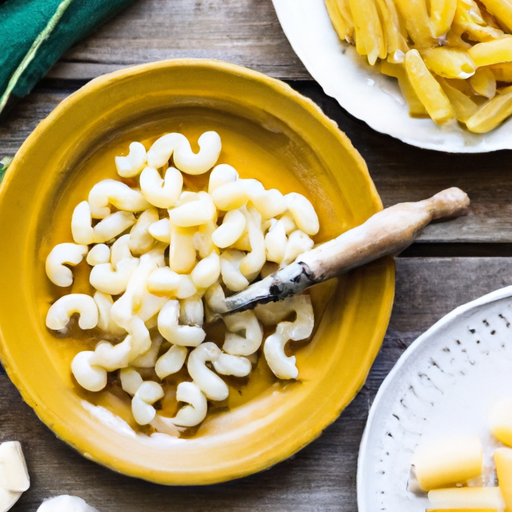
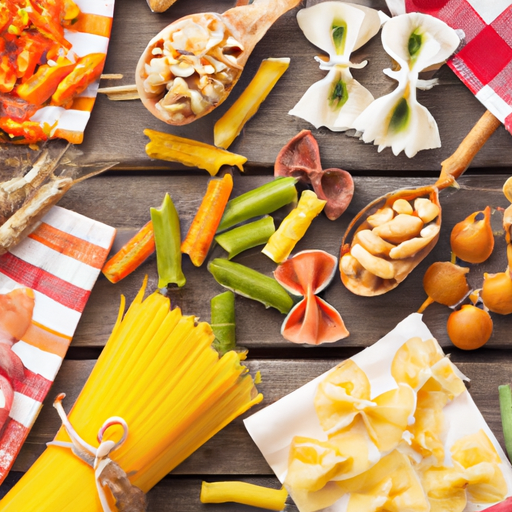
What Kind Of Pasta Is Good For Mediterranean Diet?

Ever wondered what kind of pasta would be the perfect addition to your Mediterranean diet? Well, you’ve found yourself in the right place! JD, a family man dedicated to health-conscious eating, has compiled a detailed guide to help you on your dietary journey. Rest assured he knows what he’s talking about – after all, he’s been keeping himself youthful and spry thanks to the Mediterranean diet, so he can keep up with his three energetic children!

In this article, JD takes a deep dive into the world of pasta, one of the staples in many homes around the world. Did you know that pasta can easily fit into a Mediterranean-style diet? Indeed, it can, and this article will enlighten you on the best varieties to include in your healthy meals. Armed with this knowledge, you’ll soon be serving sumptuous and healthy pasta dishes that both you and your family can thoroughly enjoy. So, continue on to the article and discover the delights of pasta in the Mediterranean diet.

What Kind Of Pasta Is Good For Mediterranean Diet?

Understanding the Mediterranean Diet

Known for its rich flavors, fresh ingredients, and heart-healthy nutrients, the Mediterranean diet has become celebrated for its potential to maintain robust health while enjoying a versatile array of foods. The diet reflects the nutritional habits of individuals living around the Mediterranean Sea, including Italy, Greece, and Spain.

Essential Principles of the Mediterranean Diet

The Mediterranean diet places a high emphasis on plant-based foods, such as fruits, vegetables, beans, nuts, and whole grains. Lean proteins like fish and poultry, as well as healthy fats, especially olive oil, take center stage. Low in saturated fats and high in fiber, this diet is more than just a fad; it’s a lifestyle.

Health Benefits of the Mediterranean Diet

Research has shown that the Mediterranean diet aids in lower rates of heart disease, certain cancers, Parkinson’s and Alzheimer’s diseases. It has also been linked to improved cognitive performance, weight loss, and better controlled diabetes.

Role of Pasta in the Mediterranean Diet

Yes, you read it correctly. Contrary to what some may think, pasta is absolutely integral to the Mediterranean diet. It’s just a matter of choosing the right types and portion sizes.

Identifying the Best Types of Pasta for the Mediterranean Diet

When considering the Mediterranean diet, aim for pasta types that are high in fiber and contain multiple nutrients. The following are recommended:

Whole Wheat Pasta

Whole wheat pasta, rich in fiber and proteins, includes all parts of the grain – germ, endosperm, and bran. It is packed with B vitamins, which are essential for energy metabolism.

Brown Rice Pasta

A beautiful alternative to wheat, brown rice pasta is completely gluten-free. It’s an excellent source of essential minerals like magnesium and phosphorus, promoting bone health.

Buckwheat Pasta

Don’t be fooled by the name; buckwheat pasta is entirely gluten-free. This pasta carries a high nutritional value with an impressive range of vitamins and minerals.

Lentil and Chickpea Pasta

These types of pasta are an excellent option for vegetarians and vegans, offering a significant protein boost. They are also high in fiber, contributing to maintaining gut health.

The Nutritional Content of Different Pasta Types

Understanding the nutritional breakdown of these pasta types can assist you to make the best choices for your Mediterranean diet journey.

Understanding the Nutritional Breakdown of Whole Wheat Pasta

Whole wheat pasta is rich in fiber, aiding in digestion and contributing to a feeling of fullness. It also contains proteins, vitamins, and minerals that are health-benefiting.

Health Aspects of Brown Rice Pasta

Brown rice pasta, rich in fiber, is beneficial for individuals with a gluten intolerance. It also contains selenium, a powerful antioxidant that helps to reduce oxidative stress.

Nutritional Advantages of Buckwheat Pasta

Buckwheat pasta, rich in proteins and fibers, also carry essential minerals and vitamins. It is also said to improve heart health and control blood sugar levels.

Benefits of Lentil and Chickpea Pasta

Lentil and chickpea pasta are known for their plant-based protein content. Furthermore, these pasta types have a low glycemic index, leading to a slower rise in blood glucose levels.

What Kind Of Pasta Is Good For Mediterranean Diet?

Integrating Pasta into the Mediterranean Diet

Pasta, a staple in Mediterranean cuisine, can easily be integrated into daily meals. The key is balance and portion control.

Creating Balanced Mediterranean Diet Pasta Dishes

To ensure a balanced dish, pair your whole grain pasta with colorful veggies, lean proteins, and a drizzle of olive oil. You can also add nuts and seeds or fresh herbs for additional flavor.

Pasta Serving Sizes for the Mediterranean Diet

When it comes to pasta, go for balance. In the Mediterranean diet, pasta is usually a side dish, with approximately 1/2 cup cooked pasta per serving.

Family-friendly Pasta Recipes for the Mediterranean Diet

Sharing a meal with your family not only helps to form strong bonds but also provides an opportunity to nourish their bodies with healthful food. What could be better than sharing delicious pasta dishes inspired by the Mediterranean diet, which are both tasty and healthful?

Whole Wheat Pasta Salad Recipe

For a meal fit for hot summer days, try a refreshing whole wheat pasta salad loaded with crisp veggies, feta cheese, and a light vinaigrette dressing.

Garlic and Olive Oil Brown Rice Spaghetti Recipe

This simple yet delightful recipe combines brown rice spaghetti, garlic, superior quality olive oil, and fresh herbs, making it a perfect weekday meal.

Buckwheat Pasta with Veggies Recipe

Cooked with vibrant veggies and tossed in a homemade tomato sauce, buckwheat pasta becomes a heartwarming dish for cold winter nights.

Lentil Pasta with Tomato Sauce Recipe

This easy-to-make lentil pasta is topped with a rich tomato sauce, a sprinkle of parmesan cheese, and fresh basil leaves, creating a filling and delicious dinner.

Importance of High Quality Food Ingredients in the Mediterranean diet

The superior quality of ingredients used in the Mediterranean diet is what makes it truly healthful and delicious.

Choosing High Quality Pasta

Opt for organic and non-GMO pasta whenever possible. Choosing high fiber, whole grain options will maximize your nutritional intake.

Selecting Fresh and Nutrient-Rich Veggies

When it comes to choice of vegetables, the fresher, the better. Opt for locally-grown, vibrant, and fresh-looking veggies.

The Role of High-Quality Olive Oil

High-quality olive oil, rich in heart-healthy fats and antioxidants, plays a significant role in the Mediterranean diet. Always choose extra-virgin olive oil for maximum health benefits.

Overcoming Common Myths about Pasta and the Mediterranean Diet

Misconceptions often prevent people from enjoying pasta. Let’s debunk some of them.

Myth: Pasta is High in Calories

Fact: It’s not about the pasta but the portion size. When consumed in moderation, pasta can be a part of a healthful diet.

Myth: Pasta is Unhealthy

Fact: Pasta, particularly whole grain pasta, offers key nutrients needed for a balanced diet. It’s all about choosing the right pasta type.

Myth: Pasta Doesn’t Have Nutritional Value

Fact: Whole grain pasta is an excellent source of fiber and delivers a variety of essential nutrients.

Tips for Adopting the Mediterranean Diet in Daily Life

Gradually Switching to Whole Grain Pasta

Start gradually by mixing whole grain pasta with your regular pasta, then slowly increase the whole grain proportion.

Eating More Fruits and Vegetables

Include a variety of colorful fruits and vegetables in your meals for a broader range of nutrients.

Including Physical Activities in Daily Routines

Incorporate daily physical activities such as walking or cycling to maintain a healthy lifestyle.

Challenges and Solutions when switching to Mediterranean Diet

Challenge: Giving up refined Pasta for Whole Grain Varieties

Solution: It might require some time to get used to the taste and texture of whole grain pasta. But once you develop a liking, there’s no way back!

Challenge: Family not accepting the new diet

Solution: Introduce the new foods slowly and include them in delicious recipes. Make the meals visually appealing to generate curiosity and interest in trying them out.

Conclusion of Pasta in the Mediterranean Diet

Reiterating the Health Benefits of Pasta in the Mediterranean Diet

Pasta, an integral part of the Mediterranean diet, is not only delicious but also carries substantial health benefits. When made from whole grains, pasta becomes a nutrient-rich meal that everyone can enjoy!

Remember, adopting a Mediterranean lifestyle is not about doing everything all at once; it’s a journey. Incorporate the changes little by little, and soon you will begin to see the benefits for yourself and your family. Sharing high-quality food with your loved ones is not only nourishing but also a matter of the heart. I, JD, a father of three beautiful children, can undoubtedly confirm this. Here’s to your health and happiness! Enjoy your pasta journey in the Mediterranean style.

August 1, 2023 Nutrition

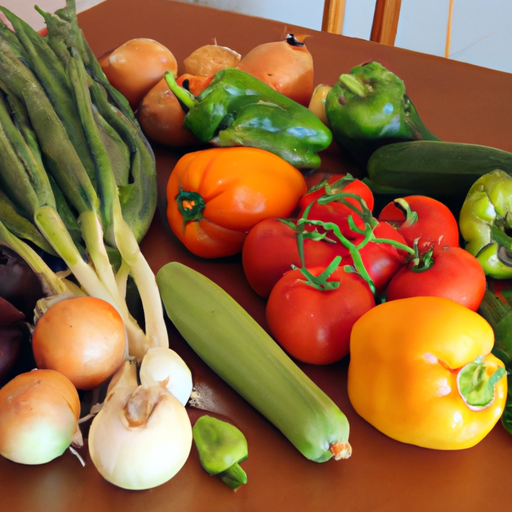
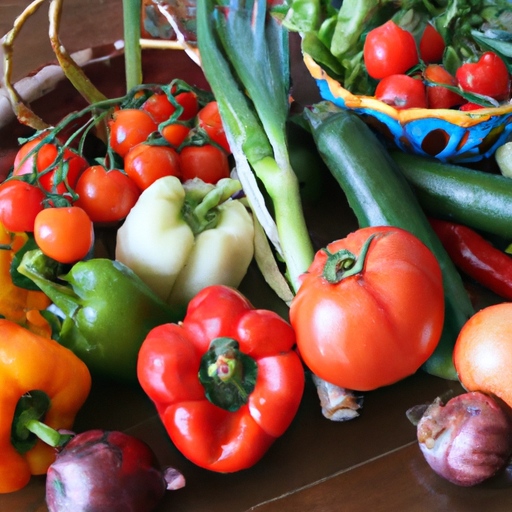
What Vegetables Are Good For The Mediterranean Diet?

Are you curious about the best vegetables to incorporate into your Mediterranean diet? Look no further! In our forthcoming article, we’ll dive into the fantastic world of nutritious vegetables that are not only great for this beloved diet but also bring a smorgasbord of health benefits to your table.

Through our upcoming article, you’ll learn more about the unique profiles of these super veggies, their place in the Mediterranean diet, and even some delightful ways to prepare them. JD, a dedicated devotee of the Mediterranean lifestyle, is thrilled about sharing this information with you. As a father who values the time spent around the dinner table with his family, he understands the importance of choosing vegetables that not only taste good but also contribute to long-term health. So get ready to turn your diet into a Mediterranean feast!

What Vegetables Are Good For The Mediterranean Diet?

Understanding the Mediterranean Diet

As you may know, the Mediterranean diet is characterized by its high consumption of vegetables, fruits, whole grains, legumes, and olive oil, along with moderate amounts of fish, poultry, and red wine. But have you ever wondered what specific vegetables are good for the Mediterranean diet? This article will dive into the various veggies that are not only central to the Mediterranean diet but also contribute to its numerous health benefits.

Understanding the Core Components of the Mediterranean Diet

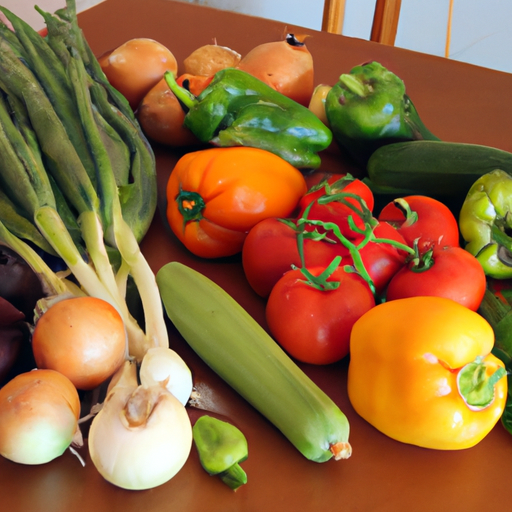
The Mediterranean diet emphasizes fresh, seasonal, and locally sourced foods, with vegetables playing a major role in almost every meal. The primary components include leafy green vegetables like spinach, kale, and chard; tomatoes; onions; garlic; bell peppers; eggplants; zucchini; and cucumbers.

The Health Benefits of a Mediterranean Diet

Numerous studies confirm the Mediterranean diet lowers the risk of heart disease, cancer, diabetes, and other chronic diseases. One study published in the New England Journal of Medicine even indicates it can help in weight loss and increase longevity.

Why Vegetables are Integral in the Mediterranean Diet

Vegetables are rich in fiber, vitamins, and minerals – essential elements that contribute to overall health and wellness. They keep you filled, help maintain a healthy weight, and provide energy.

Leafy Green Vegetables and the Mediterranean Diet

In the Mediterranean diet, leafy greens are a staple, packed with nutrients and versatility in their culinary uses.

The Nutritional Powerhouse: The Spinach

Spinach is rich in Vitamin A, C, K1, iron, and calcium. It has loads of antioxidants that help fight oxidative stress in your body, and research shows it can assist in maintaining blood pressure levels.

Kale: The All-rounder Green

Kale, like spinach, is nutritionally dense. It’s a wonderful source of Vitamins A, K, C, and B6; manganese; calcium; copper; potassium; and magnesium. Besides being a powerhouse of antioxidants, it also contains nutrients that support brain health – making it a staple in Mediterranean dishes.

Introducing Chard to Your Diet

Chard is another leafy green vegetable that’s common in Mediterranean cooking. High in vitamins A and K, it’s also a good source of magnesium, iron, and potassium.

Tomatoes: A Mediterranean Diet Staple

Tomatoes are present in countless Mediterranean dishes. They are juicy, sweet, and versatile, providing a robust flavor to any meal.

The Nutrition Profile of Tomatoes

Rich in the antioxidant lycopene, tomatoes are also packed with Vitamins C, K1, and B9; potassium; and folate. They contribute to heart health, cancer prevention, and skin health.

Versatility of Tomatoes in Mediterranean Dishes

Whether it’s a tomato-based sauce, fresh in salads, or sun-dried in pasta, you can add tomatoes to almost any Mediterranean meal.

How Tomatoes Boost Overall Health

Consistently eating tomatoes can decrease your chances of several ailments such as heart diseases and cancer, thanks to their antioxidant and vitamin content.

What Vegetables Are Good For The Mediterranean Diet?

The Underestimated Power of Onions

Onions are another versatile vegetable that is often an integral part of Mediterranean cooking. They add a complex flavor to dishes and are packed with health benefits.

Health Benefits of Including Onions to Your Meals

Onions are an excellent source of vitamin C, B vitamins, potassium, and sulfur compounds that have been linked to heart health and anti-inflammatory benefits.

Cooking with Onions: A Mediterranean Diet Essential

In Mediterranean cuisine, onions are used in various types of dishes, including stews, sauces, and salads, enhancing the flavors and contributing to your health.

Garlic: The Heart Healthy Vegetable

Garlic is a key component in the Mediterranean diet that’s known for its distinct taste and numerous health benefits.

Garlic and Cardiovascular Health

Multiple studies reveal garlic’s potential effects on heart health, thanks to its sulfur compounds that may lower cholesterol and blood pressure levels.

Maximizing the Health Benefits of Garlic

Crushing or chopping garlic and letting it rest before cooking can enhance its health-promoting properties.

Garlic in Mediterranean Cuisine: More Than A Flavor Enhancer

Garlic is used extensively in sauces, dressings, marinades, and sautéed dishes, adding a unique depth of flavor.

Bell Peppers and Mediterranean Style Cooking

Bell peppers add color, sweetness, and crunch to Mediterranean dishes while providing an array of health benefits.

The Colorful and Nutritious Bell Peppers

Bell peppers are loaded with vitamins A, B6, and C – they are low in calories and high in antioxidants.

Culinary Uses of Bell Peppers in the Mediterranean Kitchen

Whether they’re grilled, stuffed, roasted, or used in salads, bell peppers are a bright and tasty addition to any Mediterranean dish.

Eggplants: The Mediterranean Diet Superfood

Eggplants are a versatile ingredient that contributes a unique texture and taste to many Mediterranean dishes.

Nutritional Benefits of Eggplants

Eggplants are high in fiber, low in calories, and provide several vitamins and minerals, including manganese, B vitamins, and vitamin K.

Eggplants in Mediterranean Recipes

From moussaka to baba ganoush, eggplants are a star in Mediterranean cuisine, bringing both flavor and health benefits.

Zucchini and it’s Role in a Mediterranean Diet

Zucchini is a summer squash that’s low in calories and packed with essential nutrients, making it a great choice for the Mediterranean diet.

Understanding the Health Benefits of Zucchini

Rich in water and fiber, zucchini also provides B vitamins, vitamin C, and minerals like potassium and manganese.

Ensuring Zucchini in Your Mediterranean Meal Plan

Incorporating zucchini in your meals is simple – it’s great grilled, roasted, sautéed, or even spiralized as an alternative to pasta.

Cucumbers: A Hydrating Staple

Cucumbers have a high water content and are low in calories, making them ideal for hydration and weight management.

The Refreshing and Nutritious Cucumber

Cucumbers provide important vitamins and minerals and include antioxidants that may reduce oxidative stress and inflammation.

Utilizing Cucumbers in a Mediterranean Style Diet

Whether in a salad, tzatziki sauce, or eaten raw as a crunchy snack, cucumbers add a refreshing bite to Mediterranean meals.

Conclusion: Embracing the Mediterranean Diet

Learning and understanding the beneficial impact of the right vegetables in the Mediterranean diet can lead to greater health and well-being. The Mediterranean diet isn’t just a food trend; it’s a lifestyle, a celebration of fresh, high-quality, and flavorful foods.

Understanding How the Right Vegetables Enhance the Mediterranean Diet

Each vegetable in the Mediterranean diet has its unique profile of vitamins, minerals, and other beneficial compounds. From fighting disease to promoting a healthy weight, these veggies do it all.

Taking a Step Towards Health and Wellness with the Mediterranean Diet

Embracing the Mediterranean diet means enjoying the harmony of nutritious foods, like the vegetables covered in this article, while fostering better health and likely even adding years to your life. Here’s to vibrant meals and your excellent health, today and every day!

Enjoy the journey to a healthier lifestyle with this Mediterranean diet. Remember, it’s not just about what you eat, but how you eat. Take time to savor your food and enjoy sharing meals with family and friends. After all, good food and good company are the essence of the Mediterranean lifestyle.

So open your kitchen to the Mediterranean diet – make a simple, positive change for your health today. As you do, share your knowledge and experiences here at www.mediterraneandietrecipes.net. Bare in mind, your every step helps build a community and inspire others. JD, the author of this article, and the owner of the website, is a hands-on dad who wants to ensure a long, active, and healthy life with his family. The choice of a Mediterranean diet isn’t just for the impressive health benefits but for the joy of sharing high-quality food with loved ones.

What vegetables are good for the Mediterranean diet? After reading this, you surely know the answer. The key now is to transition the knowledge to your meals and enjoy the flavorful Mediterranean cuisine as the secret to health and wellness.

August 1, 2023 Health & Fitness

Is Popcorn Allowed On A Mediterranean Diet?

You’re probably wondering, “Is popcorn allowed on a Mediterranean diet?” It’s a fair question to raise, especially when the crunchy, whole grain snack is a favorite for many. Understanding its place in the Mediterranean diet is crucial as this diet is not just about what to eat, but also about making a lifestyle change.

In the coming article, you’ll uncover the answer to this intriguing question and get to know more about popcorn’s potential role in a Mediterranean dietary plan. You’ll learn how this diet, revered for its numerous health benefits, views popcorn. You’ll also uncover how the Mediterranean diet emphasizes quality food that can be shared with family – a value JD, the author of these articles, holds dear.

Is Popcorn Allowed On A Mediterranean Diet?

Understanding the Mediterranean Diet

The Mediterranean diet is a heart-healthy eating approach inspired by the dietary patterns of countries bordering the Mediterranean Sea. It primarily emphasizes fruits, vegetables, whole grains, lean proteins, and healthy fats, while moderating the intake of red meat and saturated fats.

Key Features of the Mediterranean Diet

This diet is characterized by a high consumption of fruits, vegetables, legumes, and whole grains. It encourages the use of olive oil as a primary source of fat and includes moderate to high consumption of fish, moderate intake of dairy products (mostly in the form of cheese and yogurt), and low consumption of non-fish meat products. Eggs, poultry, and wine are consumed in low to moderate quantities, often on a weekly basis.

Health Benefits Associated with this Diet

The Mediterranean Diet is linked to a multitude of health benefits. These include weight loss, improved heart health, lower blood pressure, reduced risk of diabetes, improved brain health, and increased longevity. Many of these benefits are attributed to high amounts of anti-inflammatory and antioxidant-rich foods included in this diet.

Common Misconceptions around the Mediterranean Diet

One misconception about the Mediterranean Diet is that it’s purely about the food. In reality, this diet also emphasizes regular physical activity, mindful eating habits, and socializing with family and friends. Another myth is that it’s expensive to follow. While some of the items might seem pricey, like fresh fish or olive oil, it’s possible to follow this diet on a budget by opting for things like canned fish, seasonal fruits, and buying whole grains in bulk.

Is Popcorn Allowed on a Mediterranean Diet?

Let’s address the question that has possibly been on your mind: is popcorn allowed on a Mediterranean diet? The answer is yes, with some caveats.

Understanding the Nutrition in Popcorn

Popcorn is a whole grain food that is naturally low in fat and calories, and high in fiber. It is also a source of antioxidants, which can contribute to heart health and reduce inflammation. However, the nutritional profile of popcorn can drastically change depending on how it’s prepared and what you add to it.

How Popcorn Fits into the Mediterranean Diet

Popcorn fits into a Mediterranean diet as a whole grain. It can be a satiating snack due to its high fiber content, and can contribute to the daily whole grain intake recommended in this diet. However, you should be mindful of its preparation to avoid excessive calories or unhealthy additives.

Ideal Ways to Include Popcorn in this Diet

The healthiest way to enjoy popcorn on a Mediterranean diet is to air-pop it yourself. This allows you to control the amount of added fats and salts. Try flavoring it with a sprinkle of parmesan cheese or a mix of your favorite herbs and spices.

Health Benefits of Popcorn

Nutritional Value of Popcorn

Apart from being a whole-grain food, popcorn is also low in calories when air-popped, and high in complex carbohydrates and fiber. The fiber content can contribute to digestive health, while complex carbs provide sustained energy.

How Popcorn Contributes to Your Health

Besides providing fiber and complex carbs, popcorn’s antioxidants can help to neutralize harmful free radicals in the body, contributing to overall health and disease prevention.

Popcorn as a Source of Fiber

With every serving of popcorn, you get a good amount of dietary fiber. This aids in digestion, promotes satiety, helps control blood sugar levels, and lowers the risk of heart disease.

Is Popcorn Allowed On A Mediterranean Diet?

Potential Concerns with Consuming Popcorn

The Potential Risk of Consuming Too Much Popcorn

While popcorn has numerous benefits, consuming in excess can lead to nutritional imbalances, due to its high fiber content. This can lead to digestive issues, including bloating, constipation, or diarrhea.

How Popcorn Can Be Unhealthy

Popcorn’s health credentials can be undermined if it is heavily processed or topped with large amounts of butter, salt, or sugar. These additions can quickly turn a healthy snack into a calorie-laden, unhealthy option.

Common Mistakes While Incorporating Popcorn in a Diet

A common mistake is using microwave popcorn or pre-popped varieties, which often contain unhealthy oils and additives. Equally damaging is smothering air-popped popcorn in too much butter or salt. The key is to keep the toppings minimal and healthy.

Best Ways to Prepare Popcorn for a Mediterranean Diet

Healthy Popcorn Recipes

Try experimenting with different seasonings like nutritional yeast for a cheese-like flavor, chili powder for a kick, or blends of dried herbs for a savory touch.

Tips for Making Popcorn More Mediterranean Diet-friendly

Consider drizzling your air-popped popcorn with a small amount of extra virgin olive oil. This gives it a satisfying mouthfeel and contributes heart-healthy monounsaturated fats.

Avoiding Unhealthy Popcorn Additives

Stay away from artificial flavors and sugars. Instead, try natural seasonings or small quantities of real cheese.

Other Snacks Allowed on a Mediterranean Diet

Common Alternatives to Popcorn

Great alternative snacks could be a piece of fruit, a handful of nuts, or a serving of yogurt.

Nutritious Snacks that Fit the Mediterranean Diet

Other Mediterranean diet-friendly snacks include vegetables with hummus, olives, and whole-grain crackers with cheese.

How to Choose the Right Snacks for this Diet

When choosing snacks, aim for a combination of protein, fiber, and healthy fats to keep you satisfied and your energy levels consistent.

Balancing Your Mediterranean Diet

How to Manage Portion Sizes

Even healthy foods can contribute to weight gain when eaten in excessive amounts. Therefore, it’s important to focus on portion control.

Understanding the Importance of Variety

A varied diet will provide a wider range of nutrients, making it more balanced and healthy.

Tips for Sticking to the Diet Longer Term

It can be helpful to plan your meals and snacks ahead of time, and ensure you’re eating a balanced, varied diet that includes all food groups.

Sharing a Healthy Lifestyle with Family

Teaching Your Children about the Mediterranean Diet

Get your children involved in meal preparation. This provides an excellent opportunity to educate them about the benefits of different foods.

Involving the Family in Meal Preparation

Turn cooking into a shared experience. It’s a great way to spend quality time together and foster healthy eating habits.

Making the Mediterranean diet a Family Tradition

Regularly enjoying Mediterranean-style meals with your family helps to ingrain these eating habits and makes a healthy diet feel like less of a chore.

Personal Experience with the Mediterranean Diet

JD’s Personal Journey with this Diet

JD, the founder of this blog and father of three, has experienced numerous health benefits since adopting the Mediterranean lifestyle. More importantly, he feels full of energy to actively participate in his children’s lives.

How the Diet has Affected JD’s Family Life

The positive changes from following this diet have impacted JD’s family life significantly. The whole family enjoys preparing meals together, with each person eagerly contributing to the cooking process.

Motivation Behind the Creation of the Blog

JD’s experience with the Mediterranean diet inspired him to share his knowledge, experiences, and recipes with others. His goal is to help families adopt a healthier lifestyle.

Conclusion

Reflection on the Benefits of the Mediterranean Diet

Transitioning to the Mediterranean diet can lead to a healthier, longer life. It can help to improve heart health, boost brain function, aid in weight management, and generally promote a healthier lifestyle.

Reassertion of Popcorn’s Place Within this Diet

As a whole-grain food rich in fiber, popcorn fits quite well within the Mediterranean dietary guidelines, provided it is prepared without excessive unhealthy toppings.

Final Thoughts on Maintaining a Healthy Lifestyle with the Mediterranean Diet

Changing your diet is the first step towards a healthier lifestyle. However, the journey doesn’t stop there. Regular exercise, hydration, mindfulness, and a focus on enjoying the process are all integral parts of a truly healthy lifestyle, guided by the Mediterranean principles.

Embrace those changes, enjoy the journey, enjoy your meals and, yes, occasionally enjoy your popcorn. After all, it’s not only about living longer but living well!

August 1, 2023 Health & Fitness

How Often Can You Eat Cheese On Mediterranean Diet?

So, you’re wondering, how often can you chomp on some seriously indulgent cheese while sticking to your Mediterranean diet? It’s a question that often pops up, especially for those of you who have a love affair with this delicious dairy delight. Incorporating cheese into your Mediterranean diet might seem a bit of a cheat, but in reality, it’s actually closer to the diet’s roots than you might realize.

In the upcoming article, we’ll delve into the delicious world of cheeses in the Mediterranean Cuisine. Here, you’ll not only unravel the myths around the frequency of eating cheese on this diet but also explore the benefits and ways to do it right. In the spirit of sharing high-quality food with your beloved family, the article will feature some wholesome, family-friendly cheese-infused recipes that align perfectly with your Mediterranean diet. So, get ready to embark on this tasty and enlightening journey. Remember, it’s all about balance and wholesome eating, not just for you, but for your entire family.

How Often Can You Eat Cheese On Mediterranean Diet?

Understanding the Mediterranean Diet

If you’re on the hunt for a lifestyle that combines delicious meals, a focus on whole foods, and multiple health benefits – it might be time to consider the Mediterranean Diet. This diet offers a unique and delightful approach to eating for health.

Principles of the Mediterranean Diet

The Mediterranean Diet revolves around whole foods primarily sourced from plant-based ingredients. It includes plenty of fruits, vegetables, whole grains, legumes, and nuts. This diet also favors olive oil over other oils and butter, and frequently incorporates fish, poultry, eggs, and dairy — but in moderation.

Health Benefits of Embracing the Mediterranean Diet

This diet isn’t just about enjoying appetizing meals. It’s also known for its health benefits. For instance, the Mediterranean Diet may support heart health, weight loss, and contribute to lower rates of chronic diseases. It’s also associated with increased life expectancy.

Key Food Items of the Mediterranean Diet

While there’s no set standard for this diet, some staple foods include fruits, vegetables, legumes, whole grains, and healthy fats, like olive oil. Seafood, lean meats, and, yes, even wine, appear frequently in Mediterranean recipes. One often-controversial inclusion is dairy, specifically cheese.

Role of Dairy in the Mediterranean Diet

Necessity of Dairy in The Mediterranean Diet

Traditionally, dairy plays a crucial role in the Mediterranean cuisine. While moderation is key, dairy products, especially cheese and yogurt, offer a delectable flavor and provide a substantial dose of calcium and other vital nutrients.

Types of Dairy Products Used in Mediterranean Cuisine

From tangy feta to creamy ricotta, Mediterranean cuisine uses a wide array of dairy products. Yogurt, too, is a staple in many Mediterranean dishes. On the flip side, you won’t find much cow’s milk in these traditional recipes.

Cheese in the Mediterranean Diet

Different Types of Cheese Consumed on the Mediterranean Diet

Cheese is a prevalent staple in the Mediterranean Diet, particularly ones high in calcium, but low in saturated fat. These include cheeses such as feta, ricotta, and parmigiana-reggiano.

Nutritional Facts of Cheese

Cheese is a good source of calcium, protein, and vitamins A and B12. However, it is also high in fat, particularly saturated fat, and contains a significant amount of sodium, which can increase the risk of heart disease if consumed excessively.

Impact of Cheese on Health

Characters like vitamin K2, calcium, and probiotics bestow cheese with numerous potential health benefits. But remember, these come along with a hefty dose of fat and sodium; thus moderation is crucial.

Controversies Related to Cheese Consumption

Despite its nutritional contributions, cheese remains a contentious food item. With its high fat and sodium content, naysayers often consider cheese unhealthy. However, in the context of the Mediterranean Diet, it’s about how often and much cheese you consume.

How Often Can You Eat Cheese On Mediterranean Diet?

Frequency of Cheese Consumption on Mediterranean Diet

Determining How often to Eat Cheese

Let’s cut to the chase — how often can you indulge in cheese? The Mediterranean approach says, moderately and frequently. It’s less about the amount and more about proper portion control.

Effects of Overconsumption of Cheese

Cheese overconsumption can lead to excess intake of saturated fats and sodium, which may increase the risk of heart disease. It’s also calorie-dense, so unnecessary overindulgence may lead to unwanted weight gain.

Importance of Portion Control

Portion control is a significant aspect of the Mediterranean Diet, and the same applies to cheese. A moderate amount frequently is recommended. Essentially, it’s about enjoying cheese as a part of a balanced diet and not the main focus.

Best Practices for Consuming Cheese

Incorporating Cheese into Balanced Meals

In the Mediterranean Diet, cheese is often paired with vegetables, fruits, and whole grains. This can help balance out the nutritional intake and ensure you’re getting an array of nutrients in each meal.

Pairing Cheese with Other Mediterranean Foods

From sprinkling feta on a Greek salad to enjoying a slice of cheese with a piece of fruit, there are countless ways to enjoy cheese within the Mediterranean Diet context.

Family-Friendly Cheese-Based Mediterranean Recipes

Sharing wholesome, delicious meals with family is fundamental in Mediterranean culture, and cheese-based recipes often steal the show. Consider trying a spinach and feta pie, a whole grain pasta sprinkled with parmigiana-reggiano, or a salad with small cubes of cheese.

Alternatives to Cheese in the Mediterranean Diet

Although cheese is a staple, there are alternatives for lactose intolerants and those who are watching their weight.

Non-Dairy Alternatives for Lactose Intolerants

For those who are lactose intolerant, foods like nuts, fish, and leafy greens can offer a calcium addition while beans, lentils, tofu, and eggs can serve as great protein alternatives.

Substitutes for Those Watching and Managing Their Weight

Those watching their weight can opt for cheeses lower in fat or consume smaller portions. You can also replace cheese with other protein sources like chicken, fish, and legumes.

Being Mindful of Cheese Quality

Choosing Cheese for the Mediterranean Diet

Not only is the quantity of cheese important, but so is the quality. Consider seeking out locally sourced or organic cheese to maximize potential health benefits.

Importance of Quality Over Quantity

While it might be tempting to reach for cheaper or convenient cheese options, it’s essential to opt for quality. Quality cheese contains fewer additives and is generally healthier for you.

Buying the Best Cheese for Optimal Health Benefits

Seek out a reputable cheese seller and always check the ingredients. A shorter ingredient list typically indicates a high-quality product.

How to be Flexible with Cheese in the Mediterranean Diet

Understanding Your Body’s Reaction to Cheese

Not everyone’s body reacts to cheese the same way. Some might find it harder to digest, while others might experience no discomfort.

Listening to Your Body’s Hunger and Satisfaction Signals

Tuning into your body’s hunger and fullness cues is crucial. If you find dairy leaves you feeling bloated or uncomfortable, it might be worth exploring other dietary options that align with the Mediterranean Diet.

Developing a Positive Relationship with Food

The Mediterranean Diet is all about enjoying various food items without guilt. Hence, cheese should be celebrated and not feared. It’s about balance and diversity.

JD’s Personal Experience with Cheese on Mediterranean Diet

JD’s Journey with the Mediterranean Diet

JD’s personal journey with the Mediterranean Diet is one of discovery, fun, and ultimately, health. As a father, nurturing his body with whole, nutritious foods, like cheese, allows him to stay active and present in his children’s lives.

JD’s Tips for Balancing Cheese Consumption

JD advocates for enjoying cheese in moderation, listening to your body’s response, and prioritizing quality over quantity. His meals often include a small amount of cheese, balanced with an abundance of fruits, veggies, and whole grains.

Conclusion

Cheese on Mediterranean diet: A Balanced Approach

The bottom line is, you can indeed enjoy cheese on the Mediterranean Diet — in fact, it’s encouraged! The key is moderate and frequent consumption, coupled with a focus on quality.

Encouragement and Advice for a Healthier Lifestyle

Embarking on the Mediterranean Diet journey isn’t just about the foods you eat. It’s also about embracing a healthier lifestyle overall. And yes, there’s absolutely room for cheese in that picture! So, fear not, enjoy cheese in conscious moderation, and reap the various delicious, nutritious benefits of the Mediterranean Diet.

August 1, 2023 Diet and Nutrition

Can You Eat Eggs And Bacon On Mediterranean Diet?

You may be wondering, “Can I eat eggs and bacon on the Mediterranean diet?” It’s a common question many individuals have when considering this popular and beneficial style of eating. After all, who doesn’t love a good, hearty breakfast of bacon and eggs?

In the upcoming article, you’re going to learn all about this. Rest assured that all the information provided is well-researched and accurate, focusing on the myriad benefits of the Mediterranean Diet. As part of JD’s mission to promote a healthful, vibrant lifestyle, he emphasizes the importance of indulging in quality culinary moments with your loved ones. While serving the necessary information on our topic, he’ll also delve into the joy of sharing great food with your family, which is a key component of the Mediterranean lifestyle. So, get ready to immerse yourself in an enlightening dietary journey!

Can You Eat Eggs And Bacon On Mediterranean Diet?

Understanding the Mediterranean Diet

Exploring the world of the Mediterranean Diet is indeed an enlightening experience. This heart-healthy eating approach, paired with a physically active lifestyle and quality family time, can help in maintaining your long-term health. Not only is it rich in nutritional value, but it also promotes a deeper understanding of food and how it impacts your body.

Fundamentals of Mediterranean Eating

The Mediterranean Diet is based on the traditional eating habits of the countries bordering the Mediterranean Sea. Think more fruits, vegetables, beans, high-fiber grains, nuts, and seeds. Its primary source of fats is olive oil, supplementing your diet with healthy monounsaturated fats.

The Philosophy behind the Mediterranean Lifestyle

More than merely a diet, it’s a lifestyle that encourages a balanced and enjoyable way of eating, filled with fresh, whole foods, and very limited processed foods. It underscores the value of sharing these wholesome meals with your loved ones, creating a culture of social interaction and bonding.

Nutritional Elements of the Mediterranean Diet

This dietary plan is robust with essential nutrients including dietary fiber, vitamins, minerals, and antioxidants, all of which can help combat various health issues. Moreover, it is typically lower in unhealthy saturated fats and sugars.

Role of Protein in the Mediterranean Diet

While the Mediterranean diet does put great emphasis on plant-based foods, protein also plays a major role.

Sources of Protein in the Mediterranean Diet

Protein comes mainly from fish and seafood. Poultry, eggs, cheese, and yogurt are also consumed in moderate portions, while red meat is eaten less frequently.

Importance of Protein for Health and Wellness

Protein is essential for maintaining muscle mass, repairing body tissues, and keeping your immune system strong. It also helps you feel full for longer which can aid weight management.

Balancing Protein Consumption on Mediterranean Diet

While protein is an important part of any diet, the key is balance. The Mediterranean diet recommends moderate protein intake, focusing more on plant proteins like legumes and nuts.

Inclusion of Eggs in the Mediterranean Diet

Eggs, typically a staple in western breakfasts, play a moderate role in this diet.

Eggs as a Source of Protein

Eggs are a great source of protein. A single egg can provide about 6 grams of it, along with other key nutrients like vitamin D and choline.

Healthy Ways to Include Eggs in the Diet

Eggs can be boiled, poached, or scrambled and enjoyed with a variety of Mediterranean foods like tomatoes, onions, peppers, and zucchini.

Frequency and Portion Sizes for Eggs

The Mediterranean diet doesn’t rigidly define how many eggs you can eat. But as a guideline, you might aim for consuming eggs moderately maybe few times a week.

Can You Eat Eggs And Bacon On Mediterranean Diet?

Considering Bacon in the Mediterranean Diet

Turning to the question, “Can you eat bacon on the Mediterranean diet?” As the diet primarily relies on food in its natural state, processed meats like bacon don’t exactly make the cut.

Understanding Processed Meats like Bacon

Processed meats undergo various chemical processes which often involve adding preservatives and salt. While undeniably tasty, these methods compromise the nutritional integrity of the meat.

Risks Associated with High Bacon Consumption

Large amounts of bacon intake can introduce high levels of sodium and unhealthy fats into your diet which may risk heart health over the long term.

Finding Mediterranean Substitutes for Bacon

More nutritious alternatives to bacon could be lean poultry or fish, which not only provide protein but also other nutritional benefits.

Shifting from Traditional Breakfast to Mediterranean Style

Don’t fret if you feel a little skittish about giving up your bacon and eggs breakfast.

Replacing Bacon and Eggs with Healthy Alternatives

You could replace bacon with salmon or avocado and complement your eggs with nutrient-dense vegetables, herbs, and spices.

Mediterranean Breakfast Ideas

Consider a vegetable and feta cheese omelette, whole grain toast with avocado, or Mediterranean yogurt with nuts and honey.

Mediterranean-Style Scrambled Eggs Recipe

Mix eggs with fresh tomatoes, onions, peppers, zucchini, olive oil, and a dash of your favorite herbs and spices. You’ll have a nutrient-rich, delicious breakfast in no time!

Benefits of the Mediterranean Diet

The rewards of adapting the Mediterranean lifestyle are indeed far-reaching.

Long-term Health Impact

From heart health to diabetes management, cancer prevention to weight control, this diet helps you maintain your overall health in the long run.

Weight Management and the Mediterranean Diet

By focusing on fiber-rich and protein-rich foods, the Mediterranean diet can keep you satiated for longer and avoid overeating, and thus aid in weight management.

The Diet’s Positive Effects on Mental Health

By promoting a balanced diet, regular exercise, and quality social interaction, this diet might also help in preventing depression and promoting better mental health.

Integration of Family Values in the Mediterranean Diet

This lifestyle understands the value of eating together as a family, making every meal an occasion.

Quality Food and Family Bonding

The Mediterranean diet encourages the enjoyment of high-quality, home-cooked meals with family, fostering stronger bonds.

Teaching Children about Healthy Eating

It offers a great opportunity to educate our children about the importance of balanced, healthy eating, instilling habits that can last a lifetime.

Experiencing the Joy of Shared Meals

Enjoying Mediterranean meals together allows the family to connect, share, and appreciate food in the most meaningful way.

Myths and Misconceptions about the Mediterranean Diet

A common misconception is that this diet is high in fats or may not provide enough protein.

Debunking the Myths

What distinguishes the Mediterranean diet is getting fats from healthier sources like olive oil or nuts. Also, protein intake is maintained through seafood, poultry, eggs, and plant-based sources.

Understanding the Science behind the Claims

Numerous studies have supported the health benefits of the Mediterranean diet, reinforcing its reputation as one of the healthful eating plans today.

Addressing Common Concerns

Understandably, shifting to a new diet brings up various concerns. Consider consulting a healthcare professional or a nutritionist to guide you through the process.

Maintaining Consistency in Mediterranean Eating Habits

Sticking to this lifestyle can feel challenging at first, but remember, consistency is key.

Staying Motivated

Engage with likeminded individuals, regularly explore new recipes, and stay updated on the latest research to keep your motivation high.

Handling Occasional Splurges

If you occasionally have a craving for bacon or other off-diet foods, it’s okay. The Mediterranean Diet is flexible and forgiving.

Sustaining the Diet Long-Term

Adopting this diet is about learning to make healthier choices as a lifestyle and not just as a temporary plan.

Conclusion

Recapitulation of Eggs and Bacon on Mediterranean Diet

Suffice to say, eggs can play a role in a Mediterranean diet while bacon is better to be limited, due to its processed nature.

Reflection on Personal Journey towards Mediterranean Living

Embracing the Mediterranean lifestyle, I have learned to appreciate a more wholesome, balanced, and inclusive approach to eating and living.

Inspiring Readers towards a Healthier Lifestyle

It’s not just about what you eat, it’s also about how you eat – relishing every bite, enjoy the company of loved ones, and creating lifelong healthy habits. Join me on this enriching journey towards better health!

  • « Go to Previous Page
  • Go to page 1
  • Interim pages omitted …
  • Go to page 48
  • Go to page 49
  • Go to page 50
  • Go to page 51
  • Go to page 52
  • Interim pages omitted …
  • Go to page 64
  • Go to Next Page »

Primary Sidebar

Hey y’all!

Hello and welcome to MediterraneanDietRecipes.net My name is JD, and I’m a 46-year-old father of three amazing children. My family is my world, and my main goal in life is to stay healthy and live long enough to see my children grow up, have children of their own, and to be an active, engaged, and supportive grandparent.

Being an older father, I understand that time is precious, and I want to make the most of it by ensuring that I am in the best possible shape physically, mentally, and emotionally. My journey started with a deep dive into the research on longevity and the lifestyle choices that can help me achieve my goals. Dig deeper →

Footer

Stay Connected

  • Bloglovin
  • Facebook
  • Instagram
  • Pinterest
  • Twitter

Copyright © 2026 · MEDITERRANEAN DIET RECIPES