• Skip to primary navigation
  • Skip to main content
  • Skip to primary sidebar
  • Skip to footer
  • Home
  • About
  • Recipes
  • Blog

Mediterranean Diet Recipes

Home » Blog

Blog

July 31, 2023 Food and Nutrition

What Kind Of Flour Do You Use On The Mediterranean Diet?

Have you ever caught yourself wondering about the kind of flour that’s best fit for the Mediterranean diet? Yes, you’re not alone, and treating your curiosity is what we’re about to embark upon. The realm of the Mediterranean diet extends far beyond olive oil and colorful veggies, dipping its toes also into the types of flour you enrich your meals with.

This article is like a treasure chest waiting to be unlocked, stocked with information you might not have come across before. You’re going to unravel more about the types of flour that perfectly align with the Mediterranean diet and learn why they’re your go-to choices. It brings to light not just the ‘what’, but also the ‘why’ — underpinning the reasons these power-packed ingredients fuel your health, vitality and of course, the shared joy of meal times with your loved ones. Gearing up for this culinary journey? Let’s dive right in.

What Kind Of Flour Do You Use On The Mediterranean Diet?

Understanding the basics of the Mediterranean Diet

Before diving into the specifics of flour in the Mediterranean diet, it’s crucial to understand what this diet entails.

Defining the Mediterranean Diet

The Mediterranean Diet is a dietary pattern traditionally followed by people in the Mediterranean region, such as Greece, Italy, and Spain. It emphasizes fruits, vegetables, whole grains, legumes, and olive oil, all while reducing the intake of processed foods and red meat. Fish and poultry are the main sources of animal protein, while eggs, cheese, and yogurt are consumed in moderation.

The health benefits associated with the Mediterranean Diet

The Mediterranean Diet is more than just a diet; it’s a lifestyle characterized by healthy eating habits and regular physical activity. It has gained much scientific attention due to its potential health benefits. Such benefits include a reduced risk of heart disease, diabetes, obesity, and certain types of cancer, along with improved mental health.

The key components of the Mediterranean Diet

A primary focus of the Mediterranean Diet is on plant foods, including fruits, vegetables, whole grains, nuts, seeds, and legumes. Meals are typically based around these, with moderate amounts of fish and poultry, small quantities of red meat, and minimal intake of processed foods.

The role of bread in the Mediterranean Diet

Bread, particularly whole grain bread, plays a significant role in the Mediterranean Diet.

The significance of bread in Mediterranean meals

In the Mediterranean, bread is much more than just a side dish or vehicle for other foods. It’s an integral part of almost every meal, often taking center stage.

The different types of bread common in the Mediterranean Diet

There are several different types of bread common in the Mediterranean Diet, each with unique characteristics and health benefits. These include bread made from whole wheat, barley, and semolina flours.

How bread contributes to the health benefits of the Mediterranean Diet

Whole grain bread, in particular, is rich in dietary fiber, which assists in maintaining a healthy digestive system and reducing the risk of cardiovascular disease. It also has a lower glycemic index compared to refined bread, leading to more stable blood sugar.

What Kind Of Flour Do You Use On The Mediterranean Diet?

Investigating flour types in the Mediterranean Diet

One fascinating aspect of the Mediterranean Diet is the variety of flours used in bread-making.

The most commonly used flour types in the Mediterranean Diet

Common flour types include whole wheat, barley, semolina, and chickpea flours, amongst others.

How to select the right flour for Mediterranean breads

Choosing the right flour depends on the recipe and your personal preference. Whole wheat flour is versatile and nutritious, making it ideal for most recipes.

The nutritional comparison of different flour types used in the Mediterranean Diet

Each flour type brings unique nutritional benefits. Whole grain flour is high in fiber, barley flour offers a range of vitamins and minerals, semolina flour provides a good source of protein, and chickpea flour is an excellent source of plant-based protein and fiber.

Whole grain flour in the Mediterranean Diet

Defining whole grain flour and its benefits

Whole grain flour is made from the entire grain, including the bran, germ, and endosperm. It is high in dietary fiber and a variety of essential nutrients, making it a fantastic choice for optimal health.

How whole grain flour is used in the Mediterranean Diet

Whole grain flour is frequently used in bread, pasta, and other recipes, offering a wholesome and distinctive flavor and texture.

Making Mediterranean bread with whole grain flour

Making whole grain Mediterranean bread can be as simple or as complicated as you want. A basic recipe includes whole grain flour, water, yeast, and salt.

Semolina flour in the Mediterranean Diet

Understanding what semolina flour is

Semolina is a coarse flour made from durum wheat. High in protein, it lends itself beautifully to creating firm and hearty pasta and bread.

The use of semolina flour in the Mediterranean Diet

Semolina flour is widely used in Mediterranean cooking, notably in making pasta and bread.

Recipes that involve semolina flour in the Mediterranean

Numerous traditional dishes involve semolina flour such as couscous and various types of bread and pastries.

SEveral other flour types such as barley flour and chickpea flour are also extensively used in various Mediterranean dishes, thanks to their unique properties and health benefits.

Making the switch to Mediterranean flours

The transition to using Mediterranean flour types can be a vibrant and exciting journey.

How to transition to using Mediterranean flours

The key is to start slowly, substituting some of the all-purpose or regular flour in your recipes with whole grain, semolina, or other Mediterranean flours.

The potential challenges and how to overcome them

Keep in mind that each flour will lend a different flavor, texture, and performance to your baked goods, so some trial and error may be involved.

Enjoying the simplicity and health benefits of Mediterranean flours

Once you master using Mediterranean flours, you’ll enjoy not only their inherent health benefits but also their unique, robust flavors.

Sharing high-quality food with family: The Mediterranean way

One of the beautiful aspects of the Mediterranean Diet is its emphasis on sharing homemade, high-quality food with family.

The importance of family meals in the Mediterranean Diet

Family meals play a crucial role in the Mediterranean Diet, with a strong focus on enjoying food in good company. This not only enriches the dining experience but also fosters a healthier relationship with food.

Understanding how Mediterranean flours contribute to high-quality meals

Using Mediterranean flours in your cooking allows you to provide nutritious, wholesome meals for your family, promoting better health and well-being.

Creating lasting memories with Mediterranean Diet

What better way to create lasting family memories than preparing healthful, satisfying meals together using Mediterranean flours?

Conclusion

Let’s recap: The Mediterranean diet, rich in whole grains, fruits, vegetables, and healthy fats, is known for its health benefits. Bread, made with wholesome flours like whole grain, semolina, barley, and chickpea, is a significant part of this diet, contributing to its health benefits.

I hope this piece encourages you to explore further the myriad of options that Mediterranean flours can offer, adding a new dimension of flavor to your meals. Remember, the journey to healthier eating doesn’t need to be a solo venture. Involve your family, and embrace the Mediterranean way of sharing high-quality, wholesome meals.

In the end, the Mediterranean diet is not only about promoting good health but also about enjoying delicious meals packed with diverse flavors. And who knows, maybe switching to Mediterranean flours might just string along some delightful culinary adventures for you and your family. Enjoy the journey!
July 31, 2023 Health & Wellness

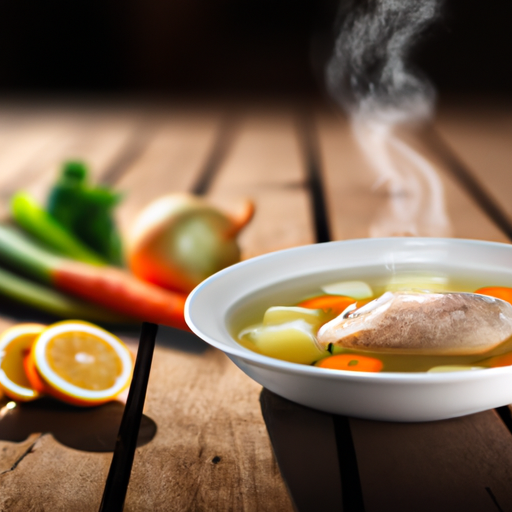
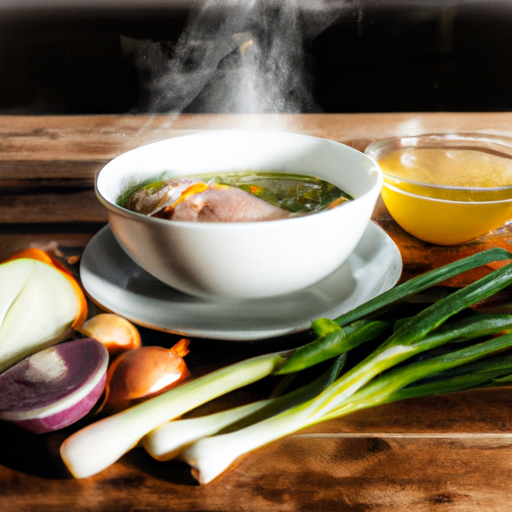
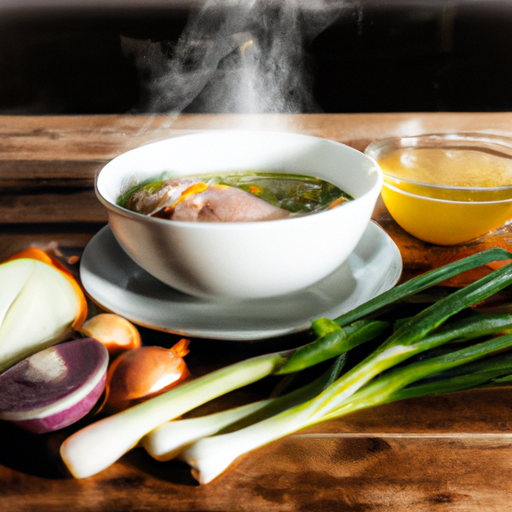
Can You Have Chicken Broth On The Mediterranean Diet?

You know, it’s a common question you might find yourself asking: “Can I include Chicken Broth in my Mediterranean Diet?” It’s a straightforward question, yet one that carries a lot of weight when considering the richness and flavors chicken broth can add to your meals. Especially if you’re one who loves to enhance your recipes with this magical ingredient!

Lucky for you, this article is here to deep-dive into just that. You’ll get some well-researched and accurate insights on chicken broth’s place in your Mediterranean diet plan. Remember, this diet is not just about healthy eating, but also about sharing high-quality food with your family. So, go ahead, continue reading, and see how chicken broth can fit into your family’s Mediterranean Diet plan. Who knows, your next meal may just become your new favorite dish on the Mediterranean diet!

Can You Have Chicken Broth On The Mediterranean Diet?

Understanding the Mediterranean Diet

The Mediterranean Diet, characterized by its emphasis on fruits, vegetables, whole grains, legumes, and lean proteins, stands out as one of the world’s healthiest diets. Borrowing traditions from various Mediterranean cultures, this heart-friendly diet focuses on plant-based, natural foods, and consumption of healthy fats like olive oil.

Key principles of the Mediterranean Diet

The Mediterranean Diet features predominantly plant-based foods like fruits and vegetables, whole grains, and legumes while including moderate portions of dairy and poultry. An important aspect is the replacement of butter with healthier fats such as olive oil. Red meat is limited and there is a strong preference for natural, real foods as opposed to processed items.

Health benefits of the Mediterranean Diet

Countless studies have illustrated the multiple health benefits of the Mediterranean Diet, ranging from reduced risks of heart disease and certain cancers to aiding weight loss and promoting gut health. Its focus on whole foods packed with antioxidants also contribute to overall well-being and longevity.

Foods typically included in the Mediterranean Diet

Key foods in the Mediterranean Diet include fruits and vegetables, lean proteins like fish and poultry, beans and nuts, whole grains, and good fats like olive oil. Herbs and spices are used liberally to add flavor without the added salt or fat.

Highlighting the Role of Chicken Broth

Often overlooked, chicken broth can serve as a nutritional powerhouse in your kitchen, adding depth of flavor to various recipes while providing a host of health benefits.

Nutritional profile of chicken broth

Chicken broth, especially when homemade from whole chicken and assorted vegetables, brims with essential vitamins and minerals, including vitamins B, C, and K, and minerals like potassium and magnesium.

Health benefits of chicken broth

Chicken broth promotes digestion and gut health, supports the immune system, and has been shown to improve bone health. Thanks to the collagen content, it also aids the health of skin, hair and nails.

The role of chicken broth in cuisines worldwide

In many cuisines around the world, chicken broth serves as the foundation of countless soup and stew recipes, enhancing their nutritional profile and overall flavor. However, its usage doesn’t stop there. It can be used for cooking grains, making sauces, or adding flavor to sautéed vegetables.

Chicken Broth in the Context of the Mediterranean Diet

So, where does chicken broth fit in the context of the Mediterranean Diet? Stay with me as I share a deeper insight!

Can chicken broth be included in the Mediterranean Diet?

Absolutely! Chicken broth certainly has its place within the Mediterranean Diet guidelines. It’s a marvelous base for soups and stews, and adds flavor and nutrition to sauces and grain dishes.

The place of poultry in the Mediterranean Diet

Poultry, including chicken, is a primary source of lean protein in the Mediterranean Diet, to be enjoyed moderate amounts. So, a broth made from chicken aligns perfectly with the diet’s principles.

Healthy ways to prepare chicken broth

Cooking chicken broth at home allows you to control the ingredients and maximize its nutritional value. You can load it up with vegetables and herbs for an added flavor and nutrition boost.

Can You Have Chicken Broth On The Mediterranean Diet?

Incorporating Chicken Broth into Mediterranean Recipes

Chicken broth can elevate Mediterranean recipes, boosting both flavor and nutrition.

Chicken broth-based Mediterranean soup recipes

Chicken broth forms the foundation for many warming, wholesome Mediterranean soup recipes like Minestrone, egg-lemon soup, or lentil soup.

Using chicken broth in Mediterranean sauces

Chicken broth can be used to create light, flavorful sauces for pasta and grains, as well as add flavor and tenderness when braising meat or poultry.

Enhancing flavor of Mediterranean dishes with chicken broth

Using chicken broth rather than water when cooking grains, or adding it to sautéed vegetables, can envelop these dishes in deeper, more complex flavors.

Tips for Choosing High-Quality Chicken Broth

While homemade broth is incredible, you can also find high-quality chicken broth in stores. Here’s what to consider:

Ingredients to avoid in commercial chicken broth

Stay clear from broths with high sodium content, added sugars or artificial preservatives. Look for ones with recognizable, natural ingredients.

Benefits of homemade chicken broth

Homemade chicken broth provides flexibility to include your favorite ingredients, reduce sodium, and enhance nutrition. Plus, it can be a delicious way to reduce food waste by using vegetable scraps and leftover chicken bones!

How to choose a healthy store-bought chicken broth

Prefer broths labeled as organic, made from cage-free or pasture-raised chickens. The simpler the ingredient list, the better.

Preparing Homemade Chicken Broth

Making your own chicken broth at home is easier than you think!

Recipe for homemade chicken broth

Start with a whole chicken, or chicken parts, coupled with your chosen vegetables like carrots, onions, celery, and herbs like thyme, peppercorns, and bay leaves. Simmer them with water for several hours, strain and you have your homemade chicken broth!

Tips for cooking flavorful chicken broth

Roasting the chicken and vegetables before simmering them can intensify the broth’s flavor. Feel free to experiment with different herbs and spices to tailor it to your liking.

Storing and using leftover chicken broth

Chicken broth can be refrigerated for up to a week or frozen for several months, making this a convenient make-ahead option. Use the leftover whenever a recipe calls for water to add extra flavor and nutrition.

JD’s Personal Connection to the Mediterranean Diet

My journey with the Mediterranean Diet began out of a desire to maintain long-term health, not only for myself, but also for my family. The focus of sharing high-quality, flavorful meals was particularly appealing.

JD’s journey with the Mediterranean Diet

The Mediterranean Diet resonated with me because of the respect for natural, unprocessed ingredients, and the wonderful balance of flavors. It isn’t about restriction, but about celebrating quality, real food.

How the Mediterranean Diet supports JD’s active lifestyle

The diet’s emphasis on complex carbohydrates, lean proteins, and healthy fats supports my active lifestyle, offering sustained energy and promoting recovery.

Sharing the Mediterranean Diet with family

Besides, I find great joy in sharing delicious, nutritious Mediterranean meals with my family, exposing my children to a range of flavors and ingredients.

Promoting Family Health with the Mediterranean Diet

With the Mediterranean Diet, I have found a reliable path to promote enduring health in my family.

Cooking nutritious meals for family

Whether it’s a weeknight dinner or a special occasion, preparing meals centered around the principles of the Mediterranean Diet ensures I am empowering my family’s health.

Encouraging kids to enjoy the Mediterranean Diet

Involving my children in the kitchen, I’m introducing them to the joy of cooking, and the importance of making healthy choices.

Mediterranean Diet for long-term family health

The beauty of the Mediterranean Diet is its sustainability. It’s a lifestyle, and a delicious one at that, which makes it an attainable choice for long-term family health.

Exploring More Foods in the Mediterranean Diet

The Mediterranean Diet is not only about enjoying the known favorites but about exploring new flavors and ingredients.

Expanding culinary horizons with Mediterranean flavors

From different types of whole grains and legumes to regional spices and herbs, there’s an incredible variety to explore within the Mediterranean palate.

Unusual Mediterranean ingredients to try

Consider experimenting with ingredients like bulgur, farro, or spelt, or widening your scope of vegetables and legumes. Introducing such diversity keeps the diet interesting and nutritionally rich.

The endless versatility of the Mediterranean Diet

The Mediterranean Diet is easy to adapt based on your preferences, seasonality, and local produce, boosting its versatility and appeal.

Conclusion

In conclusion, chicken broth, with its rich flavor and health benefits, holds a welcome place in the Mediterranean Diet. It expands the culinary possibilities of this balanced, nutrient-rich diet, while adding a layer of comfort and home-cooked goodness.

So, whether you’re a seasoned Mediterranean food lover or starting on your journey, I hope you feel inspired to include chicken broth in your Mediterranean cooking adventures.

Join me in a continued exploration of this healthful, flavorful diet, and here’s to good health and great food!

July 31, 2023 Diet & Nutrition

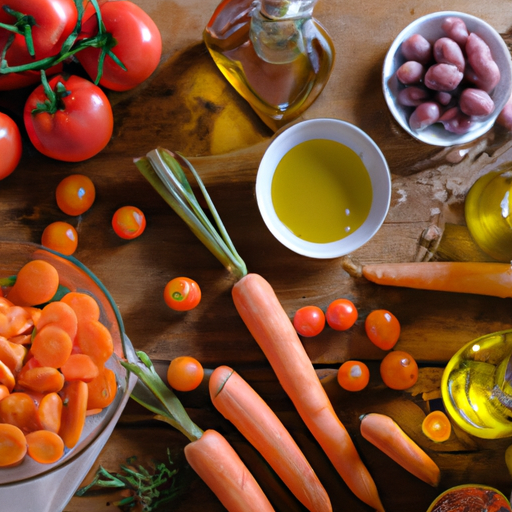
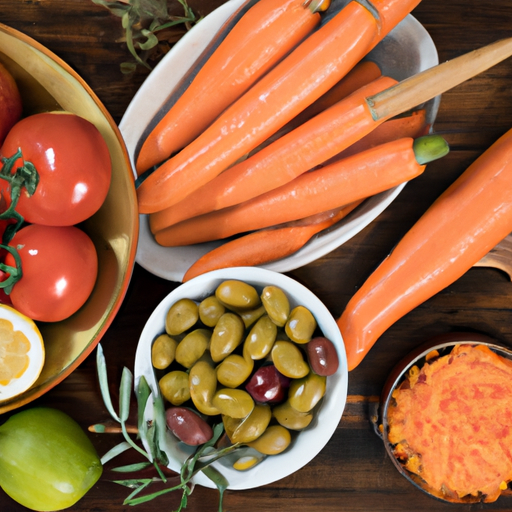
Are Carrots On The Mediterranean Diet?

You’ve probably found yourself pondering, “Are carrots included in the Mediterranean diet?” Well, isn’t that an interesting question! Carrots are pretty versatile after all – you can juice them, grill them, roast them, or eat them raw. They’re delicious any which way, but how do they fit into the Mediterranean diet?

In this article, JD dived deeper into this topic, revealing intriguing facts about carrots and their place in the Mediterranean diet. You’re about to learn not just about carrots, but more interestingly, how they beautifully blend into this heart-healthy, family-friendly diet. JD also shares how this focus on high-quality, nutritious food is ideal for maintaining long-term health and creating enriching mealtime experiences with his children. So, get ready to enrich your knowledge and expand your dietary horizons.

Are Carrots On The Mediterranean Diet?

Understanding the Mediterranean Diet

Concept and Origin of the Mediterranean Diet

The Mediterranean Diet is a dietary pattern that embodies the traditional eating habits of people from countries bordering the Mediterranean Sea, such as Spain, France, Greece, and Italy. It goes beyond simply food; it is a lifestyle that encourages regular physical activity, enjoying meals with family, and a balance of all food categories.

The diet has gained worldwide recognition for its numerous health benefits. It’s believed to play a pivotal role in promoting heart health, regulating blood sugar, managing weight, and even longevity.

Basic Dietary Constituents of the Mediterranean Diet

The Mediterranean diet mainly emphasizes whole foods. It includes a high intake of vegetables, fruits, legumes, whole grains, and healthy fats like olive oil. Alongside these, moderate amounts of fish, dairy products, poultry, and eggs are incorporated. Processed foods, sugary drinks, and desserts are rarely included and red meat is consumed sparingly.

Role of Vegetables in The Mediterranean Diet

Importance of Vegetables in this Diet

Vegetables play a particularly crucial role in the Mediterranean Diet, as they are consumed in abundance. These are rich sources of vitamins, minerals, antioxidants, and fibers that are essential for optimal nutrition and disease prevention.

Commonly Consumed Vegetables in a Mediterranean Meal

The Mediterranean meal plan includes several types of vegetables like tomatoes, cucumbers, onions, bell peppers, eggplants, zucchinis, and of course, the ever so versatile – carrots.

Carrots: Nutritional Profile

Health Benefits of Carrots

Carrots are packed with key nutrients that contribute to overall wellbeing. They boast a high content of beta-carotene, a powerful antioxidant which the body converts into vitamin A. Regular consumption of carrots can support healthy eyesight, boost the immune system, and promote skin health.

Vitamins and Minerals Present in Carrots

Besides being an excellent source of Vitamin A, carrots also contain a significant amount of vitamins C, K, and several B vitamins. They are also rich in minerals like potassium, iron, and copper.

Are Carrots On The Mediterranean Diet?

Are Carrots Included in the Mediterranean Diet?

Reasons for Carrot’s Inclusion in the Diet

Yes, carrots are indeed an integral part of the Mediterranean Diet. Their high nutritional value, along with their versatility makes them a great addition.

How Mediterranean Cultures Incorporate Carrots in Dishes

In the Mediterranean Diet, carrots are consumed in a variety of ways – they can be enjoyed raw as snacks, grated in salads, boiled, roasted, or even pureed into soups.

Carrots: Consumed Raw or Cooked?

Comparing Nutritional Benefits

Raw carrots are more crunchy and hydrating, while cooked carrots tend to have a milder, sweeter taste. From a nutritional standpoint, both raw and cooked carrots are beneficial. The cooking process enhances the beta-carotene content and availability in carrots, which can be more easily assimilated by the body.

Traditional Mediterranean Ways to Prepare Carrots

Traditionally, the Mediterranean cuisine incorporates carrots in a variety of ways, from using them as key ingredients in soups and stews to baking them as side dishes or incorporating in dips.

Dishing the Mediterranean Way

Steps for Making Carrot-Based Mediterranean Meals

Preparing a carrot-based Mediterranean meal is straightforward. You may opt to incorporate them into a chunky vegetable stew, toss grated carrots into a Greek-style salad, or roast them with a drizzle of olive oil and a sprinkle of your preferred spices for a nutritious side dish.

Adding Variety to your Carrot Dishes

Adding a variety of herbs and spices not only enhances the flavor but also increases the nutritional value of your carrot dishes. Herbs like parsley, basil, and thyme ubiquitous in the Mediterranean cuisine can greatly elevate the taste of carrot dishes.

Involvement of Family in the Mediterranean Diet Lifestyle

Promoting Healthy Eating Habits at Home

Incorporating the Mediterranean diet at home is a fantastic way to nurture healthy eating habits within the family. Share the process of meal preparation with your kids; let them feel the different textures, enjoy the vibrant colors of vegetables like carrots, and savor the delicious tastes of these nutritious dishes.

Making Meal Preparation a Family Activity

Turning meal preparation into a fun, family event not only strengthens the familial bond but also boosts enthusiasm for healthy eating. This culinary adventure can inspire your family to love and appreciate the flavors of the Mediterranean Diet.

Other Carrot Alternatives in Mediterranean Diet

Other Vegetables Used in this Diet

Besides carrots, other commonly used vegetables in the Mediterranean Diet include tomatoes, bell peppers, zucchini, eggplants, spinach, cucumbers, and many more.

Benefits and Usage of These Vegetables in the Diet

Each of these vegetables brings unique nutrients and flavors to the meals. Like carrots, they can be eaten raw, roasted, boiled, or incorporated into various dishes.

Maintaining a Balanced Mediterranean Meal

Balancing the Different Food Groups in the Diet

In the Mediterranean Diet, it’s important to strike a balance between different food groups. A typical meal would be rich in vegetables, complemented by moderate amounts of proteins and grains alongside healthy fats.

Importance of Portion Control in Meal Planning

Portion control is another key element of the Mediterranean diet. Even with healthier choices, excessive quantities can tip the balance, leading to weight gain. Selecting a variety of foods in appropriate portions is the key to maintaining nutritional balance and to a healthier life.

Conclusion: Carrots in the Mediterranean Diet

Summarizing the Importance of Carrots

To summarize, yes, carrots are indeed a part of the Mediterranean Diet. Their versatility and nutritional profile make them a valuable addition to your meal plan.

Relevance and Health Benefits of Maintaining a Mediterranean Diet

Maintaining a Mediterranean Diet is immersive and beneficial, with a particular emphasis on the quality of foods consumed and the communal aspect of meal sharing. Introducing carrots and other healthy food options can substantially enhance the nutritional value of meals, advancing your road to a healthier lifestyle. It was developed with longevity in mind, so it’s a sustainable way of eating designed to maintain good health throughout your life. So enjoy the journey of eating the Mediterranean way with your family and reap the numerous, long-lasting health benefits.

July 31, 2023 Health & Wellness

What Are The Best Fats On The Mediterranean Diet?

So, you’ve been wondering, ‘What are the best fats on the Mediterranean diet?’ Well, isn’t that an intriguing question? It certainly suggests you’re on a journey to improve and maintain your health while still enjoying delectable cuisine. That’s something to be commended! JD, the author and proud dad of three lovely kids, embarked on a similar journey, making him the ideal guide on this exciting and rewarding path towards optimal health.

In this enlightening article, JD has poured his dedication towards maintaining his health and being an active, ever-present part of his children’s life. You’ll be amazed about how this Mediterranean diet can not only lead you to a longer, healthier life but also highlight the beauty of sharing high quality foods with your family. Fear not, for JD’s well-researched and fact-checked articles always ensure you get precise and accurate information about all things Mediterranean diet. So, get ready to explore and learn more about the nourishing and tasty fats that make the Mediterranean diet so effective and unique.

What Are The Best Fats On The Mediterranean Diet?

Understanding the Mediterranean Diet

In order to learn about the best fats on the Mediterranean diet, it is important to understand what the diet itself entails.

The basics of the Mediterranean Diet

The Mediterranean diet is not so much a “diet” as it is a way of life. Inspired by the traditional eating habits of those living near the Mediterranean Sea, it’s founded on the principles of enjoying quality, fresh foods, eating with family, and staying active. Key components are fruits, vegetables, legumes, whole grains, and of course, healthy fats like olive oil.

Health benefits of the Mediterranean Diet

Countless studies have shown the remarkable health benefits associated with this diet. This includes reducing your risk of heart disease, diabetes, several types of cancer, and even cognitive diseases like Alzheimer’s. It can also support weight loss and help maintain the weight over the long term.

The role of fats in the Mediterranean Diet

In the Mediterranean diet, the fats you consume are just as important as the rest of the food on your plate. In fact, it breaks the myth that all fats are bad for you. Rather, it seeks to incorporate healthier types of fats, like monounsaturated and polyunsaturated fats, and Omega-3 and Omega-6 fatty acids, which all play a crucial role.

Monounsaturated Fats and the Mediterranean Diet

So, let’s delve a bit deeper into these healthy fats.

The importance of monounsaturated fats

Monounsaturated fats have one unsaturated carbon bond, hence the term “mono”. They’re known for their ability to lower bad cholesterol levels and provide nutrients for the body’s cells.

Sources of monounsaturated fats in the food

Key sources are olive oil, avocados, and certain nuts and seeds.

How to incorporate monounsaturated fats in your diet

You can easily add these fats to your diet by cooking with olive oil, snacking on a handful of almonds, or adding creamy avocado to your salad.

Polyunsaturated Fats and the Mediterranean Diet

Next up are polyunsaturated fats.

Explanation of polyunsaturated fats

Polyunsaturated fats contain more than one double bond in their structure. They help reduce bad cholesterol, lower blood pressure, and decrease inflammation in the body.

Types and sources of polyunsaturated fats

They come mainly in two types, Omega-3 and Omega-6 fatty acids. Key sources include fatty fish, walnuts, flax seeds, and chia seeds.

Benefits of polyunsaturated fats in the Mediterranean Diet

Polyunsaturated fats are beneficial for heart health, brain health, and fighting inflammation. Regular consumption can therefore lead to significant health benefits.

What Are The Best Fats On The Mediterranean Diet?

Role of Omega-3 Fatty Acids in the Mediterranean Diet

Now let’s hone in on specific polyunsaturated fats: Omega-3 fatty acids.

Defining Omega-3 fatty acids

Omega-3 fatty acids are an essential type of fat the body needs but can’t produce on its own. They help with heart health, brain function, and reduce inflammation.

Sources of Omega-3 fatty acids

Excellent sources are fatty fish like salmon, mackerel, and sardines, as well as omega-3 enriched eggs, walnuts, and chia seeds.

Why Omega-3 fatty acids are crucial in the Mediterranean Diet

The high amounts of Omega-3’s in this diet can reduce heart disease risk, lower blood pressure, and decrease triglycerides. They also help reduce symptoms of metabolic syndrome.

Role of Omega-6 Fatty Acids in the Mediterranean Diet

And then we have Omega-6 fatty acids.

Overview on Omega-6 fatty acids

Whilst Omega-6 fatty acids are necessary for various body functions, they need to be balanced with Omega-3 intake. This is because excessive amounts can lead to inflammation.

Omega-6 sources in the Mediterranean Diet

Key sources in this diet include olive oil, walnuts, and sunflower seeds.

Benefits and precautions of Omega-6 fatty acids

Maintaining a balanced intake can support healthy brain function, promote skin and hair growth, and assist in bone health. Be mindful of your intake to avoid potential inflammation.

Olives and Olive Oil in the Mediterranean Diet

Another significant component of the Mediterranean diet is olives and olive oil.

Importance of olives and olive oil

Olive oil, especially extra virgin olive oil, is a key source of healthy fats in this diet. It adds flavour, depth, and richness to dishes.

Health benefits of olive oil

This much-celebrated oil is rich in monounsaturated fats, antioxidants, and vitamins, and can lower risks of heart disease, high blood pressure, and stroke.

Cooking with olive oil

Drizzle it onto your salads, use it to dip your whole grain bread, or sauté your veggies in it—there are multiple ways to incorporate olive oil in your meals.

Nuts and Seeds in the Mediterranean Diet

Let’s not forget nuts and seeds, both powerhouses in the Mediterranean diet.

Nutritional values of nuts and seeds

Nuts and seeds are not only packed with monounsaturated and polyunsaturated fats but are also rich in fibre, protein, and several other key nutrients.

Benefits of including nuts and seeds

They can reduce cholesterol levels, support heart health, and aid in weight control.

Way to incorporate nuts and seeds in diet

Whether it’s a midday snack, a sprinkle in your favorite salad, or blending into your daily smoothie—putting nuts and seeds into your diet can be seamless.

Avocados on the Mediterranean Diet

Also, let’s touch on the superfood that is avocado.

Avocado as a source of good fats

Avocados are an excellent source of monounsaturated fats and contain more potassium than bananas.

Benefits of consuming avocados

These yummy fruits can reduce inflammation, improve digestion, and support weight loss.

Tips on adding avocados to your meals

Spread it on whole grain toast, blend it into smoothies, or enjoy it straight from the skin with a squeeze of lemon. The options are endless!

The Importance of Balance in the Mediterranean Diet

In all things, balance is key.

Balancing fats intake in the Mediterranean Diet

Whilst healthy fats are beneficial, remember it’s about balanced consumption alongside other key nutrients.

Effects of overconsumption of fats

Healthy fats, when consumed in excess, can still lead to weight gain and other health issues.

The idea of quality over quantity in diet

The Mediterranean diet is an overall lifestyle change and focuses on the quality of foods you intake, rather than the quantity.

Conclusion

Phew! That was a hearty grasp of information.

Summary of the best fats in the Mediterranean Diet

What we can understand is that healthy fats play a significant role in the Mediterranean diet—monounsaturated and polyunsaturated fats, Omega-3, Omega-6, and the wholesome foods that contain them.

The potential impact on family health

By incorporating these principles, you’re not just making an investment in your health, but your family’s as well. Imagine the shared laughter, conversation, and togetherness during meals that contain foods that are not just delicious but life-prompting.

Encouragement for maintaining and cherishing the Mediterranean Diet

So, whether you’re new or seasoned on this incredible dietary journey, remember to cherish and maintain it. Remember, quality over quantity, balance in all things, and enjoy the food, company, and vitality it brings.

And to that, Bon Appétit!

July 31, 2023 Health & Fitness

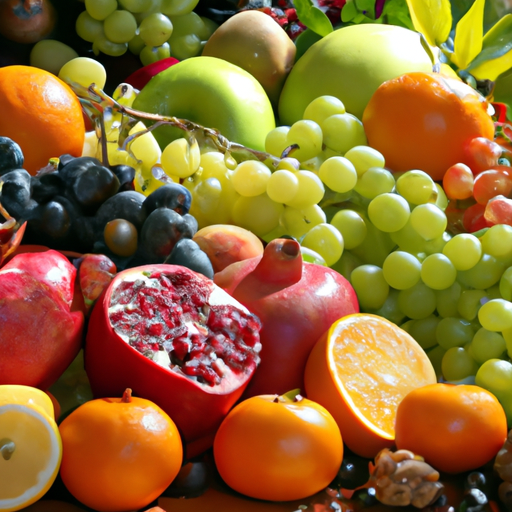
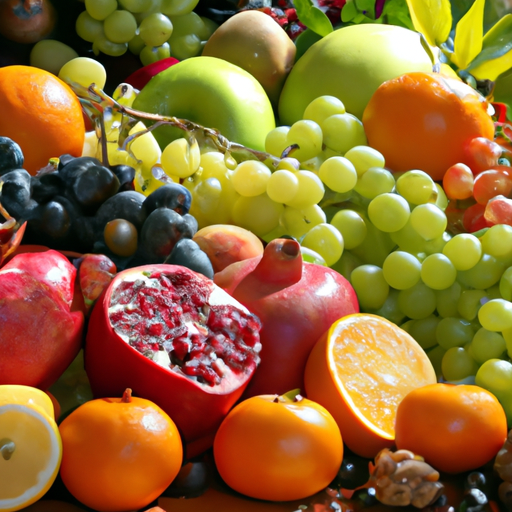
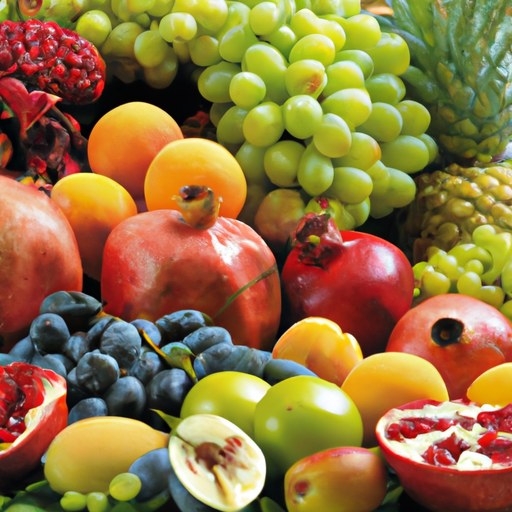
What Fruits Are Allowed On The Mediterranean Diet?

So you’re curious about what fruits are allowed on the Mediterranean Diet? An excellent question indeed! As you continue your journey of discovering healthier lifestyles, it’s fundamental to have an understanding of the types of food that compliment your chosen diet. And when discussing the Mediterranean Diet, the diverse and flavorful array of fruits really can’t be understated.

With this article, you’re about to dive deeper into the world of Mediterranean Diet-friendly fruits, expanding your dietary horizons along the way. The Mediterranean diet isn’t just about maintaining your bodily health; it’s also about enjoying high-quality, delicious food with your family. There’s something special about gathering around the table, sharing scrumptious and nutritious meals with your loved ones. Stick around, you’re in for some juicy details in the following article. Trust us, it’s an incredible adventure of taste and health benefits intertwined.

What Fruits Are Allowed On The Mediterranean Diet?

Understanding the Mediterranean Diet

Concept and Origin of the Mediterranean Diet

The Mediterranean diet originated from the traditional eating habits of people in the Mediterranean region, particularly those in Greece, Southern Italy, and Spain. This diet revolves around the core principle of enjoying and sharing natural, nutritious food with family and loved ones.

Core Principles of the Mediterranean Diet

The Mediterranean diet focuses on whole foods, plenty of fruits and vegetables, healthy fats like olive oil, lean proteins, and moderate intake of red wine. Additionally, it advocates for outdoor physical activities and enjoying meals with family and friends.

Role of Fruits in the Mediterranean Diet

Nutritional Benefits of Fruits in Diet

Fruits play a key role in the Mediterranean diet due to their high nutritional value. They are packed with essential vitamins, minerals, and fiber, which promote good health and prevent a wide range of diseases.

Importance of Seasonal Fruits

The Mediterranean diet emphasizes the importance of seasonal fruits because they not only taste better, but their nutritional value is often at their peak when they are in season. Furthermore, consuming seasonal fruits supports local farming communities.

Fruits Allowed in the Mediterranean Diet

Berries: Blueberries, Strawberries, Raspberries

Berries are a staple in the Mediterranean diet. They are rich in antioxidants, fiber, and other essential nutrients.

Citrus Fruits: Oranges, Lemons, Grapefruits

Citrus fruits offer an array of health benefits. They are high in vitamin C and fiber and also have powerful antioxidant properties.

Stone Fruits: Peaches, Plums, Apricots, Cherries

Stone fruits like peaches, plums, apricots, and cherries are integral to the Mediterranean diet. They are a great source of vitamins A and C and fiber, and their sweet, tart flavors add a refreshing note to meals.

What Fruits Are Allowed On The Mediterranean Diet?

Exotic Fruits in the Mediterranean Diet

Avocados: Nutritional Benefits and Uses

Avocados are an excellent source of healthy fats, fiber, and various important nutrients. They are versatile and can be incorporated into numerous Mediterranean dishes.

Pomegranates: Health Benefits and Culinary Uses

Pomegranates are renowned for their antioxidants, and their juice and seeds can be used in various recipes to add a burst of tangy sweetness.

Mediterranean Diet, and Apples

Varieties of Apples and Their Benefits

From crisp Granny Smiths to sweet Fujis, each apple variety has its unique taste and nutritional profile, and they are all welcomed in the Mediterranean diet.

Including Apples in the Mediterranean diet

Apples can be enjoyed fresh, baked, or cooked into a variety of Mediterranean dishes. They are great for maintaining a balanced diet due to their high fiber content and low calorie count.

Grapes: A Key Fruit in the Mediterranean Diet

Health Benefits of Grapes

Grapes, especially the red and purple varieties, are rich in antioxidants. They are beneficial for heart health and overall wellness.

Popular Grape-Based Dishes in the Mediterranean Diet

Grapes are commonly used in salads, sauces, desserts, and, of course, wine production in the Mediterranean cuisine.

Using Fruits in Mediterranean Cooking

Traditional Fruit-Based Recipes

Fruit-based recipes such as fresh fruit salads, baked goods with fruit fillings, and grilled fruits are common in the Mediterranean diet.

Creative Fruit Inclusions in Meals

Fruits can also be creatively included in meals – think orange zest in salads, grapefruit segments in seafood dishes, or apple slices in a savory sandwich.

Promoting Healthy Eating Habits with the Mediterranean Diet

Impact of the Diet on Long-term Health

Embracing the Mediterranean diet can significantly improve health, reduce the risk of chronic diseases, and improve longevity.

Incorporating the Mediterranean Diet in Family Meals

Incorporating the Mediterranean diet in family meals is not just about health; it’s also about building strong family bonds through the shared experience of preparing and enjoying food together.

Mistakes to Avoid in a Mediterranean Diet

Choosing the Right Fruits

While all fruits are encouraged, it’s best to opt for fresh, whole fruits over processed or canned ones to avoid added sugars and preservatives.

Avoiding Over-consumption of Fruits

Although fruits are a vital part of the Mediterranean diet, moderation is key. Consuming too much fruit can lead to excessive sugar intake.

Conclusion: Fruits and The Mediterranean Lifestyle

Encouraging Sustainable and Healthy Eating

The Mediterranean diet goes beyond just eating certain foods; it’s about embracing a sustainable, healthy lifestyle that includes regular physical activity, mindful eating, and treasuring family mealtime.

Promoting Health Through the Mediterranean Diet

What better way to ensure you’re active and healthy to be fully present in your children’s lives than by sticking to the Mediterranean diet? Not only does it provide the nutrients you need, but it also allows you to share high-quality meals with your family. The large variety of fruits allowed in this diet ensures you and your family never lack exciting, tasty, and healthy options.

July 31, 2023 Health & Nutrition

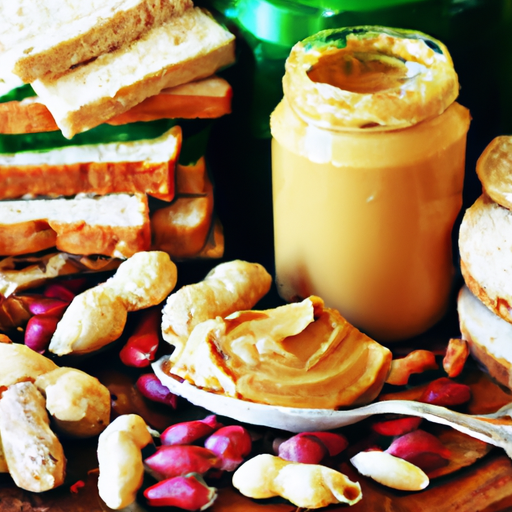
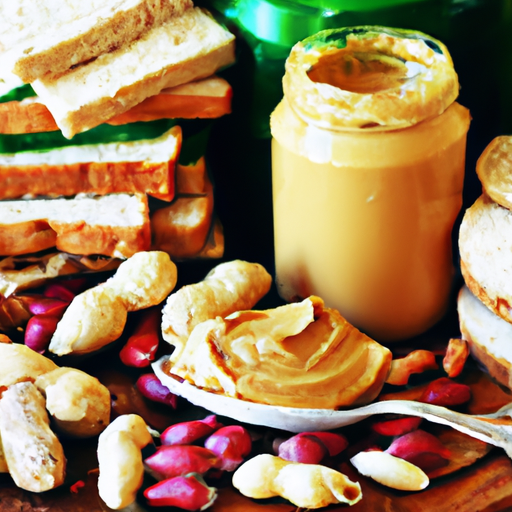
Can You Eat Peanut Butter On A Mediterranean Diet?

Have you ever found yourself pondering, “Can I have peanut butter while following a Mediterranean diet?” It’s a great question, considering peanut butter is such a staple in many people’s pantry. Knowing exactly what you can or can’t have on this diet can be a bit confusing, after all, it’s about more than just enjoying great food; it’s about enjoying food that’s good for you.

By diving in deeper into the article, you’re going to see exactly where peanut butter stands in the Mediterranean diet. You’ll learn if it’s permissible, under what conditions, and even get some useful tips on how to incorporate it in your Mediterranean meals. Just remember, following this diet is about much more than your health. It’s about sharing quality food with your loved ones, making every mealtime meaningful. Who knows, the answer might even inspire a new family favorite!

Can You Eat Peanut Butter On A Mediterranean Diet?

Understanding the Mediterranean Diet

The Mediterranean Diet has gained its popularity among health enthusiasts due to its fantastic benefits and the fact that it promotes a balanced lifestyle without extreme restrictions. This diet is rich in fruits, vegetables, whole grains, nuts, seeds, and lean proteins – all of which contribute to a healthier physical state.

Characteristics of Mediterranean Diet

The Mediterranean diet emphasizes whole foods, vibrant flavors, and an overall balance of macronutrients. This diet is characterized by its high consumption of vegetables, fruits, whole grains, and lean proteins. Your need for protein can be obtained from fish and poultry, while red meat is devoured only in moderation. The diet also encourages the use of healthy oils like olive oil instead of unhealthy fats like butter.

Health Benefits of the Mediterranean Diet

Adopting a Mediterranean Diet brings forth numerous health benefits such as improving heart health, aiding in weight loss, enhancing mental health, and lowering the risk of chronic diseases, such as diabetes.

Origins and Influences of the Mediterranean Diet

The Mediterranean Diet, as the name implies, is inspired by the eating habits of the countries bordering the Mediterranean Sea. Each region has its own unique interpretation of this diet, but the common theme revolves around plant-based, nutrient-dense foods.

So, can you incorporate peanut butter into the Mediterranean diet? Let’s see.

Incorporating Peanut Butter into the Mediterranean Diet

Nutritional Value of Peanut Butter

Peanut butter is rich in monounsaturated fats (healthy fats), proteins and fiber. It’s also packed with essential vitamins and minerals, such as potassium, magnesium, and antioxidants.

How Peanut Butter Aligns with Mediterranean Diet Principles

Peanut butter, just like other nuts and seeds, is an acceptable part of the Mediterranean diet due to its protein content and health-boosting fats. It fits perfectly into the mindset of a diet based on whole foods and balance.

Balancing Peanut Butter Intake

Remember, while peanut butter is healthy, it is also calorie-dense. So, it’s important to practice moderation in consuming this savory goodness.

Can You Eat Peanut Butter On A Mediterranean Diet?

Creating Flavorful Meals with Peanut Butter

Using Peanut Butter in Mediterranean Recipes

Peanut butter can add a savory, creamy consistency to Mediterranean dishes. You might consider adding it to salad dressings and marinades or use it in a dip with your whole grain bread.

Innovative Ways to Include Peanut Butter

Peanut butter isn’t just for sandwiches. You can use it in smoothies, oat meals, sauces, or even in baking some Mediterranean-inspired treats.

Sweet and Savory Possibilities with Peanut Butter

Peanut butter provides endless culinary possibilities. It creates a sense of harmony between sweet and savory taste buds while sticking to the fundamental principles of the Mediterranean Diet.

Nut Butters in Mediterranean Cuisine

Commonly Used Nut Butters

Besides peanut butter, other nut butters, such as almond, cashew, or walnut, are also used in the Mediterranean Diet.

Nutritional Comparison between Peanut Butter and Other Nut Butters

Each type of nut butter has its unique nutrient profile, but they all provide high quantities of healthy fats, proteins, and various essential minerals.

Choosing a Nut Butter for Your Diet

The trick is not to stick to one kind of nut butter. Enjoy the assortment and experience a new burst of flavor and nutrient content each time.

The Family Benefits of Peanut Butter

Why Children Love Peanut Butter

The creamy, delicious and versatile nature of peanut butter not only makes it a favorite among kids, but it also serves as an easy way to provide them with essential nutrients.

Simple and Nutritious Snacks with Peanut Butter

Peanut butter combined with foods like apples, celery, or a simple bread can become a quick and nutritious snack.

Family Meals with Peanut Butter

Whether it’s a hearty breakfast or a family dinner, dishes made with peanut butter can bring flavors and smiles to the table.

Peanut Butter as a Source of Protein

Comparing Protein Content: Peanut Butter and Other Protein Sources

While meats are high in protein, peanut butter can offer a substantial plant-based protein option, making it a good substitute for those on a vegetarian diet.

Benefits of Plant-Based Protein

Plant-based proteins generally come with lower levels of saturated fats and cholesterol, and higher levels of fiber and essential nutrients.

Peanut Butter in Post-Workout Recovery Meals

Its high protein content makes it a great post-workout snack that aids in muscle recovery and growth.

Keeping Your Peanut Butter Intake Healthy

Watching Out for Added Sugar and Oils

Choose peanut butter that is free of added sugars and oils. More natural, the better.

Portion Control and the Mediterranean Diet

The key is to consume it in moderation because while nutritious, peanut butter is also high in calories.

Unprocessed Peanut Butter: A Healthier Choice

Look for all-natural versions without additives to make the most of the health benefits that peanut butter can offer.

Conclusion: Balancing Diet and Enjoyment

Democratic Approach to Eating

This diet encourages a democratic approach to eating. It allows you to enjoy a diverse variety of foods in moderation, including peanut butter.

Enjoying Peanut Butter While Staying Healthy

The Mediterranean Diet proves that it is possible to enjoy scrumptious meals like peanut butter without compromising your health.

A Diet that Suits Your Lifestyle

Incorporating peanut butter into the Mediterranean diet not only enhances flavor but also provides essential nutrients, making this diet not just a temporary eating plan but a lifestyle. As a father, the health and enjoyment of my family are what is important, and that is what the Mediterranean diet, with a dollop of peanut butter, brings to our home.

July 31, 2023 Diet & Nutrition

What Rice Is Best For Mediterranean Diet?

You know, it’s a question that comes up quite often – what sort of rice is the best fit for the Mediterranean diet? It’s an important query given how integral a role rice plays in many dishes within the cuisine. The right kind of rice can truly enhance the flavors of your meal, and aligns with the healthy approach that characterizes the Mediterranean diet.

In the paragraphs ahead, you’re in for an insightful read. You’re going to learn more about the types of rice that are most appropriate for the Mediterranean diet, and why they are preferable. Remember, JD’s mission here is to ensure you’re not just eating, but consuming high-quality food that enhances your health and well-being. So, prepare to be educated about the best rice choices you can make for your Mediterranean meals. Stay tuned for the scoop on making your meals not only healthier but more authentic in flavor. After all, it’s all about sharing tantalizing, nutritious food with your loved ones, right?

Understanding Mediterranean Diet

The Mediterranean Diet represents a unique way of consuming food based on the traditional cuisines of countries bordering the Mediterranean Sea. High in vegetables, whole grains, lean proteins, and hearty fats, this diet is renowned for its health benefits. But one crucial component often overlooked is the role of rice.

What Rice Is Best For Mediterranean Diet?

Key Principles of the Mediterranean Diet

The Mediterranean diet emphasizes fruits, vegetables, whole grains, beans, nuts, and seeds. Olive oil is the primary source of added fat, while red meat is limited. You’ll also find a moderate amount of dairy products and a focus on fish and poultry over red meat. The diet encourages the use of herbs and spices instead of salt to flavor foods.

Health Benefits of the Mediterranean Diet

According to research, the Mediterranean diet can help reduce the risk of heart disease, cancer, diabetes, and other chronic diseases. It can also contribute significant benefits to brain health and longevity.

Role of Rice in Mediterranean Diet

One crucial yet often overlooked component of the Mediterranean Diet is rice.

Importance of Grains in Mediterranean Diet

Whole grains are a critical part of the Mediterranean diet. They provide dietary fiber, help manage hunger, and deliver necessary nutrients like B vitamins and iron.

Why Rice is Included in the Diet

Being rich in nutrients and easy to incorporate into numerous dishes, rice importantly contributes essential minerals, vitamins, and fiber to the Mediterranean diet.

Different Types of Rice

There are countless types of rice available, each with its nutritional profile and taste.

Description of Various Rice Types

There’s brown rice, a whole grain known for its high fiber content. Then there’s wild rice, a semi-aquatic grass that’s exceptionally high in protein. Basmati rice, commonly used in Middle Eastern and Indian cuisines, has a low glycemic index beneficial for blood sugar control.

Nutritional Value of Different Rice Varieties

Brown rice contains plenty of fiber and several vitamins and minerals. Wild rice is high in protein and nutrients, while Basmati rice can help maintain blood sugar levels due to its low glycemic index.

What Rice Is Best For Mediterranean Diet?

Best Types of Rice for Mediterranean Diet

In terms of the Mediterranean diet, some types of rice are more ideal for their specific nutritional benefits.

Brown Rice for Fiber

Brown rice is a top choice due to its high fiber content, which can assist with digestive health and help you feel full longer.

Wild Rice for Protein

Wild rice is an excellent source of protein, which is vital for building and repairing tissues in your body.

Basmati Rice for Low Glycemic Index

Basmati rice has a low glycemic index, meaning it won’t cause a quick spike in blood sugar levels. This feature makes it an excellent choice for those managing diabetes or looking to reduce the risk of developing the disease.

Preparing Rice in Mediterranean Style

Mediterranean-style rice dishes are flavorful and hearty, often incorporating other healthy ingredients common to the Mediterranean diet.

Traditional Mediterranean Rice Recipes

Many traditional recipes feature rice as a significant ingredient, such as Greek lemon rice, Spanish paella, and Middle Eastern rice pilaf.

Tips for Cooking Perfect Mediterranean Rice

To make perfect Mediterranean rice, always rinse your rice thoroughly and cook it in broth or stock for extra flavor.

Incorporating Other Mediterranean Ingredients

Mediterranean rice dishes often include ingredients like olive oil, tomatoes, onions, garlic, citrus, fresh herbs, and a variety of local spices, making them an exciting and nutrient-dense addition to your diet.

Health Benefits of Rice in Mediterranean Diet

Besides being a versatile and satisfying food, rice has several health benefits when consumed as part of the Mediterranean diet.

Contribution of Rice to Heart Health

As rice is low in fat, cholesterol-free, and high in fiber, it may contribute to a healthy heart.

Role of Rice in Weight Management

Rice, especially brown or wild rice, can help manage weight thanks to their high fiber content that induces feelings of fullness.

Rice and Digestive Health

The dietary fiber in rice aids in digestive health by promoting regular bowel movements and preventing constipation.

Rice for Energy

Rice is a great source of energy thanks to its carbohydrate content, providing fuel for your brain and muscles.

Sharing Mediterranean Rice Dishes

Promoting healthy eating habits can extend to your entire family, with rice dishes playing a central role.

Promoting Family Health with Rice

Preparing dishes such as paellas, pilafs, or simple rice salads can introduce your family to the rich flavors and health benefits of the Mediterranean diet.

Teaching Children About Balanced Diet Through Rice Dishes

Using rice as a base, you can teach children about balanced meals by adding plenty of colorful vegetables, lean proteins, and a drizzle of heart-health olive oil.

Maintaining Diet Variety and Balance

Variety and balance are critical in any diet.

Pairing Rice with Other Mediterranean Foods

Rice pairs remarkably well with other Mediterranean foods, such as tomatoes, olives, feta cheese, and grilled chicken, enhancing both the flavor and nutritional profile of your dishes.

Ensuring Dietary Variety for Comprehensive Nutrition

By incorporating a wide variety of foods in your diet, including different types of rice, you ensure your body gets all the nutrients it needs for optimal health.

Consistency in Following Mediterranean Diet

Consistency is key to reap the health benefits from the Mediterranean diet.

Making Mediterranean Diet a Habit

Incorporate this diet as a lifestyle change and not as a temporary eating plan. Consistently eating a variety of whole, nutrient-dense foods can contribute significantly to long-term health.

Combining Diet with Other Healthy Lifestyle Habits

While diet is crucial for health, don’t forget the importance of regular physical activity and adequate sleep, both complement the benefits of the Mediterranean diet.

Conclusion

Recap of the Best Rice for Mediterranean Diet

To conclude, brown rice, wild rice, and Basmati rice each offer unique health benefits that make them an excellent inclusion in the Mediterranean diet.

Health and Lifestyle Implications

Consuming these types of rice as part of a Mediterranean diet can contribute to heart health, weight management, absorb more nutrients, and promote overall wellness.

Overall Benefits of Mediterranean Diet with the Right Type of Rice

With flavorful dishes and substantial health benefits, the Mediterranean diet, especially when it includes the right type of rice, can enhance the quality of life, potentially offering a longer and healthier future.

Remember, the core idea is to create a balanced and nutritional diet and enjoying high-quality meals with your family and loved ones. So next time you prepare your Mediterranean meal, consider which rice may contribute the most to your dish and overall health. After all, it’s not just about eating right but also about enjoying the process.

July 31, 2023 Health & Wellness

Can You Eat Corn On Mediterranean Diet?

Wondering if corn makes the cut in the Mediterranean diet? This question seems to be popping up quite frequently these days, almost as much as popcorn at a movie theater. You’re not alone in your curiosity. With its many health benefits and delectable recipes, it’s no wonder the Mediterranean diet is gaining popularity. As such, it’s also natural for you to ponder whether your favourite foods, like corn, get a green light in this diet plan.

Don’t worry, my friend, you’re about to get a whole cob of information about corn and the Mediterranean diet. The article you’re about to read will draw you into the world of Mediterranean eating habits, decoding its do’s and don’ts. You’ll find out where corn stands in this diet and whether it’s a friend or foe to your health journey. So, buckle up, as you’ll soon have a wholesome understanding of the role corn plays in the Mediterranean diet. Onward, to healthy eating and a happier you!

Can You Eat Corn On Mediterranean Diet?

Understanding the Mediterranean Diet

The Mediterranean Diet is more than just a meal plan, it is a lifestyle embraced by cultures around the Mediterranean Sea. The diet places high emphasis on fresh fruits and vegetables, whole grains, legumes, nuts, and olive oil, whilst moderating consumption of dairy, fish, and poultry, and limiting red meat and sweets. But where does corn fit into this alluring dietary pattern? Is it a recommended staple or a hidden foe?

The Basic Principles of the Mediterranean Diet

At its core, the Mediterranean Diet focuses on simplicity and wholesomeness. It celebrates seasonal produce and quality ingredients and encourages home cooking and pleasure in eating. Regular physical activity and sharing meals with family and friends are intrinsic aspects of this diet.

The Health Benefits Associated with the Mediterranean Diet

The Mediterranean Diet has been extensively studied and is praised for its numerous health benefits. These include decreased risk of heart disease, stroke, and some types of cancer, improved mental health, and enhanced longevity.

How the Mediterranean Diet Enhances Longevity

One of the most attractive benefits of the Mediterranean Diet is its contribution to a long and healthy life. This is attributed to its high content of antioxidants, fiber, healthy fats, and a plethora of vitamins and minerals that support overall health.

Understanding the Mediterranean Diet Pyramid

The Mediterranean Diet Pyramid is a guide that helps users understand the different food groups included in the diet and their recommended frequencies. It reveals that the foundation of the diet consists of foods to be eaten daily — including grains, which is where versatile corn comes in.

Inclusion of Corn in the Mediterranean Diet

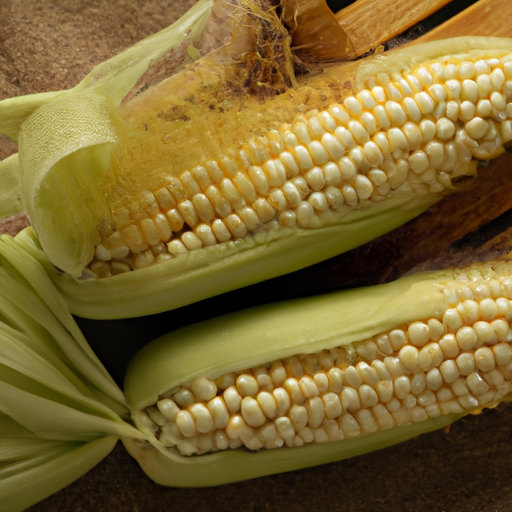
Corn, known as maize in its natural, unprocessed form, is a vital part of many traditional Mediterranean dishes.

The Role of Corn in the Mediterranean Diet

Corn provides energy and is a great source of fiber. It also adds a balanced sweetness and unique texture to meals.

Nutritional Profile of Corn

Corn is a fantastic source of essential vitamins and minerals. It’s packed with vitamin C and B-group vitamins, as well as magnesium, zinc, and iron.

How Corn is Consumed in Mediterranean Cuisine

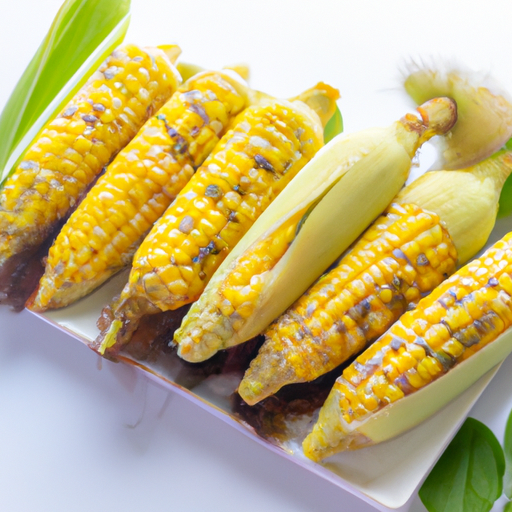
In Mediterranean cuisine, corn is often added to salads, soups, casseroles, or grilled on the cob. It’s also used to make polenta, a traditional Italian dish.

Corn: A Versatile Ingredient in the Mediterranean Diet

Corn’s versatility means you can utilize it to add value to your Mediterranean meals. Its naturally sweet flavor marries well with other ingredients, making it a unique addition to any dish.

Can You Eat Corn On Mediterranean Diet?

The Benefits of Eating Corn on the Mediterranean Diet

Aside from its culinary value, corn has numerous health benefits that can enhance your well-being while on the Mediterranean Diet.

The Vitamins and Minerals Found in Corn

Corn is rich in vitamins A, B, and E, and minerals such as zinc, copper, and magnesium. These are essential for several body functions and promote overall health.

Corn’s Remarkable Fiber Content and Its Impact on Health

Corn’s high fiber content aids digestion and helps regulate blood sugar levels, contributing to maintaining a healthy weight.

The Role of Corn in Weight Management on the Mediterranean Diet

Corn’s high fiber content promotes satiety and prevents overeating, which can aid in weight management.

Corn and Heart Health

The fiber in corn helps to lower bad cholesterol levels, reducing the risk of heart disease.

Mediterranean Diet Recipes That Incorporate Corn

Adding corn to your Mediterranean dishes is both simple and delicious. Here are some recipes to inspire you.

Corn Salad with Olive Oil and Lemon Dressing\nA fresh and zesty salad showcasing corn’s sweetness against the tartness of lemon.

Mediterranean Corn and Tomato Stew\nA hearty, comforting stew that’s packed with the flavors of corn, juicy tomatoes, and aromatic herbs.

Spiced Corn with Chickpeas: A Mediterranean Delight\nA delectable combination of sweet corn, protein-rich chickpeas, and a blend of Mediterranean spices.

Baked Corn with Spinach and Feta Cheese\nA rich, flavorful dish showcasing the contrast between sweet corn, creamy spinach, and savory feta.

Followed properly, the Mediterranean Diet can bring you a wealth of health benefits. Corn, with its nutritional profile and versatility, fits well into this dietary pattern. Whether it becomes a regular part of your meals is ultimately a matter of personal preference. As with any diet, balance and moderation are key. The Mediterranean Diet affirms this well, and corn can be a delightful part of that balance. Stay healthy, happy, and enjoy the journey!

July 31, 2023 Diet and Nutrition

Can You Have Milk And Cheese On Mediterranean Diet?

Ever wonder if you can include milk and cheese in your Mediterranean diet? Well, your curiosity is about to be satisfied! The Mediterranean diet is a popular healthy eating plan highly recommended for its numerous health benefits, but you might be wondering if dairy is a part of this diet.

In the following article, you will get detailed information about how dairy, particularly milk and cheese, fits into the Mediterranean diet. You’ll have a better understanding of how you can enjoy these foods while still adhering to this healthful and delicious way of eating. A commitment to high quality, nutritious food is something we encourage especially when shared with family. So, buckle up for a knowledge-packed journey into the flavorful, heart-healthy world of the Mediterranean diet.

Can You Have Milk And Cheese On Mediterranean Diet?

Understanding the Mediterranean Diet

The Mediterranean diet, originally inspired by the dietary patterns of Greece, Italy, and Spain, is one of the most appreciated and value-added nutritional regimes in the world. Far from being only a simple composition of meals, this diet is a lifestyle approach that highlights consume of minimally processed whole foods and engaging in physical activities.

The concept behind the Mediterranean Diet

The Mediterranean diet is a culinary tradition with thousands of years of history and vast geographic diversity. You get to indulge in a variety of dishes filled with flavorful ingredients while reaping a host of health benefits. It is not about limiting your food intake but rather choosing from an abundance of food options that are both delicious and good for your health.

Key foods and nutrients in the Mediterranean Diet

The Mediterranean diet emphasizes consuming fruits, vegetables, whole grains, and lean proteins such as fish and chicken. It also includes moderate amounts of dairy products, particularly yogurt and cheese. These foods are packed with essential nutrients that your body needs for healthy function, including dietary fiber, mono- and polyunsaturated fats, vitamins, and minerals.

Health benefits of the Mediterranean Diet

Adopting a Mediterranean diet has been associated with lower levels of LDL (bad) cholesterol, reduced incidence of cardiovascular diseases, and a lower risk of Alzheimer’s disease, just to name a few. Furthermore, due to its ability to regulate blood sugar levels and prevent insulin resistance, the diet is also considered beneficial for individuals with type 2 diabetes.

Family and sharing in the Mediterranean Diet

Food isn’t just nourishment; it’s an event, a coming together of friends and family. And there’s no diet on Earth that exemplifies this better than the Mediterranean diet. It’s about cooking a meal from scratch and savoring it leisurely with family and friends. This perspective automatically improves your relationship with food and enhances the quality of your diet.

Dairy Products in the Mediterranean Diet

Importance of Dairy in Mediterranean Diet

Dairy plays a supporting, but still important role in the Mediterranean diet. However, their consumption often differs from the eating habits you may be used to. The diet incorporates dairy products such as milk, cheese, and yogurt moderately.

Variety of dairy on the Mediterranean Diet

The Mediterranean diet favors unprocessed, natural dairy products, often made from goat or sheep’s milk. These items are rich in protein, calcium, and numerous essential nutrients while being lower in saturated fats and easier to digest.

Role of Milk in Mediterranean Diet

Anticipated health benefits

Milk has been part of human diets for centuries due to its highly nutritional profile. It plays a significant role in bone health because of its rich content in calcium, vitamin D, and phosphorus — essential nutrients to bone health and development.

The best type of milk for Mediterranean Diet

Choosing the best milk for the Mediterranean diet involves favoring the ones that stand closer to natural and unprocessed characteristics. Therefore, goat or sheep milk is often a preferable option, as these are less processed and contain nutrients that might work better for your system.

Ways to include milk in Mediterranean Diet recipes

Milk can be seamlessly incorporated in various Mediterranean recipes — smoothies, soups, sauces, or as a delicious accompaniment with whole-grain cereals.

Can You Have Milk And Cheese On Mediterranean Diet?

Cheese in the Mediterranean Diet

Different types of cheeses in the Mediterranean Diet

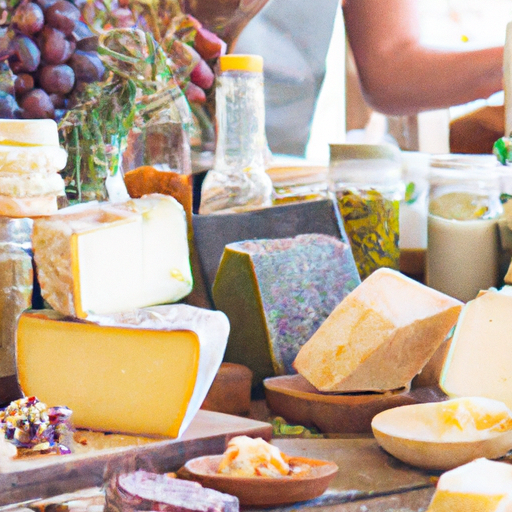
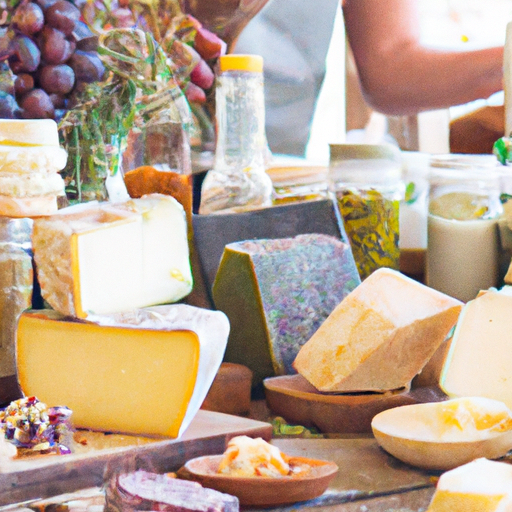
Cheese is a key part of the Mediterranean diet with its vast variety such as Feta, Ricotta, Mozzarella, and Halloumi. These cheeses, packed with flavor, add depth to any dish while giving you a healthy dose of protein and calcium.

Nutritional value of Cheese

Besides providing calcium and protein, cheese also supplies a good amount of phosphorus, vitamin A, and zinc.

Incorporating cheese in Mediterranean meals

Sprinkle some cheese on your salads, melt into pasta, or simply enjoy as a snack with fruits or raw veggies for a nutritious nibble.

Macronutrients in Dairy Products

Protein content in Milk and Cheese

Both milk and cheese serve as excellent sources of protein, a vital nutrient involved in building and repairing tissues.

Vitamins and Minerals present

In addition to calcium, dairy products are an excellent source of vitamins A, D, and B12, phosphorus, potassium, and magnesium.

Potential Dairy Alternatives in the Mediterranean Diet

Non-dairy options for those who are lactose intolerant or vegan

Even if you’re lactose intolerant or vegan, you don’t have to miss out on the many benefits of this diet. Plenty of non-dairy options such as almond milk, soymilk, and coconut milk can be used.

How these alternatives complement Mediterranean recipes

These alternatives can seamlessly replace dairy in any Mediterranean recipe.

Impact of Dairy Consumption on Health

How dairy supports good health

There is no doubt over the power of dairy when it comes to bone health. Besides that, it has also been linked to improved heart and oral health, and help in maintaining healthy blood pressure levels.

Potential risks of overconsumption

While incorporating dairy into your Mediterranean diet, do pay heed to portion sizes. Consuming dairy in moderation is the key to avoiding potential health drawbacks such as weight gain or exacerbated symptoms in people with lactose intolerance.

Scientific Studies and Expert Opinions on Dairy in Mediterranean Diet

Latest research findings

Current studies suggest that dairy products, particularly fermented products like yogurt and cheese, can be beneficial for heart health when consumed as part of a balanced Mediterranean diet.

Nutritionist and Dietician viewpoints

Nutritionists and dieticians view the inclusion of dairy products in the Mediterranean diet as an excellent way to ensure nutrient completeness.

JD’s Personal Experience with Dairy in the Mediterranean Diet

JD’s favorites ways to incorporate Dairy in his diet

Speaking from personal experience, one of my favorite ways to incorporate dairy in my diet is by using Feta cheese in salads. The creamy, tangy flavor enhances the dish while keeping it healthy and high in protein.

Impact on JD’s long-term health and family lifestyle

Since adopting the Mediterranean lifestyle, I’ve noticed a significant improvement in my health. The diet has made me more energetic and active, which is indispensable for keeping up with my three kids.

Conclusion: Dairy’s Place in the Mediterranean Diet

Revisiting the health benefits of Dairy

From bone health to cardiovascular wellbeing, the potential benefits of dairy in your Mediterranean diet are numerous.

Importance of moderation in Dairy consumption

Remember, moderation is the key when it comes to dairy. It’s all about the right balance between serving sizes and the frequency of consumption.

Incorporating Dairy in a balanced and varied Mediterranean Diet

Incorporating dairy into a Mediterranean diet can provide abundant health advantages. Whether enjoyed with cereals, in a salad, or as a stand-alone snack, dairy products can certainly find their place on your Mediterranean menu.

July 31, 2023 Diet & Nutrition

What Butter Is Best For Mediterranean Diet?

So you’re thinking about the best butter to use for your Mediterranean diet, aren’t you? That’s a fantastic question, and you’re definitely not alone in wondering this. Following a Mediterranean diet means incorporating the healthiest and most delicious ingredients into your meals, and choosing the right kind of butter can truly enhance not only the taste but the nutritional value too.

Dive into the rest of the article to explore more about the various types of butter suitable for your Mediterranean recipes. JD, having changed his own life through the Mediterranean diet, wishes to impart that knowledge to you, giving you a chance to make healthier choices for you and your family. You’ll learn a lot, and be able to share an improved and healthier food experience with your loved ones.

What Butter Is Best For Mediterranean Diet?

What Butter Is Best For Mediterranean Diet?

Understanding the Mediterranean Diet

Defining the Mediterranean Diet

The Mediterranean Diet is more than just a diet, it’s a lifestyle. Embracing this approach to eating involves focusing on whole foods, lots of fruits and vegetables, legumes, whole grains, and healthful fats. It’s about not just what you eat but how you eat, enjoying leisurely meals in the company of loved ones.

Primary Components of the Mediterranean Diet

This diet emphasizes the consumption of fruits, vegetables, legumes, whole grains, and olive oil. Fish and poultry are consumed regularly while red meat is eaten occasionally. The diet also includes moderate amounts of cheese, yogurt, and other dairy products.

Health Benefits of the Mediterranean Diet

With balanced meals full of wholesome foods, the Mediterranean Diet can promote heart health, manage weight, and even improve mental health. It has been linked to lower levels of LDL (low-density lipoprotein), the “bad” cholesterol that can cause buildup in your arteries.

Role of Fats in the Mediterranean Diet

Importance of Healthy Fats

Not all fats are created equal, and the Mediterranean Diet recognizes this. Healthy fats aid in nutrient absorption, hormone production, and maintaining a healthy weight. They also help reduce the risk of heart disease.

The Right and Wrong Fats

The main source of fat in the Mediterranean Diet is olive oil, which provides monounsaturated fats. This type of fat can reduce heart disease risk. Trans fats and saturated fats, on the other hand, found in processed foods, should be avoided when following this diet.

Butter in the Mediterranean Diet

Traditional View of Butter in Diet

For a long time, butter has been viewed as a ‘bad’ fat due to its high saturated fat content. However, not all saturated fats are equal and the context in which they’re consumed makes a difference.

Changing Perceptions about Butter

Recent studies have led to a shift in perception about butter. When consumed in moderation and as part of a diverse diet, some sources of saturated fats including butter can be part of a healthy lifestyle.

What Butter Is Best For Mediterranean Diet?

Analyzing Different Types of Butter

Industrialized Butter

This type of butter is produced on a large scale and may contain additives and preservatives. It often originates from grain-fed cows, which have a different nutritional profile in their milk.

Farm Fresh Butter

On the other hand, farm-fresh butter is made from fresh, typically organic, cream without additives. The nutritional profile, therefore, can be superior to its industrialized counterpart.

Grass-Fed Butter

Grass-fed butter comes from cows that are fed only grass and no grains. This gives their milk and the butter made from it an improved nutritional profile, rich in healthy fats like omega-3 fatty acids and CLA (conjugated linoleic acid).

Nutrition Profile of Different Butters

Saturated Fats in Butter

While butter does contain saturated fat, the type of saturated fat matters. Dairy fat is complex and contains different types of fatty acids.

Nutrient Content in Butter

Butter, especially when it’s grass-fed, is rich in many nutrients. These include Vitamin A, D, E, and K2. It also contains other beneficial compounds like butyrate and conjugated linoleic acid.

Butter and Cholesterol

While butter does contain cholesterol, current research indicates that dietary cholesterol does not have the significant impact on blood cholesterol levels once believed.

Grass-Fed Butter – A Mediterranean Choice

Advantages of Grass-Fed Butter

When it comes to choosing butter for Mediterranean diet, grass-fed is the clear choice. It contains higher levels of omega-3 fatty acids, which are beneficial for heart health, as well as vitamins A and E.

Grass-Fed Butter and Omega Fatty Acids

Omega-3 fatty acids are essential fats that benefit heart health. They are present in higher concentrations in grass-fed butter compared to regular butter.

Integrating Butter into a Mediterranean Diet

Balancing Butter with Other Fats

Yes, you can include butter in your Mediterranean diet. However, it’s important to remember balance. Most of your fats should still come from sources like olive oil, avocados, and fatty fish.

Butter in Mediterranean Recipes

Butter can add a new taste dimension to Mediterranean dishes. Use it sparingly to sauté vegetables, or melt over fresh, crusty bread.

Family and the Mediterranean Diet

Sharing High-Quality Food with Family

Just as my family and I enjoy sharing high-quality, homemade meals together, so too is this a cornerstone of the Mediterranean Diet. It’s about feeding our bodies with nourishing foods and our hearts with great company.

Teaching Healthy Eating habits to Children

Part of my passion for the Mediterranean Diet is instilling healthy eating habits in my children. Including them in meal preparation exposes them to a variety of foods and flavors, setting the stage for a lifelong appreciation for healthful food.

Maintaining a Balanced Mediterranean Diet

Continued Research and Adaptation

Adopting the Mediterranean diet means continuing to learn and adapt. Stay abreast of the latest research to ensure your diet provides the healthiest, most balanced nutrition.

Respecting Personal Health Needs

Ultimately, maintaining a balanced diet means understanding and respecting your personal health needs. Listen to your body and consult with a healthcare professional if you have specific dietary restrictions or concerns.

Conclusion: Choosing the Right Butter for Your Mediterranean Diet

Reflecting on Butter’s Role

Butter holds a place in the Mediterranean diet, but balance and moderation are key. Choosing high-quality, grass-fed butter, and using it sparingly can enhance the flavor and richness of your meals without offsetting the diet’s nutritional benefits.

Making Informed Choices for Health and Taste

When it comes to butter in the Mediterranean Diet, aim to make informed choices that balance both health and taste. The right butter can enrich your meals while still keeping to the principles that make the Mediterranean diet so beneficial.

Indulge in your love for butter without guilt by making informed choices about the type and quantity you consume within the framework of the balanced and heart-healthy Mediterranean Diet. After all, it’s not just about the food, but the shared experiences around the dining table, and the lifelong health habits we develop and pass onto our children.

  • « Go to Previous Page
  • Go to page 1
  • Interim pages omitted …
  • Go to page 50
  • Go to page 51
  • Go to page 52
  • Go to page 53
  • Go to page 54
  • Interim pages omitted …
  • Go to page 64
  • Go to Next Page »

Primary Sidebar

Hey y’all!

Hello and welcome to MediterraneanDietRecipes.net My name is JD, and I’m a 46-year-old father of three amazing children. My family is my world, and my main goal in life is to stay healthy and live long enough to see my children grow up, have children of their own, and to be an active, engaged, and supportive grandparent.

Being an older father, I understand that time is precious, and I want to make the most of it by ensuring that I am in the best possible shape physically, mentally, and emotionally. My journey started with a deep dive into the research on longevity and the lifestyle choices that can help me achieve my goals. Dig deeper →

Footer

Stay Connected

  • Bloglovin
  • Facebook
  • Instagram
  • Pinterest
  • Twitter

Copyright © 2026 · MEDITERRANEAN DIET RECIPES