• Skip to primary navigation
  • Skip to main content
  • Skip to primary sidebar
  • Skip to footer
  • Home
  • About
  • Recipes
  • Blog

Mediterranean Diet Recipes

Home » Blog

Blog

July 31, 2023 Diet & Nutrition

Is Chicken Allowed On The Mediterranean Diet?

You might be wondering, “Is chicken allowed on the Mediterranean Diet?” It’s a common question, especially considering how popular chicken is in so many of our diets. This question often comes up when discussing the variety of delicious, health-conscious meals that can be incorporated into the Mediterranean Diet. After all, it’s always great to have a diverse range of options when it comes to meal planning!

This article aims to shed light on this particular question. So, if you’re curious to find out if you can include this lean protein source in your Mediterranean meal plans, you’re in the right place. This should serve as a reminder that the Mediterranean Diet isn’t just about the art of eating; it’s about gathering around the table, sharing quality time and quality food, like a nourishing, roasted chicken, with our dear family. You’ll find that this article, just like meals shared with loved ones, serves up a wholesome dose of beneficial knowledge. Whether you’ve been following the Mediterranean Diet for a while or just getting started, there’s always more to learn. So let’s dive in!
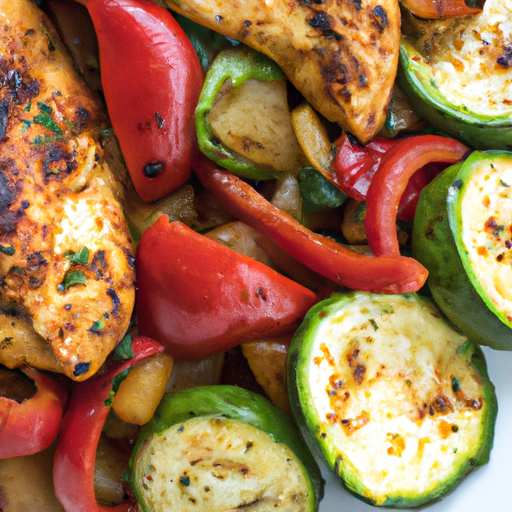
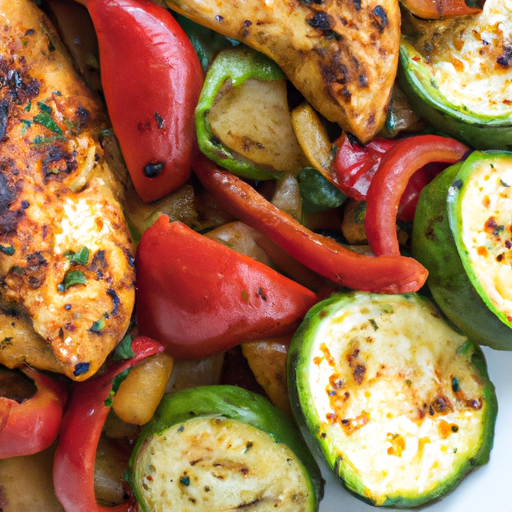
Is Chicken Allowed On The Mediterranean Diet?

Understanding the Mediterranean Diet

Before we delve into the role of chicken within this dietary structure, it’s important to comprehend the fundamentals of the Mediterranean diet.

Essential components of the Mediterranean Diet

In essence, the Mediterranean diet is a dietary approach rooted in the habitual eating patterns of the countries bordering the Mediterranean Sea. It incorporates high intakes of olives and olive oil, fruits, vegetables, whole grains, legumes, and seafood. Moderate intakes of poultry, dairy, and red wine are allowed, with a focus on consuming locally-sourced, seasonal, and fresh foods.

Health benefits of the Mediterranean Diet

The Mediterranean diet is frequently acknowledged as one of the healthiest dietary strategies, underpinned by scientific research. Adopting this diet can support heart health, aid weight management, and even play a role in preventing chronic diseases like diabetes and certain types of cancer.

Origin and cultural significance of the Mediterranean diet

This dietary approach stems from traditional cooking styles and food choices found in countries such as Greece, Italy, and Spain. However, the Mediterranean diet isn’t solely about eating. It’s also about enjoying meals with loved ones and celebrating food as a centerpiece of life and health.

Incorporating Poultry in the Mediterranean Diet

Now, let’s tackle the question raised at the beginning: Is chicken allowed on the Mediterranean diet?

Standard dietary rules for poultry in Mediterranean Diet

In the Mediterranean diet, poultry is seen as a valuable source of lean protein. While red meat is recommended in moderation, poultry can be consumed more frequently.

Role of chicken in a balanced Mediterranean meal

Chicken’s versatile nature adapts perfectly to the flavors and ingredients that characterize Mediterranean cuisine. It pairs excellently with vegetables, whole grains, and legumes, all key components of this dietary approach.

Healthy Ways to Prepare Chicken

Including chicken in your Mediterranean-based menu isn’t just about putting it on your plate; it’s about preparing it healthily.

Choosing right parts of chicken for meals

Although all chicken parts are rich in protein, the Mediterranean diet commonly suggests opting for leaner cuts like skinless breasts. These cuts contain less saturated fat.

Cooking techniques that enhance nutritional value

Frying chicken, for instance, could boost your saturated fat intake. Instead, try grilling, broiling, roasting, or slow-cooking chicken.

Combining chicken with other Mediterranean diet ingredients

As your chicken cooks, get creative and add Mediterranean flavors like garlic, lemon, herbs, and spices. Don’t forget to vary your menu by including plenty of vegetables, whole grains, and legumes on the side.
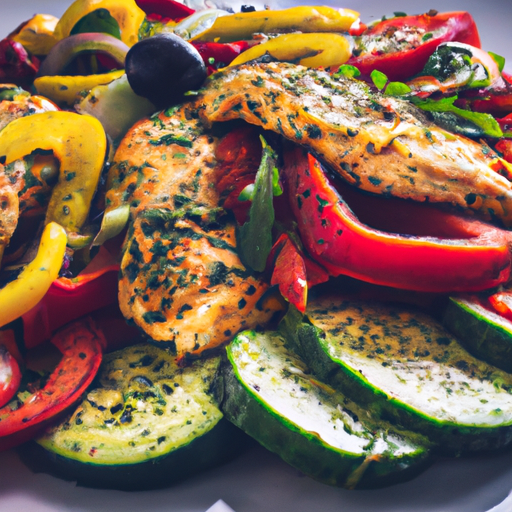
Is Chicken Allowed On The Mediterranean Diet?

Chicken Recipes Inspired by the Mediterranean Diet

Whether you’re craving hearty chicken souvlaki with tzatziki sauce or a light, summery chicken salad with olives and feta, there are countless chicken recipes inspired by the Mediterranean diet. Don’t be afraid to experiment and create your own Mediterranean chicken meals – the possibilities are endless!

Maintaining Variety in Your Diet

The Mediterranean diet is all about balance and diversity, not just about eating chicken.

Balancing intake of chicken with other sources of proteins

Ensure your diet includes a variety of protein sources. Consider fish and seafood at least twice a week, and make room for plant proteins like beans, lentils, and chickpeas.

Other poultry options for the Mediterranean diet

Turkey is another great poultry option that pairs well with many Mediterranean-style dishes.

The Role of Family Meals in the Mediterranean Diet

One of the cornerstones of the Mediterranean diet is the importance of shared family meals.

Importance of shared family meals in Mediterranean culture

This tradition of gathering around the table and enjoying a meal together is deeply embedded in Mediterranean culture.

Engaging children in preparing Mediterranean chicken dishes

Involve your children in preparing meals (like a simple, tasty chicken dish) as it nourishes their interest in nutrition and healthy eating habits.

Making the family meal experience joyful and healthful

Ensuring your family’s eating experience is joyful will not just promote a healthy relationship with food but also foster bonds, encourage communication, and engender joy in sharing meals together.

Sustaining the Mediterranean Diet Long Term

The Mediterranean diet isn’t a short-term eating plan—it’s a lifestyle.

Making manageable changes for lifetime benefits

Small, manageable changes, like swapping red meat for chicken or increasing your vegetable intake, can have a significant impact on your well-being over time.

Maintaining a balanced and interesting diet

By keeping variety in mind and exploiting the array of foods available, you’ll keep your Mediterranean diet interesting, satisfying, and healthful.

Common Misconceptions About the Mediterranean Diet

As the Mediterranean diet continues gaining popularity, several misconceptions have surfaced.

Addressing the myth about avoiding meats entirely

The Mediterranean diet is not vegetarian or vegan. It encourages moderate consumption of lean meats like chicken, along with abundant plant-based foods.

Reinterpreting the idea of dieting through the Mediterranean lens

The Mediterranean diet is not a strict regimen or a fad diet. It’s a lifestyle choice that encourages enjoying food, savoring flavors, and valuing quality over quantity.

Practical Tips for Embracing the Mediterranean Lifestyle

Embracing this lifestyle goes beyond just your diet.

Shopping locally and seasonally

Honor the principles of this diet by buying fresh, local, and seasonal ingredients that haven’t traveled thousands of miles to get to your plate.

Involving family in meal preparation and enjoyment

Remember, the Mediterranean lifestyle is also about sharing and enjoying meals as a family. Get everyone involved in meal preparation and turn it into a shared, enjoyable experience.

Finding pleasure in food

Don’t see food as a mere source of nutrients. Relish the flavors it offers and take pleasure in it. This joyful approach to food lies at the heart of the Mediterranean diet.

Conclusion: Chicken and the Mediterranean Diet

So, is chicken allowed on the Mediterranean diet? Absolutely.

Benefits of including chicken in the diet

Chicken is a versatile and lean source of protein that fits perfectly within the Mediterranean diet principles. Its moderate and varied inclusion helps to maintain a balanced, nutritious diet.

Impact on overall health and well-being

Incorporating chicken in a Mediterranean meal plan can significantly help sustain your health, promote longevity, and reduce the risk of chronic diseases.

Commitment to happier, healthier family life

By embracing the Mediterranean diet, you’re not just committing to healthy eating; you’re enabling a happier, healthier family life. Enjoy the shared experiences, discover new tastes, and step boldly into a future of improved health and vitality.
July 31, 2023 Health & Fitness

Can You Eat Meat Everyday On Mediterranean Diet?

Have you ever found yourself pondering, “Can I eat meat everyday on a Mediterranean diet?” Well, you’re not alone in this thought. So many are embarking on the journey of healthier eating and focusing on the Mediterranean diet, but are unsure about the place of meat in this nutritional plan. It’s a valid concern, given that meats are a significant source of protein, but also of fats.

In the upcoming article, we’ll delve deeper into this intriguing subject. Brace yourself for engaging, well-researched content that captures the essence of the Mediterranean diet and the place of meat in it. Not only that, JD, a health-conscious father of three and the brain behind these articles, will share insights on the health benefits and the value of sharing high-quality food with loved ones. His insights are particularly influenced by his desire to maintain long-term health and create enduring food-related memories with his family. So, stay tuned to find out more!

Can You Eat Meat Everyday On Mediterranean Diet?

Understanding the Mediterranean Diet

Definition of the Mediterranean Diet

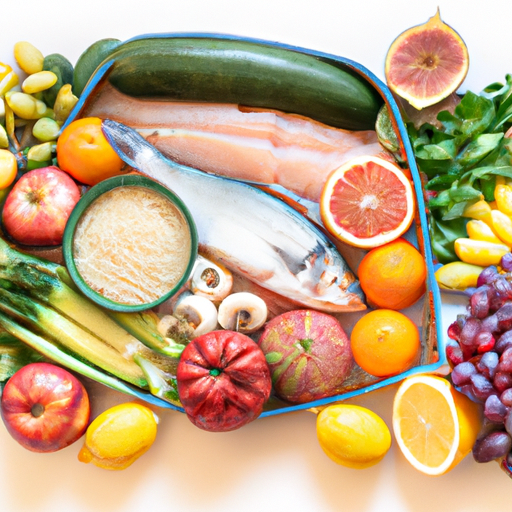
The Mediterranean Diet, you may have heard, is a way of eating that highlights fresh, whole foods like fruits, vegetables, legumes, and lean proteins, particularly fish. But it’s not just a diet; rather, it’s a lifestyle pattern.

Origins and Philosophy of the Mediterranean Diet

Hailing from the countries bordering the Mediterranean Sea, the diet reflects the lifestyle prevalent in countries like Greece, Italy, and Spain. Rooted in their historical eating habits and philosophy, this heart-healthy way of eating prioritizes locally sourced, seasonal, and minimally processed foods.

Key Elements of the Mediterranean Diet

A glance into the key elements of the Mediterranean Diet reveals an emphasis on plant-based foods, healthy fats like olive oil, lean proteins, moderate dairy consumption, and even a glass of red wine with meals.

The Role of Meat in the Mediterranean Diet

How Meat is Considered in the Mediterranean Diet

As you dive deeper into the Mediterranean eating style, you might wonder about the role of meat. The answer is, yes, meat is a part of this diet, but it’s not the star of the meal.

Different Types of Meats in the Mediterranean Diet

Typically, poultry, rabbit, and other lean meats are more prevalent in this cuisine, while red meat is reserved for special occasions only.

The Importance of Quality Over Quantity in Meat Consumption

However, the diet calls for not just limiting meat consumption, but also ensuring its quality. Grass-fed, organic, or wild-caught are preferred, which aligns with the diet’s emphasis on wholesome, natural ingredients.

Debunking Common Myths about the Mediterranean Diet

Myth 1: The Mediterranean Diet is a High Meat Diet

It’s a myth that the Mediterranean diet is heavy on meat. In reality, the diet emphasizes more on fruits, vegetables, whole grains, and the likes – basically food that are high in fiber and nutrient dense.

Myth 2: All Meats are Consumed Equally in the Mediterranean Diet

Also, not all meats feature equally in this diet. As previously mentioned, poultry and rabbit are consumed more than red and processed meats.

Can You Eat Meat Everyday On Mediterranean Diet?

The Health Implications of Consuming Meat Daily

Impact of Frequent Meat Consumption on Health

Feasting on meat daily may seem tempting but remember it’s essential to consider the impact on health. Consumption of red and processed meats, for example, has been linked with heart disease and certain cancers.

The Connection Between Meat Consumption and Chronic Diseases

On the flip side, a Mediterranean Diet, which is low on meat and high on fiber, has been associated with reduced risks of chronic diseases like heart disease, diabetes, and certain types of cancers.

How Meat Consumption Affects Longevity and Vitality

Therefore, the key to longevity and vitality isn’t more meat but quality, balanced nutrition, which the Mediterranean Diet offers in spades.

Balancing Meat Consumption within the Framework of the Mediterranean Diet

Rotating Various Types of Meats for Nutritional Balance

So, how can you balance meat consumption within this diet? One way is to rotate the type of meats you eat.

Integrating Plant-Based Proteins into Meals

But importantly, don’t forget to balance it out with plant-based proteins like legumes, beans, and lentils.

Appreciating the Joy of Variety in the Mediterranean Diet

After all, one of the best things about the Mediterranean diet is its variety, so embrace it fully, making each meal an opportunity to savor different flavors and textures.

Primary Protein Sources in the Mediterranean Diet

Fish and Seafood in the Mediterranean Diet

Apart from meats, the diet also includes generous servings of fish and seafood, abundant in omega-3 fatty acids.

Legumes and Beans as Protein Sources

Legumes and beans are another fantastic source of proteins and fiber in this diet, so feel free to include those in your meals regularly.

Importance of Nuts and Seeds for Protein

In addition, nuts and seeds are a common snack or garnish in the Mediterranean diet, providing healthy fats and proteins.

JD’s Personal Experiences with the Mediterranean Diet

Why JD Chooses the Mediterranean Diet

Being a father, JD realized the importance of investing in health early on. That’s why he chose the Mediterranean Diet – a lifestyle pattern that stands the test of time and scientific research.

JD’s Experience with Balancing Meat Consumption

JD’s journey has taught him how to enjoy meats without overindulging. It’s about that balance and the pleasure of sharing meals with loved ones.

How the Mediterranean Diet has Benefited JD’s Health

And guess what? Following this way of eating, JD has noticed improvement in his energy levels and overall wellness.

Sharing High-Quality Food with the Family

How the Mediterranean Diet Encourages Family Meal Times

Encouraging quality time around the table, the diet emphasizes sharing meals with family, one of JD’s favorite parts about it.

Teaching Children the Importance of Balanced Eating through the Mediterranean Diet

This lifestyle offers a golden opportunity to teach his children the importance of balanced eating, ingraining good food values in them from a young age.

Creating Enjoyable and Healthy Meals with the Mediterranean Diet

By creating enjoyable and healthy meals together, JD and his family are not only eating better but also making cherished memories.

Case Studies of Mediterranean Diet Followers

Stories from People who Limited Meat Consumption

Many followers of the Mediterranean Diet have shared positive experiences of eschewing heavy meat consumption for a more balanced diet.

Health Improvements Observed from Following the Mediterranean Diet

The health benefits are abundant: improved cardiovascular health, lower cholesterol, improved weight management – the list goes on.

The High-Quality Life Enjoyed by Mediterranean Diet Followers

Clearly, those who adopt the Mediterranean lifestyle often report enjoying a high-quality life.

Conclusion: Can You Eat Meat Everyday On Mediterranean Diet?

Reflection on the Role of Meat in the Mediterranean Diet

So, to answer the original question “Can you eat meat every day on the Mediterranean diet?” you could, theoretically. However, the principle of the diet calls for moderation and balance rather than indulgence.

Final Insights on Meat Consumption within the Mediterranean Diet

The Mediterranean Diet treasures quality over quantity. It says ‘Yes’ to tasty, nutrient-dense food and ‘No’ to restriction and deprivation.

How Adopting the Mediterranean Diet can Enhance Health and Family Bond

So, why not give it a try? Here’s a lifestyle pattern that not only takes care of your health but also paves the way for joyful meals and stronger family bonds. Living the Mediterranean way may just be the change you were looking for!

July 31, 2023 Health & Wellness

What Are The Side Effects Of The Mediterranean Diet?

You’ve probably heard a lot about the Mediterranean diet and how it presents numerous health benefits. It’s one of the things that JD, the mastermind behind www.mediterraneandietrecipes.net, loves talking about. As a dad of three beautiful children, finding ways to maintain long-term health and vitality is a top priority. It’s not just about being present in their lives, but being actively involved, and staying healthy while doing so.

Diving into the Mediterranean diet raises questions, like, “What are the side effects?” And you know what, that’s exactly what JD has set out to uncover in his latest blog post. You’ll learn more than you thought you needed to know, because when it comes to health and promoting the importance of sharing high-quality meals with your family, no stone should be left unturned. So, if you’re ready to broaden your perspective on the Mediterranean diet, you’re in for a treat!

What Are The Side Effects Of The Mediterranean Diet?

Understanding The Mediterranean Diet

Origin and Principles of the Mediterranean Diet

The Mediterranean diet, as its name implies, originates from the dietary habits and practices of people living in countries bordering the Mediterranean Sea such as Greece, Italy, and Spain. The principle behind the diet is simple yet profound— it doesn’t emphasize the reduction of certain food groups, but rather focuses on consuming a variety of foods in moderation. This includes lean meats, fish, vegetables, fruits, whole grains, spices, and healthy fats.

Key Components of the Mediterranean Diet

Staples of the Mediterranean diet include whole grain foods, fresh fruits and vegetables, legumes, fish, olive oil, and even modest amounts of wine. These foods are rich in lean proteins, monounsaturated fats, and complex carbohydrates.

Why The Mediterranean Diet is Popular

The popularity of the Mediterranean diet can be attributed to its focus on overall health and longevity. It emphasizes nutritional balance, flavorful ingredients, and promotes a relaxed, enjoyable approach to eating. Plus, who wouldn’t want to enjoy a glass of wine knowing it’s part of their healthy diet?

Overall Health Benefits of The Mediterranean Diet

Heart Health and The Mediterranean Diet

Studies have shown positive correlations between the Mediterranean diet and heart health. The diet’s high consumption of omega-3 fatty acids, found in fish and olive oil, can lower levels of harmful LDL cholesterol and increase good HDL cholesterol.

Benefits of The Mediterranean Diet in Weight Management

When combined with regular physical activity, the Mediterranean diet can contribute to healthy weight management. The diet emphasizes consuming high-fiber, low-glycemic foods which can help in preventing weight gain and promote weight loss.

Effects of the Mediterranean Diet on Mental Health

Emerging research suggests the Mediterranean diet can improve mental health by reducing the risk of depression, anxiety, and cognitive decline.

Digestive Health and The Mediterranean Diet

Mediterranean Diet and Gut Health

The fiber-rich foods in the Mediterranean diet, like fruits, vegetables, and legumes, promote good gut bacteria. This can contribute to better digestive health.

Effects of The Mediterranean Diet on Digestion and Nutrient Absorption

A balanced Mediterranean diet aids in smoother digestion and better nutrient absorption due to the high levels of fiber and healthy fats in the diet.

What Are The Side Effects Of The Mediterranean Diet?

Possible Side Effects of the Mediterranean Diet

Changes in Energy Levels

Transitioning to a Mediterranean diet might initially lead to fluctuations in energy levels as your body adjusts to lower sugar and higher fiber intake.

Adjusting to New Food Groups

As you lean into the Mediterranean diet, there might be a period of adjustment as your body adapts to consuming new food groups.

Possible Weight Fluctuations

Initial stages of the diet may result in weight gain as you adjust to consuming more healthy fats. But don’t worry, as your body adjusts, weight stabilization is likely to follow.

Managing Side Effects of The Mediterranean Diet

Dealing with Low Energy Levels

If you’re facing intermittent energy dips, it’s essential to listen to your body. Eating small, frequent meals throughout the day could help maintain energy levels.

Managing Weight Changes

It’s important to be patient with your body as it adjusts to a new diet. Remember, the goal is not just weight loss, but overall health.

Coping with New Food Preferences and Tastes

Adjusting to new flavors can be exciting. Take joy in discovering new recipes and savor the wholesome and delicious meals the Mediterranean diet offers.

Adapting to The Mediterranean Diet

Gradual Introduction of New Foods

Rather than drastically changing your diet, gradually introduce Mediterranean diet components into your meals.

Creating Balanced Meals

Ensure your meals are balanced with healthy fats, proteins and carbohydrates. Remember, variety is the spice of life.

Involving Family in Diet Changes

Engage the whole family in adopting the new dietary habits. Making changes together can make the transition easier and more enjoyable.

Incorporating the Mediterranean Diet into your Lifestyle

Preparation Tips for the Mediterranean Diet

Preparation is key. Plan your meals in advance and ensure your grocery list complies with the principles of the Mediterranean diet.

Maintaining the Mediterranean Diet While Eating Out

You can still enjoy restaurant meals while adhering to the Mediterranean diet. Look for foods that are grilled, steamed or broiled and rich in fresh ingredients.

Including Exercise in the Mediterranean Lifestyle

Remember, the Mediterranean lifestyle isn’t just about eating​—it’s also about being active. Incorporate regular exercise to truly experience its benefits.

Common Misconceptions about the Mediterranean Diet

Myth: Mediterranean Diet Causes Nutrient Deficiency

Contrary to this myth, the Mediterranean diet is balanced and rich in all necessary nutrients for the human body.

Myth: Mediterranean Diet is Expensive

While some ingredients like olive oil and seafood might be costly, remember that the diet also calls for affordable ingredients like legumes, grains, and fresh produce.

Myth: It is Difficult to Stick to the Mediterranean Diet

Despite popular belief, the Mediterranean diet is quite easy to continue once you get the hang of it. It’s all about balancing flavors without compromising nutrition.

Maximising Benefits of The Mediterranean Diet

Combining the Diet with Regular Exercise

Regular physical activity, combined with the Mediterranean diet, can promote overall physical and mental wellness.

Consistency in the Mediterranean Diet

Sticking with the diet consistently ensures that you receive its long term benefits.

Involving Family and Sharing High Quality Foods

Promoting shared meals with your family helps foster a sense of community and enjoyment, integral parts of the Mediterranean lifestyle.

Conclusion: Managing Side Effects and Embracing the Mediterranean Lifestyle

Like any dietary change, the Mediterranean diet may bring a few side effects as your body adjusts. But with a bit of patience and adherence to the principles of the diet, you may soon start benefiting from greater understanding and appreciation of quality food while enjoying the potential benefits that this popular diet delivers. Remember, this lifestyle isn’t just beneficial to you, it’s also a wonderful, health-conscious gift that you can share with your family. Don’t hesitate! Enjoy the benefits and flavor of the Mediterranean diet today. The results might just surprise you. Happy eating!

July 31, 2023 Health & Fitness

What Snacks Are Allowed On Mediterranean Diet?

You might be wondering, “What snacks are allowed on the Mediterranean diet?” It’s a great question to ask. After all, we all love a good snack now and then. It’s quite delightful to know that the Mediterranean diet, known for its vibrant and tasty dishes, also includes a spread of delicious and nutritious snacks for you to enjoy.

Be ready to uncover an array of wholesome choices in the following article. This isn’t just about listing suitable snacks, but also understanding why they are a part of the diet and how they can benefit your health. As you progress through the piece, you’ll see how these snacks align beautifully with the core essence of the Mediterranean diet — enjoying high-quality food with your loved ones while promoting your well-being. JD, as a father who wants to stay healthy and active for his children’s sake, knows just how essential this is. Get set for a delicious journey of discovery.

What Snacks Are Allowed On Mediterranean Diet?

Understanding the Mediterranean Diet

Adopting the Mediterranean diet means adopting a lifestyle change that brings about a myriad of health benefits. Rooted in the eating habits of Greece, Italy, and other countries near the Mediterranean Sea, this diet focuses on high consumption of fruits, vegetables, whole grains, legumes, and seafood while limiting the intake of saturated fats, red meat, sugar, and processed foods.

Main Principles of the Mediterranean Diet

The Mediterranean diet prioritizes fresh, seasonal, and locally sourced foods. Olive oil is the star of this diet, providing a primary source of healthy fats, along with nuts and seeds. The diet promotes lean proteins from fish and poultry rather than red meat. You’re encouraged to eat a variety of fruits and vegetables daily, which are often the main course rather than a side dish. Dairy products, specifically those low in fat and unprocessed, complement the diet well. Moderate consumption of red wine is also typical in some regions, always accompanying meals.

Health Benefits of the Mediterranean Diet

Research suggests that the Mediterranean diet encourages healthier heart conditions and lowers the risk of heart disease. As it’s rich in fiber, it promotes regular digestion and helps in weight management. The antioxidants provided through this diet can help fight inflammation and protect against some forms of cancer. By following this diet, you’re assisting your body in maintaining a healthy balance of new cells.

Mediterranean Diet – A Family Affair

Eating is a communal affair in Mediterranean cultures. It’s about gathering around the table with loved ones, sharing great moments and high-quality food. As an enthusiastic father, JD takes inspiration from this dietary approach and uses it to promote health and unity in his own household.

Sharing High-Quality Food with Family

Incorporating the Mediterranean diet into your family meals ensures that everyone is receiving proper nutrition while enjoying a variety of flavors. Teaching your kids about this lifestyle highlights the importance of good quality ingredients and mindful consumption.

Teaching Kids About Healthy Food Choices

Education is crucial for maintaining a healthy lifestyle. Encourage your children to join in meal preparation to learn firsthand the art of choosing the right foods, appropriate portions, and combining flavors. By introducing them to a diverse range of foods early, you’re fostering a long-lasting appreciation for healthy, delicious meals.

What Makes a Snack ‘Mediterranean Diet Friendly’?

Mediterranean diet-friendly snacks are high in fiber and protein yet low in saturated fats. Snacks fall within the same principles as other meals—fresh, nutritious, and balanced.

Nutritional Profile of Mediterranean Diet Snacks

These snacks contain a lot of fiber, protein, and healthy fats that help keep you full and energized throughout the day. They are lower in sugar and saturated fat, limiting the occurrence of energy crashes or other drawbacks of traditional snacks.

Practicing Portion Control

Even with healthy food, too much of a good thing can become problematic. Make sure to respect portion sizes. For example, a serving of nuts is typically considered an ounce or a small handful.

What Snacks Are Allowed On Mediterranean Diet?

The Savory Mediterranean Snacks

There are numerous options for savory snacks adhering to the Mediterranean diet guidelines. Flavorful hummus with a side of crisp veggies or a creamy bowl of Greek yogurt jazzed up with herbs are just to name a few.

Flavorful Hummus and Veggie Sticks

Hummus, made from blended chickpeas, tahini, olive oil, and spices, is a nutritional powerhouse that pairs perfectly with fresh vegetables. Try different types of veggies like bell peppers, cucumbers, or cherry tomatoes for a snack full of different textures and flavors.

Wholesome Greek Yogurt with Herbs

Greek yogurt is a tangy, creamy choice that’s incredibly versatile. Adding a sprinkle of herbs like dill, mint, or parsley can turn simple yogurt into a savory treat. Feel free to toss in a couple of Kalamata olives for a zesty edge

The Sweet Mediterranean Snacks

Not to forget the sweet tooth, fruits and nuts play a significant role in the Mediterranean diet.

Fresh Fruits and Nuts

Fresh fruits like grapes, oranges, and figs are a staple for a quick, easy snack. Pair them with a small portion of nuts to incorporate extra protein and healthy fats.

Honey-Drizzled Greek Yogurt

Adding a drizzle of honey to Greek yogurt is another delicious option. For a little crunch, sprinkle some chopped nuts or granola on top.

Whole Grain Snacks on the Mediterranean Diet

Whole grains are a key component of the Mediterranean diet and can make satisfying snacks too.

Whole Grain Bread with Olive Tapenade

Top a slice of whole-grain bread with a spread of homemade olive tapenade. This snack is rich in monounsaturated fats which are good for heart health.

Whole Grain Crackers and Cheese

Whole grain crackers with a slice of cheese provide protein and fiber that keep you full. Just ensure the cheese is low in fat and the crackers are low in salt.

Snack Along with Hydrating Drinks

Hydration is critical for your overall health, and water is the most important drink in the Mediterranean diet.

Drink Choices on the Mediterranean Diet

Water should be your drink of choice, followed by herbal teas. Although the Mediterranean diet allows moderate consumption of red wine, it should be done responsibly with meals.

Benefits of Drinking Herbal Teas

Herbal teas are a great way of staying hydrated and can be particularly relaxing. Certain teas like green tea have added health benefits like antioxidants.

Staying Hydrated with Infused Water

To make water more refreshing, try infusing it with fruits like lemon or cucumber.

Mediterranean Diet Snack Ideas for Kids

Healthy snacks can be enjoyable and fun. Get your kids involved in the preparation to make it a family activity.

Making Healthy Snacks Fun

Be creative to make the snacks fun and appealing. Cut fruits in fun shapes or let them make their own mini Greek yogurt bowls with their favorite toppings.

Snack Recipes Kids Can Help Prepare

Getting your kids involved in the kitchen is not only an educational experience but they are more likely to eat what they helped make. They can easily assist in preparing hummus or collecting ingredients for a yogurt bowl.

Spicing Up Mediterranean Snacks

Don’t shy away from using herbs and spices. They add a burst of flavor without the need for additional fats or sugars.

Using Mediterranean Herbs and Spices

Herbs like basil, parsley, and oregano or spices like cumin and paprika can greatly enhance the flavor profile of your snacks.

Adding Flavor without Added Calories

Spices and herbs add exciting flavors without adding extra calories, making them a healthier choice for seasoning your snacks.

Conclusion

Snacks on the Mediterranean diet are not just about munching between meals. It’s about selecting nutrient-rich foods and practicing portion control. Teach, share, and enjoy this wholesome approach along with your family and loved ones. Remember, the journey is about savouring and learning, making healthier choices, and ultimately transforming snacking into an enjoyable, healthy habit.

July 31, 2023 Health & Wellness

What Is The Best Fish For The Mediterranean Diet?

You’re probably wondering, “What is the best fish for the Mediterranean diet?” It’s a question many are asking as they navigate their way through the aromatic spices, colorful vegetables, and full-flavored fish that are staples of this heart-healthy dining style.

Delve into this exciting article and you’ll unearth precisely the answer to that. It will take you on a culinary journey where science meets the safeguarding of your long-term health. Learning how to balance taste, nutrition, and conscious eating can enrich your meals and your relationship with your loved ones. Because we understand how much sharing high-quality, nutritious food with your family means to you. Join us and let’s dive deeper into the flavorful world of the Mediterranean diet!

What Is The Best Fish For The Mediterranean Diet?

Understanding The Mediterranean Diet

The Origins and Principles of the Mediterranean Diet

The Mediterranean Diet, highly regarded for its numerous health benefits, traces its roots back to the traditional cooking styles of the countries bordering the Mediterranean Sea. This diet emphasizes consuming plant-based foods like fruits, vegetables, whole grains, and legumes in higher proportions. Coupled with regular physical activity and sharing meals with others, this lifestyle aims to substantially improve your health and wellbeing.

Key Components of the Mediterranean Diet

Key components of this wholesome diet include consuming mainly plant-based foods and replacing butter with healthy fats like olive oil. Red meat is minimized, and fish and poultry are consumed weekly. Herbs and spices replace salt in recipes, adding rich flavors without the added sodium.

How the Mediterranean Diet Influences Health

Let me tell you from my experience, adhering to the Mediterranean diet has profound benefits. It helps control blood sugar levels, lower bad LDL cholesterol, reduce the risk of heart disease, and extend your lifespan. It also helps to keep your mind sharp and reduce the risk of Alzheimer’s disease.

Family and the Mediterranean Diet: Bonding over High-Quality Food

The Mediterranean Diet is also about embracing the essence of sociability and the joy of sharing food with family. It is a diet that transcends mere food; it becomes a lifestyle cherishing high-quality food and time spent with loved ones.

Importance of Fish in the Mediterranean Diet

Including Fish in Your Diet: Health Benefits

Fish are a staple in the Mediterranean diet—loaded with lean protein and rich in omega-3 fatty acids, which are great for your heart and brain. Eating fish can reduce your risk of heart disease and improve your glucose metabolism.

How Often Should You Consume Fish on the Mediterranean Diet?

The Mediterranean diet recommends eating fish at least twice a week. Including diverse types of seafood adds variety and numerous health benefits, making meal times an exciting and healthy experience.

The Role of Fish in Promoting Long Term Health

Regularly consuming fish promotes long-term health. The omega-3s present in fish can decrease triglycerides, reduce blood clotting, and decrease the chance of sudden death from heart disease.

Best Types of Fish for the Mediterranean Diet

Characteristics of a Good Fish for the Mediterranean Diet

Ideal fish for the Mediterranean diet are those high in omega-3 fatty acids, low in contaminants, and sustainably sourced.

Why Wild Caught is Preferred Over Farm Raised

Wild-caught are generally better than farm-raised. They are more nutritious, have fewer contaminants, and their capture does less harm to the environment.

What Is The Best Fish For The Mediterranean Diet?

Salmon: A Mediterranean Diet Staple

Nutritional Profile of Salmon

Salmon, rich in omega-3 fatty acids, B vitamins, protein, potassium, and selenium, is a staple of the Mediterranean diet. These nutrients are crucial for your heart, brain, and immune system.

Preparing and Cooking Salmon for the Mediterranean Diet

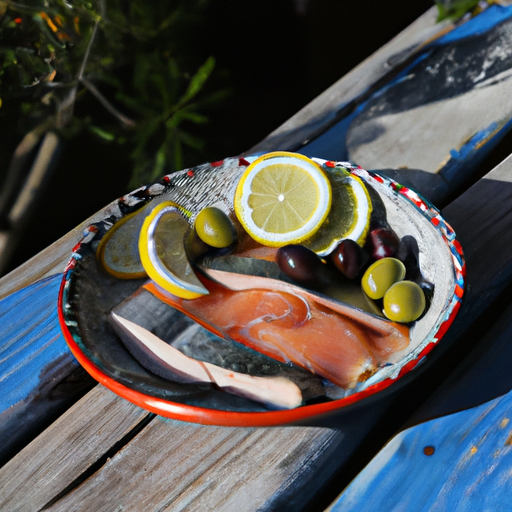
Preparing salmon for the Mediterranean diet is as easy as seasoning it with herbs and roasting, grilling, or steaming it. Pair it with a hearty salad or roasted veggies to complete the meal.

Sardines: The Underestimated Nutrition Powerhouses

Nutritional Benefits of Sardines

Sardines, often underestimated, are nutritional powerhouses—they’re packed with heart-healthy omega-3 fatty acids, vitamin B12, and protein.

Different Ways to Incorporate Sardines into the Mediterranean Diet

Sardines can be grilled and served as a main course, tossed into pasta or salad or mashed and spread on whole-grain toast.

Mackerel: Rich in Omega-3 Fatty Acids

Why Mackerel is Good for your Health

Mackerel, another excellent source of omega-3 fatty acids, contributes to a healthy heart, reduces inflammation and improves brain health.

Delicious Mackerel Recipes for the Mediterranean Diet

Give your taste buds a treat by grilling mackerel with lemon and herbs, using it in seafood stews, or adding it to Spain’s famous paella.

Tuna: Versatile and Nutritious

Understanding the Nutritional Importance of Tuna

Tuna, versatile and nutritious, is an excellent source of lean protein, omega-3 fatty acids, and B vitamins.

How to Enjoy Tuna in the Mediterranean Diet

In Mediterranean cuisine, you can enjoy tuna in salads, sandwiches, and pasta or grilled as steaks.

Shrimps: Low in Fat and High in Protein

Health Benefits of Eating Shrimps

Shrimps are low in fat, high in protein, and loaded with selenium, vitamin B12, and omega-3 fatty acids, providing an ideal protein source for the Mediterranean diet.

Including Shrimps in Your Mediterranean Diet Meals

Shrimps can add flair to various Mediterranean dishes—try sautéing them with garlic, tossing them into a whole grain pasta, or adding them to a colorful salad.

Choosing the Right Fish in Your Local Market

Tips When Purchasing Fish

Go for locally sourced, fresh and sustainably caught fish. Look for vibrant colors, a pleasant sea-like smell, firm texture, clear eyes (for whole fish), and shiny, tight scales.

How to Determine the Freshness of Fish

Fresh fish have a mild sea scent, firm and elastic flesh, bright and clear eyes (for whole fish), and bright red or pinkish gills without any slime.

Conclusion

Optimal Fish Options for a Balanced Mediterranean Diet

So, what’s the best fish for the Mediterranean diet? All the fish mentioned above, including Salmon, Sardines, Mackerel, Tuna, and Shrimp, are top choices. However, the key is balance and variety.When you diversify your fish intake, you ensure a rich mix of nutrients, enhancing your health while enjoying the authentic tastes of Mediterranean cuisine.

Emphasizing Fish for a Healthier Lifestyle

Including fish in your diet not only promotes healthier lifestyle but also connects you to a tradition of sharing high-quality food.

The Long-term Health Benefits of Incorporating More Fish into Your Diet

Incorporating more fish into your diet will improve your physical health and mental wellbeing, enabling you to be there for your loved ones for years to come. So, start reaping the long-term health benefits of the Mediterranean diet today. More fish, more health, more life.

July 31, 2023 Health & Wellness

Is Cottage Cheese OK On Mediterranean Diet?

So, you’ve been wondering, “Is cottage cheese OK on the Mediterranean diet?” It’s a common question when embarking on this lifestyle change. With its emphasis on fruits, vegetables, grains, and olive oil, it’s easy to see why you might question where dairy fits into the picture.

With this article, you’ll get the answers you need. Not only will it delve into the role of cottage cheese in the Mediterranean diet, but it will also give you a broader understanding of this wholesome and nutritious dietary approach. As always, the focus will be on creating and sharing high-quality meals that not only boost your health but bring joy to your family mealtimes. Because what could be more Mediterranean than that, right? So, ready to learn more? Let’s dive in.

Is Cottage Cheese OK On Mediterranean Diet?

Understanding the Mediterranean Diet

The Mediterranean diet derives from the typical food habits of people who hail from regions that border the Mediterranean Sea.

Defining the Mediterranean Diet

Primarily, the Mediterranean diet is a heart-healthy eating approach that includes a rich variety of plant-based foods, healthy fats, and lean proteins. It emphasizes fruits, vegetables, whole grains, fish, and olive oil while limiting red meat and refined sugars.

Core Principles of the Mediterranean Diet

This diet inspires you to consume food in its most natural form. Here, fruits, vegetables, legumes, and whole grains are the heroes. Accompanied by moderate portions of dairy products, lean proteins, and a generous swig of olive oil, the Mediterranean diet is a composite of wholesome nutritional benefits.

Health Benefits Associated with the Mediterranean Diet

Adopting the Mediterranean diet has been scientifically proven to offer an array of health benefits. This includes reducing the risk of heart disease and stroke, preventing type 2 diabetes, facilitating weight loss, and improving longevity.

Role of Dairy in the Mediterranean Diet

Purpose of Dairy in the Diet

In the Mediterranean diet, dairy is valued for its rich calcium content that fortifies bones and teeth, while also providing a source of high-quality protein.

Comprehending Traditional Dairy Choices in a Mediterranean Diet

Typically, the Mediterranean diet includes dairy products like yogurt and cheese. These are consumed in moderation, serving as a rich source of essential nutrients.

Health Benefits of Dairy Consumption

In moderation and consumed as part of a balanced diet, dairy can provide a wealth of nutrients such as calcium, vitamin D, and protein, while also contributing to a healthier heart, improved digestion, and better bone health.

Introduction to Cottage Cheese

Component Analysis of Cottage Cheese

Cottage cheese is a simple fresh cheese curd product with a mild flavor. It’s low in fat and high in protein, making it a great choice for those keeping a check on their calorie intake.

Nutritional Significance of Cottage Cheese

Cottage cheese is teeming with essential nutrients. It’s packed with protein, vitamins, and minerals, particularly calcium, phosphorus, selenium, vitamin B12, and riboflavin.

Popular Use of Cottage Cheese in Diet

Cottage cheese is extremely versatile and fits easily into your diet. It can be added to fruits, veggies, or whole-grain toast for a balanced meal, used in cooking or baking, and even as a substitute for mayo in salads.

Is Cottage Cheese OK On Mediterranean Diet?

Analysis of Cottage Cheese within the Context of the Mediterranean Diet

Comparing Cottage Cheese with Traditional Mediterranean Diet Dairy Choices

While cottage cheese may not be a traditional choice in the Mediterranean diet, it bears resemblance to the diet’s usual dairy staples in terms of nutritional value.

Evaluating Nutritional Benefits of Cottage Cheese in Relation to Mediterranean Diet

When comparing cottage cheese to common dairy choices in the Mediterranean diet, there is a clear overlap. Both have high protein content, essential vitamins, and minerals. It appears as though cottage cheese would fit seamlessly into it.

Incorporating Cottage Cheese into the Mediterranean Diet

Ways to Include Cottage Cheese in Mediterranean Diet Dishes

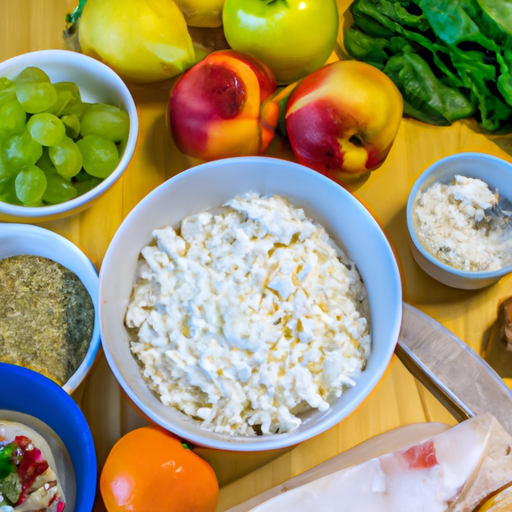
It’s easy to incorporate cottage cheese into Mediterranean dishes. Use it as a topping for whole grain crackers, blend it into a creamy salad dressing, or mix it into vegetable dishes for added protein.

Creating Balanced Meals with Cottage Cheese in the Mediterranean Diet

Given its composition of quality protein, essential vitamins, and minerals, cottage cheese can seamlessly integrate into your Mediterranean meals providing good balance.

Pairing Cottage Cheese with Other Mediterranean Diet Ingredients

Cottage cheese pairs well with traditional Mediterranean diet components like fruits, veggies, whole grains, and lean proteins, thus diversifying the diet’s flavor profile.

Case Studies: Real-Life Experiences with Cottage Cheese and the Mediterranean Diet

How Cottage Cheese has Enhanced the Diet of some Mediterranean Diet Adherents

Several readers of this blog have shared their positive experiences of incorporating cottage cheese into their Mediterranean diet. They have reported feeling satiated, noticed improved digestive health, and observed moderate weight management.

JD’s Perspective on Cottage Cheese in the Mediterranean Diet

As the owner of this site and an avid follower of the Mediterranean diet, I hold an encouraging view on incorporating cottage cheese into the diet plan.

JD’s Personal Experience with Cottage Cheese

As a healthy food enthusiast, I have found cottage cheese to be a versatile, nutritional addition to my family meals. Not only does it have exceptional health benefits, but it also adds a pleasing texture and taste to our dishes.

JD’s Suggestions for Introducing Cottage Cheese into the Mediterranean Diet

Mix it into your salads, put it on top of your whole grain crackers, or blend it into a smoothie. Start by including it in small quantities, then gradually increase the amount once you become accustomed to its taste.

Potential Challenges and Considerations with Cottage Cheese in the Mediterranean Diet

Possible Restrictions in Including Cottage Cheese

While incorporating cottage cheese into the Mediterranean diet sounds appealing, you should be mindful of its sodium content, which may be high in some brands. Look for products with lower salt content or cut down on other sources of salt in your diet.

Expert Insights: Dietitian Opinions on Cottage Cheese and the Mediterranean Diet

Professional views on Cottage Cheese as a part of this Diet

Dietitians generally view cottage cheese favorably as part of the Mediterranean diet due to its rich nutrient profile. They suggest consuming it in moderation as part of a balanced diet.

Dietetic Advice on Ensuring Balanced Consumption of Cottage Cheese

Experts stress the need for balanced consumption. Pairing cottage cheese with a variety of fruits, vegetables, and whole grains ensures you get a balanced spectrum of essential nutrients.

Conclusion: Verdict on Cottage Cheese in the Mediterranean Diet

Summarizing the Suitability of Cottage Cheese in the Mediterranean Diet

Cottage cheese, with its key nutritional attributes, aligns extremely well with the core principles of the Mediterranean diet, while adding variety.

Final thoughts on adopting Cottage Cheese into the Mediterranean Diet

Adopting cottage cheese into your Mediterranean diet may only enrich the inherent benefits of this diet plan. It could thereby be a great modern addition to this traditional diet, enhancing its nutrient value even further.

Looking forward: the future of Cottage Cheese in the Mediterranean Diet

We foresee cottage cheese becoming a more widely accepted dairy choice in the Mediterranean diet, given its texture, taste and nutritional value that seem to easily fit into this robust eating plan.

July 31, 2023 Health & Fitness

Can You Eat Watermelon On The Mediterranean Diet?

So, you’ve decided to hop on the Mediterranean diet train and you’re wondering, “Can I eat watermelon on this new eating plan?” It’s a great question, because let’s face it, watermelon is the perfect, refreshing summer snack! As you know, the Mediterranean diet is all about fresh, unprocessed foods and it surely helps in maintaining your overall health for you and your family.

Don’t worry, you’ll definitely get your answer in this article! JD, a devoted family man who is a keen advocate of the Mediterranean diet, will take you on a journey to explore the benefits and nuances of this lifestyle. He’ll also highlight ways to incorporate watermelon and other sumptuous meals into your Mediterranean diet. Remember, it’s not just about being present for your family, it’s also about being able to share good, quality meals together! Get ready to uncover more in the upcoming article.

Can You Eat Watermelon On The Mediterranean Diet?

Can You Eat Watermelon On The Mediterranean Diet?

Understanding the Mediterranean Diet

Definition and Origin of the Mediterranean Diet

The Mediterranean Diet is more than a mere eating plan—it’s a lifestyle that originated from the traditional eating habits of the people living around the Mediterranean Sea. Known for its rich flavors, the diet primarily comprises fruits, vegetables, whole grains, legumes, and olive oil, with healthy servings of fish and other lean proteins.

Key Components of the Mediterranean Diet

Key ingredients of the Mediterranean Diet include fresh fruits and vegetables, nuts and seeds, legumes, seafood, and oils, particularly olive oil, renowned for its heart-healthy properties. Refined sugars, unhealthy fats, and processed foods are limited, reinforcing a focus on fresh, whole foods.

Health Benefits of the Mediterranean Diet

Numerous research studies suggest that the Mediterranean Diet may offer a myriad of health benefits, including heart health, weight loss and management, type 2 diabetes control, and better mental health. Its emphasis on fruits and vegetables also ensures a high fiber intake, supporting overall digestive health.

Exploring Watermelon

Nutritional Value of Watermelon

Watermelon, a summer staple, apart from being totally refreshing, is packed with nutrients. It is high in vitamins A and C, and a good source of potassium, essential for heart and muscle function. It also contains lycopene, a powerful antioxidant, linked with many health benefits.

Health Benefits of Watermelon

Watermelon has been found to improve hydration, support heart health, and reduce inflammation and oxidative stress, thanks to its water content and the diverse vitamins and antioxidants it contains. It may also help with weight loss because of its low calorie and high water content.

Role of Fruits in Mediterranean Diet

Importance of Fruits in the Mediterranean Diet

In the Mediterranean Diet, fruits are considered key components, thanks to their high content of vitamins, antioxidants, and dietary fiber, which contribute to general well-being and disease prevention.

Most Consumed Fruits in the Mediterranean Diet

Citrus fruits, apples, berries, peaches, melons, and grapes are some of the most commonly consumed fruits in the Mediterranean Diet. And yes, watermelon also finds a cherished spot here.

Can You Eat Watermelon On The Mediterranean Diet?

Watermelon on the Mediterranean Diet

Inclusion of Watermelon in the Mediterranean Diet

Embracing the Mediterranean lifestyle, one might wonder about the place of watermelon. Indeed, it is widely incorporated into the diet. It’s often savored as a refreshing snack during the hot Mediterranean summer and added to salads and desserts for a delicious burst of flavor and hydration.

Nutrient Contribution of Watermelon to the Mediterranean Diet

Watermelon aligns beautifully with the nutrient values of the Mediterranean diet, primarily contributing to hydration, while also providing key vitamins and minerals, such as potassium, vitamin C, and lycopene, supporting heart health.

Delicious Watermelon Recipes in Mediterranean Style

Refreshing Watermelon Salad

A simple, refreshing watermelon salad can capture the essence of summer, with juicy watermelon cubes paired with fresh mint, feta cheese, olives, and a zingy lemon vinaigrette.

Hydrating Watermelon Smoothie

A quick watermelon smoothie combined with Greek yogurt, a splash of lime, and a pinch of cinnamon offers a fantastic way to start your day, the Mediterranean way.

Mediterranean Watermelon Pizza

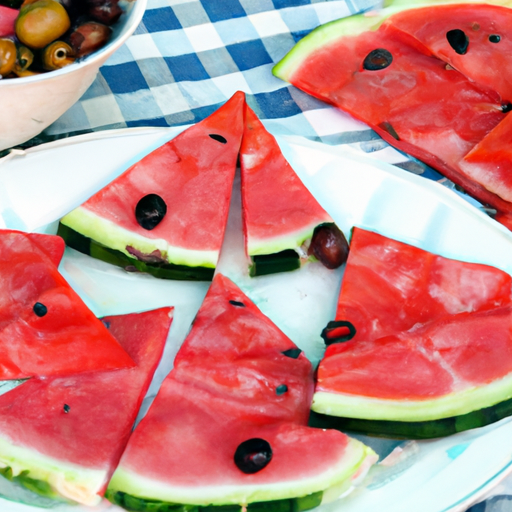
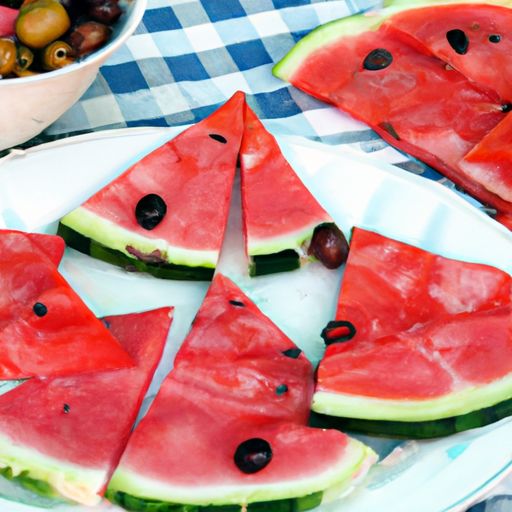
For a fun twist, you can create a beautiful Mediterranean Watermelon Pizza, simply by slicing a round piece of watermelon, topping it with Greek yogurt, fresh berries, and a drizzle of honey. This creative dish can be a big hit especially with kids!

Sharing Quality Food with Family: Mediterranean Diet and Watermelon

Importance of Family Meal in the Mediterranean Culture

The Mediterranean lifestyle emphasizes the importance of sharing meals with family and friends. It’s about taking the time to appreciate not just the delicious flavors but also to savor the joy of communal eating as a way to nurture body and soul.

Watermelon: A Fruit for Family Sharing

Watermelon, with its generous size and refreshing character, is a perfect fruit for sharing. It naturally fosters the spirit of sharing and community central to the Mediterranean culture.

Impacts on Health: Watermelon in Mediterranean Diet

Supporting Heart Health

By providing key nutrients like lycopene and vitamin C, watermelon may support heart health, one of the fundamental benefits associated with the Mediterranean Diet.

Promoting Good Hydration

Watermelon, being made up of 92% water, naturally promotes good hydration, essential for all bodily functions.

Boosting Eye Health

Watermelon’s vitamin A content can contribute to maintaining healthy eyes, a benefit that’s often overlooked.

Maintaining Long-Term Health with the Mediterranean Diet

Role of Watermelon in Long-Term Health Goals

Adding watermelon to your Mediterranean Diet can be a step towards your long-term health goals. The fruit’s nutritional profile supports heart health, hydration, weight management, and overall wellness.

Achieving Active and Healthy Lifestyle Through Mediterranean Diet

The Mediterranean Diet, loved for its delicious flavors and varied ingredients, including watermelon, can contribute to an active and healthy lifestyle.

Tricky Parts About Watermelon in Mediterranean Diet

Potential Concerns of Consuming Watermelon

Watermelon, while healthy, is high in natural sugars and should be consumed in moderation, especially by those who are diabetic or pre-diabetic.

Overcoming Watermelon Myths

There is a popular myth that consuming watermelon can lead to weight gain because of its sugar content. In truth, watermelon, being low in calories and high in water, is generally a good choice for weight management if eaten in moderate proportions.

Conclusion: Can You Eat Watermelon On The Mediterranean Diet?

Summarizing the Role of Watermelon in the Mediterranean Diet

Yes, you can indeed enjoy watermelon on the Mediterranean Diet. This refreshing staple fits perfectly within the diet’s emphasis on enjoying fresh, whole foods and contributes key nutrients while delighting the taste buds.

Final Reminder for Eating Watermelon on the Mediterranean Diet

In conclusion, the Mediterranean lifestyle isn’t just about the food you eat, it’s about eating with love, sharing with family, and appreciating the journey to wellness. And what could symbolize this better than a juicy, inviting slice of watermelon?

So, go ahead and enjoy your watermelon, keeping in mind that, as with everything in the Mediterranean Diet, it’s all about balance and mindful, joyful consumption.

July 31, 2023 Diet & Nutrition

Is Cucumber Part Of The Mediterranean Diet?

Have you ever wondered if cucumbers are part of the Mediterranean diet? You know, those refreshing, crunchy veggies that make a salad so delightful or the perfect raw snack on a hot summer afternoon. It’s not uncommon for confusion or curiosity to grow around particular foods and their inclusion in certain diets, especially one as wonderfully rich and diverse as the Mediterranean diet.

Well, you’re in luck because we’re about to delve deep into the topic in this article! Rest assured, JD ensures this article, just like all others on www.mediterraneandietrecipes.net, is thoroughly researched and accurate. Armed with knowledge from this read, you’ll not only be able to confidently answer questions about cucumbers and the Mediterranean diet but also grasp their nutritional benefits. JD’s passion for promoting the Mediterranean Diet stems from his goal to stay fit and active for his children and he’s eager to share that with you. Remember, it’s not just about eating well, it’s about sharing high-quality, wholesome food with your loved ones, cherishing those precious family moments over a meal. Keep reading to delve into this cucumber conundrum!

Is Cucumber Part Of The Mediterranean Diet?

Understanding the Mediterranean Diet

Definition and Origins of the Mediterranean Diet

The Mediterranean diet, as you may have guessed, originally hails from the countries bordering the Mediterranean Sea. This lifestyle approach to eating focuses on whole foods such as fruits, vegetables, whole grains, and healthful fats, with an emphasis on fish and poultry over red meat.

Key Components of the Mediterranean Diet

Some common elements across all Mediterranean cultures include high consumption of fruits, vegetables, legumes, healthy oils like olive oil, nuts, seeds, fish and lean meats, and moderate intake of dairy, wine and red meat.

Health Benefits of the Mediterranean Diet

Research points to several health benefits associated with the Mediterranean diet, such as lower rates of cardiovascular disease, cancer, Parkinson’s disease, Alzheimer’s, and mortality.

Cucumber’s Place in the Mediterranean Diet

Cucumber as a Staple in Mediterranean Cuisine

But where does the humble cucumber fit in? A staple in many Mediterranean cuisines, it’s used in salads, sandwiches, side dishes, and refreshing beverages.

The Nutritional Value of Cucumbers

Cucumbers are low in calories but high in water content and many important vitamins and minerals, such as vitamin K, vitamin C, and potassium.

Health Benefits of Eating Cucumbers

Consuming cucumbers provide several health benefits, including hydration, weight management, improved digestion, and reduced risk of chronic diseases.

Incorporating Cucumbers into the Mediterranean Diet

Use of Cucumbers in Mediterranean Recipes

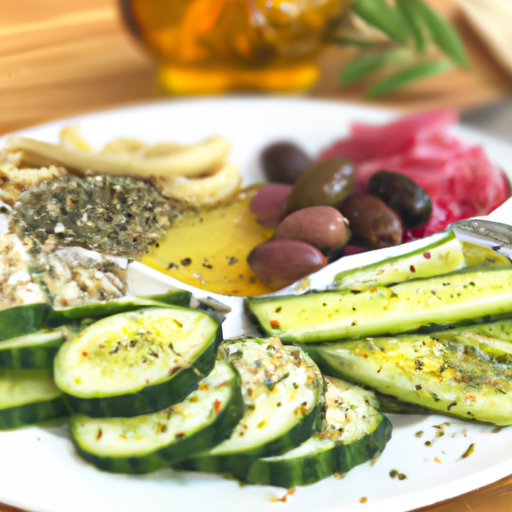
There are countless ways to enjoy the benefits of cucumbers in your Mediterranean diet, from fresh cucumber salads to Greek Tzatziki.

Enhancing the Taste and Texture of Cucumbers

You can enhance the taste and texture of cucumbers by combining them with other Mediterranean diet-friendly foods, such as feta cheese, tomatoes, olives, and whole-grain bread.

Making Cucumbers a Regular Part of Your Dietary Regimen

To fully appreciate the benefits that cucumbers bring to your health, I advise making them a regular part of your dietary regimen.

Is Cucumber Part Of The Mediterranean Diet?

Mediterranean Recipes with Cucumbers

Refreshing Cucumber Salad

One recipe that my family and I particularly like is a simple, refreshing cucumber salad. It’s easy to make and deliciously fresh.

Greek Tzatziki with Cucumbers

Tzatziki is a classic Greek recipe that uses cucumber. Serve it as a sauce or dip.

Mediterranean Cucumber Roll-Ups

Cucumber roll-ups are another fun and delicious way to enjoy cucumbers. They’re basically cucumber slices rolled up with hummus and veggies inside.

Cucumber’s Impact on Overall Health

Cucumber’s Role in Hydration and Digestion

Given its high water content, cucumber plays a significant role in keeping you hydrated. Its fiber content also aids digestion.

Cucumber and Heart Health

Numerous studies confirm that cucumbers contribute positively to heart health, particularly by lowering blood pressure and reducing cholesterol.

Cucumber for Weight Management and Diabetes Control

Cucumber is low in calories, making it suitable for weight management. It also has a low glycemic index, aiding in diabetes control.

JD’s Perspective on Cucumbers in the Mediterranean Diet

JD’s Personal Take on Including Cucumbers in His Diet

Introducing cucumbers into my diet has benefited not only me but my entire family. We’re enjoying tastier meals that are better for our health.

JD’s Favorite Cucumber Recipes

My favorite cucumber recipes include Greek Tzatziki, Cucumber & Tomato Salad, and Cucumber Salsa.

How JD Incorporates Cucumbers in His Family Meals

From salads and side dishes to sauces and snacks, cucumbers find their way into our family meals in diverse, delicious ways.

Relationship between Cucumbers, Mediterranean Diet and Family Mealtime

Promoting a Shared Love for Cucumbers and its Health Benefits

Cucumbers have given us a shared love for healthy and delicious food, reinforcing the importance of high-quality meals with the whole family.

Making Meal Times Joyful with Cucumbers

The versatility of cucumbers makes mealtime joyful, exciting and something my family and I always look forward to.

Passing on the Art of Preparing Cucumber Dishes to Children

One of my favorite parenting joys has been passing on the art of preparing cucumber dishes to my children, fostering a lifelong love for nutritious meals.

Cucumbers and Sustainability

Why Cucumbers are an Environmentally Friendly Choice

Cucumbers are an environmentally friendly choice as they require less resources to grow compared to other crops.

Cucumber Farming and its Impact

Moreover, cucumber farming has a lighter environmental footprint, contributing to the sustainability of our planet.

Growing Cucumbers at Home for a Sustainable Lifestyle

Growing cucumbers at home also enhances the sustainable lifestyle aspect of the Mediterranean diet.

A Look at JD’s Future Plans for Promoting Cucumbers in the Mediterranean Diet

Innovative Cucumber Recipes in Development

I’m excited to share with you some innovative cucumber recipes I am developing.

Cucumber-centric Activities and Events

Look forward to cucumber-centric activities and events such as cooking classes and workshops, where we’ll explore the wonders of this versatile veggie together.

Expanding the Conversation on Cucumbers’ Role in Mediterranean Diet

I also aim to expand the conversation around cucumbers’ role in the Mediterranean diet through informative blog posts and participating in health and wellness events.

Conclusion: Cucumbers as Part of a Healthy, Mediterranean Diet Lifestyle

Recap of the Importance of Cucumbers in a Mediterranean Diet

To sum up, cucumbers are an integral component of the Mediterranean diet offering immense nutritional benefits.

The Impact of Cucumbers on JD’s Life and Health

Embracing cucumbers in my diet continues to positively influence both my life and health in unimaginable ways.

Encouragement for Embracing Cucumbers in the Mediterranean Diet Lifestyle

I urge you to incorporate cucumbers into your diet and experience first-hand its health benefits. After all, good health starts in the kitchen.

July 31, 2023 Diet & Nutrition

Can You Eat Rice On Mediterranean Diet?

You’ve probably come across the common question, “Can you eat rice on a Mediterranean diet?” Maybe you’ve just started this eating plan, or maybe you’re considering the switch for your health and lifestyle. It’s a question that has a lot of us wondering, especially if you’re a fan of rice and can’t imagine your meals without it.

Well, you’re in for some good news! This article will delve into the specifics and give you a clearer perspective about incorporating rice into your Mediterranean diet. You’ll not only learn if it’s permitted, but also how to incorporate it effectively for your health. So, sit back, relax, and let’s embark on this culinary journey focused on the balance of indulgence and good health.

Can You Eat Rice On Mediterranean Diet?

Understanding the Mediterranean Diet

The Mediterranean diet is more than just a diet; it’s a lifestyle that emphasizes wholesome, natural food, including plenty of fruits, vegetables, lean proteins, and healthy grains, such as rice. This diet mirrors the eating habits of Mediterranean countries like Italy, Greece, and Spain.

Fundamentals of the Mediterranean Diet

At its core, the Mediterranean diet is all about consuming plenty of plant-based foods, fish, and seafood with moderate amounts of dairy products, eggs, poultry, and red wine. It encourages healthy fats like olive oil instead of butter and features herbs and spices instead of salt to flavor dishes. This diet is not just about what you eat, but also about how much enjoyment you get from meals.

Health Benefits of the Mediterranean Diet

The Mediterranean diet offers an array of health benefits. Studies have shown that it can help to reduce heart disease risk, lower blood pressure and cholesterol levels, manage diabetes, and prevent certain types of cancer. It is deemed suitable for all individuals, encompassing all ages and fitness levels, and is recognized for its role in promoting long-term health and longevity.

The Role of Rice in the Mediterranean Diet

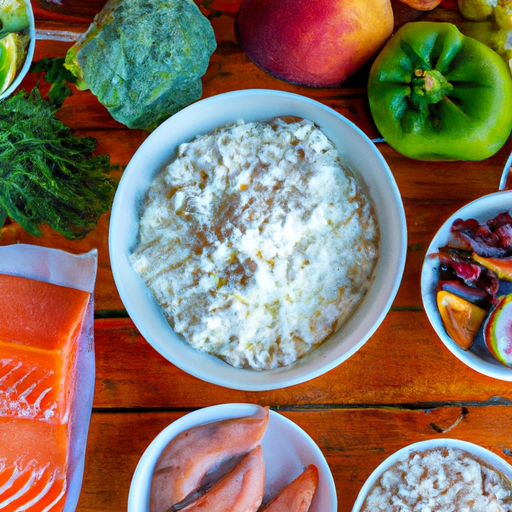
Rice is a staple in the Mediterranean Diet, providing essential nutrients and energy. It is considered to be a robust base for many meals and adds to the feeling of fullness, thereby limiting overeating.

Importance of Whole Grains

Whole grains like rice are essential to the Mediterranean diet. They are rich in dietary fibers, vital for maintaining gut health and regulating blood sugar levels. They also provide essential nutrients including vitamins, minerals and antioxidants that contribute to overall wellbeing.

Types of Rice used in Mediterranean Cuisine

Brown and wild rice are the most commonly used types due to their high nutrient content. Generally, people in the Mediterranean region prefer them to white rice because of their rich, nutty flavor and superior nutritional benefits.

The Nutritional Value of Rice

Rice is a nutritional powerhouse, brimming with essential vitamins and minerals that offer significant health benefits.

Dietary Fiber in Rice

Brown and wild rice have a high amount of dietary fibers, which aid in healthy digestion and contribute to feelings of satiety. They keep you full for longer periods, reducing unhealthy snacking.

Essential Vitamins and Minerals in Rice

Rice is a good source of B vitamins that help with energy production, support heart health, and contribute to the health of the nervous system. It also contains essential minerals including magnesium, phosphorus, selenium, and iron.

Can You Eat Rice On Mediterranean Diet?

Incorporating Rice into the Mediterranean Diet

Rice can be easily integrated into the Mediterranean diet and can become a regular part of your meals.

Healthiest Ways to Cook Rice

Most often, rice is boiled or steamed. It can also be cooked in a rice cooker or microwave. Some prefer to rinse or soak rice before cooking to remove any potential traces of arsenic.

Mediterranean Dishes with Rice

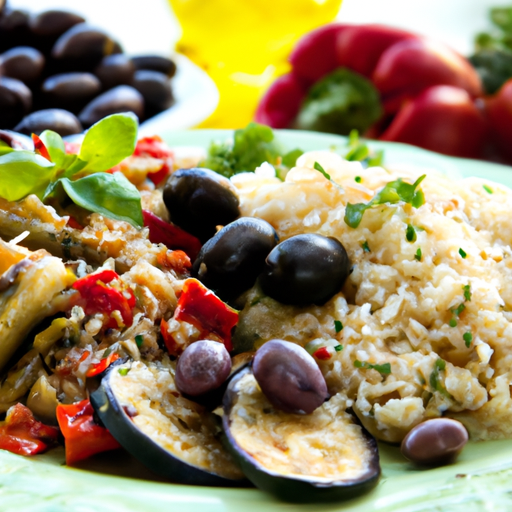
Many popular Mediterranean dishes feature rice, such as Spanish paella, Greek dolmades, and Italian risotto; these dishes feature fresh, wholesome ingredients that align with the principles of the Mediterranean diet.

Limitations and Moderation

Like any food, rice should be enjoyed in moderation as part of a balanced diet. While rice is nutritious, it is also calorie-dense.

The Downside of White Rice

White rice is often criticized as it undergoes processing, and this milling removes the bran and germ. This results in a loss of fiber, vitamins, and minerals.

Portion Control and Balance

Keeping portion sizes in check is key; stick to a half-cup to one cup of cooked rice per meal. The Mediterranean diet isn’t focused on counting calories or portions – it’s more about balance, variety, and enjoyment.

Variety in the Mediterranean Diet

The Mediterranean diet is diverse and flexible, offering a wide range of food choices that can accommodate personal preferences and dietary restrictions.

Alternatives to Rice in the Diet

While rice is a popular choice, there are many other whole grains that are part of the Mediterranean diet, like barley, quinoa, oats, bulgur, and farro.

Diversity of Whole Grains

Each whole grain brings its unique set of health benefits and nutrients, contributing to the diet’s nutritional diversity. Having a variety ensures that you’re not just getting a wide range of nutrients, but also enjoying different tastes and textures.

Role of Diet in Family Health

The Mediterranean diet isn’t just about individual health; it’s about cultivating healthy eating habits for the whole family.

Passing on Healthy Eating Habits

The way we eat greatly influences our children’s food choices and habits. By incorporating the Mediterranean diet principles, we can nurture a healthy relationship with food in our children.

Family Meals and the Mediterranean Lifestyle

Family meals are intrinsic to the Mediterranean lifestyle, with an emphasis on relaxation, enjoyment of food, and communal dining.

Maintaining Long-term Health

The beauty of the Mediterranean diet lies in its potential for promoting long-term health and wellness. It’s not a flash-in-the-pan trend, but a sustainable lifestyle.

Sustainability of the Mediterranean Diet

Its emphasis on plant-based foods, and moderate consumption of meat, poultry, and dairy makes it environmentally sustainable as well.

Effects of Diet on Longevity and Quality of Life

The Mediterranean diet contributes to longevity, not only extending life span but also improving the quality of life by preventing chronic diseases and improving mental health.

Other Factors to Consider with Mediterranean Diet

The Mediterranean lifestyle isn’t solely about the diet. It also encapsulates an active lifestyle and the value of social connections.

Combining Diet with Exercise

People in the Mediterranean region complement their wholesome diet with regular physical activity such as walking, swimming, and Bike-riding. Regular exercise helps to maintain a healthy weight, strengthen the heart, boost mood and energy levels, and improves overall longevity.

Role of Community and Sharing in Diet

Community and social connections play a significant role in the Mediterranean lifestyle. Meals are often a communal affair and embrace the joy of eating, sharing, and spending time together.

Conclusion

Recap: Can You Eat Rice On Mediterranean Diet

The answer is a resounding “Yes!” Rice, particularly whole grain varieties like brown and wild rice, are a healthy and nutritious staple of the Mediterranean diet.

The True Essence of Mediterranean Diet

At its heart, the Mediterranean diet isn’t just a diet, it’s a way of living. It’s about savoring each bite, cherishing the time with family, and living life to the fullest, all while remaining healthy. So, whether it’s rice or any other wholesome food that you enjoy, the Mediterranean diet has room for it. Here’s to living the Mediterranean way!

July 31, 2023 Health & Fitness

What Kind Of Cheese Is Allowed On The Mediterranean Diet?

If you’ve been curious about the Mediterranean Diet, you might be wondering, “What kind of cheese is actually allowed?” It’s a common question given that cheese is often a delightful component of delicious meals and might be difficult to give up. Well, the good news is, the Mediterranean Diet isn’t about deprivation but about making healthier, sustainable food choices!

As you delve into this article, you’ll discover that certain types of cheese not only pass the Mediterranean Diet test but are also highly recommended! You’ll learn about the nutritional benefits along with tasty ways to incorporate them into your meals. Imagine sharing a platter of these healthy, delectable cheeses with your loved ones during your next family dinner. As JD, the owner of this website often puts it, there’s no better way to care for your health and your family than by sharing high-quality food. Let’s explore together and bring this wonderful diet into your kitchen!

What Kind Of Cheese Is Allowed On The Mediterranean Diet?

Understanding the Mediterranean Diet

The Mediterranean diet is a way of eating that is inspired by the traditional cuisines of countries bordering the Mediterranean Sea. The word diet here is truly a misnomer – it’s a lifestyle fusion of healthy eating habits, physical activity, social interactions, and appreciation of life’s bounty.

The roots and principles of the Mediterranean Diet

The Mediterranean Diet comes from millennia of eating habits and culture, shared by people of diverse ethnicities, who inhabit the Mediterranean basin. This diet emphasizes consumption of plant-based foods (fruits, vegetables, legumes and whole grains), healthy fats (like olive oil), moderate intake of fish, poultry and dairy, and occasional intake of red meat.

Health benefits associated with the Mediterranean Diet

Numerous studies have highlighted the vital health benefits of the Mediterranean Diet. It helps reduce the risk of heart disease, keeps blood sugar levels stable, aids in weight loss, improves longevity, and promotes overall vitality. This diet is full of nutrients, rich in antioxidants, and low in processed foods, making it a protector against host of chronic diseases.

Role of Dairy in the Mediterranean Diet

Dairy plays a crucial role in the Mediterranean Diet, it’s a source of essential nutrients such as calcium, protein, and vitamins.

Importance of dairy in the Mediterranean Diet

Dairy products are a vital source of many nutrients. The Mediterranean Diet incorporates these products, especially cheese and yogurt, in moderation.

Dairy products commonly used in the Mediterranean Diet

Traditional dairy products found in the Mediterranean Diet are unprocessed, along with raw milk cheeses, and active-culture yogurts. Their milk predominantly comes from sheep or goats, which have a different nutrient profile as compared to cow’s milk.

The Special Place for Cheese in the Mediterranean Diet

Cheese holds a special place in the Mediterranean kitchen, enriching the savory and indulgent dimension of the diet.

Popularity of cheese in Mediterranean cuisine

Each Mediterranean region has its unique cheese specialty, like Feta from Greece or Manchego from Spain, adding an authentic flavor to the meals.

Health benefits associated with consuming cheese

Cheese is a nutrient-dense food, packed with high-quality proteins, vitamins, and minerals. Moderate consumption of cheese in the diet can indirectly contribute to bone health, thanks to its high calcium content.

What Kind Of Cheese Is Allowed On The Mediterranean Diet?

Types of Cheese Allowed in the Mediterranean Diet

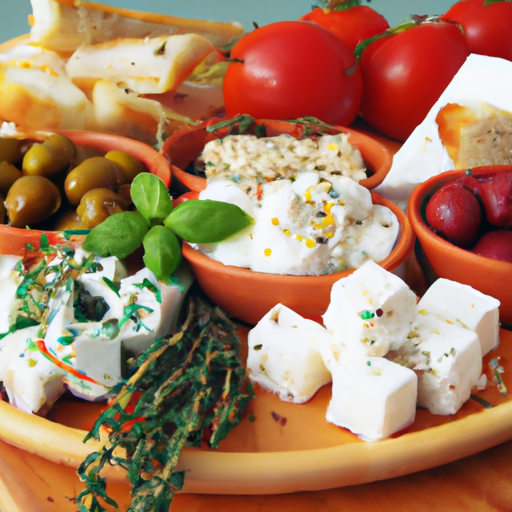
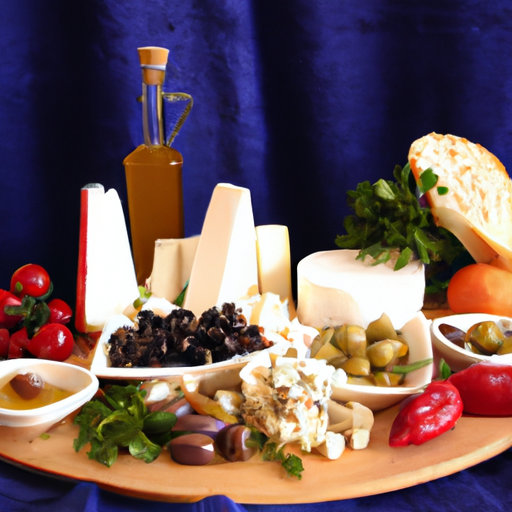
This diet allows all cheeses, but the most commonly used ones are Goat cheese, Feta, Ricotta, Parmigiano-Reggiano, and Mozzarella.

Soft cheeses in the Mediterranean Diet

Soft cheeses like Feta, Chevre (goat cheese), and Ricotta are frequent choices which contribute to the light, fresh character of Mediterranean cuisine.

Hard cheeses in the Mediterranean Diet

Hard cheeses like Parmigiano-Reggiano and Pecorino Romano are also frequently used for their rich, savory flavor.

Optimizing the Consumption of Cheese in the Mediterranean Diet

In the context of Mediterranean diet, tasting cheese is not a mere act of consuming. It’s more about enjoying the texture, taste, and aroma of these traditional foods.

Choosing the right cheese for the Mediterranean Diet

Select cheese that is made from the milk of grass-fed animals, as these cheeses are more nutrient-dense. Natural, unprocessed, and authentic cheeses are the best.

Feasible portions of cheese in the Mediterranean Diet

Pleasure in moderation is the key. A serving size of 1 to 1.5 ounces, that can fit in the palm of your hand, is generally suggested.

Popular Mediterranean Dishes that Incorporate Cheese

Various Mediterranean delicacies feature cheese as a main or complementary ingredient.

Traditional Mediterranean cheese dishes

Traditional dishes like Greek Spanakopita, Italian Caprese salad, and French Ratatouille often feature cheese.

Innovative recipes with cheese in the Mediterranean Diet

Cheese can also enhance the flavor of simple recipes, such as roasted vegetables with a sprinkle of Feta or a whole grain pasta with Ricotta.

How to Incorporate Cheese in Your Mediterranean Diet

Incorporating cheese in your meals can be an exciting gastronomic journey.

Best ways to introduce cheese in your meals

You can stir it into soups, spread it on whole-grain bread, sprinkle it on salads or use it as topping for roasted vegetables.

Pairing cheese with other elements of the Mediterranean Diet

Pair cheese with fruits, nuts, lean proteins, and whole grains to create balanced, nutritious, and tasty meals.

Choosing the Right Mediterranean Cheese in the Market

Shopping for Mediterranean cheese involves knowing what to look for.

Key aspects when shopping for Mediterranean cheeses

Look for traditional varieties. Check the ingredients to ensure they are natural, without any artificial additives.

How to recognize authentic Mediterranean cheeses

Usually, authentic Mediterranean cheeses have a protected designation of origin label, which guarantees their authenticity and quality.

Benefits of Sharing Quality Food like Cheese with Family

Sharing high-quality food with family fosters precious moments of togetherness.

Promoting family bonding through shared meals

Breaking bread around the table encourages conversation, connections, and creates lasting memories.

Teaching kids the importance of healthy eating habits

Sharing meals allows you to instill the importance of healthy food choices in your children, ensuring their sound growth and development.

Building lasting memories with cheese-infused Mediterranean meals

Cheese-infused Mediterranean meals lends comfort, joy, and a sense of fellowship, creating a tapestry of beautiful memories over time.

Conclusion: Cheese and the Sustainable Mediterranean Lifestyle

Cheese plays a significant role in supporting the sustainable and vibrant Mediterranean lifestyle.

Enjoying the richness of cheese in the Mediterranean Diet

Savor the delectable spread of traditional Mediterranean cheeses, allowing you to relish not only their flavorful charm but also their associated health benefits.

Maintaining a balanced and mindful diet with cheese

Incorporating cheese in your daily diet can be a joyful and rewarding experience, enhancing the variety of tastes and nourishment value of your meals.

Remember, the Mediterranean Diet is not about strict restrictions, but about embracing a healthy, sustainable, and most importantly, enjoyable eating habit. So, savor each bite of these wonderful cheeses, and relish your journey to a healthier lifestyle.

  • « Go to Previous Page
  • Go to page 1
  • Interim pages omitted …
  • Go to page 52
  • Go to page 53
  • Go to page 54
  • Go to page 55
  • Go to page 56
  • Interim pages omitted …
  • Go to page 64
  • Go to Next Page »

Primary Sidebar

Hey y’all!

Hello and welcome to MediterraneanDietRecipes.net My name is JD, and I’m a 46-year-old father of three amazing children. My family is my world, and my main goal in life is to stay healthy and live long enough to see my children grow up, have children of their own, and to be an active, engaged, and supportive grandparent.

Being an older father, I understand that time is precious, and I want to make the most of it by ensuring that I am in the best possible shape physically, mentally, and emotionally. My journey started with a deep dive into the research on longevity and the lifestyle choices that can help me achieve my goals. Dig deeper →

Footer

Stay Connected

  • Bloglovin
  • Facebook
  • Instagram
  • Pinterest
  • Twitter

Copyright © 2026 · MEDITERRANEAN DIET RECIPES