Ready to explore the wonderful world of the Mediterranean diet and curious about the best meat options to incorporate? You’re in the right place! In this article, you’ll discover the richness and variety of meats traditionally used in Mediterranean cooking, how they promote long-term health and, importantly, how they bring families together at meal times.
Understanding the Mediterranean Diet
The Mediterranean diet is a balance of delicious and diverse ingredients originating from regions surrounding the Mediterranean Sea – such as Italy, Greece, and Southern France. This type of diet is celebrated for its ability to promote longevity and health while tickling the taste buds with fresh, home-cooked meals.
The Basics of the Mediterranean Diet
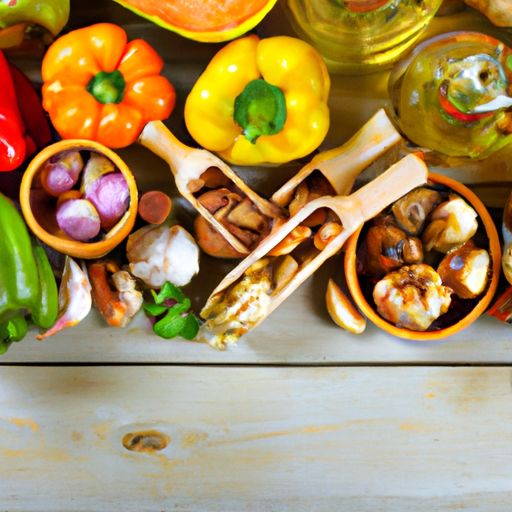
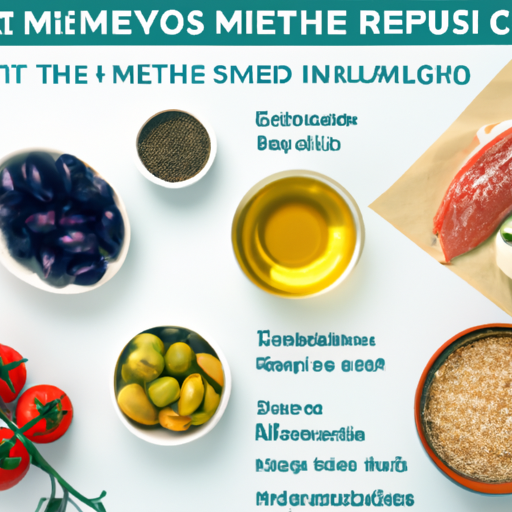
The Mediterranean diet is filled with fruits, vegetables, whole grains, legumes, and lean protein sources like fish and poultry. While herbs, olive oil, and red wine are used to enhance flavors, processed foods, refined sugars, and unhealthy fat sources are actively discouraged.
The Emphasis on Quality in the Mediterranean Diet
In the Mediterranean diet, it is not just about what you eat but the quality of what you eat. Fresh, locally sourced, and organic produce are preferred over processed or artificially enhanced ingredients. As JD, the owner of this blog, always emphasizes – the value of sharing high-quality food with our families is at the heart of the Mediterranean diet.
The Role of Meat in the Mediterranean Diet
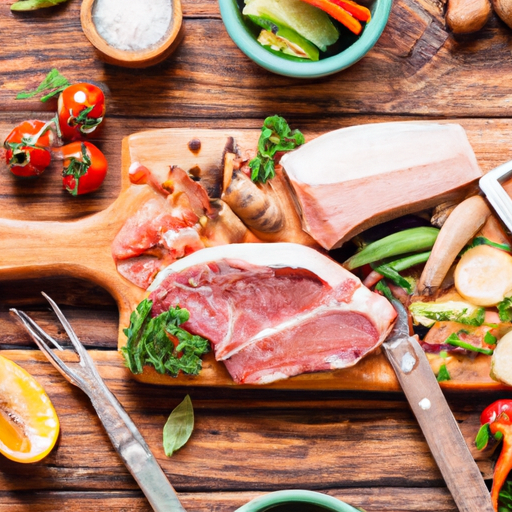
While plant-based foods are the stars of the Mediterranean diet, meats cherish a special corner in it. They provide the much-needed protein boost making the diet balanced and healthier. But, choosing the right meat source is vital – and that’s exactly the question we are addressing today – what is the best meat for the Mediterranean diet?
Popular Meats in the Mediterranean Diet
Lean Proteins: Chicken and Turkey
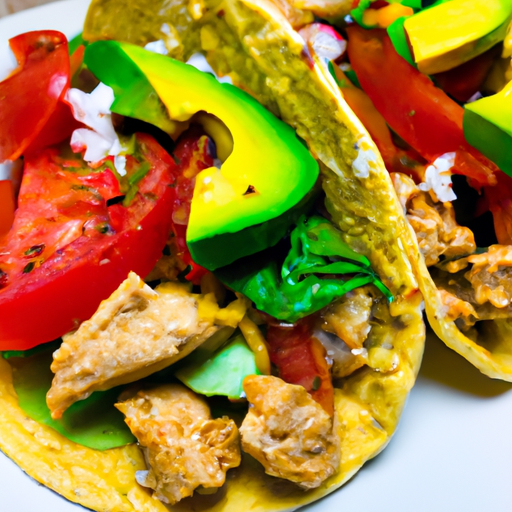
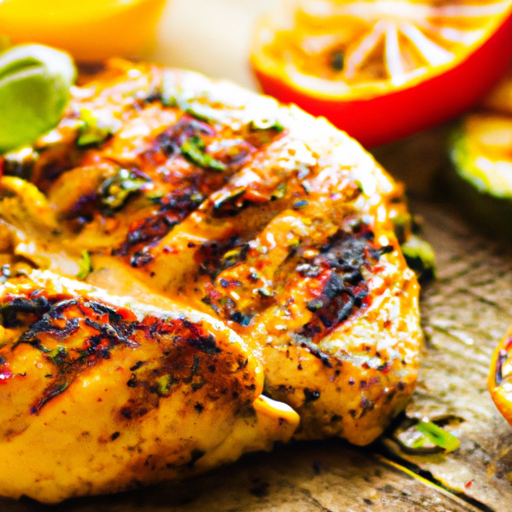
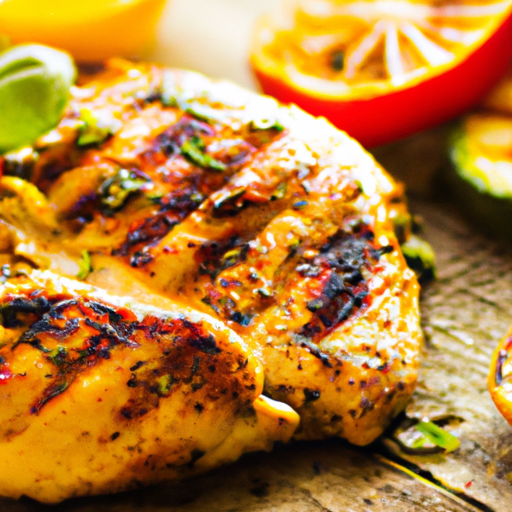
Poultry, including chicken and turkey, is widely consumed in the Mediterranean diet. They are lean meat sources providing a great amount of protein without loads of unhealthy fats.
Fish and Seafood: A Dietary Staple
In this diet, fish and seafood are favorites due to their high Omega-3 content. They are heart-friendly, delicious, and can be cooked using a myriad of Mediterranean ingredients.
Occasional Red Meats: Lamb and Beef
Lamb and beef, the richer cuts are enjoyed in the Mediterranean diet but only on an occasional basis. They add an intense and distinctive flavor replacing the lean counterparts on special occasions.
The Nutritional Profile of Ideal Meats
Protein Content and Quality
Fish, poultry, and lean cuts of meat are densely packed with essential amino acids – the building blocks of proteins. Not only are they high in protein content but the bioavailability and quality of these proteins are also superior.
Fat Profile: Omega-3 and Omega-6 Ratio
The Mediterranean diet is noted for its balanced ratio of Omega-3 and Omega-6 fats. Fish, especially oily ones like salmon, are rich sources of Omega-3 fatty acids that are tagged as “healthy fats” due to their heart-friendly properties.
Vitamin and Mineral Content
The meats in the Mediterranean diet are nutritionally dense, providing various vitamins and minerals. For instance, fish and seafood provide iodine, Vitamin D, and Zinc while poultry is a source of Vitamins B3 and B6, and Selenium.

Health Benefits of Meats in the Mediterranean Diet
Cognitive Health and Lean Proteins
The Omega-3 fats in fish and seafood promote cognitive health – reducing the risk of Alzheimer’s and improving memory.
Heart Health and Fish
The Omega-3 oils in fish are perfect for your heart. They lower inflammation, decrease triglycerides, and reduce blood clotting – cutting down the risk of heart diseases.
Physical Health and Occasional Red Meats
Red meats like lamb and beef contribute to your overall physical health by offering essential nutrients such as iron, zinc, and Vitamin B12. They are particularly beneficial for those with greater physical demands or who require iron supplementation.
Incorporating Meat into the Mediterranean Diet
Portion Sizes and Frequency
Moderation is the key in the Mediterranean diet, even with healthy meat sources. Fish, poultry, or lean meats should not exceed the size of a deck of cards per serving.
Meat as a Part of Balanced Meals
Meat is just one part of the meal. Balance it with ample portions of vegetables, whole grains, and legumes.
Cooking Methods for Healthier Results
Opt for healthier cooking methods like grilling, roasting, or baking instead of frying. Use olive oil, it’s healthier and can elevate the flavor of your meals.
The Importance of Sustainable and Ethical Meat Consumption
Choosing Organic and Grass-Fed Meats
Organic and grass-fed meats are richer in nutrients. They are free from harmful pesticides, antibiotics, and are often far tastier.
Importance of Supporting Local Producers
By choosing local producers, you support the local economy while ensuring your meat source is fresh and of high quality.
The Environmental Impact of Meat Production
Responsible meat consumption contributes to reducing the carbon footprint. Therefore, we should aim for sustainable farming practices and consider plant-based proteins regularly.
Exploring Plant-Based Proteins
The Role of Legumes
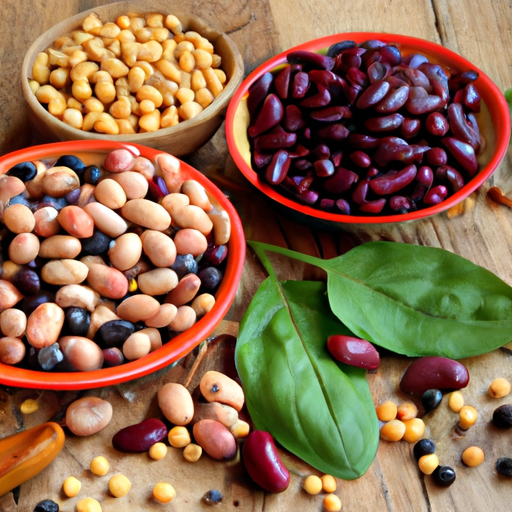
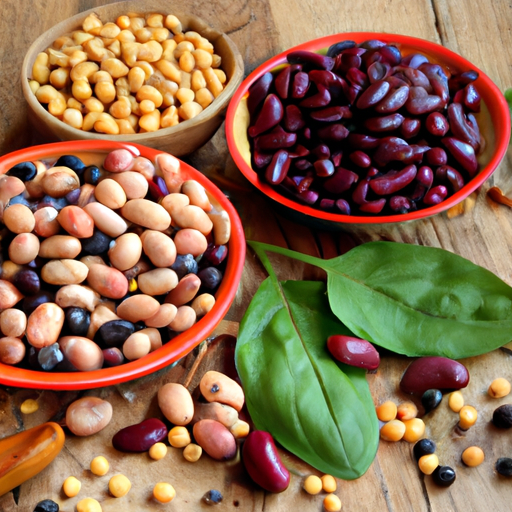
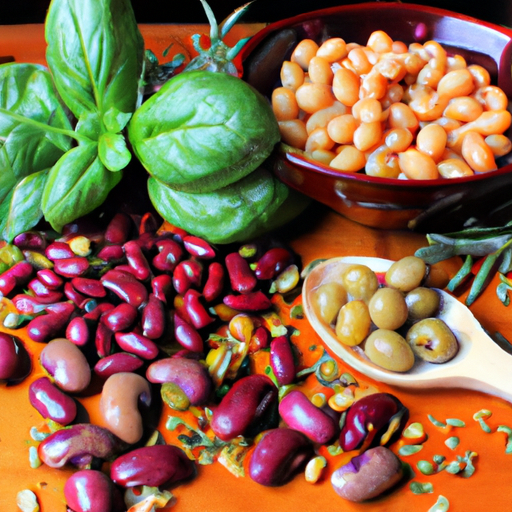
Legumes like lentils or chickpeas are great plant-based protein sources that keep you feeling satiated.
Seeds and Nuts as Protein Sources
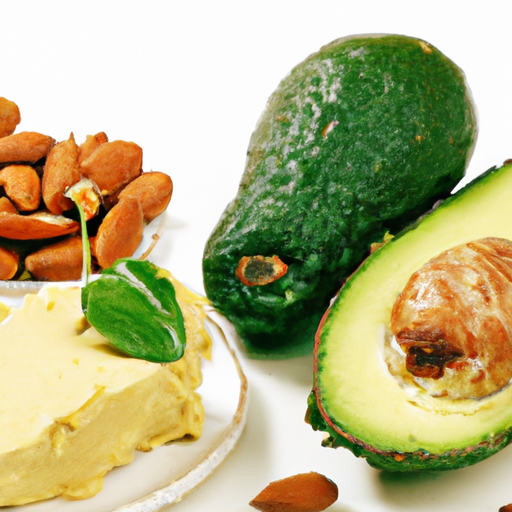
Nuts and seeds are considered as superfoods in the Mediterranean diet providing healthy fats, fiber, and a good amount of protein.
Whole Grains for Balanced Nutrition
Whole grains nourish your body with dietary fiber, several vitamins, and minerals while providing a decent amount of protein.
Sample Mediterranean Diet Meat Recipes
Chicken Souvlaki with Tzatziki Sauce
This tantalizing grilled chicken skewer flavoured with Tzatziki sauce is a prime example of poultry done right in the Mediterranean style.
Greek-Style Baked Fish with Tomatoes and Onions
A light and delightful baked fish dish packed with hearty Greek flavors will give you a taste of the Mediterranean sea on every bite.
Lamb Tagine with Couscous
This slow-cooked Moroccan style lamb stew served with fluffy couscous exemplifies the perfect way to enjoy lamb on the Mediterranean diet.
Tips for a Successful Mediterranean Diet Lifestyle
Grocery Shopping Strategies
Choose unprocessed ingredients, buy fresh produce, and opt for organic, grass-fed meat. Prioritize locally grown fruits & vegetables.
Meal Prepping for the Busy Weeks
Having ready-to-go meals for the week reduces the temptation to eat unhealthy food. Dedicate some time during the weekends to prepare for the week.
Staying Motivated on the Mediterranean Diet
Find new recipes, try new flavors and enjoy the food you prepare. Surround yourself with a community of like-minded people on a health journey.
Conclusion: Identifying the Best Meat for Your Mediterranean Diet
Understanding Personal Nutritional Needs
Everyone’s bodies are different and individual needs may vary. Therefore, it’s important adding proteins that meet your unique needs.
The Role of Moderated Meat Consumption
While meat is a key part of the Mediterranean diet, always remember that it is to be enjoyed in moderation with a balance of plant-based foods.
The Power of a Balanced, High Quality and Flavorful Diet
Balancing your diet with high quality, nutritious, and flavorful food can improve your overall health and add joy to your life – making the Mediterranean diet not just a diet plan, but a lifestyle worth embracing.