In this friendly discussion, we’ll explore the variety of cheeses that are perfectly acceptable within the confines of the Mediterranean Diet. Reading this article will provide you with valuable insights and guidance on how to continue enjoying cheese while maintaining this highly beneficial diet. Let’s turn your culinary journey into a delicious and healthy adventure.
Understanding the Mediterranean Diet
The key to understanding the Mediterranean diet lies in its core principles. It is primarily plant-based, rich in fruits, vegetables, whole grains, lean proteins, and especially, the shining star – olive oil. Meat, dairy, and saturated fats take a backseat, making the diet low in cholesterol and detrimental fats.
Core Principles of the Mediterranean Diet
The Mediterranean diet emphasizes on flavored-filled meals brimming with whole foods. It encourages you to replace salt with fresh herbs and spices and opt for heart-healthy fats like olive oil instead of butter. You’ll find a high intake of plant-based meals, moderate consumption of fish, poultry, eggs, and dairy (primarily cheese and yogurt), and minimal to no intake of red meats and sweets.
Health Benefits Associated with the Mediterranean Diet
The Mediterranean diet is renowned for its multitude of health benefits. These could include lowered risk of heart disease, type 2 diabetes, high blood pressure, and obesity. Some research even suggests that it can improve brain health, extending your longevity and quality of life.
Common Ingredients in a Mediterranean Diet
In a Mediterranean diet, you’ll encounter an array of fresh fruits and vegetables, legumes, whole grains, seafood, nuts, and seeds. And of course, cheese, predominantly in moderation, adding the much-needed touch of creaminess.
Mediterranean Diet and Cheese
The Role of Cheese in the Mediterranean Diet
Cheese is enjoyed quite frequently in the Mediterranean diet, but in moderate servings. It serves as a source of protein and adds flavor to various dishes.
Position of Nutritionists on Cheese within the Mediterranean Dietary Regime
While cheese can be high in saturated fats, nutritionists advocate that, when consumed responsibly, it can be a part of a healthy diet. This is especially true for the Mediterranean diet, where cheese is balanced out by lower-fat and nutrient-rich foods.
Hard Cheeses in the Mediterranean Diet
Uses of Hard Cheeses in the Mediterranean Diet
hard cheeses like Parmigiano-Reggiano and Pecorino Romano are used sparingly to garnish dishes for added flavor and creaminess.
Nutritional Benefits of Hard Cheeses
Hard cheeses are an excellent source of protein and calcium and can contribute towards a healthy, balanced diet.
How to Choose a Healthy Hard Cheese for Your Diet
When choosing hard cheese, opt for those low in fat and sodium. Be sure to check the nutritional label and choose versions which are rich in protein and calcium.
Soft Cheeses in the Mediterranean Diet
Introduction to Soft Cheeses in the Mediterranean Diet
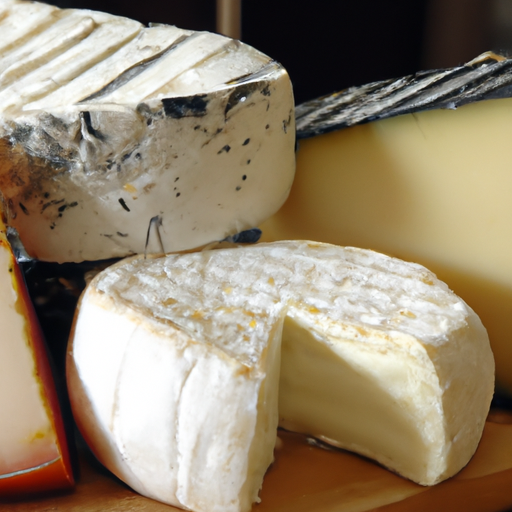
Soft cheeses, like feta and ricotta, are commonly consumed in the Mediterranean diet. They are incorporated into salads, pasta, and baking for an additional creaminess.
Health Attributes of Soft Cheeses
They are generally lower in fat than hard cheeses and provide a good source of protein, calcium, and vitamins.
Recommended Soft Cheeses to Include in the Mediterranean Diet
Feta, ricotta, and mozzarella are excellent choices as these add a delightful creaminess to dishes without significant calories, and they are generally lower in saturated fats.
Using Cheese in Mediterranean Recipes
Top Mediterranean Recipes with Cheese
There are many Mediterranean recipes that incorporate cheese. Some popular ones include Greek feta salad, spinach and ricotta stuffed shells, and roasted vegetables with feta.
Incorporating Cheese the Mediterranean Way
In the Mediterranean diet, cheese is generally used as garnishing, adding flavor and creaminess to meals. It complements, not overpowers, the other ingredients.
How to Balance Cheese in a Healthy Mediterranean Meal
Balancing cheese in a Mediterranean meal involves pairing it with an ample portion of plant-based ingredients, lean proteins, and fiber-rich grains.
Cheese and Family Meal Times
Making Meal Times Special with Cheese
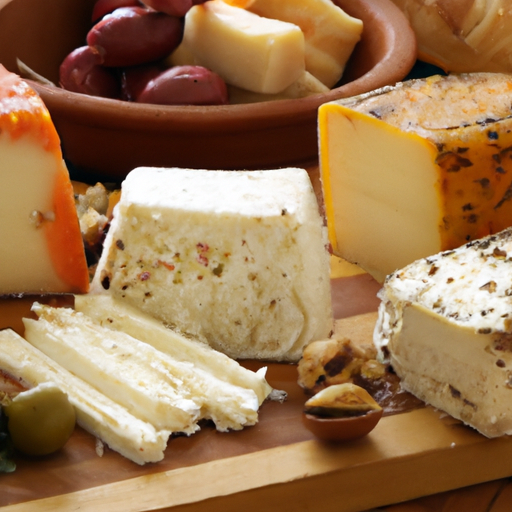
A sprinkle of hard cheese or a decent portion of soft cheese can make a meal interesting. A cheese platter with fresh fruits can be an exciting way to start or end a family dinner.
Teaching Kids About Healthy Cheese Options
Encourage kids to enjoy cheeses like feta and mozzarella, known to be lower in fat and higher in protein. Teach them to cherish cheese in moderation, balanced with plenty of fruits, vegetables, and whole grains.
Sharing and Savoring Cheese in Family Meals
Savoring cheese is an enriching experience that can be shared during family meals. Discussing different cheese types, their flavor profiles, and origin can make family occasions more interesting.
Cheese and Long-Term Health
Cheese’s Impact on Heart Health
Despite its reputation, cheese, as part of a balanced Mediterranean diet, can contribute to heart health. The key lies in its mindful consumption.
Weight Management and Cheese Consumption
While cheese is not low in calories, its high protein content can keep you full and help curb overeating, thus aiding in weight management.
Calcium and Bone Health Benefits from Cheese
Rich in calcium, cheese aids in maintaining strong bones and teeth. Calcium also helps muscular function and nerve transmission.
Managing Cheese Portions
Understanding Portion Sizes for Cheese
A healthy serving would generally be about a couple of dice-sized pieces.
Strategies for Mindful Cheese Consumption
Pair cheese with fiber-filled fruits or whole grains, pay attention to portion sizes, and opt for low-fat varieties whenever possible.
Balancing Cheese Intake with Other Dietary Components
Include a variety of different food types in your Mediterranean diet. This should have a generous amount of fruits, vegetables, and lean protein, along with moderate amounts of cheese.
Healthy Shopping for Cheese
Reading and Understanding Cheese Labels
Check for fat and sodium content as well as protein and calcium when choosing cheeses.
Identifying High Quality Cheese
High-quality cheese may be defined by factors such as location of production, quality of ingredients, and cheese-making process.
Where to Buy the Best Cheese
Local markets, cheesemongers, or even reputable grocery stores could be great places to buy cheese.
Conclusion: Cheese in the Mediterranean Diet
Achieving Balance and Variety
In the Mediterranean diet, it is all about balance and variety. Moderation is crucial, be it cheese or any other component.
Savory Enjoyment and Health Benefits of Cheese
Indulging in cheeses within your Mediterranean meals can be nutritionally rewarding without sacrificing the flavor.
Bringing the Mediterranean Way of Life into Your Family Meals with Cheese
Cheese is not just a food item; in the hands of the Mediterranean diet, it becomes part of a lifestyle. A life where health, flavor, balance, and joy come together to be shared with your loved ones. In Mediterranean meals, every cheese has its time and place. Enjoy it, savor it, share it, and let it be the bonding factor it is meant to be.
So, in response to the question “What cheese is OK on the Mediterranean diet?” – almost all of them, with consideration of portion size, moderation, and balance with other healthy Mediterranean dietary components. Enjoy your journey with cheese in the Mediterranean lifestyle. You’re in for a treat!
Leave a Reply