• Skip to primary navigation
  • Skip to main content
  • Skip to primary sidebar
  • Skip to footer
  • Home
  • About
  • Recipes
  • Blog

Mediterranean Diet Recipes

Home » Blog

Blog

August 4, 2023 Health & Wellness

Can You Eat French Fries On Mediterranean Diet?

In this article, we’ll explore the question, can you really indulge in French fries while on a Mediterranean diet? Ahead, you’re going to discover the answer, acquire additional knowledge about the Mediterranean diet, and grasp its potential benefits for your long-term health. This is especially relevant if you’re focused not just on personal well-being, but also on sharing high-quality, healthful meals with your family. Get ready to learn more!

Can You Eat French Fries On Mediterranean Diet?

Understanding the Mediterranean Diet

Fundamentals of the Mediterranean Diet

Embracing the Mediterranean diet is like taking a culinary journey towards a healthier lifestyle. You’re venturing into a world of unprocessed, natural, and fresh foods, with emphasis on fruits, vegetables, whole grains, legumes, fish, olive oil, and moderate consumption of poultry, eggs, and wine.

Health Benefits Associated with the Mediterranean Diet

By following the Mediterranean diet, you’re sowing seeds of numerous health benefits. Studies prove this diet not only contributes to weight loss but also lowers risks of heart disease, diabetes, certain types of cancer, and cognitive disorders like Alzheimer’s disease.

The Role of Fats in the Mediterranean Diet

Unlike other diets, the Mediterranean diet doesn’t shy away from fats. However, it’s all about the right kind of fats – mono and polyunsaturated fats found in olive oil, nuts, seeds, and fatty fish, which help in reducing harmful cholesterol levels and inflammation.

The Controversial Ingredient: Potatoes

Potatoes in the Mediterranean Diet

Ah, potatoes. You might wonder, “Can I eat potatoes on the Mediterranean diet?” Absolutely! Potatoes are natural, unprocessed, and keep you satiated. However, how you prepare them can elevate or dampen their nutritional value.

Unhealthy Ways of Preparing Potatoes

Fried or heavily seasoned potatoes, like French fries or chips, reduce the health benefits of this staple food. High-temperature frying can introduce harmful substances while heavy seasoning can lead to excessive sodium intake.

Analyzing French Fries

Typical Preparation of French Fries

But then, what about French fries? While we hate to be the bearer of bad news, your beloved French fries are usually deep-fried in unhealthy oils that are high in trans and saturated fats, and then liberally salted, which is a double blow to your health.

Potential Health Risks of French Fries

Regularly consuming French fries can lead to an increased risk of obesity, high blood pressure, and other cardiovascular diseases. In fact, a study linked frequent consumption of French fries to a higher risk of premature death.

Comparing French Fries to Traditional Mediterranean Dishes

In comparison, traditional Mediterranean dishes focus on baking, grilling, or boiling potatoes, and seasoning them with olive oil, herbs, and spices – keeping the nutritional goodness intact.

Can You Eat French Fries On Mediterranean Diet?

Healthy Alternatives to French Fries

Oven-Baked Rosemary Fries

A healthier alternative to retail French fries is oven-baked rosemary fries: thinly sliced potatoes tossed in olive oil, sprinkled with fresh rosemary and a dash of sea salt, and baked to perfection.

Grilled Sweet Potato Wedges

Another versatile option is grilled sweet potato wedges. These wedges are rich in fiber, vitamins, and are simply delicious when sprinkled with spices and grilled until crisp and golden.

Zucchini Fries with Greek Yogurt Dip

If you’re open to experimenting, try zucchini fries. Dip zucchini strips in a whole grain bread crumb mixture, bake, and serve with Greek yogurt dip. They’re a great source of Vitamin C and antioxidants.

Incorporating Balance & Moderation in Diet

Concept of Balance in the Mediterranean Diet

The beauty of the Mediterranean diet lies in its balance. It encourages you to eat a variety of foods in the right amounts, ensuring that your body gets all the nutrients it needs without excesses or deficiencies.

Moderation: The Key to a Healthy Lifestyle

Remember, moderation is key. This means you can still enjoy your favorite foods, yes, including French fries, once in a while – just don’t make them a regular fixture on your menu.

Practicing Mindful Eating

Mindful Eating Techniques

Mindful eating involves paying attention to your food and eating habits, savoring each bite, and listening to your body’s hunger and satiety cues. This practice helps you enjoy your food more, reduce overeating, and make healthier food choices.

Benefits of Mindful Eating in Improving Health and Diet

By practicing mindful eating, you’ll begin to notice changes in your approach to eating. This will not only improve your relationship with food but will also contribute to your overall wellbeing.

Impact of Diet on Family Health

Importance of a Healthy Family Diet

As a parent, JD understands the significance of a nutritious family diet. Sharing high-quality food doesn’t just mean eating together – it’s about ensuring the food you share contributes to your family’s overall health.

Sharing High Quality Food with Family

By incorporating the principles of the Mediterranean diet, you’re setting your family up for a lifetime of healthy eating habits. You are what you eat, after all!

The Author’s Personal Journey

JD’s Inspiration for a Mediterranean Diet

JD’s commitment to the Mediterranean diet was born from a desire to maintain longevity and vitality. By adopting this dietary lifestyle, JD ensures he can actively participate in his children’s lives – and watch them grow into healthy adults.

How Adopting Mediterranean Diet Changed JD’s Life

Switching to the Mediterranean diet led to noticeable improvements in JD’s health and wellbeing. He felt more energetic, maintained a healthy weight, and realized the power food has in shaping our lives.

Community Stories

Success Stories of Followers Who Tried the Mediterranean Diet

Many followers have shared inspiring stories of how the Mediterranean diet helped them improve their health. These stories of transformation motivate others to embark on a similar journey.

How You Can Share Your Mediterranean Diet Journey

Sharing your experiences offers a sense of community and guidance for those starting their own journey. You can contribute to this community by sharing your Mediterranean diet journey – the ups, downs, and everything in between.

Conclusion: Taking a Holistic Approach

Reflecting on the Main Question: Can You Eat French Fries On Mediterranean Diet?

In answering the question, “Can you eat French fries on the Mediterranean diet?”, the answer is yes, in moderation, but it’s always better to opt for healthier, homemade alternatives.

Emphasizing the Importance of Wholesome Eating and a Balanced Lifestyle

The Mediterranean diet’s focus on fresh, natural ingredients, mindful eating, and balance serves as a compass guiding you towards wholesome eating and a balanced lifestyle. So go ahead, embrace this dietary lifestyle and savor the journey towards a healthier you!
August 4, 2023 Health & Fitness

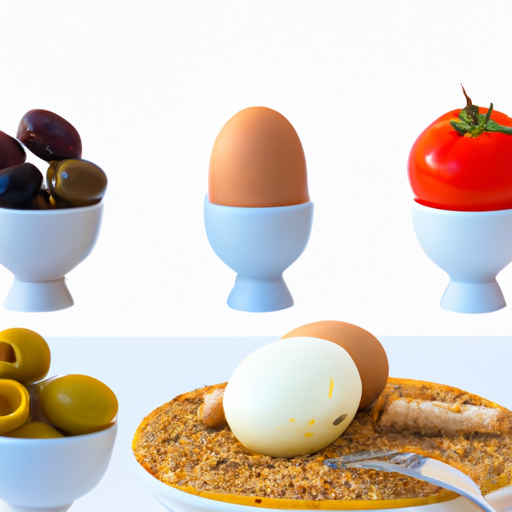
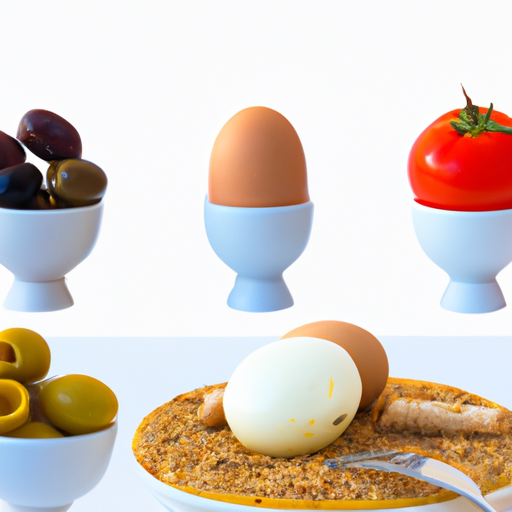
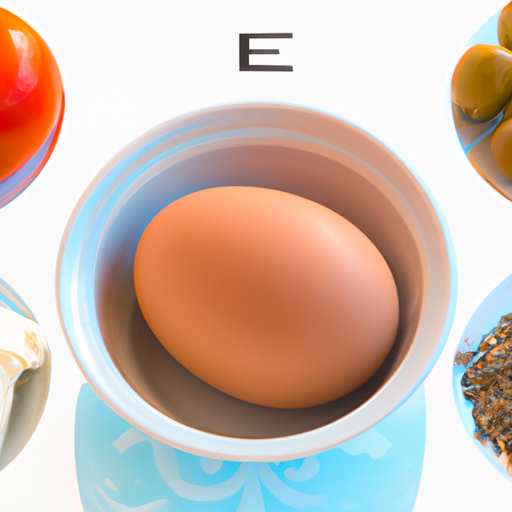
How Many Times A Week Can You Eat Eggs On Mediterranean Diet?

Ready to explore the role of eggs in a Mediterranean Diet? You’re about to learn everything you need to know about the frequency of egg consumption on this healthy lifestyle plan. Along the way, you’ll discover the health benefits, JD’s personal experiences, and the importance of sharing quality food and moments with your family. Let’s get cracking!

How Many Times A Week Can You Eat Eggs On Mediterranean Diet?

Understanding the Mediterranean Diet

Defining the Mediterranean Diet

The Mediterranean Diet encapsulates the traditional eating habits of people living in the Mediterranean region, including countries like Italy, Greece, and Spain. This diet is not just about food; it embodies a way of life that merges food intake, physical activity, and enjoyable meals savored with loved ones.

Origins and Principles of the Mediterranean Diet

Originating from Mediterranean countries, this diet is enriched with foods that were available to the hunter-gatherer societies living in the region. The principle of the diet focuses on moderation and choosing natural, high-quality, and minimally processed foods primarily plant-based.

Key Foods in the Mediterranean Diet

Key foods include fruits, vegetables, lean proteins, such as fish and poultry, legumes, whole grains, and healthy fats like olive oil. Red wine is often enjoyed in moderation with meals.

The Health Benefits of the Mediterranean Diet

The Effect on Heart Health

You may find it interesting how much the Mediterranean Diet contributes to heart health. High in fiber, antioxidants, and monounsaturated fats, it’s known for reducing harmful cholesterol levels and lowering the risk of heart disease.

Benefits for the Cognitive Function

The Mediterranean Diet is also linked to improved cognitive function. The healthy fats from olive oil and fish can shield your brain, promoting longevity and mental sharpness.

Weight Management and the Mediterranean Diet

The Mediterranean Diet is also conducive to maintain a healthy weight. Thanks to its emphasis on whole foods and healthy fats, it aids in weight loss and sustainable weight management.

Potential for Longevity and Mediterranean Diet

Adherence to the Mediterranean Diet is coupled with increased longevity. The diet’s richness in antioxidants, protective against chronic diseases, contributes to a healthier, longer life.

Role of Eggs in the Human Diet

Nutritional Benefits of Eggs

Among protein sources, eggs hold esteemed prominence. They are high in amino acids, vitamin D, choline, and essential minerals like iodine and selenium, serving as nutritional powerhouses.

Common Misconceptions About Eggs

A misconception about eggs revolves around their cholesterol content. However, dietary cholesterol has less impact on blood cholesterol than previously thought. Eating eggs in moderation is now considered healthy.

How Many Times A Week Can You Eat Eggs On Mediterranean Diet?

Incorporating Eggs into the Mediterranean Diet

How Eggs Fit into the Mediterranean Diet

Eggs play an integral part in the Mediterranean Diet. They’re quick to prepare, versatile and offer complete proteins, vitamins, and minerals. They can be used in numerous Mediterranean dishes, from veggie-laden omelets to salads.

Versatile Ways to Prepare Eggs

Whether boiled, poached, scrambled, or cooked in a vegetable-rich frittata, eggs provide a plethora of options for any meal.

Balancing Egg Consumption with Other Proteins

While eggs are indeed a nutritious option, it’s essential to balance them with other lean protein sources like fish, poultry, beans, and nuts.

Quantity of Eggs in the Mediterranean Diet

How Often to Eat Eggs on the Mediterranean Diet

The question remains, “How many times a week can you eat eggs on a Mediterranean diet?” While there’s no strict guideline, it’s advisable to enjoy eggs several times per week. Remember, balance is key.

Understanding Portion Sizes and Nutritional Balance

Well-balanced portions of different food groups form the cornerstone of the Mediterranean Diet. A healthy diet includes different sources of proteins, fats, and carbohydrates to ensure energy and nutrient balance.

Sharing High Quality Food in Family – the Mediterranean Way

Importance of Eating Together as a Family

Part of the appeal of the Mediterranean Diet lies in its emphasis on family and community. It encourages the practice of eating together, making meal times not just an act of nourishment, but of bonding and sharing.

Teaching Children about Healthy Eating Habits

Adopting the Mediterranean Diet helps teach children about healthy eating from an early age. Including them in food preparation and enjoying meals together can foster lifelong wholesome eating habits.

Tips for Implementing the Mediterranean Diet at Home

Starting the Mediterranean Diet

Starting the Mediterranean Diet is as simple as introducing more fruits, vegetables, whole grains, and lean proteins into your meals. Opt for olive oil as your primary fat and enjoy your food as you share it with others.

Meal Planning for the Mediterranean Diet

Meal planning can be helpful to smoothly integrate the Mediterranean Diet into your lifestyle. Create a diverse meal plan incorporating a variety of foods from the Mediterranean pyramid.

Personal Adaption to the Mediterranean Diet

JD’s Experience with the Mediterranean Diet

JD, the owner of www.mediterraneandietrecipes.net, advocates the Mediterranean Diet based on his personal experience. Adhering to the diet allows him to maintain good health, energy, and presence in his children’s lives.

Long-Term Health Maintenance and Mediterranean Diet

The Mediterranean Diet is not a quick fix, but a sustainable lifestyle choice. JD maintains his health long-term with this dietary pattern, influencing his family’s food choices for the better.

Food for Thought: Count Nutrients, Not Calories

Focus on Balanced Nutrient Intake instead of Calorie Counting

Adopting the Mediterranean Diet encourages you to transition from counting calories to focusing on the nutrients each food offers.

Mediterranean Diet and Mindful Eating

The diet promotes mindful eating – paying attention to the food and enjoying each meal, fostering a healthier relationship with food.

Conclusion

Maintaining a Balanced and Healthy Diet

Maintaining a balanced diet replete with all food groups in moderation is crucial for our well-being. The Mediterranean Diet offers an easy and delicious way to achieve that balance.

The Mediterranean Diet as Part of a Healthy Lifestyle

The Mediterranean Diet is more than a diet- it is a lifestyle that incorporates healthy eating, regular physical activity, and sharing meals with loved ones. Incorporating eggs into this lifestyle, as JD has done, is both nutritious and delicious.

August 4, 2023 Diet and Nutrition

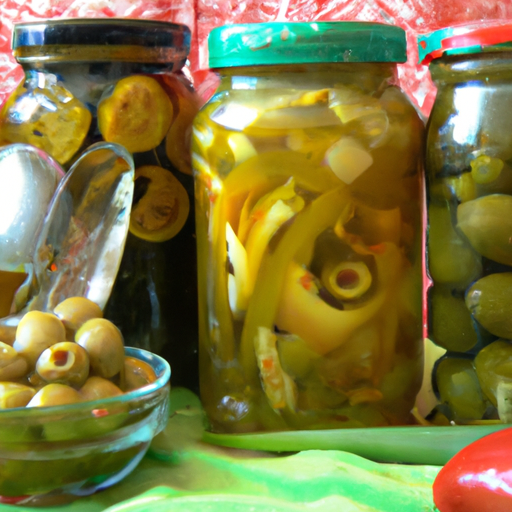
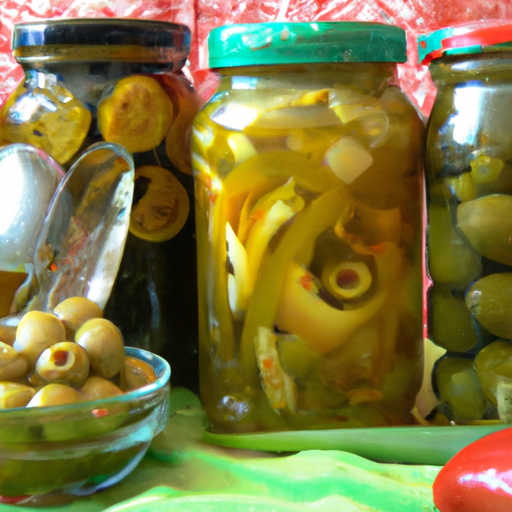
Can You Eat Pickles On The Mediterranean Diet?

In this article, we’re taking a closer look at whether pickles fit into the Mediterranean diet, a lifestyle choice that you might be considering for its myriad health benefits. Not only will you discover where pickles stand in this diet, but you’ll also gain deeper insight into the health advantages of adopting a Mediterranean nutrition plan especially long term wellness, something all of us, including JD, value. Let’s explore this together!

Can You Eat Pickles On The Mediterranean Diet?

Understanding the Mediterranean Diet

The Mediterranean diet is widely recognized for its manifold health benefits. It derives its name from the culinary habits and patterns of the people in the Mediterranean region. This diet is the traditional eating style of the countries bordering the Mediterranean Sea, including Italy, France, Greece, Spain, and others.

Main components of the Mediterranean diet

At its core, the Mediterranean diet is more of a lifestyle than a strict set of dietary rules. It emphasizes fruits, vegetables, whole grains, legumes, and lean proteins such as poultry, eggs, and fish. Moreover, it encourages moderate consumption of dairy in the form of cheese and yogurt, and a robust intake of olive oil.

Health benefits of the Mediterranean diet

This nutrient-dense diet is acclaimed for promoting heart health, supporting weight management, and even boosting brain health, to name but a few health benefits. Several studies have suggested a link between this diet and a lower risk of chronic diseases, such as heart disease and cancer.

Common misconceptions about the Mediterranean diet

A common myth about the Mediterranean diet is that it commands a high intake of pasta, bread, and oil. While these components do form a part of the diet, the portion size and frequency at which they are consumed play a critical role.

An Overview of Pickles

Pickles have been an integral part of cuisines worldwide for centuries.

The process of making pickles

Pickling is a culinary process used to extend the shelf life of foods, particularly fruits and vegetables. This is achieved by immersing the produce in a solution of vinegar or brine, often along with various spices.

Different types of pickles

There are countless variations of pickles, owing to a wide array of vegetables and spices used. However, the most common types across cultures include cucumber pickles, sauerkraut, and kimchi.

Nutritional value of pickles

Contrary to popular belief, pickles do more than just add a tangy crunch to your meals. They are a source of probiotics, which help promote a healthy gut. Some pickles are also rich in vitamins and antioxidants.

Pickles in the Mediterranean Cuisine

The Mediterranean cuisine, true to its philosophy of celebrating local and seasonal produce, makes abundant use of pickles.

Traditional use of pickles in Mediterranean dishes

Pickles, known as “turşu” in this region, are served with nearly every meal. They effortlessly enhance the flavor profile of dishes and balance out rich or fatty meals.

Popular pickle-based Mediterranean recipes

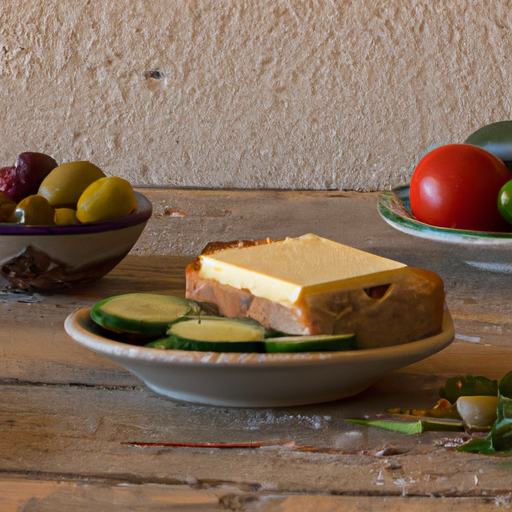
Pickled cucumbers, olives, and peppers are some of the most commonly used pickles in Mediterranean recipes. They are widely used in salads, sandwiches, and as side dishes.

Can You Eat Pickles On The Mediterranean Diet?

Are Pickles Allowed in the Mediterranean Diet?

A frequent question is whether pickles have a place in the Mediterranean diet.

Why pickles can fit the Mediterranean diet

The Mediterranean diet welcomes whole, nutrient-rich foods, provided they do not comprise excessive amounts of added sugars, salts, and unhealthy fats. Hence, pickles fit well into this diet when consumed properly.

Concerns about the sodium content in pickles

It is crucial to note that while pickles are on the Mediterranean menu, their high sodium content can be a matter of concern. Sodium, in excess, can impose health risks such as high blood pressure.

How to Incorporate Pickles into the Mediterranean Diet

Like any other food, pickles, too, should be consumed in moderation on the Mediterranean diet.

Balancing pickles with other food groups

Ideally, pickles should be incorporated as a side to complement a dish rather than as a main course.

Healthy ways to consume pickles

Pickles can serve as a flavor enhancer in salads or as a tangy addition to sandwiches.

Picking the Right Pickles for Mediterranean Diet

Choosing the right kind of pickles is just as important as the serving size.

Avoiding commercially prepared pickles

Commercial pickles typically contain artificial preservatives and are high in sodium. Hence, they should be avoided.

Opting for homemade or naturally fermented pickles

Homemade pickles allow you to control the ingredients and are typically healthier. Fermented pickles are a great choice too.

Recipe Suggestion: Mediterranean Diet-friendly Pickles

Making pickles at home is simpler than you might think.

Choosing the right vegetables for pickling

Cucumbers, green beans, or bell peppers are great options for homemade pickles.

Step-by-step guide to making homemade pickles

Simply place sliced vegetables in a jar filled with a vinegar solution and your choice of spices. Let it sit for a couple of days, and your homemade pickles are ready to be savored.

The Role of Family Sharing in the Mediterranean Diet

Another essential aspect of the Mediterranean diet is the practice of communal eating.

Promoting healthy eating habits among children

Sitting down for meals together allows parents to instill healthy eating habits in their children. It’s a wonderful opportunity to introduce kids to a wide variety of foods, including pickles.

Making meal times a family affair

The act of sharing a meal helps strengthen family bonds while promoting healthier eating habits.

Personal Experience: JD on Pickles and Mediterranean Diet

As a father and a stalwart of the Mediterranean diet, I place a high priority on sharing wholesome, nutritious meals with my family.

JD’s personal journey with the Mediterranean diet and pickles

My journey began when I started focusing on maintaining my health for the well-being of my children. And my intrigue for pickles – an unsung hero in the culinary world, and the Mediterranean diet, began thereon.

Encouraging a healthy lifestyle for the family with the Mediterranean diet

The Mediterranean diet allowed me to present my family with a table full of palatable and well-balanced meals. Pickles, with their tangy flavor and nutritional merits, soon found their place in our meals.

Conclusion

Reframing the Mediterranean diet as a lifestyle

Can pickles be eaten on the Mediterranean diet? Absolutely, yes! The Mediterranean diet is not about restriction. It is about creating a harmony of different food groups, pickles included, to make meals flavorful and nutritious.

Embracing a balance, not restrictions with the Mediterranean diet

To follow the Mediterranean lifestyle, you need not give up on your favorite foods, pickles included. As with everything, moderation and a balanced approach are key.

August 4, 2023 Diet & Nutrition

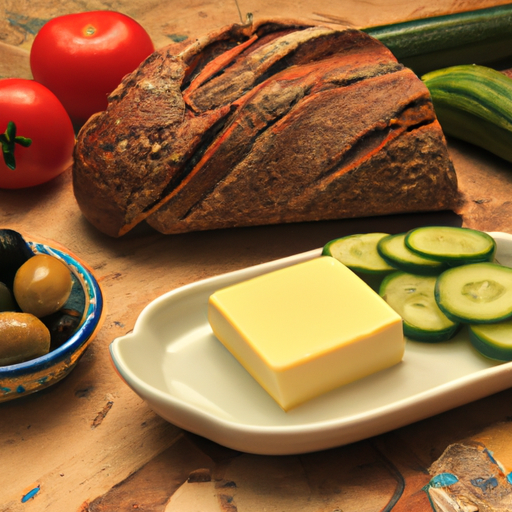
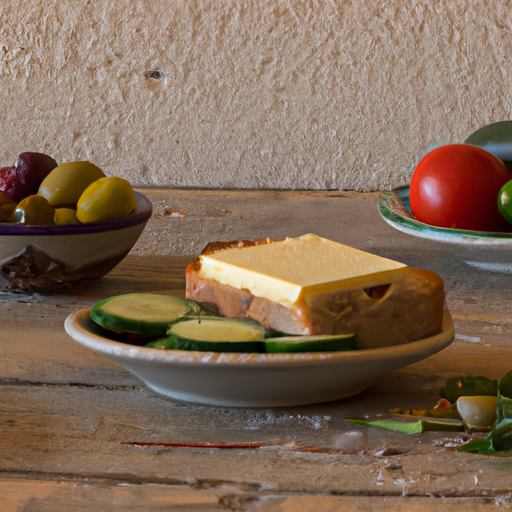
What Can I Use Instead Of Butter For Toast On Mediterranean Diet?

Welcome to a discussion that’s going to enrich your Mediterranean diet journey. In this article, you’re going to explore a variety of satisfying alternatives to butter for your toast that align with the Mediterranean diet principles. You’ll discover how these alternatives not only enhance the flavor of your meal, but they’re also nutritious and beneficial for your long-term health. So, get ready to add more variety to your breakfast!

What Can I Use Instead Of Butter For Toast On Mediterranean Diet?

Understanding the Basics of the Mediterranean Diet

Before diving right into finding butter alternatives for your toast, let’s first understand the foundation of the Mediterranean diet. This eating plan primarily focuses on whole grains, fruits, vegetables, and most importantly, healthy fats.

Focusing on Healthy Fats

Instead of relying heavily on saturated fats that are linked with heart diseases, the Mediterranean diet emphasizes the intake of mono-saturated and polyunsaturated fats. This dietary shift can significantly enhance heart health and can aid with weight management.

Importance of Fresh Fruits and Vegetables

Fruits and vegetables are the main staples of the Mediterranean diet. They provide a wide range of vitamins, minerals, and fiber that are key to maintaining optimal health. Aim to eat at least six servings of fruits and veggies per day.

Role of Whole Grains and Legumes

Whole grains and legumes are high in fiber and are essential for good gut health. They make you feel full, thereby preventing overeating which is a common cause of weight gain.

Reducing Intake of Processed Foods and Red Meat

The Mediterranean diet emphasizes reducing intake of processed foods and red meat, as they contain harmful substances, like preservatives and high amounts of unhealthy fats.

Why Butter is Less Common in the Mediterranean Diet

Although tasty, butter doesn’t fit into the heart-healthy aspect of the Mediterranean diet, and here’s why:

Butter and Saturated Fats

Butter is high in saturated fats that can increase cholesterol levels in your blood and put you at risk of heart diseases.

Effects of Butter on Health

Although a small amount of butter won’t harm, when consumed in larger quantities, it can lead to weight gain and may increase the risk of cardiovascular diseases.

Healthful Butter Alternatives for Toast

Here are a few wonderful alternatives you can use on your morning toast that fall in line with the Mediterranean diet:

Olive Oil: A Staple of the Mediterranean Diet

Olive oil is rich in monounsaturated fatty acids which are deemed heart-healthy fats. It can easily replace butter on your toast.

Avocado Spreads: The Power of Healthy Fats

Avocado, like olive oil, is packed with healthy fats. A creamy avocado spread on toast is not only filling but immensely nutritious.

Hummus: A Nutritious Blend of Chickpeas and Sesame Seeds

Hummus spread on toast is a perfect combination of protein, fiber, and healthy fats.

What Can I Use Instead Of Butter For Toast On Mediterranean Diet?

Flavorful Mediterranean Inspired Toppings for Toast

Mashed Feta and Tomato

An exotic blend of mashed feta cheese and fresh tomatoes can make a delightful topping on toast with a Mediterranean touch.

Roasted Red Pepper Spread

Roasted red pepper spread has a smoky flavor, adding a delicious twist to your toast.

Tahini and Honey

This sweet and nutty combination is perfect for when you want something different on your toast.

Roasted Eggplant Dip

With its creamy texture and unique flavor, this makes for a fabulous topping on toast.

Importance of Whole Grains in the Mediterranean Diet

Whole Grain Breads: A Better Choice for Toast

Whole grain breads are packed with fiber which is essential for maintaining good gut health.

Health Benefits of Whole Grains

Whole grains reduce the risk of obesity, heart diseases, and even certain types of cancer.

Integrating Butter Alternatives into Your Daily Routine

Exploring Different Flavors and Textures

Integrating butter alternatives into your routine is an excellent way to explore the diverse flavors and textures of a Mediterranean diet.

Creating a Nutritious Breakfast

Starting your breakfast with nutritious toast topped with wholesome spreads can keep you energized throughout the day.

Preparing Healthy Snacks for Kids

These butter alternatives are not only healthy for you but also for your children. They make for excellent after-school snacks.

Mediterranean Toast Recipes for Every Meal

Here are some simple recipes you might want to try:

Whole Grain Bread Topped with Avocado and Tomato

Spread ripe avocado over a piece of whole grain bread, top it with fresh tomatoes, and sprinkle some salt and pepper. It’s as simple as that!

Multigrain Toast with Hummus and Cucumber

Top your multigrain toast with a generous layer of hummus, add cucumber slices, and dust a bit of chilli powder for that extra kick.

Rye Bread with Olive Oil and Garlic

Brush a piece of rye bread with olive oil, sprinkle minced garlic, and toast it. Enjoy this simple yet flavorful toast.

Benefits of Sharing High-Quality Food with Family

Creating Healthier Eating Habits

By introducing your family to a Mediterranean diet, you’re ensuring they develop healthier eating habits.

Promoting Quality Family Time with Cooking and Eating Together

Use meal preparation and dining times to bond with your family, creating cherishable moments.

Instilling Appreciation for Nutritious Foods in Children

When your children see you enjoying nutritious foods, they’ll also develop a liking for such foods.

Long-Term Health Benefits of the Mediterranean Diet

Promotion of Heart Health

The plentiful use of mono-saturated fats reduces the risk of heart diseases.

Support for Weight Management

The extensive use of fruits, veggies, and whole grains helps in maintaining a healthy weight.

Reducing the Risk of Type 2 Diabetes and Cancer

The Mediterranean diet lowers the risk of chronic diseases like type 2 diabetes and certain cancers.

Conclusion: Embracing the Mediterranean Lifestyle

The Mediterranean diet is all about simplicity, flavor, and nourishment. You can easily integrate these butter alternatives into your diet without missing out on the joy of delicious food. Adopting this eating style can help you improve your health and nurture good eating habits in your family. Remember, the Mediterranean lifestyle is not just about food, it’s about enjoying life and slowing down to relish each meal with your loved ones.

August 4, 2023 Health & Wellness

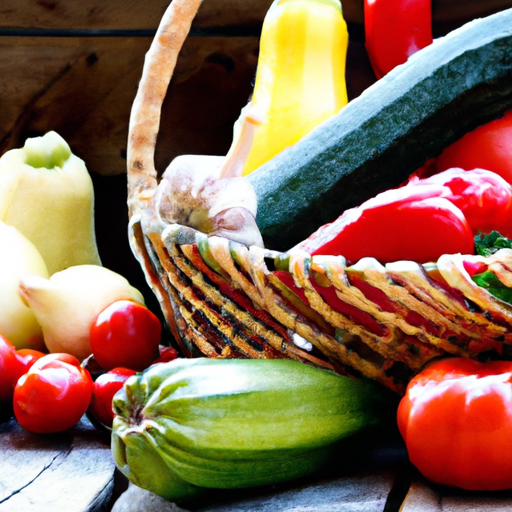
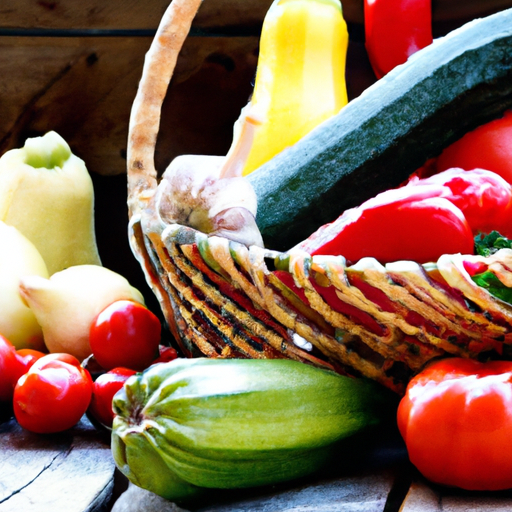
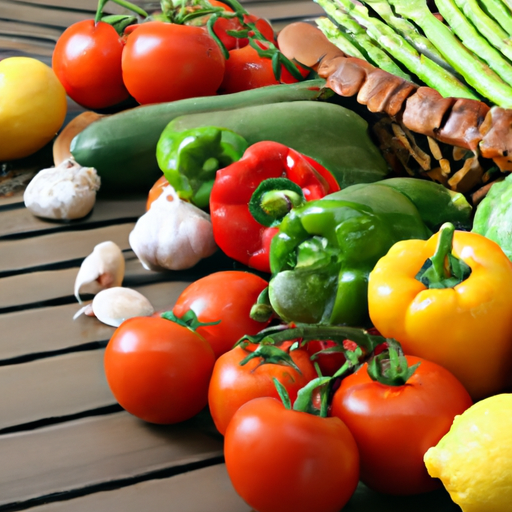
What Vegetables Are Best For Mediterranean Diet?

Welcome, health enthusiast! In this article, you find the answers to what vegetables are best for a Mediterranean diet. By the end, you’ll also understand why these vegetables are beneficial, and how they contribute to long-term health and family quality time. Let’s begin this healthful journey together!

What Vegetables Are Best For Mediterranean Diet?

Understanding the Mediterranean Diet

The Concept of the Mediterranean Diet

The Mediterranean diet takes inspiration from the traditional foods of countries that border the Mediterranean Sea. This is a diet rich in fruits, vegetables, legumes, lean proteins, whole grains, and essential fats. It’s not just about the food though, it’s also about a lifestyle that includes physical activity and sharing meals with others, just like JD enjoys with his family.

Key Principles of the Mediterranean Diet

The Mediterranean diet is centered around plant-based foods. Animal proteins like dairy, chicken, and eggs are consumed in moderate amounts, while red meat and sugars are consumed sparingly. Olive oil, a monounsaturated fat is the main source of fat replacing butter and other hydrogenated fats. A notable aspect is the moderate consumption of red wine, usually consumed during meals.

Health Benefits of the Mediterranean Diet

The beauty of the Mediterranean diet is its comprehensive health benefits. Predominantly plant-based, this diet provides a slew of nutrients essential for overall well-being. It has been attributed to lower levels of obesity, reduced risk of heart disease, and is associated with longevity.

Role of Vegetables in the Mediterranean Diet

The Place of Vegetables in this Diet

The prominence of vegetables in the Mediterranean diet cannot be overstressed. They are the base upon which the diet is built and usually constitute the bulk of a Mediterranean meal.

Importance of Seasonal and Fresh Vegetables

Your diet becomes more exciting when you use fresh, seasonal produce. They are also more nutritionally balanced and tastier. You may notice JD often utilizes seasonal vegetables in his recipes.

Nutritional Value of Vegetables in the Mediteranean Diet

Vegetables are nutrient powerhouses. They are loaded with vitamins, minerals, antioxidants, and fiber – all necessary for maintaining good health.

Tomatoes

Why Tomatoes are a Staple in the Mediterranean Diet

Tomatoes are abundantly used in the Mediterranean cuisine. They’re an excellent source of vitamin C and are packed with antioxidants.

Nutritional Benefits of Tomatoes

Tomatoes contain lycopene, a potent antioxidant that can help protect against a range of diseases. They’re also a great source of vitamins A and C, potassium, and fiber.

Incorporating Tomatoes into Mediterranean Dishes

From sauces, salads to grilled dishes and stews, tomatoes can be incorporated in a multitude of ways into your Mediterranean diet.

What Vegetables Are Best For Mediterranean Diet?

Leafy Greens

Importance of Leafy Greens in the Mediterranean Diet

Leafy greens play an important role in the Mediterranean diet. These include spinach, kale, swiss chard, arugula, and others.

Best Types of Leafy Greens to Consume

While all leafy greens are incredibly healthy, spinach, kale, and swiss chard reign supreme. They are versatile and can be added to a variety of dishes.

Recipes with Leafy Greens

Leafy greens can be enjoyed in salads, soups, sandwiches, or even a flavorful stuffing for your roasted chicken. You can even make a healthy green smoothie for a quick nutrient boost.

Garlic

Role of Garlic in Mediterranean Cuisine

Garlic is one of the fundamental flavors in Mediterranean cuisine. It adds an irresistible aroma and a deep, robust flavor to dishes.

Health Benefits of Garlic

Garlic has been found to have numerous health benefits, including boosting immunity, reducing blood pressure, and improving cholesterol levels.

Using Garlic in Various Dishes

You can unleash garlic’s potent flavor and benefits by adding it to your sauces, dips, stir-fries, roasts, and almost any savory dish.

Sweet and Bell Peppers

The Use of Peppers in the Mediterranean Diet

Sweet and bell peppers are versatile and flavorful vegetables highly prized in the Mediterranean diet.

Nutritional Profile of Sweet and Bell Peppers

These peppers are a storehouse of vitamins and minerals. They are particularly high in vitamin C and antioxidants.

Creative Ways to Include Peppers in Meals

Roast them, stuff them, grill, or chop them up in a salad. The possibilities are endless when it comes to incorporating peppers into your meals.

Eggplants and Zucchinis

Eggplants and Zucchinis in Mediterranean Cuisine

These two vegetables lend themselves beautifully to a range of Mediterranean dishes. Eggplant’s meaty texture and zucchini’s subtle sweetness beautifully complement different ingredients.

Health Benefits of Eggplants and Zucchinis

Both vegetables are low in calories and high in fiber. This makes them ideal for weight management and promoting digestive health.

Delicious Recipes with Eggplants and Zucchinis

Roasted, grilled, stuffed or making them into a delicious lasagna, these versatile veggies can be turned into mouthwatering dishes.

Cucumbers and Radishes

Why Cucumbers and Radishes are Used Often

These crisp, refreshing vegetables bring contrast in texture and flavor. They are often enjoyed in salads, dips, and served as a crunchy side.

The Nutritive Value of Cucumbers and Radishes

Cucumbers are hydrating and radishes pack a nutritional punch. Both are sources of vital nutrients like Vitamin C, K, potassium, and antioxidants.

Innovative Mediterranean Recipes Using Cucumbers and Radishes

Think beyond salads. Toss them into a tangy yogurt dip, or pickle them for a zesty side dish.

Onions and Leeks

Significance of Onions and Leeks in the Diet

Onions and leeks add a depth of flavor and richness to Mediterranean dishes.

Health Advantages of Consuming Onions and Leeks

They are a great source of vitamins C and B6, iron, folate, and potassium. These vegetables are also renowned for their antioxidant properties.

How to Incorporate Onions and Leeks in Mediterranean Meals

From hearty stews, savory tarts, to delicious pastas, these vegetables can elevate any dish with their unique flavors.

Conclusion

Reaping Benefits of Vegetables in the Mediterranean Diet

Adopting a Mediterranean diet loaded with a variety of vegetables can drastically improve your health while offering deliciously satisfying meals.

Fostering Family Bonding through the Mediterranean Lifestyle

Preparing and enjoying these dishes as a family, like JD and his family often do, is not only nourishing for the body but also for the soul.

Promoting Long Term Health through the Mediterranean Diet

Embracing the Mediterranean diet is not just about a healthy eating plan, but it’s about creating a sustainable lifestyle that promotes long-term health and longevity.

August 4, 2023 Health & Wellness

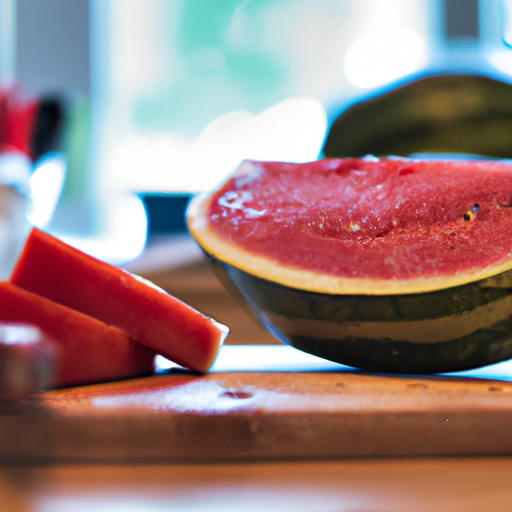
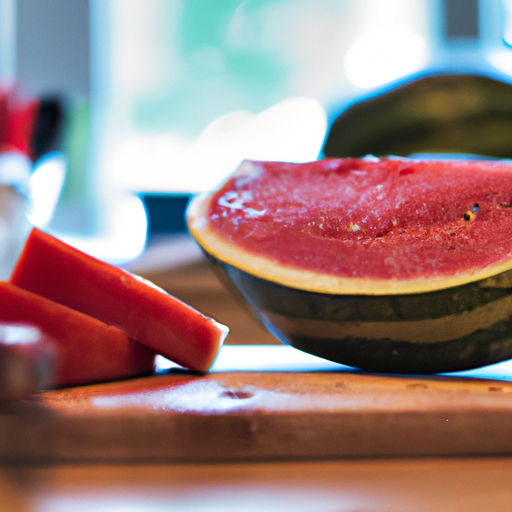
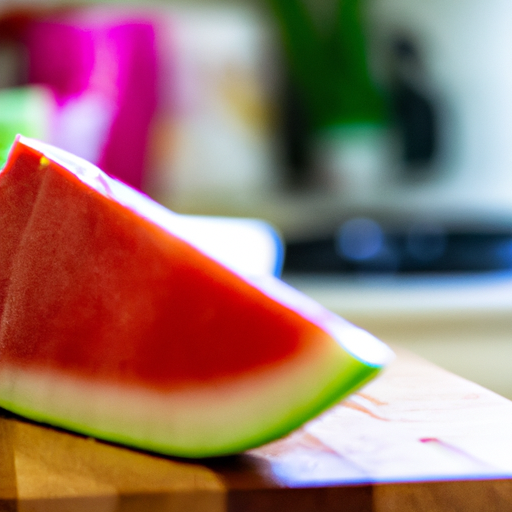
Can You Eat Watermelon On Mediterranean Diet?

You’re about to discover the answer to the question, “Can you eat watermelon on the Mediterranean diet?” Throughout this article, you will learn not only the answer but also the nutritional benefits of watermelon within this heart-healthy eating plan. Enhancing family meals with fresh, vibrant foods, like watermelon, is central to the ethos of the Mediterranean diet. Brace yourself for an informative journey!

Can You Eat Watermelon On Mediterranean Diet?

Understanding the Mediterranean Diet

The Mediterranean Diet is one of the most celebrated dietary plans across the globe. It is inspired by the eating habits of people living in the Mediterranean region, primarily consisting of fresh fruits and vegetables, whole grains, seafood, and olive oil, while limiting the intake of red meat and processed foods.

Key principles of the Mediterranean diet

The Mediterranean diet is not just about food, but incorporates a balanced lifestyle as well. The key principles include daily physical activity, moderate consumption of red wine, and focusing on enjoying meals with family and friends. It’s important to note that this diet emphasizes primarily plant-based foods.

Health benefits associated with the Mediterranean diet

Several studies have linked the Mediterranean diet to a host of health benefits, from promoting heart health to managing weight and reducing the risk of various chronic diseases. These significant health advantages are attributed to the consumption of nutrient-dense foods rich in healthy fats, fiber, antioxidants, and other essential nutrients.

Role of Fruits in the Mediterranean Diet

Fruits play an integral part in the Mediterranean diet, regarded as an essential source of vitamins and antioxidants.

Importance of fruits in the diet

Fruits are packed with dietary fiber, essential vitamins, and a range of beneficial plant compounds, including antioxidants. Regular fruit consumption can boost digestive health, support weight loss, and guard against several diseases.

Commonly consumed fruits in the Mediterranean region

The Mediterranean region offers a rich selection of fruits, including grapes, figs, citruses, and yes – watermelons!

Watermelon in the Context of the Mediterranean Diet

For those wondering if they can include watermelon in the Mediterranean diet, the answer is yes!

Nutritional profile of watermelon

Watermelon is enriched with vitamins A, C, and B6, along with plenty of water and fiber. Furthermore, it is a good source of lycopene, an antioxidant that plays a crucial role in promoting heart and eye health.

How watermelon fits into the Mediterranean diet

In the Mediterranean diet, watermelon can be utilized in an array of dishes, from salads to desserts. Its high water content and refreshing taste make it a perfect snack during the Mediterranean summers.

Can You Eat Watermelon On Mediterranean Diet?

Health Benefits of Watermelon

Consuming watermelon isn’t just about enjoying a tasty fruit; it also brings several health benefits, due to its beneficial nutrients.

Evidenced health benefits of eating watermelon

Aside from its high nutrient content, watermelon can aid in hydration, has a lower calorie count than many fruits and supports cardiovascular health due to the presence of lycopene.

How to Incorporate Watermelon into the Mediterranean Diet

Integrating watermelon into your diet is pretty straightforward and can add a fresh twist to many dishes.

Watermelon as dessert or snack

Due to its sweet taste, watermelon serves as a healthy alternative to sugary desserts. It can also be enjoyed as a juicy snack between meals or after a workout due to its hydrating properties.

Making watermelon-based drinks

Watermelon smoothies, juices, and even cocktails can offer a refreshing beverage choice, packed with healthy nutrients.

Other Fruits to Consider in the Mediterranean Diet

There is an abundance of fruits compatible with the Mediterranean diet, many of which pair well with watermelon or serve as alternatives.

Alternatives to watermelon with similar benefits

Other fruits such as strawberries, cantaloupes, and papayas share similar health benefits as watermelon since they are also rich in vitamins, fiber, and antioxidants.

Tips for Choosing and Storing Watermelons

To enjoy the best taste and health benefits, it’s essential to know how to choose and store watermelons properly.

How to select a ripe watermelon

When selecting a watermelon, choose one that feels heavy for its size. It should have a uniform shape without any major bruises or cuts.

Preparing Watermelon-Based Recipes

Watermelon can be used in many recipes, adding a refreshing and sweet flavor.

Creating a watermelon salad

A watermelon salad with feta cheese, mint, and a drizzle of olive oil makes a perfect, healthy Mediterranean dish.

Encouraging Kids to Enjoy Watermelon and Other Fruits

Encouraging kids to eat fruits from an early age can instill healthy eating habits that they carry into adulthood.

Introducing fruits in a fun and appealing way

Serve fruit in fun shapes or paired with other foods they enjoy. For example, a watermelon pizza or watermelon fruit bowls can be an exciting way for kids to eat watermelon.

Conclusion

Incorporating watermelon into your Mediterranean diet can add variety, flavor, and plenty of health benefits. Beyond watermelon, including a variety of fruits within your diet can enhance overall wellness – capturing the true essence of the Mediterranean lifestyle. After all, what could be more tasty and healthful than enjoying naturally sweet fruits, like watermelon, with friends and family in the Mediterranean style?

August 4, 2023 Health & Wellness

Can You Eat Whole Wheat Crackers On Mediterranean Diet?

You probably have some questions about the Mediterranean diet, especially when it comes to your snack options. In this article, we will discuss if and how whole wheat crackers figure into this healthy lifestyle choice, providing you with a clear understanding of what this diet truly incorporates. By the end, you will become more informed about maintaining your health and promoting high-quality food sharing with your loved ones.

Can You Eat Whole Wheat Crackers On Mediterranean Diet?

Understanding the Mediterranean Diet

Definition and principles of Mediterranean Diet

The Mediterranean Diet is a heart-healthy eating approach, inspired by the traditional diet of countries bordering the Mediterranean Sea. This diet emphasizes fruits, vegetables, whole grains, legumes, nuts, and olive oil, with moderate consumption of fish, poultry, dairy products, and red wine. It encourages you to savor and enjoy your food, combining great flavors with balanced nutrition.

The food groups in Mediterranean Diet

In the Mediterranean Diet, each meal is built around plant-based foods. Fresh fruits, vegetables, whole grains, legumes, and nuts form the basis of the diet. Olive oil, a source of healthy fats, replaces butter and margarine. Fish, poultry, eggs, and dairy products are consumed in moderation, while red meats and sweets are limited.

Key nutrients found in the Mediterranean Diet

The Mediterranean Diet is rich in key nutrients like dietary fiber, monounsaturated fats, polyunsaturated fats, and omega-3 fatty acids. It also provides ample amounts of vitamins and minerals, including vitamins A, C, E, K, and B, and minerals like potassium, magnesium, and calcium.

Health benefits of the Mediterranean Diet

Following a Mediterranean Diet can offer numerous health benefits. It reduces your risk of developing heart disease, high blood pressure, and type 2 diabetes, promotes a healthy body weight, and may even increase your lifespan. Plus, it improves memory and cognitive function, preventing dementia and Alzheimer’s.

Role of Whole Grains in the Mediterranean Diet

Essential functions of whole grains

Whole grains are a crucial part of the Mediterranean Diet, providing dietary fiber, protein, carbohydrates, and a variety of vitamins and minerals, particularly B-vitamins.

How whole grains contribute to your health

Whole grains contribute to your health by reducing your risk of heart disease, type 2 diabetes, obesity, and some forms of cancer. They help maintain healthy digestion and could also play a role in controlling blood sugar levels.

Different types of whole grains in Mediterranean Diet

The Mediterranean Diet features a variety of whole grains, including oats, bulgur, barley, couscous, farro, and whole wheat.

The recommended intake for whole grains

It’s recommended you eat at least 3 servings of whole grains per day on a Mediterranean Diet.

Whole Wheat Crackers On Mediterranean Diet

Why whole wheat crackers are a good choice

Whole wheat crackers are a good choice on a Mediterranean Diet because they are a source of whole grains, which provide essential nutrients and help keep you full between meals. They’re versatile and can be paired with many different foods.

Nutritional value of whole wheat crackers

Whole wheat crackers are an excellent source of dietary fiber, which aids digestion and helps maintain a healthy body weight. They also provide other minerals, vitamins, and proteins.

How to incorporate whole wheat crackers into the Mediterranean Diet

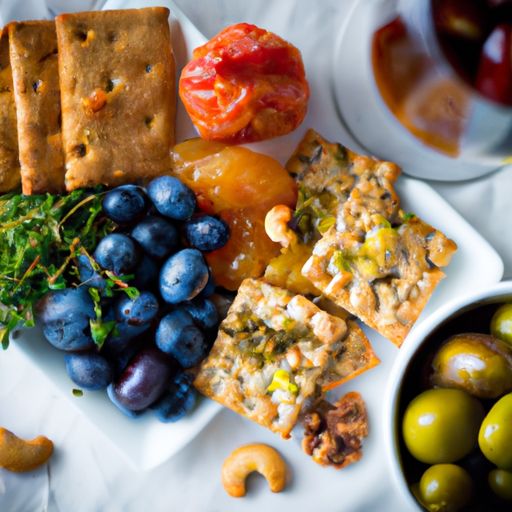
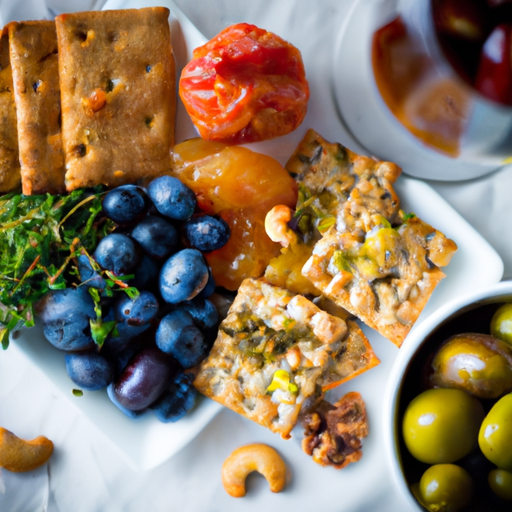
Whole wheat crackers can be used as a base for healthy toppings like hummus, avocado, or fresh vegetables. They can also be crumbled onto salads or included on a cheese and fruit platter.

Possible variations of whole wheat crackers

Variations of whole wheat crackers include those topped with seeds or nuts, flavored with herbs or spices, or made with other whole grains such as oats or barley.

Can You Eat Whole Wheat Crackers On Mediterranean Diet?

Delicious Ways to Enjoy Whole Wheat Crackers with Mediterranean Foods

Whole wheat crackers with dips

Whole wheat crackers are perfect for dipping into hummus, tzatziki, or baba ganoush, all popular in the Mediterranean diet.

Whole wheat crackers with fresh fruits or vegetables

Top your whole wheat crackers with fresh fruits or vegetables for a simple, nutritious snack. Try cucumber and feta or tomato and basil.

Whole wheat crackers with high-quality cheese

Pair whole wheat crackers with Mediterranean cheeses like feta, ricotta, or mozzarella for a balanced snack.

Whole wheat crackers as a delicious side to soups and salads

Use whole wheat crackers as a hearty addition to soups or salads – they add a satisfying crunch.

Cooking at Home: Making Your Own Whole Wheat Crackers

Benefits of making your own whole wheat crackers

Making your own whole wheat crackers allows you to control exactly what goes into them. You can modify the recipe to suit your taste and dietary needs.

Basic recipe for homemade whole wheat crackers

A basic recipe includes whole wheat flour, water, and a bit of salt. You can add extra flavor with items like sesame seeds, rosemary, or garlic.

How to customize your whole wheat crackers recipe

Try adding flavors that you love, like sunflower seeds, dried fruits, herbs, spices, or cheese, to your homemade whole wheat crackers for a personalized snack.

Tips for storing homemade whole wheat crackers

Store your homemade crackers in an airtight container at room temperature. They should stay fresh for about a week.

Creating Balance: Moderation is Key in Mediterranean Diet

Why moderation is important in Mediterranean Diet

The Mediterranean Diet encourages balance and moderation in meal planning. While it’s rich in nutritious foods, portion control is still necessary to avoid overeating and maintain a healthy weight.

The role of portion control in Mediterranean Diet

Even with healthy foods, eating more than your body needs can lead to weight gain. Practicing portion control helps you enjoy the wide variety of foods in the Mediterranean diet without overeating.

How to practice moderation with whole wheat crackers

While whole wheat crackers are nutritious, stick to a serving size – usually a handful or about 15 crackers.

Tips for maintaining balance and avoiding overeating

Try eating slowly and mindfully to fully enjoy your meals and snack, and to recognize when you’re feeling full. Keep portions in check, and don’t forget to incorporate physical activity into your daily routine.

Gathering Around the Table: Sharing Mediterranean Food with Family

Emphasizing family meals in the Mediterranean Diet

The Mediterranean Diet isn’t just about the food – it’s also about enjoying meals with family and friends. Shared meals enhance the dining experience and create opportunities for connection and conversation.

How to introduce whole wheat crackers to your kids

Start by serving whole wheat crackers with kid-friendly dips, like hummus or yogurt, or topping them with cheese or peanut butter.

Fun and healthy snack ideas using whole wheat crackers

Use whole wheat crackers to make fun and healthy snacks – like ‘mini pizzas’ topped with tomato sauce and veggies, or ‘fruit and cheese’ crackers with slices of fruits and cheese on top.

Meaningful family conversations over a meal with whole wheat crackers

Use mealtime as an opportunity to engage in conversation, discuss your day, and build family relationships. Sharing a meal with whole wheat crackers can be an opportunity to teach children about the benefits of eating healthy foods.

Staying Active and Healthy with the Mediterranean Diet

Why physical activity complements the Mediterranean Diet

Physical activity is a key component of the Mediterranean lifestyle. Regular exercise, combined with a healthy diet, can help maintain a healthy weight and reduce the risk of chronic diseases.

Activity ideas to stay active and healthy

Regularly participate in activities you enjoy, be it walking, cycling, swimming, dancing, or even gardening.

How whole grains such as whole wheat crackers provide energy for physical activities

Whole wheat crackers, rich in complex carbohydrates, serve as a great energy source for your activities, providing steady energy throughout the day.

Maintaining long-term health with a balanced Mediterranean Diet and active lifestyle

Combined with regular physical activity, the Mediterranean Diet is a sustainable lifestyle choice that promotes long-term health and well-being.

Addressing Common Concerns about Whole Wheat Crackers and the Mediterranean Diet

Responding to myths about eating whole grains

Despite the myths, consuming whole grains, including whole wheat crackers, is associated with various health benefits and is recommended in a balanced diet.

Explaining the difference between whole wheat and refined grains

Whole wheat includes the entire grain – the bran, germ, and endosperm. Refined grains, on the other hand, have the bran and germ removed, resulting in lost natural fiber, vitamins, and minerals.

Understanding potential gluten concerns with whole wheat crackers

If you have celiac disease or are sensitive to gluten, you may need to avoid whole wheat crackers. Fortunately, there are gluten-free whole grain options available, like brown rice or quinoa crackers.

Choosing the right whole wheat brands for Mediterranean Diet

Choose whole wheat crackers that list ‘whole wheat’ as the first ingredient, and that don’t contain added sugars or trans fats.

Conclusion: Embracing Whole Wheat Crackers in the Mediterranean Diet

The importance of whole wheat crackers inclusion in the Mediterranean Diet

Whole wheat crackers offer extra dietary fiber, protein, and other nutrients, and are a versatile addition to any Mediterranean meal or snack.

Reiterating health benefits of whole wheat crackers

Whole wheat crackers contribute to a balanced diet by providing essential nutrients, and offer a satisfying crunch and versatile vehicle for a variety of Mediterranean flavors.

Encouragement for continuous exploration and discovery in Mediterranean Diet

There’s much to explore and enjoy in the Mediterranean Diet, so keep trying new grains, fruits, vegetables, and ways of preparing your meals. Keep whole wheat crackers on your shopping list – they’ll likely become a favorite in your family!

Final thoughts on maintaining long-term health with the Mediterranean Diet

Adopting the Mediterranean Diet, which includes whole wheat crackers, offers a tasty and healthy way to promote long-lasting health. It’s an eating plan that emphasizes fresh, wholesome foods, hearty grains like whole wheat, and shared meal times, creating not just a diet, but a lifestyle that contributes to a vibrant, active family life.

August 4, 2023 Health & Wellness

Can You Eat Hamburger On The Mediterranean Diet?

In this friendly exploration, you’re about to learn if eating a hamburger aligns with the principles of the Mediterranean Diet. Throughout this reading, you’ll gain insight into a healthier approach to enjoying your favorite foods and maintaining a well-rounded diet while also prioritizing quality family meals. Let’s navigate the intersection of flexibility, good nutrition, and delicious flavors that the Mediterranean Diet offers, tailoring it to suit your lifestyle.

Understanding the Principles of the Mediterranean Diet

Defining the Mediterranean Diet

On your journey towards a healthier lifestyle, you may have come across the concept of the Mediterranean Diet. But what exactly is it? Think of it as not just a diet, but also a lifestyle based on the traditional foods and eating habits of the countries bordering the Mediterranean Sea. This diet primarily focuses on whole foods, including fruits, vegetables, whole grains, legumes, and a good amount of healthy fats such as olives and olive oil.

The Primary Components of the Diet

The Mediterranean diet is rich in fruits, vegetables, whole grains, and healthy fats. It also includes moderate amounts of poultry, eggs, yogurt, and cheese, while limiting red meats and sweets. The consumption of red wine is encouraged in moderation, and meals are generally enjoyed in social, family environments.

The Health Benefits Associated with the Diet

This diet has been consistently praised for its health benefits. Studies have associated it with a lower risk of heart disease, cancer, diabetes, and even improved mental health. However, what many don’t know is that it also allows you to enjoy a broad range of delicious, satisfying meals that will not leave you feeling deprived.

The Inclusion of Meat in Mediterranean Diet

Role of Red Meat in Mediterranean Diet

When it comes to meat in the Mediterranean diet, there’s a distinction: the diet encourages lean meats but advises you to limit your intake of red meats. While red meat is allowed, it’s typically consumed less frequently and in smaller amounts.

How Often Should Meat Be Consumed

The question isn’t so much, “Can you eat hamburger on the Mediterranean diet?” but rather “How often?”. As previously stated, the Mediterranean diet suggests limiting red meat, which includes beef, to a few times per month.

Sustainable and Ethical Meat Consumption

Additionally, the Mediterranean diet emphasizes the importance of sourcing your meat ethically and responsibly. So when you choose to indulge in a hamburger, make sure it’s lean, locally sourced, and from grass-fed, humanely raised animals.

Breaking Down the Hamburger Components

The Nutritional Value of Beef

Red meat, specifically beef, is high in protein, vitamins, and minerals such as iron, zinc, and vitamin B12. These nutrients are integral in maintaining good health, making beef a compelling choice for your burger.

Bread and its Alternatives in Mediterranean Diet

Rather than standard enriched white bread, opt for whole grain buns, which offer more fiber and nutrients. Better yet, try a completely bread-less burger wrapped in crisp leafy greens for a superb low-carb option.

Additives in a Typical Hamburger

Unfortunately, many store-bought burgers contain additives that diminish their nutritional value. Therefore, choosing to prepare your own hamburger at home is the best way to ensure that your meal aligns with the principles of the Mediterranean diet.

The Ideal Mediterranean Diet Hamburger

Choosing Lean Beef

In the Mediterranean diet, choosing lean cuts of beef for your hamburger will keep your meal low in saturated fat and consistent with the diet’s principles. Remember, moderation is key.

Opting for Whole Grain Buns

Swap out regular burger buns for whole grain alternatives to boost your fiber intake, or try a lettuce wrap for a fresh and crunchy alternative.

Incorporating Fresh Vegetables and Herbs

Don’t forget the garnish! Layer your burger with fresh vegetables like lettuce, tomatoes, and onions. Additionally, herbs like basil or parsley can add fragrant Mediterranean flavors to your burger.

Healthy Hamburger Alternatives on the Mediterranean Diet

Creating Lamb or Turkey Burgers

If you’re craving variety, try switching up your regular beef patty for a leaner lamb or turkey patty. Both these meats are traditional in the Mediterranean diet and can make an excellent, flavorful burger.

Exploring Plant-Based Burgers

Plant-based alternatives are also an excellent choice. Consider using chickpea or lentil patties, which are not only delicious but also packed with the fiber and nutrients that the Mediterranean diet encourages.

Making Fish Burgers

Consider a fish burger made of grilled or baked fish such as salmon or tuna. This offers a flavorful twist, and these fish are packed with the heart-healthy Omega-3 fatty acids crucial in the Mediterranean diet.

The Role of Portion Control and Moderation

Understanding Portion Sizes

To adhere to the Mediterranean diet principles, it’s important to understand and maintain proper portion sizes.

The Importance of Balance and Moderation

Remember that no food is off-limits, but moderation is key. You must balance your meals to ensure you get an array of nutrients without overindulging in high-calorie foods.

Avoiding Overindulgence in High-Calorie Foods

Be mindful of high-calorie foods even when they fit within the Mediterranean diet, such as red meats, whole grain breads, and even wine.

Complementing Your Hamburger on the Mediterranean Diet

Choosing the Right Side Dishes

Instead of fries, pair your burger with a Greek salad, grilled vegetables, or a hearty lentil soup.

Incorporating Colorful Salads

Salads make excellent side dishes, offering a way to incorporate a variety of fresh vegetables and legumes into your meal.

Staying Hydrated with Water and Red Wine

Pair your burger with plenty of water or even a glass of red wine – remember, moderation is key!

Preparing Your Healthy Mediterranean Diet Hamburger at Home

Choosing the Highest Quality Ingredients

When making your burger at home, select the highest quality ingredients you can. This means fresh vegetables, lean meats, and whole grain buns.

Mastering the Cooking Process

Use healthy cooking techniques such as grilling or baking. Avoid deep frying or adding excessive amounts of oil or butter.

Spicing Up Your Hamburger With Mediterranean Flavors

Incorporate typical Mediterranean herbs and spices in your burger. For example, cumin, coriander, paprika, and oregano can all add exciting flavors.

Sharing the Mediterranean Diet with Loved Ones

Engaging Kids in Cooking

Include your kids in the cooking process. This is a wonderful way to instill healthy eating habits and introduce them to new flavors.

Creating a Comfortable and Healthy Dining Environment

A crucial element of the Mediterranean diet is the enjoyment of food. Create an environment that encourages slow, mindful eating.

Encouraging Family Conversations About Nutrition

Use meal times as an opportunity to discuss the importance of healthy eating and the benefits of the Mediterranean diet.

Conclusion: Can You Eat a Hamburger on The Mediterranean Diet?

Making Conscious Food Choices

Yes, you can eat hamburgers on the Mediterranean diet, but remember to make mindful choices about your ingredients and portion sizes.

Celebrating Diversity and Flavor in Your Diet

The Mediterranean diet doesn’t mean sacrificing flavor. Enjoy diversity in your meals, making each one a rich experience.

Staying Committed to Long-Term Health

The key is to prioritize balance and moderation, aiming for a sustainable lifestyle that supports your long-term health. Enjoy your Mediterranean diet burger!

August 4, 2023 Health & Wellness

Is Coffee OK On Mediterranean Diet?

In this friendly discussion, you’ll discover whether coffee fits within the framework of the Mediterranean diet. Not only will this answer your question about coffee, but it will also broaden your understanding of the principles behind this highly beneficial diet. So, let’s explore it together!

Is Coffee OK On Mediterranean Diet?

Understanding the Mediterranean Diet

The Mediterranean diet, acclaimed for its many health benefits, is a way to eat based on the traditional foods and drinks of the countries surrounding the Mediterranean Sea. It is a balanced combination of fruits, vegetables, whole grains, legumes, fish, and lean meats. But, where does coffee fit into this healthy lifestyle?

Key Principles of the Mediterranean Diet

The core elements of the Mediterranean diet prioritize high intake of fruits, vegetables, whole grains, legumes, and olive oil. Seafood is also encouraged, while red meat, saturated fats, and sugar are limited. Freshness and seasonality are valued, promoting a highly nutritious diet.

Benefits of the Mediterranean Diet

This diet has been linked to numerous health benefits due to its focus on whole foods and healthy fats. It’s primarily known for heart health benefits, reducing the risk of heart disease. Other benefits include weight loss, improved mental health, and reduced risk of chronic diseases.

Major Foods in the Mediterranean Diet

Central foods in the Mediterranean diet are fruits, vegetables, whole grains, legumes, olive oil, and seafood. These provide the diet’s rich source of fiber, vitamins and minerals, heart-healthy fats, and lean proteins.

Coffee Consumption in the Mediterranean Region

Living the Mediterranean lifestyle also means embracing its drinking habits, including the tradition of coffee.

Traditional Coffee Habits in Mediterranean Cultures

In Mediterranean cultures, coffee is not just a drink; it’s a social event. It is often enjoyed in small amounts throughout the day, accompanied by engaging conversations or quiet contemplation.

Health Impact of Coffee in the Mediterranean Diet

Emerging research suggests that moderate coffee consumption can have several health benefits, which align with the Mediterranean diet’s priorities. It can boost metabolism, provide antioxidants and potentially lower risks of certain diseases.

Viewing Coffee Through the Mediterranean Diet Lens

The caffeine in coffee sometimes raises eyebrows, but when viewed through the lens of the Mediterranean diet, it fits right in — if consumed mindfully.

Analysis of Caffeine in the Mediterranean Diet

Moderate caffeine content, consistent with a few glasses of coffee throughout the day, aligns with the Mediterranean diet’s principles. Additionally, caffeine can have metabolic benefits and stimulate brain function when used in moderation.

Types of Coffee Suitable for the Mediterranean Diet

Traditional Mediterranean coffee, like Greek or Turkish coffee, is preferred, but any type, if not laden with sugars and creams, can fit into the diet. When choosing coffee, prioritize quality over quantity.

How to Balance Coffee Consumption in the Mediterranean Diet

Balance is the essence of the Mediterranean diet. You should evenly distribute your caffeine intake throughout your day, and remember to hydrate adequately since coffee can have a diuretic effect.

Is Coffee OK On Mediterranean Diet?

Benefits of Drinking Coffee on the Mediterranean Diet

Drinking coffee on the Mediterranean diet offers several advantages that align with the diet’s overall health and wellness philosophy.

Health Benefits of Coffee

Coffee provides essential antioxidants, boosts metabolism, enhances brain function, reduces the risk of certain diseases, and more.

Role of Coffee in Overall Mediterranean Diet Lifestyle

In addition to health benefits, coffee plays a significant role in socializing and relaxation, two important Mediterranean lifestyle aspects to improve overall wellbeing.

Coffee and its Nutrient Value in the Mediterranean Diet

Coffee packs a powerful nutritional punch, providing useful minerals and antioxidants. It enhances the nutrient-rich culture of the Mediterranean diet.

Precautions of Drinking Coffee on the Mediterranean Diet

While coffee has its positives, it’s essential to be aware of its potential downsides, too.

Potential Downsides of Excessive Coffee Consumption

Excessive coffee could lead to restlessness, insomnia, and stomach upset. It can potentially stimulate heart palpitations, disrupt sleep cycles, affect bone health and lead to dependence. As with all things, moderation is key.

Interactions of Caffeine with Other Mediterranean Diet Foods

While coffee can be a good companion to many foods, it’s essential to be mindful of your overall diet. Consuming coffee with balanced meals can help to mitigate potential side effects of caffeine.

Alternatives to Coffee in the Mediterranean Diet

If you’re sensitive to caffeine or merely looking for diversity, there are alternatives to coffee in the Mediterranean diet.

Healthy Substitutes for Coffee

Herbal and green teas are common alternatives, providing a warm beverage without heavy caffeine. They are excellent sources of antioxidants and have multiple health benefits.

Herbal Teas and Other Hot Beverages in the Mediterranean diet

Herbal teas, like chamomile, peppermint, and rooibos, are enjoyed in the Mediterranean region and are excellent alternatives to coffee.

Successful Integration of Coffee into Your Mediterranean Diet

To successfully integrate coffee into your Mediterranean diet, follow these guidelines:

Tips for Making Coffee a Healthy Part of the Mediterranean Diet

Enjoy coffee in moderate amounts, explore different types of coffee, avoid adding too much sugar and cream, and ensure hydration.

Balancing Coffee with Other Elements of the Mediterranean Diet

The key is balance: Don’t let coffee overshadow other important elements of the Mediterranean diet, such as fruits, vegetables, whole grains, and water intake.

Coffee and Family Time in the Mediterranean Style

In the Mediterranean lifestyle, coffee and family time often go hand in hand.

Coffee Consumption as a Part of Family Tradition

Coffee in the Mediterranean tradition is often enjoyed with family or friends, fostering a sense of community and relaxation.

Enjoying Quality Food and Coffee with Family

Sharing quality food and coffee with family is an integral part of the Mediterranean lifestyle, promoting enjoyment and well-being.

Author’s Personal Journey with Coffee and the Mediterranean Diet

As JD, a proud father and a health-conscious individual, I have experienced first-hand the benefits of the Mediterranean diet and moderate coffee consumption.

JD’s Personal Experience with Coffee and the Mediterranean Diet

I noticed an increase in overall health, improved mental clarity, and acquired a deeper appreciation for the food’s quality and the community it nurtures.

Motivations for Combining Coffee and the Mediterranean Diet

My primary motivation is to be present and active in my family’s lives, embracing the Mediterranean diet and moderate coffee consumption as tools to aid longevity and health.

Conclusion

Yes, coffee fits into the Mediterranean diet quite comfortably if consumed thoughtfully.

Summary of Coffee’s Role in the Mediterranean Diet

Coffee, when enjoyed in moderation, aligns beautifully with the principles of the Mediterranean diet.

Final Thoughts on the Sustainability of Coffee in the Mediterranean Diet

The culture of coffee complements Mediterranian lifestyle just about right, promoting health, social harmony, and overall wellness. Let’s raise our coffee cups to health and happiness!

August 4, 2023 Health & Fitness

Is Butter Allowed On The Mediterranean Diet?

In this friendly discourse, we’ll be discussing whether butter is a permissible food item on the Mediterranean diet or not. Throughout the article, you’ll learn more about the dietary guidelines of the Mediterranean diet, and how butter fits (or doesn’t fit) into this health-focused eating plan. Details will be well-researched and accurate, all while emphasizing the importance of high-quality food and family bonding.

Is Butter Allowed On The Mediterranean Diet?

Understanding the Mediterranean Diet

Overview of the Mediterranean Diet

The Mediterranean Diet is a lifestyle approach to eating that is deeply rooted in the traditional culinary cultures of countries surrounding the Mediterranean Sea. Often cited as one of the healthiest diets in the world, it emphasizes whole foods, fresh vegetables and fruits, legumes and whole grains.

Key Components of the Mediterranean Diet

The Mediterranean Diet prioritizes heart-healthy foods including vegetables, fruits, whole grains, nuts, seafood, and olive oil. Moderate amounts of lean poultry, eggs, cheese, and yogurt are included, balanced by a lesser intake of red meat and sweet treats.

Health Benefits of the Mediterranean Diet

The Mediterranean Diet has been linked to better heart health, weight management, and longevity. Its high fiber content aids in digestion and its rich source of antioxidants contributes to lower inflammation and protection against several diseases.

Mediterranean Diet and Dairy

Role of Dairy in Mediterranean Diet

Dairy plays a supporting role in the Mediterranean Diet. Fermented dairy such as yogurt and cheese, in moderation, have a place in this diet. These products not only make the diet palatable, but also contribute to its health benefits.

Recommended Types of Dairy on Mediterranean Diet

On the Mediterranean Diet, you’re encouraged to consume dairy in moderation, focusing on low-fat or non-fat dairy such as Greek yogurt or feta cheese largely due to their probiotic benefits which contribute to a healthy gut.

Understanding Dairy Consumption on Mediterranean Diet

While dairy is consumed on the Mediterranean Diet, it’s not as central as plant-based foods or lean proteins. The key here is moderation and keeps your diet balanced.

Is Butter Allowed on the Mediterranean Diet?

The Controversial Aspect of Butter

Here’s where things get a little contentious. Butter, especially in large amounts, is not typically a part of the traditional Mediterranean Diet. Because butter is rich in saturated fats, it’s generally not recommended over healthier fat sources like olive oil.

Butter vs. Olive Oil: The Preferred Fat Source

The main source of fat in a Mediterranean Diet is olive oil which is recognized for its heart-healthy, anti-inflammatory properties. Olive oil not only tantalizes the palate but also reduces levels of “bad” LDL cholesterol and raises levels of “good” HDL cholesterol.

Portion Control: Key to Including Butter

Let’s be clear, the occasional use of butter is not prohibited in the Mediterranean Diet. However, olive oil is the preferred option. If you include butter, do so sparingly as an accent, rather than the main fat source.

Is Butter Allowed On The Mediterranean Diet?

Alternatives to Butter in Mediterranean Diet

Using Olive Oil as a Substitute

Olive oil can replace butter in most recipes, creating dishes with a rich, nuanced flavor. You can drizzle it over your favorite bread or mix it with herbs for a delicious dip.

Incorporating Avocado Spread in Meals

Avocados are another healthy fat source. You can mash them into a creamy spread for toast or as an alternative to mayonnaise in sandwiches.

Exploring Other Healthy Fats

Nuts and seeds, fish, and other seafood are additional nutritious fat sources that align with the Mediterranean Diet.

Influence of Regular Butter Consumption on Health

Butter and Heart Disease: What’s the Link?

Butter’s high saturated fat content has been linked to increased risk of heart disease. Continuous and excessive intake can lead to high cholesterol and coronary artery disease.

Impact of Butter on Weight & Metabolism

Butter’s high caloric density can contribute to weight gain if consumed excessively. Balancing your butter intake with physical activity and a varied diet is crucial.

The Connection between Butter and Cholesterol Levels

Consuming large amounts of butter can increase your LDL or “bad” cholesterol levels which can increase your risk of heart disease.

Choice of Ingredient, Choice of Lifestyle

Shaping Your Diet to Your Lifestyle

Living the Mediterranean lifestyle goes beyond your plate, encouraging physical activity and sharing meals with loved ones.

Promoting a Healthy Relationship with Food

Practicing mindful eating, savoring each bite, and appreciating the role of food in nourishing your body can foster a healthy relationship with food.

Celebrating Variety on Mediterranean Diet

The Mediterranean Diet encourages a wide variety of foods in moderate proportions. By incorporating a rainbow of fresh fruits and vegetables, lean proteins, and whole grains, every meal becomes interesting and fulfilling.

Sharing a Mediterranean Lifestyle with Family

Teaching Kids About Healthy Eating Habits

Introducing the Mediterranean Diet to your children can equip them with beneficial eating habits. Instilling an appreciation for whole foods and an active lifestyle promotes their overall well-being.

Family Meal Planning for a Balanced Mediterranean Diet

Planning and preparing meals together as a family create a supportive environment for adopting this diet and lifestyle. It encourages the consumption of homemade meals rich in diverse, fresh ingredients.

Making Healthy Food More Fun and Exciting for Children

Get creative with presentations, mix colors and textures, or highlight a ‘food of the day’ to make meals visually inviting.

Recipes to Enjoy on the Mediterranean Diet

Cooking with Healthy Fats: Recipe Ideas

Swap butter for olive oil in recipes or try making fish, chock-full of essential omega-3 fatty acids. Let nuts and seeds jazz up your salads or bowls.

Introducing Dairy-Free Mediterranean Recipes

Explore the vast world of plant-based recipes following the Mediterranean guidelines. Try hummus, lentil soups, or vegetable stews.

Kid-Friendly Mediterranean Diet Recipes

Create colorful fruit skewers, fun-shaped whole-grain sandwiches, or yogurt-based desserts that kids will love.

Mediterranean Diet: Safety and Sustainability

Is Mediterranean Diet Safe for Everyone?

Yes, the Mediterranean Diet is generally safe and beneficial for all. However, individuals with certain health conditions should consult their healthcare provider first.

Environmental Sustainability of Mediterranean Diet

By emphasizing local, seasonal, and organic produce, the Mediterranean Diet promotes sustainable farming practices and reduces environmental impact.

Maintaining a Mediterranean Diet in the Long Run

The Mediterranean Diet is a flexible and varied diet, making it more sustainable over time. Flavorful meals and balanced indulgence make this lifestyle enjoyable in the long run.

Conclusion

Achieving a Healthy Balance with the Mediterranean Diet

Yes, you can include butter in your Mediterranean Diet but it’s all about balancing it with healthier fats. The true essence of the diet lies in its overall approach to eating and living.

Personalizing the Mediterranean Diet to Fit Your Needs

Remember, the Mediterranean Diet is not a strict plan but a lifestyle choice. Feel free to adapt the guidelines to your dietary needs and preferences. After all, the goal is to enjoy your food and embrace a healthier, more vibrant life.

  • « Go to Previous Page
  • Go to page 1
  • Interim pages omitted …
  • Go to page 44
  • Go to page 45
  • Go to page 46
  • Go to page 47
  • Go to page 48
  • Interim pages omitted …
  • Go to page 64
  • Go to Next Page »

Primary Sidebar

Hey y’all!

Hello and welcome to MediterraneanDietRecipes.net My name is JD, and I’m a 46-year-old father of three amazing children. My family is my world, and my main goal in life is to stay healthy and live long enough to see my children grow up, have children of their own, and to be an active, engaged, and supportive grandparent.

Being an older father, I understand that time is precious, and I want to make the most of it by ensuring that I am in the best possible shape physically, mentally, and emotionally. My journey started with a deep dive into the research on longevity and the lifestyle choices that can help me achieve my goals. Dig deeper →

Footer

Stay Connected

  • Bloglovin
  • Facebook
  • Instagram
  • Pinterest
  • Twitter

Copyright © 2026 · MEDITERRANEAN DIET RECIPES