• Skip to primary navigation
  • Skip to main content
  • Skip to primary sidebar
  • Skip to footer
  • Home
  • About
  • Recipes
  • Blog

Mediterranean Diet Recipes

Home » Blog

Blog

August 4, 2023 Health & Wellness

Is Mozzarella Cheese OK On Mediterranean Diet?

You’ll be excited to learn that we’re exploring a question you might have pondered – Is mozzarella cheese okay on the Mediterranean diet? Along this nutrition journey, you’ll glean insights into the Mediterranean diet, grasp how mozzarella cheese fits into it, and how this could contribute positively to your family’s healthful eating habits. Stay tuned and relish the knowledge ahead.
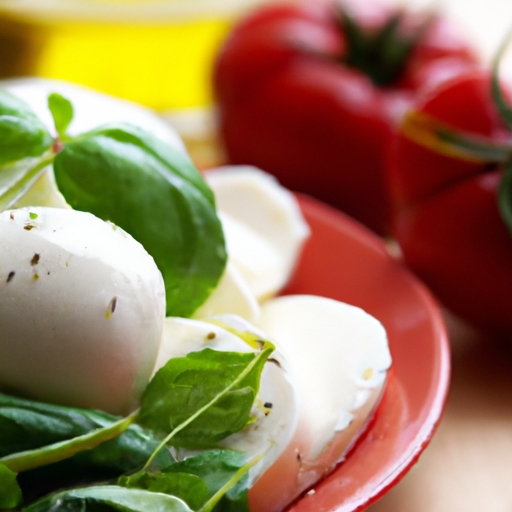
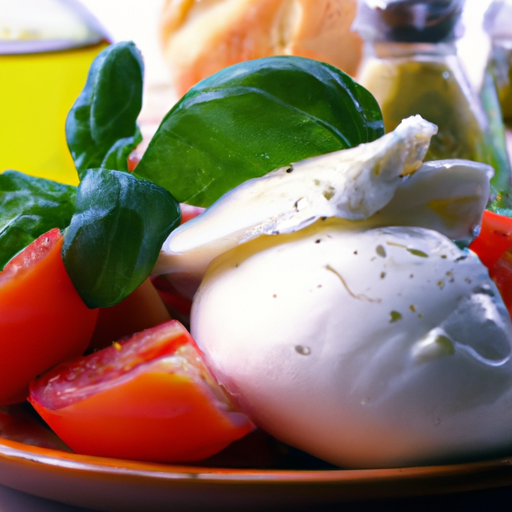
Is Mozzarella Cheese OK On Mediterranean Diet?

Understanding the Mediterranean Diet

Definition and Origin of Mediterranean Diet

The Mediterranean Diet, as the name suggests, is inspired by the eating habits of the inhabitants of the countries bordering the Mediterranean Sea. This wholesome diet plan is not about restrictive meals or depriving oneself of certain foods, but it revolves around the consumption of fresh, nutrient-dense food sources that originated in this region.

Key Components of the Mediterranean Diet

The foundation of this diet includes daily consumption of fruits, vegetables, whole grains, and healthy fats such as olive oil. It encourages weekly servings of fish, poultry, beans, and eggs. Dairy products and red meat are also included but in moderation. Plus, physical activity and shared meals with loved ones are highly recommended.

The Role of Dairy in the Mediterranean Diet

Importance of Dairy in the Mediterranean Diet

Dairy products hold a special place in the Mediterranean diet, primarily for their rich content of protein, calcium, and other essential nutrients. The Mediterranean diet often includes dairy products such as milk, yogurt, and cheese.

Types of Dairy Consumed in the Mediterranean Diet

Cheeses, like feta and mozzarella, and yogurt are preferred choices of dairy in this diet. It emphasizes the use of low-fat dairy options to balance overall calorie and fat intake.

How Dairy Contributes to Health and Wellness

Consuming dairy in moderation can foster weight management, bone health, and heart health while supplying essential nutrients like proteins, vitamins, and minerals.

Integrating Mozzarella into the Mediterranean Diet

Nutritional Profile of Mozzarella

Mozzarella is a soft, white cheese with high moisture content. It is not only delicious but nutrient-rich, providing good amounts of protein, calcium, and vitamin B2.

Comparison between Mozzarella and Other Cheeses

Compared to other cheese varieties, mozzarella is low in sodium and calories. It contains less fat and cholesterol than many other cheeses, making it a healthy choice.

The Use of Mozzarella in Mediterranean Cuisine

Mozzarella is versatile and widely used in Mediterranean dishes, including salads, pasta, and pizzas. It can also be eaten fresh with bread or fruits for a healthy snack.
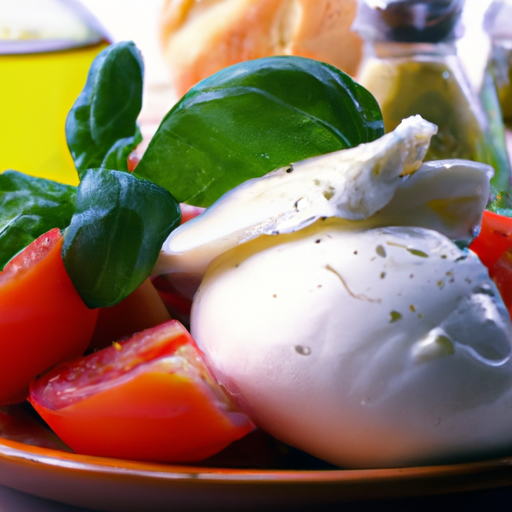
Is Mozzarella Cheese OK On Mediterranean Diet?

Healthy Ways to Incorporate Mozzarella into Meals

Mozzarella-Based Mediterranean Recipes

There are many delicious ways to include mozzarella in your meals. It adds creaminess to salads, enhances the taste of sandwiches, and makes pizza irresistible. You can also use it in baked dishes or enjoy it as a snack with fruits.

Portion Control and Frequency of Mozzarella Consumption

While mozzarella has several health benefits, it should still be eaten in moderation. Stick to proper portion sizes and follow a balanced diet to maintain a healthy lifestyle.

Beneficial Effects of Consuming Mozzarella

How Mozzarella Fulfills the Healthy Fat Requirement of the Mediterranean Diet

Mozzarella is a source of monounsaturated fats – the ‘healthy’ fats that are a key component of the Mediterranean diet. These fats help to reduce bad cholesterol levels and increase good cholesterol, contributing to heart health.

Other Nutritional Benefits of Mozzarella

Mozzarella also offers additional health benefits like maintaining healthy bones due to its high calcium content, aiding muscle function with its rich protein content, and promoting digestive health due to probiotics presence.

The Family Aspect of the Mediterranean Diet

Why the Mediterranean Diet Emphasizes Shared Meals

The Mediterranean diet not only promotes a healthy eating habit but also encourages enjoying meals with family and friends to create a sense of community, leading to holistic well-being.

Involving the Family in Cooking and Meal Planning

Cooking together not only promotes bonding but also allows everyone to take part in creating healthy, delicious meals, fostering an appreciation for wholesome foods.

Creating Diverse and Nutritious Family Meals with Mozzarella

The addition of mozzarella can make simple dishes more appealing to kids and adults alike, while adding nutritional value.

Contradicting Claims About Dairy and Health

Analyzing Recent Studies on Dairy and Health

While some studies claim dairy can lead to certain health issues, others suggest that dairy, when consumed in moderation, can contribute to overall health and wellness.

Addressing Dairy Consumption Concerns

Remember, it’s all about balance. While the Mediterranean diet includes dairy, it promotes low-fat options and recommends moderate consumption.

Balancing the Mediterranean Diet in a Modern Lifestyle

Challenges of Adhering to the Mediterranean Diet

In a fast-paced world, sticking to a diet can be hard. But the flexibility of the Mediterranean diet makes it adaptable and achievable.

Adapting the Mediterranean Diet to Suit Different Lifestyles and Dietary Needs

Customize the diet according to personal preference, dietary restrictions, and nutritional needs. Allow some elasticity and make changes that best suit your lifestyle.

Success Stories of the Mediterranean Diet

Long-Term Health Benefits Experienced by Individuals Following the Mediterranean Diet

Many individuals following the Mediterranean diet have seen excellent long-term health benefits like weight loss, reduced risk of heart diseases, better control of blood sugar levels, etc.

Testimonials of Increased Family Health and Togetherness through the Mediterranean Diet

Embracing the Mediterranean diet has helped enhance family health and togetherness as members share experiences of cooking and enjoying meals together.

Conclusion

Reflecting on the Versatility and Healthfulness of the Mediterranean Diet

The Mediterranean diet is not just versatile and bountiful in taste but also packed with health benefits. Adding mozzarella to this diet amplifies both the taste and health quotient.

Revisiting the Place of Mozzarella in the Mediterranean Diet

So, is mozzarella cheese OK on the Mediterranean diet? Absolutely! As long as we remember that moderation is key and wisely pair it with other nutritious foods, mozzarella is more than welcome on the Mediterranean table. Enjoy it wholeheartedly!


August 4, 2023 Health and Nutrition

Can You Drink Bone Broth On Mediterranean Diet?

In this friendly discussion, you’ll gain valuable insight on whether or not bone broth fits into the Mediterranean diet. We’ll explore the nature of the Mediterranean diet, the benefits of bone broth, and whether the two can harmoniously coexist. Your health and well-being are our key focus, so let’s see if bone broth can enhance your wholesome Mediterranean-style eating habits.

Can You Drink Bone Broth On Mediterranean Diet?

Understanding the Mediterranean Diet

Definition of the Mediterranean Diet

The Mediterranean diet is a way of eating that draws from the traditional dietary habits of people living in countries on the Mediterranean rim such as Greece, Italy, and Spain, among others. It’s not just a diet, but rather, it’s a lifelong lifestyle of nutritious and enjoyable eating in a socially engaging environment. Heavily accentuated on the consumption of whole, plant-based foods, healthy fats, and moderate amounts of lean proteins, it is a cuisine rich in flavors, textures, and colors.

The Basic Principles of the Mediterranean Diet

At the core of the Mediterranean diet are unprocessed plant-based foods, such as fruits, vegetables, beans, and whole grains, and protein-rich legumes and seeds. Olive oil, fish, and lean poultry make regular appearances, whereas red meats are limited. Fermented dairy products, like cheese and yogurt, are preferred, and sweets and unhealthy fats are consumed sparingly. Importantly, it also emphasizes moderate wine consumption, usually during meals, and encourages physical activities.

Highlighting the benefits of the Mediterranean Diet

Scientific evidence points to the Mediterranean diet being one of the healthiest ways to eat. With lower incidences of chronic diseases like heart disease, obesity, type-2 diabetes, and certain cancers, it also promotes healthy aging and weight management. Expert findings even suggest links to improved brain function and mental health.

Insights into Bone Broth

What is Bone Broth?

Bone broth is a traditional preparation made by simmering poultry, beef, or fish bones, often with vegetables, herbs, and spices. This slow cooking process extracts both flavor and essential nutrients, creating a nutritious and savory broth.

Nutritional Profile of Bone Broth

With high-quality complete protein content, bone broth also offers a wealth of vital nutrients such as calcium, magnesium, potassium, and vitamins. Crucially, it’s a natural source of collagen and gelatin, two compounds linked to joint and skin health.

Health Benefits of Bone Broth

Bone broth has many proposed health benefits. It aids digestion, supports joint health, promotes skin elasticity, and helps in detoxification. It plays a significant role in immune support, given its high mineral and amino acid content.

The Role of Soups and Broths in Mediterranean Diet

Common Types of Broths in Mediterranean Diet

In Mediterranean cuisine, broths serve as a flavorful base for hearty stews, sautés, and soups. Common broths include vegetable, fish, chicken, and beef, each lending unique flavors and nutritional profiles to the dishes.

Nutritional Benefits of Broths in Mediterranean Diet

In addition to being delicious, Mediterranean broths offer a plethora of health benefits. They are rich in vitamins, minerals, and beneficial compounds from bones or vegetables. They aid digestion, enhance immune function, maintain bone health, and provide hydration.

Can You Drink Bone Broth On Mediterranean Diet?

Can You Drink Bone Broth on Mediterranean Diet?

Understanding the Compatibility of Bone Broth with Mediterranean Diet

While not a traditional component, bone broth aligns beautifully with the principles of the Mediterranean diet. Its high protein and nutrient content complement the diet’s wholesome approach, while the long-simmered flavors satisfy the cuisine’s depth of taste.

Sharing Personal Experiences – JD’s Take on Bone Broth in Mediterranean Diet

On my journey with the Mediterranean diet, I found that incorporating bone broth became second nature. Balanced, healthy, and full of flavor, it was a simple way to add quality protein and nutrients to our family meals.

Preparing Bone Broth the Mediterranean Way

Choosing the Right Ingredients

Start with high-quality bones from fish, poultry, or lean meats, preferably from organic, grass-fed, or pasture-raised sources. Complement them with fresh vegetables, aromatic herbs, and robust spices native to Mediterranean cuisine.

Cooking Method

A slow, gentle simmer extracts maximum flavor and nutrition. You can use a slow cooker or a pressure cooker, or simply keep a pot simmering on the stove for several hours.

Serving Suggestions

Enjoy bone broth on its own as a warming drink, or use it to enhance soups, risottos, and sautés or as a braising liquid for meat and vegetables.

Incorporating Bone Broth into your Mediterranean Diet Meal Plan

How to Regularly Include Bone Broth

Bone broth is versatile and can be incorporated into various dishes. Use it as a base for soups, stews, cook whole grains or legumes, or serve it with herbs and a splash of olive oil as a comforting drink.

Delicious Mediterranean Recipes Involving Bone Broth

Think lentil stew simmered in chicken bone broth or a seafood paella cooked in rich homemade fish broth. There’s also minestrone soup, pot roast, risotto – the possibilities are endless!

Family-Friendly Mediterranean Recipes with Bone Broth

Encouraging Kids to Try Bone Broth

To make bone broth appealing to the kids, start by introducing it in familiar dishes. You might mix it into their favorite soup or pasta sauce, or serve it with cooked vegetables or meats that they love.

Making Bone Broth a Family Tradition

Simmering a pot of bone broth can be a time-honored ritual that brings the family together. It fosters a shared appreciation for good food, patience, and the importance of wholesome nutrition.

Mediterranean Diet and Bone Broth: Health Implications

Potential Health Benefits of Combining Bone Broth and Mediterranean Diet

Together, the Mediterranean diet and bone broth offer a synergy of health benefits. They foster optimal nutrition, promote heart health, support gut health and digestion, and even aid in body detoxification.

Scientific Research Supporting the Health Benefits

Multiple studies highlight the individual and combined advantages of bone broth and the Mediterranean diet. Evidence supports their role in healthy aging, disease prevention, and general well-being.

Debunking Myths about Bone Broth and Mediterranean Diet

Common Misconceptions

Some may argue that bone broth isn’t traditionally part of the Mediterranean diet, or that it’s a fad food. However, broths and soups have long since been part of the Mediterranean cuisine, and bone broth’s nutritional profile speaks for its valuable inclusion.

Setting the Record Straight

With its exceptional nutritional profile, bone broth is a legitimate addition to any dietary routine, including the Mediterranean diet. Adding it won’t detract from the diet’s traditionalism or effectiveness, but rather enhance its health and taste benefits.

Conclusion: Embracing the Mediterranean Lifestyle with Bone Broth

The Role of Bone Broth in Achieving a Healthy Lifestyle

Bone broth is a powerful tool for achieving a healthy lifestyle. Combined with the Mediterranean diet, it encourages an eating pattern that is nutritious, satisfying, and conducive to long-term health.

Inspirational Tips for Long-Term Adherence

To embrace a Mediterranean lifestyle with bone broth, start small and make incremental changes. Make it a family endeavor, explore new recipes, and enjoy the journey towards a healthier, more fulfilling life.

So, can you drink bone broth on a Mediterranean diet? Absolutely! The two together will not only add exciting flavors to your meals but will also offer many benefits for your health and lifestyle.

August 4, 2023 Health & Fitness

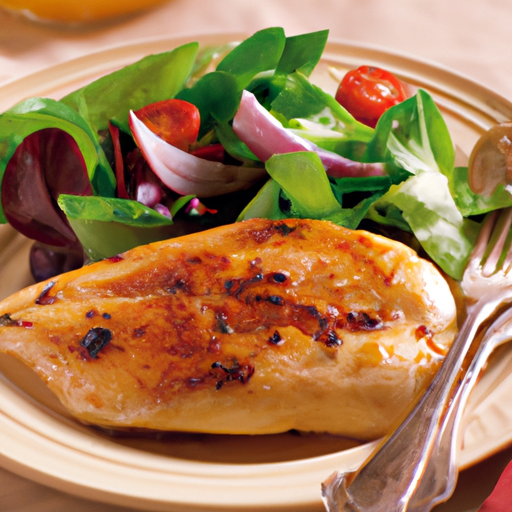
Can You Eat Chicken On The Mediterranean Diet?

You’re about to explore the intricacies of incorporating chicken into the Mediterranean diet. Throughout this article, JD, a devoted father and health enthusiast, will guide you through credible information and delish recipes. It will highlight the importance of sharing mouthwatering, nutritious meals with your loved ones, like the glistening golden chicken roast on Sundays. Buckle up, as we unravel the truth behind Mediterranean diet and chicken.

Can You Eat Chicken On The Mediterranean Diet?

Understanding the Mediterranean Diet

When you think about the Mediterranean Diet, images of vibrant farmers’ markets filled with fresh fruits, vegetables, grains, along with fish or seafood might come to mind. But what about chicken?

Definition of the Mediterranean Diet

The Mediterranean Diet is a way of eating that is rooted in the culinary habits and traditions of countries surrounding the Mediterranean Sea, particularly those of Italy, Greece, Spain, and Morocco.

Origins and Cultural Significance

Originating in the Mediterranean region, this diet is not just about nutrition, but also about a way of life. It deeply embodies the idea of enjoying high-quality food with loved ones and savoring each meal, typically accompanied by a glass of red wine.

Key Components of the Mediterranean Diet

Key components of the Mediterranean diet include a high consumption of fruits and vegetables, whole grains, legumes, nuts, and a moderate consumption of poultry, fish and red wine. The diet also emphasizes the use of olive oil as a healthy fat source instead of butter.

Role of Protein in the Mediterranean Diet

Protein plays a significant role in the Mediterranean diet.

Sources of Protein

Common sources of protein are fish, legumes, nuts, and poultry, particularly chicken.

Benefits of Protein

Protein is essential for muscle growth, recovery and maintaining a healthy body weight.

Portion Sizes and Frequency

Typically, one-third of a serving plate is dedicated to a protein source, while the rest is filled with fruits, vegetables, and whole grains.

Inclusion of Chicken in the Mediterranean Diet

Is chicken part of the Mediterranean diet?

Historical Consumption of Chicken

Historically, chicken was consumed less frequently in the Mediterranean region, mainly because fish and seafood were more abundant. However, chicken is now incorporated in numerous Mediterranean dishes.

Nutritional Value of Chicken

Chicken is a low-fat and high-protein food, providing essential nutrients like vitamins B6, B3, Selenium, and more.

Cooking Methods and Chicken Types Preferred

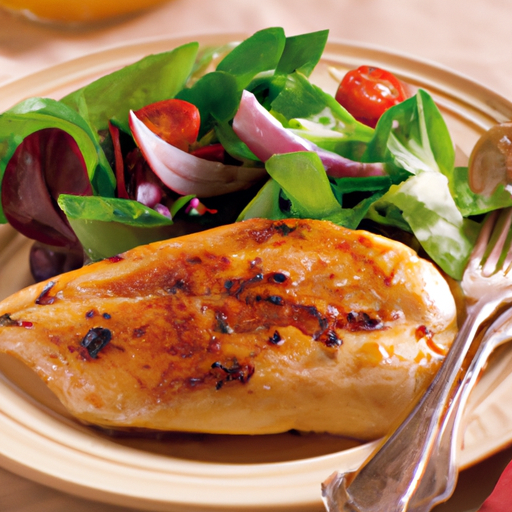
In the Mediterranean diet, chicken is typically grilled or baked, and accompanied by generous servings of salad, vegetables, or grains.

Can You Eat Chicken On The Mediterranean Diet?

Chicken Recipes for the Mediterranean Diet

There are numerous Mediterranean chicken recipes you can try at home.

Choosing the Right Chicken for Your Recipe

While choosing, go for chicken breasts or thighs as they are more flavorful and moist.

Popular Mediterranean Chicken Recipes

Popular recipes include Mediterranean chicken salad, skewers, or stuffed chicken breast with spinach and feta.

Spices and Herbs Typically Used in Mediterranean Chicken Dishes

Common spices include oregano, rosemary, garlic, lemon, and fresh herbs.

Benefits of Eating Chicken in a Mediterranean Diet

Chicken can provide numerous health benefits.

Positive Impact on Health and Longevity

Incorporating chicken can lower calorie and saturated fat intake, reducing the risk of obesity and promoting longevity.

Role of Chicken in Weight Management

Chicken is rich in protein, which can aid in weight management by contributing to a feeling of fullness.

Chicken and Cardiovascular Health

Replacing red meat with chicken can lower your intake of saturated fats, thus improving cardiovascular health.

Comparing Chicken to Fish in the Mediterranean Diet

How does chicken compare to fish.

Nutritional Value of Fish Vs. Chicken

Fish is high in omega 3 fatty acids, beneficial for heart health. Chicken, however, is leaner and lower in calories.

Sustainability of Fish and Chicken Consumption

While wild-caught fish can be less sustainable, chicken can often be a more sustainable choice, especially if it’s locally sourced.

Preference of Fish Over Chicken in Native Mediterranean Diet

Traditionally, fish was preferred over chicken due to its abundance. But this doesn’t exclude chicken from the diet.

Getting Creative with Chicken in the Mediterranean Diet

Get innovative with your chicken dishes.

Innovative Mediterranean Chicken Recipes

Try making dishes such as chicken tagine or chicken souvlaki.

Making Chicken a Companion to Vegetables and Grains

Pair chicken with whole-grain couscous, roasted vegetables or fresh salads for a balanced meal.

Mediterranean Chicken Salads and Sandwiches for a Quick Meal

For a quick meal, chicken can be used in salads or sandwiches with some tzatziki or hummus.

Fitting Chicken into a Balanced Mediterranean Diet

Chicken can be effortlessly incorporated into your Mediterranean diet plan.

Incorporating Chicken into Weekly Meal Plans

Include chicken dishes for two or three dinners each week.

Balancing Chicken with Other Protein Sources

Balance chicken with other proteins like fish, legumes, eggs, and nuts.

Mediterranean Chicken and the Family Table

A hearty chicken dish can make an excellent family meal, promoting healthier and happy family time.

Chicken Consumption: Personal Views of JD

This is JD, reflecting on his personal experience with chicken in the Mediterranean diet.

JD’s Favorite Chicken Recipes

Chicken souvlaki with tzatziki is always a big hit at my house.

How Chicken Fits into JD’s Mediterranean Lifestyle

Chicken is an excellent food for my active and healthy lifestyle.

JD’s Tips on Choosing and Preparing Chicken

I always opt for organic chicken and don’t shy away from using herbs and spices to really bring out the flavors.

Conclusion: Chicken and The Mediterranean Lifestyle

Chicken can indeed be a part of a balanced Mediterranean diet.

Advantages of Including Chicken in a Mediterranean Diet

Adding chicken to your menu can provide variety and an extra source of lean protein.

The Broader Context: Eating for Health and Enjoyment

Remember, the Mediterranean lifestyle is about more than just the foods you consume; it’s about enjoying meals with family and friends.

Instilling a Mediterranean Approach to Eating in Family Life

Encourage a Mediterranean style of eating in your family life, sit together for meals and enjoy high-quality food, including some delicious chicken dishes. Because yes, you can eat chicken on the Mediterranean diet.

August 4, 2023 Diet and Nutrition

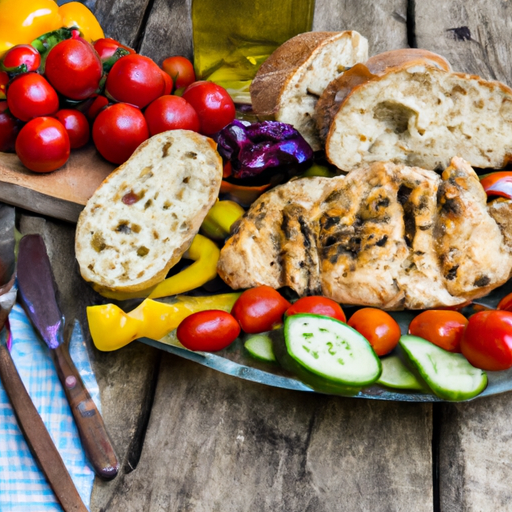
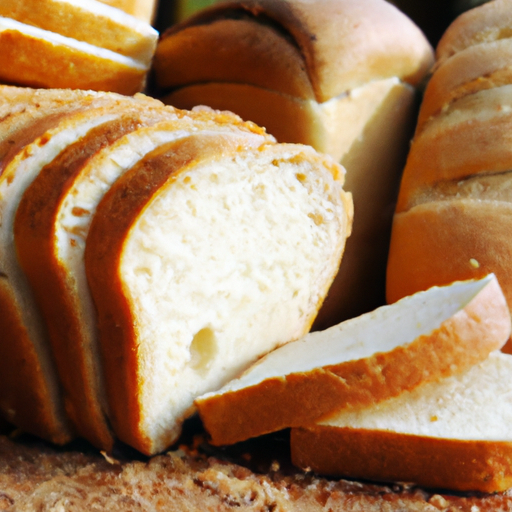
What Bread Is Good On Mediterranean Diet?

For all you bread lovers seeking healthier options for your Mediterranean diet journey, this article is perfect for you! We’ll guide you through the world of bread that aligns with your dietary goals. You’ll learn about the types of bread that are most suitable for the Mediterranean diet, their benefits, and how they contribute to maintaining your health and promoting quality moments around the family table.

What Bread Is Good On Mediterranean Diet?

Understanding the Mediterranean Diet

Mediterranean Diet Overview

The Mediterranean Diet is a diverse and rich eating plan inspired by the traditional diets of the countries surrounding the Mediterranean Sea. This diet is celebrated for its potential health benefits, including reducing the risk of heart diseases, enhancing mental health, and promoting weight loss. Plus, it’s characterized by high consumption of fruits, veggies, legumes, nuts, seeds, cereals, and olive oil with a moderate intake of fish, poultry, and wine.

Key Principles of The Mediterranean Diet

The core of the Mediterranean Diet lies in favoring whole foods over processed ones, using olive oil as the main fat source, consuming ample fruits, vegetables, legumes, and grains, including dairy products, eating seafood frequently, and keeping red meat to a minimum. Now, let’s delve into the diet’s unsung hero—bread.

Role of Bread in Mediterranean Diet

Importance of Bread on Mediterranean Diet

Bread, particularly whole grain variants, plays a critical role in the Mediterranean Diet. For centuries, bread types like whole grain, sourdough, and Ezekiel have been a key part of meals in the Mediterranean region — providing essential nutrients and promoting overall health.

Nutritional Value of Bread in Mediterranean Diet

Bread in the Mediterranean diet isn’t just filling—it’s packed with nutritional goodness. Whole grains are a good source of dietary fiber, B vitamins, iron, zinc, magnesium, antioxidants, and phytochemicals. Consuming whole grain bread regularly supports heart health, aids digestion, and helps regulate blood sugar.

Types of Bread Suitable for the Mediterranean Diet

Whole Grain Bread

Whole grain bread is a bread product made with whole grain flour. Unlike typical white bread, whole grain bread retains all the parts of the grain — the bran, germ, and endosperm.

Sourdough Bread

Sourdough bread uses a fermented dough containing naturally occurring lactobacilli and yeast. The process of fermentation helps break down the phytic acid present in flour, making it easier for your body to absorb nutrients.

Ezekiel Bread

Ezekiel bread, also known as sprouted grain bread, contains a blend of organic, sprouted whole grains and legumes. The sprouting process increases nutrient levels in the bread, making it highly beneficial for health.

What Bread Is Good On Mediterranean Diet?

Whole Grain Bread on Mediterranean Diet

Health Benefits of Whole Grain Bread

Whole grain bread is a good source of essential nutrients and dietary fiber. It can help regulate blood sugar levels, promote healthier body weight, and even contribute to a healthy heart.

How Whole Grain Bread Fits into the Mediterranean Diet

Whole grain bread naturally fits within the Mediterranean Diet because of its nutrient profile and versatility – it can be used to accompany a hearty bean stew, turned into croutons for a fresh Greek salad, or simply enjoyed with a drizzle of pure olive oil.

Sourdough Bread and the Mediterranean Diet

Unique Features of Sourdough Bread

Unlike most oil-based or yeast-based bread, the sourdough bread’s unique fermentation process gives it a distinctive sour taste, a chewy texture, and a hard crust. This process not only adds to its flavor profile, but it also enhances mineral availability and reduces its potential impact on your blood sugar level.

Why Sourdough Bread is Suitable for Mediterranean Diet

Sourdough bread suits the principles of the Mediterranean Diet perfectly because it encourages the use of natural, wholesome, and minimally processed ingredients. Pairing this bread with the healthy fats of olive oil or avocado can provide a balanced and satisfying meal.

Ezekiel Bread – The Superfood Bread

What is Ezekiel Bread?

Ezekiel bread is a nutritious type of bread made from sprouted grains. Named after a verse from The Book of Ezekiel in the Bible, this bread uses a mixture of sprouted grains and legumes to create a complete protein.

Ezekiel Bread’s Role in Mediterranean Diet

Ezekiel bread offers a healthier alternative to other, highly processed bread. Its blend of grains and legumes provides a rich mix of nutrients. Compatible with the Mediterranean Diet’s emphasis on whole grains, it complements the diet’s goal of heart health and longevity.

How to Incorporate Bread into the Mediterranean Diet

Creating Balanced Meals with Bread

Including bread in your Mediterranean Diet doesn’t mean sandwiches at every meal. You can enjoy the sweet crunch of whole grain toast at breakfast, chickpea and vegetable filled pita pockets for lunch, or a side of sourdough with a heart-healthy salmon dinner.

Healthy Bread-Based Recipes for Mediterranean Diet

Consider recipes such as Greek Salad on Toast, Caprese Sourdough Sandwiches, or Avocado and Tuna Salad on Ezekiel Bread. Just remember, Mediterranean Diet emphasizes moderate portions and balanced meals.

Tips for Choosing Bread for Mediterranean Diet

Reading Bread Labels

Understanding bread labels is crucial when choosing the proper bread. Be sure to select bread where whole grains or sprouted grains are listed as the first ingredient.

Avoiding Processed and Refined Breads

Opting for bread with minimal added sugars or artificial preservatives is essential. While white bread, baguettes, or brioche might be tempting, they do not suit the Mediterranean lifestyle due to their high refined grains and sugar content.

Common Myths About Bread in the Mediterranean Diet

Debunking Myths About Bread and Weight Gain

One common myth is that bread causes weight gain. But in truth, no single food causes weight gain alone. Weight gain is typically the result of consuming more calories than your body needs. Choosing whole-grain bread over refined bread, balancing your meals, and portion control are your smart moves.

Understanding the Role of Carbohydrates in a Healthy Diet

Carbohydrates are an important energy source for your body. As part of the Mediterranean Diet, bread, particularly whole grain and sprouted types, offer healthful carbohydrates that your body needs to function correctly.

Conclusion

Embracing the Flexibility and Variety of the Mediterranean Diet

The beauty of the Mediterranean Diet lies in its variety and flexibility: enjoy a variety of whole foods, prioritizing plant-based fare, and enjoy sharing these meals with loved ones. From whole grain to sourdough to Ezekiel, each bread offers a distinct texture, taste, and nutritional profile.

The Positive Impact of the Mediterranean Diet on Health and Wellness

Adopting a Mediterranean Diet and incorporating suitable bread can positively affect your health and wellness. Embracing high-quality, nutritious, and lovingly prepared food is not just a diet – it’s a way of life that pays homage to a rich culinary tradition. So, next time you ask, “What bread is good on the Mediterranean Diet?”, know that you have appetizing and healthful options. You have whole control over your plate, and that’s a wonderfully empowering thing.

August 4, 2023 Health & Wellness

Can I Eat Pizza On The Mediterranean Diet?

Settled comfortably with a slice of pizza and wondering if it fits within the boundaries of your Mediterranean diet? This friendly article of ours will clear all your doubts as it explores the finer details of incorporating pizza in a Mediterranean diet. By the time you’ve finished reading, you’ll understand the concept better and make more informed dietary choices. Enjoy your foray into the wonderful world of guilt-free pizza indulgence!

Can I Eat Pizza On The Mediterranean Diet?

Understanding the Mediterranean Diet

Fundamentals of Mediterranean Diet

The Mediterranean Diet is not just a diet plan; but rather a lifestyle, encompassing a blend of traditional eating habits that people from Mediterranean regions such as Greece and Italy were known to follow during the 1960s. The diet focuses on the consumption of plant-based foods such as fruits, vegetables, whole grains, legumes, and nuts. Fish, poultry, olive oil and wine also hold significant importance, while red meat and saturated fats are kept to a minimum.

Health Benefits Associated with Mediterranean Diet

Research has shown that adhering to the Mediterranean Diet can have significant health benefits. This includes prevention or managing chronic conditions such as heart disease, high blood pressure, and type 2 diabetes. It can also improve brain health, improve mood, support weight loss, and promote longevity.

Key Components of the Mediterranean Diet

The fundamental components of the Mediterranean Diet include a daily intake of fruits, vegetables, whole grain, and healthy fats like olive oil. Twice weekly consumption of fish takes precedence over poultry and eggs, which are consumed moderately, followed by dairy products in minimal amounts. Red meats and sweets are kept to a minimum.

Analyzing Pizza Ingredients

Dough: The Base of Pizza

Pizza dough is typically made from refined white flour, yeast, water, salt, and sometimes sugar and oil.

Cheese: A Key Ingredient of Pizza

As a staple pizza ingredient, cheese is included in almost every pizza recipe. Mozzarella is the most common cheese found in traditional pizza recipes.

Tomato Sauce: The Essential Topping

Tomato sauce, made primarily from tomatoes that are a rich source of lycopene, a potent antioxidant, forms the base topping for most traditional pizzas.

Pizza Toppings: A Diverse Variety

A diverse range of toppings, ranging from various types of vegetables, meats, and secondary cheeses, are used to enhance the taste and texture of pizza.

Mediterranean Diet and Pizza-The Connection

Role of Pizza Ingredients in the Mediterranean Diet

Despite Pizza being infamous as a high-fat, high-sodium “junk food,” many of its ingredients correlate with the key components of the Mediterranean diet.

How Traditional Pizza Fits into the Mediterranean Diet

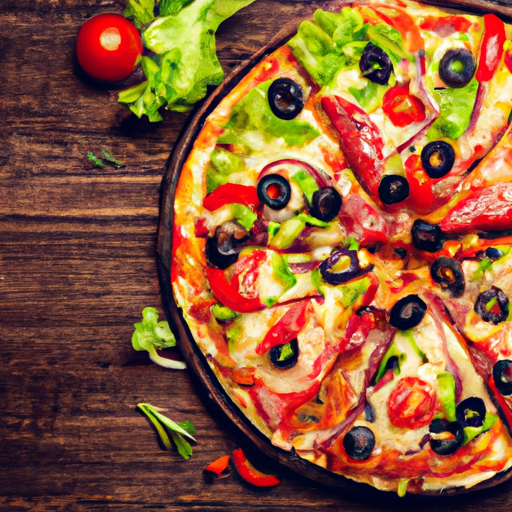
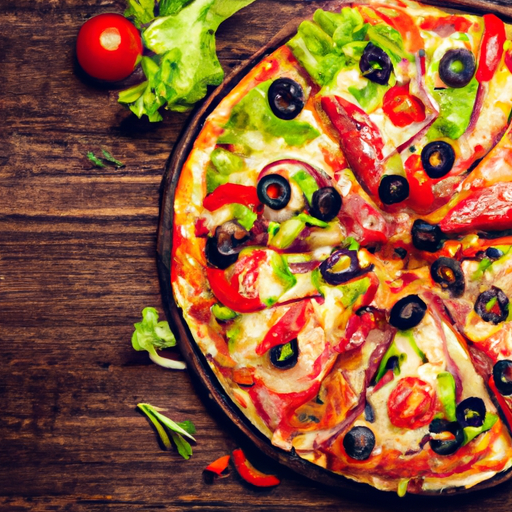
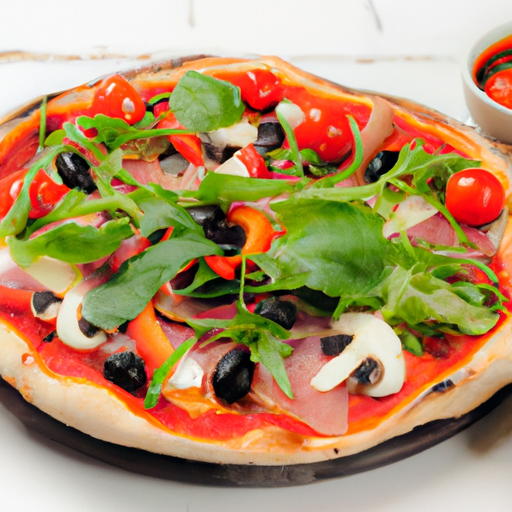
Traditional pizza, especially those popular in Naples, the birthplace of pizza, fits into the Mediterranean diet provided it follows certain parameters. If opted for thin crust, topped with ample brightly colored vegetables, minimal cheese, lean protein, and perhaps a drizzle of extra virgin olive oil, pizza can indeed fit into the Mediterranean diet.

Can I Eat Pizza On The Mediterranean Diet?

Transforming Traditional Pizza to Fit in the Mediterranean Diet

Choosing Whole Grain Base

You can make pizza healthier by swapping regular refined flour for whole grain flour as base. It will provide an extra boost of fiber and other micronutrients.

Opting for Low Fat Cheeses

Opting for reduced-fat cheeses in moderation can effectively limit the calorie and saturated fat content, keeping the pizza within the confines of the Mediterranean diet.

Making Use of Fresh Vegetables and Herbs as Toppings

Include a wide variety of colorful vegetables and herbs. This not only enhances the flavor profile of the pizza, but also ramps up the nutritional value.

Understanding the Significance of Portion Control

Understanding portion control is key. When paired with a lush salad or steamed vegetables, a slice or two of pizza can be a part of a balanced meal.

Enjoying Pizza the Mediterranean Way

Homemade Pizza: A Healthier Alternative

Making pizza at home means you have the control to choose unprocessed, fresh, and high-quality ingredients. You can ensure it conforms to the standards of the Mediterranean diet.

Pairing Pizza with Salad to Enhance Nutritional Value

Pairing your pizza with a large serving of salad can create a more balanced, fiber-dense meal that conforms to the Mediterranean eating model.

Finding the Right Balance in Diet

Maintaining Variety in Your Mediterranean Diet

The Mediterranean Diet is versatile and emphasizes variety. Goat cheese and roasted bell pepper pizza one day, whole grain margherita the other day.

Importance of Regular Physical Activity along with a Balanced Diet

Remember, the Mediterranean lifestyle isn’t just about the diet itself, but also about keeping physically active.

The Impact of Dietary Choices on Long Term Health

Role of Mediterranean Diet in Preventing Health Disorders

The combination of heart-healthy fats, lean proteins, and high-fiber fruits and vegetables helps in managing weight, reducing inflammation, maintaining a healthy heart, and reducing the risk of chronic issues.

Importance of Adopting Sustainable Eating Habits

You’ll reap the most benefits when you adopt this diet as a long-term eating pattern rather than a short-term diet.

The Role of Family in Promoting Healthy Eating Habits

Sharing High-Quality Food with Family

Eating, in the Mediterranean lifestyle, is a communal affair, providing an opportunity for family members to bond and foster healthy eating habits.

Supporting Each Other in Dietary Changes

Family support plays a pivotal role in successful dietary transitions. Include your family in your commitment to health and wellness!

Case Study: JD’s Personal Experience with the Mediterranean Diet

JD’s Initial Journey to Healthier Eating

When JD first decided to commit to the Mediterranean lifestyle, he faced hesitations. However, he found the transition smoother and more rewarding than anticipated.

How JD Incorporated Pizza into His Mediterranean Diet

JD successfully experimented with making healthier versions of pizza that fit into the Mediterranean diet, using whole-grain bases and topping them with plenty of vegetables and lean protein.

JD’s Long Term Health Benefits from Choosing the Mediterranean Diet

The results were dramatic and long lasting – by adopting the Mediterranean lifestyle, JD lost weight, his blood pressure dropped, and he generally felt better and more energetic.

Conclusion

Understanding the Flexibility of the Mediterranean Diet

The Mediterranean diet is all about flexibility. Pizza, when done right, can easily find a place in your Mediterranean eating plan.

Making Informed Dietary Choices

By understanding the principles of the Mediterranean diet, you can make informed dietary choices that foster long-term health and allow you to enjoy your favorite foods in a wholesome way. So yes, you can eat pizza on the Mediterranean diet!

August 4, 2023 Health & Fitness

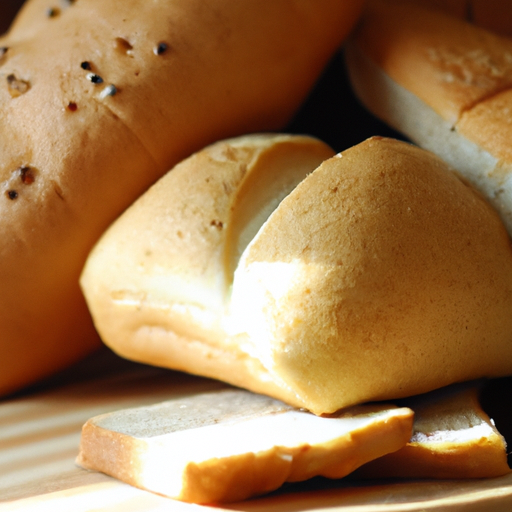
What Kind Of Bread Can You Eat On Mediterranean Diet?

In this friendly discussion, you’ll unveil the kinds of bread that align with the Mediterranean diet – a lifestyle choice that JD, like many others, cherishes for its long-term health benefits. Across this journey, you’ll understand the importance of quality food suitable for the entire family, in particular, the integral role of bread in a Mediterranean diet.

What Kind Of Bread Can You Eat On Mediterranean Diet?

Understanding the Mediterranean Diet

Defining the Mediterranean Diet

The Mediterranean diet is not a traditional diet plan but rather a way of eating inspired by the rich culinary traditions of the Mediterranean regions, particularly Greece, Southern Italy, and Spain. The core principles involve consuming mostly plant-based foods, using olive oil instead of butter, and embracing spices instead of salt.

Health benefits of the Mediterranean Diet

The Mediterranean diet has long been linked with countless health benefits. Studies indicate that it can reduce the risk of heart disease, lower bad cholesterol levels, help manage diabetes and high blood pressure, and even play a role in preventing certain types of cancer.

Core Components of the Mediterranean Diet

Key components include consumption of a variety of fresh fruits and vegetables, legumes, whole grains, and healthy fats like those found in olive oil and fish. Of note, the Mediterranean diet includes a good amount of whole grain bread, which leads us to the focus of this article.

Role of Bread in the Mediterranean Diet

Historical Importance of Bread in Mediterranean Cultures

As far back as ancient civilizations, bread has always held a vital role in Mediterranean cultures. It is not just a side dish, but often the centerpiece of meals, shared amongst family and friends, and symbolic in social and religious ceremonies.

Nutritional Value of Bread in the Mediterranean Diet

The bread used in the Mediterranean diet is made from whole grains, which are rich in fiber, protein, and other essential nutrients. Unlike refined grains, whole grains still have all parts of the grain — the bran, germ, and endosperm.

Types of Bread in the Mediterranean Diet

Whole Grain Bread

Whole grain bread is unrefined and retains all parts of the grain, offering maximum nutritional benefits, including fiber which helps regulate your digestive system and make you feel fuller for longer.

Sourdough Bread

Beloved for its slight tang and chewy, substantial texture, sourdough bread is made by fermenting dough using naturally occurring lactobacilli and yeast. The fermentation process results in a more nutritious and easier to digest product.

Pita Bread

Known for its pocket shape, pita bread is another common feature in the Mediterranean diet. Made from whole grain flour, it is fluffy, versatile and pairs well with various Mediterranean dishes like hummus and falafel.

Focaccia Bread

This thick Italian bread is seasoned with olive oil, salt, and sometimes herbs and olives. It’s often served as an antipasto or used as a flavorful base for sandwiches.

What Kind Of Bread Can You Eat On Mediterranean Diet?

Choosing the Right Bread

Factors to Consider in Choosing Bread for Mediterranean Diet

Choosing the right bread is key for aligning with the Mediterranean diet’s principles. Focus on whole grain breads that are minimally processed and don’t include added sugars or unhealthy fats.

How to Read Bread Labels

Labels can be misleading, so it’s essential to understand the terminology. “Whole grain” should be the first ingredient listed, ensuring all three components of the grain are included. Steer clear of loaves labeled “multi-grain,” “wheat,” or “seven grain”, which don’t guarantee whole grain content.

Avoiding Common Pitfalls When Selecting Bread

Be cautious of bread that is high in added sugar and avoid bread with a long list of additives or preservatives. Remember, the simpler the ingredient list, the better.

Bread’s Flexible Role in Mediterranean Meals

Bread in Breakfasts

For breakfast, you can enjoy whole grain bread with your favorite low-fat protein like eggs, or spread a slice with tahini or Greek yogurt and a drizzle of honey.

Bread in Lunches and Dinners

For lunch or dinner, pita bread can become a pocket for kebabs or falafel, and a slice of hearty whole grain bread complements a Greek salad perfectly.

Innovative Ways to Incorporate Bread in Mediterranean Meals

Bread can be used in a variety of creative ways beyond the standard sandwich. For example, it can be turned into breadcrumbs for coating fish, used as a base for a vegetable-heavy pizza, or thrown into a Tuscan ribollita soup.

The Joy of Sharing Bread in Family Meals

Sharing a loaf of bread in meals embodies the Mediterranean diet’s emphasis on eating as a social, enjoyable activity where families create and sustain bonds.

Baking Your Own Bread

Benefits of Homemade Bread

Baking your own bread allows you to control what goes into your loaf, reducing the risk of additives and unnecessary sugars. Plus, there’s nothing quite like the taste and aroma of freshly baked bread.

Mediterranean Whole Grain Bread Recipe

Creating your own whole grain bread just requires a simple mix of whole grain flour, water, yeast, and salt, mixed and left to rise before baking.

Creating a Mediterranean Sourdough Starter

A sourdough starter is a mixture of flour and water that attracts wild yeast. Once it’s fermented, it can be used to bake a variety of sourdough breads.

Case Study: JD’s Experience with Bread in the Mediterranean Diet

JD’s Journey Towards a Healthier Lifestyle

JD, the owner of this website, embraced the Mediterranean diet to ensure a healthy and active lifestyle for himself and his family.

How JD Incorporates Bread in His Family’s Meals

JD incorporates a variety of breads into his family meals, from serving whole grain bread at breakfast to using pita bread as a base for homemade pizza.

JD’s Favorite Mediterranean Bread Recipes

One of JD’s favorite bread recipes is an olive and whole grain bread loaf – It’s full of flavor and goes perfectly with a big Greek salad.

Busting Myths About Bread and Carbs

Separating Facts from Fiction About Bread

There is a common misconception that bread is off-limits when it comes to a healthy diet. However, it’s all about the type, quality, and quantity of bread you eat.

Carbohydrates and the Mediterranean Diet

Carbohydrates like whole grain bread provide the body with energy, and the fabulous fiber content helps keep you feeling satisfied.

Incorporating Bread into a Healthy, Balanced Diet

Rather than fearing bread, celebrate it as a vital part of a balanced, varied diet. Remember, it’s what you put on the bread, and not the bread itself that often counts.

Exploring Beyond Bread

Other Sources of Grains in the Mediterranean Diet

Beyond bread, the Mediterranean diet includes other whole grain foods like brown rice, barley, oats, and bulgur.

Simulating Bread Texture and Taste with Other Foods

You can also experiment with foods that have a bread-like texture, like baked eggplant slices or portobello mushrooms.

Conclusion: Embracing Bread in the Mediterranean Diet

In conclusion, bread plays a significant and flexible role in the Mediterranean diet. By choosing the right kinds of bread and using them intentionally, you can enjoy the nutritional benefits daily. From JD’s success to the array of delicious whole grain options, the Mediterranean diet proves to a healthful and satisfying lifestyle choice.

August 4, 2023 Health & Wellness

What Is The Best Yogurt For The Mediterranean Diet?

You’re about to embark on a journey exploring the best yogurts to incorporate into your Mediterranean diet. You’ll understand why they’re suitable for your healthy lifestyle and how they contribute to your diet. Also, you will learn how these yogurts can enhance your family meals. Prepare for an informative ride, distinguishing which yogurts are the true Mediterranean diet champions.

What Is The Best Yogurt For The Mediterranean Diet?

Understanding the Mediterranean Diet

Have you ever wondered why the Mediterranean lifestyle is closely linked with health and vitality? A significant factor is their diet pattern which emphasizes consuming plant-based foods, lean proteins, and healthy fats. In this article, we’ll focus particularly on the role of dairy, specifically yogurt, in the Mediterranean diet.

Origins and principles of the Mediterranean Diet

Rooted in the culinary trends of the 1960s in regions like Greece, Italy, and Spain, the Mediterranean Diet emphasizes the consumption of unprocessed, nutrient-rich foods. It prioritizes fruits, vegetables, whole grains, beans, nuts, and seeds alongside moderate amounts of poultry, eggs, cheese, and yogurt. A unique aspect of this diet is the minimal intake of red meat and the generous use of olive oil.

Benefits of the Mediterranean Diet

The Mediterranean Diet offers you multiple health advantages such as reducing the risk of heart disease, diabetes, and certain types of cancers. It may also aid in weight loss and the management of blood pressure levels.

Major foods in the Mediterranean Diet

Key components of the Mediterranean Diet include fruits and vegetables, whole grains, nuts and seeds, and legumes. Seafood is consumed at least twice a week, while poultry and eggs are moderate to high in consumption. Dairy products, particularly cheese and yogurt, are also integral parts of this diet.

Importance of Dairy in the Mediterranean Diet

Dairy is a nutrient-rich food group within the Mediterranean Diet, offering essential nutrients and enhancing the overall dietary balance.

Role of dairy in providing essential nutrients

Dairy provides several nutrients that are key to health, including calcium, potassium, and vitamin D. Regular intake of dairy prevents nutrient deficiencies and contributes to health and wellness.

Variety and uses of dairy in the Mediterranean diet

In the Mediterranean Diet, dairy is enjoyed in many forms – cheese, milk, and yogurt. Often, these are incorporated into recipes or consumed directly, providing a rich source of nutrition.

Choosing the right dairy products for the Mediterranean Diet

For the Mediterranean Diet, opt for dairy products that are low in saturated fat. Unflavoured and low sugar varieties are preferred, and where possible, organic and locally sourced dairy products are recommended.

The Role of Yogurt in the Mediterranean Diet

In the Mediterranean Diet, yogurt holds a special place. It’s not only loved for its taste and texture but also for its nutritional values.

Popularity and versatility of yogurt

Yogurt is associated with good health and is versatile enough to be included in every meal. It can be a key ingredient in breakfast dishes, dips, desserts, or even consumed directly.

How yogurt contributes to a balanced Mediterranean Diet

Yogurt provides significant amounts of protein and calcium. It is also a source of probiotics, which are beneficial for gut health.

Healthy ways of incorporating yogurt into meals

Yogurt can be a creamy base for your breakfast granola, an ingredient in salad dressings, or a wholesome snack paired with fruits and nuts.

What Is The Best Yogurt For The Mediterranean Diet?

What Makes a Good Yogurt?

When selecting yogurt for your Mediterranean Diet, consider its ingredients, production process, and nutritional value.

Essential components of yogurt

Look for a yogurt that contains live and active cultures. These support digestive health.

Process of yogurt making

Whether commercially produced or homemade, good yogurt undergoes a fermentation process where bacteria convert lactose into lactic acid, giving yogurt its characteristic tangy taste.

Commercial vs. homemade yogurt

While commercial yogurt offers convenience, homemade yogurt allows you control over the ingredients and sugar content, ensuring it aligns to the philosophy of the Mediterranean Diet.

Factors to Consider When Choosing Yogurt for the Mediterranean Diet

Here are some considerations when selecting yogurt.

Nutritional content

Look for yogurt with high protein, low sugar, and that contains live and active cultures.

Sugar content

Avoid yogurts with added sugars. Instead, add your own fresh fruits or a dash of honey for natural sweetness.

Flavor profiles and versatility

Plain, unsweetened yogurt is versatile, as it can be used in both sweet and savory recipes.

Review of Yogurt Brands Ideal for the Mediterranean Diet

Looking to introduce yogurt in your diet but not sure where to start? Here are some brands to consider:

Fage Total Plain

It’s rich, creamy, and packed with protein – a perfect fit for the Mediterranean Diet.

Oikos Organic Plain Greek Yogurt

Its high-protein content and low sugar levels make it a healthy choice.

Chobani Non-fat Plain Greek Yogurt

Chobani offers a smooth and creamy yogurt, which can be a delicious and nutritious addition to your diet.

How to Use Yogurt in Mediterranean Diet Meals

There are countless ways you can incorporate yogurt into your meals.

Yogurt for breakfast

Pair your yogurt with fruits, honey, and whole grains for a power-packed breakfast.

Yogurt in Mediterranean salads

Use yogurt as a base for salad dressings, adding creaminess and tasteful tang to your salads.

Yogurt as a snack or dessert

Enjoy yogurt with a sprinkle of granola or a drizzle of honey for a healthy dessert or snack.

DIY: Making Your Own Yogurt at Home

If you’re up for it, homemade yogurt can be a delightful addition to your Mediterranean Diet.

Benefits of homemade yogurt

Creating your own yogurt ensures control over the ingredients and offers a fresher taste.

Basic steps in yogurt making

All it requires are two ingredients – milk and active culture yogurt. Heat the milk, add the culture, and let it ferment.

How to make yogurt fit for the Mediterranean Diet

Ensure you stick to the principles of the Mediterranean Diet by choosing whole, organic milk, and avoiding added sugars.

Sharing a Quality Meal: The Yogurt Edition

Bringing family to the table with healthy, wholesome meals is at the core of the Mediterranean lifestyle.

How yogurt brings families together

Making and sharing meals with yogurt can become a delightful family tradition.

Teaching children about healthy eating habits

Involve your children in making yogurt-based recipes. It’s a fun way to educate them about healthy food choices.

Ways to enjoy yogurt with the family

Whether it’s yogurt smoothies, parfaits, or dips – there are many delicious recipes to explore together.

Conclusion: Choosing the Best Yogurt for You

Selecting the best yogurt is ultimately dependent on your personal preferences and dietary needs.

Personalizing your yogurt choice

Choose the one that fits your taste palette, nutritional requirements, and lifestyle.

Remembering the fundamental principles of the Mediterranean Diet

When selecting yogurt, remember to adhere to the guiding principles of the Mediterranean Diet.

Enjoying the journey towards a healthier lifestyle

Embrace yogurt as part of your journey to a healthier lifestyle, emboldened by the wisdom of the Mediterranean Diet. Enjoy each step, discover your preference, and treasure the joy of sharing high-quality food with your family.

August 4, 2023 Health & Wellness

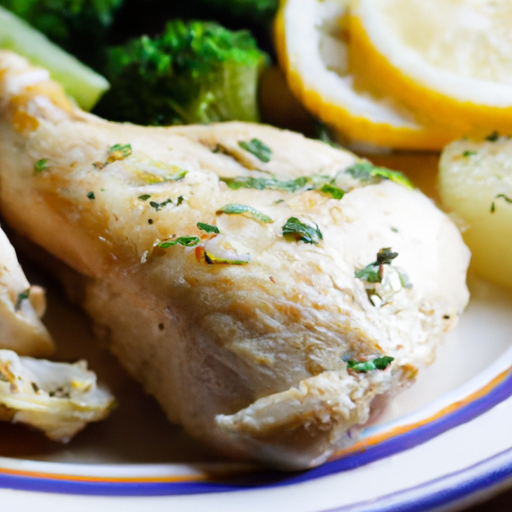
Can You Eat Chicken On Mediterranean Diet?

You may be wondering if chicken can be included in your Mediterranean diet. In this article, you’ll find out if it’s acceptable and, if so, what kind of chicken preparations align with the principles of this diet. Understanding any dietary limitations or freedoms is essential for your long-term health, enabling you to be the active and engaged parent you aspire to be. Sharing high-quality food with your family is the aim, and we’ll explore that in detail. Let’s get started!

Can You Eat Chicken On Mediterranean Diet?

Understanding the Mediterranean Diet

The Mediterranean diet is a heart-healthy eating plan inspired by the traditional foods and cooking styles of countries bordering the Mediterranean Sea.

History and Origin of the Mediterranean Diet

The Mediterranean diet has its roots in the traditional diets of the people living around the Mediterranean Sea. They have been historically recognized for their longevity and lower rates of chronic diseases. This diet emphasizes plant-based foods, healthy fats, and lean proteins like poultry.

Key Principles of the Mediterranean Diet

The key principles of the Mediterranean Diet include a high intake of fruits, vegetables, whole grains, legumes, fish and moderate consumption of poultry, dairy products, and quality red wine, along with extra virgin olive oil as the primary source of fat.

Health Benefits of the Mediterranean Diet

There’s no shortage of research highlighting the health benefits of the Mediterranean diet. From heart health to weight management and improved cognitive function, this diet offers a host of benefits.

Common Myths about the Mediterranean Diet

Myths often surround popular diets, and the Mediterranean diet is no exception. However, it’s not just about eating hummus and dolmas, and it’s certainly not a quick fix for weight loss. It’s a long-term lifestyle change focused on whole foods and healthy habits.

Role of Poultry in the Mediterranean Diet

Inclusion of Poultry in Mediterranean Diet

Yes, you can eat chicken on the Mediterranean Diet. Poultry, like chicken, is considered a moderate-to-high source of protein and is regularly included in this diet.

Recommended Portion Sizes of Poultry

Although poultry is included in the Mediterranean diet, portion control is important. The recommended serving size of poultry is a piece about the size of a deck of cards.

Best Ways to Prepare Poultry the Mediterranean Way

Mediterranean diet embraces grilling, roasting or stewing the poultry with plenty of herbs, spices, and healthy fats like olive oil.

Benefits of Chicken in Mediterranean Diet

In addition to being an excellent source of protein, chicken also contains several essential vitamins and minerals and can easily be part of a balanced Meditteranean Diet.

Nutritional Value of Chicken

Protein Content in Chicken

Chicken is an excellent source of lean protein, which is essential for maintaining muscle mass and aiding growth and development.

Vitamins and Minerals in Chicken

Chicken is also rich in essential vitamins and minerals, like Vitamin B, selenium, phosphorous, and iron which contribute to overall health.

Calorie Count of Various Chicken Parts

Different parts of the chicken have different calorie counts with skinless, grilled chicken breasts being the leanest part.

Can You Eat Chicken On Mediterranean Diet?

Potential Caveats When Eating Chicken

Although chicken can be a healthy part of your diet, there are a few things to consider when incorporating it into your Mediterranean diet.

Choosing Organic Over Processed Chicken

Opting for organic, free-range poultry is preferred over processed versions since it tends to be leaner and free from harmful additives.

Risks of Consuming Undercooked Chicken

Ensure that your chicken is thoroughly cooked to avoid the risk of foodborne illnesses.

Pitfalls of Relying too Heavily on Chicken

While chicken has many benefits, relying solely on it for your protein can lead to nutritional imbalances. Try to diversify your protein intake.

Incorporating Chicken in Mediterranean Diet Recipes

Several delectable Mediterranean recipes can incorporate chicken. Here are a few examples:

Healthy Chicken Salad Recipe

Mediterranean Chicken Kebab Recipe

Delicious Baked Lemon Herb Chicken Recipe

Alternatives to Chicken in the Mediterranean Diet

While chicken is a fantastic protein source, there are other great protein options in the Mediterranean diet.

Fish as an Alternative Protein Source

Plant-Based Protein Sources

Introduction to Tofu and Other Soy Products

Emphasizing the Importance of a Balanced Diet

While proteins are essential, let’s not forget the importance of other nutrients.

Key Nutrients apart from Protein

Role of Fruits and Vegetables

Importance of Whole Grains

The Role of Regular Physical Activity

Balancing a healthy diet with regular exercise is key in any healthy lifestyle, including the Mediterranean diet.

Balancing Diet with Regular Exercise

Recommended Type and Duration of Exercise

Promoting Healthy Family Meals

Sharing high-quality meals with family is at the heart of the Mediterranean lifestyle.

Creating Healthy Family Meal Plans

Importance of Quality Time at Mealtime

Conclusion: Chicken and the Mediterranean Diet

Recap: Can You Eat Chicken on Mediterranean Diet?

Yes, you can. When cooked healthy and combined with a variety of other nutritious foods, it can be an excellent part of the Mediterranean diet.

Long term benefits of adhering to the Mediterranean Lifestyle

Adhering to a Mediterranean lifestyle not only benefits your physical health but also enhances your overall well-being, keeping you active and healthy for your loved ones. Enjoy this journey toward a happier and healthier life!

August 4, 2023 Health & Wellness

Is Popcorn OK On Mediterranean Diet?

In this friendly discussion, you’ll explore the compatibility between popcorn and the much-raved-about Mediterranean diet. By the end, you’ll have a clear understanding of whether or not popcorn fits into this healthful eating regimen – sustaining not only your wellness goals but also your enjoyment of sharing high-quality, delectable food with your loved ones.

Is Popcorn OK On Mediterranean Diet?

Understanding the Mediterranean Diet

As one of the healthiest diets globally, the Mediterranean diet focuses on consuming foods like fruits, vegetables, whole grains, legumes, and lean proteins. It incorporates daily exercise and encourages enjoying meals with family and friends. So, what are the key principles, and why does this diet have such a strong connection to longevity?

Key principles of the Mediterranean diet

The Mediterranean diet primarily depends on plant-based foods, making fruits, vegetables, legumes, and whole grains the main staples. Healthy fats like olive oil replace butter, and herbs and spices provide flavor instead of salt. Poultry, eggs, and dairy like cheese and yogurt are consumed moderately, while red meat and sweets are limited.

Drinking red wine in moderation is also part of this lifestyle, providing cardiovascular benefits when consumed responsibly.

The connection between Mediterranean diet and longevity

Research has shown a significant link between the Mediterranean diet and longevity. The diet’s high focus on fruits, vegetables, whole grains, and healthy fats is said to reduce the risk of heart disease, certain cancers, Parkinson’s, and Alzheimer’s diseases.

Importance of high quality food in Mediterranean diet

High-quality, unprocessed foods are the cornerstone of the Mediterranean diet. Choosing locally-produced, organic foods and fresh seasonal produce can significantly increase the nutritional value of your meals while keeping your body healthy.

Exploring Popcorn as a Snack

Popcorn is a wholesome and versatile snack food that adds fun to our snack times. When made right, it can fit seamlessly into a healthy diet pattern.

Nutritional content of popcorn

Popcorn is a whole grain food that’s low in calories and high in essential vitamins and minerals. It’s brimming with fiber to aid digestion, and polyphenols, a type of antioxidant that fights inflammation and oxidative damage to cells.

How popcorn can be a part of a healthy diet

Being naturally low in fat, high in fiber, and providing disease-fighting antioxidants, popcorn can indeed be part of a balanced and healthy diet. By skipping added butter or excessive salt, and by choosing the right cooking method, you can turn popcorn into a nutritious snack.

Potential downsides of excessive popcorn consumption

Like any food, popcorn can also have setbacks if over-consumed. Too much popcorn can lead to digestive issues, excessive calorie intake, and potential weight gain. Plus, adding unhealthy toppings like sugar or butter can negate its health benefits.

Is Popcorn OK in the Mediterranean Diet?

You may be asking yourself, “Is popcorn permissible in the Mediterranean diet?” Let’s dive into the details.

Comparison of popcorn’s nutritional profile with Mediterranean diet guidelines

whole grain foods are an integral part of the Mediterranean diet, and popcorn qualifies as a whole grain. Free from any saturated or trans fats, it aligns well with the diet’s guidelines.

How popcorn can fit into the Mediterranean diet

You can include popcorn as a healthy snack in your Mediterranean eating plan. Remember to avoid unhealthy toppings, opt for air-popped versions, and control your portions.

Ideal ways to consume popcorn in a Mediterranean diet

Try air-popping your kernels and adding a drizzle of extra virgin olive oil with a sprinkle of your favorite herbs and spices. This tasty, Mediterranean-inspired popcorn can serve as a nutritious snack.

Is Popcorn OK On Mediterranean Diet?

Benefits of Including Popcorn in a Mediterranean Diet

Apart from being a tasty and enjoyable snack, popcorn can also bring numerous health benefits when included in the Mediterranean diet.

Role of fiber-rich popcorn in gut health

With its high fiber content, popcorn can play a pivotal role in supporting digestive health. It aids in intestinal regularity, reduces the risk of colon cancer, and supports a healthy gut microbiome.

Popcorn – a low-calorie snack choice

Popcorn can be an excellent low-calorie snack choice for those who are watching their weight or wishing to control calorie intake. It’s filling, satisfying, and provides nutritional benefits, unlike many empty-calorie snack foods.

Contribution of popcorn to reducing overall calorie intake

Since popcorn is high in dietary fiber, it can help you feel full and satiated, thereby potentially reducing overall calorie intake and assisting in weight loss

Healthy Ways to Prepare Popcorn

Preparing popcorn the healthy way is crucial to getting the most out of its nutritious profile.

Popcorn preparation methods to avoid

Microwave popcorn and pre-packaged popcorn products often contain unhealthy additives and excessive amounts of sodium. Popping your popcorn in heavy amounts of butter can increase its calorie content and saturated fat levels.

How to make popcorn the Mediterranean way

Air-popping popcorn at home is by far the healthiest option. You can then drizzle it with a little extra virgin olive oil and sprinkle some herbs and spices for additional flavor.

Creative popcorn recipes aligned with Mediterranean diet

Consider adding a Mediterranean twist by tossing air-popped popcorn with freshly grated parmesan, dried basil, oregano, and a dash of olive oil.

Including Popcorn in Family Meals

Including popcorn in family meals can bring joy and nutritional benefits when served right.

Ensuring balanced nutrition while enjoying popcorn

To ensure balanced nutrition, pair your popcorn with a serving of fresh fruits or vegetables and a source of protein like nuts or cheese. Always remember: popcorn is a snack, not a meal, and must be consumed as part of a varied and balanced diet.

Making popcorn a fun and healthy family snack

Even though popcorn is a fun and enjoyable snack, it’s essential to model healthy eating by keeping portions in control. Teach your children that although we love eating popcorn, we also need to mix in other healthful foods.

Promoting dietary diversity in children with popcorn

Introducing popcorn in your child’s diet is a great way to give them a healthy snack that they’ll love. Plus, it can be a stepping stone to introduce children to other whole grain foods.

Popcorn: A Versatile Snack Option

Popcorn can serve as more than just movie night snack food. With a little creativity, it can be used in various culinary creations.

Using popcorn in diverse culinary creations

From a crunchy salad topping to a fun addition to homemade trail mix, popcorn can be used in various dishes, adding texture and extra nutritional value.

Mediterranean-inspired popcorn seasonings

Add some Mediterranean flair to your popcorn with seasonings like paprika, black pepper, rosemary, or garlic. These spices will only enhance the health benefits of your popcorn snack!

Incorporating popcorn in other Mediterranean dishes

Crumble air-popped popcorn into soups or use it as a crispy topping for roasted vegetables or risotto. Your imagination is the limit here!

Cautions for Popcorn Consumption

While incorporating popcorn into a Mediterranean diet can be very beneficial, caution should be taken on the portion sizes and frequency of consumption.

Understanding appropriate portion sizes

While popcorn is a healthy snack, moderation is key. A healthy serving size is approximately 3-4 cups of air-popped popcorn.

Potential health concerns linked with overconsumption

Excessive popcorn consumption can result in consuming too many calories or excessive fiber, which can disrupt digestion. Be conscious of your portion sizes to avoid potential health issues.

Choosing healthy popcorn over processed versions

When selecting popcorn, avoid packaged varieties with additives and preservatives. Choose plain popcorn kernels you can pop at home for a healthier snack.

Promoting Healthy Eating Habits

Promoting healthy eating habits, particularly through the Mediterranean diet, can greatly benefit your entire family.

Role of parental modeling in children’s eating habits

As a parent, your eating habits greatly influence your children’s food choices. By incorporating healthy snacks like popcorn into your meals, you can set a positive example.

Teaching kids about balanced diets through popcorn

Use popcorn as a tool to teach your children about balanced eating. Discuss its nutritional benefits and explain how each food plays its role in a comprehensive diet.

Using popcorn to introduce the concept of mindful eating

Popcorn can be a fun way to introduce mindful eating to children. Encourage them to pay attention to the smell, texture, and taste of popcorn to foster a mindful eating habit.

Conclusion

Including popcorn in a Mediterranean diet can be an excellent idea, given it’s consumed mindfully. Not only does it offer a myriad of nutritional benefits, but it also lets you delve into creative culinary experimentation. By opting for healthy preparation methods and enforcing portion control, popcorn can indeed become an agreeable addition to your Mediterranean meal plan. Besides, it offers an excellent opportunity to promote the importance of high-quality food with your family.

So the verdict on whether popcorn is ok on Mediterranean diet? Yes, it certainly can be, as long as it is unprocessed, consumed in moderation, and prepared the Mediterranean way. So go ahead, give it try and embrace the nutritious, versatile appeal of popcorn on your journey to healthy eating! Remember, every food fits in a balanced and diverse diet, even the humble popcorn.

August 4, 2023 Health & Nutrition

What Is The Healthiest Mediterranean Food?

In this friendly guide, you’re going to discover the healthiest Mediterranean food. A realm of flavors and health benefits await you, as we explore the key ingredients and dishes celebrated in the Mediterranean Diet. This treasure trove of information will enlighten you on how such food choices can enhance your wellbeing. At the same time, it makes sure you still enjoy high-quality meals with your loved ones. Let’s embark on this delicious journey to better health together.

What Is The Healthiest Mediterranean Food?

Understanding The Mediterranean Diet

Defining the Mediterranean Diet

The Mediterranean diet is a way of eating that mirrors the traditional cuisine of countries bordering the Mediterranean Sea. It emphasizes Fresh produce, whole grains, lean proteins, and healthy fats, combined with regular physical exercise and the enjoyment of food with family.

Historic and Cultural Background

The Mediterranean diet, quintessential to Spain, Southern Italy, and Greece, was recognized by UNESCO as an Intangible Cultural Heritage of Humanity in 2010. It’s a crucial part of these countries’ cultural identities, balancing the respect for their local environment and biodiversity.

Key Components of the Mediterranean Diet

Focus on fruits, vegetables, fish, whole grains and legumes. Limit unhealthy fats and consume plenty of olive oil. Consume moderate portions of poultry and dairy products, and limit your intake of red meat.

Health Benefits of the Mediterranean Diet

Cardiovascular Health Improvement

The Mediterranean diet helps maintain a healthy heart by keeping the levels of LDL ‘bad’ cholesterol low, and increasing the levels of HDL ‘good’ cholesterol.

Aid in Weight Management

Because it consists mostly of nutrient-dense foods, it aids in maintaining a healthy weight. Whole foods are naturally filling, making it easier to maintain a healthful diet.

Enhancement of Mental Health

The foods in the Mediterranean diet also have brain health benefits. High in omega-3 fatty acids, B vitamins, antioxidants, and fiber all contribute to better brain health.

Longevity and Ageing Benefits

Studies have shown that the Mediterranean diet is associated with longer lifespan and lower rates of chronic diseases.

The Healthiest Mediterranean Foods

Power of Olive Oil

Olive oil is rich in monounsaturated fats, which are heart-healthy. It also contains antioxidants and vitamin E.

Significance of Fish

Fish, especially fatty ones like salmon, mackerel and albacore tuna, are high in omega-3 fatty acids, which are beneficial for heart health.

Benefits of Consuming Fresh Fruits and Vegetables

Fruits and vegetables provide crucial vitamins, minerals, fiber, and antioxidants.

Role of Whole Grains

Whole grains are high in fiber and contain important nutrients like B vitamins, iron, folate, selenium, potassium and magnesium.

What Is The Healthiest Mediterranean Food?

Family and The Mediterranean Diet

Encouraging Family Bonding through Healthy Eating

Eating together as a family is a key component of the Mediterranean lifestyle. Shared meals cultivate bonding and foster a sense of belonging.

Building Healthier Generation with the Mediterranean Diet

By adopting the Mediterranean diet at home, you can instill healthy eating habits in your children, fostering a healthier, happier generation.

Practical Tips for Implementing the Mediterranean Diet at Home

Start by double the veggies, switch to whole-grain bread, pasta or rice, and have fruit for dessert. Plan some meals around a vegetable main dish and use olive oil.

JD’s Journey with the Mediterranean Diet

JD’s Personal Experience

JD switched to the Mediterranean diet as a means of improving his overall health and setting a positive example for his children.

Motivation behind JD’s Health Journey

JD’s chief motivation was to ensure he remained active and healthy for his children. In addition, he wanted to be a positive dietary role model.

Future Plans for JD’s Mediterranean Diet

JD plans to continue using the Mediterranean diet long-term, and share his experiences and advice with others through his blog.

Recipes and Meal Plans

Simple and Delicious Mediterranean Breakfast Recipes

Think Greek yogurt with honey and berries or avocado toast on whole grain bread.

Nutritious Mediterranean Lunch Ideas

Try a Greek salad with grilled chicken or salmon, or a chickpea and vegetable stir-fry.

Savory Mediterranean Dinner Recipes

How about seafood paella or a hearty vegetable and lentil stew?

Adopting the Mediterranean Lifestyle Beyond Diet

Setting Healthy Eating Habits

The Mediterranean lifestyle teaches the importance of mindful eating – taking the time to enjoy food, and listening to your body’s hunger and fullness cues.

Incorporating Physical Activity

Physical activity, a key part of the Mediterranean lifestyle, is crucial to maintaining total-body health.

Enjoying Food and Life

The Mediterranean lifestyle promotes enjoyment of food, life and health.

Debunking Misconceptions about the Mediterranean Diet

Addressing Common Myths

It’s not about losing weight quickly or restricting certain food groups. It’s a sustainable lifestyle that promotes long-term health.

Understanding the Challenges of the Diet

The diet requires some planning, but the benefits outweigh the required effort.

How to Overcome these Challenges

Start small, take slow, gradual steps. Remain persistent, and know that change takes time.

Life Transformation Stories

Success Stories from Readers

JD’s blog features success stories from readers who have benefited from adopting the Mediterranean diet, providing motivation for others.

Health Improvement Testimonials

Many testimonials relay improvements in health after adhering to the Mediterranean diet, showcasing its multiple benefits.

Motivation for Newbies on the Diet

These encouraging stories are an excellent source of motivation for those starting their health journey with the Mediterranean diet.

Conclusion

Summary of the Mediterranean Diet’s Benefits

The Mediterranean diet is a holistic approach to healthy eating that promotes heart health, aids in weight management, supports mental health and offers numerous other benefits.

Final Thoughts on the Healthiest Mediterranean Foods

At the heart of the Mediterranean diet lie whole, nutrient-dense foods like fish, fresh produce and whole grains, all of which carry profound health benefits.

Invitation for the Readers to Start their own Health Journey

JD invites you to get started on your own health journey with the Mediterranean diet. You may find it to be the most rewarding decision for your health and well-being.

  • « Go to Previous Page
  • Go to page 1
  • Interim pages omitted …
  • Go to page 43
  • Go to page 44
  • Go to page 45
  • Go to page 46
  • Go to page 47
  • Interim pages omitted …
  • Go to page 64
  • Go to Next Page »

Primary Sidebar

Hey y’all!

Hello and welcome to MediterraneanDietRecipes.net My name is JD, and I’m a 46-year-old father of three amazing children. My family is my world, and my main goal in life is to stay healthy and live long enough to see my children grow up, have children of their own, and to be an active, engaged, and supportive grandparent.

Being an older father, I understand that time is precious, and I want to make the most of it by ensuring that I am in the best possible shape physically, mentally, and emotionally. My journey started with a deep dive into the research on longevity and the lifestyle choices that can help me achieve my goals. Dig deeper →

Footer

Stay Connected

  • Bloglovin
  • Facebook
  • Instagram
  • Pinterest
  • Twitter

Copyright © 2026 · MEDITERRANEAN DIET RECIPES