• Skip to primary navigation
  • Skip to main content
  • Skip to primary sidebar
  • Skip to footer
  • Home
  • About
  • Recipes
  • Blog

Mediterranean Diet Recipes

Home » Blog

Blog

August 4, 2023 Diet and Nutrition

Do You Eat Butter On The Mediterranean Diet?

Surely, you must be wondering if butter is compatible with the Mediterranean diet. In this discussion, you’ll unravel the truth about inclusion of butter in this health-focused diet. Throughout the article, you will be gaining insights into the benefits of the Mediterranean diet and how it contributes to lasting health and family wellbeing.
Do You Eat Butter On The Mediterranean Diet?

Understanding the Mediterranean Diet

The Mediterranean diet is a popular trend amongst health enthusiasts. If you’ve heard about it and still wonder if it includes butter on its menu, then read on.

The Core Principles of the Mediterranean Diet

At the heart of the Mediterranean diet are the core principles that echo the region’s cultural heritage. A blend of flavorful foods primarily from plants like vegetables, fruits, nuts, seeds, legumes, potatoes, whole grains, and extra virgin olive oil. Fish and seafood are included in moderate proportions alongside poultry, dairy products, and eggs. Red meats and sweets are fewer.

Why the Mediterranean Diet is Beneficial for Health and Longevity

The emphasis on heart-healthy fats, lean proteins, fruits, and vegetables makes the Mediterranean diet one of the best pathways for longevity and disease prevention.

Butter and the Mediterranean Diet

The question is, ‘Do you eat butter on the Mediterranean diet?’

Is Butter included in the Mediterranean Diet?

Yes, BUT in limited quantities. The Mediterranean diet does not exclude any food that brings value to health and taste. This includes butter.

Exploring alternatives to Butter in the Mediterranean Diet

Because the focus is on healthy fats, alternatives to butter, like extra virgin olive oil, form a staple part of the Mediterranean diet.

Dairy in the Mediterranean Diet

Dairy is a component of the Mediterranean diet, but it’s worth noting how it fits in.

The role of Dairy in the Mediterranean Diet

Dairy, including cheese, yogurt, and butter is consumed moderately in the Mediterranean diet. The key is moderation and selecting low-fat or non-fat versions where possible.

Preferred Dairy Products in the Mediterranean Diet

Cheese and yogurts, more than anything else, take the center stage in the Meditteranean diet dairy choices. They are often chosen over butter.
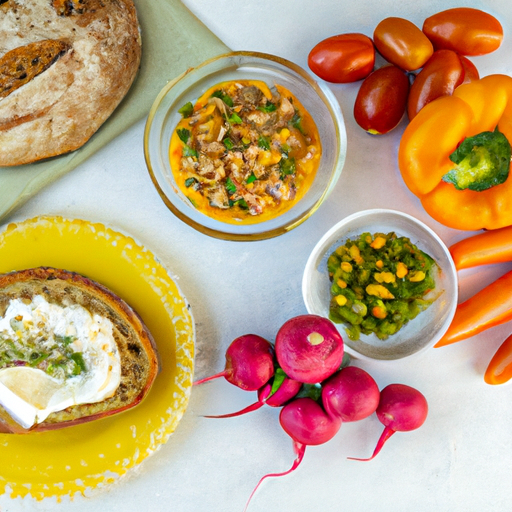
Do You Eat Butter On The Mediterranean Diet?

The Impact of Saturated Fat

The prevalent debate around saturated fats and health applies also to the Mediterranean diet.

Understanding the Health Impacts of Saturated Fat

While the Mediterranean diet does not discard any food, saturated fats are best consumed in moderation due to their potential adverse health effects.

Saturated Fats in the Mediterranean Diet

Derived from animal sources in the Mediterranean diet such as red meat, butter, cheese, and full-fat dairy, saturated fats are known to increase cholesterol levels if consumed excessively.

Healthy Fats in the Mediterranean Diet

In contrast to the minimized saturated fats, the Mediterranean diet is lauded for its abundance of healthy fats.

Embracing Olive Oil as a Healthy Alternative

Olive oil is a cornerstone of the Mediterranean diet, renowned for its richness in antioxidants and heart-healthy monounsaturated fats, making it a healthier alternative to butter.

The Role of Nuts and Seeds in Providing Healthy Fats

Nuts and seeds give additional good fats, fiber, and protein, contributing to their regular inclusion in recipes or simply as snacks.

The Family Aspect of the Mediterranean Diet

This diet is as much about family and community as it is about food.

Importance of Shared Meals in the Mediterranean Culture

The Mediterranean culture emphasizes shared meals among families and communities, cultivating bonding time, relishing good food, and creating lifelong memories.

Involving Children in Healthy Eating Habits

Introducing your kids to the Mediterranean diet can be a brilliant step to instilling healthy eating habits.

Exceptional Mediterranean Recipes

Flavorsome meals waiting to be tried, celebrated, and shared.

Healthy and Tasty Mediterranean Recipes

There’s an array of healthy recipes waiting to be tried from salads to fish dishes to desserts.

Mediterranean Dishes your Family will Love

These recipes don’t compromise on taste and are bound to make your family fall in love with the Mediterranean style of eating.

Long-term Benefits of the Mediterranean Diet

The payoff of adopting the Mediterranean diet extends beyond just immediate health benefits.

How the Mediterranean Diet ensures an Active and Healthy Life

A balanced and holistic approach to meals in the Mediterranean diet contributes to an active and healthy lifestyle.

The Mediterranean Diet and Disease Prevention

Extensive research suggests the diet’s role in preventing chronic diseases and promoting longevity.

Challenging Misconceptions about the Mediterranean Diet

Some misconceptions often creep in the narrative around the Mediterranean diet.

Dispelling the Myth that the Mediterranean Diet is Restrictive

Despite what you may have heard, the Mediterranean diet is flexible and inclusive – the focus is on enjoying nutritious foods that contribute to long-term health.

Understanding the Flexibility of the Mediterranean Diet

There’s an incredible degree of flexibility in selecting the foods you enjoy within the principles of the Mediterranean diet.

Conclusion

The health narrative can transform with the adoption of the Mediterranean diet.

Transforming the Health Narrative with the Mediterranean Diet

By following the Mediterranean diet, you can enhance your health journey and set a great precedent for your family.

Why JD Advocates for the Mediterranean Diet

JD’s heart is set on maintaining an active and healthy life to continue being present and impactful in his children’s lives. He believes in the Mediterranean diet’s magic. Do you?
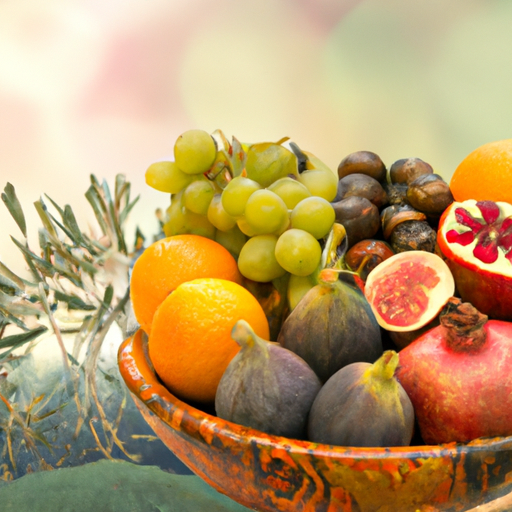
August 4, 2023 Health & Wellness

Can You Eat Unlimited Fruit On Mediterranean Diet?

In this article, you are about to explore if unlimited fruit can be included in the Mediterranean diet. Together, we’ll discover what this diet plan encourages, how fruits fit into it, and how moderation plays a key role. You’ll gain a clearer perspective on balancing your consumption while sticking to this healthy and family-friendly lifestyle.

Can You Eat Unlimited Fruit On Mediterranean Diet?

Understanding the Mediterranean Diet

The Mediterranean diet, often touted as one of the healthiest diet plans in the world, is inspired by the eating habits of countries bordering the Mediterranean Sea. This way of eating is not merely a temporary diet, but a lasting lifestyle choice that emphasizes quality fresh ingredients, moderation, and pleasurable shared meals.

The Basics of Mediterranean Diet

At its core, the Mediterranean diet involves the consumption of fruits, vegetables, beans, nuts, legumes, cereals, seeds, and olive oil. You are also encouraged to consume protein sources like fish and poultry more frequently than red meat. The cornerstones of this diet are moderation, sharing of meals, and physical activity.

Popular Foods in Mediterranean Diet

Many popular foods are part of the Mediterranean diet. These include olive oil, whole grains, fresh fruits and vegetables, and lean proteins such as fish and poultry. Consumption of dairy and eggs is moderate, while red meat is limited.

Meal Ideas for Mediterranean Diet

A typical Mediterranean meal might consist of a simple mixed salad, a hearty bean stew or fish baked with lemon and olive oil, a side of brown rice or whole grain bread, and a dessert of fresh fruit. Remember, engaging with loved ones over shared meals is an essential element of this diet.

Role of Fruits in Mediterranean Diet

Fruits play a significant role in this diet, often enjoyed as desserts or snacks. They are a rich source of vitamins, fiber, and antioxidants necessary for maintaining optimal health.

Importance of Fruits

Fruits are important as they provide necessary nutrients and antioxidants to protect the body from oxidative stress and chronic diseases. They also contribute to satiety and help curb overeating.

Type of Fruits in Mediterranean Diet

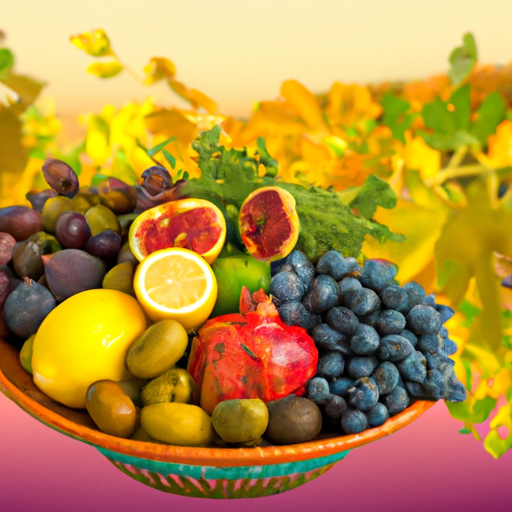
A wide variety of fruits are commonly consumed in the Mediterranean diet. These include apples, oranges, grapes, strawberries, and various types of melon.

How Fruits Aid in Health and Wellness

Regular fruit intake aids in weight management, heart and digestive health, and enhanced cognitive function among other numerous health benefits.

Fruit Consumption in Mediterranean Diet

The Mediterranean diet encourages the consumption of three servings of fruit per day.

Recommended Fruit Intake

While there’s no strict rule on fruit intake in the Mediterranean diet, consuming three servings a day aligns with the diet’s core principles.

How Much is Too Much?

Even though fruits are beneficial, they should not be consumed excessively. Balancing fruit intake with other food groups is crucial to a holistic and balanced diet.

Balanced Diet: Pairing Fruits with Other Foods

To achieve a balanced diet, fruits can be paired with other foods rich in different nutrients. For example, pairing fruits with nuts can provide a balanced snack of carbs, fiber, and healthy fats.

Can You Eat Unlimited Fruit On Mediterranean Diet?

Impacts of Unlimited Fruit Intake

Unlimited fruit intake, while seemingly healthy, can lead to various concerns.

Nutritional Impacts

Eating a variety of foods is crucial. Relying solely on fruits can lead to a shortage of nutrients like protein and healthy fats, leading to potential health problems.

Digestive Health Effects

While fruits are high in fiber and good for the gut, consuming large amounts in one sitting might lead to digestive discomfort.

Impact on Blood Sugar Levels

Eating a large amount of fruit can also lead to spikes in blood sugar levels, especially for those with diabetes.

Practical Ways to Consume Fruits

Incorporating fruits in your diet can be straightforward and enjoyable.

Snacking on Fruits

Fruits make a great snack. You can enjoy them as they are or pair them with cheese or nuts for a more substantial snack.

Inclusion in Main Meals

You can also include fruits in your main meals— in salads, stir-fries, or as a side.

Creative Fruit Recipes to Try

Get creative with fruit recipes. Try making a fruit salad, a smoothie, or even grilling them for a different flavor profile.

Family-friendly Fruit Dishes

Encouraging your family to partake in fruit consumption can be a fun and interactive process.

Appealing Fruit Recipes for Kids

Make fruit consumption appealing for your kids by turning fruits into fun shapes or incorporating them into smoothies or desserts.

Incorporating Fruits in Family Meals

Fruits can be easily incorporated into family meals. Consider making a fruit salad as a side dish or using fruits in savory dishes for a sweet contrast.

Educating Kids about Healthy Eating

By incorporating fruits in their diet, you’re educating your children about the importance of healthy eating, laying the foundation for lifelong healthy habits.

Case Study: JD’s Experience with Mediterranean Diet

JD, the author of this article and a proponent of the Mediterranean diet, shares his experiences with this diet and how it positively impacts his life.

JD’s Journey towards a Healthy Lifestyle

JD was motivated to adopt the Mediterranean diet due to his desire for a long, active, and healthy life. By consuming a balanced diet, he improved his overall health and energy levels.

Impact of Fruits in JD’s Diet

Fruits played an essential role in JD’s diet because they provided essential vitamins and helped curb any sweet cravings.

Family Involvement and Diet Success

Having his family adopt this dietary lifestyle and remaining supportive was a significant factor in JD’s success. Engaging in shared meals brought joy to the process, further motivating him to maintain the diet.

Popular Misconceptions about Unlimited Fruit Intake

A common misconception is that consuming unlimited amounts of fruit is overly beneficial due to fruit’s healthy reputation.

Sugar Content in Fruits: Cause for Concern?

While fruits do contain natural sugars, this is not a concern if consumed in moderation. Overconsumption can still lead to high sugar intake and subsequent health risks.

Can fruits cause weight gain?

Contrary to popular belief, overconsumption of any food, including fruits, can contribute to weight gain. Balance is key.

Addressing Common Fruit-Related Myths

While fruits are essential in a balanced diet, it should not replace other nutritious food groups.

Consulting with a Nutritionist

While information is widely available, consulting with a professional is recommended for individual dietary advice.

Importance of Professional Guidance

Nutritionists can provide personalized advice based on your needs. They can help manage expectations and guide you towards a healthier lifestyle.

Personalizing Your Mediterranean Diet

A nutritionist can help adapt the Mediterranean Diet to better fit your lifestyle, dietary preferences, and nutritional needs.

Understanding Your Body’s Unique Nutritional Needs

Every body is unique, and a nutritionist can help you understand your nutritional requirements.

Conclusion

Unlimited fruit intake isn’t a concept promoted in the Mediterranean Diet. Instead, adherents enjoy balanced and diverse food choices, including generous portions of various fruits— an approach that contributes to their remarkable health outcomes.

Key Takeaways about Unlimited Fruit Intake

While fruits are highly nutritious, unlimited intake can lead to some adverse health effects. Moderation is always key.

Achieving a Balanced Mediterranean Diet

A balanced Mediterranean diet involves a variety of food groups with fruits forming a significant part but not the entirety of the diet.

Maintaining Active and Healthy Lifestyle through Nutritious Eating

Pairing the Mediterranean diet with regular physical activity is a proven way to maintain a healthy lifestyle. Just remember, it’s not just about what you eat, but enjoying it with family and friends that truly makes the difference.

Ultimately, choosing the Mediterranean way is more than adopting a diet. It represents embracing enjoyment, relaxation, family, and an overall approach to a fulfilling lifestyle.

August 4, 2023 Health & Lifestyle

How Are Vegetables Cooked On Mediterranean Diet?

In this friendly guide, you’ll unlock the secrets of preparing vegetables in the Mediterranean style. You’re about to discover the colorful and delicious world of Mediterranean cooking techniques that accentuate the natural flavors of vegetables. Perfect for health enthusiasts and family meal planners alike, let’s embark together on this flavorful journey.

How Are Vegetables Cooked On Mediterranean Diet?

Understanding the Mediterranean Diet

The Mediterranean diet draws its origins from the age-old dietary practices of people living in countries bordering the Mediterranean sea, like Italy, Greece, and Spain. The diet is renowned for its focus on fresh fruits, vegetables, whole grains, legumes, and olive oil, with occasional indulgences in moderate portions of meat and dairy.

Origins and philosophy of the Mediterranean Diet

Rooted in the culinary traditions of Mediterranean-basin countries, the philosophy of the Mediterranean diet is not just about food, but also about enjoying life,-being physically active, and sharing meals with family and friends.

Components of the Mediterranean Diet

Emphasizing plant-based foods, the Mediterranean diet consists mainly of fruits, vegetables, whole grains, and legumes. Fish and seafood are consumed at least twice a week, while poultry, eggs, cheese, and yogurts are moderate. Red meat and sweets are limited.

Health Benefits of the Mediterranean Diet

The Mediterranean diet has been correlated with numerous health benefits ranging from increased longevity to decreased risk of heart disease, cancer, Alzheimer’s, and Parkinson’s disease. It’s flexibility and focus on wholesomeness make it a sustainable lifestyle choice.

Role of Vegetables in the Mediterranean Diet

Vegetables take centerstage in the Mediterranean diet and provide a wealth of nutritional benefits.

Importance of Vegetables

Vegetables are vital in supplying necessary vitamins, minerals, antioxidants, and fiber to our diets.

Common Vegetables Used in the Diet

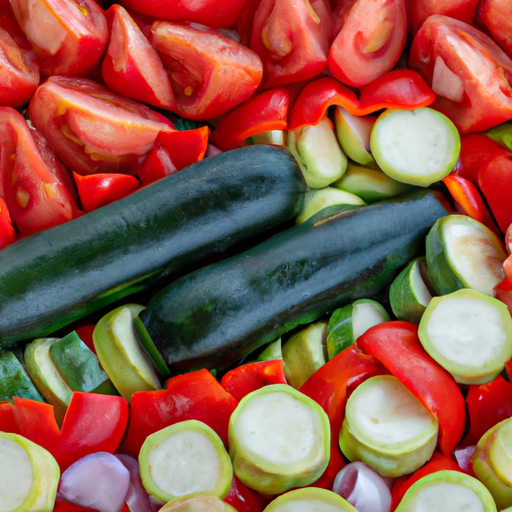
You’ll see a lot of leafy greens, tomatoes, bell peppers, cucumbers, eggplants, zucchinis, and more in the Mediterranean diet.

Nutritional Benefits of Vegetables

These vegetables are packed with essential nutrients that support heart health, boost the immune system, and aid digestion.

Vegetable Preparation Practices in Mediterranean Cuisine

In Mediterranean cuisine, the preparation of vegetables involves traditional methods which enhance their flavors and retain their nutritive values.

Overview of Vegetable Preparation Methods

Mediterranean cuisine uses a variety of vegetable preparation methods: grilling, roasting, baking, sautéing, and steaming.

Impact of Preparation Methods on Nutrition

Each method impacts the nutritional value of the vegetables differently. For instance, steaming tends to preserve more nutrients than boiling.

Tradition and Culture in Vegetable Preparation

The preparation methods are deeply rooted in Mediterranean culture and tradition and set the stage for communal meal preparation and sharing.

How Are Vegetables Cooked On Mediterranean Diet?

Grilling Vegetables in the Mediterranean Diet

Grilled vegetables are common in the Mediterranean diet due to the unique flavors that grilling imparts.

Popular Grilled Vegetables

Bell peppers, eggplants, and zucchinis often make their way to the grill.

Benefits of Grilling

Grilling helps to maintain the nutritional value of vegetables while adding a smoky flavor.

Techniques for Grilling Vegetables

Often, vegetables are lightly brushed with olive oil, seasoned with herbs and spices, and grilled to perfection on medium heat.

Roasting Vegetables in the Mediterranean Diet

Roasting is another popular method used to cook vegetables in Mediterranean cuisine.

Types of Vegetables Ideal for Roasting

Root vegetables like beets, carrots, and potatoes are perfect for roasting.

Roasting Techniques

Drizzled with olive oil and seasoned generously, these vegetables are then roasted until they are caramelized and tender.

Flavor Profile of Roasted Vegetables

Roasting imparts a wonderful depth of flavor and a crunchy texture that is truly enjoyable.

Baking Vegetables in the Mediterranean Diet

Baking is a healthy, flavorful, and versatile method used in Mediterranean cuisine.

Baked Vegetable Dishes

Moussaka (a baked eggplant and tomato dish) and Spanakopita (spinach pie) are classic examples of baked Mediterranean vegetable dishes.

Pros of Baking Vegetables

Baking allows vegetables to cook in their own juices, thus retaining their flavor and nutrients.

How to Bake Vegetables Correctly

Ensure vegetables are evenly cut, toss with olive oil, season, and bake until tender, frequently checking to prevent overcooking.

Sauteing Vegetables in the Mediterranean Diet

Sautéing vegetables is an everyday cooking practice in the Mediterranean kitchen.

Steps for Sautéing Vegetables

Usually, onions, garlic, and other aromatics are first sautéed in olive oil, after which other chopped vegetables are added.

Typical Sautéed Vegetable Dishes

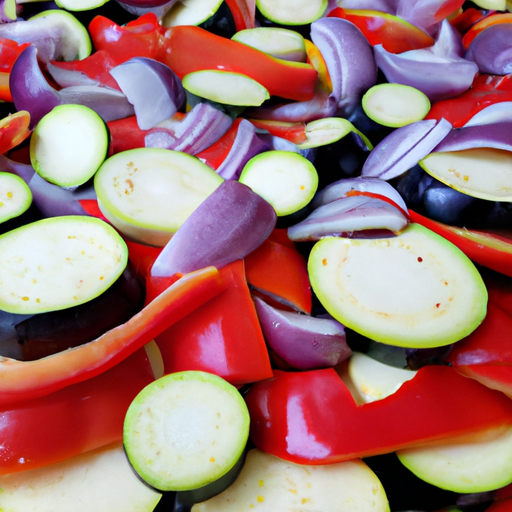
A dish like Ratatouille showcases the magic of sautéed vegetables fusing together.

Health Aspects of Sauteing

With controlled usage of olive oil, Sautéing can make your vegetables a lot healthier.

Steaming Vegetables in the Mediterranean Diet

Steaming is a gentle and nutritious way to prepare vegetables in the Mediterranean diet.

Benefits of Steaming Vegetables

Steaming helps retain vitamins and minerals in vegetables that could be lost with other cooking methods.

Commonly Steamed Vegetables

Cauliflower, broccoli, and spinach are typically steamed in Mediterranean cuisine.

Techniques for Steaming

Using a steamer or even a simple colander over boiling water can effectively steam your vegetables.

Incorporating Vegetables in Mediterranean Diet

There are ample ways to incorporate vegetables into the Mediterranean diet.

Mixing Vegetables in Salads

Healthy salads bursting with fresh veggies are a staple in the Mediterranean diet.

Creating Vegetable Blends or Soups

Vegetable soups like Minestrone or Veggie Gazpacho are flavorful and wholesome ways to enjoy a variety of vegetables.

Stuffing Vegetables with Savory Fillings

Stuffed bell peppers or zucchinis are common dishes where vegetables are the star of the meal.

Conclusion

Embracing the Mediterranean Lifestyle

Remember that the Mediterranean diet is not just about food, but also about a balanced lifestyle that includes regular physical activity and meals shared with family and friends.

Impact of the Mediterranean Diet on Health and Longevity

With its focus on fresh, nutrient-rich foods, the Mediterranean diet contributes significantly to longevity and a decreased risk of numerous diseases.

Bonding Through Food Preparation and Shared Meals

The tradition of preparing and sharing meals in Mediterranean culture reiterates the importance of bonding over food. It encourages unity, respect for food, and gives you an opportunity to create beautiful memories with your loved ones.

So, how are vegetables cooked on the Mediterranean diet? As you can see, there are many ways to prepare them, each adding a unique flavor and preserving their nutritional value. Thus ensuring that you continue to create delicious, healthy meals for yourself and loved ones as one does on the Mediterranean diet.

August 4, 2023 Health & Wellness

Can You Eat Cheese And Crackers On Mediterranean Diet?

Wondering if you can enjoy cheese and crackers while on the Mediterranean diet? This article will enlighten you about the compatibility of this beloved snack with the famed diet. You’ll gain insights on the kinds of cheese and crackers that align with the Mediterranean diet principles, and also appreciate the role of mindful, healthy eating in fostering quality time with family.

Can You Eat Cheese And Crackers On Mediterranean Diet?

Understanding the Mediterranean Diet

If you are curious about the Mediterranean Diet, you’re in for a great journey of exploring a healthful and flavorsome eating plan. Initially, you may be wondering, “Can I eat cheese and crackers on the Mediterranean Diet?” Absolutely. Let’s delve into this topic further.

Fundamental Principles of the Mediterranean Diet

The Mediterranean Diet is inspired by the eating habits of those in the Mediterranean region, particularly Italy, Greece, and Spain. Primarily, the diet encompasses a variety of fresh foods like fruits, vegetables, lean proteins, especially fish, whole grains, nuts, and olive oil. It is equally as important to note that this diet stresses the significance of sharing meals with family and friends, enjoying life, and regular physical activity.

Key Food Categories in the Mediterranean Diet

There are numerous benefits to the Mediterranean Diet. However, its key selling point is flexibility and focus on whole foods. Foods in this diet are loosely categorised into four sections: fruits and vegetables (especially leafy greens and bright, vibrantly colored produce), whole grains, lean proteins (with emphasis on fish), and healthy fats (like olive oil).

Cheese in the Mediterranean Diet

Cheese, a staple in the Mediterranean Diet, is commonly paired with meals in modest amounts.

Types of Cheese Commonly Used

Typical choices of cheese in the Mediterranean diet include Mozzarella, Parmigiano-Reggiano, Ricotta, Pecorino Romano, and Feta. Importantly, these cheeses are often made using traditional methods and are additive-free.

Health Benefits of Cheese

Cheese can provide an excellent source of calcium and protein, not to mention, it is delicious. It can also be a good source of vitamins A and B-12, along with zinc, phosphorus, and riboflavin.

Recommended Portions and Frequency

Portions and frequency are key when considering cheese as part of the Mediterranean diet. The key is to enjoy cheese in moderation; consider it a garnish rather than the main event of your meals.

Crackers in the Mediterranean Diet

Now, what about crackers? Whole grain crackers can make part of the Mediterranean diet, acting as an excellent vehicle for healthy toppings like cheese, hummus or vegetables.

Whole Grain Crackers

Whole grain crackers are a good source of dietary fiber, providing you with sustained energy and keeping you feeling full for longer. They’re also packed with essential nutrients including fiber, B vitamins, and minerals.

Understanding Processed and Refined Grains

It is crucial to understand the differences between processed and refined grains. While refined grains have been stripped of their nutrient-dense outer shells, whole grains retain all parts of the grain — the bran, germ, and endosperm.

Can You Eat Cheese And Crackers On Mediterranean Diet?

Mediterranean Diet and Healthy Fats

Healthy fats play a crucial role in the Mediterranean Diet, and cheese fits squarely into this category.

Role of Healthy Fats in the Diet

Healthy fats, like those found in nuts, olive oil, and yes, cheese, provide the body with necessary fuel and help with the absorption of vitamins.

Cheese as a Source of Healthy Fats

Cheese, when consumed in moderation, can supply your body with the required amount of healthy fats, and help to promote a feeling of satiety, reducing the likelihood of overeating.

Mediterranean Diet and Family Meals

One of the tenets of the Mediterranean Diet is the benefit of sharing meals with family and friends.

Fostering Togetherness and Bonding Over Meals

These shared meals create opportunities for togetherness, as it allows families to come together, connect, and share their day. It’s also an excellent opportunity to foster healthy eating habits in children.

Cheese and Crackers as a Family Snack

Cheese and crackers provide an easy, no-stress snack that your family can enjoy. It is nutritious, versatile, and most importantly, delicious.

Adapting the Mediterranean Diet to Individual Needs

Whether due to dietary restrictions, allergies, or personal preference, the Mediterranean Diet is easily adaptable to meet individual needs.

Dietary Restrictions or Allergies

For those with dietary restrictions or allergies, consult a healthcare professional or a nutritionist to help tailor the Mediterranean Diet to your specific needs.

Personalizing the Mediterranean Diet

Remember, there’s no one-size-fits-all diet. It is crucial to listen to your body and adapt your dietary habits to what suits you best.

Long-Term Health Benefits of the Mediterranean Diet

Regularly following the Mediterranean Diet can offer various health benefits, such as reducing the risk of chronic diseases and promoting lifelong health and fitness.

Reducing the Risk of Chronic Diseases

Research has linked the Mediterranean diet with lower levels of LDL (bad) cholesterol, the kind of fat that can result in a buildup of fatty plaques in your arteries, which might lead to heart disease or stroke.

Promoting Lifelong Health and Fitness

Incorporating exercise with the Mediterranean diet can further encourage whole-body health. A holistic approach to health also encompasses good sleep, stress management, and regular physical activity.

Cheese and Crackers in the Context of Overall Diet

Like any other food, the key to including cheese and crackers in your diet is mindful consumption and balance.

Mindful Consumption

Mindful eating includes being present during meals, chewing slowly, savoring every flavor, and listening to your body’s hunger and fullness cues. A good way to practice mindful eating with cheese and crackers is to portion out the amount you plan on eating, rather than eating directly from the box or package.

Considering the Whole Dietary Pattern

Remember, balance and diversity in your meals are crucial to ensure you are receiving all vital nutrients. The inclusion of cheese, crackers, or any other food should be considered in the context of your overall diet.

Creative Ways to Enjoy Cheese and Crackers

With a splash of creativity, cheese and crackers can be part of various culinary creations.

Healthy Cheese and Cracker Pairings

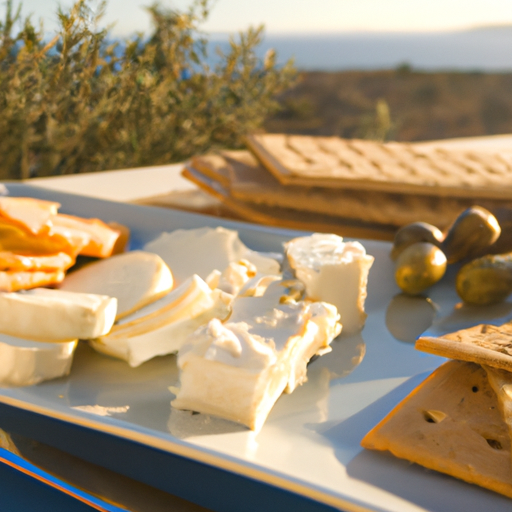
Try pairing whole grain crackers with low-fat cheese varieties and adding some grapes, apple slices, or a handful of nuts for an extra layer of texture and taste.

Adding Fruits and Veggies for a Balanced Snack

Dress your cheese and crackers with fresh vegetables or fruit to increase your intake of vitamins and fiber, making a well-rounded and satisfying snack.

Conclusion

Reaffirming the Flexibility of the Mediterranean Diet

One of the most appealing aspects of the Mediterranean Diet is its flexibility. Whether it’s cheese and crackers on the menu or a succulent grilled fish, there’s a perfect balance between health and enjoyment in this diet.

Encouraging Continued Exploration of the Mediterranean Diet

Think of the Mediterranean diet as a journey to improve your health, savor delicious flavors, and foster a sense of togetherness with loved ones. There’s much more to discover, so continue exploring the Mediterranean lifestyle’s many benefits and flavors.

Remember, like sharing a tray of cheese and crackers with family, the Mediterranean diet can bring joy and wellness to the table. Embrace the journey and enjoy every bite.

August 4, 2023 Diet and Nutrition

Is Bread OK On Mediterranean Diet?

In this article, you’re embarking on a scrumptious journey to discover if bread is acceptable on the Mediterranean diet. You will learn about the diet’s origins, its key principles, and, most notably, how bread fits into this healthier way of life. By the end, you’ll unravel the truth about incorporating bread into your Mediterranean meal plan while simultaneously promoting family bonding over quality food.

Is Bread OK On Mediterranean Diet?

Understanding the Mediterranean Diet

The Mediterranean Diet offers a smorgasbord of delicious, healthy, and diverse foods that originated from countries surrounding the Mediterranean Sea. It’s more than simply a diet — it’s a lifestyle that emphasizes eating plant-based foods, using heart-healthy fats like olive oil, incorporating whole grains, and occasionally indulging in a glass of red wine.

Definition of Mediterranean Diet

The Mediterranean diet, as you may have guessed, is inspired by the eating habits of the Mediterranean people, specifically those from Spain, Italy, and Greece. It isn’t about gastronomical deprivation, but rather about celebrating fresh, natural, and delicious foods to nourish your body and enhance your health.

Primary Foods in Mediterranean Diet

Key components of this diet include fruits and vegetables, lean proteins, fish, whole grains, and healthy fats. The Mediterranean diet is low in red meat, sugar, and saturated fat.

Role of Bread in Traditional Diets

Bread has been a foundational part of several traditional diets globally, and the Mediterranean diet is no exception.

Importance of Bread in Historical Diets

Historically, bread has played a pivotal role in human diets. Serving as a ready source of carbohydrates, it has been a dietary cornerstone in several societies, symbolizing prosperity and life.

Different Types of Breads Globally

Globally, bread varieties highlight the diversity of culinary cultures. From the hearty rye bread of Scandinavia to the fluffy naan of India, each type of bread adds to the culinary palette of a region.

Nutritional Value of Bread

Bread provides a healthy source of carbohydrates, fiber, and B vitamins. The type of bread, the grain used, and its processing can significantly impact its nutritional value.

Inclusion of Bread in the Mediterranean Diet

Bread is indeed a part of the Mediterranean diet. It serves as a significant part of dietary carbohydrate intake and is often part and parcel of every meal.

Types of Bread consumed in the Mediterranean

Flatbreads such as pita, lavash and focaccia are popular in different parts of the Mediterranean. These bread types are generally made with whole grains, subsequently enhancing their nutritional value.

Frequency of Bread Consumption in the Mediterranean Diet

From breakfast to dinner and snack times in between, bread finds its role throughout the day in a Mediterranean diet.

Bread’s Influence in Mediterranean Cuisine

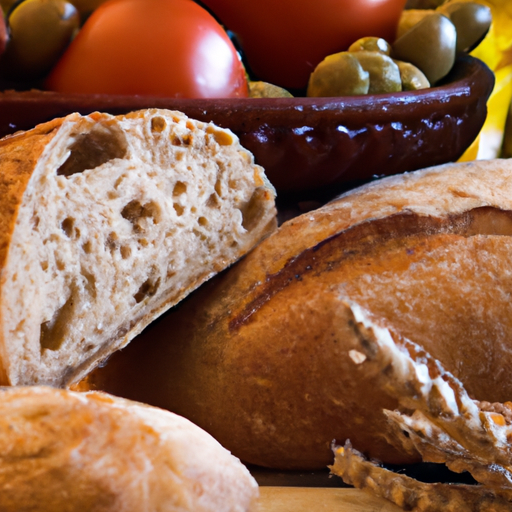
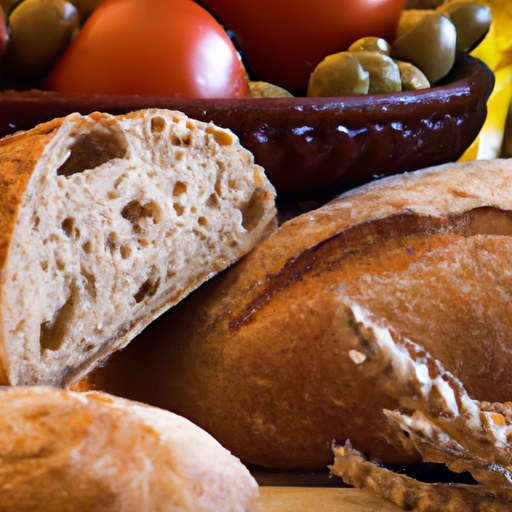
Bread is not just a side dish in the Mediterranean cuisine; it compliments and completes the meal. Whether used for dipping in olive oil or paired with fresh tomatoes and feta, its presence is undeniable.

Is Bread OK On Mediterranean Diet?

Health Benefits of Bread in the Mediterranean Diet

Bread, especially when made from whole grains, offers a host of health benefits within the Mediterranean Diet.

Carbohydrates and Energy Supply

The carbohydrates in bread provide a steady stream of energy throughout the day, preventing sugar crashes and promoting overall vitality.

Fiber Content and Digestive Health

Higher fiber content in whole grain bread can aid digestion and keep you feeling satiated longer.

Role in Weight Management

Whole grain bread, loaded with fiber and complex carbohydrates, can help manage weight by curbing overeating and keeping you feel full.

The Right Bread for the Mediterranean Diet

While bread is certainly part of the Mediterranean diet, the right type of bread can make all the difference.

Preference for Whole Grain Bread

The Mediterranean diet prefers whole grain bread, as it retains all parts of the grain — the bran, germ, and endosperm. Foods made from these grains are rich in fiber, helping you feel full and ensuring a healthy digestive system.

Avoidance of Processed Bread with Refined Sugar

Processed bread with refined sugars are not the healthiest choice. These bread types are lower in nutrients and can lead to blood sugar spikes.

How to Choose the Right Bread

When choosing bread, always check the ingredient list. Look for whole grain as the first ingredient, and avoid options with added sugars.

Limitations and Preparation Tips

Even with the right type of bread, understanding portion control and pairing is important within the Mediterranean diet.

Understanding Portion Control with Bread

Bread is nutrient-rich, but it’s also high in carbohydrates, so keeping portion sizes moderate is key to maintaining a balanced diet.

Pairing Bread with Protein and Fats

Pairing bread with healthy proteins and fats, like hummus or avocado, can balance its high-carb content and provide a more nutritionally rounded meal.

Influence of the Mediterranean Lifestyle

Beyond nutrition, the Mediterranean diet is about embracing an overall healthy lifestyle.

The Sociocultural importance of Bread

In many Mediterranean cultures, sharing bread is seen as a sign of friendship and hospitality, underlining its sociocultural relevance.

Bread and Family Meal Times

Family meal times are an important aspect of the Mediterranean lifestyle. They share bread and meals together, fostering healthy eating habits and bonding time.

The Role of Bread in Celebrations and Traditions

Bread often has a traditional role in holidays and celebrations, signifying abundance and life.

Impact of the Mediterranean Diet on Health

Incorporating the Mediterranean diet, including whole grain bread, can have a profound impact on overall health.

Chronic Disease Prevention

Following the Mediterranean diet has robust associations with reduced risks of heart disease, Metabolic Syndrome, Type 2 Diabetes, and certain types of cancers.

Longevity and Wellness

The Mediterranean diet promotes overall wellness and longevity, with many attributing their long, healthy lives to these dietary choices.

Benefits for Children’s Health

Introducing the Mediterranean diet to children can instill healthy eating habits and foster long-term benefits, promoting growth and cognitive development.

Bread Alternatives in the Mediterranean Diet

When you desire variety, or if you don’t consume bread for any reason, there are many tasty alternatives in the Mediterranean diet.

Introduction to Mediterranean Grain Alternatives

Falafel, lentils, couscous, and quinoa are wonderful grain alternatives, each offering unique flavors and nutrient profiles.

Incorporation of New Grains

Incorporating these grain alternatives into your diet can supplement your nutritional intake and add diversification to your meals.

Conclusion: Balance and Variety

The Mediterranean diet is about balance and variety. It encourages you to enjoy a wide range of foods in moderation, including bread.

Maintaining a Balanced Diet

Eating a balanced diet means enjoying all food groups in the right proportions. It’s okay to indulge in your favorite bread, as long as it balances with the rest of your diet.

Enjoying the Variety in the Mediterranean Diet

The Mediterranean diet offers a luscious variety of foods to enjoy. Whether it’s bread, grains, produce, or proteins, each meal is a celebration of flavor and health.

In conclusion, yes, bread is perfectly okay in the Mediterranean diet. It’s all about choosing the right kind, pairing it well, and watching the portion size. This way, you can enjoy the benefits of bread as part of a healthy and delicious Mediterranean diet.

August 4, 2023 Health & Fitness

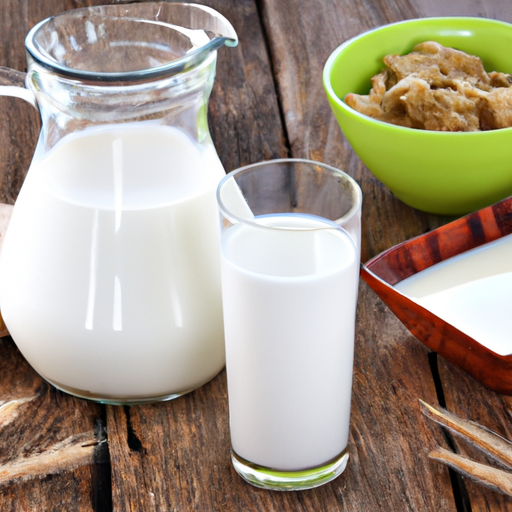
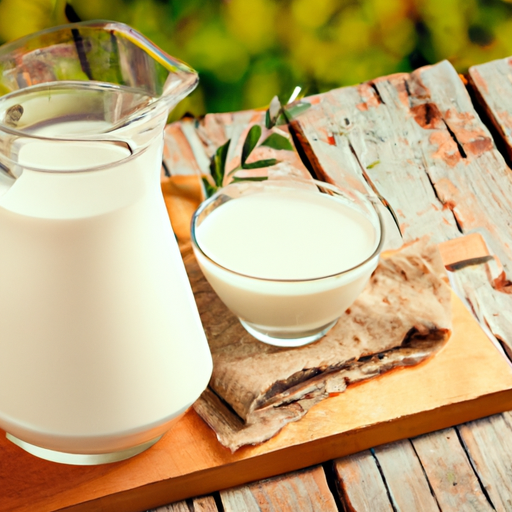
Do You Drink Milk On The Mediterranean Diet?

In this friendly discussion about the Mediterranean Diet, you’ll learn whether milk fits into this popular meal plan. As we navigate through this topic, your understanding of how dairy products align with Mediterranean dietary principles will grow. Insights into health benefits and how to incorporate this diet into your family meals will also be revealed. Let’s explore this together!

Do You Drink Milk On The Mediterranean Diet?

Understanding the Mediterranean Diet

Diet components and its philosophy

The Mediterranean diet is not just a way of eating but embodies a total lifestyle that celebrates quality produce, active living, and the joys of sharing food with family. It’s grounded in the traditional cuisines of the countries bordering the Mediterranean Sea, emphasizing vegetables, fruits, whole grains, legumes, lean proteins, and healthy fats, most notably olive oil.

How it supports active and healthy living

Adopting a Mediterranean lifestyle means embracing physical activity and mindful eating. Daily exercise boosts cardiovascular health and overall well-being while fresh, nutrient-rich food fuels the body.

Role of Dairy in the Mediterranean Diet

Importance of dairy

Dairy, including milk, plays a crucial role in the Mediterranean diet. Traditionally, dairy furnish our bodies with macronutrients like fat and proteins, and essential micronutrients, including calcium, potassium, and vitamins A and D.

Types of dairy used in the diet

The Mediterranean diet primarily incorporates fermented and aged dairy products such as yogurt and cheese, but milk also has its place in this well-balanced diet.

Milk in the Mediterranean Diet

Why milk is included in dietary choices

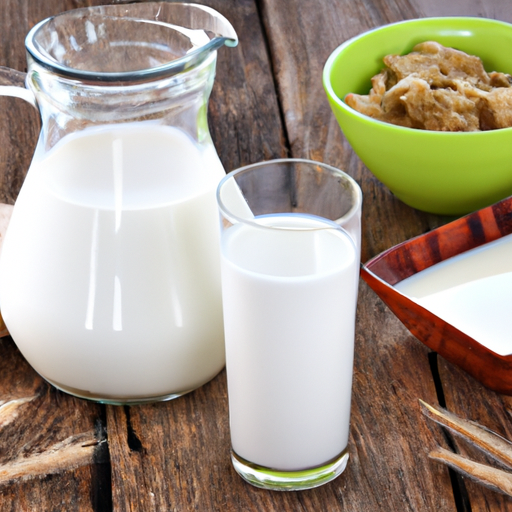
Milk nourishes your body with key nutrients and promotes a sense of satiety, making you feel full. Its inclusion in the Mediterranean diet contributes to a balanced nutritional profile that fuels active and healthy living.

Types of milk preferred in the diet

The Mediterranean diet typically favors milk from sheep or goats which have a distinct flavor and nutritional profile as compared to cow’s milk commonly consumed in other parts of the world.

Do You Drink Milk On The Mediterranean Diet?

Nutritional Value of Milk

Nutrients found in milk

Besides being a good source of protein, milk is also rich in calcium for strong bones, iodine for boosting metabolism, and vitamins B2 and B12 for energy production.

Health benefits linked to milk consumption

Regular consumption of milk, as part of a varied and balanced diet, may help to prevent osteoporosis, manage weight, sustain muscle mass, and maintain heart health.

How to Incorporate Milk in the Mediterranean Diet

Creating balanced meals with milk

Milk can be easily integrated into your Mediterranean diet. Start your day with a bowl of whole-grain cereal coupled with fresh fruits and milk. Use it in soups and sauces or enjoy a glass of warm milk steeped with spices like cinnamon or turmeric as a comforting nighttime beverage.

Replacing other drinks with milk

Opt for a glass of milk or a dairy-based smoothie for your snacks, instead of sugar-laden juices or sodas. This swap will not only satiate your hunger but also provide essential nutrients.

Choosing the Right Milk for the Diet

Varieties of milk and their benefits

Milk varieties include full fat, low fat, and non-fat milk, each with its unique benefits. While full-fat milk offers a rich flavor and texture, low fat, and non-fat milk give you the same essential nutrients with fewer calories.

What to consider when selecting milk

When selecting milk, consider your health goals, taste preference, and dietary needs. If you have certain health concerns like high cholesterol, opt for lower-fat options or plant-based milk.

Sharing High Quality Food with Family

Teaching children about healthy eating

The Mediterranean diet doesn’t just nourish your body, it enriches your lifestyle too. Use this opportunity to educate your children about the importance of good nutrition and instill healthy eating habits that will last a lifetime.

Enjoying meals as a family affair

Savoring meals with family nurtures bonds and fosters gratitude. Let milk be a part of your family’s dining table, adding richness to your culinary creations and healthiness to your life.

Alternatives to Milk in the Mediterranean Diet

Options for lactose intolerant individuals

If you are lactose intolerant, you can explore options such as lactose-free cow’s milk or plant-based alternatives like almond milk, soy milk, or oat milk. Each has unique flavors and nutritional advantages.

Non-dairy sources of similar nutrients

For those avoiding dairy completely, good calcium sources include leafy greens, broccoli, and fortified foods. Protein can still be obtained from legumes, nuts, and seeds or lean meats if you’re non-vegetarian.

Common Misconceptions about Milk and Dieting

Debunking milk-related myths

Contrary to popular belief, milk isn’t fattening if consumed in moderation. It’s packed full of essential nutrients and can be part of a balanced diet.

Understanding healthy consumption of milk

Like most things, moderation is key. Over-consuming milk, even though it’s nutritious, may lead to unwanted health issues. Serve it in appropriate portions, especially for children.

Conclusion

Balancing dietary intake for long-term health

Remember, your overall eating pattern is more important than individual foods. Incorporate various food groups in your diet to achieve long-term health and resistance against diseases.

How the Mediterranean diet contributes to active family lives

Adopting the Mediterranean Diet is a commitment to live actively, eat healthier, and cultivate positive food experiences with your loved ones around the table. The question isn’t really if milk fits into the Mediterranean Diet, but how you choose to integrate it into your meals and share it with your family for a bounty of health benefits. So yes, enjoy your milk in the Mediterranean Diet!

August 4, 2023 Diet and Nutrition

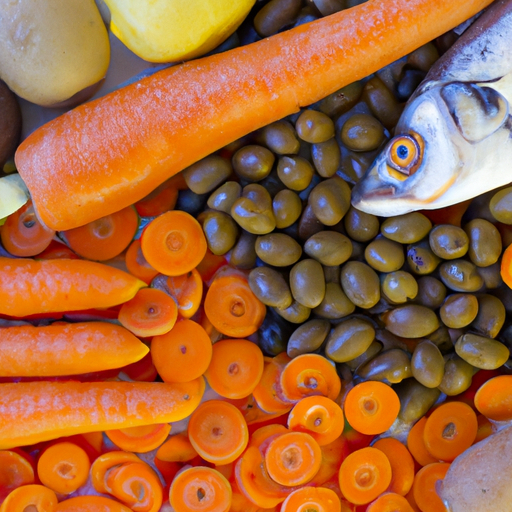
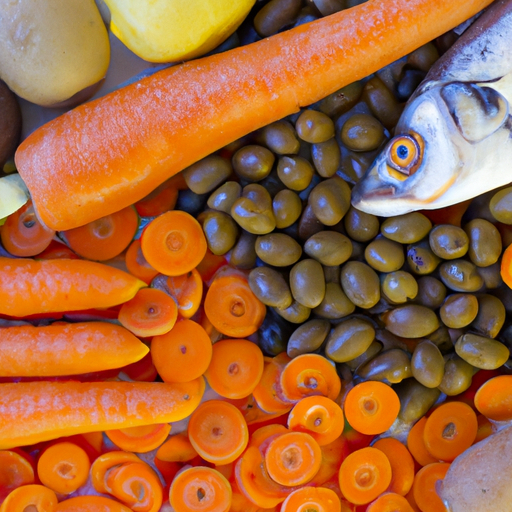
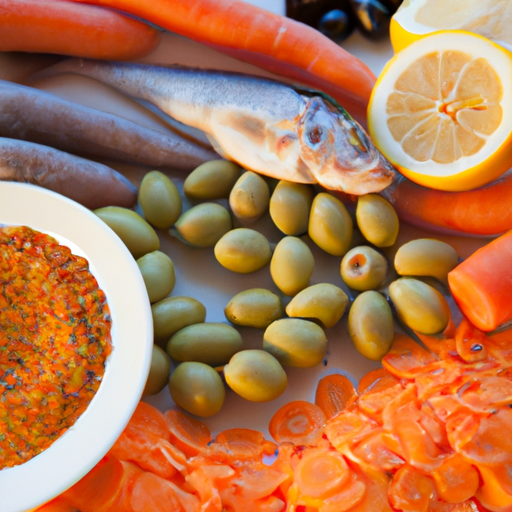
Are Carrots Allowed On The Mediterranean Diet?

In this friendly chat, you will discover the place of carrots in the Mediterranean diet. Not only will you gain insight into whether carrots fit into this diet, but the health benefits they potentially bring. Throughout, we’ll also touch upon JD’s personal journey and the wider scope of quality family food time. This knowledge may well enrich your own experiences with the Mediterranean diet.

Are Carrots Allowed On The Mediterranean Diet?

Understanding The Mediterranean Diet

Are carrots allowed on the Mediterranean diet? This is a question you may ask yourself considering how essential these root vegetables are in maintaining a balanced diet. Fortunately, the Mediterranean diet, celebrated worldwide for its versatility, allows a variety of vegetables, carrots included. The Mediterranean diet mainly comprises plant-based foods, lean proteins, whole grains, healthy fats, and robust red wine.

Main Components of the Mediterranean Diet

The Mediterranean diet is plentiful in fruits, vegetables, lean meat, fish, and low-fat dairy. Crucial components include legumes, whole grains, and healthy fats like olives and olive oil. This diet often substitutes olive oil for butter and spice-infused herbs for salt, resulting in heart-friendly meals that don’t compromise flavor.

Key Benefits of the Mediterranean Diet

The benefits of the Mediterranean diet extend beyond weight management. It assists in maintaining heart health, reducing the risk of developing diabetes, decreasing the probability of certain types of cancer, and promoting longevity. All these benefits can be achieved while enjoying a diversity of delicious foods. To optimize these benefits, let’s focus on a particular vegetable of interest – the carrot.

Carrots on The Mediterranean Diet

Importance of Carrots in a Balanced Diet

Nutritionists often term carrots as ‘superfood.’ And rightly so; carrots are nutrient-dense but low in calories and loaded with vitamins A, C, K, and vital minerals. These nutrients act as antioxidants, improving eye health, boosting the immune system, and reducing chances of chronic illnesses.

How Carrots Meet Criteria of Mediterranean Diet

Carrots deliver the richness of the Mediterranean diet’s essence – healthful, plant-based foods. They can be eaten raw as a snack, roasted as a side dish, blended into a soup or salad, or even used in baking. Carrots are an affordable, available, and versatile kitchen staple that fits seamlessly into the Mediterranean diet.

Health Benefits of Carrots

Nutritional Profile of Carrots

A single carrot offers a remarkable amount of Vitamin A, which is excellent for vision. It provides ample fiber, aiding digestion, and beta carotene, an antioxidant. Furthermore, it is rich in potassium, Vitamin K1, and antioxidants, all essential for optimal bodily functions.

Role of Carrots in Disease Prevention

Due to their high antioxidant content, carrots are known to help reduce the risk of various types of cancer. They also aid in blood sugar control, delay the aging process, and contribute to lower cholesterol levels.

Are Carrots Allowed On The Mediterranean Diet?

Incorporating Carrots into the Mediterranean Diet

Serving Suggestions for Carrots

Whether you prefer your carrots cooked or raw, there are endless ways to include them in your recipes. From smooth carrot soup to a crunchy carrot and beetroot salad, from carrot-based hummus to roasted carrots as a side-dish – your options are endless.

Cooked Vs. Raw Carrots

While raw carrots retain more vitamins and are perfect for salads and snacks, cooked carrots are easier to digest and can help your body absorb more beta carotene.

Dealing With Family Food Preferences

Engaging Children with Carrot-Based Recipes

Fussy eaters at home? No problem. Engage your children by getting them involved in cooking. Turn your carrots into fun shapes, or blend them into smoothies. Their subtly sweet taste will be a hit with your children.

Adapting Traditional Family Recipes with Carrots

Carrots can easily adapt to various cooking styles, from baking to soups to salads, without compromising the distinct taste of your traditional family recipes. It’s an excellent way to sneak in those nutrients!

Meal Planning with Carrots on the Mediterranean Diet

Grocery Shopping Tips to Optimize Your Carrot Purchase

When purchasing carrots, opt for those with vibrant colors, as they are a sign of freshness. Also, choose ones with smoother skin as they’re easier to peel and clean.

Meal Preparation Tactics and Techniques

Batch cooking helps save time. You can chop or grate carrots in large quantities and refrigerate them for easy use throughout the week. Mixing carrots with other vibrant vegetables adds both flavor and color to your dishes.

The Science Behind the Health Benefits of Carrots

Scientific Research Supporting Carrots in Diet

Numerous studies have strongly associated carrot consumption with a lowered risk of certain types of cancer. Other research supports the role of carrots in improving eye health.

Long Term Health Benefits of Regular Carrot Consumption

Regular carrot consumption is connected to long-term health benefits like improved vision, better digestion, and the potential for disease prevention.

Seasonal Impact on Carrot Consumption

Best Seasons for Fresh Carrots

Carrots are usually harvested in the late summer and early fall. However, they’re available throughout the year in most grocery stores.

Alternatives to Fresh Carrots During Off-Season

In the off-season, you can opt for frozen or canned carrots. Ensure that they do not contain added sugars or salts.

Conclusion

Carrots: A Vital Addition to the Mediterranean Diet

Yes, carrots are indeed allowed and are an essential asset to the Mediterranean diet. Their versatility and nutritional value mean they can easily be incorporated into various dishes.

Sustaining Long Term Health and Wellness with the Mediterranean Diet

The Mediterranean diet signals a way of eating that is as nourishing as it is superbly delicious. It is a way of sustaining health and wellness while enjoying an array of flavors. Adopt this vibrantly diverse diet, and don’t forget to add those carrots! They offer delightful crunch, flavor, and more importantly, unparalleled nutritional benefits.

August 4, 2023 Health & Wellness

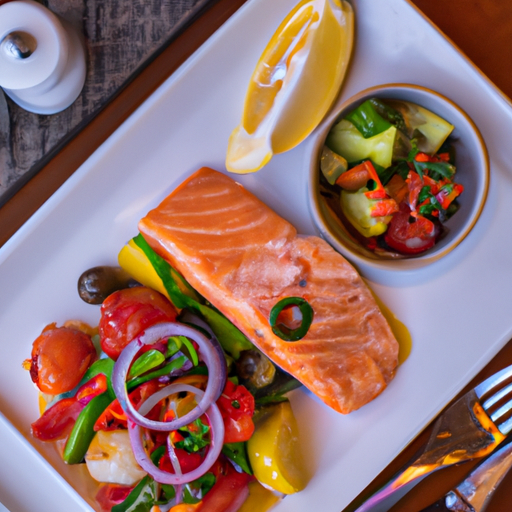
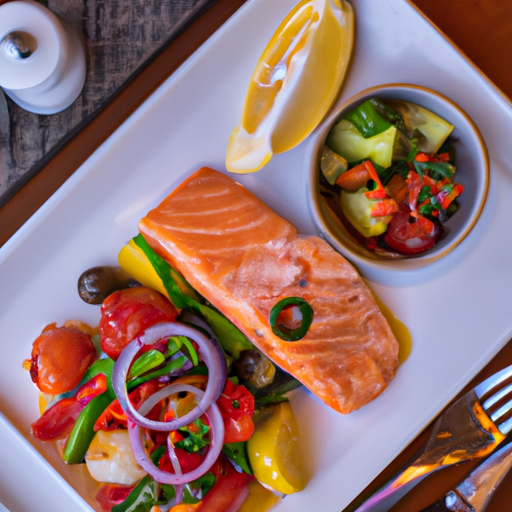
Is Salmon Part Of The Mediterranean Diet?

You’re about to explore the intriguing relationship between salmon and the Mediterranean diet. In this article, you’ll learn if salmon fits into this renowned diet and understand its potential health benefits. Your guide will be JD, who is passionate about the Mediterranean diet as a key to longevity and quality family time. Enjoy this journey into the heart of healthy cuisine.

Is Salmon Part Of The Mediterranean Diet?

Understanding the Mediterranean Diet

The Mediterranean Diet is renowned across the globe for its emphasis on fresh, seasonal, nutrient-rich foods that favor health and wellbeing. This diet principally takes inspiration from the dietary practices of individuals residing in Italy, Greece, and Spain who are known for their longevity, reduced rates of chronic diseases, and exceptional quality of life.

Key principles of the Mediterranean Diet

Fundamentally, the Mediterranean Diet is characterized by high consumption of vegetables, fruits, whole grains, beans, nuts, seeds, and olive oil. While red meat is limited, fish and poultry serve as the primary sources of protein, accompanied by a moderate consumption of dairy products. This diet also celebrates the joy of sharing meals with family and friends, walking and being active, and savoring a glass of red wine.

Health benefits of the Mediterranean Diet

Over the years, numerous scientific studies have vouched for the countless health benefits of the Mediterranean Diet. From improving heart health, aiding weight loss, controlling blood sugar levels, to preventing cognitive disorders, the Mediterranean Diet is a comprehensive lifestyle habit that prioritizes overall wellbeing.

Incorporating Fish into the Mediterranean Diet

Given the geographic location of the Mediterranean region, it’s not surprising that fish finds a special place in the Mediterranean Diet.

Recommended fish varieties in the Mediterranean Diet

The Mediterranean diet encourages the regular intake of fish, especially the fatty varieties like mackerel, sardines, albacore tuna and, of course, salmon.

Importance of Omega-3 fatty acids

These fish varieties are prominent for their high content of Omega-3 fatty acids which is vital for brain health, reducing inflammation, and lowering the chances of heart disease.

Role of Salmon in the Mediterranean Diet

Among all the fish varieties, salmon often steals the spotlight for its remarkable nutritious profile.

Nutritional value of Salmon

Salmon is packed with high-quality protein, various B-vitamins, antioxidants, and a substantial amount of Omega-3 fatty acids.

Health benefits of consuming Salmon

Frequent consumption of salmon can potentially reduce the risk of heart disease, aid in weight control, fight inflammation, and protect mental health.

Is Salmon Part Of The Mediterranean Diet?

Incorporating Salmon into the Mediterranean Diet: Practical Tips

How often to consume Salmon in the Mediterranean Diet

Typically, the Mediterranean Diet recommends eating fish at least twice a week. You can easily include salmon in your meals keeping this frequency in mind.

Healthy ways to prepare salmon

Grilled, baked, smoked, or steamed — there are endless ways to prepare salmon. Just remember to cook it with heart-healthy fats like olive oil and garnish with plenty of herbs and spices for added flavor and health benefits.

Delicious Mediterranean Diet Salmon Recipes

Simple grilled salmon with herbs

A classic dish that’s easy to prepare and packed full of flavors. Grill your salmon fillet and season with fresh herbs like rosemary, thyme, and tarragon for a delightful family meal.

Mediterranean salmon salad

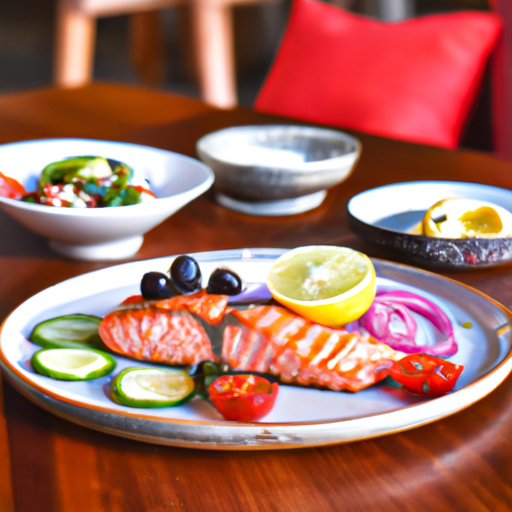
This refreshing recipe combines grilled salmon with mixed greens, olives, tomatoes, cucumbers, and feta cheese, dressed with olive oil and lemon juice.

Baked salmon with Mediterranean spices

A hearty dish where salmon is baked to perfection with a medley of Mediterranean spices, lemon slices, and fresh parsley.

Salmon and Sustainability

Working towards sustainable consumption

As you relish delicious salmon, remember to opt for sources that adhere to sustainable fishing methods to maintain a healthy balance in our marine ecosystems.

Choosing environmentally friendly salmon

Whenever possible, choose wild-caught salmon over farmed ones as the former tend to have less environmental impact and fewer contaminants.

Alternatives to Salmon in the Mediterranean Diet

Other fish to consider

While salmon is highly beneficial, variety is key in any diet. Consider rotating your fish intake with other fatty fish like mackerel, sardines, and albacore tuna.

Why variety is important in diet

Choosing different varieties ensures you’re getting a wide spectrum of nutrients, thereby maximizing the health benefits.

The Family Factor: Sharing Healthy Meals

Incorporating salmon into family meals

Involve your family in meal preparation and incorporate salmon, along with other ingredients, into daily meals. This not only enhances the familial bond but also instills healthy eating habits.

Creating a culture of health and wellness in the family

Sharing a salmon meal isn’t just about nourishment; it’s a step to instill a culture of wellness, encouraging individuals to make healthier dietary choices.

The Impact of the Mediterranean Diet on Long-term Health

Lifestyle diseases prevented by the Mediterranean Diet

By embracing the Mediterranean Diet, you can effectively ward off lifestyle diseases such as obesity, heart disease, hypertension, and type 2 diabetes.

Enhancing longevity and quality of life

With its emphasis on nutrient-rich foods, moderate physical activity, and social eating, the Mediterranean Diet aids in enhancing longevity and uplifts the quality of life.

Conclusion

How salmon fits into the long-term health goals

As an integral part of the Mediterranean Diet, consuming salmon contributes significantly to your long-term health goals.

Reaping the full benefits of the Mediterranean Diet

To sum up, when consumed as part of the Mediterranean Diet, salmon is a powerhouse of nutrition that aids in disease prevention, health maintenance, and enriched wellbeing.

So, to answer the question – Is salmon part of the Mediterranean diet? Absolutely! Incorporate it into your diet, savor its exceptional taste and start reaping its ample health benefits.

August 4, 2023 Diet and Nutrition

Is Cheese Allowed On Mediterranean Diet?

Welcome to this enlightening discussion on whether cheese is part of the Mediterranean diet or not. Through this read, you’ll gain accurate insights into the role and types of cheese that align with this specific diet, all while highlighting the perks of the health-focused Mediterranean lifestyle. So, get ready to explore an enjoyable facet of family-focused, high-quality nutrition!

Is Cheese Allowed On Mediterranean Diet?

Understanding the Mediterranean Diet

The Mediterranean diet is a way of eating that is inspired by the traditional diets of the countries bordering the Mediterranean Sea. This diet emphasizes the consumption of fruits, vegetables, whole grains, legumes, and olive oil. It also includes moderate amounts of fish, poultry, and red wine, as well as low to moderate amounts of dairy products.

Core components of the Mediterranean Diet

The primary contributors to the Mediterranean plate are plant-based foods like fruits, vegetables, whole grains, legumes, and nuts. Olive oil is also a crucial element and acts as the main source of added fat in the diet.

Benefits of the Mediterranean Diet

The Mediterranean Diet has been recognized for its multiple health benefits. These include promoting heart health, aiding weight loss, managing diabetes, and potentially preventing dementia. In particular, key components of the diet, like antioxidants from fruits and vegetables, promote cellular health and fight against oxidative stress and inflammation.

Role of Dairy in the Mediterranean Diet

Importance of Dairy

While the Mediterranean Diet is low in dairy compared to other diets, it’s still a part of the meal plan. Dairy is an excellent source of protein, vitamins, and minerals, especially calcium and vitamins A & D.

Preferred types of dairy on the Mediterranean Diet

The Mediterranean Diet favours fermented dairy products, such as cheese and yogurt, over milk. These products are considered more digestible and beneficial due to the probiotics they contain.

Inclusion of Cheese in the Mediterranean Diet

Types of cheese suitable for the Mediterranean Diet

In the Mediterranean diet, cheeses like feta, ricotta, mozzarella, and parmigiano-reggiano are preferred. These cheeses are traditionally produced and contain a host of beneficial nutrients.

Rationale behind cheese as a permissible food item

Cheese is allowed in the Mediterranean Diet due to its nutritional benefits. It’s a good source of calcium, protein, and vitamin B12, among other nutrients.

Is Cheese Allowed On Mediterranean Diet?

Health Benefits of Cheese in a Mediterranean Diet

Contribution of cheese to nutritional value

Consuming cheese can increase your intake of essential nutrients. It’s rich in calcium, phosphorus, and vitamins A and B12.

Health advantages associated with cheese consumption

Studies suggest that fermented dairy foods, such as cheese, may support heart health, digestion, and inflammation reduction.

Understanding Portion Sizes and Consumption Frequency

Importance of portion control in the Mediterranean Diet

Like all food, moderation and portion control are essential when consuming cheese. Consuming it in excess can lead to increased calorie and saturated fat intake.

Recommended frequency of cheese consumption

Cheese can be consumed daily on the Mediterranean Diet, but in moderate quantities.

Cheese Alternatives in the Mediterranean Diet

Non-dairy alternatives for those with lactose intolerance or allergies

For those with allergies or lactose intolerance, dairy-free alternatives like tofu or plant milk can provide a similar taste profile and some nutritional value.

Choosing the right non-dairy cheese substitute

When choosing a substitute, consider nutritional facts, texture, melting quality, and taste.

Incorporating Cheese in the Mediterranean Diet Recipes

Creating balanced meals with cheese

Cheese should be used as a flavorful garnish in salads or as a critical ingredient in dishes like moussaka or stuffed vegetables.

Healthy and tasty Mediterranean recipes using cheese

Some recipes to explore include Greek salad with feta, spinach and ricotta pie, and eggplant parmesan.

The Impact of Cheese on Long Term Health

Influence of cheese consumption on heart health

Moderate intake of cheese may contribute to heart health due to its concentration of beneficial nutrients such as calcium and protein.

The role of cheese in maintaining bone health

Cheese is rich in calcium and vitamin D, which are essential for bone health.

Promoting Family Health with the Mediterranean Diet

Encouraging family participation in the Mediterranean Diet

The Mediterranean diet, with its emphasis on whole foods and family meal times, provides an excellent opportunity for children to learn about healthy eating habits.

Tips for making the Mediterranean Diet appealing to children

Making colorful salads, incorporating fruits into desserts, and allowing children to participate in food preparation can increase their interest.

Conclusion

How cheese augments the nutritional value of the Mediterranean Diet

As part of the Mediterranean diet, cheese not only adds flavor and richness to dishes but also provides essential nutrients, contributing to overall health.

The role of a balanced diet in a healthy and active lifestyle

An active lifestyle and a balanced diet lead to optimal health. The Mediterranean diet, complete with regular and mindfully measured cheese consumption, can be a sustainable way of living, promoting long-term health and wellbeing.

August 3, 2023 Health & Wellness

Can You Eat Unlimited Vegetables On Mediterranean Diet?

You may be wondering whether the Mediterranean Diet allows you to consume unlimited vegetables. Throughout this article, you’ll gain an understanding of this diet’s approach to vegetable consumption and how it fits into a balanced lifestyle. Expect an exploration of the key principles of the Mediterranean Diet and why vegetables hold such importance. Bear in mind, our focus is to ensure you and your family maintain your long-term health without compromising on the quality of the food you share.

Can You Eat Unlimited Vegetables On Mediterranean Diet?

Understanding the Mediterranean Diet

The Mediterranean diet, a popular dietary regime globally, originates from the typical eating habits of people living in the Mediterranean regions like Italy, Spain, and Greece.

Origins of the Mediterranean Diet

This diet pattern is rooted in the traditional foods that people used to consume in the countries surrounding the Mediterranean Sea. Unlike some other diet plans, the Mediterranean diet is more of a lifestyle that promotes eating healthy, balanced meals and sharing them with family and friends.

Key Components of the Mediterranean Diet

The Mediterranean diet is primarily plant-based. It heavily urges the consumption of fruits, vegetables, legumes, grains, olive oil, and a moderate amount of fish and poultry. Less emphasis is placed on dairy products, red meat, and sugary foods.

Health Benefits Associated with the Mediterranean Diet

This diet boosts your health in many ways by reducing the risk of cardiovascular disease, controlling blood pressure and blood sugar levels, and aiding weight loss. The antioxidant-rich vegetables have robust cancer-preventing attributes. Besides, adhering to this diet keeps your brain healthy and delays the onset of Alzheimer’s and Parkinson’s diseases.

Role of Vegetables in the Mediterranean Diet

Most Commonly Used Vegetables in the Mediterranean Diet

A plethora of vegetables, including leafy greens, tomatoes, cucumbers, zucchini, eggplant, bell peppers, onions, peas, and lentils, form the bulk of the Mediterranean diet.

Nutritional Profile of These Vegetables

These veggies are filled with essential vitamins, minerals, and fiber that support overall wellness. They are also packed with antioxidants that fight against inflammation and shield against chronic diseases.

How They Contribute to Improved Health and Longevity

Vegetables, thanks to their high fiber content, boost digestion, reduce bad cholesterol, and make you feel full for longer periods, thereby aiding weight management. Also, their rich nutrient density supports optimal body functioning and longevity.

Eating Unlimited Vegetables on the Mediterranean Diet: A Deeper Insight

Feasibility of Eating Unlimited Vegetables

While the Mediterranean diet encourages a significant intake of vegetables, you might wonder, can you eat unlimited vegetables? The short answer to this is—yes. However, this doesn’t mean you only eat veggies all day.

Potential Impact on Caloric and Nutrient Intake

Intake of too many vegetables might fill you up and lower your overall caloric intake. It could potentially restrict the consumption of other important food groups that the body requires.

The Importance of Diversified Diet

Remember, a healthy diet is a diversified diet. It is the interplay of various nutrients from different food sources that contribute to vibrant health, not just one food category.

Can You Eat Unlimited Vegetables On Mediterranean Diet?

Balancing Quantity and Quality in the Mediterranean Diet

Dangers of Excessive Consumption, Even for ‘Healthy’ Food Items

Even though vegetables are healthy, overdoing anything can have ramifications. Eating excessive vegetables can cause bloating, disrupt your digestive system, and may lead to nutrient imbalances.

The Role of Portion Control in the Mediterranean Diet

Portion control is crucial. Understanding the right serving size helps maintaining a balance between different food groups.

Understanding Quality in Terms of Food Preparation and Sources

Good quality vegetables, preferably organic, free from toxic additives, and adequately cooked, ensure that you derive maximum health benefits.

Evidence-Based Review of Unlimited Vegetable Consumption

Reviews of Studies on Unlimited Vegetable Intake

Research indicates that though vegetables are essential for good health, their overconsumption can sometimes lead to undesired metabolic fluctuations.

Pros and Cons as Suggested by Research

The pros of a substantial vegetable intake predominantly include enhanced digestive health, improved heart conditions, and protection against cancers. The cons are bloating, digestive discomfort, and potential nutrient imbalances.

Summary of What Scientists Suggest

Scientists suggest adopting a balanced approach. Consume plenty of vegetables but not at the expense of other healthy food groups.

Real-life Experiences and Reports

Testimonials from Those Following the Mediterranean Diet with Unlimited Vegetables

Many people have reported feeling healthier and more energetic since they started the Mediterranean diet, especially with the high vegetable intake.

Experts’ views on Unlimited Vegetable Intake in the Mediterranean Diet

Nutrition experts always recommend a diet rich in vegetables. However, they also emphasize incorporating a variety of fuel sources.

The Art of Family Meals in the Mediterranean Lifestyle

Significance of Family Meals in Mediterranean Regions

In Mediterranean cultures, much importance is bestowed upon consuming meals as a family. Sharing quality food with family reinforces bonds and makes meals an enjoyable experience.

Cultural Aspect of Sharing Quality Food

The cultural context of sharing quality food not only nurtures familial relationships but also imbibes in children the value of enjoying and appreciating food.

Family Meals and Children’s Health

Children develop healthy eating habits when they enjoy balanced, homemade meals with their family.

Tips for Following a Mediterranean Diet Plan

Planning Mediterranean Diet Meals

Planning your meals and including a mix of various nutrients is essential.

Balancing Your Diet with Other Sources like Grains, Fish, Oils

Though vegetables are a staple in the Mediterranean diet, they are balanced with whole grains, fish, olive oils, and moderate wine intake.

Cooking Methods Preferred in the Mediterranean Diet

Grilling, roasting, stir-frying or eating raw are preferred methods. This helps retain the nutrients in the vegetables.

Modifying the Mediterranean Diet to Suit Individual Needs

When You Might Need to Limit Vegetable Intake

If you suffer from specific health conditions that require limiting certain vegetables, tailor the diet accordingly.

Understanding Personal Nutritional Needs

Everyone has unique nutritional needs. Understand yours and modify your food intake suitably.

Role of Professional Guidance in Diet Modifications

Always seek professional help if you need to make significant changes to your diet.

Conclusion: Incorporating the Mediterranean Diet in Your Lifestyle

Taking a Balanced Approach

The key to adopting the Mediterranean diet is balance. Enjoy an abundance of vegetables but remember to incorporate other key nutrients as well.

Advantages of Incorporating the Mediterranean Diet

The Mediterranean diet is a roadmap to healthy eating habits that can protect you against many chronic diseases and enhance your overall wellbeing.

Seeking Medical Advice before Drastic Dietary Changes

Always consult a healthcare professional before making any significant alterations to your diet. They can help ensure that you’re meeting your nutritional requirements without jeopardizing your health.

Can you eat unlimited vegetables on the Mediterranean diet? Absolutely, yes—but ensure that you are balancing them with other valuable food groups. This way, you’ll enjoy the broad spectrum of nutrients that your body needs to thrive.

  • « Go to Previous Page
  • Go to page 1
  • Interim pages omitted …
  • Go to page 45
  • Go to page 46
  • Go to page 47
  • Go to page 48
  • Go to page 49
  • Interim pages omitted …
  • Go to page 64
  • Go to Next Page »

Primary Sidebar

Hey y’all!

Hello and welcome to MediterraneanDietRecipes.net My name is JD, and I’m a 46-year-old father of three amazing children. My family is my world, and my main goal in life is to stay healthy and live long enough to see my children grow up, have children of their own, and to be an active, engaged, and supportive grandparent.

Being an older father, I understand that time is precious, and I want to make the most of it by ensuring that I am in the best possible shape physically, mentally, and emotionally. My journey started with a deep dive into the research on longevity and the lifestyle choices that can help me achieve my goals. Dig deeper →

Footer

Stay Connected

  • Bloglovin
  • Facebook
  • Instagram
  • Pinterest
  • Twitter

Copyright © 2026 · MEDITERRANEAN DIET RECIPES