• Skip to primary navigation
  • Skip to main content
  • Skip to primary sidebar
  • Skip to footer
  • Home
  • About
  • Recipes
  • Blog

Mediterranean Diet Recipes

Home » Blog

Blog

August 7, 2023 Diet and Nutrition

What Sweets Can I Eat On Mediterranean Diet?

As you explore the Mediterranean Diet, you might be wondering about the occasional indulgence in sweet treats. In this article, you’ll discover wholesome yet scrumptious choices that align with this diet. You’ll gain new ideas for satisfying your sweet tooth while maintaining your health and enjoying family meals. Stick with us to learn more!
What Sweets Can I Eat On Mediterranean Diet?

Understanding the Principles of the Mediterranean Diet

The core components of the Mediterranean diet revolve around plant-based foods such as fruits, vegetables, grains, legumes, and nuts. Olive oil, herbs, and spices are the main sources of fat, apart from fish and poultry that are consumed in moderate proportions. Red meat is limited, and when it comes to alcohol, a moderate amount of red wine is acceptable. The highlight of this diet is not just about what you eat, but how you eat – savoring every bite, relishing the flavors, and above all, enjoying the meal with your family.

How the Mediterranean diet contributes to long-term health

Research has consistently shown that following a Mediterranean diet can result in significant health benefits. These include a lower risk of heart disease, stroke, and other chronic diseases. One of the factors for this is the low consumption of saturated fats, and the high intake of fiber, antioxidants, and healthy monounsaturated fats.

Impact of Sweets on Health and Diet

Sugar, especially refined sugar, has generally gotten a bad reputation when it comes to health. Consuming too much of it can lead to weight gain, dental problems, and an increased risk of heart disease, among other health issues. But the key to maintaining a healthy balance is moderation. You shouldn’t deprive yourself entirely of sweets from your diet.

Incorporating Sweets into the Mediterranean Diet

One of the principles of the Mediterranean diet is moderation – even with sweets. Mediterranean cuisine often uses natural sweeteners like honey and fruits, instead of refined sugars.

Pairing sweets with other Mediterranean diet components for balanced meals

A secret to balancing out the inclusion of sweets into your Mediterranean meal plan is to ensure they complement the other components of your diet. For instance, pairing a sweet treat with a handful of nuts can help mitigate the sugar rush and keep your blood sugar levels stable.
What Sweets Can I Eat On Mediterranean Diet?

Healthy Sweet Treats in the Mediterranean Diet

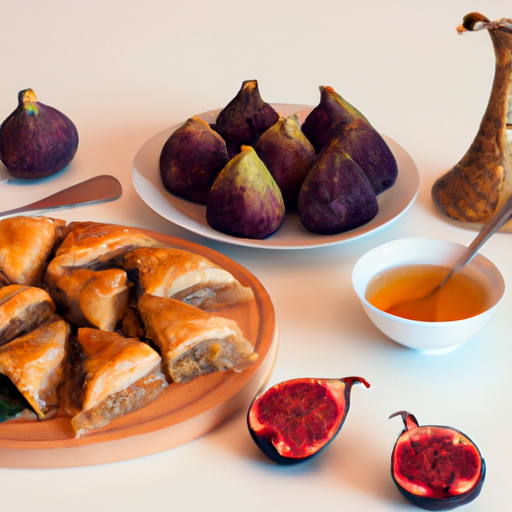
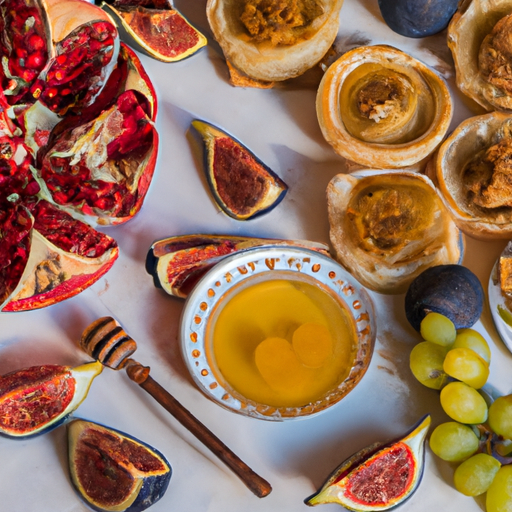
Fruits hold a special place in the Mediterranean diet, not only as a component of meals but also as a natural sweet fix. Honey, another natural sweetener, is often used not only in desserts but also in savory dishes. Dark chocolate, too, is a welcomed treat, when consumed in moderation.

Mediterranean Desserts to Satisfy Your Sweet Tooth

Traditional Mediterranean desserts often incorporate wholesome, simple ingredients like fruits, nuts, honey, and yogurt. Making these desserts at home let you control the amount and type of sweetener used.

Exercise and the Mediterranean Diet

Exercise plays a crucial role in the Mediterranean lifestyle. Regular physical activity improves metabolism, aids digestion, and helps to convert the food you eat into energy more efficiently – not just with sweets, but all kinds of foods.

Adapting Favorite Desserts to the Mediterranean Diet

With a few simple substitutions, you can make your favorite desserts fit into your Mediterranean diet. Try using honey or fruits instead of sugar to sweeten your treats. Experimenting with Mediterranean flavors can also help to add a new twist to your favorite desserts.

Family-Friendly Sweet Treats on the Mediterranean Diet

It’s vital to educate children about balanced sweets consumption within the context of a Mediterranean diet from a young age. Making Mediterranean-inspired desserts together as a family can make sweet treats feel like a rewarding experience, rather than a daily habit.

Eating Sweets on Mediterranean Diet: Case Studies

There are plenty of success stories where people have managed to incorporate sweets into their Mediterranean diet while maintaining their health. From individuals with a sweet tooth finding balance and satisfaction, to families enjoying sweet treats without compromising their health, it’s all about understanding moderation and making mindful choices.

Conclusion

No diet should entirely restrict you from enjoying your food – not even sweets. Follow the Mediterranean diet principles – moderation, choosing healthier alternatives like natural sweeteners over refined sugars, and incorporating an active lifestyle can all contribute to maintaining overall health while savoring the sweetness of life. After all, good health is about both physical wellness and the joy of eating. Enjoy your healthy sweet journey on a Mediterranean diet!


August 7, 2023 Diet and Nutrition

Can You Eat Turkey Lunch Meat On Mediterranean Diet?

In this friendly chat, we will discuss if turkey lunch meat fits into the Mediterranean diet plan. Throughout this article, we’ll explore the role of processed foods in this diet, and how turkey lunch meat particularly fares. You’ll come away with a clear understanding on how to maintain your health, enjoy quality food with your family, and stay true to the Mediterranean lifestyle.

Can You Eat Turkey Lunch Meat On Mediterranean Diet?

Understanding the Basics of the Mediterranean Diet

The Mediterranean diet is a way of eating that’s based on the traditional cuisines of countries bordering the Mediterranean Sea. Inspired by the eating habits of Greece, Southern Italy, and Spain in the 1940s and 1950s, it is a diet rich in fruits, vegetables, whole grains, legumes and olive oil.

Definition and Origin of the Mediterranean Diet

The Mediterranean diet is not actually a diet, per se. Rather, it is a lifelong habit. It’s considered a heart-healthy diet that’s associated with many health benefits, particularly the reduction of major chronic diseases.

Key Components of the Mediterranean Diet

Key components of the Mediterranean diet include eating primarily plant-based foods, such as fruits and vegetables, whole grains, legumes, and nuts. Replacing butter with healthy fats like olive oil and using herbs and spices instead of salt to flavor foods are also significant components.

Health Advantages of the Mediterranean Diet

Research has consistently shown that the Mediterranean diet is beneficial in reducing heart disease, preventing major chronic diseases, and improving life longevity. This primary aspect of the diet, heart health, is extremely important when considering longevity as a healthy family needs a healthy heart.

Exploration of Turkey as A Protein Source

Turkey is a protein-rich food. Turkey, particularly the white breast meat, is high in protein, low in calories and fat and is a good source of important nutrients like niacin and vitamin B6.

Nutritional Value of Turkey

Turkey is a lean source of protein. It is also low in fat and high in selenium, phosphorus, protein, and B vitamins.

Turkey vs. Other Protein Sources: A Comparison

Compared to other meats, turkey is leaner with less calories. Beef and pork can be high in unhealthy saturated fats, making turkey a healthier option.

Incorporating Turkey into a Balanced Diet

Turkey fits well into a healthy eating plan. It’s a versatile protein that you can prepare in various ways, making it an easy addition to meals.

Identifying the Place of Lunch Meats in a Healthy Diet

Lunch meats, also referred to as cold cuts or deli meats, can be a convenient source of protein but it’s important to choose them wisely to maximize their health benefits.

Understanding Processed Meats and Its Effects

Processed meats have been altered to extend shelf life or improve taste. Some processing methods can add in harmful fats, salts, or preservatives.

Picking the Right Lunch Meats

Choosing lunch meats that are low in sodium and fat while high in protein is a good strategy. Look for natural, lean lunch meats like turkey breast.

Moderation: The Key in Consuming Lunch Meats

Moderation is key. While convenient, it’s helpful to balance out your consumption of lunch meats with other protein sources and fresh foods.

Can You Eat Turkey Lunch Meat On Mediterranean Diet?

Can You Eat Turkey Lunch Meat on Mediterranean Diet?

Turkey is an allowed protein on the Mediterranean diet. Turkey breast, in particular, is a good choice for a source of lean protein.

Factors to Consider When Eating Lunch Meats in Mediterranean Diet

It’s crucial to choose turkey meat that is fresh and avoid processed meats as much as possible. Using herbs and spices as well as olive oil in your preparation is also in line with the Mediterranean style of eating.

Choosing the Right Lunch Meat: Turkey Breast Over Processed

Opt for low-fat, low-sodium varieties of turkey and focus on filling the majority of your plate with fresh vegetables and healthy grains according to Mediterranean Diet guidelines.

Mediterranean Diet And Family Meal Planning

Feeding your family the Mediterranean way is both a healthy and delicious choice.

Promoting Family Health with the Mediterranean Diet

Sharing high-quality food with loved ones becomes not just an experience, but a step toward longevity. It’s a lifestyle the whole family can benefit from and enjoy.

Creating a Mediterranean Diet Meal Plan for the Family

Combining the healthy food choices of the Mediterranean diet with regular physical activity and weight management tips can truly maximize your family’s health.

Involving the Family in the Mediterranean Diet Lifestyle

Involving your family in healthy eating habits can foster a love for nutritious food, and the Mediterranean diet is a great place to start.

Role of Family In Healthy Eating Habits

Family can play a huge role in developing healthy eating habits. Having family meals together, preparing food at home, and making healthy options available can greatly influence the eating habits of children and other family members.

Fostering a Love for Mediterranean Cuisine in Your Children

This takes time and patience, but it’s well worth the effort when you start to see your kids enjoying and even requesting healthy options.

Integrating Exercise in the Mediterranean Diet Lifestyle

Exercise is a fundamental aspect of the Mediterranean lifestyle. It is a vital part of balancing energy in and energy out.

Importance of Physical Activity in the Mediterranean Diet

Regular physical activity is an important component of the Mediterranean diet, along with a balanced diet. It helps you maintain a healthy weight, reduces your risk of heart disease, and can also improve your mental health.

Achieving a Balanced Lifestyle: Exercise and Mediterranean Diet

Achieving a balanced lifestyle involves both diet and exercise. They go hand in hand in promoting overall health and wellness.

Turkey Lunch Meat Recipes Suitable for Mediterranean Diet

Turkey is a versatile protein that fits well into the Mediterranean Diet, and it’s easy to whip up delicious, Mediterranean-inspired dishes.

Preparing Mediterranean Style Turkey Sandwich

Using a whole grain bread, load up your sandwich with lean turkey, fresh vegetables and avocados for added healthy fats.

Creating a Nutritious Turkey Salad Mediterranean Style

Combine diced turkey with your favorite Mediterranean ingredients like tomatoes, cucumbers, red onions, feta cheese, and olives. Dress it with olive oil and lemon juice, and you’ve got a refreshing and satiating salad.

Sustaining the Mediterranean Diet Lifestyle

The Lifestyle Choice: Making the Mediterranean Diet a Permanent Habit

Just remember, the Mediterranean lifestyle is just that – a lifestyle. It’s not just a temporary diet but a long-term commitment to health.

Enduring Challenges in Adhering to the Mediterranean Diet

As with any new regimen, it can be tough at first. But the rewards are long-lasting and well worth the effort. And remember, it’s more than just food, it’s about an overall healthy lifestyle.

Conclusion: Embracing the Mediterranean Diet for the Family’s Health

A positive and shared family mealtime atmosphere is an important factor in better nutrition and healthier choices.

Healthier and Happier Family with the Mediterranean Diet

The Mediterranean diet isn’t just about the food. It’s about making time to physically enjoy meals and the company of the people who eat with you.

Enriching Family Bond through Sharing High Quality Food

Food is meant to nourish our bodies and our spirits. So why not instill these great life lessons and traditions with the food that give us the best chance at having a healthy and harmonious life?

August 7, 2023 Food and Cuisine

What Is A Mediterranean Platter?

In this engaging article, you’ll get to know what a Mediterranean Platter is. A clear picture of this tantalizing assortment of healthy and delectable dishes will be painted, forming an integral part of the Mediterranean Diet. Throughout, you’ll learn about the beauty of sharing and enjoying such high-quality food with your family, emphasizing good health, active lifestyles, and the pleasure of communal eating. Always remember, the taste of food is doubled when shared with your loved ones!

What Is A Mediterranean Platter?

Understanding the Mediterranean Platter

When picturing a feast that represents both health and flavor, one can easily imagine a Mediterranean platter. But what exactly is it?

Definition of a Mediterranean Platter

A Mediterranean platter is characterized by the elements of the Mediterranean diet. It usually consists of a variety of colorful and fresh fruits and vegetables, whole grains, legumes, nuts, proteins, and most importantly, flavors that transport you to sun-kissed Mediterranean regions.

Origins of the Mediterranean Platter

The Mediterranean platter, much like the Mediterranean diet, originates from the dietary patterns of countries bordering the Mediterranean Sea. These include Greece, Italy, Spain, Morocco, and Lebanon, among others. It embodies the cultural heritage, agricultural bounty, and traditional cooking methods of these countries.

Variety on a Mediterranean Platter

An ideal Mediterranean platter is a colorful array of various foods representing the robust range of the Mediterranean diet. A variety of textures, colors, and flavors keeps your palate entertained and satisfied.

Components of a Mediterranean Platter

Fresh Fruits and Vegetables

Think of ripe tomatoes, cucumbers, peppers, avocados, and olives, along with fruits such as peach, grapes, and citrus fruits. The options are numerous and seasonally varied.

Whole Grains

Whole grains are an essential component, providing fiber and complex carbohydrates for sustained energy. Popular options are bulgur, farro, and couscous.

Legumes and Nuts

Chickpeas, lentils, almonds, and walnuts bring protein, fiber, and healthy fats to the table.

Protein Sources

Cheeses like feta, halloumi, seafood, poultry, and occasionally red meats provide the necessary proteins.

Popular Mediterranean Platter Dishes

Hummus and Baba Ganoush

These are popular spreads that are nutritionally dense and addictively tasty.

Dolmas and Falafel

These are flavorful finger foods, with dolmas being grape leaves stuffed with rice and falafel being crispy fried chickpea balls.

Mixed Olives and Feta Cheese

These make a deliciously briny addition, while cheeses provide a creamy contrast.

Grilled meats and Seafood

Skewered kebabs and grilled fish provide proteins to balance the more predominantly plant-based components.

What Is A Mediterranean Platter?

Health Benefits of a Mediterranean Platter

Rich in Nutrients

The Mediterranean platter is packed with vitamins, minerals, proteins, and fats – a well-rounded nutritional profile.

Heart Healthy

With a focus on plant-based foods and healthy fats, it is known to promote heart health.

Helps Maintain Healthy Weight

The high fiber content helps keep you full and aids in maintaining a healthy weight.

Promotes Longevity

With its high antioxidant level and low unhealthy fat content, the Mediterranean diet is often associated with longevity.

Preparing a Mediterranean Platter

Choosing High Quality Ingredients

With such a diverse selection of ingredients, quality matters. Choose fresh and organic where possible.

Balancing Flavors and Textures

A good Mediterranean platter should have a mix of crunchy, creamy, sweet, salty, and savory elements.

Creating a Visually Appealing Platter

Play with colors and shapes to create a visually enticing platter.

Serving a Mediterranean Platter

Ideal for Parties and Gatherings

Given its communal nature, the platter is an excellent choice for gatherings.

Pairing with Wines and Beverages

White or red wines, herbal teas, or refreshing cocktails all complement the flavors of the platter.

Emphasizing Communal Eating

The Mediterranean platter is meant to be shared, promoting bonds among family and friends gathered around the table.

JD’s Experience with the Mediterranean Platter

JD’s Introduction to the Mediterranean Platter

JD, the author and passionate promoter of the Mediterranean diet, was first introduced to the Mediterranean platter during a family trip to Greece.

How the Mediterranean Platter Became a Family Favorite

The vibrant colors, fresh flavors, and communal nature quickly made it a family favorite.

The Role of the Mediterranean Platter in JD’s Health

By incorporating the Mediterranean platter in his regular diet, JD noticed significant improvements in his overall health and well-being.

Mediterranean Platter, Family, and the Mediterranean Diet

Importance of Quality Food in Family Bonding

Sharing meals like the Mediterranean Platter promotes bonding. Discussions over hummus, olives, and falafel have made meal-time a cherished family routine.

Instilling Healthy Eating Habits in Children through the Mediterranean Platter

By incorporating a variety of healthy and tasty options, JD has successfully introduced his children to nutritious eating habits.

The Mediterranean Platter as a Tool for Introducing the Mediterranean Diet

For JD and his family, the Mediterranean Platter is more than food; it’s a tool for adopting the Mediterranean diet that champions good health and longevity.

Making the Mediterranean Platter a Part of Every Meal

Incorporating the Mediterranean Platter into Daily Meals

By including elements of the platter in daily meals, it is easily embedded into a routine.

Creative Variations of the Mediterranean Platter

By changing up components, one can get creative and keep the meals exciting.

Building a Community Around the Mediterranean Platter

Sharing ideas, recipes, and experiences around this nutritional powerhouse can foster a supportive community.

Conclusion: The Mediterranean Platter as more than Food

The Mediterranean Platter as a Lifestyle

It embodies a lifestyle that is healthy, delicious, and communal.

Embracing the Mediterranean Platter for Health and Family

Building a lifestyle around this ensures a healthy family and a stronger bond.

The Future of the Mediterranean Platter in Our Diet

The Mediterranean Platter has the potential to go beyond a trend, becoming a regular feature on our tables. Through this colorful and nutritious feast, we can empower ourselves and our families towards a healthier and happier future.

August 7, 2023 Health & Wellness

Does The Mediterranean Diet Include Breakfast?

You may be wondering, “Does the Mediterranean diet include breakfast?” In this article, you’ll get the answer to this question, learning about what a typical morning meal looks like in the Mediterranean diet. Along the way, you’ll discover the importance of high-quality food, healthy eating habits, and the joy of sharing meals with family and loved ones. Let’s embark on this enriching journey together.

Does The Mediterranean Diet Include Breakfast?

Does The Mediterranean Diet Include Breakfast?

Understanding the Mediterranean Diet

Origins and principles of the Mediterranean Diet

The Mediterranean Diet, named after the region it originates from, is not just a diet—it’s a way of life. Rooted in the culinary traditions of Greece, Southern Italy, and Spain, it emphasizes the consumption of plant-based foods, healthy fats, lean proteins, and whole grains. The emphasis is on fresh, seasonal, and locally-sourced foods, with minimal reliance on processed foods.

Key food groups in the Mediterranean Diet

The foundation of the Mediterranean Diet lies in whole grains, fruits and vegetables, legumes, nuts, and olive oil. Moderate consumption of poultry, dairy, eggs, and seafood is also encouraged, while red meat, processed meats, and sweets are to be eaten sparingly.

Health benefits of the Mediterranean Diet

The Mediterranean Diet is lauded for its numerous health benefits. Besides improved heart health and reduced risk of chronic diseases, it also aids in weight management and supports overall well-being.

Role of Breakfast in a Healthy Diet

Proven benefits of regular breakfast

Breakfast is often dubbed as the “most important meal of the day,” and rightly so. Starting your day with a balanced and nutrient-rich breakfast contributes toward maintaining a healthy weight, enhancing cognitive abilities, and improving overall physical performance.

Breakfast and physical fitness

A protein-rich breakfast supports muscle recovery and growth, providing you with energy for your daily exercise routine. It’s a necessary fuel that energizes your body to perform at its best.

Breakfast and mental well-being

Breakfast sets the tone for the day, impacting your mood and cognitive function. It helps in regulating blood sugar levels, which in turn influences your mental clarity and ability to focus.

About Mediterranean Breakfast

Typical ingredients found in a Mediterranean Breakfast

A typical Mediterranean breakfast is light yet satisfying. It includes whole grains (like bread), olives, tomatoes, cucumbers, cheese, yogurt, fruits, and a drizzle of olive oil.

How Mediterranean people approach breakfast

Mediterranean people see breakfast as an opportunity to nourish their body with healthful foods. The focus is on enjoying fresh, natural foods that provide sustained energy throughout the morning.

Practical examples of Mediterranean Breakfast

A fundamental Mediterranean breakfast includes whole grain bread with olive oil, fresh tomato slices, olives, and feta cheese. A Greek-style yogurt with honey, fruits, and nuts is a delightful and nutritious choice too.

Does The Mediterranean Diet Include Breakfast?

Family and the Mediterranean Breakfast

Importance of shared mealtimes in Mediterranean culture

In the Mediterranean culture, shared meal times stand as a pillar of familial bonds. Eating together promotes better eating habits, fosters healthier relationships, and encourages positive food experiences.

Ways to enjoy Mediterranean breakfast as family

It could be a simple yet hearty spread of whole grain bread, tomatoes, cheese, and olives or a leisurely weekend brunch of Shakshuka (a dish of eggs poached in a sauce of tomatoes, chili peppers, and spices). Make breakfast an occasion to connect and share love with your family.

Teaching children healthy eating habits with Mediterranean breakfast

Inculcating the habit of a wholesome breakfast early on can pave the path towards lifelong health and wellness. An enticing Mediterranean breakfast presents a fantastic way to introduce a plethora of fresh and nutritious foods to your children’s diet.

Exercise and the Mediterranean Diet

Physical activities commonly associated with Mediterranean lifestyle

The Mediterranean lifestyle promotes regular physical activity. Routine activities like walking, cycling, swimming, or even active farming form an integral part of their lifestyle—proving that exercise needn’t be mundane gym routines.

Balancing diet and exercise in the Mediterranean way of living

The Mediterranean philosophy champions balance—finding harmony between a nutrient-rich diet and physical activity. This balance is crucial for overall wellness and vitality.

Influence of a nutritious breakfast on exercise performance

Starting your day with a nutrient-dense Mediterranean breakfast can optimally fuel your body, enhancing endurance and performance during workouts.

Swapping Typical Western Breakfast with Mediterranean Alternatives

Common western breakfast meals and their Mediterranean substitutes

Swap your sugary cereal with Greek yogurt topped with honey and nuts. Replace bacon and eggs with a refreshing Greek salad. Opt for whole grain bread instead of processed white toast.

Overcoming potential challenges in adapting to Mediterranean breakfast

The key to adapting to a Mediterranean breakfast is to start small—start by incorporating one new food at a time and gradually build up your Mediterranean meal repertoire.

Preserving taste while maximizing health benefits

The beauty of the Mediterranean diet is that it doesn’t compromise on taste for health—it harmonizes both. With fresh, flavorful ingredients, your taste buds are in for a treat.

Guide to Preparing Your Own Mediterranean Breakfast

Easy to follow Mediterranean breakfast recipes

There are plenty of easy-to-follow recipes available online for Mediterranean breakfast. From classic Greek salad to Shakshuka, there’s something for everyone.

Preparing and preserving Mediterranean breakfast ingredients

Most Mediterranean ingredients are fresh produce, so it’s ideal to shop frequent and small. Storing olives, olive oil, and cheese properly can extend their shelf life.

Creative ways to serve Mediterranean breakfast

Presentation can enhance the overall dining experience. Be creative—use vibrant crockery, add a splash of color with fresh herbs, or layer your breakfast in a glass jar to make a visual treat.

Analyzing Calories and Nutrition in Mediterranean Breakfast

Comparing caloric count of Mediterranean and western breakfast

Mediterranean breakfasts are nutritionally rich yet lower in calories compared to typical western breakfasts, making them a healthier choice.

Nutritional value of a typical Mediterranean breakfast

With an abundance of vitamins, minerals, antioxidants, and healthy fats, a Mediterranean breakfast is a powerful start to your day.

Balancing variety and nutrition in your Mediterranean breakfast

Play around with the ingredients to add variety to your breakfast—you can experiment with different fruits, nuts, and cheeses while ensuring the nutritional balance.

Feedback and Testimonials on Mediterranean Breakfast

Personal experiences of people who switched to Mediterranean breakfast

People who’ve switched to a Mediterranean breakfast often report improved energy levels, better health, and increased enjoyment of food.

Expert views on the practice of Mediterranean breakfast

Nutrition experts worldwide endorse the Mediterranean breakfast for its excellent nutritional profile and diverse food options.

Results of scientific studies on Mediterranean breakfast

Numerous scientific studies corroborate the health benefits of a Mediterranean breakfast, affirming its favorable impact on weight management, heart health, and overall wellness.

Conclusion – Embrace the Mediterranean Lifestyle

Why starting the day with a Mediterranean breakfast is beneficial

Starting your day with nutrient-dense Mediterranean breakfast can revolutionize your health—nourishing your body, boosting your energy, and priming you for an active day.

Incorporating the principles of Mediterranean diet in all meals

Embrace the wisdom of the Mediterranean diet in all your meals—valuing quality over quantity, preferring fresh and local, and enjoying the foods in the company of your loved ones.

Enduring impact of Mediterranean diet on overall health and well-being

The enduring impact of the Mediterranean diet transcends beyond the dining table—it’s an investment in a healthier, happier, and richer life, filled with delightful culinary experiences and priceless memories shared with your family.

So, to answer the initial question—yes, the Mediterranean Diet does include breakfast. Not just any breakfast, but a beautiful, holistic nourishment that fuels the body and delights the soul. Start your mornings the Mediterranean way and experience the vibrant transformation it brings to your health and life.

August 4, 2023 Health & Wellness

Is Bacon On The Mediterranean Diet?

Welcome to your guide on the ins and outs of the Mediterranean Diet. In this article, you’ll uncover the truth about bacon and its place in this heart-healthy dietary plan. Also, you’ll learn why the Mediterranean diet is beneficial for long-term health and how it can bring families together over quality meals. Enjoy this journey to better understanding your food choices!

Is Bacon On The Mediterranean Diet?

Understanding the Mediterranean Diet

Defining the Mediterranean Diet

The Mediterranean diet, known for its rich flavors and health advantages, is a dietary strategy based on the cuisine of the Mediterranean region. This nutritionally sound diet emphasizes consumption of plant-based foods, healthy fats, lean proteins, and whole grains while minimizing intake of saturated fats and processed foods.

Historical Roots and Significance of the Mediterranean Diet

Originated from the traditional eating habits of Mediterranean countries like Greece, Italy, and Spain, the diet has deep historical roots embedded in the cultural traditions of these regions. This lifestyle has been recognized for centuries for its ability to enhance overall well-being and longevity.

Primary Food Components of The Mediterranean Diet

The Mediterranean diet consists of abundant fruits, vegetables, whole grains, legumes, and olive oil, with a moderate intake of fish and poultry. Dairy items, particularly cheese and yogurt, are ingested in moderate, daily amounts, while sweets and red meats are kept to a minimum.

Health Benefits Associated to Mediterranean Diet

This robust diet brings with it a plethora of health benefits. Not only does it promote heart health and weight control, but it also lowers your risk of developing chronic diseases like diabetes and different types of cancer.

Analyzing the Nutritional Content of Bacon

General Nutritional Elements in Bacon

Conversely, bacon is a highly-processed meat loved for its rich, satisfying flavor. From a nutritional standpoint, bacon contains protein and beneficial vitamins and minerals but is also high in saturated fats and sodium.

Why People Love Bacon: Flavor and Texture

People are drawn to bacon due to its smoky, savory taste and crisp texture, making it a common feature on breakfast plates and in various recipes.

Potential Health Risks of Consuming Bacon Regularly

Regular consumption of bacon may increase the risk of certain health disorders, largely due to the high levels of sodium, saturated fats, and nitrates. Chronic diseases such as heart disease and certain kinds of cancer have been linked to a diet high in processed meats like bacon.

The Place of Meats in The Mediterranean Diet

Importance of Lean Meats in the Mediterranean Diet

in the Mediterranean diet, the importance of lean meat, especially fish and poultry, cannot be understated. Consumption of lean meats supports muscle growth and development, providing essential nutrients without the excessive saturated fats found in processed meats.

Understanding the Term ‘Moderation’ in the Mediterranean Diet

‘Moderation’ is a tenet in the Mediterranean diet. Savoring meals and reducing portion sizes, particularly of meat and high-fat foods, allows for enjoying a wide array of wholesome foods without overindulgence.

Acceptable Meat Types under Mediterranean Diet

the Mediterranean diet encourages meats such as lean poultry and fish. Red meats are not completely forbidden but should be consumed in moderation.

Discrepancies on Red Meat in Mediterranean Diet

The disagreement regarding red meats, including bacon, lies in their preparation method and fat content. Processed forms of these meats should be eaten rarely due to their high sodium and fat content.

Is Bacon On The Mediterranean Diet?

Is Bacon on The Mediterranean Diet?

Analyzing Bacon’s Place in the Mediterranean Diet

Generally, bacon, as a highly processed red meat, is not a staple in the Mediterranean diet. It can be consumed but should be done so sparingly and not as regularly as leaner meats.

Expert Opinions on Bacon and the Mediterranean Diet

Experts recommend limited consumption of bacon due to its high levels of sodium and saturated fats, which when consumed excessively can withdraw from the heart-healthy benefits of the Mediterranean diet.

Alternative Food Choices in the Mediterranean Diet

Substitute for Bacon in Mediterranean Recipes

bacon substitutes include plant-based ingredients like mushrooms, smoked tofu, or even aubergine. These can mimic the texture and flavor but are packed with nutrients fitting for the Mediterranean diet.

Benefits of Choosing Alternatives over Bacon

alternative choices to bacon moderate your sodium and saturated fat intake, aligning more peacefully with the heart-healthy principles of the Mediterranean diet.

Appetizing Recipes without Bacon

There are countless delicious Mediterranean recipes that don’t require bacon: roasted veggies with tzatziki, Greek salads, or stuffed bell peppers are excellent examples.

Maintaining Health Through the Mediterranean Diet

The Role of Regular exercise in the Mediterranean Diet

The Mediterranean diet not only revolves around food but also promotes regular exercise. Maintaining an active lifestyle is a key aspect for overall well-being.

The Importance of Balanced Nutrition in the Mediterranean Diet

Balanced nutrition is integral in this diet, focusing on wholesome ingredients, varied food groups, and nutrients, ensuring a balanced distribution of calories throughout the day.

The Mediterranean Diet and Family

Inculcating Healthy Eating Habits in Children

The Mediterranean diet is perfect for families, helping to instill healthy eating habits in children. Through this diet, kids understand the importance of nutritious foods, ultimately guiding them towards healthier eating patterns.

Shared Family Meals: A Mediterranean tradition

In the Mediterranean region, sharing meals with family is a cherished tradition. Not only does this practice nurture health through the consumption of high-quality food but it also fortifies the familial bond.

Spreading Health and Happiness through Food

Delectable, wholesome meals promote good health and happiness, fostering a loving family environment filled with enjoyable moments.

Bacon: To eat or Not to Eat?

Considering Personal Health Goals

Your personal health goals greatly influence your food choices. If you strive to follow a heart-healthy diet, limiting your bacon intake could be beneficial.

Balancing Culinary Enjoyment and Health Consciousness

Striking a balance between enjoying your food and remaining health-conscious is crucial. A piece of bacon once in a while can satisfy your cravings without sabotaging your healthy diet.

Making Informed Dietary Choices

Through awareness and knowledge about food’s impact on your health, you can make informed dietary decisions, including whether to include bacon in your meals or not.

Case studies and Success Stories

Real Life Experiences with the Mediterranean Diet

Many have found success with the Mediterranean diet, experiencing improved health conditions, weight loss, and increased energy levels.

Positive Changes after Omitting Bacon from Diet

Omitting bacon from your diet can potentially result in decreased sodium and saturated fat intake, and subsequently, improved heart health and overall wellness.

Conclusion

Appreciating the Flexibility of the Mediterranean Diet

One of the best aspects of the Mediterranean diet is its flexibility. It allows you to enjoy a rich variety of foods without feeling deprived.

The Final Verdict: Is Bacon on the Mediterranean Diet?

The final verdict is that while bacon is not a staple in the Mediterranean diet, it can be enjoyed occasionally and in moderation. However, it should not replace healthier protein sources frequently.

Paving the Way for a Healthier Lifestyle

Choosing the Mediterranean lifestyle not only aids in healthy living but also fosters an appreciation for the role of food in promoting well-being. Embrace the journey to a healthier you and remember that every food choice is a step towards your long-term health and longevity.

August 4, 2023 Health & Fitness

What Are 3 Key Features Of Mediterranean Diet?

In this friendly discussion, you’ll uncover the three major attributes of the Mediterranean Diet. Throughout our journey, you’ll learn about various aspects of this healthful diet and how it can benefit not only your health, but also enhance the quality of your family meals. Since high-quality food and family time are integral parts of this dietary approach, we’ll focus on these aspects for an enriching read. Be ready to add value to your knowledge regarding the Mediterranean Diet.

What Are 3 Key Features Of Mediterranean Diet?

What is the Mediterranean Diet?

The Mediterranean diet is more than a simple dietary plan; it’s a shared cultural heritage that defines the way of eating for those residing along the sunny coasts of Greece, Italy, France, and other Mediterranean countries. With roots going back thousands of years, the Mediterranean diet has distinct flavors and health benefits that make it one of the most popular styles of eating in the world.

Origins of the Mediterranean Diet

The Mediterranean diet originated from the traditional eating habits of people living around the Mediterranean Sea, including countries like Italy, Greece, Spain, and Morocco. It’s rich in plant-based foods, lean proteins, and healthy fats like olive oil, echoing the agricultural auspiciousness of the region.

Why the Mediterranean Diet is Popular

Its popularity stems from its delicious flavors, versatility, and numerous health benefits. From crunchy vegetables and succulent fruits to wholesome grains and aromatic spices, the Mediterranean diet offers myriad flavors to satiate your tastebuds.

Health Benefits of the Mediterranean Diet

Credited with promoting heart health, boosting brain function, managing diabetes, and even helping in weight loss, the Mediterranean diet is renowned amongst health enthusiasts globally.

Key Feature One: High Consumption of Fruits, Vegetables, and Whole Grains

A typical Mediterranean diet revolves around high consumption of fruits, vegetables, and whole grains. These are the cornerstone foods that bring a host of colors, textures, and flavors into every meal.

Health Benefits of High Fruit and Vegetable Consumption

Fruits and vegetables are loaded with vitamins, minerals, fiber, and antioxidants, all of which play a significant role in supporting overall health and reducing the risk of chronic diseases like cancer, heart disease, and diabetes.

Role of Whole Grains in the Mediterranean Diet

whole grains are an integral part of the Mediterranean diet. Their consumption—along with legumes, seeds, and nuts—provides plenty of protein and fiber, keeps your gut healthy, and reduces the risk of cardiovascular diseases.

Incorporating Fruits, Vegetables and Whole Grains into Daily Meals

Easy to incorporate into any meal of the day, fruits, vegetables, and whole grains can be enjoyed in salads, soups, side dishes, main courses, or even desserts.

Key Feature Two: Moderate Intake of Dairy and Poultry

The Mediterranean diet favors the moderate intake of dairy and poultry over red meat. These protein sources are often consumed in smaller portions and form part of balanced, nutritious meals.

Importance of Dairy in the Mediterranean Diet

Low-fat or non-fat dairy products provide essential nutrients like calcium, vitamin D, and protein. Besides, traditional Mediterranean diet staples like Greek yogurt or feta cheese enhance the taste of numerous dishes.

Role and Benefits of Poultry Consumption

Poultry, including chicken and turkey, are leaner protein sources compared to red meat. Regular poultry consumption can reduce cardiovascular risk factors and contribute to a healthier body weight.

How to Incorporate Dairy and Poultry into the Mediterranean Diet

Incorporating dairy and poultry into your Mediterranean meal plan is not a daunting task. Think Greek yogurt with mixed berries for breakfast, chicken salad for lunch, turkey stir-fry for dinner, or a small piece of cheese as a snack.

What Are 3 Key Features Of Mediterranean Diet?

Key Feature Three: Minimal Red Meat and Sweets

The Mediterranean diet encourages minimal consumption of red meat and sweets, emphasizing the importance of moderation in eating to maintain overall health and wellness.

The Dangers of Red Meat and Sweets

Excessive consumption of red meat, especially processed varieties, and sweets, have been linked to several health concerns including obesity, heart disease, diabetes, and certain cancers.

How to Minimize Red Meat and Sweet Consumption

Opting for lean poultry, fish, or plant-based proteins Instead of red meat and choosing fruits, dark chocolate, or yogurt instead of sugar-laden sweets can help maintain this dietary balance.

Alternatives to Red Meat and Sweets

Instead of red meat, consider having fish—which is another important aspect of the Mediterranean diet—or plant-based proteins like lentils, chickpeas, and quinoa. As for curbing sweet cravings, opt for fresh fruits or dried nuts and seeds.

The Importance of Olive Oil in the Mediterranean Diet

Why Olive Oil is a Staple in the Mediterranean Diet

Olive oil—the heart-friendly fat—is arguably the Mediterranean diet’s cornerstone. Replacing butter and other high-fat, high-cholesterol oils, olive oil is used in almost every dish, from salads and pastas to meat, fish, and soups.

Health Benefits of Olive Oil

Olive oil, with its monounsaturated fatty acids and antioxidants, offers numerous health benefits, including reduced heart disease risks, improved brain health, and its anti-inflammatory properties.

Other Cooking Oils Vs Olive Oil

While other cooking oils may also have health benefits, few can compete with the mighty olive oil in terms of overall health benefits and versatility in cooking.

Seafood in the Mediterranean Diet

The Role of Seafood in the Mediterranean Diet

Continuing the focus on lean proteins, seafood—especially oily fish like salmon, mackerel, and sardines—plays a significant role in the Mediterranean diet.

Benefits of Regular Seafood Consumption

Seafood, particularly fatty fish, provides essential omega-3 fatty acids that promote heart and brain health. It also offers high-quality protein and key nutrients like vitamin D and iodine.

Incorporating Seafood in Mediterranean Meals

Incorporating seafood in your Mediterranean diet doesn’t need to be complicated. A grilled salmon dish, a bowl of shrimp pasta, or a simple tuna salad can all do the trick.

Influence of the Mediterranean Diet on Family Meals

Promoting Family Bonding Through Food

The Mediterranean diet promotes not just healthy eating, but also the importance of shared mealtimes. This concept aligns beautifully with the idea of strengthening family bonds.

Benefits of Eating Meals as a Family

Regular family meals aid child development and foster healthier eating habits. They provide a platform for conversation, connecting generations, and nurturing healthier relationships.

Creating Family-friendly Mediterranean Recipes

From pasta dishes to roasted chicken, from salads to seafood, there are countless delicious, family-friendly Mediterranean recipes to choose from.

Mediterranean Diet vs Other Popular Diets

Paleo vs Mediterranean Diet

While the Paleo diet restricts grains, legumes, and dairy—staples in the Mediterranean diet—the Mediterranean diet is more inclusive and flexible, focusing on overall lifestyle rather than strict rules.

Keto vs Mediterranean Diet

Unlike the low-carb, high-fat Keto diet, the Mediterranean diet encourages balanced consumption of all food groups, emphasizing fruits, vegetables, whole grains, lean proteins, and healthy fats.

Vegan vs Mediterranean Diet

While the Vegan diet avoids all animal products, the Mediterranean diet allows moderate consumption of dairy, eggs, poultry, and fish. It’s possible to integrate both approaches by opting for a plant-based Mediterranean diet.

Daily Meal Planning with the Mediterranean Diet

Typical Mediterranean Diet Breakfast

A Mediterranean diet breakfast might include Greek yogurt with honey and fruits, oatmeal topped with nuts, or scrambled eggs with whole-grain toast.

Ideas for Mediterranean Diet Lunch and Dinner

For lunch and dinner, consider a hearty chickpea salad, a plate of grilled fish with vegetables, or a bowl of whole-grain pasta with olive oil and fresh herbs.

Snacks for Mediterranean Diet Followers

Healthy options for snacks include fresh fruits, a handful of nuts, or a small piece of cheese.

Conclusion: The Mediterranean Diet for Long Term Health

How the Mediterranean Diet Can Improve Health

The Mediterranean diet is not just a temporary phase or trend. It’s a lifelong commitment to a healthier lifestyle, promoting heart health, brain function, longevity, and overall wellness.

Family and the Mediterranean Diet

Through its focus on shared mealtimes and family-friendly recipes, the Mediterranean diet encourages family bonding, fostering stronger relationships, and shared responsibility towards health.

Making the Mediterranean Diet a Long Term Commitment

As you spend more time exploring the Mediterranean diet, you will discover its delights and benefits. Make it a long term commitment for you and your family. The rewards, truly, are plenty. Embrace a wealth of flavors and lifelong wellness—it’s time to start your Mediterranean journey.

August 4, 2023 Health & Fitness

What Are The Carbs In The Mediterranean Diet?

You’re about to embark on a journey into understanding the carbs found in the Mediterranean Diet. Within this article, you’ll unravel the nutritious details of this popular diet, the variety of carbs it includes, and how they contribute to a healthy lifestyle. Additionally, this reading will emphasize why such wholesome nourishment is ideal for shared family meals, aiming to inspire your long-term health alongside JD, our health-conscious father of three.

What Are The Carbs In The Mediterranean Diet?

Understanding the Mediterranean Diet

Basics of the Mediterranean Diet

If you’re on a quest to live a healthier lifestyle, you’ve probably come across the Mediterranean Diet. This diet primarily focuses on incorporating heart-healthy components including fresh fruits, vegetables, legumes, whole grains, healthy fats, fish, and poultry while minimizing intake of red meat, processed foods, and added sugars.

Health Benefits of the Mediterranean Diet

The Mediterranean Diet is often linked with various health benefits, including weight management, maintaining heart health, improving brain functions, and overall longevity. Additionally, it can help manage or prevent diseases such as Type 2 diabetes and certain types of cancers.

The Philosophy Behind Mediterranean Eating

What sets the Mediterranean Diet apart is its emphasis on not only what you eat but how you eat. It’s about enjoying meals with family and friends, indulging in physical activities, and leading an overall balanced and fulfilling lifestyle.

Carbohydrates in Context

Why Your Body Needs Carbohydrates

Carbohydrates are essential to provide energy for your brain and muscles. They help fuel your body’s cells, tissues, and organs so they can function properly.

Difference Between Simple and Complex Carbohydrates

Carbohydrates can be classified into two main types: simple and complex. Simple carbohydrates consist of sugars that are quickly absorbed by the body and provide instant energy. On the other hand, complex carbohydrates, found in whole grains, legumes, and vegetables, are digested more slowly, providing sustained energy and promoting feelings of fullness.

The Role of Carbs in the Mediterranean Diet

The Mediterranean Diet features an abundance of complex carbohydrates. These ‘good carbs’ are characterized by their low glycemic index (GI), which means they produce a slower, more prolonged rise in blood sugar levels and are key for maintaining your energy levels throughout the day.

Types of Carbs in the Mediterranean Diet

Whole Grains and Legumes

Whole grains, such as oats, brown rice, and whole grain bread and pasta, and legumes like lentils and chickpeas are rich in complex carbs and fiber. These foods should form the foundation of your Mediterranean meal plan.

Fruits and Vegetables

Fruits and vegetables, integral to the Mediterranean Diet, deliver an array of essential vitamins, minerals, and fibers alongside carbohydrates.

Dairy and Cheese

Low-fat dairy products, including yogurt and cheese, are great sources of carbohydrates, characterized by slow digestion and absorption rates.

What Are The Carbs In The Mediterranean Diet?

The Connection Between Carbs and Fiber

The Importance of Fiber in the Diet

Dietary fiber helps maintain a healthy and balanced diet. It aids digestion, keeps you feeling satiated, and contributes to heart health.

How Fiber and Carbs Work Together

Carbohydrates, particularly those in whole grains, legumes, fruits, and vegetables, are typically high in dietary fiber. Fiber adds bulk to your meals without contributing additional calories.

Fiber Rich Foods in the Mediterranean Diet

Whole grains, fruits, vegetables, legumes, and nuts form the basis of fiber-rich Mediterranean meals, promoting satiety and supporting healthy digestion.

Mediterranean Breakfast Carbs

Whole Grain Breads and Cereals

A Mediterranean breakfast might involve complex, fiber-rich carbohydrates like whole grain bread and cereals.

Fruits in the Morning

Including fruits like berries, apples, or bananas in your breakfast can naturally sweeten your meal, providing a quick energy boost to start your day right.

Healthy Breakfast Recipes

Find inspiration with a Mediterranean Shakshuka, whole grain toast topped with avocado, or Greek yogurt topped with honey and fruit.

Lunch and Dinner Carbs in the Mediterranean Diet

Pasta and Rice Dishes

Pair whole grain pasta or brown rice with a variety of fresh, colorful veggies for a tasty and nutritious lunch or dinner.

Legumes in Mediterranean Cuisine

Legumes like chickpeas, lentils, and white beans add depth and flavor to Mediterranean dishes, while also being high in complex carbs.

Vegetable Side Dishes and Salads

Complete your meal with a side of grilled or roasted foods or a vibrant salad full of leafy greens.

Healthy Mediterranean Snacks and Desserts

Seasonal Fruits as Snacks

Fruits, especially when in season, make excellent and refreshing snack options.

Nuts and Seeds

Nuts and seeds offer a healthy mix of fats, fibers, and protein to keep hunger at bay throughout the day.

Honey, Yogurt, and Other Natural Sweets

Indulge your sweet tooth with a decadent Greek yogurt topped with honey or a piece of fresh, juicy fruit.

Moderation and Balance in the Mediterranean Lifestyle

Portion Control in the Mediterranean Diet

Remember, while these food items are central to the Mediterranean Diet, portion control is equally important.

Balancing Carbs with Proteins and Healthy Fats

Although carbs dominate the Mediterranean dietary patterns, take care to balance them with lean proteins and healthy fats.

The Significance of Regular Physical Activity

Complement your diet with consistent physical activity. A healthy lifestyle involves more than just the foods you eat.

Incorporating Mediterranean Diet Carbs into Your Dining Routine

Making Switch to Whole Grains

Switching from refined grains to whole grains is an easy change that you can make today.

Building a Mediterranean-Style Meal Plan

The internet is filled with delicious and nutritious Mediterranean recipe ideas for you to try.

Tips for Eating Out and Travelling

Exploring culinary delights is a part of the fun of traveling. But when health is a priority, look for lean proteins, whole grain foods, and vibrant veggies on the menu.

Conclusion

The Takeaway on Carbs in the Mediterranean Diet

The Mediterranean Diet offers a bounty of complex carbs with their unique benefits, but remember to promote balance and moderation in all aspects of your lifestyle.

Sharing High-Quality Food with Family

As JD, a father of three, practicing the Mediterranean Diet isn’t just about personal health but sharing high-quality food experiences with family and friends.

Adopting a Healthier, Mediterranean Lifestyle

By adopting the Mediterranean Diet, you are choosing a wholesome lifestyle that spans beyond the food you eat. Here’s to your health and happiness!

August 4, 2023 Health and Wellness

Are Avocados Allowed On Mediterranean Diet?

In this friendly exploration, you’ll learn whether avocados fit into a Mediterranean diet. Throughout this article, you’ll discover well-researched and accurate information that highlights the health benefits and long-term advantages of this dietary lifestyle. Emphasis will be given on the joy of sharing high-quality, nutritious food with your loved ones while following a Mediterranean diet. Let’s find out if avocados make the cut!

Are Avocados Allowed On Mediterranean Diet?

Understanding the Mediterranean Diet

Definition and Basic Principles of the Mediterranean Diet

The Mediterranean Diet refers to the eating habits and cuisine of people living in countries bordering the Mediterranean Sea, including Italy, Greece, Spain, and Morocco. This diet emphasizes eating fresh, seasonal, and locally-sourced foods in moderate quantities, paired with regular exercise. Key components of the Mediterranean diet include fruits, vegetables, whole grains, lean proteins like fish and poultry, and healthy fats, such as olive oil. It’s often hailed for its numerous health benefits, making it a highly recommended diet by nutritionists.

Main Foods in the Mediterranean Diet

People who follow the Mediterranean diet consume high amounts of fruits, vegetables, legumes, and whole grains. These provide an ample amount of fiber, antioxidants, and other nutrients that are vital for health. Additionally, they consume moderate amounts of lean proteins like fish and poultry. Healthy fats like olive oil, nuts, and avocados are encouraged. Red meat intake is substantially decreased and replaced with healthier alternatives. Dairy, if eaten, should be low-fat, and refined sugars and flours are avoided.

Avocados in Diet and Nutrition

The Nutritional Profile of Avocados

Avocados are a nutrient-dense fruit with a myriad of health benefits. They’re rich in vitamins K, C, E, B5, B6, and folate, and they also provide an ample amount of heart-healthy monounsaturated fats, which can lower bad cholesterol levels. Avocados are naturally sodium-free, contain no cholesterol, and are low in saturated fat.

Health Benefits of Eating Avocados

Regular consumption of avocados can aid in weight management, enhance digestion, and reduce inflammation. The high fiber content of avocados can absorb water in the gut, contributing to feelings of fullness and reducing feelings of hunger. Its anti-inflammatory properties can also reduce the risk of chronic diseases related to inflammation, like arthritis and cancer.

Inclusion of Avocados in the Mediterranean Diet

Can You Eat Avocados on the Mediterranean Diet?

Absolutely. Avocados are a great addition to the Mediterranean diet due to their nutrient profile and versatility in various dishes. Their richness in monounsaturated fats supports heart health, a major focus of this diet.

The Role of Avocados in the Mediterranean Diet

Avocados play a crucial role in the Mediterranean diet as they add creaminess and richness to various dishes and provide heart-healthy fats. Avocados are often used in salads, dips, as a baking substitute for butter, or simply enjoyed on their own.

Are Avocados Allowed On Mediterranean Diet?

The Use of Healthy Fats in the Mediterranean Diet

The Importance of Monounsaturated Fats in the Diet

The Mediterranean diet is known for its high intake of monounsaturated fats, primarily from olive oil and avocados. These fats are known for lowering bad cholesterol levels and elevating good cholesterol, reducing the risk of heart disease.

How Avocados Contribute to Healthy Fat Intakes

Avocados are high in monounsaturated fats, which are considered one of the healthiest types of fat. Including avocados in your diet can therefore allow you to get your recommended amount of healthy fats.

How to Incorporate Avocados Into Mediterranean Diet Recipes

Avocado Salad Recipes

Avocado pairs well with many ingredients to make fresh and flavorful salads. For a Mediterranean twist, try combining diced avocado with fresh tomatoes, cucumbers, olives, feta cheese, and a drizzle of olive oil.

Avocado-Based Mediterranean Main Meals

Avocado can be incorporated into plenty of Mediterranean main meals. Think avocado hummus, avocado-stuffed grilled chicken, or mashed on top of whole-grain toast for a quick lunch.

Maintaining a Balanced Mediterranean Diet

Strategies for a Balanced Mediterranean Diet

To maintain a balanced Mediterranean diet, aim for variety. Incorporate different fruits, vegetables, lean proteins, and healthy fats such as avocados in your diet to ensure you are getting all the nutrients your body needs.

Ensuring Adequate Nutrient Intake with the Mediterranean Diet

Start by basing your meals around plant foods, adding in lean proteins and healthy fats as necessary. Incorporate whole grains for fiber, and make sure to include nutrient-dense foods like avocados.

The Role of the Mediterranean Diet in Long-Term Health

How the Mediterranean Diet Promotes Heart Health

The Mediterranean diet is considered one of the heart-friendliest diets. It helps reduce blood pressure, lowers cholesterol levels, and reduces the risk of heart disease, mainly through its emphasis on fruits, vegetables, whole grains, lean proteins, and healthy fats like avocados.

Other Health Benefits of the Mediterranean Diet

Alongside heart health, the Mediterranean diet has been linked to reducing the risk of certain types of cancers, improving cognitive function, preventing type 2 diabetes, aiding in weight loss, and increasing longevity.

Sharing High-Quality Foods with Family

Teaching Children about the Importance of Good Nutrition

As a father, JD believes it’s crucial to educate his children about good nutrition from a young age. By incorporating high-quality foods like avocados into the family’s’ diet, JD is teaching his children the importance of eating balanced, healthy meals.

Family Meals Centered Around the Mediterranean Diet

Creating family meals centered around the Mediterranean diet not only ensures your family consumes balanced, nutritious meals but also allows for quality family time. Include your family in the meal preparation process, making it both fun and educational.

Personal Experience with the Mediterranean Diet

JD’s Personal Motivation for Following the Mediterranean Diet

As a married father of three, JD wants to maintain his health for the sake of his children. He’s committed to the Mediterranean diet for its proven health benefits and the delicious array of foods it offers, including heart-healthy avocados.

The Impact of the Mediterranean Diet on JD’s Family Life

The Mediterranean diet has positively impacted JD’s family life, bringing them together for healthy, delicious meals. It has also given JD the energy required to stay active with his kids, valuing the importance of a strong, healthy family.

Conclusion: Avocados and the Mediterranean Diet

Reiterating the Role and Benefits of Avocados in the Diet

Avocados bring numerous health benefits and versatility in cooking, making them a must-add to your Mediterranean Diet. They provide much-needed healthy fats, help keep you satiated, and enhance the taste of various meals.

Encouraging Readers to Try Including Avocados in their Mediterranean Diet Menu

No matter how you slice them, blend them, dice them, or scoop them, avocados are an excellent addition to the Mediterranean diet. So go ahead, start incorporating this nutrient-rich fruit into your Mediterranean diet and experience the health benefits firsthand.

August 4, 2023 Diet and Nutrition

Is Rice Allowed On Mediterranean Diet?

In this discussion, you’ll gain clarity on the topic – ‘Is Rice Allowed On Mediterranean Diet?’. By the end, you’ll not only understand whether or not rice fits into the Mediterranean diet, but you’ll also gain insight into the health benefits associated with this lifestyle. Throughout the article, there will be an emphasis on enjoying high-quality, nutritious meals with your family, a concept central to the Mediterranean diet and a priority for our author, JD.

Is Rice Allowed On Mediterranean Diet?

Understanding the Mediterranean Diet

Before exploring the role of rice in the Mediterranean diet, it’s essential to understand what this popular dietary pattern entails. The Mediterranean diet primarily emphasizes on consuming plant-based foods such as fruits, vegetables, grains, legumes, and seeds. With an emphasis on moderate to high consumption of fish, this diet also promotes limited intake of red meat but generous usage of olive oil. Characterized by a balanced approach to eating, it gives due importance to sharing food and enjoying meals with family.

Essential components of the Mediterranean Diet

Key components of the Mediterranean diet include whole grains, fresh fruits and vegetables, nuts and seeds, lean proteins, and olive oil as a major source of healthy fats. These components are enriched with essential nutrients that contribute to overall health and wellness. Additionally, the diet encourages moderate consumption of red wine, ideally with the meals.

Health benefits of the Mediterranean Diet

Adopting a Mediterranean diet offers numerous health benefits. It promotes heart health, aids in weight management, regulates blood sugar levels, and even contributes to longevity. Its emphasis on wholesome, unprocessed foods can potentially reduce the risk of chronic diseases like diabetes and cancer.

Myths and misconceptions about the Mediterranean Diet

Despite its popularity, several misconceptions surround the Mediterranean diet. Some people believe it’s restrictive or difficult to follow; however, it is quite the opposite. It offers flexibility and encourages consumption of a variety of foods in moderation.

Insight into the Role of Carbohydrates in the Mediterranean Diet

Another misconception is that to lose weight one must cut down on carbohydrates drastically. The Mediterranean diet debunks this myth.

Importance of carbohydrates in our diet

Carbohydrates are essential for providing energy to our bodies. They fuel our brain, kidneys, heart muscles, and the central nervous system. Contrary to popular belief, not all carbohydrates are harmful.

Good vs. bad carbohydrates

In the context of the Mediterranean diet, what matters is the quality of carbohydrates. ‘Good carbohydrates’ like whole grains, fruits, and vegetables are an integral part of this diet because of their high fiber content and slow digestion rate, both of which help control blood sugar levels. On the contrary, ‘bad carbohydrates’ such as processed and sugary foods should be limited.

Recommended carbohydrate intake in the Mediterranean diet

The carbohydrates in a Mediterranean diet come from whole grain sources like whole wheat, bulgur, oats, brown rice, and barley.

Rice as a Source of Carbohydrate

Rice is a versatile grain that’s consumed widely across the world. In terms of nutrition, rice can contribute significantly to your daily carbohydrate intake.

Nutritional value of different types of rice

Among the various types of rice, brown rice stands out for its superior nutritional profile. Enriched with dietary fiber, brown rice is instrumental in aiding digestion while promoting a feeling of fullness, which is crucial for weight management.

Health benefits of consuming rice

In addition to providing energy, increasing metabolism, and promoting cardiovascular health, rice can also prevent chronic constipation and reduce the risk of colorectal cancer.

Possible risks and drawbacks of excessive rice consumption

While rice has its benefits, overconsumption can lead to an excessive calorie and carbohydrate intake. Additionally, white rice is known to have a high glycemic index, which can cause a spike in blood sugar levels if consumed in large quantities.

Is Rice Allowed On Mediterranean Diet?

Inclusion of Rice in the Mediterranean Diet

Contrary to popular belief, rice is indeed allowed in the Mediterranean diet.

Role of rice in the Mediterranean dietary pattern

Rice, particularly brown rice, is a staple in the Mediterranean diet. It’s used in a variety of dishes and combined with other nutrient-rich foods to create hearty and healthy meals.

Ideal rice varieties for this diet

While any variety of rice can be used in the Mediterranean diet, whole grains like brown rice and wild rice are preferred because of their higher fiber content.

Exploring rice-based Mediterranean diet dishes

Rice plays a starring role in several Mediterranean dishes like Greek rice pilaf and Spanakorizo (Greek spinach rice).

Substitutes for Rice in the Mediterranean Diet

If you’re not a fan of rice, you’ll be pleased to know that the Mediterranean diet offers many alternatives.

Alternative grains in the Mediterranean diet

Quinoa, bulgur, and farro can be excellent replacements for rice in your meals.

How to use these alternatives in your meals

You can easily swap rice with these alternatives in salads, pilaf, or stuffed vegetables.

Comparing nutritional values of rice and its substitutes

When compared with white rice, whole grains like quinoa and bulgur often have more fiber and protein.

Maintaining Balance in the Mediterranean Diet

The beauty of the Mediterranean diet lies in its balanced approach.

Understanding portion control

Like any balanced diet, the Mediterranean diet emphasizes portion control. Moderate servings, coupled with a variety of foods, aids in maintaining a balanced nutritional intake.

The importance of including a variety of foods

Having a variety of foods ensures that your body receives all the vitamins, minerals, and other nutrients it needs for optimal function.

Balancing carbohydrates with other macronutrients

The Mediterranean diet places equal importance on all macronutrients, promoting a balance between carbohydrates, proteins, and fats.

Incorporating the Mediterranean Diet into Daily Life

Embracing the Mediterranean diet doesn’t mean a drastic change in your lifestyle. Instead, it encourages a healthier way of living.

Planning your meals effectively

With the diverse food options available in the Mediterranean diet, meal planning can be a cinch. You can easily adapt the diet to suit your individual tastes and dietary needs.

Tips for integrating the Mediterranean diet into a busy schedule

Preparing meals in advance, using wholesome, pre-prepared ingredients, and opting for simple recipes can help you stick with the diet, even on a busy schedule.

Involving family in your Mediterranean diet journey

The Mediterranean diet is all about sharing meals with loved ones. Involving your family in preparing meals can make the experience more enjoyable and fulfilling.

Encouraging Children and Family to Embrace the Mediterranean Diet

The Mediterranean diet isn’t just beneficial for adults—it’s excellent for children too.

Role of the Mediterranean diet in children’s health

This diet can help instill healthy eating habits in children from a young age, thereby reducing the risk of developing lifestyle diseases in the future.

Tips to encourage children to follow this diet

Make meals interesting by presenting a variety of colors and textures. You can also involve children in food preparation, making it a fun learning session.

Real-life Success Stories with the Mediterranean Diet

JD’s journey towards health with the Mediterranean diet

JD, the author of this blog, has personally witnessed the myriad benefits of following this diet. By eating wholesome Mediterranean meals, he managed to improve his health and vitality, making him an active participant in his children’s lives.

Conclusion: Rice and the Mediterranean Diet

With its host of benefits and inclusive nature, there’s little wonder why the Mediterranean diet is touted as one of the healthiest on earth. Rice, when combined with other staple components, can effectively help maintain your health and vitality over time. By weaving this diet into your daily life and involving your loved ones, you’ll be cultivating not just healthier eating habits, but also an enriched lifestyle that celebrates the joy of sharing meals and spending time with family. As evident from JD’s success story, the vitality and longevity offered by the Mediterranean diet make it a rewarding choice for anyone looking to enhance their overall well-being through mindful eating.

August 4, 2023 Health & Nutrition

What Do You Use Instead Of Butter On Mediterranean Diet?

In this informative article, we’ll be discussing the topic – What do you use instead of butter on the Mediterranean diet? You’re about to discover various healthier alternatives that align perfectly with the principles of the Mediterranean lifestyle. Get ready to explore some nourishing options that not only boost your health but also are delightful to your palate. Let’s enhance your Mediterranean dining experience! Consider this your go-to guide for butter alternatives within this incredible diet that champions both health and family unity.

What Do You Use Instead Of Butter On Mediterranean Diet?

Understanding the Mediterranean Diet

Definition of Mediterranean Diet

The Mediterranean Diet is a healthy eating pattern that is based on the traditional practices of countries across the Mediterranean Sea. This diet is known for its rich, vibrant flavors and a host of health benefits. It emphasizes fruits, vegetables, whole grains, and legumes, with moderate consumption of seafood, poultry, and dairy, and olive oil as the primary source of fat.

Key Features of Mediterranean Diet

The Mediterranean diet is characteristically high in healthy mono- and polyunsaturated fats, lean proteins, fiber, and antioxidants. It also features moderate use of alcohol, particularly in the form of wine. The diet encourages less use of processed foods and fewer intakes of red meat.

Health Benefits Associated with Mediterranean Diet

This diet provides a multitude of benefits for your heart, brain, and overall longevity. Research has consistently linked the Mediterranean diet with reduced risk of heart disease, diabetes, certain cancers, and cognitive decline. Moreover, it may also help in controlling your weight and enhancing your overall wellness.

Why Butter is Usually Avoided in Mediterranean Diet

Nutritional Composition of Butter

While butter is a dairy product and isn’t banned in the Mediterranean diet, it’s traditionally used sparingly. Butter is mostly composed of saturated fats, which might have unfavorable impacts on heart health when consumed in large quantities.

Effects of Butter on Health

Butter, in excess, can contribute to high cholesterol levels and raise the risk of heart disease and stroke. While it does offer some nutritional benefits like vitamin A, D, E and K, it’s essential to balance your intake.

Cultural Perspectives on Butter in Mediterranean Region

Traditionally, the Mediterranean region applies more olive oil than butter in its dietary practices. This is due to both the abundant availability of olives and the recognized health benefits of olive oil.

Alternative Healthy Fats in Mediterranean Diet

Role of Fats in Our Diet

Fats are a critical part of our diet as they help in energy provision, nutrient absorption, and hormone production. The key is to choose healthy fats, such as the monounsaturated and polyunsaturated fats found in nuts, seeds, and certain fish.

The Healthy Fat Concept in Mediterranean Diet

The Mediterranean diet emphasizes the consumption of “good” fats, by including plenty of plant-based sources and fatty fish within meals. Unlike “bad” fats, these fats can have positive effects on your heart and overall health.

What Do You Use Instead Of Butter On Mediterranean Diet?

Olive Oil: The Staple Fat of Mediterranean Diet

Nutritional Benefits of Olive Oil

Olive oil is packed with healthy monounsaturated fats, which can help lower bad cholesterol levels and increase good cholesterol. Moreover, it’s rich in antioxidants and anti-inflammatory compounds.

Choosing the Right Type of Olive Oil

When shopping for olive oil, look out for ‘virgin’ or ‘extra virgin’ on the label to ensure you’re getting the highest quality and most health benefits. These types of olive oil have undergone less processing and retain more natural nutrients.

Incorporating Olive Oil into Your Meals

Instead of butter, use olive oil for sautéing, making salad dressings, or even for baking. Drizzling some olive oil over your finished dishes can also enhance the flavors.

Avocados as a Butter Substitute

Nutritional Profile of Avocados

Avocados, like olive oil, are rich in monounsaturated fats. They are also packed with fiber, vitamin K, folate, and vitamin C. Their creaminess makes them an excellent butter substitute.

Ways to Incorporate Avocados in Mediterranean Diet

Mash avocado to make a spread for bread, or chop it into salads. You can even blend it into smoothies or use it as a base for creamy sauces.

Tahini: A Go-to Substitute for Butter

What is Tahini?

Tahini is a paste made from sesame seeds, another ingredient popular within the Mediterranean cuisine. It has a rich, creamy texture and a nutty flavor.

Health Benefits of Tahini

Tahini is rich in plant-based proteins, healthy fats, and a variety of important vitamins and minerals. Like other seeds, it also provides a good amount of fiber.

Using Tahini in Mediterranean Diet Recipes

Tahini is frequently used in making hummus, as a dressing for salads and vegetables, or as a spread in wraps. Tahini’s versatile nature is a flavor booster for many dishes.

Experimenting with Nut and Seed Butters

Introduction to Nut Butters

Nut butters, whether made from almonds, cashews, or sunflower seeds, are excellent sources of unsaturated fats, protein, and fiber. They are easy to DIY, but be wary of the store-bought ones with added sugars and oils.

Health Benefits of Seeds and Nut Butters

With their good fats, these butters contribute to heart health. They also help in controlling blood sugar, make us feel full for longer, and aid in digestion thanks to their fiber content.

Making Your Own Nut and Seed Butters at Home

All you need is a food processor and raw or roasted nuts or seeds of your choice. Process until smooth, adding a pinch of salt and a touch of honey if desired.

Beneficial Role of Fish and Seafood

Fish and Seafood in Mediterranean Diet

Fish and seafood are an integral part of the Mediterranean diet. They are excellent sources of high-quality protein and omega-3 fatty acids.

Selection of Fish and Seafoods for Healthy Fats

Salmon, sardines, and mackerel are rich omega-3 sources. Clams, mussels, and prawns also satisfy protein needs and deliver a range of beneficial nutrients.

Including Dairy Products in a Balanced Way

Choosing Low Fat Dairy Options

While dairy products like milk, yogurt, and cheese are part of this diet, opt for the low-fat versions. Greek yogurt and feta cheese are popular choices.

Delicious Mediterranean Dishes with Dairy

Enjoy yogurt with fresh fruits, honey, and nuts for a healthy dessert. Feta cheese can be tossed in salads or crumbled over dishes for added flavor.

Conclusion: Enjoying a Diverse, Healthful Diet

Appreciating the Flavorful Alternatives to Butter

The Mediterranean diet offers you versatile and flavorful alternatives to butter. These not only enhance your culinary experience but also provide crucial health benefits.

Taking a Flexible Approach to Meal Planning

The key lies in appreciating this diet’s flexibility. Be creative and experiment with these healthy fats to make delicious meals for yourself and your family.

Sharing Quality Food Experiences with Family

Remember, the Mediterranean diet isn’t just about the food, but also about enjoying meals together as a family, and bringing high-quality, healthful food to the table. This is a great way to ensure your family’s health and happiness, as well as your own.

It’s these principles that make the Mediterranean diet not just a dietary plan, but also a lifestyle—one that you can adopt to stay active and healthy. So, why not try swapping out butter for a healthier alternative today?

  • « Go to Previous Page
  • Go to page 1
  • Interim pages omitted …
  • Go to page 42
  • Go to page 43
  • Go to page 44
  • Go to page 45
  • Go to page 46
  • Interim pages omitted …
  • Go to page 64
  • Go to Next Page »

Primary Sidebar

Hey y’all!

Hello and welcome to MediterraneanDietRecipes.net My name is JD, and I’m a 46-year-old father of three amazing children. My family is my world, and my main goal in life is to stay healthy and live long enough to see my children grow up, have children of their own, and to be an active, engaged, and supportive grandparent.

Being an older father, I understand that time is precious, and I want to make the most of it by ensuring that I am in the best possible shape physically, mentally, and emotionally. My journey started with a deep dive into the research on longevity and the lifestyle choices that can help me achieve my goals. Dig deeper →

Footer

Stay Connected

  • Bloglovin
  • Facebook
  • Instagram
  • Pinterest
  • Twitter

Copyright © 2026 · MEDITERRANEAN DIET RECIPES