• Skip to primary navigation
  • Skip to main content
  • Skip to primary sidebar
  • Skip to footer
  • Home
  • About
  • Recipes
  • Blog

Mediterranean Diet Recipes

Home » Blog

Blog

August 7, 2023 Health & Wellness

How Many Calories A Day On The Mediterranean Diet?

In this friendly discussion, you’ll discover the average daily calorie count on the Mediterranean diet. You’ll gain insights on how this diet, known for its heart-healthy benefits, can also contribute to maintaining an active lifestyle for the long term. The importance of sharing high-quality food with family while fostering healthy eating habits and promoting exercise will be emphasized. Ready to learn more about this incredibly balanced and family-oriented diet? Let’s get started!

How Many Calories A Day On The Mediterranean Diet?

Understanding the Mediterranean Diet

Defining the Mediterranean Diet

The Mediterranean diet, as you might already know, is inspired by the eating habits of people in Italy, Greece, and Spain. It emphasizes whole foods, vegetables, lean proteins, whole grains, and healthy fats. This is more than just a diet, it is a lifestyle, which nourishes both your body and mind.

Key Components of the Mediterranean Diet

The Mediterranean Diet consists primarily of fruits, vegetables, whole grains, legumes, seeds, nuts, fish, olive oil, and moderate amounts of red wine. It’s more than a diet, it’s about enjoying meals with family and friends, being physically active, and having a balanced lifestyle.

Health Benefits of the Mediterranean Diet

Research has shown the Mediterranean Diet is associated with a reduced risk of heart disease, certain types of cancer, and diabetes. It promotes healthy weight loss, good gut health, and longevity. Your skin might even look better, thanks to the antioxidants from foods like olives and tomatoes.

Caloric Intake on the Mediterranean Diet

Factors Influencing Daily Caloric Needs

Several factors determine your caloric needs, including age, sex, size, and activity level. We need energy from calories to carry out our day-to-day activities and maintain vital functions.

Average Calorie Count in the Mediterranean Diet

The Mediterranean Diet doesn’t strictly prescribe a certain number of calories. Its focus is more on the types of food you eat. However, keeping your caloric intake within a healthy range according to your needs is recommended.

Balancing Macronutrients in the Mediterranean Diet

This diet encourages a balance in macronutrients: carbs from fruits, vegetables, and whole grains, protein primarily from fish and legumes, and fats from olive oil and nuts.

Importance of Portion Control

Understanding Portion Sizes

While it’s important to focus on the quality of your food, quantity matters too. Even healthy foods can contribute to weight gain if you eat too much of them. Understanding portion sizes is a good step towards mindful eating.

Practicing Mindful Eating

Mindful eating means being aware of the food you’re eating and paying attention to your body’s hunger and fullness cues. Eating slowly and savoring your meals can help you enjoy your food more and prevent overeating.

Tips for Portion Control on the Mediterranean Diet

You can manage your portion sizes by using smaller plates, avoiding seconds, being aware of serving sizes, and listening to your body’s signals.

How Many Calories A Day On The Mediterranean Diet?

Incorporating Regular Exercise

Physical Activity in the Mediterranean Lifestyle

Physical activity is a core component of the Mediterranean lifestyle, just as much as a balanced diet. Exercise helps in burning calories, maintaining a healthy weight, and promoting overall health.

How Exercise Influences Caloric Needs

The more active you are, the more calories you burn, and the more you may need to eat. So, remember to adjust your diet according to your activity level.

Recommended Exercises

Apart from regular cardio activities like brisk walking or running, you might want to try Mediterranean-style activities like farming, gardening or dancing.

Healthy Eating Habits

Benefits of Regular Meal Times

Eating meals and snacks at set times each day can help maintain your energy levels, curb hunger, and prevent overeating.

Importance of Hydration in the Mediterranean Diet

Drinking plenty of water and maintaining proper hydration status is just as crucial on the Mediterranean Diet.

Avoiding Processed Foods and Sugars

Another good habit is to stay away from foods with added sugars, trans fats, and other unhealthy ingredients. Emphasize on natural, wholesome foods.

Tips for Family Meal Preparations

Making Meals a Family Activity

Involving your family in meal preparation means more than just getting help in the kitchen. It’s a fun, bonding activity that promotes healthy eating habits and a love for good food.

Introducing Kids to the Mediterranean Diet

When introducing kids to the Mediterranean diet, be patient and creative. Show them how healthy food can be delicious and fun.

Family-friendly Mediterranean Recipes

Numerous Mediterranean recipes are family friendly. Discover simple, delicious dishes like Greek salad, chicken souvlaki, or roasted vegetable pasta for your family to enjoy.

Emphasizing Quality over Quantity

Choosing Whole Foods Over Processed Foods

Make sure your pantry is stocked with whole foods and avoid processed, unhealthy choices.

The Role of Fresh Fruits and Vegetables

Fruits and vegetables are given importance in Mediterranean diet. Include a variety in your diet to get a broad spectrum of nutrients.

Prioritizing High-Quality Proteins and Fats

Opt for high quality, lean proteins from fish, poultry, legumes and eggs. Healthy fats come from olive oil, nuts and avocados.

Success Stories and Case Studies

Personal Experiences with the Mediterranean Diet

There are numerous success stories out there. Real people who have seen real improvements in their health and wellbeing by adopting this lifestyle.

Impact of the Mediterranean Diet on Long Term Health

Studies show that people on the Mediterranean Diet have lower rates of heart disease, diabetes, and certain types of cancer. They also tend to live longer.

Families Thriving on the Mediterranean Diet

Many families have found this diet to be a sustainable and enjoyable way of life. The meals are delicious, healthy and provide a sense of bonding over food.

Common Myths about the Mediterranean Diet

Debunking the Myth of High Fat Content

While the Mediterranean diet is high in fats, they are the heart-healthy kind from fish, olive oil, and nuts.

Addressing Concerns over Caloric Intake

The Mediterranean diet focuses on healthy foods, not calories. However, like any diet, it’s important not to overeat.

Clarifying Misconceptions about Cost and Accessibility

It can be affordable and is not limited to certain geographical regions. It’s about finding local, seasonal foods and making the best out of what’s available to you.

Conclusion on Caloric Intake and the Mediterranean Diet

Summarizing the Main Points

Everyone’s caloric needs are different. Stay active, balance your macronutrients, control your portions and hydrate.

Reiterating the Benefits of the Mediterranean Diet

Enjoy your meals, stay healthy, and have fun preparing them with your family. The Mediterranean diet isn’t just about food, it’s about a healthy and fulfilling lifestyle.

Encouraging Continued exploration of the Mediterranean Diet

Keep exploring new recipes, new foods, and new exercises. Stick to the central principles of the diet and add variety to keep it fresh and enjoyable for you and your family.
August 7, 2023 Health and Fitness

What’s The Difference Between Keto And Mediterranean Diet?

Welcome, dear reader! In this piece, you’ll unravel the key differences between two popular dietary regimens: the Keto and Mediterranean diets. This will aid in expanding your understanding of both, drawing attention to the salient features, alongside highlighting the health benefits associated with the Mediterranean diet. Let’s together embark on this journey to promote healthier eating habits and cherish wonderful food experiences with our families.

What’s The Difference Between Keto And Mediterranean Diet?

Are you curious about the difference between the Keto Diet and the Mediterranean Diet? Wondering which one might be right for you? Well, you’re in the right place. This comprehensive guide will help you understand each diet’s principles, nutritional focus, effects on weight loss and wellness, long-term sustainability, exercise importance, mental health effects, and ease of family integration.

Whats The Difference Between Keto And Mediterranean Diet?

Defining Keto and Mediterranean Diets

Understanding the basics of any diet is the first step towards determining whether it suits your lifestyle, health goals, and food preferences.

Understanding the principles of a Keto Diet

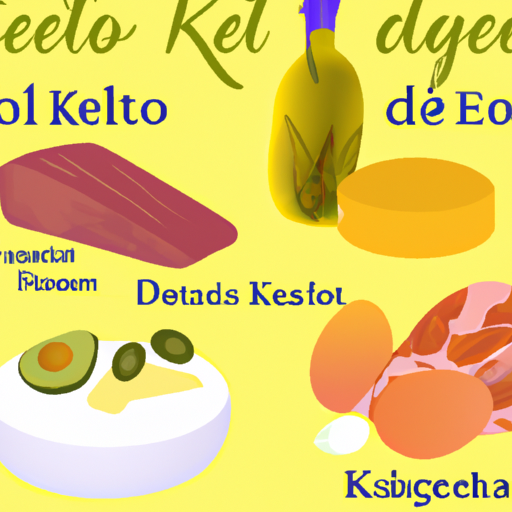
The ketogenic diet, known as the Keto Diet, is based on a high-fat, low-carb approach to eating. It’s designed to shift your body into a state of ketosis, where it burns fat for energy instead of the usual carbohydrates. Proteins are also incorporated but in moderate amounts.

Breaking down the basics of the Mediterranean Diet

The Mediterranean Diet, on the other hand, is not just a plan—it’s a lifestyle. It emphasizes whole foods, vegetables, fruits, healthy fats like olive oil, lean proteins, and moderate intake of red wine. It also attaches high importance to physical activity and shared meal times.

Nutritional Focus Of Each Diet

The nutritional emphasis of each diet is a significant factor in their differences.

High-fat, low-carb philosophy of Keto Diet

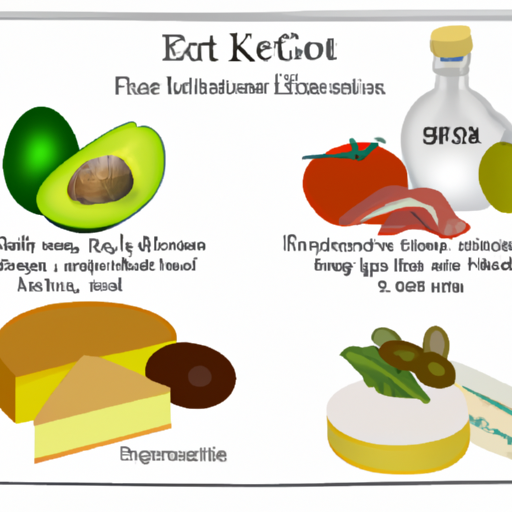
The Keto Diet is built around the principle of fat-induction, with about 70-80% of your calories coming from fats, 10-20% from protein, and only 5-10% from carbohydrates. It means you’ll be enjoying foods like avocados, butter, meat, and cheese.

Whole foods, plant-based emphasis of the Mediterranean Diet

The Mediterranean Diet’s foundation is plant-based foods, including fruits, vegetables, whole grains, legumes, and nuts. It prioritizes lean meats like fish and poultry, with limited amounts of red meat. It also encourages healthy fats such as olive oil and avocados.

Weight Loss: Keto Vs Mediterranean

Weight loss may be a goal for many, and both diets have their unique approaches to achieving it.

How Keto Diet accelerates weight loss

The Keto Diet facilitates weight loss by forcing the body to burn fat for energy through ketosis, which can lead to prompt and significant weight loss, at least in the short term.

The sustainable weight loss approach of the Mediterranean Diet

The Mediterranean Diet promotes sustainable weight loss by focusing on portion control, regular exercise, and eating nutrient-dense foods rather than eliminating whole food groups. It may not lead to immediate dramatic weight loss, but it offers steady and sustainable results.

Whats The Difference Between Keto And Mediterranean Diet?

Effects on Heart Health

A diet’s impact on heart health is critical, considering the global prevalence of cardiovascular diseases.

Cardiovascular implications of a Keto Diet

Although the Keto Diet can lead to weight loss, it’s high in saturated fat, which may have long-term effects on heart health. Some people may also experience an increase in the “bad” LDL cholesterol while on the Keto Diet.

Heart benefits of the Mediterranean Diet

On the flip side, the Mediterranean Diet, rich in heart-healthy foods like olive oil, fish, nuts, and legumes, has often been associated with lower levels of heart disease and mortality due to cardiovascular events.

Impact on Diabetes and Blood Sugar Levels

The role of diet in managing diabetes and blood sugar levels is also pertinent.

Keto Diet and its role in blood sugar control

The Keto Diet can help lower blood sugar levels and improve insulin resistance, making it an option worth considering for those with type 2 diabetes or prediabetes.

How the Mediterranean Diet influences diabetes management

The Mediterranean Diet can also help manage diabetes. Its focus on whole, fiber-rich foods can aid in controlling blood sugar levels and reducing the need for insulin.

Long Term Sustainability of Diets

Another significant distinction between the two diets is their long-term sustainability.

Challenges in maintaining a Keto Diet long term

Maintaining the strict macronutrient ratios of the Keto Diet can be challenging over a longer period, and any deviation can knock your body out of ketosis.

The Mediterranean Diet as a lifestyle change

The Mediterranean Diet is often seen as more sustainable long-term because it’s not just about eating certain foods but embracing a new way of living – it’s a true lifestyle change.

Importance of Exercise in Both Diets

Physical activity is a vital aspect of any healthy lifestyle and is emphasized in both diets.

The role of physical activity in Keto Diet

Exercise contributes to achieving and maintaining ketosis in the Keto Diet, but the diet doesn’t place explicit emphasis on physical activity.

Active lifestyle in the Mediterranean Diet

The Mediterranean Diet strongly encourages regular physical activity as part of its holistic approach to good health.

Influence of Diets on Mental Health

Our diets can impact not just our physical, but also our mental health.

Effects of Keto Diet on cognitive functions

With the Keto Diet, some people may experience ‘keto fog’ (a cognitive side effect that can include memory and attention issues) initially, but over time, it’s claimed that this diet could potentially improve brain function.

Brain health benefits of the Mediterranean Diet

Studies suggest the Mediterranean Diet may even protect against cognitive decline and boost brain health because it’s rich in antioxidants and anti-inflammatory compounds.

Family Integration into Diets

The ease of incorporating a diet into your family’s routine can play a significant role in its success.

Adopting a Keto Diet in a family setting

The Keto Diet may be more challenging to implement in a family setting due to its strict macronutrient ratios and the elimination of many common foods.

Sharing Mediterranean meals with family and loved ones

That’s where the Mediterranean Diet thrives. It promotes enjoying meals with loved ones, making it easy to integrate into family life, and instills healthy eating habits for all.

Conclusion: Choosing the Diet That’s Right for You

Weighing pros and cons of Keto and Mediterranean Diets

We’ve explored the principles, nutritional focus, potential weight loss, effects on heart health, diabetes management, long-term sustainability, importance of exercise, mental health impact, and family inclusivity of both diets. The Keto Diet may be attractive due to its potential for quick weight loss and blood sugar control, but its long-term sustainability can be challenging. The Mediterranean Diet may provide slower weight loss but is arguably much more sustainable and ticks boxes for heart health, diabetes management, and overall lifestyle changes.

Considering personal health goals and lifestyle

Your unique needs, health goals, lifestyle choices, and food preferences should guide your decision when considering these diets. Be sure to consult with a healthcare professional before making significant changes to your diet or lifestyle. Remember, the ultimate goal is to adopt healthy eating habits that you can maintain in the long run and enjoy sharing with your loved ones. That’s the recipe for health and happiness combined!

August 7, 2023 Health & Fitness

How Many Pounds Can You Lose Each Week With Mediterranean Diet?

In this article, we’re going to explore the ins and outs of weight loss on the Mediterranean Diet. We’ll provide you with well-researched and accurate data, so that you understand how this diet can benefit not only your weight, but your long-term health too. As we progress, we’ll also emphasize on healthy eating habits, introducing physical activity, and most importantly, the joy of sharing quality food with family and loved ones. By the end, you’ll have a clear picture of how many pounds you can possibly lose each week.

How Many Pounds Can You Lose Each Week With Mediterranean Diet?

Understanding the Mediterranean Diet

Concept and Origin

Originating from the dietary traditions of countries surrounding the Mediterranean Sea like Italy, Spain, and Greece, the Mediterranean diet is widely recognized as one of the healthiest and most balanced diets in the world. Rooted in a lifestyle rich in cultural heritage, the diet emphasizes the consumption of fresh fruits, vegetables, whole grains, legumes, and olive oil while limiting intake of red meat and using herbs and spices instead of salt to flavor meals.

Major Food Components

Key components of the Mediterranean diet include a high intake of foods like whole grains, fruits, vegetables, legumes, olive oil, and nuts. Fish and poultry are preferred over red meat. Moderate consumption of dairy products and wine, mainly red, is also characteristic of this diet.

Typical Mediterranean Meal Plan

A meal plan following the Mediterranean diet typically includes breakfast with whole grains, fruits and fresh juice. Lunch could be a delicious salad mix of greens, fresh or roasted vegetables with some cheese or a slice of fish. Your dinner might highlight legumes, like lentils or chickpeas with chicken and a side of whole grain bread. These nicely balanced meals are typically complemented by fruit-laden desserts or a glass of red wine.

Health Benefits of the Mediterranean Diet

Heart Health and Lowering Cholesterol

According to numerous scientific studies, the Mediterranean diet is linked to better heart health and lower cholesterol levels. By limiting the intake of saturated fats and sugars, this diet helps manage cholesterol levels, thereby reducing the risk of heart disease.

Prevention of Chronic Diseases

Studies also suggest that the Mediterranean diet can prevent numerous chronic diseases like diabetes, certain cancers, and Alzheimer’s. The high fiber content and healthy fats inherent in this diet potentially contribute to decreased risk of these conditions.

Weight Loss and Managing Obesity

While the primary objective of adopting a Mediterranean diet isn’t specifically weight loss, it’s a nice bonus. High in fiber and healthy fats, it provides a feeling of fullness with fewer calories, contributing to weight management and the prevention of obesity.

Mediterranean Diet and Weight Loss

Role of High Fiber Content

The high fiber intake from fruits, vegetables, and whole grains in the Mediterranean diet slows down digestion, keeping you feeling full longer and reducing the chances of overeating, a key ingredient in weight loss.

Low in Processed Foods and Sugars

A principle of this diet is limiting the intake of processed foods and sugars — common contributors to weight gain. By focusing on natural, nutrient-dense foods, it helps maintain a balanced calorie intake promoting healthier weight loss.

Impact on Metabolism

The balance of nutrients in the Mediterranean diet can variously boost your metabolism. Higher metabolic rates burn more calories, hence contributing to weight loss.

How Many Pounds Can You Lose Each Week With Mediterranean Diet?

Average Weight Loss Per Week with Mediterranean Diet

Understanding Calorie Deficit

Weight loss primarily depends on maintaining a calorie deficit, i.e., burning more calories than you consume. This diet, being naturally lower in calories, aids in creating this essential deficit.

Influence of Portion Control

While eating healthy is important, so is portion control. A moderate and balanced serving of even the healthiest foods can help you stay in calorie control and consequently lose weight.

Impact of Individual Metabolic Rate

Everyone’s metabolism operates differently, impacting the rate at which they burn calories and lose weight. The average weight loss per week will therefore depend on the individual’s metabolic rate, alongside the factors previously described.

Factors Impacting Weight Loss on Mediterranean Diet

Exercise and Physical Activity

Though the Mediterranean diet plays a big role, incorporating regular physical activity can expedite weight loss by burning extra calories.

Age and Gender

Your age and gender also impact your metabolism and hence your weight loss rate. Men usually have faster metabolisms than women and young people are generally quicker to burn calories than older adults.

Initial Body Weight and BMI

People with higher body weight or body mass index (BMI) can experience a more significant initial weight loss, which may gradually reduce as they get closer to their weight loss goal.

Success Stories: Losing Weight with Mediterranean Diet

Personal Experiences and Testimonials

Various glowing testimonials celebrate the weight loss benefits of the Mediterranean diet. Beyond weight loss, they also highlight the joys of eating wholesome, delicious meals and experiencing improved health.

Influence on Family Health and Lifestyle

Adopting the Mediterranean diet helps promote a healthier lifestyle for the entire family. It encourages mindful eating and frequent family meals, contributing to better health and camaraderie.

Maintaining Weight Loss with the Diet Long Term

Continued adherence to the Mediterranean diet can help maintain weight loss over the long term due to its emphasis on whole, filling foods and balanced meals.

Mediterranean Diet for Families

Kid-friendly Mediterranean Recipes

Despite its healthful properties, the Mediterranean diet does not lack in flavor. With a wide range of kid-friendly recipes, you can encourage healthier eating habits among children from a young age.

Promoting Family Meal Time Rituals

The diet promotes shared, leisurely meals – a chance to bond over delicious, nutritious food and to cultivate healthy eating habits that enhance both physical and emotional well-being.

Diet Adaptability and Flexibility

One of the greatest strengths of the Mediterranean diet is its flexibility. It accommodates various food preferences and dietary restrictions, making it an adaptable choice for the whole family.

Cost and Affordability of Mediterranean Diet

Comparative Analysis with Other Diets

When compared with other special diets, the Mediterranean diet tends to be more affordable while offering the same range of nutritional benefits.

Budget-friendly Mediterranean Shopping List

With a shopping list that includes simple, affordable items like seasonal fruits and vegetables, whole grains and legumes, the Mediterranean diet doesn’t have to break the bank.

Regional Availability and Seasonal Foods

This diet emphasizes consumption of locally available and seasonal foods, which are often more affordable and nutritious, further enhancing its cost-effectiveness.

Challenges and Misconceptions about Mediterranean Diet

Debunking the ‘It’s too High in Fat’ Myth

While it’s true that the Mediterranean diet has relatively high-fat content, the majority comes from healthy fats like olive oil and nuts which, contrary to common belief, can aid in weight loss rather than cause weight gain.

Addressing the ‘It’s too Expensive’ Perception

Some people may regard this diet as expensive due to the emphasis on fresh produce and seafood. However, focusing on local and seasonal produce, along with affordable lean proteins like poultry and legumes, can significantly mitigate costs.

Overcoming the ‘It’s too Restrictive’ Argument

The variety and flexibility of the Mediterranean diet contradict the notion that it’s restrictive. It offers a wide range of flavorful foods and recipes that can please any palate while promoting healthier living.

The Bottom Line: Achieving Sustainable Weight Loss with Mediterranean Diet

Balancing Flavors with Nutrition

The Mediterranean diet excels at marrying exceptional flavors with ample nutritional value. It positions itself as more of a lifestyle change than a temporary diet, offering a sustainable path to weight loss and overall well-being.

Adopting a Lifestyle, Not Just a Diet

Unlike many fad diets in the market, the Mediterranean diet encourages long-term commitment. It’s a lifestyle that emphasizes balance, variety, and the enjoyment of food in a social setting, making it an effective and enjoyable strategy for weight loss.

Spreading Awareness and Advocacy

While awareness of the Mediterranean diet is growing, continued advocacy is essential. Sharing the benefits of this wholesome lifestyle can spark changes in food choices, family eating habits, and perhaps even broader food policies.

So, how many pounds can you lose each week with a Mediterranean diet? There’s no one-size-fits-all answer to this. Each person’s weight loss journey is different, primarily depending on factors like age, gender, metabolic rate, and physical activity levels. Incorporating the Mediterranean lifestyle with dedication and mindful eating can surely help you achieve your weight loss goals. Remember, it’s not just about quick weight loss — it’s about embracing a healthier, happier, and more balanced life.

August 7, 2023 Health & Fitness

What Is The Mediterranean Secret To Weight Loss?

In this enlightening read, you’ll unravel the Mediterranean’s secret to weight loss. You’re about to discover the benefits of Mediterranean Diet, its significant role in health maintenance, and the joy of sharing high-quality food with your loved ones. Get ready to boost your healthy lifestyle while also enjoying what you eat, focusing on vital habits for long-term health.

What Is The Mediterranean Secret To Weight Loss?

Understanding the Mediterranean Diet

Basics of the Mediterranean Diet

The Mediterranean Diet, practically synonymous with healthy living, is not so much a diet as a lifestyle. It’s based on the traditional eating habits of the people living in the Mediterranean regions like Italy and Greece. This diet promotes eating foods primarily plant-based, such as fruits, vegetables, whole grains, legumes, and olive oil, while limiting the consumption of red meats and sweets.

Why the Mediterranean Diet is Valuable

The Mediterranean Diet is valued for its numerous health benefits. This diet is rich in dietary fiber, monounsaturated fats, omega-3 fatty acids, and antioxidants; all key ingredients for optimal health. Other potential health benefits include reduced risk for heart disease, diabetes, cancer, and other chronic diseases.

Common Foods and Ingredients in the Mediterranean Diet

With the Mediterranean diet, you’ll embrace foods like whole grains, fruits, vegetables, legumes, olive oil, and lean proteins like seafood, and chicken. Nuts and seeds are also common, as well as herbs and spices to flavor meals without extra salt.

The Role of the Mediterranean Diet in Weight Loss

How the Mediterranean Diet Promotes Weight Loss

The key to the effectiveness of the Mediterranean Diet for weight loss is in its emphasis on consuming nutrient-dense, fiber-rich foods that leave you feeling satisfied. This helps to keep overeating and cravings at bay. In addition, the diet promotes mindful eating habits, enjoying meals slowly, and savoring each bite, promoting feelings of fullness.

Study Findings: Mediterranean Diet and Weight Loss

Multiple studies have shown significant weight loss results in individuals following the Mediterranean diet over a long period. One key takeaway from these studies is that individuals who follow this diet show sustained weight loss over time compared to other diets.

Understanding Calorie Intake in the Mediterranean Diet

Despite its liberal approach to good fats and carbs, the Mediterranean diet is not an all-you-can-eat buffet. It’s important to maintain a calorie deficit for weight loss. Remember, though healthy, foods like olive oil and nuts are high in calories and need to be consumed in moderation.

Cooking and Meal Preparation for the Mediterranean Diet

Crucial Ingredients of the Mediterranean Diet

To prepare meals on the Mediterranean diet, your pantry must-be well-stocked with fresh fruits and vegetables, whole grains, lean proteins, extra virgin olive oil, nuts, seeds, legumes, herbs, and spices. Fish, particularly fatty ones like salmon and mackerel, which are high in omega-3 fatty acids, are staples in this diet.

Preparing Balanced Mediterranean Diet Meals for Weight Loss

Planning is key to successfully following the Mediterranean Diet. Begin by centering your meals around plant-based foods. Add a lean protein, healthy fat from olive oil or nuts, and whole grains. Recipes are flexible and emphasize the freshness of ingredients over strict portion sizes.

Mediterranean Recipes for Weight Management

From Greek salad to grilled fish, there are countless Mediterranean recipes you can try. Don’t forget to share these nutritious meals with your family. Sharing meals can make your journey toward weight loss enjoyable and make you more committed to maintaining your new eating habits in the long run.

What Is The Mediterranean Secret To Weight Loss?

Incorporating Physical Activity into the Mediterranean Lifestyle

Importance of Exercise in the Mediterranean Lifestyle

Physical activity is a key aspect of the Mediterranean lifestyle, whether it’s a leisurely walk after dinner or a morning swim. Incorporating routine physical activities can accelerate weight loss and enhance the health benefits of the Mediterranean diet.

Types of Physical Activities Associated with the Mediterranean Diet

Activities that are common in the Mediterranean region, like walking, swimming, cycling, or even a rousing game of soccer with your children, can be integrated into your routine. Choose activities you enjoy to ensure you stay active and engaged.

Creating a Realistic Exercise Routine with the Mediterranean Diet

When creating a workout routine, remember the main goal is to find activities you enjoy and can maintain consistently. Start slow and gradually increase the intensity and duration of your workouts. This way, it’s easier to stick to your routine and maintain an active lifestyle.

The Impact of the Mediterranean Diet on Other Aspects of Health

The Mediterranean Diet and Heart Health

Several studies have shown that the Mediterranean diet can significantly reduce the risk of heart disease. This is largely due to the high content of heart-healthy monounsaturated fats, omega-3 fatty acids, and antioxidants.

Brain Health and the Mediterranean Diet

Keeping your brain healthy is as important as keeping your body in shape. The Mediterranean diet, rich in antioxidants and omega-3 fatty acids, has been associated with improved cognitive function, memory, and alertness.

How the Mediterranean Diet Benefits Digestive Health

The Mediterranean diet, high in dietary fiber from a variety of plant foods, can help promote a healthy gut. Fiber aids digestion, reduces the risk of constipation and promotes overall digestive health.

Tips to Incorporate the Mediterranean Diet into Daily Life

Switching to the Mediterranean Diet from a Western Diet

Making the switch might seem overwhelming at first, but start slowly. Start with familiar recipes that require simple ingredients and gradually explore more diverse dishes.

Making the Mediterranean Diet a Family Affair

Promote the benefits of the Mediterranean lifestyle to your family. Shared meals and joint cooking can be a great way to promote healthier eating habits and instil a love for nutritious, home-cooked food in your children.

Strategies to Stick to the Mediterranean Diet Long-term

Maintain a wide variety of foods to keep your diet interesting. Incorporate physical activities that you love and make sure you find pleasure in your meals. Remember, the Mediterranean diet is a lifestyle, not a short-term diet.

Addressing Common Misconceptions about the Mediterranean Diet

Busting Myths about the Mediterranean Diet

Common myths, such as Mediterranean diet being high in fat and thus unhealthy, need to be debunked. While it is true that it includes a fair amount of healthy fats, these are beneficial to health.

Correcting Misconceptions about the Mediterranean Diet and Weight Loss

Many believe that due to its high-fat content, the Mediterranean diet is not great for weight loss. This is a myth. In fact, it is quite effective for weight loss because it promotes feelings of satiety, which can prevent overeating.

The Truth about the Mediterranean Diet and Fats

The fats in the Mediterranean diet come from healthy sources like olive oil, fish, nuts, and seeds. These fats are healthy monounsaturated and polyunsaturated fats, which are beneficial for heart health.

Role of the Mediterranean Diet in Managing Long-Term Health

Preventing Chronic Diseases with the Mediterranean Diet

Besides weight loss, the Mediterranean Diet has shown promising results in reducing the prevalence of chronic diseases like heart disease, diabetes, and some cancers.

The Mediterranean Diet as a Sustainable Lifestyle

Unlike other diets that require strict food restrictions, the Mediterranean Diet is easily sustainable. It is inclusive, flexible, and encourages enjoyment in eating – a recipe for long-term adherence and success.

Why the Mediterranean Diet is an Investment in Long-Term Health

Investing in the Mediterranean lifestyle is investing in your long-term health. By fostering mindful eating habits, physical activity, and a greater emphasis on eating high-quality, whole foods, you are setting yourself up for years of good health.

Studying the Cultural Aspects of the Mediterranean Diet

Examining the Mediterranean Lifestyle beyond the Diet

The Mediterranean lifestyle goes beyond just a diet. It promotes leisurely dining, physical activity, and emphasizes the importance of enjoying meals with family and friends.

Role of Community and Social Engagement in the Mediterranean Diet

In the Mediterranean approach to life, eating is a community event. Gathering around a meal encourages slower eating, leading to better digestion and greater satisfaction. Leading a socially engaging lifestyle contributes to overall well-being and longevity.

Understanding the Concept of ‘Sobremesa’ in the Mediterranean Diet

The concept of ‘sobremesa’, a time spent in cordial conversation around the table after a meal, is an integral part of the Mediterranean lifestyle. It encourages social connection, relaxes the mind, and fosters a mindful approach to eating.

Concluding Thoughts: Embrace the Mediterranean Lifestyle for Weight Loss and More

Recap: What Makes the Mediterranean Diet Unique

The Mediterranean diet’s unique combination of delicious food, active living, and social dining make it more than just a diet. It’s a lifestyle. One that can become a sustainable long-term solution to achieving and maintaining your weight loss and health goals.

The Mediterranean Diet: A Holistic Approach to Weight Management

Embracing the Mediterranean diet means adopting a holistic approach to health. By focusing on whole foods, regular physical activity, and taking time to enjoy meals with loved ones, you set yourself up for long-term success.

Future Directions: Expanding Awareness about the Mediterranean Diet

The Mediterranean diet, with its myriad benefits, is a secret that needs to be shared. By expanding awareness about the diet and its associated lifestyle, more and more people can avail of its benefits. It’s a recipe for a healthier life – in every possible sense.

August 7, 2023 Health and Wellness

Does The Mediterranean Diet Include Butter?

Welcome to your informative discussion on the fascinating subject, “Does the Mediterranean Diet Include Butter?” In our friendly chat, you’ll understand whether butter is a part of this famous diet or not, and its impact on your overall health. So, stick around as we explore this vital aspect of the Mediterranean diet that promotes well-being and enjoyment of food with loved ones.

Does The Mediterranean Diet Include Butter?

Understanding the Mediterranean Diet

The Mediterranean Diet is a lifestyle choice rooted in the traditional dietary patterns of countries bordering the Mediterranean Sea. This diet has a rich history and has been recognized for its considerable health benefits.

Diet Basics

The Mediterranean Diet centers on consuming fruits, vegetables, legumes, whole grains, and healthy fats, primarily from olive oil. Fish and seafood are consumed several times per week, while poultry, eggs, cheese, and yogurt are enjoyed in moderation. Red meat and sweets are limited due to their higher caloric and unhealthy fat content. Rather than heavily processed foods, the focus is more on natural, fresh, and minimally processed foods.

Popular Foods in the Mediterranean Diet

The Mediterranean Diet includes a variety of foods like olives, whole grains, green leafy vegetables, nuts, legumes, fish, and of course, olive oil. All these foods are rich in heart-healthy unsaturated fats, dietary fiber, and essential nutrients.

Health Benefits of the Mediterranean Diet

Several studies link the Mediterranean Diet to a reduced risk of heart disease, diabetes, and certain types of cancer. It can also aid in weight management and improve brain health.

Role of Fats in the Mediterranean Diet

Fats are a crucial part of the Mediterranean Diet but it’s all about the type and quantity of fats.

Importance of Healthy Fats

Healthy fats like monounsaturated and polyunsaturated fats found in olive oil, avocados, and nuts can lower bad cholesterol levels and reduce the risk of heart disease and stroke.

Common Sources of Fats in the Mediterranean Diet

Thirty-five to forty percent of the total caloric intake in a traditional Mediterranean Diet comes from fat, primarily from olive oil and fatty fish, which are high in monounsaturated and polyunsaturated fats.

Does Mediterranean Diet Include Butter?

Generally, Mediterranean cuisine limits the use of butter.

Usage of Butter in Mediterranean Cuisine

Olive oil is the main fat of choice in Mediterranean cuisine, although butter is occasionally used in baking or in dishes from the northern regions.

Healthy Alternatives to Butter in the Mediterranean Diet

Extra virgin olive oil, avocado, and nut-based spreads are typical alternatives to butter in the Mediterranean Diet, given their healthier fat profile.

Does The Mediterranean Diet Include Butter?

Common Misconceptions About the Mediterranean Diet

Myths surrounding the Mediterranean Diet can create confusion.

Myth: All Fats are Bad

Not all fats are created equal. The Mediterranean Diet focuses on including heart-healthy fats and shuns unhealthy fats found in processed and fried foods.

Myth: Butter is Essential for Taste in Dishes

Mediterranean cuisine proves that dishes can taste exceptional without heavy reliance on butter. Olive oil and herbs provide flavor and health benefits.

Butter Vs Olive Oil

Butter and olive oil are two distinct ingredients in cooking.

Nutritional Comparison

Olive oil is rich in monounsaturated fats which are healthier compared to the saturated fats in butter. Olive oil also boasts anti-inflammatory compounds and antioxidants.

Taste and Cooking Differences

Olive oil imparts a distinct flavor and has a higher smoking point than butter, making it ideal for various cooking methods.

Impact of Butter on Health

Moderate use of butter is not detrimental to health. However, overuse can have negative impacts.

Effects of Butter on Heart Health

Butter, being high in saturated fats, can increase bad cholesterol levels and may increase the risk of heart diseases.

Relation Between Butter and Weight Gain

Excessive intakes can cause weight gain due to its high calorie profile.

Healthy Eating Habits

Healthy eating is an integral part of the Mediterranean Diet.

Eating as a Family

In the Mediterranean lifestyle, meal times are seen as an opportunity to enjoy food and connect with family.

The Role of Meal Planning in Healthy Eating Habits

Effective meal planning ensures you eat balanced meals every day and discourages unhealthy eating decisions.

The Importance of Exercise

Exercise is an integral part of the Mediterranean lifestyle.

Why is Exercise Crucial in the Mediterranean Lifestyle?

Regular physical activity complements the Mediterranean Diet in maintaining a healthy body weight, regulating blood sugar levels, and improving heart health.

Simple Ways to Incorporate Exercise Into Daily Life

Everyday activities like walking, cycling, swimming, or playing with children can help maintain an active lifestyle.

Sharing High-Quality Food

Sharing food is a cherished tradition in the Mediterranean lifestyle.

Savoring Meals with Loved Ones

Savoring food means taking time to enjoy each bite, which aids digestion and enhances the meal’s enjoyment.

Promoting Children’s Health Through the Mediterranean Diet

Children exposed to the Mediterranean Diet tend to have better health in their adult life due to ingrained healthy habits from a young age.

Conclusion

Recap: Butter in the Mediterranean Diet

The Mediterranean Diet encourages the use of healthy fats. Although butter is employed occasionally in some dishes, it’s not the main fat of choice.

Final Thoughts on Maintaining Health and Longevity Through Diet

When it comes to maintaining health, the Mediterranean Diet sets an excellent paradigm incorporating heart-healthy foods, regular physical activity, and a strong emphasis on family and pleasure in meals. So, set out on your journey of adopting a Mediterranean Diet today, and remember to focus not merely on what you eat but on how, why, and with whom you eat. Bon appétit!

August 7, 2023 Health and Fitness

What Food Is Best For Quick Weight Loss?

In this article, you’ll explore suitable foods for fast weight loss, especially those that form part of the incredibly beneficial Mediterranean diet. JD, a father committed to lasting health and valuable family mealtimes, will guide you through well-researched, accurate information. You’ll learn about nutritious eating habits, the impact of regular exercise, and the importance of enjoying wholesome food with your loved ones.

What Food Is Best For Quick Weight Loss?

Understanding the Basics of Weight Loss

When it comes to weight loss, three main factors play crucial roles: nutrition, portion control, and physical activity. Wrapped up in all of this are lifestyle habits that can make or break your success in shedding those extra pounds.

Role of Nutrition

Food fuels your body and supplies the nutrients necessary for survival. Consuming too many processed foods high in sugar and unhealthy fats can lead weight gain and numerous health problems. Hence, choosing nutrient-dense, whole foods to nourish the body is crucial in a weight loss journey.

Importance of Portion Control

Even when eating healthful foods, portion sizes matter. Eating large portions can still lead to weight gain if you consume more calories than you burn. Understanding serving sizes is crucial to maintaining a balanced diet.

The Impact of Physical Activity

Regular physical activity not only burns calories but also improves various aspects of overall health. It boosts mood, energy levels, and quality of sleep while lowering your stress levels.

Incorporating Healthy Lifestyle Habits

Creating healthy lifestyle habits, such as regular exercise, mindful eating, sufficient sleep, and staying hydrated, is necessary not only for weight loss but also for overall wellbeing.

Exploring the Mediterranean Diet

The Mediterranean diet, world-renowned for its benefits and rich flavours, is a perfect approach to achieve quick, sustainable weight loss.

Key Components of the Mediterranean Diet

This diet emphasizes fruits and vegetables, whole grains, lean proteins, healthy fats from olive oil, nuts, and seeds, and minimal intake of red meat, sugar, and processed foods.

Benefits of the Mediterranean Lifestyle

The Mediterranean diet isn’t just about food. It also incorporates physical activity and enjoying meals with family and friends, creating a balanced lifestyle that fosters good health.

Why is the Mediterranean Diet Effective for Weight Loss?

This diet is rich in fibre and healthy fats, which keep you satisfied and curb overeating. It’s also lower in calories compared to Western diets.

Quick Weight Loss Friendly Foods in the Mediterranean Diet

This heart-healthy diet includes several foods that support quick weight loss.

Fruits and Vegetables

They are high in fibre, water, and essential nutrients, and low in calories, making them a perfect choice for weight loss.

Whole Grains

Whole grains are rich in fibre and complex carbohydrates, which keep you full and help control your appetite.

The Role of Lean Protein

Lean proteins like fish, chicken, and legumes keep you satiated, promote muscle growth and recovery, and help you burn more calories.

The Benefits of Olive Oil

Olive oil, a significant part of this diet, is packed with heart-healthy monounsaturated fats that help manage hunger and boost satiety.

Healthy Fats from Nuts and Seeds

These nutrient-dense foods supply your body with needed fats, keep you full and provide a satisfying crunch to your meals.

What Food Is Best For Quick Weight Loss?

Portion Control Within the Mediterranean Diet

Maintaining portion control in the Mediterranean diet can help ensure that you get a balanced spread of different nutrients without overeating.

Understanding Serving Sizes

A handful of nuts or a piece of fruit can serve as a snack. A serving of meat should be about the size of a deck of cards.

Listening to your Body’s Hunger Cues

Eating mindfully includes paying attention to your hunger and satiety cues. It’s okay to take seconds if you’re genuinely hungry, but try not to eat out of boredom, stress, or habit.

Smart Swaps for Lower Calorie Consumption

Choose whole grains over refined carbs, replace bad fats with good ones, and flavour your meals with herbs and spices instead of heavy sauces.

Keeping Active in the Mediterranean Lifestyle

This lifestyle encourages regular physical activity, which is key to effective and sustained weight loss.

Incidental Exercise and its Benefits

You don’t always need a gym. Simple activities like walking, gardening, or playing with your children can contribute to your daily exercise goals.

Moderate Intensity Activities

These could be activities like brisk walking, swimming, or cycling that raise your heart rate and leave you a bit breathless.

High Intensity Activities

These involve activities that make you breathe hard, such as running, jumping rope, or high-intensity interval training (HIIT) workouts.

Embracing the Tradition of Family Meals in the Mediterranean Diet

Family meals are a central feature of the Mediterranean lifestyle, and they add another dimension to your weight loss journey.

The Health Benefits of Family Meals

Eating together can help foster better relationships, and children who eat with their families tend to consume more nutritious meals.

Teaching Practical Nutrition to Children

Using fresh ingredients and preparing meals together can be an enjoyable way to teach children valuable nutrition habits.

Creating Healthy Eating Habits

Family meals can help foster a healthy relationship with food, promote better eating habits, and establish lifelong patterns of balanced eating.

The Role of Hydration for Quick Weight Loss

Staying properly hydrated aids digestion, promotes optimal body functionality and helps control hunger.

Understanding your Body’s Hydration Needs

This varies depending on factors like your age, sex, weight, and activity level, but a general guideline is to aim for at least eight 8-ounce glasses of water a day.

Benefits of Drinking Water for Weight Loss

Drinking water can help increase feelings of satiety and boost metabolic rate, making weight loss more effective.

The Role of Herbal Teas and Infusions

Beside water, herbal teas and infusions can provide a comforting, calorie-free hydration source and be a great addition to your weight loss diet.

Avoiding Common Weight Loss Pitfalls

Addressing Overeating

Keeping a food diary, eating regular meals, treating yourself occasionally and incorporating variety in your diet can keep you on track and prevent overeating.

Understanding Emotional Eating

People often turn to food for comfort, but recognizing this pattern and finding healthier alternatives is crucial for long-term success.

Strategies to Stay on Track with the Mediterranean Diet

Create a flexible meal plan, keep your pantry stocked with healthy staples, and prepare your meals ahead of time.

Creating Your Mediterranean Diet Weight Loss Plan

Starting with Healthy Staples

Fill your pantry with olive oil, lean proteins, whole grains, legumes, fresh fruits and vegetables, and a variety of herbs and spices.

Constructing Balanced Meals

Ensure each of your meals includes a lean protein source, whole grains, fruits or vegetables, and a healthy fat source.

Planning for Healthy Snacks

Opt for small portions of nutrient-dense foods, like nuts or yogurt, paired with fruits or vegetables.

Spicing up Meals with Herbs and Spices

Herbs and spices not only add flavour to your meals without adding extra calories, but they also pack various health benefits.

Conclusion

Quick Weight Loss and The Long Term View

While quick weight loss can be motivating, it’s essential to focus on making long-term changes that you can stick with for life.

Embracing the Mediterranean Lifestyle for Life

Adopting the Mediterranean diet is more about embracing a lifestyle change than simply dieting. It’s about enjoying wholesome foods and spending quality time with your loved ones all while prioritizing your health. Weight loss, then, is both a meaningful and achievable goal in the context of a broader, richer life experience.

Being mindful of what you’re eating and enjoying food with your loved ones is possible with the Mediterranean diet. So, start your journey towards a healthier, happier you. You got this!

August 7, 2023 Health and Fitness

How Many Steps A Day Do I Need To Take To Lose 2 Pounds A Week?

In this friendly chat, we’re going to explore how many steps a day you need to take to lose 2 pounds a week. Throughout this engaging read, you’ll find valuable information on incorporating walking into your weight loss plan while still enjoying delicious dishes, all as part of the healthful Mediterranean Diet. This way, you’re not just taking steps towards weight loss, but also fostering healthy eating and active living for you and your loved ones.

How Many Steps A Day Do I Need To Take To Lose 2 Pounds A Week?

How Many Steps A Day Do I Need To Take To Lose 2 Pounds A Week?

Understanding Weight Loss

Have you ever wondered how weight loss works? It all boils down to maintaining a calorie deficit through your diet and exercise routines. Let’s break it down!

Determining your calorie deficit for weight loss

To lose weight, you need to consume fewer calories than your body burns each day. This concept is often referred to as ‘calorie deficit.’ By maintaining a healthy calorie deficit, you can lose weight steadily and healthily.

Importance of understanding Basal Metabolic Rate (BMR)

Your Basal Metabolic Rate (BMR) is the number of calories your body needs to perform basic functions at rest. Knowing your BMR helps you determine the minimum number of calories you need each day. By subtracting this number from your total daily calorie intake, you establish your calorie deficit.

Diet and Exercise: The Dual Approach to a Healthier Life

Diet and exercise are two important elements in your weight loss journey. Making healthy dietary changes along with a regular exercise routine can help you maintain your desired calorie deficit and achieve your weight loss goals effectively.

Counting Your Steps for Weight Loss

Let’s talk about a simpler and more enjoyable approach to losing weight – walking!

Need for regular physical activity for weight loss

Are you aware of the importance of physical activity in your weight loss journey? Alongside a healthy diet, regular physical activity is key to losing weight. Walking, in particular, is an easy and effective form of exercise that can be incorporated into your daily routine.

Introduction to Pedometer: A step tracking tool

A pedometer records your daily steps and motivates you to reach your step goal each day. It is a great tool for weight loss, especially for beginners looking to get into a regular exercise habit.

Understanding the link between steps and calorie burn

One of the key benefits of walking is the calories burned. The number of calories you burn during a walk varies depending on factors like weight, speed, and walking duration. On average, a person can burn around 100 calories by walking 2,000 steps.

How Many Steps to Lose 2 Pounds Weekly?

To put this into perspective, if you’re aiming to lose 2 pounds a week, you must understand the mechanisms involved.

Breaking down the goal: Calories to lose per day

To lose 2 pounds in a week, you need to create a calorie deficit of 1,000 calories per day (one pound equals 3,500 calories).

Steps needed to achieve calorie deficit per day

To achieve a 1,000-calorie deficit each day through walking, you’ll need to take approximately 20,000 steps on average. This number may fluctuate depending on factors including your body weight and walking speed.

Personalization and variability in step goals

Remember, these numbers are guidelines not rules. It’s essential to remember that everyone is different, and your weight loss journey should be tailored to your individual needs and abilities.

How Many Steps A Day Do I Need To Take To Lose 2 Pounds A Week?

Incorporating Walking Into Your Daily Routine

Now, let’s delve into how you can incorporate more steps into your daily routine.

Making lifestyle adjustments for more activity

Make some lifestyle adjustments such as taking the stairs instead of the elevator, walking to work or the grocery store if possible, or even going for little walks during your lunch break. Every step counts!

Fun walks with family: Engaging children and spouse

Walking doesn’t have to be a solitary activity. Engaging your spouse and children in daily walks can be fun and beneficial to all. It promotes not only physical health but also stronger family ties.

Healthy Eating Alongside Walking

While consistently meeting your step goal is an achievement, pairing it with proper nutrition drives success.

Understanding the Mediterranean diet

The Mediterranean diet is rich in fruits, vegetables, whole grains, lean meats, and healthy fats. This diet is proven to aid weight loss and promote overall health.

Importance of a balanced diet for weight loss

Taking a balanced diet fosters weight loss and improves health. Foods high in protein and fiber keep you fuller for longer, reducing unnecessary snacking and aiding weight loss.

Meal planning: Incorporating Mediterranean foods into everyday meals

With proper planning, incorporating Mediterranean foods into your meals can be hassle-free. Try experimenting with recipes and make sure to share these delicious, nutritious meals with your loved ones.

Effects of a Step-Focused Weight Loss Plan

This plan provides more than just weight loss. It promotes overall wellbeing, mental health, and positive social relationships.

Physical benefits: Beyond weight loss

Staying active aids overall fitness and health. Regular walking can boost cardiovascular health, build muscle strength, and improve balance.

Mental health advantages

Walking regularly reduces stress, anxiety and may alleviate symptoms of depression. The bonus? It often boosts mood and fosters a positive outlook.

Impact on family and social relationships

Activities that promote family participation foster bonding. Likewise, sharing healthy meals can create stronger family ties.

Challenges and Tips to Stay on Track

Embarking on a weight loss journey is rarely easy, but with the right attitude and approaches, you can stay motivated and achieve your goals.

Overcoming barriers in walking and healthy eating

You may face challenges such as time restrictions or weather conditions that may hinder your walking routine. Finding creative solutions like indoor walking videos or getting a treadmill can help.

Staying motivated: Setting and tracking progress towards goals

Setting a personal goal and tracking your progress can keep you motivated. Celebrate small victories and don’t lose heart if progress is slow. Remember, every step taken is a step closer to your goal.

Success Stories and Example Routines

Hearing success stories can instill motivation. Also, seeking example routines can guide you on your journey.

Inspiring testimonies

There are many inspiring stories of individuals who have successfully incorporated walking and healthy eating into their lifestyles. Find comfort, motivation, and encouragement in these stories.

Creating a realistic weight loss plan

A realistic and achievable plan is the key to success. Consider seeking professional advice to create a balanced diet plan and walking routine that suits your needs.

Future Outlook: Maintaining Weight Loss

Weight loss is not an endpoint but the beginning of a healthier lifestyle. Maintain your step count and healthy eating habits for long-term health and wellbeing.

Sustaining the step count: Long-term approach

Keeping up your step count is a lifelong commitment to healthy living. You can change your goals after achieving weight loss to maintaining your current weight.

Readjusting step goals post weight loss

After losing weight, you may need to adjust your step goals and calorie intake. Consulting with a professional can help with this transition.

Conclusion: Path to a Healthier You

Consistent walking combined with a balanced diet is not merely a weight loss strategy. It’s a lifestyle that promotes total wellbeing.

Impact of regular walking on overall health

Walking regularly provides various health benefits beyond weight loss. It encourages better cardiovascular health, stronger bones, and improved mood.

Reflections on the role of nutritious eating in weight loss

Eating healthily contributes significantly to weight loss and overall health. It’s not about deprivation but eating right.

Final words of encouragement

Remember, your journey to a healthier you is unique and personal. Celebrate the small victories as you forge your path, and know that each step you take brings you closer to your goal. You’ve got this, and you are doing great!

This path is not only about losing weight but also fostering a healthy lifestyle you can share with your family. Keep stepping forward. Your healthier and happier future-self will thank you!

August 7, 2023 Health & Fitness

How Long Will It Take To Lose 30 Pounds On A 1200 Calorie Mediterranean Diet?

In this article, you’re going to learn just how long it might take to shed 30 pounds while on a 1200 calorie Mediterranean diet. This isn’t about quick, easy fixes but about understanding healthy, sustainable weight loss. You’ll explore the richness of the Mediterranean diet, the joy of sharing quality meals with your loved ones and the importance of integrating healthy eating habits and regular exercise into your lifestyle. Get ready for an enlightening journey towards a healthier you.

How Long Will It Take To Lose 30 Pounds On A 1200 Calorie Mediterranean Diet?

Understanding the 1200 Calorie Mediterranean Diet

The concept of the 1200 Calorie Mediterranean Diet

The 1200 Calorie Mediterranean Diet is a nutrition plan that centers around the typical eating patterns of the people living in countries bordering the Mediterranean Sea. This diet emphasizes whole grains, fruits, vegetables, lean proteins, and healthy fats. And yes, you can enjoy this wholesome diet on a calorie budget of just 1200 per day!

Major components of a 1200 Calorie Mediterranean Diet

A 1200 calorie Mediterranean Diet primarily includes fruits, vegetables, whole grain cereals, nuts, legumes, olive oil, and moderate amounts of fish. Absolutely, dairy products, poultry and a splash of wine can be included in moderation.

The science behind the 1200 Calorie Mediterranean Diet

The 1200 calorie budget creates a calorie deficit, which is necessary for weight loss. The Mediterranean diet is naturally rich in fiber and lean proteins that help you feel full. Together, these factors make for a potent and healthy weight loss strategy.

The Mechanism of Weight Loss

The basic principle of weight loss

Weight loss fundamentally hinges on the concept of calorie deficit. If you consume fewer calories than your body requires for its daily functions, your body will compensate by using stored fat as fuel.

How the body adapts to caloric deficits

In response to caloric deficit, the body first uses glycogen stores for energy. Once these are exhausted, it switches to lipolysis – breaking down fat to produce energy.

The role of metabolism and muscle strength in weight loss

Metabolism plays a crucial role in weight loss. It is the rate at which your body burns calories. Faster, higher metabolisms burn more calories. Muscle strength aids weight loss by increasing your resting metabolic rate.

Setting Expectations for Losing 30 Pounds

Realistic timeframes for weight loss

Safe, sustainable weight loss typically occurs at a rate of 1-2 pounds per week. So, reaching a goal of losing 30 pounds may take anywhere between 15-30 weeks, depending on your specific circumstances and diligence.

The importance of individual body response

Each body responds differently to diet and exercises. Genetics, gender, age, and starting weight can all influence your rate of weight loss. Be patient with your body and celebrate even small achievements along the journey.

Factors impacting speed of weight loss

Several factors, such as metabolism, physical activity levels, sleep, stress, and even certain medicines could influence your speed of weight loss. It’s important to consider these factors when setting weight loss goals and timelines.

How Long Will It Take To Lose 30 Pounds On A 1200 Calorie Mediterranean Diet?

Role of Exercise in Accelerating Weight Loss

Incorporating exercise in your weight loss journey

Consistent exercise can significantly amplify your weight loss results. Not only does it help create a calorie deficit, but it also boosts metabolism and enhances mood.

Recommended exercises for faster weight loss

Combining strength-building exercises with cardio can yield better weight loss results. Focusing on muscle development helps boost metabolism, while cardio aids in burning calories during the workout.

Balancing diet and exercise for optimal results

Balancing nutritional intake with physical activity is key for healthy weight loss. Remember, sustainability matters more than intensity in the long run. Choose exercises you enjoy and include as much Mediterranean goodness in your meals as possible!

Importance of Healthy Eating Habits

How healthy eating habits contribute to weight loss

Healthy eating habits not only create energy balance for weight loss but also prevent possible deficiencies and keep your immune system strong.

Including family in dietary changes

Making healthful changes in dietary choices is a family affair. By presenting nutritious meals attractively, you can ensure that your entire family benefits from a healthier diet.

Making sustainable changes to dietary habits

Rather than making drastic changes, small, consistent changes in dietary habits are more likely to stick long-term. Gradual steps towards healthier food choices will lead to sustainable weight loss and improved overall health.

Family Involvement and Lifestyle Changes

Creating a supportive environment for weight loss

A supportive home environment is critical for success. Encourage family members to adopt healthier eating habits by gradually incorporating Mediterranean dishes into family meals.

Incorporating Mediterranean diet in family meals

The Mediterranean diet does not just mean salads. You can create delicious pasta, pizza, soups, and casseroles that are both nutritious and family-friendly.

Teaching kids about healthy eating

Use meal preparation and dining time to teach your children about the value of nourishing foods. Engage them in cooking, growing a home garden, and shopping for groceries for a hands-on lesson in nutrition.

Beyond Weight Loss: Health Benefits of the Mediterranean Diet

The long-term health benefits of the Mediterranean Diet

The Mediterranean diet offers benefits beyond weight loss. It helps in reducing the risk of heart disease, stroke, and type 2 diabetes. It also promotes a healthy digestive system and longevity.

Mental health benefits associated with the Mediterranean Diet

The Mediterranean diet has been associated with improved mental health, including reduced symptoms of depression and anxiety. It is a brain-healthy diet promoting good mood and overall wellbeing.

How the Mediterranean diet can improve quality of life

Adopting a Mediterranean diet can boost your energy, improve sleep quality, enhance mood, and reduce stress, significantly upgrading your quality of life.

Keeping the Weight Off: Maintenance Phase

Transitioning from weight loss to weight maintenance

Once you reach your weight loss target, the focus shifts to maintaining your new weight. At this stage, you may be able to include more calories in your diet, but continue emphasizing nutrient-dense foods.

Navigating social events and holidays while maintaining weight

Enjoy social gatherings while keeping your weight in check. Prioritize protein, and veggies, indulge in small portions of your favorite treats, and stay active.

Evolving your 1200 Calorie Mediterranean Diet for maintenance

When transitioning to maintenance, gradually increase calorie intake but keep the key components of the Mediterranean diet intact for long-term health benefits.

Potential Challenges in Losing 30 Pounds

Common obstacles in weight loss journeys

Plateaus, fluctuating motivation, time constraints, and occasional indulgences can be common obstacles in weight loss journeys. Explicit goal setting, planning, and finding support can help overcome these challenges.

How to manage plateaus in weight loss

If progress stagnates at some point, don’t lose heart. Reflect on your habits, adjust your intake or physical activity level, and even consider seeking professional help.

Strategies to remain motivated throughout the weight loss journey

Maintaining motivation throughout the process can be challenging. As such, charting progress, celebrating small wins, seeking social support, and staying focused on non-weight related health benefits can keep you motivated.

Conclusion: The 1200 Calorie Mediterranean Diet as a Lifestyle Change

Embracing the Mediterranean Diet as part of daily life

The Mediterranean Diet is not so much a diet as a lifestyle. It promotes the idea of enjoying and sharing high-quality food with family and friends and taking the time to savor every bite.

Creating long-term health and wellness goals

Transitioning to a Mediterranean diet offers an opportunity to set long-term wellness goals such as improving overall health, fitness, and wellbeing. These goals will stand you in good stead beyond your initial weight loss target.

Reflecting on the weight loss journey

Think back to your journey and acknowledge your effort, patience, and perseverance. You have not just lost weight but gained a whole new appreciation for wholesome food, self-care, and living a healthy, joyful life.

To sum up, losing 30 pounds on a 1200 calorie Mediterranean diet involves a combination of consistent dietary efforts, regular exercise, and a supportive environment. Remember: it’s not about reaching the goal overnight, but undergoing a lifestyle transformation that sustains this achievement for years to come.

August 7, 2023 Health and Fitness

Do You Lose Weight Faster On Keto Or Mediterranean Diet?

In this friendly discussion, you’ll gain insights into whether the Keto or Mediterranean diet aids in quicker weight loss. You’ll learn the characteristics of each diet, their benefits, and their potential impact on your weight loss journey. Plus, you’ll gain a deeper understanding of how these diets intersect with long-term health, family meal times, and overall enjoyment of food.

Do You Lose Weight Faster On Keto Or Mediterranean Diet?

Do You Lose Weight Faster On Keto Or Mediterranean Diet?

Understanding Keto and Mediterranean Diets

When it comes to weight loss, you may be familiar with the popular ketogenic and Mediterranean diets. They are considered to be some of the most effective diets in promoting weight loss and improving overall health.

The Ketogenic Diet Overview

The ketogenic diet is a high-fat, low-carb diet that shifts your body’s metabolism towards fats and ketones instead of carbohydrates. This switch puts your body into a metabolic state known as ketosis, where it efficiently burns fat for energy.

The Mediterranean Diet Overview

The Mediterranean diet, on the other hand, takes inspiration from the eating habits of countries bordering the Mediterranean Sea. This diet emphasizes a variety of foods including fruits, vegetables, lean proteins and healthy fats, particularly olive oil.

Mechanism of Weight Loss in Keto Diet

The keto diet’s approach to weight loss is significantly different from conventional eating plans.

The Role of Calories in Ketosis

While most diets focus on calorie restriction, the keto diet prioritizes achieving ketosis. By eating high amounts of fats and minimizing carb intake, your body is prompted to use fat as its primary energy source, thus leading to weight loss.

Effect of Carbohydrate Restriction on Weight Loss

The keto diet requires cutting out most carbohydrates, which forces the body into a state of ketosis. This intense carb restriction can lead to quick weight loss, especially in the initial stages of the diet.

Mechanism of Weight Loss in Mediterranean Diet

The Mediterranean diet offers a more balanced approach to weight loss.

Role of Healthy Fats in Weight Loss

This diet incorporates healthy fats like olive oil and avocados, which promote satiety and help control overeating. Healthy fats also play a crucial role in managing hormones that regulate weight loss.

Significance of Fiber and Whole Grains in Weight Management

The Mediterranean diet emphasizes fiber-rich foods and whole grains, which slow digestion and create feelings of fullness. This approach aids in weight management by reducing the likelihood of overeating.

Do You Lose Weight Faster On Keto Or Mediterranean Diet?

Comparing the Speed of Weight Loss

Speed of weight loss depends significantly on the dietary approach you follow.

Initial Weight Loss in Keto Diet

Due to the drastic reduction of carbs, the keto diet can lead to rapid initial weight loss. However, it’s important to note that the first few pounds lost are usually water weight.

Sustainable Weight Loss in Mediterranean Diet

While the Mediterranean diet may not induce weight loss as quickly as the keto diet, it is more likely to support sustainable weight loss. The foods encouraged are diverse, nutrient-rich and satisfying, making the diet easier to stick to in the long run.

Health Effects of Keto and Mediterranean Diets

Both the keto and Mediterranean diets have their associated health outcomes.

Health Consequences of Severe Carb Restriction

While the keto diet may produce quick weight loss, severe carb restriction might result in nutrient deficiencies and negative impacts on overall health, such as increased risk of chronic diseases.

Health Benefits of Mediterranean Diet

The Mediterranean diet is known for providing numerous health benefits, including reducing the risk of heart disease, diabetes, and certain types of cancers. It also promotes brain health and longevity.

Incorporating Exercise into Your Diet Plan

Regular physical activity is an important part of any weight loss plan.

Exercises for Keto Dieters

If you’re on the keto diet, consider integrating low-intensity exercises into your routine, as your body may not have enough carbohydrates to fuel high-intensity workouts.

Exercises for Mediterranean Dieters

On the Mediterranean diet, with its balanced intake of macronutrients, you can engage in a wider range of exercises, from low-intensity workouts to high-intensity regimens.

Impact on Family Meal Planning

Your chosen diet can significantly affect your meal planning, especially when considering family meals.

Food Choices for the Family on Keto Diet

Meal planning for a family on a keto diet may be challenging as the diet excludes many common food groups. However, with careful planning, you can create meals that are keto-friendly yet loved by the entire family.

Food Options for Family on Mediterranean Diet

Conversely, the Mediterranean diet offers a rich variety of foods that are likely to appeal to a wide range of palates making meal planning easier and more inclusive for the entire family.

Healthy Eating Habits in Keto and Mediterranean Diets

Regardless of the diet you choose, it’s essential to establish healthy eating habits.

Meal Planning and Preparation in Keto

To succeed in the keto diet, it’s crucial to plan and prep your meals ahead of time to avoid slipping out of ketosis due to unexpected carb-heavy dishes.

Enjoying a Diverse, Balanced Diet in Mediterranean Eating

The Mediterranean diet embraces enjoying a diverse range of foods in moderate quantities. The goal isn’t just weight loss but also nurturing a healthy relationship with food.

Sharing Quality Food with Loved Ones

Sharing meals with loved ones is both a personal and a cultural experience.

Creating Keto-Friendly Family Meals

Creativity is key in crafting keto-friendly meals that your entire family can enjoy. Adapting your family’s favorite foods to fit your ketogenic lifestyle can turn meal times into a shared experience.

Exploring the Joys of Mediterranean Cooking with Family

With the Mediterranean diet’s emphasis on whole, nourishing foods, you can invite your family to join in the joy of preparing vibrant, delicious dishes that not only promote health but also foster family bonding.

Conclusion

The question of which diet aids fastest in weight loss largely depends on individual physiological responses and adherence to the chosen diet plan.

Choosing the Right Diet for your Weight Loss Goals

Your decision should be based on your personal weight loss goals, dietary preferences, lifestyle, and overall health.

Promoting Long-Term Lifestyle Changes

Whether it’s the ketogenic diet or the Mediterranean diet, remember that the best diet is the one you can commit to in the long-term. Consistency and patience, paired with healthy eating habits and regular exercise, will undoubtedly lead to weight loss and improved overall health.


Whether you’re on the keto or Mediterranean diet, JD encourages you to share high-quality foods with your family and loved ones. Remember, it’s all about creating healthy habits and enjoying each meal together for better wellness and longevity.

August 7, 2023 Health & Wellness

What Happens To Your Body When You Start The Mediterranean Diet?

Welcome to a captivating exploration on the Mediterranean Diet. This friendly discussion is designed to guide you through the remarkable changes your body experiences when you embrace this nutritious lifestyle. As we progress, you’ll uncover the holistic health benefits this diet offers, learn healthy eating habits and the joy of sharing quality food with your loved ones. Let’s navigate this enticing journey towards a fitter, healthier you!

What Happens To Your Body When You Start The Mediterranean Diet?

Initial Reactions to the Mediterranean Diet

Switching to the Mediterranean Diet can feel like a big change at first. Adjusting from a regular diet that may be packed with a lot of processed foods to one that is rich in natural foods, healthy fats, plant-based meals, whole grains and less meat can cause noticeable changes in your body.

The significance of transitioning smoothly

Transitioning to a new diet should be a smooth process. If you swap out all your meals at once, your body might not react favorably and could go into shock. Instead, make gradual changes like adding more fruits, vegetables, and whole grains gradually into your diet. This way, you allow your body to adapt to the new food sources and change your digestive system accordingly.

Possible early side effects and how to handle them

Some people may experience bloating or changes in their bowel movements based on the drastic increase in fiber. Drinking plenty of water to accompany your new menus should help reduce these symptoms. If they persist, consider seeking advice from a nutritionist.

How to maintain motivation in the early stages

Remember, the importance of implementing the Mediterranean diet is not just about losing weight but enhancing your overall health. In the beginning, focus on the benefits the diet offers, like reduced risk of chronic diseases and a healthier heart. Create a meal plan and make your grocery lists in advance to keep you motivated throughout the journey.

Changes in Digestive System

One of the first things you’ll notice after changing to the Mediterranean Diet is the transformation in your digestive system.

Improved gut health and effect on your microbiome

The Mediterranean Diet boosts gut health through its high fiber content, variety of fruits and vegetables, and probiotic-rich foods. This helps in maintaining a healthy and biodiverse microbiome, which in turn leads to better overall health.

How fiber content affects digestion

Increased fiber gives you a feeling of satiety, aids digestion and can prevent constipation. It also promotes slower absorption of nutrients, helping to regulate your blood sugar. It’s normal to experience gassiness – remember, your body is only starting to adjust!

Weight Management and the Mediterranean Diet

The Mediterranean Diet is not just for improving your health but ideal for weight management too.

Role of the Mediterranean diet in weight loss

The emphasis on plant-based meals and the restriction on processed and fast foods, which are usually high in unhealthy fats and sugar, can lead to weight loss. The high intake of fruits, vegetables, and whole grains keeps you feeling full longer, reducing your overall calorie intake.

Maintaining a healthy weight with the Mediterranean diet

Once you have achieved your weight loss goals, maintaining a healthy weight becomes easy with the Mediterranean diet. As long as you follow your new eating habits, your body will automatically adjust to maintain its ideal weight.

What Happens To Your Body When You Start The Mediterranean Diet?

Effects on Heart and Circulatory System

The Mediterranean Diet also offers remarkable benefits for heart health and blood circulation.

Benefits of the Mediterranean diet to cardiovascular health

Due to its high content of heart-friendly fats, lean proteins, and fiber, the Mediterranean Diet reduces the risk of heart disease, decreases inflammation, and improves blood vessel function.

Impact on blood pressure and cholesterol levels

Foods rich in antioxidants, like the fruits and vegetables included in the diet, lead to lower blood pressure and reduce LDL (bad) cholesterol levels.

Brain Function and Mental Health

The Mediterranean Diet feeds the body and the mind. The highly nutritious foods included in the diet are beneficial for brain health and mental well-being.

Mediterranean diet’s role in cognitive function

Consumption of omega-3 fatty acids, highly present in fish and olive oil, has been associated with improving cognitive function and a reduction in cognitive decline.

Correlation between the Mediterranean diet and mental health

Sticking to the Mediterranean diet can lead to improved mood and reduce the risk of depression and anxiety. Several nutrients in this diet play a vital role in the production of brain chemicals that regulate feelings and mood.

Importance of Physical Activity

The Mediterranean lifestyle is more than a diet. It includes physical activity to further enhance the benefits of healthy eating habits.

Combining exercise with the Mediterranean diet

Movement is crucial for overall well-being. Combining regular exercise with the Mediterranean diet amplifies its benefits, helping you to feel your best both physically and mentally.

Impact of the Mediterranean lifestyle on overall health

The combination of diet, regular physical activity, and social gatherings nurtures your body, mind, and spirit. Regular exercise improves physical fitness, reduces the risk of many health conditions, and improves mental health.

Mediterranean Diet and Diabetes Control

The Mediterranean Diet has a big role in managing diabetes and preventing its onset.

Role in maintaining blood sugar levels

The high fiber and low glycemic index foods support blood sugar regulation. This way, the diet helps in managing existing diabetes and preventing its onset.

Impacts on insulin resistance

The Mediterranean diet improves insulin sensitivity, reducing the risk of developing type 2 diabetes.

Enhanced Quality of Life

The Mediterranean diet can enhance your quality of life in more ways than just physical health.

The benefits of using food as medicine and its effects on longevity

The Mediterranean Diet emphasizes the use of food as medicine. As a result, this way of eating can boost your energy levels, prevent the onset of many diseases, and improve your longevity and quality of life.

The role of social engagement and sharing meals

The diet promotes the enjoyment of meals with friends and family. Sharing meals can lead to better food choices and portion control, not forgetting the feeling of happiness and contentment you get from sharing food with your loved ones.

Ongoing Maintenance of the Mediterranean Diet

The ultimate goal is to make the Mediterranean diet a lifestyle choice rather than a temporary regimen.

The importance of sustainable healthy choices

To maintain the benefits of the Mediterranean lifestyle, keep up your healthy food choices even after reaching your health and weight goals. Be creative with your cooking and enjoy the process!

How to make the diet a part of your lifestyle

Embrace the total Mediterranean lifestyle – engage in regular physical activity, enjoy meals with family and friends, and have a positive approach towards eating healthily.

Conclusion

Transforming your life by integrating the Mediterranean Diet into your everyday routine is a worthwhile investment into your future wellness.

Overall impacts of the Mediterranean diet on your body

Besides weight loss and a healthy heart, benefits like better digestion, brain health, improved diabetes control, and increased longevity are all well within your reach.

Why the Mediterranean diet is a worthwhile lifestyle change

Adopting the Mediterranean diet offers an opportunity for a better life. The bounty of fruits, vegetables, lean proteins, and healthy fats can provide you with a diet that’s not just delicious but also the embodiment of health and longevity. So, welcome aboard and here’s to your health.

  • « Go to Previous Page
  • Go to page 1
  • Interim pages omitted …
  • Go to page 40
  • Go to page 41
  • Go to page 42
  • Go to page 43
  • Go to page 44
  • Interim pages omitted …
  • Go to page 64
  • Go to Next Page »

Primary Sidebar

Hey y’all!

Hello and welcome to MediterraneanDietRecipes.net My name is JD, and I’m a 46-year-old father of three amazing children. My family is my world, and my main goal in life is to stay healthy and live long enough to see my children grow up, have children of their own, and to be an active, engaged, and supportive grandparent.

Being an older father, I understand that time is precious, and I want to make the most of it by ensuring that I am in the best possible shape physically, mentally, and emotionally. My journey started with a deep dive into the research on longevity and the lifestyle choices that can help me achieve my goals. Dig deeper →

Footer

Stay Connected

  • Bloglovin
  • Facebook
  • Instagram
  • Pinterest
  • Twitter

Copyright © 2026 · MEDITERRANEAN DIET RECIPES