• Skip to primary navigation
  • Skip to main content
  • Skip to primary sidebar
  • Skip to footer
  • Home
  • About
  • Recipes
  • Blog

Mediterranean Diet Recipes

Home » Blog

Blog

August 7, 2023 Health & Fitness

How Many Pounds A Week Can You Lose On The Mediterranean Diet?

You’re about to embark on a fascinating exploration of weight loss potentials on the Mediterranean diet. Throughout this friendly conversation, you’ll learn about how this lifestyle change could impact your health, the potential pounds you might shed, and why it’s such a sustainable choice for long-term health. You’re not just going to learn about a diet, but a way to share high-quality food with your loved ones while staying active and healthy!

How Many Pounds A Week Can You Lose On The Mediterranean Diet?

Understanding the Mediterranean Diet

Before we dive into how many pounds you can lose in a week with the Mediterranean diet, let’s first understand its basic principles.

The Basic Principles of the Mediterranean Diet

The Mediterranean Diet is praised worldwide for its health benefits. It draws its dietary elements from the regions surrounding the Mediterranean Sea, emphasizing fruits, vegetables, whole grains, legumes, and lean proteins. It also emphasizes the use of olive oil over butter and other types of fat.

Essential Components of the Mediterranean Diet

This diet encourages moderate consumption of dairy products, limited intake of red meat, and a regular incorporation of fish, poultry, and eggs into your meals. Sharing meals with family and friends, savoring each bite, and actively engaging in regular physical activity are additional components crucial to this lifestyle.

Importance of Healthy Eating Habits

Adopting a Mediterranean-style eating regimen could drastically shift your health for the better.

Adopting Mediterranean Diet Eating Habits

Incorporating more vegetables, lean proteins, and whole grains into your diet not only fulfills your nutrient requirements but also keeps you feeling full, hence minimizing the chance of overeating and weight gain.

How Healthy Eating Habits Improve Body Functioning

A nutrient-rich diet supports all bodily functions, from improving your immune system to enhancing your mental health. The Mediterranean diet, rich in vitamins, minerals, and healthy fats, can do wonders to your overall health.

Mediterranean Diet and Weight Loss

So, how does this relate to weight loss?

The Role of the Mediterranean Diet in Weight Loss

The Mediterranean Diet focuses on whole foods, which are not only packed with nutrients but also tend to be lower in calories. This, coupled with regular physical activity, helps create a calorie deficit, leading to weight loss.

Balancing Caloric Intake and Output on the Mediterranean Diet

Achieving a balance between your caloric intake and output is instrumental in weight loss. The Mediterranean diet, paired with regular exercise, could help you reach this balance, enhancing your weight loss journey.

How Many Pounds A Week Can You Lose On The Mediterranean Diet?

Exercising to Boost Weight Loss on the Mediterranean Diet

Physical activity is a crucial component of the Mediterranean lifestyle, along with a nutritious diet.

Impact of Regular Physical Activity

Regular exercise not only helps burn calories but also improves your stamina, muscle strength, and overall health.

Ideal Exercise Routines to Pair with the Mediterranean Diet

You can pair this diet with any exercise routine that you enjoy—whether it be running, yoga, swimming, or weight training. The key is consistency.

Mediterranean Diet: Fast or Slow Weight Loss?

When it comes to weight loss, speed isn’t everything.

Understanding Healthy Weight Loss Speed

Healthy weight loss ranges from one to two pounds per week. Losing weight too quickly might lead to muscle, bone, and water loss, instead of fat loss.

Predicting Weight Loss on the Mediterranean Diet

Your weight loss on the Mediterranean diet largely depends on your caloric intake and output. That said, if properly followed, it could potentially lead to a loss of one to two pounds per week.

Experiences of Real People on the Mediterranean Diet

A myriad of success stories surrounds the Mediterranean diet, adding to its credibility.

Inspiring Stories of Weight Loss Success on the Mediterranean Diet

Individuals worldwide have lost significant weight while improving their overall health on the Mediterranean diet. It’s not just a diet—it’s a sustainable lifestyle change.

Dealing with Challenges on the Mediterranean Diet

Weight loss is a journey, not always a straightforward one. Even on the Mediterranean diet, you might face hurdles. But remember, perseverance is key.

Enjoying High Quality Food with the Mediterranean Diet

One of the greatest perks of the Mediterranean diet is the ability to savor and enjoy a diversity of tasty meals.

Cooking and Eating as a Family on the Mediterranean Diet

Embrace the Mediterranean practice of sharing meals with your loved ones. Not only can it foster closer bonds, but it can also provide an environment conducive to mindful eating.

Exploring Various Mediterranean Diet Recipes

The Mediterranean Diet offers ample room for experimentation and creativity in the kitchen. Broaden your culinary horizons with its vast array of wholesome recipes.

Maintaining Long-Term Health with the Mediterranean Diet

Beyond weight loss, the Mediterranean diet can contribute to your long-term health and longevity.

The Preventative Health Benefits of the Mediterranean Diet

Numerous studies have linked the Mediterranean diet with reduced risk of various diseases, promoting heart health, and aiding longevity.

Sustaining the Mediterranean Diet Over Time

Consistency is key here. The real magic begins when you maintain this healthy pattern over a long time.

Advisable Precautions While on the Mediterranean Diet

While the Mediterranean diet fits a wide range of people, it’s always advisable to consult with a healthcare professional when embarking on any new eating plan.

Listening to Your Body’s Signals on the Mediterranean Diet

It’s important to honor your body’s unique needs and adjust your diet accordingly. Be mindful of your hunger and fullness cues.

Getting Medical Advice When Embarking on the Mediterranean Diet

For those with specific dietary needs or chronic health conditions, please consult your healthcare provider before starting this diet.

Conclusion

With the Mediterranean diet, you don’t just lose weight—you harness an enriching lifestyle approach centered around high quality, delicious foods, regular physical activity, and mindfulness.

Mindful Eating and Living with the Mediterranean Diet

This diet encourages you to be present in each moment, fostering a closer connection with your food and loved ones.

The Mediterranean Diet as a Lifestyle, Not Just a Diet

Remember, the Mediterranean diet is more than just a quick weight-loss solution—it’s a lifelong commitment to your health. Embrace this colorful, flavorful, and healthful lifestyle today!
August 7, 2023 Nutrition

Why Is The Mediterranean Diet Not For Everyone?

In this friendly discussion, you’ll explore reasons why the Mediterranean diet may not be a suitable choice for everyone. It’ll broaden your understanding by not only highlighting the benefits and importance of sharing high quality food with family, but also the factors that may mean this diet isn’t the ideal choice for all. Your perspective on healthy eating habits, exercise, and embracing food with family and loved ones will be enriched after this article.

Why Is The Mediterranean Diet Not For Everyone?

Understanding the Mediterranean Diet

Definition of the Mediterranean Diet

The Mediterranean diet is a dietary pattern primarily based on the eating habits of people in countries bordering the Mediterranean Sea. It’s typically high in vegetables, fruits, whole grains, beans, legumes, olive oil, and lean proteins such as fish and poultry. Also included in moderation are dairy products, eggs, and wine.

Key Components of the Mediterranean Diet

The Mediterranean diet emphasizes plant-based foods, fresh fruit as dessert, small portions of meat, moderate consumption of dairy products(mostly cheese and yogurt), and a healthy intake of extra virgin olive oil. The diet also includes a high intake of legumes, moderate-to-high consumption of fish, and low-to-moderate intake of wine during meals.

Origins and Cultural Significance of the Mediterranean Diet

The Mediterranean diet stems from the dietary habits of Greece, Southern Italy, and Spain. It represents not only good eating habits but a comprehensive lifestyle incorporating regular physical activity and communal meals. This diet focuses on seasonality, biodiversity, and traditionally cooking methods, connecting food to the cultural identity of each place.

Health Benefits of the Mediterranean Diet

Heart Health Benefits

The Mediterranean diet can reduce the risk of heart diseases. Its emphasis on olive oil, fish, and other healthy foods have been known to lower blood pressure and bad cholesterol levels.

Cancer Prevention Potential

The high consumption of fruits, vegetables, and whole grains provide your body with antioxidants, which protect cells from damage. This can reduce your risk of various types of cancer.

Impacts on Cognitive Health and Longevity

Following a Mediterranean diet may not only prevent various diseases, but it might also increase your life span. Several studies show a correlation between the diet and improved cognitive function, Alzheimer’s prevention, and overall longevity.

Mediterranean Diet and Family Meals

Importance of Shared Meal Times

Shared meals are a significant aspect of Mediterranean culture, encouraging conversation, closeness, and enjoyment of food. Developing these habits can promote healthier eating and help children establish a healthy relationship with food.

Mediterranean Diet Recipes for Families

The Mediterranean diet offers a plethora of recipes fit for family meals. For instance, a simple tomato and cucumber salad, or a pot of vegetable stew can serve as an easy and healthy family feast.

Teaching Healthy Eating Habits

Incorporating the Mediterranean diet in family meals is an excellent way to teach children about healthy eating habits. Fruits and vegetables, seafood, lean meats are all naturally low in fats and sugars, promoting overall health.

Why Is The Mediterranean Diet Not For Everyone?

Challenges in Adopting the Mediterranean Diet

Requirements for Availablility of Fresh Produce

Adopting the Mediterranean Diet might pose a challenge if you don’t have access or can’t afford fresh produce. A good workaround might be incorporating frozen fruits and vegetables into your meals.

Potential Cultural Barriers

Depending on your cultural background, adopting the Mediterranean diet can be challenging. You might need to adapt your traditional food preferences to fit this new eating pattern.

Time Constraints for Cooking

Mediterranean dishes often take time and skill to prepare, which could be a limitation for those with busy schedules. However, with some planning and prepping, this potential obstacle can be overcome.

Personal Preferences and Dietary Restrictions

Dislikes or Allergies to Key Components

You might have allergies to or dislike certain key components like fish or olives. In such cases, these can be substituted with other food options like lean poultry or canola oil.

Not Suitable for Low-Carb or Keto Dieter

The Mediterranean diet is rich in grains and legumes and might not accommodate those following a low-carb or keto diet. However, you can modify the diet to match your low-carb needs while maintaining its core principles.

Restrictions for Vegans and Vegetarians

Vegans might need to omit fish, dairy, and eggs from their Mediterranean diet plan. Luckily, there are still plenty of nutrient-rich plant-based foods like legumes, whole grains, fruits, and vegetables.

Mediterranean Diet and Exercise

Role of Regular Physical Activity

Regular physical activity is an integral part of the Mediterranean lifestyle. Coupling regular exercise with this diet can promote optimal health and longevity.

Finding the Right Exercise for You

There is an array of exercises to choose from – walking, cycling, swimming, yoga, etc. Choose an activity that you enjoy, and that suits your lifestyle.

Balancing Diet and Exercise

Exercise can complement the benefits of the Mediterranean diet, but balance is key. Just like diet, it’s important not to overdo exercise and listen to your body’s needs.

The Cost of the Mediterranean Diet

Comparing Prices of Fresh vs. Processed Foods

Fresh foods tend to be more expensive than processed foods. However, investing in fresh, wholesome food can save you healthcare costs in the long run.

Budgeting for the Mediterranean Diet

A little bit of planning and budgeting can go a long way in affordably incorporating the Mediterranean diet into your lifestyle. For example, buying fruits and veggies in season can be more economical.

Cost-Effective Mediterranean Recipes

Many Mediterranean dishes are simple to prepare and need not be expensive. Dishes like Greek salad, Hummus, or vegetable stew are both economical and nutritious.

The Role of Sustainability in the Mediterranean Diet

Local and Seasonal Eating

The Mediterranean diet encourages local and seasonal eating, which not only is more healthful and tasteful but also supports your local farmers and economy.

Environmental Impact of the Mediterranean Diet

Compared to other common diets, the Mediterranean diet has a lower environmental impact due to its emphasis on plant-based foods and limit on red meat.

Making Sustainable Choices

Following the Mediterranean diet can help you make more sustainable food choices. It encourages consumption of locally sourced, organic food – a practice that’s good for both you and the planet.

Personalizing the Mediterranean Diet

Making Adaptations for Preferences and Restrictions

The beauty of the Mediterranean diet is its flexibility. You can personalize it as per your liking, cultural inclinations or dietary restrictions.

Flexible Mediterranean Diet Plans

There are various Mediterranean diet plans available online that you can follow. You can also customize your diet plan with the guidance of a registered dietitian.

Adding Personal Touch in Meals

Cooking is a form of self-expression. When making Mediterranean meals, feel free to add your personal touch – a family recipe maybe, or perhaps a favorite spice.

Conclusion: Is the Mediterranean Diet Right for You?

Weighing the Pros and Cons

While the Mediterranean diet is acclaimed worldwide, it’s not perfect or suitable for everyone. Consider the pros and cons, ensuring it aligns with your health goals and lifestyle.

Finding your Own Healthy Eating Balance

Remember, there are many definitions of “healthy”. It’s about finding a balance that suits you and makes you feel good while fulfilling your nutritional needs.

Seeking Professional Advice

If you’re considering adopting the Mediterranean diet but are unsure, it is recommended to seek advice from a nutritionist or health professional.

The Mediterranean diet offers a balanced way of eating, full of flavor and health benefits. However, the keys are flexibility and patience. It might take some time to adapt and find the perfect balance that suits your lifestyle. Remember, it’s not just a diet, but a lifestyle infused with enjoyable physical activities, shared meals with your loved ones, and a focus on your overall well-being. The Mediterranean lifestyle might not be for everyone, but exploring its merits and nuances can lead you to your own unique path of healthy living.

August 7, 2023 Health and Wellness

Do You Lose Weight On Mediterranean Diet?

Excited about the possibility of shedding some pounds on the Mediterranean diet? In this friendly discussion, you’re going to discover the truth behind this popular eating plan. You’ll get the lowdown on how it contributes to weight loss while promoting overall health and wellbeing. Throughout the read, we’ll emphasize the very pivotal role of relishing high-quality food with your family and loved ones. Prepared to embark on this flavorful journey to healthier living? Let’s get started!

Do You Lose Weight On Mediterranean Diet?

Understanding the Mediterranean Diet

Concept and Origin of Mediterranean Diet

The Mediterranean Diet, as you might have guessed, originates from the dietary habits followed in the Mediterranean region, including countries like Greece, Italy, and Spain. It emphasizes consuming foods primarily of plant origin, moderate consumption of dairy, and only small amounts of meat and processed foods.

Key Components of the Mediterranean Diet

A typical Mediterranean Diet includes a significant amount of fresh fruits and vegetables, whole grains, legumes, and nuts. Olive oil is the primary source of added fat. Fish and poultry are also consumed in moderate amounts, while red meat is kept to a minimum.

Health Benefits Associated With the Mediterranean Diet

Numerous scientific studies link the Mediterranean Diet with a reduced risk of heart disease, Parkinson’s and Alzheimer’s diseases. This diet is also beneficial in managing type II diabetes, and it might even help you in maintaining a healthier weight!

Mediterranean Diet and Weight Loss

How Mediterranean Diet Promotes Weight Loss

You might wonder how a diet that doesn’t strictly limit portions or include a carb-count could promote weight loss. The secret lies in the high fiber content of the foods involved, which forms a feeling of fullness that suppresses excessive eating.

Success Stories of Weight Loss With Mediterranean Diet

Take JD’s experience, for example. As a busy father of three, he turned to the Mediterranean Diet not just to shed a few pounds, but to improve his overall health! Within a few months, he saw a significant transformation in both his weight and his energy levels.

Scientific Evidence Supporting Weight Loss on Mediterranean Diet

Numerous studies have shown positive outcomes of weight loss with the Mediterranean Diet. A meta-analysis of five trials involving 998 overweight participants showed a significant weight loss in those following a Mediterranean diet compared to a low-fat diet.

How to Begin Your Journey With Mediterranean Diet

Simple Steps to Start With a Mediterranean Diet

Making simple changes like swapping out butter for olive oil, increasing your intake of fruits and veggies, or eating fish twice a week can be a great starting point. Remember, no drastic changes are needed, it’s about making sustainable choices.

Tips to Stick to the Mediterranean Diet

Try to incorporate more homecooked meals, give the exotic Mediterranean spices a try, or explore new grain options like bulgur or couscous.

Mediterranean Diet Meal Planning and Preparation

Meal prep is key when it comes to maintaining the lifestyle. Think about prepping your veggies, cooking a big batch of whole grains, or marinating your meats the night before.

Do You Lose Weight On Mediterranean Diet?

Mediterranean Diet Recipes

Breakfast Recipes for Mediterranean Diet

Try a Greek yogurt with honey and walnuts, or a vegetable frittata for breakfast.

Lunch and Dinner Recipes

Grilled fish with a side of green salad makes a delicious meal. For dinner, try a hearty vegetable and bean stew.

Snack and Dessert Recipes in Mediterranean Diet

For snacks, hummus and veggies, or a handful of nuts can keep you full. For dessert, try a serving of fresh fruit topped with a drizzle of honey.

Involving Family in the Mediterranean Diet

Encouraging Children to Adopt a Mediterranean Diet

Make it a fun and educational journey for your children. Teach them about different fruits and vegetables, and let them participate in food preparation.

Making Mediterranean Diet a Family Affair

Invite your family to be a part of your journey. Meal times can be an opportunity to bond and enjoy high-quality food together.

Bonding Over High-Quality Food on a Mediterranean Diet

Moreover, sharing food experiences with your loved ones enhances the enjoyment of food and may even help you stick to your dietary goals more successfully.

Activity and Exercise on Mediterranean Diet

Importance of Physical Activity Alongside Mediterranean Diet

While the diet plays a crucial role in health and weight loss, physical activity is an integral part too. It helps to maintain a healthy weight and enhances overall wellbeing.

Easy and Fun Exercises to Complement Mediterranean Diet

Engage in any physical activity that you enjoy – walking, dancing, swimming or cycling while adopting the Mediterranean diet can prove to be very beneficial.

Balancing Exercise and Mediterranean Diet for Optimal Health

Remember, it’s about balance. Pairing the Mediterranean Diet with regular exercise will not only help with weight loss, but it will also lead to an improvement in your overall health.

Maintaining Health Through Mediterranean Diet

Long-Term Health Benefits of Mediterranean Diet

The Mediterranean diet is not just about weight loss, it’s a long-term investment in health. Regular adherence to this diet has been shown to increase longevity and decrease chronic diseases.

Role of Mediterranean Diet in Chronic Disease Prevention

The abundance of antioxidants and anti-inflammatory compounds in this diet helps in preventing diseases like diabetes, cancer, and heart diseases.

Boosting Immunity With Mediterranean Diet

With the high content of nutritious foods, the Mediterranean Diet may help boost your immunity and keep common illnesses at bay.

Challenges and Misconceptions About Mediterranean Diet

Busting Myths About Mediterranean Diet

One common myth is that this diet is high in fat, and thus unhealthy. However, the fats that are consumed, like olive oil and nuts, are healthy fats which confer numerous health benefits.

Overcoming Initial Challenges in Mediterranean Diet

Transitioning to a new way of eating and cooking can be a challenge. Overcoming this will require planning, creativity, and patience.

Addressing Critics and Skepticism About Mediterranean Diet

This diet is not a short-term weight loss plan, but a lifestyle choice. It’s focused on overall wellbeing, not just reducing the numbers on the scale.

Impact of Committed Mediterranean Lifestyle

Transformative Effects of Adopting a Mediterranean Lifestyle

Adoption of this lifestyle has transformative effects on physical, mental, and emotional health.

Mediterranean Diet and Improved Quality of Life

This diet, along with an active lifestyle, can vastly improve your quality of life by enhancing health, promoting longevity, and creating a positive relationship with food.

Influence of Mediterranean Diet Beyond Physical Health

It can elevate your mood, improve cognition, and contribute positively towards mental health.

Conclusion: Embracing the Mediterranean Diet for Life

JD’s Personal Experience and Testimonial With Mediterranean Diet

JD’s experience is testament to the transformative power of the Mediterranean Diet. By incorporating it into his lifestyle, he not only lost weight but also saw a remarkable improvement in overall wellness.

Keeping the Mediterranean Lifestyle Sustainable

The key to sustaining this lifestyle is to enjoy it. Savor the delicious flavors this diet brings, have fun with physical activity, and appreciate the health it delivers.

The Reward of Health and Happiness With Mediterranean Diet

In conclusion, the Mediterranean Diet is a lifestyle worth adopting, because the ultimate rewards are health, happiness and longevity. So, do you lose weight on Mediterranean Diet? Yes, you do, but you gain so much more!

August 7, 2023 Health & Nutrition

Is Chicken Allowed In The Mediterranean Diet?

It’s great to have you here! As you navigate through this article, your curiosity about the role of chicken in the Mediterranean diet will be thoroughly satisfied. You’ll discover whether chicken has a place in this diet, the best ways to include it, and the health benefits associated with it. Embracing the essence of the Mediterranean lifestyle, you’ll appreciate how this diet promotes well-being, quality food, and heartwarming family meals. Prepare to enhance your understanding of the Mediterranean diet!

Is Chicken Allowed In The Mediterranean Diet?

Understanding the Mediterranean Diet

Welcome to another informational piece about the popular and esteemed Mediterranean Diet. This diet, loved by many, originates from the eating habits and lifestyle of those living in Mediterranean countries such as Greece, Spain, and Italy.

Basis of the Mediterranean Diet

In its most simplified definition, the foundation of the Mediterranean diet revolves around consuming primarily plant-based foods while enjoying fish, seafood, and poultry in moderation. Red meat is typically saved for special occasions, and processed foods are largely avoided.

Key Principles and Foods Included

The main components of the Mediterranean diet include fruits, vegetables, legumes, whole grains, olive oil, fish, and poultry. It’s also common to enjoy a glass of red wine with meals, though this is not an essential feature of the diet.

Health Benefits Associated with the Mediterranean Diet

The Mediterranean diet has been linked with numerous health benefits, such as improved heart health, lower risk of developing certain types of cancer, diabetes protection, and enhanced cognitive function.

Highlight on Poultry in the Mediterranean Diet

Now let’s delve into the specifics of including poultry in the Meditteranean diet.

Position of Poultry in the Food Pyramid

In the Mediterranean diet pyramid, poultry sits in the middle tier, indicating its consumption in moderation. This means that while it’s not an everyday necessity like fruits and vegetables, it’s encouraged more often than red meat.

Recommended Regularity and Portion Sizes

You may wonder, “how much poultry should I consume?” Generally, moderate consumption could mean two to three times per week. The recommended serving size is about 3-4 ounces, roughly the size of a deck of cards.

Health Benefits of Including Poultry in the Diet

Poultry, particularly chicken and turkey, is a good source of lean protein which helps to build and repair body tissues, including muscles. Additionally, chicken has less saturated fat and cholesterol compared to red meat, which can align nicely with heart-healthy eating habits.

The Role of Chicken in the Mediterranean Diet

So, you might ask, “is chicken allowed in the Mediterranean diet?”. Absolutely! It plays a balanced role in the diet.

Nutritional Profile of Chicken

Chicken is low in sodium and a good source of vitamin B6, niacin, phosphorus, and selenium. It also provides a significant amount of protein with minimal fat, particularly when the skin is removed.

Benefits of Chicken to Heart Health and Weight Management

The lean protein in chicken aids in breaking down fat and maintaining healthy weight. As mentioned, it also has less saturated fats compared to red meat, making it a better choice for heart health.

Different Ways Chicken Can Be Incorporated in the Diet

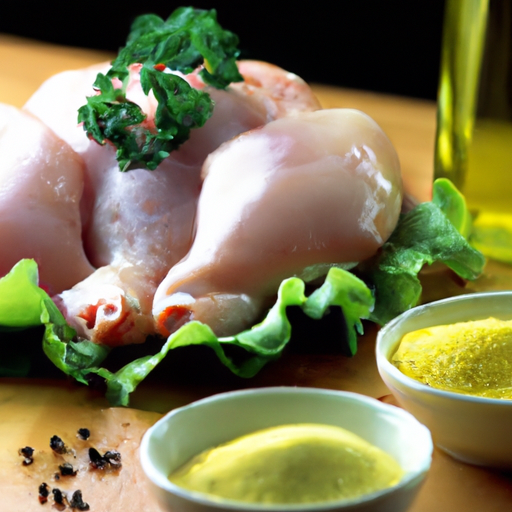
Chicken can be grilled, baked, or turned into a soup or stew. The hallmark of the Mediterranean diet’s use of chicken, however, revolves mostly around herb and citrus marinades, coupled with plenty of vegetables on the side!

Is Chicken Allowed In The Mediterranean Diet?

Mediterranean Chicken Recipes

There are numerous ways to delight your taste buds and nourish your body with chicken in the Mediterranean diet.

Healthy & Tasty Chicken Recipes for Families

Gather your family for a feast with dishes like Tuscan garlic chicken, chicken souvlaki, or lemon herb chicken. Remember, the focus should always be to enjoy these meals together!

Incorporating Local and Seasonal Ingredients

Opt for local and seasonal fruits, vegetables, and herbs in your chicken dishes. Not only are these fresh and bursting with flavor, but they also have the highest nutrient content.

Tips for Preparing Chicken the Mediterranean Way

Opt for grilling or broiling over deep-frying and use extra virgin olive oil instead of unhealthy oils or fats. Don’t forget the herbs and citrus for the classic Mediterranean flavor profile!

Balancing Chicken with Other Food Groups in the Mediterranean Diet

Diversity is key in any diet.

Importance of Diversity in the Diet

While chicken is a wonderful component of the Mediterranean diet, you should enjoy a variety of other foods to ensure a balanced meal plan.

Complementary Foods to Chicken for a Balanced Meal

Whole grains, fresh fruits, and vegetables, and legumes go well with chicken. These are rich in fiber, vitamins, and minerals that promote good health.

Understanding Portion Control

Even the healthiest foods can work against you if you eat too much of them. Aim for modest portions and listen to your body’s cues for hunger and fullness.

Sustainable Practices in the Mediterranean Diet

Sustainability is an important aspect of the Mediterranean dietary model.

The Role of Sustainable Farming Practices

Choosing chicken and other ingredients that have been farmed sustainably ensures the food source is renewable and eco-friendly.

How to Choose Free-range, Organic Chicken

Look for certifications on labels such as “Free-Range” or “USDA Organic” to ensure the chicken has been raised humanely and without hormones or antibiotics.

Environmental Impact of Chicken Farming

Choose smaller farms that prioritize animal welfare and ecological sustainability over large, industrial operations.

The Importance of Sharing Meals in the Mediterranean Culture

The Mediterranean diet is more than just food—it’s a way of life.

Using Mealtimes for Family Bonding

In Mediterranean cultures, meal times are used for bonding with family and friends. This not only makes the meal enjoyable but also encourages mindful eating as you engage in conversation and eat slower.

The Social Aspect of The Mediterranean Diet

The Mediterranean diet emphasizes the joy of sharing food with loved ones and creating lasting memories around the dinner table.

Teaching Children Healthy Eating Habits Through Shared Meals

Children can learn the value of good nutrition and proper eating habits through shared meals.

Lifestyle Factors Complementing the Mediterranean Diet

While diet is an important part of health and wellness, the Mediterranean lifestyle also advocates for physical activity and good hydration.

Role of Physical Activity in the Mediterranean Lifestyle

Physical activity is a vital part of the Mediterranean lifestyle. Regular exercise can assist with weight control, improved mood, increased energy, and overall better health.

Impact of Stress Management and Adequate Sleep

Good diet and regular exercise should be complemented with adequate sleep and stress management techniques to ensure a well-rounded healthy lifestyle.

Importance of Drinking Water and Staying Hydrated

Hydration is crucial in the Mediterranean lifestyle. Be sure to drink plenty of water throughout the day, especially when engaging in physical activities.

Addressing Common Misconceptions about the Mediterranean Diet

There are several misconceptions about the Mediterranean diet, particularly around the usage of fats.

Clarifying the Role of Fats

While the Mediterranean diet is high in fats, the fats come mainly from healthy sources like olive oil and fatty fish. These are beneficial for your heart and overall health.

Understanding the Flexibility of the Diet

The freedom to mix and match foods within the pyramid guideline is one appealing factor of the Mediterranean diet. This diet is more about moderation than restriction.

The Mediterranean Diet is Not a Quick Fix Diet Plan

The Mediterranean diet is not just a temporary diet plan but a lifestyle choice aimed at improving health and quality of life in a sustainable and enjoyable manner.

Conclusion: Chicken in the Context of the Mediterranean Diet

So, to answer the question – Is chicken allowed in the Mediterranean diet? Absolutely. Chicken plays a critical role providing high-quality protein and other nutrients while keeping your heart healthy.

Reaffirming the Place of Chicken in the Diet

Throughout this piece, we’ve reiterated that chicken is a vibrant part of the Mediterranean diet. Enjoy it in moderation, along with various other food groups.

Encouraging Varied and Balanced Meals with Family

Let meals times be a moment to bond while nourishing your body. Diversity is key – enjoy varied meals with your loved ones, with chicken on the table.

Inviting Readers to Explore More Mediterranean Recipes and Lifestyle Habits

Living the Mediterranean way includes more than diet. It incorporates regular physical activity, adequate sleep, hydration, and stress management. And don’t forget to enjoy your food, especially when it’s shared with family and friends.

Throughout my health journey, I’ve found the Mediterranean diet to be a balance of pleasure and health intertwined. I hope you’re inspired to explore more heart-healthy recipes and adapt to this lifestyle that not only treats your taste buds but also takes care of your heart. Here’s to a healthier, happier, and tastier you!

August 7, 2023 Health and Wellness

Is White Rice OK On Mediterranean Diet?

In this discussion, we’ll uncover whether white rice has a place on your Mediterranean diet. You’ll gain insights into its health profiles and if it aligns with the nutritional goals of this diet. By the end, you’ll know how to incorporate or substitute white rice in your Mediterranean meals, ensuring you can continue to enjoy food with your family in a healthy manner.

Is White Rice OK On Mediterranean Diet?

Understanding the Mediterranean Diet

Definition of the Mediterranean Diet

Originating from the eating habits of countries surrounding the Mediterranean Sea, the Mediterranean diet encompasses a lifestyle of enjoying whole foods and regular physical activity. This time-honored diet features fresh fruits and vegetables, hearty grains, fish, olive oil, and limited amounts of meat and dairy. It encourages balance, moderation, and enjoyment of food.

Essential components of the Mediterranean Diet

A Mediterranean plate is a kaleidoscope of colors and flavors. You’ll see lavish greens, ripe tomatoes, succulent olives, spicy garlic, and luscious nuts. Key components include lean proteins such as fish and poultry, whole grains, and plenty of fresh fruits and vegetables. Healthy fats like olive oil replace butter, and herbs and spices take the place of salt.

Benefits of the Mediterranean Diet

From boosting heart health to fostering a healthy weight, the Mediterranean diet has myriad benefits. It is associated with lower risks of chronic diseases like heart disease, cancer, and diabetes. It also promotes brain health and longevity.

Role of Carbohydrates in the Mediterranean Diet

Importance of Complex carbohydrates

Carbohydrates, specifically complex ones, are one of the cornerstones of the Mediterranean diet. They provide needed energy and dietary fiber. Whole grains, vegetables, and fruits are excellent sources of complex carbohydrates, boasting high nutrient and fiber content.

Effect on Overall Health

A diet rich in complex carbohydrates can help maintain a healthy weight, regulate blood sugar, and reduce the risk of chronic diseases. Balanced intake of complex carbohydrates also supports healthy digestion and promotes sustained energy levels throughout the day.

Recommended Intake

Although no specific carbohydrate intake is prescribed in this diet, foods rich in complex carbohydrates should form the bulk of your meals. This includes plenty of vegetables, fruits, beans, and whole grains, making every plate colorful, diverse, and nutritious.

White Rice in General Nutrition

Nutrient Content of White Rice

White rice is a source of carbohydrates, protein, and trace minerals. However, compared to whole grains, it falls short as it lacks some key nutrients like fiber and B vitamins due to the refining process.

Comparison of White Rice to Other Grains

When compared to whole grains like brown rice, quinoa or bulgur, white rice has less fiber, fewer nutrients, and a higher glycemic index, meaning it can spike your blood sugar levels more than whole grains.

Potential Health Impacts of Excessive White Rice Consumption

Eating white rice in excess could lead to weight gain and increase the risk of type 2 diabetes. It’s less satiating than whole grains due to lower fiber content, making you more likely to overeat.

Is White Rice OK On Mediterranean Diet?

Mixing White Rice with Other Ingredients

Influence of Cooking Methods on Nutritional Value

How you cook your rice can also impact its nutritional value. For instance, boiling rice in plenty of water and then draining off the excess, like pasta, can reduce its calorific value.

Combining with Vegetables or Lean Proteins

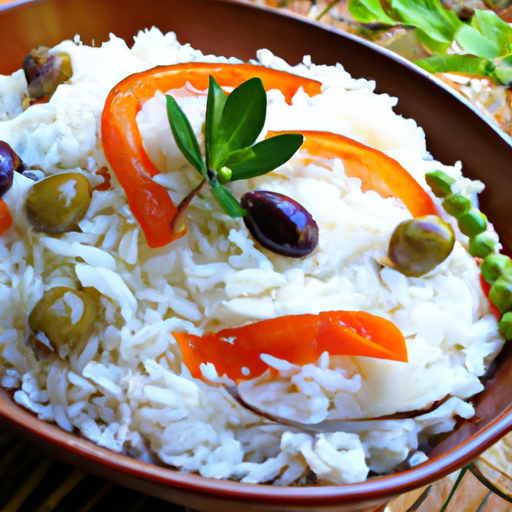
To balance the nutrient profile of white rice, consider combining it with fiber-rich vegetables, lean proteins like chicken or fish, or legumes like lentils and chickpeas. This can make a meal more balanced and satiating.

Using Herbs and Spices to Enhance Flavor

Enrich your recipes with herbs and spices not only to enhance the flavor but also to increase the nutritional content. Think saffron for a yellow rice, turmeric for a warm golden touch, or aromatic herbs like thyme or rosemary.

Moderation: Key Principle in Mediterranean Diet

Understanding the Concept of Moderation in Diet

Moderation is a key principle of the Mediterranean Diet, which eschews the concept of “good” or “bad” foods in favor of balanced eating. Moderation means savoring small portions of all foods and avoiding excess.

Implementing Moderation with White Rice

When it comes to white rice, moderation is the goal. Include it in your diet, but don’t let it crowd out whole grains. Use it as one component of a balanced meal, rather than the main attraction.

Balance with Other Food Groups

Ensure white rice is balanced with protein, healthy fats, and plenty of vegetables. This will keep your nutrient intake varied and help you maintain a healthy weight.

Alternatives to White Rice

Whole Grains in the Mediterranean Diet

Whole grains are a crucial part of the Mediterranean diet. They include foods like brown rice, quinoa, bulgur, farro, and oats. These grains are rich in fiber, protein, and other nutrients.

Recommended Grains and Their Benefits

Brown rice, for instance, provides more fiber and vitamin B than white rice. Quinoa, touted as a superfood, is high in protein and various minerals. Each grain brings something unique to the table, both nutritionally and flavor-wise.

Incorporating Alternatives in Meals

Try swapping white rice for whole grains in your usual recipes. Use brown rice in your risotto, cook your curry with quinoa, or toss bulgur in your salad.

Maintaining Balanced Diet and Active Lifestyle

Importance of Physical Activity

Remember, the Mediterranean lifestyle isn’t just about food. Regular physical activity is a key component, whether that’s walking, running, swimming, or doing chores around the house.

Effect of Balanced Diet on long-term Health

Maintaining a balanced diet and active lifestyle can have a significant effect on your long-term health. It can help you maintain a healthy weight, reduce the risk of chronic diseases, enhance mood, and promote overall well-being.

Balancing Indulgence and Restraint

The Mediterranean diet teaches you to savor every bite, enjoy the food, and nourish your body. It encourages a balance between indulgence and restraint, offering a lifestyle that is both pleasurable and healthful.

Food as a Source of Joy and Connection

Sharing Meals with Family and Loved Ones

Food isn’t merely about fueling the body. It’s a source of joy, a chance to connect with loved ones, and an opportunity to create cherished memories. There’s no such thing as a solitary meal in the Mediterranean lifestyle. Every meal is a celebration, shared with family and friends.

Creating Joyful and Healthy Eating Habits

By creating joyful, healthy eating habits, you foster an enduring relationship with food. Cooking meals from scratch, choosing whole and fresh ingredients, sitting down to eat without distractions – these practices can transform eating into a joyous daily ritual.

Importance of Meal Planning and Preparation

Planning and preparing meals can help you maintain a balanced diet and reduce stress around mealtimes. It also allows you to infuse creativity into your dishes and experiment with new flavors and ingredients.

Personal Stories and Recipes Using White Rice

JD’s personal experiences with white rice

As a child, JD grew up with bowls of white rice as a staple in meals. As he adopted the Mediterranean lifestyle, he learned to balance and enjoy white rice in moderate amounts, alongside other whole grains, maintaining his health and memories.

Healthy and Flavorful Mediterranean Rice Recipes

Try JD’s favorite paella recipe, a sumptuous Spanish rice dish loaded with seafood, chicken, and lots of vegetables. Or, savor the Lebanese stuffed zucchinis, where white rice is mixed with lean meat and spices, tucked into green zucchini, and cooked in a tangy tomato sauce.

Readers’ Experiences and Advice

Some readers have shared how they’ve replaced white rice entirely with whole grains, while others still enjoy it occasionally. Everyone agrees though: balance and moderation are key in the Mediterranean lifestyle.

Conclusion: White Rice in the Context of the Mediterranean Diet

Summary of white rice in general nutrition

So, is white rice ok on the Mediterranean Diet? Yes, in moderation and as part of a balanced meal. Though it’s less nutritious than whole grains, it can certainly have a place in your diet when balanced with other nutrient-dense foods.

Key Takeaways for Including White Rice in Mediterranean Diet

The Mediterranean diet is not about restriction, but fostering a balanced, fulfilling relationship with food. Consuming white rice in context with a diet rich in fruits, vegetables, lean proteins, and healthy fats yields the best results for health and enjoyment.

Final words from JD

JD encourages everyone to explore the colorful, flavorful world of Mediterranean diet, where white rice can be enjoyed as a part of a diverse, balanced meal. It’s not just about what’s on your plate, but also how you share and enjoy your food. As they say in the Mediterranean, “Buon Appetito!”

August 7, 2023 Health and Wellness

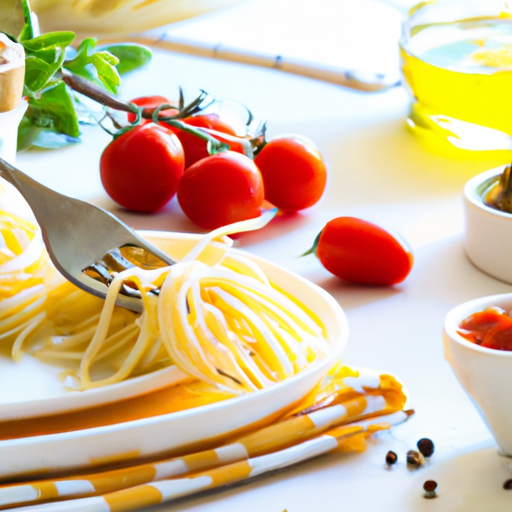
Is Spaghetti Allowed On Mediterranean Diet?

Ready to find out if spaghetti has a place in your Mediterranean diet? Excellent, this is the right spot! In this friendly, informative guide, you’ll learn about the role of pasta in the Mediterranean diet, focusing on health, quality food, and shared family meals. Let’s enrich your knowledge and add some flavor to your culinary experience.

Is Spaghetti Allowed On Mediterranean Diet?

Understanding the Mediterranean Diet

What is the Mediterranean Diet?

The Mediterranean Diet represents a unique pattern of eating, influenced by the cultures residing near the Mediterranean Sea. This diet is acknowledged for its rich intakes of plant-based foods, healthy fats, lean proteins, and moderate consumption of red wine, largely making it one of the world’s healthiest diets.

The Origin and Cultural Importance of the Mediterranean Diet

The Mediterranean Diet traces its roots back to countries such as Greece, Italy, and Spain, where the culinary practices have deep cultural and historical significance. It is much more than merely ‘what’s on your plate’. It emphasizes the significance of communal dining, sharing meals with family and friends, thereby promoting a healthy social life.

The Benefits of the Mediterranean Diet

The Mediterranean Diet is a powerhouse of benefits. Its plentiful intake of fruits, vegetables, legumes, and whole grains means you’re feeding your body with high-fiber, low-glycemic foods that not only keep you satiated but also contribute to good gut health. Besides, the diet is rich in healthy fats and lean proteins that contribute to cardiovascular health and weight management.

The Main Principles of the Mediterranean Diet

Several principles form the core of the Mediterranean Diet. It encourages eating primarily plant-based foods, replacing butter with olive oil, using herbs and spices instead of salt, limiting red meat intake, and opting for fish and poultry for protein needs. Exercise and enjoying meals with family and loved ones are integral parts of this diet.

The Place of Pasta in the Mediterranean Diet

Is Pasta a Staple Food in the Mediterranean Diet?

Yes, pasta is a staple food in the Mediterranean Diet. It’s all about balance and moderation. Many Mediterranean meals consist of pasta as an integral part of their diet. When paired with other diet-friendly foods, like vegetables, legumes, and lean proteins, pasta can contribute to a well-rounded, nutritious diet.

The Right Types of Pasta for the Mediterranean Diet

Not all pasta is created equal. In the Mediterranean Diet, it’s best to choose whole grain pasta. Whole grains are rich in fiber and other important nutrients, making it a healthier choice over refined grains.

Balancing Pasta with Other Foods in the Mediterranean Diet

To maintain a balanced Mediterranean Diet, accompany pasta with plenty of fresh vegetables, legumes, and lean proteins. Think grilled chicken breast on whole grain spaghetti with a side of steamed vegetables, or pasta salad loaded with fresh veggies, chickpeas, and a light vinaigrette.

Spaghetti on the Mediterranean Diet

The Nutritional Value of Spaghetti

Whole grain spaghetti, in particular, offers a range of nutritional benefits. It provides a good dose of fiber, keeping you full for longer and aiding digestion. Moreover, it’s a decent source of plant-based protein and offers important nutrients such as iron and B vitamins.

Choosing the Right Spaghetti for the Mediterranean Diet

To make a smart spaghetti choice for the Mediterranean Diet, stick to whole grain options as much as possible. You may also like to explore varieties made from lentils or chickpeas for an extra protein boost.

Healthy Spaghetti Recipes for the Mediterranean diet

Healthy spaghetti recipes in the Mediterranean Diet can be wonderfully varied. You can experiment with different flavors like spaghetti with olive oil, garlic, and chili flakes for a simple yet flavorful meal, or a hearty spaghetti with tomato, olives, and capers.

Is Spaghetti Allowed On Mediterranean Diet?

Sharing Meals on the Mediterranean Diet

The Role of Family Meals in the Mediterranean Diet

The sharing of meals lies at the heart of the Mediterranean lifestyle. It isn’t just about nourishment, but nurturing relationships, too. Such communal dining encourages mindful eating and better portion control.

Encouraging Healthy Eating Habits in Children Through the Mediterranean Diet

The Mediterranean Diet can be a fantastic way to instill healthy eating habits in children. Sharing meals lets children see their parents eating and enjoying a variety of foods, which can encourage them to try new flavors and textures.

Making the Mediterranean Diet a Family Affair

Transforming the Mediterranean Diet into a family affair is a smart way to ensure everyone benefits from this heart-healthy eating plan. By incorporating family-friendly recipes everyone can enjoy, such as whole grain spaghetti with fresh tomato sauce and grilled chicken, you can make the diet a part of your family’s lifestyle.

Lifestyle and Exercise on the Mediterranean Diet

Understanding the Lifestyle Accompanying the Mediterranean Diet

Implementing the Mediterranean Diet involves embracing more than just a dietary change. It comprehensively inspires a lifestyle shift that includes regular physical activity, sharing meals with loved ones, and focusing on rest and relaxation.

The Importance of Exercise on the Mediterranean Diet

Exercise is a vital component of the Mediterranean Diet. Regular physical activity in any form—be it walking, running, swimming, or playing a sport—helps maintain a healthy weight and enhances overall well-being.

Balancing Diet and Lifestyle for Health and Longevity

Striking a balance between a healthy diet, regular exercise, and a positive lifestyle can potentially contribute to a longer and healthier life. This balance embodies the core tenets of the Mediterranean Diet.

The Role of the Mediterranean Diet in Promoting Long-Term Health

How the Mediterranean Diet Contributes To Longevity

The regular consumption of whole foods combined with a balanced lifestyle, as seen in the Mediterranean Diet, has been linked to longevity. The diet’s emphasis on consuming plenty of fruits, vegetables, and whole grains, and limiting the intake of processed foods, helps reduce the risk of chronic diseases.

Reducing Risk of Chronic Diseases Through the Mediterranean Diet

Numerous studies have associated the Mediterranean Diet with a lower risk of chronic diseases such as heart disease, type 2 diabetes, and certain types of cancer.

Heart Health and the Mediterranean Diet

The Mediterranean Diet’s generous helpings of heart-healthy foods like fresh fruits and vegetables, whole grains, lean meats, and olive oil make it a perfect choice for maintaining cardiovascular health.

Transitioning to a Mediterranean Diet

Tips for Starting a Mediterranean Diet

Starting a Mediterranean Diet doesn’t have to be overwhelming. Begin with small changes—swap out butter for olive oil, eat more fruits and vegetables, and include whole grain foods like pasta into your meals.

Overcoming Challenges When Switching to the Mediterranean Diet

The transition may pose certain challenges, like adjusting to new flavors. Make the switch enjoyable by exploring new recipes and making gradual changes rather than drastic ones.

Setting Realistic Expectations for the Mediterranean Diet Transition

Patience is key when transitioning to the Mediterranean Diet. As this is more of a lifestyle change than a restrictive diet, it’ll take time to see its full effects. Celebrate the small victories and keep experimenting with new healthy foods.

Personalizing Your Mediterranean Diet

Adapting the Mediterranean Diet to Meet Individual Dietary Needs

The beauty of the Mediterranean Diet lies in its versatility. You can easily adapt it to suit personal dietary needs or preferences, whether that be vegetarian, vegan, gluten-free, or others.

Balancing Personal Taste and Dietary Guidelines in the Mediterranean Diet

Finding a balance between personal taste and following dietary guidelines is essential for sustainability. Enjoy favorite dishes in moderation and focus on filling your plate with plenty of colorful fruits, vegetables, and lean proteins.

Making the Mediterranean Diet Enjoyable and Sustainable

Making the Mediterranean Diet enjoyable is key to sticking with it long-term. Experiment with different recipes, take pleasure in sharing meals with loved ones, and savor the myriad flavors this diet has to offer.

Reviewing Resources on the Mediterranean Diet

Learning from Reliable Mediterranean Diet Resources

There are many reliable resources available to guide you on your Mediterranean Diet journey. Consult with a dietitian or health professional for personalized advice, and consider using reliable websites and books for further information.

Recommended Mediterranean Diet Cookbooks and Recipes

Numerous cookbooks and online recipe banks can provide inspiration and practical guidance on preparing delicious meals consistent with the Mediterranean lifestyle.

Online Communities and Support for the Mediterranean Diet

Many online communities and forums allow people to share their experiences, seek advice, and offer support to others on the same journey. They can be a valuable complement to your Mediterranean Diet adventure.

Conclusion

The Impact of Implementing a Mediterranean Diet

Implementing a Mediterranean Diet can have a profound impact on your health. Not only can it help manage weight, but it can also ward off various chronic diseases and potentially contribute to longevity.

The Role of Spaghetti in a Balanced Mediterranean Diet

Spaghetti, particularly whole grain, finds a rightful place in the Mediterranean Diet. Its incorporation in a balanced diet rounded out with vegetables, lean proteins, and healthy fats contributes to both its healthful and flavorful appeal.

Adopting the Mediterranean Diet for a Healthier, Longer Life

Adopting the Mediterranean Diet is an investment in your health, paving the way for a long, vibrant life. Spaghetti, alongside other wholesome Mediterranean staples, can contribute to your journey to a healthier you. So, savor the flavors of the Mediterranean Diet, and here’s to you enjoying healthful, delicious meals with your loved ones!

August 7, 2023 Nutrition

Is Peanut Butter Allowed On Mediterranean Diet?

In this friendly discussion, you’ll uncover if peanut butter has a place in the renowned Mediterranean Diet. This article will provide you with well-researched and accurate information, highlighting not only the benefits of the diet but the essential role of high-quality food in enhancing family experiences. You’ll learn about healthy eating habits and the joy of sharing a meal with loved ones. Let’s explore the Mediterranean diet together.

Is Peanut Butter Allowed On Mediterranean Diet?

Understanding the Mediterranean Diet

The Mediterranean Diet is more than a simple diet; it’s a holistic dietary lifestyle rooted in the traditional foods and cooking methods of countries bordering the Mediterranean Sea.

The core components of the Mediterranean Diet

The Mediterranean Diet comprises a variety of foods, with the lion’s share coming from plant-based sources such as fruits, vegetables, whole grains, legumes, and nuts. Olive oil replaces butter and dairy-derived fats, and herbs and spices are used in place of salt for adding flavor to meals. Fish and poultry are included, mostly in moderate portions, and red meat is limited.

The cultural significance and lifestyle context of the Mediterranean Diet

The Mediterranean Diet has its roots in the culinary habits of traditional communities living along the Mediterranean coastline. It’s more than just food; it represents a lifestyle that encompasses sharing meals with friends and family, enjoying life, and staying physically active.

Health benefits of the Mediterranean Diet

Potential health benefits of the Mediterranean Diet include a lower risk of heart diseases and stroke, type 2 diabetes, and premature death. It may also contribute to weight loss and help manage hypertension.

Debunking the Mediterranean Diet Myths

The truth about fat intake in the Mediterranean Diet

Contrary to the misconception that all dietary fat is bad, the Mediterranean Diet includes plenty of healthy fats. Olive oil, nuts, and avocados are on the menu, all of which contain monounsaturated fats beneficial for heart health.

Types of foods that are included and excluded in the Mediterranean Diet

The primary foods in the Mediterranean Diet are fruits, vegetables, legumes, nuts, and whole grains. Fish, poultry, and dairy products are eaten in lesser amounts, and red meat is limited. Excluded are foods high in added sugars or unhealthy fats, like most fast food and ultra-processed snacks.

Is the Mediterranean Diet a strict or flexible dietary plan?

The Mediterranean Diet is far from a rigid eating regimen. Instead, it provides guidance on the types of food you should focus on. It allows flexibility depending on individual needs and preferences.

Fats and Protein in the Mediterranean Diet

Healthy fats in the Mediterranean Diet

Healthy fats, such as olive oil and fatty fish, star in the Mediterranean Diet. They provide critical nutrients without escalating your risk of heart disease.

Sources of protein in the Mediterranean Diet

Primary protein sources include legumes, fish, and poultry. Red meat is eaten less frequently, typically no more than a few times each month.

Role of nuts and seeds in the diet

Nuts and seeds are excellent sources of protein and healthy fats. They’re an integral part of the Mediterranean Diet, often added to various dishes or enjoyed as snacks.

Is Peanut Butter Allowed On Mediterranean Diet?

The Place of Peanut Butter in the Mediterranean Diet

Nutritional content of peanut butter

Peanut butter is high in healthy monounsaturated fats and serves as a good source of protein. It also provides key dietary fibers, vitamins, and minerals.

The role of peanut butter in a balanced diet

When consumed in moderation, peanut butter can be part of a balanced diet. Its high protein and fiber content can help you feel full while providing essential nutrients.

Is peanut butter in line with the principles of the Mediterranean Diet?

While not a staple traditionally, peanut butter does align with the Mediterranean Diet’s principles due to its protein and healthy fat content. However, it should be consumed mindfully due to its high-calorie count.

How to Incorporate Peanut Butter into Your Mediterranean Diet

Interesting ways to include peanut butter in your meals

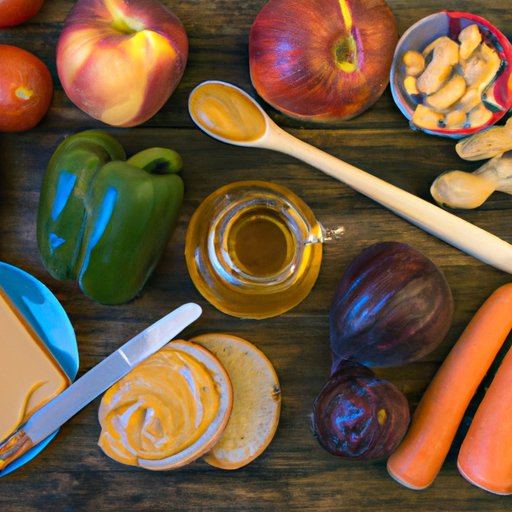
You can use peanut butter in savory dishes or to enrich whole grain products. You can also pair it with fruit for a heartier snack.

Recipes incorporating peanut butter within Mediterranean dietary guidelines

Peanut butter can be used creatively in many recipes, from smoothies and sandwiches to peanut-herb dressings for salads.

Avoiding unhealthy variants of peanut butter

When choosing peanut butter, select natural varieties without added sugars, hydrogenated oils, or artificial preservatives.

Enjoying Peanut Butter in Moderation

Understanding portions and moderation

Remember, peanut butter is high in calories, so portion control is vital. A typical serving is about 2 tablespoons.

The importance of controlled intake with high-calorie foods

To maintain balance in your diet, it’s crucial to monitor the consumption of high-calorie foods, even if they are nutrient-dense, like peanut butter.

Optional healthier alternatives to peanut butter

Consider other nut butters, like almond or cashew, which can offer various nutrients and help vary your diet.

Other Nut Butters in the Mediterranean Diet

Benefits of almond butter

Almond butter contains a high quantity of monounsaturated fats, calcium, and antioxidants.

Interesting facts about tahini

Tahini, made from sesame seeds, is a traditional food in the Mediterranean Diet. It’s high in healthy fats and an excellent source of essential nutrients.

Why consider cashew butter?

Cashew butter has a rich flavor and is a good source of iron and healthy fats. It’s a great way to diversify your menu.

Sharing High-Quality Food with Family

The importance of sharing meals with loved ones on mental health

Sharing meals can strengthen family bonds and add enjoyment to eating, creating a healthier relationship with food. It also contributes to a sense of well-being and boosts mental health.

Family-friendly Mediterranean recipes incorporating peanut butter

There are numerous family-friendly recipes from salads with peanut dressings to whole-grain bread sandwiches.

Teaching children about nutritious eating

By including your kids in cooking and involving them in grocery shopping, you can teach them about nutrition, instilling in them habits that will help them throughout their lives.

The Role of Exercise in the Mediterranean Lifestyle

Importance of exercise in a balanced lifestyle

Regular physical activity is an inseparable part of the Mediterranean lifestyle, contributing to overall health and well-being.

Incorporating everyday activities to stay active

Small changes, such as walking more and using stairs instead of elevators, can make a big difference in your fitness levels.

Exercises that complement the Mediterranean Diet

Activities like gardening, swimming, or walking complement the Mediterranean Diet for a balanced lifestyle, promoting heart health and overall well-being.

Conclusion

Recap on the role of peanut butter in the Mediterranean Diet

In moderation, peanut butter can certainly be included in the Mediterranean Diet. It provides healthy fats and protein, aligning with the dietary focus.

The broader philosophy of the Mediterranean Diet and lifestyle

Beyond food, the Mediterranean Diet represents a holistic philosophy of life involving physical activity and sharing meals with loved ones, promoting a high quality of life.

Final thoughts on maintaining a healthy, enjoyable diet

By incorporating diverse foods, such as peanut butter, practicing portion control, and sharing meals, you can reap the many benefits that the Mediterranean Diet and lifestyle have to offer. Enjoy your food journey, and remember, balance is key.

August 7, 2023 Health & Wellness

What Foods Are A Typical Mediterranean Diet?

In this friendly discussion, you’re about to expand your knowledge on the typical foods found in a Mediterranean diet. As your guide, JD presents well-researched, accurate facts, not only to enlighten you about this flavorful and healthful diet but also to accentuate the joy of sharing high-quality food with our loved ones. This journey will ensure you understand the importance of maintaining good health long term, along with fostering good eating habits and enjoying meals in the company of family and friends.

What Foods Are A Typical Mediterranean Diet?

Understanding the Foundation of a Mediterranean Diet

The Mediterranean diet is recognized globally for its immense health benefits. But, understanding the essence of this diet and the foods that encompass it is vital for reaping its rewards. Let us peel back the layers and delve into the core of what constitutes a typical Mediterranean diet.

History of the Mediterranean Diet

The Mediterranean diet, as the name implies, is deeply rooted in the traditional eating habits of the coastal regions surrounding the Mediterranean Sea. It embodies the culinary cultures of countries like Italy, Spain, and Greece. It’s a way of life that was catapulted to global prominence in the mid-20th century following research that showed lower rates of chronic diseases and higher life expectancy among these populations.

Core Principles of the Mediterranean Diet

At its core, the Mediterranean diet promotes the consumption of a diverse range of nutrient-dense foods primarily derived from plants. The diet features generous servings of fruits and vegetables, whole grains, beans and other legumes, nuts, seeds, and heart-friendly olive oil. This diet aims for balance, nourishment, and above all, the enjoyment of real, natural foods shared with loved ones around the dinner table.

Key Food Groups in a Mediterranean Diet

Now that you have a solid understanding of the history and principles of the Mediterranean diet, let’s take a detailed look at the food groups this diet involves.

Fruits and Vegetables in the Mediterranean Diet

Bright, vibrant fruits and vegetables are a staple in every Mediterranean meal. Laden with essential vitamins, minerals, and fiber, they contribute greatly to the overall nutrition of the diet.

Grains and Cereals in the Mediterranean Diet

Whole grains and cereals provide a good source of fiber and keep you feeling full. They include foods like rice, barley, bulgur, oats, and bread.

Protein Sources in the Mediterranean Diet

Proteins in this diet come predominantly from legumes and lean meat like poultry and fish. Red meat is consumed less frequently, only a few times a month.

Healthy Fats in the Mediterranean Diet

Fat is a crucial part of the Mediterranean diet, but the focus is on heart-healthy unsaturated fats from fish, avocados, nuts, seeds, and notably olive oil.

The Role of Seafood in the Mediterranean Diet

Seafood is a mainstay in the Mediterranean diet, richly endowed with Omega-3 fatty acids and lean protein.

Popular Seafood Choices

The diet favors a variety of seafood, with staples like sardines, mackerel, sea bass, and shellfish.

Health Benefits of Consuming Seafood

Regular seafood consumption can aid in reducing inflammation, improving heart health, and promoting brain health.

What Foods Are A Typical Mediterranean Diet?

Embracing Plant-Based Foods

The Mediterranean Diet encourages a substantial intake of plant foods.

Types of Legumes in Mediterranean Diet

Beans, lentils, chickpeas are all prevalent legumes in this diet, gifting every plate with fiber and protein.

Importance of Nuts and Seeds

Nuts and seeds provide healthy fats, fiber, and are excellent sources of protein.

The Importance of Whole Grains & Cereals

Whole grains and cereals are the energy-fueling carbohydrates of the diet.

Typical Whole Grains in a Mediterranean Diet

Whole wheat, oats, brown rice, rye, barley, corn, and quinoa are all fantastic examples.

Role of Cereals in the Diet

Cereals not only keep you satiated but are great sources of B vitamins and minerals like iron and magnesium.

The Use of Healthy Fats

Healthy fats are an integral component of the Mediterranean diet, letting every dish shine with flavor and nutritional value.

Benefits of Olive Oil

Olive oil, particularly extra virgin olive oil, is a rich source of monounsaturated fats that safeguard your heart.

Incorporation of Avocados

Avocados are another superb source of healthy fats and are often used in salads or as a spread on whole grain toast.

Moderate Consumption of Dairy

Dairy in the Mediterranean diet is consumed moderately and often comes from cheese and yogurt.

Role of Cheese and Yoghurt in the Diet

Hard cheeses like Parmesan and soft cheeses like feta, along with unsweetened yogurts, are commonly featured in meals or recipes.

Choosing Lower-Fat Options

The Mediterranean diet recommends opting for lower-fat dairy options whenever possible.

Mediterranean Diet and Red Wine

Yes, red wine does play a role in the Mediterranean diet– in moderation.

Health Benefits of Red Wine

Red wine is linked with heart health due to its antioxidant content, particularly resveratrol.

Moderation is Key

Overconsumption can lead to health issues, so moderation is advised- typically a glass a day for women and up to two glasses a day for men.

Become Conscious of Meal Portion Sizes

Maintaining appropriate portion sizes is central to staying healthy with this diet.

Understanding Appropriate Serving Sizes

Recognizing correct serving sizes for different food groups can be a key factor in maintaining a healthy weight and balanced diet.

The Impact of Portion Control on Weight Maintenance

Portion control, alongside the high fiber and nutrient intake of the diet, contributes to weight maintenance, alongside its other health benefits.

Conclusion: Embracing the Mediterranean Lifestyle

The Mediterranean diet offers more than just a pathway to good health; it offers a lifestyle rooted in mindfulness, balance, and the joy of sharing good, wholesome food.

The Connection between Diet and Longevity

The traditional Mediterranean lifestyle, moderate physical activity amalgamated with this nutrient-rich diet, contributes significantly to your longevity.

Promoting Family Bonding through Shared Meals

It’s not just about what’s on your plate, but who you’re sharing your meal with. The Mediterranean culture emphasizes the importance of communal dining, enhancing the joy of eating while fostering closer familial bonds and relationships.

Making Dietary Shifts for Sustainable Nutrition

Adopting the Mediterranean way is about making small, sustainable dietary shifts that favor real, nutrient-dense foods. It encourages mindful eating, its richness in flavor enables you to thoroughly enjoy your meals without overeating.

Remember, it’s not just a diet, it’s a lifetime journey. So, let’s embark on this culinary adventure, relish the flavours of the Mediterranean Diet and move towards health and longevity.

August 7, 2023 Health & Fitness

What Is Not Allowed On The Mediterranean Diet?

Welcome! You’re about to discover what foods aren’t allowed on the Mediterranean diet. Throughout this article, you’ll learn how to shape your diet to align with this health-focused lifestyle. JD crafted this piece to not only help you maintain your health but also promote enjoying quality food with your loved ones. Clear information and practical tips are ahead, so let’s get started on your journey to a healthier, happier lifestyle.

What Is Not Allowed On The Mediterranean Diet?

Understanding the Mediterranean Diet

The Mediterranean Diet, recognized globally for its health benefits, hinges on several key principles, core food groups, and incorporates exercise and lifestyle elements. To fully appreciate its advantages, it’s important to grasp its foundations.

The Key Principles of the Mediterranean Diet

The Mediterranean Diet is founded on some basic principles: Intake of fruits, vegetables, whole grains, and lean proteins, such as fish. It encourages healthy fats like olive oil over butter and margarine, and herbs and spices over salt. Finally, it encourages red wine consumption in moderation, and promotes physical activity.

Core Food Groups in the Mediterranean Diet

The diet’s backbone comprises fruits, vegetables, whole grains, and legumes. They’re supplemented with lean proteins like poultry, eggs, cheese, fish and seafood, and occasional servings of red meat. Healthy fats, such as those found in avocados, nuts, seeds, and olive oil, are highly emphasized.

The Role of Exercise and Lifestyle in the Mediterranean Diet

Besides food, the Mediterranean Diet promotes a healthy lifestyle that includes regular physical activity, sufficient rest, and enjoying meals in the company of loved ones.

Common Misconceptions about the Mediterranean Diet

The Mediterranean Diet vs Other Popular Diets

While often confused with diets like Keto or Paleo, the Mediterranean Diet stands out for its emphasis on whole foods, healthy fats, and moderation, rather than restriction.

The ‘All-You-Can-Eat’ Misconception

While the Mediterranean diet is varied and delicious, it is not an all-you-can-eat plan. Portion control is central to its success.

Misinterpretation of ‘Healthy Fats’

While healthy fats from sources like olive oil and nuts are encouraged, this does not translate to unlimited consumption. These fats should still be consumed in moderation.

Foods to Avoid in Mediterranean Diet

Processed Foods and the Mediterranean Diet

Heavily processed foods, with their high levels of sodium and added sugars, are to be severely limited in the Mediterranean Diet.

The Impact of Too Much Meat

While lean proteins are allowed, red and processed meats should be consumed in moderation due to their high saturated fat and sodium content.

Avoiding Trans Fats and Highly Refined Oils

Trans fats found in many processed foods and highly refined oils should be avoided as they raise unhealthy cholesterol levels.

What Is Not Allowed On The Mediterranean Diet?

The Role of Sugar in the Mediterranean Diet

Understanding Natural vs Added Sugars

The Mediterranean Diet encourages natural sugars found in fruits, but advises against added sugars present in sweets and sugary beverages.

Why Sugary Drinks are Not a Part of the Mediterranean Diet

Sugary drinks are not part of this diet due to their high-calorie content and lack of essential nutrients.

The Dangers of High Sugar Snacks and Desserts

High sugar snacks and desserts are another no-go. These can lead to weight gain and chronic diseases like diabetes.

The Limitations of Dairy in the Mediterranean Diet

Preference for Low-Fat Dairy Products

The Mediterranean Diet allows dairy but recommends choosing low-fat or non-fat versions where possible.

Reduced Cheese and Butter Intake

While certain cheeses are allowed, it’s suggested to limit their intake due to the high saturated fat content. Butter is also best replaced with healthier oils like olive oil.

Promoting Plant-Based Calcium Sources

Aside from dairy, the diet promotes plant-based calcium sources like leafy greens and legumes, bolstering your nutrient intake even further.

Understanding Alcohol Consumption in the Mediterranean Diet

The Misconception About Unlimited Wine

While wine, specifically red, is accepted in the Mediterranean Diet, it should be consumed in moderation.

Moderate Alcohol Consumption Guidelines

For a healthy lifestyle, limit alcohol consumption to no more than two drinks a day for men and one for women.

Avoiding High Alcohol Liquors

Spirits with high alcohol content do not fit into the Mediterranean lifestyle and are best avoided.

Observing Portion Sizes in the Mediterranean Diet

The Importance of Mindful Eating

Mindful eating, an integral part of this diet, instructs us to eat slowly, savoring each bite, while being conscious of our body’s hunger and fullness cues.

Avoiding Overeating in Any Food Group

Even with healthy food groups, overeating is not advised. Balance and moderation are key.

Do’s and Don’ts of Serving Sizes

Pay attention to serving sizes. For instance, a serving of meat is around the size of a deck of cards, while a serving of fruit is roughly the size of your fist.

Importance of Cooking and Eating at Home

Promoting Homemade Meals in the Mediterranean Diet

The diet places strong emphasis on homemade meals, enabling you to control ingredients and portion sizes.

Challenges of Eating Out or Readily-Prepared Meals

Meals eaten out or preprepared, while convenient, often contain more sodium and unhealthy fats than their homemade counterparts.

The Value of Shared Family Meals

In addition to nutrition, the Mediterranean Diet champions the artwork of shared, enjoyable meals with loved ones.

Benefits of Following the Mediterranean Diet Rules

Improved Heart Health

Studies have shown strong links between the Mediterranean Diet and reduced risk of heart disease.

Promoting Long-Term Weight Loss

The diet, rich in fiber and good fats, supports a healthy metabolism, aiding in long-term weight maintenance.

Support of Mental Health and Reduction of Chronic Diseases

It also correlates with improved mental health and decreased risk of chronic diseases like diabetes and cancer.

Conclusion: Staying True to the Mediterranean Diet

Staying Focused on the Mediterranean Diet Principles

Consistency and compliance with the diet’s principles is beneficial for long-term health outcomes.

Long Term Health is More Than Just About Diet

In addition to diet, maintaining an active lifestyle with regular social and leisure activities is crucial for holistic well-being.

The Rewards of Healthy Eating and Lifestyle Habits

The rewards of healthy eating and lifestyle habits extend beyond physical health, leading to a fulfilling and vibrant life.

Remember, enjoying high-quality food with family and a focus on healthy eating and exercise habits are cornerstones to the Mediterranean lifestyle.

August 7, 2023 Health & Fitness

How Many Calories Should I Eat On The Mediterranean Diet To Lose Weight?

Welcome to this enlightening topic. You’ll unravel the mystery behind the number of calories to consume daily on the Mediterranean diet for effective weight loss. Also, it will highlight the invaluable rewards of this diet, tips for healthy eating, incorporating exercise, and the joy of sharing quality meals with family. Let’s navigate this exciting journey together!

How Many Calories Should I Eat On The Mediterranean Diet To Lose Weight?

Understanding the Mediterranean Diet

What is the Mediterranean Diet?

The Mediterranean diet is a heart-healthy eating plan inspired by the traditional diets of the countries bordering the Mediterranean Sea. This diet emphasizes consuming plant-based foods, such as fruits and vegetables, whole grains, legumes, and nuts. It encourages using olive oil instead of butter, and using herbs and spices instead of salt to flavor foods. Red meat is limited to a few times a month, while fish and poultry are eaten at least twice a week. Additionally, moderate amounts of red wine are integral to this diet.

Key Principles of the Mediterranean Diet

The key principles of the Mediterranean diet revolve around whole, minimally processed foods. Here, the focus is on consuming plenty of fruits and vegetables, lean proteins, whole grains, and healthy fats, such as those from fish, olive oil, and nuts. Furthermore, eating meals with family and friends, enjoying a glass of red wine, and getting plenty of exercise are emphasized, pointing towards a broader picture of overall wellness.

Importance of Exercise in the Mediterranean Diet

While the focus is on food intake, exercise is an integral part of the Mediterranean diet, reflecting an overall lifestyle rather than a strict eating regimen. Physical activity, such as biking, walking, or any form that you enjoy, is beneficial in burning calories, improving physical and mental health, and enhancing the quality of life.

The Caloric Makeup of a Mediterranean Diet

Role and Importance of Calories in Diet

Calories play a crucial role in supplying your body with the energy it needs to function. However, excessive calorie intake can lead to weight gain, making it essential to balance the calories you consume with the calories you burn. Monitoring your calorie intake while following a diet, including the Mediterranean diet, is crucial to maintaining or achieving a healthy weight.

Caloric Breakdown of a Typical Mediterranean Diet

The typical Mediterranean diet does not focus on calorie counting but on healthy food choices and portion control. It is rich in vegetables, fruits, whole grains, and lean protein, which generally keeps the overall calorie count lower yet filling. Healthy fats from olive oil and nuts provide essential calories too but in moderate quantities.

Applying the Mediterranean Diet to Weight Loss

Interplay Between Mediterranean Diet and Weight Loss

The Mediterranean diet is not specifically targeted for weight loss. It is primarily about maintaining a healthy lifestyle. However, its principles work well for weight loss. Consuming lower-calorie nutritious food, such as vegetables and whole grains, and lean proteins can lead to a calorie deficit, essential for weight loss.

Balancing Healthy Eating with Calorie Reduction on the Mediterranean Diet

While aiming to lose weight, balancing healthy eating with calorie reduction is key. On the Mediterranean diet, this balance can be achieved by controlling portion sizes of high-calorie foods like cheese and using cooking methods that require less oil. Remember, healthy eating is about quality over quantity.

How Many Calories Should I Eat On The Mediterranean Diet To Lose Weight?

Estimating Your Calorie Needs for Weight Loss

Identifying Your Daily Calorie Needs

Your daily calorie need depends on a number of factors, including age, gender, weight, height, and physical activity level. There are various online calculators available that can help you estimate this need and create a calorie deficit to aid weight loss.

Tailoring Calorie Intake for Weight Loss

Once you know your daily calorie need, you can tailor your caloric intake for weight loss. Creating a calorie deficit, by eating fewer calories than your body requires for energy, will result in weight loss. However, it’s important to ensure that you also fulfill your nutritional needs.

Breaking Down Calories: Macronutrients in the Mediterranean Diet

Understanding Macronutrients: Proteins, Carbohydrates, and Fats

Proteins, carbohydrates, and fats make up the essential macronutrients in your diet. Proteins are essential for building and repairing tissues, carbohydrates provide energy, and fats are necessary for nutrient absorption and hormone production. Balancing these macronutrients within your calorie limit is essential for weight loss and overall health.

Optimum Macronutrient Distribution in the Mediterranean Diet for Weight Loss

The Mediterranean diet generally promotes a macronutrient ratio of 40% carbohydrates, 30% fats, and 30% protein. However, these ratios can fluctuate a bit depending on your personal dietary needs. This balance helps keep you feeling satisfied, maintains your energy levels, and supports weight loss.

Role of Portion Control in Calorie Management

Understanding Portion Sizes in the Mediterranean Diet

Understanding portion size is key to maintaining calorie control in the Mediterranean diet. Opt for smaller portions of higher-calorie foods like red meat and larger portions of lower-calorie foods like vegetables to maintain balance.

Importance of Portion Management for Calorie Control

Portion management helps avoid overeating while ensuring that you get a range of nutrients from different food groups. It is particularly important in weight loss where it’s essential to eat fewer calories than your body needs.

Effects of Calorie Deficit in the Mediterranean Diet

How Calorie Deficit Leads To Weight Loss

Weight loss occurs when the body uses more calories for energy than it takes in from food, creating a calorie deficit. This forces the body to use stored fat for energy, resulting in weight loss. The Mediterranean diet naturally creates a modest calorie deficit if followed correctly, helping with weight loss.

Sustainable Calorie Deficit in the Mediterranean Diet

Creating a sustainable calorie deficit is about cutting calories intelligently, not drastically. The Mediterranean diet emphasizes portion control and balanced macronutrient intake, which helps create a realistic and sustainable calorie deficit, making it less likely that you regain lost weight.

Integrating Family and Social Life in the Mediterranean Diet

Benefit of Sharing Mediterranean Meals with Family

Sharing Mediterranean meals with family and friends enriches the eating experience and instills healthier eating habits. This diet promotes communal eating, making meals a joyful, shared experience.

Making Mediterranean Diet a Lifestyle for Long Term Health

Remember, the Mediterranean diet is not a temporary fix but a lifestyle. Consistency and patience are key. Along with balanced and nutritious meals, integrate regular physical activities and cherish bonding times with family during meals.

Common Mistakes While on the Mediterranean Diet for Weight Loss

Mistakes that could lead to Calorie Overconsumption

Despite being nutritionally balanced, there are pitfalls that could lead to caloric overconsumption. These include not controlling portion sizes, consuming too much healthy fats, and indulging in too much wine.

Addressing Potential Challenges and Solutions in the Mediterranean Diet

Being aware of these challenges can help you make loving adjustments to your eating habits. Measuring portion sizes, using fats wisely, limiting wine consumption, and staying active can help address these challenges.

Conclusion: Sustainable Weight Loss with the Mediterranean Diet

How the Mediterranean Diet Promotes Healthy Weight Loss

The Mediterranean diet promotes weight loss by emphasizing a balanced intake of whole, nutrient-rich foods. The emphasis on fruits, vegetables, lean proteins, and healthy fats naturally helps keep calorie intake in check while providing a healthy and satisfying eating experience.

Role of Consistency and Dedication in Achieving Weight Loss Goals

Consistency and dedication are key to achieving weight loss goals. Remember, the Mediterranean diet is more than just a diet; it’s a lifestyle. Ensure to integrate this diet with regular physical activity and enjoy it as a shared experience with your loved ones for long-term health benefits.

  • « Go to Previous Page
  • Go to page 1
  • Interim pages omitted …
  • Go to page 39
  • Go to page 40
  • Go to page 41
  • Go to page 42
  • Go to page 43
  • Interim pages omitted …
  • Go to page 64
  • Go to Next Page »

Primary Sidebar

Hey y’all!

Hello and welcome to MediterraneanDietRecipes.net My name is JD, and I’m a 46-year-old father of three amazing children. My family is my world, and my main goal in life is to stay healthy and live long enough to see my children grow up, have children of their own, and to be an active, engaged, and supportive grandparent.

Being an older father, I understand that time is precious, and I want to make the most of it by ensuring that I am in the best possible shape physically, mentally, and emotionally. My journey started with a deep dive into the research on longevity and the lifestyle choices that can help me achieve my goals. Dig deeper →

Footer

Stay Connected

  • Bloglovin
  • Facebook
  • Instagram
  • Pinterest
  • Twitter

Copyright © 2026 · MEDITERRANEAN DIET RECIPES