• Skip to primary navigation
  • Skip to main content
  • Skip to primary sidebar
  • Skip to footer
  • Home
  • About
  • Recipes
  • Blog

Mediterranean Diet Recipes

Home » Blog

Blog

August 7, 2023 Health & Wellness

What Vitamins Does The Mediterranean Diet Lack?

In this friendly discussion, you’ll be learning about the Mediterranean Diet, more specifically, what essential vitamins it might lack. This exploration is essential for those seeking to maintain a healthy, active lifestyle along with enjoying wholesome meals with family and loved ones. Throughout this informative journey, you’ll realize just how vital the balance of nutrients is in ensuring your health and vitality for years to come.

What Vitamins Does The Mediterranean Diet Lack?

Understanding the Mediterranean Diet

As you delve into the world of nutritious foods and healthy eating habits, the Mediterranean Diet is a term you have likely come across. In essence, it is a pattern of eating that revolves around foods traditionally consumed in countries along the Mediterranean sea.

The Basis of the Mediterranean Diet

The Mediterranean Diet emphasizes heart-healthy fresh produce, legumes, whole grains, seafood, and olive oil. Overall, it is a lifestyle approach promoting physical activity, enjoying meals with family and friends, and fueling your body with nutrient-dense foods.

Key Components of the Mediterranean Diet

Key ingredients in a Mediterranean Diet include fresh fruits and vegetables, lean proteins like fish and poultry, whole grains, healthy fats like olive oil and avocado, and moderate amounts of red wine.

Advantages of the Mediterranean Diet

Numerous studies show that this diet can help you lose weight, prevent heart attacks, strokes, type 2 diabetes, and premature death. Appreciated for its flexibility, the diet is less about restriction and more about enjoying wholesome, healthy foods.

Vitamins and the Human Body

Above all else, the Mediterranean Diet is about nutrient density – that is, maximizing the vitamin content of each food consumed.

The Importance of Vitamins

An essential part of balanced nutrition, vitamins play vital roles in bodily functions ranging from energy production to boosting immunity.

Different Types of Vitamins

Mainly, vitamins can be divided into fat-soluble ones (A, D, E, K) which get stored in body fats and water-soluble ones (B-complex, C) which must be consumed regularly as the body doesn’t store them.

Natural Sources of Vitamins

Whole foods like fruits, vegetables, lean proteins, nuts, and legumes prove to be excellent sources of these vitamins.

Vitamins Required for Optimum Health

Each vitamin provides its unique benefits, whether it’s Vitamin A for vision, Vitamin D for bone health, or B-complex vitamins for energy production – they are all essential for optimal health.

Analyzing Vitamin Content in Mediterranean Diet

The Mediterranean Diet has a high composition of foods rich in vitamins – but just how vitamin-rich is it?

Fruit and Vegetable Consumption

The diet’s heavy emphasis on fresh fruits and vegetables ensures an abundant supply of vitamins A, C, K, and many B vitamins.

Seafood and Omega-3 Fatty Acids

Seafood, a staple in the Mediterranean diet, provides necessary minerals and vitamins, including vitamin D.

Whole Grains and Antioxidants

Another pillar of the diet, whole grains, adds to the diet’s richness in B-complex vitamins and antioxidants.

Legumes and Fiber Content

Legumes, a regular part of the diet, also contribute to vitamins and fiber content.
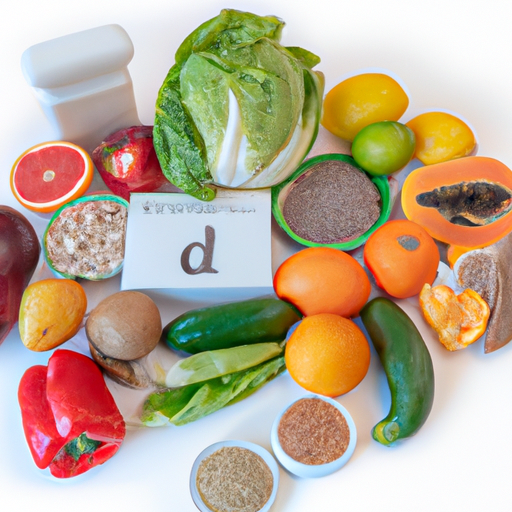
What Vitamins Does The Mediterranean Diet Lack?

Identifying Potential Vitamin Gaps in the Mediterranean Diet

No diet is perfect, and the Mediterranean Diet is no exception. While overflowing with many nutrients, it could potentially fall short in supplying certain vitamins.

B Vitamins and their Sources

B vitamins such as B12 are mainly found in animal products, a food category not heavily emphasized in this diet.

Iron and its Importance

Iron, essential for red blood cell production, may also be less readily consumed, especially for those limiting their meat intake.

Evaluation of Vitamin D in the Diet

Unless fortified dairy products or fatty fish are regularly consumed, maintaining optimal Vitamin D can be challenging.

Role of Vitamin B12

Vitamines B12, mainly found in animal products, plays a vital role in nerve function and the formation of red blood cells. Absent or deficient, it could lead to anemia or neurological problems.

Effects of Vitamin Deficiency

While vitamin deficiency can initially be hard to detect, over time, it can lead to detrimental effects on health.

Symptoms of Vitamin Deficiency

Depending on the deficient vitamin, symptoms can range from fatigue and dizziness to impaired immunity and wound healing.

Long-Term Consequences of Vitamin Deficiency

Prolonged deficiency can lead to anemia, decreased bone density, digestive issues, and numerous other health problems.

Vitamin Deficiency and Overall Health

Maintaining adequate vitamin levels is integral to overall health; hence, dietary choices should be made purposefully.

Supplementing Vitamins in Mediterranean Diet

Understanding potential vitamin gaps within the Mediterranean Style can guide you in supplementing them effectively without compromising dietary principles.

Adding Vitamin B12 Rich Foods

Incorporating more dairy, eggs, or Vitamin B12 fortified foods can help maintain optimal levels.

Incorporating Iron-Enriched Foods

Including more legumes, nuts, seeds, and leafy greens can supplement the iron content in the diet.

Optimizing Vitamin D Intake

Opt for fortified foods, expose yourself to sunlight or consider a supplement, in consultation with your healthcare provider, to maintain your Vitamin D levels.

Healthy Family Eating with the Mediterranean Diet

Adopting the Mediterranean Diet can be a family affair perfectly synced with JD’s emphasis on high-quality family food times.

Planning Balanced Family Meals

Planning meals with a variety of foods will not only prevent nutrient deficiencies but can also introduce children to different flavors and textures.

Incorporating Variety into the Diet

Experimenting with different fruits, vegetables, whole grains, and protein sources can keep the diet exciting and nutritious.

Teaching Children about Healthy Eating Habits

This lifestyle also provides an excellent opportunity for teaching children about the importance of balanced, nutritious eating.

Exercise and Diet for Overall Health

The Mediterranean lifestyle is about balance – and that means pairing a healthy diet with regular physical activity.

Committing to Regular Physical Activity

Engage in physical activities you enjoy and create a culture of fitness in your family.

Pairing Exercise with Proper Nutrition

Supporting your workouts with high-quality, nutrient-dense foods can improve performance and aid recovery.

Inspiring Family Fitness

Involving family members in fitness activities can create a shared understanding and appreciation for fitness and health.

Enhancing Your Mediterranean Diet Lifestyle

The Mediterranean lifestyle is a lifelong journey.

Continuing Education on Nutrition

The more knowledgeable you become, the better decisions you can make for your family.

Involving Loved Ones in Cooking and Meal Prep

Doing so will not only relieve you of the load but also impart crucial life skills to your children.

Making Healthy Eating a Family Affair

A family invested in healthy eating can drive motivation and adherence to the diet.

Ensuring Nutrient Balance in the Diet

With awareness and planning, your Mediterranean style eating can ensure you meet all your nutritional needs.

Conclusion

Embracing the Mediterranean Diet

The Mediterranean Diet offers an enjoyable way of embracing a healthier lifestyle without compromising on taste and flavor.

Ensuring Vitamin Sufficiency

Like any other diet, ensure it caters to all your vitamin needs. With careful supplementation and consumption of a variety of Mediterranean foods, this can be achieved.

Imparting Healthy Eating Habits to Next Generation

Creating a culture of nutritious eating at home can help set groundwork for your children to carry forward these habits, thereby impacting the health of future generations. This, in conjunction with regular physical activity, offers a route to longevity and high-quality life.

August 7, 2023 Health and Nutrition

How Much Red Meat Can You Eat On The Mediterranean Diet?

In this friendly discussion, we’ll explore how much red meat you can consume while still keeping within the healthy principles of the Mediterranean diet. Throughout this article, you’ll gain insight into the Mediterranean diet’s unique approach to red meat, and learn practical tips to balance your meals. This way, you can focus on sharing nourishing, balanced dishes with your family while keeping your health in check.

How Much Red Meat Can You Eat On The Mediterranean Diet?

Understanding the Basics of the Mediterranean Diet

The Mediterranean diet isn’t just a diet — it’s a delicious and healthy way of life. Rich in vegetables, fruits, legumes, whole grains, and lean proteins, it’s based on the traditional eating habits of people from countries bordering the Mediterranean Sea, such as Greece, Italy, and Spain.

The Fundamentals of the Mediterranean Diet

The key elements of this diet include high consumption of fruits, vegetables, legumes, fish, and whole grains, moderate consumption of red wine, and low consumption of red meats, sugar, and saturated fats. Instead of heavy sauces and seasonings, the Mediterranean diet predominantly uses herbs, spices, and olive oil for flavoring.

Key Nutritional Values of the Mediterranean Diet

The Mediterranean diet is rich in heart-healthy monounsaturated fats, primarily from olive oil. It also provides a great source of dietary fiber and antioxidants from fruits, vegetables, and whole grains. Besides, lean sources of protein like fish and legumes contribute to satiety and muscle health.

Mediterranean Diet and Family Eating Culture

Within Mediterranean culture, food is more than just sustenance; it’s a reason for gathering, celebrating, and bonding. Meals are often enjoyed in groups with family and friends, emphasizing the enjoyment of high-quality, fresh, and flavorful foods.

Role of Red Meat in Traditional Diets

While red meat, such as beef, pork, and lamb, has been part of human diets for centuries, it’s worth noting its role in balanced diets.

Importance of Red Meat in Balanced Diet

Red meat can contribute significantly to your nutritional intake. It’s a great source of high-quality protein, essential for repairing body tissues and muscle growth. Moreover, it’s packed with vitamins and minerals like iron, zinc, and vitamin B12.

Potential Health Risks of Consuming Red Meat

Despite its virtues, excessive consumption of red meat, especially processed types, has been linked to various health risks including heart diseases, strokes, and certain types of cancer.

The Debate: Red Meat Vs White Meat

While both red and white meat can be included in a balanced diet, white meat, particularly fish and poultry, is typically leaner and lower in saturated fats compared to red meat. Thus, it’s often preferred for heart health.

How Much Red Meat Can You Eat On The Mediterranean Diet?

Red Meat in the Mediterranean Diet

The Mediterranean Diet does include red meat but emphasizes portion control and quality.

Inclusion of Red Meat in Typical Mediterranean Recipes

While the Mediterranean diet predominantly revolves around plant-based foods, fish, and poultry, lean, high-quality red meats can be enjoyed occasionally in dishes like Greek Moussaka or Italian Bolognese sauce.

Quality and Quantity of Red Meat Consumption in Mediterranean Diet

Quality overshadows quantity in the Mediterranean diet. Red meat is limited to say few times a month, with preference given to lean cuts, grass-fed, or organic varieties whenever possible.

Substitutes for Red Meat in the Mediterranean Diet

If red meat is scarce or to be limited in one’s diet, there are many substitutes. Nutrient-rich legumes and plant-based proteins like beans, lentils, chickpeas, eggs, and tofu make a healthy and satisfying swap.

Benefits and Challenges with Limiting Red Meat Intake

Reducing red meat consumption can lead to various health benefits, yet it may also pose some challenges.

Impact of Reducing Red Meat Intake on Overall Health

Limiting your red meat intake, as in the Mediterranean diet, can lower the risk of heart disease, high cholesterol, and cancers. It also allows more room for wholesome, plant-based foods that promote overall health.

Potential Challenges in Transitioning to Limited Red Meat Diet

However, the transition may bring some challenges. You might crave the unique flavour of red meat or struggle with ensuring adequate protein intake.

Tips to Overcome Red Meat Cravings

Cravings can be curbed by gradually reducing red meat intake and incorporating satisfying alternatives like mushrooms, lentils or aubergines that offer a ‘meaty’ texture. Keep exploring and experimenting until you find the tasty and healthy swaps that work best for you.

Involving Family and Friends in the Mediterranean Lifestyle

As mentioned before, food forms an integral part of Mediterranean culture, bringing families and friends together.

Role of Group Meals in the Mediterranean Diet

In contrast to solitary or on-the-go meals characterized by fast-paced modern lifestyles, the Mediterranean diet encourages slow, mindful eating with others. This social aspect makes meals more enjoyable and can potentially influence healthier choices.

Teaching Children about Healthy Eating Habits

Involving children in meal preparation and sharing healthy meals is a wonderful way to instill good eating habits from a young age.

Creating Memorable Meal Times with Loved Ones

Embrace the Mediterranean way by creating memories and bonding over delicious, colourful, and nourishing meals. The experience isn’t limited to the food on your plate, but extends to the warmth and joy of shared mealtimes.

Success Stories of the Mediterranean Diet

Many people attest to the transformative power of adopting the Mediterranean diet, experiencing improved health, weight loss, and increased vitality.

Inspiring Transformations Resulting from the Mediterranean Diet

From boosting heart health to promoting weight loss and managing diabetes, the Mediterranean diet has offered numerous success stories.

Real Life Experiences: Transitioning to the Mediterranean Lifestyle

While it may be a journey of trials and learnings, embracing the Mediterranean lifestyle can be rewarding in the long run as echoed by real-life experiences.

Celebrity Endorsements and their Impact on the Popularity of the Mediterranean Diet

Even several celebrities have sworn by this diet for maintaining their health and wellness, contributing to its growing popularity worldwide.

Conclusion: Creation of a Sustainable Balanced Diet

The Mediterranean diet is not about restrictive eating but rather focuses on enjoying a variety of nutrient-rich foods in moderation.

Overcoming Common Myths About the Mediterranean Diet

One of the biggest myths about the Mediterranean diet is that it shuns red meat entirely. In reality, high-quality red meats can be part of the diet, albeit in moderation.

Incorporating the Mediterranean Diet into Daily Life

Adopting this eating style is more about making better choices, aiming for a mostly plant-based diet, and savouring food leisurely with loved ones.

The Future of the Mediterranean Diet in Healthy Eating Paradigm

As more research points to the remarkable health benefits of the Mediterranean diet, its global appeal continues to grow, marking its rightful place in the future of healthy eating paradigms.

So, to answer the question: “How much red meat can you eat on the Mediterranean diet?” – Like everything else in life, the answer is moderation. Enjoy your lean cuts of red meat sparingly, and pay close attention to the quality. Remember, it’s all about balance.

August 7, 2023 Health and Wellness

Does The Mediterranean Diet Include Pasta?

Welcome! In this enlightening journey, we’ll set light on the intriguing question, “Does the Mediterranean Diet include pasta?”. Together, we’ll explore the amazing world of the Mediterranean Diet, its numerous benefits, its emphasis on healthy eating habits and family bonding over meals, and especially its place for pasta. A universe of delicious yet healthy choices await you.

Does The Mediterranean Diet Include Pasta?

Understanding the Mediterranean Diet

The Mediterranean Diet, as the name suggests, originates from the eating habits and lifestyle of the Mediterranean countries. With an emphasis on fruits, vegetables, olive oil, seafood, and a certain level of wine, it’s much more a way of living than a strict set of dietary rules.

Origins of the Mediterranean Diet

The Mediterranean Diet traces its roots to the coastal regions of Southern Italy, Greece, Turkey, and Spain. As the inhabitants of these regions have less incidence of cardiovascular diseases and enjoy a higher life expectancy, researchers started reflecting upon their dietary patterns.

Basic Components of the Mediterranean Diet

The Mediterranean Diet primarily involves consumption of a generous amount of plant foods, fresh fruits as desserts, olive oil as the principal source of fat, dairy products in moderate to high amounts, low to moderate amounts of fish and poultry, zero to four eggs per week, red meat in low amounts, and wine consumed in low to moderate amounts.

Scientifically Proven Benefits of the Mediterranean Diet

The benefits of the Mediterranean Diet are scientifically proven with multiple studies associating it with lower levels of LDL (bad) cholesterol, reduced incidences of Parkinson’s and Alzheimer’s diseases, and reduced risk of heart diseases.

Adapting the Mediterranean Diet in Everyday Meals

Adopting the Mediterranean Diet doesn’t require radical changes in your current dietary habits. You can start by incorporating more fruits, vegetables, and whole grains into your meals and using olive oil.

Debunking Myths About Pasta

Is pasta healthy or not? This debate has been going on for years. However, it’s time to debunk some myths about pasta.

Origin of Pasta

Contrary to popular belief, pasta did not originate in Italy. In reality, it was the Arabs who introduced pasta into Sicily during their rule in the 9th Century.

Nutritional Value of Pasta

Pasta is high in carbohydrates which provide the body with essential fuel for energy and contains other vital nutrients like protein, fiber, and various vitamins and minerals.

Carbohydrates and Pasta: Shattering the Misconceptions

Contrary to popular beliefs, not all carbohydrates are harmful. Pasta, being a complex carb, is slowly digested which prevents sugar spikes and keeps you satisfied for longer.

The Impact of Pasta on Health When Consumed in Moderation

Pasta won’t lead to weight gain if eaten in moderation. However, it’s what you team the pasta up with that’s usually the problem.

Does The Mediterranean Diet Include Pasta?

Incorporating Pasta in the Mediterranean Diet

Can we have pasta in the Mediterranean Diet? The answer is YES!

Role of Pasta in the Mediterranean Diet

Pasta plays a key role in the Mediterranean Diet as it provides a low-fat carbohydrate base that pairs well with vegetables, legumes, lean proteins, and healthy fats.

Smartly Choosing Pasta for the Mediterranean Diet

Choose higher-fiber, whole-grain pasta or pasta made from lentils or chickpeas. These options add a nice flavor and tend to be more filling than traditional white pasta.

Take Into Account Portion Sizes of Pasta

Portion control is critical. A proper serving size of pasta is usually around half a cup which can easily align with the Mediterranean diet.

Healthy and Delectable Pasta Recipes In Mediterranean Cooking

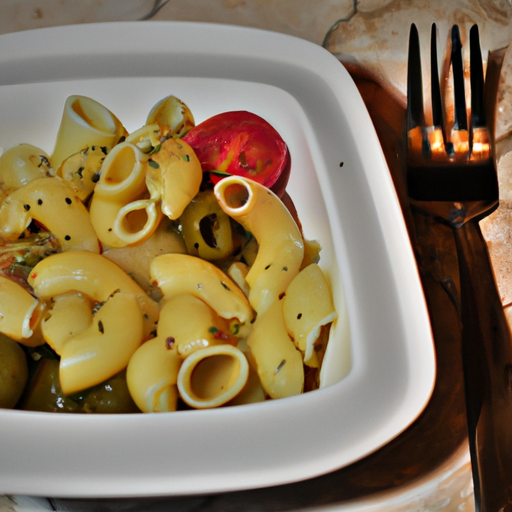
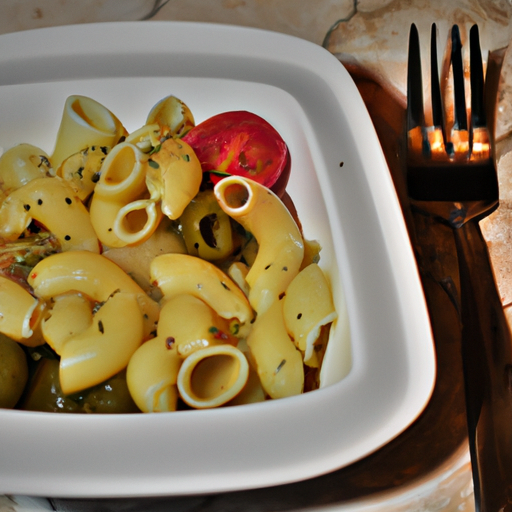
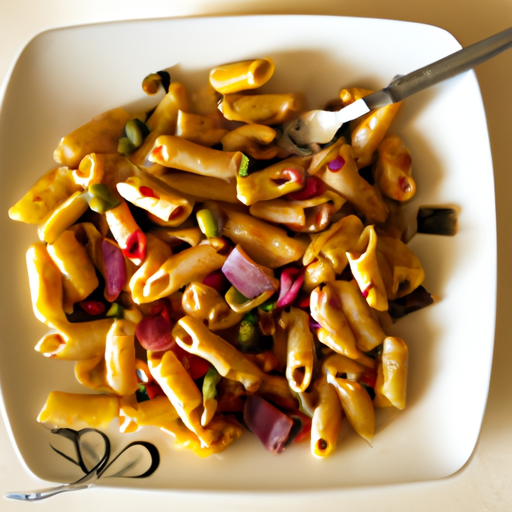
Experiment with different pasta recipes in your Mediterranean diet, like whole grain pasta salad with plenty of veggies, or seafood linguine with olive oil and garlic.

Mediterranean Diet and Family Meals

The Mediterranean Diet’s focus on shared meals and family time aligns perfectly with raising a healthy family.

Importance of Family Bonding Over Meals

Sharing meals have important social and emotional benefits. Often, conversations at the dinner table reinforce family bonds and create lasting memories.

Incorporating Healthy Eating Habits in Kids through the Mediterranean Lifestyle

Kids tend to mirror the eating habits of their parents. Adopting the Mediterranean Diet instills the importance of healthy eating in them from a young age.

Mediterranean Diet – A Solution for Busy Parents

The simplicity and flexibility of the Mediterranean Diet make it easy for busy parents to serve healthy meals without spending hours in the kitchen.

Fun and Nutritious Pasta Recipes for Family Meals

From simple spaghetti with tomato sauce to pasta salad with lots of vegetables, there are plenty of healthy and kid-friendly pasta recipes you can make.

Keeping Active on the Mediterranean Diet

Combining the Mediterranean Diet with regular exercise aids in achieving and maintaining a healthy weight.

Combine Healthy Eating with Exercise

Regular exercise is an integral part of the Mediterranean lifestyle. Combine it with healthy eating habits for optimal health.

Incorporating Daily Physical Activities

Aim for a healthy balance between physical activities and dietary habits. You don’t necessarily need a gym – simple activities like walking, swimming, or playing with kids can be enough.

Long-term Health Benefits of Regular Exercise

Regular physical activities can reduce the risk of chronic diseases, improve mood and reduce symptoms of anxiety and depression.

Conclusion

Embracing the Wholesomeness of the Mediterranean Lifestyle

Embarking on a Mediterranean diet journey is indeed signing up for a wholesome lifestyle, where you embrace clean, organic food, regular exercise, and lots of family bonding times over meals.

The Bottom-Line: Does The Mediterranean Diet Include Pasta?

Yes, Pasta does have a place in the Mediterranean Diet. Just remember – moderation is key! Enjoy pasta in modest portions, preferably as part of a meal with plenty of vegetables and healthy fats. Therefore, you can healthily incorporate pasta in your Mediterranean lifestyle. Enjoy your journey to healthier living!

August 7, 2023 Health & Wellness

Is White Rice Allowed On Mediterranean Diet?

In today’s article, let’s explore whether white rice is permitted in a Mediterranean Diet. For those seeking to enjoy family meals and also pursue longevity via the Mediterranean lifestyle, this topic will be both beneficial and enlightening. Guide you through, JD will, with his knack for making healthy choices taste delicious. You’ll learn handy tips on how to adapt traditional recipes, ensuring that you and your family continue to relish meals while advocating healthy living.

Is White Rice Allowed On Mediterranean Diet?

Understanding the Mediterranean Diet

What is the Mediterranean Diet?

The Mediterranean diet is a way of eating that was inspired by the traditional food choices and cooking styles of the countries surrounding the Mediterranean Sea, such as Italy, Greece, and Spain. The Mediterranean diet is rich in fruits, vegetables, olive oil, lean proteins, and whole grains like white rice.

The health benefits of the Mediterranean Diet

Many studies associate the Mediterranean diet with numerous health benefits such as improved heart health, weight loss, cancer prevention, and even slowing mental decline. This is because the Mediterranean diet is low in added sugars, bad fats, and salt.

The major components of the Mediterranean Diet

The Mediterranean diet emphasizes eating primarily plant-based foods such as fruits and vegetables, legumes, and whole grains. It also values healthy unsaturated fats instead of saturated and trans fats. Seafood and moderate consumption of poultry, eggs, and dairy are also significant facets of the Mediterranean diet.

White Rice in the Context of the Mediterranean Diet

Basis for the consumption of white rice

White rice is a common staple in a Mediterranean diet because rice production thrives in Mediterranean climates. Rice is versatile and can be paired with a variety of other healthy foods.

Nutritional composition of white rice

White rice is a good source of energy as it’s high in carbohydrates. It’s also low in fat and a source of protein. Vitamin and mineral content can vary, however, because the milling process removes many natural nutrients.

Culinary use of white rice in Mediterranean cuisines

White rice is a versatile ingredient in the Mediterranean kitchen. It’s used in a wide array of dishes from paella in Spain to stuffed vine leaves in Greece.

Translating the Mediterranean Diet into Everyday Eating Habits

Meal planning for the Mediterranean Diet

Mediterranean diet meal planning is about balance and variety. It usually involves plenty of seasonal fruits and vegetables, legumes, lean proteins, and whole grains like white rice.

Using white rice in Mediterranean-style dishes

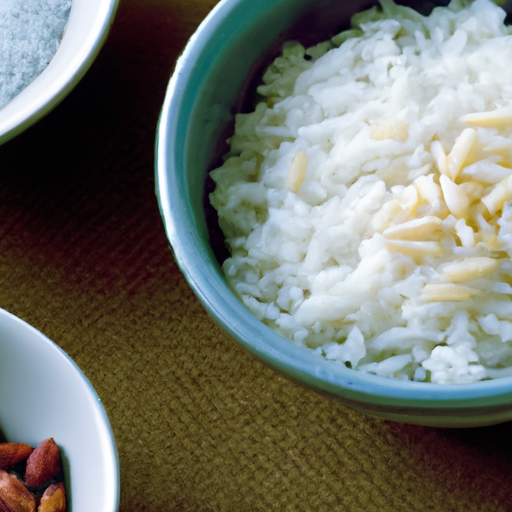
White rice can be a great base for various Mediterranean dishes. You can use it in salads, stir-fries, homemade sushi, or as a side for fish or lean meat.

Healthy substitutes for white rice if needed

If you’re trying to limit your consumption of white rice, consider other whole grains like bulgur, quinoa, and farro.

Is White Rice Allowed On Mediterranean Diet?

Exercise and the Mediterranean Diet

Importance of physical activity in the Mediterranean lifestyle

Physical activity is a key aspect of the Mediterranean lifestyle, along with a balanced diet. Regular exercise helps maintain a healthy weight and reduce the risk of many diseases.

Balancing white rice consumption with regular exercise

Consuming white rice provides the energy needed for physical activity. The key to balance lies in portion control and making sure the majority of your diet consists of fruits, vegetables, beans, legumes, and lean proteins.

Types of exercises that complement the Mediterranean Diet

Practical exercises such as walking, cycling, swimming, or even playing a recreational sport are great complements to the Mediterranean diet.

The Role of Family in the Mediterranean Diet

The tradition of shared meals in Mediterranean cultures

In Mediterranean cultures, sharing meals is an important aspect of social life. It’s about enjoyment, celebration, and connection.

Influencing healthy eating habits among children

The Mediterranean diet is a tool for teaching healthy eating habits to children. Involving children in meal preparation can be an effective way to introduce them to these habits.

Creating white rice-based dishes for family meals

White rice can be used as the base for many dishes suitable for family meals. This could include vegetable stir fries or flavorful stews.

Deepening Understanding About the Mediterranean Pyramid

How the Mediterranean pyramid differs from others

The Mediterranean diet pyramid emphasizes the importance of plant-based foods, healthy fats, and lean proteins, whereas other diet pyramids might place greater emphasis on meat or dairy.

Usage of grains, like white rice, in the pyramid

Grains like white rice serve as a foundation in the Mediterranean diet. They provide energy, fiber, and a host of other essential nutrients.

Incorporating other elements of the pyramid with white rice

White rice can be paired with various elements of the pyramid. For instance, pairing white rice with legumes, vegetables, and lean proteins can create a balanced meal.

Alternatives For White Rice In Mediterranean Diet

Whole grains and their benefits

Whole grains such as brown rice, barley, bulgur, and quinoa are nutrient-rich alternatives to white rice. They contain more fiber and are less processed than white rice.

Different types of rice and their nutritional values

There are various types of rice like brown, red, and black. Each variety has unique nutritional values and can be used in different Mediterranean dishes.

Adapting familiar recipes with rice alternatives

You can substitute white rice with other grains in many recipes. For instance, you can use brown rice instead of white in a Spanish paella.

Implication Of White Rice To Health And Wellness

The effect of white rice to blood sugar levels

White rice has a high glycemic index, meaning it can rapidly raise your blood sugar levels. If you have diabetes or a risk of developing diabetes, you may want to limit your intake.

How excessive consumption of white rice can impact health

As with any food, too much white rice can lead to weight gain and related health issues. It’s all about balance and moderation.

Balancing white rice intake for optimal health

Consider the portion size when eating white rice. Pair it with lean proteins, fruits, vegetables, and legumes to ensure a nutritious balance.

FAQ About White Rice And Mediterranean Diet

Should white rice be entirely eliminated from the diet?

Not necessarily. Eating white rice is fine if enjoyed in moderation and as part of a balanced diet.

What is a portion size for rice in the Mediterranean diet?

Generally, a serving of cooked white rice is around half a cup.

Can brown rice substitute white rice in all recipes?

In most cases, yes. Brown rice may alter the texture and cooking time, but it’s a nutritious alternative.

Conclusion on White Rice and the Mediterranean Diet

Revisiting the flexibility of the Mediterranean Diet

The Mediterranean diet is flexible and varied. Incorporating white rice as part of the diet is fine as long as it’s balanced with a good variety of other whole foods.

Emphasizing moderation and variety

Whether it’s white rice or another food, the key to a healthy diet is balance, variety, and moderation.

Fostering a holistic approach to a healthy lifestyle with the Mediterranean Diet

The Mediterranean diet is more than a diet plan. It’s about a balanced lifestyle that includes exercise, fellowship, and great food shared with loved ones, all of which contribute to superior health.

So, yes, white rice fits into the Mediterranean diet. But as with all things, remember to enjoy it in moderation.

August 7, 2023 Health & Wellness

What Happens To Your Body When You Eat A Mediterranean Diet?

You’re about to explore the incredible benefits of the Mediterranean Diet and how they reflect on your body. In this informative article, you’ll discover how this diet positively affects your health, assists in maintaining an active lifestyle and nurtures the joy of sharing quality food with your family. By the end, you’ll be versed with the advantages and long-term effects of embracing this diet in your daily routine.

What Happens To Your Body When You Eat A Mediterranean Diet?

Understanding the Mediterranean Diet

What happens to your body when you embrace a Mediterranean Diet? This is something you might have wondered, being surrounded by a sea of diet options. Well, it’s time to break it down. You see, the Mediterranean Diet isn’t just a diet – It’s a lifestyle that values fresh, high-quality ingredients, regular physical activity, and the joy of sharing meals with family and loved ones.

Definition and Components of the Mediterranean Diet

At its core, the Mediterranean diet is an eating plan that emphasizes fruits, vegetables, whole grains, legumes, and healthy fats like olive oil. Fish, poultry, and dairy are consumed in moderation, while red meat and added sugars are mostly sparingly used.

Origins of Mediterranean Diet

Inspired by the traditional eating behaviors of people living around the Mediterranean Sea, this diet is not the result of rigorous lab research but rather a celebration of centuries-old culinary traditions.

Key Principles of the Mediterranean Diet

At the forefront of the Mediterranean diet are seasonal, locally-grown foods, prepared in simple yet flavor-rich ways. Nutrient-dense, minimally processed foods are prioritized, while the diet is complemented by modest wine consumption and shared feasts surrounded by loved ones.

Effects of the Mediterranean Diet on Heart Health

So what happens to your body when you adopt this way of eating?

Reduction in Heart Disease Risk

Studies show that the Mediterranean diet aids in reducing the risk of heart disease by improving cholesterol and blood sugar levels.

Impact on Cholesterol Levels

The diet’s high intake of monounsaturated fats helps lower low-density lipoprotein (LDL), the “bad” cholesterol contributing to fatty deposits in your arteries.

Blood Pressure Control

The diet’s emphasis on veggies, fruits, and low-sodium foods, all rich in potassium, aids in maintaining a healthier blood pressure.

Impact of Mediterranean Diet on Weight Management

Weight management becomes less of a struggle, and more of an enjoyable journey with the Mediterranean diet.

Role in Satiety and Calorie Control

With its emphasis on fiber-rich foods, the Mediterranean diet leaves you feeling full, thus, aiding in appetite control and calorie intake.

Effects on Metabolism

The diet’s balance of complex carbohydrates, healthy fats, and protein promotes an efficient metabolism, enabling your body to burn calories more effectively.

Influence on Overall Weight

Regular followers of the diet often find themselves maintaining a healthier weight due to the nutrient-rich, satiating foods involved.

What Happens To Your Body When You Eat A Mediterranean Diet?

Mediterranean Diet and Longevity

A life well-lived on a Mediterranean diet translates into increased lifespan and healthier aging.

Role in Increasing Lifespan

Numerous studies show a correlation between the Mediterranean diet and increased lifespan, primarily due to improved heart health.

Prevention of Age-related Diseases

With its high antioxidant and anti-inflammatory properties, this diet helps combat age-related diseases such as Alzheimer’s and Parkinson’s.

Promotion of Healthy Aging

The diet promotes healthy aging by countering oxidative stress and inflammation, which are linked to chronic diseases and aging.

Mediterranean Diet’s Role in Digestive Health

The Mediterranean diet is also your gut’s best friend.

Impact on Gut Health

The plentiful fiber in this diet benefits your gut microbiota, promoting a healthier digestive system.

Prevention of Digestive Disorders

It also aids in the prevention of digestive disorders like Irritable Bowel Syndrome (IBS) and constipation.

Aid in Nutrient Absorption

A healthier digestive system, in turn, guarantees better absorption of essential nutrients from the food you eat.

Effects of the Mediterranean Diet on Mental Health

It’s not just your body, but also your brain that benefits.

Influence on Mood and Depression

With its richness in omega-3 fatty acids, this diet plays a significant role in boosting mood and fighting depression.

Prevention of Cognitive Decline

Countless studies also show that those on a Mediterranean diet experience a slower rate of cognitive decline and have a lower risk of developing Alzheimer’s disease.

Promotion of Brain Health

The diet’s healthy fats, particularly Omega-3s, support brain function and promote overall mental well-being.

Role of the Mediterranean Diet in Diabetes Prevention

Even your blood sugar levels can be managed more efficiently on the Mediterranean diet.

Regulation of Blood Sugar

Due to its richness in fiber and lean proteins, the diet helps in maintaining a steady blood sugar level.

Prevention of Insulin Resistance

As such, it aids in preventing insulin resistance, a precursor to Type 2 diabetes.

Effects on Type 2 Diabetes

Many studies show that those following a Mediterranean diet significantly lower their risk of developing Type 2 diabetes.

Mediterranean Diet and Community

Meal times in the Mediterranean are a celebration of togetherness.

Promotion of Shared Meals

Shared meals are central to this lifestyle and create a sense of community.

Fostering Healthy Relationships Through Food

These shared meals foster healthy relationships, which in turn, contribute to mental well-being and enrich your overall life quality.

Effects on Overall Lifestyle

Adopting such a lifestyle fosters a healthier relationship with food, and creates a ripple effect on your overall lifestyle.

Including Exercise in the Mediterranean Lifestyle

Moving your body plays a vital role in accompanying the Mediterranean diet.

The Importance of Regular Exercise

Regular exercise is a key component of this lifestyle and works synergistically with the diet to promote overall health.

Balancing Diet and Exercise

The emphasis is on creating a balance between what you eat and how you move, ensuring both discipline and enjoyment in maintaining a healthy lifestyle.

Impact of Exercise on Mediterranean Diet Benefits

Regular physical activity amplifies the benefits of the Mediterranean diet, enhancing cardiovascular health, weight management, mood, and overall energy levels.

Conclusion: Embracing the Mediterranean Diet for Long-term Health

So what happens to your body when you eat a Mediterranean diet? The answer is clear, eating a Mediterranean diet not only nourishes your body, but your mind and soul too.

Advantages of Adopting the Mediterranean Diet

Adopting the Mediterranean diet brings numerous health advantages, impacting various aspects of your life, and aids in fostering a more vibrant, quality life.

Incorporating the Mediterranean Diet into Daily Life

Incorporating this diet into your daily life is a journey of exploring tastes, celebrating fresh ingredients, and savoring meals with your loved ones.

Impact on Future Health and Wellness

Overtime, this lifestyle can significantly impact your future health and wellness, leading you to a path of longevity.

So there you have it, a snapshot of what happens to your body when you follow a Mediterranean diet. Now the question is, are you ready to embrace this journey to lifelong wellness and vitality?

August 7, 2023 Health & Wellness

What Fish Is Good For The Mediterranean Diet?

In this engaging read, you will discover which fish are particularly beneficial for the Mediterranean diet. Throughout the article, you’ll gain valuable insights about the impact of different fish species on your health and wellbeing. Not only that, but you will also learn tips about maintaining a satisfying and healthy lifestyle, while spending quality time with your family with delicious meals at the center of it all.

What Fish Is Good For The Mediterranean Diet?

Understanding the Mediterranean Diet

Concept of Mediterranean Diet

The Mediterranean diet is more than just a diet. It is a lifestyle that encourages enjoying fresh, whole foods with loved ones, staying active, and embracing balance. This diet takes inspiration from the dietary habits of people living in countries bordering the Mediterranean Sea like Italy, Spain, and Greece. One of the principal aspects of this diet is fish, high in protein and Omega-3 fatty acids.

Health Benefits of the Mediterranean Diet

Adopting a Mediterranean diet can have noteworthy impacts on your health. Research shows that it can help prevent heart disease, stroke, type 2 diabetes, and certain types of cancer. Additionally, it also aids in weight loss and improves brain function.

Key Components of the Mediterranean Diet

Central to the Mediterranean diet is the consumption of fresh, unprocessed foods. These include fruits, vegetables, whole grains, legumes, lean proteins (predominantly fish and poultry), and healthy fats, such as olive oil. Refined sugars, unhealthy fats, and processed meats are limited.

Role of Fish in the Mediterranean Diet

Fish as a Key Component of the Mediterranean Diet

Fish, being abundant in Mediterranean countries, plays a significant role in the diet. The high content of lean protein and Omega-3 fatty acids make fish an excellent choice for heart health and overall well-being.

Health Benefits of Eating Fish

Eating fish regularly can lower the risk of heart disease, reduce inflammation, and improve mental health. The Omega-3 fatty acids in fish promote a healthy heart, while the lean protein helps maintain muscle mass.

How often to Eat Fish in the Mediterranean Diet

You should aim to include fish in your meals at least two times a week. This can vary depending on personal preference and dietary needs.

Types of Fish Suitable for the Mediterranean Diet

Salmon and Its Benefits

Salmon is a fatty fish rich in Omega-3 fatty acids. It’s an excellent source of vitamin D, protein, and B vitamins, providing numerous health benefits, such as improved cognitive function, reduced inflammation, and heart health.

Tuna and Its Nutritional Value

Tuna is a versatile, nutrient-dense fish. It provides high-quality protein, vitamins, and minerals such as selenium, vitamin B12, and niacin while being relatively low in calories.

Mackerel and Why it is Good

Mackerel is another type of oily fish which is rich in heart-healthy fatty acids. It also contains a hefty amount of vitamin B-12, promoting healthy blood cells and nerve function.

Health Benefits of Sardines

As one of the more nutritious fish options, sardines offer high levels of Omega-3 fatty acids, protein, and vitamin B12. They also support bone health due to their high levels of calcium.

What Fish Is Good For The Mediterranean Diet?

Fishing and Sustainability

What is Sustainable Fishing?

Sustainable fishing means catching or farming fish without harming the ecosystem or depleting fish populations. This ensures that future generations can also enjoy these resources.

Why Sustainability is Important in the Mediterranean Diet

Embracing the Mediterranean lifestyle also means caring for our planet. Choosing sustainably sourced fish protects ocean biodiversity, ensures a healthier marine ecosystem, and preserves our food supply chain.

Choosing Sustainably Sourced Fish

Look for eco-labels or certification marks indicating that the fish have been caught or farmed sustainably. Local farmers’ markets or specialized fishmongers are excellent places to find sustainably sourced fish.

Integrating Fish into Your Mediterranean Diet

Balancing Fish with Other Mediterranean Diet Components

While fish is a crucial component of the diet, it is equally essential to balance it with other food groups. Pair your fish with a variety of colorful vegetables, legumes, or whole grains to ensure a well-rounded meal.

Incorporating Fish in Your Daily Meals

Fish can be included in your meals in several ways–grilled, baked, or added to salads, stews, or pasta dishes. Remember, the aim is not just to include fish but to savor and enjoy its flavors.

Adapting Favorite Recipes to Include Fish

Consider substituting meat for fish in some of your favorite recipes. This change can lend your dishes a new, enticing flavor and increase nutritional value.

Fish Recipes for the Mediterranean Diet

Fish Grilling Techniques

Grilling is a healthy way to prepare fish. Use herbs, lemon, olive oil, and spices to enhance its flavor, and pair it with grill-roasted vegetables for a traditional Mediterranean fish dish.

Creating a Fish Stew

Fish stew, simmered with vegetables, herbs, and a tomato-based broth, is a comforting and nutritious meal option. You can include a variety of fish and shellfish to enrich the stew.

Making a Traditional Mediterranean Fish Platter

A Mediterranean fish platter usually consists of grilled or baked fish along with an array of accompaniments such as fresh salads, hummus, olives, and whole grain bread.

Fish Salad and Its Preparation

Fish salad with leafy greens, fresh veggies, olives, and a lemon olive oil dressing is a light and nutritious option. You can experiment by adding different fish to your salads.

Pairing Fish With Other Foods

Choosing Vegetables to Complement Fish

Leafy greens, tomatoes, bell peppers, zucchini, aubergines, and olives pair excellently with fish.

Selecting Grains to Balance a Fish Meal

Whole grains such as bulgur wheat, quinoa, brown rice, or couscous can add a nice texture and nutritional balance to fish meals.

Ideal Fruits to Pair with Fish

Citrus fruits, tomatoes, and olives work brilliantly with fish, providing an interesting contrast of flavors and freshness.

Family and the Mediterranean Diet

Teaching Children the Value of a Healthy Diet

Inculcate the significance of a healthy diet in your children by incorporating a variety of foods in their meals, explaining the benefits of each. Don’t forget to include fish, rich in proteins and Omega-3 fatty acids, which are important for their growth.

Encouraging Family Participation in Meal Preparation

Involving your kids in meal preparation can make them more inclined to try and enjoy diverse foods. Make cooking together a fun family activity.

Sharing Meals: A Moment for Connection and Sharing

Mealtime is an opportunity to foster connections with your loved ones. Sharing wholesome meals not only nurtures the body but also the bonds within the family.

Exercise and its Role Alongside the Mediterranean Diet

Balance Between Diet and Exercise

A healthy diet serves as fuel for physical activities. Regular exercise complements the Mediterranean diet promoting overall health, enhancing mood, and providing energy.

Incorporating Regular Physical Activity

Physical activity doesn’t have to be strenuous. Simple activities like walking, gardening, or dancing can be effective and enjoyable.

Choosing the Right Exercise for You

Choose the activities that you enjoy. This way, regular exercise becomes a pleasure rather than a chore.

Conclusion: Embracing the Mediterranean Lifestyle

Incorporating Fish in Your Mediterranean Diet

Start incorporating more fish into your diet. Experiment with different types and cooking styles to keep it exciting.

Committing to Sustainable Eating Habits

Embrace sustainability when buying fish and any other food. This will not only benefit your health but also contribute to protecting our environment.

The Value of Sharing Quality Meals with Loved Ones

Don’t just consume. Savor your meals. Enjoy the process of cooking and eating together as a family. After all, the true essence of the Mediterranean diet lies in cherishing quality food with your loved ones.

August 7, 2023 Health & Fitness

What Is The Mediterranean Diet In A Nutshell?

In this friendly guide, you’ll explore the essence of the Mediterranean Diet. You’ll learn about its key components, benefits, and why it aligns perfectly with a healthy lifestyle and enjoying quality food with family. So, brace yourself for an enriching journey into healthier eating habits and family bonding over good food!

What Is The Mediterranean Diet In A Nutshell?

Understanding the Mediterranean Diet

The Mediterranean diet is not just a simple diet plan, it’s a lifestyle. It represents the dietary habits of people living around the Mediterranean Sea, where a high intake of plant-based foods, such as fruits, vegetables, whole grains, and legumes, is coupled with moderate consumption of fish, poultry, and red wine.

Origins of the Mediterranean Diet

The Mediterranean diet model originates from traditional eating patterns in countries like Greece, Italy, and Spain. This dietary pattern was acknowledged globally when the seven countries’ studies in the 1950s, found lower rates of cardiovascular disease in the Mediterranean region.

Primary Beneficial Foods

In the Mediterranean diet, you’ll find calorie-dense, processed foods are replaced with nutrient-dense, whole foods. Its unsaturated fats come from olive oil, fish, nuts, and seeds. You get your protein from lean sources like fish and poultry, and complex carbohydrates from whole grains, fruits, and vegetables.

Foods to Avoid

One of the keys to the Mediterranean diet is understanding what to avoid. Stay clear of refined grains, sugary beverages, and an excess of dairy products. A limited intake of red meat is also recommended.

Paying Homage to Tradition

The Role of Tradition and Culture

The Mediterranean diet pays tribute to tradition and culture. It’s about using time-honored methods of food preparation, mealtimes as a social event, and a mindful approach to eating.

Emphasizing Seasonal and Local Foods

An important aspect of the Mediterranean diet is the emphasis on local and seasonal foods. It encourages the consumption of fresh produce, which is usually richer in nutrients.

The Influence of the Mediterranean Diet on Health

Promotion of Heart and Brain Health

Its abundance of omega-3 fatty acids means it promotes heart and brain health. It’s known for reducing cholesterol levels and lowering the risk of heart disease.

Longevity Benefits

Eating the Mediterranean way doesn’t just make you healthier—it could help you live longer. A 2014 study found that adhering to a Mediterranean diet may help to keep your ‘biological age’ young.

Weight Management

The Mediterranean diet can help with weight management. Its emphasis on whole, minimally processed foods and mindful eating can assist with maintaining a healthy weight or weight loss.

What Is The Mediterranean Diet In A Nutshell?

Mediterranean Diet and Physical Fitness

Importance of Regular Movement

The Mediterranean lifestyle isn’t just about the food, it’s about staying active too. Regular physical activity is a cornerstone of this lifestyle, promoting overall health and well-being.

People-Centered Approach Towards Exercise

The Mediterranean lifestyle encourages a people-centered approach to wellness and exercise. Activities are often social, such as walking with friends or a game of soccer with the family.

Meal Planning for the Mediterranean Diet

Ideas for Breakfast

For breakfast, opt for whole-grain toast with a drizzle of olive oil or Greek yogurt topped with fresh fruit and a handful of nuts.

Lunch and Dinner Recipes

Lunch could be a chickpea salad with a variety of colorful veggies, while dinner might be grilled fish with a side of roasted vegetables.

Snacks and Desserts Considerations

As for snacks and desserts, think fresh fruit, a handful of nuts, or a small piece of dark chocolate.

Turning Mediterranean Diet into a Family Affair

Involving Children in Meal Preparation

Include your kids in meal preparation. This can increase their interest in healthier foods and give them important life skills.

Enjoying Food as a Communal Experience

In the Mediterranean culture, eating is a communal experience. Enjoy meals with your family and friends whenever possible.

How to Start the Mediterranean Diet

Making Gradual Dietary Changes

Begin with small changes. Swap your refined grains for whole grains, or start using olive oil in place of other fats.

Reading Food Labels for Healthier Choices

Learn to read food labels. This can help you make healthier choices and avoid high-sugar, high-sodium, and high-fat foods.

Challenges and Overcoming Them

Dealing with Dietary Restrictions

If you have dietary restrictions, get creative with substitutions or consult with a nutritionist, as necessary.

Strategies for Eating Out

When eating out, look for menu items that align with the Mediterranean diet. Salads, grilled fish, and grilled chicken are usually safe bets.

JD’s Journey with the Mediterranean Diet

Why JD Chose the Mediterranean Diet

JD chose the Mediterranean diet for the health benefits it offered. Though he focused on making healthier choices, the enjoyment derived from eating was equally essential.

JD’s Personal Tips for Success

One of JD’s tips for success was making gradual changes. A gradual approach allowed him to adapt to the changes more easily and make them part of his routine.

Conclusion of the Mediterranean Diet

Encouragement for Those Starting the Diet

If you’re about to start this journey, remember, it’s not just about healthy eating, but also about enjoying the flavors and savoring your meals.

Reflection on the Journey and Lifelong Benefits

The journey with the Mediterranean diet can be truly rewarding. The diet isn’t merely a quick fix—it’s an enjoyable lifestyle that offers lifelong health benefits.

And so, the question, “What is the Mediterranean diet in a nutshell?” can be best answered by saying it’s a lifestyle that combines nutritious, tasty food, an active lifestyle, and the joy of sharing meals with loved ones.

August 7, 2023 Food & Cuisine

What Are 6 Commonly Used Ingredients In Mediterranean Cuisine?

In this friendly discussion, we’re going to explore the six commonly used ingredients in Mediterranean cuisine. As we go along, you’ll learn about their importance and how they contribute to the distinct taste of Mediterranean dishes, giving you new insights into the benefits of the Mediterranean Diet. This knowledge will not only enhance your culinary skills but will also help you understand the essence of sharing high-quality, healthy food with your family and loved ones.

Understanding the Mediterranean Diet

When it comes to eating habits that promote a healthy lifestyle and longevity, the Mediterranean diet always comes high on the list. But what is so unique about this diet? Let’s start with the basics.

Historical and Geographical Context of Mediterranean Cuisine

The Mediterranean diet draws its roots from countries around the Mediterranean Sea. This includes southern Europe, northern Africa, and western Asia. The beauty of this diet lies in its diversity—every region infuses its unique cultural elements into the cuisine, giving it a distinct flavor and richness.

Importance of the Mediterranean Diet for Health and Longevity

Research strongly links the Mediterranean diet to a lower risk of heart disease, diabetes, and certain types of cancer. It is hailed for its attention to balanced and healthy eating, focusing primarily on whole foods and good fats, while minimizing processed foods and red meat.

The Focus on Seasonal and Locally Sourced Ingredients

An essential characteristic of the Mediterranean diet is its focus on fresh, seasonal, and locally sourced produce. This not only contributes to the flavor and nutrient content of the food but also supports local economy and sustainability.

Essential Ingredient 1: Olive Oil

Olive oil is the star of the Mediterranean diet. From dressing salads to cooking stews, this heart-healthy fat is used generously in Mediterranean cuisine.

Using Olive Oil in Everyday Cooking

You can use olive oil in almost any dish. Whether you’re sautéing vegetables or grilling fish, a drizzle of olive oil can elevate the taste and nutrient profile of your meal.

Health Benefits Associated with the Consumption of Olive Oil

Olive oil is brimming with monounsaturated fats, known for their heart-healthy properties. It’s also rich in antioxidants that help fight inflammation and support the immune system.

Importance of Olive Oil in Mediterranean Communities

In Mediterranean cultures, olive oil goes beyond cooking—it’s a symbol of health and prosperity. Its use is embedded in their daily life and contributes significantly to the community’s general well-being and longevity.

Vital Ingredient 2: Fresh Fruits and Vegetables

Mediterranean cuisine emphasizes the consumption of a variety of fresh fruits and vegetables. These provide a wealth of vitamins, minerals, and antioxidants, promoting overall health.

Variety of Fruits and Vegetables in the Mediterranean Diet

The Mediterranean diet celebrates a rainbow of fruits and vegetables. Common offerings include tomatoes, eggplants, olives, cucumbers, and leafy greens, along with fruits like figs, grapes, and citrus fruits.

Health Benefits of Consuming a Diet Rich in Fruits and Vegetables

Eating a diet rich in fruits and vegetables reduces the risk of heart disease, stroke, and some cancers. They also are a great source of fiber, helping to maintain a healthy gut.

Ways to Incorporate More Fruits and Vegetables into Meals

The Mediterranean diet includes fruits and vegetables in every meal. You can start your morning with fresh fruits, have a vibrant salad for lunch, and include a mix of grilled or roasted vegetables for dinner. Also, why not have a fruit salad for dessert?

Staple Ingredient 3: Whole Grains

Whole grains play a vital role in the Mediterranean diet. Foods like bulgur, barley, oats, and whole grain bread are commonly enjoyed.

The Role of Whole Grains in the Mediterranean Meal Plan

Whole grains form the energy foundation of the Mediterranean diet. They also provide a satisfying dose of fiber that ensures a slow release of energy, keeping you feeling full for longer.

Visibility of the Health Benefits of Whole Grains

Whole grains are rich in fiber, B-vitamins, and minerals. They help control blood sugar levels, enhance gut health, and contribute to heart health.

Easy Ways to Eat Whole Grains

There are countless ways to incorporate whole grains into your meals—from adding oats to your breakfast, using them in soups, or using whole grain bread for your sandwiches.

Prominent Ingredient 4: Seafood

Seafood is a staple in the Mediterranean culinary culture due to the region’s close proximity to the sea.

The Mediterranean Culinary Culture of Seafood

Fish and shellfish are much sought after in the Mediterranean diet. The dishes often showcase the freshness of the catch and bring out the natural flavors through simple cooking methods like grilling or poaching.

Positive Health Effects of Eating Sea Creatures

Seafood is a fantastic source of lean protein and is packed with nutrients like omega-3 fatty acids, which are vital for heart and brain health.

Sustainable Seafood Consumption Advice

Although seafood is a central part of this diet, it’s essential to make choices that support sustainable fishing practices. This ensures we are not depleting our sea’s resources, contributing to a healthier planet.

Key Ingredient 5: Legumes and Nuts

Legumes and nuts are another cornerstone of Mediterranean meals, offering a valuable source of protein and fiber.

The Place of Legumes and Nuts in the Mediterranean Diet

You will find everything from lentils, chickpeas, to almonds and walnuts regularly incorporated into Mediterranean meals.

Health Benefits of Nuts and Legumes

Legumes and nuts are high in protein, fiber, vitamins, and minerals. Research links their consumption with a decrease in the risk of chronic diseases.

Different Ways to Add Legumes and Nuts to Your Diet

Both can be easily incorporated into salads, soups, dips, or even as snacks.

Fundamental Ingredient 6: Herbs and Spices

Herbs and spices are used generously in Mediterranean cuisine to enhance flavor without adding extra salt or artificial seasonings.

Enhancing the Flavors of Meals with Herbs and Spices

Everything from basil, oregano, and rosemary to fresh garlic, onions, and peppers are used to liven up dishes.

Health Advantages of Various Herbs and Spices

Each of these herbs and spices brings unique health benefits—from inflammation-fighting properties to digestive support.

Incorporating More Herbs and Spices in Meals

Adding herbs and spices to your meals is simple. Fresh herbs can be sprinkled on salads, cooked into sauces, or used as garnish. Ground spices can be added during cooking or as a finishing touch on already prepared dishes.

The Role of Family and Community in Mediterranean Cuisine

The Mediterranean diet is not just about what you eat—it’s about how you eat.

Cultural Significance of Meal Sharing

More than just a meal, Mediterranean cuisine is an occasion to gather with family and friends, fostering a sense of community and continuing family traditions.

Teaching Children Healthy Eating Habits

Exposing kids to the Mediterranean diet from a young age fosters healthy eating habits, setting them on the path for a healthier lifestyle.

Encouraging Active Lifestyle Alongside Nutritious Diet

The Mediterranean lifestyle complements its diet with an active daily routine—incorporating physical activity as a regular part of living.

Implementing Mediterranean Dietary Habits

Adopting the Mediterranean diet doesn’t have to be drastic. Start slow, make incremental changes, and remember—it’s about quality not quantity.

Starting Slow and Making Incremental Changes

Start by incorporating more fruits, vegetables, and whole grains into your meals. Gradually add in other components of the diet as you feel comfortable.

Understanding the Value of Quality Over Quantity

Remember, the Mediterranean diet is about enjoying high-quality, fresh food—not overeating. Savor the taste of each ingredient, and take the time to enjoy your meal.

Adjusting Mediterranean Recipes to One’s Personal Preferences

Don’t be afraid to adjust recipes to suit your tastes. The Mediterranean diet is adaptable. Make it work for you and your family.

Conclusion

The Overall Impact of the Mediterranean Diet on Health and Well-being

Embracing a Mediterranean diet has a profound influence on health and well-being—promoting heart health, longevity, and a high quality of life.

Looking Past the Hype: Understanding the Mediterranean Diet as a Lifestyle Not a Fad

It’s more than a diet—it’s a way of life. The most significant lesson from the Mediterranean cuisine is perhaps an appreciation for whole foods, connection with community, and the simple pleasure of savoring wholesome meals with family. Enjoying food is part of enjoying life. And that’s something Mediterranean cultures understand well.

When you enjoy food with family and loved ones, it’s not just about the physical nourishment but the bonds and memories you build in the process. So take a leaf out of the Mediterranean book, and live holistically, savor tastefully, and love abundantly.

August 7, 2023 Nutrition

How Do I Stock My Fridge For The Mediterranean Diet?

In this article, you’ll learn the essential foods to stock your fridge with for a successful Mediterranean Diet. This guide will help you in your journey towards maintaining long term health while still enjoying high-quality meals with your loved ones. From fresh vegetables to lean proteins, the focus will be on the principle ingredients of this beneficial lifestyle.

How Do I Stock My Fridge For The Mediterranean Diet?

Understanding the Mediterranean Diet

Overview of the Mediterranean Diet

The Mediterranean diet combines the nutritional elements of many countries around the Mediterranean Sea. It features fresh, wholesome ingredients with an emphasis on fruits, vegetables, lean proteins, whole grains, and healthy fats. With such a diverse range of food options, it is not only a diet but a lifestyle that can be enjoyed by all, promoting a healthy and balanced way of living.

Health Benefits of the Mediterranean Diet

This golden standard of diets has been associated with numerous health benefits. It has been linked to lower instances of heart disease, lower cholesterol levels, and reduced risks of stroke. It even promotes better cognitive health and lower rates of certain cancers. This diet has also been praised for its aid in weight management and its potential to combat diabetes.

Common Foods in the Mediterranean Diet

Key components of the Mediterranean diet include olive oil, fish, lean meats, eggs, dairy, nuts, whole grains, legumes, fruits, and vegetables—especially leafy greens. You will also find a moderate amount of wine and a focus on homemade, minimally processed foods.

Preparing to Stock Your Fridge

Cleaning Out Unhealthy Foods

Start by removing foods high in refined sugars, unhealthy fats, and processed foods. This includes sweets, sugary snacks, deep-fried foods, and instant and processed meals. With your pantry and fridge cleaned out, you can then start fresh by adding healthy, wholesome, and nutrient-dense foods.

Setting a Budget for Mediterranean Diet Foods

Healthy eating doesn’t have to be expensive. Create a meal plan and grocery list before you shop to prevent overspending. Also, save by buying fruits and vegetables in season, choosing generic brands, bulk buying, and focusing on plant-based proteins like legumes and whole grains.

Planning Meals for the Week

Planning your meals can help your Mediterranean diet succeed. Consider breakfast, lunch, dinner, and snacks for each day. Create a schedule with a variety of foods to keep things interesting and avoid food fatigue.

Fresh Produce for the Mediterranean Diet

Choosing Seasonal Fruits and Vegetables

Buying seasonal produce isn’t just budget-friendly; it’s also a tactic to enjoy the freshest tastes. Fruits and vegetables in season tend to be more flavorful and nutrient dense. As the seasons change, so will the variety of your meals.

Incorporating Leafy Greens and Herbs

Dark leafy greens like spinach, kale, and arugula are full of valuable vitamins and minerals. Fresh herbs, meanwhile, add complex flavors and reduce the need for salt or unhealthy seasonings.

Storing Fresh Produce Correctly

Correct storage extends shelf life and preserves nutrients. Most fruits and vegetables should be stored in the fridge, but some, like tomatoes and potatoes, do best in a cool, dry place.

How Do I Stock My Fridge For The Mediterranean Diet?

Essential Proteins for the Mediterranean Diet

Stocking Up on Seafood

Seafood offers essential omega-3 fatty acids. Aim to include fish like salmon, anchovies, or mackerel at least twice a week. Shrimp and mussels are also excellent choices.

Opting for Lean Meats

Select lean proteins like chicken or turkey and limit red meat to rare occasions. Remember, portion size matters even with lean meats.

Understanding the Importance of Legumes

Legumes such as beans, lentils and chickpeas are high in protein and fiber but low in fat. These powerhouse foods are an affordable source of protein and can be consumed in many ways.

Healthy Fats for the Mediterranean Diet

Choosing Olive Oil and Olives

Olive oil, high in monounsaturated fats, is a staple of the Mediterranean diet. Olives too are a popular snack, salad topping, or ingredient in their own right.

Understanding the Benefits of Avocados

Avocados are another source of healthy fats. They’re versatile, delicious, and pair well with many dishes and salads.

Storing Nuts and Seeds

Nuts and seeds provide healthy fats and protein. Store them in airtight containers and keep them in a cool, dark area to maintain their freshness.

Dairy and the Mediterranean Diet

Choosing Low-fat Dairy Options

Low-fat dairy products are favored in the Mediterranean diet. Try Greek yogurt, skimmed milk, and cottage cheese.

Understanding the Role of Cheese in the Mediterranean Diet

Cheese is eaten in moderation, treating it more like a garnish than a main ingredient. Hard cheeses like feta or Parmesan are used for their strong flavor.

Grains in the Mediterranean Diet

Opting for Whole Grains

Whole grains are an essential part of the Mediterranean diet. Swap out white bread and pasta for whole grain alternatives full of fiber and vitamins.

Incorporating Bread and Pasta

Bread and pasta, preferably whole grain, constitute an integral part of this diet. However, remember to moderate your portions.

Discovering Ancient Grains

Experiment with ancient grains such as farro, bulgur, or quinoa. They are typically high in protein and fiber and can add interesting textures and flavors to your meals.

Spices and Seasonings for the Mediterranean Diet

Using Common Mediterranean Herbs and Spices

Common herbs and spices used are basil, parsley, oregano, rosemary, and thyme. They add a burst of flavor to your dishes without adding fat or calories.

Exploring New Flavors with Exotic Spices

Experiment with spices such as turmeric, paprika, or saffron to keep your taste buds excited and to venture into new culinary territories.

Alcohols and Beverages

Enjoying Wine in Moderation

Wine is enjoyed with meals on occasion within the Mediterranean diet. However, moderation is crucial.

Staying Hydrated with Water and Herbal Teas

Water is the primary beverage in this diet, but herbal teas are also enjoyed. Try swapping sugary drinks with homemade herbal tea infusions.

Conclusion: Enjoying the Mediterranean Diet Lifestyle

Maintaining Balance and Variety

The Mediterranean diet is about balance and variety, not about depriving yourself. Experiment with a wide variety of foods, allowing yourself to discover new flavors and dishes.

Sharing Quality Food with Family

Remember, this diet is part of a wider lifestyle that values sharing meals with loved ones. It’s not just about what you eat, but who you share it with.

Gaining Long Term Health Benefits

Incorporating the Mediterranean diet into your life is about more than just the food on your plate; it’s about committing to a healthier, enjoyable, and sustainable way of living in the long run. So, fill your fridge, gather your loved ones, and take the first step towards a nourishing Mediterranean journey.

August 7, 2023 Health & Nutrition

What Is Most Of The Fat In The Mediterranean Diet?

In this wholesome discussion on the Mediterranean diet, you’re about to unravel the type of fat predominantly present in the Mediterranean diet. This valuable knowledge will guide you towards healthier eating habits and a sharing of high-quality food with your loved ones, contributing to a more active and healthier lifestyle. Ready to embark on this enlightening journey? Let’s unravel this together.

What Is Most Of The Fat In The Mediterranean Diet?

Mediterranean Diet Overview

Definition and Origin of the Mediterranean Diet

The Mediterranean Diet is more than just a typical diet plan. It is a lifestyle choice that encompasses a set of eating patterns characteristic of the countries bordering the Mediterranean Sea. This diet, inspired by the food habits of Greece, Italy, and southern Spain, emphasizes fruits, vegetables, whole grains, legumes, seeds, nuts, olive oil, and lean proteins – basically a cornucopia of heart-healthy options.

Basic Principles of the Mediterranean Diet

The Mediterranean Diet emphasizes consuming plant-based foods, using olive oil as the primary source of dietary fat, and limiting red meat to a few times per month. It’s also big on flavor with the use of herbs and spices as replacements for salt. Coupled with moderate wine consumption and physical activity, it’s a well-rounded approach to good health.

Common Foods in the Mediterranean Diet

High on the list of Mediterranean Diet foods are fresh fruits and vegetables, whole grains, legumes, seafood, poultry, and eggs. It makes room for moderate amounts of dairy and red wine. The superstar, however, is heart-healthy olive oil, which accounts for a significant portion of dietary fat in the diet.

Dietary Fats in Depth

Understanding Dietary Fats

Dietary fats are essential for supplying your body with energy, supporting cell growth, protecting and cushioning organs, and helping with the absorption of certain nutrients.

Different Types of Dietary Fats

Fats come in a variety of forms, including saturated, trans fats, monounsaturated and polyunsaturated fats. Saturated and trans fats are generally considered harmful when consumed excessively, while monounsaturated and polyunsaturated fats are the “heart-friendly” fats.

Role of Fat in a Balanced Diet

Despite its reputation, fat plays a crucial role in a balanced diet. It provides energy, supports your mood, maintains your skin and hair, and importantly, keeps you satiated, reducing overeating.

Fats in the Mediterranean Diet

Predominant Fats in the Mediterranean Diet

In the Mediterranean Diet, the predominant type of fat is monounsaturated fat, particularly from olives and olive oil. It also includes a decent amount of polyunsaturated fats found in oily fish and nuts.

Sources of Fats in the Mediterranean Diet

In addition to olive oil, other sources of healthy fats in the Mediterranean diet are nuts and seeds, fatty fish like salmon, sardines, and mackerel, avocados, and even certain cheeses.

Role of Fats in the Mediterranean Diet

The fats in the Mediterranean Diet play a critical role in maintaining heart health, supporting healthy brain function, and promoting overall longevity.

What Is Most Of The Fat In The Mediterranean Diet?

Monounsaturated Fats and the Mediterranean Diet

Understanding Monounsaturated Fats

Monounsaturated fats are considered good fats and are liquid at room temperature. They are known to help lower “bad” LDL cholesterol levels while increasing “good” HDL cholesterol levels.

Sources of Monounsaturated Fats in the Mediterranean Diet

The main source of monounsaturated fats in the Mediterranean Diet is olive oil. Other sources include avocados, nuts like almonds, peanuts, and cashews, and olives.

Benefits of Monounsaturated Fats

Consuming foods rich in monounsaturated fats improves heart health, helps with weight control, and can mitigate the risk of chronic diseases.

Polyunsaturated Fats and the Mediterranean Diet

Understanding Polyunsaturated Fats

Polyunsaturated fats are essential fats that your body needs but can not produce on its own. They include omega-3 and omega-6 fatty acids, vital for brain function and cell growth.

Sources of Polyunsaturated Fats in the Mediterranean Diet

Sources include fish like salmon, mackerel, and tuna, as well as nuts, seeds, and even certain whole grains.

Benefits of Polyunsaturated Fats

Polyunsaturated fats help improve blood cholesterol levels, decrease heart disease risk, and also have anti-inflammatory properties.

Importance of Olive Oil in the Mediterranean Diet

Olive Oil as a Predominant Source of Fat

Olive oil is the cornerstone of the Mediterranean Diet. It is the primary source of dietary fat and is used liberally in cooking, baking, and even as a dressing.

Olive Oil’s Unique Nutritional Profile

Exclusive to olive oil is oleocanthal, a potent antioxidant which has strong anti-inflammatory effects.

Health Benefits of Olive Oil

Apart from providing monounsaturated fats, olive oil is loaded with powerful antioxidants. It has been associated with lower blood pressure, good heart health, and longevity.

Mediterranean Diet, Healthy Eating Habits and Exercise

Incorporating Exercise with the Mediterranean Diet

Physical activity is strongly advocated in the Mediterranean lifestyle. Incorporate regular exercise along with this diet to derive its full spectrum of benefits.

Fostering Healthy Eating Habits

The Mediterranean Diet encourages mindful eating – savoring each bite, eating at a slow pace, and enjoying meals with family and friends.

The Social Aspect of the Mediterranean Diet

The Mediterranean Diet is not just about food. It’s also about enjoyment, spending time with those you love, and making meal times a social event.

Mediterranean Diet in Family Life

Embracing the Mediterranean Diet in Family Meals

Offering up dishes abundant with fresh fruits, whole grains, and delicious olive oils can foster a love for healthy foods within the entire family.

Passing Healthy Eating Habits to Children

By incorporating the Mediterranean Diet early on, you can gear your children towards healthier eating habits that can stay with them for a lifetime.

Promoting Longevity and Well-being through the Mediterranean Diet

With all its benefits, the Mediterranean Diet has become synonymous with living a longer, healthier life.

Mediterranean Diet and Chronic Diseases

Role of Mediterranean Diet in Heart Disease Prevention

The high content of heart-healthy fats in the Mediterranean Diet helps to reduce factors linked to cardiovascular risk, such as cholesterol and blood pressure.

Metabolic Benefits of the Mediterranean Diet

This diet improves glucose metabolism and curbs the risk of metabolic syndrome and type 2 diabetes.

Mediterranean Diet in Maintaining Brain Health

The rich array of antioxidants and healthy fats in the Mediterranean Diet can have profound benefits for brain health, potentially reducing the risk of Alzheimer’s and Parkinson’s disease.

Conclusion

Reflection on the Importance of Fat in the Mediterranean Diet

A major takeaway from the Mediterranean Diet is that fats are not to be feared or avoided. The right types of fats – the monounsaturated and polyunsaturated ones – play an essential role in our health.

The Mediterranean Diet as a Sustainable Lifestyle Choice

The Mediterranean Diet prioritizes balance and enjoyment over deprivation. This makes it a sustainable lifestyle choice for those seeking long-term health and contentment.

Encouraging Adoption of the Mediterranean Diet

Embrace the Mediterranean Diet – not just for its heart-healthy benefits, but for its focus on simple, fresh, flavorful meals that can be shared and enjoyed with your loved ones. By doing so, you take a significant step in nurturing both your body and soul.

  • « Go to Previous Page
  • Go to page 1
  • Interim pages omitted …
  • Go to page 37
  • Go to page 38
  • Go to page 39
  • Go to page 40
  • Go to page 41
  • Interim pages omitted …
  • Go to page 64
  • Go to Next Page »

Primary Sidebar

Hey y’all!

Hello and welcome to MediterraneanDietRecipes.net My name is JD, and I’m a 46-year-old father of three amazing children. My family is my world, and my main goal in life is to stay healthy and live long enough to see my children grow up, have children of their own, and to be an active, engaged, and supportive grandparent.

Being an older father, I understand that time is precious, and I want to make the most of it by ensuring that I am in the best possible shape physically, mentally, and emotionally. My journey started with a deep dive into the research on longevity and the lifestyle choices that can help me achieve my goals. Dig deeper →

Footer

Stay Connected

  • Bloglovin
  • Facebook
  • Instagram
  • Pinterest
  • Twitter

Copyright © 2026 · MEDITERRANEAN DIET RECIPES