• Skip to primary navigation
  • Skip to main content
  • Skip to primary sidebar
  • Skip to footer
  • Home
  • About
  • Recipes
  • Blog

Mediterranean Diet Recipes

Home » Blog

Blog

August 7, 2023 Nutrition

What Is The Main Staple Of The Mediterranean Diet?

Are you curious about the central pillar of the Mediterranean diet? Throughout this article, you’ll discover the key food component of this nutrient-rich diet. You will also learn how its regular consumption contributes to long-term health benefits and joyful family mealtimes. Bring your appetite for knowledge and let’s get started on this delicious journey!

What Is The Main Staple Of The Mediterranean Diet?

Understanding the Mediterranean Diet

The Mediterranean Diet is both delicious and good for you. This food lifestyle has its origins in the countries surrounding the Mediterranean Sea, where the act of sharing quality food with family is a revered tradition.

Origins of the Mediterranean Diet

The Mediterranean Diet emanates from countries like Greece, Southern Italy, and Spain. The inhabitants of these regions have perfectly woven their cultural, historical, and geographical influences into a frequently plant-based diet. The cuisine in these areas focuses largely on local, fresh, and simple food.

Emphasis on Whole Foods

A key principle of the Mediterranean diet is the dietary intake of whole, unprocessed foods. These include fruits, vegetables, whole grains, legumes, olive oil, and lean proteins like fish and poultry.

The Pillars of the Mediterranean Diet

The mainstay of the Mediterranean Diet is a balance in consuming wholesome foods.

Fruits and Vegetables Dominance

Fruits and vegetables make up an important part of the Mediterranean diet. They are consumed in abundance and as fresh as possible.

Importance of Whole Grains

Whole grains are a must in your everyday meals. They are unrefined and hence, contain all parts of the grain — the bran, germ, and endosperm.

Utilization of Legumes

Legumes, like lentils and chickpeas, are often used in Mediterranean dishes. They provide a great source of protein and fiber.

The Role of Olive Oil in the Mediterranean Diet

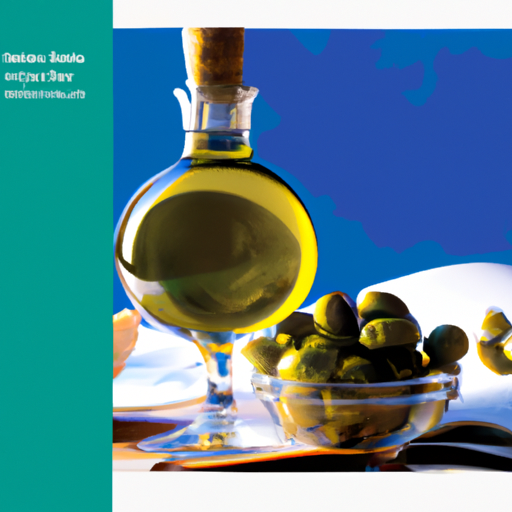
Olive oil holds a place of honor on the Mediterranean dining table.

Benefits of Olive Oil

Olive oil is packed with antioxidants and monounsaturated fats. It is an excellent substitute for butter as it has fewer saturated fats and is cholesterol-free.

Olive Oil – Heart Healthy Fat

Olive oil is the primary source of added fat in the Mediterranean diet. It is rich in mono-unsaturated fats, which are heart-healthy fats.

Culinary Uses of Olive Oil

Olive oil permeates a majority of Mediterranean dishes, either serving as a cooking medium or a dressing for salads and bread.
What Is The Main Staple Of The Mediterranean Diet?

Seafood – A Mediterranean Staple

Seafood plays a crucial role in the Mediterranean Diet.

Coastal Influence on Diet

Living by the sea, Mediterranean people have easy access to fresh seafood, hence its dominance within the diet.

Health Benefits of Seafood Consumption

Seafood, especially oily fish, is rich in Omega-3 fatty acids, which are known for their cardiovascular benefits.

Variety in Seafood Choices

The Mediterranean menu offers a wide array of seafood. From mussels to sardines, there’s a seafood option for every taste palette.

The Importance of Herbs and Spices

Herbs and spices also have a significant role in the Mediterranean cuisine.

Spices for Health and Longevity

Spices like turmeric, cinnamon, and ginger not only add flavor but are lauded for their anti-inflammatory and medicinal properties.

Flavor Without Relying on Salt

Herbs and spices in the Mediterranean diet amp up the taste quotient, lessening the heavy reliance on salt, thus promoting better heart health.

Lesser Known Components of the Mediterranean Diet

Let’s also shed some light on the lesser-known yet fundamental components of the Mediterranean Diet.

Moderate Consumption of Wine

Most people throughout the Mediterranean region enjoy a glass of locally produced wine, particularly red, which is rich in antioxidants.

Role of Dairy Products

Dairy in the form of cheese and yogurt is also a part of the diet but consumed typically in moderation.

The Mediterranean Diet: A Lifestyle

Beyond being a diet, the Mediterranean way embodies a lifestyle.

Combination of Diet and Physical Activity

This lifestyle entails more than just healthy eating. Physical activity is a key part of a balanced Mediterranean lifestyle.

Shared Meals and Community

The diet is intimately tied to enjoying meals with family and friends, fostering community bonds, and savoring life at a slower pace.

Health Benefits of the Mediterranean Diet

The health benefits of the Mediterranean Diet range from heart health to mental health support to weight management.

Enhancement of Heart Health

Research has shown that following a Mediterranean diet reduces the risk of heart disease.

Support of Mental Health

Some studies suggest the diet can prevent memory loss and cognitive decline.

Weight Management and the Mediterranean Diet

The diet encourages balanced proportions, promoting sustainable weight management and reducing obesity risk.

How to Incorporate the Mediterranean Diet into Daily Living

Incorporating the Mediterranean Diet is not only rewarding for your health but also quite straightforward.

Easy Mediterranean Meals to Prepare at Home

From Greek salads to Italian pasta dishes to seafood paella, there’s an endless variety of Mediterranean meals you can prepare at home.

Finding Mediterranean Ingredients

Most of the key ingredients in Mediterranean recipes are commonly available at local grocery stores, farmers’ markets, or online.

Conclusion

Adopting the Mediterranean Diet is like taking a gentle, scenic, and healthful vacation to sun-kissed Mediterranean lands.

Summary of Mediterranean Diet’s Benefits

In summary, the Mediterranean Diet is a lifestyle choice, promoting heart health, mental wellbeing, and sustainable weight management.

Long-term Sustainability of the Mediterranean Lifestyle

The real heart of the Mediterranean diet is about enjoying wholesome food, savoring shared meals with loved ones, and implementing a lifestyle that promotes well-being and longevity.

So if you’re pondering over “What Is The Main Staple Of The Mediterranean Diet?”, remember it’s not just about one ingredient or dish. It’s more about balance, whole foods, tradition, love for fresh ingredients, and the joy of sharing food with family and friends.
August 7, 2023 Health & Wellness

Is It Too Late To Start The Mediterranean Diet?

Curious to learn if it’s too late to embrace the Mediterranean Diet? Well, this article will enlighten you about the wonders of this diet, its immense benefits, and how it’s never too late to embark on this healthful journey. Incorporating the importance of family, exercise, and the joy of sharing wholesome meals, you’ll glean insightful tips on maintaining long-term health and vitality. Let’s unveil how this lifestyle could be your recipe for a wholesome life.

Is It Too Late To Start The Mediterranean Diet?

Understanding the Mediterranean Diet

The Mediterranean Diet, inspired by the nutritional habits of countries bordering the Mediterranean Sea, mainly includes foods like olive oil, fish, fruits, vegetables, nuts, and whole grains. A healthy balance of physical activity complements this diet to maintain your overall wellbeing. This diet encourages you to savor meals with your family and friends, while also promoting a lifestyle rich in social connections and physical activity.

Basics of the Mediterranean Diet

The Mediterranean Diet is essentially a heart-healthy eating plan that encompasses a variety of fresh fruits, vegetables, lean proteins, and whole grains. It recommends reducing processed foods, sugar, and bad fats while encouraging the consumption of good fats such as olive oil and avocados. The overall goal is not to eliminate particular food groups, but rather to create balance and make conscious, healthier choices.

Key Food Items in the Mediterranean Diet

Key components of the Mediterranean diet are: generous quantities of fruits and vegetables; the use of herbs for seasoning instead of salt; the preference for fish and poultry over red meat; and the use of olive oil, rich in monounsaturated fats, instead of butter. It also includes moderate amounts of yogurt, cheese, eggs, and wine.

Health Benefits of The Mediterranean Diet

The Mediterranean diet has been linked with a wide range of health benefits due to its emphasis on unprocessed, nutrient-rich foods.

Promotion of Heart Health

This diet aids in reducing the risk of heart disease by focusing on the consumption of healthy fats like polyunsaturated fatty acids and cutting out trans fats.

Contribution to Weight Management

Evidence shows that a Mediterranean diet can support weight loss and help maintain weight loss. It’s not a restrictive diet, making it sustainable in the long term.

Reduction of Alzheimer’s and Parkinson’s Risk

Research also shows that the Mediterranean diet may help slow the progression of diseases like Alzheimer’s and Parkinson’s by maintaining brain health.

Compatibility with Long-Term Health

The combination of nutrient-rich, fresh foods and physical activity make the Mediterranean diet a good choice for maintaining long-term health.

Exploring the Age Factor: Is It Ever Too Late?

Incorporating dietary changes at any stage of life, irrespective of age can be beneficial. The Mediterranean diet, owing to its wide variety of food components, can be a suitable choice for all age groups.

Impact of Age on Dietary Choices

As age advances, dietary needs and preferences change. The Mediterranean diet caters to these changes by offering a balance of all essential nutrients, without being restrictive.

Adapting The Mediterranean Diet at Various Life Stages

Whether it is pregnancy, early adulthood, or the golden years, the Mediterranean diet can be adapted easily to suit different nutritional requirements at different stages of life.

Significance of Starting Early with the Mediterranean Diet

Similar to learning a new skill or habit, the earlier you start, the easier it is to sustain. However, it’s never too late to embark on the Mediterranean diet and reap its benefits.

Is It Too Late To Start The Mediterranean Diet?

Integrating The Mediterranean Diet into Your Lifestyle

The Mediterranean diet, unlike many other diets, is easy to follow because it doesn’t mandate any drastic changes or restrictions.

Getting Started: Simple Swaps

Start by making simple swaps like replacing processed snacks with nuts and fruits, or swapping red meats with lean proteins like fish and poultry.

Preparing Mediterranean Meals at Home

Preparing meals at home allows you to control the ingredients and portion sizes. Opt for whole grain varieties and add plenty of fresh vegetables to your meals.

Incorporating Physical Activities

Pair the diet with regular physical activity for the best health results. This can be as simple as a daily walk or a regular gym session.

Creating a Family-friendly Mediterranean Kitchen

The Mediterranean diet can also be easily incorporated into family meals, and can help instill healthy eating habits from a young age.

Availability of Ingredients

Most ingredients required for Mediterranean meals are easily available at local supermarkets, or you can grow your own fruits and vegetables.

Cooking Together: Promoting Healthy Habits

Cooking Mediterranean food together as a family not only enriches bonds but also allows children to develop healthy eating habits.

Recreating Classic Family Recipes with a Mediterranean Twist

You can easily modify your classic family recipes to suit the Mediterranean cooking style by swapping ingredients for healthier options.

The Mediterranean Diet and Building a Food Culture

The Mediterranean diet is not just about food; it’s about a lifestyle that promotes eating high-quality, fresh, and tasty meals with your loved ones.

Fostering a Love for High-Quality Meals

The Mediterranean diet promotes the use of fresh, high-quality ingredients, and encourages you to appreciate the food you eat.

Sharing and Enjoying Food with Loved Ones

Nothing beats the joy of sharing a healthy and delicious meal with the people you love, enhancing not just your health, but also your relationships.

Building Lifelong Healthy Eating Habits

The Mediterranean diet encourages balance and moderation, helping you to build healthy lifetime eating habits.

Overcoming Challenges in Adopting the Mediterranean Diet

Adopting a new diet might seem challenging, but remember, it’s a gradual process. Take it slow, make simple swaps, and you will eventually get there.

Dealing with Dietary Restrictions and Preferences

Where dietary restrictions exist, there are always alternatives. In the Mediterranean diet, there are a plethora of food options to cater to everyone’s needs.

Sustaining Interest and Motivation

Remember why you started this diet. The benefits of the Mediterranean diet are long-term and by remaining committed, you will start feeling better and healthier.

Maintaining the Mediterranean Diet in Non-Mediterranean Countries

Despite the regional name, the Mediterranean diet can easily be adopted anywhere thanks to the easy availability of basic ingredients.

Success Stories: Transformations with The Mediterranean Diet

Sharing JD’s Personal Journey

JD, the creator of this blog, found a healthier lifestyle through the Mediterranean diet and says that it is the driving force behind his active and healthy presence in his children’s lives.

Testimonials from Other Individuals and Families

Many other individuals and families have also benefited from the Mediterranean diet and continue to share their positive experiences.

Revisiting Physical and Emotional Health Improvements

Transformations are not just limited to physical health. Adopting the Mediterranean diet also results in improved mental health and overall wellbeing.

Resources to Support Your Mediterranean Diet Journey

As you embark on this journey, know that there are numerous resources available to guide you.

Recommended Mediterranean Diet Recipes

There are countless recipes available online and in various cookbooks that can help you in your diet journey.

Reliable Sources of Dietary Advice

Sources such as registered dietitians can provide accurate and reliable information about the Mediterranean diet.

Mediterranean Menu Plans and Shopping Lists

Numerous websites provide pre-made shopping lists and menu plans that can help streamline your weekly meals.

Conclusion: It’s Never Too Late to Start

Summarizing the Benefits of the Mediterranean Diet

The Mediterranean diet, beyond being delicious and easy to follow, is scientifically proven to provide numerous health benefits, considering long term sustainability.

Encouraging Readers to Take the Leap

Considering the myriad advantages, starting the Mediterranean diet at any age is a great way to enhance your overall health and lifestyle. Remember, it’s never too late to start making healthier choices. So, why not start today?

August 7, 2023 Health & Fitness

Can You Eat As Much As You Want On The Mediterranean Diet?

In this friendly, approachable discussion, you’re about to discover the intriguing ins and outs related to food quantity in the Mediterranean diet. You’ll understand its principles, learn about its benefits and how it influences your eating habits. This knowledge will ultimately empower you to make informed decisions about your health and promote wholesome food-sharing experiences with your loved ones. Let’s explore!

Can You Eat As Much As You Want On The Mediterranean Diet?

Understanding the Mediterranean Diet

Defining the Mediterranean Diet

The Mediterranean Diet isn’t a quick-fix meal plan, but a lifestyle choice. It’s based on the traditional foods and habits of Mediterranean countries, especially Greece, Italy, and Spain. Expect plates filled with fresh fruits, vegetables, legumes, lean proteins, and lots of olive oil, along with the occasional glass of red wine.

The Origins of the Mediterranean Diet

You might be surprised to learn that the Mediterranean diet began, not from a diet book, but from extensive research conducted in the 1950s exploring why Mediterranean regions had lower rates of heart disease compared with other parts of the world. The answer was in their plate: a diet rich in natural, plant-based foods and healthy fats.

Key Components of the Mediterranean Diet

The backbone of the Mediterranean diet are foods that are local and fresh. Instead of processed foods, think fruits, vegetables, whole grains, legumes, and nuts. Attitude to meat is also different here – white meat and fish replace pork and beef.

Beyond the Concept of Dieting

A Lifestyle, Not Just A Diet

Unlike many diets, the Mediterranean diet doesn’t dictate strict meal plans or calorie counts. Instead, it encourages you to swap butter for olive oil, salt for herbs and spices, and red meat for fish or poultry.

Balancing Body Needs with Pleasures of Eating

The diet supports consuming assorted nutrients without compromising on the taste. The main idea is to ensure good health while enjoying the bounties of nature, not starve or limit oneself.

Linking Mediterranean Diet to Long-Term Health

A host of studies correlate the Mediterranean diet with lower risks of heart disease and Alzheimer’s. It’s also linked to reduced levels of LDL (bad cholesterol), substantial weight loss, improved blood sugar control and better gut health.

Mediterranean Diet and Control in Eating Habits

Exploring Food Quantities in the Mediterranean Diet

The large plates of food often associated with the Mediterranean diet may lead you to think you can eat as much as you want. However, the trick lies in the types of food consumed, not the quantity.

Quality Over Quantity Approach

Focus on the quality of food. Fresh, local, and organic produce nourish your body more than outsized portions of processed foods.

Mindful Eating and the Mediterranean Diet

Mindful eating plays a key role. Be aware of your body’s signals. Eat when you’re hungry, and stop when you’re satisfied. This diet is about enjoyment, not deprivation.

Can You Eat As Much As You Want On The Mediterranean Diet?

Mediterranean Diet: Focus on Nutritional Richness

High Fiber, Low Cholesterol Foods

Fruits, vegetables, whole grains, and legumes are all high in fiber and low in cholesterol, keeping you satisfied for longer and aiding digestion.

Importance of Fruits and Vegetables

Fruits and vegetables form the cornerstone of the Mediterranean diet. They’re high in vitamins, minerals and fiber, and are a great source of antioxidants.

Integrating Whole Grains and Nuts

Whole grains and nuts add essential nutrients and healthy fats. They help reduce the risk of heart disease and have a positive effect on blood sugar control.

Choosing Healthy Fats

Good fats such as olive oil, avocados and nuts are prominent in the Mediterranean diet. These healthy fats help lower bad cholesterol levels and reduce the risk of heart disease and stroke.

Mediterranean Diet and Physical Activity

The Role of Exercise in the Mediterranean Lifestyle

The Mediterranean diet is far more than just eating right—it also involves a healthy lifestyle that includes regular physical activity. Whether it’s a brisk walk after dinner or a morning swim, daily exercise is an integral part of this diet.

Balance Between Diet and Exercise

It’s not just about burning calories, but building a lifestyle that balances enjoyable eating with physical well-being.

Impact of Regular Physical Activity on Eating Habits

Regular physical activity, combined with the Mediterranean diet, can result in improved energy, better mood, and overall better health.

The Mediterranean Diet and Family Meal Times

Cultural Importance of Sharing Meals

In the Mediterranean culture, food isn’t just sustenance—it’s a reason for socializing, connecting and sharing. This helps create a positive relationship with food and encourages mindful eating.

Creating Bonds through Healthy Food

Sharing meals allows for time spent with loved ones, creating stronger bonds. It presents an opportunity for both adults and children to appreciate the flavours and variety the Mediterranean diet offers.

Establishing Healthy Eating Patterns in Children

The Mediterranean diet is a wonderful way to introduce kids to a wide variety of foods, promoting a lifelong love for fresh, healthy meals.

Variety in the Mediterranean Diet

Introduction to Diverse Mediterranean Recipes

The Mediterranean diet is incredibly varied, with each region offering its unique flavours. This makes the diet flexible and appealing to different palates.

Exploring Different Types of Mediterranean Foods

New recipes and foods should be an adventure, not a chore. Explore different ingredients, and try your hand at Italian pasta, Spanish tapas, or Greek salad.

Enjoying Food Variety Without Overeating

Even with the rich variety and delicious flavours, overeating is discouraged. The emphasis is on enjoying food and savoring every mouthful, not overindulgence.

Can You Really Eat as Much as You Want?

Breaking the Myth: Unlimited Eating

The Mediterranean diet does not promote unrestricted eating. Quality always trumps quantity. Portion control, even with healthy foods, is still necessary to maintain a balanced diet.

Understanding Individual Calorie Needs

Everyone’s needs are different, and so each person’s caloric intake will differ. Hence, customizing your diet to include the right portions of fruits, vegetables, whole grains, lean protein, and healthy fats is necessary.

The Art of Portion Control in the Mediterranean Diet

The Mediterranean diet encourages a variety of food in moderation. Portion control ensures the appropriate balance of nutrients.

Successful Stories with the Mediterranean Diet

Inspiring Transition to the Mediterranean Lifestyle

Many people across the globe have embraced this diet and lifestyle, experiencing improved health, weight loss, and a greater zest for life.

Achieving Health Goals with the Mediterranean Approach

This diet, when combined with regular physical activity and mindful eating, can truly contribute towards a healthier life.

Transformative Experiences with the Mediterranean Diet

Switching to this diet is not merely about choosing different foods, but about embracing a different way of thinking about your health and your life. These transitions can be truly transformative.

Conclusion

Adapting the Mediterranean Lifestyle for Improved Health

Adoption of the Mediterranean diet and lifestyle equips you with healthier eating habits, instilling the importance of physical activity and encouraging a more mindful, enriched way of living.

Celebrating Mediterranean Food and Family Connections

The Mediterranean lifestyle romanticizes cooking, the joyous consumption of meals, and the nourishing connections formed around the dinner table. It preserves the importance of culture, tradition, and togetherness.

Embracing Mindful Eating and Physical Activity

At its heart, the Mediterranean diet is about celebrating the goodness of natural food, cherishing meals with loved ones, and nurturing your body through physical activity. Slim waistlines and increased lifespans seem like cherry on top of a wholesome, fulfilled life.

August 7, 2023 Health & Fitness

How Many Eggs Per Week On Mediterranean Diet?

We’re about to explore an interesting aspect of the Mediterranean diet – the number of eggs one can consume in a week. Rest assured, this journey will be packed with exciting, well-researched information, all personally crafted by JD, a health enthusiast and a dedicated father. Throughout this article, we’ll not only uncover the specifics about eggs in this diet, but also emphasize the importance of sharing quality food with your loved ones and maintaining healthy, enjoyable eating habits. Let’s get cracking!

How Many Eggs Per Week On Mediterranean Diet?

Understanding the Mediterranean Diet

The Mediterranean Diet consists of copping the dietary habits of the people living in the Mediterranean region.

The major components of Mediterranean Diet

A traditional Mediterranean diet includes high consumption of fruits, vegetables, legumes, whole grains, nuts, seeds, and olive oil. It also allows for moderate intake of fish and poultry, and limits red meat, processed foods, and sugar.

Why is Mediterranean Diet considered healthy

The Mediterranean Diet is considered healthy because it focuses on eating whole and natural foods. It provides nutrients and antioxidants that prevent illnesses and contribute to longevity and good mental health.

Role of fats in Mediterranean Diet

Unlike other diets that limit fats, the Mediterranean Diet encourages consumption of healthy fats like olive oil, nuts, and seeds. These fats are full of monounsaturated and polyunsaturated fats, which are beneficial for heart health.

Balancing proteins in Mediterranean Diet

Protein is essential in any diet, and in the Mediterranean diet, it mainly comes from fish, poultry, eggs, beans, nuts, and seeds. These proteins are lower in harmful fats and are beneficial for heart health.

Importance of Eggs in Diet

Eggs are one of nature’s most nutrient-dense foods, they are packed with high-quality proteins and an extensive range of essential vitamins and minerals.

The nutritional components of eggs

Eggs are a good source of protein and contain vital vitamins A, D, E, and K along with B vitamins. Eggs also have essential omega-3 fatty acids, important for good heart health.

Providing protein with eggs

Containing all the essential amino acids in the right ratios, Eggs are an excellent source of protein. The body can use this high-quality protein to build muscles and aid in weight loss.

The role of eggs in a balanced diet

Including eggs in your diet provides your body with essential nutrients, promoting overall health. Eggs boost satiety, keeping you full for longer, contributing to a balanced diet.

Common myths about eggs

A prevailing myth about eggs is that they increase your cholesterol levels due to their cholesterol content. However, research shows that in most cases, it does not impact blood cholesterol levels negatively.

Eggs in the Mediterranean Diet

Eggs are a fundamental part of the Mediterranean Diet due to their high nutritional value and versatility.

How often do Mediterranean Diet followers eat eggs

The Mediterranean Diet doesn’t suggest a specific frequency or limit for egg consumption. However, As part of a balanced eating pattern, one or two eggs per day are entirely acceptable.

Healthy ways to prepare eggs

In Mediterranean cuisine, eggs can be boiled, poached, scrambled, or made into an omelette with vegetables and herbs.

Combining eggs with other Mediterranean Diet foods

Eggs can be combined with a variety of foods from the Mediterranean diet. For instance, an omelette with vegetables or a salad topped with a boiled egg.

How Many Eggs Per Week On Mediterranean Diet?

Recommended Number of Eggs Per Week

Although eggs are healthy, the key is moderation.

Why the number of eggs consumed matters

Consuming an excess of any food, including eggs can lead to nutritional imbalances. The key is to enjoy them as part of a balanced diet.

Balancing egg consumption with other proteins

Varying your protein sources is vital. While eggs are an excellent protein source, ensure to balance them with other protein sources such as fish, poultry, legumes, and nuts.

How to vary egg meals

Try using eggs for lunch or dinner, adding them into various recipes such as salads, stir-fries, and casseroles.

Eating Habits on the Mediterranean Diet

Eating habits in the Mediterranean diet focus on simple, balanced meals that provide an array of nutrients.

Meal planning for Mediterranean Diet

Ensure your meal plan includes a variety of foods in proper portion sizes. Include lots of vegetables, fruits, healthy fats, and proteins like eggs.

Incorporating eggs into weekly meals

Eggs can be worked into any meal, from breakfast omelettes to dinnertime frittatas.

Choosing the right types of eggs for Mediterranean Diet

Opt for free-range or organic eggs whenever possible as they tend to have higher nutrient content.

The Science behind Egg Consumption

Understanding the current research on egg consumption can help clear up any misconceptions.

Recent research on eggs and health

Numerous studies have shown that moderate egg consumption doesn’t increase the risk of heart disease or diabetes in people who are generally healthy.

Understanding the cholesterol question

Eggs do contain cholesterol, but the effect of egg consumption on blood cholesterol is minimal compared to the effect of trans fats and saturated fats on your cholesterol levels.

Knowing the right quantity of eggs to consume

Typically, up to seven eggs a week is considered safe for most people though it may vary depending upon your overall diet and health status.

Benefits of Eggs in the Mediterranean Diet

Eggs contribute to the already abundant benefits of the Mediterranean Diet.

How eggs contribute to the diet’s benefits

Eggs add a significant amount of essential nutrients and can enhance the diet’s nutritional profile. They’re also low in calories, promoting weight management.

Ways to add more eggs to your diet

Try adding eggs to your salads, stir-fries, or as an easy protein addition to your breakfast.

The effect of eggs on long-term health

Regular and moderate egg consumption can support good heart health, weight management, and overall health.

Incorporating Eggs into Your Mediterranean Diet

Eggs can be included in the Mediterranean diet in a variety of tasty and nutritious ways.

Cooking techniques for healthier egg dishes

Instead of frying, try boiling or poaching your eggs. Or make a scramble packed with vegetables for added fiber and nutrients.

Using eggs in Mediterranean recipes

Eggs can be incorporated into Mediterranean recipes like Shakshuka, Greek spinach pie, or in salads like Nicoise salad.

How to shop for eggs for Mediterranean Diet

Choose organic, free-range eggs. They are not only healthier but also often taste better.

Tips for Enjoying Eggs in Moderation

While eggs are healthy, they should, like all foods, be enjoyed in moderation.

Managing cravings for eggs

If you find you’re craving eggs, try pairing them with high-fiber foods like veggies or whole grains.

Alternatives for protein sources

If you want to vary your protein sources, legumes, fish, poultry, tofu, and seeds are excellent alternatives.

Techniques for making eggs a part of your regular meal plan

Find creative ways to include eggs in your meals, like adding a poached egg to your salads or an egg in your sandwich.

Conclusion

Incorporating eggs into your Mediterranean Diet adds an array of nutritional benefits. Remember, the key is to enjoy them in moderation and as a part of a balanced diet. Experiment, enjoy, and here’s to your good health with the Mediterranean Diet.

August 7, 2023 Health

How Fast Do You Lose Weight On Mediterranean Diet?

In this friendly discussion, you’ll uncover the answer to a popular question: How fast do you lose weight on the Mediterranean diet? By the end of our chat, you’ll understand the rate at which weight loss occurs on this diet and gain insights into why it’s not just about losing weight but also embracing a healthier, family-orientated lifestyle. Be prepared to learn and savor the benefits of the Mediterranean diet!

How Fast Do You Lose Weight On Mediterranean Diet?

How Fast Do You Lose Weight On Mediterranean Diet?

Understanding the Mediterranean Diet

Defining the Mediterranean Diet

Inspired by the way people eat in countries bordering the Mediterranean Sea, the Mediterranean diet emphasizes fruits, vegetables, whole grains, legumes, and seafood, complemented by a splash of flavorful olive oil and perhaps a glass of red wine.

The Principles of the Mediterranean Diet

The fundamental principles of the Mediterranean Diet revolves around the core concept of eating wholesome, plant-based foods, avoiding heavily processed foods and enjoying meals with family and loved ones. These meals are composed of fruits, vegetables, lean proteins, and healthy fats like olive oil.

The Role of the Mediterranean Diet in Weight Loss

How Mediterranean Diet Leads to Weight Loss

The Mediterranean diet contributes to weight loss due to its emphasis on lean proteins, fiber-rich fruits and whole grains which keep you feeling satiated, and monounsaturated fats which help manage your hunger levels resulting in lower overall calorie intake.

Understanding the Balance Between Calorie Intake and Expenditure in Mediterranean Diet

Like any healthy weight loss plan, the Mediterranean Diet focuses on creating a calorie deficit, which means you burn more calories than you consume. The key is to balance high-quality, nutrient-dense foods that prop up your health, with regular physical activity.

The Importance of Physical Activity Alongside the Mediterranean Diet

Types of Physical Activities That Complement the Mediterranean Diet

Activities like running, walking, swimming, biking, or yoga, are good companions to the Mediterranean Diet. Healthy food fuels your workouts and exercise helps burn calories, making this a symbiotic relationship.

Impact of Physical Activity on the Pace of Weight Loss

Including regular physical activity accelerates the pace of weight loss, while also improving cardiovascular health, bone health, mood, and overall well-being.

How Fast Do You Lose Weight On Mediterranean Diet?

An Overview of Foods in the Mediterranean Diet

A Look at Healthy Fats

In the Mediterranean Diet, the majority of your fat intake comes from monounsaturated fats found in olive oil, nuts, and fish. These fats can help lower bad cholesterol levels and reduce your risk for heart disease and stroke.

Importance of Plant-Based Foods

Plant-based foods are a cornerstone of the Mediterranean Diet. These foods include fruits, vegetables, whole grains, and legumes, which are packed full of nutrients and antioxidants.

Role of Whole Grains

Whole grains play a crucial role in the Mediterranean Diet by providing fiber, protein, and a variety of important nutrients. They also keep you full and satisfied, hence preventing overeating.

Typical Weight Loss Timeline on the Mediterranean Diet

Setting Realistic Weight Loss Expectations

Weight loss on the Mediterranean Diet is a gradual process – expected to be between 1-2 pounds per week. This weight loss rate is considered healthy and sustainable.

Understanding Gradual Versus Drastic Weight Loss

It’s important to appreciate that gradual weight loss is more likely to stay off long-term compared to drastic weight loss, which can often lead to regaining weight once you stop following a strict diet regimen.

Success Stories and Experiences of the Mediterranean Diet

How JD Found Success with the Mediterranean Diet

JD, a married father of three, had significant success with the Mediterranean Diet. Not only did he lose weight, but he also maintained this weight loss and dramatically improved his overall health and well-being.

Sharing Other People’s Weight Loss Journey on Mediterranean Diet

Just as JD found a healthier life through the Mediterranean diet, so have countless others who have embraced this lifestyle. Their inspiring stories show that this way of eating, combined with regular exercise, can make a profound difference in one’s health.

The Social Aspect of the Mediterranean Diet

How to Enjoy the Mediterranean Diet with Family and Loved Ones

The Mediterranean diet isn’t just about the food – it’s also about enjoying meals with family and friends, adding a factor of mental and emotional health to its physical health benefits.

The Role of Shared Meals in Weight Loss and Overall Health

Shared meals mean portion control and hence less overeating. The joy of sharing food can also lead to less stress eating, contributing to overall weight loss and health.

Benefits Of The Mediterranean Diet Beyond Weight Loss

Enhanced Heart Health

The Mediterranean Diet is known for its heart-health benefits including reduction in bad cholesterol and decreased risk of heart disease.

Improved Cognitive Health

Studies suggest the Mediterranean diet may improve cognitive function and reduce the risk of Alzheimer’s disease.

Better Blood Sugar Control

The Mediterranean Diet can help regulate blood sugar levels and has been associated with a lower risk of type 2 diabetes.

Common Misconceptions About The Mediterranean Diet

Addressing Concerns About Fat Content

While the Mediterranean Diet does include fats, they’re healthy fats like olive oil and avocados that are beneficial for your heart.

Debunking Myths About Weight Loss Speed

Weight loss with the Mediterranean Diet may be gradual, but it’s sustainable and comes with a host of additional health benefits.

Understanding Sustainable Eating Habits Versus Dieting

The Mediterranean Diet is more of a lifestyle change rather than a short-term diet, making it a more sustainable and healthier approach to weight loss.

Conclusion

Recap Of The Impacts Of Mediterranean Diet On Weight Loss

The Mediterranean Diet paves the way for healthy, sustainable weight loss by promoting nutrient-dense foods, regular physical activity, and portion controlled meals.

Encouragement For Long-Term Commitment To Mediterranean Diet

The Mediterranean Diet is about embracing a healthier lifestyle, not just about losing weight quickly. Commitment to the diet’s principles means not just weight loss but also better vitality, improved health and enhanced quality of life. So why not give the Mediterranean lifestyle a try – your body will thank you in the long run.

August 7, 2023 Health and Wellness

What Are The Best Nuts To Eat On Mediterranean Diet?

You’re about to uncover the secret to a healthy, enjoyable lifestyle through the Mediterranean Diet. Specifically, you’ll explore the best types of nuts that complement this diet. By the end of this article, you’ll have a clear understanding of why these nuts are beneficial and how to incorporate them into your diet. So get ready to embark on a journey that emphasizes healthy eating habits, exercise, and savoring good food with your loved ones.

What Are The Best Nuts To Eat On Mediterranean Diet?

JD here from www.mediterraneandietrecipes.net. As a father of three, I am interested in embracing a lifestyle that supports my health, longevity, and well-being. This allows me to be an active part of my children’s lives and share high-quality meals with my family. Today, we will look at the best types of nuts to consume on the Mediterranean diet, a culinary lifestyle renowned for its health benefits. Let’s dive in!

What Are The Best Nuts To Eat On Mediterranean Diet?

Understanding the Mediterranean Diet

Defining the Mediterranean Diet

The Mediterranean Diet embraces culinary traditions from Mediterranean countries like Italy and Greece. It’s not just a diet – it’s a lifestyle that emphasizes balanced nutrition, physical activity, and enjoyment of food with loved ones.

How the Diet Benefits Health

The Mediterranean Diet is praised for supporting cardiovascular health, reducing the risk of chronic diseases, aiding mental sharpness, and increasing life expectancy. Thanks to copious amounts of fruits, vegetables, lean proteins, whole grains, and of course, nuts!

Common Foods within the Mediterranean Diet

You’ll find a mix of items like fish, lean meats, fruits, vegetables, legumes, whole grains, olive oil, and nuts in this diet. Nuts are indeed a crucial part of this mix.

Importance of Nuts in the Mediterranean Diet

Role of Nuts in Nutritional Balance

Nuts offer a perfect mix of proteins, fiber, healthy fats, and vital nutrients to keep you healthy, satiated, and energized. They are compact powerhouses of nutrition, energy, and flavor.

How Nuts Support Heart Health

Nuts are rich in heart-healthy unsaturated fats, fiber, and omega-3 fatty acids. Regularly consuming them can help lower your cholesterol levels, decrease inflammation, and promote healthier heart function.

Influence of Nuts on Longevity

Eating nuts can also enhance your longevity! They are linked to lower risk of chronic diseases, hence contributing to longer, healthier lives.

Now that you understand the importance of nuts, it’s time to explore the superstars of the nut family, highly recommended in the Mediterranean diet.

Almonds: The Heart-Healthy Choice

Nutritional Profile of Almonds

Almonds are rich in protein, fiber, and monounsaturated fat. They’re loaded with Vitamin E, magnesium, riboflavin, and antioxidants.

Benefits of Consuming Almonds

They are excellent for heart health, controlling blood sugar and cholesterol, aiding in weight loss, and supporting strong bones!

Incorporating Almonds into Meals

Add slivered almonds to your salads, yogurt, baked goods, or simply enjoy a handful as a snack.

What Are The Best Nuts To Eat On Mediterranean Diet?

Walnuts: The Brain Boosters

Key Nutrients in Walnuts

Walnuts are packed with omega-3 fatty acids, copper, manganese, molybdenum, and biotin.

Impact of Walnuts on Brain Health

These nutrients combined create a positive influence on your brain health, improving cognitive function and combating mental decline.

Ideas for Adding Walnuts to Your Diet

Toss them into your oatmeal, mix them in your salads, include them in your pasta, or snack on them raw.

Hazelnuts: The Antioxidant Powerhouses

Health Benefits of Hazelnuts

Hazelnuts are rich in healthy fats, protein, dietary fiber, and Vitamin E. They can help lower cholesterol, improve heart health, and aid digestion.

Antioxidant Content in Hazelnuts

The high antioxidant content in hazelnuts helps combat inflammation and cell damage, thus slowing down aging effects.

Delicious Ways to Eat Hazelnuts

Enjoy them in your desserts, blend them in your smoothies, sprinkle them on your dishes, or roast, and snack on them.

Cashews: Rich in Essential Minerals

Nutritional Content of Cashews

Cashews are full of magnesium, phosphorus, manganese, copper, and Vitamin K, offering multiple health benefits.

How Cashews Improve Health

They are excellent for heart health, bone strength, blood clotting, and immunity boost.

Integrating Cashews into the Mediterranean Diet

Enjoy them in your stir fry dishes, use them to prepare vegan cheeses or butters, or enjoy them raw.

Pistachios: The Fiber-Rich Snack

Advantages of Eating Pistachios

Pistachios offer ample fiber and proteins, alongside antioxidants. They support heart health and weight management very effectively.

High Fiber Content in Pistachios

Their high fiber content aids in digestion and increasing the feeling of fullness.

Tasty Methods of Using Pistachios in Meals

Use them as a crunchy topping for salads or desserts, add them to your baked goods, or snack on them right out of the shell.

Enjoying Nuts Mindfully

Understanding Portion Sizes of Nuts

Remember, moderation is key. A handful of nuts a day (around 30g – 35g), is a balanced portion.

Avoiding Overconsumption of Nuts

Overconsumption can lead to unwanted weight gain due to their high-calorie content, hence the need for mindful consumption.

Choosing Unsalted and Unprocessed Nuts

Go for unsalted, unprocessed, or dry roasted versions of nuts to avoid excess sodium or unhealthy additives.

Nuts: A Perfect Addition to Family Meals

Sharing the Health Benefits of Nuts with Family

Embrace nuts as a part of your family’s diet. Children can also enjoy these nutritious and delicious snacks.

Creating Enjoyable, Nutty Family Recipes

Experiment with nuts – add almonds to your morning cereal, cashews in your stir fry, pistachios in your dessert. Create fun, enjoyable, healthy meals.

Bonding Over Meal Preparation and Enjoyment

Let your kids join you in the kitchen to prepare these nutty delights. It’s a great way to bond and teach them the importance of healthy eating.

Conclusion

Summary of the Best Nuts in Mediterranean Diet

Almonds, walnuts, hazelnuts, cashews, and pistachios are crucial players in the nut family that complement the Mediterranean diet beautifully. They have unique benefits that collectively contribute to a healthier, happier you.

Relevance of Nuts in Promoting Health and Wellness

Nuts are more than just a snack – they are a nutritional asset. Embrace them for a healthier heart, sharper mind, and, of course, more enjoyable meals!

May you relish the journey to health and wellness, one nutty bite at a time!

August 7, 2023 Diet and Nutrition

Is Toast Part Of Mediterranean Diet?

Welcome to your exploration of the Mediterranean diet and its elements. You’re about to discover whether toast has a place amidst the natural, whole foods and heart-healthy fats that this diet endorses. Along the way, you’ll also learn how toast can be incorporated into the Mediterranean diet, whilst prioritizing healthy eating habits and enjoying quality food with your loved ones.

Is Toast Part Of Mediterranean Diet?

Understanding the Mediterranean Diet

Let’s begin by unpacking the Mediterranean diet, a lifestyle choice adopted by those embracing healthy living. This diet, widely accepted as one of the healthiest, encompasses more than just food. It propagates an entire way of life, including an emphasis on high quality food, family meals, and physical activity.

Key Features of the Mediterranean Diet

The diet itself is plant-based, rich in fruits, vegetables, whole grains, legumes, olive oil, and lean proteins like fish and poultry. Dairy and red meats make a cameo appearance, while sweets are minimal. The emphasis is on consuming fresh, seasonal, and locally sourced food whenever possible.

Emphasis on High Quality Food and Family Meals

As part of the diet, you’re encouraged to enjoy your meals as social events, shared with family and friends. This approach aims to nourish you not just physically, but emotionally and socially as well, leading to a well-rounded lifestyle.
Health Benefits of the Mediterranean Diet

Numerous studies have reported compelling health benefits of the Mediterranean diet including reduced risks of heart disease, stroke, type 2 diabetes, and even certain types of cancer. It also aids in weight management and offers neuroprotective benefits.

The Role of Bread in the Mediterranean Diet

With the key features of the Mediterranean lifestyle laid out, you might wonder how bread and, by extension, toast fits into the diet. Is toast part of the Mediterranean diet?

Common Types of Bread Consumed

First, it’s important to understand the role bread plays in the Mediterranean diet. In Mediterranean regions, bread is more than a dietary staple; it forms an integral part of the culture. Different types of bread like pita, ciabatta, and focaccia, made from unrefined grains like whole wheat, serve as a rich source of complex carbs and fiber.

Why Bread is a Staple in the Mediterranean Diet

Whole grain bread aligns perfectly with the Mediterranean diet’s principles due to its high fiber content that aids in digestion and creates a feeling of fullness, thereby preventing overeating.

Bread Serving Styles in Mediterranean Meals

In Mediterranean meals, bread often appears as an appetizer, alongside dips like hummus or baba ghanoush, or as an accompaniment to the main course.

Evaluation of Toast in the Mediterranean Diet

Now that we understand the role of bread, let’s delve into our main query: Is toast part of the Mediterranean diet?

Typical Bread Toasting Habits in Mediterranean Regions

While the act of toasting might not be as commonplace in the Mediterranean as it is in other cultures, it does exist and adds a delicious and nutritious dimension to the Mediterranean menu.

Nutritional Contributions of Toast

The nutritional benefits are similar to that of bread, as it’s essentially just a toasted version. Toast does have a slightly higher Glycemic Index (GI), which indicates how quickly carbohydrates affect your blood glucose levels.

Pairing Toast with Other Mediterranean Foods

To make the most of the Mediterranean diet, pair the toast with characteristic foods like hummus, olive oil, fresh tomatoes, or avocado.

Is Toast Part Of Mediterranean Diet?

Impact of Toast Consumption on Health

In the context of overall health, let’s analyze toast’s pros and cons.

The Effect of Toast on Blood Sugar Levels

Though toast is considered a healthy food item, eating it alone might lead to a spike in blood sugar levels due to its higher Glycemic index, especially if it’s white bread.

Benefits of Whole Grain Toast

On the other hand, when you choose whole grain toast, you’re consuming a rich source of fiber, vitamins, and minerals that not only helps regulate blood sugar levels but also promotes heart health.

Potential Health Concerns Associated with Toast

There might be some concerns regarding toast if it’s overly toasted or burned. The reason lies in a chemical called acrylamide, formed when bread is toasted too much. It’s potentially harmful and linked to a higher risk of cancer.

Customizing Toast for the Mediterranean Diet

Now let’s explore ways to incorporate toast into the Mediterranean diet.

Choosing the Right Bread for Toast

Look for whole grain bread with minimal sugar and ingredients you recognize and can pronounce.

Healthy Toppings for Toast

Consider Mediterranean friendly toppings like olive oil and tomatoes, smashed avocado, or low-fat Greek yogurt and berries.

Incorporating Toast into Balanced Mediterranean Meals

Remember that balance is key in the Mediterranean diet. Pair your toast with a serving of fruits and proteins.

Sharing Toast with Family and Loved Ones

In the Mediterranean lifestyle, every meal, including toast, is an opportunity to connect with loved ones.

Importance of Family Meals in the Mediterranean Lifestyle

Sharing meals cultivates a sense of togetherness which eases stress and encourages overall happiness.

Involving Children in Toast Preparations

Getting kids engaged in meal preparation can spur healthier eating habits.

Enjoying Toast in Casual and Formal Gatherings

Toast suits any occasion, whether a casual brunch or a formal dinner, making it a flexible addition to your Mediterranean menu.

The Relationship between Toast and Exercise

A balanced lifestyle is not solely about diet but also includes a good amount of physical activity.

Toast as a Pre or Post Workout Snack

When balanced with proteins and fats, such as almond butter or eggs, a slice of whole grain toast can provide you with ample energy for a workout or assist with recovery afterward.

Toast and Energy Levels

Whole grain toast is slow to digest, providing a steady release of energy to keep you fueled throughout the day.

Choosing the Right Topping for Workout Nutrition

Pair it with wholesome toppings like nut butter or avocado to enhance the taste and boost nutrition.

The Versatility of Toast in the Mediterranean Diet

Toast is a versatile food, effortlessly moving from breakfast to lunch, dinner, and even snacks.

Toast for Breakfast, Lunch, and Dinner

Whether it’s smashed avocado on toast for breakfast, a hearty chicken salad sandwich for lunch, or a light bruschetta for dinner, toast has you covered.

Creative Ways to Serve Toast

Experiment with your toppings, moving beyond spreads. Try grilled veggies, a mix of fruits and cheese, or egg and spinach.

Various Cultural Approaches to Toast

Different cultures introduce us to diverse and delightful ways to enjoy toast. Embrace the variety as part of your culinary adventure.

Toast Alternatives in the Mediterranean Diet

In the end, there are alternatives to toast in the Mediterranean diet worth exploring.

Exploring Different Grains and Seeds

The Mediterranean diet gives you the flexibility to explore different grains and seeds.

Cultural Alternatives to Toast

Pita, for example, or other flatbreads, can fit seamlessly into the Mediterranean diet in place of toast.

Non-Bread Toast Alternatives

Think outside the box with alternative “toasts” like sweet potato toast or cauliflower toast.

Conclusion: Is Toast Part of the Mediterranean Diet?

The answer to “Is toast part of Mediterranean diet?” is a sumptuous yes, provided the bread is whole grain and the toppings are heart-healthy.

Balancing Toast Consumption with Other Foods

As with any food, moderation is key.

Toast in the Context of a Healthy Lifestyle

Remember, a balanced diet goes hand in hand with regular exercise and time spent with loved ones.

Rediscovering Toast in the Healthy Mediterranean Diet

So, go ahead and embrace toast as part of your Mediterranean lifestyle. Spread, crunch, and savor each delicious bite.

August 7, 2023 Health & Wellness

Is Oatmeal On A Mediterranean Diet?

You’re about to explore the role of oatmeal in the Mediterranean Diet. Throughout this informative piece, you’ll learn about its compatibility with the diet and how it fits with the overall health benefits associated with Mediterranean eating habits. So, stick with us and enrich your understanding of your dietary choices.

Is Oatmeal On A Mediterranean Diet?

Is Oatmeal On A Mediterranean Diet?

Understanding the Mediterranean Diet

Defining the Mediterranean Diet

The Mediterranean diet refers to the dietary habits of people living in the Mediterranean area. This diet emphasizes the consumption of natural, unprocessed foods. This includes fruits, vegetables, whole grains, legumes, healthy fats like extra virgin olive oil, and lean proteins like fish and poultry.

Primary Components of the Mediterranean Diet

The primary components of the Mediterranean diet are fresh and seasonal fruits and vegetables, legumes, nuts, seeds, and whole grains. There is also an emphasis on fish and seafood, moderate amounts of poultry, eggs, and dairy, and very little red meat. The diet is also rich in healthy fats, primarily from olive oil.

Role of Whole Grains in the Mediterranean Diet

Importance of Whole Grains

Whole grains play a pivotal role in the Mediterranean diet as they are rich in fiber, vitamins, minerals, and beneficial plant compounds. Whole grains also involve the entire grain — the bran, germ, and endosperm. Foods made from these grains are rich in fiber, which promotes a healthy digestive system.

Examples of Whole Grains in the Mediterranean Diet

Whole grains in the Mediterranean diet include foods like whole wheat, brown rice, barley, oats, buckwheat, and bulgur. These grains can be enjoyed in multiple ways, like in salads, soups, side dishes, or main courses.

Introduction to Oatmeal

What is Oatmeal?

Oatmeal is a type of coarse flour made of hulled oat grains that have been either ground, steel-cut or rolled. Ground oats are also known as “white oats”. Rolled oats are steamed and rolled into flakes, while steel-cut oats are cut into pieces.

Nutrition Profile of Oatmeal

Oatmeal is loaded with dietary fiber, particularly a type of soluble fiber known as beta-glucan. It’s also a good source of vitamins and minerals, including manganese, phosphorus, magnesium, copper, iron, zinc, folate, and vitamins B1 and B5.

Is Oatmeal On A Mediterranean Diet?

Inclusion of Oatmeal in a Mediterranean Diet

Why Oatmeal is Compatible with the Mediterranean Diet?

Oatmeal matches perfectly with the Mediterranean diet because it is a whole grain that offers numerous health benefits. Its high fiber content aids in digestion, and it is a great source of energy.

How to Incorporate Oatmeal into the Mediterranean Diet

Oatmeal can be incorporated into the Mediterranean diet in numerous ways. It can be enjoyed as a hearty breakfast, or used as an ingredient in bread, granola bars, and other baked goods. It can also be used to add texture and nutrition to soups and stews.

Health Benefits of Oatmeal on a Mediterranean Diet

Oatmeal for Heart Health

Oatmeal is great for heart health because it contains beta-glucan, a soluble fiber that can reduce cholesterol and blood sugar levels, promote healthy gut bacteria, and increase feelings of fullness.

Oatmeal for Weight Management

The dietary fiber in oatmeal reduces the appetite and promotes feelings of fullness, both of which can help with weight management.

Oatmeal for Digestive Health

Oatmeal’s high fiber content can help prevent constipation and promote regular bowel movements.

Oatmeal Recipes Suitable for a Mediterranean Diet

Oatmeal with Fruits and Nuts

This is a simple breakfast recipe. Simply prepare your oats and add a variety of fruits, nuts, and seeds for extra flavor and nutrition.

Savory Mediterranean Oatmeal

Switch up your oatmeal routine by combining your oats with Mediterranean flavors like olive oil, feta cheese, and fresh vegetables.

Community and Family Involvement

Cooking Oatmeal as a Family Activity

Cooking oatmeal as a family activity could boost your family’s dietary habits and health. Children could learn the importance of healthy eating and enjoy the process of cooking.

Sharing Healthy Oatmeal Meals with Loved Ones

Sharing meals is an essential part of the Mediterranean lifestyle. Enjoying a meal like oatmeal, loaded with fruits and nuts or a savory oat dish with fresh veggies, could be an excellent way to share wholesome foods with your loved ones.

Maintaining Physical Activity alongside the Mediterranean Diet

Importance of Exercise in the Mediterranean Lifestyle

The Mediterranean lifestyle is not only about the diet but also it includes physical activities. Regular exercise complements a healthy diet, and together, they promote a healthy lifestyle.

Balance between Healthy Eating and Exercise

Finding the right balance between healthy eating and regular exercise is pivotal to maintaining a healthy lifestyle. Consuming foods like oatmeal, rich in fiber, will provide you with steady energy for physical activities.

Possible Concerns about Including Oatmeal in a Mediterranean Diet

Potential Allergies and Intolerances

While oatmeal is generally safe and beneficial, some individuals may have allergies or intolerances to oats. It’s always best to consult with a healthcare provider if you have any concerns.

The Issue of Processed Oats

While oats are nutritious, it’s essential to choose whole, unprocessed oats when possible. Processed oats, like instant oatmeal, can contain added sugars and fewer nutrients.

Conclusion

Why Oatmeal is a Great Addition to the Mediterranean Diet

Oatmeal is a great addition to the Mediterranean diet because it’s a nutritious whole grain that can be enjoyed in many ways. It offers various wellness advantages, from heart health to weight management and digestive health.

Committing to a Healthy Lifestyle with the Mediterranean Diet

Committing to a lifestyle filled with nutrient-rich food like oatmeal and regular physical activity, principles at the heart of the Mediterranean Diet, could contribute to longevity and a higher quality of life. You can enjoy these – not only for your personal well-being but also for sharing good times and nourishing meals with your loved ones.

August 7, 2023 Diet and Nutrition

Are Blueberries OK On Mediterranean Diet?

You’re about to learn whether incorporating blueberries into your Mediterranean diet is a good idea or not. This information will help you make informed decisions about your diet for maintaining your long term health. It’s all about enjoying a good meal, staying active, and cherishing those moments with your family and loved ones. Let’s explore together!

Are Blueberries OK On Mediterranean Diet?

Understanding the Mediterranean Diet

The Mediterranean Diet is more than a meal plan, it’s a lifestyle. Rooted in the eating habits of the people who live in the Mediterranean region, this diet is celebrated for its health benefits and simplicity.

Defining the Mediterranean Diet

The Mediterranean Diet emphasizes the consumption of fruits, vegetables, whole grains, lean proteins, and healthy fats. Unlike other diets, it doesn’t strictly limit any food group but stresses balance and quality.

Core Principles of the Mediterranean Diet

The key principles of the Mediterranean Diet are eating predominantly plant-based foods, replacing butter with healthy fats such as olive oil, using herbs and spices instead of salt for flavor, consuming red meat sparingly, and enjoying meals with family and friends.
Long-term Health Benefits

Research has found that adhering to the Mediterranean Diet can help reduce risks of heart disease, high blood pressure, type 2 diabetes, and obesity. It is also linked with a longer lifespan and improved brain health.

Fruits in the Mediterranean Diet

Fruits are a vital part of a balanced Mediterranean diet, adding sweetness, color, and variety to meals.

Role of Fruits

Fruits provide a variety of vitamins and minerals as well as fiber, which aids in digestion and keeps you feeling satisfied.

Commonly Consumed Fruits

Many fruits are consumed in the Mediterranean Diet, including apples, oranges, peaches, dates, grapes, and berries.

Impact of Seasonal Fruits on Diet

By incorporating seasonal fruits, you can ensure you’re getting a diverse array of nutrients and flavors, further enriching your diet.

Blueberries and Their Health Benefits

Blueberries are one of the most nutrient-dense foods you can eat. They are rich in antioxidants, vitamins, and other beneficial compounds.

Nutritional Breakdown of Blueberries

Each cup of blueberries is packed with vitamin C, vitamin K, fiber, and various antioxidants.

Health Benefits of Consuming Blueberries

Blueberries are touted for their antioxidant properties. Regular consumption may help to boost your immune system and fight off harmful free radicals.

Anti-Oxidant Aspect of Blueberries

The high antioxidant content contributes to heart health, brain health, and anti-inflammatory properties.

Are Blueberries OK On Mediterranean Diet?

Blueberries in the Mediterranean Diet

Blueberries are a welcome addition to the Mediterranean Diet.

Acceptability of Blueberries

Wherever you are, blueberries can be a refreshing treat, adding color, texture, and health benefits to any Mediterranean diet-aligned meal.

Ways to Incorporate Blueberries into the Diet

Blueberries can be enjoyed in smoothies, desserts, salads, or on their own.

Blueberries and Dietary Diversity

Adding blueberries to your diet enhances nutritional diversity, keeping your meals interesting, and enjoyable.

Blueberries’ Impact on Personal Health

The consumption of blueberries can have many positive impacts on your health.

Beneficial Impacts of Regular Blueberry Consumption

Their high antioxidant content, fiber, and vitamins support heart health, aid digestion, and may boost cognitive function.

Role in Preventative Health

Combined with a balanced diet and regular exercise, regular blueberry consumption may help to reduce the risk of chronic diseases.

Blueberries and Aging

The antioxidants in blueberries can help slow the aging process, improving skin health and memory function.

Blueberries and Family Health

Sharing the benefits of blueberries with your family can help everyone reap the rewards.

Engaging Children with Blueberries

Blueberries can be an excellent food for children as they are sweet, bite-sized, and nutrient-dense.

Blueberries in Family Recipes

You can incorporate blueberries in numerous family-friendly recipes like blueberry yogurt parfaits, salads, or homemade blueberry muffins.

Promoting Healthy Eating Habits with Blueberries

Introducing nutritious, delicious foods like blueberries can encourage children to develop healthy eating habits early on.

Exercise, Fruits and Health

A balanced diet coupled with regular exercise is vital for overall health.

Importance of Regular Exercise

Regular exercise is essential for heart health, weight management, and mental wellness.

Impact of Fruits like Blueberries on Exercise

Fruits such as blueberries can fuel your workouts and aid in recovery due to their natural sugars and potent antioxidants.

Balancing Diet and Exercise

Maintaining a balanced Mediterranean diet, paired with physical activity, can help in managing a healthy lifestyle.

Sharing High Quality Food with Family

Incorporating quality ingredients like blueberries is not just about health, it’s about creating meaningful moments with loved ones.

Importance of Shared Meals

Shared meals help foster communication, strengthen familial bonds, and establish a pattern of healthy eating.

Role of Quality Ingredients

Using quality ingredients not only nourishes the body but also contributes to the overall taste and enjoyment of meals.

Involving Family in Meal Preparation

Involve your kids in meal preparation. This can be a great time to educate them about the benefits of ingredients like blueberries.

Enjoying Blueberries with Loved Ones

Blueberries can be more than just a fruit. They can be part of memory-making experiences.

Joy of Eating and Sharing Blueberries

Sharing in the experience of enjoying food like blueberries can create fun, lasting memories.

Creating Memories with Blueberries

A simple activity like blueberry picking can create treasured family moments.

Blueberry Picking as a Family Activity

Blueberry picking can be a fun family outing, promoting togetherness and physical activity while also enabling you to reap the benefits of this superfruit.

Conclusion

Reiteration of Blueberries’ Acceptance in Mediterranean Diet

Blueberries, with their powerful antioxidants and numerous health benefits, are more than acceptable, they’re a welcomed addition to the Mediterranean Diet.

Holistic Health Benefits

The Mediterranean Diet, along with regular exercise and healthy habits like consuming fruits, contributes to holistic health.

Role of Blueberries in Long-term Health and Family Wellness

Incorporating blueberries into your diet not only enhances your health but, when shared with family, helps create lasting memories around food. So, feel free to enjoy these delicious berries while taking a step towards improved health and wellness.

Are blueberries OK on the Mediterranean Diet? Absolutely, they are a flavorful, nutritious delight well worth including in your diet, and more importantly, they can contribute delightfully to your healthful journey.

August 7, 2023 Health & Wellness

How Long Does It Take For The Mediterranean Diet To Lower Cholesterol?

In this enlightening journey, you’ll learn about the timeline and benefits of the Mediterranean Diet in reducing cholesterol levels. Through this article, you’ll gain insights into the relationship between this healthy lifestyle choice and your long-term wellbeing. Undeniably, it’s all about maintaining vibrant health whilst relishing great meals with your loved ones. So, strap in and get ready to uncover the secret to higher quality, healthier living.

How Long Does It Take For The Mediterranean Diet To Lower Cholesterol?

Understanding the Mediterranean Diet

The Mediterranean diet is about more than just food – it’s a lifestyle that prioritizes healthy,-balanced eating, staying active, and enjoying meals with family and friends.

Components of the Mediterranean Diet

Based primarily on traditional foods from the Mediterranean region, this diet emphasizes fruits, vegetables, whole grains, nuts, and legumes. It includes moderate amounts of fish and poultry, limited red meat, a focus on monounsaturated fats like olive oil, and a splash of red wine.

The Origin and Cultural Significance of the Mediterranean Diet

Originating in countries bordering the Mediterranean Sea, this diet reflects the customs and traditions of the culture – emphasizing the importance of community and sharing meals with family.

Popular Foods in the Mediterranean Diet

Favorites include hummus, tabouleh, whole grain pasta, lean meats and cheeses, seafood, a rainbow of vegetables, and fruits like berries, cherries, and figs for dessert.

The Link Between Diet and Cholesterol

Your diet significantly impacts your cholesterol levels, thereby influencing your risk for heart disease.

How Diet Influences Cholesterol Levels

Foods rich in saturated fat, trans fats, and cholesterol can boost your levels of low-density lipoprotein (LDL), also known as “bad cholesterol.” Conversely, consuming more fiber can lower LDL levels.

Unhealthy Dietary Habits and High Cholesterol

Habits such as consuming processed, fried, or fast foods often lead to high cholesterol, whereas fresh fruits, vegetables, lean proteins, and plenty of water can help maintain healthy levels.

Food That Naturally Lower Cholesterol Levels

Oats, fruits, beans, lentils, nuts, and fatty fish are famed for their cholesterol-lowering properties.

Cholesterol Level Management

Managing cholesterol levels effectively involves a comprehensive approach – tweaking eating habits, maintaining a healthy weight, exercising regularly, and regular health check-ups.

Importance of Lowering High Cholesterol

Reducing high levels of cholesterol minimizes the risk of developing heart disease – the leading cause of death globally.

Understanding Good and Bad Cholesterol

HDL, or “good cholesterol,” removes LDL from your bloodstream, reducing the risk of heart disease. On the other hand, LDL contributes to the fatty buildups in arteries, increasing heart disease risk.

Relation Between High Cholesterol and Heart Disease

High cholesterol can lead to atherosclerosis, a dangerous accumulation of cholesterol and other deposits on the walls of your arteries, leading to heart disease.

How Long Does It Take For The Mediterranean Diet To Lower Cholesterol?

Mediterranean Diet and Cholesterol

The foods, preparation styles, and consumption habits inherent in the Mediterranean diet all contribute to beneficial cholesterol profiles and heart health.

How the Mediterranean Diet Affects Cholesterol Levels

The diet’s emphasis on unsaturated fats, lean proteins, fiber-rich foods, and overall lower consumption of red meat effectively helps in reducing overall cholesterol levels.

Scientific Studies on the Influence of the Mediterranean Diet on Cholesterol

Numerous studies have found that the Mediterranean diet can significantly lower LDL cholesterol levels. The specific timeframe for these improvements, however, varies.

Verifying the Timeframe for Lowering Cholesterol

While the Mediterranean diet can ultimately lower cholesterol levels, the timeframe depends on several factors.

Factors Impacting the Speed of Lowering Cholesterol

These factors include the degree of dietary change, current cholesterol levels, and individual physiological responses.

Individual Differences in Cholesterol Responses to Diet

Everyone responds differently and at different rates to dietary changes. That means the timeframe to witness improvements will vary accordingly.

Transitioning to the Mediterranean Diet for Healthy Cholesterol Levels

Switching to the Mediterranean diet involves planning, experimentation, and enjoyment.

Planning Your Mediterranean Diet

Think variety, freshness, and moderation. Plan meals around vegetables, fruits, lean proteins, and whole grains. Explore global recipes and experiment with herbs and spices.

Recipe Ideas for a Mediterranean Diet

Try Greek salads, hummus, vegetable stir-fry with quinoa, spinach and feta stuffed chicken, grilled fish with a squeeze of lemon, or a simple bowl of fresh berries for dessert.

Incorporating Activities for Better Cholesterol Management

Physical activity complements the Mediterranean diet in managing cholesterol levels.

Effect of Physical Activity on Cholesterol Levels

Regular physical activity raises HDL cholesterol levels while reducing LDL cholesterol and triglycerides, offering a natural way to improve cholesterol levels and heart health.

Exercise Regimes Along with Mediterranean Diet

Combine strength training, aerobic activity, and flexibility exercises for a well-rounded approach towards cholesterol management.

Sharing the Mediterranean Diet with Family

Teaching your family about the Mediterranean diet will help them develop healthy habits and understand the importance of nutrition.

Teaching Healthy Dietary Habits to Children

Start by making meals a family event, involving children in cooking, explaining nutrition in simple terms and leading by example.

Enjoying the Mediterranean Diet together as a Family

Make meals a time for sharing and bonding over delicious, nutritious food. Cultivate a love for fresh, whole foods, and practice mindful eating.

Long Term Health Benefits of the Mediterranean Diet

Beyond cholesterol management, the Mediterranean diet offers numerous health benefits.

Maintenance of Healthy Cholesterol Levels

Because it’s not just a diet, but a sustainable lifestyle change that promotes overall well-being and life quality.

Other Health Benefits of the Mediterranean Diet

It can help improve weight loss, regulate blood sugar levels, reduce the risk of developing Alzheimer’s disease, cancer, and increase longevity.

Conclusion

Embracing the Mediterranean lifestyle offers a proven, delicious, and sustainable way to lower cholesterol levels and enhance overall health.

Incorporating the Mediterranean Diet for Long-term Cholesterol Management

Remember, the key lies in consistency, creativity, and enjoying the process. It’s not just about what you’re eating, but how you’re eating and sharing those moments with your loved ones as well.

The Mediterranean Diet as a Lifestyle not just a Diet

Most importantly, the Mediterranean diet isn’t a fad or transitional diet. It’s a long-term commitment that encourages a balance of healthy food choices, physical activity, and shared meals. This approach to life can make it easier to maintain healthy cholesterol levels over time. A hearty and healthy future awaits you and your family in the Mediterranean lifestyle.

Ultimately, your cardiovascular health falls into your own hands. Let the Mediterranean lifestyle guide you towards making the right choices. Embrace it today for a healthier, happier tomorrow! Enjoy the journey!

  • « Go to Previous Page
  • Go to page 1
  • Interim pages omitted …
  • Go to page 38
  • Go to page 39
  • Go to page 40
  • Go to page 41
  • Go to page 42
  • Interim pages omitted …
  • Go to page 64
  • Go to Next Page »

Primary Sidebar

Hey y’all!

Hello and welcome to MediterraneanDietRecipes.net My name is JD, and I’m a 46-year-old father of three amazing children. My family is my world, and my main goal in life is to stay healthy and live long enough to see my children grow up, have children of their own, and to be an active, engaged, and supportive grandparent.

Being an older father, I understand that time is precious, and I want to make the most of it by ensuring that I am in the best possible shape physically, mentally, and emotionally. My journey started with a deep dive into the research on longevity and the lifestyle choices that can help me achieve my goals. Dig deeper →

Footer

Stay Connected

  • Bloglovin
  • Facebook
  • Instagram
  • Pinterest
  • Twitter

Copyright © 2026 · MEDITERRANEAN DIET RECIPES