• Skip to primary navigation
  • Skip to main content
  • Skip to primary sidebar
  • Skip to footer
  • Home
  • About
  • Recipes
  • Blog

Mediterranean Diet Recipes

Home » Blog

Blog

August 8, 2023 Recipes

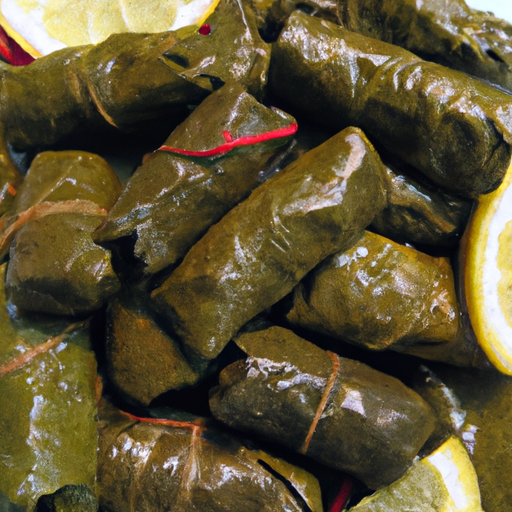
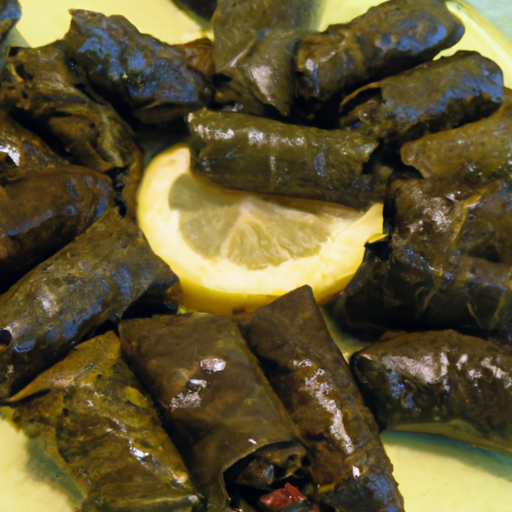
Mediterranean Dolmades (Stuffed Grape Leaves) Recipe

Embark on a flavorful journey to the sunny coasts of the Mediterranean with this mouth-watering dolmades recipe. Known for its intricate layers of taste and texture, dolmades – stuffed grape leaves – is a traditional culinary delight that beautifully encapsulates the essence of the Mediterranean diet. It is packed with healthful ingredients, boasting the perfect balance of proteins, fiber, and good fats, making it a nutritious and wholesome meal option.

This article is your indispensable guide on how to master this delicious and healthy Mediterranean staple at home. Each step of the recipe, from selecting the right ingredients to preparing, cooking, and serving, has been carefully designed to be easy to follow and precise. The exact measurements of ingredients for four servings are conveniently provided. Plus, it includes an array of handy options for substitutions to cater to your personal diet choices or to accommodate those unexpected missing ingredients moments. Journey with us as we explore the rich gastronomical culture of the Mediterranean through this sublime dolmades recipe!
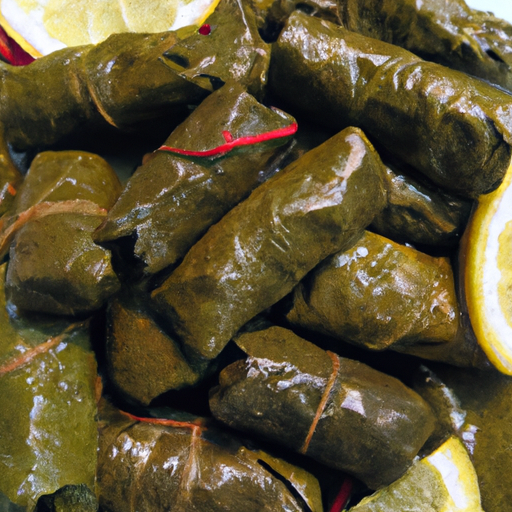
Mediterranean Dolmades (Stuffed Grape Leaves) Recipe

Introduction

Hello there! Today we’re going to go on a culinary journey together to the heart of the Mediterranean, where we’ll be preparing a beloved dish known as Dolmades, or stuffed grape leaves. This staple dish is a shining example of the Mediterranean diet, with its core ingredients being fresh herbs, vegetables, and rice all rolled up in a tender grape leaves. High in fiber and low in fat, it’s a perfect choice for those who wish to eat healthy and savour the rich, aromatic flavours of Mediterranean cuisine.

Ingredients

To create this exquisite dish enough for four adults, you don’t need any exotic ingredients. Most of these can be found easily in your local supermarket:

  • 30 to 40 Grape Leaves
  • 1 cup of Rice
  • 1 Onion, finely chopped
  • 1 Tomato, finely diced
  • Half a cup of Parsley, finely chopped
  • Quarter cup of Mint, finely chopped
  • Half cup of Olive Oil
  • Juice from 2 Lemons
  • A half teaspoon of Salt
  • Half a teaspoon of Black Pepper

Remember, the beauty of cooking lies in precision! So make sure to measure your ingredients accurately.
Mediterranean Dolmades (Stuffed Grape Leaves) Recipe

Preparation

Preparing the Grape Leaves

Begin with washing grape leaves thoroughly in cold water, and, if they’re canned, keep them soaked in water for about an hour to get rid of the excess salt. Once they are cleaned, blanch them in boiling water for about 2-3 minutes. Remove them from water, pat them dry, and they’ll be ready to be rolled up into delicious Dolmades.

Preparing the Filling

For the filling, first, you’ll need to rinse the rice a few times till the water runs clear. Heat a bit of olive oil in a pan, then saute the onions until they look translucent. Add in the rinsed rice along with chopped tomato, parsley, and mint. Stir well before adding half of your lemon juice, salt, and pepper. Keep it aside to cool a bit and your filling is ready.

Stuffing and Rolling the Dolmades

Now comes the fun part: stuffing and rolling the dolmades. Lay a grape leaf on a flat surface, vein side up. Place a spoonful of the prepared filling in the center. Fold the bottom of the leaf over the filling, then fold in the sides and roll up tightly. Repeat this until all leaves and filling are used up.

Cooking

Boiling the Dolmades

Take a large pot and line the bottom with any leftover leaves to prevent the Dolmades from sticking. Neatly arrange the rolled Dolmades in the pot, then pour in the remaining olive oil and lemon juice. Add water until they are just covered. Place a plate on top to keep Dolmades submerged within water, then cover the pot. Let them simmer for around 50-60 minutes, or until the rice is fully cooked.

Sauteing the Dolmades

While boiling is the traditional way to cook Dolmades, you can also try sauteing them for a bit of a crispy texture. Heat a bit of olive oil in a pan and saute the Dolmades until they are lightly browned on all sides.

Options/Substitutions

Vegetarian Version

The standard recipe is vegetarian by default, but to make it vegan, simply replace the rice with a vegan alternative like quinoa or couscous.

Meat Variation

For a non-vegetarian variation, you can add a bit of cooked and shredded meat to your rice filling. Lamb or beef would work wonderfully.

Different Spices

Feel free to experiment with different spices to make your Dolmades punchier. You can add a bit of crushed garlic, cumin or even some feta cheese to the filling for an extra zing.

Conclusion

And there you have it, your very own homemade Mediterranean Dolmades. Not only are they an absolute delight to the taste buds but they are also incredibly healthy. We hope you enjoy this refreshing voyage into Mediterranean cuisine. Happy Cooking!
August 8, 2023 Food & Drink

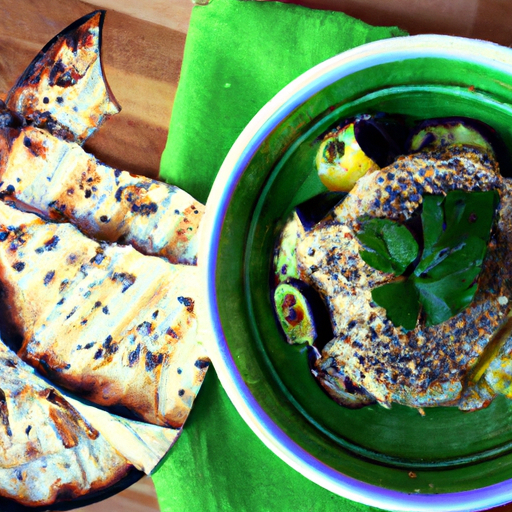
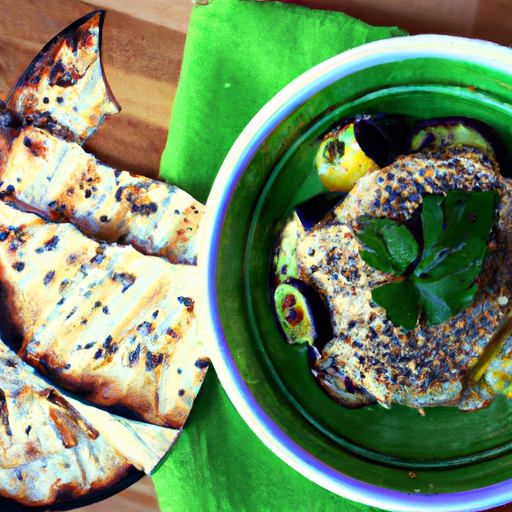
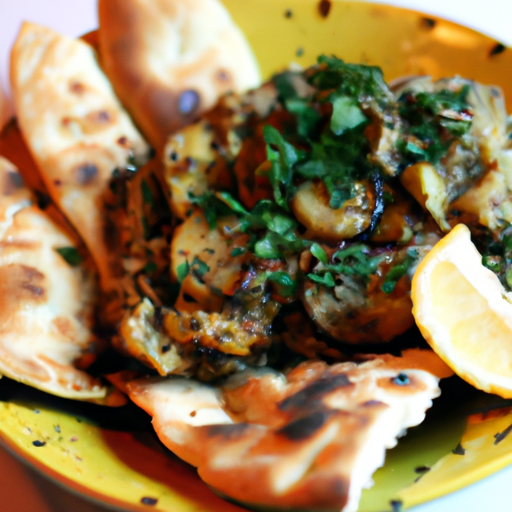
Mediterranean Baba Ganoush Recipe

Set your sights on the vibrant shores of the Mediterranean and fuel your healthy cravings with this delectable Baba Ganoush recipe. Savor the flavors of the region in your own kitchen – think tangy, smoky eggplant imbued with the heady mingling of fresh garlic, lemon juice, tahini, and other locally sourced ingredients. This appetizing spread is not only a gastronomic treat but is also a staple within the nourishing Mediterranean Diet, offering a heaping serving of essential nutrients for your well-being.

This Baba Ganoush recipe is more than a mere guide to creating a delicious dip—it’s a gateway to observing traditional cooking methods, understanding the element of each ingredient used, and it’s sure to ignite your passion for authentic Mediterranean cuisine. Peruse the explicit list of ingredients and detailed cooking instructions provided, indulge in possible options or substitutions and draw your gastronomic journey to a close with a satisfying conclusion. Let’s embark on this culinary adventure to create a recipe that serves four, all the while immersing you in the splendor of Mediterranean flavors.

Mediterranean Baba Ganoush Recipe

Mediterranean Baba Ganoush Recipe

Baba Ganoush is a classic Mediterranean recipe that truly captures the spirit and flavors of the region. This delightful dish is a creamy aubergine spread typically enjoyed as an appetizer or a side dish. Not only is it deliciously satisfying, but it also fits perfectly into the Mediterranean diet, being rich in vegetables and healthy fats. In this guide, we will take you step-by-step through a simple and authentic Baba Ganoush recipe that you’ll be able to create at home.

Ingredients

For this recipe, which is enough for 4 servings, you will need the following:

  • 4 medium-sized eggplants
  • 3 tablespoons of fresh lemon juice
  • ¼ cup of Tahini
  • 4 cloves of garlic, minced
  • 4 tablespoons of good quality olive oil
  • 1 teaspoon of salt
  • 1 teaspoon of ground cumin
  • A handful of fresh parsley, chopped for garnish

Mediterranean Baba Ganoush Recipe

Preparation

Roasting the Eggplants

Start by preheating your oven to 375°F. Place the eggplants on a baking sheet and roast them for around 40 minutes. While the eggplants are roasting, mix the lemon juice, Tahini, garlic, cumin, and ½ teaspoon of the salt in a blender. Set this mixture aside.

Peeling the Eggplants

Once roasting is completed and the eggplants have been cooled down, cut them open and scoop out the tender insides with a spoon. This is where the roasted flavor comes from, so make sure you get all of it!

Blending the Ingredients

Add the scooped eggplant flesh into the blender containing the lemon juice, Tahini, garlic, cumin, and rest of the salt. Blend until smooth, then drizzle in the olive oil while the blender is still running.

Adjusting the Consistency

The consistency of your Baba Ganoush is truly a matter of your personal taste. This recipe will give you a lovely, creamy dip. However, if you like it even softer, you can adjust the consistency by adding a bit more olive oil or some water. Remember to taste and adjust the seasoning as needed.

Refrigerating the Baba Ganoush

Once you’ve achieved your desired consistency and flavor, transfer your Baba Ganoush to a serving dish, and refrigerate it for a couple of hours. This will help the flavors meld together better.

Options and Substitutions

Smoky Flavor

If you’re craving a smoky flavor in your Baba Ganoush that truly mimics the traditional method of cooking over an open flame, you can add a bit of smoked paprika to the mix.

Creamier Texture

For a creamier texture, you can add more Tahini. A little bit goes a long way, so start with a tablespoon or two and adjust as needed.

Additional Seasonings

While the suggested seasoning of salt, ground cumin, and garlic adds a lovely depth of flavor, you can experiment with others. Consider adding a hint of chili flakes for some heat or even some za’atar for a unique twist.

Serving Suggestions

Serve the Baba Ganoush in a bowl, drizzled with a little bit of olive oil and garnished with the fresh parsley. This dip is perfect paired with warm pita bread. Alternately, you can serve it with a variety of sliced veggies such as cucumbers, bell peppers, and carrot sticks, for a satisfying and healthy snack. Baba Ganoush also goes extraordinarily well with olives and feta cheese. Don’t forget to sprinkle some fresh herbs like dill, mint, or green onion on top for an extra burst of flavor!

Conclusion

Preparing Mediterranean Baba Ganoush can be a truly creative activity. It’s all about mixing to your preferred taste, experimenting, and most importantly, having fun! Whether served as a casual snack, a party appetizer, or a side dish, Baba Ganoush never fails to impress. This healthy, creamy, and delicious dip will surely become a favorite in your household! Enjoy your homemade Baba Ganoush, and be proud of bringing a taste of the Mediterranean diet into your kitchen!

August 8, 2023 Food & Recipes

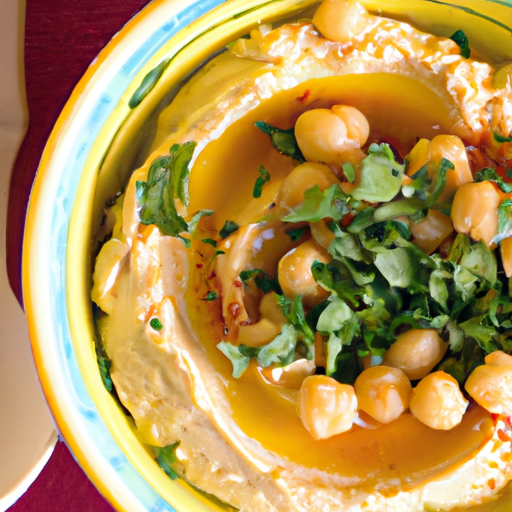
Mediterranean Classic Hummus Recipe

Immerse yourself in the timeless allure of the Mediterranean as you prepare the classic hummus recipe—a cornerstone of this world-renowned cuisine. There’s so much more to food than just eating, and that’s especially true when it comes to the Mediterranean diet. With its emphasis on plant-based, nutrient-rich foods, it has garnered accolades for promoting heart health and longevity. Hummus, a creamy and versatile dip, contributes to the diet’s rich tapestry with its unique blend of chickpeas, tahini, olive oil, garlic, and lemon juice.

As you embark on this culinary endeavor, you’ll be given in-depth instructions designed to guide you through every step of the process, ensuring your hummus emerges as a tantalizing treat that leaves your taste buds thrilled. From the exact quantities of fresh ingredients you’ll need to curate your masterpiece, to the meticulous steps of preparation that mirror the age-old culinary traditions of the Mediterranean region, every detail will be diligently outlined. Indeed, this isn’t just a recipe—it’s a ticket to the profound gastronomic adventures that the Mediterranean diet generously offers.

Mediterranean Classic Hummus Recipe

Introduction

You are about to embark on a culinary journey to the Mediterranean — the home of the classic hummus dish. Hummus is a staple food in many Mediterranean and Middle Eastern countries. Not only does it taste great, but it also fits perfectly into the wholesome Mediterranean diet, known for its numerous health benefits. This creamy and delicious spread is predominantly made from chickpeas, which are a great source of plant-based protein and fiber. Ready to don your chef’s hat and embrace the enticing flavors of the Mediterranean cuisine? Let’s dive in!

Ingredients

To make enough hummus for four adults, you will need the following ingredients:

Chickpeas

A cup of cooked chickpeas will be your primary ingredient. Chickpeas are the heart and soul of the dish, providing creaminess and a slightly nutty taste.

Tahini

Half a cup of tahini will give your hummus that authentic Mediterranean flavor. Tahini, a paste made from sesame seeds, adds a unique richness to the hummus.

Garlic

Three cloves of garlic are enough to give a noticeable hint of flavor without overpowering the other ingredients.

Lemon juice

Two tablespoons of lemon juice will provide a refreshing tang to balance out the richness created by the chickpeas and tahini.

Olive oil

A quarter cup of quality olive oil will lend your hummus added richness and smooth consistency.

Salt

One teaspoon of salt will enhance the other flavors, bringing them all together.

Water

Approximately one-quarter cup of water will help you achieve the desired consistency of your hummus.

Paprika

A sprinkle of paprika will provide a burst of color and slightly smoky flavor.

Parsley

Fresh parsley, finely chopped, is used primarily for garnish, complementing the taste of your hummus while adding a touch of greenery.

Mediterranean Classic Hummus Recipe

Cooking and Preparation Instructions

Step 1: Prep the Chickpeas

If you’re using canned chickpeas, rinse them well. If you prefer to use dried chickpeas, you’ll need to soak them overnight and boil them until they are tender.

Step 2: Blend the ingredients

Throw the prepared chickpeas, tahini, garlic, lemon juice, olive oil, and salt in a food processor. Blend until the mixture turns into a smooth paste.

Step 3: Adjust the consistency

If your hummus is too thick, gradually add water until it reaches your preferred consistency. Remember to add the water slowly to ensure that you don’t overdo it and end up with soupy hummus.

Step 4: Serve and garnish

Transfer your hummus to a bowl, create a small well in the center, sprinkle with paprika and drizzle a bit of olive oil. Add your parsley garnish, and voilà! You can serve your homemade hummus with freshly baked pita bread or vegetable sticks.

Options/Substitutions

Flavor Variations

Try adding roasted red peppers or sun-dried tomatoes to the food processor for a vibrant version of hummus. For those who like a bit of heat, swirl in some hot sauce or chopped jalapeños.

Texture Variations

Coarsely blend the chickpeas if you prefer your hummus to have more texture.

Garnish Variations

While paprika and parsley are traditional garnishes, feel free to get creative. Consider alternatives such as pine nuts, a sprinkle of cumin, or even some Za’atar for different flavor profiles.

Conclusion

Making your own homemade classic Mediterranean hummus is simple, fun, and undoubtedly satisfying. The heavenly combination of chickpeas, tahini, garlic, lemon juice, and olive oil, coupled with your choice of garnish, promises a delicious, versatile, and healthy dip. Moreover, the potential to experiment with different flavors ensures this hummus will never become routine. Enjoy the process and indulge in the excellent outcome; after all, the best food is the one cooked with love!

August 8, 2023 Food and Cooking

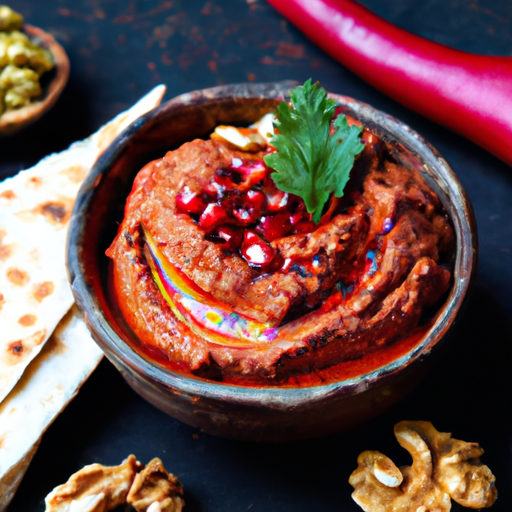
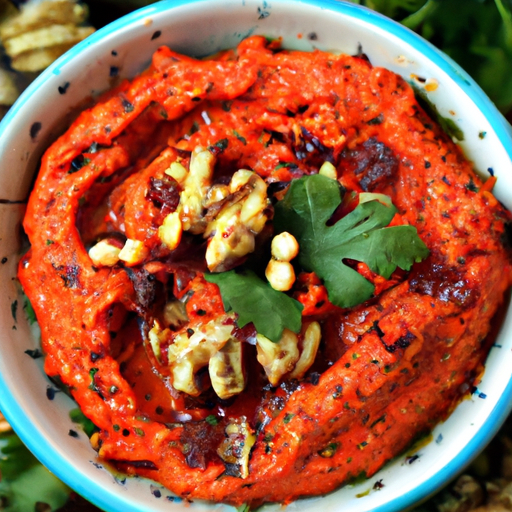
Mediterranean Muhammara (Roasted Red Pepper & Walnut Dip) Recipe

Imagine the vibrant colors and delectable tastes of the quintessential Mediterranean spread gracing your table. You’re at the helm of unveiling one of its star attractions — the savory, delightful Mediterranean Muhammara. Known for its exquisite blend of roasted red peppers and crunchy walnuts, this understated yet sophisticated dip is the epitome of Mediterranean delight. It is more than just another item on your party menu; it has the power to transport you to breathtaking sunset beaches and bustling markets of the Mediterranean coast with a single bite.

Enticing, isn’t it? Within this piece, lies an uncomplicated, step-by-step guide to creating one of the jewels of Mediterranean cuisine. From specific ingredients to cooking instructions, you’ll find everything you need to whip up a dip that’s sure to have everyone reaching in for seconds, without any ambiguity. Adjustments and alternatives are also highlighted to suit your dietary needs. This article is not just about delivering a recipe; it’s an invitation to embrace the liveliness and warmth of the Mediterranean lifestyle through your tastebuds.

Mediterranean Muhammara (Roasted Red Pepper  Walnut Dip) Recipe

Introduction

You’re in for a treat today as we bring to you a splendid recipe you’re sure to fall in love with- the Mediterranean Muhammara, a delightful, unique dip that has its origins in the cuisines of Syria and Turkey. Guaranteing a multi-layered explosion of flavors in your mouth, this roasted red pepper and walnut dip is a celebrated creation in the Mediterranean diet.

With its riveting blend of smoky sweetness from the roasted red peppers, crunchiness from the walnuts, a tangy punch from pomegranate molasses, and a dash of spiciness from the ground red pepper flakes, this recipe sure knows how to create a culinary sensation. Replete with healthy, all-natural ingredients, the Mediterranean Muhammara aligns perfectly with the Mediterranean diet’s focus on using plant-based foods, healthy oils, and spices.

Ingredients

To create this culinary marvel, you’ll need:

  • Approximately two cups of roasted red peppers, peeled and seeds removed
  • One cup of walnut halves
  • Two tablespoons of pomegranate molasses
  • One cup of breadcrumbs
  • Two to three garlic cloves
  • Half a teaspoon of ground cumin
  • Half a teaspoon of ground red pepper flakes
  • Two tablespoons of olive oil
  • Two tablespoons of fresh lemon juice
  • Half a teaspoon of salt for taste

Mediterranean Muhammara (Roasted Red Pepper  Walnut Dip) Recipe

Instructions

Step 1: Roast the red peppers

Begin by roasting the red peppers. You can do this on a gas stove, on a grill, or even in your oven. Ensure that all sides are thoroughly charred and proceed to cool. After this, peel them and remove the seeds.

Step 2: Prepare the walnuts

Take the walnuts and roast them gently on medium heat in a pan till they turn golden brown. Ensure they don’t get burnt.

Step 3: Blend the ingredients

Now, combine the roasted red peppers, toasted walnuts, pomegranate molasses, breadcrumbs, garlic cloves, ground cumin, red pepper flakes, olive oil, and lemon juice in a blender or food processor. Blend into a slightly coarse mixture.

Step 4: Adjust the consistency

If the mixture seems too thick, add some extra olive oil and lemon juice, ensuring the dip does not get too runny. Add some salt according to taste.

Step 5: Serve and enjoy

Your Muhammara is ready to be savored! serve it with warm pita bread or as a dip for crunchy veggies.

Options/Substitutions

Substitute for walnuts

Suppose you’re not a fan of walnuts or have an allergy. In that case, you can substitute them with almonds or cashew nuts for that added crunchiness while maintaining the health quotient.

Adjusting the heat level

If you can’t handle the heat from the red pepper flakes, feel free to adjust the quantity or even eliminate them from the recipe. Alternatively, you can add an extra kick by incorporating some hot sauce or diced jalapeno if you enjoy fiery foods.

Vegan version

Luckily for you, this recipe is already vegan-friendly as it includes plant-based ingredients only.

Gluten-free version

For a gluten-free alternative, replace breadcrumbs with gluten-free breadcrumbs or ground oatmeal.

Conclusion

There you have it, the excitingly flavorful Mediterranean Muhammara! A phenomenal dip recipe that doesn’t just taste incredible but also packs a nutritional punch. It’s a wonderful tribute to the simple, healthy, and refreshingly diverse nature of the Mediterranean diet. Whether you’re serving it as a dip at parties, using it as a spread for your sandwiches, or adding a dollop of it to your grilled meats or roasted vegetables, the Muhammara will certainly become a fast favorite in your kitchen. So, roll up your sleeves, get the ingredients ready, and embark on this Mediterranean culinary adventure! Trust us, your tastebuds will thank you for this treat!

August 8, 2023 Food and Cooking

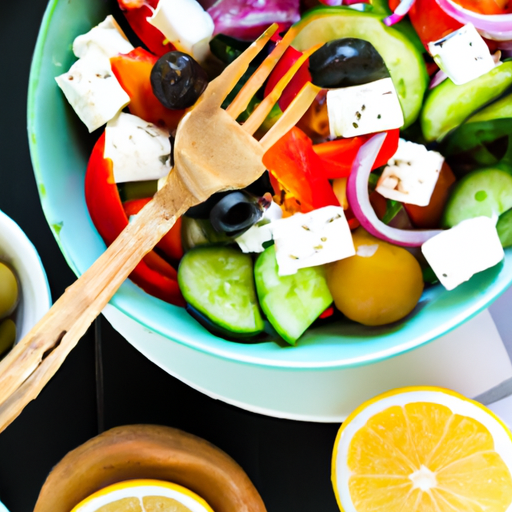
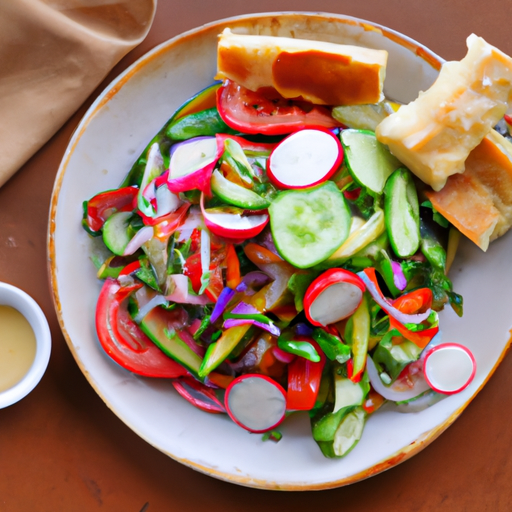
Mediterranean Greek Salad Recipe

Imagine a meal that not only enthralls your taste buds but also serves as a beacon of health and nourishment; that is precisely what the Mediterranean Greek Salad offers. Steeped in rich cultural heritage, the Mediterranean Greek Salad is an iconic dish that epitomizes the philosophies of the Mediterranean Diet: fresh ingredients, indulgence in nutritious elements, and a celebration of taste.

This guide will be your perfect companion in the art of preparing the charming Mediterranean Greek Salad. From meticulously chosen ingredients and their precise measurements, to clear-cut cooking and preparation instructions, and even thoughtful options for ingredient substitutions – your journey into preparing this delectable dish is meticulously mapped out. This article, set to immerse you in the essence of Mediterranean culinary delights, ensures you can effortlessly recreate this healthy and scrumptious salad, enough to satiate four adults with ease.

Mediterranean Greek Salad Recipe

Understanding the Mediterranean Greek Salad

The Mediterranean Greek Salad is an iconic dish that has earned its place in the culinary world, not just for its delightful taste, but because it perfectly embodies the principles of the Mediterranean diet.

Context of the Mediterranean Greek Salad in the Mediterranean diet

Predominantly derived from countries bordering the Mediterranean Sea, the Mediterranean diet emphasizes the intake of fresh and wholesome foods. The Greek Salad, with its mix of sharp, piquant, and crisp flavors, fits perfectly within this dietary philosophy. It allows you to enjoy a meal that bursts with vibrant tastes without straying from a healthy diet.

Health Benefits of the Mediterranean Greek Salad

Greek Salad is a powerhouse of nutrition. Filled with fresh vegetables, healthy fats from olives and olive oil, and protein-rich feta cheese, it’s a complete meal in itself. It’s high in dietary fiber, which aids digestion, and antioxidants which contribute to overall health and wellness.

Popular variations of the Mediterranean Greek Salad

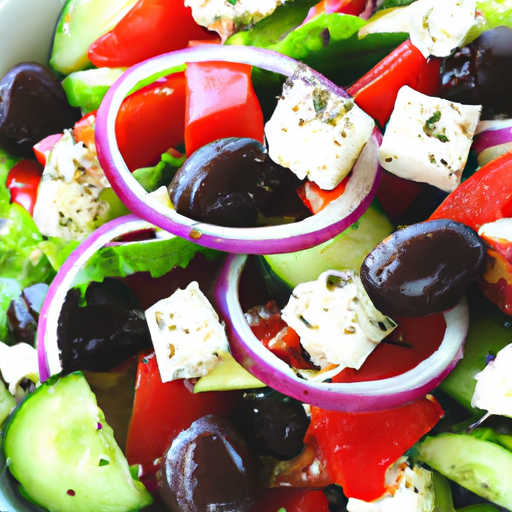
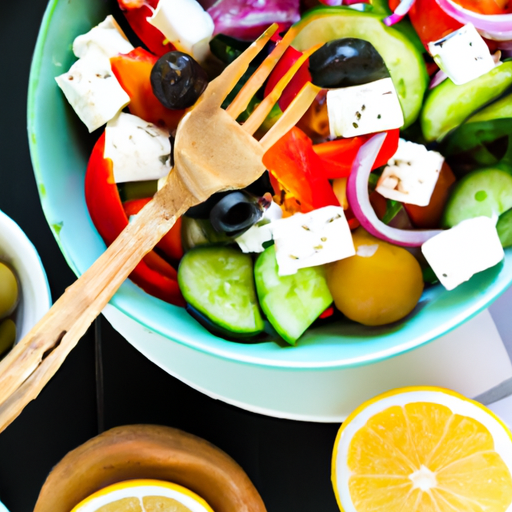
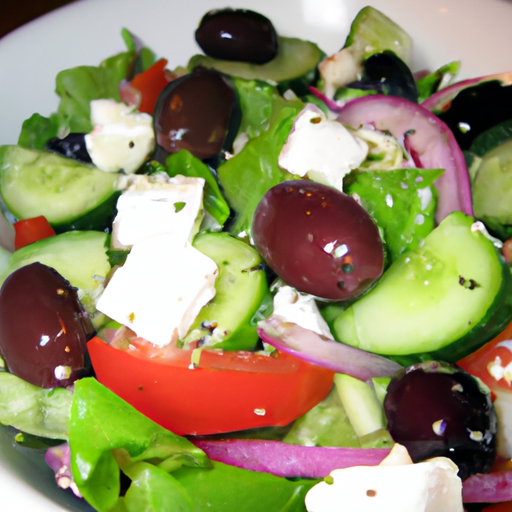
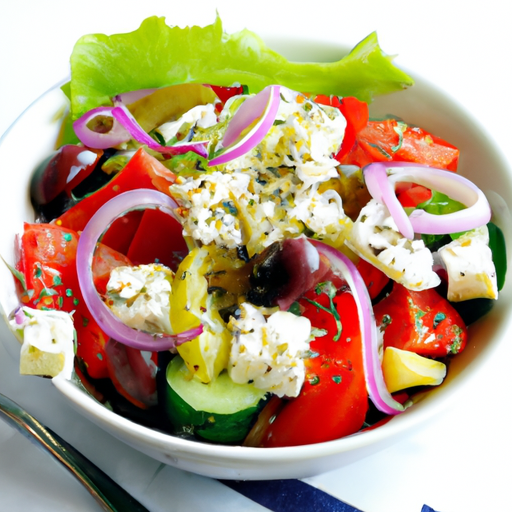
The traditional Greek Salad primarily includes tomatoes, cucumbers, onions, bell peppers, black olives, feta cheese and a light dressing of olive oil, oregano and lemon juice. However, there are variations where you might find additional ingredients like capers, lettuce, or even a boiled egg.

Mediterranean Greek Salad Ingredients

Now that you are familiar with the Greek Salad and its place in the Mediterranean diet, let’s delve into what you will need to prepare this refreshing and nutritious dish.

Detailed list of ingredients

You will need fresh and ripe tomatoes, cucumbers, red onions, green bell peppers, black olives and feta cheese. For the dressing, pick up some extra-virgin olive oil, a squeeze of fresh lemon juice, dried oregano, and optionally salt and black pepper to taste.

Exact measurements for each ingredient for 4 servings

For four adult-sized servings, you’ll need: 4 large ripe tomatoes, 2 cucumbers, 1 large red onion, 2 green bell peppers, 1 cup of black olives, 200 grams of feta cheese. For the dressing: ½ cup of extra-virgin olive oil, the juice of 1 lemon, 2 teaspoons of dried oregano, and salt and black pepper to taste.

Choosing the best quality ingredients

Quality matters when it comes to preparing a Greek Salad. Choose the freshest vegetables you can find, ensure your olives are packed in brine for best flavor, and opt for a block of feta cheese over the pre-crumbled variety.

Mediterranean Greek Salad Recipe

Preparation of the Mediterranean Greek Salad

With the ingredients ready, let’s walk through the relatively simple process of creating your Greek Salad.

Step-by-step cooking and preparation instructions

Begin by washing and drying all your veggies. Dice the tomatoes, cucumbers, and bell peppers into bite-sized pieces and thinly slice the red onion. Mix them in a large bowl. Scatter the olives evenly across the veggies and crumble the feta cheese on top.

Time required for preparation and cooking

Making Greek Salad is a quick process it should take about 15-20 minutes.

Detailed instructions for dressing preparation

To prepare the dressing, combine the extra-virgin olive oil, lemon juice, dried oregano, and salt and pepper in a small bowl. Whisk them briskly to mix well. Drizzle the dressing over the salad just before serving to keep the veggies crisp.

Optional ingredients and substitutions

Feel free to customize your Greek Salad according to your preferences or dietary needs.

Dietary options and substitutions

For a vegan option, you can skip feta cheese or substitute it with a vegan variety. If olives are not to your taste, capers can be a great alternative, providing a similar salty bite.

Seasonal ingredient options

Depending on the season, consider adding fresh herbs or seasonal veggies. For instance, some fresh mint or basil could add another layer of flavour in the summer months.

Alternative dressings for Greek Salad

If you’d like to switch up the dressing, consider a Greek yogurt or tahini-based dressing for a creamy twist.

Mediterranean Greek Salad Recipe

Serving Suggestions

The great thing about Greek Salad is how versatile it is.

Ideal dishes to pair with the Greek Salad

Perfect as a standalone meal, it’s also an excellent accompaniment to dishes like grilled chicken, fish, or even a hearty lasagna.

Serving temperature tips

The Greek Salad tastes best when served chilled, making it perfect for a summer meal.

Presentation and garnishing recommendations

Presentation is everything when serving a Greek Salad. Serve in a clear salad bowl to highlight its vibrant colors, and garnish with a fresh sprig of oregano if available.

Storing the Mediterranean Greek Salad

If you have any leftovers, Greek Salad can be stored under certain conditions.

Best practices for storage

Store the salad in an airtight container in the refrigerator for the best freshness.

Ideal storage duration for the salad

The Greek Salad can last up to 2 days in the fridge, but remember to add the dressing only when you’re about to eat it.

Reviving the Greek Salad for later use

To revive the Greek Salad for later use, you can drizzle it with a bit of olive oil and lemon juice.

Mediterranean Greek Salad Recipe

Common Mistakes in Making Greek Salad

Even though preparing the Greek Salad is straightforward, there are a few common mistakes to avoid.

Facing and resolving issues in recipes

One common issue is overdoing it with the dressing, which can make the salad too soggy. Remember to use your dressing sparingly and always add it just before serving.

Avoiding common mistakes in preparation

Another issue can be the cutting of the veggies. The salad tastes best when the tomatoes, cucumbers and bell peppers are diced into bite-sized pieces instead of thin slices.

Nutritional Information of the Greek Salad

Greek Salad is a nutritionally balanced dish.

Nutritional breakdown of the Greek Salad

Greek Salad is naturally low in calories and high in fiber. The black olives and olive oil provide healthy fats, and the cheese adds a good amount of protein.

Understanding the health implications of the ingredients used

The vegetables provide a wealth of vitamins and minerals while keeping the calorie count low. The feta cheese and olives not only add to the flavor but also provide a good amount of heart-healthy fats.

Benefits of Greek Salad in the Diet

Including Greek Salad in your diet can have numerous benefits.

Reasons to regularly include Greek Salad in the diet

Regular consumption of Greek Salad is a delicious way to meet your daily vegetable quota while indulging in a meal that’s flavorful and satisfying.

The salad’s contribution to weight management

Given its high fiber and water content, Greek Salad can make you feel satisfied without loading up on calories, making it an excellent choice for weight management.

Conclusion

To recap, the Greek Salad is a versatile, delicious and nutritious meal option that captures the essence of the Mediterranean diet. It’s simple to prepare, versatile and can be customized according to preference and dietary needs. So why not don your apron, slip into the kitchen, and treat yourself to a freshly made Greek Salad today?

August 8, 2023 Food & Cooking

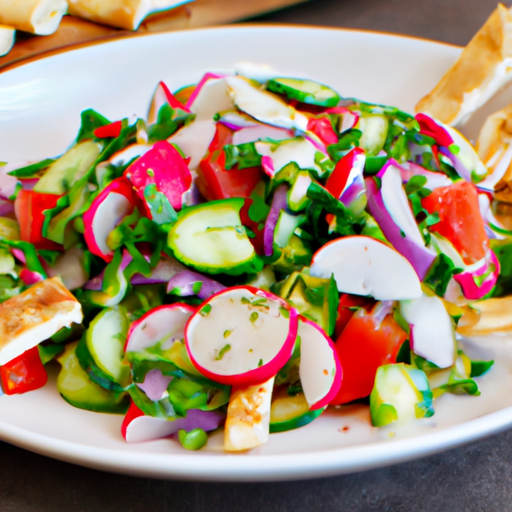
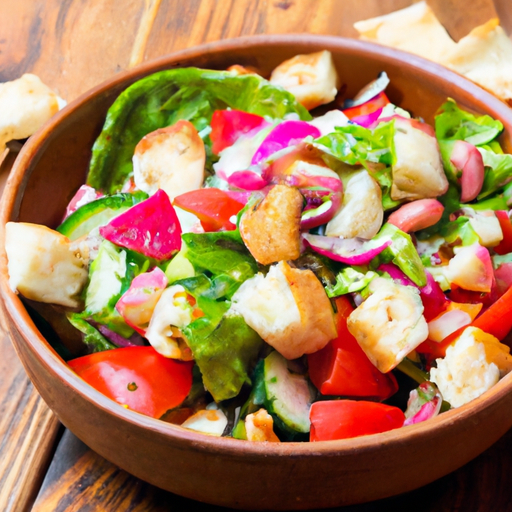
Mediterranean Fattoush Recipe

Imagine you’re in your kitchen, an array of brightly-colored, fresh, and inviting ingredients spread out before you. You’re preparing to create a dish entrenched in centuries of culinary tradition, a spectacular play of flavors and health benefits that epitomize the essence of the Mediterranean diet. This is not just a recipe, rather a vibrant narrative of culture and wellness. Your star ingredient today is crisp lettuce, ripe tomatoes, dazzlingly green cucumbers, and the food world’s golden child- extra virgin olive oil. Yes, you are about to embark on the culinary journey of making Fattoush, a beloved Mediterranean salad brimming with taste and nourishment.

Embodied in this ethereal assembly of greens, veggies, spices, and olive oil is the Mediterranean diet’s heart – the promotion of longevity, vitality, and an overall improved quality of life. It’s a soothing symphony of tastes that takes you on an enriching voyage to the sunny Mediterranean coast with each bite. Raising the bar of excellence in your cooking exploration, this recipe lets in a new standard of quality and enriches the narrative of your wellness journey. Get prepared to master the art of creating the perfect Fattoush and serve up a staple that never fails to impress – it’s where traditional wisdom meets modern dietary needs.

Mediterranean Fattoush Recipe

Understanding Fattoush and the Mediterranean Diet

Explanation of Fattoush

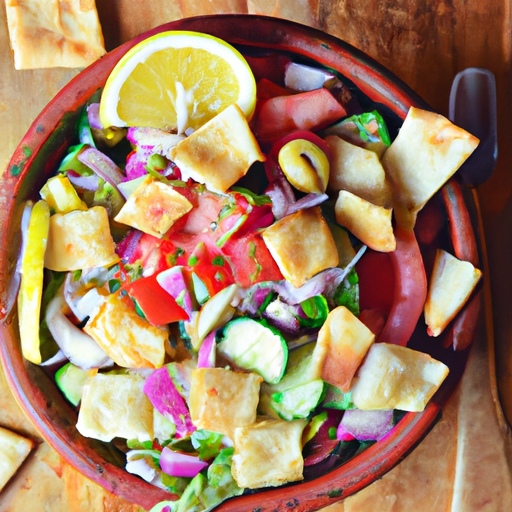
Fattoush is a vibrant and refreshing salad that hails from Lebanon but is enjoyed across the Mediterranean region. It is characterized by its mix of crisp vegetables, fresh herbs, and crunchy pieces of toasted or fried bread known as pita. Each bite of this colorful salad is a melody of flavors – tangy, fresh, and richly seasoned. The secret of Fattoush’s impressive taste lies in its simple yet high-quality ingredients and its unique dressing with an explosion of Middle Eastern flavors.

Fattoush’s role in the Mediterranean Diet

The Mediterranean Diet is renowned worldwide for its health benefits and emphasis on fresh, whole foods. Fattoush fits right into this nutritious and delicious regime with its array of nutrient-rich vegetables and heart-healthy olive oil. The result is a low-calorie, high fiber meal that is as good for your body as it is for your taste buds.

Ingredients for Fattoush

Listing all required ingredients

To prepare Fattoush for four adults, you will need:

  • Two medium cucumbers, chopped
  • Four Roma tomatoes, diced
  • One red onion, thinly sliced
  • Two cups of Romaine lettuce, chopped
  • Half a bunch of fresh mint leaves, chopped
  • Half a bunch of fresh parsley, chopped
  • Four pita bread rounds
  • Half a cup of olive oil
  • One lemon, juiced
  • One tablespoon of sumac
  • Two cloves of garlic, minced
  • Salt and pepper, to taste

Specifying exact amounts for 4 servings

Note that the ingredient quantities mentioned above are calculated for four servings. If you want to serve more or fewer people, adjust the ingredient amounts accordingly.

Mediterranean Fattoush Recipe

Preparation of Ingredients

How to prepare vegetables and herbs

Wash all the vegetables and herbs thoroughly. Chop the cucumbers, dice the tomatoes, thinly slice the red onion, and roughly chop the lettuce, mint, and parsley. Make sure to keep the vegetables chunky for a better bite and texture.

Making the Fattoush bread

Start by toasting your pita bread. Cut the pita rounds into bite-sized pieces and either oven-toast or fry them in a pan with a bit of olive oil till they become crispy. These crunchy bread pieces add a unique texture to your Fattoush and are a crucial component of this recipe.

Cooking Instructions for Fattoush

Step-by-step cooking process

In a large salad bowl, add the prepared vegetables and herbs. Toss them together. Next, it’s time to make the Fattoush dressing. In a separate bowl, combine olive oil, lemon juice, sumac, minced garlic, and salt, and pepper. Stir until everything is well combined. Pour this dressing over the vegetables, and mix until they are well-coated. Lastly, add the toasted pita bread pieces and give it one last quick mix.

Tips for ensuring a flavorful dish

To release the maximum flavor from the sumac, it’s ideal to add it directly to the lemon juice before combining it with other dressing ingredients. Also, adding the bread lastly will prevent it from going soggy and losing its crunch.

Cooking time and temperature details

Preparing Fattoush doesn’t require any actual cooking, and the time taken would mostly be in chopping the vegetables and herbs, and toasting the bread. Therefore, you can have the salad ready within 20-30 minutes.

Mediterranean Fattoush Recipe

Serving suggestions for Fattoush

Best ways to serve Fattoush

Fattoush is typically served as a starter or a side dish, but it can comfortably hold its own as a light main course too.

Pairing options with other Mediterranean dishes

You can pair Fattoush with a variety of Mediterranean dishes. It goes particularly well with grilled meats, seafood, or even a creamy hummus dip.

Fattoush Variations

Regional Variations

Depending on your location, Fattoush might vary a bit. Some versions include radishes or even incorporate additional spices.

Personalizing your Fattoush Recipe

You can adapt the basic Fattoush recipe to suit your taste by adding other vegetables like bell peppers or incorporating your favorite herbs.

Mediterranean Fattoush Recipe

Ingredient substitutions

Possible substitutions for allergy or preference

If you are gluten-intolerant, you can substitute the regular pita bread with a gluten-free version.

How these substitutions might affect the dish’s taste and texture

Keep in mind that each substitution will inevitably alter the taste and texture slightly. For instance, using a gluten-free bread might affect the crunchiness of the bread in the salad.

Health benefits of Fattoush

Nutritional content of Fattoush

This salad is a nutritional powerhouse brimming with vitamins from the vegetables, monounsaturated fats from the olive oil, and carbohydrates from the bread.

How Fattoush contributes to a balanced diet

Being low in calories and high in fibers, this dish contributes significantly to the balanced diet promoted by the Mediterranean lifestyle.

Health benefits of Fattoush

Regular consumption of Fattoush may help in weight management, improve digestion, enhance skin health, and boost the immune system.

Comparing Fattoush to Similar Dishes

Differences between Fattoush and other salads

Unlike other salads, Fattoush stands out for its textured crunchiness derived from the bread and its unique sumac dressing.

Unique characteristics of Fattoush

The unique taste of Fattoush comes from the clever combination of the sour sumac, tangy lemon, and fresh vegetables, giving it a distinct edge over other salads.

Conclusion

Summary of Fattoush’s role in Mediterranean Diet

Fattoush is not just a salad; it’s a hallmark of the Mediterranean diet. This vibrant dish is an emblem of what Mediterranean dishes represent: wholesome, fresh, and brightly flavored.

Final tips for making a perfect Fattoush dish

Remember, the best Fattoush is the one made with fresh, locally sourced ingredients, a good-quality olive oil, and a generous sprinkle of love!

August 7, 2023 Health & Wellness

Does The Mediterranean Diet Cause Gas?

This might have crossed your mind: does the Mediterranean diet cause gas? Rest assured, you’re about to learn all about this. Throughout this friendly discussion, you’ll discover how this popular diet can affect your digestion and, yes, possibly lead to gas. You’ll also understand the role various foods play in your gut health and how you can enjoy the richness of the Mediterranean diet while also maintaining a comfortable digestive system.

Does The Mediterranean Diet Cause Gas?

Understanding the Mediterranean Diet

Before we delve into whether the Mediterranean Diet can cause gas, let’s first understand what this particular diet entails.

Origins and Principles of Mediterranean Diet

The Mediterranean Diet originates from the dietary habits of people living around the Mediterranean sea, primarily Greece, Spain, and Italy. It primarily focuses on the consumption of fresh, seasonal, and locally sourced foods. You are encouraged to eat a diverse range of colorful fruits and vegetables, lean proteins, legumes, and whole grains, complemented by a moderate intake of dairy products and wine. What sets this diet apart is not just the food, but also the Mediterranean lifestyle that emphasizes physical activity and enjoying meals with family and friends.

Key Components of the Mediterranean Diet

The key components are predominantly plant-based foods – colorful fruits and vegetables, whole grains, legumes, and nuts. Olive oil replaces butter, and herbs and spices substitute salt to flavor foods. Fish and seafood are consumed regularly, while poultry, eggs, cheese, and yogurt are eaten in moderation. Red meat and sweets are limited.

Digestive Implications of the Mediterranean Diet

Now let’s examine how the Mediterranean Diet can influence your digestive health.

Impact on Gut Health

The wide array of fresh fruits, vegetables, and whole grains in the Mediterranean Diet are great sources of dietary fiber, which aids in digestion by adding bulk to your stool, promoting regular bowel movements, and supporting gut health by feeding your beneficial gut bacteria.

Balancing Nutrient Intake for Digestive Health

By offering a balance of necessary nutrients, the Mediterranean Diet supports overall well-being and digestive health. It is low in saturated fat and high in dietary fiber and monounsaturated fats, helping in maintaining your gut health and overall well-being.

Gas Production in the Digestive System

To understand how the Mediterranean diet might influence gas production, you need to understand why gas is produced in the first place.

Causes of Gas Production

Gas production results from the digestion process. When you eat, your gastrointestinal system breaks down food. This process can cause the production of gas in your stomach and intestines.

Effects of Dietary Choices on Gas Production

Your dietary choices can significantly affect the amount of gas produced during digestion. Consuming certain types of food such as beans, lentils, broccoli, cabbage, onions, and carbonated drinks may increase gas production due to high amounts of certain nutrients and fibers that the body finds hard to break down.

Does The Mediterranean Diet Cause Gas?

The Link between the Mediterranean Diet and Gas

So, does following a Mediterranean Diet result in more gas? The answer might surprise you.

Foods in the Mediterranean Diet that May Contribute to Gas

While the Mediterranean diet is exceptionally healthy, some food components may contribute to gas. Legionary elements like beans, lentils, whole grains, and certain vegetables known to cause gas are often featured in Mediterranean meals.

How the Mediterranean Diet May Help in Reducing Gas Production

Although some ingredients may contribute to gas, the high fiber content can eventually lead to less gas production over time as your body gets used to processing these foods more efficiently. This is particularly true if you are shifting from a diet low in fiber to a Mediterranean Diet.

Role of Fiber in the Mediterranean Diet

Let’s delve further into the role of fiber within the Mediterranean Diet.

Benefits of Fiber in the Mediterranean Diet

High in dietary fiber, the Mediterranean Diet helps in promoting better digestion, reducing the risk of chronic diseases such as heart disease, type 2 diabetes, and certain types of cancer.

How Fiber Contributes to Gas Production

While fiber is critically essential for digestive health, it might be a double-edged sword when it comes to gas. Some types of fiber are broken down by bacteria in the gut, leading to gas production.

How to Mitigate Gas on the Mediterranean Diet

Having understood the causes, let’s see how you can manage gas while enjoying a Mediterranean diet.

Adjusting Intake of Certain Foods

If the Mediterranean Diet is causing gas, consider modifying the intake of legumes and certain vegetables. It could help reduce undesirable symptoms.

Introducing Foods Gradually to Minimize Gas Production

If you’re new to this diet, introducing dietary changes gradually can give your gut bacteria time to adjust, which could help minimize gas production.

Healthy Eating, Exercise and Enjoying Food

Beyond food, the Mediterranean Diet also embodies a specific lifestyle.

Importance of Physical Activity while on the Mediterranean Diet

Regular physical activity is a crucial component. Not only does it aid in digestion, but it also helps reduce gas and bloating.

Savoring the Pleasures of the Mediterranean Diet

Enjoying food goes hand in hand with the Mediterranean Diet. Not only does it emphasize nutrition, but it also values the joy of eating wholesome meals with loved ones.

Sharing Quality Food with Family

Making the Mediterranean Diet a Family Affair

The Mediterranean Diet isn’t just a personal health journey but also offers an opportunity to introduce healthier eating habits to your entire family.

Teaching Children Healthy Food Choices with the Mediterranean Diet

The diet’s focus on fresh, flavorful ingredients makes it perfect for educating children on making nourishing food choices.

Mediterranean Diet: A Lifestyle, Not a Trend

Sustaining Long-term Health with the Mediterranean Diet

The Mediterranean Diet isn’t a fleeting trend—it’s a lifestyle choice that encourages long-term health and vitality.

The Mediterranean Diet for All Ages

With its focus on variety, flavor, and balance, the Mediterranean Diet can be adopted and enjoyed by people of all ages.

Conclusion: The Balanced Approach of the Mediterranean Diet

Embracing the Full Benefits of the Mediterranean Diet

While initially, you may experience an increase in gas, don’t let that deter you from experiencing the benefits of the Mediterranean Diet. Over time, your body should adjust, and gas should decrease.

Adjusting and Adapting to the Mediterranean Diet for Overall Health

The Mediterranean Diet offers numerous health benefits, and adapting to this new way of eating may require some time. Be patient and allow your body to adjust.

In conclusion, while the Mediterranean Diet may initially cause a slight increase in gas due to higher fiber intake, this should decrease as your body adjusts. The array of health benefits, such as promoting digestive health, reducing the risk of chronic diseases, and fostering an enjoyable eating environment with family and friends, far outweighs this temporary discomfort. As with any dietary changes, consult with a healthcare professional if you have any concerns or persistent digestive issues.

August 7, 2023 Health & Fitness

Which Is Better DASH Diet Or Mediterranean Diet?

In this friendly discussion, we’re going to explore the popular DASH and Mediterranean diets. You’ll gain insight into the features, benefits, and contrasts of both diets. Not only will you learn how these diets contribute to long-term health, but also their role in sharing quality food with your family, promoting healthy eating habits, and turning meals into memorable experiences. So, let’s start our healthful journey!

Which Is Better DASH Diet Or Mediterranean Diet?

Understanding the Basics of DASH and Mediterranean Diets

As you delve into your journey of health and wellness, you may have stumbled upon two very popular and widely recognized diets: the DASH diet and the Mediterranean diet. Understanding these diets is key to choosing which is better suited for you.

What is the DASH Diet?

The Dietary Approaches to Stop Hypertension, or the DASH diet, is eating plan that aims to lower your blood pressure. The DASH diet promotes an eating pattern rich in fruits, vegetables, low-fat dairy products, and whole grains. It emphasizes limiting your intake of sodium, saturated fats, and cholesterol.

What is the Mediterranean Diet?

The Mediterranean diet, on the other hand, comprises dietary habits of those in countries surrounding the Mediterranean Sea. This diet pattern emphasizes fruits, vegetables, whole grains, nuts and seeds, olive oil, and fish. Moderate amounts of dairy, poultry, eggs, and wine are also included, while red meat and sweets are consumed sparingly.

Nutritional Components of DASH and Mediterranean Diets

Understanding the key nutritional components in these diets helps you appreciate their health benefits.

Key Nutrients in the DASH Diet

The DASH diet covers all the necessary nutrients your body needs: protein, fiber, and essential vitamins and minerals from a variety of foods. The diet aims to limit components that raise blood pressure, which includes sodium, often capped at 1500 to 2300 mg a day.

Key Nutrients in the Mediterranean Diet

The Mediterranean diet ticks all the nutritional boxes as well. This diet is rich in mono-and-poly-unsaturated fats from olive oil and fish. It also provides high-fiber content from a plethora of fruits, vegetables, and whole-grain foods.

Impact of DASH and Mediterranean Diets on Health

These diets contribute significant health benefits.

Health Benefits of the DASH Diet

The primary aim of the DASH diet is to mitigate hypertension. This diet has been recognized by health organizations worldwide for its benefits in reducing the risk of cardiovascular diseases.

Health Benefits of the Mediterranean Diet

The Mediterranean diet helps reduce heart disease and promotes long-term weight management. It’s known to improve blood sugar control, enhance mental health, and even increase longevity.

Which Is Better DASH Diet Or Mediterranean Diet?

Comparing the Adequacy of DASH and Mediterranean Diets in Weight Management

Both diets can effectively aid weight management.

Weight Management through the DASH Diet

The DASH diet encourages a balanced eating pattern. Because it promotes nutrient-dense foods and limits high-calorie ones, it can contribute to a natural decline in calorie intake, thus facilitating weight loss.

Weight Management through the Mediterranean Diet

The Mediterranean diet is not inherently low in calories. However, the nutrient-dense, high-fiber foods in this diet can keep you feeling fuller for longer, potentially leading to a reduction in overall calorie consumption.

The Role of Physical Activity in DASH and Mediterranean Diets

Physical activity supports any dietary choice.

Physical Activity in Relation to the DASH Diet

A combination of the DASH diet and regular physical activity can enhance your health outcomes. Exercise can help strengthen your heart and lower blood pressure, thus complementing the benefits of the DASH diet.

Physical Activity in Relation to the Mediterranean Diet

The Mediterranean lifestyle recognizes the role of physical activity like walking, dancing, or other forms of light exercise as part of a holistic approach to health.

DASH and Mediterranean Diets in Relation to Specific Health Conditions

Let’s examine how these diets affect certain health conditions.

How the DASH Diet Affects Specific Health Conditions

The DASH diet can alleviate existing hypertension and lower the risk of heart disease, stroke, and kidney disease.

How the Mediterranean Diet Affects Specific Health Conditions

The Mediterranean diet can limit inflammation, control blood sugar levels, and decrease the risks of heart disease and diabetes.

Practicality of Adopting DASH and Mediterranean Diets in Everyday Life

Implementing these diets can be easier than you think.

Ease of Implementation of the DASH Diet

The DASH diet does not require special foods and may be easier for you to implement due to its familiar look alike with the standard American diet.

Ease of Implementation of the Mediterranean Diet

The Mediterranean diet, which prioritizes fresh, whole foods, is easy to implement as it calls for variety and appealing flavors.

The Role of Family and Loved Ones in DASH and Mediterranean Diets

Sharing high-quality food and mealtimes with family is important in both diets.

The DASH Diet and Family Meal Times

The DASH diet’s focus on fruits, veggies, and whole foods can lead to healthier family meals.

Mediterranean Diet: A Family-focused Diet

The Mediterranean diet is traditionally nutritive, flavorful, and inclusive, which makes it highly suited for vibrant family meal times.

Personal Experiences: DASH vs Mediterranean Diet

Choosing which diet best aligns with your way of life ultimately dictates your success.

Personal Experience with DASH Diet

On the one hand, you may enjoy the preset structure of the DASH diet.

Personal Experience with Mediterranean Diet

On the other hand, the variety and flexibility offered by the Mediterranean diet may appeal more to you.

Conclusion: DASH Diet vs Mediterranean Diet – The Better Preference

Both diets offer balanced nutritional profiles and health benefits.

Evaluating the Pros and Cons of DASH Diet

The DASH diet is structured, making it easy to follow. However, the strict sodium limit may not suit everyone.

Evaluating the Pros and Cons of Mediterranean Diet

The Mediterranean diet offers more variety and flexibility, although there’s a lack of clear structure, it is generally considered to be an easy to follow way of life in the long run.

Final Verdict: DASH or Mediterranean Diet?

Your choice between the DASH and Mediterranean diet boils down to personal preference, medical history, and lifestyle needs. Which will you choose: the structured, blood-pressure-friendly DASH, or the holistic, heart-healthy Mediterranean diet? The choice is all yours!

August 7, 2023 Health & Wellness

Does The Mediterranean Diet Heal The Gut?

In this informative piece, we’re going to explore whether the Mediterranean diet has a healing effect on the gut. You’ll gain insights into how this nutrient-rich diet could potentially boost your gut health, the link between the Mediterranean diet and digestion, and the overall benefits for your long-term health and well-being. Let’s start on this journey of health, family, and delicious food.

Does The Mediterranean Diet Heal The Gut?

Understanding the Mediterranean Diet

Definition of the Mediterranean Diet

The Mediterranean Diet is a nutritional regimen rooted in the traditional dietary patterns of the countries bordering the Mediterranean Sea. Unlike restrictive fad diets, the Mediterranean diet champions a balanced and diverse spread of nourishing foods, mostly plant-derived, with low to modest amounts of fish and poultry.

Key Components of the Mediterranean Diet

The core components of this diet include generous portions of fruits, vegetables, grains (predominantly whole), legumes, nuts, and seeds. It encourages the consumption of olive oil as the primary fat source and includes moderate intake of dairy products (mainly yogurt and cheese), fish, poultry, and red wine. Red meat and sweets are reserved for occasional indulgence.

Origins and Cultural Influence on the Mediterranean Diet

The Mediterranean Diet mirrors the culinary habits of Mediterranean cultures, primarily Greece and Southern Italy, during the mid-20th century. While each country has its unique spin, they collectively embrace a lifestyle of regular exercise, the joy of communal dining, and, most importantly, the consumption of fresh, locally sourced, unprocessed foods.

Link between Diet and Gut Health

Role of Diet in Gut Health

Your diet directly impacts your gut health, shaping your gut microbiota – the vast community of microorganisms living in your digestive tract. A diverse and robust gut microbiota aids in digestion, optimizes nutrient absorption, strengthens immunity, and safeguards against harmful pathogens.

How Gut Health Affects Overall Wellness

Beyond digestion, a healthy gut influences various facets of your wellbeing. Research indicates connections between gut health and mental health, immunity, skin health, and even heart health. Thus, nurturing your gut equates to caring for your overall wellness.

Importance of a Healthy Gut

A healthy gut fosters a robust immune system and facilitates optimal nutrient absorption. It also helps regulate body weight and prevents various diseases, from common gastrointestinal disorders to serious chronic conditions such as obesity, heart disease, and Type 2 diabetes.

Does The Mediterranean Diet Heal The Gut?

The Mediterranean Diet and Gut Health

Science Behind the Mediterranean Diet’s Impact on Gut Health

The Mediterranean Diet, rich in fiber and antioxidants, nurtures a balanced and resilient gut microbiota. Its high content of unprocessed plant-based foods and olive oil – loaded with prebiotic fibers and polyphenols – encourages the proliferation of beneficial bacteria, promoting a healthier gut ecosystem.

Studies Supporting Gut Healing with the Mediterranean Diet

Various scientific studies corroborate the beneficial impact of the Mediterranean Diet on gut health. One such study found an enhanced diversity and resilience of gut microbiota in individuals adhering to a Mediterranean dietary pattern compared to those following a Western diet.

How the Mediterranean Diet Contributes to a Healthy Gut

The mix of nutrient-dense, fiber-rich, and antioxidant-filled foods in the Mediterranean Diet boosts gut health by cultivating beneficial gut bacteria and reducing inflammation. Moreover, limiting processed foods and red meat aids in eliminating gut-damaging components.

The Mediterranean Diet, Family, and Shared Meals

Building Relationships Through the Mediterranean Diet

The Mediterranean Diet is not just about food, but also about fostering a sense of community. It accentuates the joy of savouring wholesome meals in the convivial company of family and friends.

Creating Healthy Eating Habits for the Whole Family

While instilling healthier life habits, the Mediterranean Diet encourages children to develop healthier eating patterns from a young age. They not only reap immediate benefits but also cultivate lifelong habits that safeguard their future health.

The Joy of Sharing High-Quality Food with Loved Ones

There’s a certain magic in sharing food made with love. And with the Mediterranean Diet, you can regularly experience this joy by sharing fresh, high-quality meals with your loved ones while safeguarding their health.

Incorporating the Mediterranean Diet Into Your Lifestyle

Benefits of Adopting a Mediterranean Diet

Adopting a Mediterranean Diet fortifies physical and mental health, reduces disease risk, aids weight management, and enhances longevity. It also plays a pivotal role in promoting gut health, consequently optimizing overall wellness.

Tips for Transitioning to a Mediterranean Diet

Starting a Mediterranean style of eating is quite simple. Begin by swapping processed foods with whole foods, butter with olive oil, and red meat with fish and poultry. Fresh fruits can serve as desserts, and nuts, seeds, and legumes can become your snack staples. Remember: moderation is key, and any positive dietary changes, no matter how small, are a step in the right direction.

Sustainability of the Mediterranean Diet

Owing to its inclusion of seasonal, local, and diverse foods, the Mediterranean Diet is beneficial, budget-friendly, and sustainable. It is an eco-friendly diet that respects biodiversity, contributing to the health of the planet while promoting individual health.

The Mediterranean Diet and Exercise

Promoting an Active Lifestyle Along with the Mediterranean Diet

Accompanied with regular exercise, the Mediterranean Diet can yield even more profound health benefits. Physical activity complements dietary habits and is another key element of the Mediterranean lifestyle.

Impact of Exercise on Gut Health

Exercise nurtures the diversity and robustness of your gut microbiota, enhancing your digestive health. Coupled with the Mediterranean Diet, it can contribute to a wealthier gut ecosystem and overall health.

Role of Exercise in the Mediterranean Lifestyle

Exercise, just like healthy eating, is ingrained in the Mediterranean lifestyle. Regular physical activity, whether it’s a brisk walk, a dance session, or gardening, optimizes the health benefits of this dietary pattern.

Conclusion: The Mediterranean Diet as a Solution for Gut Health

Summary of Benefits of the Mediterranean Diet for Gut Health

By nurturing a healthy gut microbiota and reducing inflammation, the Mediterranean Diet undoubtedly secures gut health. Furthermore, the overall lifestyle – emphasize on exercise, fresh meals, and communal dining – contributes to holistic wellness.

Reflection on the Importance of Gut Health and the Mediterranean Diet

Your gut is intrinsically linked to your overall health. Adopting the Mediterranean Diet, along with other healthy habits, can positively impact your gut health, fortifying your wellness in the process.

Closing Thoughts on the Sustainability of the Mediterranean Diet for Gut Health

With its emphasis on wholesome foods, regular exercise, and communal dining, the Mediterranean Diet is a sustainable solution for nurturing gut health. Its capacity to enrich life quality while protecting against various health conditions makes it a practical and desirable dietary pattern to adopt.

August 7, 2023 Diet and Nutrition

What Are The Pros And Cons Of Following Mediterranean Diet?

Today, we’re going to tackle the pros and cons of following a Mediterranean diet in order to provide a comprehensive overview. By the end of this discussion, you’ll gain insights into this popular eating plan, its health benefits, possible challenges, and how it complements family dining and active lifestyles. Let’s embark on this nutritious journey together!

What Are The Pros And Cons Of Following Mediterranean Diet?

What Are The Pros And Cons Of Following Mediterranean Diet?

Understanding the Mediterranean Diet

Origins of the Mediterranean Diet

The history of the Mediterranean Diet dates back to the food cultures of the countries surrounding the Mediterranean Sea. With its roots embedded in countries like Italy, Greece, and Spain, this diet incorporates the traditional heart-healthy living habits of people from this region. The beauty of this diet is its focus on fresh ingredients, balanced nutrition and, most importantly, the joy of sharing meals with loved ones.

Key Components of the Mediterranean Diet

The Mediterranean Diet emphasizes fruits, vegetables, whole grains, legumes, and olive oil. Fish and poultry are preferred over red meat, while eggs, dairy, and wine are consumed in moderate amounts. The diet is high in heart-healthy fats, fiber, antioxidants, and lean protein, making it optimal for overall health. It is not just a diet, but rather a lifestyle that incorporates regular exercise and meal sharing with family and friends.

The Benefits of the Mediterranean Diet

Improves Heart Health

Research has repeatedly shown that the Mediterranean Diet is beneficial for heart health. The diet’s focus on unsaturated fats, like olive oil and fatty fish, can reduce the risk of heart diseases. Additionally, the high fiber content from whole grains and legume consumption aids in lowering cholesterol levels.

Supports Weight Loss

Rich in fiber and lean proteins, the Mediterranean Diet can help control hunger by making you feel full, aiding in weight loss. The diet also emphasizes conscious eating, which encourages you to slow down and enjoy your meals, leading to less overeating.

Promotes Longevity

One of the most significant benefits of the Mediterranean Diet is its potential to increase life expectancy. The high concentration of antioxidants from fruits and vegetables can protect the body from chronic diseases and aging.

Enhances Mental Health

Studies suggest that the Mediterranean lifestyle can also improve mental health. The diet’s emphasis on omega-3 fatty acids, found in fish and olive oil, is essential for brain health and can help prevent cognitive decline and depression.

Promotes Community and Family Engagement

The Mediterranean lifestyle encourages meal preparation and eating as communal activities. Shared meals with family and friends not only improve your diet quality but also enhance your social interactions, which can contribute to overall well-being.

Potential Drawbacks of the Mediterranean Diet

May be Costly

One potential disadvantage of the Mediterranean Diet is the cost. Fresh fruits, veggies, fish, and high-quality oils and nuts can be more expensive than processed foods.

Requires Time and Effort in Meal Preparation

This lifestyle requires time and effort to plan, shop, and prepare fresh meals daily. It can pose a challenge for those with a busy lifestyle.

May Not Suit Everyone’s Taste Palates

Given its reliance on specific regional ingredients, it may not appeal to everyone’s taste buds, and adapting to this new diet can take time.

Inconvenient for those with Certain Food Allergies or Sensitivities

Those with allergies to fish, nuts, or certain fruits and vegetables may find the diet difficult to follow.

What Are The Pros And Cons Of Following Mediterranean Diet?

Incorporating Mediterranean Diet in Daily Life

Tips to Adopt a Mediterranean Diet

Start by slowly integrating more fruits and vegetables into your meals. Opt for whole grains over white bread and pasta. Replace butter with olive oil in your cooking. Finally, incorporate more fish into your meals and limit the intake of red meat.

Adjusting to Mediterranean Cuisine

It might take time to adjust to the flavors of Mediterranean cuisine, but you could find that your palate will start to appreciate the fresh, hearty flavors of this diet.

Sharing Mediterranean Meals with Family and Loved Ones

Sharing meals with family and friends is a cornerstone of the Mediterranean lifestyle. It encourages mindful eating, fosters stronger relationships, and turns meals into an enjoyable activity.

Exercise and the Mediterranean Diet

Importance of Physical Activity in the Mediterranean Lifestyle

The Mediterranean Diet goes hand in hand with regular physical activity. Adding activities like walking, cycling or swimming to your routine can maximize the health benefits of this lifestyle.

Effective Exercise Routines to Pair with the Mediterranean Diet

Coupling the Mediterranean Diet with routine exercises such as brisk walks, yoga, or other forms of moderate-paced activities will help maintain a healthy body and mind.

Mediterranean Diet Recipes

Understanding the Basics: Olive Oil, Whole Grains, Fruits and Vegetables

The foundation of Mediterranean cuisine is simplicity. Start with good quality olive oil, fresh fruits, colorful vegetables, and whole grains. These simple, nourishing ingredients make the Mediterranean diet unique.

Mediterranean Breakfast Ideas

Opt for whole grain cereals or Greek yogurt topped with fruits and nuts. An avocado toast or an omelette filled with vegetables can also be a healthy and delicious start to your day.

Lunch and Dinner the Mediterranean Way

You can’t go wrong with a rich and colorful salad filled with leafy greens, tomatoes, cucumbers, olives, feta cheese, and a generous drizzle of olive oil. For dinner, opt for fish or poultry paired with cooked veggies or a hearty legume stew.

Healthy and Delicious Mediterranean Diet Snacks

Between meals, reach for whole fruits, nuts, seeds, or a small piece of cheese for a snack.

The Role of Moderation in the Mediterranean Diet

Balancing Food Intake with the Mediterranean Diet

While the Mediterranean Diet is rich in healthful foods, it is essential to balance your intake. Too much of a good thing, even healthy fats and lean protein, can lead to weight gain.

Understanding the Concept of ‘Cheat Meals’ in the Mediterranean Diet

In the Mediterranean lifestyle, there is no concept of ‘cheat meals’. Rather, all foods, including those high in sugar or fats, can be enjoyed in moderation.

Alcohol Consumption and the Mediterranean Diet

Red wine is commonly consumed in the Mediterranean region, but moderation is key. It’s recommended that women limit their intake to one glass per day and men to two.

Success Stories

Personal Experiences of Those Following the Mediterranean Diet

Many people who adopt the Mediterranean lifestyle have shared stories of weight loss, improved health markers, better mental health, and an enhanced quality of life.

How the Mediterranean Diet has Contributed to Improved Health and Lifestyle

Success stories often highlight weight loss, reduced cholesterol levels, better heart health, emotional wellness, and longevity that came with transitioning to the Mediterranean Diet.

Scientific Studies Supporting the Benefits of the Mediterranean Diet

Overview of Relevant Studies and Research

Numerous scientific studies affirm the positive impacts of the Mediterranean Diet on heart health, weight management, and mental wellness, among others.

Insights Gained from Scientific Research on the Mediterranean Diet

These studies reveal how an eating pattern high in fruits, vegetables, lean proteins, and healthy fats combined with an active lifestyle can lead to optimal health and longevity.

Conclusion: Weighing the Pros and Cons of the Mediterranean Diet

Should You Adopt the Mediterranean Diet?

While it has proven benefits for heart health, mental wellness, weight management, and overall longevity, it’s always best to consult with a healthcare provider before making any significant changes to your diet.

Reflecting on the Benefits and Drawbacks of the Mediterranean Diet

Like all diet and lifestyle alternatives, the Mediterranean Diet has its pros and cons. But at its heart, the emphasis on fresh ingredients, shared meals, regular physical activity, and moderation can pave the way to a healthier, happier life.

  • « Go to Previous Page
  • Go to page 1
  • Interim pages omitted …
  • Go to page 36
  • Go to page 37
  • Go to page 38
  • Go to page 39
  • Go to page 40
  • Interim pages omitted …
  • Go to page 64
  • Go to Next Page »

Primary Sidebar

Hey y’all!

Hello and welcome to MediterraneanDietRecipes.net My name is JD, and I’m a 46-year-old father of three amazing children. My family is my world, and my main goal in life is to stay healthy and live long enough to see my children grow up, have children of their own, and to be an active, engaged, and supportive grandparent.

Being an older father, I understand that time is precious, and I want to make the most of it by ensuring that I am in the best possible shape physically, mentally, and emotionally. My journey started with a deep dive into the research on longevity and the lifestyle choices that can help me achieve my goals. Dig deeper →

Footer

Stay Connected

  • Bloglovin
  • Facebook
  • Instagram
  • Pinterest
  • Twitter

Copyright © 2026 · MEDITERRANEAN DIET RECIPES