• Skip to primary navigation
  • Skip to main content
  • Skip to primary sidebar
  • Skip to footer
  • Home
  • About
  • Recipes
  • Blog

Mediterranean Diet Recipes

Home » Blog

Blog

August 7, 2023 Health & Wellness

How Long Do You Have To Be On The Mediterranean Diet?

In this article, you’ll find answers to the question: How long do you have to be on the Mediterranean Diet? We’ll explore the long-term benefits and lifestyle approach of the diet with emphasis on healthy eating habits, exercise, and enjoying quality foods with your family. So strap in, as we journey through the Mediterranean lifestyle together.
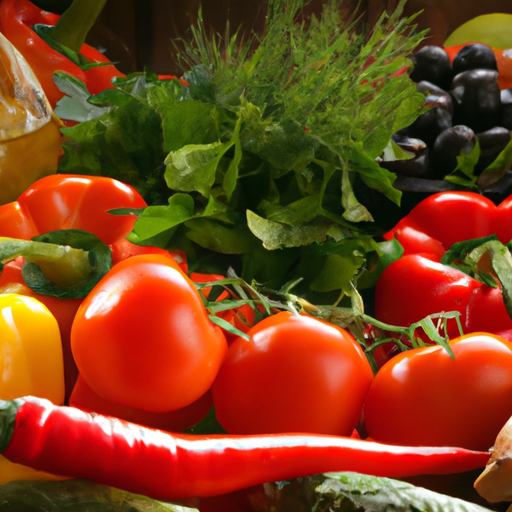
How Long Do You Have To Be On The Mediterranean Diet?

Understanding the Mediterranean Diet

What is the Mediterranean Diet?

The Mediterranean diet, as the name suggests, is a way of eating that is inspired by the food culture of countries like Greece and Italy. This diet is not your typical temporary weight loss plan but rather it is a lifestyle choice. It emphasizes the consumption of fresh plant-based foods, lean proteins, and whole grains, while shying away from processed food, unhealthy fats, and sugars.

Key elements of the Mediterranean Diet

Understanding the Mediterranean diet is relatively straightforward. At the heart of it, it involves a high intake of vegetables, fruits, legumes, whole grains, and olive oil. Fish, poultry, and dairy like cheese and yogurt are consumed in moderate amounts, while red meat and sweet treats are eaten sparingly.

The Benefits of the Mediterranean Diet

Health implications of the Mediterranean Diet

The Mediterranean diet has been associated with a wide host of health benefits. Numerous scientific studies have indicated that this form of eating can aid in weight loss, lower blood pressure, and reduce the risk of heart disease and diabetes.

Longevity and the Mediterranean Diet

By promoting a balanced diet rich in antioxidants and essential nutrients, the Mediterranean diet is said to be a secret to longevity. Countries where this way of life is prevalent often boast a higher number of centenarians compared to the global average.

Improvement of one’s well-being

Adopting the Mediterranean diet can have positive effects on your overall well-being. It’s not merely about the physical changes; it’s also about psychological benefits. When your body is well-nourished, it can also boost your mood and energy levels.

Transitioning to the Mediterranean Diet

Implementing Mediterranean Diet on a day-to-day basis

Making the transition to a Mediterranean diet might seem daunting at first glance. But, it doesn’t mean that you have to revamp your meals entirely overnight. Small changes like adding more vegetables to your dishes, replacing butter with olive oil, or choosing whole grains over refined ones, are great first steps.

Combining the Diet with Regular Exercise

Like any health-centered lifestyle, the Mediterranean diet is most effective when paired with regular physical activity. This doesn’t necessarily mean you must hit the gym every day. Simply maintaining an active lifestyle such as walking more or including some form of exercise in your daily routine makes a significant difference.

How Long Do You Have To Be On The Mediterranean Diet?

Mediterranean Diet and Family

Sharing quality food with family

One underlying principle of the Mediterranean diet is the focus on sharing meals with family and friends. Taking the time to eat together isn’t just about nourishment, but also about creating a sense of community and cherishing relationships.

Creating healthy eating habits for children

By introducing the Mediterranean diet to your children, you are setting the groundwork for a lifetime of healthy eating habits. Getting your kids involved in meal preparation helps them understand the importance of fresh, nutritious foods and also fosters a love for cooking. This is beneficial for their development and overall health in the long run.

Understanding Timeframe for Results

When to expect physical results

The duration before seeing physical results from the Mediterranean diet varies as it depends on various factors such as your current health status, adherence to the diet, and physical activity level. However, some people have observed changes within a few weeks.

Improvements in health markers

Over time, you might notice improvements in various health markers such as cholesterol levels, blood pressure, and blood sugar levels. Your energy levels may increase, and you might experience better sleep and improved mood.

The Mediterranean Diet as a Lifestyle

Embracing Mediterranean Diet in the Long-Term

The question of how long you need to be on the Mediterranean diet is somewhat misguided. This diet isn’t about a quick fix, but about embracing it as part of a long-term approach to health and wellness.

Integrating the Diet into different aspects of life

Moving beyond just food, the Mediterranean lifestyle encourages regular physical activity, adequate rest, and fostering strong relationships with family and friends. As such, it’s not just a diet but a holistic approach to a healthier and more fulfilled life.

Challenges and Common Mistakes

Overcoming initial challenges

Like any significant lifestyle change, transitioning to the Mediterranean diet may present some challenges initially. But with consistency and a willingness to experiment with new foods and cooking styles, these hurdles can easily be overcome.

Avoiding common missteps in the Mediterranean Diet

One common mistake is focusing too much on what needs to be eliminated rather than what can be added to the diet. The Mediterranean diet is more about including a variety of nutrient-dense, wholesome foods than depriving oneself of certain food groups.

Success Stories and Real-Life Applications

Personal stories of successful transition

Many people have successfully transitioned to the Mediterranean lifestyle and have experienced profound changes in their health and overall quality of life. Inspiring personal stories can provide motivation and practical tips to those considering making the change.

Health improvements and lifestyle changes

Adopting the Mediterranean diet has led to various health improvements for many people, ranging from weight loss and improved digestion to better blood sugar control and a lowered risk of chronic diseases.

Role of a Supportive Community

Importance of support in diet maintenance

Having a supportive community can drastically enhance your success when adopting the Mediterranean lifestyle. Exchanging ideas, sharing challenges, and celebrating successes together can be a big boost to your journey.

Building a community focused on a healthy lifestyle

Whether it’s joining local groups, participating in online forums, or even forming your own support group, the sense of community can provide invaluable encouragement and accountability in maintaining this lifestyle long term.

Conclusion

Reiterating the benefits of the Mediterranean Diet

To summarize, the Mediterranean diet is a balanced approach to eating that promotes health and longevity. It is not a strict diet but essentially a lifestyle shift that involves consuming wholesome, nutritious foods and prioritizing active living.

Encouraging long-term commitment

Rather than asking how long you must be on the diet, consider how the Mediterranean diet can become part of a long-lasting lifestyle change. Embrace the diet as a sustainable way of living, and cultivate healthy habits that can be passed on to generations. Remember, it’s not just about living longer, but living better.
August 7, 2023 Diet and Nutrition

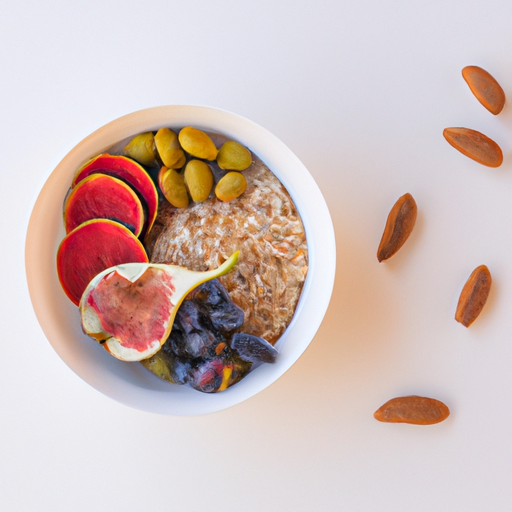
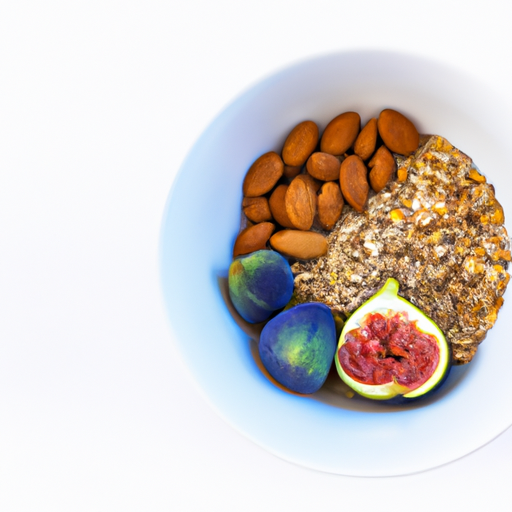
What Cereal Can You Eat On The Mediterranean Diet?

Navigating your breakfast options on the Mediterranean Diet may seem tricky, especially when it comes to cereal choices. In this article, you’ll discover a variety of cereals that align with the principles of the Mediterranean Diet. Don’t worry, maintaining your health doesn’t mean giving up on enjoyability; you’ll learn how to savor wholesome grains with your family while keeping aligned with your dietary lifestyle. Now, let’s talk about the cereals you can happily incorporate into your Mediterranean Diet.

What Cereal Can You Eat On The Mediterranean Diet?

Understanding the Mediterranean Diet

Concept of Mediterranean Diet

The Mediterranean Diet is a meal plan favored by people living in the Mediterranean region. It involves eating foods high in beneficial fats, fiber, and antioxidants and low in processed foods and unhealthy fats. This diet is renowned for its health benefits and delicious flavors.

Principles of Mediterranean Diet

The Mediterranean Diet incorporates fresh fruits, vegetables, seafood, legumes, whole grains, and generous amounts of olive oil. It limits red meat and discourages processed foods and sugary treats. Spices and herbs replace salt, enhancing the overall taste of meals.

Health Benefits of Mediterranean Diet

The Mediterranean Diet is associated with numerous health benefits such as reduced risk of heart disease, cancer, Alzheimer’s and Parkinson’s disease. Additionally, it promotes longevity and helps manage weight effectively.

Importance of Breakfast in Mediterranean Diet

Breakfast: The Most Important Meal

Breakfast, often considered the most important meal of the day, plays a vital role in the Mediterranean Diet. Having a wholesome breakfast not only keeps you energized throughout the day but also kick-starts your metabolism.

Typical Mediterranean Breakfast

A typical Mediterranean breakfast is simple, fresh, and nutritious. It often consists of high-fiber foods like cereals, accompanied by fruits, and protein-rich food such as eggs or yogurt.

Starting the Day Right with Mediterranean Diet

The Mediterranean diet emphasizes starting the day with a balanced breakfast. A well-rounded Mediterranean breakfast, consisting of wholegrain cereals, fruits, and dairy, ensures you receive essential nutrients to maintain optimum energy levels throughout the day.

Cereals in Mediterranean Diet

Cereals: An Integral Part of Mediterranean Diet

Cereals are a pillar of the Mediterranean diet – they’re a source of complex carbohydrates, essential nutrients, and dietary fiber. Foods with cereals such as bread, pasta, rice, and even breakfast cereal can all find a place in your diet.

Choosing the Right Cereal

Selecting the right cereal is crucial. Opt for whole grain cereals that are high in fiber and low in added sugars. They not only provide sustainable energy but also keep you feeling full.

How to Incorporate Cereals in Mediterranean Diet

Integrate cereals into your diet by experimenting with whole-grain bread and pasta, brown rice, or barley. You can also enjoy a bowl of whole grain breakfast cereal or oatmeal.

What Cereal Can You Eat On The Mediterranean Diet?

Healthy Cereal Options for Mediterranean Diet

Whole Grain Cereals

Whole grain cereals are a rich source of fiber and B vitamins. They provide longer-lasting energy compared to refined cereals, helping you feel full and satisfied.

Oats and Barley

Oats and barley, both are excellent cereal options for your Mediterranean style diet. Laden with nutrients and fiber, they contribute to a healthy and hearty breakfast.

Homemade Granola, Muesli and Other Cereal Mixes

Making your own granola and muesli allows you to control the quantity of added sugar and fat that goes into it, ensuring your breakfast aligns with the principles of the Mediterranean diet.

Understanding Nutritional Value of Cereals

Nutrient Content of Cereals

Cereals are rich in essential nutrients including iron, potassium, magnesium, and B vitamins. They’re also a great source of dietary fiber.

Role of Whole Grains in Body Functioning

Whole grains facilitate sound body functioning. The fiber content aids digestion, the presence of essential minerals helps in several biochemical reactions, and B vitamins support the nervous system.

Understanding Food Labels in Choosing Cereals

When shopping for cereals, it’s vital to read food labels. Opt for cereals high in fiber and low in added sugars. Look for products where whole grains are listed as the first ingredient.

Cereal Recipes Suitable for Mediterranean Diet

Whole Grain Pancake Recipe

Whole grain pancakes provide a nourishing start to the day. Pair them with a portion of fruits and a spoon of honey for a balanced meal.

Homemade Granola Recipe

Homemade granola is a healthy and versatile breakfast option. Combine your favorite whole grains, nuts, and a bit of honey, then bake until crispy.

Healthy Muesli Recipe

Muesli combines raw whole grains, dried fruits, and nuts. Mix with yogurt or milk for a complete and nutritious breakfast.

Combining Cereal with Other Mediterranean Diet Ingredients

Mixing Cereal with Fruits

Adding fruits to your cereal enriches your meal with vitamins, minerals, and fiber. Choose from a variety of colorful seasonal fruits for added health benefits.

Cereal with Yogurt or Milk

Combining cereal with yogurt or milk provides you with necessary calcium and protein. It forms a satisfying and wholesome breakfast.

Adding Nuts and Seeds to Cereal

Nuts and seeds provide heart-healthy fats and essential minerals. Add a sprinkle to your cereal to enhance flavor, crunch, and nutrition.

Teaching Kids the Importance of Healthy Eating

Start a Healthy Eating Habit with Kids

Teaching your kids about the Mediterranean diet fosters the foundation of healthy eating habits. Including them in preparing meals gives them a hands-on experience and helps cultivate an appreciation for nutritious food.

Getting Kids Involved in Meal Preparation

Encourage your children to participate in the kitchen. Learning to prepare nutritious meals will instill valuable culinary skills and knowledge of healthy eating.

Educating Kids on the Benefits of Mediterranean Diet

Children should understand the significance of the Mediterranean diet. Demonstrating the correlation between nutritious eating and good health can influence their choices positively as they grow.

Maintaining a Healthy Lifestyle with Mediterranean Diet

Exercising Regularly

Regular exercise aligns with the Mediterranean lifestyle. Coupled with balanced eating habits, exercise can lead to maximum health benefits.

Enjoying Food Preparation and Meal Times with Family

Cooking and sharing meals in the Mediterranean culture is seen as an act of love. It encourages bonding, nourishes connections, and fosters a profound appreciation for wholesome, home-cooked meals.

Sticking to the Mediterranean Diet Long Term

The Mediterranean diet is more than a diet – it’s a lifestyle. Embracing this diet long-term involves appreciating the process of meal preparation, rejoicing meal times with family and loved ones, and maintaining a consistent exercise routine.

Conclusion

Revolutionizing Breakfast with Mediterranean Diet

Incorporating cereals into your Mediterranean style breakfast revolutionizes the way you start your day. It allows you to combine nutrition, taste, and a sense of fulfillment that prepares you for the day ahead.

Sustaining a Mediteranean Lifestyle for Health and Longevity

Adopting the Mediterranean diet and lifestyle can lead to good health and longevity. Bringing the family together for meals creates lasting memories and helps instil wholesome eating habits in children. So, what cereal can you eat on the Mediterranean diet? The answer is simple – go for whole grains, stay clear of added sugars, appreciate the dietary fiber, and please your palate every morning. Look forward to breakfast, the Mediterranean way.

August 7, 2023 Health and Fitness

Are There Disadvantages To The Mediterranean Diet?

In this friendly discourse, we’re going to explore whether there could be potential negatives to adopting a Mediterranean diet. You’ll gain insight on what to consider before transitioning to this healthy lifestyle, while keeping in line with the essence of the Mediterranean diet, which values high-quality food, shared with loved ones. Rest assured, whether benefits outweigh the disadvantages will be outlined to aid your decision-making.

Are There Disadvantages To The Mediterranean Diet?

Understanding the Mediterranean Diet

Definition and Principles

The Mediterranean Diet, as its name suggests, is a food program that’s adapted from the cultures bordering the Mediterranean Sea. It exemplifies a balanced and vibrant diet with an emphasis on whole foods. The significant components include vegetables, fruits, whole grains, lean proteins, particularly fish, olive oil, and moderate amounts of red wine.

Foods And Beverages Allowed

The Mediterranean Diet encourages consumption of a wide variety of plant-based food items. You can enjoy an abundance of fresh fruits and vegetables, whole grains, nuts and seeds, legumes, seafood, herbs, spices, and olive oil. Beverages mainly include water and red wine in moderation unless contraindicated.

Foods And Beverages Discouraged

The diet discourages highly processed foods and refined oils. Red meats should be limited as they are consumed less frequently. Sugary drinks, fast food, and anything with added sugars or saturated fats are ideally avoided or kept to a minimum.

The Health Benefits of the Mediterranean Diet

Cardiovascular Benefits

Adopting the Mediterranean Diet can significantly improve your heart health. It helps manage blood pressure, cholesterol, and triglyceride levels, reducing the risk of cardiovascular diseases.

Weight Management and Diabetes Control

This diet encourages a lifestyle approach to manage weight effectively. By focusing on whole foods and mindful eating, it helps with weight loss, insulin sensitivity, and diabetes control.

Mental Health and Cognitive Function

Research suggests that the Mediterranean diet may have neuroprotective effects and may reduce the risk of Alzheimer’s and Parkinson’s diseases while improving overall cognitive functions.

Longevity and Disease Prevention

The diet’s focus on healthy fats, lean proteins, and antioxidants can contribute to increased longevity and prevent various chronic diseases such as cancer.

Common Misinterpretations of the Mediterranean Diet

Confusion About Fat Content

Some people might think that the Mediterranean Diet is high in fat due to the frequent use of olive oil, nuts, and seeds. However, these are sources of healthy monounsaturated and polyunsaturated fats.

Misunderstanding About Red Meat Consumption

There’s a misconception that red meats aren’t included in this diet. While it’s true that meat is limited, it’s not entirely excluded. The focus is on moderate consumption.

Errors in Portion Size Estimation

Overeating can occur even with healthier foods. Portion control is an essential part of the Mediterranean diet.

Are There Disadvantages To The Mediterranean Diet?

Cons and Disadvantages of the Mediterranean Diet

Potentially High Caloric Intake

Despite its numerous benefits, it’s possible to consume too many calories without realizing it, particularly from fats and carbohydrates.

Meal Preparation Time and Accessibility

Some people may find it challenging to prepare fresh meals regularly or access certain foods, especially in areas where fresh produce is expensive or difficult to obtain.

Challenges in Adapting to New Dietary Habits

Everyone has unique food preferences and routines. The transition to a new diet can be challenging for some, particularly when it involves reducing or eliminating favorite foods.

Addressing the Disadvantages of the Mediterranean Diet

Balancing Caloric Intake With Physical Activity

Keep track of your caloric intake and balance it with regular physical activity. It’s not about restricting or depriving oneself, but maintaining an equilibrium.

Incorporating Mediterranean Diet Principles Gradually

Start small so that the transition feels less overwhelming. Gradually incorporate more fruits, vegetables, and whole grains into your meals.

Making the Diet Affordable and Accessible

Seeking seasonal and local produce can make it more affordable. There are also many online resources that offer easy Mediterranean diet recipes.

Frequently Questioned Areas of the Mediterranean Diet

Seafood Consumption Concerns

There are concerns regarding overconsumption of seafood and the risk of mercury poisoning. However, most seafood recommended in the Mediterranean diet is low on the food chain and has less accumulation of mercury.

Wine and Alcohol Involvement

While the Mediterranean diet involves moderate consumption of wine (particularly red), it’s essential to remember that moderation is key, and alcohol can be avoided entirely based on personal preference or health conditions.

The Mediterranean Diet in a Family Setting

Promotion of Family Bonding and Meal Sharing

The Mediterranean diet is more than just about eating; it’s about enjoying meals with family and reinforcing strong bonding and sharing.

Encouragement of Healthy Habits for Children

By following the Mediterranean diet, you can encourage healthy eating habits among your children. Show them that healthy food can be delicious and satisfying.

Embracing the Mediterranean Lifestyle Beyond Diet

Importance of Regular Exercise

Regular physical activity is an essential part of the Mediterranean lifestyle. Find an activity you enjoy to keep fitness fun and exciting!

Mindful Eating and Enjoyment of Food

Take time to enjoy your food. Think about the flavors, textures, and smell. Mindful eating can lead to better digestion and satisfaction.

Rest and Stress Management

Sleep and relaxation are very crucial. Make plenty of time for rest and engage in stress management activities like yoga, meditation, or simply relaxing with loved ones.

Success Stories and Real-Life Application

Testimonials of Improved Health

Many individuals report significant improvements in overall health after adopting the Mediterranean diet, validating research results.

Inspiring Adoption of the Diet in Different Cultures

The principles of Mediterranean diet can be adapted to any cultural food preferences. Finding your personal approach can motivate others to explore and embrace the diet.

Conclusion: The Mediterranean Diet in Perspective

Weighing the Pros and Cons

Like any diet, the Mediterranean diet has its pros and cons, but by and large, the pros outnumber the cons — especially if you’re in pursuit of long-term health.

Making an Informed Personal Health Decision

Always make dietary decisions based on your personal health status and lifestyle. Understanding this diet’s principles can help you make informed choices that fit your situation best.

Are there disadvantages to the Mediterranean diet? Yes, there could be, especially if not appropriately followed. But the advantages profoundly outweigh the disadvantages when you approach it moderately, making it an excellent choice for maintaining a happy, healthy life.

August 7, 2023 Health & Fitness

Can I Lose 20 Pounds In A Month On Mediterranean Diet?

Welcome! You’re about to learn if it’s possible to shed 20 pounds within a month while savoring the delights of the Mediterranean diet. In this discussion, we’ll explore the various strategies and benefits of this popular diet, all while emphasizing the joy of enjoying high-quality food with family and maintaining long-term health. Stay with us and kick-start your healthy journey.

Can I Lose 20 Pounds In A Month On Mediterranean Diet?

Have you found yourself wondering, “Can I lose 20 pounds in a month on the Mediterranean Diet?” If yes, you are certainly not alone. It’s essential to approach this diet, not as a quick fix for weight loss but as a long-term shift toward a healthier lifestyle.

Can I Lose 20 Pounds In A Month On Mediterranean Diet?

Understanding the Mediterranean Diet

The Mediterranean Diet is a way of eating based on the traditional foods and drinks of the countries surrounding the Mediterranean Sea. The vital elements of this diet include a daily intake of vegetables, fruits, whole grains and healthy fats, weekly intake of fish, poultry, beans, eggs , and a moderate portion of dairy products and a limited intake of red meat.

Core Principles of the Mediterranean Diet

The Mediterranean Diet focuses on whole foods. The primary components of this diet include foods like fruits, vegetables, fish, nuts, and whole grains. The approach is well balanced and emphasizes the importance of wholesome, nutritious foods, eschewing heavily processed options.

How the Mediterranean Diet Promotes Health

Although it’s often referred to as a diet, the Mediterranean Diet is more of a lifestyle that places strong emphasis on physical activity, mindful eating, and savoring each meal, often in the company of family and friends. Because the diet is rich in lean proteins, vitamins, and healthy fats, it can help keep your body healthy and vibrant in many ways.

Busting Weight Loss Myths

Debunking ‘Quick Fix’ Diet Plans

While it may be tempting to try a ‘quick fix’ diet plan promising rapid weight loss, it’s important to understand that these are often deprived of essential nutrients and can lead to unfavorable health consequences.

Understanding Safe and Healthy Weight Loss

Safe weight loss involves making long-term changes in eating and exercise habits. Losing 1–2 pounds per week is considered safe and achievable. Greater weight loss, especially rapid weight loss over short periods, isn’t recommended.

Mediterranean Diet for Weight Loss

Nutritional Content of the Mediterranean Diet

The Mediterranean Diet consists of high amounts of vegetables, fruits, olive oil, beans and seeds, yogurt, and cheese. The focus is on eating whole grains, lean proteins, and healthy fats. Large amounts of red meat and added sugars are limited.

Role of Portion Control in Weight Loss

In addition to the types of food you eat, portion control plays a crucial role. Therefore, even while following a Mediterranean Diet, it’s necessary to keep an eye on portion sizes to ensure a balanced diet.

Can I Lose 20 Pounds In A Month On Mediterranean Diet?

Creating Your Mediterranean Weight Loss Plan

Incorporating Mediterranean Foods into Your Daily Regime

Simple ideas to incorporate Mediterranean foods into your daily diet include: incorporating fruits and vegetables into all meals, eating seafood twice a week, opting for whole grains, using olive oil instead of butter.

Strategizing Your Meals for Optimal Weight Loss

Meal plans can make it simpler to follow the Mediterranean diet. Assemble meals ahead of time so you can just reheat and eat – ensuring a healthy dinner is on your table even on busy weeknights. The aim is to fill half your plate with fruits and vegetables.

Physical Activity and Weight Loss

Importance of Exercise Alongside the Diet

The Mediterranean Diet pairs beautifully with a regular exercise routine. Physical activity, along with a balanced diet, can help you achieve your weight loss goal more efficiently and maintain a healthy weight.

Balancing Physical Activity with Mediterranean Eating Habits

While exercise is an essential component of a healthy lifestyle, so is eating well. The Mediterranean diet focuses on whole, unprocessed foods that fuel the body for physical activity. Balancing a healthy diet with regular exercise can lead to healthier weight loss and management.

Impact on Family’s Eating Habits

Involving Family in Your Mediterranean Diet Journey

Involving your family in your Mediterranean Diet journey doesn’t have to mean forcing everyone to follow a strict calorie counting regimen. Instead, you can start introducing healthier foods into your meals.

Teaching Healthy Eating Habits to Children

Start teaching your children the importance of healthy eating by incorporating a variety of Mediterranean foods into their diets. Regular family meals where healthy foods are served, can be a stepping stone to teaching lifelong healthy eating habits.

Benefits Beyond Weight Loss

Improved Heart Health with the Mediterranean Diet

Research suggests that the Mediterranean diet may help reduce the risk of heart disease. It is also associated with a reduced incidence of other diseases, including Alzheimer’s and Parkinson’s.

Mental Health Benefits Linked to the Mediterranean Diet

Emerging evidence indicates that the Mediterranean Diet may also have benefits beyond physical health, positively influencing mental health. For instance, there is evidence suggesting that the diet may have protective effects against depression.

Possible Challenges and Solutions

Handling Cravings while on the Mediterranean Diet

Cravings can often be a significant hindrance while trying to adhere to a new diet. However, the Mediterranean diet allows for a certain degree of flexibility, which can facilitate your adherence to it.

Tips for Staying Motivated Throughout Your Weight Loss Journey

Positive reinforcement, setting reasonable goals, and celebrating the smaller victories are all great ways to keep yourself motivated.

Realistic Expectations and Goals

Setting Realistic Weight Loss Goals

While it might seem appealing to set-goal to lose 20 pounds in a month, it’s essential to set achievable and realistic weight loss goals. Rapid weight loss is not only difficult but also dangerous.

Understanding That Every Body Reacts Differently to Diet

Each body is unique, and as such, the time it takes to witness the results of this diet can vary. It’s crucial to understand that big changes can’t be achieved overnight and patience is key.

Conclusion: Mediterranean Diet and Weight Loss

Recap of the Effectiveness of Mediterranean Diet for Weight Loss

The Mediterranean Diet can be a useful tool for weight loss due to its focus on balanced eating, but it shouldn’t be considered a rapid weight loss program. Long term commitment and adherence are vital for sustainable weight loss and maintenance.

Summarizing the Overall Health and Lifestyle Benefits

The Mediterranean Diet is not just about weight loss. It’s about fostering enduring and healthy habits around food and exercise. The diet promotes heart health, wellness, and longevity, and can be a cornerstone of a wholesome, balanced lifestyle.

August 7, 2023 Health & Fitness

What To Eat On The Mediterranean Diet To Lose Belly Fat?

Welcome to this enlightening journey where we’ll unravel the secrets of the Mediterranean diet for losing belly fat. In the upcoming article, you’ll glean insights into healthier food options incorporated into this diet and understand their impact on reducing belly fat. This resource will help you adopt healthy eating habits, promote physical activity, and inspire you to cherish meal times with your loved ones, all while taking us one step closer to our fitness goals.

What To Eat On The Mediterranean Diet To Lose Belly Fat?

Understanding the Mediterranean Diet

The Mediterranean Diet, popular around the world, is known for its health benefits, particularly for weight loss and heart health. However, did you know it can also help in specifically losing belly fat? Today, let’s take a deeper dive and answer the question: “What to eat on the Mediterranean Diet to lose belly fat?”

Key Principles of the Mediterranean Diet

At its core, the Mediterranean diet promotes wholesome, nutrient-rich foods, encouraging you to take pleasure in the act of eating while respecting your body’s nutritional needs. This diet centers on the consumption of fruits, vegetables, whole grains, legumes, lean proteins, and a focus on healthy fats. It encourages an active lifestyle and the joy of sharing meals with loved ones.

Origin and Influence

Given its name, it’s no surprise that the Mediterranean diet originates from countries bordering the Mediterranean Sea, including Greece, Italy, and Spain. Over decades, diets from these regions have exhibited patterns of extended life expectancy and reduced risk of heart disease and early death.

Why Mediterranean Diet for Belly Fat Loss?

Numerous research studies suggest that apart from the general weight loss benefits, the Mediterranean diet specifically helps in reducing harmful abdominal fat – the type associated with diseases like type 2 diabetes and heart disease.

Foods to Focus On

Integral to the Mediterranean Diet are certain foods that contribute to its remarkable health benefits.

Role of Fruits and Vegetables

Risk of chronic diseases like heart disease, cancer, and Alzheimer’s significantly decrease by eating a diet rich in fruits and vegetables. They are also instrumental in maintaining a healthy weight given their high fiber content.

Importance of Whole Grains

Whole grains play a significant role in the Mediterranean diet, providing key nutrients like fiber, B vitamins, and a host of other beneficial plant compounds.

Power of Legumes and Nuts

Rich in protein, fiber, and healthy fats, legumes, and nuts help reduce cravings, balance blood sugar, and aid in weight loss.

Crucial Role of Lean Proteins

High-quality lean proteins, especially fish and poultry, provide the necessary energy and muscle-building elements without adding extra unwanted fat.

Appreciating Healthy Fats

Contrary to common belief, not all fats are bad. The Mediterranean diet promotes healthy fats which do not lead to weight gain.

The Wonder of Olive Oil

Arguably the superhero of the Mediterranean diet, olive oil is rich in antioxidants, monounsaturated fats, and anti-inflammatory properties.

Significance of Avocados

Avocados are rich in vitamins, fiber, antioxidants, and healthy fats that help you feel satiated, preventing overeating and snacking.

Omega-3 Rich Fish

Seafood like salmon and mackerel are high in heart-healthy Omega-3 fatty acids and lean protein, which contribute to a healthy weight.

What To Eat On The Mediterranean Diet To Lose Belly Fat?

Spices and Herbs: The Secret Ingredient

Spices and herbs are not just flavor enhancers—they pack a powerful nutritional punch too!

Health Benefits of Mediterranean Spices

Traditional Mediterranean spices like oregano, rosemary, and thyme are anti-inflammatory and loaded with antioxidants.

Popular Herbs Used in Mediterranean Cooking

Herbs like basil, parsley, and mint are used liberally in Mediterranean cooking, enhancing flavor while adding significant health benefits.

Life Beyond Meat

Limiting red meat intake is a key aspect of the Mediterranean diet. As you embrace this lifestyle, you will learn that there is life beyond meat.

Taste and Health Benefits of Seafood

Fish and seafood form the cornerstone of protein intake on this diet, supplying lean and beneficial fatty acids.

Enjoying Dairy in Moderation

The Mediterranean diet does not eliminate dairy but encourages a moderate intake, and favoring options like Greek yogurt and feta cheese over fattier alternatives.

Reducing Red Meat

Opting for poultry over red meat significantly reduces saturated fats, enhancing heart health and contributing to weight loss.

Understanding the Role of Carbs

Carbohydrates are diverse, and it’s essential to know which ones you should welcome to your plate.

Good carbs VS Bad carbs

Whole grain, fiber-rich carbs are beneficial, while refined, sugar-loaded ones contribute to weight gain and health problems.

Reason to Avoid Processed Grains

Processed grains lack the essential nutrients and fiber found in whole grains, leading to higher calorie intake and increased belly fat.

Integrating Exercise into the Mediterranean Lifestyle

The Mediterranean diet acknowledges that food alone isn’t enough for optimal health—you also need to move!

Importance of a Balanced Lifestyle

Exercise complements the benefits of the Mediterranean diet by reducing stress, improving mood, boosting metabolism, and helping to maintain a healthy weight.

Types of Exercise to Incorporate

Simple, enjoyable activities like walking, swimming, or bike riding are encouraged—anything that keeps you active and makes you happy!

How to Develop a Sustainable Eating Habit?

Adopting long-lasting eating habits—ones that you enjoy—is essential to truly experiencing the benefits of the Mediterranean diet.

Meal Planning and Preparation

Taking time to plan and prepare meals makes it easier to follow the Mediterranean diet. It also gives you the opportunity to explore new recipes!

Importance of Mindful Eating

Paying attention to the process of eating, you’ll learn to listen to your body’s hunger and fullness cues.

Incorporating Family Meals

Dining together not only improves relationships but can also contribute to better eating habits and portions control.

Mediterranean Diet: A Family Affair

Healthy habits are more powerful when shared with loved ones!

Instilling Healthy Habits in Children

By involving children in meal planning and preparation, you can instill healthy habits that can last a lifetime.

Role of Family Meals

Eating together promotes healthier choices and helps children develop a positive relationship with food.

Incorporating the Mediterranean Diet into Everyday Life

The Mediterranean Diet isn’t about drastically changing your lifestyle—it’s about making small, sustainable changes for overall health and wellbeing.

Conclusion

The Mediterranean Diet offers numerous long-term benefits. Apart from weight loss, it can significantly improve cardiovascular health, reduce the risk of chronic diseases, and enhance general wellbeing. As a father, JD knows the importance of providing quality meals for his family and maintaining a sustainable, healthy lifestyle. It’s time to embrace the Mediterranean diet and experience the benefits yourself! Remember, it’s a balanced, enjoyable lifestyle—not just a diet.

August 7, 2023 Health & Fitness

Can You Lose Belly Fat On The Mediterranean Diet?

As an enthusiastic advocate of the Mediterranean diet, JD is eager to explore with you the potential benefits of this dietary plan, specifically focusing on its impact on belly fat loss. In this article, you’ll learn how the Mediterranean diet can contribute to a healthier waistline, the significance of combining healthy eating habits with regular exercise, and how enjoying high-quality food with family and friends can uplift your health and life’s quality.

Can You Lose Belly Fat On The Mediterranean Diet?

Understanding the Mediterranean Diet

Definition and Origins of the Mediterranean Diet

The Mediterranean diet primarily focuses on consuming fruits, vegetables, whole grains, lean proteins, healthy fats, and a moderate intake of red wine. This dietary pattern originates from countries bordering the Mediterranean Sea, including Italy, Greece, and Spain, and emphasizes local produce, seafood, and heart-healthy olive oil.

The Major Food Elements in the Mediterranean Diet

The Mediterranean diet encompasses a variety of foods that are nutrient-rich and beneficial for the human body. These include fruits and vegetables, legumes, whole grains, fish, lean meats, olive oil, and nuts. It also suggests consuming dairy products like cheese and yogurt in moderation.

Why the Mediterranean Diet is Considered Healthy

The Mediterranean diet is recognized worldwide as one of the healthiest diets due to its balanced approach towards nutrition. Its emphasis on fruit and vegetable consumption ensures that your body receives a broad range of essential vitamins and minerals. The mix of lean proteins, healthy fats and grains provide the necessary components for overall health.

The Link Between Mediterranean Diet and Fat Loss

How the Mediterranean Diet Supports Weight Loss

The Mediterranean diet’s fundamental principles endorse foods rich in fiber, which aids digestion and keeps you feeling fuller for longer, thereby deterring overeating. The healthy fats like omega-3 fatty acids found in fish and unsaturated fats present in olive oil play a critical role in weight management.

Specific Influence of the Mediterranean Diet on Belly Fat

An important aspect of the Mediterranean diet is its impact on belly fat. The diet encourages the intake of monounsaturated fats known to target abdominal fat. Foods rich in soluble fiber also contribute to reducing belly fat by making you feel full and curbing hunger pangs.

The Science behind Losing Belly Fat on the Mediterranean Diet

Understanding the Role of Healthy Fats

Healthy fats, predominantly found in the Mediterranean diet, play a pivotal role in the body. They not only give your body energy, but also support your heart, lungs, immune system, and hormones. Monounsaturated fat and polyunsaturated fat, both present in the diet, have proven benefits for reducing harmful LDL cholesterol and increasing good HDL cholesterol, thereby aiding in reducing belly fat.

The Importance of Portion Control

Despite the health benefits of the Mediterranean diet, portion control is crucial for weight management. Moderate portions of nutrient-rich foods ensure that you get maximum health benefits without loading up on unnecessary calories.

The Impact of Regular Exercise

While a healthy diet forms a significant part of the journey towards weight loss, regular physical activity complements it. Integrating daily exercise with the Mediterranean diet can boost the process of melting away belly fat.

Can You Lose Belly Fat On The Mediterranean Diet?

Adopting the Mediterranean Diet for Weight Loss

Key Steps to Start the Mediterranean Diet

To begin your journey with the Mediterranean diet, start by increasing your intake of vegetables and fruits. Gradually replace butter with olive oil, increase your consumption of legumes, nuts, and seeds, switch to whole grains, and limit your intake of red meat.

Maintaining the Mediterranean Diet Long-Term

Sustaining the Mediterranean diet requires lifestyle changes more than a temporary shift in eating patterns. Embrace the aromatic flavors of Mediterranean cuisine, experiment with various recipes, and develop a taste for fresh and healthy ingredients.

Balancing the Mediterranean Diet with Regular Fitness Regime

Maintaining an active lifestyle alongside the Mediterranean diet is key. Regular exercises like brisk walking, swimming, cycling, or any other physical activity that you enjoy can greatly enhance your weight loss journey.

Healthy Eating Habits for Fat Loss on the Mediterranean Diet

Tips for Healthy Eating

Healthy eating begins with mindful choices. Pay attention to your hunger and fullness cues, eat a variety of foods to get a wide range of nutrients, choose whole foods over processed ones, and aim for balanced meals every time.

Avoiding Processed Foods

The Mediterranean diet focuses on fresh, minimally processed foods packed with nutrients. Processed foods are often high in sugars, fats, and sodium, which undermine your weight loss efforts.

Benefits of Drinking Plenty of Water

Staying hydrated is vital for overall health, and it supports weight loss by helping maintain a healthy metabolism. Replacing sugary drinks with water reduces calorie intake and aids digestion.

The Role of Family in Maintaining the Mediterranean Diet

Sharing Healthy, High-Quality Meals with Family

Sharing meals with family not only fosters bonding, but also encourages healthy eating habits. On the Mediterranean diet, you can create flavorful, nutritious meals that everyone can enjoy together.

Creating Healthy Mediterranean Food Together

Cooking together as a family can turn meal preparation into a fun activity. It is also a great way to educate your children about the importance of healthy eating habits.

Teaching Children about Healthy Eating Habits

The Mediterranean diet provides a convenient platform to teach your kids about nutritious foods. Cultivating an appreciation for fruits, vegetables, and whole grains from a young age can establish lifelong healthy eating habits.

Case Studies: Success Stories of Belly Fat Loss on Mediterranean Diet

Inspiring Weight Loss Stories

There are numerous anecdotal success stories about belly fat loss on the Mediterranean diet. Such personal experiences inspire and motivate others to adopt this healthy lifestyle.

Long-Term Benefits Experienced by Individuals

Apart from weight loss, individuals on the Mediterranean diet have reported improved heart health, better digestion, more energy, and enhanced quality of life.

Real Life Advantages of Physical Activity and Balanced Diet

People actively following the Mediterranean diet and regular physical activity regimen have noticed a significant improvement not only in their body weight, but also in their overall fitness levels.

Challenges and Solutions While Following the Mediterranean Diet

Facing and Overcoming Initial Weight Loss Plateaus

While following the Mediterranean diet, you might encounter weight loss plateaus. Overcoming such obstacles involves tweaking your diet and workout routines, maintaining a food journal, and ensuring adequate sleep.

Dealing with Dietary Restrictions and Allergies

If you have certain dietary restrictions or allergies, consult a nutritionist or health professional to tailor the Mediterranean diet accordingly.

Making the Diet Work with a Busy Lifestyle

Planning and meal prepping can help you stick to the Mediterranean diet even with a busy schedule. Keeping healthy snacks on hand can prevent you from resorting to unhealthy options when on the go.

The Sustainability of the Mediterranean Diet

The Environmental Impact of the Mediterranean Diet

The Mediterranean diet is not just good for your body, but also for the environment. Consuming local and seasonal produce reduces the carbon footprint, making this diet an eco-friendly choice.

Incorporating the Mediterranean Diet into Various Lifestyles

With its flexibility and variety, the Mediterranean diet can be easily adapted into different lifestyles and dietary preferences.

Is the Mediterranean Diet Economically Feasible?

While certain aspects of the diet may appear costly, such as olive oil and fresh fish, there are many cost-effective ways to follow this diet, like buying seasonal produce, opting for canned or frozen fish, and buying grains and legumes in bulk.

Conclusion: Belly Fat Loss and Beyond

The Overall Health Benefits of the Mediterranean Diet

The Mediterranean diet is more than just a diet; it’s a lifestyle, offering countless health benefits. From reducing the risks of heart disease and diabetes to promoting healthy body weight, it provides a holistic approach to better health and well-being.

Embracing a Healthier Lifestyle for the Family

Adopting the Mediterranean diet as a family encourages healthy eating habits. Teaching children the importance of nutritious foods not only helps them maintain a healthy weight but also reinforces lifelong healthy eating habits.

Reaffirming that Losing Belly Fat is Possible with Mediterranean Diet

Yes, you can lose belly fat on the Mediterranean diet! With a balanced approach to nutrition and a focus on healthy, wholesome foods, this diet can help you successfully manage weight and achieve a healthier lifestyle.

August 7, 2023 Health & Fitness

Do You Lose Weight On The Mediterranean Diet?

In this journey, we’ll explore the intriguing question: Can you lose weight on the Mediterranean diet? Together, we will untangle the facts and myths, helping you gain a comprehensive understanding of this popular diet. By the end, you’ll walk away not just with knowledge about weight loss potential, but also insights into the myriad health benefits this diet offers, and the importance of sharing nutritious meals with your loved ones. Get ready for an enlightening exploration into the world of the Mediterranean diet.

Do You Lose Weight On The Mediterranean Diet?

Understanding Mediterranean Diet

Basics of the Mediterranean Diet

Welcome! If you’re seeking long-term well-being and health, the Mediterranean Diet could be your answer. This is not your typical restrictive diet, but rather a lifestyle commitment. The focus is on consuming primarily plant-based foods – think fruits, vegetables, whole grains, legumes, nuts, and olive oil. Seafood and poultry are eaten moderately, while red meat is limited.

Key principles of Mediterranean Diet

The main principles of the Mediterranean diet revolve around natural, minimally processed foods. The diet eliminates or reduces intake of processed foods, sugary beverages, deep-fried foods, fast foods, and industrially produced trans fats. Instead, it prioritizes high-quality proteins, healthy fats, and nutrient-dense carbohydrates. Healthy fats from olive oil, nuts, and avocados are preferred over unhealthy trans and saturated fats.

Role of Mediterranean Diet in Weight Loss

Balancing Calorie Intake

One of the factors contributing to weight loss while on the Mediterranean Diet is a balanced calorie intake, which focuses on nutrient-rich foods. Consuming high volumes of fruits and vegetables helps to control hunger, while still providing your body with the necessary nutrients.

Effect on Metabolism

The diet can impact metabolism by providing the body with healthy fats like Omega-3 fatty acids, found in fish, nuts, and olive oil. These fats are known to enhance metabolism, thereby contributing to weight loss.

Role of Fiber in this Diet

The Mediterranean Diet is high in fiber, which aids a feeling of fullness, reducing the desire to overeat. Foods like fruits, vegetables, whole grains and legumes are fiber-rich, helping you stay satiated and aiding in digestion.

Exercises with the Mediterranean Diet

Mediterranean Diet and Exercising

The Mediterranean Diet and exercise go hand in hand. While the diet fuels your body with nutrient-dense foods, regular exercise helps burn calories and build muscle. Together, they form a strong alliance for losing weight and promoting overall health.

Diet and Fitness: The Perfect Combination

The Mediterranean Diet provides the needed energy for engaging in regular physical activities. It encourages a balanced lifestyle that includes not just eating nutrient-dense food but also staying physically active and enjoying meals with friends and family.

Do You Lose Weight On The Mediterranean Diet?

Family & Mediterranean Diet

Incorporating Family into your Diet Plans

As mentioned, the Mediterranean Diet is more than a diet; it’s a lifestyle. This includes sharing high quality food with your family. By incorporating this diet into your family meal planning, you are setting everyone up for better health while also teaching your kids the value of nutritious eating.

Teaching Healthy Eating Habits to Kids

Kids often follow the eating habits of their parents. By emphasizing the importance of the Mediterranean Diet and why you, as a parent, follow it, you can guide your kids toward making better food selections and developing long-lasting healthy habits.

Long-Term Health Benefits of the Mediterranean Diet

Beneficial Effects on Heart and Metabolic Health

The Mediterranean Diet promotes heart health by lowering the levels of “bad” LDL cholesterol and raising the levels of “good” HDL cholesterol. Its emphasis on whole grains, lean protein, and healthy fats can lead to improved metabolic health.

Slowing Down Aging Process with Diet

The Mediterranean Diet is rich in antioxidants, which are known to slow down the aging process. They fight against oxidative stress and inflammation, key factors that contribute to aging.

Psychological Benefits of the Mediterranean Diet

Improving Mental Health

Did you know that your diet can significantly impact your mental health? The rich nutrients found in the Mediterranean Diet not only nourish your body but they also enhance your mood, reduce stress, and can potentially lower the risk for conditions like depression and anxiety.

Importance of Balanced Diet in Reducing Stress

Maintaining a balanced diet is critical when it comes to managing stress. The Mediterranean Diet ensures an adequate intake of various nutrients that help control the body’s stress response.

Sample Meal Plans

Healthy and Quick Meal Ideas

A cooking guide and meal plan could help make the transition to the Mediterranean Diet smoother. You can begin with simple recipes that include Greek salads, grilled fish or chicken with a side of whole grains and vegetables for a quick, healthy meal.

Delicious Mediterranean Recipes for Weight Loss

There are numerous tasty, weight-loss-friendly Mediterranean recipes that you can incorporate into your diet like bean salads, seafood pasta, and falafel.

Making the Diet a Permanent Lifestyle Change

Transitioning to the Mediterranean Lifestyle

The key to long-term success with this diet is making it a part of your lifestyle. Once you witness the positive effects on your health and well-being, you’re more likely to maintain it long-term.

Maintaining the Diet Long-Term

To make the Mediterranean Diet a long-term commitment, you will need to make sustainable changes that align the diet with your lifestyle and food preferences.

Mistakes to Avoid while Following the Mediterranean Diet

Common Pitfalls and Misunderstandings

Like any diet, there are common mistakes that can hinder the benefits, like not getting enough variety in your diet, skimping on exercise, or reverting back to high processed food. Recognizing these pitfalls can help ensure you stick to the guidelines of the diet.

Correct Portion Sizes and Overeating

Despite the focus on healthy foods, overeating is still possible. Pay attention to portion sizes and aim for balance in your meals.

Conclusion

Lasting Weight Loss with the Mediterranean Diet

Yes, you can lose weight with the Mediterranean Diet! With its focus on quality nutrition, you’ll not only shed unwanted pounds but also enjoy an array of health benefits.

Revitalizing Health and Relationships through Diet

While you work on revitalizing your health, the Mediterranean Diet also places high importance on sharing meals with loved ones. That means not only points for health, but also for building stronger relationships.

So, ready to embark on this Mediterranean journey to better health and wellness?

August 7, 2023 Food & Cuisine

What Is Mediterranean Dinner Time?

In this friendly discussion, you’re about to explore the concept of Mediterranean dinner time. You’ll get to understand its significance, how it’s uniquely intertwined with the Mediterranean lifestyle and diet, and the crucial role it plays in fostering healthy eating habits. Remember, this isn’t just about a meal; it’s about quality time with your loved ones, enjoying amazing food, and keeping that healthy glow. So, ready to shed some light on Mediterranean dinner time? Let’s get started!

What Is Mediterranean Dinner Time?

Understanding the Mediterranean Dinner Time

You might be puzzled about what Mediterranean dinner time means when you first hear it. To some, it may sound like a simple reference to the time of day people in the Mediterranean region have dinner. However, it’s much more than just a mealtime, it involves a lifestyle choice, a cultural tradition, and a healthful habit.

Unique Aspects of Mediterranean Dinner Time

Unlike the typical rushed dinners you might be accustomed to, Mediterranean dinners are a leisurely affair. The dinner time in Mediterranean countries is much later compared to North America, typically starting between 8:30 PM to 10:00 PM.

Typical Mediterranean Dinner Timing

Interestingly, in Mediterranean regions like Spain, Italy, and Greece, the day is divided differently. Dinner usually starts late in the evening and is lighter compared to lunch, which is the big meal of the day.

Key Components of a Mediterranean Dinner

Mediterranean cuisine hinges on fresh, wholesome ingredients cooked in a way that combines flavors and nutrients magnificently.

Whole Grains and Fresh Produce

A typical Mediterranean dinner includes a bounty of whole grains, fruits, vegetables, and legumes. These foods provide a rich source of vitamins, minerals, and fiber that aids digestion and promotes health.

Lean Proteins

Fish, lean meats, and poultry form the primary source of protein. These are cooked with various spices and herbs that contribute to the wide variety of flavors in Mediterranean cuisine.

Healthy Fats

The use of healthy fats, particularly olive oil, is a trademark of the Mediterranean diet. Nuts and seeds also contribute to the intake of beneficial fats.

The Social Aspect of Mediterranean Dinner Time

Sharing Food with Loved Ones

Mediterranean dinner time is about more than just the food; it’s also about the joy of sharing food with loved ones. In Mediterranean cultures, dinner is often a leisurely, communal event where families and friends gather, allowing for conversation, laughter, and bonding.

Cultural Traditions and Customs

Each Mediterranean country has its cultural traditions and customs related to dinner time. For example, Greeks traditionally enjoy their ‘volta’, an evening stroll before dinner.

What Is Mediterranean Dinner Time?

Exercise and the Mediterranean Lifestyle

Physical Activity in Daily Routine

Physical activity and exercise are integral parts of the Mediterranean lifestyle. Exercise is not just about visiting the gym regularly but incorporating simple physical activities in your daily routine.

Benefits of After-Dinner Strolls

An after-dinner walk, or ‘passeggiata’, is a common custom in many Mediterranean regions. This not only aids digestion but also serves as a pleasant way to wrap up the day.

Health Benefits of a Mediterranean Dinner

Promotion of Heart Health

The Mediterranean diet is renowned for promoting heart health, thanks to the abundant use of fruits, vegetables, whole grains, lean proteins, and healthy fats.

Weight Management and Diabetes Control

It’s also an excellent choice for weight management, diabetes control, and overall well-being.

Cooking a Mediterranean Dinner

Must-have Ingredients

With a few staple ingredients like olive oil, whole-grain bread, fresh produce, lean proteins, and a selection of herbs and spices, you can create a delicious and heart-healthy Mediterranean dinner at home.

Easy and Healthy Mediterranean recipes

Try preparing dishes like Greek salad, lentil soup, grilled fish, or a tomato and cucumber salad, each bursting with flavors and nutrients.

Maintaining Consistency in Mediterranean Diet

Balancing Flavors and Nutrients

Balancing diverse flavors and nutrients is paramount in the Mediterranean diet. A wide variety of foods and cooking methods ensures you get all necessary nutrients in your meals.

Healthy Substitutions and Alternatives

Substitute unhealthy ingredients with healthier alternatives, like using whole grain bread instead of white bread, or olive oil instead of butter.

Integrating the Mediterranean Diet into the Family

Educating and Including Children in Preparation

Including children in meal preparations and educating them about the importance of wholesome foods is a great way to instill healthy eating habits.

Setting an Example through Meal Times

By adopting a Mediterranean diet yourself, you can set a powerful example for your kids and make family meal times a resource for lifelong lessons.

Challenges/Constraints and How to Overcome Them

Time Management

Planning meals ahead and investing in a few key kitchen tools can save time and make cooking more enjoyable.

Lifestyle Adjustment Issues

Patience and consistency are key when introducing new eating habits. Start small, perhaps by introducing a Mediterranean dish once a week, and gradually increase as per your family’s acceptance.

Conclusion to Embracing Mediterranean Dinner Time

Long Term Benefits to Health

Embracing Mediterranean dinner habits can have an enduring impact on your health, from better heart health to weight management to improved overall wellness.

Building Strong Family Bonds Over Good Food

More than just a meal, the Mediterranean dinner time encompasses a priceless opportunity to create strong family bonds over good food, nurturing conversation, and shared experiences. So why not start experiencing the magic of Mediterranean Dinner Time in your home?

August 7, 2023 Food and Dining

What Does A Mediterranean Menu Look Like?

In this friendly discussion, you are about to discover what a Mediterranean menu looks like. We’ll guide you through the world-renowned Mediterranean diet, its benefits, and the emphasis it places on high-quality food, family meals, and healthy habits. As you learn from JD’s perspective as a father and health enthusiast, you’ll gain insights into how embracing this lifestyle can have long-term benefits for you and your loved ones. Get ready for a mouth-watering journey through the Mediterranean culinary world.

What Does A Mediterranean Menu Look Like?

The Mediterranean diet, renowned for its health benefits and vibrant flavors, is a lifestyle rather than just a dietary pattern. It emphasizes high-quality foods, regular exercise, and sharing delicious meals with family and friends. If you’ve ever asked yourself, “What does a Mediterranean menu look like?” you’re about to find out!

What Does A Mediterranean Menu Look Like?

Key Components of a Mediterranean Menu

Importance of Healthy Eating Habits

The Mediterranean diet raises the bar for healthy eating. It’s not about denying yourself certain foods or counting calories. Instead, it’s about nourishing your body with whole, natural foods and enjoying each meal.

Emphasis on High Quality Food

The Mediterranean menu underlines the importance of choosing quality over quantity. This means selecting fresh produce, lean proteins, wholesome grains, and heart-healthy fats, which all contribute to a nutritionally-dense, flavorful meal.

Incorporation of Daily Exercise

Daily exercise is as integral to this lifestyle as eating well. This does not necessarily imply strenuous workouts. Regular walks, gardening, or any other physical activities bringing joy are encouraged.

Detailed Breakdown of a Mediterranean Meal

Characteristics of a Typical Breakfast

A Mediterranean breakfast focuses on simplicity and nutrient density. It often includes whole grains, fruits, a small number of nuts, and perhaps a portion of dairy such as Greek yogurt.

Features of a Mediterranean Lunch

Lunch may consist of a colorful salad drizzled with olive oil, a serving of lean protein like chicken or fish, a portion of whole grains, and a side of fresh fruits.

Components of a Healthy Dinner

Dinner might feature an herby baked fish paired with quinoa and a medley of roasted vegetables, rounded off with a fresh fruit salad for dessert.

Variety in a Mediterranean Diet

Inclusion of Multiple Types of Grains

Grains are a dietary mainstay. Whole grains over refined grains are always preferred as they are richer in fiber, protein, and other vital nutrients.

Diverse Array of Fruits and Vegetables

A Mediterranean diet encourages consuming a variety of fruits and vegetables daily. These may be eaten fresh, grilled, or cooked with minimal oil.

Variety of Lean Proteins

Lean proteins like fish, poultry, legumes and beans are staple protein sources in a Mediterranean menu.

What Does A Mediterranean Menu Look Like?

The Role of Dairy in a Mediterranean Diet

Frequency of Dairy Consumption

Dairy products such as Greek yogurt and cheese are included daily, but in moderate amounts. They contribute to your protein intake and add a tangy element to meals.

Preferred Types of Dairy Products

The Mediterranean diet recommends lower fat dairy options. Fermented dairy products, such as Greek yogurt and cheese, which aid gut health, are popular choices.

Fats and the Mediterranean Diet

Preference for Healthy Fats

Healthy fats are highly valued in a Mediterranean diet. Foods like olives, avocados, nuts, and seeds provide these fats and add satisfying flavors and textures to meals.

Role of Olive Oil

Olive oil is the principal fat source, used in cooking, drizzling over dishes, or as a salad dressing base. It’s rich in monounsaturated fats, contributing to heart health and longevity.

Seasonal Eating and the Mediterranean Diet

Adapting the Menu for Different Seasons

The Mediterranean menu is flexible and seasonal. It involves savoring produce when they are at their most flavorful and nutrient-rich stage – during their peak season.

Benefits of Seasonal Eating

Eating seasonally supports varied nutrient intake and strengthens the connection with nature’s rhythm. Plus, produce is often cheaper when in season, benefiting your wallet too.

Sharing Mediterranean Meals with Family

Creating a Bond over Quality Food

Sharing meals strengthens the bond among family members and friends. The focus is not only on the food but also the conversations, laughter, and joy that tend to float around the dining table.

Promoting Healthy Eating Habits in Children

The Mediterranean diet offers an excellent platform to introduce children to a variety of foods and help establish lifelong healthy eating habits.

Impact of a Mediterranean Menu on Long-Term Health

Contributions to Cardiovascular Health

A Mediterranean diet may reduce the risk of developing cardiovascular diseases, thanks to the combination of omega-3 fatty acids, antioxidants, and anti-inflammatory compounds present in the foods.

Potential Influence on Longevity

The longevity of people from the Mediterranean regions is often attributed to their local diet and lifestyle habits. Heart-healthy fats, lean proteins, and copious amounts of fruits and vegetables are thought to contribute to a greater lifespan.

Resource Guide for Adopting a Mediterranean Menu

Available Online Resources

There is a wealth of resources online to help you get started on your journey into the Mediterranean diet. From easy-to-follow meal plans, grocery lists, and countless recipe blogs, you have the world at your fingertips.

Useful Cookbooks and Recipe Sites

For recipe inspiration, a plethora of cookbooks, such as ‘The Complete Mediterranean Cookbook’ by America’s Test Kitchen, offer exotic, simple, and nutritious recipes. Websites like The Mediterranean Dish and Olive Tomato provide authentic recipes with step-by-step instructions.

Conclusion

Summary of the Importance of a Mediterranean Menu

The Mediterranean menu embraces high-quality, nutritious foods in a varied and flexible approach. It goes beyond mere eating, encapsulating an attitude of savoring flavors, cherishing mealtimes and living an active life.

Reflection on the Impact of Diet on Lifestyle and Well-being

Adopting a Mediterranean menu can bring numerous benefits to your life, from improved health to enhanced familial bonds over shared meals. Remember, it’s not just about the diet, but the lifestyle that accompanies it. So, are you ready to give it a shot?

August 7, 2023 Health & Wellness

What Are The Do’s And Don’ts Of The Mediterranean Diet?

Navigating the intricate world of the Mediterranean Diet? Well, you’re in luck! This article will provide you valuable insights into the do’s and don’ts of this lifestyle. Rest assured, by the end of this piece, you’ll have a better understanding about the benefits of the Mediterranean Diet, not only for maintaining your health long term, but also for developing healthy eating habits for you and your family. Let’s jump in!

What Are The Do’s And Don’ts Of The Mediterranean Diet?

What Are The Dos And Donts Of The Mediterranean Diet?

Understanding the Mediterranean Diet

Definition of the Mediterranean Diet

The Mediterranean Diet is an eating philosophy based on the traditional cuisines of countries bordering the Mediterranean Sea. It emphasizes the consumption of fruits, vegetables, whole grains, legumes, and healthy fats and includes moderate amounts of wine, lean proteins, and dairy products.

Origins and cultural significance

The Mediterranean Diet’s roots are deep within the cultures of Greece, Spain, Italy, and Morocco, among others. These societies have long understood the powerful link between food and health. The Mediterranean Diet is not just about food, though — it also values communal eating, physical activity, and overall wellbeing.

Health Benefits of the Mediterranean Diet

The impact on cardiovascular health

Research shows that the Mediterranean Diet substantially reduces the risk of cardiovascular disease. It’s no secret that heart-friendly monounsaturated fats found in olive oil, avocados, and nuts are key components of this diet.

Benefits for weight management

The Mediterranean Diet can also help you manage your weight, thanks to its emphasis on lean proteins, whole grains, and filling fiber from fruits and vegetables, which can help you feel satisfied for longer periods.

Longevity and overall wellness

The Mediterranean Diet supports longevity and overall wellness. It’s rich in antioxidants, promotes brain health, aids digestion, and is anti-inflammatory — all benefits that can contribute to a healthier, longer life.

Key Components of the Mediterranean Diet

Importance of fruits and vegetables

You should aim to fill half your plate with fruits and vegetables — they’re a cornerstone of the Mediterranean Diet. They’re packed with vitamins, fiber, and antioxidants.

Role of whole grains

Whole grains provide healthy complex carbs for energy and fiber for satiety. The Mediterranean Diet prefers grains in their whole, unprocessed form.

Emphasis on healthy fats

The Mediterranean Diet is rich in healthy fats, like those from olive oil, nuts, and fish. These monounsaturated and polyunsaturated fats can reduce bad cholesterol levels and offer heart benefits.

What Are The Dos And Donts Of The Mediterranean Diet?

Do’s of the Mediterranean Diet

Choosing whole foods over processed foods

Opt for fresh, whole foods instead of highly processed items. Processed foods often contain additives and high levels of salt and sugar.

Prioritizing plant-based proteins

Favor beans, nuts, and seeds as your primary protein sources. These plant-based proteins contain beneficial fats and fiber.

Regular intake of seafood

Enjoy seafood at least twice weekly. Fish like salmon, sardines, and mackerel are rich in heart- and brain-friendly omega-3 fatty acids.

Don’ts of the Mediterranean Diet

Avoiding excessive meat consumption

Keep your intake of red meat to a minimum, and opt for lean types like poultry when you consume meat.

Minimizing intake of saturated and trans fats

Saturated and trans fats in foods like butter, cheese, and fatty meats can raise your cholesterol and increase your heart disease risk. The Mediterranean Diet favors healthy fats instead.

Restricting refined sugars and starches

Cut down on sugary drinks, sweets, and refined-grain products. These food items can cause spikes in blood sugar and contribute to weight gain.

Incorporating the Mediterranean Diet into Family Meals

Ensuring variety and balance

Incorporate a mix of colorful fruits and vegetables, whole grains, lean proteins, and healthy fats in each meal. This ensures variety and balance.

Preparing meals together

Include the family in meal prep — it’s a great way to spend time together and promotes healthier eating habits.

Promoting mindful eating

Encourage everyone in the family to eat slowly and savor every bite. It’s not just about what you eat, but also how you eat.

Exercise and the Mediterranean Lifestyle

Promotion of regular physical activity

Regular physical activity is a crucial part of the Mediterranean lifestyle, just as important as sticking to a healthy diet.

How exercise complements the Mediterranean Diet

Exercise boosts your mood, keeps your heart healthy, and helps you maintain a healthy weight. Combined with the Mediterranean diet’s abundant health benefits, you’re laying the foundation for a longer, healthier life.

Critiques and Common Misconceptions about the Mediterranean Diet

Addressing concerns about fat content

Yes, the Mediterranean Diet encourages eating fats, but these are healthy types — monounsaturated and polyunsaturated fats that promote heart health.

Dispelling the myth that diet alone can ensure health

While the Mediterranean Diet is incredibly healthy, it should be just one part of a holistic approach to wellness. Regular exercise, adequate sleep, and stress management are all vital.

Adapting to the Mediterranean Diet

Transitioning from a Western diet

If you’re used to eating a Western diet, transitioning to the Mediterranean diet can seem daunting. Start small by adding more fruits and vegetables to your meals and using olive oil instead of butter.

Tips for maintaining the diet long-term

Remember, the Mediterranean Diet is more about lifestyle changes than quick fixes. Be patient and persistent, and seek out support from loved ones to keep you encouraged.

Conclusion

Bringing together diet, exercise, and family meals

The Mediterranean Diet encompasses more than just what you eat. It’s also about how you live. Regular exercise, enjoying meals with family and friends, and taking time for yourself are all part of the picture.

The role of the Mediterranean Diet in lifelong health

By following the do’s and don’ts of the Mediterranean Diet, you and your family can take essential steps toward lifelong health. It’s more manageable than you might think, and the benefits make it entirely worth it.

As you embark on your Mediterranean journey, take time to enjoy the flavors, the process, and most importantly, the joyous moments with your loved ones around meals. After all, that’s just as much part of the Mediterranean lifestyle as olive oil and fresh veggies are!

  • « Go to Previous Page
  • Go to page 1
  • Interim pages omitted …
  • Go to page 41
  • Go to page 42
  • Go to page 43
  • Go to page 44
  • Go to page 45
  • Interim pages omitted …
  • Go to page 64
  • Go to Next Page »

Primary Sidebar

Hey y’all!

Hello and welcome to MediterraneanDietRecipes.net My name is JD, and I’m a 46-year-old father of three amazing children. My family is my world, and my main goal in life is to stay healthy and live long enough to see my children grow up, have children of their own, and to be an active, engaged, and supportive grandparent.

Being an older father, I understand that time is precious, and I want to make the most of it by ensuring that I am in the best possible shape physically, mentally, and emotionally. My journey started with a deep dive into the research on longevity and the lifestyle choices that can help me achieve my goals. Dig deeper →

Footer

Stay Connected

  • Bloglovin
  • Facebook
  • Instagram
  • Pinterest
  • Twitter

Copyright © 2026 · MEDITERRANEAN DIET RECIPES